Tag: China

  • Levi Strauss ‘deliberate’ in moving production away from China

    Levi Strauss ‘deliberate’ in moving production away from China

    Levi Strauss & Co has been “deliberate and diligent” in moving production out of China because of uncertainty hanging over tariffs on goods imported from China, CEO Chip Bergh has told Reuters in an interview.

    Just 1 percent or 2 percent of Levi’s product sold in the US are manufactured in China, Bergh said, compared to 16 percent two years ago. Bergh was speaking one day before President Donald Trump said he would impose tariffs on another US$300 billion of Chinese goods, including apparel.

    Trump has used tariffs as a tool to negotiate better trade terms, saying bad deals cost millions of US jobs. Along with apparel, the new tariffs hit consumer goods such as electronics and toys and come in addition to those already imposed on $250 billion of other goods imported from China.

    The on-again, off-again nature of the US tariffs on Chinese goods had created uncertainty for many US retailers, Bergh said.

    “Every day is a new day,” he said. “Sometimes it looks like it’s definitely going to happen and then other days you think it’s off, it’s not going to happen.”

    San Francisco-based Levi’s, which returned to the public markets in March, is part of a wave of retailers that have been shifting supply chains out of China to countries such as Vietnam and Bangladesh. The trend was initially in response to higher Chinese wages but the exodus is expected to be accelerated by the new tariffs, which Trump said will go into effect September 1.

    They are expected to increase consumers’ costs and have an impact across the entire retail industry.

    Apparel retailers like Gap Inc, shoes and accessories brand Steve Madden and department store Macy’s have also acted to move production out of China.

    However, China still is a big supplier to the industry with 42 percent of apparel and 69 percent of footwear sold in the US made in China, according to the American Apparel and Footwear Association.

    Following the latest tariff news, several large retail trade groups warned the levied tariffs will hurt consumer purchases, raise prices and limit hiring.

    Levi’s has two of its own factories in Poland and South Africa but mostly uses third-party vendors or suppliers spread across 22 different countries, said Bergh, who joined the company in September 2011.

    “We’ve narrowed down our supplier base during the time that I’ve been here to really develop deeper, more strategic relationships with many of our suppliers,” he said.

    Many of Levi’s suppliers in China are publicly traded companies that have multi-country footprints, said Bergh, that have diversified risk by building factories in places like Vietnam and Cambodia.

    Levi’s also has put contingency plans in place “not just for China but also for Mexico in the event that NAFTA gets ripped up in a moment of rage or something,” Bergh said.
  • Singapore supermarket operator Sheng Siong reports profit boost

    Singapore supermarket operator Sheng Siong reports profit boost

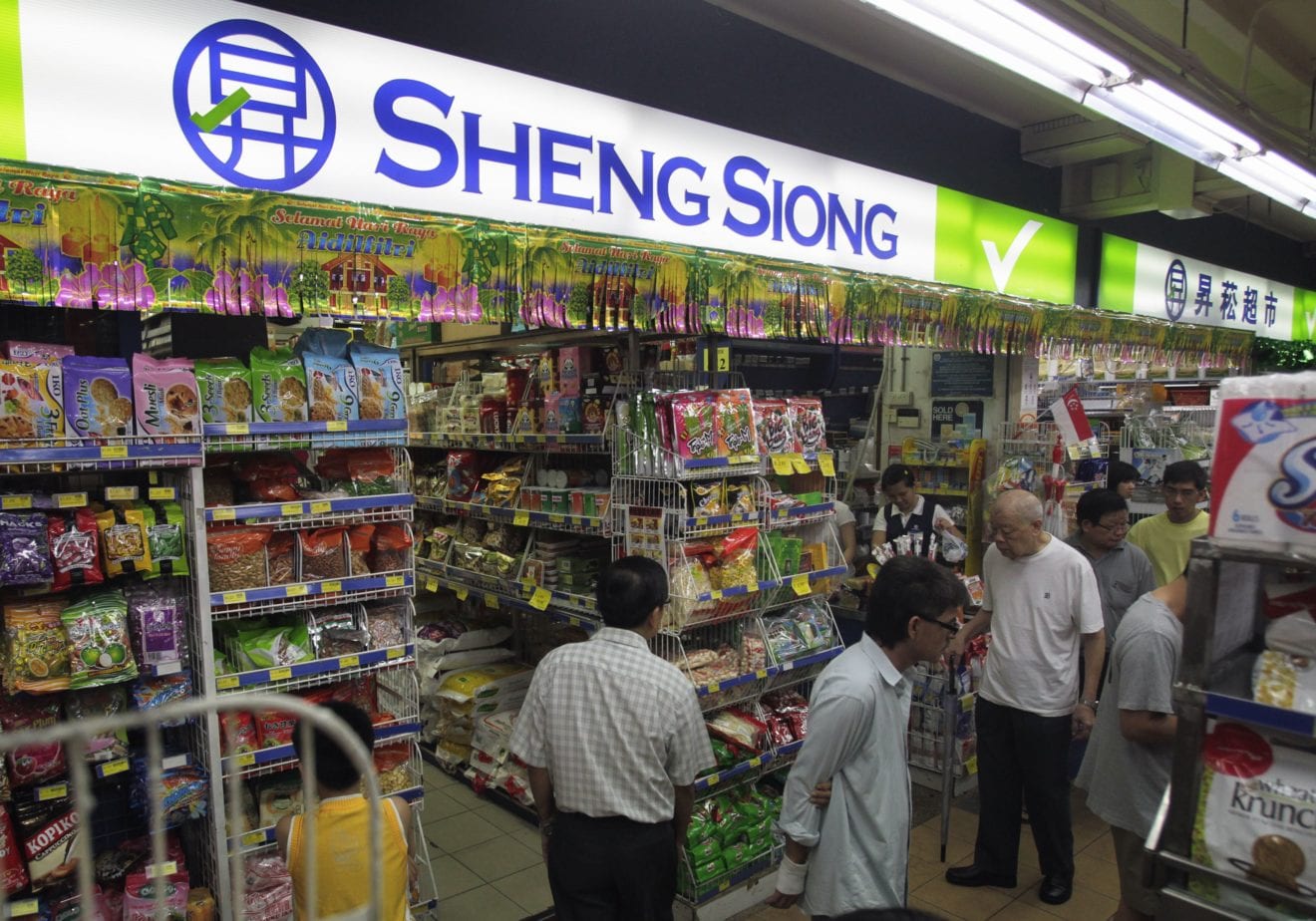
    Singapore supermarket operator Sheng Siong boosted its net profit by 7.4 percent in the June quarter, to S$18.42 million.

    Sales rose 11.8 percent to $238.16 million on the back of 13 new store openings.

    However, the company has warned investors that competition in the Singapore supermarket sector is tough, from both online retailers and rival supermarket chains. Worse, consumer spending may be impacted by a soft economic outlook.

    In the half-year to date, Sheng Siong recorded a 6.6 percent increase in net profit to $37.78 million, on sales up 11 percent to $489.59 million.

  • New Dunhill store opens in Hong Kong

    New Dunhill store opens in Hong Kong

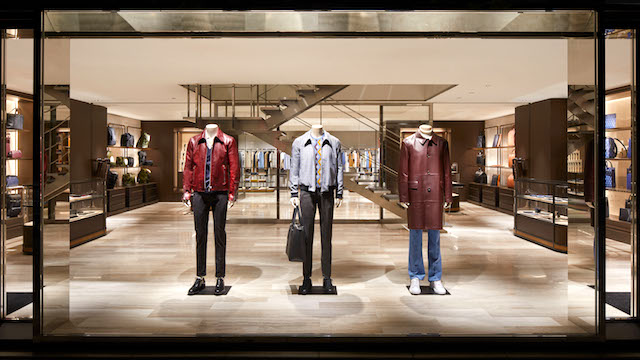
    A new Hong Kong Dunhill store has opened at Lee Gardens as a further step in the brand’s global expansion strategy in Asia.

    The store’s designers have engineered a bright and contemporary space with marble and walnut wood in counterpoint with glass and metal details, used as recognisable codes of the house.

    The use of grey marble takes inspiration from the facade of Dunhill’s 1950s South Rodeo Drive store, while walnut burl cabinets, housing men’s accessories, are inspired by the original furniture from London’s Duke Street and Paris’ Rue de la Paix stores. Fluted glass and metal details together with brown wood panelling recall the textures and finishes of classic Rollagas lighters.

    Featuring a curated selection of luxury pieces by creative director Mark Weston, the Hong Kong Dunhill store is showcasing ready-to-wear garments alongside leather goods and accessories.

  • Starbucks China sales and transaction volume grows

    Starbucks China sales and transaction volume grows

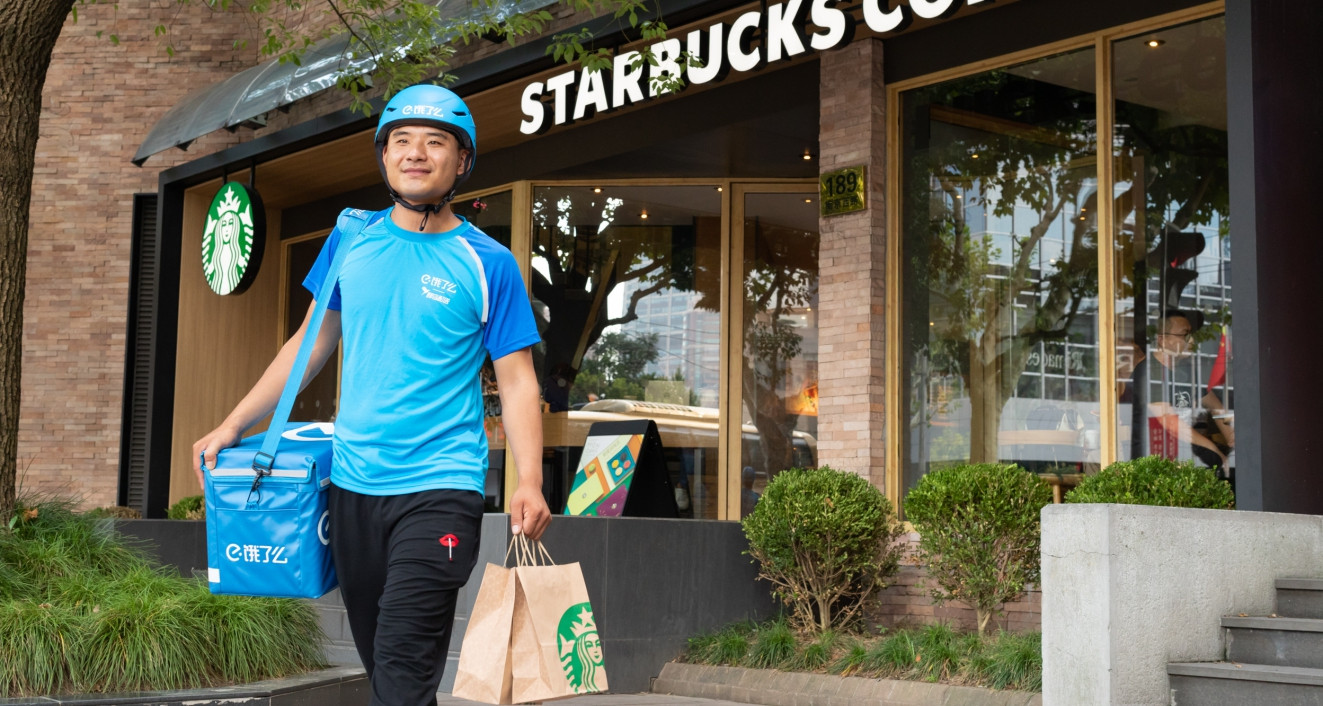
    Starbucks China sales growth out-paced the rest of Asia in the third quarter, up 6 per cent on a same-store basis and 2 per cent by transaction volume.

    But the coffee giant appears to be getting the most traction from its home market, where sales grew 7 per cent in the 13 weeks to June 30, the average ticket price was up by 4 per cent and the number of transactions rose 3 per cent.

    “Starbucks continues to be focused and disciplined in the execution of our three key strategic priorities that we established last year: accelerating growth in the US and China, expanding the global reach of the Starbucks brand through our Global Coffee Alliance with Nestle, and increasing shareholder returns,” said Kevin Johnson, president and CEO, referring to the Growth at Scale program.

    The company opened 442 net new stores in the quarter, with nearly one third of those in China and 48 per cent in other international markets outside the US. It ended the period with 30,626 stores worldwide, 7 per cent more than a year earlier.

    Johnson said Starbucks delivered strong operating performance demonstrating the success of the Growth at Scale agenda.

    “Our two targeted long-term growth markets, the US and China, performed extremely well across a number of measures as a result of our focus on enhancing the customer experience, driving new beverage innovation and accelerating the expansion of our digital customer relationships. Given the strong momentum across our business, we are raising our full-year financial outlook.

    “With our efforts to streamline the company and elevate the Starbucks brand, we are positioning the company to deliver predictable and sustainable operating results while building an enduring company that creates meaningful long-term value for Starbucks shareholders,” he concluded.

    Global comparable store sales increased 6 per cent, driven by a 3 per cent increase in average ticket and a 3 per cent increase in comparable transactions.

  • Tory Burch opens store on Tmall Luxury Pavilion

    Tory Burch opens store on Tmall Luxury Pavilion

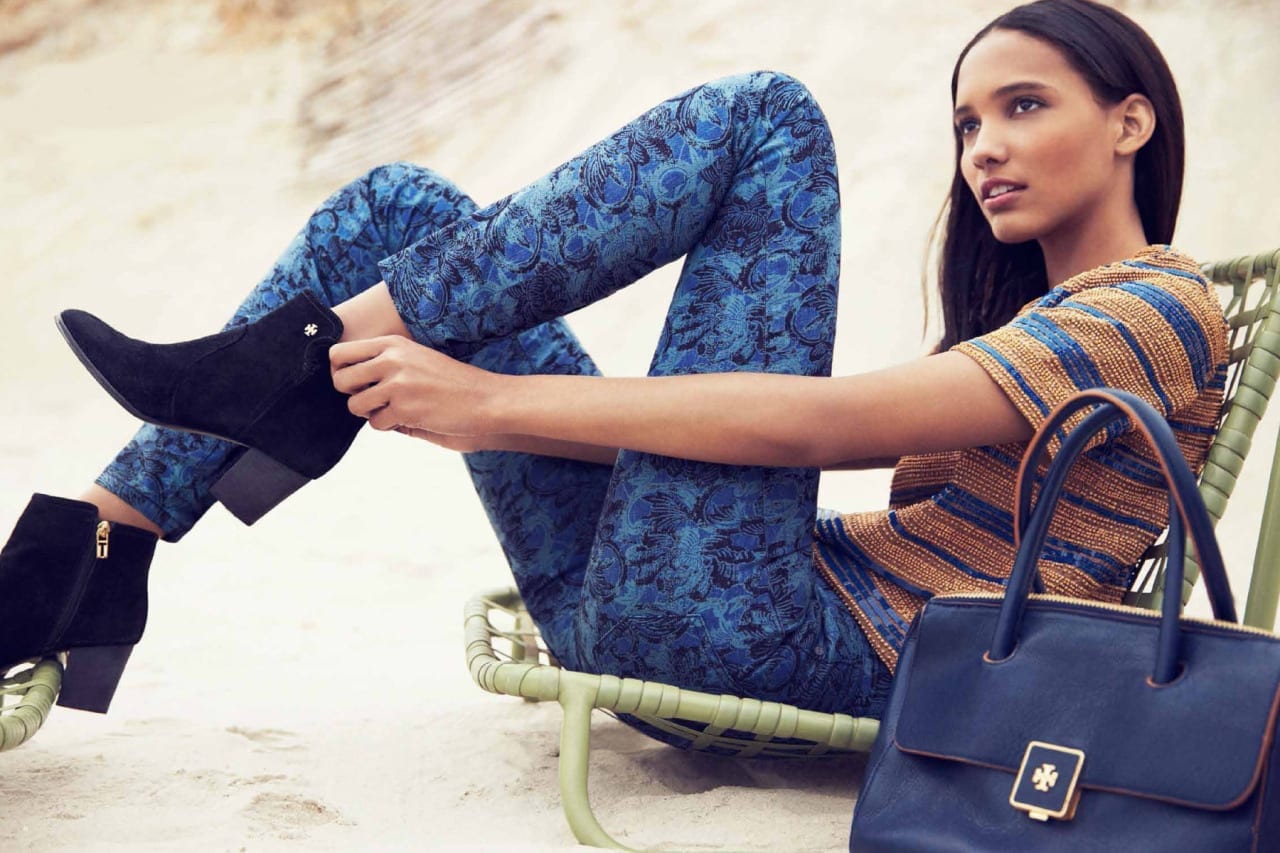
    American fashion brand Tory Burch has opened a flagship store on Tmall Luxury Pavilion, Alibaba Group’s dedicated channel for luxury and premium goods.

    Chinese consumers can now find Tory Burch’s clothing, shoes, bags, accessories and watch collections on the Pavilion – the label’s first third-party e-commerce store in the country, it said in a statement.

    To mark the opening, the brand exclusively debuted seven items on the platform, including its Katya Tunic Dress, Ella Printed Logo Tote and Poppy Canvas Espadrille, as well as products from its Chinese Valentine’s Day capsule collection. The capsule includes four handbags, a card case and the brand’s signature ballet flats in pink and red.

    Tory Burch also released an interactive tool for consumers to share their sentiments with one another on the romantic holiday, which falls on August 7 this year. Using the augmented reality-powered “AR Buy+” function on Mobile Taobao, consumers can scan any heart-shape in their surroundings to access a special page that allows them to send personalized letters to their loved ones. Meanwhile, from July 26 to August 9, the fashion brand will launch a Chinese Valentine’s Day-themed pop-up installation in China’s northern Harbin city.

    “To have an iconic brand like Tory Burch join Tmall is a testament to the platform’s ability to attract and engage with the 700 million-plus consumers on our platforms for premium fashion and lifestyle brands from around the world,” said Jessica Liu, GM of Tmall Fashion and Luxury. “We look forward to partnering with them closely to bring special products and creative activations to Chinese consumers.”

    The flagship opening comes as Tory Burch expands its retail footprint across the country. The brand now operates 34 stores in China, including five new boutiques launched this year, including in Guangzhou, Hangzhou, Nanning and Chengdu.

    Launched in 2017, Tmall Luxury Pavilion now offers more than 115 brands, ranging from apparel and beauty items to watches and luxury cars, including Chanel, Bottega Veneta, Valentino, Alexander McQueen, Burberry, Tod’s, Versace, Stella McCartney, Marni, Moschino, Gentle Monster, Michael Kors, MCM, Breitling, Maserati, LVMH-owned Rimowa, Guerlain, Givenchy, Tag Heuer and Zenith. Tmall said it wants to double that number by next March.

  • Jack Ma’s Online Bank Changes China’s SME Lending Space

    Jack Ma’s Online Bank Changes China’s SME Lending Space

    Unlike traditional banks which could take days to approve loan applications, Jack Ma’s online bank usually takes a few minutes. At Jack Ma’s MYbank operating in China, borrowers only need a few taps on their smartphones to receive cash almost instantly, if they are approved. The whole process takes three minutes and involves zero human bankers. Using real-time payments data and a risk-management system, Ma’s four-year-old MYbank has dished out 2 trillion yuan (S$398 billion) in loans to nearly 16 million small companies.

    Small and medium enterprises are really the boiler room of the economy, said Keith Pogson, a senior executive in charge of banking and capital markets at Ernst & Young LLP in Hong Kong. It used to be a segment that banks thought was too difficult and too risky. But now they run their model and work out what the risks are so they feel more comfortable, said Pogson.

    MYbank and its peers are getting more comfortable with smaller borrowers previously shunned by traditional banks because of their ability to analyze stacks of data from payment systems, social media, and other sources. The default rate at MYbank is only about one percent.

    One unique source of information for lenders in China – the government-administered social credit system. It is being tested in cities across the country as a way to reward good borrowers and punish misbehaving ones.

    Another big advantage that lenders have in China, is the relaxed stance towards privacy versus other jurisdictions; lenders or app developers can get data of borrowers much more easily. Hence, big payments provider such as the one operated by Ma’s Ant Financial, the biggest shareholder of MYbank, can get their hands on huge reams of personal data.

    Once authorizations from borrowers are obtained, MYbank analyses real-time transactions to gain insights into creditworthiness. For example, a drop in customer payments at a retailer’s flagship store might be an early indicator that the company’s prospects are deteriorating.

    As a result, the loan approval rate at MYbank is four times higher than at traditional lenders, which typically reject 80 percent of small-business loan requests and take at least 30 days to process applications, according to MYbank president Jin Xiaolong. The Hangzhou-based firm’s operating cost per loan is about three yuan, versus 2,000 yuan at traditional rivals.

    MYbank, which earned 670 million yuan last year, is far from the only lender using technology to boost small-business lending. Units of Tencent Holdings and Ping An Insurance Group both have similar offerings, while state-owned China Construction Bank Corp is dramatically ramping up its presence in the space.

  • Yum China speeding up expansion plans

    Yum China speeding up expansion plans

    Yum China plans to invest up to US$525 million opening between 800 and 850 new stores in the current financial year.

    Most of the new stores will be KFC outlets and of its new cafe chain Coffii & Joy.

    The protections were included in the company’s second-quarter results released overnight, which showed total system sales up 10 percent year on year to US$2.12 billion, with KFC leading the way at 12 percent. Sales at Pizza Hut rose by 4 percent.

    While sales were up, much of the growth was driven by network expansion. Same-store sales grew 4 percent, with a 5-per-cent increase at KFC and a 1-per-cent increase at Pizza Hut.

    Restaurant margin slipped from 15.1 percent to 14.7 percent, however, operating profit rose 6 percent from $193 million to $204 million.

    Net Income increased 24 percent from $143 million to $178 million, primarily due to the increased operating profit and a gain from the company’s equity investment in Meituan Dianping.

    During the quarter, Yum China opened 178 new restaurants taking its store count to 8751 across more than 1300 cities.

    “We continued to capitalise on market opportunities across China with aggressive, KFC-led store expansion,” said Yum China CFO Jacky Lo. “With a strong cash payback period for new KFC stores and many untapped opportunities, we intend to continue to rapidly expand our store footprint in the second half of the year.

    “Looking forward, we expect overall sales growth to moderate as KFC begins to lap several key sales drivers, including successful value campaigns that we initiated in the second half of last year. However, we remain confident that our strong foundation and commitment to innovation throughout our business will power continued growth for Yum China. We will continue to create new and exciting menu items, and leverage our leadership in digital, data and delivery to meet the evolving needs of our consumers.”

  • JD takes stake in Beijing Digital Telecom

    JD takes stake in Beijing Digital Telecom

    Chinese online retail platform JD is acquiring 9 percent of Beijing Digital Telecom.

    The consumer electronics retailer, which operates from around 3000 physical stores throughout China selling predominantly phones and computers, will expand JD’s offline presence within the market, including lower-tier cities.

    The transaction value has not been disclosed, as it falls below the amount that requires public notification under US Securities and Exchanges Commission regulations.

    At the same time, Beijing Digital Telecom is entering a joint venture with a network-technologies developer and provider Suqian Jiashi, which is wholly owned by JD. The firm is investing RMB191 million (US$28.5 million) for a 49 percent stake, while Suqian Jiashi is putting in RMB 204 million ($29.6 million).

  • Lagardere travel business post strong growth driven by China

    Lagardere travel business post strong growth driven by China

    French-headquartered Lagardere says its travel retail business achieved a 15.8-per-cent increase in consolidated sales in the first half-year.

    Like-for-like sales were up 6.5 percent, the difference attributable to a €134 million positive impact resulting from the acquisition of HBF and of Smullers in the Netherlands, and to a €26 million positive foreign exchange impact.

    Earnings before interest and tax for the travel retail division rose 12 percent to €46 million.

    In the Asia-Pacific region, sales grew 6.5 percent, largely driven by organic growth in China.

    Consolidated group revenue, incorporating the company’ publishing, sports and entertainment business activities, grew by 6.7 per cent on a like-for-like basis, to €3.612 billion.

    Group recurring earnings before tax and interest came in at €153 million for first-half, up from €139 million a year earlier, owing mainly to business growth at Lagardere Travel Retail and a busy sporting calendar for Lagardere Sports and Entertainment.

  • Alibaba targets 30 million US SMEs

    Alibaba targets 30 million US SMEs

    Alibaba has opened its platform to enable US businesses to sell their products to millions of Alibaba.com buyers in the US and around the globe.

    The nearly 30 million small and medium-sized businesses in the US – especially manufacturers, wholesalers, and distributors – can now better access the US$23.9 trillion global B2B e-commerce market, an opportunity that is six times larger than the global B2C e-commerce market.

    Alibaba is also co-producing a series of “Build Up” workshops and webinars with local chambers of commerce and B2B organizations across the country – including Score, one of the nation’s largest non-profit networks of volunteer, expert business mentors.

    “Alibaba aims to empower entrepreneurs and help them succeed on their own terms,” said Alibaba Group’s head of North America B2B John Caplan. “With 10 million active business buyers in over 190 countries and regions, we are reshaping B2B commerce by providing the tools and services needed for US SMB companies to compete and succeed in today’s global marketplace.”

    “Alibaba’s announcement to welcome US sellers onto its B2B marketplace shows the Chinese retail giant’s desire to diversify its product offering,” said Emarketer principal analyst Jillian Ryan.

    “Currently, about 90 percent of the goods sold on the marketplace are from factories in China that are often manufacturing custom goods-to-order for buyers across the globe. Buyers on the platform are from developed nations like the US, Canada, India, Australia, Brazil, and the UK, and these buyers want to be able to source goods from the US.”

    As part of its extended services, Alibaba has streamlined the ability to build and manage a single digital store on the global Alibaba.com platform; added valuable transaction capabilities, including online payment; built CRM and communications tools to facilitate the direct ownership of customer relationships; enhanced digital marketing tools to target any appropriate B2B demand; and provided an option to work with Alibaba.com’s US-based Seller Success team.

  • Popeyes China planning over 1500 restaurants openings

    Popeyes China planning over 1500 restaurants openings

    Popeyes Louisiana Kitchen is set to develop and open more than 1500 Popeyes restaurants in Mainland China over the next 10 years.

    Popeyes China will be the last of Restaurant Brands International’s three major brands to enter the Chinese market. Burger King has operated in the territory since 2005, and it now has more than 1000 locations in China.

    “We’re very excited to grow the Popeyes brand in the Chinese market,” said Restaurant Brands International COO Josh Kobza. “We look forward to bringing our great tasting chicken, biscuits, sides and beautiful new restaurants to our guests in China with our partner, TFI TAB Food Investments.”

    Popeyes operates more than 3100 locations in more than 25 countries worldwide, including the United States and Canada. The commencement of Popeyes China operations is subject to regulatory clearances.

  • China key driver for Hermes sales growth

    China key driver for Hermes sales growth

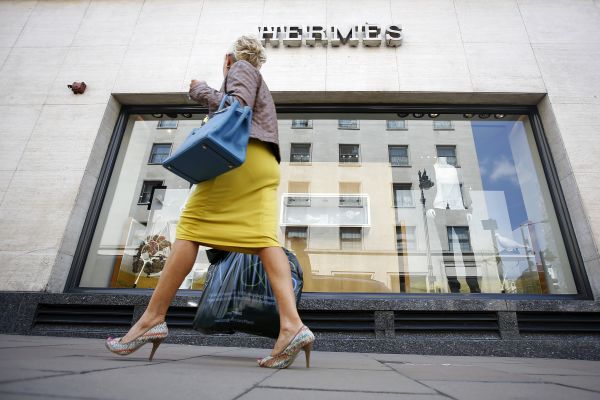
    Chinese consumers have been credited with driving a 14.7 per cent rise in Hermes’ sales in the June quarter.

    While the Sino-US trade war may have been impacting on many brands, subduing consumer confidence and generating uncertainty, the French luxury leather retailer seems immune to the tempest.

    Sales reached €1.67 billion, exceeding analysts forecasts, with first-half sales totalling €3.28 billion.

    “Hermes sales were very dynamic in the first half of 2019, in all regions and in all business lines,” said CEO Axel Dumas.

    The fastest-growing region, however, was Asia (excluding Japan) where sales soared 18.6 per cent in the second quarter, excluding currency effects. Hermes referred to “positive momentum in continental China and double-digit growth in all other countries in the area” in a statement.

    Eric du Halgouet, Hermes’ finance director, said sales in Hong Kong rose by a double-digit rate during the first half year, despite the impact of June’s pro-democracy demonstrations when two of the company’s stores had to close briefly.

    Sales in Japan rose by nearly 10 per cent.

    Sales of the company’s core business lines, including handbags, rose by 12.2 per cent, while ready-to-wear fashion and accessories achieved 16.9 per cent growth.

    Jewellery and homewares posted the highest growth, at 21 per cent.

    In the statement, Hermes said that despite growing economic, geopolitical and monetary uncertainties around the world, the group confirms an ambitious goal for revenue growth in the medium term, at constant exchange rates.

  • Mainland China retail sales surge in June

    Mainland China retail sales surge in June

    Motor vehicles and the 6.18 shopping festival spurred a healthy increase in Mainland China retail sales in June.

    Official government figures show a 9.8 per cent year-on-year increase for the month, higher than the 8.6 per cent of May and 8.4 per cent for the first half year.

    Summer Wang, an equity analyst at Jefferies, said auto sales surged due to deep discounts on older models ahead of stricter State VI emission standards which took effect on July 1, and the 6.18 Shopping Festival  which drove cosmetics, jewellery and appliance sales. Small-ticket items like food and daily goods also outperformed.

    Urban Mainland China retail sales grew 9.8 per cent, ahead of the 8.3 per cent year-to-date figure, reaching RMB2.896 trillion (US$421 billion) in June, while rural retail sales grew by 10.1 per cent, ahead of 9.1 per cent for the half year.

    Cosmetics sales grew by 22.5 per cent, cars by 17.2 per cent and daily goods by 12.3 per cent.

    “We believe the beauty category is continuing to benefit from functional premiumisation, as consumers – both women and metrosexual men – are willing to pay a premium for a tangible improvement in appearance,” said Wang.

    “Most discretionary categories saw improvement as well, including gold and jewellery (up 7.8 per cent), home appliances (up 7.7 per cent) and apparel and footwear (up 5.2 per cent).”

    By channel, online retail goods sales kept momentum with a robust 21.6 per cent year-on-year growth during the first half of the year, accounting for 19.6 per cent of Mainland China retail sales.

  • Bali bakery Starter Lab to open in Singapore

    Bali bakery Starter Lab to open in Singapore

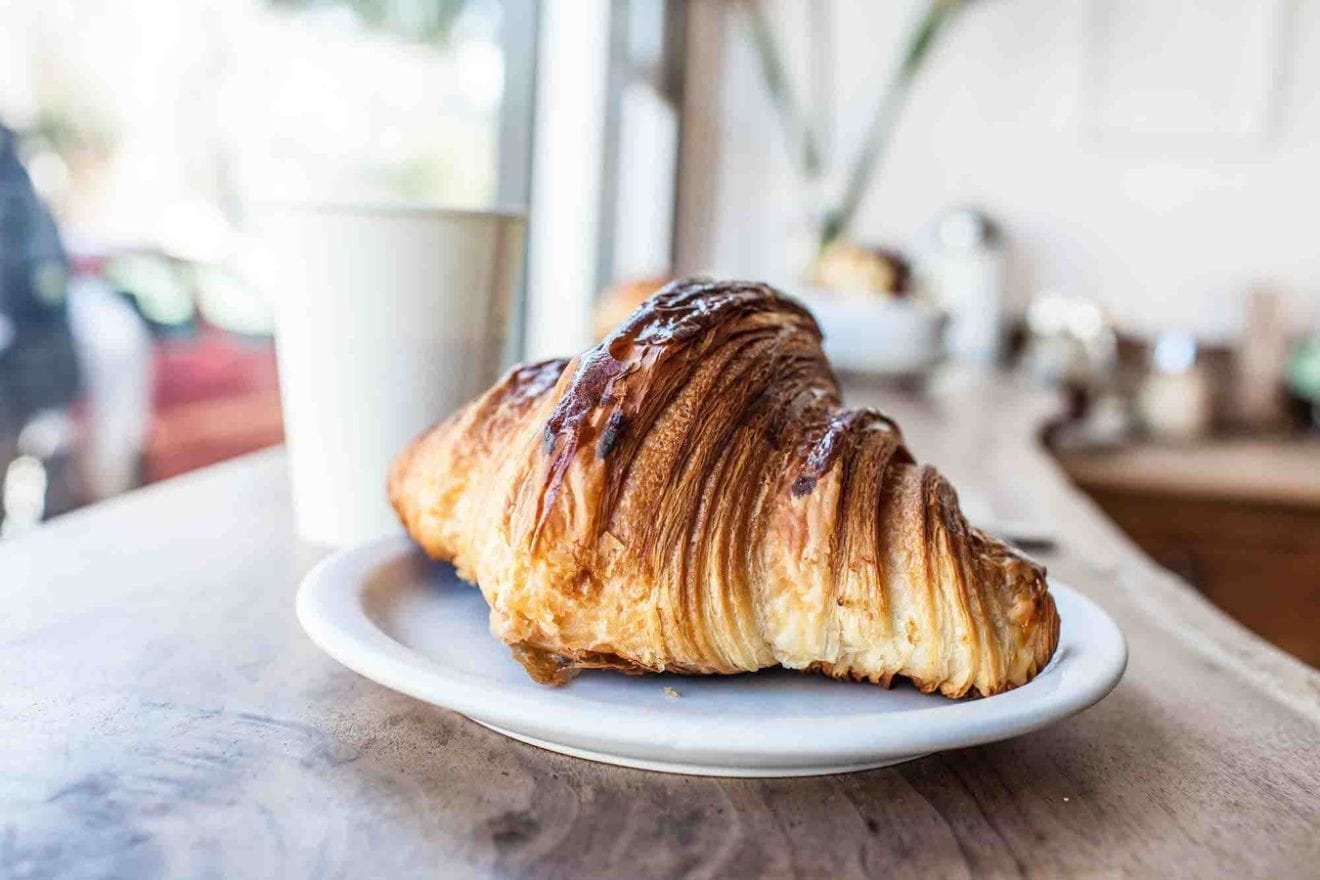
    Bali-based bakery Starter Lab is opening its first overseas branch in Singapore.

    Located at 721 Havelock Road, Singapore’s Starter Lab will be able to host up to 35 people around a communal table and bars, offering take-away coffee and bread.

    Its menu is expected to feature seven types of sourdough loaves each day, and flavours such as Rosemary Lemon and Sea Salt Sourdough, Garlic Confit & Parmesan, as well as Salted Egg & Curry Leaf.

    There will also be sandwiches and pastries on the menu, banana bread, scones and cookies.

    Starter Lab has already launched pop-ups in Singapore, including at Camp Kilo Charcoal Club.

    Founded by Emerson Manibo, who worked at NYC’s three Michelin-starred restaurant Per Se, Della Fattoria and Tartine Bakery, Starter Lab is famous for its American-style sourdough bread.

  • Luk Fook sales drop 10 per cent as trade war bites

    Luk Fook sales drop 10 per cent as trade war bites

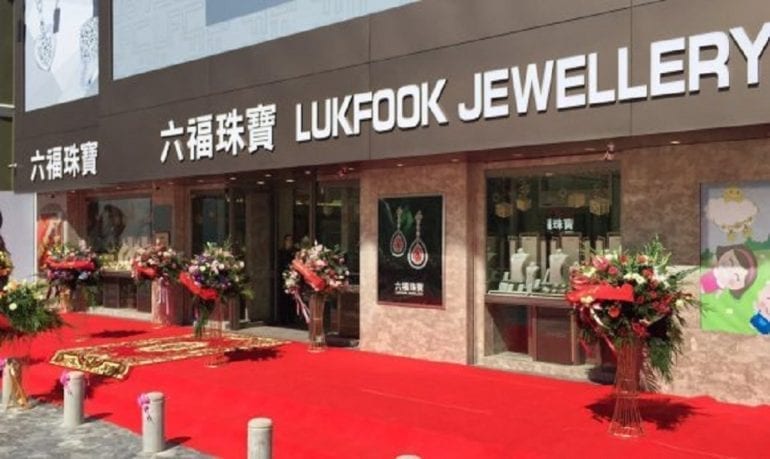
    The trade war between the US and China has been partially blamed for a 10 per cent fall in Luk Fook sales.

    In a quarterly sales update, the Hong Kong-listed jewellery retailer said a relatively higher base in the comparable period also contributed to the decline.

    First-quarter same-store Luk Fook sales were down 10 per cent with the overall same-store sales of gold products down 19 per cent. Gem-set jewellery sales rose 4 per cent.

    In Hong Kong and Macau, sales of gold products fell by 20 per cent while gem-set jewellery sales rose 6 per cent.

    “The favourable sales performance of lower-value items resulted in a double-digit drop in the average selling price of gem-set jewellery products,” said chairman and CEO Wai Sheung Wong. “However, due to the remarkable increase in sales volume, the same-store sales of gem-set jewellery products still recorded positive growth given a high base.”

    Sales on the mainland fell 7 per cent, with gold products down by 4 per cent and gem-set jewellery down by 7 per cent. However, mainland licensed shops recorded a low single-digit same store sales growth.

    Luk Fook added a net 35 new Lukfook stores in the mainland during the quarter. As at June 30, the company operated 1861 worldwide, 1790 of those on the mainland.