Tag: China

  • Tmall Offers New Tools to Revamp Storefronts, Customize Customer Experience

    Tmall Offers New Tools to Revamp Storefronts, Customize Customer Experience

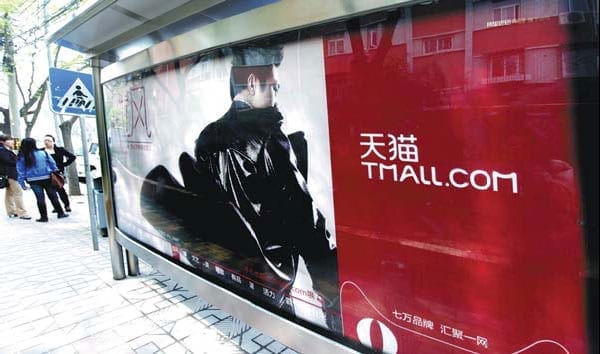
    Tmall has rolled out a suite of tools for brands to customize their online storefronts and offer a more-personalized experience for shoppers.

    Called “Flagship Store 2.0,” the solution from Alibaba’s premier marketplace pulls together into the Tmall app both analytics and technologies that have proven popular with customers elsewhere in the group ecosystem. Tmall’s goal is to offer brands new tools to revamp their existing flagship store and offer each consumer a personalized page based on their previous shopping pattern. It’s also giving brands a New Retail twist, letting them display and order offline specials and inventory through their newly designed online stores.

    “We aim to offer new tools to all brands and merchants on our platform to transform their operations with digital technology. By supporting players on our marketplace to push the New Retail boundary, we will reinforce Tmall’s position as the go-to platform for innovative e-commerce and brand new shopping experiences,” said Jiang Fan, president of Taobao and Tmall.

    This is the most-significant upgrade of Tmall flagship stores since their PC-based launch in 2008. Back then, brands opened simple, modular storefronts. Over time, Tmall added some customization and options for content creation – short videos, animations and livestreaming – to engage and educate consumers and build a strong online shopping community.

    With Flagship Store 2.0, Tmall will open its back end to independent software vendors (ISVs), so that they can develop new virtual shopping spaces for online store operators. The idea is to let brands build stores that have their own, distinct “look and feel.” At the same time, Tmall will start including 3D and augmented reality (AR) product-display technology in its apps. That will allow customers, for example, to see how a piece of furniture will look in their own living room or let them “try on” lipstick in a virtual mirror before placing an order.

    Another feature of the Flagship Store 2.0 solution is the ability to connect brands’ Tmall flagship stores to their offline outlets. This means online shoppers can browse and purchase from a similar product assortment as offered at the brands’ physical locations. The seamless integration can bolster store traffic, both online and offline.

    The use of demographic analytics and a shopper’s history by brands means customers will get a unique, more-individualized product recommendations, along with privileges based on their Tmall membership status. With more discretionary income and a higher demand for exclusivity, Chinese consumers across the spectrum are showing stronger desire for a memorable experience with each purchase. They not only want high-quality products at a reasonable price, they are also seeking a fun, interactive experience.

  • Nike grows profit, pulls product in China

    Nike grows profit, pulls product in China

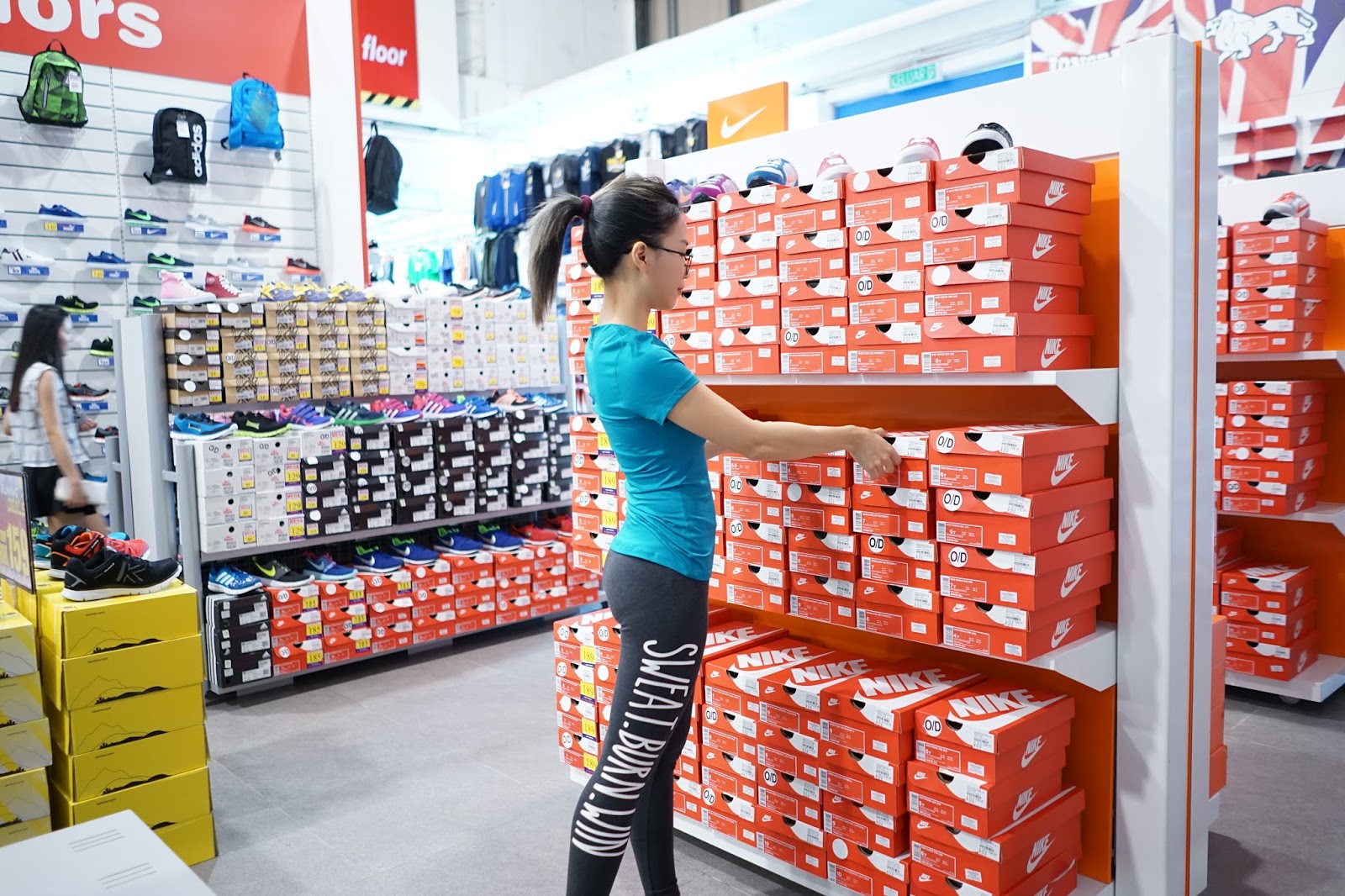
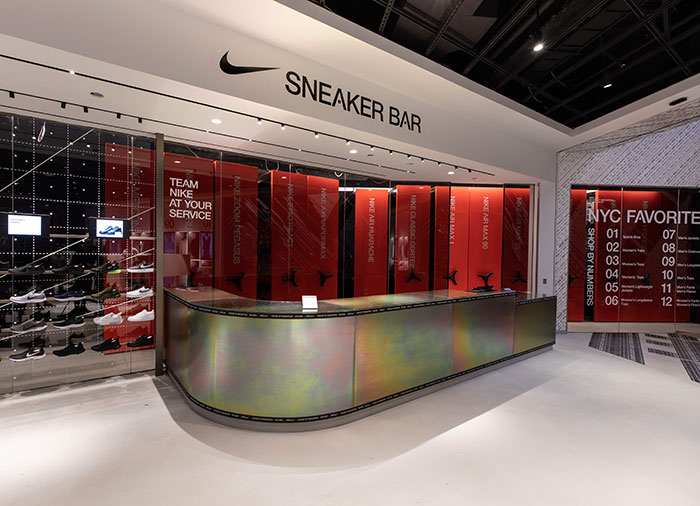
    Sportswear brand Nike has revealed its net profit increased to US$4 billion during the 2019 financial year, compared to the previous year, which saw Nike earn US$1.9 billion.

    The large disparity is attributed to the enactment of the Tax Act last year, which raised Nike’s effective tax rate to 55.3 percent – causing a 54 percent drop in profits. In FY19, Nike’s tax rate returned to a more normalized level of 16.1 percent.

    The positive results come at a turbulent time for the sportswear giant, which recently faced a social media backlash in China after Undercover, a Japanese streetwear label it collaborated with on a line of sneakers, shared an Instagram Story with the caption, “No Extradition to China,” and “Go Hong Kong”.

    Nike subsequently pulled the sneakers from its offering in China, according to media reports.

    Nike president, chairman, and chief executive Mark Parker told investors the business is committed to the China market “for decades to come”.

    “We are and remain a brand of China and for China,” Parker told analysts, according to the Financial Times.

    “We’re confident that we’ll continue to grow sport and our business in China for decades to come.”

    On Thursday, Parker told investors FY19 was a pivotal year for the retailer.

    “Our distinctive innovation and digital advantage led to accelerated growth across our complete portfolio, while our brand fuelled deeper relationships with consumers around the globe,” he said in a statement.

    Revenue grew 7 per cent to US$39.1 billion, driven by sportswear, Jordan, and running, as well as strategic investments in innovation and digital led by Nike Direct.

    The Converse brand saw revenue grow 3 per cent to US$1.9 billion, which was mainly driven by double-digit growth in Asia and digital.

    Nike and Retail Prodigy Group have been contacted for comment.

  • Suning.com ranked China’s most-valuable retail brand

    Suning.com ranked China’s most-valuable retail brand

    Suning Holdings’ retail subsidiary Suning.com has been ranked China’s most valuable retail brand, finishing 13th on World Brand Lab’s 16th “China’s 500 Most Valuable Brands” list.

    This was the second consecutive year Suning finished in 13th place with its brand value totaling RMB269.198 billion (US$39.093 billion), an increase of 17 percent compared to last year. Its listed brand value has increased by a factor of six since 2009.

    In the past year, Suning.com announced operational revenue of RMB244.96 billion ($36.479 billion), up 30.35 percent year on year; and a sales volume of RMB336 billion ($50.16 billion), an increase of 38.39 percent.

    By the end of March this year, the company owned 12,329 offline brick-and-mortar stores in Mainland China, Hong Kong, Macao and Japan, covering diversified consumption scenarios that include Suning Retail Cloud Franchise Stores, SuFresh (fresh food supermarkets), Suning Xiaodian (providing neighbourhood products and services) and Redbaby (maternal and child supplies stores).

    Last February, the company announced the acquisition of 37 Wanda department stores nationwide and in June, it acquired 80 percent of Carrefour China to improve its full-scenarios ecosystem and expand its all-categories merchandise retailing by reinforcing its market competitiveness in fast-moving consumer goods operations.

  • Belle to spin off Topsports International

    Belle to spin off Topsports International

    Chinese footwear manufacturer and retailer Belle International has filed papers for a public listing of its sportswear business Topsports International.

    The spinoff was first proposed more than a year ago by the company’s private equity owners Hillhouse Capital and CDH who took Belle private in a US$6.8 billion deal in July 2017.

    The float, scheduled for the second half of this year, would raise an estimated $1 billion.

    Topsport International is the largest sportswear retailer in Mainland China, with 8343 stores selling foreign labels including Nike and Adidas. It had a market share estimated at 15.9 percent last year when its revenue rose 22.4 percent to US$3.85 billion and its gross profit by 18 percent.

  • CapitaLand unveils reimagined Funan to the public

    CapitaLand unveils reimagined Funan to the public

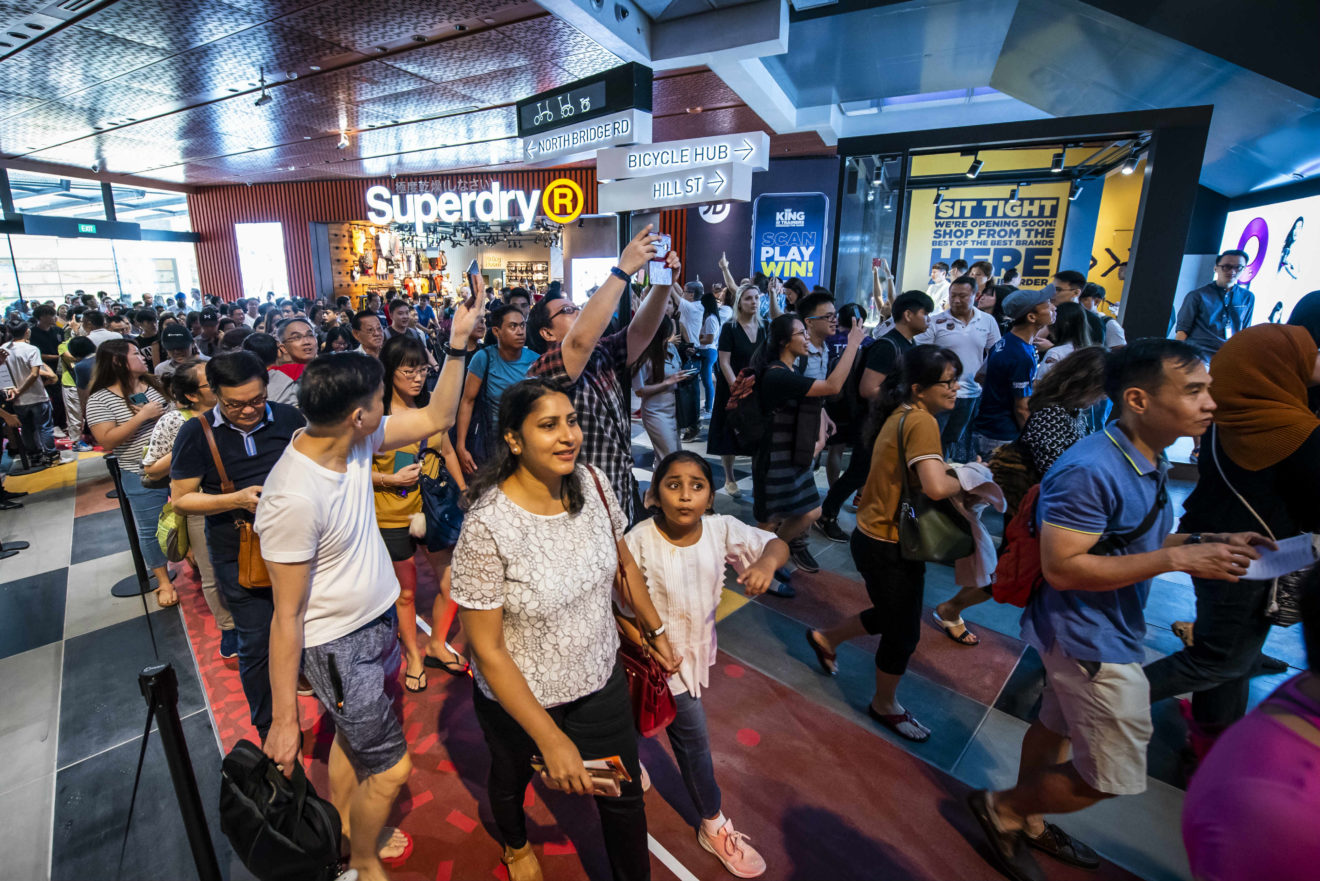
    unan, one of Singapore’s best-known and most enduring retail icons, reopens its doors to shoppers today after three years of redevelopment, starting a new chapter in its storied evolution.  Home to a rich variety of more than 190 brands clustered around six passion themes Tech, Craft, Play, Fit, Chic and Taste, the new Funan is set to become the centre of commercial, social and cultural activities in Singapore’s Civic District.  Injecting vibrancy to Singapore’s retail scene, more than 30% of Funan’s brands are new-to-market brands, concepts or flagships.  As a showcase for local talents, more than 60% of Funan’s brands originate from Singapore.

    In a nod to its past, the new Funan will go beyond selling IT products to incorporating the tech experience throughout the entire development.  Executives entering Funan’s twin office blocks enjoy the convenience of facial recognition turnstile access.  Using one of the about 40 smart directories in Funan, shoppers can browse and search for trending merchandise before mapping the shortest route possible to reach a store with the wayfinding system.  Enabled by sensors, these smart directories can also make product recommendations based on the shopper’s demographic profile.  By year-end, shoppers can expect a robot-enabled handsfree shopping and 24/7 click-and-collect drive-through service.

    Out of approximately 400 carpark lots at Funan, 36 lots are set aside for its carpark reservation system, whereby drivers can book a day in advance via the CapitaStar app.  Upon arrival, drivers will be guided to their allocated lots by the video-based smart carparking facility.  Users of Funan’s Bicycle Hub gain access to the shower rooms using the CapitaStar app, which is also leveraged by tenants The Ark and Golden Village to offer seamless online-and-offline experiences for their customers.  Access to the Makers Studios at Funan’s Tree of Life is also fully automated via QR codes.  Behind the scenes, Funan utilises video analytics to measure and analyse footfall throughout the mall and entering each store.  In-store smart terminals further capture transaction data so that tenants can use the analytics to refine their offerings and enhance customer experiences.

    Mr Chris Chong, Managing Director, Retail, CapitaLand Singapore, said: “From Funan Centre in 1985 to Funan The IT Mall in 1997, and from Funan DigitaLife Mall in 2005 to Funan today – each change represents an evolution of the mall’s positioning to serve the needs of different generations of consumers.  The reimagined Funan relaunches the mall as a social retail space for discovery, learning and shopping, underpinned by a digital layer of customer experience to enhance satisfaction.  With this configuration, CapitaLand aims to support retailers in embracing opportunities in the brave new world of bricks-and-clicks by attracting and growing a responsive and vibrant community, powered by an ecosystem of sensors and analytics to deepen consumer insight.  As Funan enters a new era, we remain committed to innovate Funan’s offerings to keep its retail platform dynamic and relevant.”

    Mr Tony Tan, CEO of CapitaLand Mall Trust (CMT) Management Limited, said: “As Singapore’s largest retail real estate investment trust, we are cognisant of the importance to stay competitive by adapting to the evolving retail landscape, so that we can deliver sustainable long-term returns to our unitholders.  Conceived to support retailers’ omnichannel strategies, the redevelopment of Funan represents CMT’s effort to pave the way forward in serving the needs of present and future generations of shoppers.  We are heartened that Funan’s latest transformation has been well-received by the market, having achieved robust levels of 95% for retail leasing and 98% for office leasing.  We will remain vigilant in monitoring market trends and continually identify ways to future-proof the malls in our portfolio.”

  • Luk Fook Plans to Expand in China to maintain growth

    Luk Fook Plans to Expand in China to maintain growth

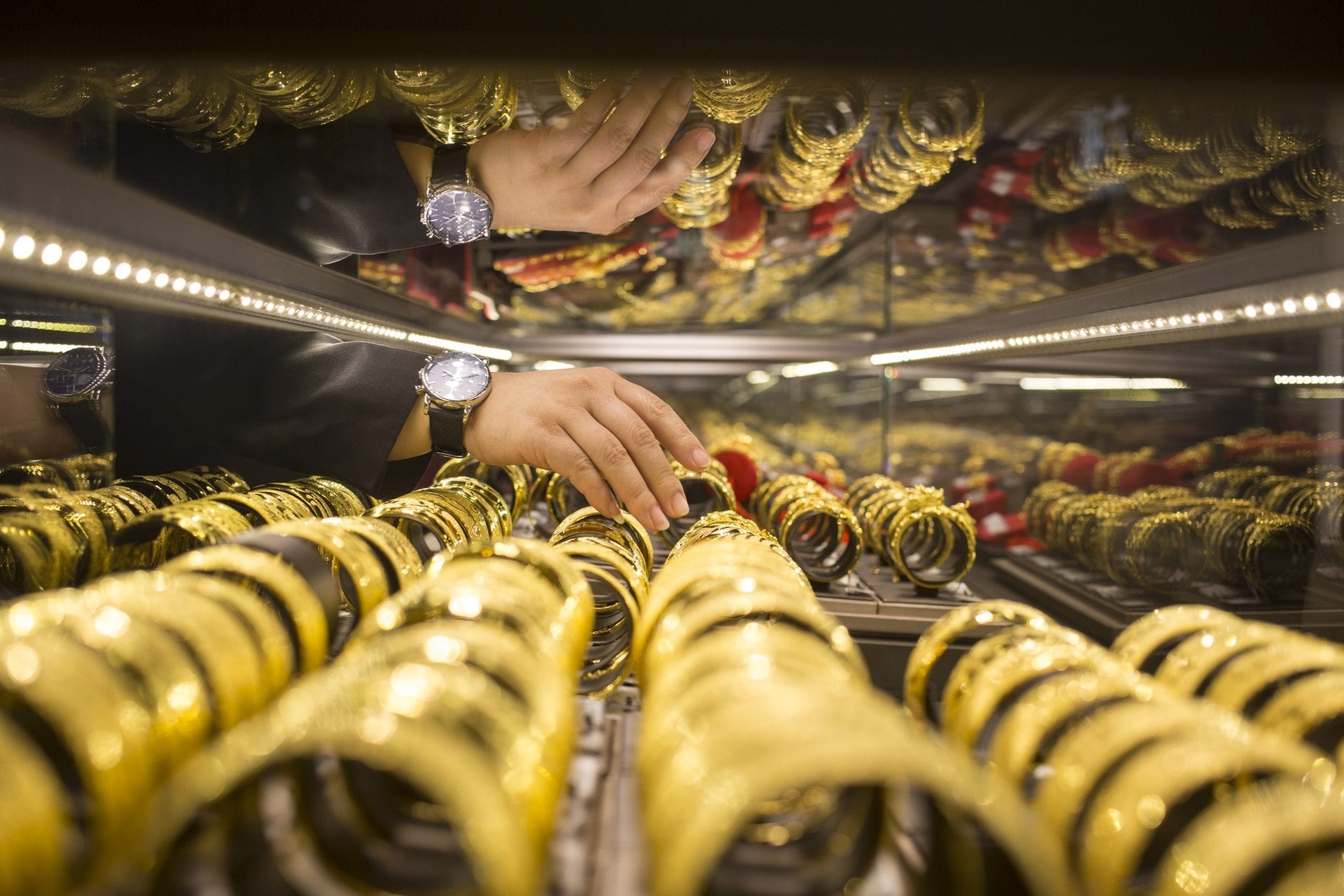
    Luk Fook will add at least 150 stores in Mainland China this year as it looks to mitigate falling sales in Hong Kong.

    Releasing its results for the financial year to March 31, Luk Fook said profit attributable to shareholders rose 9 percent to HK$1.5 billion on sales up 8.8 percent to $15.9 billion.

    During the year the company added 194 stores on the mainland taking its global network to 1833.

    “As Mainland China remains to be a market with promising growth potential in the mid- to long-term, the group will continue to focus on business expansion [there],” said Luk Fook chairman and CEO Wai Sheung Wong.

    “The target for net addition of shops in Mainland China in the coming year, including newly developed brands, is not less than 150 shops and will expand its network to lower-tier cities by opening mainly licensed shops. The group is also committed to further developing its e-commerce business and strengthening cooperation with e-commerce platforms in Mainland China, aiming to grow e-commerce revenue by 20 per cent,” he said.

    “In light of the enormous spending potential of young consumers on online sales platforms, the group will step up its efforts to promote the sales of affordable luxury jewelry products to expand its footprint in the young consumer market.”

    Last year was one of two differing halves for Luk Fook, the first half of growing sales in Hong Kong and Macau, the second of declining sales as trade tensions grew between China and the US and consumer sentiment dived. That trend continued from April through to three weeks into this month with same-store sales in Hong Kong and Macau down by the low-double digits and on the mainland by the mid-single digits for company-owned stores and low-single digits for licensed shops.

    Given the continuing uncertainties on the macro-economic environment arising from the US-China trade war, Luk Fook expects “flattish” revenue and profit growth for the current financial year but hopes to maintain profitability at last year’s level.

    Last year, the retail business was Luk Fook’s main source of revenue, rising by 9.8 percent

    Year on year to $12.075 billion and accounting for 76.1 percent of total sales.

    The group’s retail revenue in the Hong Kong market increased by 11.6 percent to $7.44 billion, despite a lackluster second half.

  • Nike products withdrawn in Mainland China after Instagram mistake

    Nike products withdrawn in Mainland China after Instagram mistake

    Nike has elected to withdraw a new shoe design in Mainland China after a politically sensitive image was posted to Instagram by one of its designers.

    The issue overshadowed a solid result from the sportswear giant (scroll down for coverage)

    The image was in support of protests in Hong Kong – news of which has been heavily censored on the mainland – and was posted to an account belonging to one of Nike’s partnering fashion labels in Japan, Undercover, which collaborated on the shoe.

    Nike’s retail partners began pulling the shoe from sale following the post, with some vendors posting announcements that Nike had given urgent instructions to halt the shoe’s release. The withdrawal may have been a response to a negative backlash against the brand on Chinese social media for its apparent siding with Hong Kong.

    Breaching sensitive political issues has proved costly for many companies attempting to do business in China, as nationalist sentiments spread virally on platforms such as WeChat and Weibo can decimate brand credibility overnight for crossing the line.

    The Undercover Instagram post has since been removed, and the firm has claimed that the content was an “individual opinion” posted mistakenly.

    Meanwhile, Nike’s net profit increased to US$4 billion during the 2019 financial year, more than double last year’s figure of $1.9 billion.

    However, the large disparity is attributed to the enactment of the Tax Act last year, which raised Nike’s effective tax rate to 55.3 percent – causing a 54 percent drop in profits. This year, Nike’s tax rate returned to a more normalized level of 16.1 percent.

    Yesterday, Nike president, chairman and CEO Mark Parker told investors this year was a pivotal one for the company.

    “Our distinctive innovation and digital advantage led to accelerated growth across our complete portfolio, while our brand fuelled deeper relationships with consumers around the globe,” he said in a statement.

    Revenue grew 7 percent to $39.1 billion, driven by sportswear, Jordan, and running, as well as strategic investments in innovation and digitally led by Nike Direct.

    The Converse brand saw revenue grow 3 percent to $1.9 billion, which was mainly driven by double-digit growth in Asia and digital.

  • Hong Kong and New York options for US$1 billion Miniso IPO

    Hong Kong and New York options for US$1 billion Miniso IPO

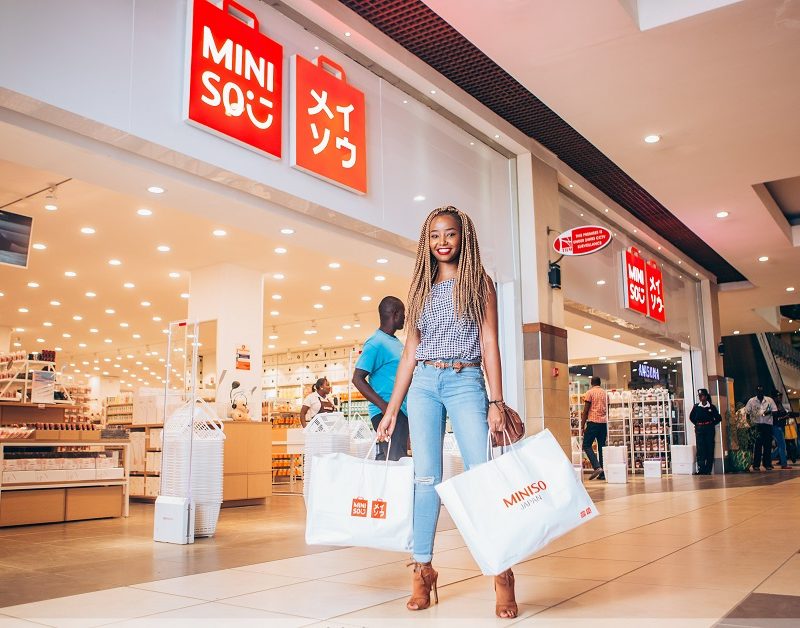
    Chinese discount merchandise chain Miniso is reportedly planning an IPO raising as much as US$1 billion to continue its rapid expansion.

    A Miniso IPO was first mooted by the company in January last year but there has been no further activity until now.

    Citing “people with knowledge of the matter,” Bloomberg has reported that Miniso executives are pitching banks to participate in the public offer.

    Miniso was founded by a Japanese designer and a Chinese entrepreneur in 2013. While it has since attempted to pass itself off as a Japanese brand, its products are predominantly sourced from Mainland China and it is a Chinese-headquartered business.

    The company has around 3500 stores in 80 markets across the world. Late last year Chinese e-commerce and tech giant Tencent and Hillhouse Capital invested RMB1 billion (US$146 million) into the business.

    According to Bloomberg’s sources, both Hong Kong and the US are being mulled as options for the Miniso IPO and a timeline has not yet been set.

    Last year Miniso achieved sales of US$2.5 billion.

  • China is reportedly behind huge hack of global cell networks

    China is reportedly behind huge hack of global cell networks

    Security research firm Cybereason reports that over the last seven years, hackers have been able to break into more than 10 cellular networks worldwide to gather information on calls made by at least 20 targeted individuals. The data obtained from this operation included the dates that calls were made, the times they were connected, the locations of the callers and more. The attack, dubbed Operation Soft Cell, has been active since 2012 and was spotted by Cybereason earlier this year.
    While the goal of the hackers was to obtain call detail records (CDR), other information obtained from this operation included usernames and passwords. According to the report, “the attackers worked in waves-abandoning one thread of attack when it was detected and stopped, only to return months later with new tools and techniques.” Cybereason says that it is very certain that this operation is a state-sponsored attack and is affiliated with China. The methods and tools used lead the security researcher to name APT10 as the so-called threat actor. This group reportedly works with Chinese Ministry of State Security (MSS).
    So why would the MSS go to all the trouble of hacking into 10 global cell networks? As Cybereason points out, when a nation runs an operation like this, it is not about the money. It is often done to steal intellectual property or obtain information about some of the carriers’ subscribers. The data that was stolen allowed the hackers to get call records that provided the destination, and duration of a call, information on the device used to make the call, the version number of the phone and its vendor, and the physical location where the call was made. With that data, the MSS (assuming that they were behind this) was able to learn who the individuals they were targeting had been talking to, the devices they were using to make such calls and where these people were traveling to. The security research company says that this is the type of information used to gather dirt on politicians and to track law enforcement.
  • Tmall Global launches new English-language website

    Tmall Global launches new English-language website

    Tmall Global today launched its first English-language website to attract more merchants and businesses from around the world to join China’s largest cross-border online shopping platform.

    The portal makes it easier for sellers of all sizes to capitalize on burgeoning demand from Chinese consumers for high-quality imported products.

    Tmall Global already features 20,000 international brands in over 4,000 categories from 77 countries and regions. This outreach aims to make Tmall more appealing to small, medium-sized and niche brands from other countries with products that would sate the demands of China’s post-1995 generation.

    The website details Tmall Global and the solutions it offers to overseas merchants entering the China market. It includes steps on how to open a flagship store on Tmall Global and tap direct import tools, such as Tmall Overseas Fulfillment (TOF), a new initiative launched later last year to provide international merchants a low-cost, low-risk way to take a first step toward selling to China before making a more full-fledged market entry.

    The portal also provides tools that streamline the process to join Tmall Global. Businesses wanting to open a flagship store can fill out a questionnaire and input basic information about their operation. That information will be pre-screened, and qualifying applicants will be contacted within 72 hours. Apart from offering assistance during the onboarding process, Tmall Global will also advise merchants on how to optimize their operations after they establish a presence on the platform.

    “Tmall Global’s mission is to connect high-quality international brands across the globe with Chinese consumers. We believe the launch of this English-language website will expedite the process for brands and merchants to introduce their products to Chinese consumers. The website will widen our reach to merchants, especially to those medium and small sized businesses around the world,” said Yi Qian, Deputy General Manager of Tmall Global.

    In addition to English, Tmall Global plans to launch other language versions of its entry portal for merchants, including Spanish, Japanese and Korean.

    Tmall Global has notched significant growth in the past year and looks to continue the strong momentum. In 2018, the number of new flagship store openings on Tmall Global doubled from the previous year, and that growth rate is expected to accelerate further this year.

  • Carrefour China business Sold

    Carrefour China business Sold

    Suning is to buy an 80 percent controlling stake in Carrefour China for €620 million (RMB 4.8 billion).

    The first Carrefour China supermarket was opened in 1995 when the French company was one of the first foreign retailers to enter the market. Currently, it operates 234 outlets – 210 large-format hypermarkets and 24 convenience stores. Net sales for its last full year were €3.6 billion (RMB 28.5 billion) and pre-tax profit €66 million (RMB 516 million).

    Just last month, Carrefour executives denied the business was for sale, but financial media have been reporting what turned out to be markedly accurate reports of negotiations this year.

    Suning’s purchase follows the acquisition of 37 Wanda department stores earlier this year, which will be converted to Suning.com branding.

    The company says it will use its smart-retail expertise to digitalize Carrefour China’s existing store network to create a “leading innovative supermarket shopping experience”.

    “In the future, we expect to open up the access for Suning’s various business models, such as household-electronics sales, Redbaby, JIWU, Suning Financial Services, SuFresh and Suning Xiaodian’s immediate delivery, [and] to get into Carrefour China’s stores located in the central business and living areas of Chinese first- and second-tier cities,” said Tian Rui, VP of Suning.com.

    “It will help us better meet more consumers’ needs due to strengthened core capabilities achieved by store innovation. With 400 million registered customers of the company’s retailing segment, Suning.com’s users-ecosystem will complement Carrefour China’s membership system, fully improving the customer value.”

    He said that by connecting the more than 6000 Suning Xiaodian stores with Carrefour China’s outlets, Suning’s ‘last-kilometre home-delivery service will be able to serve more consumers with lower cost but higher efficiency.

  • Tse Sui Luen store network expands Again

    Tse Sui Luen store network expands Again

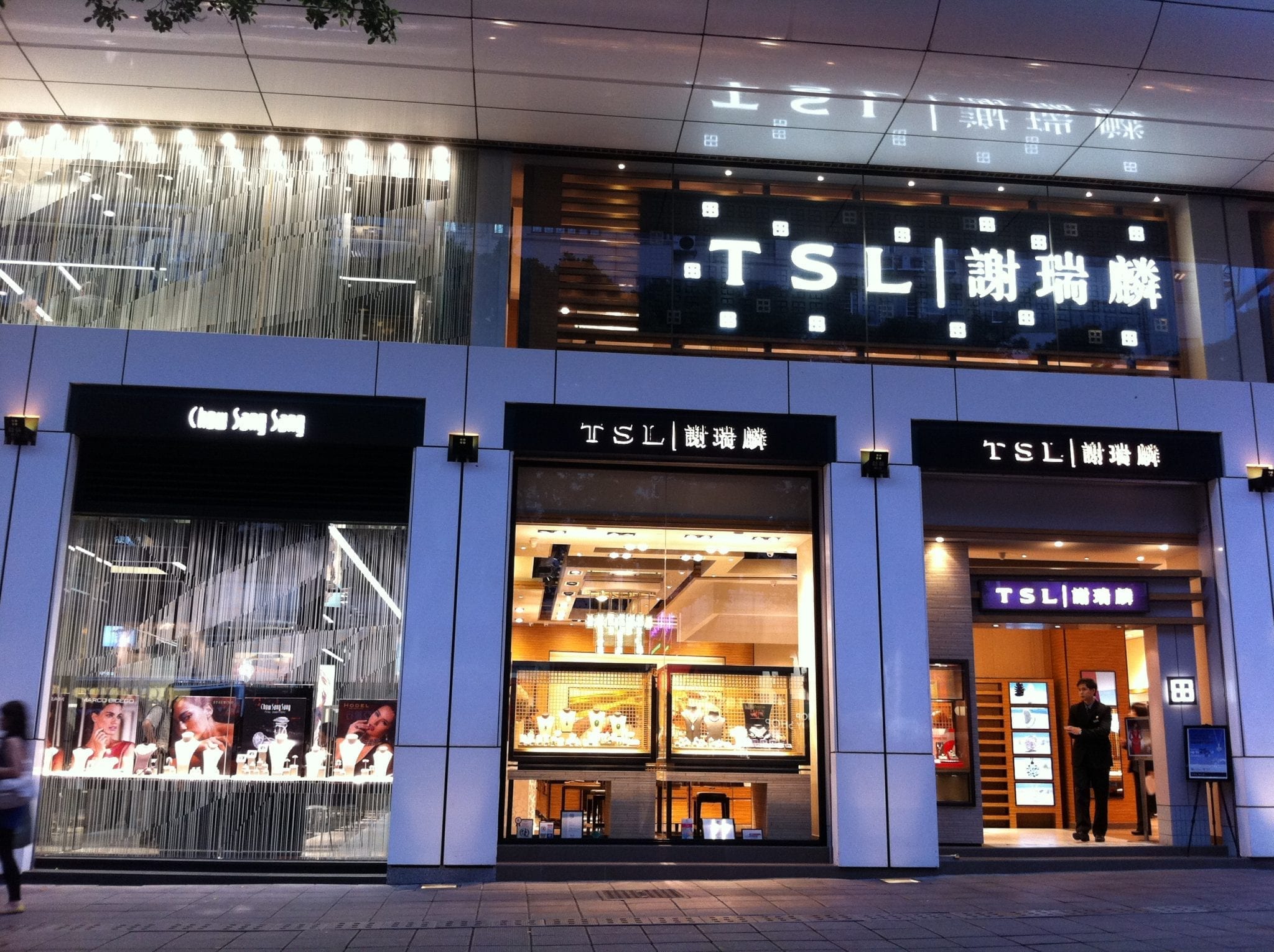
    Hong Kong-headquartered jeweller Tse Sui Luen has reported a 9.6 per cent increase in profit for the full year, despite a marginal 1.7 per cent drop in group turnover.

    Profit attributable to shareholders was HK$54.2 million (US$6.9 million) on sales of $4.065 billion ($521 million).

    The Tse Sui Luen store network grew by 56 during the year, to reach 473.

    Chairman Annie Yau said sales rose in the first half of the year, reflecting the continuing upturn of Hong Kong’s retail sector. “However, conversely, towards the end of the year, the group started to feel the trickle-down effects of the trade dispute between the US and China which has adversely affected the market sentiment and consumer confidence and resulted in the depreciation in the Renminbi – all leading to a slowdown in the global economy and in local retail sales performance.”

    She said the fluctuation of the Renminbi value inevitably brought adverse impact on the second half. “The group is responding to these challenges with unique signature products and reinforcement of our market positioning as ‘Wedding Expert’, all aimed to offset the negative effects…”

    During the year, the group has demonstrated its vision to optimise its retail network across Asia and broaden its international presence through new store openings in Hong Kong, Mainland China and Malaysia. Going forward, we will continue to seize the opportunities for developing existing and new business channels and expanding our retail network in all the regions where we operate, while being cautious and keeping a close watch on any and all changes as and when they occur in the market,” she says.

    Same-store sales growth in Hong Kong and Macau was 2.8 per cent, and as a result of gold product promotions and an expanded product assortment, the average amount per invoice rose by 5.6 per cent.

    Tse Sui Luen took advantage of a general downward trend in store rental rates to improve rental cost effectiveness. It expanded the size of its stores at Times Square in Causeway Bay and Plaza Hollywood in Diamond Hill and opened a new store in MCP Central (Phase II) in Tseung Kwan O.

    Self-operated Tse Sui Luen store growth continued to be a key driver of the group’s Mainland China business, accounting for 36.6 per cent of its turnover during the year. Twelve new self-operated stores and 43 new franchised stores were opened on the mainland, expanding the network from 380 to 435.

    “We will keep on expanding our retail network in Mainland China with the intention of opening an additional 100 new stores over the coming two years,” said Yau.

    In Malaysia, turnover was stable the jeweller opened one new store, at Genting, taking its network there to five.

  • Tsui Wah Singapore to open second restaurant

    Tsui Wah Singapore to open second restaurant

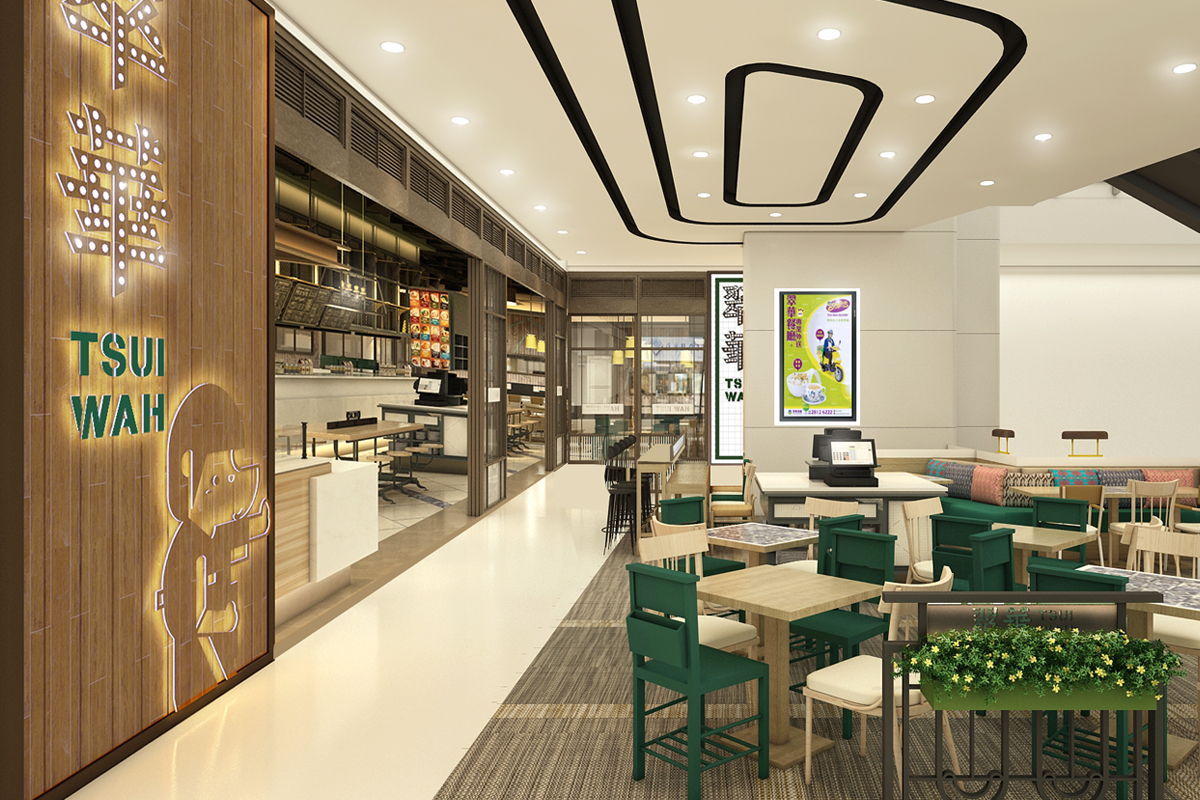
    Tsui Wah Singapore will open a second outlet at Robinsons The Heeren, on Orchard Road.

    No official opening date has been set as yet, but the menu is expected to include signature items such as Swiss Sauce Chicken Wings, Crispy Bun with Sweet Condensed Milk, Kagoshima Style Pork Cartilage with Tossed Instant Noodles, and Milk Tea. Western food such as club sandwiches and French toast will also be available.

    The Hong Kong tea chain arrived in Singapore last June with an outlet at Clarke Quay.

    It is known for its mix of Cantonese cuisine and Western cafe-style fare.

  • Japanese tax-free store operator Laox Expanding in China

    Japanese tax-free store operator Laox Expanding in China

    Japanese tax-free store operator Laox plans to raise US$94 million to expand its activities in China and boost its e-commerce footprint.

    The company will issue shares to Granda Galaxy (a wholly-owned subsidiary of Suning Appliance Group), and Global Worker (a wholly-owned subsidiary of Chuben Sangyo).

    Once the funds are in the bank, Laox will further increase its investment in the Chinese market and expand its e-commerce business worldwide. Since entering the Chinese market in 2011, Laox has introduced high-quality Japanese goods and services to China through Suning’s online and offline platforms and its Tmall flagship store. In the future, Laox aims to become one of the largest suppliers of “Made-in-Japan” goods to better serve more Chinese local consumers, and plans to promote more quality products and consumption experience to other countries and regions through the Belt and Road Initiative.

    Suning believes Laox will further strengthen its close cooperation with the company in overseas purchase, commodity procurement, marketing and logistics services, thus increasing the Suning’s international influence and attracting more customers who are looking for better-quality goods.

    By the end of last year, Laox had 38 retail stores in the Japanese market, which had attracted nearly 2.5 million shop visitors in the year and achieved annual sales of about $1.12 billion.

  • City Chain parent records another loss

    City Chain parent records another loss

    Same-store sales by watch retailer City Chain improved last year – but parent Stelux Holdings still recorded a loss of HK$34.6 million (US$4.4 million).

    That deficit would have been a lot higher but for the one-off gain of $111.8 million ($15.2 million) from the sale of the company’s optical business in June last year. The company says without the gain, and various other one-off adjustments, the company would have lost $117.5 million ($15 million). However, both figures were lower than the previous year’s loss of $123.7 million. On the positive side, inventory fell 16.6 per cent to $559.8 million ($71.7 million) as of March 31.

    Group turnover for the last financial year was down 3.4 per cent to $1.458 billion ($186.8 million).

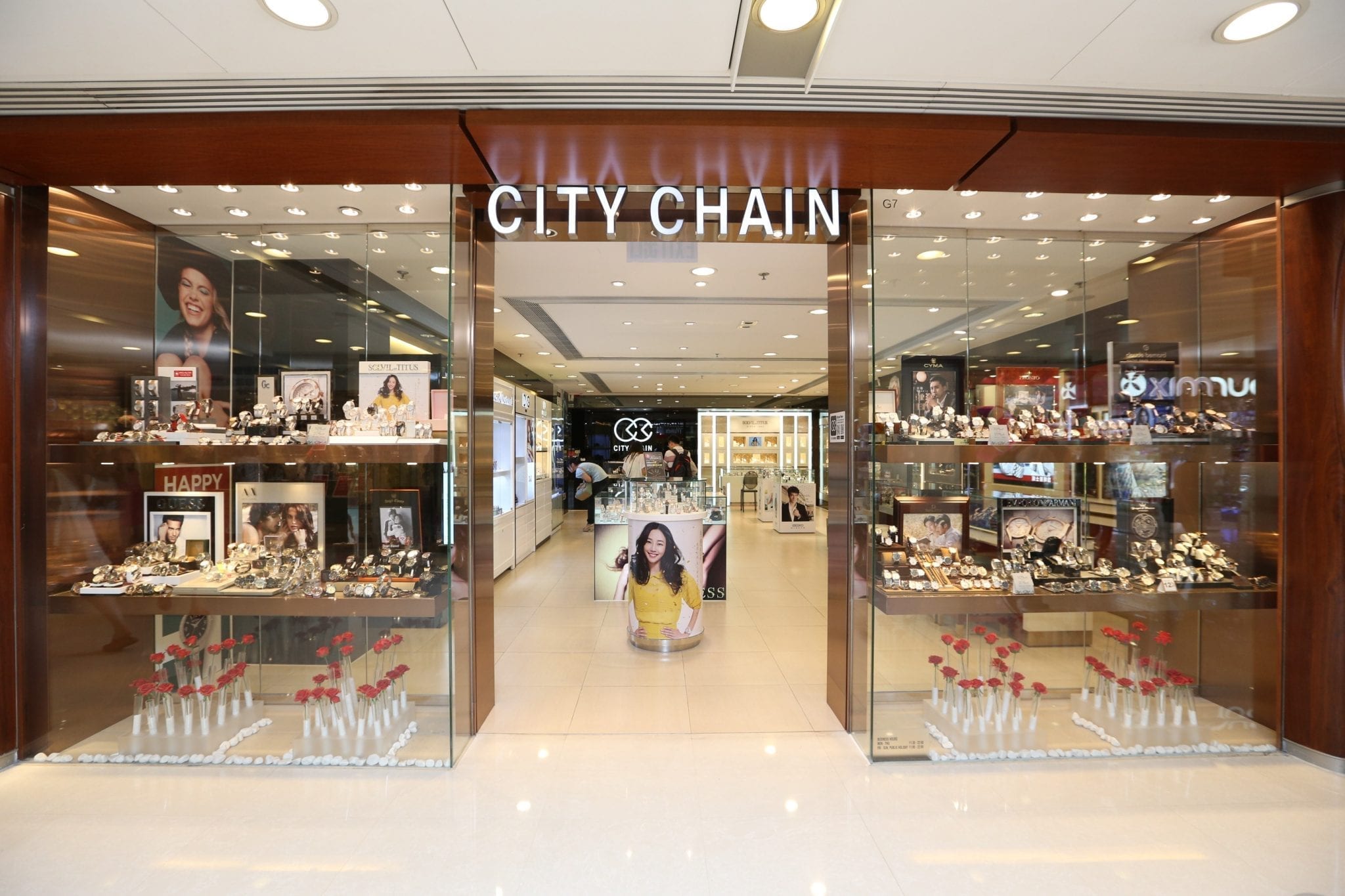
    The City Chain Group operates around 220 stores in Hong Kong, Macau, Mainland China, Singapore, Thailand and Malaysia together with on-line stores under the City Chain and Solvil et

    Titus brands. It also has exclusive rights to the Seiko and Grand Seiko watch brands in Hong Kong, Singapore and Malaysia.

    Stelux International sold its Optical 88, Egg and Thong Sia Optical businesses last year for $400 million ($51.2 million). The purchaser was an entity controlled by Stelux CEO and chairman Joseph CC Wong, also known as Chumphol Kanjanapas.

    Wong said the company achieved same-store sales growth and profit in the first half of the financial year thanks to a refresh of the City Chain branding and house brand portfolio, store closures and cost reductions. However this was undermined in the second half as the trade dispute between China and the US intensified, Renminbi remained weak, tourist and domestic spending in regions where the company operates slowed down and consumer sentiment took a dive.

    For the full year, City Chain’s turnover fell 5 per cent to $1.167 billion ($149.5 million) as its store network reduced by 13 per cent.

    Turnover at City Chain’s Greater China business fell by 6.5 per cent, with a 19 per cent reduction in store numbers. Pre-tax loss there grew from $53 million ($6.8 million) last year to $98.9 million ($12.7 million) this year.

    “Despite the challenging operating environments in the second half, year-on-year same-store sales in Hong Kong and Macau remained stable,” said Wong. Operating costs fell by 9.8 per cent.

    Despite a generally weaker market environment, City Chain’s operations in Southeast Asia reported an increase in sales per shop of 8.9 per cent, with turnover remaining relatively stable, despite a 5.4 per cent reduction in the store network. However currency depreciation against a strong Hong Kong dollar say pre-tax earnings down from $4.2 million ($538,000) last year to just $800,000 ($102,000) this year. Excluding exchange losses the result was $3.4 million .

    Wholesale division turnover (including Seiko) grew 3.5 per cent to $291.2 million ($37.3 million) and together with improved operational efficiencies contributed to a profit of $40.1 million, a substantial improvement on the previous year’s loss of $4.6 million.

    Wong says that while uncertainties surround the completion of a trade deal between China and the US, retail sentiment is likely to remain subdued for the remainder of the 2020 year.

    “Refreshment of stores will continue and capital expenditures will be prudently managed.

    However, as part of the group’s long-term strategy to improve its competitiveness to adapt to changes in the consumer landscape, the group has prioritised investment in infrastructure and brand development to enhance customer interaction through omni channels so as to improve synergies between the online and offline businesses of the City Chain Group.”