Tag: China

  • Same-store sales fall for Chow Tai Fook

    Same-store sales fall for Chow Tai Fook

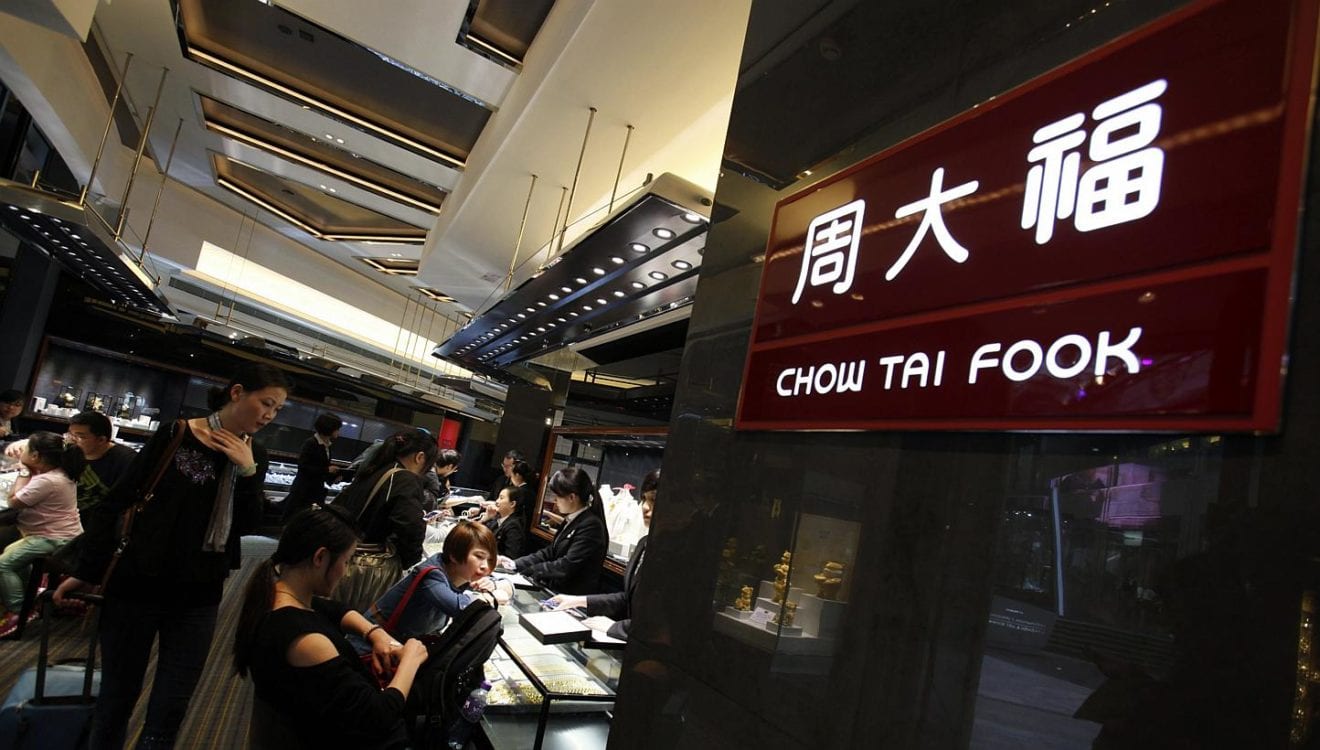
    Jeweller Chow Tai Fook says same-store sales in its Hong Kong home market and Macau fell by 11 per cent in the June quarter.

    But sales in Mainland China rose by the same percentage.

    Sales volume fell by 14 per cent in Hong Kong and Macau and by 3 per cent on the mainland, while the value of retail sales rose 24 per cent on the mainland and fell 6 per cent on local markets.

    “The Hong Kong and Macau market was affected by a tough base of comparison and cautious consumer sentiment amid an uncertain macro environment,” the company said in a stock-exchange filing.

    Sales of gem-set jewellery fell by 16 per cent in Hong Kong and Macau during the quarter as consumers held back on spending.

    The difference in volume growth verses sales growth reflects consumers opting for less expensive purchases in a period when the gold price was relatively flat.

    The company opened 119 points of sale in Mainland China during the quarter: 113 bearing the Chow Thai Fook Jewellery banner, three Monologue stores, and three SoInLove stores. It closed three CTF Watch stores and one Hearts on Fire store. In other markets, it opened three Chow Tai Fook Jewellery stores – in Singapore, South Korea and the Philippines, and closed four Hearts on Fire stores in Taiwan. At the end of June the store network totalled 3248, up by 114 over the previous quarter.
  • China boosts Uniqlo parent

    China boosts Uniqlo parent

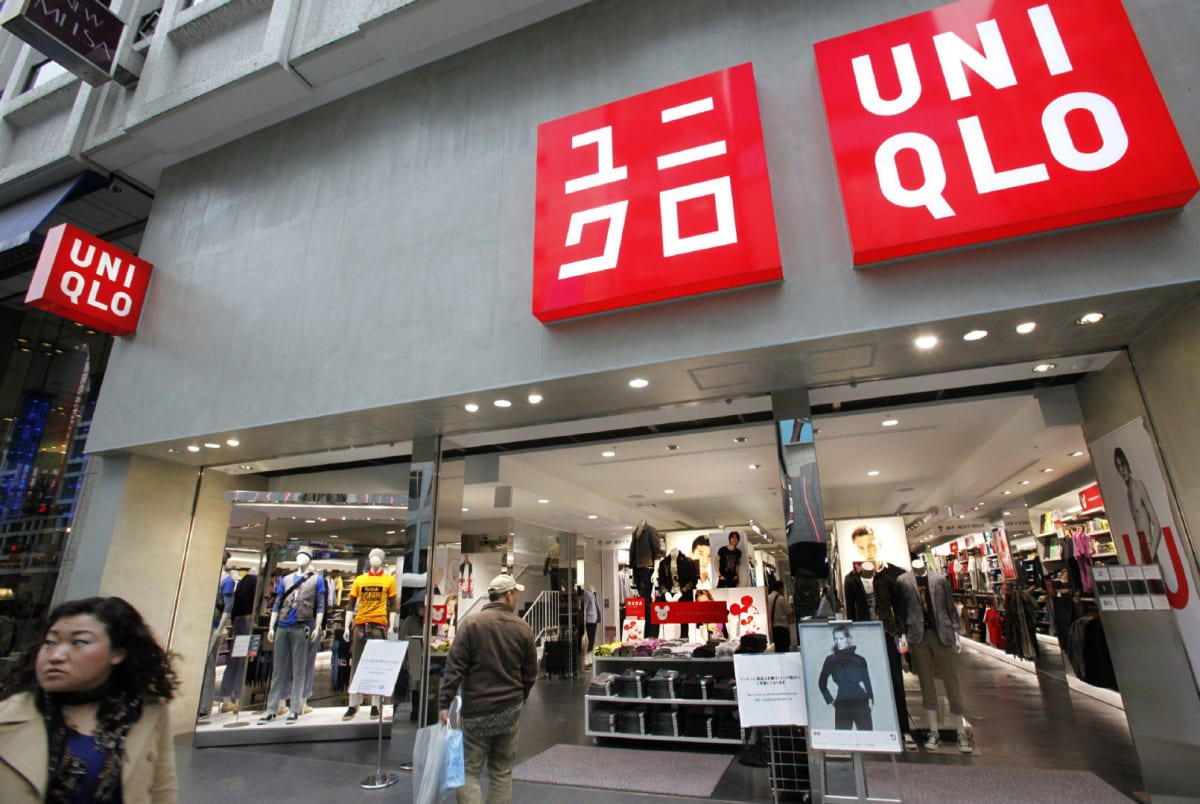
    Uniqlo owner Fast Retailing’s healthy online sales and strong performance in overseas markets, particularly in China, have helped boost its third quarter results.

    The Japanese retailer said its online sales saw a 16.1 per cent year-on-year increase in the three months to May 31 to ¥19.0 billion (US$176.1 million), increasing their proportion of total sales from 7.8 per cent to 9.1 per cent.

    For the three months from March to May 2019, Uniqlo’s international segment reported strong results, with revenue expanding 15.3 per cent year-on-year and operating profit expanding 14.9 per cent year-on-year over that period.

    Uniqlo continued to achieve significant year-on-year growth in both revenue and profit in Mainland China, and achieved double-digit growth in both revenue and profit in Southeast Asia and Oceania on the back of strong sales of its summer range.

    But Fast Retailing’s less-than-stellar domestic sales have overshadowed the company’s strong performance in its e-commerce and international segments, indicating that Japan’s market still has a huge influence on the retailer’s results.

    The company’s domestic sales saw a 0.5 per cent decline brought about by shifting a sales event to June.

    On the profit front, the retailer’s operating profit declined by 7.5 per cent year-on-year on the back of a higher selling, general and administrative expense ratio, and a lower gross profit margin, which was dampened by its decision to bring forward discounting of leftover Spring Summer inventory.

    China continues to be one of the main engines driving overseas expansion, with sales in the country rising in the double digits.

    The retailer said Uniqlo so far hasn’t been hurt by the trade war between the US and China, and sales there were strong even in the face of a weaker yuan.

    Uniqlo Europe reported a decline in profit caused by unseasonal weather patterns and political uncertainty. However, within that region, Russia continued to perform strongly and report expanding revenue and profit.

    In terms of new-store activity, Uniqlo opened its first store in the Netherlands in Amsterdam in September 2018, as well as its biggest Southeast Asian global flagship store in Manila, Philippines in October 2018, and its first store in Denmark in Copenhagen in April 2019.

    Fast Retailing said it is planning to focus its efforts on expanding its global e-commerce operation and its Uniqlo international and GU casual fashion brands to meet its medium-term vision to become the world’s number one apparel retailer.

  • Bonjour Holdings warns of loss ahead

    Bonjour Holdings warns of loss ahead

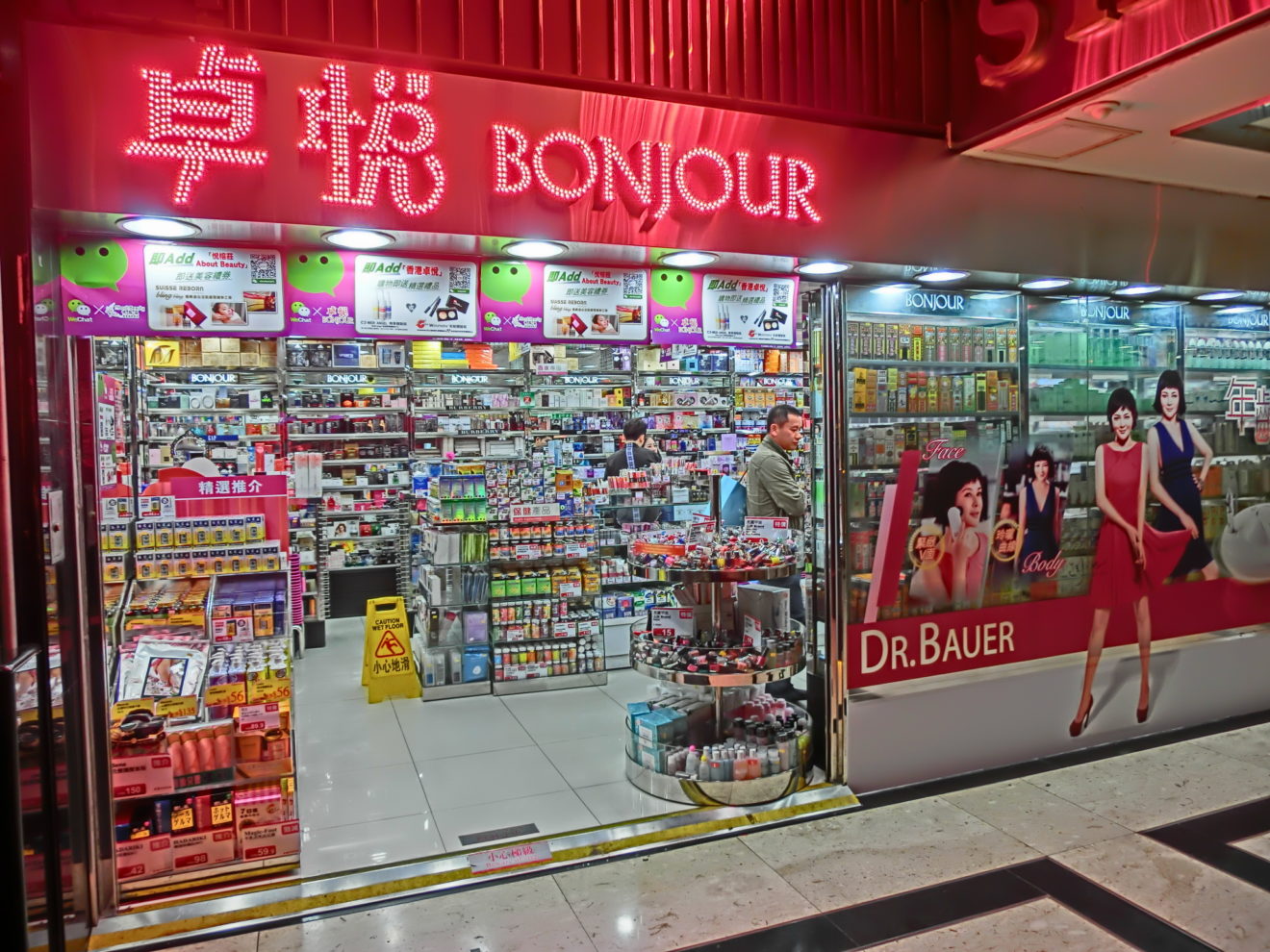
    Bonjour Holdings says it expects a loss in the half year to June as protests took their toll on the city’s retail sector.

    Last year, Bonjour Holdings reported a profit of HK$7.4 million in the six month period.

    In a stock-exchange filing, the company did not release an estimate of the level of loss it anticipates, with the preparation of final results still incomplete.

    Chairman and executive director Wilson Ip Chun Heng said the board believes the reversal of fortune is mainly attributable to the weak sales performance brought about by both local and global factors, including the US-China trade war, the depreciation of RMB, and the demonstrations and social unrest in Hong Kong which occurred in June.

    “Moreover, the implementation of the e-commerce law in China at the beginning of the year has severely hit the mainland “Daigou” (surrogate shopping) which has, to a certain extent, adversely affected our group’s turnover in the short-term.”

  • Michael Kors launches on Tmall Luxury Pavilion

    Michael Kors launches on Tmall Luxury Pavilion

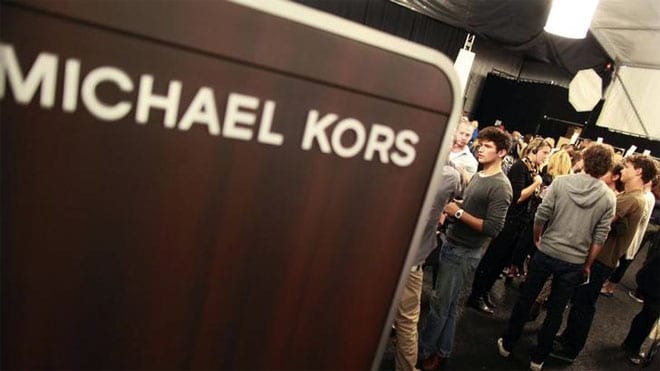
    US fashion brand Michael Kors is to launch a digital flagship store on Alibaba’s Tmall and the Tmall Luxury Pavilion.

    The launch marks Michael Kors’ first e-commerce channel in China, apart from its own site, offering consumers the full line of clothing sold offline, as well as a selection of handbags and footwear. The brand said Tmall would be its main destination for debuting products in China, including new items that will be exclusive to the platform – not sold anywhere else in the world.

    John D Idol, chairman and CEO of Capri Holdings, the parent of Michael Kors, Versace and Jimmy Choo, said consumers are becoming more digitally engaged with luxury shopping in China and Tmall Luxury Pavilion is the perfect venue for the Michael Kors brand to communicate its vision.”

    The label will hold a series of events in the coming months, including during New York Fashion Week in September, to celebrate the flagship’s grand opening. On Chinese Valentine’s Day, on August 7, Michael Kors will launch a capsule collection featuring graffiti-inspired clothing, handbags, footwear, jewellery and wristwatches, samples of which are pictured below

    “Michael Kors is an iconic, beloved brand and we are delighted to partner with it as it looks to accelerate its momentum in the Chinese market. This collaboration will bring both exciting products and elevated shopping experiences to the more than 700 million Chinese consumers on our platforms,” said Jiang Fan, president of Taobao and Tmall.

    Launched in 2017, Tmall Luxury Pavilion now offers more than 115 brands, ranging from apparel and beauty items to watches and luxury cars, including Chanel, Bottega Veneta, Valentino, Burberry, Tod’s, Versace, Stella McCartney, Moschino, Gentle Monster, Giuseppe Zanotti, MCM, Maserati, and LVMH-owned Rimowa, Guerlain, Givenchy, Tag Heuer and Zenith.

    Tmall wants to double that number by the end of next March.

  • Ajisen China sales on the up

    Ajisen China sales on the up

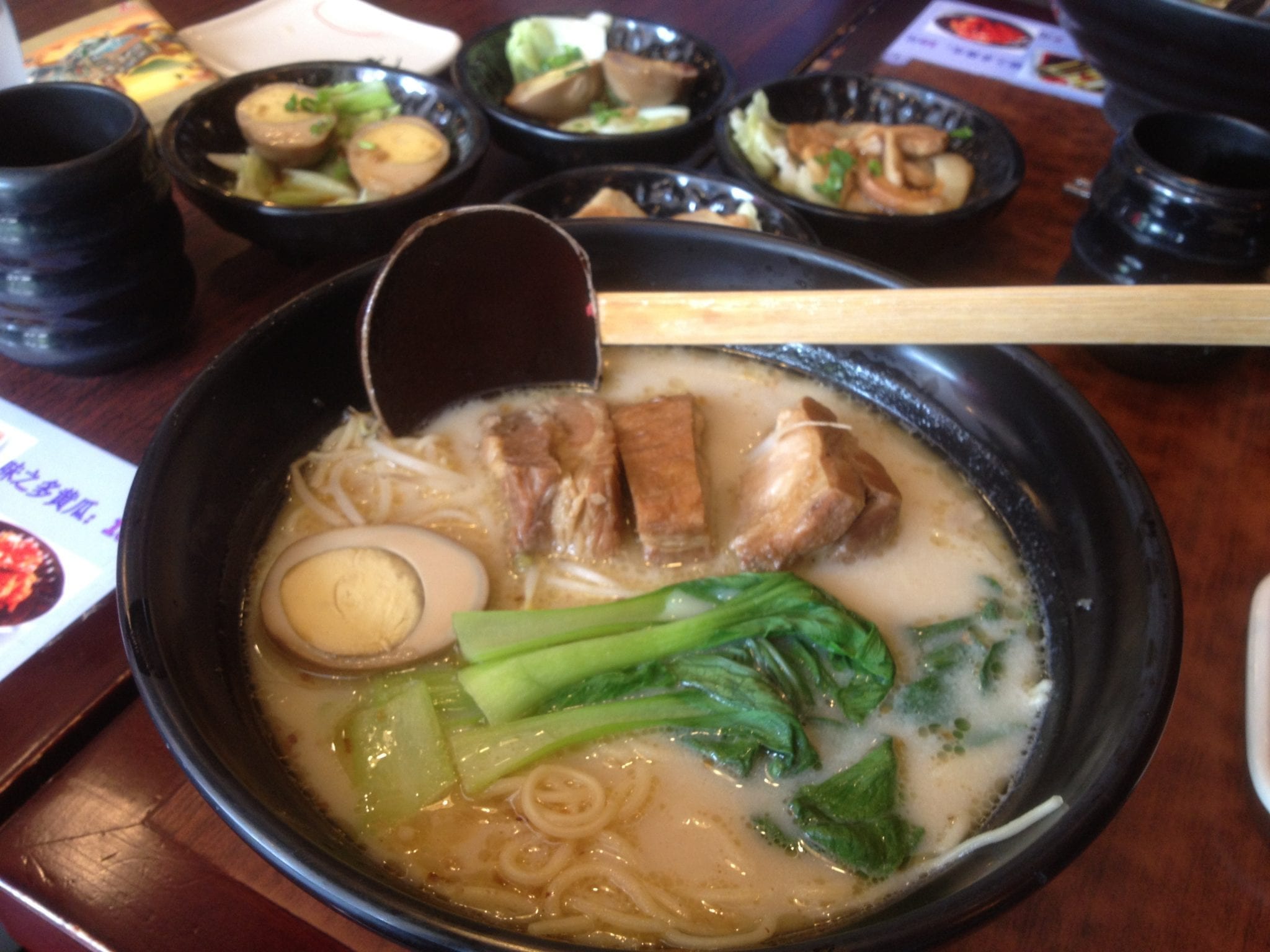
    Ajisen China has reported a 4.8 per cent improvement in same-store sales for the June quarter.

    The Hong Kong-listed fast-casual restaurant operator combined sales in its local operations with those in the mainland and did not comment on the respective markets this reporting period.

    Overall sales for the restaurant business rose by 6.4 per cent, reflecting network expansion.

    The sales growth is a marked turnaround from the same period a year ago, when it reported a 10.8 per cent sales decline in Hong Kong and 1.8 per cent drop on the mainland, citing stiff competition in the restaurant and catering sector, especially in Mainland China.

    Ajisen China operates Ajisen Ramen restaurants under licence to the Japanese brand owner.

  • China boosts Uniqlo parent

    China boosts Uniqlo parent

    Uniqlo owner Fast Retailing’s healthy online sales and strong performance in overseas markets, particularly in China, have helped boost its third quarter results.

    The Japanese retailer said its online sales saw a 16.1 per cent year-on-year increase in the three months to May 31 to ¥19.0 billion (US$176.1 million), increasing their proportion of total sales from 7.8 per cent to 9.1 per cent.

    For the three months from March to May 2019, Uniqlo’s international segment reported strong results, with revenue expanding 15.3 per cent year-on-year and operating profit expanding 14.9 per cent year-on-year over that period.

    Uniqlo continued to achieve significant year-on-year growth in both revenue and profit in Mainland China, and achieved double-digit growth in both revenue and profit in Southeast Asia and Oceania on the back of strong sales of its summer range.

    But Fast Retailing’s less-than-stellar domestic sales have overshadowed the company’s strong performance in its e-commerce and international segments, indicating that Japan’s market still has a huge influence on the retailer’s results.

    The company’s domestic sales saw a 0.5 per cent decline brought about by shifting a sales event to June.

    On the profit front, the retailer’s operating profit declined by 7.5 per cent year-on-year on the back of a higher selling, general and administrative expense ratio, and a lower gross profit margin, which was dampened by its decision to bring forward discounting of leftover Spring Summer inventory.

    China continues to be one of the main engines driving overseas expansion, with sales in the country rising in the double digits.

    The retailer said Uniqlo so far hasn’t been hurt by the trade war between the US and China, and sales there were strong even in the face of a weaker yuan.

    Uniqlo Europe reported a decline in profit caused by unseasonal weather patterns and political uncertainty. However, within that region, Russia continued to perform strongly and report expanding revenue and profit.

    In terms of new-store activity, Uniqlo opened its first store in the Netherlands in Amsterdam in September 2018, as well as its biggest Southeast Asian global flagship store in Manila, Philippines in October 2018, and its first store in Denmark in Copenhagen in April 2019.

    Fast Retailing said it is planning to focus its efforts on expanding its global e-commerce operation and its Uniqlo international and GU casual fashion brands to meet its medium-term vision to become the world’s number one apparel retailer.

  • China·Chengdu Panda Cafe opens in Naples

    China·Chengdu Panda Cafe opens in Naples

    China·Chengdu Panda Cafe, a coffee house featuring panda elements, officially debuted in Naples, Italy last weekend.

    The cafe, presents Chengdu-themed performances to guests, quickly attracted local customers curious to try the brand’s unique “Chengdu Flavour” coffee. It also features a number of interactive events, including panda painting, calligraphy, and Chengdu-themed postcard writing.

    “Baby pandas” in the cafe warmly invite all Italians to “drink coffee today in Naples, and in 2021 drink Panda covered-bowl tea in Chengdu”. The activity serves as an invitation to the 31st Summer Universiade, to be hosted in Chengdu. Naples was the previous host of the sports event.

    To promote the opening, a Panda-themed flash mob performed the “Panda Swing Dance” at many famous scenic spots across Naples.

  • China Liberates Its Automotive Strategy To Support Hybrid Vehicles Sales

    China Liberates Its Automotive Strategy To Support Hybrid Vehicles Sales

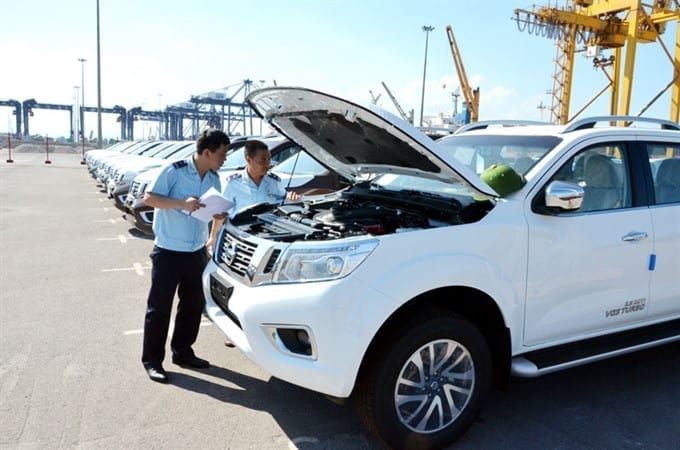
    China is one of the biggest EV markets in the world and many global automakers have developed electric vehicles particularly for the Chinese market. However, some carmakers like Toyota and Honda have also invested heavily in the hybrid technology and have been expecting support from the Chinese Government to promote the sales of hybrid vehicles. Finally, it looks like that the Chinese Government will consider their demand and has started focussing on hybrid vehicles as well in its new strategy for the auto sector.

    Earlier this year, the Chinese government had introduced manufacturing and sales quota to promote new-energy vehicles which include electric cars, hydrogen fuel cell vehicles and plug-in hybrids. According to the quota rule, new-energy vehicle must account for 10 per cent of automakers fleet in 2019. The Ministry of Industry and Information Technology wants to amend the regulations and allow automakers to include more fuel-efficient hybrid vehicles in their line-up. Hybrid vehicles will be still categorised under the fossil fuel powered segment but will be classified as low-fuel consumption vehicles. The new rule is likely to help automakers in China to meet the environmental quota norms along with allowing them to add more hybrid vehicles in their product line-up.

    The current rule requires automakers to manufacture 20,000 high performance EVs for every one million hybrid vehicles. If EVs do not meet the performance standards, then they require to manufacture more than 20,000 units as hybrids are grouped along with petrol and diesel vehicles, under the same category. That said, the new proposed rule will allow automakers to manufacture only 6000 EVs for a million hybrid vehicles, while the number of EVs for one million petrol or diesel vehicles will be increased to 29,000 units. China is also world’s largest car market and hybrid vehicles being more fuel efficient and low on emission will help carmakers to achieve emission targets in such a high-volume market along with improving sales.

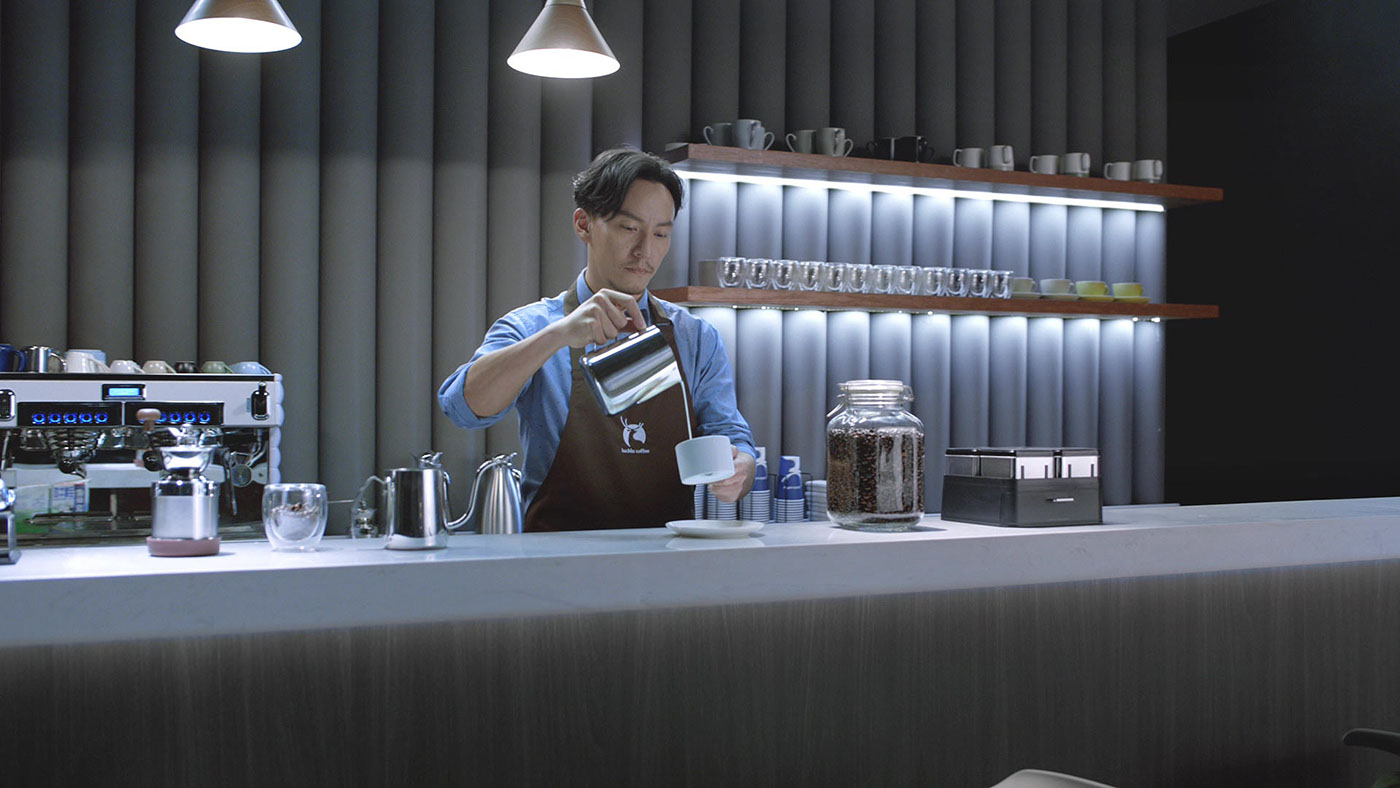
  • Luckin Coffee to launch tea brand Xiaolu

    Luckin Coffee to launch tea brand Xiaolu

    Luckin Coffee, the Chinese cafe startup that has directly taken on Starbucks in the territory, is moving into the takeaway tea market with its new Xiaolu brand.

    “Coffee and tea are the two most popular drinks in the office,” said Luckin VP Jinyi Guo. “However, there are currently few renowned brands of milk tea in China, the quality of franchise stores is inferior, and supply chain management is deficient.”

    The new brand, launched this week, is targeting young Chinese white-collar workers and offers cheese foam tea, fresh tea and milk tea, among others.

    “We want to transform the tea series from traditional tea drinks into creative ones and we hope people drink it in the offices instead of streets,” said the brand’s chief marketing officer Fei Yang.

    Luckin completed its New York IPO this May, raising US$561 million.

  • Belgian fashion chain Jean Paul Knott to enter China

    Belgian fashion chain Jean Paul Knott to enter China

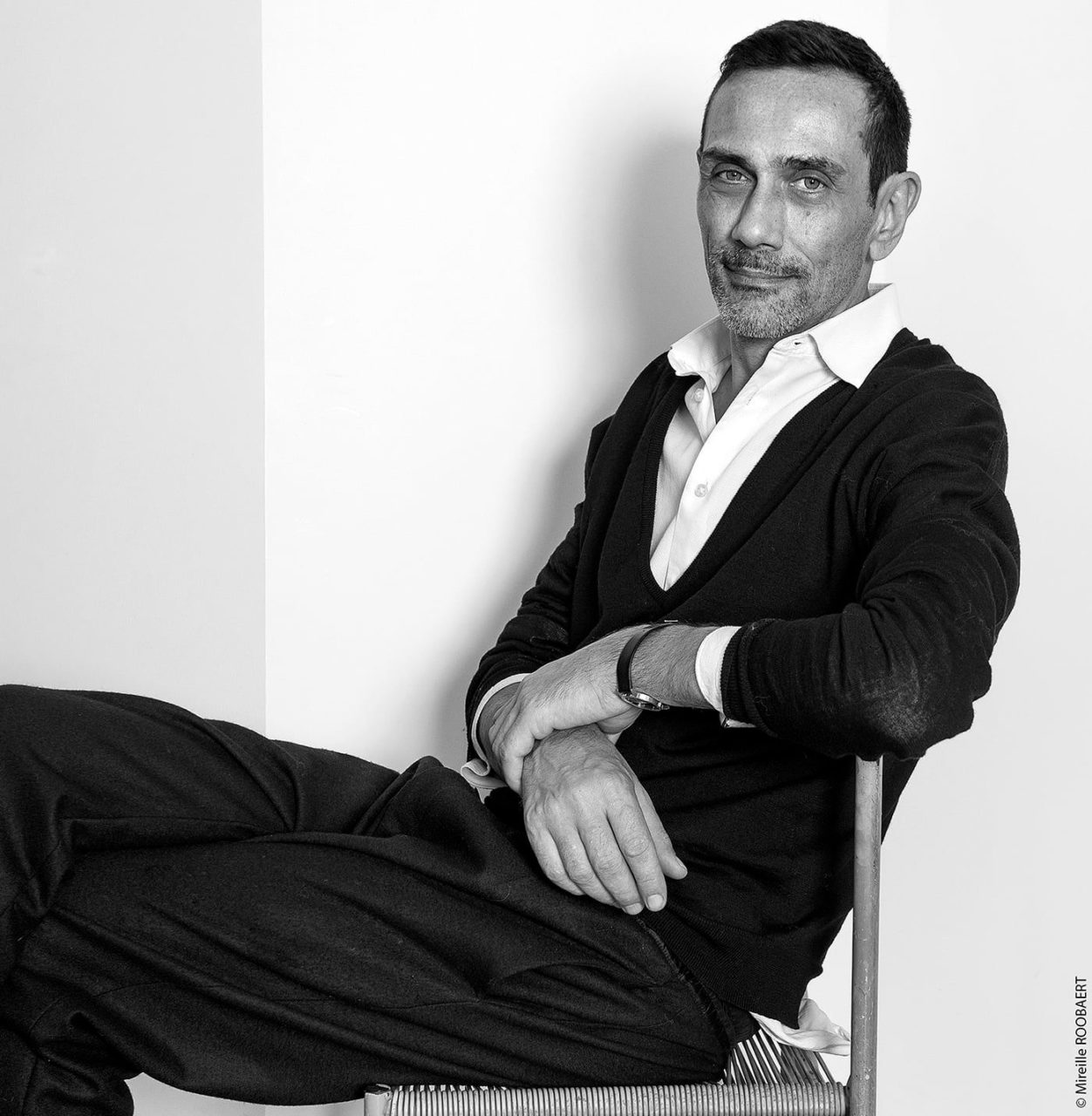
    Belgian designer brand Jean Paul Knott will open its first Chinese flagship in Beijing next month.

    The designer behind the eponymous label, which emphasises high-quality fabric and minimalist design, revealed the plans at a recent conference marking the brand’s 2019 Autumn/Winter collection, inspired by the classic French 1960s romantic film A Man and a Woman, and featuring a natural and smooth linear beauty of cuts and edits.

    In a dialogue with local fashion writer and translator Gu Chenxi, Knott revealed that he has refocused on the “design of the clothing itself” in an attempt to introduce a “new sincerity to the Chinese market”.

    At the conference, Knott introduced a creative artistic and visual immersive experience designed around brand’s signature blue element, representing “the infinite possibilities of Jean Paul Knott in China”, and featuring stills and clips from A Man and a Woman.

    Knott studied fashion design in New York and worked in Paris with legendary designer Yves Saint Laurent.

  • VIPshop buys Chinese outlet malls

    VIPshop buys Chinese outlet malls

    Discount e-commerce platform Vipshop has acquired a chain of Chinese outlet malls.

    The online business has paid RMB290 million (US$42 million) for Shan Shan, extending its offline footprint.

    The Tencent and JD-backed site has been making strong moves to trade offline since opening a store in Beijing last October, and has gone on to launch retail outlets in Guangzhou, Changsha, Shenyang, Tianjin, and Hefei. The new acquisition adds five outlet malls to VIPShop’s network in Taiyuan, Harbin, Zhengzhou, Nanchang, and Ningbo, with five more outlets in the works.

    “This represents another milestone in our efforts to explore online and offline integration in our core business,” said Vipshop founder Eric Shen. “Through this highly strategic transaction, we will gain presence in the offline outlet business in China, which further enhances our ecosystem and fortifies our leading position in China’s discount retail segment.”

    Vipshop’s first 2019 financial quarter saw it take in RMB21.3 billion (US$3.1 billion) in revenues, providing a net income of RMB872.3 million ($127 million).

  • Huawei opens flagship store outside of China

    Huawei opens flagship store outside of China

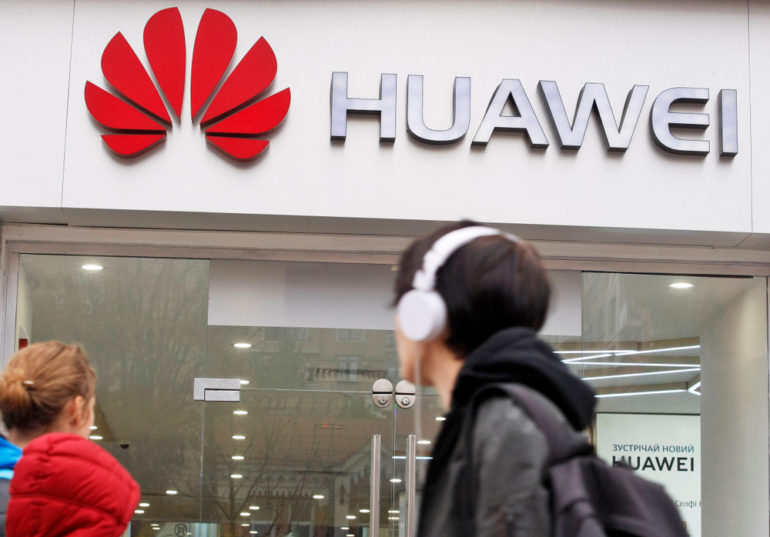
    Chinese tech firm Huawei has launched its largest international flagship store in Madrid.

    The new centrally located 1100sqm store showcases the company’s 5G and AI technologies as well as its range of smartphones and computers. More than 1000 people attended the launch.

    Huawei recently cooperated with Vodafone Espana to roll out the first commercial 5G service in Spain, which is now offering 5G roaming in four European countries. Huawei has already provided equipment for Britain’s new 5G network.

    The Chinese firm has already won 50 5G contracts around the world, but is at the centre of controversy in the US and Australia, among other markets, over allegations its systems can be used by Chinese government agencies to spy on users.

  • Versace China opens Beijing flagship Store

    Versace China opens Beijing flagship Store

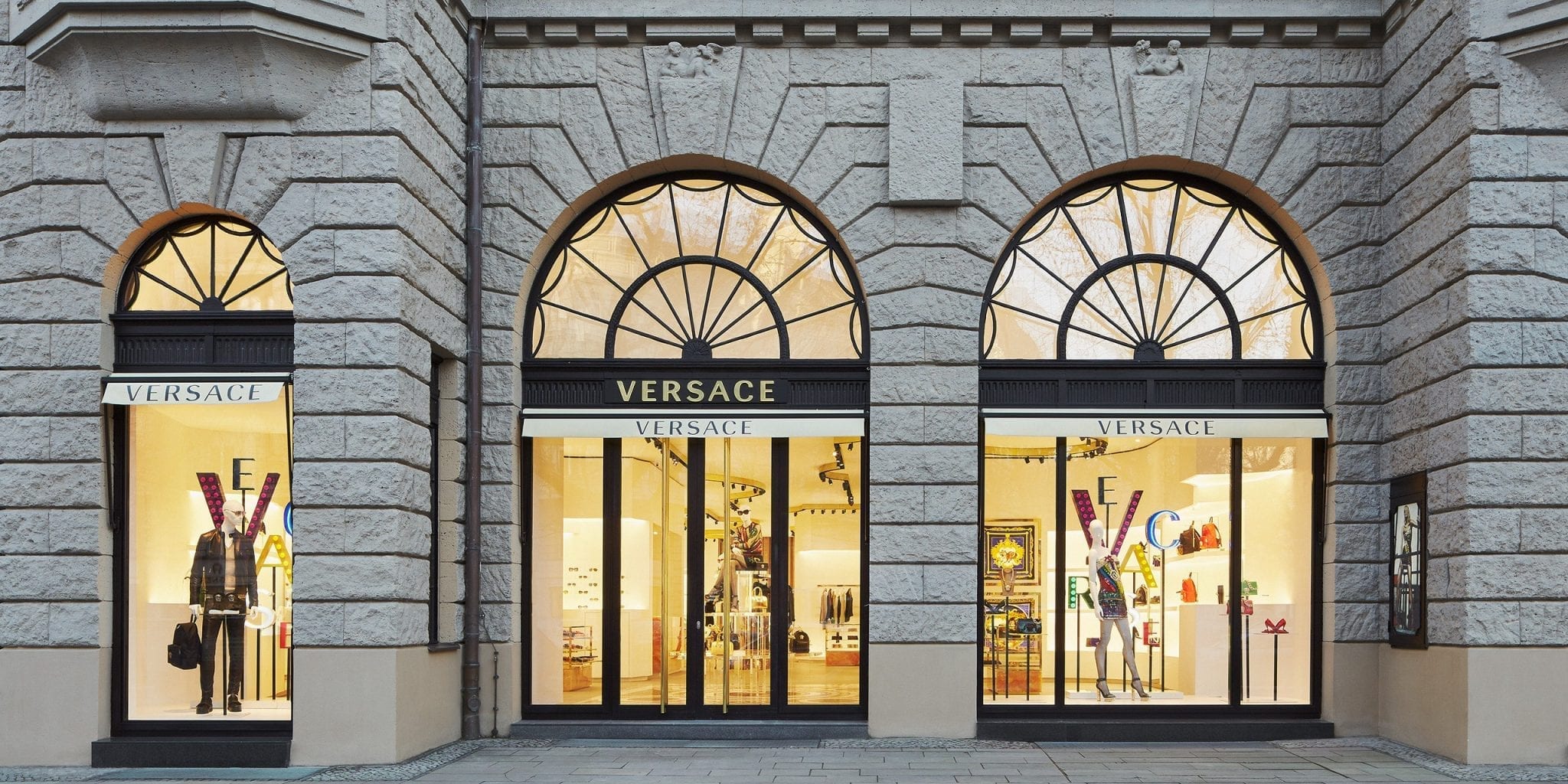
    Versace China’s new flagship has opened in Beijing as part of a concerted plan by the fashion label’s new owners to expand its footprint globally.

    Launching in Beijing’s China World Mall to bring its store network to 53 outlets, the more than 4300sqft two-level boutique features a marble-based store design overseen by French architect Gwenael Nicolas.

    “The LEED-certified boutique has been created with the highest sustainability standards in mind,” said a statement released by the firm. “Dimmable lights with central control have been installed to ensure efficient use of energy over the course of the day.”

    “There’s no bigger luxury than our future. The new Versace China concept is a commitment toward Versace’s sustainable legacy,” said designer Donatella Versace”

    Capri Holdings, which also owns Michael Kors and Jimmy Choo, bought Versace from Donatella Versace late last year for US$2.2 billion. It is now implementing a plan to double the label’s worldwide sales with at least 112 new stores scheduled by 2022 along with a refurbishment program for the existing network. The new Beijing store is a key step in that plan.

  • Volkswagen Says 50% Of Sales In China Will Be NEVs By 2035

    Volkswagen Says 50% Of Sales In China Will Be NEVs By 2035

    By 2035 half of Volkswagen’s sales in China will be new energy vehicles (NEVs), CEO Herbert Diess told a conference in Boao, China, on Tuesday, according to a company statement.

    Volkswagen intends to offer 14 electrified models in China this year. By 2028, more than half of the Group’s planned 22 million electric cars will be produced in China, the statement added.

    Volkswagen previously said it aimed to sell 400,000 NEVs in China next year and to sell around 1.5 million new energy vehicles in China in 2025.

    Volkswagen has joint ventures in China with FAW Group, SAIC Motor and JAC.

  • Tmall offers new tools for retailers to revamp online storefronts

    Tmall offers new tools for retailers to revamp online storefronts

    Alibaba’s marketplace Tmall has rolled out a suite of tools for brands to customize their online storefronts and offer a more personalized experience for shoppers.

    The platform’s “Flagship Store 2.0” solution pulls both analytics and popular technologies together into the Tmall app, offering brands new tools to revamp their existing flagship online storefronts and provide each consumer a personalized page based on their previous shopping patterns. It also allows brands to display and order offline specials and inventory through their newly designed online stores.

    “We aim to offer new tools to all brands and merchants on our platform to transform their operations with digital technology,” said the president of Taobao and Tmall Jiang Fan. “By supporting players on our marketplace to push the New Retail boundary, we will reinforce Tmall’s position as the go-to platform for innovative e-commerce and brand new shopping experiences”.

    This is the most significant upgrade of Tmall’s flagship stores since its PC-based launch in 2008. With Flagship Store 2.0, Tmall is opening its back end to independent software vendors so they can develop new virtual shopping spaces for online store operators. At the same time, Tmall will start including 3D and augmented reality product-display technology in its apps, allowing customers to, for example, see how a piece of furniture will look in their own living room or let them “try on” lipstick in a virtual mirror before placing an order.

    Another feature of the Flagship Store 2.0 solution is the ability to connect brands’ Tmall flagship online storefronts to their offline outlets. This means online shoppers can browse and purchase from a similar product assortment as offered at the brands’ physical locations. The seamless integration can bolster store traffic, both online and offline.

    The use of demographic analytics and a shopper’s history by brands means customers will get a unique, more individualized product recommendations on the platform, along with privileges based on their Tmall membership status.