Tag: China

  • JD Sports defies Brexit to deliver strong growth numbers

    JD Sports defies Brexit to deliver strong growth numbers

    UK sportswear business JD Sports Fashion saw revenue improve 47 percent over the first half of FY20 to £2.72 billion, with global like for like sales growth of 12 percent.

    The group, which runs the JD Sports chain in Australia, also saw group profit before tax and exceptional items increased 30 percent to £158.6 million, up from the £121.9 million seen in the prior corresponding period.

    According to JD Sports executive chairman Peter Cowgill, the management team is very pleased with the result, especially given the ongoing challenge of Brexit’s impact on retail in the UK.

    “We recognize that there is heightened uncertainty surrounding the nature of the UK’s exit from the European Union, and we are very cognizant of the increased risk of a disorderly exit,” Cowgill said.

    The group’s sports fashion businesses saw a strong half, with profit before tax and exceptional items growing 43 percent to £182.4 million.

    “The combined JD businesses in the Asia Pacific region delivered total like for like growth of just under 10 percent, although the earlier timing of Chinese New Year relative to last year did impact on the performance of the business,” Cowgill said.

    “We continue to make learnings in all of our territories which we use to further refine our integrated digital propositions and, with the ongoing support of our key brand partners, we remain confident that further opportunities will prevail to expand the reach of our exciting and dynamic proposition in the region,” Cowgill said.

    Cowgill noted that, in the Asia-Pacific region, JD Sports opened seven new stores during the period across Malaysia, Singapore, and Australia.

    JD’s outdoor business, however, saw more mixed results – finishing the first half with a loss before tax and exceptional items of £20.1 million, compared to the 3.8 million loss seen during the prior period.

    This was due to a challenging first quarter, compounded by a £20.7 million partial impairment due to goodwill from previous years on the acquisition of the Go Outdoors business.

    Preparing for a no-deal exit

    According to Cowgill, the business is well aware of the risk a no-deal exit from the EU would pose to JD Sports, and the UK retail industry as a whole.

    As a result, JD Sports has pulled forward a plan to expand warehouse space in Belgium in order to better serve its EU customers in the event of a no-deal.

    “The group always expect that, for operational purposes, a European warehouse would be required sometime after 2021 with the risks associated with Brexit bringing this decision forward,” Cowgill said.

    “We are working with our logistics partners to secure an additional 80,000 square foot of space at a facility in Belgium which will provide us sufficient capacity to process launch product for footwear for the key brands.”

    Cowgill added that the facility will be available for use in early 2020.

    The looming threat of Brexit has also touched the group’s outlook for the remainder of the year, as well as a shift to a different leasing standard, IFRS 16.

    “Notwithstanding the ongoing uncertainty with regards to Brexit… the group would have been on track to deliver headline profit before tax for the full year at the top end of market expectations which currently rage from £402 million to £424 million,” Cowgill said.

    “However, after adjusting for the impact of the transition to IFRS 16, we would expect to deliver results at the mid-point of expectations.”
  • Laura Ashley appoints IMG as licensing partner for China

    Laura Ashley appoints IMG as licensing partner for China

    Fashion and home-furnishings retailer Laura Ashley has appointed IMG to exclusively license the brand in Mainland China, Hong Kong, and Taiwan.

    Home decor and furnishings will be the initial core focus for Laura Ashley’s entry into Mainland China with future extensions into women’s apparel, fashion accessories, and personal care – all product areas that the Laura Ashley brand has developed over the course of its history in the UK, Europe and the US.

    “We are delighted to have appointed IMG on an exclusive basis to help us develop our brand presence in China, Hong Kong, and Taiwan,” said Laura Ashley COO Sean Anglim. “We look forward to working closely with IMG to build a strong and sustainable business in these territories over the years to come.”

    “The Laura Ashley brand is loved around the world for its quintessentially English heritage and romantic floral designs,” said IMG president of licensing Bruno Maglione. “China has long been the furniture production capital of the world for export, but now with urbanization and a growing middle class, expenditure in home furnishings and decor has become an increasing priority of the Chinese consumer. This is an ideal time for a brand like Laura Ashley to enter the market with its distinctive design aesthetic.”

    Increased purchasing power in China has led to the growth of the furniture market, according to the National Bureau of Statistics – total sales of furniture manufacturing enterprises grew 10 percent year-on-year to more than US$130 billion in 2017.

  • HSBC Launches Digital Credit Card in Mainland China

    HSBC Launches Digital Credit Card in Mainland China

    HSBC continues to expand its capabilities in mainland China with the latest launch of a digital credit card – the first foreign bank to do so.

    The card will allow HSBC customers to access credit card information via the HSBC Mobile App or WeChat Banking service in addition to the same privileges and benefits as the plastic card.

    The bank also leveraged facial recognition technology to allow easy activation of credit cards or unlocking of details. Mainstream online payment tools, such as Alipay, WeChat Pay and UnionPay, can also be added through the credit card.

    We have invested in data analytics capabilities and AI-powered risk control systems to provide a digital credit card solution that caters to the spending needs of customers looking for ease, convenience, value and security, said Richard Li, EVP and head of retail banking and wealth management for HSBC in China.

    HSBC continues to build momentum in mainland China, having also crossed the one million credit card issuance mark since it first began in late 2016. It had also recently launched its first onshore high net worth client center focusing on clients with a minimum account size of $1 million.

  • Alibaba’s Ma steps down as chairman after reflection

    Alibaba’s Ma steps down as chairman after reflection

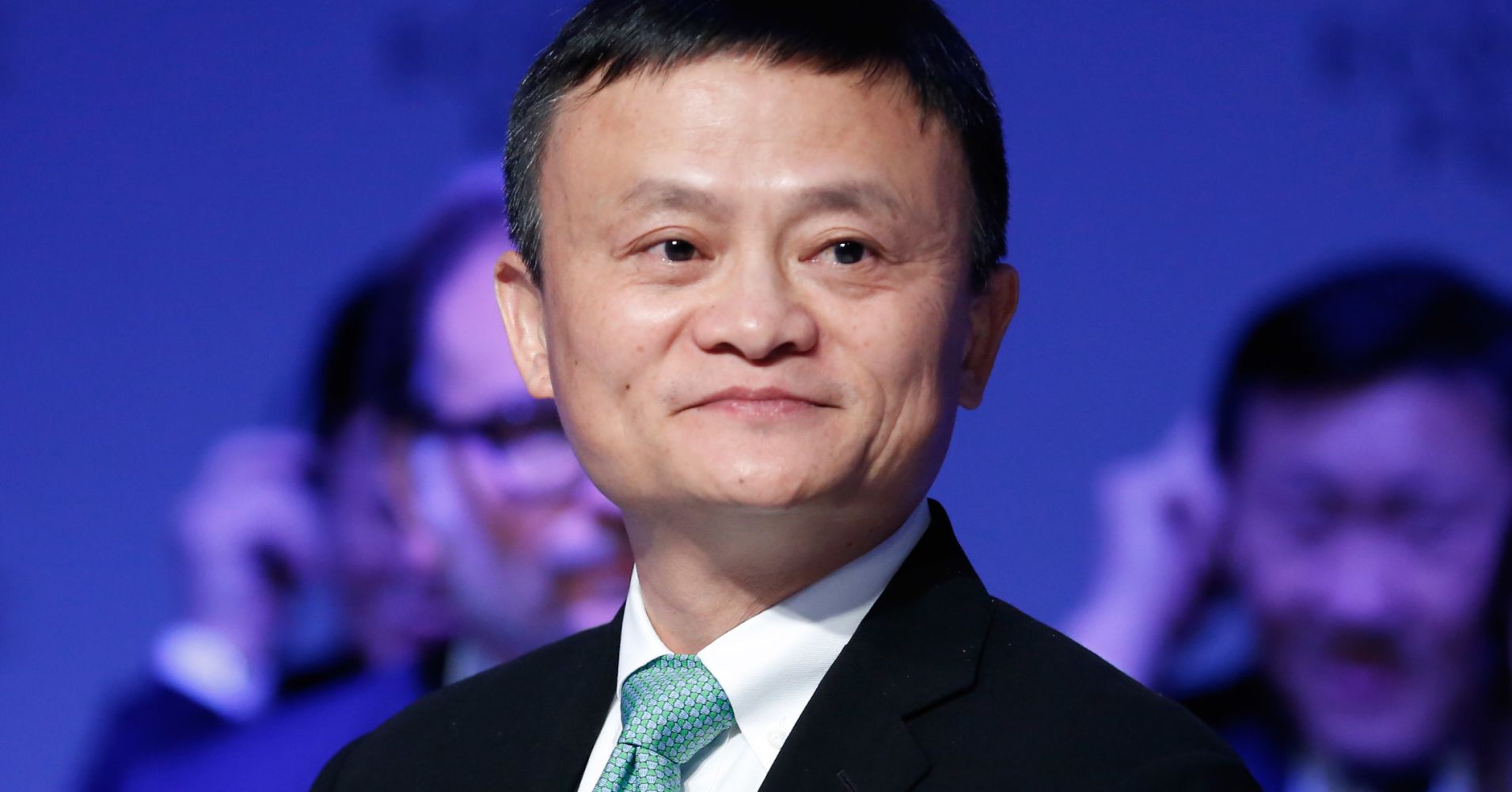
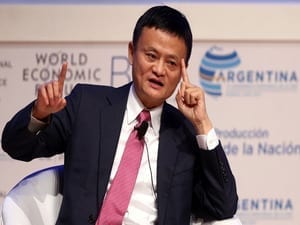
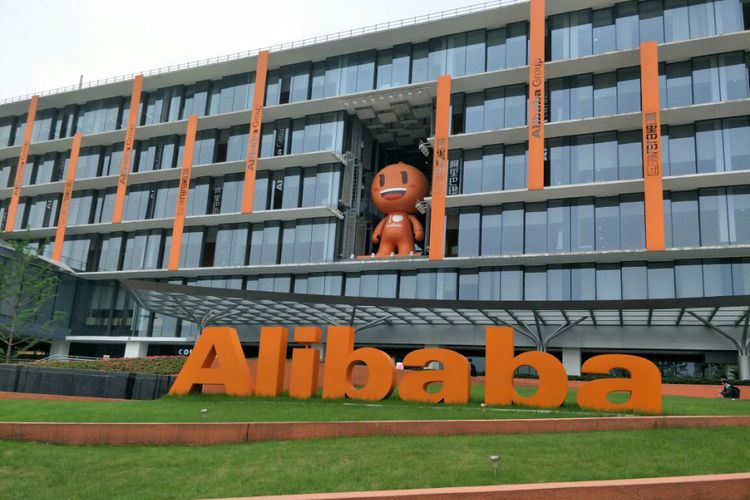
    Alibaba Group founder Jack Ma, who helped launch China’s online retailing boom, has stepped down as chairman of the world’s biggest e-commerce company as its fast-changing industry faces uncertainty amid a US-Chinese tariff war.

    Ma, one of China’s wealthiest and best-known entrepreneurs, gave up his post on his 55th birthday as part of a succession announced a year ago.

    He will stay on as a member of the Alibaba Partnership, a 36-member group with the right to nominate a majority of the company’s board of directors.

    Ma, a former English teacher, founded Alibaba in 1999 to connect Chinese exporters to American retailers.

    The company has shifted focus to serving China’s growing consumer market and expanded into online banking, entertainment and cloud computing. Domestic businesses accounted for 66 per cent of its $US16.7 billion in revenue in the quarter ending in June.

    Chinese retailing faces uncertainty amid a tariff war that has raised the cost of US imports.

    Growth in online sales decelerated to 17.8 per cent in the first half of 2019 amid slowing Chinese economic growth, down from 2018’s full-year rate of 23.9 per cent.

    Alibaba says its revenue rose 42 percent over a year earlier in the quarter ending in June to $16.7 billion and profit rose 145 per cent to $US3.1 billion. Still, that was off slightly from 2018’s full-year revenue growth of 51 percent.

    The total amount of goods sold across Alibaba’s e-commerce platforms rose 25 percent last year to $US853 billion. By comparison, the biggest US e-commerce company, Amazon.com Inc., reported total sales of $US277 billion.

    Alibaba’s deputy chairman, Joe Tsai, told reporters in May the company is “on the right side” of issues in US-Chinese trade talks. Tsai said Alibaba stands to benefit from Beijing’s promise to increase imports and a growing consumer market.

    Alibaba was founded at a time when few Chinese were online. As internet use spread, the company expanded into consumer-focused retailing and services. Few Chinese used credit cards, so Alibaba created the Alipay online payments system.

    Ma, known in Chinese as Ma Yun, appears regularly on television. He pokes fun at his own appearance, saying his oversize head and angular features make him look like the alien in director Steven Spielberg’s movie “E.T. The Extraterrestrial.”

    The company’s $US25 billion initial public offering on the New York Stock Exchange in September 2014 was the biggest to date by a Chinese company.

    The Hurun Report, which follows China’s wealth, estimates Ma’s fortune at $US38 billion.

    Ma’s successor as chairman is CEO Daniel Zhang, a former accountant and 12-year veteran of Alibaba.

    Alibaba’s e-commerce business spans platforms including business-to-business Alibaba.com, which links foreign buyers with Chinese suppliers of goods from furniture to medical technology, and Tmall, with online shops for popular brands.

    Ma faced controversy when it disclosed in 2011 that Alibaba transferred control over Alipay to a company he controlled without immediately informing shareholders including Yahoo Inc. and Japan’s Softback.

    Alibaba said the move was required to comply with Chinese regulations, but some financial analysts said the company was paid too little for a valuable asset. The dispute was later resolved by Alibaba, Yahoo and Softbank.

    Corporate governance specialists have questioned the Alibaba Partnership, which gives Ma and a group of executives more control over the company than shareholders.

    Ma has said that ensures Alibaba focuses on long-term development instead of responding to pressure from financial markets.

  • Alibaba founder Jack Ma prepares to step aside

    Alibaba founder Jack Ma prepares to step aside

    Alibaba Group celebrated its 20th anniversary on Tuesday in Hangzhou, highlighting its journey from 18 founders of a tiny e-commerce startup in a small apartment into the US$447 billion enterprise it is today.

    It was also Jack Ma’s final appearance as executive chairman, as CEO Daniel Zhang was set to take over at the helm of the company, which now has about 100,000 employees working in dozens of businesses in offices around the world.

    In his final speech, Ma addressed those staff, telling them that the celebration was not about his retirement but rather “the beginning of a legacy of succession.”

    Alibaba has long prided itself on its corporate governance, particularly its use of a partnership system that was created to ensure that the culture and ethos that have underlined the company and its approach to business for two decades remained intact long after the founders were gone. That focus on a responsible transition is what drove Ma’s decision to announce that Zhang would succeed him as chairman a year ago, offering customers, employees and shareholders that same visibility.

    “It’s not about the choice of an individual, but the success of a system,” Ma said during his speech.

    Alibaba’s rise has closely tracked – and, the company said, contributed to – China’s economic development. When Alibaba launched in 1999, China had only the most basic retail infrastructure, just 8.8 million internet users and a per-capita income of less than $800. Now, those numbers have soared to more than 800 million internet users, a per-capital income of more than $8000 and total e-commerce turnover of more than $1 trillion. According to research firm eMarketer, China currently represents 54.7 per cent of the global e-commerce market, a share nearly twice that of the next five countries combined. In a release, Alibaba said that about 40 million people were directly and indirectly employed by Alibaba’s e-commerce ecosystem in China.

    Ma, who turned 55 on Tuesday, also used his speech to emphasise that Alibaba should be a company focused on effecting change in the world rather than one in business only for profits. He said that Alibaba’s biggest decisions, in fact, had nothing to do with money at all.

    “Behind each of our decisions – the technology we invest in, the products we create – we consider whether they can solve society’s problems, whether they are driven by our mission, vision and values,” said Ma.

    For the next 20 years, Ma called for Alibaba to make the world “greener, more inclusive and sustainable.”

    Zhang spoke about the future as well, saying that Alibaba’s goal was to service more than 1 billion consumers globally and handle over RMB 10 trillion in transactions by 2024.

    Alibaba also needs to help enterprise customers fully digitise their businesses, including commerce, finance, logistics and cloud computing, he said. Marketing, channel management, manufacturing, product design, customer service and organisation management were all things that the “Alibaba Operating System” could help to digitise as well.

    “Only through this can we help all businesses move towards a digitised and intelligent future,” Zhang said.

    But, like Ma, there was a sense of altruism in that mission.

    “We want to continue to create value for society, solve society’s problems and be a company that shoulders social responsibility,” said Zhang.

    “If our efforts help improve society even in a small way, that makes us truly happy. We hope our customers and partners perform better than we do,” he said.

    Alibaba marked its anniversary by updating its corporate values. In a release, Alibaba said that just as its business has evolved, so had the world. Therefore, the company’s values had to keep pace with those changes and remain relevant to its global workforce. The announcement follows Alibaba’s recent reaffirmation of its mission statement – “To make it easy to do business anywhere” and an update to its vision, clarifying its intent to be a “good company that will last for 102 years” in the digital era, rather than pursuing power or scale.

  • Esprit unveils its future proof store design in Beijing

    Esprit unveils its future proof store design in Beijing

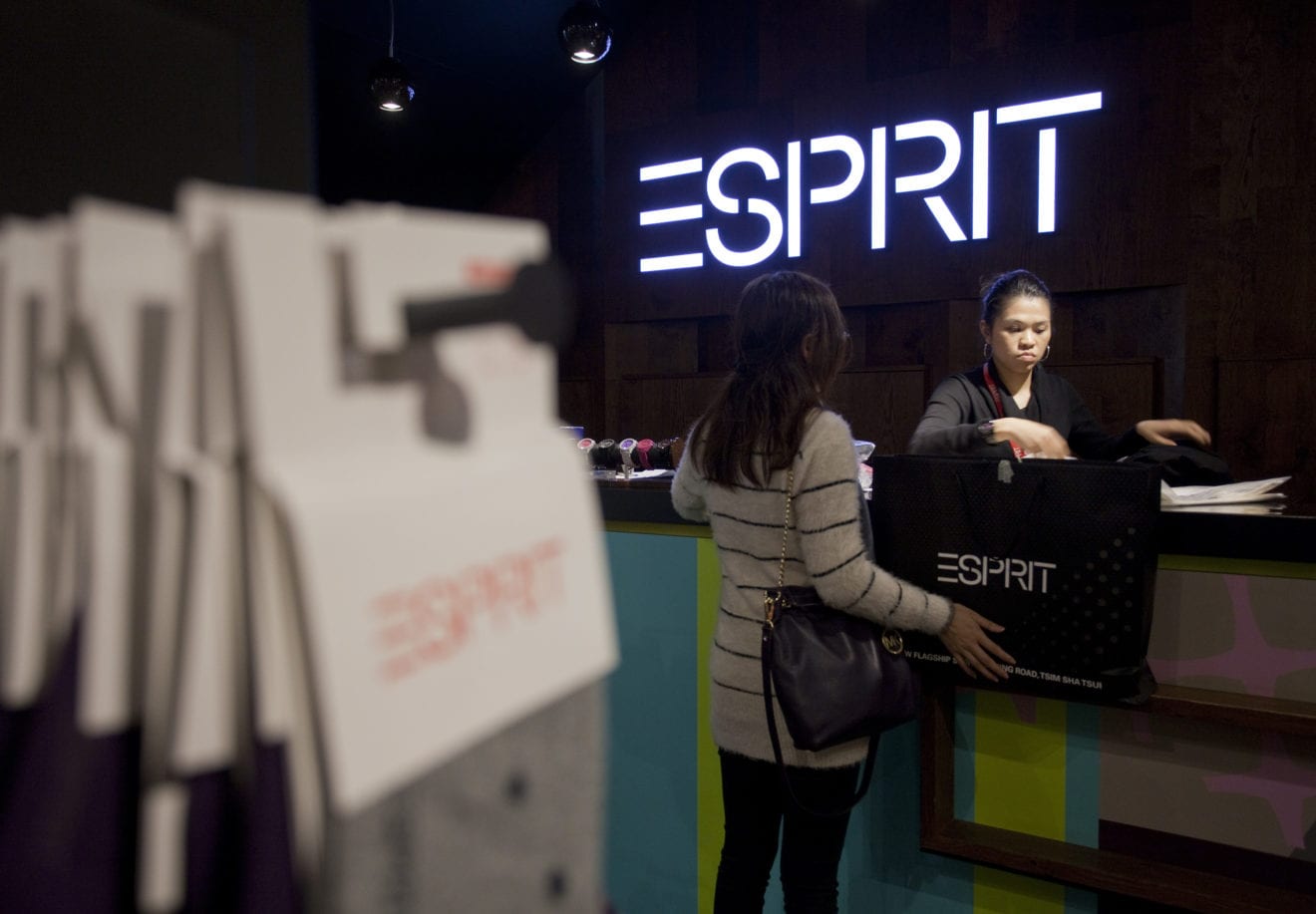
    Fashion label Esprit has unveiled a new concept store in Beijing as it continues its long journey of reinvention.

    “Our new store in Beijing is a showcase for the Esprit brand,” said Esprit Group CEO Anders Kristiansen. “With surprising and functional design details and bright and social spaces, we think this is a great expression of the spirit of Esprit.”

    Hong Kong-listed Esprit sees China as a key market in its bid to resurrect its brand reputation, sales and profitability: it wants to open 220 stores on the mainland by 2023 and as many as 80 elsewhere in Asia.

    The most remarkable feature of the Beijing store which opened last week is the huge prominent opaque brand name across the store’s glass street frontage. Inside the design has been described as a blend of “California cool”, bold graphics and bright colours. The store was designed by Ettore Sottsass.

    A strategic change to the store layout is the relocation of the cashier’s counter into the middle of the store, a move aimed at optimising the interaction between store staff and customers.

    “This forms a social hub that invites customers to stay, converse and relax and further experience the Esprit brand,” said a spokesperson.

    Across the whole store, the space is clean and uncluttered, putting the focus back on the product.

    “Open areas encourage exploration and give space to create stories around the collections,” the spokesperson said.

    While features of the store are likely to be rolled out across Esprit’s global markets, for now the company wants to assess the impact on sales and customer engagement to refine the model.

  • OCBC Head of China Joins CapitaLand

    OCBC Head of China Joins CapitaLand

    The real estate company has hired a China specialist to support the firm’s development in China.

    Singapore-based real estate company CapitaLand has hired former OCBC head of China, Kng Hwee Tin to the newly created role of CEO, finance and corporate services, China.

    She will start on October 1 and will be based in Shanghai. She reports to Andrew Lim, group chief financial officer and Lucas Loh, president, CapitaLand (China). In her role, she will oversee CapitaLand’s finance, treasury, corporate finance and tax, communications, general procurement, and legal functions in China.

    Kng’s career with OCBC began more than three decades ago. During this time, she has held a range of responsibilities in risk management, and was also the bank’s head of group audit. Most recently, she was the executive director and CEO of OCBC Bank (China), a role she has held since December 2012.

    According to its website, CapitaLand owns and manages a global portfolio of S$129.1 billion ($93.56 billion), which includes 1,067 properties in 206 cities, as of 30 June 2019.

    Last week, CapitaLand opened Raffles City Chongqing, the eighth Raffles City in China. The 1.2 million square foot mixed-use development received over 900,000 visitors on its opening weekend.

  • Alibaba confirms purchase of Kaola business

    Alibaba confirms purchase of Kaola business

    Alibaba has confirmed it will buy NetEase’s Kaola for about US$2 billion, a deal widely predicted last month.

    Kaola is an import e-commerce platform which has been a rival of Alibaba for some time. Both companies have their roots in Hangzhou.

    Confirming the deal, Alibaba says it plans for Kaola to continue to operate independently under its current brand. Tmall import and export GM Alvin Liu will serve as Kaola’s new CEO.

    “We are pleased to have found a strategic fit for Kaola within Alibaba’s extensive ecosystem, where Kaola will continue to provide Chinese consumers with high-quality import products and services,” said William Ding, CEO of NetEase.

    “At the same time, the completion of this strategic transaction will allow NetEase to focus on its growth strategy, investing in markets that allow us to best leverage our competitive advantages. We remain fully committed to offering our users best-in-class and differentiated online content born from our relentless drive for craftsmanship and innovation.”

    As well as the sale of Kaola, Alibaba, together with Yunfeng, will invest some $700 million in NetEase Cloud Music. The completion of this transaction is subject to certain closing conditions. NetEase will remain the controlling shareholder of NetEase Cloud Music following the closing of this transaction.

    “As the controlling shareholder of NetEase Cloud Music, we will continue to fully support the growth of this business, helping it to realise its strategic goals in the music industry,” said Ding.

    Alibaba CEO Daniel Zhang said his company is confident about the future of China’s import e-commerce market, which it considers remains in its infancy and has great growth potential.

    “We welcome Kaola to the Alibaba family and value NetEase’s contributions in incubating an e-commerce platform with strong import capabilities. With Kaola, we will further elevate import service and experience for Chinese consumers through synergies across the Alibaba ecosystem,” said Zhang.

    “Alibaba also looks forward to becoming a partner in the future development of NetEase Cloud Music and exploring innovative collaboration in the digital entertainment space.”

  • Chinese E-commerce retailer rejects Australian daigou buyers

    Chinese E-commerce retailer rejects Australian daigou buyers

    Daigou buyers from Australia – individuals and groups who buy infant formula and other consumables in offshore retail outlets, selling them at huge mark-up prices in China – have been locked out of one China’s fastest-growing online malls.

    Aomaijia, which boasts more than 30 million registered customers, will not allow individuals or unauthorized distributors to set up online stores selling Australian products. The company instead offers a high level of back-end services to its suppliers, which it says is a far more sustainable business model.

    “Daigou have filled a market need in China,” said Aomaijia Group CEO Maggie Liu; “while they actively promote Australian brands, in reality they operate a rather unsophisticated and inefficient distribution network. The Aomaijia platform was created to give suppliers, like those in Australia, better control of their branding in China but also control over supply chain, distribution, sales volumes and ultimately their profits.”

    The company’s global chief was in Sydney for the official opening of its Australasian procurement and supply chain office. It is the fifth such international office, with other procurement centres in Paris, Los Angeles, Seoul and Tokyo.

    Five Australian consumer product companies – Sukin, Kids Smart, Nestle Australia, B.box and Tasman Ugg – were at the Sydney event, where they signed supply agreements with Aomaijia. They will join a dozen other leading Australian brands, headed by Swisse and Blackmores, which are already available across the e-commerce platform.

    In total Aomaijia sells more than 100,000 product lines across 3,000 individual brands mainly from the US, Europe, Japan, South Korea and Australia.

    Aomaijia connects with its customers across three platforms – a mobile phone app, an online retail site (www.aomygod.com), and a mini sales program operated on the WeChat social media app, which has more than 1 billion users. The company has 14 physical stores in key locations across all of China’s major first-tier cities, with plans to open 100 more over the next year.

    The physical stores give customers the chance to test products, reassuring them of authenticity – a key selling point in China where consumers are increasingly wary of fake products, particularly in supplements, vitamins and infant formulas where Australian and New Zealand brands are very highly regarded.

    “Aomaijia does not just offer product displays,” said Nestle Australia’s head of cross border development Matthiew-Nicolas Quentin. “Chinese consumers are highly demanding, they want to know everything about our products and that’s the role this platform plays.”

  • Starbucks and Alibaba Launch Voice Ordering and Delivery through Tmall Genie

    Starbucks and Alibaba Launch Voice Ordering and Delivery through Tmall Genie

    Starbucks is taking another step toward evolving the digital customer experience for customers in China by launching voice ordering and delivery capabilities within Alibaba’s smart speaker, Tmall Genie. Customers can now order their favorite Starbucks beverages and food simply by using their voice for delivery within 30-minutes. Leveraging Alibaba’s on-demand food delivery platform, Ele.me, the voice ordering capabilities for Starbucks, further extend the customer experience within Starbucks digital ecosystem.

    The launch of the new service marks the one-year anniversary of Starbucks and Alibaba’s strategic partnership which advances the New Retail infrastructure and digital power in China – one of the fastest-growing markets in the world for coffee consumption. The announcement also builds on several significant collaborations between the two companies that enable a seamless Starbucks Experience for Chinese customers, such as establishing back-of-house kitchens, Star Kitchens, within Alibaba’s Freshippo supermarkets in China.

    “We are thrilled to provide our cutting-edge Artificial Intelligence technology through Tmall Genie to serve Starbucks digitally-savvy customers in China,” said Miffy Chen, general manager at Alibaba A.I. Labs which leads the development of Tmall Genie. “Earlier this year, we launched food order and delivery service through Ele.me in response to our users’ needs for on-demand local services. We’re excited to introduce an even more diverse and enriched experience on our platform through Starbucks voice ordering and provide a direct benefit to Chinese consumers within their daily routine.”

    “The Starbucks feature through Alibaba’s Tmall Genie ushers in a new era of digital customer engagement for Starbucks, leveraging ground-breaking digital technology to create an unprecedented experience that elevates our connection with customers to new heights,” said Molly Liu, vice president and general manager, Digital Ventures, Starbucks China. “We are focused on ensuring that Starbucks voice ordering is truly personal, and we look forward to offering our customers more convenient moments and new opportunities to engage with Starbucks on a single integrated platform as they move throughout the day.”

    Through Alibaba’s Tmall Genie, customers place an order using their voice and can track their order in real-time within the 30-minute delivery timeframe.

    Starbucks® Rewards members also can earn Stars and receive membership updates, including benefits, on the Tmall Genie. Soon, members will be able to receive personalized recommendations when using voice commands to place orders that are tailored to previous order preferences and popular items from Starbucks seasonal menu. As another added benefit, Starbucks fans in China can also listen to the latest Starbucks in-store playlists through Alibaba’s music streaming app, Xiami Music.

  • Superdry licensing deal signed with IMG

    Superdry licensing deal signed with IMG

    British fashion brand Superdry has appointed IMG to develop a strategic licensing program to extend the brand into select new product and lifestyle categories.

    The Superdry licensing deal will see IMG negotiating partnerships which broaden its product portfolio into such items as luggage and travel-related goods, personal accessories, consumer electronics and sporting goods, in accordance with Superdry’s brand ethos.

    “We look forward to working with IMG and partnering with other brands as Superdry enters the next stage of its growth,” said Superdry CEO and founder Julian Dunkerton. “IMG’s extensive licensing experience with fashion brands makes it the ideal partner and we are excited to explore creative opportunities that best resonate with Superdry’s brand.”

    Superdry is known for its distinctive designs blending vintage Americana with Japanese-inspired graphics. It is a fast-growing brand with a geographically and demographically diverse customer base.

    “With an instantly recognisable identity and a powerful brand personality that embodies fun and individual empowerment,” said IMG’s SVP of licensing Matthew Primack, “we see many opportunities to apply the Superdry style and philosophy to products of relevance and we are delighted to be working with the Superdry team.”

  • Tea chain Heytea opening outlets in Singapore

    Tea chain Heytea opening outlets in Singapore

    Chinese tea chain Heytea will open a new store at Westgate, Singapore on Saturday.

    The minimalist store design is inspired by the traditional Chinese handscroll and attempts a “Zen” vibe intended to provide customers with an immersive store experience to enhance inspiration and creativity.

    The Westgate store introduces two newly launched items in its Oreo Series, including the Orea Boboshake and the Oreo Sundae.

    The tea chain Heytea operates 268 stores in more than 35 cities in China and abroad. Its first overseas store launched in Singapore last year, since which time it has opened three more locations.

  • Costco China plans more store openings

    Costco China plans more store openings

    Within days of opening its first warehouse store, Costco China is already talking about its plans to expand the new network.

    As happens in many new market Costco enters, the new Shanghai store grew thousands of people, some of who queued for hours to shop, and then check out, while others spent a similar time in their cars circling the suburb seeking somewhere to park. In the afternoon, the store was closed due to crowding.

    Costco CFO Richard Galanti confirmed with analysts a second store is already in advanced planning and he hopes construction will start as soon as possible.

    The first store opened on August 27 in Shanghai’s Minghang district. It followed a four-year program by Costco to build brand awareness among local consumers through a presence on Alibaba’s Tmall Global. The company has a target of signing up at least 100,000 members to make the venture viable.

    While Costco expected to draw large crowds to the opening, the sheer numbers exceeded even the company’s most optimistic projections. A record number of customer membership registrations were taken for an opening day, however Galanti did not release the actual number.

    Costco China is looking to establish a beachhead in Shanghai before expanding into other tier-one cities.

    Trade tensions between China and the US appear not to be affecting the store’s early success, with Costco switching sourcing of some products from the US to Australian suppliers.

  • 5 Star Plus designs concept store for Sinsian Black Jelly

    5 Star Plus designs concept store for Sinsian Black Jelly

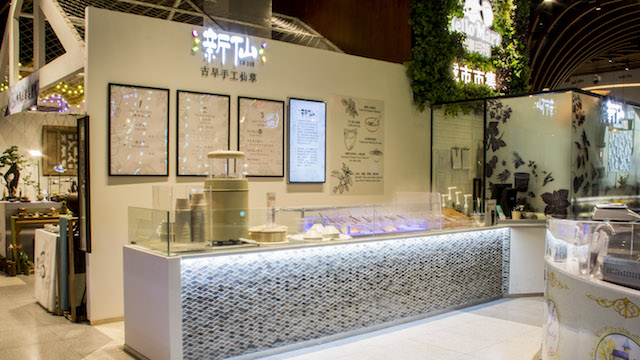
    Sinsian Black Jelly is making a play in China’s growing health food industry from its Liangmaqiao store in Beijing, which opened earlier this year.

    The brand plans to open 10 further stores in the coming year so that more of China can experience the dessert.

    The Sinsian Black Jelly store’s design by 5 Star Plus Retail Design reflects the product geometrically via tiles intended to resemble the squares of the jelly after processing, offset by white tones to symbolise the ingredients.

    In expressing the product through a minimalist decor and style, the designer’s goal is to allow customers to recall the product more easily. The lighting sources and glass walls convey warmth and a coordinated environment, while the transparent design elements place a focus on the grass jelly by putting the preparation of the desserts on display, encouraging confidence in the product.

    Customers in store can watch as fresh ingredients are put into their jellies using toppings of their choice.

    The jelly is made from a plant known as Mesona chinensis, which grows largely in East Asia. It is preserved without pigments or preservatives and prepared by allowing the leaves to dry before boiling cooling before being cut into cubes.

    Sinsian Black Jelly is making a play in China’s growing health food industry from its Liangmaqiao store in Beijing, which opened earlier this year.

    The brand plans to open 10 further stores in the coming year so that more of China can experience the dessert.

    The Sinsian Black Jelly store’s design by 5 Star Plus Retail Design reflects the product geometrically via tiles intended to resemble the squares of the jelly after processing, offset by white tones to symbolize the ingredients.

    In expressing the product through a minimalist decor and style, the designer’s goal is to allow customers to recall the product more easily. The lighting sources and glass walls convey warmth and a coordinated environment, while the transparent design elements place a focus on the grass jelly by putting the preparation of the desserts on display, encouraging confidence in the product.

    Customers in store can watch as fresh ingredients are put into their jellies using toppings of their choice.

    The jelly is made from a plant known as Mesona chinensis, which grows largely in East Asia. It is preserved without pigments or preservatives and prepared by allowing the leaves to dry before boiling cooling before being cut into cubes.

  • Deutsche Bank Hires Head of China Onshore Wealth Management

    Deutsche Bank Hires Head of China Onshore Wealth Management

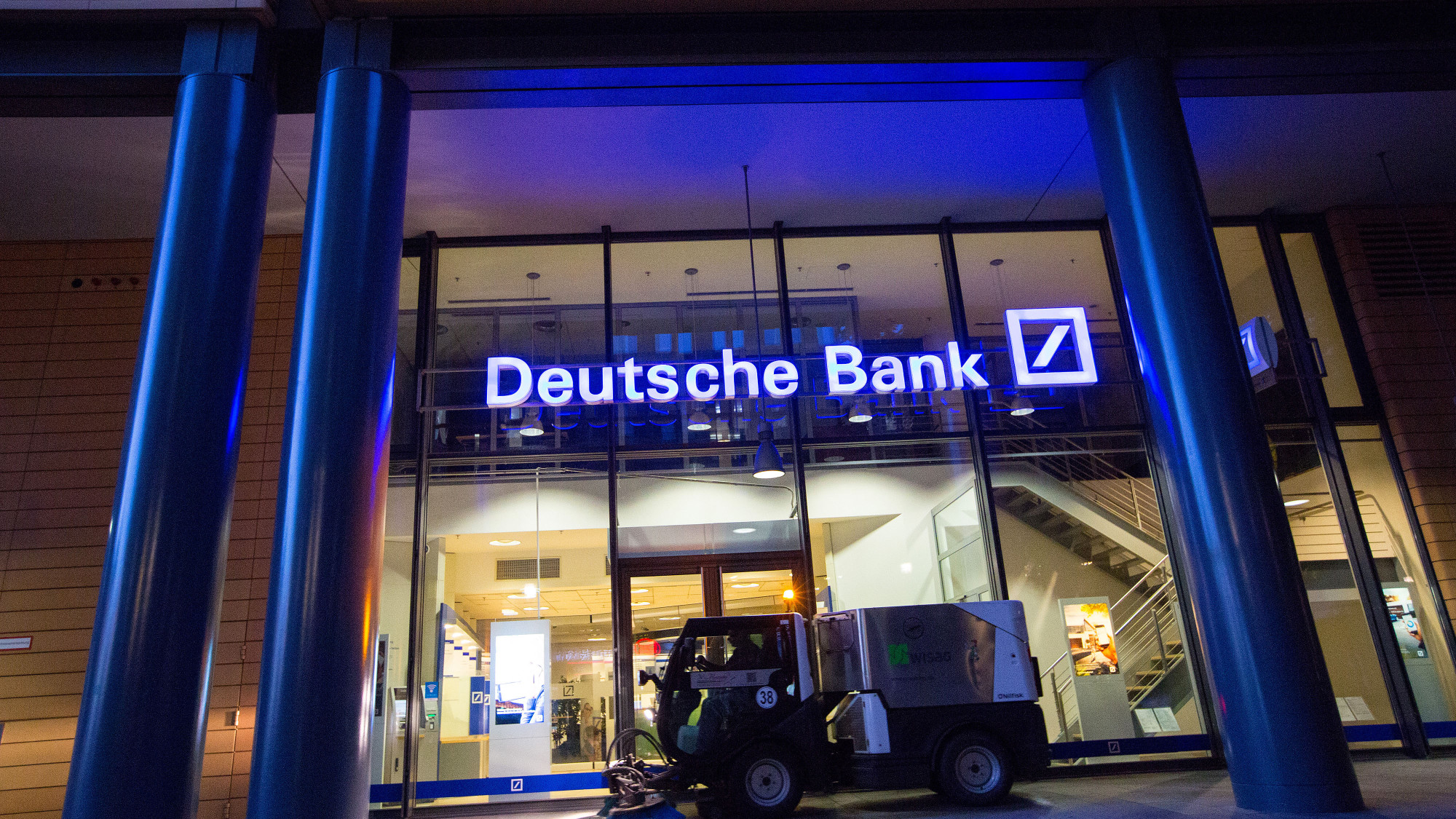
    Deutsche Bank’s recruitment drive for the private bank in Asia persists, this time with the hire of a new head of onshore wealth management in China.

    Jeffrey Yen Chieh Peng joins the bank as managing director and head of China onshore wealth management, effective today. According to the bank’s announcement, Peng will oversee and strengthen the onshore platform, develop and execute long-term expansion strategies and advise on the overall Greater China business.

    In his new Shanghai-based role, Peng report to Kanas Chan, head of North Asia wealth management; Feng Gao, chairman of Deutsche Bank (China) Co., Ltd. and China chief country officer of Deutsche Bank; and Rose Zhu, president of Deutsche Bank (China) Co., Ltd.

    Prior to joining Deutsche Bank, Peng was most recently with Bank of Singapore where he was a managing director and head of strategic alliance and «IAM Excellence Center» for Greater China and North Asia. Previously, Peng also spent 11 years with UBS where he was last an executive director and head of wealth management investment products and services in China.

    Despite cost-cutting pressures, the bank has stayed in line with its commitment to focus on wealth management, especially in high growth markets like Asia. And within the region, the bank’s recent moves signal its focus on major markets: China and India.

    The bank’s persistent hiring drive recently included the addition of three ex-Julius Baer bankers covering the non-resident Indian segment. And on China, the bank not only notes the still rapidly growing wealth from the segment but an increasingly business-friendly onshore environment.

    We see opportunities in onshore China markets as the high-net-worth client segment grows exponentially, while the environment grows increasingly business-friendly and promising, said Deutsche Bank’s Kansas Chan.

    Peng’s hire is to support our Global China Strategy, investing in and strengthening our onshore and offshore China platform.