Tag: Clothing

  • Raymond plans to open 500 more Indian stores by 2021

    Raymond plans to open 500 more Indian stores by 2021

    Indian retailer Raymond is set to operate 1500 stores across the territory within two years.

    The firm currently runs 1000 branded stores and 500 outlets under other brand names across 600 cities in India. It will seek to expand its home brand in lower-tier cities via a franchise model.

    Raymond stores average 2000sqft, although the firm has been focused on establishing smaller-format stores over the past 18 months.

    Indian retailer Raymond currently runs the largest branded fashion retail network within India and also operates in Bangladesh, Nepa, the Middle East and Pakistan. It has plans to enter the US market in “the near future”.

  • Louis Vuitton in Thailand expands to Phuket

    Louis Vuitton in Thailand expands to Phuket

    Louis Vuitton in Thailand has unveiled a new store in Phuket, its first store outside the capital city of Bangkok. 

    Located in Central Phuket mall, the new boutique features unique interiors as the brand wants to embrace local elements and yet keep its international spirit.

    The interior expresses the Maison’s codes with subtle off-white cut-out panels in a pattern that reflects Louis Vuitton’s famous monogram motif, which appears to float like lace.

    The wall sculptures and installations reflect the store’s Sino-Portuguese style.

    Finally, to reflect the environment of Louis Vuitton in Thailand, tropical plants are placed through the store to highlight “tropical modernism”.

  • Tablez launches OshKosh in India

    Tablez launches OshKosh in India

    US children’s-clothing brand OshKosh B’gosh is launching in India in partnership with local retail group Tablez.

    With the new launch, OshKosh in India will offer a wide selection of kid items, including its headline products the World’s Best Overalls and Heritage Logo Hoodies. Pricing will range between INR499 (US$7) to INR2499 ($35).

    Adeeb Ahamed, MD at Tablez, said OshKosh will launch on online platform Myntra, which will enable OshKosh to reach a large expanse of the fashion-conscious consumers across the country.

    “The brand has great potential to become a leader in the kids wear segment in the market,” he said.

    Founded in 1895, OshKosh B’gosh is known for its signature kid-friendly style which is rooted in denim and an optimistic color palette.

    Before launching OshKosh in India, Tablez has introduced other major brands to India, including Springfield, Toys R Us, and Yoyoso. Tablez currently operates more than 70 outlets globally and plans to expand to 300 outlets next year.

  • Asia cited as Ted Baker swings to a loss

    Asia cited as Ted Baker swings to a loss

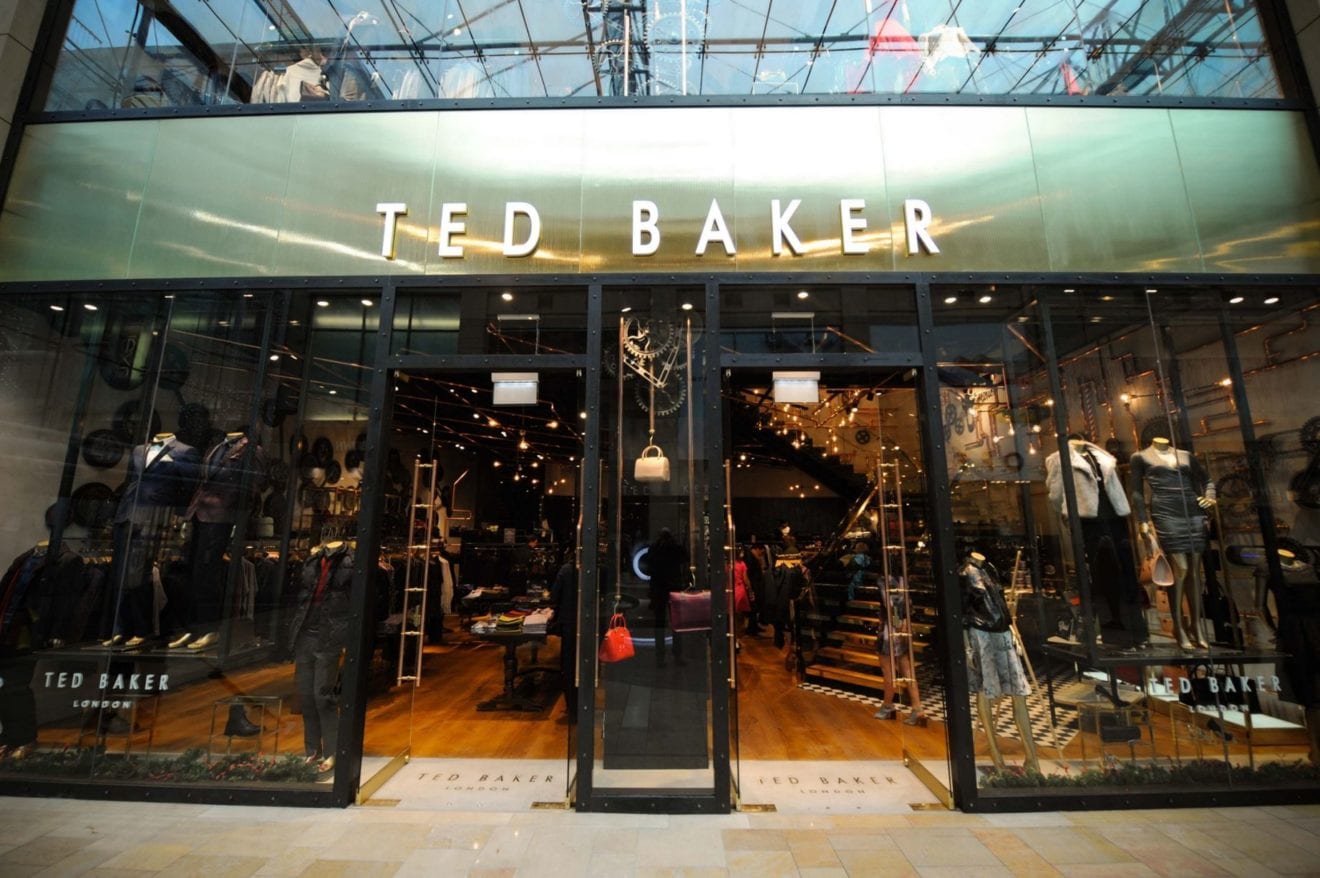
    UK fashion house Ted Baker has slumped into the red in the first half of the year, its position not helped by a 15.2-per-cent fall in sales in Asia.

    Global revenue was down by a more modest 0.7 percent (or by 2.5 percent in constant currency) to £303.8 million, but pre-tax profit turned from a £25 million surplus in the first half of last year to a loss of £2.7 million. The company took a £11.8 million one-off hit on the restructure of its Asian business, where it has appointed partners in Greater China and Japan, and £3.5 million relating to the purchase of a footwear business in January.

    Sales in Asia were £9.5 million and sales per square foot excluding e-commerce sales decreased by 4.6 percent.

    E-commerce concession businesses in China and Japan delivered sales of £1.4 million, down from £1.7 million, which represented 14.7 percent of Ted Baker’s Asian sales.

    Licensed stores across Asia continued to perform well with existing license partners in Thailand, Singapore and India opening new stores. However, in Indonesia and South Korea, several partner stores were closed.

    Despite the loss, Ted Baker is optimistic about its future prospects, saying its Autumn/Winter collections have been well received and that it is excited about new product initiatives including monthly product drops and speed to market developments.

    “Despite the structural challenges and cyclical pressures on the industry, we remain confident in Ted Baker’s ability to navigate the market and further develop as a global lifestyle brand,” the company said in a results statement. “This confidence remains underpinned by the group’s flexible, omnichannel model, the continuing strength of the brand, and the skill, passion and commitment of our talented teams worldwide.

    “We are continuing to pro-actively manage the significant challenges impacting our sector including weak consumer spending, macro-economic uncertainty, and the accelerating channel shift towards e-commerce. However, we are not immune to these pressures which have impacted our financial performance during the first half of the year.”

    Emily Salter, retail analyst at GlobalData, said it was worrying that Ted Baker’s online sales had declined given its strong multichannel proposition.

    “The retailer can therefore not solely blame the troubles of the physical high street for its fall from grace, as it has previously performed strongly online even as retail revenue growth became more subdued. This points to more significant problems with demand for the brand and the impacts of regular discounting.”

    Salter says that for Ted Baker to be able to revive itself without its founder and former leader playing a key role, it needs to re-establish its brand identity, retain its loyal shopper base and reduce its reliance on discounting.

    “The retailer should take the opportunity to poach Karen Millen and Coast shoppers who are reluctant to purchase online, as the premium brands’ stores and concessions are now closed as a result of the acquisition by the Boohoo group. Ted Baker should review its sales channels, as it sells through department store retailers and online pureplays, leaving it exposed to the troubles of players such as House of Fraser and Debenhams. Moving its childrenswear license from Debenhams to Next in Spring 2020 will help to address this as Next’s leading online platform will be able to generate much stronger growth than the embattled department store,” she said.


  • Japanese label Onward to slash store network

    Japanese label Onward to slash store network

    Japanese label Onward is preparing to shutter around one in five of its global outlets.

    The move preempts the firm’s crossover towards e-commerce at a time when its physical stores – most of which sell from department stores in Japan – are experiencing a drop in customer demand.

    Onward is expected to adjust its financial forecast in line with anticipated costs arising from the store shutdowns resulting in a net loss of around ¥30 billion (US$278 million). The firm has not recorded a loss within the past 11 years.

    Employees of the Japanese label Onward who are affected by the closures are likely to be reassigned to roles in expanding the brand’s e-commerce business.

  • Stripe buys Vietnam fashion chain Vascara

    Stripe buys Vietnam fashion chain Vascara

    Japanese clothing firm Stripe International has purchased a majority stakeholding in Vietnamese firm Global Fashion.

    The 70-per-cent shareholding will give Stripe a controlling interest in Vietnamese brand Vascara. It is the second Vietnamese apparel company to be acquired by the firm since its purchase of Nem Group two years ago.

    “We see the potential of the Vietnamese fashion market, especially the footwear and bags industry,” said Stripe Saigon general director and CEO Harigae Tsutomu.

    “Vascara is a brand that has great potential for development, so we believe that the experience and technology accumulated from many markets around the world will accompany and support Vascara to accelerate development, expand the system of stores and serve millions of Vietnamese consumers.”

  • Line launches online fashion customisation platform

    Line launches online fashion customisation platform

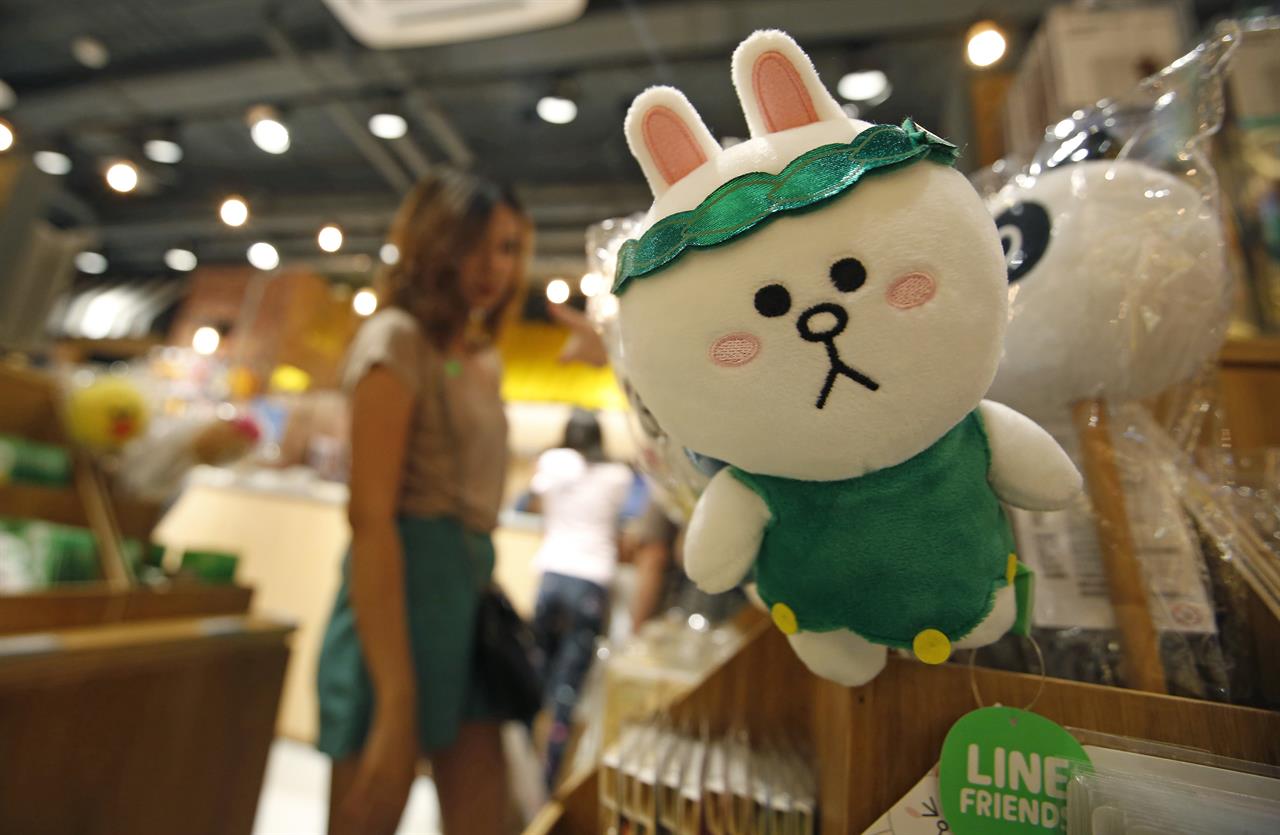
    Character brand Line Friends has launched an online fashion customization platform where consumers can purchase personalized fashion items based on their lifestyles.

    The ‘Line Friends Creator’ app was released globally (except Europe) on September 19.

    The new sales platform provides millennial customers with an opportunity to customize products using the creative contents of Line Friends, and have fun designing a product according to their own styles added with a differentiated brand experience.

    Line Friends Creator also provides a wide array of themed artworks based on the original character lineup, Brown & Friends and BT21. The new platform offers a wide selection of trendy fashion items including t-shirts, sweatshirts, hoodies, canvas tote bags, and smartphone cases, which customers can select based on their needs and preferences.

    “Fashion items are one of the most representative ways for Millennials to express themselves as they value revealing their individuality and personalities freely,” said a Line Friends spokesperson. “With the ‘Line Friends Creator’ artworks that are full of wit and uniqueness, we hope that a lot of customers can enjoy creating personalized trendy outfits based on their mood, tastes, and daily lives.”

  • Forever 21 leaves Hong Kong amid bankruptcy predictions

    Forever 21 leaves Hong Kong amid bankruptcy predictions

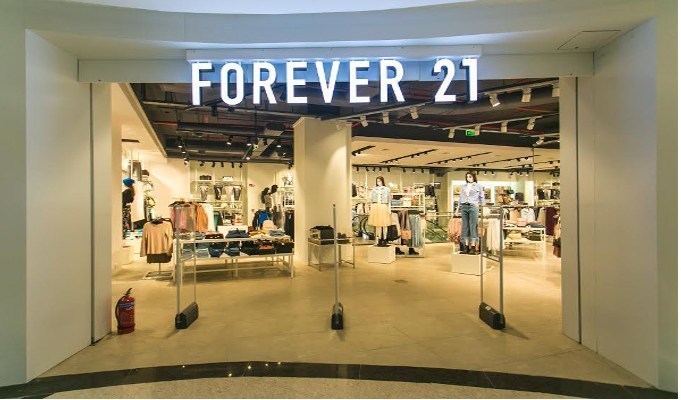
    Once, Forever 21 had one of the largest flagship stores in Hong Kong. Now it has exited the market altogether.

    The California-headquartered fast-fashion retailer has closed its three-story Mong Kok store, eight years after it opened a massive six-story flagship in the heart of Causeway Bay, which is now home to Victoria’s Secret.

    In April, Forever 21 closed its Chinese e-commerce website and withdrew products for sale on Tmall and JD.  At the same time it closed one physical store on the mainland and was widely reported to be planning to exit the market altogether.

    Last month, it was reported by Bloomberg to be preparing to file for bankruptcy protection after failing to reach a deal to refinance its heavy debt load but as recently as 10 days ago its owners discounted that course, saying the business would trade on.

    With more than 800 stores in the Americas, Asia and Europe Forever 21 grew from a single store in Los Angeles in 1984 opened by co-founder Do Won Chang and his wife Jin Sook. While its international growth trajectory was rapid in the 2000s, in later years it has failed to keep pace with European rivals H&M and Zara and Japan’s Uniqlo, leading it to shutter flagship stores like the one in Causeway Bay.

  • Calvin Klein and Tommy Hilfiger about to open first standalone stores in NZ

    Calvin Klein and Tommy Hilfiger about to open first standalone stores in NZ

    A mixture of international and local fashion and beauty retailers will be opening new stores in Commercial Bay when it opens next year.

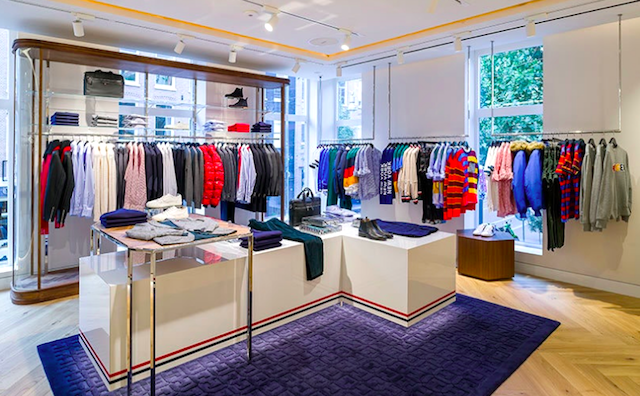
    American clothing brands Calvin Klein and Tommy Hilfiger, and Dutch fashion retailer Scotch & Soda, will open their first New Zealand standalone retail stores at the centre. Both Calvin Klein and Tommy Hilfiger will be offering a combination of apparel, fragrance, accessories and homewares.

    The Australian brand R.M. Williams, surf apparel Rip Curl and sportswear retailer Asics have also signed up to open flagship stores at the centre.

    Womenswear brand Kookai and local fashion brand Twenty-seven Names will be joining other local brands at the centre alongside outdoor retailer Icebreaker and local brand Storm.

    According to Precinct Properties, the city centre specialists behind the Commercial Bay development, the recent update takes the leasing of Commercial Bay to 95 per cent.

    “We’ve given a lot of thought to curating an outstanding retail offering in the heart of the city,” said Scott Pritchard, Precinct Properties CEO.

    Pritchard said each retailer has been closely considered to ensure Commercial Bay provides the ultimate shopping experience for Aucklanders, visitors from around New Zealand and international guests to the city.

    “Commercial Bay will be a welcoming place with something for everyone,” he said. “I’m confident our retail mix, combined with a truly world-class food and beverage offering will be a great draw card.”

    Precinct Properties said Whitcoulls bookstore and a handful of beauty and wellness brands have also given the nod to launch stores at the centre. The beauty and wellness retailers include nail salon Art of Nails, haircare store Shampoo and Things, men’s barber Gentry and skincare salon Skintopia.

    Lovely by Skin Institute will open its fifth retail store in the country in Commercial Bay, its first store in central Auckland, along with New Zealand natural wellness brand Harker Herbals.

    According to Precinct Properties, the overall development will feature a mix of more than 100 retailers from fashion to food and beverage to beauty and specialty retail.

    The newly announced stores will be joining the previously mentioned ones Sandro, Maje, Kate Spade, Furla, Federation, Superette and Rodd & Gunn, among others.

    The $690 million development, which is being built by Fletcher Properties, has revised the opening date of the retail centre from September of this year to March 2020, and the opening date of the PwC office tower from December of this year to April 2020.

    Precinct Properties originally expected the retail centre to be done in October 2018 and the office tower in mid-2019, but it has continued to push back the opening dates due to “slippage” in the construction of the project.


  • Off-White launches new store opening at Windows flagship

    Off-White launches new store opening at Windows flagship

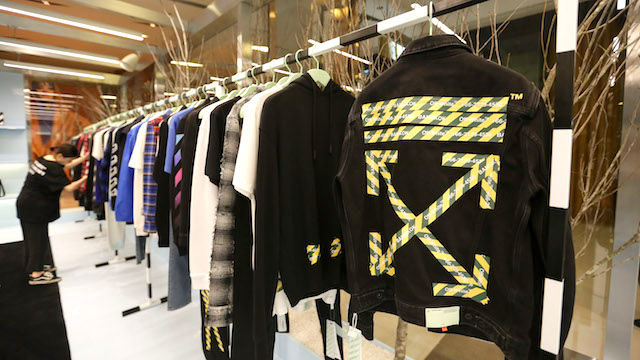
    Off-White has opened a new space at the brand’s “Windows” flagship location in Singapore‘s Orchard Road.

    The new Off-White space launched swiftly after the brand announced a new opening in Las Vegas.

    The space will be completely dedicated to Virgil Abloh‘s Off-White womenswear collections and will feature luxurious interiors decked out in pink hues. It is designed with pink herringbone-patterned, fluted wooden walls paired with a pink marble floor. Brass decor is featured to add warmth to the store.

    Clothing at the new Off-White space is displayed on bronze shelves, and metal cage silhouette chairs are matched with marble tables with cage legs, fitting into the outlet’s theme. The changing room is fitted with draping pink velvet curtains, bright lights, and infinity mirrors.

    Other key highlights include minimalist plant pots made of smooth metal and rounded tables for displaying bags.


  • OnTheList launched in Shanghai

    OnTheList launched in Shanghai

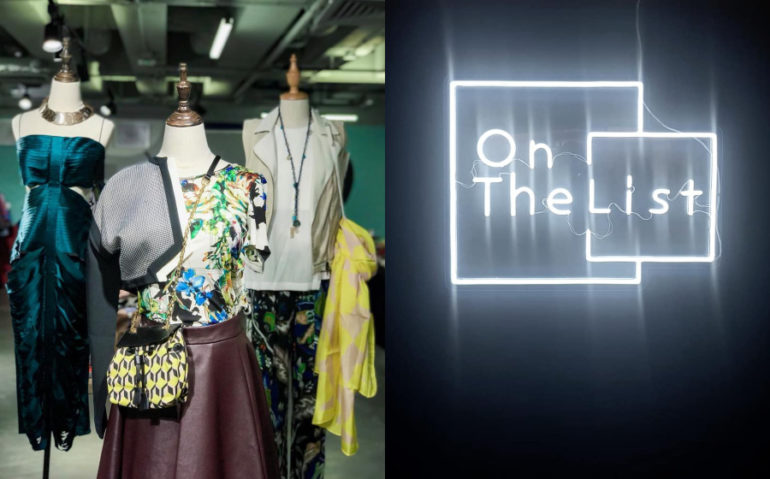
    Hong Kong flash-sale pioneer OnTheList will hold its first Shanghai event this week.

    Co-founder & CFO Diego Dultzin Lacoste says the flash sale will be conducted for fashion distributor ImagineX and feature the brands Club Monaco and Juicy Couture. Products will be discounted by up to 80 per cent and 90 per cent respectively.

    OnTheList turned three in January and during that time has expanded from running short-term sales in pop-up spaces to having its own permanent store in Hong Kong’s Central, adding online sales in Hong Kong and expanding into Singapore and Taiwan.

    Earlier this year, Lacoste confirmed the company was looking to start offline sales in other markets including Malaysia, Thailand and Australia.

    “For [these] markets, we plan to roll out next year. As we work very closely with the brands who are our most important partners, we will likely open first in the markets where the brands have the most immediate needs,” he said.

    The Shanghai event runs from Thursday through to Saturday at Garden Square on Beijing Road.

  • French Connection sales fail to inspire customers

    French Connection sales fail to inspire customers

    The latest French Connection sales figures will do little to inspire prospective bidders as the company searches for a white knight.

    Pippa Stephens, retail analyst at GlobalData, says that despite the French Connection sale process being extended by three months in June, the ailing retailer has prolonged this further, as it continues talks with “several interested parties”.

    Group sales for the first half were down £7.1 million – by 12.2 per cent – to £51 million, and underlying profit remains in the red.

    “Its performance is doing little to assure prospective buyers of its future potential, however new ownership should allow for an essential revamp of its ranges and store estate to try to regain appeal among shoppers,” says Stephens.

    “French Connection’s product offer lacks originality and direction, with limited newness across seasons, lagging behind other premium competitors like Whistles and Reiss, so a fresh perspective from its design team is crucial to reignite shopper interest.”

    Although group sales are still declining due to store closures and a shift in wholesale orders into the second half of the year, the retailer’s UK/Europe like-for-like sales show an improvement having shuttered nine underperforming locations in the first half, including two off-price outlets.

    “French Connection must continue to review its remaining estate and carefully plan to transition customers to its online platform to avoid shopper desertion – especially its department store concession customers,” says Stephens.

    “Its new concept store in London, which opened in July, has shown reassuring results, with exclusive products, a large homewares offer and a coffee shop supporting footfall. If successful, this should be rolled out to a handful of its large regional stores to help reinvigorate the brand and improve shopper perception.”

    French Connection sales online have continued to decline, down £600,000, or 9.6 per cent, during the first half, despite the UK online clothing market forecast to grow by 7.4 per cent this year.

    “With a greater focus previously put on third party operations, such as Next and Asos, French Connection must ensure that this does not cannibalise its own sales. It needs to invest in its own website, with shorter delivery lead times, and enhanced style inspiration to increase engagement,” concludes Stephens.

  • Kathmandu posts record profit

    Kathmandu posts record profit

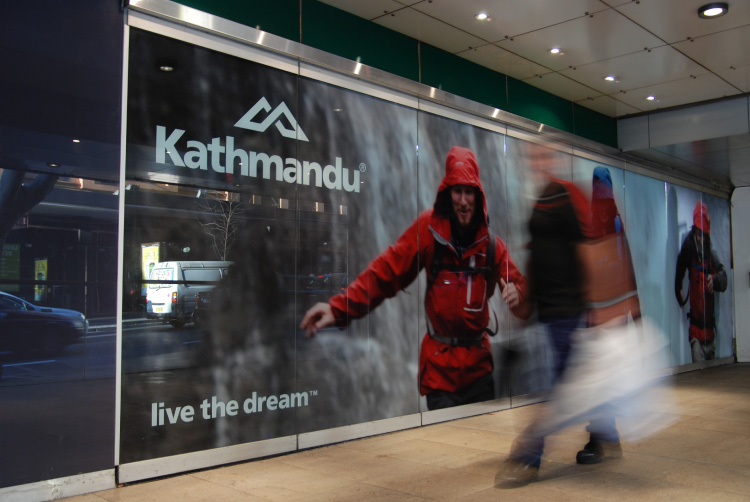
    Strong sales growth in Kathmandu’s Australian business and North American wholesale operations drove another year of record profit for the outdoor apparel and equipment retailer.

    Just days after announcing it has become the biggest B Corp in ANZ, the retailer on Wednesday reported a 9.7 percent increase in total sales to NZ$545.6 million ($505 million).

    Gross profit was up 5.4 per cent to NZ$332.5 million ($307.8 million), and earnings before interest, tax, depreciation, and amortization increased 10.9 per cent to NZ$99.6 million ($92.2 million). Net profit after tax was up 13.6 per cent to NZ$57.6 million ($53.3 million).

    Excluding Oboz, the North American hiking boot brand that Kathmandu acquired in April 2018, sales were up 2.1 percent at constant exchange rates in FY19.

    In Australia, Kathmandu’s largest market, total sales were up 4.5 percent year on year and same-store sales were up 2.7 percent. Total sales fell 3.1 percent and same-store sales dropped 3.9 per cen in New Zealand, where the brand was founded in 1987.

    Oboz saw a 30 per cent sales increase on a pro forma basis to US$44.6 million ($65.1 million), as Kathmandu expanded its wholesale operations in North America. Earnings before interest and tax increased 38.6 per cent of US$7.9 million ($11.5 million) on a pro forma basis.

    “We’re really happy with those numbers,” Xavier Simonet, Kathmandu CEO, said on a media call on Wednesday.

    Simonet said the retailer had maintained its momentum in the first seven weeks of FY20, with 6.1 percent growth in same-store sales, though the crucial trading period in the first half is yet to come.

    Kathmandu would continue to focus on driving sales and profit growth in its core markets of Australia and New Zealand, Simonet said, and on enhancing the customer experience through digital.

    The retailer reported online sales growth of 9.2 percent at constant exchange rates. E-commerce now accounts for 10.1 percent of direct-to-consumer sales, up slightly from FY18, when online accounted for 9.4 percent of sales.

    Kathmandu had 2.2 million members in its Summit Club loyalty program as at June 30, 2019, a 12.4 percent increase on the previous corresponding period. Simonet called the program an “immensely powerful tool”, with members spending 29 percent more per transaction than non-members.

    Total operating expenses increased 3.7 percent to NZ$234 million ($216.6 million) in FY19, including an NZ$11.8 million ($10.9 million) incremental increase related to the first full-year inclusion of Oboz and the establishment costs for Oboz North America. As a percentage of sales, however, operating expenses fell 2.5 percent to 42.9 percent, reflecting the benefits of diversification into wholesale.

    The retailer spent NZ$15.7 million ($14.3 million) on new stores and refurbishments and paid down NZ$14 million ($13 million) of net debt in FY19. Kathmandu had NZ$19.3 million in net debt as at July 31, 2019.

    Kathmandu declared a final dividend of NZ$0.12 ($0.11) per share, taking the full-year dividend to a record NZ$0.16 ($0.15) per share.The final dividend will be fully imputed for New Zealand shareholders and fully franked for Australian shareholders.

  • Sales at H&M stores sees strong growth

    Sales at H&M stores sees strong growth

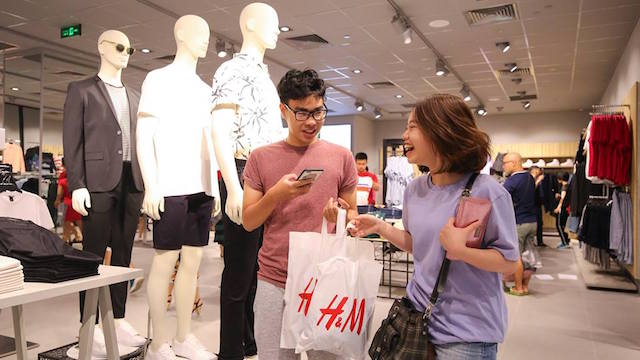
    Sales at H&M stores worldwide rose by the steepest rate in three years in the third quarter.

    “Well-received summer collections and increased market share confirm that the H&M group is on the right track with its transformation work,” the company said in a statement.

    Net sales rose by 12 per cent to US$6.48 billion in the three months to August 31, marking the company’s fifth consecutive quarterly increase. Excluding currency fluctuations, sales were up by 8 per cent.

    However, analysts took a little of the gloss off the figures pointing out that during the comparable period a year ago, the company’s turnover was hit by difficulties implementing a new logistics system in some markets.

    Besides its namesake brand, H&M operates Arket, Weekday, Cos, Monki, and & Other Stories.

    Full-year results will be released on October 3.

    While the global third-quarter result was strong, sales at H&M stores in the UK have plummeted, leading to a 71.2-per-cent crash in full-year pre-tax profits to £10.72 million, according to figures obtained by Retail Gazette.

  • Gap franchising Athleta, Janie and Jack brands in Asia

    Gap franchising Athleta, Janie and Jack brands in Asia

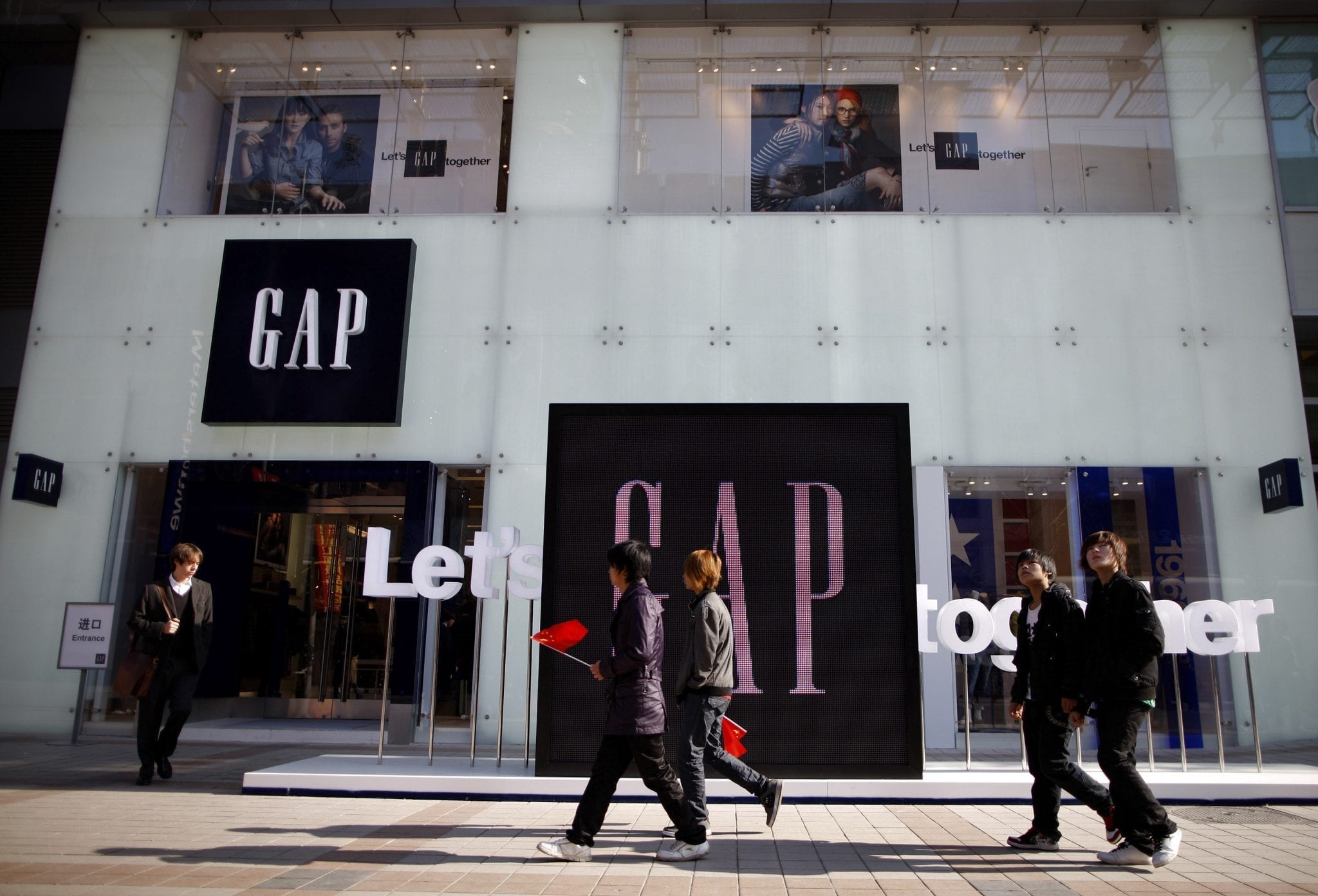
    Gap Inc is planning to roll out stores globally under its Janie and Jack and Athleta banners via a franchise model.

    The US-listed fashion giant already has about 500 franchised Gap, Banana Republic and Old Navy-branded stores operating in 40 markets around the world with local partners, including in Asia. Now it sees an opportunity to boost sales by franchising its fast-growing domestic labels.

    Athleta is a yoga-influenced sportswear brand which is competing with Canadian brand Lululemon. Janie and Jack is a childrenswear label it acquired from fellow US apparel company Gymboree which went into liquidation earlier this year.

    Gap has learned from past experience that the best business model to launch in new overseas markets is through a local partner.

    “We’ve come to realize there is local expertise that frankly, we don’t have,” Roy Hunt, the senior VP of Gap Inc’s global franchise and strategic alliances division, said in an interview. “But we go through a lot of different steps to make sure we have the right partners. … For the most part, we are very selective.”

    The company plans a multi-channel approach to overseas markets when it launches Janie and Jack and Athleta, with brick-and-mortar stores to be supported by websites, also operated by the franchise partners.

    “Given the premium, gift-worthy children’s looks of Janie and Jack and the versatile, sustainable women’s performance apparel of Athleta, we feel the two brands will resonate with customers in new and existing markets internationally,” Hunt said in a statement.

    He believes there is a “huge opportunity” for Gap in markets such as Asia, Europe, and Central America.

    “If you think about it, the primary benefit we have in doing this is that we are not investing our own capital … the partner is investing capital to build out the business,” he said.