Tag: Clothing

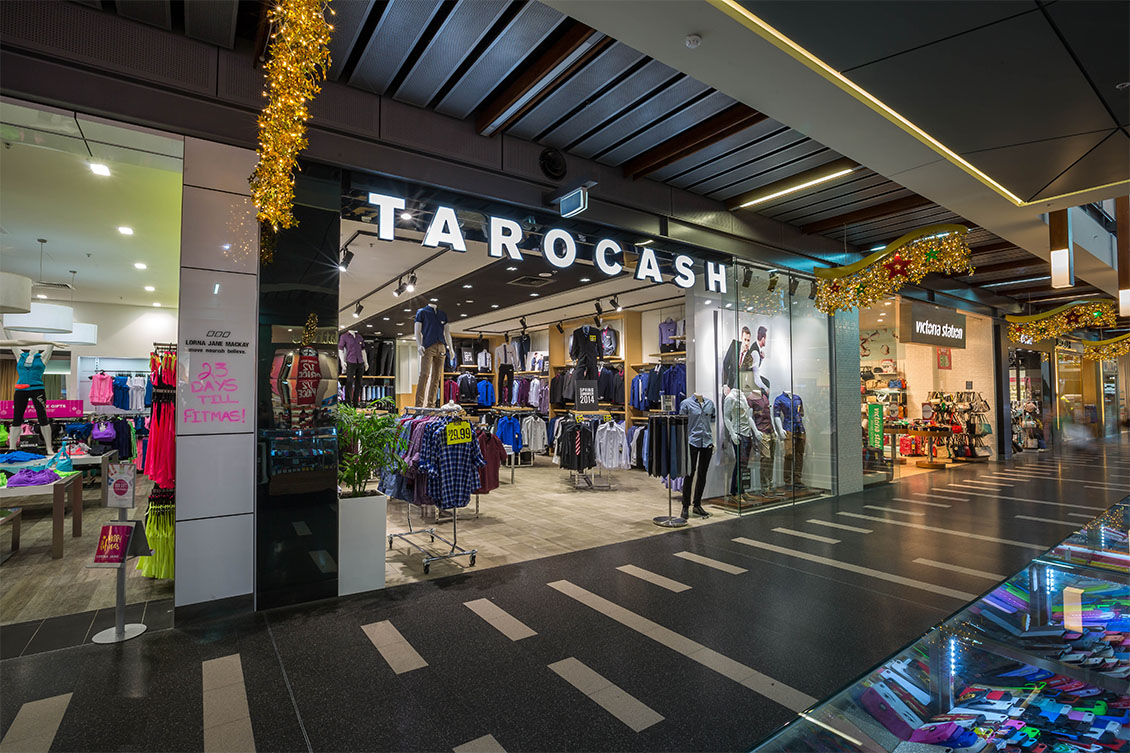
  • Tarocash, owner of YD looking to expand

    Tarocash, owner of YD looking to expand

    Retail Apparel Group-owner The Foschini Group has lauded the Australian retail market and indicated it is gearing up for further expansion throughout Australia and New Zealand.

    The South African retail group, which owns local brands such as yd., Connor, Tarocash, Johnny Bigg, and Rockwear, said topline growth in Australia is in the double-digit, and it’s planning to introduce more of its brands to the region – namely jewelry brand American Swiss.

    TFG chief executive Anthony Thunström told a media roundtable the company sees significant opportunity in the Australian and New Zealand market.

    “Australia has not been in a recession since 1990 – it is almost the polar opposite to SA with unemployment also at record lows,” Thunström said.

    “Retail is not by any means easy there with the high costs around rentals and other operational costs, so there is little margin for error to get it right or wrong.”

    While David Jones-owner Woolworths Holdings has struggled in the Australian market, having recently booked a $437.4 million impairment against the department store due to economic headwinds, The Foschini Group has found success in multiple markets by focusing on delivering a more niche offering.

    Thunström said the business doesn’t dictate from afar what will be successful in the Australian market but instead purchased the business with strong leadership teams in order to allow them to steer the local offering.

    “If we went to Australia or the UK and tried to run the business ourselves, we would end up in tears,” Thunström said.

    “There are too many local nuances.”

    According to Business Report, the retail group said it will inject R500 million ($48 million) into technology in order to get ahead of the changing retail market – having witnessed its online sales increase 57.2 percent over the year to March.

  • Fashion label launches Hello Kitty clothing line

    Fashion label launches Hello Kitty clothing line

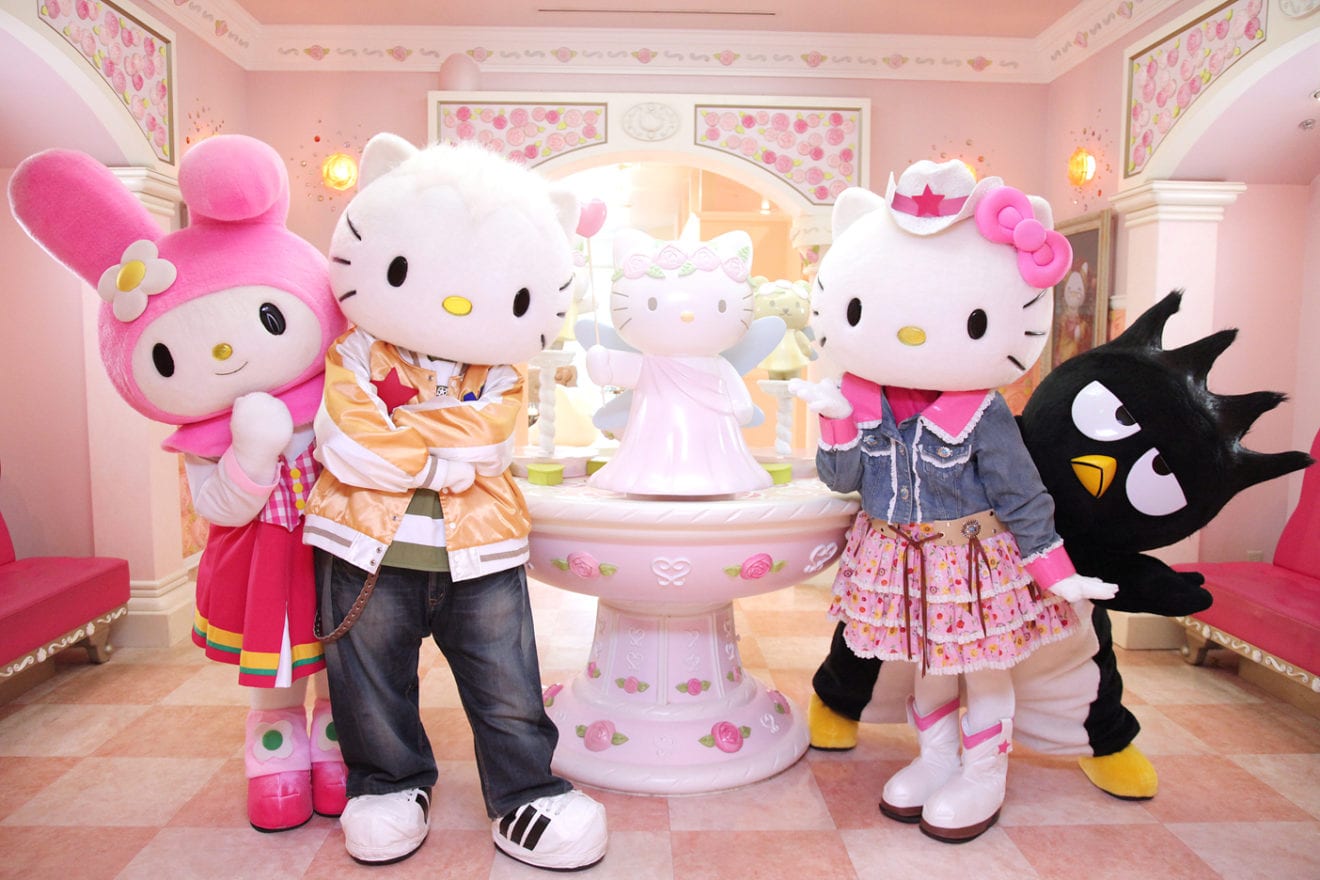
    Local fashion label Ruby is launching a limited-edition collection of Hello Kitty-licenced products, including t-shirts, sweatshirts, oversized hoodies and activewear.

    The collection, Ruby x Hello Kitty, will be available in stores and online from August 16, and is expected to take the brand’s customers on a trip down memory lane.

    “This collection with Sanrio has been so exciting,” said Deanna Didovich, Ruby’s creative director, said in a statement.

    “Growing up I collected anything Hello Kitty! There’s no doubt Ruby x Hello Kitty will be one to remember,” she said.

    The collection also includes several non-licensed products, including a satin skirt and bomber jacket set designed to be mixed and matched with the streetwear pieces, as well as a denim jacket and mini-skirt.

    The Hello Kitty activewear set is made from econyl fibre, which is nylon that is 100 per cent regenerated from recovered fishnets and nylon waste. This helps to reduce the global warming impact of nylon by up to 80 per cent.

    Ruby and its sister label, Liam, are increasingly incorporating sustainable materials into their collections.

  • Versace adds gloss to Capri results

    Versace adds gloss to Capri results

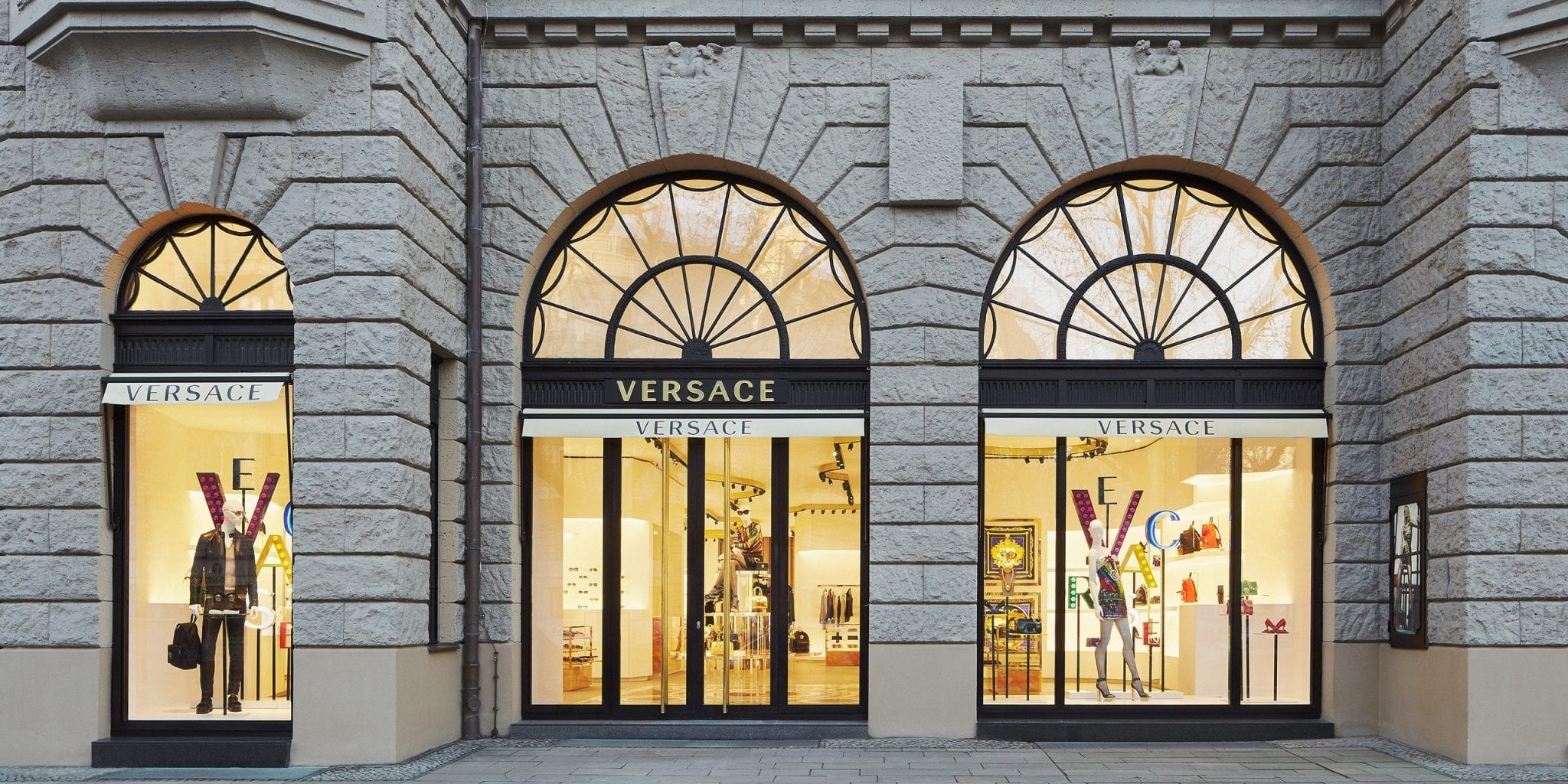
    At headline level, the latest Capri results looks to have been a good quarter for the fashion retail owner, with revenues up by a solid 11.9 percent.

    However, the results are far from spectacular. The uplift in revenue is all a function of the inclusion of sales from Versace, which was not part of the group at this point last year. Revenue at the two other brand houses – Michael Kors and Jimmy Choo – both fell significantly.

    Moreover, margins at both divisions declined, contributing to a 70.2 percent dip in operating income. All the metrics are going in the wrong direction and run counter to Capri’s business plan for strengthening profitability as it advances to being an US$8 billion business.

    Michael Kors is the most problematic part of the business and the brand starts the new fiscal year in the same way as it ended the last one – with a decline in overall revenue. The difference from last year is that the pace of decline has accelerated, underpinned by a modest deterioration in comparable sales. As much as Capri blames the poor performance on its efforts to rebalance the brand, the weak numbers have more to do with a lack of underlying enthusiasm from some of the audiences it wants and needs to reach.

    Part of the issue is the baggage that Michael Kors still carries from the days when it expanded to the point of ubiquity: there are still lingering perceptions that the brand is unsophisticated and lacks the refinement of labels like Coach. None of this is aided by the fact that Michael Kors deliberately plays up its edgy nature with some bold and occasionally gaudy designs supported by marketing and promotion that can appear gauche. These things may differentiate the brand from more conservative rivals, but they do little to increase its appeal.

    To be fair, Michael Kors also has products that are elegant and its newer menswear ranges are designed to be fashionable and functional and so come across as more conservative. However, these get lost in the wider image of the company and make the offer look unfocused and schizophrenic. Michael Kors is still a brand that is unsure of its identity and this does not bode well for future growth.

    Jimmy Choo’s heritage is more conservative, and its backstory is one of the elegant products with interesting fashion twists. However, the influence of Michael Kors is starting to rub off and the brand is becoming more focused on the bling with a pinch of ostentatiousness thrown in for good measure – as is exemplified by the new logo and some of the new non-footwear product launches. Attempts to amplify the brand are not necessarily wrong, but the methods being used have the potential to alienate existing customers and drag the brand into territory where it cannot thrive.

    The integration of Versace represents an opportunity for Michael Kors and in terms of styling and brand attitude, the division is a good fit for the ethos of the whole group. The challenge is to bring discipline to a logo that is larger than life, but which often lacks focus and coherence. We are generally supportive of the vision to grow share in menswear and activewear and to expand the store footprint. However, a lot of work on the overall brand vision is still needed to create a compelling offer for the customer.

    Overall, Capri is fulfilling its vision to create a house of luxury brands. Unfortunately, it currently has a collection of brands that need a lot of work in order to reach their potential. We reserve judgement on whether current management can deliver the long-term growth plans they have set out.

  • City Chain sales down as store network shrinks

    City Chain sales down as store network shrinks

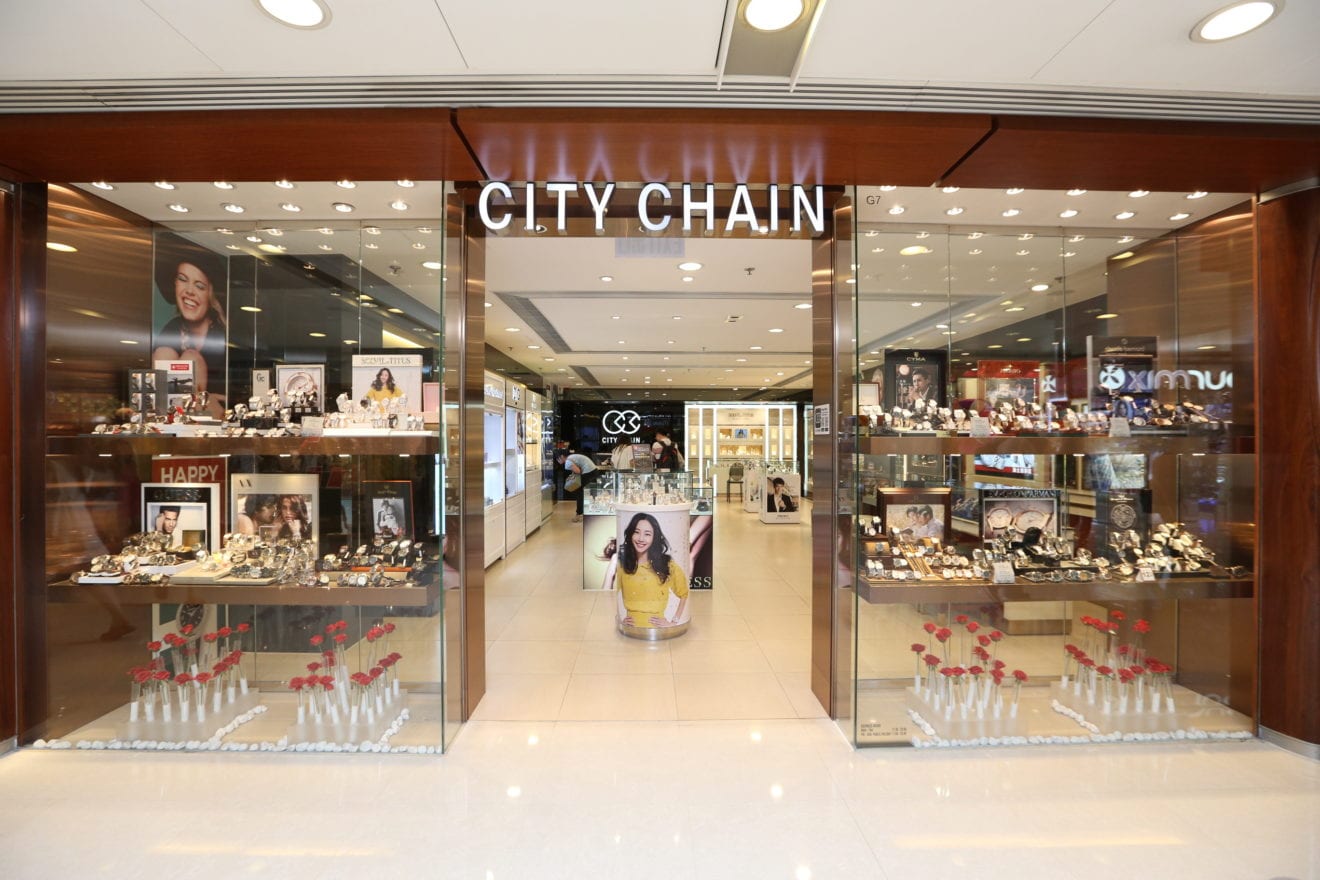
    City Chain sales plunged 20 percent across Greater China in the three months to June.

    Hong Kong-headquartered parent Stelux International – which spun off its eyewear business last year – said the watch-retailing chain’s poor performance was due to a 14.8-per-cent contraction of its store network and “softened consumer demand”.

    Group-wide turnover fell 18.8 percent to HK$235.3 million for the June quarter.

    City Chain sales in Greater China reached $167.1 million in the quarter, down 20.1 percent, with the store network down from 135 at the end of June last year to just 102.

    Sales in Southeast Asia fell 15.3 percent to $68.2 million with the store network down 36 over a year to 208.

  • Giordano International sales plunge again

    Giordano International sales plunge again

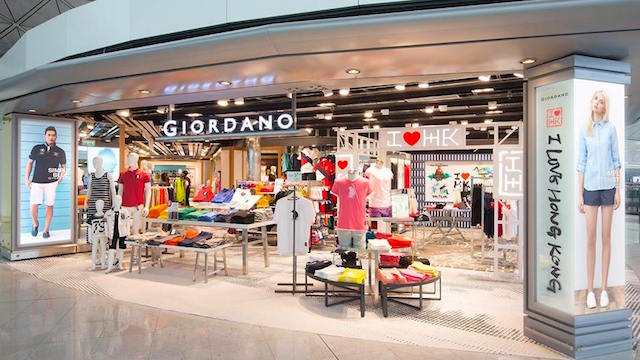
    Giordano International is set to report a second successive quarter of heavy sales decline.

    The casualwear retailer warned shareholders yesterday that underlying sales may fall by about 28 per cent, driving a 38-per-cent decrease in profit attributable to shareholders for the six months ended June 30.

    Chairman and CEO Peter Lau said the board believes the decrease was largely confined to the Greater China Region, and “primarily attributable to the weak retail environment and poor market sentiment in those regions stemming from the Sino-US trade war”.

    A factor in the profit figure was the adoption of new Hong Kong financial-reporting standards applicable to leases, which took effect on January 1 this year.

    The company will announce its interim results next month.

    In April, Giordano announced that sales in Greater China plunged by 17.7 per cent during the first quarter, dragging group-wide sales down by 10.8 per cent, or 8.5 per cent on a constant-currency basis.

    In a stock-exchange filing on the eve of the holiday weekend the casual apparel retailer blamed the downturn on “uncertainty stemming from the Sino-US trade dispute and abnormally warm weather”.

    Giordano sales in Indonesia, Thailand and Vietnam remained stable during the first quarter, and in the fledgling Middle East market rose by 10 per cent to HK$80 million, slightly compensating for the heavy impact of China.

    By market, Mainland China sales fell from $378 million to $295 million, in Hong Kong and Macau from $248 million to $225 million and in Taiwan from $201 million to $161 million. In the rest of Asia-Pacific, they declined from $422 million to $398 million.

  • LVMH takes stake in Stella McCartney House

    LVMH takes stake in Stella McCartney House

    LVMH has bought a cornerstone share in Stella McCartney House.

    Full details of the deal will be released in September, however LVMH has confirmed Stella McCartney will continue as creative director and ambassador of her brand, while holding majority ownership.

    LVMH’s archrival house Kering previously held a stake in Stella McCartney House until the celebrity bought it out in March last year. The two new partners said their arrangement will aim to accelerate Stella McCartney House’s worldwide development in terms of business and strategy, yet remain faithful to its commitment to sustainable and ethical luxury fashion.

    Stella McCartney will hold a specific position and role on sustainability within LVMH as special advisor to the chairman and CEO, Bernard Arnault, and the executive committee members.

    “Since the announcement of my decision to take full ownership of the Stella McCartney brand, there have been many approaches from various parties expressing their wish to partner and invest in the Stella McCartney House,” said McCartney.

    “While these approaches were interesting, none could match the conversation I had with Bernard Arnault and his son Antoine. The passion and commitment they expressed towards the Stella McCartney brand alongside their belief in the ambitions and our values as the global leader in sustainable luxury fashion was truly impressive.

    “The chance to realise and accelerate the full potential of the brand alongside Mr Arnault and as part of the LVMH family, while still holding the majority ownership in the business, was an opportunity that hugely excited me,” said McCartney.

    Arnault described the announcement as “the beginning of a beautiful story together”.

    “We are convinced of the great long-term potential of her house. A decisive factor was that she was the first to put sustainability and ethical issues on the front stage, very early on, and [she] built her house around these issues. It emphasises LVMH Groups’ commitment to sustainability.”

    Arnault said LVMH was the first large company in France to create a sustainability department, more than 25 years ago, and “Stella will help us further increase awareness on these important topics”.

    McCartney described partnering with the Arnaults and LVMH as a big step for her, her family, and the Stella McCartney team.

    “The brand has achieved so much since its launch, and this new partnership with LVMH is recognition of that work, but this I feel is just the start, and I look forward to a brilliant future together”.

    The deal announced overnight is subject to normal conditions, including the approval of competition authorities.

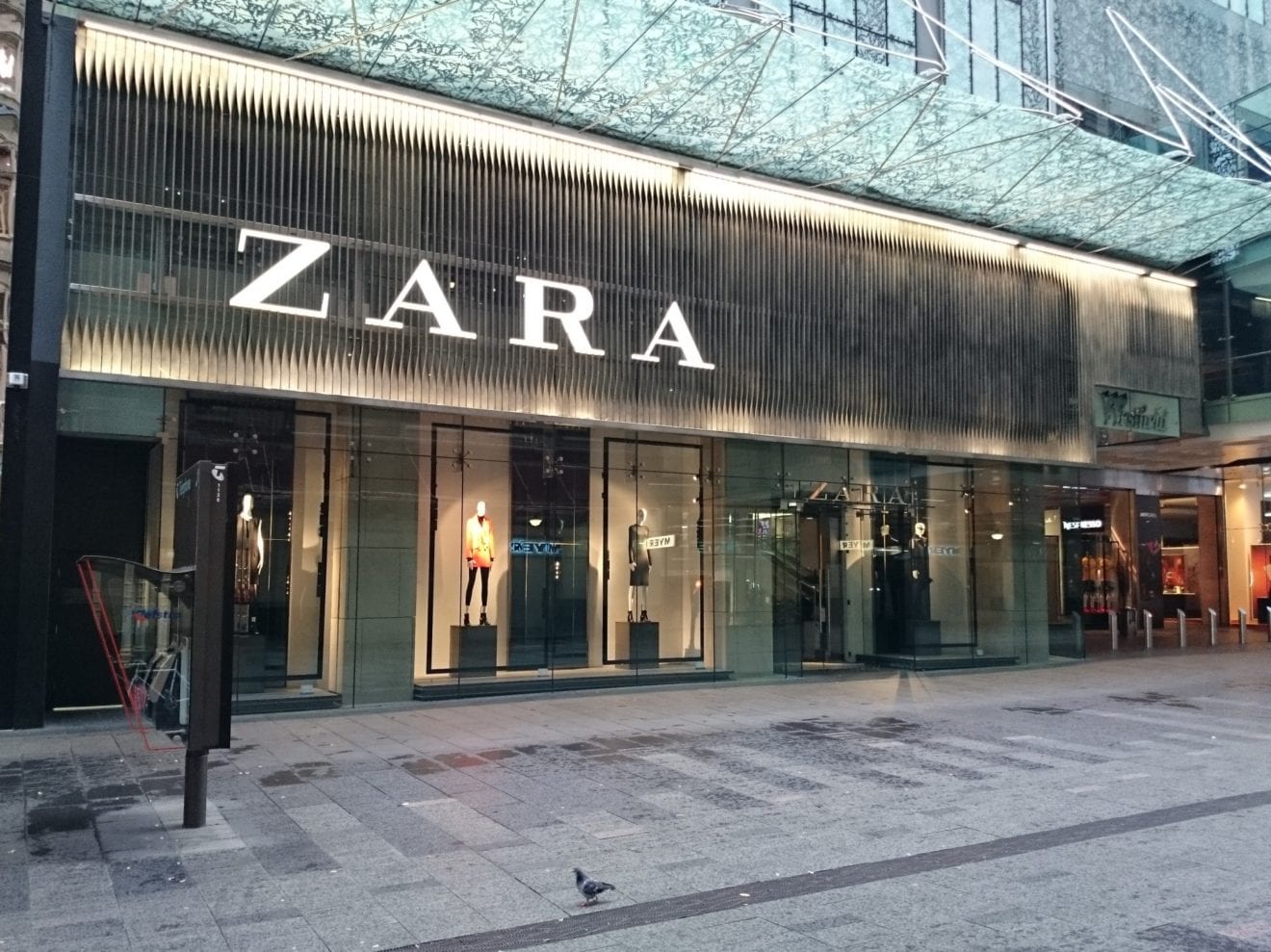
  • Zara India reports drop in profit

    Zara India reports drop in profit

    Fashion retailer Zara India has reported a 13.4-per-cent drop in net profit over the last financial year, reflecting increased competition and a drop in demand during the period.

    The loss came despite a 17.7 percent increase in sales over the year to  ₹1438 crore (US$208 million), which suggests the company has been heavily discounting to maintain stock turnover.

    Two years ago, Zara India saw a 40-per-cent drop in profits after ruthlessly slashing prices to beat competitors.

    The brand opened two new stores in the territory and expanded its presence to a total of 10 Indian cities during the last financial year.

    “The numbers could reflect a dip in same-store sales growth,” noted an Indian retail industry commentator. “Also during the year, India saw no major new net mall additions in large cities for a brand such as Zara to open add more stores”.

    A spokesperson for Zara’s local partner Trent maintained that the primary challenge to the brand’s faster expansion is the availability of high-quality retail spaces that could be expected to generate reasonable sales throughput.

  • Zara parent fast-tracks online expansion

    Zara parent fast-tracks online expansion

    Clothing retailer Inditex has announced the launch of online platforms in nine new markets and says it will open in 10 more this autumn to meet its 2020 vision.

    Zara launched an online store in Brazil during the first quarter, and has recently inaugurated its platforms in Morocco, Egypt, Lebanon, Israel, Serbia, Indonesia, the United Arab Emirates and Saudi Arabia.

    This autumn, Inditex said it will launch Zara online platforms in South Africa, Qatar, Kuwait, Bahrain, Oman, Jordan, Colombia, Philippines and Ukraine.

    Last year, Inditex chairman and outgoing CEO Pablo Isla announced all products from the company’s brands will be made available online by 2020, including markets where it does not have any stores.

    Inditex posted a 5 per cent increase in net sales in the first quarter from February 1 to April 30, which, according to the company, has reached a new record of €5.93 billion ($9.48 billion), driven by the ongoing digital transformation of its integrated store and online sales platform.

    Store and online sales increased by 9.5 per cent in local currencies from May 1 to June 7 and from February 1 to June 7, sales increased 6.5 per cent in local currencies.

    During the first quarter, the company has opened new physical stores in 23 different markets and is also in the process of expanding, refurbishing and absorbing stores as part of the process of differentiating its sales footprint.

    “Among the stores worth highlighting are the Zara store that opened in Hudson Yards in New York, in the US, one of the world’s highest-profile retail developments, the new store on Rue Jean de Rouiffe in Cannes, France, and the store in the Time World Mall in Daejeon, South Korea,” Inditex stated.

    Massimo Dutti also opened a new store in Ibiza fitted with ‘scan-and-shop’ technology and click and collect. The store also features the brand’s new ‘style advisor’ and ‘express alteratrions’ services with same-day collection or delivery in three hours.

    The brand also opened a new store in the Manama shopping centre in Bahrain and flagship stores in Seoul, South Korea and Vladivostok, Russia, in the Kalina Mall, which also welcomed Bershka, Stradivarius, Oysho, Pull&Bear and Zara Home stores during the quarter. Oysho made its debut in Latvia and Singapore and opened a huge flagship store, spanning over 2200sqm, in Mallorca, on the emblematic Paseo del Born, while Stradivarius opened its doors on France’s Cote d’Azur, specifically in Cagnes-Sur-Mer, and Zara Home opened its maiden store in Bulgaria.

    According to Inditex, all of these new stores are fitted with the latest customer-oriented technology and all of the breakthroughs on the eco-efficiency front, bringing the store count meeting the group’s green criteria to 90 per cent of the total, in line with its commitment to making the platform fully sustainable by 2020.

    Isla had said earlier all of the group’s brands will be adopting an integrated stock management system by 2020 in all the countries where there is a physical store presence.

    Other than Zara, the world’s largest clothing retailer also sells the brands, Massimo Dutti, Pull & Bear, Bershka, Stradivarius, Oysho and Uterque across its network of almost 7,500 physical shops. It also operates online in 49 markets.

    Underpinned by sales growth in all geographies and at every brand, the group’s solid operating performance lifted net profit to €734 million, a growth of 10 per cent year-on-year.

    Excluding the effect of IFRS on leases from February 1, EBITDA grew 9 per cent, EBIT 7 per cent and net profit 7 per cent.

    “The recent figures demonstrate solidity of the company’s model, whose profitability and cash flow generation continues to grow owing to the group’s commitment to customer-driven quality fashion,” Isla said, emphasising the “strong momentum in the digital transformation of the integrated store and online sales platform and in sustainability as a key pillar of the company’s strategy.”
  • ABCDior pop-up Opening in Singapore

    ABCDior pop-up Opening in Singapore

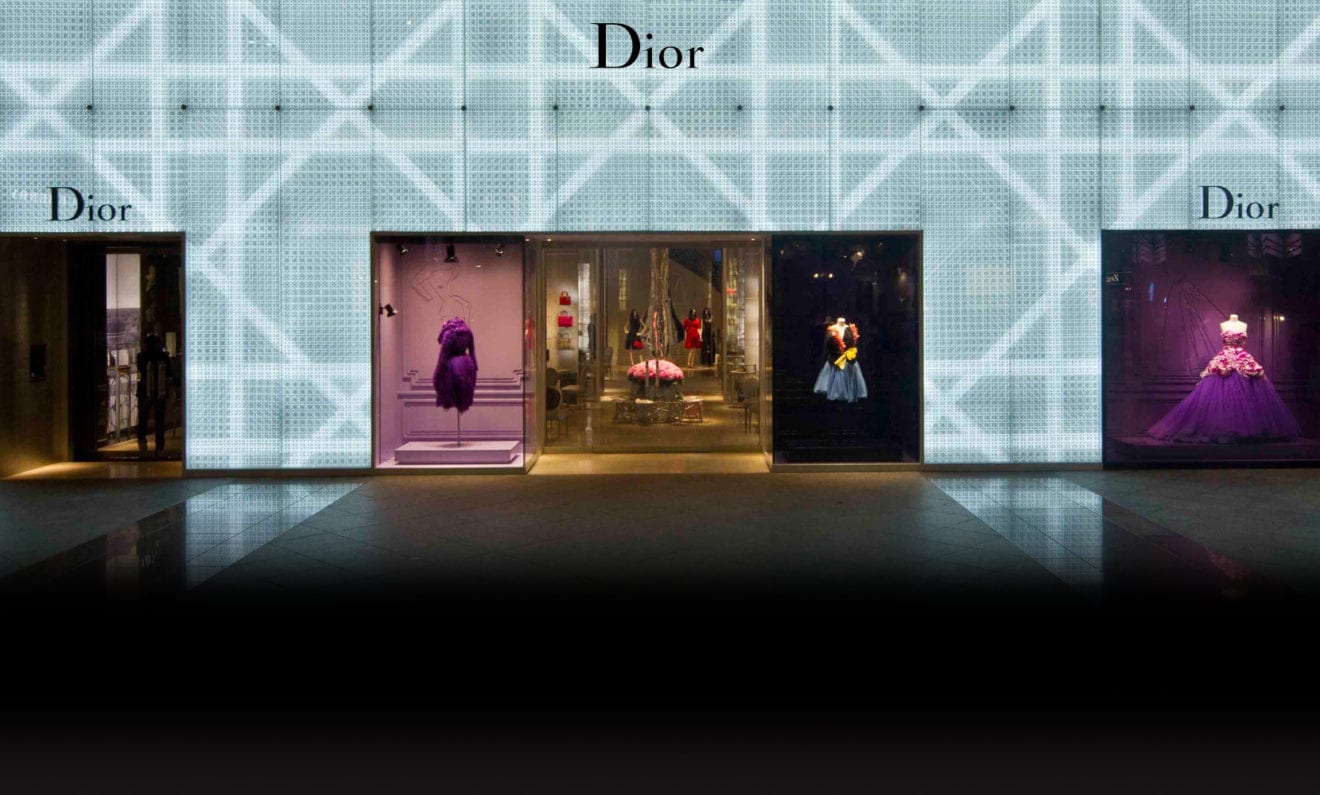
    French fashion house Dior will launch its personalised ABCDior pop-up store in Singapore.

    Located at the Dior boutique in Marina Bay Sands, the pop up will allow customers to embroider their names, initials or letters on a selection of Dior goods, ranging from its Book Tote, the Diorcamp bags, as well as the Walk ‘n’ Dior sneakers.

    These items are made in the Oblique canvas, featuring the interlocking Dior logo.

    The pop-up will run from June 20 to July 14.

  • Abercrombie & Fitch Closing Shops

    Abercrombie & Fitch Closing Shops

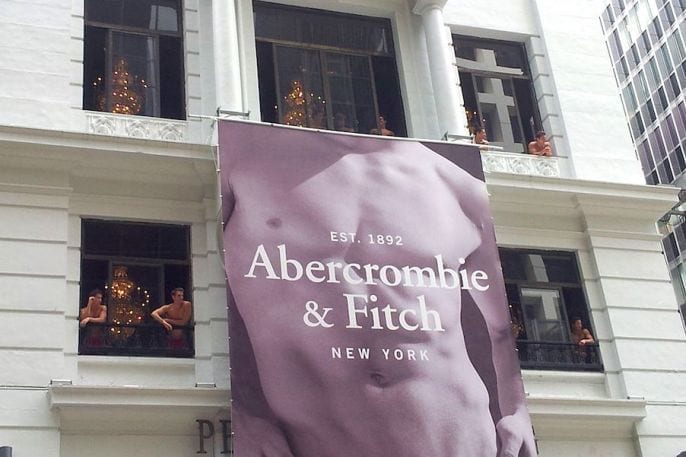
    Fashion retailer Abercrombie & Fitch is continuing to shutter Hollister and A&F flagship stores across the globe, with its Fukuoka store in Japan one of the next three on the list.

    Starting with the high-profile Pedder Street store in Hong Kong’s Central in the first quarter of the 2017 financial year, Abercrombie & Fitch embarked on what it describes as a “global store network optimization” program.

    Overnight, the company said it will close its SoHo Hollister flagship store in New York City and has exercised kick-out clauses for its A&F flagship locations in Fukuoka and Milan, Italy.  “Today’s announcements build on the closures of the Hong Kong and Copenhagen, Denmark A&F flagship locations. These actions represent important ongoing steps in the company’s global store network optimization efforts as it continues to pivot away from large format stores to smaller, omnichannel-focused brand experiences,” the company said in an earnings statement.

    While the Pedder Street store was vacated two years ago – and remains empty to this day – it took until this year for the company to close its second, in Copenhagen, Denmark. Now the flagship-closure program is gaining pace.

    The Hollister store will close in the second quarter of the current fiscal year and the Milan store by year’s end. The Japanese store will close in the second half of next year.

    “In aggregate, the Copenhagen, SoHo, Milan and Fukuoka locations represented less than 1 percent of total net sales in fiscal 2018. The SoHo and Fukuoka closures are expected to result in pre-tax lease-related net charges in the second quarter of fiscal 2019 of approximately US$45 million. The charges related to the Copenhagen and Milan closures are not expected to be significant in fiscal 2019,” the company said.

    But Abercrombie & Fitch stressed it was not reducing its store network.

    “The company remains on track to deliver approximately 85 new experiences through new stores, remodels and right-sizes this year.”

    First-quarter loss reduced

    Meanwhile, the company reported worldwide net sales rose by 2 percent to $734 million in the first quarter to May 4. Comp sales rose by 1 percent following a 5 percent increase in the same period last year and the company posted an operating loss of $27.3 million, less than half that of last year’s first quarter.

    “We achieved our seventh consecutive quarter of positive comparable sales fuelled by ongoing strength at Hollister and a return to positive comps at Abercrombie,” said CEO Fran Horowitz.

    “This contributed to top-line growth, operating margin improvement and a net loss reduction compared to last year.”

    Horowitz said the company remains focused on its transformation initiatives, with global store network optimization a key priority.

    “We continue to believe in stores and are committed to delivering intimate, omnichannel brand experiences that closely align with our customers’ needs.”

  • Goodbaby opens Chengdu Flagshop Store

    Goodbaby opens Chengdu Flagshop Store

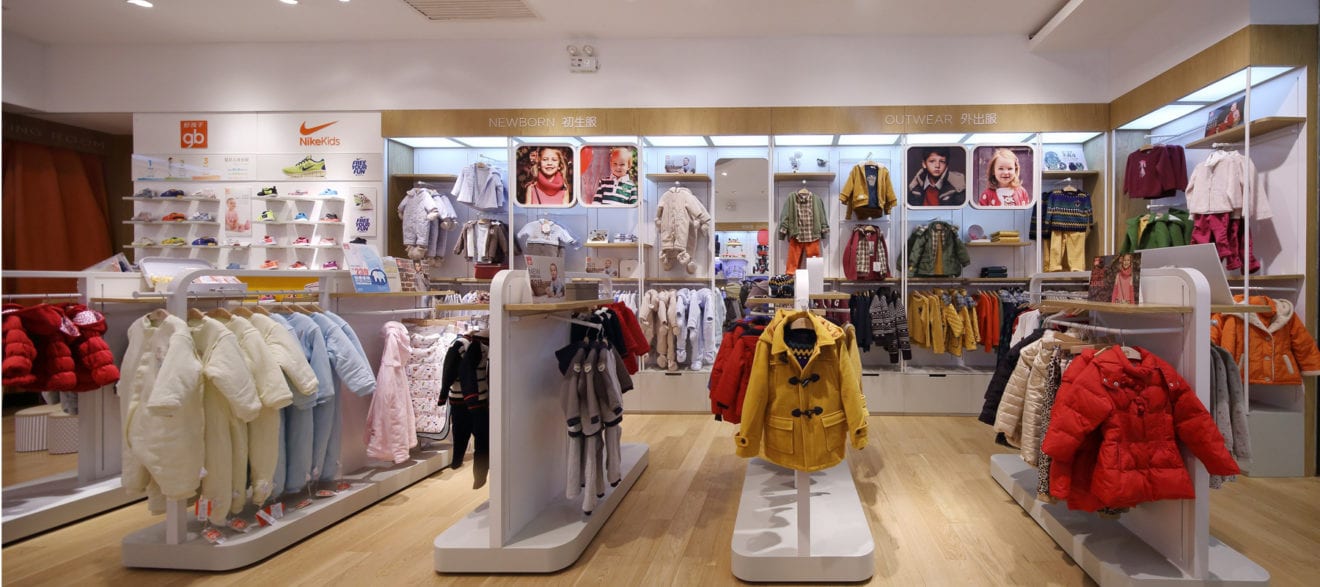
    Goodbaby International has opened two flagship stores in Chengdu, China.

    One of the new stores is located at International Finance Square (IFS), the other at Chengdu Joy City. Both opened last Saturday.

    The stores represent the parenting-products retailer newest offline store model and were designed by an unnamed “well-known designer” who has previously cooperated with many globally renowned luxury concept stores.

    “The key to mom-and-child products lies in experience,” said Goodbaby China CEO Jiang Rongfen.

    “The new global flagship stores are designed with both the sensitive and sensible factors of the consumers’ shopping behaviors in mind.”

    The designer aimed to create an immersive, scenario-based smart lifestyle environment for parenting families, where consumers can experience and interact with the products to make better shopping decisions with the help of AI, VR and AR technologies, as well as making one-stop shopping convenient.

    “Our goal is to make every customer willing to share their satisfactory experience with their friends,” Jiang said.

    With Chengdu considered an up and coming fashion hub in China, Goodbaby decided to launch its new Hey Box smart products at the two flagship stores.

    “It is usually said that winning Chengdu’s consumers is a big step towards winning China’s consumers,” said Jiang.

    Goodbaby was set up in China 1989 as a global company with local operations in China, Germany and the US. At the core of its range are baby carriages and child car seats.

  • India’s Kurtees.com Makes Global Debut

    India’s Kurtees.com Makes Global Debut

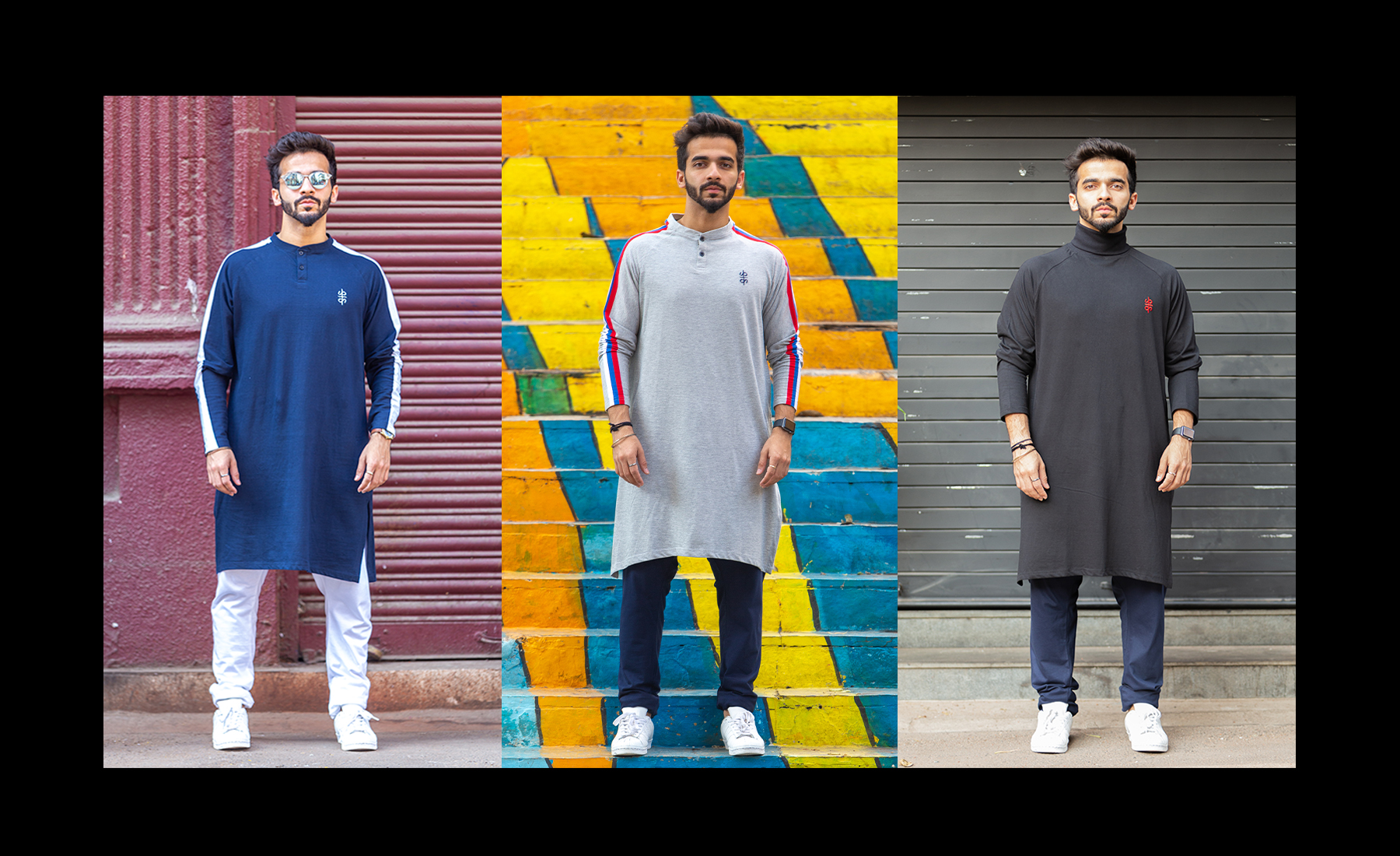
    Seeking to differentiate itself from India’s crowded menswear space, KURTEES.com has made its global debut. Crafted from 100% Organic Jersey, KURTEES.com brings together traditional Kurtas (Tunics) and Churidars (Trousers) and infuses them with the feel and design of the everyday T-Shirt.

    “For me personally, both the Kurta and the T-Shirt have been go-to garments. There are elements of both that speak to me. The Kurta is quite diaphanous and therefore airy. The T-shirt, is soft, comfortable and has an ability to be paired with a variety of garments”, states Steven Jhangiani, CEO of STARANSA Clothing, parent company of KURTEES.com. “Being based in Singapore as well as Mumbai, I want a garment that is not overtly traditional and want to feel as comfortable wearing this garment from New Delhi to New York, that can take me from a Sunday Brunch to a casual Friday, and everywhere in between. KURTEES.com takes the Kurta, incorporates elements of casual street-style and utilizes familiar T-shirt necklines, Crew Necks to Turtlenecks, V necks to Henley’s, to create a garment that is totally unique yet recognizable”

    Taking advantage of India, and the worlds, growing interest in Organic fabrics, KURTEES.com works closely with suppliers in Tirupur to ensure full visibility into the supply chain, ensuring working conditions are fair and certifications on the fabrics are in place.

    “Organic fabrics, as we all know, have a variety of benefits, not only for the customer but for the farmers and the environment. It was hugely important for us to ensure compliance from our suppliers and to ensure that we were not using the Organic tag as simply a marketing tool and charging our customers extortionately. Our products are very affordably priced, and range from USD 19.50 to USD 31.60” states Jhangiani.

    In 2019, Indian e-commerce is expected to continue its rapid upward trajectory. KURTEES.com seeks to not only to take advantage of this growth but looks at the populous Indian diaspora as an equally important market, as well as those from other cultures that may be interested in an ultra-comfortable garment.

  • H&M tries its luck in billion dollar 2nd Hand Clothing Market

    H&M tries its luck in billion dollar 2nd Hand Clothing Market

    Fast-fashion brand H&M is testing its fortunes in the fast-growing used-clothing market.

    The Swedish brand has commenced sales of second-hand clothing in response to consumer concerns about the environmental impact of the fashion industry.

    H&M’s head of sustainability Anna Gedda says the program is being piloted in Sweden with a view to a more substantial rollout in future.

    “It comes back to the whole circular vision,” she said. “It just makes great sense to look into this business. We see this as a growing part of the industry, with great opportunities both for consumers and not least for the environmental impact, and how we can drastically reduce that by extending the life of the products.”

    The used-clothing market is expected to reach US$51 billion, double its current size, within the next five years.
    Last year, a BBC documentary portrayed fashion as one of the world’s most polluting industries.

  • PVH to buy back Tommy Hilfiger licence in five major Asian markets

    PVH to buy back Tommy Hilfiger licence in five major Asian markets

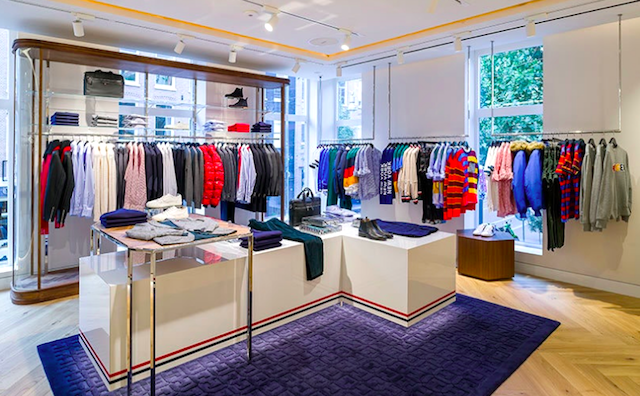
    The US-listed fashion brand owner has entered into a definitive agreement to reacquire the license from Dickson Concepts, along with some related leases and retail assets. Terms of the transaction were not disclosed, but the deal is expected to be settled in the second quarter of this year.

    PVH Corp, which also counts Calvin Klein, Van Heusen, Izod, Arrow, Warner’s, Olga and Geoffrey Beene in its portfolio, said the deal is in line with the company’s strategy of gaining more direct control over its brands, including through the acquisition of licensed businesses. The transaction is intended to allow the company to capitalise on the significant growth opportunity in the region.

    “This transaction demonstrates our commitment to making strategic investments to support the long term growth of PVH and our Tommy Hilfiger business, while leveraging our well-established infrastructure, our leadership expertise and strong brand momentum across both our Tommy Hilfiger and Calvin Klein businesses in the region,” said Emanuel Chirico, PVH Corp’s chairman and CEO.

    Daniel Grieder, Tommy Hilfiger Global CEO, said after taking back the Tommy Hilfiger licence, the company will execute “a more fully integrated strategy for the Greater China market in coordination with our directly operated Mainland China business”.

    “This transaction should allow us to further realise the growth opportunities that exist for the Tommy Hilfiger brand by enabling the introduction of a wider range of product lines, and offering consumers a more immersive and elevated brand experience. Building on our strong existing regional foundation, we plan to accelerate the growth of the Tommy Hilfiger business and invest further in driving the expansion of the brand.”

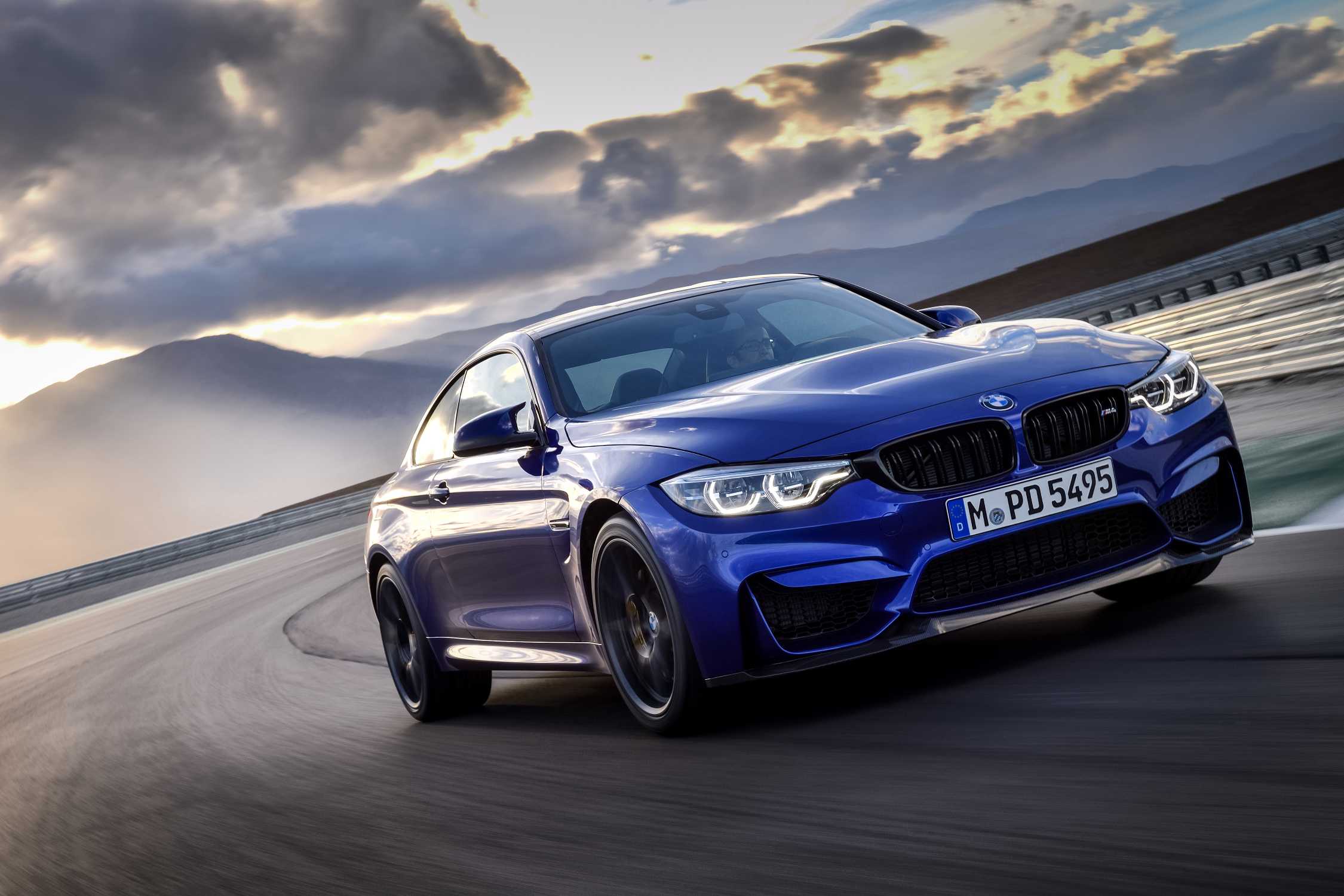
  • BMW And MINI Lifestyle Collection Now Will Be Available On Amazon

    BMW And MINI Lifestyle Collection Now Will Be Available On Amazon

    In a bid to make its original lifestyle collection more accessible to automotive enthusiasts in India, BMW India today announced launching the latest range of BMW and MINI branded products on Amazon India. Customer now have access to a wide range of original BMW and MINI branded clothing, accessories, luggage, and many other types of merchandise, which can now be purchased online.

    Customers now have access to wide range of original clothing, accessories, luggage, and more

    Hans-Christian Baertels, President, BMW Group India said, “The fascinating BMW and MINI Lifestyle Collection is created to add a touch of style, sophistication and inspiration to everyday life. We are thrilled to introduce the unique BMW and MINI Lifestyle Collection for our customers on Amazon India. This will enhance the reach and accessibility of our authentic and aspirational range of lifestyle products beyond the existing retail area in our showrooms. Be it golf equipment, bags, wallets, watches, t-shirts, jackets or even miniature cars, there is always something for everyone.”

    The collection will include products themed after the multiple branches within the BMW family like – BMW M Collection, BMW Motorsport Heritage Collection, BMW i Collection, Montblanc for BMW Special Edition, the BMW Iconic Collection and BMW Miniature Collection. A similar collection of MINI-branded clothing and bags to luggage, accessories and mobility items will also be on offer.