Tag: Clothing

  • Inditex achieves record first-half sales

    Inditex achieves record first-half sales

    Zara parent Inditex achieved record revenue and profits during the first half of this year.

    Net sales rose 7 per cent year on year to €12.82 billion, while net profit rose 10 per cent to €1.55 billion.

    According to Inditex executive chairman Pablo Isla, the results reflected strong first-half performance, with like-for-like growth across all brands and geographies.

    “The investments we have made in the stores as well as in logistics and technology have been key elements in the development of our customer focused integrated online and offline store platform,” Isla said.

    However, gross margin stayed steady at 56.8 per cent, up from 56.7 per cent. According to Isla, the business works to maintain gross margin, rather than maximise it.

    “We are always thinking about the medium and the long-term evolution of the company,” Isla told analysts.

    “Gross margin is a combination of many different things. You have, of course, the like-for-likes as growth. You have the product mix. You have the fashion trends. You have currencies. You have raw material costs. There are many, many elements involved.”

    Inditex said it opened, enlarged and refurbished stores across all regions during the half year, and continued to expand its online platform into new markets – seeing 7420 stores open across 96 markets, with 62 sporting the group’s online platform.

    During the beginning of its second half, Inditex has seen sales in local currencies increased 8 per cent for the period between August 1 and September 8.

    The business expects like-for-like sales growth of between 4 and 6 per cent for the full year.
  • H&M Fall 2019 Conscious Collection extends sustainability approach

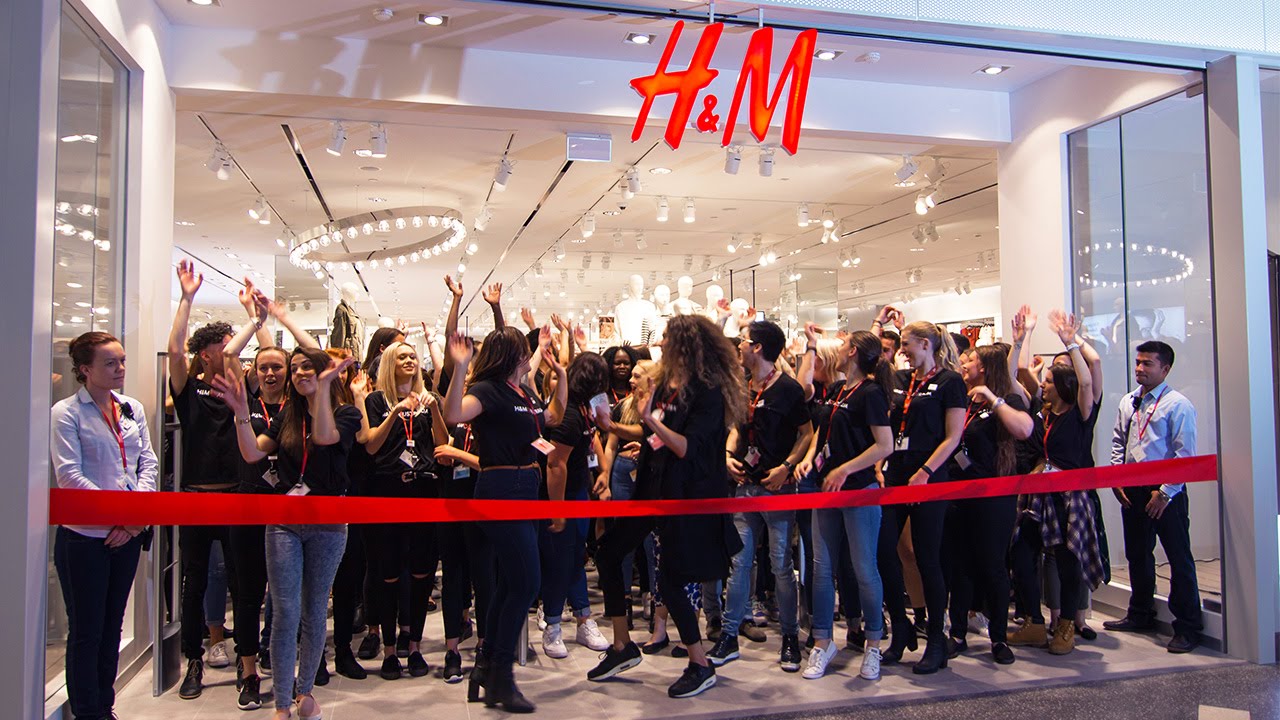
    H&M Fall 2019 Conscious Collection extends sustainability approach

    H&M’s Fall 2019 Conscious Collection has exemplified the firm’s commitment to only use sustainably sourced materials by 2030 with pieces made from recycled materials or materials that have less impact on the environment.

    H&M’s Fall 2019 Conscious Collection has exemplified the firm’s commitment to only use sustainably sourced materials by 2030 with pieces made from recycled materials or materials that have less impact on the environment.

    From the softly tailored check separates to the animal print dresses and oversized hoodies, all in a colour palette of light neutrals, black and pops of orange-red, H&M’s new vibe is laid back yet sophisticated.

    The H&M Fall 2019 Conscious Collection launches in September and will be available worldwide, in store and online. Recycled polyester, most often made from used PET bottles, is the key material for the collection, found in the dresses, shirts, knitwear, outerwear and tailored pieces.

    “The H&M Fall 2019 Conscious Collection is all about the timeless classics and wardrobe staples you never get tired of,” said H&M’s head of design womenswear Maria Östblom. “Long-lasting design in more sustainable materials and the autumn must-haves you need to update your wardrobe.”

    “We want to use our size to lead the change towards circular and renewable fashion,” said the firm’s global sustainability manager Pascal Brun. “The H&M Fall 2019 Conscious Collection is an amazing example of how far we have come with technology and innovations replacing conventional materials with recycled alternatives.”

  • Alice McCall opens permanent pop-up store

    Alice McCall opens permanent pop-up store

    Designer womenswear brand Alice McCall has opened a permanent sale pop-up in Westfield’s Warringah Mall, where it will clear previous season styles for $150 and under.

    The permanent pop-up follows a series of successful warehouse sales in Sydney, Melbourne, and Brisbane this year, and is in response to “overwhelming demand” from customers, Alice McCall said in a statement.

    “Keeping up with the demand for our warehouse sales has kept us busy this year. To minimize our resources producing these, yet be able to provide our customers with a sale pop-up they can shop regularly, makes a lot of sense to us as a business,” Nicole Macey, Alice McCall’s GM, said.

    Founded by stylist Alice McCall in 2004, the designer label is known for its feminine party dresses, playsuits and separates, which sell for upwards of $400, and has been worn by pop icons, including Ariana Grande, Katy Perry, and Kylie Minogue.

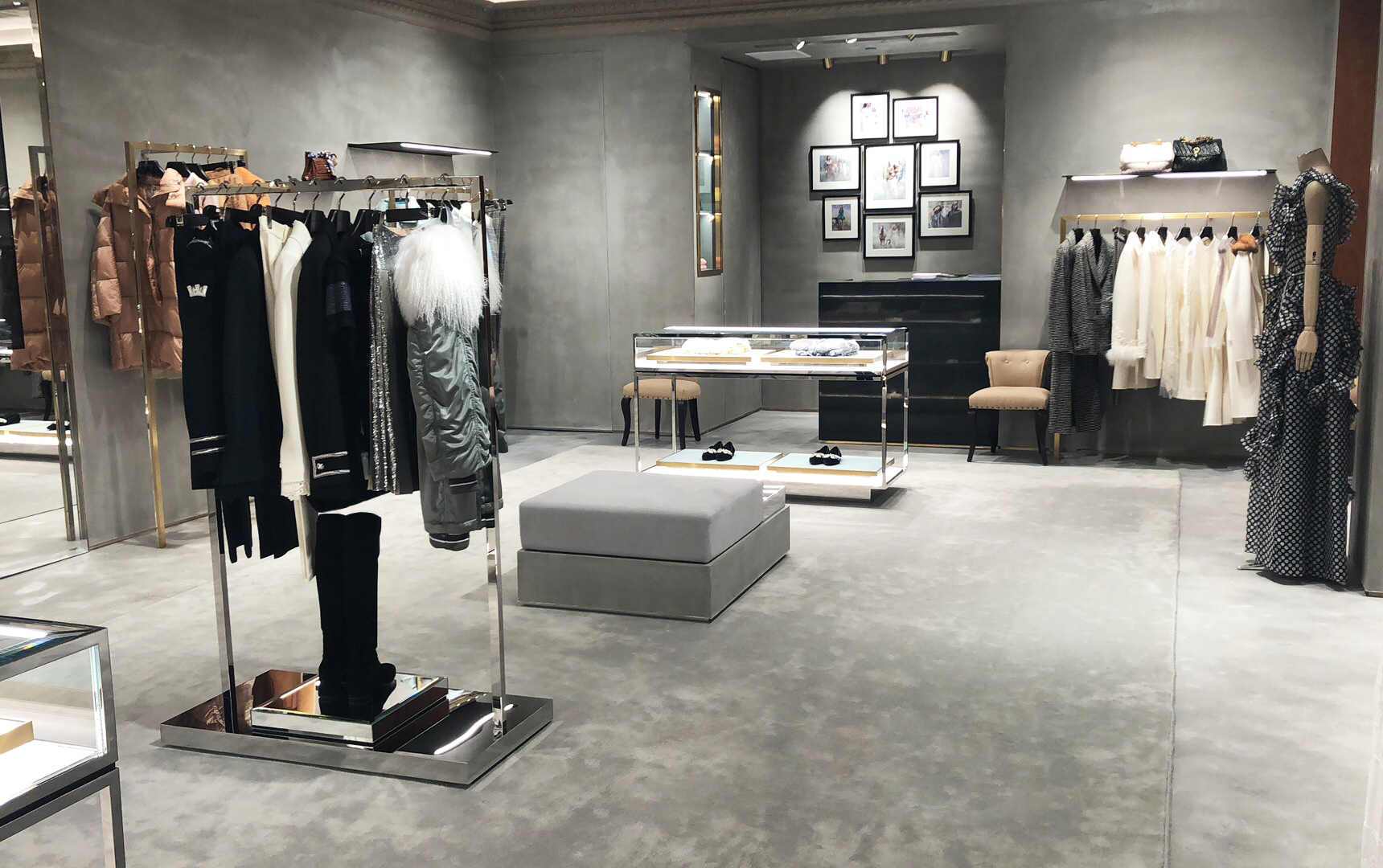
    The retailer said it would provide the same premium boutique experience at its Warringah Mall location, which retains its luxurious interior, including signature gold fixtures and pastel furnishings, though every garment costs $150 or less.

    Macey said she did not believe the sale pop-up would diminish Alice McCall’s brand value, an argument other upmarket brands have used for physically destroying out-of-date stock, rather than selling at a discount.

    “Our customers are quite savvy, and as much as they’re in search of a discount, they’re also aware that our best-selling styles sell out. Sometimes, very quickly,” she said.

    Macey said one of the brand’s new season styles, the Zen Dress, sold through 96 percent in one day.

    “We are fortunate to maintain full-price sales where our most wanted, new season styles are concerned,” she said.

    “While some customers are happy to wait to purchase past seasons at heavily reduced prices, there is still a strong appetite for the newest must-have styles.”

    Macey noted that retailers increasingly are being held to account for the lifecycle of the garments they produce, and that warehouse sales have proved an effective stock exit strategy for the brand.

    “We all want to see fashion’s footprint reduced, so brands are working on ways in which they can contribute, feasibly. For us, helping find a home for every piece we create is important, regardless of its age,” she said.

    Macey said Alice McCall would continue to evaluate warehouse sale opportunities in locations outside NSW as and when the demand exists.

  • Laura Ashley appoints IMG as licensing partner for China

    Laura Ashley appoints IMG as licensing partner for China

    Fashion and home-furnishings retailer Laura Ashley has appointed IMG to exclusively license the brand in Mainland China, Hong Kong, and Taiwan.

    Home decor and furnishings will be the initial core focus for Laura Ashley’s entry into Mainland China with future extensions into women’s apparel, fashion accessories, and personal care – all product areas that the Laura Ashley brand has developed over the course of its history in the UK, Europe and the US.

    “We are delighted to have appointed IMG on an exclusive basis to help us develop our brand presence in China, Hong Kong, and Taiwan,” said Laura Ashley COO Sean Anglim. “We look forward to working closely with IMG to build a strong and sustainable business in these territories over the years to come.”

    “The Laura Ashley brand is loved around the world for its quintessentially English heritage and romantic floral designs,” said IMG president of licensing Bruno Maglione. “China has long been the furniture production capital of the world for export, but now with urbanization and a growing middle class, expenditure in home furnishings and decor has become an increasing priority of the Chinese consumer. This is an ideal time for a brand like Laura Ashley to enter the market with its distinctive design aesthetic.”

    Increased purchasing power in China has led to the growth of the furniture market, according to the National Bureau of Statistics – total sales of furniture manufacturing enterprises grew 10 percent year-on-year to more than US$130 billion in 2017.

  • Esprit unveils its future proof store design in Beijing

    Esprit unveils its future proof store design in Beijing

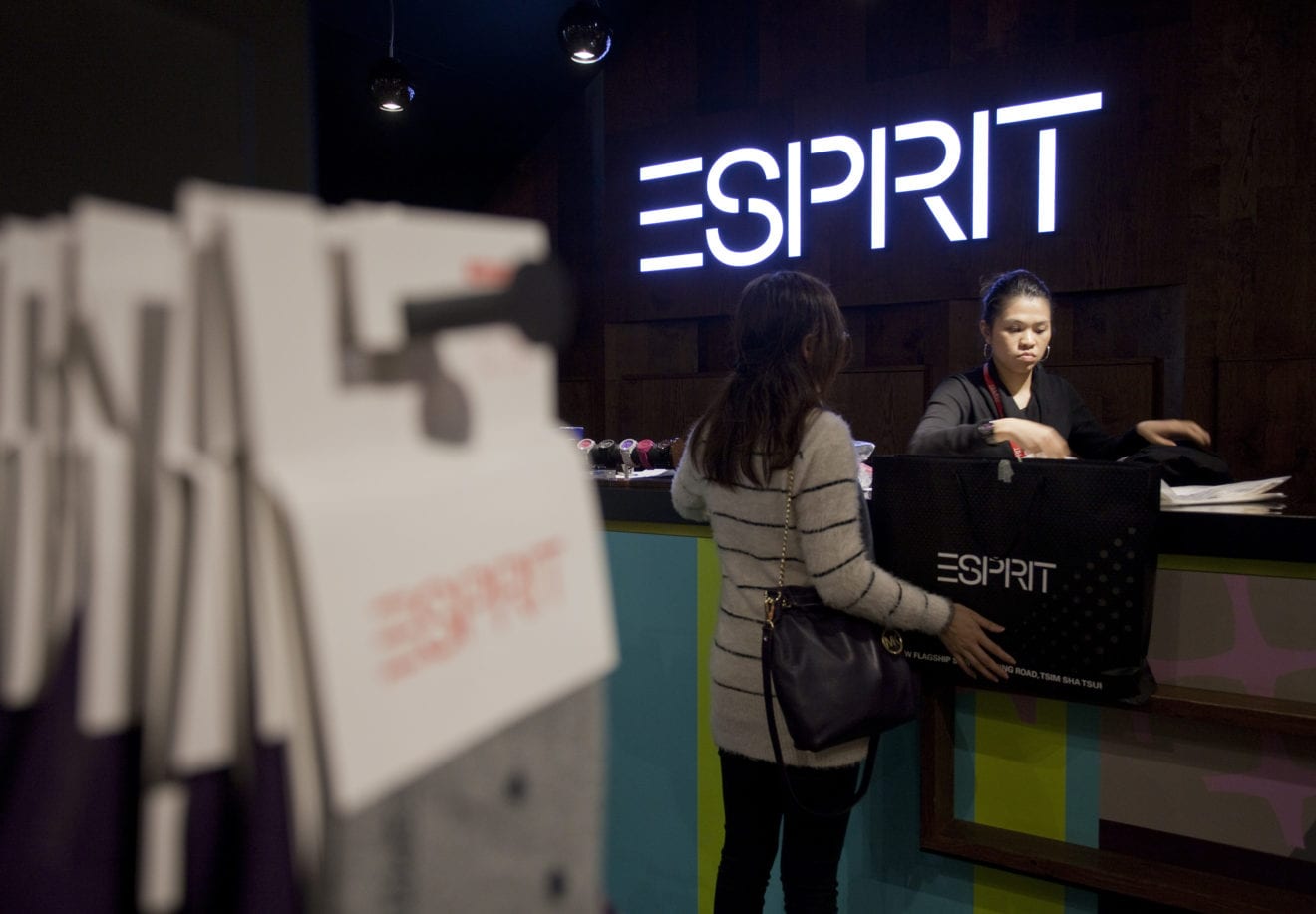
    Fashion label Esprit has unveiled a new concept store in Beijing as it continues its long journey of reinvention.

    “Our new store in Beijing is a showcase for the Esprit brand,” said Esprit Group CEO Anders Kristiansen. “With surprising and functional design details and bright and social spaces, we think this is a great expression of the spirit of Esprit.”

    Hong Kong-listed Esprit sees China as a key market in its bid to resurrect its brand reputation, sales and profitability: it wants to open 220 stores on the mainland by 2023 and as many as 80 elsewhere in Asia.

    The most remarkable feature of the Beijing store which opened last week is the huge prominent opaque brand name across the store’s glass street frontage. Inside the design has been described as a blend of “California cool”, bold graphics and bright colours. The store was designed by Ettore Sottsass.

    A strategic change to the store layout is the relocation of the cashier’s counter into the middle of the store, a move aimed at optimising the interaction between store staff and customers.

    “This forms a social hub that invites customers to stay, converse and relax and further experience the Esprit brand,” said a spokesperson.

    Across the whole store, the space is clean and uncluttered, putting the focus back on the product.

    “Open areas encourage exploration and give space to create stories around the collections,” the spokesperson said.

    While features of the store are likely to be rolled out across Esprit’s global markets, for now the company wants to assess the impact on sales and customer engagement to refine the model.

  • Zimmermann opens another US store

    Zimmermann opens another US store

    Australian designer brand Zimmermann has opened its 12th store in the US and its third in New York City with the launch of a new boutique on the Madison Avenue.

    The prestigious shopping street is home to the likes of Carolina Herrera, Christian Louboutin, Ralph Lauren, Valentino and other designer brands.

    The 160sqm store, which opened last week, was designed by Australian designer and architect Don McQualter of Studio McQualter to create the feeling of a local apartment, with each room in the heritage-listed 1940s building styled to frame the collection.

    The store includes a mix of vintage pieces, such as a 1960s Murano glass Italian chandelier and 1930s De Coene desk, with handmade floor and wall tiles and custom metalwork, light fixtures, display tables, millwork and virtual merchandising fixtures designed by Studio McQualter.

    The store is meant to be a physical embodiment of the Zimmermann brand, conveying a relaxed femininity, air of freshness and light and unyielding optimism.

    Co-founders Nicky and Simone Zimmermann celebrated the new Madison Avenue store and upcoming Spring 2020 collection by co-hosting an in-store cocktail event followed by an intimate dinner nearby at Flora Bar at the Met Breuer with VIPs and close friends of the brand.

    “New York is like a second home for us. I have spent a lot of time in the city over the years and we’ve always loved the energy Madison Avenue brings. We are excited to now be a part of the Uptown community,” Nicky Zimmermann, creative director and co-founder, said.

    The brand plans to open a second boutique in Florida in Palm Beach in November 2019.

  • Superdry licensing deal signed with IMG

    Superdry licensing deal signed with IMG

    British fashion brand Superdry has appointed IMG to develop a strategic licensing program to extend the brand into select new product and lifestyle categories.

    The Superdry licensing deal will see IMG negotiating partnerships which broaden its product portfolio into such items as luggage and travel-related goods, personal accessories, consumer electronics and sporting goods, in accordance with Superdry’s brand ethos.

    “We look forward to working with IMG and partnering with other brands as Superdry enters the next stage of its growth,” said Superdry CEO and founder Julian Dunkerton. “IMG’s extensive licensing experience with fashion brands makes it the ideal partner and we are excited to explore creative opportunities that best resonate with Superdry’s brand.”

    Superdry is known for its distinctive designs blending vintage Americana with Japanese-inspired graphics. It is a fast-growing brand with a geographically and demographically diverse customer base.

    “With an instantly recognisable identity and a powerful brand personality that embodies fun and individual empowerment,” said IMG’s SVP of licensing Matthew Primack, “we see many opportunities to apply the Superdry style and philosophy to products of relevance and we are delighted to be working with the Superdry team.”

  • Uniqlo Billionaire Founder Seeks Woman for Successor

    Uniqlo Billionaire Founder Seeks Woman for Successor

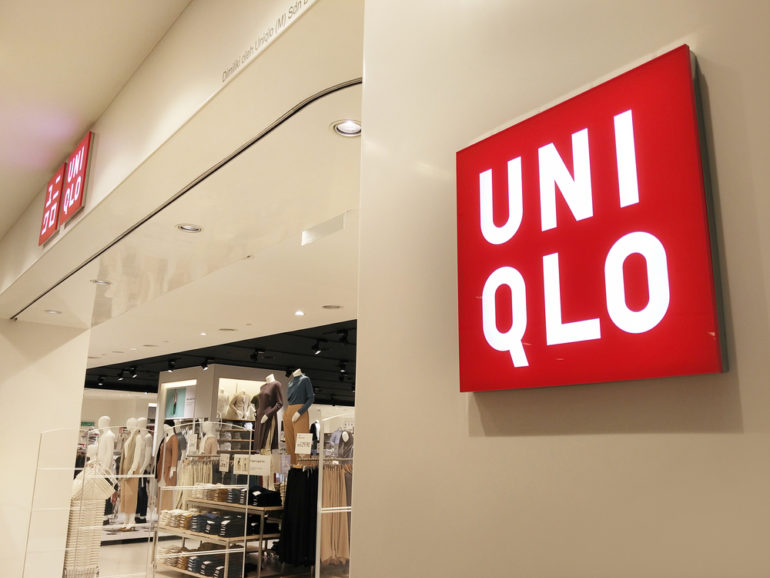
    70-year old Japanese billionaire founder of Uniqlo, Yanai Tadashi, said he prefers to be succeeded by a woman, in a move he foresees will bode better for the region’s largest retailer.

    The job is more suitable for a woman,» said Yanai Tadashi, president and founder of Fast Retailing, which owns Uniqlo as one of its subsidiaries, in a report. «They are persevering, detailed oriented and have an aesthetic sense.

    In addition to succeeding the throne, Yanai also highlighted ambitions to increase the female ratio of senior executives to more than half after reaching 30 percent of management positions last year.

    On the prospects of Maki Akida, an 18-year female veteran powerhouse that managed stores in Japan and China, becoming the successor, Yanai said It’s a possibility.

    Yanai’s expresses his commitments to not only more females in senior positions but also the development of youth and supporting workers in emerging markets. Yet despite the ESG-oriented nature of these remarks, he does not wax lyrical about Fast Retailing’s ethical superiority but rather how such moves are aligned to business needs.

    We’re in the business of selling clothes – it’s not so good that we’re old, he said, on youth.

    And on worker support, the firm will invest $1.8 million in a partnership with the International Labour Organisation (ILO), a United Nations arm, to support factory workers in Indonesia. The ILO will continue exploring ways for Fast Retailing to improve worker protection in other countries where it has contract factories.

    If we expand in a place where incomes are not growing, we cannot sell clothes, Yanai said, highlighting Southeast Asia as a key growth market for the firm.

  • Karen Millen stores closing down

    Karen Millen stores closing down

    Administrators have been appointed to wind down the Australian arm of Karen Millen, after the business fell into administration in Britain last month.

    The UK fashion brand, which turned over approximately $19 million in Australia last year, operates seven independent stores and eight concessions in David Jones and Myer department stores.

    Deloitte partners Richard Hughes, Tim Norman and Michael Billingsley, who have been appointed joint and several administrators, said they would conduct a controlled wind-down of the business in the coming weeks.

    Approximately 80 employees, many of them casuals, will be impacted by the closure.

    “If quick, shoppers can expect some bargains with discounted stock being sold from stores and online until the end of this month,” administrators said in a statement.

    The local shut-down follows the collapse of Karen Millen in the UK last month. Administrators there are in the process of closing more than 200 bricks-and-mortar stores, putting at risk more than 11000 jobs. Head office staff have already been made redundant.

    Karen Millen’s online business was bought by global e-commerce fashion giant Boohoo for £18 million, a move that left some scratching their heads.

    “I don’t get it,” the CEO of an upmarket fashion retailer said, contrasting Karen Millen’s relatively high-priced garments with the £5 fast fashion items sold by Boohoo.

    Boohoo has a local online presence in Australia. It is unclear whether it will launch a local online presence for Karen Millen going forward.

    Karen Millen has stores in:

    • DFO South Wharf, VIC
    • Emporium, VIC
    • Chadstone, VIC
    • Doncaster, VIC
    • QVB, NSW
    • Chatswood Chase, NSW
    • Burnside Village, SA
    • David Jones concessions in Sydney and Melbourne CBDs
    • Myer concessions in Sydney, Melbourne, Brisbane CBDs, Bondi, Chadstone and Perth

    Customers holding gift cards or who are members of loyalty programs will have their benefits honored. Administrators advise those consumers to refer to the Customer FAQ section of the Karen Millen website for further details.

  • Uniqlo hitted by South Korean consumer boycott

    Uniqlo hitted by South Korean consumer boycott

    Fast-fashion chain Uniqlo is suffering from the South Korean consumer boycott of Japanese goods.

    “We can confirm that there has been an impact on the sales in Korea,” a spokeswoman for Uniqlo owner Fast Retailing told Reuters. She declined to release any figures, however.

    The two countries are involved in a diplomatic row relating to disagreements over the compensation for forced laborers during Japan’s occupation of Korea during the second world war. That dispute has spilled over into the populations with Japanese products in South Korea being boycotted by shoppers as a form of protest.

    Uniqlo has nearly 200 stores in South Korea, selling around US$1.3 billion worth of clothing annually, equal to about 6.6 percent of its total sales. The South Korean consumer boycott may lead to delays in new stores opening if it continues

  • Ted Baker appoints Sojitz Infinity as its partner for Japan

    Ted Baker appoints Sojitz Infinity as its partner for Japan

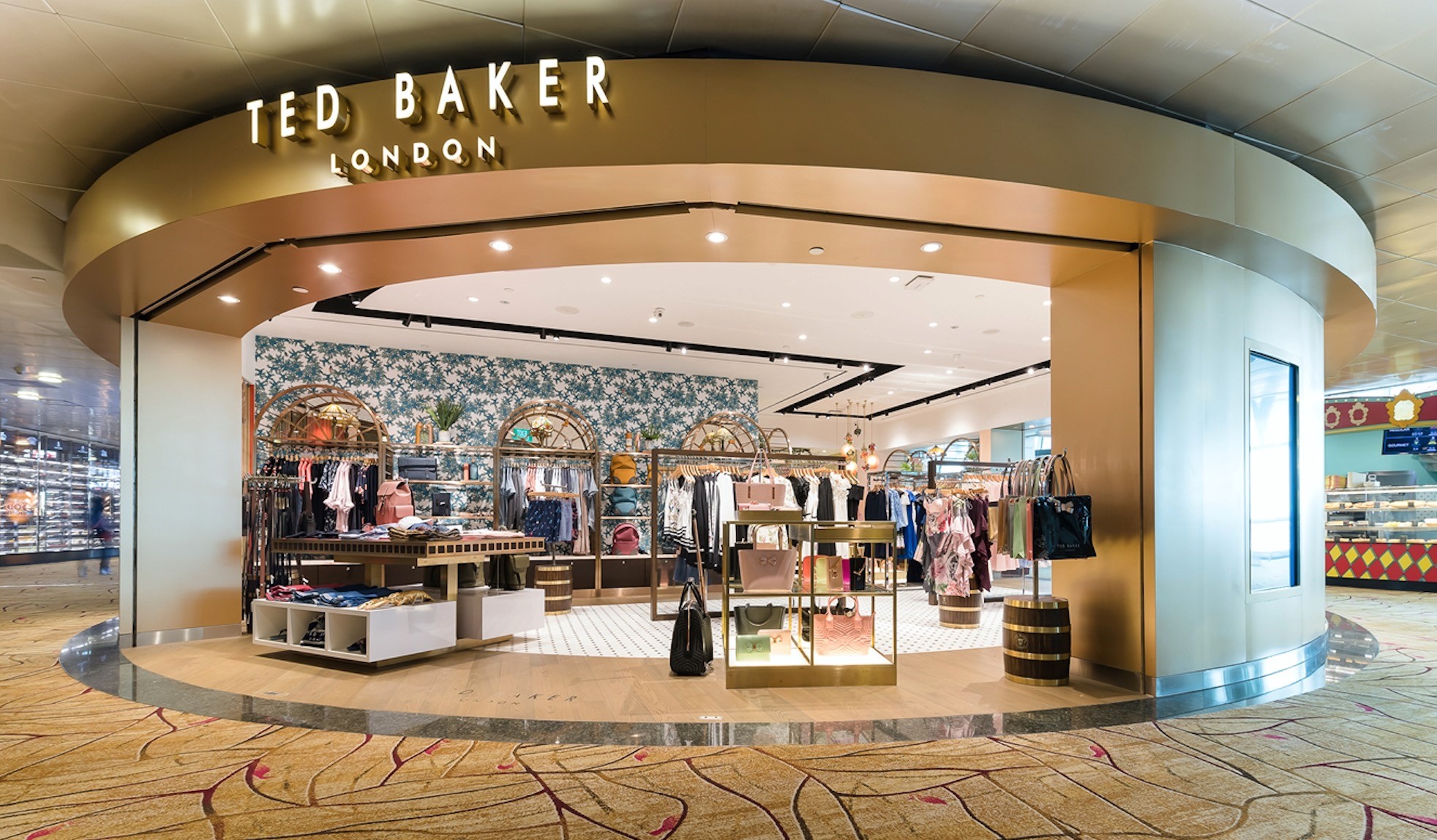
    Lifestyle fashion brand Ted Baker has signed an exclusive retail license deal for Japan with local apparel manufacturer and distributor Sojitz Infinity, initially for five years.

    Sojitz Infinity will drive the long-term expansion of the Ted Baker brand in the region, combining its local expertise – especially within the department store sector – with the buying, merchandising and brand-building expertise of Ted Baker.

    The licence, expected to commence on October 1, marks Ted Baker’s 17th retail license partner globally.

    Over recent years, the firm has invested in introducing and developing the Ted Baker brand in the Japanese market, having opened five stores in the territory to date. Sojitz Infinity intends to build on Ted Baker’s existing store portfolio, expanding the concession network and investing in Ted Baker’s online presence.

    The deal will kick off the brand’s next growth phase in Japan, said Ted Baker CEO Lindsay Page. “Over recent years, we have invested in introducing Ted Baker to Japanese customers and we are confident that our new Japanese retail-license partner will build on this platform and deliver meaningful long-term growth.

    “In Sojitz Infinity, we have an extremely capable partner that brings local market expertise to our brand alongside our already well-established design, buying and merchandising skillset. This combination will drive an acceleration in the performance of the business. We firmly believe that Japan has the long-term potential to be an important market for the Ted Baker brand.”

    As part of the appointment, Ted Baker will transfer certain existing assets relating to its Japanese business (which includes existing non-current stock, fixed assets, and leases) to Infinity at nil value to support the successful transition of the operations.

    As a consequence, Ted Baker anticipates exceptional transaction-related costs of approximately £4 million (US$4.88 million); the costs include onerous lease expenses, restructuring charges, and deal-related costs. The non-cash charges of about £1 million ($1.22 million) include the transfer of non-current stock and fixed assets. Current season stock is being transferred on commercial terms.

    It is expected that the appointment of the license partner will be accretive to the group’s pre-tax profit in the current financial year. The positive impact of profit will increase during the later years of the contract.

    Sojitz Infinity CEO Kohei Ono said Ted Baker is a brand the company has followed since its arrival in Japan.

    “We believe it has the potential to appeal to more consumers in this market. Our knowledge and experience in building fashion brands through stores, concessions and online should add value to Ted Baker and we look forward to working together.”

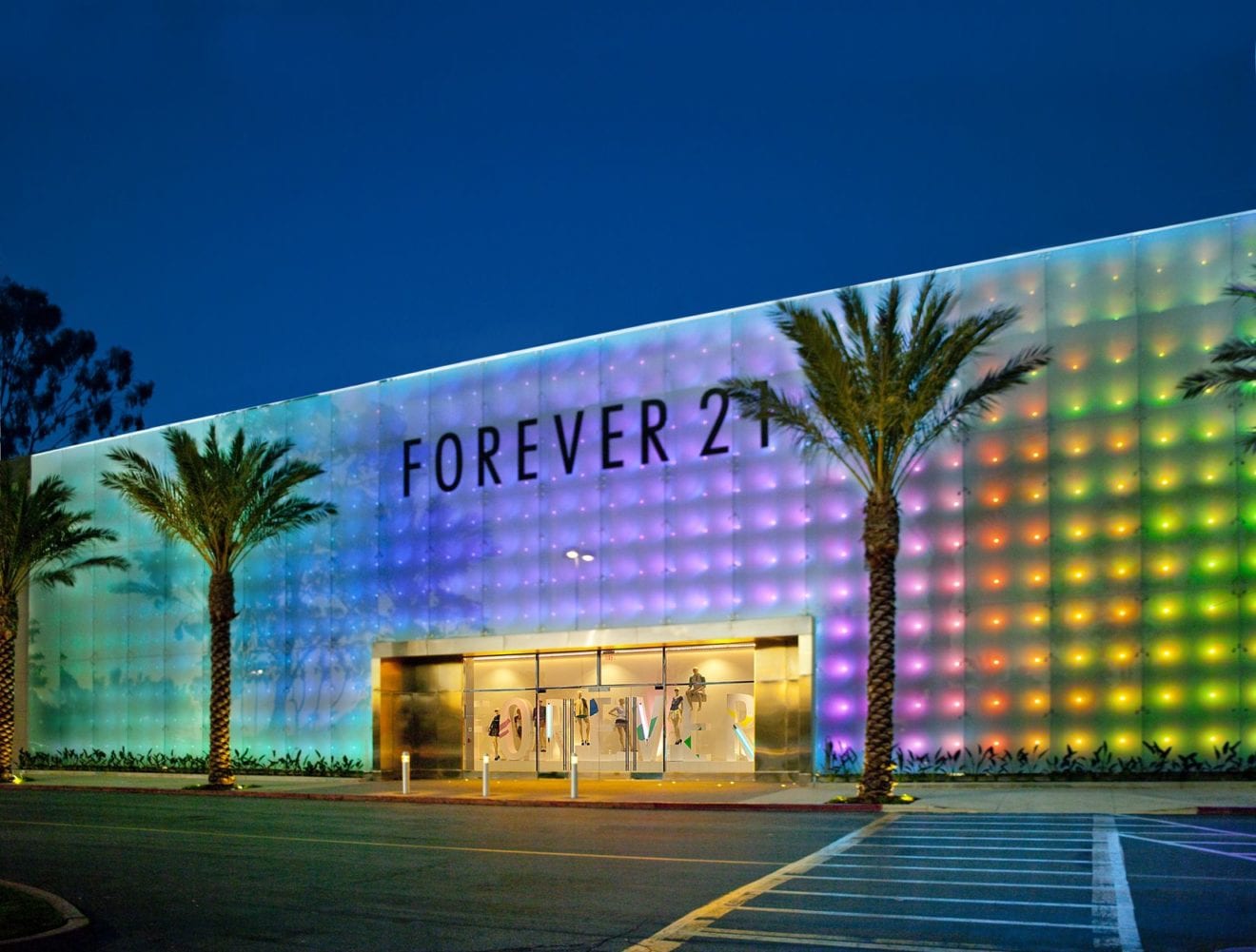
  • Forever 21 may seek bankruptcy protection in court

    Forever 21 may seek bankruptcy protection in court

    Californian fast-fashion retailer Forever 21 is reportedly preparing to file for bankruptcy protection after failing to reach a deal to refinance its heavy debt load.

    Citing people with knowledge of the plans, Bloomberg has reported that the company has been in talks for additional financing and working with a team of advisers to help it restructure its debt, but negotiations with possible lenders have so far stalled.

    There are reports that a major barrier to any deal being reached is the unwillingness of co-founder Do Won Chang to accept less than a controlling interest in the business in return for investment which could place the retailer on a firmer financial footing.

    Now the company is believed to be looking to secure a so-called ‘debtor-in-possession loan’ which would allow it to file for Chapter 11 bankruptcy protection.

    With more than 800 stores in the Americas, Asia and Europe Forever 21 grew from a single store in Los Angeles in 1984 opened by Chang and his daughter Jin Sook. While its international growth trajectory was rapid in the 2000s, in later years it has failed to keep pace with European rivals H&M and Zara and Japan’s Uniqlo, leading it to shutter flagship stores like the giant, three-story space in Hong Kong’s Causeway Bay.

    It no longer has a store in Hong Kong, but sells online there. In Asia, its network covers the Philippines, South Korea, Japan, Malaysia, Singapore, Indonesia, and India.

    Like a raft of other troubled US retailers entering Chapter 11 protection, Forever 21 would have the ability to close unprofitable stores, reduce its payroll and recapitalize the business.

  • Gap’s second quarter sales decline reflects ‘a company in retreat’

    Gap’s second quarter sales decline reflects ‘a company in retreat’

    Gap’s second quarter has proven to be mostly a continuation of the first, with negative results across nearly all segments of the business.

    This is hardly surprising as the fundamental trading strategy has not shifted, so there is little reason to expect a different outcome. In this context the CEO’s assertion that Gap is “running towards” the next step in its evolution is rather misleading. In our view, the company tends to move at what can best be described as a glacial pace.

    As usual, the main issues come from the Gap brand where global comparable sales fell by a sharp 7 per cent, a figure made all the worse by the fact that the decline comes off a 5-per-cent dip last year. Within the US, total sales at the Gap brand dropped by 11.4 per cent.

    Some – but by no means all – of this was down to store closures. However, on an underlying basis it is very clear that Gap’s products remain firmly out of fashion with consumers. GlobalData Retail’s research shows shoppers are in retreat from Gap and – worryingly – discounting is becoming an increasingly ineffective tool in drawing them in to stores and online even to browse. Over Gap’s second quarter, some of this may have been down to the generally elevated level of discounting in the apparel market, but we also attribute the complete dearth of newness and inspiration within Gap ranges for the decline in shopper numbers.

    None of this is new. It is an old story that has been told time and again. However, our fear is that instead of bottoming out, the declines at Gap could accelerate if the consumer economy softens. When money is tight it is very easy for consumers to avoid spending at retailers that give them no compelling reason to do so – and Gap fits perfectly into this category.

    Old Navy, which usually comes to the rescue of the group, also had a bad quarter. On a global basis, comparable sales slid by 5 per cent. Within the US, total sales were down by a more modest 1.2 per cent. Most of the blame for the softness could be attributed to market dynamics, which remained poor over most of the second quarter. However, from store visits some of the product missteps from early in the year were not corrected and the assortments going into the summer selling season were less compelling than usual.

    There is scope for Old Navy to make the necessary corrections as it heads into fall, but a bad third quarter will throw up major questions as to whether the brand has lost its once golden touch. This would be a disastrous prospect for Gap as it looks to spin off the business.

    Fortunately, there were some better numbers from Banana Republic, at least within the US where total sales rose by 3.1 per cent. Improvements to quality and some better pieces within the assortment have helped to lift conversion and basket sizes from existing customers. While Banana Republic remains a shadow of its former self, there is reason to believe it is on the road to recovery. That said, we do not think much of the initiative to get into the rental business. For a brand of Banana Republic’s price point and position, we do not see rental as the right solution and believe the company would be better advised to continue focusing on developing compelling products and rebuilding its reputation.

    Away from the big three brands, there are clear signs of progress with Athleta which is growing rapidly thanks to new store openings and good brand traction. This business has good forward potential and over the next few years should make a more meaningful contribution to the company’s growth and bottom line.

    Overall, the high-level view is that Gap is a company in retreat. Its profits and sales are in decline and it doesn’t seem to have many credible plans to reverse that position.

  • Uniqlo Indonesia plans several new stores

    Uniqlo Indonesia plans several new stores

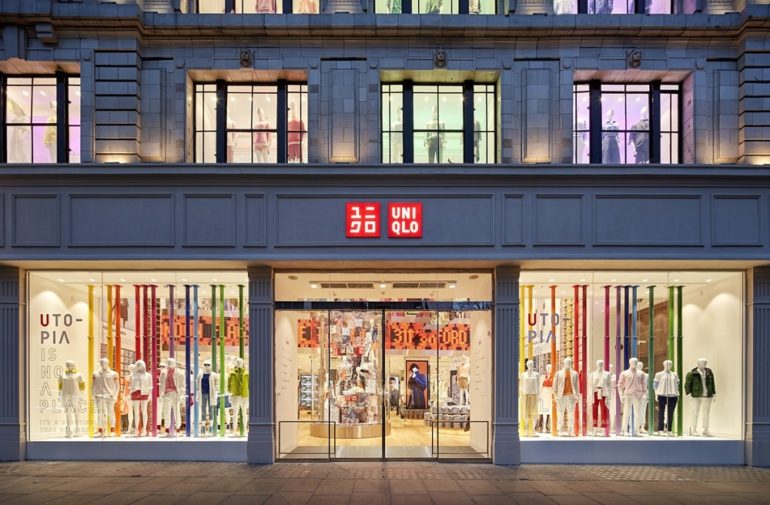
    Japanese clothing retailer Uniqlo in Indonesia is set to launch new outlets in Batam, as well as Jakarta and Bekasi next month.

    The Batam store, opening in the Grand Batam mall in Penuin, Lubuk Baja, will be the first Uniqlo in Indonesia to be located in the city. The company hopes it will help locals avoid travelling to other cities to purchase the brand’s collections.

    The new Jakarta outlet is slated for Mall of Indonesia in Kelapa Gading, while the Bekasi opening is at Grand Galaxy Park – bringing the total number of locations in the territory to 29 stores in nine cities.

    “The addition of stores in Jakarta and Bekasi will further strengthen our presence in providing our Lifewear products and services in these cities,” said Uniqlo Indonesia’s president director of PT Fast Retailing Naoki Kamogawa.

  • Cosmo Lady’s CEO leaves

    Cosmo Lady’s CEO leaves

    Chinese fashion label Cosmo Lady’s CEO Zheng Yaonan has resigned. The resignation took effect as of yesterday, with Zheng remaining as the chairman of the board and an executive director of the company. He is replaced by new CEO Siu Ka Lok, who has been appointed to the position with immediate effect.

    Zheng was chairman, CEO and an executive director of the company since its Hong Long Stock Exchange listing in June 2014. He voluntarily resigned his post as CEO for the purposes of improving the firm’s operating results and enhancing the corporate governance of the group, splitting the roles of chairman and CEO, according to a company stock-exchange filing.

    As CEO, Siu’s major duty will be to manage the intimate wear business of the group, responsible for planning the group’s strategic development, implementing the resultant strategies, policies and regulations, and supervising the daily work of core senior officers.

    Siu was formerly the senior VP of Adidas Greater China.