Tag: etail

  • eTailAsia, Thriving in the eCommerce Revolution in 2019

    eTailAsia, Thriving in the eCommerce Revolution in 2019

    Year after year, eTail Asia has been a sell-out success story! And it’s back for the 7th edition at Sheraton Towers, Singapore from 5-7th March 2019.

    What is it about you might ask? Simply put its ‘THE’ only destination event for Asia’s leading retail innovators to meet, collaborate and learn about what’s disrupting the industry today and what’ll change tomorrow. eTail Asia is designed to build up the participant’s business and profit by cutting out the fluff and providing content from retail innovators in the trenches.

    Some hot topics which have been cast in to the spotlight include:

    1. Entering and succeeding in China’s $800 billion eCommerce market

    In the notoriously cut throat retail industry, China’s cross-border eCommerce has been growing at an unprecedented rate, poised to top US$1.64 trillion in sales by 2020. eTail Asia addresses the exciting opportunities awaiting brands who want to tap into the Chinese  market, win over Chinese consumers, adapt to local nuances and create a multifaceted digital ecosystem to drive eCommerce sales.

    1. Driving customer engagement and fostering loyalty with blockchain, AR and VR

    Digital transformation is crucial, but focusing on establishing a relationship which is authentic, functional and relatable should be of paramount importance. At eTail Asia, businesses discuss cutting edge technologies which boost connectivity and interaction between brands and customers to optimise the quality of CX.

    1. Achieving a 360-degree customer view thorough AI and Machine Learning

    Achieving a holistic customer report is a trend that will continue to explode in all directions. Brands have to build affinity through personalisation and customisation where communication strategies have to be adapted accordingly to each individual based on their preference. Businesses have to wield marketing efforts around individual customers which helps them resonate with a brand.

    1. m-Commerce and a seamless, simple and intuitive payment channel

    Millennial shoppers are gravitating towards speedy transactions and on-the-go online shopping. Capitalising on this momentum, businesses are streamlining an omni-channel payment method for customers, enduring the relationship across all channels. A flexible experience without hassle will ultimately increase a customer’s satisfaction, to future-proof a customer’s checkout experience.

    The 2-day conference has a curated pipeline of compelling discussions, case studies and presentation anchored around the ‘millennial mind-set’, ‘succeeding as an eCommerce brand in an era of dominant e-tailers’ and ‘embracing globalisation’.

    To view the full agenda or to learn more about speaking/sponsorship/exhibition opportunities at eTail Asia, please visit https://etailasia.wbresearch.com/.

    first appeared on: https://edubirdie.com

  • The sharp rise of Pinduoduo – What is the secret?

    The sharp rise of Pinduoduo – What is the secret?

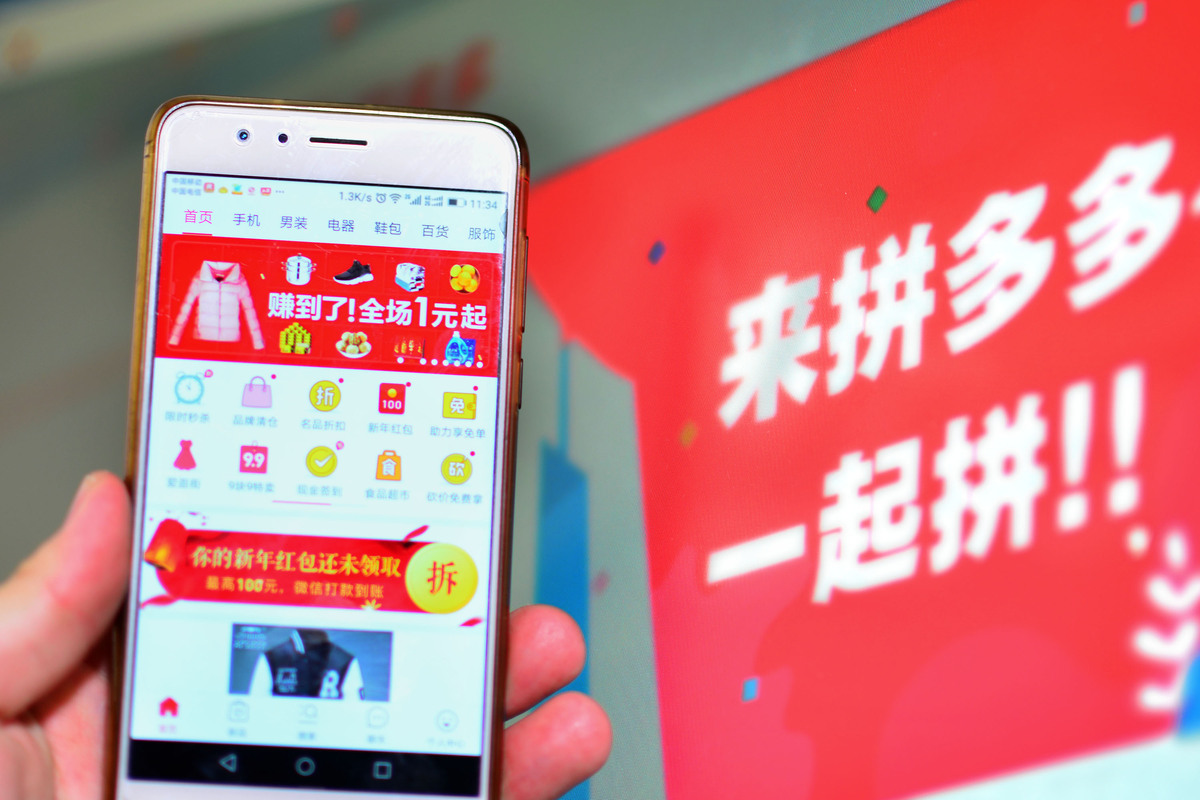
    Pinduoduo, also known as PDD, founded by the Ex-Googler Colin Huang, is currently the fastest growing app in the history of the Chinese Internet and the leading Chinese App for social e-commerce. Pinduoduo is reported to have raised a US$3 billion investment round led by Tencent Holdings, at a valuation of US$15 billion. A significant point here is the collaboration with Tecent’s WeChat app (The Chinese analogy to WhatsApp), which plays the most significant role in the functionality of the app and the way it works.

    The app has a list of techniques to push the users share it with their friends and to keep them actively using it after. Pinduodo allows users to participate in-group buying deals with their friends, mostly via Wechat. Pinduoduo can be described best with the words, viral, quick, addictive, attractive, and convenient. Also, probably the most contemporary version to online shopping, bringing into integration the most powerful tools of nowadays communication- messaging and group chats.

    The app, often used through WeChat messaging service, offers merchandise at times 20 percent cheaper than market price by letting consumers buy directly from manufacturers, cutting out middlemen, advertising and acquisition costs. Huang and his developers also used their experience to add gaming elements to the shopping experience, offering coupons and rewards.

    At the end of December 2017, PDD had more than 156.5 million users. PDD gives people a different experience than at traditional e-commerce sites like Amazon.com or Alibaba. PDD is like a digital version of shopping at the mall with friends.

    The strongest asset of PDD is that it is doing extremely well in small cities. Most of the users are price-sensitive women above 40 years old, living in small cities in China. Which gives us a clear picture – frequent purchases for the whole family.

    Pinduoduo has got a few main features:

    1. Group Buying. In order to get discounted price, find a friend to join the group buy deal.
    2. Free products. If you get enough new users to follow the Pinduoduo Official Account, install the App and sign up via WeChat login.
    3. Buy it now coupons. Unlike other coupons in China, PDD offers coupons for two hours only. Which means the user has to take action immediately.
    4. “Bargain” with friends. Each time a friend volunteers to help you “bargain”, the price decreases a bit. You can even succeed getting the product free.
    5. Get cash rewards for inviting friends.
    6. Use of lotteries. Invite friends to join within a specific period of time and win the product for less than 10% of the cost.
    7. Automatic payment. PDD uses automatic WeChat payments. After allowing “password-less payments” by default at the end of your first purchase, you will not have to enter your password anymore and you will be able to pay with one-click payments.

    Pinduoduo has a strong asset over other online retailers and it is in offering cheap deals. To maximize this, Pinduoduo makes the best out of its own users. You may ask how? Very simple, to get the best bargains, users have to invite more buyers, which helps the company maintain the low prices.

    What are the reasons for the fast growth?

    The first point to highlight is the “social shopping” that PDD offers. WeChat has a monthly active user base of over 1 billion. It allows purchases as a group through which users can receive a group discount for purchasing as a group. Users get a product link that they can share with their WeChat friends. The will of users to get a good deal, it is what makes them want to share the app, with as many as possible people. In 2016, when people did not think it was impossible to exponentially grow user traffic, Pinduoduo accumulated one hundred million users through the above method.

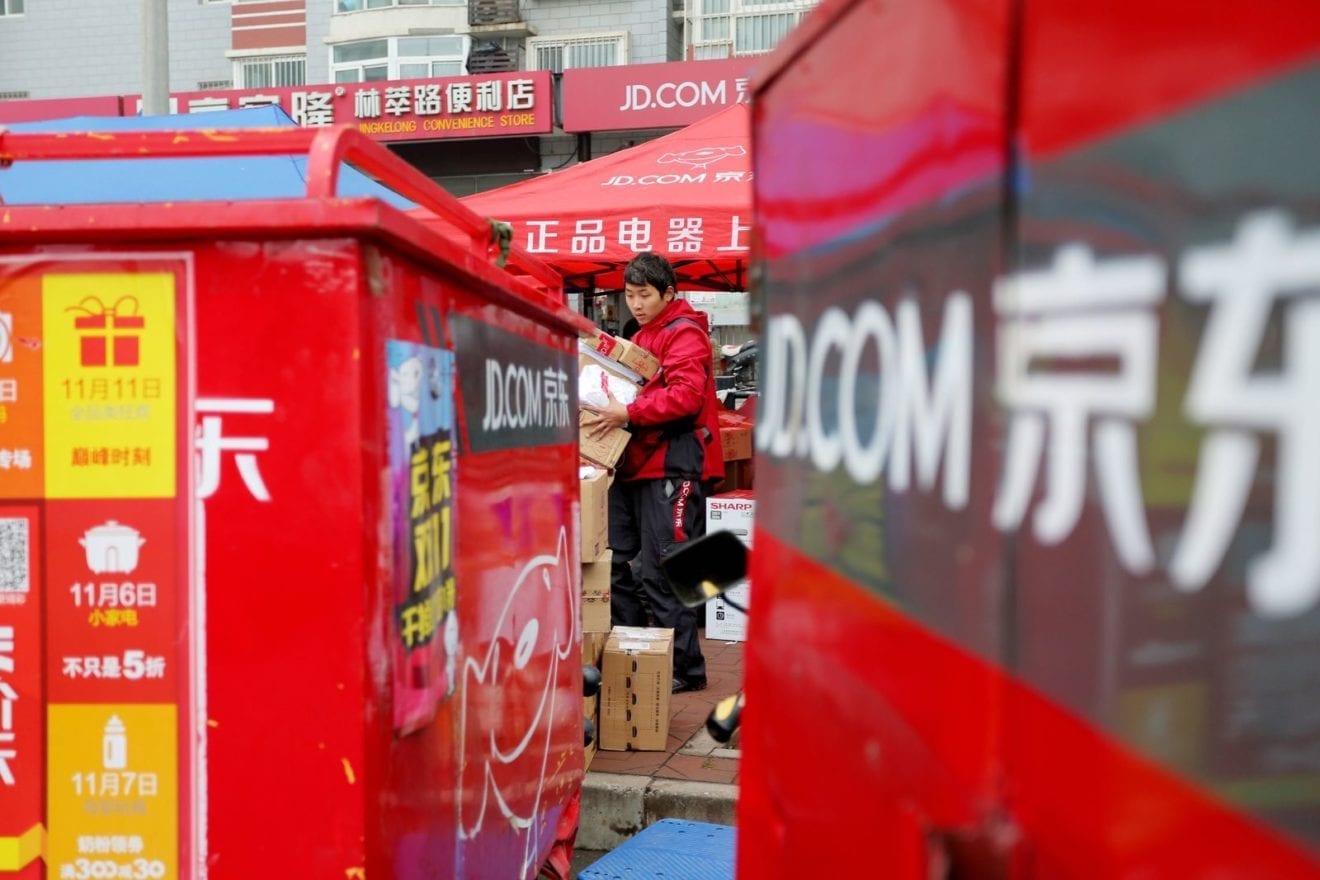
    The second smart move of Colin Huang, the Founder of Pinduoduo is the fact that he knew that he must know his market. To understand Pinduoduo, we must understand the users behind Pinduoduo. Comparing Pinduoduo and JD.com’s user distribution, we see that 65% of Pinduoduo users are from third tier cities or more rural areas, while half of JD.com users come from first plus second tier cities, and half from the rest of China. Pinduoduo has achieved unprecedented growth by targeting the low-income population who are also new internet users with its value game.

    Last but not least key move of Huang was giving more profit for the merchants.  Pinduoduo attracts merchants by charging zero fees for selling on their platform. Advertising is achieved through users sharing to social media. As the number of Pinduoduo users grows, the app has formed an ecosystem of user-generated product promotion, allowing merchants to reach the 300 million users directly. By this, satisfying the survival needs of the mid-tail merchants. Colin Huang gave the small merchant a dream opportunity to grow big. And stories such as “Girl born after 1980 achieves 5 million yuan in sales after four months on Pinduoduo”, and “Selling 260 million packs of napkins in two years with three cents of profit per pack” began to appear on the news.

    Along with that, Huang does not compromise on the quality and makes sure that users know that the rapid rise of PDD is not accidental. After some users being dissatisfied with the poor quality, speed of delivery, inconsistencies between product and photo, and failure to receive refunds after waiting for a long time. To address these problems, a customer protection fund was set up by PDD. It helps consumers deal with after-sales disputes and claims. By this focusing on maintaining returning customers and not one time excitement, that will be the end of the customers’ interaction, with the app.

  • An Overview of E-commerce in South East Asian Countries

    An Overview of E-commerce in South East Asian Countries

    Electric commerce or e-commerce is the activity of buying and selling online. Typical e-commerce transaction includes purchase of online books, music purchase and purchase and sales of many other items.  Three known major areas of e-commerce include online retailing, electric market and online auction. Technologies such as mobile commerce, internet market, electronic funds transfer, and electronic data interchange (EDI), online transaction process and many others.

    The practice of e-commerce in Southeast Asia started during the dot.com era in the 90’s just like in many parts of the world. The dot.com era refers to the period where companies started using doing for most of their businesses on the internet, usually through a website that uses the popular domain “.com”. During the dot com era southeastern Asia mainly purchased items from American and European companies that would be delivered in their countries. During this era companies with electronic commerce had shown great prospect with their fast growth and promising profits. Companies’ stock prices skyrocketed and Asia was pretty happy because the rise had resulted to a bubbling economy through electronic commerce.

    Asia then began to attract nearly half of the total capital inflow from developing countries appealing them with high interest rates. Countries like Malaysia, Singapore, Thailand and Indonesia experienced an increase in their GDP rates. Around the year 2000, the e-commerce market was mainly involved in a business to business (B2B) transaction due to customers mistrust after going through the 1997’s financial crises and the bubble burst in southeast Asia – bubble burst is often identified only in retrospect once a sudden drop in price has occurred – The burst is usually profitable for buyers and not sellers. In the 90’s a lot came up as hindrances to the upspring of electronic commerce

    – In those days, aside mistrust e-companies had other issues of which Southeast Asian countries were also affected. As a result of its structural shortcomings, a much more diverse range of payment solutions have become common in the region. The average internet penetration around southeastern Asia with the exception of Singapore was 38% while leading countries have an internet penetration of 70-80%, this made cash on delivery offered by 80% of the players in both Vietnam and Philippines, though bank transfer is another very popular payment method across the SEA. With each of the countries having 94%, 86% and 79% of merchants in Indonesia, Vietnam and Thailand respectively offering it.

    – In addition to a lack of uniformity in payment methods, there is also significant market fragmentation the Southeast Asian consumers have so many platforms to choose for their daily need.

    – Culture also was an inhibiting factor –the influence of Traditions in the Asian region overtime had made people have low trust in bank system and electronic payment, for example; credit card owners and other means used in payment other than in cash is small – government in those times pushed for a cashless policy in their society by trying to implement laws to suit online transactions.

    – Fraud and high level of corruption was another setback to the growth of electronic commerce in the region.

    The prospects and thrive; the battle for supremacy

    The gold rush in the online ecommerce of the as left traditional offline retailers in the Asia region like Thailand and Indonesia scramble for an online business move.

    Over the years until this day the massive growth in e-commerce around southeastern Asian has attracted big name investors into the region. In 2016 the release of the Google Temasek SEA Economy spotlight highlighted Southeast Asia as the world’s fastest growing internet region.  With an existing internet user of 260M which was projected to grow to 480m users by 2020. In the research they predicted that southeast Asia’s internet economy will grow to 200B by 2025 and that $40 – 50bn in investment will be required over a decade to achieve that goal, fast tracking to 2017 they observed that the southeast Asia’s internet user base continues to grow rapidly. there will be 330m monthly active internet users by end of 2017 adding over 70m new users since 2015 13% CAGR.  They estimate that Southeast Asia’s internet economy will reach $50b in 2017, meaning it will Grow at a rate of 27% CAGR outpacing their 20% 10year CAGR projection.

    Asia as a continent had an increase in of around 4.5  billion in the GMV ( gross  merchandise value ) of first hand goods and has had a 41% compound annual growth rate ( CAGR ) in the past couple of years- 2015 to 2017- as given by Google –Temasek’s economy southeastern spotlight 2017 report. The Temasek report went further to predict that CAGR will rise from $5.5bn of 2015 to $88bn by 2026. 2017 witnessed events which proved high results are expected from the e-market in southeastern Asia.  The explosive growth in E commerce as lured china’s two e-commerce giants Alibaba and sd.com to the southeast online market. Amazon much awaited  recent entrance into the E-market of a southeastern nation ( Singapore to be specific) to fast track its online market expansion in southeast Asia also proved there was an attractive raw material in the cyber space of the region.

    The record breaking 1billion dollar sales of shares of Lazadas to Alibaba with alibaba also putting its grip on Tokopedia; arguably a future competitor in Indonesia. The resilience of another China based heavy weight company; Tencent. Tencent has also kicked start investments in companies like SEA (previously Garena) predominantly a gaming powerhouse that runs Shopee, Go-jek, Traveloka, Tiki.nn and Pomelo. The US based KKR  in a bid not to be left out of this massive growth phase through emerald media put US$65million into e-commerce arms dealer Acommerce. This trends of acquiring more shares and grabbing more local companies across the Asian borders by these online giants  is expected in coming years as all stated above points to the fact that the riches in online space of these Asian nations is worth risking for.

    Currently, predictions have given that the home based Asian companies will have to pick sides with either of or stand their ground against the foreign forces from both the western and eastern part of the world.  Predictions went further  to specify that  foreign based companies like Alibaba, Amazon and Tencent is  likely to have a bloodbath battle for the monopoly of the regions  electronic commerce  or share the  Asian online customers, some term this head to head of the western state and eastern state as the clash of the online titans.  It is hope that this clash will result to a much needed gold-shed To Help in the growth of the developing region

    Joe Tsai, Alibaba vice chairman, in speaking with Retail News was quoted as saying “is there a land grab right now for these kind of assets? I think in the land grab they [Tencent] are following us. They are seeing that we have positioned ourselves very well, and they are sort of playing a catch up game. So what we want to do is to work with local entrepreneurs. ”

    Experienced, grown and growing

    Marc woo, Google head of ecommerce , travel and financial services was quoted to have said “Asia pacific (APAC) accounted for 40% of global ecommerce sales in the 1st quarter in 2017, but vast majority of those sales went to larger or more mature markets in the region, particularly china, but also japan, Australia, South Korea, and India. That leaves Southeast Asia as the next frontier for ecommerce in the region.  “

    A steady increase in the advantages of electronic commerce in the region resulted to a 50% growth last year and now totals 200 million individuals across southeastern Asian’s top six economies. The southeastern Asian nation Singapore takes a top spot in Asia with an average of 14.04 sessions per person per year visiting amazon.com. It is rumored and expected that by the end of the year the ecommerce companies should erect physical stores in their resident southeastern nations. This will make a great boost in the economy of this regions.  This huge development in ecommerce have led southeast Asian governments to launch a bid to introduce taxes on ecommerce sales as they look to claim their dollar-and-cents take from one of their most promising engine towards  economic and  financial buoyancy.

    This though might increase the cost price of goods and services offered by the online companies but cannot override nor underestimate its advantage as compared to import and shipping processes. Taxing online sales will align practice with those of world leading countries. It puts online retailers on a leveled playing ground with brick-and-mortar counterpart. This growing market has also initiated an online network process between the Chinese and the Asian region as Alibaba is working to set up a digital free-trade zone in Malaysia and has signed a memorandum of understanding with the government of the Asian country and the authorities of china to simplify cross-border trade between the two regions.

    If this deal falls through under the current government of china a long term mutual profit making relationship is expected to last for a very long time between the Asian nations and the Chinese government  giving that  the china parliament are rumored to have kick started plans in keeping their president more longer in office than usual.  The critical factors responsible or observed to needed for the spontaneous growth of ecommerce in the southeastern region of the continent are

    • A growing middle class – knowing that the middle class contains the highest number of mobile phone users and also the highest number of common goods purchasing.
    • Rapidly expanding internet access are positive indicators for fast paced e commerce growth in coming years. Internet access needs to be at its best for the effective running of electric commerce in a state

    The middle class population of the Asian region is expected to reach a 400million in 2020 from its 190 million of 2012, according to Nielsen project.

    Internet access in the region as not only being expanding at a high pace but has also improved strongly over the years like stated in the research of Google Temasek SEA economy spotlight report stated above.

    The electric commerce has also shown to be of disadvantage though not significant as compared to the many fruit yielded by the online market.

    • The desire for local business owners and the nation’s mobile phone user population to switch online results to more cases of fraud because this system isn’t used to them.
    • Competition between locals and foreigners which should encourage an healthy business environment is not observed as the big guns will slowly silently phase out the local brands
    • The preference of foreign products to locally made products by locals isn’t favorable for the country’s economy.
    • Owing to the creation of a good relationship with certain world leading countries, good tides with others could be altered.
    • If not properly monitored, foreign companies might have a full grip of the southeastern nation economy.

    One major benefit that has been observed to have taken the front line in the advantage of electronic commerce in the southeastern Asian region is the quest for each nation to outperform each other. Especially between Thailand, Vietnam and Indonesia, this healthy beef has led to varying developments in these nations as none wants to be left behind in the development and modernization of their country. These alongside the introduction of big time investors, the rise in economy growth, job creation in nations, strengthening diplomatic tides and many other advantages.

    Stakeholders and experts have advised to government of these Asian nations to support the region to grow by fixing reasonable tax levies in other not to discourage foreign and local investors, encourage a competitive market, improve online network and provide adequate education to ease communication with foreign partners. With the huge wealth emanating from the electric commerce sector, if properly managed these nations can get a massive boost in their nations wealth and reputation. The potentials possessed to build a nations revenue by employing electric commerce cannot and should not be undermined.

     

  • Shopee Sellers in China to use DHL to Delivery across Thailand

    Shopee Sellers in China to use DHL to Delivery across Thailand

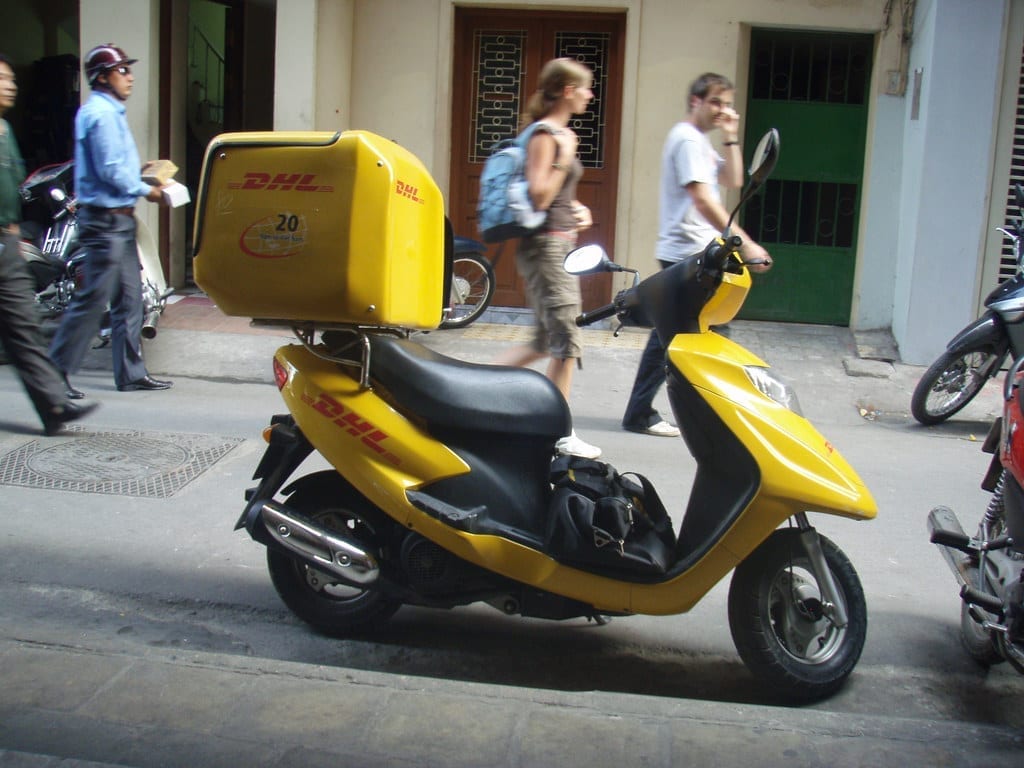
    DHL eCommerce, a division of logistics company, Deutsche Post DHL Group (DPDHL), has announced a partnership in China with Shopee, a leading e-commerce platform in Southeast Asia and Taiwan. The partnership enables sellers in China to access consumers nationwide in Thailand, with an expansion of the partnership to other Southeast Asian markets in the pipeline. According to Statista, the e-commerce gross merchandise revenue in Thailand will exceed US$5 billion by 2022, making it the second largest e-commerce market in Southeast Asia.

    “Direct selling to overseas consumers has never been easier and has become a key growth driver for many businesses, with e-commerce as an easy platform to enable international expansion. With logistics as a key enabler for cross-border retailing, we want to empower our customers to tap into this huge growth opportunity,” says Zhi Zheng, Managing Director, DHL eCommerce Greater China & North Asia.

    “Over the past few years, we have witnessed extremely strong growth of B2C parcels from China, mainly powered by e-commerce. We are pleased to partner Shopee to enable Chinese sellers to easily sell and deliver in Thailand, whether it’s doorstep delivery or for consumers to collect their orders from our growing network of easily accessible ServicePoints — which is set to reach over 1,000 in Thailand by end-2018.”

    With DHL eCommerce integrated on Shopee in China, sellers can easily sell and deliver on one single platform and keep track of all shipments directly on the app.

    “In recent years, we have witnessed the rapid development of Southeast Asia’s e-commerce market, and a growing number of Chinese brands and sellers are staking a claim in this e-commerce goldmine. However, the geographical complexity of this region has created some logistical challenges. As a leading e-commerce platform in Southeast Asia, Shopee has built its Shopee Logistics Servcies (SLS), a highly efficient logistics delivery network that links China with Southeast Asia. We are delighted to work with DHL, the world’s leading logistics service provider, to grow SLS from strength to strength. Our collaboration will make Shopee the e-commerce platform of choice for cross-border sellers in China who aspire to sell into Southeast Asia,” said Jianghong Liu, Head of Shopee Cross Border eCommerce.

    Currently, Shopee’s SLS is operational in seven markets in Southeast Asia and Taiwan. With shipping costs 20% to 30% lower than typical market rates and better transit times, SLS makes cross border logistics a breeze for Chinese sellers. The collaboration between Shopee and DHL eCommerce will further enhance the capabilities of SLS. DHL will provide Shopee sellers with door-to-door logistics services, ensuring products will reach consumers in Thailand safely and quickly.

  • Worldpay launches new cross-border payment options

    Worldpay launches new cross-border payment options

    UK-based Worldpay has introduced new payment solutions aimed at providing eCommerce businesses with more choices to disburse funds to partners and customers and across country borders.

    Worldpay’s dynamic payment solutions combine the enhanced Worldpay Bankout solution, which now delivers 154 direct bank disbursement destinations (up from 65), and Worldpay FastAccess – enabled by Visa Direct.

    With these payment options, partners and customers need no longer wait for days to receive funds or refunds as they now can obtain them via card in near real-time – through a mobile wallet or directly to a local bank account.

    Bankout is targeted at businesses needing to make a large number of global payments to – or on behalf of – their customers and suppliers. With 89 new local markets, Worldpay now provides seamless cross-border payouts for businesses in local currencies without the expense of making multiple international bank transfers.

    Dynamic payouts allow businesses to make faster, seamless card-based payouts in near-real time within a maximum of 30 minutes. Building on its launch in the United States last year, FastAccess is now available to Worldpay customers in over 50 new markets across Europe and Asia.

    The new payment solutions are targeted at wide range of industries. For example, travel and tourism companies and marketplaces can pay out funds to accommodation vendors or disbursements to travellers in a variety of countries and currencies; gaming businesses can provide near-instant payouts to customers; insurance companies can save costs by replacing local checks with bank transfers; and marketplaces can allow independent sellers to retrieve funds more quickly.

  • New crypto-exchange lets you convert Singapore, Malaysia, Indonesia currencies

    New crypto-exchange lets you convert Singapore, Malaysia, Indonesia currencies

    Singapore-based fiat-crypto exchange EurekaPro, led by a team consisting of Junus Eu, Douglas Gan and Lau Kin-Wai, today announced its entry into the Southeast Asian blockchain market. EurekaPro offers Asian-wide fiat-to-cryptocurrency support, allowing holders of the Singapore dollar, Malaysian ringgit, Indonesian rupiah, and other Asian fiat currencies to transact on the EurekaPro exchange.

    EurekaPro has already launched an open public beta, in which over 8,000 users have signed up in its first week.

    Eu, the exchange’s CEO, was previously the investment manager of zVentures, the venture capital arm of US- and Singapore-based gaming hardware and software firm Razer. Before that, she was an investment manager at VC firm Jafco Asia.

    On the other hand, Gan and Lau co-founded iFashion, a holding firm that invests in various fashion ecommerce sites. Gan also started beauty services marketplace Vanitee and subscription ecommerce business Vanity Trove. Lau set up FatFish Internet Group, a startup accelerator.

  • E-commerce majors see strong growth in apparel, large appliances as festive sale kicks off

    E-commerce majors see strong growth in apparel, large appliances as festive sale kicks off

    E-commerce giants Flipkart and Amazon India have seen a strong start to their festive sale with categories like apparel and large appliances driving record transactions and new customers coming on board.

    According to a PTI report: These companies have put in months of preparation in ramping up selection, setting up warehouses and strengthening delivery network ahead of the festive sale to ensure a smooth shopping experience for customers, with demand being much higher than on non-festive days.

    Players like Flipkart, Amazon India and Paytm Mall kick-started their festive sale from October 10 that will continue for the next 5-6 days. More offers are expected to be rolled out over the next many days leading up to Diwali.

    “The scale of Big Billion Days (festive sale of Flipkart) has only grown with each passing year and this year too, we expect the trend to continue. While each category sees manifold growth, we expect smartphones, large appliances and apparel to be phenomenally big categories,” Kalyan Krishnamurthy, CEO, Flipkart said.

    He, however, declined to comment on the volume of business expected to be generated, saying “its early to speculate as the growth always end up surprising us”.

    Amit Agarwal, Senior Vice President and Country Head at Amazon India, said the first day of the Great Indian Festival 2018 has been the biggest day ever with record-breaking sales across categories.

    “We are off to a great start and have seen phenomenal numbers during early access and first day that is still on. Three out of four phones sold in the country were on our platform. We saw record sales in large appliances category like TVs, washing machines and refrigerators,” he said, adding that there has been 2.7X growth in number of new customers shopping on Amazon.in compared to previous year’s Diwali.

    Agarwal said Xiaomi, on its platform, sold more than a million devices in a day, while OnePlus has seen record bookings worth Rs 400 crore.

    “More customers bought fashion products than any other, as Amazon fashion saw its biggest day ever more than doubling its growth over last year,” he further said.

    About 20 million people are expected to shop on various e-commerce platforms during the festive sale, translating into sales of around US$ 3 billion for players like Amazon and Flipkart, according to a report by research firm RedSeer.

    The report states that the share of items like electronics and furniture during the sale could be higher this year due to various affordability initiatives being undertaken by the e-commerce players. Mobile phones currently account for a lion’s share of sales on the two leading e-commerce platforms.

  • DHL eCommerce launches Cash on Delivery for cross border e-commerce

    DHL eCommerce launches Cash on Delivery for cross border e-commerce

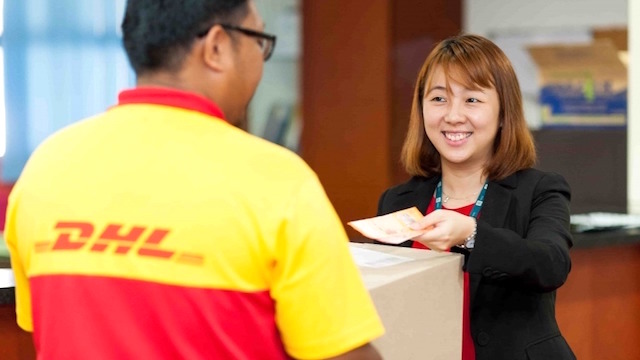
    Cash is still king in Southeast Asia, with over 73% of the population still unbanked and inaccessible to e-commerce retailers since they do not have access to credit cards or internet banking services. DHL eCommerce, a division of Deutsche Post DHL Group, today launched its Cross Border Cash-on-Delivery (COD) service to allow consumers to pay for their international purchases in cash and only upon delivery.

    COD is available as a value-added service of the DHL Parcel International Direct product, specifically for sellers based in China and Australia delivering to consumers in Malaysia, Thailand and Vietnam. Collected cash will be remitted to a local bank account at destination (Malaysia, Thailand or Vietnam) or in the billing country (China or Australia) based on the local destination currency. Remittance will be made to sellers every fortnight and tracking visibility of the status of COD is available on the DHL portal.

    “Despite growing credit card adoption in Southeast Asia, the low level of credit card penetration has forced e-commerce retailers to offer alternative modes of payment methods such as cash on delivery, digital payments and in some cases paying in-store. This opens up a huge potential by reaching out to a new group of unbanked consumers and also meeting the needs of consumers who prefer to pay in cash.” said Charles Brewer, CEO, DHL eCommerce.

    “China and Australia are huge e-commerce export markets and our DHL Parcel International Direct product provides a direct entry into high demand markets with excellent transit times of 3-5 business days with economical shipping prices. With our fully-owned domestic delivery network in Malaysia, Thailand and Vietnam, we are able to deliver on-time with secure features like cash-on-delivery.” added Brewer.

    To enable sellers in China and Australia to tap on the cross-border e-commerce opportunity, DHL eCommerce enables economical international shipping with a range of e-commerce features. This includes parcel pick-up service; easy IT integration of the seller’s inventory into the DHL shipping process, end-to-end tracking, dynamic routing and distribution, returns management, etc.

    DHL eCommerce is part of Deutsche Post DHL Group, established in 2014 as part of the Group’s growing focus in e-commerce logistics solutions. Along with its sister divisions DHL Express, DHL Supply Chain and DHL Global Forwarding, the Group offers end-to-end solutions for e-commerce retailers.

  • DHL Enables Unbanked Consumers in SEA to buy online

    DHL Enables Unbanked Consumers in SEA to buy online

    DHL eCommerce, a division of Deutsche Post DHL Group, has launched its Cross Border Cash-on-Delivery (COD) service to allow consumers to pay for their international purchases in cash and only upon delivery.

    In Southeast Asia over 73% of the population are still unbanked and inaccessible to e-commerce retailers since they do not have access to credit cards or internet banking services.

    COD is available as a value-added service of the DHL Parcel International Direct product, specifically for sellers based in China and Australia delivering to consumers in Malaysia, Thailand and Vietnam. Collected cash will be remitted to a local bank account at destination (Malaysia, Thailand or Vietnam) or in the billing country (China or Australia) based on the local destination currency. Remittance will be made to sellers every fortnight and tracking visibility of the status of COD is available on the DHL portal.

    “Despite growing credit card adoption in Southeast Asia, the low level of credit card penetration has forced e-commerce retailers to offer alternative modes of payment methods such as cash on delivery, digital payments and in some cases paying in-store. This opens up a huge potential by reaching out to a new group of unbanked consumers and also meeting the needs of consumers who prefer to pay in cash.” said Charles Brewer, CEO, DHL eCommerce.

    “China and Australia are huge e-commerce export markets and our DHL Parcel International Direct product provides a direct entry into high demand markets with excellent transit times of 3-5 business days with economical shipping prices. With our fully-owned domestic delivery network in Malaysia, Thailand and Vietnam, we are able to deliver on-time with secure features like cash-on-delivery.” added Brewer.

    To enable sellers in China and Australia to tap on the cross-border e-commerce opportunity, DHL eCommerce enables economical international shipping with a range of e-commerce features. This includes parcel pick-up service; easy IT integration of the seller’s inventory into the DHL shipping process, end-to-end tracking, dynamic routing and distribution, returns management, etc.

  • Costco Japan Launched new E-commerce Website

    Costco Japan Launched new E-commerce Website

    Costco Japan says it plans to launch an online store next year.

    The wholesale club-style retailer is still finalising plans for the site, in particular the exact launch date and the product range it will offer online. But it says it is committed to the e-commerce business given how Japanese consumers are increasingly buying goods over the internet.

    As with its physical stores, customers of the online store will have to pay an annual membership fee before they can purchase goods. That fee is currently ¥4752 (US$43).

    Meanwhile, Costco Japan plans to expand its network of hypermarkets from 26 to 50 by 2030. It is also building new distribution bases in the Chiba and Hyogo prefectures to prepare to service online customers and new stores.

  • Ebay tops list for local marketplace e-commerce

    Ebay tops list for local marketplace e-commerce

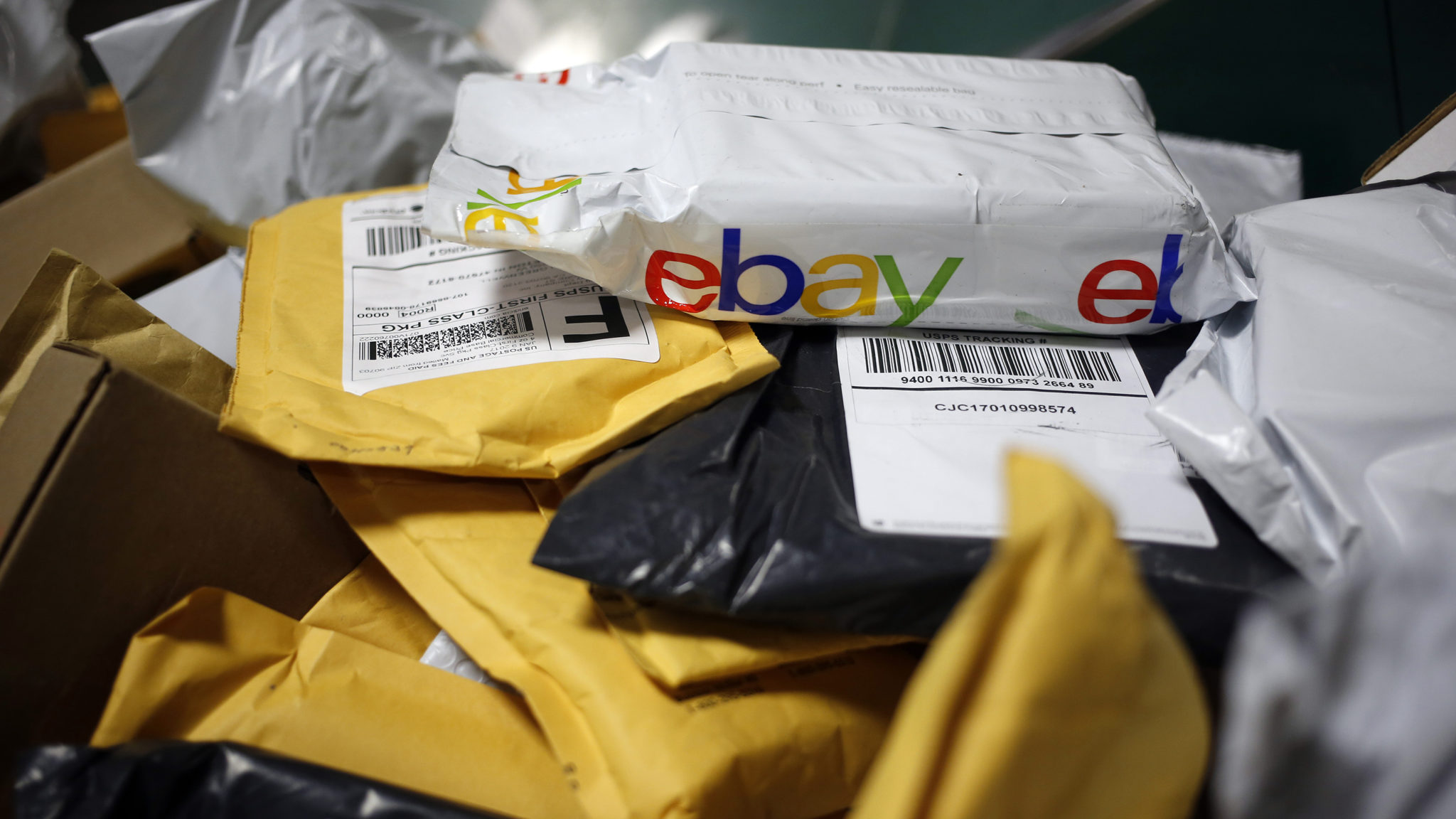
    More Australians visit Ebay in an average four week period than do Amazon and Kogan combined, new Roy Morgan research has revealed.

    New data put together from a sample of 50,000 Australians aged 14-plus has shown that Ebay is by far the most popular local online marketplace, with 9.4 million visitors in an average month.

    Next is Gumtree, with 5.6 million visitors, followed by Amazon, which entered last December, at 4.6 million.

    “The gap between these figures shows there is a large cohort of well over 4 million Australians who visit online shopping websites led by eBay, Gumtree, Amazon, Kogan.com, Groupon, Catch, OzBargain and others who don’t follow through and make the purchase,” Roy Morgan CEO Michele Levine said.

    “These online ‘window-shoppers’ represent a huge audience of Australians who are already living in the online world but haven’t taken the final plunge to purchase through the online shopping channels they know exist.”

  • Amazon Australia launches Prime

    Amazon Australia launches Prime

    Amazon on Tuesday launched its membership program, Amazon Prime, in Australia, offering free two-day delivery to nearly 90 per cent of Australians for an annual fee of $59.

    This is significantly less than the $119 fee for Amazon Prime in the US.

    Amazon Australia’s country manager Rocco Braeuniger noted the company was “thrilled” to introduce Prime six months after launching a local retail offering in Australia.

    “We have been working hard to expand selection, ensure customers get great value, and improve the Amazon shopping experience for Australians. With the addition of Prime, customers can now enjoy the most convenient way to shop and take advantage of new and expanding benefits from Amazon,” he said.

    In a press release, Amazon said its Prime program will bring free two-business-day delivery to 90 per cent of Australians, with more cities, towns and suburbs being added over time.

    It is currently available to members in Australian capital cities, including Sydney, Melbourne, Brisbane, Canberra, Adelaide, Hobart and Perth, as well as regional cities, such as Albury-Wodonga, Bendigo, Gold Coast, Gosford, Newcastle, Shepparton–Mooroopna, Toowoomba, Wagga Wagga and more.

    Prime members in more remote or rural locations will receive free expedited shipping in as fast as four or five days.

    There is no minimum purchase to qualify for free delivery, however, it is only available on ‘Prime-eligible’ products.

    Amazon said there are Prime-eligible products across all 23 shopping categories on its local site, including clothing  and accessories, electronics, books, toys, consumables, and beauty.

    Eligible products at launch include items from brands such as Blackmores, Bonds, Sol-Sana, Breville, Bose, L’Oreal, Tommy Hilfiger, Nintendo, Disney, Universal Sony Pictures Home Entertainment and Huggies.

    Notably, Prime members in Australia also have access to more than four million products on Amazon in the US through the local Australian site and free international delivery on orders over $49.

    This comes after Amazon announced it will stop shipping orders from its US site to Australian addresses in order to avoid having to comply with the new GST laws.

    “We hope that Australians will love free two-business -day delivery on products from Amazon Australia and free international delivery on products from Amazon US, all available to customers on Amazon.com.au,” Amazon’s vice president of Prime International, Jamil Ghani, said.

    “We are really proud to bring Australians the most extensive set of Prime benefits at launch for any country – ever. This is just the beginning for Prime in Australia, as we will keep making Prime better, adding even more selection and benefits.”

    Prime members in Australia also gain access to Amazon’s award-winning Prime Original television shows, as well as other popular movies and shows with Prime Video, over 1000 e-books with Prime Reading, benefits for gamers with Twitch Prime.

    Amazon Prime has more than 100 million paid members around the world.

  • Southeast Asian online shoppers are big spenders via apps

    Southeast Asian online shoppers are big spenders via apps

    Southeast Asian online shoppers are leading the world when it comes to spending on shopping apps, according to research by tech company Criteo.

    Across Asia Pacific, 54 per cent of all online transactions are made in-app, 18 per cent on mobile web and 28 per cent on desktop.

    In its Q1 2018 Global Commerce Review (South East Asia), for which the company analysed browsing and purchasing data from more than 5000 retailers in more than 80 countries, Criteo also says shoppers in Southeast Asia are moving across multiple browsing environments before making a purchase.

    “Native mobile-shopping apps are now a prerequisite for success in retail and customer engagement,” said the Criteo report.

    “Our latest data reinforces how it is no longer just about having multiple channels available to consumers, but about how those channels are connected to offer a comprehensive and consistent shopping experience,” said Alban Villani, GM Southeast Asia, Hong Kong and Taiwan at Criteo.

    “Compared to other regions, the Asia-Pacific region now has the highest share of transactions on shopping apps – a natural progression from regional consumers’ mobile-first mindset. To engage shoppers, especially in countries like Indonesia and Vietnam, retailers must make mobile apps the centrepiece of their omnichannel strategies and integrate data across channels, at scale, to personalise content for consumers and drive sales,” said Villani.

    “It is crucial for retailers in the region to invest in the optimisation of shopping apps to effectively drive online and offline sales. This includes integrating native mobile-shopping apps into in-store shopping experiences and enabling mobile payments and customer loyalty programs within the app.”

    As they move to apps, Southeast Asian online shoppers are buying less on PCs. Year-on-year, online shopping on smartphones has grown 38 per cent while purchases via computers have fallen by 12.5 per cent in the region.

    Additional highlights

    The report also found:

    • Conversion rates on shopping apps in Asia Pacific are five times higher than on mobile websites.
    • Omnichannel consistency is key: Southeast Asian omnichannel customers generate 27 per cent of all sales, despite representing only seven per cent of all customers.
    • Southeast Asian omnichannel retailers that combine their online and offline data can apply more than four times as much sales data to optimise their marketing efforts.
    • Globally, 67 per cent of marketing leaders say that creating a connected customer journey across all touchpoints and channels is critical to the success of their overall marketing strategy.
    • In Southeast Asia, 62 per cent of customers worldwide check reviews or ratings before visiting a store.
    • The proportion of transactions made on smartphones and tablets in Southeast Asia increased from 28 per cent to 37 percent between last year and this year.
    • In Asia Pacific, 72 per cent of all online transactions are made on mobile devices. While desktop usage still dominates in online sales during working hours, mobile wins during nights and weekends.
  • JD.com hastens e-commerce race in Southeast Asia

    JD.com hastens e-commerce race in Southeast Asia

    Chinese online retailer JD.com has signed on Google as a strategic partner in a move seen to complement the former’s ambitions to expand into Southeast Asia while giving the latter a toehold in a market that it gave up in 2010.

    Google’s investment in JD.com comes as e-commerce companies, including Alibaba Group and Amazon, race to expand their global reach and carve a larger slice of market share in regions such as Southeast Asia, where the potential for e-commerce is viewed as largely untapped.

    Chinese smartphones brands such as Vivo, Oppo and Xiaomi have proven to be a hit among consumers in the region of 650 million people with their affordably priced models. Tencent Holdings, the online gaming and social media giant, is the largest shareholder in Singapore-based Sea, which operates Shopee, a regional e-commerce platform. Other internet services companies such as Didi Chuxing and Meituan Dianping have invested in local champions such as Singapore-based Grab and Jakarta-based Go-jek, respectively.

    Alibaba bought Singapore-based e-commerce platform Lazada and appointed one of its co-founders and most senior executives, Lucy Peng, to head the push into Southeast Asia.

    JD.com, too, has its eyes on Thailand, with a new online shopping platform developed with Thailand’s Central Group slated to open on June 18. In Vietnam, JD.com invested in local e-commerce firm Tiki.vn earlier this year. In Indonesia, JD.com launched a local online retail business JD.ID two years ago.

    “Logistics and language sites, everything should be localised here,” Winston Cheng, JD.com’s president of international business said in an interview in Singapore last week before the Google tie-up.

    “Today, people have higher and higher demand,” he said. “They want anything anytime anywhere but right away so the cross-border business model takes too long to wait for.”

    JD.com achieved 159.2 billion yuan (US$24.7 billion) in orders from June 1 to June 18, generating annual growth of 37 per cent for the company’s 618 Mid-Year Shopping Festival, an online shopping event similar to Alibaba’s Singles’ Day Shopping event on November 11.

    JD.com has also deepened cooperation with its biggest shareholder Tencent, launching a new shopping function on WeChat before the 618 Shopping Festival. The function enables consumers to shop on JD.com within WeChat, China’s biggest social network and messaging app. Product pages from JD.com pop up when consumers type product-related keywords into the search functions on WeChat.

    Google, together with other US internet companies such as Facebook and Twitter, are blocked in China, although several firms still maintain offices in the country selling advertisements to Chinese firms hoping to reach an overseas audience. Other companies, like Apple, continue to sell their products and services in China after complying with local rules, such as hosting its cloud services for the Chinese market on the mainland.

    “Google’s strategy for investing in JD.com is two-pronged. On one hand, it hopes to have a significant partner in China to support the company, which could help it reintroduce services like cloud or advertisements in China,” said James Yan, research director at Counterpoint. “Secondly, JD.com is strong in areas like logistics, courier delivery and so forth, which Google can tap on to expand its e-commerce ambitions.”

    The partnership is complementary as JD.com is in the business of e-commerce and logistics and is unlikely to clash with Google’s other services, such as cloud or OS services, Yan said.

    “We want to accelerate how retail ecosystems deliver consumer experiences that are helpful, personalized and offer high quality service in a range of countries around the world, including in Southeast Asia,” Karim Temsamani, president of Google’s Asia Pacific operations, said in a statement.

    The Asia-Pacific region is one of the largest and fastest growing e-commerce marketplaces in the world, with people in Southeast Asia alone expected to spend US$88.1 billion online by 2025, according to Temsamani.

    “This partnership with Google opens up a broad range of possibilities to offer a superior retail experience to consumers throughout the world,” Jianwen Liao, JD.com’s chief strategy officer, said in a statement. “This marks an important step in the process of modernising global retail.”

    Southeast Asia consists of 11 countries with a total population of 653.4 million, about 49 per cent of whom live in urban areas, according to the latest United Nations estimates. Only three per cent of the region’s retail sales are currently conducted online.

    Among the biggest barriers to developing a regional Southeast Asian market is the lack of mobile payments, with about 70 per cent of the region’s population still unbanked. The thousands of islands that make up the archipelagic nation of Indonesia also presents logistics challenges.

    JD.com will adopt different strategies to cater to the differences of the region, according to a spokesman. While there is no one-size-fits-all model given the different infrastructure, languages, cultures and religions across the region, e-commerce is still booming because of the commonality of a rising middle class, the spokesman said.

    “Alibaba sees Southeast Asia as a priority region within our global strategy,” an Alibaba spokesperson said in comments made before the JD.com-Google partnership announcement. “We are also committed to contributing to the growth of the digital ecosystem in Southeast Asia by driving initiatives to develop an e-commerce talent pool.”

  • MyDeal launching Click Frenzy-like sales event with discounts

    MyDeal launching Click Frenzy-like sales event with discounts

    Online marketplace MyDeal has launched an end of financial year (EOFY) sales event, spruiking discounts and offers from its own sellers as well as participating retailers that will offer sales on their own sites.

    Called Australia’s Night Online, the sale will kick off at 6pm on 26 June and last for 24 hours.

    Customers can expect discounts on a range of popular items such as iPhones, Surface Pros, as well as discounts across commercial products such as office furniture, computers and office supplies.

    MyDeal plans to leverage the existing consumer spending intent to build hype for participating retailers, from technology brands, like Microsoft to fashion brands like Nasty Gal.

    The marketplace has partnered with Cash Rewards, Houzz, ZipPay and Compare and Connect to drive traffic for the event and expects impressions of more than 10 million.

    It has also partnered with Rakuten Marketing, which will be facilitating advertising space during the event for retailers not participating through the MyDeal platform.

    MyDeal is launching Australia’s Night Online off the back of its success during Click Frenzy 2017, when it was the most visited online retailer with 433,000 visits, according to Hitwise.