Tag: etail

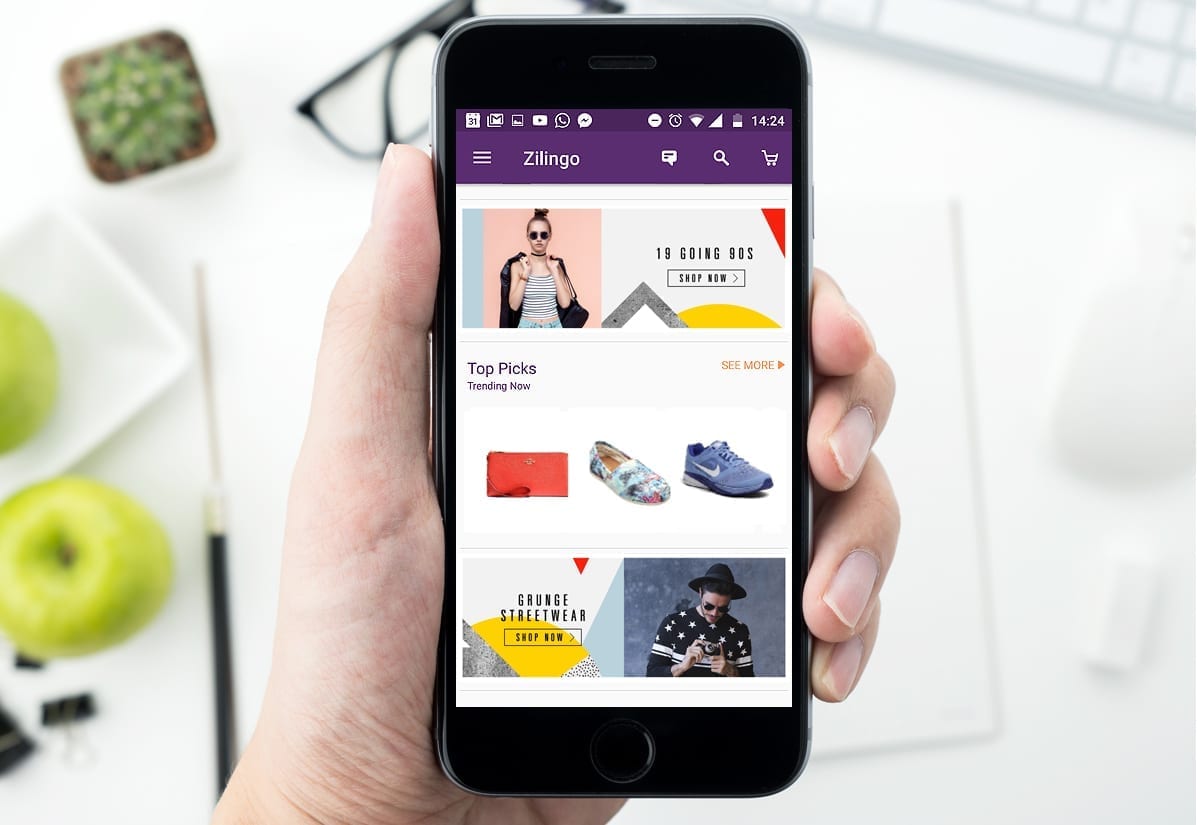
  • Zilingo raises $54 million in a new funding round

    Zilingo raises $54 million in a new funding round

    Singapore-based lifestyle marketplace Zilingo has raised US$54 million in series-C funding, taking its total capital raised to $82 million.

    Zilingo was founded in October 2015 by Dhruv Kapoor and Ankiti Bose, who was inspired after seeing the clothing stalls in labyrinthine markets while backpacking across Indonesia and Thailand.

    Their idea was to connect a fragmented landscape of fashion supply for buyers across Asia.

    “Nowhere in the world has a horizontal e-commerce company also cracked fashion,” says Bose. “It’s a unique, high-margin category that is highly dependent on fast-moving cycles and has its own nuances. Unlike buying detergent or electronics, fashion is much more about your choice, individuality and trends. It requires a different approach than the rest of e-commerce.”

    Bose and Kapoor set out to build a proprietary platform where merchants could upload and manage their inventory in any language, using any currency, connecting them through 25 interfaces with logistics, warehousing and payment providers, as well as services like loans, cataloguing and insurance.

    They launched their B2C sites and apps in November 2015 across Southeast Asia, followed by their B2B business, Zilingo’s AsiaMall, where merchants internationally can buy wholesale from Asian suppliers.

    Zilingo is now selling in Indonesia, Singapore and Thailand, and ships internationally to four further countries. As well as Indonesia, Singapore and Thailand, Zilingo has supply bases in Bangladesh, Cambodia, China and Vietnam. There are more than 10,000 independent merchants using the platform to sell to millions of customers around Asia and the world.

    Revenue growth has growth tenfold, and during the past year Zilingo has launched a TV campaign in Indonesia and expanded its merchant ecosystem.

    Zilingo’s latest capital injection follows a $17 million series-B round five months ago.

    “We think the market is showing us the right signs in terms of adoption and retention, so it’s good to double down,” says Bose.

    Each Zilingo office has local leadership, and half the top leadership team are women. “Having so many women at the leadership level, despite being a tech company, gives us a special edge while scaling,” says Bose,

    “Our leadership team comes from 10 different countries in Asia, Europe and North America, and 15 languages are spoken. The cultural diversity gives the team a unique perspective on how to solve challenges creatively.”


  • E-commerce finally cracks $25 billion mark in Australia

    E-commerce finally cracks $25 billion mark in Australia

    Australian consumers spent around $25 billion online in the 12 months to February 2018, a more than 15 per cent boost over the same period last year, according to the monthly Online Retail Sales Index compiled by NAB.

    This equates to eight per cent of spending at traditional bricks-and-mortar retailers, as measured by the ABS in the 12 months to January 2018.

    Trend online retail growth is now well above the lows of this period in 2017, and sales volatility dampened in February, the index shows.

    The sector saw a 0.8 per cent increase in month-on-month seasonally-adjusted sales, compared to the 0.1 per cent growth seen by bricks-and-mortar retailers.

    Growth was mixed across categories, with toys and games and media seeing the biggest increase in online sales, followed by department stores, while grocery and liquor, food catering and fashion sales slowed slightly in the 12 months February, compared to the 12 months to January.

    Small and medium businesses represent just over a third of all online sales and saw slightly faster sales growth in February than larger online retailers.

  • Alibaba buys Ele for US$9.5 billion

    Alibaba buys Ele for US$9.5 billion

    Alibaba has bought the Chinese food delivery business Ele.me for US$9.5 billion.

    The new deal will enable Alibaba to take over its daily operations and network of delivery drivers. Ele.me is China’s largest online delivery and services platforms.

    Alibaba, which already held a 43 per cent stake in the delivery business, hopes the move will bolster its offline retail infrastructure, furthering founder Jack Ma’s New Retail ambitions.

    Alibaba Group CEO Daniel Zhang said the move into online food delivery will create more value for China’s 1.3 billion consumers.

    “Ele.me can leverage Alibaba’s infrastructure in commerce and find new synergies with Alibaba’s diverse businesses to add further momentum to the New Retail initiative,” Zhang said.

    Alibaba said in a statement it flagged an expansion of Eli.Me’s product horizons beyond its traditional food-focused base, with possible synergies with Alibaba’s existing local services platform Koubei. It also said it will give Eli.me access to its extensive product offering under the New Retail strategy.

    “This acquisition shows that we have built Ele.me into one of China’s most valuable internet businesses. Our customers, merchants and partners will benefit from our further integration into the Alibaba family. We share the same strategic vision that New Retail has a bright future and being part of Alibaba’s ecosystem will take Ele.me’s growth to a new level,” Ele.Me founder Zhang Xuhao said.

    The food delivery Ele.me founder will take the position as chairman of the business post-acquisition and will also be appointed as a special adviser to Alibaba’s CEO on its New Retail strategy. Alibaba vice president Wang Lei, a company veteran of 15 years, will become the CEO of Ele.me.

  • Lingerie e-tailer Adore Me expands offline

    Lingerie e-tailer Adore Me expands offline

    Lingerie e-tailer Adore Me says it plans to open between 200 and 300 stores during the next five years. The company will make its brick-and-mortar debut in New York City within the next few months, followed by up to 10 locations this calendar year and another 20 next year to gauge foot traffic in different locations.

    The offline expansion will accelerate in subsequent years.

    Adore Me founder and CEO Morgan Hermand-Waiche told The Wall Street Journal that online retailers need a physical store presence in order to compete with mainstream retailers.

    “Victoria’s Secret is the big guy in the room. Even if we are successful for a digitally native brand, we will remain small compared to Victoria’s Secret.”

    Adore Me is considering new formats for its stores, including bars where shoppers can relax with friends and showrooms allowing customers to try clothes on and have purchases shipped to their homes.

  • China’s online retail market to reach $1.1tn soon

    China’s online retail market to reach $1.1tn soon

    China’s online retail market will hit $1 trillion this year, a year ahead of predictions, according to Forrester.

    The Forrester report revealed the growth in mobile shopping and consumer spending in categories like fashion and grocery would see China’s retail sales reach $1.1tn in 2018.

    Chinese online shoppers will continue to grow by 4.6% annually to reach 631 million by 2022, up from the current 502 million.

    The report, which provides online retail forecasts for Asia Pacific, found China remains the largest market accounting for close to 83% of all retail sales across the region.

    Japan is the second largest with $97bn, followed by South Korea with $69bn, Australia with $31bn and India with $27bn. India continues to be the region’s fastest growing market and is expected overtake Australia in 2019.

    One-fourth of all retail sales in APAC will occur online by 2022, led by China and South Korea.

    Online retail via mobile devices continues to accelerate across the region and is expected to grow 17.64% annually to reach $1.7tn in 2022, up from $735bn in 2017. Mobile sales will account for 80% of online retail sales in 2022.

  • FedEx Opens Shanghai Hub, Prepares for A Surge On eCommerce in Asia

    FedEx Opens Shanghai Hub, Prepares for A Surge On eCommerce in Asia

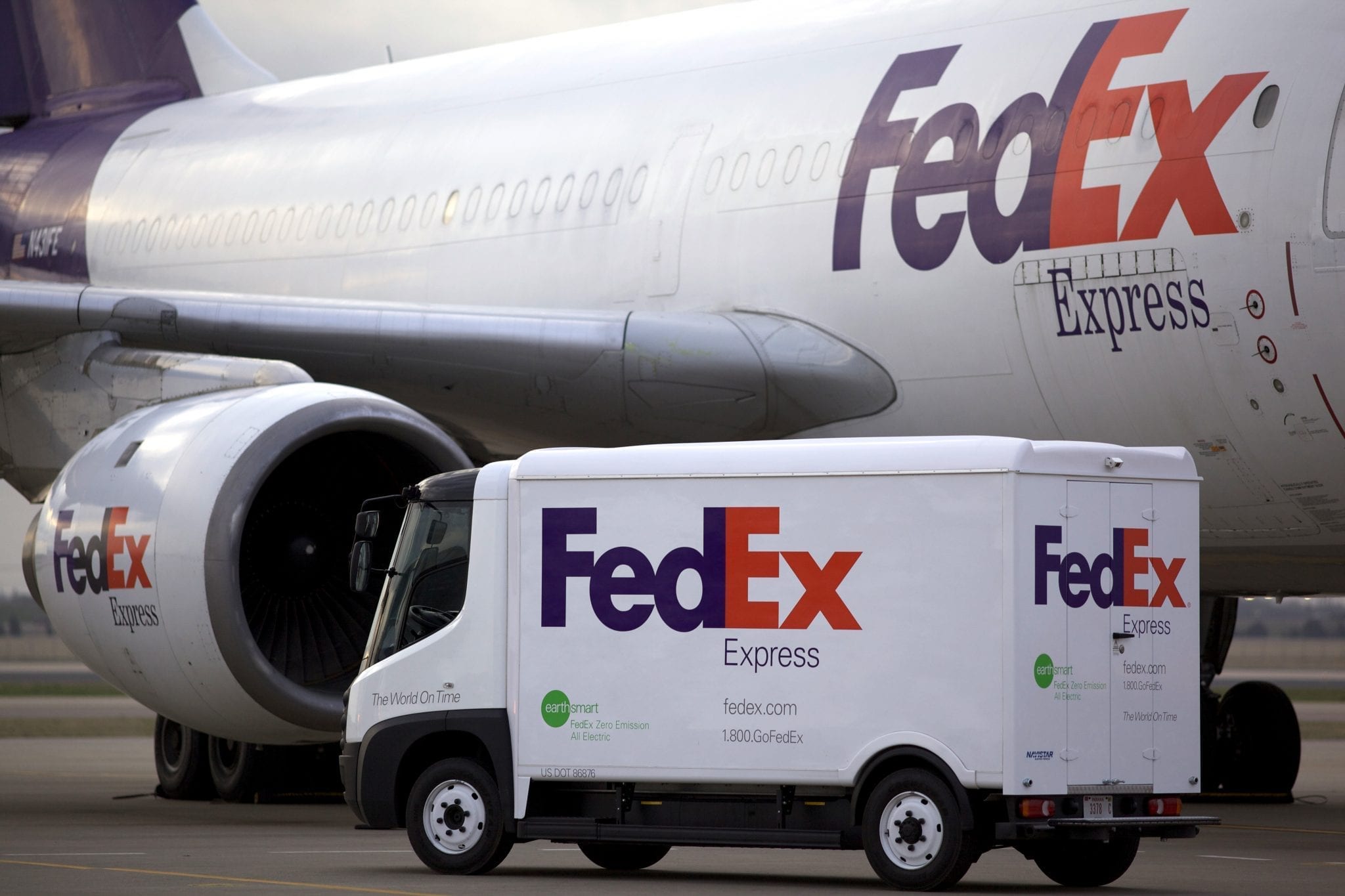
    FedEx recently opened its 1.4 million square foot Shanghai Pudong International Airport hub on January 8. FedEx’s new hub is now considered as the largest of its kind, installed with the latest sortation technology temperature-controlled storage.

    FedEx Corp. anticipates a growth in online transactions in China as the company opens its new hub in the country. Air cargo volume in China has grown steadily together with the demand of cross-border eCommerce market.

    It is approximate that the value of goods to increase to at least 43 percent to $117 billion this year. China’s air cargo volume is projected to increase to at least 6.2 percent in 2018, which is now considered as the biggest gain in the past 7 years, according to China’s Civil Aviation Administration.

    “There’s an opportunity to bring a lot of products and a lot of convenience to the Chinese consumers… With the wealth of Chinese consumers and the worldliness of Chinese consumers, they’re going to demand goods from the U.S. and Europe and parts all over the world,” David Cunningham Jr. Chief Executive Officer of FedEx Express

    China’s growing demand for cross-border eCommerce

    FedEx says that their latest facility can send real-time information such as shipment and flight status to its customers’ mobile smartphone devices. The hub also has dedicated areas for entry-exit inspection and quarantine to speed the customs clearance process.

    China’s growing demand for cross-border eCommerce has generally increased for the past 10 years, urging carriers to reorient their operations to mainly focus on the Chinese Market.

    United Parcel Service Inc. has now set up at least $10 million venture with SF Holding Co. in Hong Kong in May to cater to the growing demand of the Chinese Market. FedEx currently operates 66 flights in and out of the Shanghai hub each week.

  • Newcomer Logistics Firm Iruna eLogistics Seeks to Empower E-Commerce

    Newcomer Logistics Firm Iruna eLogistics Seeks to Empower E-Commerce

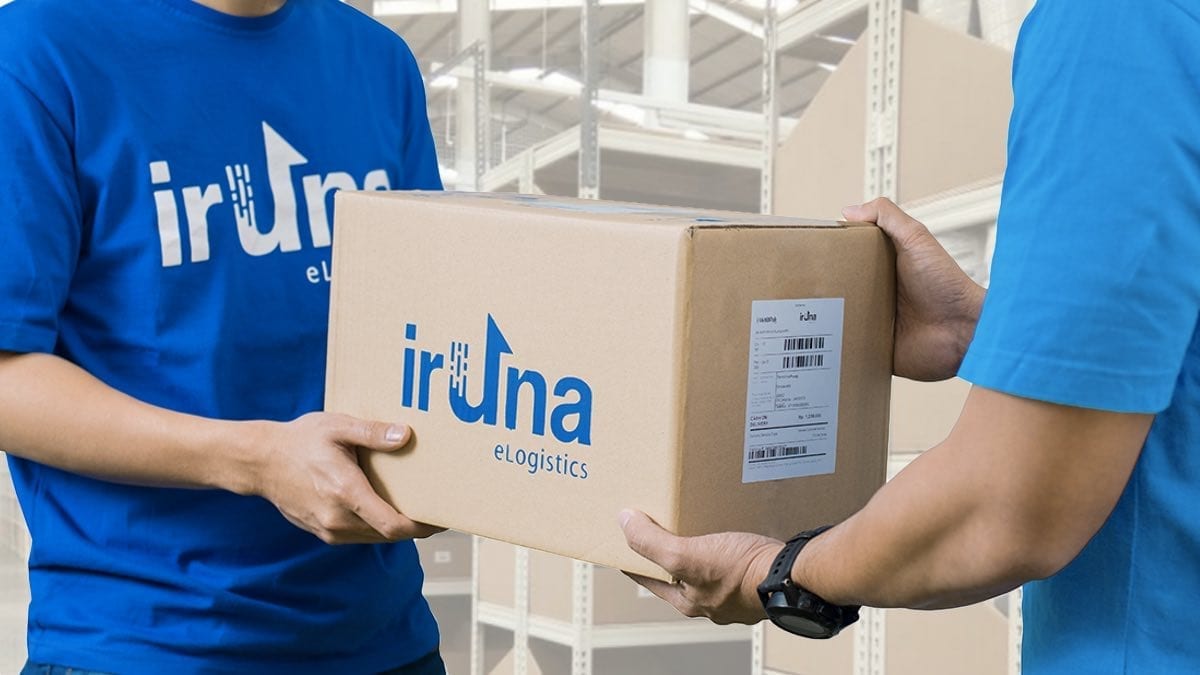
    Iruna eLogistics, a logistics startup company, plans to open two new fulfillment centers in Surabaya and Medan by the end of this year as part of its rapid expansion to provide back-end logistics services to Indonesia’s small and medium-sized enterprises.

    Indonesia’s small and medium-sized businesses have embraced e-commerce and digital marketing platforms to boost sales in the last two years. However, they often find high warehousing and transportation costs expensive and experience complications in tracking inventory, which in turn hinder growth.

    Iruna, which was founded by logistic veteran Yan Hendry Jauwena last December, tries to address the problem by offering integrated logistics solutions which manage the storage, packaging, handling and delivery of items for small business.

    “We wanted to improve the ecosystem by taking care of the back-end issues involved in online commerce. That way the small and medium-sized businesses can focus only on the production and marketing of their products,” Maria Bebasari, Iruna’s vice president for marketing and communication, said on Tuesday.

    Currently, Iruna handles delivery of more than 1,000 types of items a day, ranging from tiny soaps to bulky furniture from its 5,000-square-meter space in Sunter, North Jakarta. The facility is equipped with freezers and coolers to handle food and beverage delivery as well as secured storage for items worth more than Rp 5 million ($374), Maria said.

    Still, the company is not yet able to transport gold — which requires a separate license — or living plants or animals, she said.

    Iruna plans to open similar facilities in Surabaya next month and in Medan by the end of the year, occupying an area of 2,000 to 3,000 square meters each, Maria said.

    Maria said e-commerce consumers are concentrated in big cities despite vendors being spread out across the archipelago, making it costly for individual item delivery.

    “It’s more economical for both the producers and consumers if the delivery is done from our warehouse,” Maria said, adding that their storage and handling facilities differentiate the company from existing logistics firms like state-owned Pos Indonesia, Tiki or JNE.

    Maria said that Iruna targets to deliver 1 million different types of items and add six more fulfillment centers across the archipelago over the next three years, fully confident in the country’s e-commerce prospects.

    Indonesia e-commerce market is projected to reach $130 billion in sales by 2020, according to an estimate from the Ministry of Communication and Information Technology.

  • Retail News Asia makes it to Final with a Selection in the Top Asia Pacific Best News Websites

    Retail News Asia makes it to Final with a Selection in the Top Asia Pacific Best News Websites

    Retail News Asia is selected as one of the winners of the Top Asia-Pacific News websites list! This is the most comprehensive list of best Asia-Pacific News websites on the internet and we’re honoured to be there! Retail News Asia is the leading Retail News portal in Asia Pacific since many years and we show deep respect and bow for being selected as one of the most influencing medias in Asia Pacific.

    RetailNews.asia has always been committed to providing both local and global retailers with the latest breaking retail news throughout the Asian market on a daily base since many years. With over 20 post per day with relevant Retail News, we can proudly say that we’re the leading media in the Retail industry.

    We have resources for everyone from the independently owned business owners, online-only retailers, and major chains expanding their reach throughout the Asian market.

    We Are Stronger Together

    You can quickly and easily search for the latest breaking retail news by country, or come here to keep an eye on the latest local, global and seasonal trends on our portal, watch video’s and/or follow uw with both local and international Retail Events.

    You can network, engage, and share invaluable information with other retailers. Our retailers come from a wide range of industries and expertise, meaning that whatever the question may be—we have you covered!

    We keep you apprised of the upcoming retail events, and even provide coverage and updates during many retail events.

    Thank You

    Retail News Asia wishes to congratulate all the team members, editorial and advertising departments for all hard work, overtime and sweat. We did it together says Sven, Founder of Retail News Asia

  • aCommerce expects online-shopping market share to double to 5.5 percent

    aCommerce expects online-shopping market share to double to 5.5 percent

    E-commerce in the Philippines is gaining ground, given the expectation that its contribution to the total retail market would double to 5.5 percent, according to Southeast Asia’s retail-solutions provider aCommerce.

    Paul Srivorakul, aCommerce Group CEO, said the improved penetration of the online marketplace in the country will further improve as more and more brands move to Web-based retail to expand their presence.

    “Before, it was enough for brands to simply have a web site. But now, brands are starting to realize the importance of utilizing an omnichannel approach to stay ahead of the retail game,” he said.

    The company said this move is due to the changing behavior of the buying public, as they are now beginning to realize that online purchasing is more practical than visiting the so-called “brick-and-mortar” or physical stores.

    In the Philippines aCommerce currently has 25 brand partners. The number could grow to at least 40 next year as its portfolio encompasses consumer goods, home and living, fashion and electronics.

  • E-commerce players feel the heat as bargain hunters call shots

    E-commerce players feel the heat as bargain hunters call shots

    Buyers have become more price sensitive and less loyal to the online platforms in a trend that has prompted an intense “pricing game”, the event heard. Consumers are switching over to the e-commerce operators that offer better promotions and prices.

    The seminar also heard that so-called social commerce (s-commerce) has become another competitor, under a model where sellers and buyers can make shopping transactions directly.

    Pawoot Pongvitayapanu, founder and managing director of Tarad.com, said the platform was launched about 10 years ago as the first e-marketplace in Thailand.

    “Today, we are adjusting the positioning of Tarad.com to cope with more intense competition in the e-marketplace model. Without the new positioning, we would not be able to compete against other marketplaces,” he said.

    Speaking at the e-marketplace forum held on Sunday at Thailand e-Commerce Week 2017, Pawoot said that nowadays competition in the e-marketplace has become more of a pricing game. Consumers have become more price sensitive and have less loyalty as they follow the bargains.

    “Today, the actual competitors in the e-marketplaces are not other e-marketplace players, but s-commerce operators, such as Facebook and Instagram, where sellers and buyers can make their own transactions directly,” said Pawoot.

    Thanida Suiwatana, chief financial officer – Thailand, Lazada Group, said that that Thai consumers have become more confident about online purchases.

    “We spent a lot of money in doing marketing campaigns. both offline and online, to generate traffic,” said Thanida, adding that Lazada is now a top 10 e-marketplace in Thailand in terms of traffic.

    “Having good traffic is one of the most important factors for both bricks and mortar stores and online marketplaces. Any online platforms that can generate good traffic will have more chances to sell products.”

    Nuttawit Pholwattanasuk, managing director and co-founder of LnwShop, said that the platform serves individual vendors, enabling them to have their own website and space. It is similar to the idea of a developer of a market or shophouse allowing individual merchants or retailers to do business within their own retail space.

    Eric Bui, head of operation, Shopee Thailand, said that online marketplaces now go beyond the transactional, with a focus on the engagement between buyers and sellers as part of an ongoing relationship.

    “The way we do our listings and provide services to the sellers, everything is free, with no commissions or listing fees,” he said. “The shipping fee has been subsidised by Shopee. There is no reason why the listings on Shopee should not be the cheapest in the country.”

    Haejin Pyun, general manager, marketing strategy, 11street Thailand, said the company started the Thai operation in February.

    “We consider sellers and buyers alike to be very important. While other e-commerce players care about the buyers only, we care about the sellers sometimes more than the buyers,” said Pyun.

    “In Thailand, more than 50 per cent of the transactions come cash on delivery. At 11street, more than 70 per cent of the transactions come from credit cards. We see a big potential to grow in the Thai e-commerce.

    “However, to grow the e-commerce business in Thailand, the payment method is very important. In South Korea, credit card penetration is more than 90 per cent, compared to only 10 per cent in Thailand. Even though they have credit cards, Thai shoppers are still hesitant to put their credit card numbers on an e-commerce site.”

    Thananan Arunragtichai, assistant director of Ascend Commerce, said that the company has operated the weloveshopping.com for 15 years as a store front. For its website, the e-marketplace model was introduced three to four years ago.

    “Today, Thai consumers have greater expectation for marketplace services, such as cheap prices and high quality, as well as good after-sales service. As an e-marketplace operator, we need to manage their expectations properly,” he said.

  • Bic Camera, Rakuten looking at JV

    Bic Camera, Rakuten looking at JV

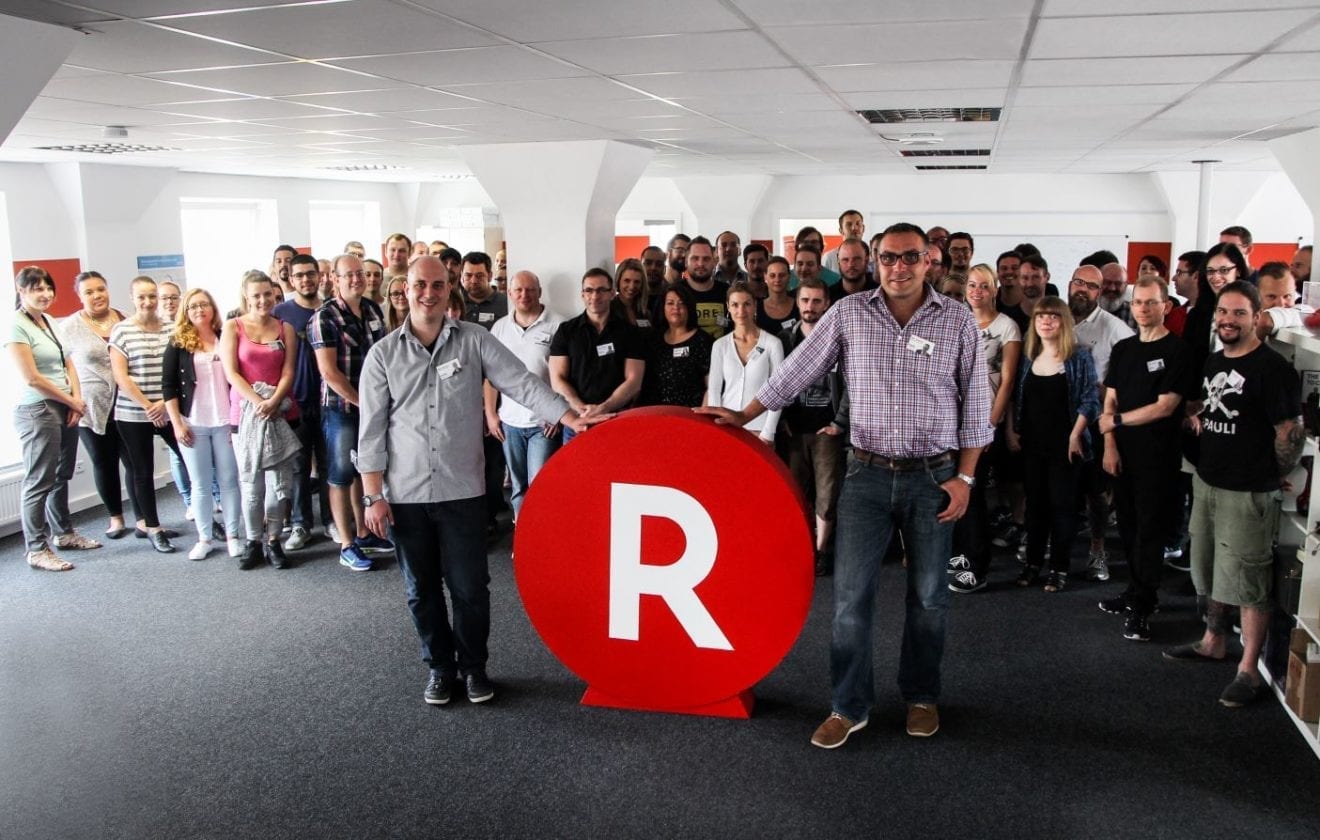
    Japanese e-commerce site Rakuten and consumer electronics retailer Bic Camera are considering a JV that will marry virtual and real stores.

    They expect to sign a basic agreement soon with a view to setting up their partnership early next year to work toward launching their e-commerce site in April.

    Bic Camera already has an online store on Rakuten Ichiba virtual mall. Through integrating their systems, Bic Camera will upgrade its online store into a joint site that will offer improved services, such as easy booking for delivery and installation.

    Buyers will also be able to search for brick-and-mortar Bic Camera locations that carry the product that interests them. Eventually, the scope of their cooperation will be expanded to cover in-store pickups of online orders, common shopping points and joint delivery services.

    While online sales account for nearly 30 per cent of consumer electronics  and appliance sales in Japan, shoppers say they want to touch and see products before buying. They also criticise the lack of attentive delivery and installation services they can find at physical stores.

    For Bic Camera, 9.2 per cent of its sales, at ¥72.9 billion (US$643 million), were online for the year to the end of August. While the company has its own e-commerce site, it does not anticipate much negative impact from launching the store with Rakuten.

    “Most of the Rakuten Ichiba shoppers will be new customers for us, because people who buy in the ‘Rakuten economic zone’ are different from those who buy from our website,” says a Bic Camera official.

  • Ola Cabs merges with Foodpanda in India

    Ola Cabs merges with Foodpanda in India

    Uber rival Ola Cabs has merged with food-delivery platform Foodpanda India, taking control from Delivery Hero Group of Germany.

    Under the terms of the deal, as well as a handover of shares, Ola has committed to investing US$200 million into Foodpanda’s India business.

    With Foodpanda India CEO Saurabh Kochhar having moved on, Ola founding partner Pranay Jivrajka will be interim CEO.

    Rocket Internet-backed Delivery Hero last year pulled out of Indonesia after tough competition, while Foodpanda wound up its Vietnam business in 2015 and scaled back in India.

    “The partnership with Ola will allow us to further consolidate markets where it strategically makes sense to collaborate with local players,” says Delivery Hero CEO/co-founder Niklas Östberg.

    The acquisition comes shortly after Ola raised $1.1 billion in funding from Japanese telco SoftBank Group and Chinese internet giant Tencent.

    Uber Eats launched in India a few months ago.

  • Bukalapak teams up with TIKI to ease delivery

    Bukalapak teams up with TIKI to ease delivery

    E-commerce platform Bukalapak kicked off on Wednesday the expansion of its partnership with courier service and logistics company TIKI to facilitate small and medium enterprises (SMEs) in selling their products.

    The new partnership will enable vendors to accelerate product delivery.

    For instance, TIKI provides a “booking code” feature in which vendors can fill in the data of senders and receivers online before sending the packages. When vendors arrive at a TIKI branch, they do not need to wait for TIKI employees to fill in the information anymore.

    “There will be [system] integration between Bukalapak and TIKI. The new features will be launched soon,” Bukalapak co-founder and chief financial officer Muhammad Fajrin Rasyid told at its headquarters in Kemang, South Jakarta.

    Another new feature offered to vendors is pick-up service that allows TIKI couriers to pick up goods from the vendors’ locations. Bukalapak has more than 1.7 million vendors with more than 38 million products offered on its online marketplace. About 500,000 vendors at Bukalapak use TIKI’s services.

  • DHL ecommerce to launch its Indian operations

    DHL ecommerce to launch its Indian operations

    Mail and logistics group Deutsche Post DHL (DPDHL) is expanding its dedicated e-commerce logistics service- DHL e-commerce- in India. The company has been testing e-commerce logistics business in India through its Indian subsidiary Blue Dart Express since 2014.

    The publication reports that Germany-headquartered DHL eCommerce has hired former Reliance Jio marketing head Neeraj Bansal and will be roping in more senior executives to kickstart its operations in the country by March 2018.

    DHL ecommerce has previously made many investments in the country through its BlueDart Express subsidiary. However, the publication added that BlueDart and DHL eCommerce will not be competing against each other but rather co-exist.

    Recent developments in the logistics segment in India

    While there are a number of standalone logistics companies in India. E-commerce players too have started having their own logistic arms in the country.

    Amazon: In November, Amazon India’s logistics arm Amazon Transportation Services (ATS) further received funding of Rs 130 crore from its US-based parent Amazon Inc. Before that, ATS received Rs 207 crore worth of funding from Singapore-based Amazon Corporate Holdings and Amazon Malaysia, in June, and before that, it had received Rs 67 crore in September 2016.

    Flipkart: Etailer Flipkart also owns a logistics arm eKart, in which it invested Rs 961.4 crore in October. In April, Flipkart-owned online fashion website Myntra acquired Bangalore-based logistics startup InLogg.

    Hippo: Hippo Innovations Private Limited, which runs the DIY mobile e-commerce platform StoreHippo, launched an e-commerce logistics solutions aggregation platform called ShipKaro, in October. At present, it lists standalone companies like Delhivery, Aramex, FedEx, Ecom Express, Holisol, Blue Dart, Bombino Express, DTDC, Book A Wheel, Gati, OnlineXpress, Vegostics, and Xpressbees as carrier partners. It claims to deliver to over 20,000 PIN codes across India.

    The government of India: In October, the government of India launched the International Tracked Packet service, which provides cross-border shipping for the e-commerce sector in the Asia-Pacific region. This service is provided by the Department of Post, and offer features like track & trace, volume discounts, pick up facility, and compensation for loss or damage.

    In terms of standalone companies, there are firms like Ecom Express, Locus, Delhivery, Rivigo, Loadshare, Blackbuck, and also NSE-listed Gati, which invested in Browntape.com in November, which is a service which enables vendors to sell on multiple marketplaces with the same pool of inventory, and give them access to data, marketing and technology.

  • Retailers in South East Asia brace as Amazon makes debut in Australia

    Retailers in South East Asia brace as Amazon makes debut in Australia

    U.S. internet giant Amazon launched in Australia on Tuesday with retailers scrambling to cut costs and boost their online offerings as they brace for an expected shake-up of the sector.

    The arrival of the behemoth — which has grown from being an online bookstore to one of the world’s largest firms — poses a threat to a market already grappling with weak consumer confidence amid tepid wage growth.

    “Focusing on customers and the long term are key principles in Amazon’s approach to retailing,” Amazon Australia country manager Rocco Braeuniger said in a statement. “By concentrating on providing a great shopping experience and by constantly innovating on behalf of customers, we hope to earn the trust and the custom of Australian shoppers in the years to come.”

    The American giant is offering millions of products from well-known Australian brands as well as small and medium-size Australian businesses selling on Amazon Marketplace.

    Online shopping only accounts for 8 to 13 percent of total sales in Australia, leaving room for growth in a sector estimated to be worth more than 300 billion Australian dollars ($227 billion) annually.

    “We believe Amazon’s full entry into Australia will likely be a success,” UBS analysts said in a note ahead of the launch, adding that Australia was an “attractive market where online is under-penetrated.”

    “Australian online shoppers spend the third-most globally of Amazon’s markets,” UBS said.

    Retail categories most likely to be hurt by Amazon’s entry include electrical, appliances, apparel and cosmetics, UBS added.

    Amazon might also be willing to absorb losses initially to boost its market share, IBISWorld senior analyst Kim Do said, pressuring the profitability and margins of its competitors.

    Several top Australian retailers have recently succumbed to pressure from foreign giants, including Japan’s Uniqlo and Sephora of France, while others have cut back on brick-and-mortar stores.

    But Australian Retailers Association executive director Russell Zimmerman welcomed Amazon’s arrival, saying it provides an additional platform to boost sales.

    “With over 300 million active users already on Amazon’s Marketplace, the majority of Australian retailers view Amazon’s platform as a supplementary channel to their current retail offering,” he said.

    Some analysts warned that Amazon will face challenges such as low access to broadband and the large size of the island continent.

    “A key reason why Australia lags behind its peers (in the development of the e-commerce sector) is the low access to broadband,” BMI Research, Fitch Group’s research arm, said in a note.

    Broadband subscriptions in Australia stand at 57.3 per 100 people, rising to a forecast 60 in 2021, in contrast to markets like Singapore which is projected to have subscriptions of 75.3 per 100 that year, BMI said.

    “Slower delivery speeds due to the large geographic size of the country and as a result, more costly delivery services … will not bode well for the success of an e-commerce company.”

    Retail analyst Brian Walker said that according to his research, Amazon is “producing a positive return” in just one-third of the countries it is operating in outside of the U.S.

    “The rest are still in the various stages of growing. And that is the point about Amazon,” Walker said. “They will take in our view of somewhere between two and five years to hit any form of scale in Australia.”

    Amazon, a Seattle-based company, has expanded far beyond its roots as a digital bookstore, moving into the groceries and other retail sectors as well as cloud computing, streaming video, artificial intelligence and more.

    It has become one of the most valuable companies on the planet alongside U.S. tech rivals Apple, Facebook and Google parent Alphabet, and in October reported third-quarter profits of $256 million.