Tag: Finance

  • DBS Deepens Roots in China

    DBS Deepens Roots in China

    The bank will accelerate its expansion in the rapidly growing Greater Bay Area with a stake in Shenzhen Rural Commercial Bank.

    DBS has entered into an agreement to acquire a 13 percent stake in Shenzhen Rural Commercial Bank in a deal valued at RMB 5.286 billion ($813.2 million), as part of its strategy of investing in its core markets, the bank announced on Tuesday evening.

    The deal for 1.35 billion new shares at RMB 3.91 ($0.60) per share, representing 1.01 times the book value per share as of 31 December 2020, will make DBS the largest shareholder of SZRCB. DBS will use internal cash resources to fund the investment, which is expected to complete when the deal is approved by regulatory authorities in China.

    Established in 2005, SZRCB currently operates one of the largest bank branch network in Shenzhen, with 210 branches and over 3,600 employees servicing over 5 million active retail customers and over 170,000 active corporate customers.

    Approximately 40 percent of its loans are in the retail segment and the remaining 60 percent are in corporate segment, largely to Shenzhen-based small-and-medium-enterprises. The bank has RMB 519 billion in assets and RMB 404 billion in deposits, and generated RMB 4.8 billion in net profit as of 31 December 2020.

    We see this as a highly complementary strategic partnership that will allow us to double down on the GBA and leverage on SZRCB’s local network and know-how to deepen DBS’ GBA strategy. At the same time, we would be able to support the continued growth and digital transformation of SZRCB through our regional presence and digital capabilities, Piyush Gupta, DBS CEO, said in the announcement.
  • StanChart Expands Hiring Efforts in Hong Kong

    StanChart Expands Hiring Efforts in Hong Kong

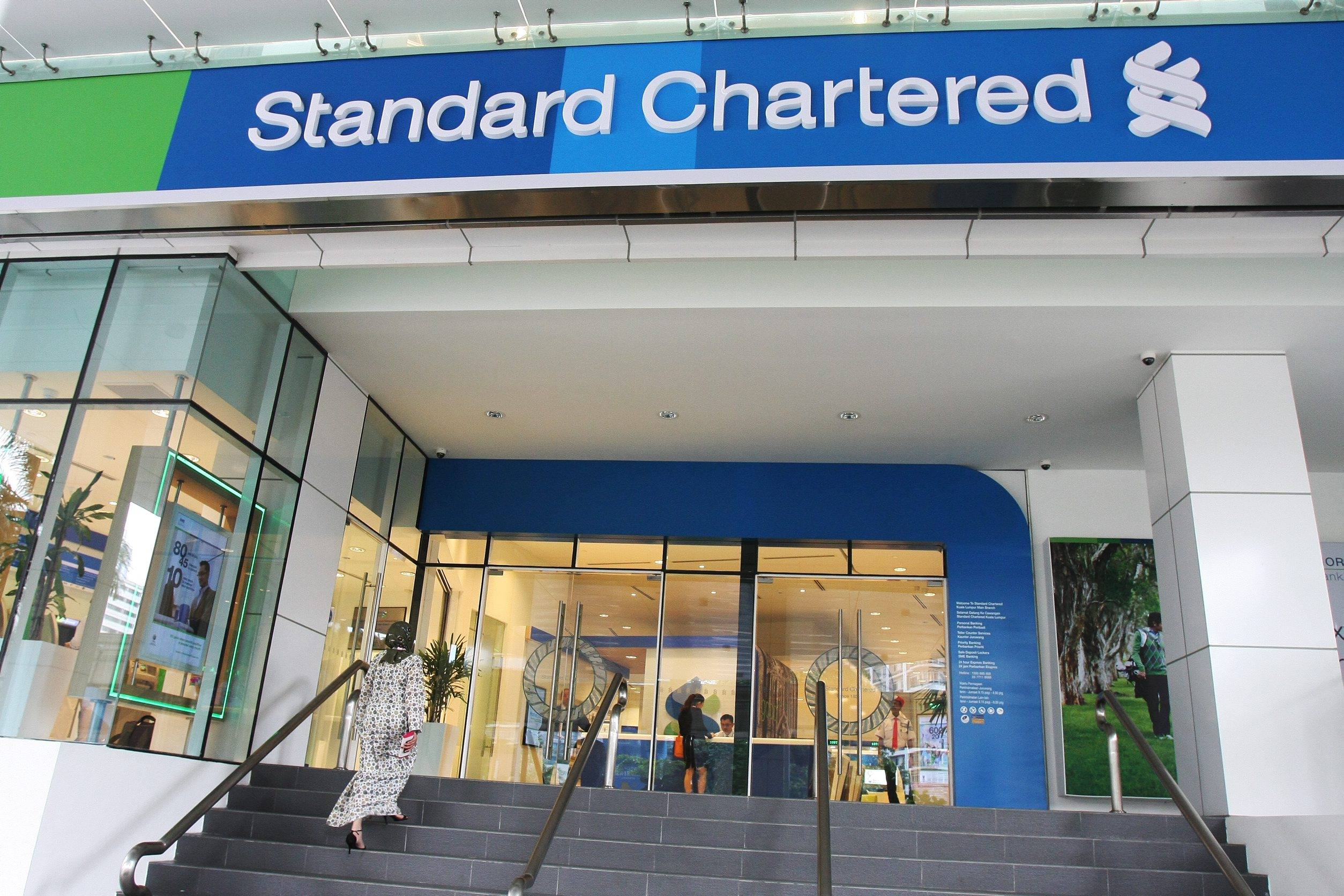
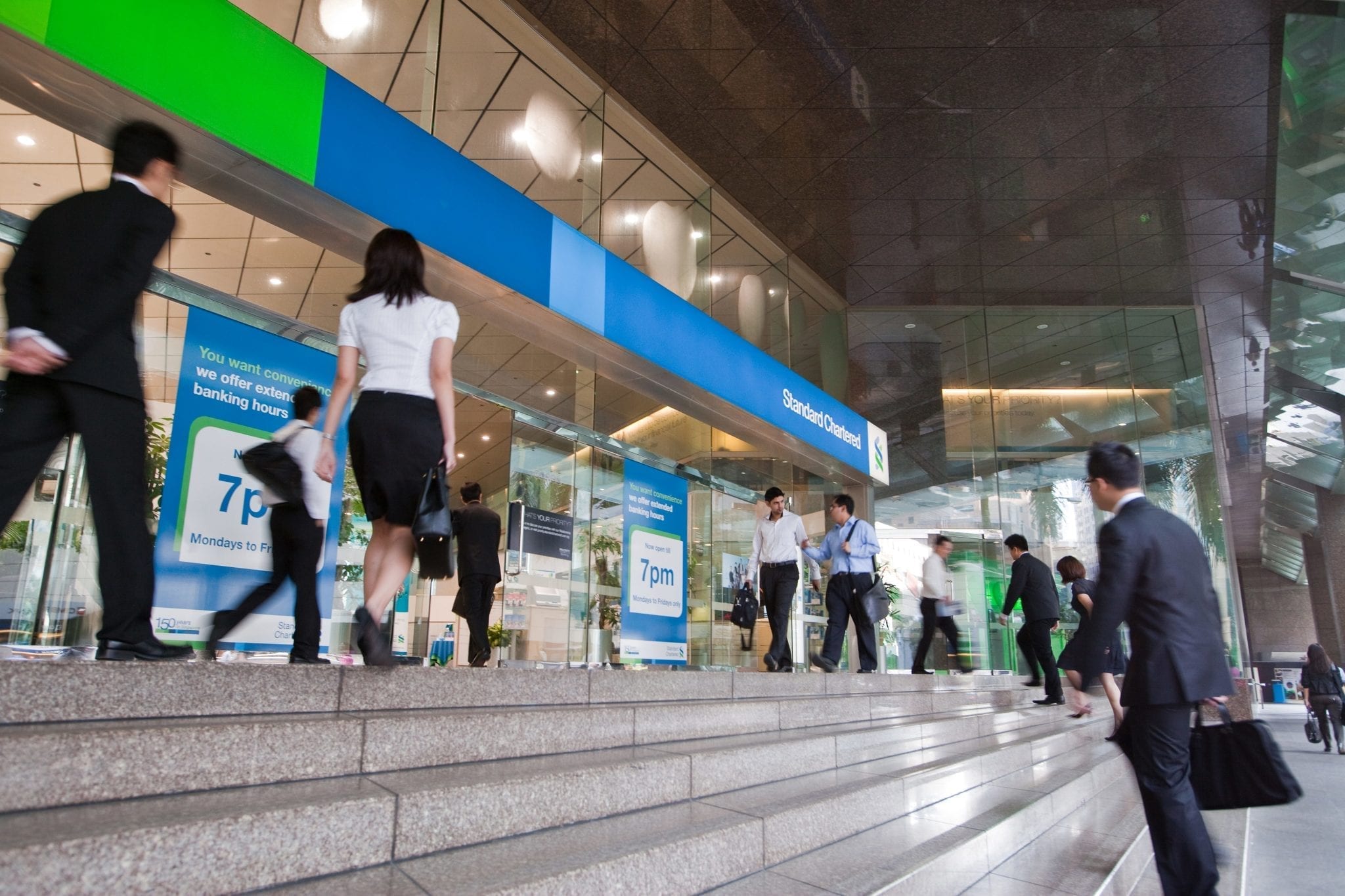
    Standard Chartered plans to hire about 400 staff in Hong Kong this year as part of the ongoing expansion of its retail baking and wealth management business.

    The Asia-focused lender’s hiring plans are part of its strategy to tap demand from affluent customers for wealth planning, according to a report citing Hong Kong head of consumer, private, and business banking Lay Choo Ong.

    In addition to hiring, Standard Chartered is also planning to invest $26 million over the next three years to revamp its branches in the city.

    The bank will look to add, relocate and close various branches with the aim of maintaining 70 in the city, according to a previous announcement by Hong Kong CEO Mary Huen.

    Although branch visits at Standard Chartered fell 25 percent during the pandemic, the bank believes that demand remains for customers seeking to discuss more complex financial needs.

    It is planning to open its second «Priority Private Center» in the city this year as well as three green branches for paperless services, likely in the third or fourth quarter, as part of a pilot project.

    According to Ong, assets under management in Hong Kong-registered double-digit growth in the first quarter while wealth management fund flows doubled the annual average in 2020.

  • Ex-UBS Chief Sergio Ermotti Shifts from Banker to Statesman

    Ex-UBS Chief Sergio Ermotti Shifts from Banker to Statesman

    Less than six months after leaving UBS, ex-CEO Sergio Ermotti is now chairman of the world’s largest reinsurer. He signaled he will use the job as a platform to lobby for Switzerland as a business center.

    The former CEO of UBS, Sergio Ermotti, had promised a blackout after leaving the Swiss wealth manager at the end of October. He resurfaced publicly on Friday, when 96.4 percent of Swiss Re investors backed him as the reinsurer’s next chairman, after a year of understudying with long-standing overseer Walter Kielholz.

    In my new role, I look forward to advocating for Switzerland as an attractive location for the insurance industry,» the 60-year-old Ticino native told shareholders in an annual meeting held online. Insurance represents as much of Swiss gross domestic product as Switzerland’s heavyweight banking sector, and also a more consistent one.

    Nearly every eleventh Swiss franc in Switzerland is generated by the wider financial industry, according to data compiled by research institute BAK Economics. Insurance alone generates 30.5 billion Swiss francs ($33 billion) annually, according to BAK.

    Switzerland is the world’s third-largest location for reinsurance, Ermotti said – and he plans to use his new job to help make sure it stays that way. «That is why Swiss Re is actively engaged in ensuring that the Swiss financial center remains attractive and internationally competitive» in terms of framework conditions, the banker-turned-overseer said.

    He’s earning far less than at UBS, where he regularly topped league tables as Europe’s highest-paid banker and left on a 13.3 million franc payday high. He earned just 151,000 francs for 2020 after his election last April; by comparison, Kielholz took home 3.8 million francs.

    Ermotti remains a big UBS investor, with more than 4 million shares to his name (it translates to less than 0.3 percent of voting rights over the Swiss giant) – likely not including a big personal bet. His extracurricular activities include chairing the family’s Lugano-based Fondazione Ermotti and serving on the Swiss-American chamber of commerce’s board.

    While at UBS, he was widely viewed as sincere in his concern for Switzerland and its financial center when commenting on Swiss political matters of economic and business relevance, like immigration. Ermotti, who began his career in finance as an apprentice at Cornèr Bank in Lugano in 1975, is also on the board of the Global Apprenticeship Network – and a SPAC backer.

    The banking veteran spent the bulk of his career abroad including in London as an investment banker at Merrill Lynch. The Swiss Re move represents the culmination of what Ermotti reportedly couldn’t clinch at UBS: the chairman’s seat. At the Swiss bank, long-standing chairman Axel Weber looks set to extend his tenure, instead of exiting next April.

  • HSBC Shifts Top Execs to Hong Kong

    HSBC Shifts Top Execs to Hong Kong

    HSBC will relocate some of its top executives from London to Hong Kong as the British lender places increasingly greater emphasis on the region.

    Global banking and markets co-head Greg Guyett, wealth and personal banking chief executive Nuno Matos, and global commercial banking chief executive Barry O’Byrne will relocate to Hong Kong in the second half of the year, according to an internal memo.

    They will also be joined later in the year by the bank’s head of asset management Nicolas Moreau.

    Though some other roles will also be shifted to join the top executives, there is no planned large-scale movement of jobs from London to Hong Kong.

    The relocated executives lead divisions that makeup nearly all of HSBC’s global revenue, signaling a stronger focus on Asia, which accounted for 59 percent of operating income in 2020.

    An important part of our global strategy is to base more of our leadership population in Asia, said HSBC CEO Noel Quinn in the note.

    The bank is undergoing restructuring to further focus its resources on growth opportunities in the region. Part of its plans includes redeployment of over $100 billion of capital to Asia, where it is particularly focused on investing in Hong Kong, China and Singapore.

  • StanChart Wealth Planning App Debuts in Singapore

    StanChart Wealth Planning App Debuts in Singapore

    The bank joins other players in providing digital wealth advisory with its new SC Goals Planner app, now available on SC Online Banking and SC Mobile.

    Standard Chartered has launched a free, do-it-yourself online financial planning solution developed in collaboration with Singapore-based fintech BetterTradeOff, which advanced leverages data analytics for clients to make data-led decisions when it comes to wealth planning, the bank announced in Wednesday.

    The SC Goals Planner app allows customers will be able to independently plan and track their financial goals through real-life simulations and insights specific to their life stages and financial status. Users will also be able to educate themselves on the planning process and financial fundamentals, the announcement said.

    Banks have been quick to capitalize on the heightened interest in wealth planning – Julius Baer also launched its digital advisory platform in Asia this week, while DBS rolled out personal digital advisory to its financial planner last week.

    Standard Chartered said there has been more interest in better financial planning as a result of the pandemic. Through the platform, Standard Chartered hopes to close the financial literacy gap and empower clients to play a more active role in their financial planning.

    This is one of the many steps we are taking to strengthen the client-bank wealth and financial planning dialogue, Eugene Puar, head of wealth management, Singapore, ASEAN and South Asia said.

    Singapore-based BetterTradeOff (BTO) was founded in 2015 and offers a software-as-a-service (SaaS) life planning tool to clients through a white-label enterprise solution. It currently operates in Hong Kong, Singapore, Philippines, UAE, and Switzerland.

  • HSBC Swims Against Crypto Tide

    HSBC Swims Against Crypto Tide

    The bank banned customers of its online trading platform InvestDirect from adding MicroStrategy stock to their portfolios, calling them a «virtual currency product.

    HSBC has no appetite for direct exposure to virtual currencies [VCs] and limited appetite to facilitate products or securities that derive their value from VCs,» a HSBC spokesperson said in a statement.

    Last week, a message from the bank to InvestDirect customers dated March 29 surfaced on social media, saying that it will only allow the holding, sale and outgoing transfer of MicroStrategy shares, and will ban new purchases or incoming transfers.

    MicroStrategy, a business intelligence and cloud-based software company founded in 1989 by bitcoin evangelist Michael Saylor, currently holds about $5.5 billion in bitcoin, or about 80 percent of its $6.8 billion market capitalization.

    The company adopted a policy last year to primarily hold bitcoin instead of cash, and has been purchasing the cryptocurrency with its extra cash and paying its directors in BTC.

    HSBC said the ban on MicroStrategy follows its policy on cryptocurrencies, which has been in place since 2018. Its move comes against the growing number of financial firms and companies that are embracing cryptocurrencies.

    Other companies that also have large holdings of bitcoin on their balance sheets include carmaker Tesla and payments processor Square, though it is not clear if a similar ban would apply to their shares.

    Goldman Sachs has said it would offer investments in bitcoin and other digital assets to its wealth clients, while Morgan Stanley will roll out a bitcoin offering to wealth management clients.

    Outside of the U.S., notable global banks that have also launched crypto offerings include Standard Chartered and DBS.

    MicroStrategy shares soared on Tuesday, up about 18 percent to $848.5, as the price of bitcoin reached a new high of $63,000, 7 percent higher than the day before.

    The surge in investor interest comes ahead of a hotly anticipated direct listing of CoinBase, the U.S.’ largest cryptocurrency exchange, on Nasdaq on Wednesday.

  • Chinese Banks Accelerate Branch Cuts

    Chinese Banks Accelerate Branch Cuts

    Chinese lenders are increasingly closing down branches as online and mobile banking penetration continues to rise.

    Mainland lenders have closed 430 branches in the first three months of 2021, according to data from the China Banking and Insurance Regulatory Commission’s (CBIRC) annual report.

    This marks an accelerated reduction after the industry closed 1,300 branches in 2020.

    As a major leader by digital penetration of its population, China saw strong growth for transactions not executed via physical bank locations – or «off-counter rates.

    Such transactions, which include online and mobile banking, rose 12 percent to 2,308 trillion yuan ($352.5 trillion), according to the CBIRC report.

    Mobile banking transactions alone soar 31 percent to 439.2 trillion yuan – nearly one-fifth of total off-counter transactions.

    In addition to growing digital adoption, the branch cuts are part of a broader industry move to reduce costs especially after a year of concessions where borrowers were offered cheap loans, deferred payment options, and top Beijing officials even called for a 1.5 trillion yuan sacrifice of profits.

    Mainland lenders are also rebalancing the mix of their remaining branch network with a focus on maintaining brick-and-mortar locations in counties or rural areas as part of Beijing’s goal to promote financial inclusion.

  • ABBank seeks to hike capital through rights issuances of shares

    ABBank seeks to hike capital through rights issuances of shares

    ABBank plans to increase its charter capital by 65 percent to VND9.4 trillion ($407 million) through rights issuances of shares to existing shareholders.

    There will be two issuances, one each in the second and third quarters of this year, the Hanoi-based lender said in a plan it outlined to shareholders.

    The bank, established in 1993, plans to use the money raised for expansion and ensuring capital adequacy.

    It targets increasing pre-tax profits by 44 percent this year to VND1.97 trillion. It achieved 10 percent profit growth last year.

  • Standard Chartered Grows Digital Payments Proposition

    Standard Chartered Grows Digital Payments Proposition

    The bank is doubling down on its commitment to the payments industry with its investment in a global cross-border payments platform. SC Ventures, the innovation, ventures and fintech investments unit of Standard Chartered bank, has made a strategic investment in Ireland-based CurrencyFair, it announced in a statement.

    As a result of the investment, CurrencyFair will merge with Assembly Payments, an Australia-based platform that automates complex payment workflows, which is invested into in 2020. The combined entity will offer the full range of payment services, providing retail and corporate clients access to fast, high-volume domestic and cross-border payments, the announcement said.

    The announcement highlighted a $2 trillion revenue market for payments, citing figures by McKinsey & Company, as well as an increasingly complex global cross-border business payments market.

    Paul Byrne, CEO of CurrencyFair, will lead the merged business, which will focus on payments, global payment accounts, partner ecosystem, lending and settlement, and services.

  • DBS Trims Office Space in Singapore

    DBS Trims Office Space in Singapore

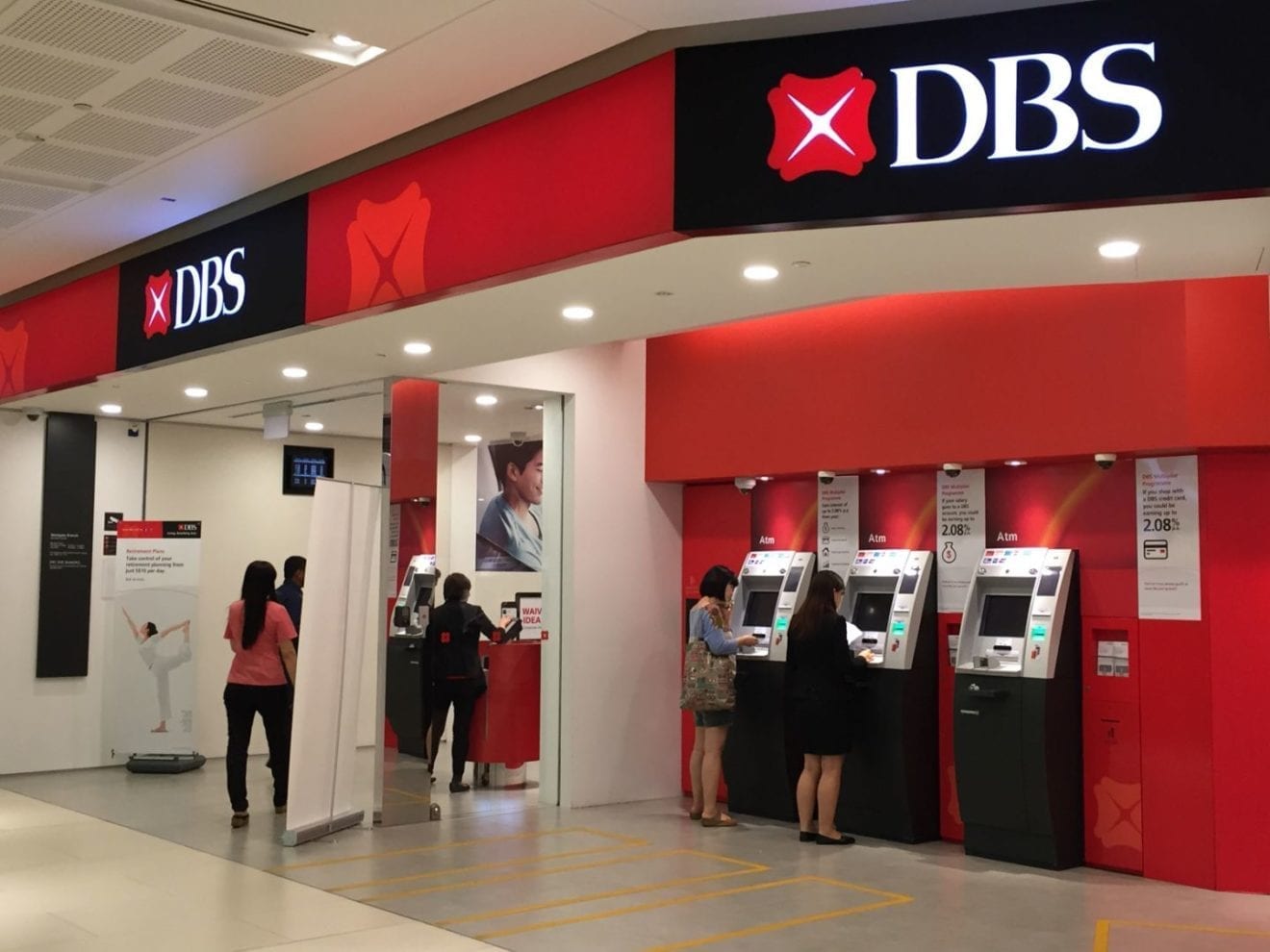
    DBS is the latest global bank to offload more office space, this time in a Singapore building where it is the anchor tenant. DBS will give up about two and a half floors out of the more than a dozen floors it occupies at Tower 3 of the Marina Bay Financial Centre, according to a report citing unnamed sources. Singapore’s largest lender is set to surrender the space, which totals 75,000 square feet, in December.

    DBS joins other global banks that are shifting their operational models by reducing office space and increasing flexible working measures.

    In Singapore, Citi is offloading three floors and Mizuho is cutting less than one floor of office space.

    In Hong Kong, DBS has also dropped eight floors of office space joining the likes of BNP Paribas, Standard Chartered and UBS.

    DBS’ reduction of office space falls in line with its announced strategy to provide flexible working conditions for its staff.

    In November, the bank said that remote working would be allowed for employees as much as 40 percent of the time.

  • Eximbank seeks to pay dividends after 7 years

    Eximbank seeks to pay dividends after 7 years

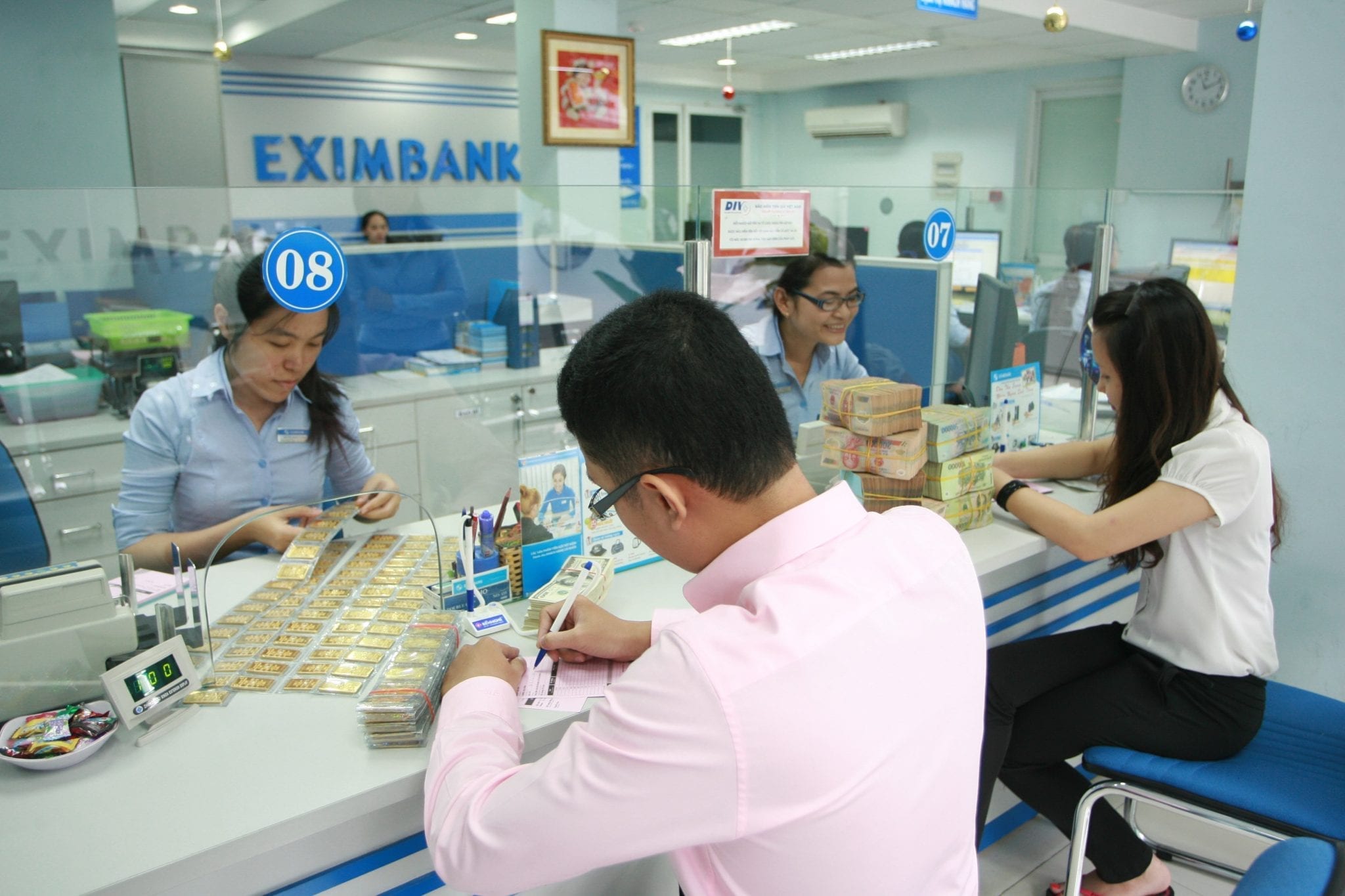
    Lender Eximbank has sought approval from the State Bank of Vietnam to pay a dividend of VND1,800 ($0.07) per share for 2020.

    The bank sold its bad debts to the state-owned Vietnam Asset Management Company (VAMC) in 2015 against bonds on the condition it is not allowed to pay dividends until the bonds are fully redeemed.

    According to documents it has circulated among shareholders, it redeemed the last of the bonds on March 30.

    The last time it paid dividends was for 2013.

  • HDBank profit up 87 pct

    HDBank profit up 87 pct

    HDBank reported a 67 percent increase year-on-year in consolidated profit in the first quarter to over VND2 trillion ($86.9 million).

    Its outstanding loans at the end of the quarter were VND198 trillion, up 5 percent from the end of last year. The parent bank’s profit was VND1.8 trillion, up 87.7 percent. The lender also owns consumer finance company HD SAISON.

    It targets full-year profits of VND7.28 trillion, an increase of 25 percent from 2020, and credit growth of 26 percent. It plans to pay a 25 percent dividend for 2020 in the form of stocks.

    HDBank is among the few banks that have not signed an exclusive bancassurance contract.

    The bank recorded VND5.8 trillion in consolidated profit last year, a year-on-year increase of 15.9 percent.

  • DBS Adds Personalized Digital Advisory to Financial Planner

    DBS Adds Personalized Digital Advisory to Financial Planner

    The new tool in its NAV Planner is part of DBS’ plans to get 1 million customers insured and invested by 2023. DBS is rolling out an enhanced version of its «Make-Your-Money-Work-Harder» digital investment advisor to help retail customers make better investment decisions.

    The feature, available via NAV Planner on DBS digibank online and its mobile banking app, aims to remove guesswork and bias from investing by providing specific investment recommendations based on customer risk profile and provide a real-time hyper-personalized experience for customers.

    According to the bank, the majority of its customers are underinvested and for some, remain uninvested, with only two in 10 retail customers investing over the past 12 months.

    For new investors, many need guidance to overcome inertia, DBS said. Even with personalized recommendations and nudges provided on NAV Planner, the bank found that only one in 10 customers could complete their investing journey.

    DBS said that as customers are increasingly taking a self-directed approach to investing digitally, this approach helps investors determine their investment profiles to ensure they meet regulatory requirements before investing amid market volatility.

    This approach mirrors the offline consultation a customer would have with its wealth planning managers, which safeguards the interests of investors. «As more look to self-directed investing, it is important we equip them with the right information and intelligence digitally to construct their portfolios,» Evy Wee, DBS’ head of financial planning and personal investing, said.

    DBS said it would be more involved in helping younger customers grow by investing and with their home planning journey, which is the most common and largest-sized liability on a customer’s balance sheet.

    The bank will also focus on helping older customers monetize their assets and convert to cash for more liquidity to invest and prepare for retirement.

  • Techcombank expects profit growth

    Techcombank expects profit growth

    Vietnam’s largest private lender Techcombank targets an increase of 25 percent in this year’s pre-tax profits to a record VND19.8 trillion ($858 million).

    It expects credit to grow by 12 percent. Profits rose by 23 percent last year to VND15.8 trillion.

    It has undistributed profits of VND26.7 trillion, which it plans to use to fund operations. It has not paid dividends for the last 10 years.

    In a year when businesses struggled to repay loans due to the impact of the Covid-19 outbreak, the lender saw provisions for bad debts triple to VND2.66 trillion.

    Meanwhile, the bank’s board is seeking shareholders’ permission to make Ho Anh Ngoc, a brother of chairman Ho Hung Anh, a director.

    Ngoc, 39, has a doctorate in economics from Macquarie University in Australia. He has held several positions in the bank since 2017 and is currently chairman of the bank’s southern representative board.

  • UOB CEO Takes Pay Cut

    UOB CEO Takes Pay Cut

    His compensation in 2020 included an unchanged base salary of S$1.2 million, S$8.568 million bonuses, and S$37,000 in-kind benefits.

    Wee Ee Cheong, UOB’s deputy chairman, and CEO, received a total of S$9.805 million in 2020, down 8.8 percent from S$10.75 million in 2019, according to the bank’s annual report, published Wednesday.

    Some 60 percent of the variable pay will be deferred and vest over three years. Of the deferred portion, 40 percent will be in cash and the remaining 60 percent will be on the form of share-linked units, the report said.

    The bank posted earnings of S$2.92 billion ($2.21 billion) for the full year 2020 – 33 percent lower than 2019’s record earnings.

    Earlier this month DBS also said it would be cutting the payout of chief executive Piyush Gupta by 24 percent to S$9.18 million ($6.82 million) in 2020.