Tag: Google

  • Google will allow Pixel owners to customize the icons

    Google will allow Pixel owners to customize the icons

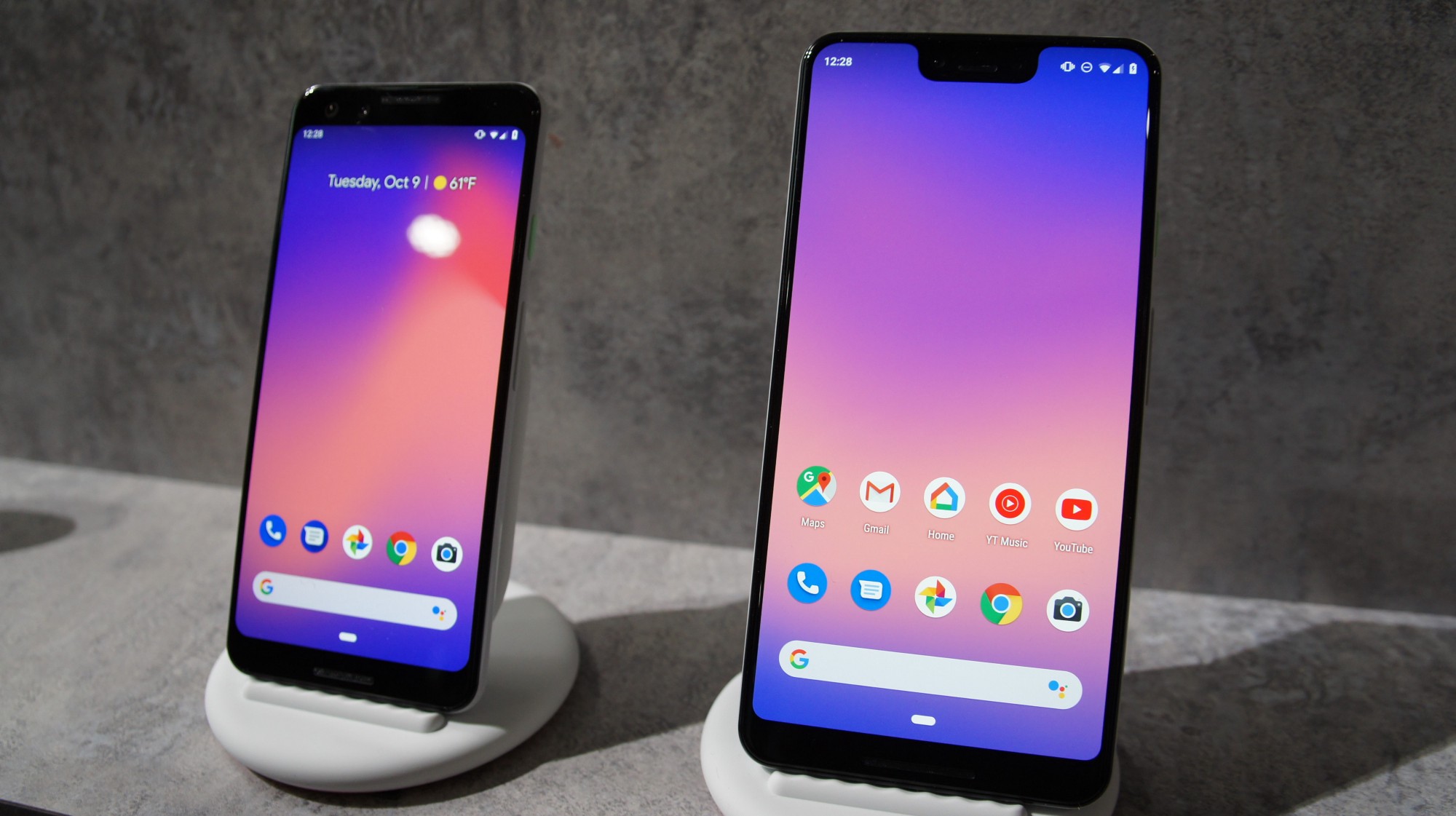
    It appears that Pixel users will soon get more customization options for their phones. XDA opened the product image for the Google Pixel 3 XL in the Android Q Beta 2 update revealing that a future app called Pixel Themes will eventually be listed in the Google Play Store. The themes will allow users to change the colors, icon shapes and fonts used on Pixel handsets.

    Right now, Pixel Themes is a “stub,” or an empty shell of an app already pre-installed in the Google Play Store. This is done so that when the time is right, the app can be instantly launched in the Play Store. There was some code found in the stub that contains previews of what each theme will look like. Three different themes were discovered:

    • Anthony: Rounded or Squircle shaped icons, Black accent, Rubik font.
    • Johanna: Filled icons, Green accent, Arvo and Lato font.
    • Reiko: Circular/Teardrop shaped icons, Purple accent, Arbutus font.

    These are the customization overlays that will be available from the Pixel Themes app

    When the app is ready to launch, you’ll find it in the Google Play Store right here. Until that day comes, clicking on this link will show you nothing more than an error message. And we would be remiss if we didn’t point out that Pixel Themes will use overlays to make the changes based on the theme selected. It also appears that Pixel users will get a small selection of new wallpapers to choose from once this app officially is released.

    With the app, users will be able to change icon shapes in additional locations related to the Settings, SystemUI, and Android framework. That can be seen from the image below.

  • MG Hector’s Connectivity Features Unveiled

    MG Hector’s Connectivity Features Unveiled

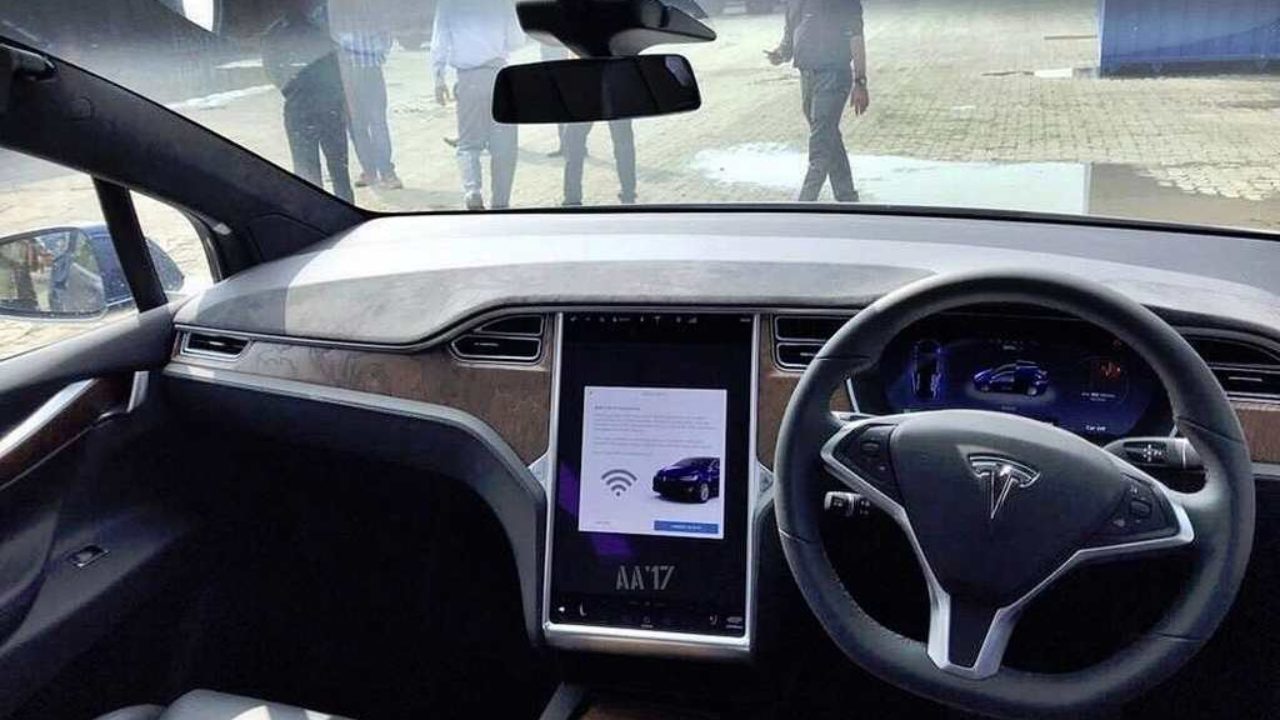
    MG Motor India today unveiled the cabin features of its upcoming SUV MG Hector. Touted as the company’s first internet car, the upcoming MG Hector will come with a new advanced connectivity system called i-Smart next-generation system, a complete integrated solution that combines software, hardware, connectivity, services and application. The system has been developed in collaboration with several technological partners like Cisco, Unlimit, and Microsoft among others. The iSmart connectivity system comes with advanced technology, smart application, built-in Apps, Artificial Intelligence (AI), Smart Features, Voice Assist, and Infotainment.

    The command centre of the system is a vertically-mounted 10.4-inch ultra large Full-HD infotainment display that comes with pre-loaded entertainment content and allows you to manage complete vehicle settings. MG says that the display screen can withstand the high temperatures of Indian weather conditions. For full-time connectivity, the system also comes with a first machine to machine embedded sim, along with the SUV Internet Protocol version 6 makes it 5G-ready, making it future-proof. The system offers features like – Real-Time Navigation, Remote Location, Geo-Fencing, Emergency Response and much more.

    Furthermore, with smart connectivity, the MG Hector will also be getting software updates via over-the-air (OTA) downloads, like firmware and features updates much like any smartphone. Also, as mentioned earlier, the car will come with pre-loaded apps like – TomTom IQ Maps, Gaana Premium, and AccuWeather app among others. In fact, MG Motor India will be offering its customer free data too for the first few years. The system itself is well-secured by Microsoft, which will be the Cloud provider for MG Motor.

    One of the key features and most important features offered in the MG Hector is its voice command system. Powered by China’s conversational AI provider Nuance, the system is designed to use voice commands to access multiple in-car functions like close or opening sunroof, control climate control, navigations and more. In fact, the system can even understand the Indian accent to make it suitable for the Indian market. Like Google Assistance, the Voice Assist system can be accessed by saying ‘Hello MG’ and is capable of handling over 100 functions. The Hector also comes with an eCall emergency response system that sends an emergency alert to MG’s customer management centre, called Pulse Hub and any registered phones, in the case of an accident. Also, in the event of the airbags being deployed, the system triggers a series of emergency response actions.

    The iSMART Next Gen is supported by the iSMART mobile App. MG iSMART App is feature-rich like none other in the Indian market. The car gets scanned each time the App is opened, and information includes location of car, tyre pressure, or if the doors are locked or not. Owner can use the remote app to directly lock or unlock doors, turn on ignition and switch on the air-conditioner.

    The all-new MG Hector is slated to be launched in second quarter of 2019. The SUV will come with premium interior and features like – with power adjustable seats, cruise control, electronic parking brake, and 360-degree camera. We also know that the SUV will come with a panoramic sunroof, which the company claims will be the largest in the segment. The SUV will come in both petrol and diesel powertrains – 1.5-litre petrol engine and a 2.0-litre diesel motor.

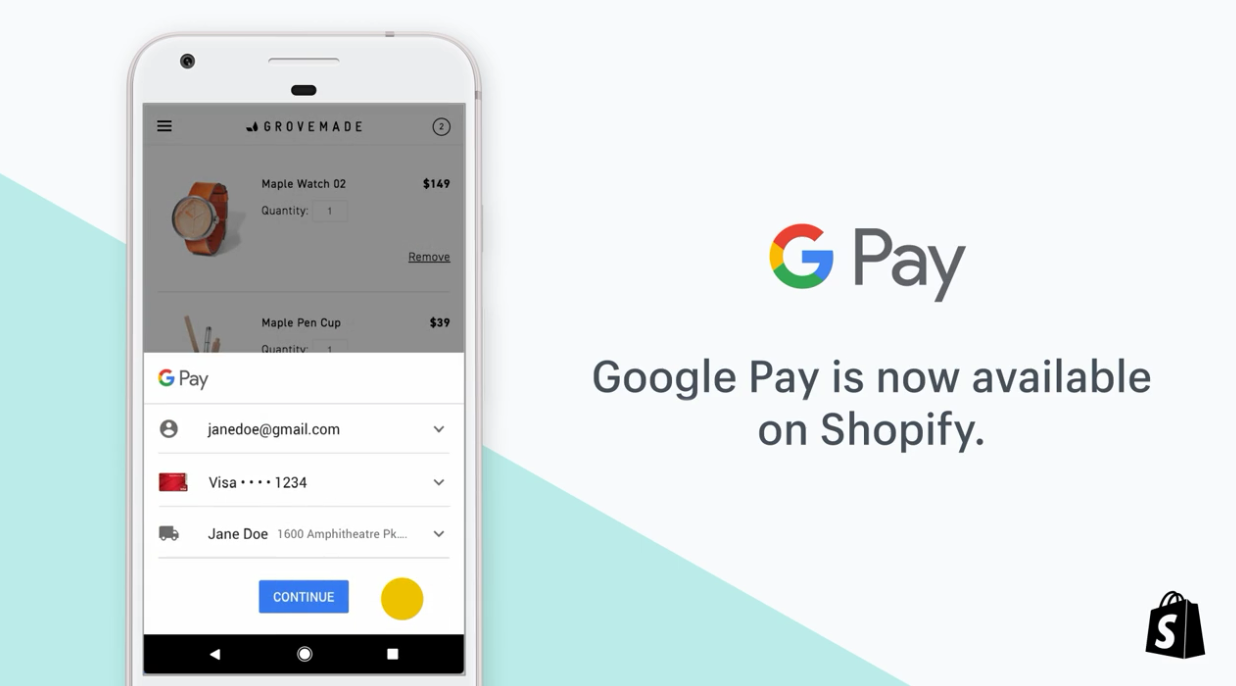
  • Google’s mobile payment service expands to more banks

    Google’s mobile payment service expands to more banks

    If you’re anxious to use Google Pay, but can’t because your bank doesn’t yet support the mobile payment service, you’ll be happy to know that Google is working hard to bring the product to as many consumers as possible. At least in the United States.

    We’re back with the monthly list of banks and credit unions that are about to receive Google Pay support, and this time there are only 15 of them. If your bank is among them, but you still can’t use the service, then give a few days. Without further ado, here is the full list of banks and financial institutions that should now offer Google Pay support.

    American State Bank & Trust Company, Commercial Bank, Community First Bank of Indiana, First National Bank of Paragould, Generations Bank (AR), Generations Bank (NY), Greensboro Municipal Federal Credit Union, Harvard State Bank, Heartland State Bank, Minnesota National Bank, People’s Bank of Commerce, PrimeWay Federal Credit Union, Spring Bank, Tampa State Bank, Walden Savings Bank, and Zellco Federal Credit Union.

    To find out if your bank or card works for in-store purchases with Google Pay on your phone, you should check out the full list from the service’s support site.

  • Google Maps update brings Nokia’s classic Snake Game

    Google Maps update brings Nokia’s classic Snake Game

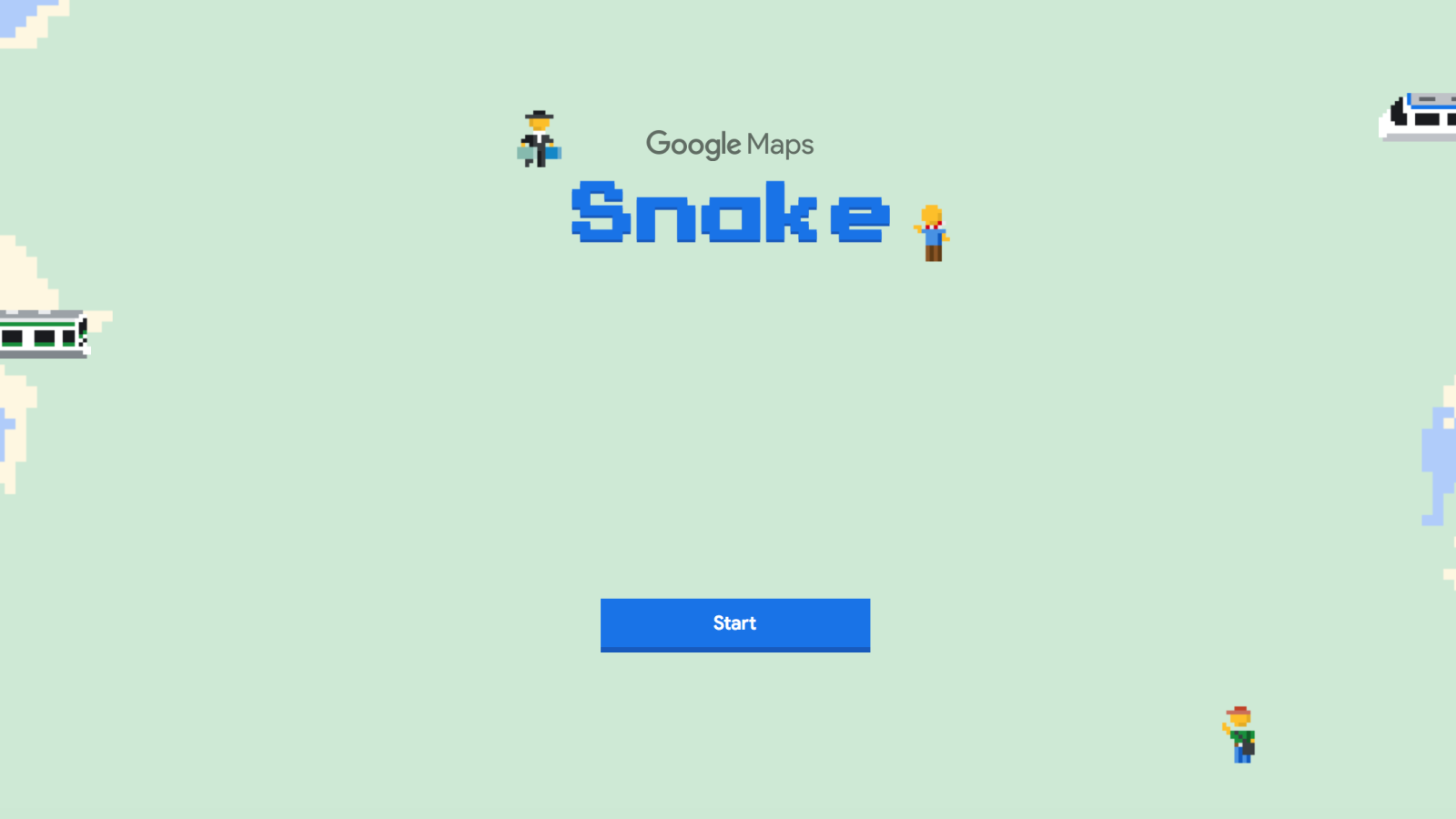
    The classic Snake game that made its debut on Nokia phones back in 2007 and achieved popularity not long after, is now available to all Google Map users. Well, let’s say that a very improved version of that game can now be played by Android and iOS users directly in Google Maps.

    Apparently, Google continues the tradition of celebrating April Fools with a long-lasting gag that will be available to those using some of its services on mobile and desktop. This year Google has decided to make Maps the main platform of its gag.

    All Android and iOS users will be able to play Snake on their phones and achieve high scores by picking up as many passengers and visiting as many iconic locations as possible. You’ll be able to play in different locations across the world, such as Cairo, London, San Francisco, Sao Paolo, Sydney, and Tokyo, or simply choose to play in the World.

    In order to start playing Snake, you’ll have to open the Google Maps app, tap on the menu icon on the top left corner, then select “Play Snake” to start playing directly in the app.

    Depending on what city you chose to play in, you’ll have to gather passengers with your ever-growing train and visit important locations around the world, including Big Ben, the Great Sphinx of Giza, and the Eiffel Tower.

    The Snake game is now rolling out worldwide on Android and iOS and will be available from within the Google Maps app for about a week.

  • Google offers Android users one 99-cent movie rental service

    Google offers Android users one 99-cent movie rental service

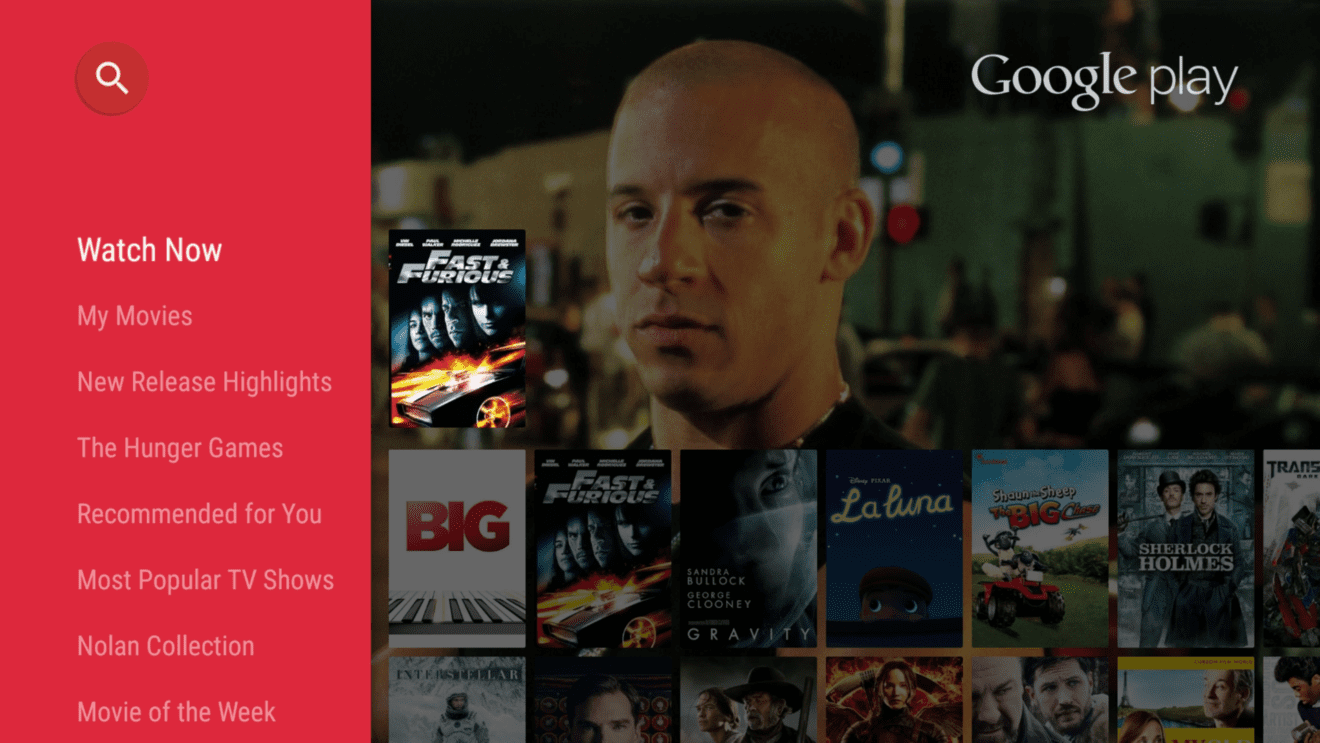
    Haven’t seen Lady Gaga and Bradley Cooper yet in A Star is Born? Google will let you rent it for only 99 cents from the Google Play Store. Android users are receiving a notification today about a special offer allowing them to pick one movie to rent from the Google Play Store library for 99 cents (+ Tax). The offer expires on April 21st. Once an Android user takes Google up on the deal, he or she will have 30 days to finish viewing the film selected. The video rented will play in the highest quality for the device being used to view it (4K, HD or SD).

    Typically, a movie like A Star is Born will cost $5.99 to rent in 4K, so Google is offering a good deal here, even though it is limited to one rental. Most likely Google is trying to get Android users to rent a film in the hope that the experience is so enjoyable, they decide to repeat it a number of times, paying full price, of course.

    There are plenty of movies available to rent for 99 cents (+ Tax). You might want to consider one of these:

    • Mary Poppins Returns
    • Aquaman
    • Fantastic Beasts: The Crimes of Grindelwald
    • Bohemian Rhapsody
    • Get Out
    • Ralph Breaks the Internet

    Remember, you only get one shot at a 99 cent rental, so choose wisely. Watch for the notification on your Android phone, or open the Google Play Store app on your device and tap on the Movies & TV heading.

  • Google yanks controversial app from the Play Store

    Google yanks controversial app from the Play Store

    Axios revealed last week that Google has removed the Living Hope Ministries app from the Google Play Store. Those who installed the app could listen to recordings of sermons and view texts of devotionals for men, women, parents and their children. However, despite the Ministry’s denial, the app was also known for offering gay conversion therapy. This is a controversial method that some (including Vice President Mike Pence) believe will convert gay and bisexual men and women to a heterosexual orientation. The conversion is done by a brainwashing-like technique that uses psychology and religious belief to pound messages into subjects over and over again. Some say that this technique is harmful, ineffective, and could lead to depression, drug use and suicide.

    Meanwhile, Google’s action came after 142,212 people signed a petition on Change.org that called for the app’s removal. Several LGBTQ organizations also demanded that the app is removed. But Google did not respond immediately; it took months of protesting before the company finally followed the lead of other tech firms that had already removed the app from their storefronts such as Apple, Microsoft and Amazon.

    “It took months of activism by Truth Wins Out and Change.org, and today Human Rights Campaign, to get Google to pull a conversion therapy app. I called Google out in the press about this in January. They took no action. Credit is due for finally acting — but Google now needs a serious internal audit examining why it delayed so long.”-Sen. Brad Hoylman.

    “After consulting with outside advocacy groups, reviewing our policies, and making sure we had a thorough understanding of the app and its relation to conversion therapy, we’ve decided to remove it from the Play Store, consistent with other app stores.”-Google

    Before the Human Rights Campaign fought for the removal of the app, it had given Google a perfect 100% score for its annual Corporate Equality Index. The score was based on Google’s offering of health benefits for same-sex couples, and for providing health care to Transgender employees. However, the organization pulled its support for Google because it would not originally remove the Living Hope Ministries app.

  • Update to the Google Camera app adds a new popular feature

    Update to the Google Camera app adds a new popular feature

    The update to version 6.2 of the Google Camera app comes with Dark mode and a few other changes, and it is rolling out to Pixel handsets via the Google Play Store. According to Android Police, the settings on the updated camera app will go into Dark mode when the Battery Saver is enabled. The report says that this works consistently with the Android Q beta installed, but not so much with Android 9 Pie.

    Since the camera app already uses a black background, why add this feature? Well, if you’re in a dark room or out at night and need to go into the Google Camera app’s settings, you’ll instantly be blinded by the white background used for that page. Why did Google have Dark mode enabled when the Battery Saver is turned on? Because if you have a phone with an AMOLED screen, a black background means fewer pixels need to be activated, which means that the phone will consume less battery power.

    Another change can be seen when moving between the camera, video, portrait, and panorama settings in the app. Previously, when a user switched between camera and video, for example, he would see a black transition screen with the icon of the selected setting in the middle. With version 6.2, when switching between settings, the screen no longer turns black and instead shows what your camera is looking at. There is also a zoom in and out effect while the selected setting’s icon remains in the middle of the screen. And there is one last change. When the flash is turned on for the front-facing selfie camera, the flash icon will appear on the display

    Remember, you need to have version 6.2 of the Google Camera app and a Pixel handset to enjoy all of these new goodies.

  • Google Photos update helps Android users capture receipts and documents

    Google Photos update helps Android users capture receipts and documents

    Google Photos, the popular photo sharing and storage service created by Google, is now getting a small but important update on Android. A lot of users are taking advantage of the app/service combo and capture documents or receipts and store them for later use.

    Up until now, if you wanted your picture to look nice and show just the document or receipt, you needed to crop it yourself. Of course, that could have been done very easily with the tools provided by Google Photos, but it took extra time.

    Starting this week, Google Photos will automatically crop receipts and documents for all Android users. Google has just announced that an update to the Android app is now rolling out to all users as we speak.
    Every time you capture a document or a receipt, you should see suggestions to crop them to remove the background and clean up the edges. Everything is done automatically, so you just need to press the “Crop & adjust” option and your pictures will look the way they should (hopefully).

    Naturally, you can further crop or adjust your pictures if the tool provided by Google doesn’t get it right, so this option is not going away. However, for those who just need to remove and/or rotate an image of a document, this update will save you a lot of time.

  • SP Telecom offers direct connection to Google Cloud

    SP Telecom offers direct connection to Google Cloud

    SP Telecom, a joint venture between ST Engineering and Singapore Power group, has become the first network service provider in Singapore to announce support for Google Cloud Partner Interconnect.

    With the agreement SP Telecom, a fiber network provider which builds its network using the passive infrastructure of Singapore’s national power grid, will allow customers to connect to Google Cloud Platform globally.

    The connectivity will be enabled by SP Telecom’s Cloud Interconnection Service to enable direct connectivity to Google Cloud, while taking advantage of SP Telecom’s network infrastructure.

    SP Telecom will provide direct connectivity from customers’ facility to Google Cloud’s points of presence at the Equinix SG3 or Global Switch Singapore data centers.

    SP Telecom VP of product management and business line IT Tan Choon Chai said SP Telecom’s network infrastructure being built on diverse paths that run along the Singapore power grid provides  a reduced risk of network interruption from a power outage or active equipment failure.

    “Today’s rapidly digitizing environment has called for businesses to turn to cloud platforms to support their business needs. SP Telecom is pleased to partner with Google Cloud to bring more flexible and convenient connectivity options to help enhance business operations,” he said.

    “Coupled with our in-built network diversity capabilities, customers can be assured of a network infrastructure which provides resilient network connectivity capable of withstanding risks of network interruption.”

  • Google Maps is rolling out a new feature allowing public event creation

    Google Maps is rolling out a new feature allowing public event creation

    Google Maps is a staple not only for Android users but for many iPhone and PC users as well. Its rich functionality is just as helpful when you’re on the go as it is when you’re relaxing at home and want to explore another city, whether that’ll be through satellite pictures or Google Street View.  It’s no secret that the majority of the information that can be found on Google Maps has been added by the users themselves. Business owners add the locations of their offices, stores, restaurants and everything else you can think of. On the other end, customers get to add their comments, ratings and pictures to each place they’ve visited. Recently Google also introduced some of the features of Waze to Google Maps, allowing users to mark speed traps and car accidents.

    Now, even more power to add content is coming to the people, as Google has added the option for users to add public events. The new feature was noticed by SlashGear and the way it works is described on the Google Maps support page. You can add an event either from your Contribute tab, where you’ll see a new “Add a public event” button (you might need to scroll down a bit to see it) or from the Events tab. After that, you get to fill out the standard set of information: type of the event, location, time and description.

    Once you post an event, it will appear at the selected location for everyone to see, so be careful what you post. Google has a set of steps on its website for deleting public events you’ve created, but at least for us, the “Delete this event” button mentioned on the support page was nonexistent.

    It seems there’s some more work to be done on this feature, which is likely why it’s not actually available to everyone right now. We haven’t been able to pinpoint exactly who has access to it, but it appears to be just some Android users for now. If you have the Events tab on the Your contributions page, then you’re part of the early adopters.

    A new wave of unique events is coming

    Either way, this feature is a good way for people to promote more casual events that aren’t tied to a specific commercial location. For example, you might need people for a game of basketball or fellow hobby enthusiasts to join your RC car race. Or maybe you’re a street performer that has something new to show and you want to organize a premiere.

    Utility companies or city administrations can also make use of these public events to let people know when certain streets will be closed, Google has added a “Parade” category for a reason. Another helpful category is Volunteering & activism. You’re planning to clean up an area as part of the now trending #trashtag challenge? Set up a public event and gather helpers in no time.

    We see, however, a potential for this feature to be abused and people creating fake events to draw a crowd somewhere. There is a “send feedback” button for the created event that lets you report if there’s anything wrong with it. Perhaps Google will use such feedback to limit the rights of people that create fake events.

    Hopefully, there won’t be much of that going on and people will use the feature for its intended purposes. It will probably take a while before it becomes popular and we get to see more interesting events around us. Once the option to add one is available to everyone, however, it will be a matter of time before you start noticing them around.

  • AppsFlyer Performance Index puts Facebook and Google on top

    AppsFlyer Performance Index puts Facebook and Google on top

    acebook and Google may rule the rankings but persistent challenges and rampant fraud are mixing things up, according to the latest Performance Index from Appsflyer.

    According to Appsflyer’s study, Apple Search Ads and Snap are continuing to grow despite trailing behind the reigning champs. Meanwhile, high fraud rates are hitting rankings and budgets all around, encouraging a re-evaluation of strategies like affiliate marketing.

    The mobile attribution and marketing analytics company looked at mobile activity in the latter half of 2018, drawing on 370 media networks, examining 20 billion app installations and 39 billion app openings, across 11,500 apps. It was a worldwide study spanning North America, Latin America, Asia, Europe, Africa, and the Middle East. App categories surveyed included shopping, utilities, lifestyle and culture, and gaming. Gaming was split into subcategories of casual, mid-core and strategy, and social casino apps.

    Shani Rosenfelder, head of mobile insights at AppsFlyer said, “As marketing campaigns become more dynamic, complex, and transcend various media platforms, marketers are looking for ways to engage audiences across a diverse range of media sources, regions, platforms and channels in order to build messages that resonate — and to connect the dots across the user journey.”

    The other main findings from the study are as follows:

    Continuing its success at sustaining user demand for games, Facebook held onto its position as the top network for mobile apps, driven by its performance in gaming. Google, meanwhile, saw higher growth in non-gaming apps compared to the social media giant, likely a reflection of Google’s search intent model.

    The search giant’s 190%  jump in its share of the app retargeting landscape marked an impressive showing for Google, while Facebook maintained its No. 1 perch on this metric.

    AppLovin cemented its No. 3 spot in gaming rankings behind Facebook and Google, having made significant strides the last two years in its share of the gaming app install pie. When it comes to driving gaming app installs, ironSource has almost doubled its market share, surpassing Unity Ads with the 4th largest piece of the pie. Having said that, Unity Ads held its #4 position in the universal power ranking in the gaming category overall, compared to ironSource’s 5th spot.

    Among the networks to see the biggest changes were Snap, which rose to fourth place from ninth in the non-gaming ranking, while declining from the top spot to No. 12 in casual games; CrossInstall, which plunged from first to sixth in universal gaming; and Vungle, which rocketed from 12th to fifth place in universal gaming.

    Among the networks appearing in AppsFlyer’s previous Growth Index, which showcases performance of up-and-coming media sources in a specific region, 40% saw absolute negative growth, and only 10% remained in the rankings of the current and previous editions of the Index. All were emerging media sources.

    At 30% worldwide, app install fraud remained high, impacting some rankings and underscoring the magnitude of the threat to marketers’ budgets and decision-making based on polluted data.

    Amid growing attention to mobile ad fraud, the second half of 2018 saw a shift away from the affiliate model, with a 12% drop in affiliate-driven app installs, even as overall app installs increased by 32%.

    Making its first appearance on the index, the Africa/Middle East region showed substantial growth, reflecting the region’s continued economic development. As the number of smartphone owners increases in the area at breakneck speed, the region represents fertile ground for marketers vying to attract and retain new customers.
  • Google’s new lab lends news publishers a hand in digital subscription

    Google’s new lab lends news publishers a hand in digital subscription

    Google News Initiative is preventing traditional print publishers from dying with the launch of the GNI Subscriptions Lab. In partnership with the Local Media Association and FTI Consulting, the lab seeks to develop a sustainable and thriving business model for newspapers across North America powered by digital subscriptions.

    While Local Media Association president Nancy Lane noted in a post on Google’s blog that publishers have been putting digital subscription at the center of their business transformation, she said that there has yet been “a clear template at the metro and local levels.”

    “One local publisher told me that his organisation’s existence is being threatened like never before, and that seeing his community lose the kind of journalism they produce is not an option. Another said if we as an industry can’t figure out the digital subscription model, then the end could be near,” added Lane.

    Eight publishers will be chosen to participate in an experience designed by the GNI Subscriptions Lab addressing every step of the digital subscriptions process. They are said to “represent a cross-section of the local news industry, with a mix of both chain-owned and independent community and metro titles,” said the blog post. On the selection criteria, Lane said that the publishers must be ready to involve their higher management and be dedicated to figuring out a subscriptions strategy.

    Over six months, the publishers will undergo a mix of quantitative and qualitative market research in existing and potential reader segments to understand the market, readers willingness to pay and more. The learnings will be shared with the industry at large, including at the LMA-LMC Elevate Summit in September, through experiential learning, playbooks and conference workshops. Lane said,

    The future of community journalism is indeed at stake. I can’t think of a project more important at this moment in time. This is a powerful group effort, and our expectations are high.

    Google teams will be supporting the initiative with its expertise in data, technology, product and subscriptions, while FTI Consulting will perform a full diagnostic evaluation of each participating publisher across multiple dimensions. Additionally, FTI Consulting will provide a detailed scorecard to show how each publisher sizes up, and a dashboard for measuring ongoing progress.

  • Inbox gets its official shutdown date and Google lies

    Inbox gets its official shutdown date and Google lies

    Google let Inbox users know quite a while ago that it would be shutting down the app in March 2019 and Google has continually promised that users’ favorite Inbox features would be integrated into Gmail before anyone was forced to leave Inbox. Now, Google has put a specific date on the Inbox shutdown despite that promise not having been kept.

    Inbox users have been getting a pop-up notification for a while reminding them that the app is going away and urging users to try out Gmail, but in the past day, that notification has gotten more specific. Now, the notification gives a more accurate timeline with the number of days left before Inbox is shut down and the countdown points to April 1st. Unfortunately, right after that Google straight up lies to Inbox users by claiming that “You can find your favorite Inbox features in the Gmail app.”

    As an avid Inbox user since the app launched, I can say unequivocally that is a lie. Gmail has gotten options to snooze emails, which is probably someone’s favorite Inbox feature, but that’s about it. Gmail still doesn’t have all of Inbox’s bundles (like Trips), it doesn’t highlight actionable items inline (like attachments, places, etc), it doesn’t have an option to save links to Inbox (instead it added Keep and Tasks to Gmail’s sidebar, which isn’t the same, it doesn’t have an option to quickly archive all items in a group (be it a bundle or a group of messages from a specific day), and Gmail also doesn’t have Inbox’s option to pin messages or notes.

    Maybe Google will surprise us and add all of those features in the next two weeks, but given how slowly features from Inbox have been added to Gmail, it seems pretty unlikely. In the meantime, users are being forced to leave Inbox and unless Google surprises us all with a major upgrade to Gmail, it seems poised to have lied about what Inbox users can expect when migrating to Gmail.

  • Qualcomm’s new line of chips will make smart speakers better than ever

    Qualcomm’s new line of chips will make smart speakers better than ever

    Qualcomm, manufacturer of the popular Snapdragon chips that power billions of devices, is now aiming to dominate another segment of smart products: speakers and displays with voice assistant support. To do that, the company announced today a new family of chips called the QCD400 Series Smart Audio SoCs. The new chips are designed specifically for the needs of smart speakers like the Google HomePod and Home mini, Amazon’s Echo lineup and others. That is why Qualcomm has focused on two main aspects: sound reproduction and voice recognition.

    The QCS400 line promises “truly superior audio performance” that should come not only from Qualcomm’s own technologies, but support for Dolby Atmos and DTS:X as well. The chips will be capable of supporting up to 32 audio channels.

    To make your communication with the voice assistant better, Qualcomm is once again putting AI to use. The AI should help with voice recognition so you can expect fewer misheard words and phrases in the future. The new chips should also allow the device to better separate voices from background noises or music and detect trigger words easier.

    Besides those main capabilities, Qualcomm is also looking to improve a couple more things that are also quite important.The first one is an improvement in power consumption which will come handy for portable Bluetooth speakers and other battery-powered devices. Devices with the new chips are expected to have a significantly longer standby time during which voice wakeup will be available.

    And finally, the new chips will ensure that your smart device is always well connected. Whether that is to the internet via Wi-Fi or to your phone through Bluetooth, Qualcomm has made improvements in any aspect of the smart speaker connectivity.

    The QCD400 chips are four in total, two of them are for audio only. The least powerful is the dual-core QCS 403, followed by a quad-core QCS404. The two chips that come with video capabilities have the Adreno 306 GPU and support HDMI. Only the highest tier chip, the QCS407 supports 32 channel audio, while the rest top up at 12 channels.

    If you’re a frequent user of smart speakers these new developments are good news for you. And if not, well, you’re probably concerned about the fact that soon these pesky always-listening devices will be able to hear you even better. Like them or not, it seems they’re here to stay!

  • Amazon’s first-gen Echo well priced for Launch

    Amazon’s first-gen Echo well priced for Launch

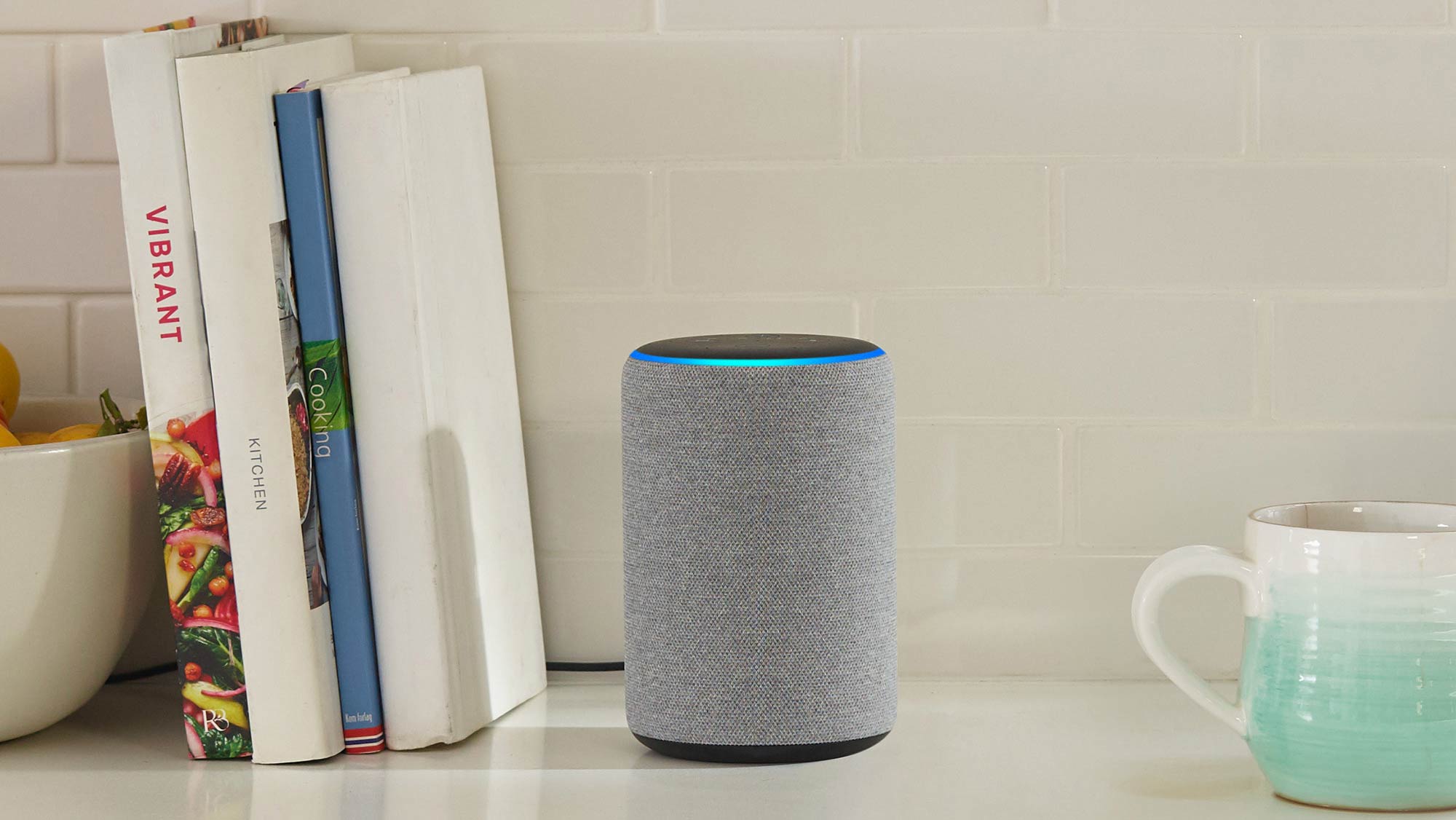
    Smart speakers have become a global phenomenon less than five years after the limited release of Amazon’s original Echo, with an estimated installed base of 66 million units in the US alone as of December 2018, and around 100 million devices in use worldwide, according to a slightly older market report. Naturally, there are now more options than ever for smart speaker buyers, ranging from the ultra-affordable Echo Dot and Google Home Mini to premium Echo Show models with screens.

    But if you can find it, the first-generation Amazon Echo is still a pretty great choice, fetching a significantly lower price than back in the day. We’ve seen this tall and handsome cylinder cost as little as $30 in refurbished condition with a 90-day warranty included last month, and although the newest deal may not look quite as irresistible at first glance, it’s actually better in a way.

    That’s because AT&T appears to sell brand-new Echo units at $50 apiece right now, no doubt throwing in a standard one-year manufacturer warranty. That’s a whopping $129 off the smart speaker’s original list price, as well as $50 less than what the second-gen Echo usually fetches. It’s also pretty much on par with the typical price of a third-gen Echo Dot, which obviously packs significantly less power in a diminutive body.

    Despite its advanced age, the OG “regular” Amazon Echo is largely capable of the same things as all the new Alexa-controlled smart speakers, including hands-free music streaming, smart home management (with compatible accessories), setting alarms, timers, and reminders, reading the news, answering the most diverse and complex questions, and even making voice calls, as well as sending and receiving messages. There are also loads of new Alexa skills added every day, all of which are supported on the full range of Echo devices.