Tag: Google

  • Apple’s AirPods 2 will help the ‘hearables’ segment to grow

    Apple’s AirPods 2 will help the ‘hearables’ segment to grow

    According to Counterpoint Research, wireless ‘hearables’ are the next big thing. The segment, which contains Apple’s AirPods and the Samsung Galaxy Buds, saw global sales of around 46 million units last year. But with the help of AirPods 2, this could catapult to 129 million units as early as next year.

    Samsung, Google, Bose, and LG are all expected to grow

    As noted by Research Director Pete Richardson, “2019 will be the year that hearables evolve into an important market.” For the most part, new releases from major brands will boost sales across the globe. However, the evolving digital habits of consumers are also expected to propel demand.

    The likes of Samsung, Bose, Huawei, and LG all hold relatively small market shares at the moment. But as interest in the segment picks up throughout this year and next, each one is set to experience relatively strong growth which should translate into larger market shares.

    New Google Pixel Buds and other releases from the likes of Amazon are expected to play an important role too. After all, these should integrate the likes of Google Assistant and Alexa, both of which are becoming increasingly popular among consumers.

    AirPods 2 will propel the ‘hearables’ segment to new levels

    As mentioned in the opening paragraph, for the foreseeable future Apple is expected to remain the biggest driving force of growth. Rumor has it that the brand is preparing a second-generation of its AirPods which should integrate a variety of new features and potentially some small design changes.

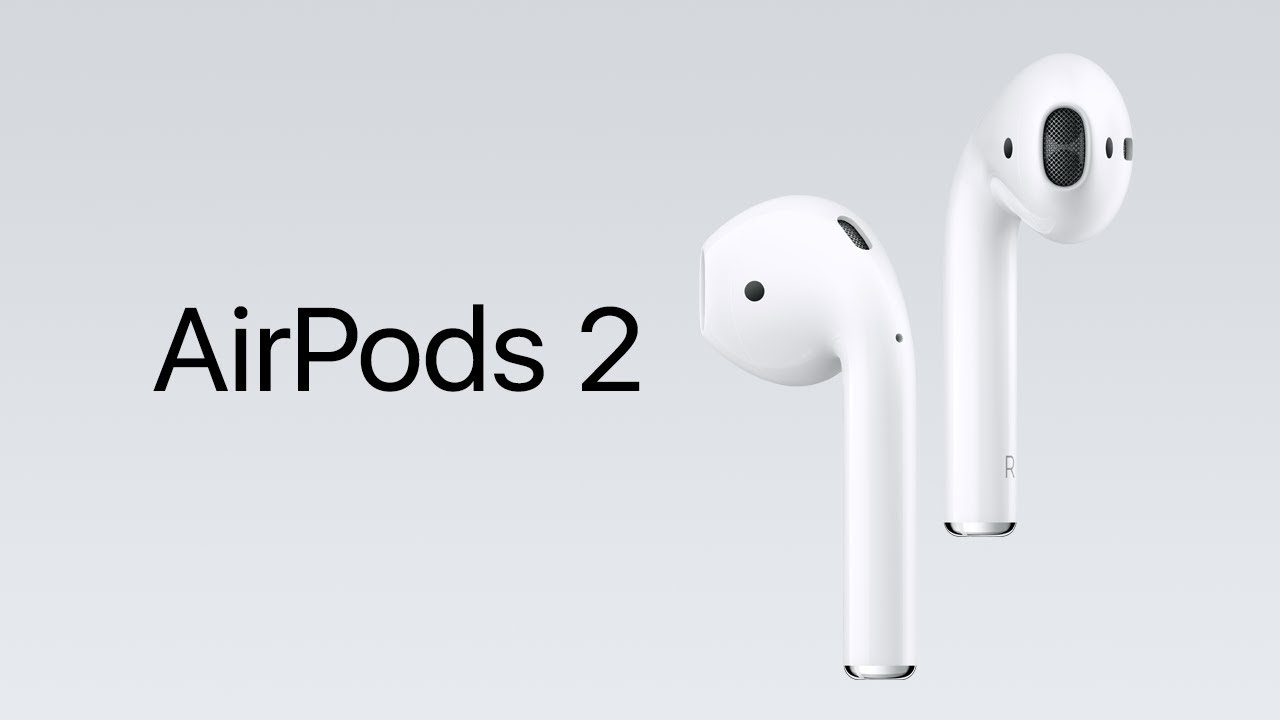
    From afar, AirPods 2 are expected to look identical to the originals. But upon closer inspection, a new frosted glass-like coating should be visible. This, according to rumors, will improve grip and reduce the slipperiness, which means the new AirPods shouldn’t fall out of your ears so easily.

    AirPods 2 should also introduce always-on Siri, which will allow users to activate the assistant with the words “Hey, Siri.” This feature was actually first teased way back in September by Apple but still hasn’t been confirmed officially.

    Joining the improved Siri will apparently be some kind of water resistance and potentially some health-related features. More specifically, an earlier report suggested Apple was researching the possibility of a built-in heart rate monitor. However, this extra is far from guaranteed. One feature that does seem extremely likely at this point is support for wireless charging through a new charging case. Allegedly, this feature, which will charge both the case and AirPods simultaneously, will take the battery level from 0% to 100% in just 15 minutes.

    Also expected from the new wireless accessory is Apple’s W2 Bluetooth connectivity chip. This can currently be found inside the Apple Watch Series 4 and halves the power consumption with respect to the W1 chip. As a result, battery life improvements are to be expected.

    Of course, Apple’s AirPods are primarily meant for music and Apple is set to bring some improvements to the overall sound quality.

    Most AirPods buyers aren’t bothered about sound quality

    Rather ironically, despite the fact AirPods are meant for music, consumers aren’t buying them because of their sound quality. Counterpoint Research recently conducted an online survey of over 200 people regarding their preferences. In the case of AirPods, 68% of correspondents cited “comfort & fit” as a key reason for buying them. This was followed by “ease of use” and “portability,” which were mentioned by 56% and 44% of people respectively.

    As it turns out, just 41% of the people surveyed cited “sound quality” as a reason for buying AirPods. For comparison, this factor was the key driver when it came to Bose products, with a whopping 72% listing it. “Noise cancellation” was also important with Bose headphones as it was cited by 68% of people.

  • Google has yet to fix a serious issue with the Pixel 3 and Pixel 3 XL

    Google has yet to fix a serious issue with the Pixel 3 and Pixel 3 XL

    Back in December, we told you that several Google Pixel 3 and Pixel 3 XL users were having an issue getting the person on the other end of a phone call to hear them properly. The Pixel series has been notorious for having a number of problems out of the box that are fixed by a subsequent software update. You might recall that the Pixel 2 and Pixel 2 XL had so many issues out of the gate that a law firm was recruiting users of the 2017 models to join a class action suit against Google, LG and HTC.

    According to Android Authority, it appears that Google never got around to fixing the problem with phone call connectivity with the 20218 Pixels. On the Google Product Forums are the posts that we discussed in our original story. But newer comments have been posted as recently as last month. It seems that when a Pixel 3 or Pixel 3 XL user is on a regular phone call, the person on the other end of the line is hearing an echo, choppy audio that cuts off words, silence, and more.

    Some troubleshooting tips (factory reset, going into safe mode, switching to 3G from 4G) failed to resolve the issue for everyone, which puts the ball back squarely in Google’s court. Hopefully there will soon be a software update disseminated that will allow those engaged in a phone call with an affected unit to hear the Pixel owner’s voice crystal clear.

  • Google Fi, the next carrier?

    Google Fi, the next carrier?

    If you are satisfied with your current phone but would prefer to switch carriers, hybrid MVNO Google Fi has a deal for you. First, some explanation. Google Fi uses two million Wi-Fi hot spots to bring you service. When you are out of Wi-Fi range, your phone checks to see which of the three 4G LTE networks that Fi supports (T-Mobile, Sprint and U.S. Cellular) has the strongest signal at the moment, and connects you to it. Doing this allows Google to keep Fi’s prices down.

    Now, let’s talk about the free month of service that Google Fi is offering to those bringing their compatible phone and number to the MVNO from another wireless provider. The offer is available from now through March 24th, and a list of supported handsets can be found here. You must sign up for a full service plan (not just data) and the phone must remain activated on Fi for 30 consecutive days.

    A week after activating your phone on Fi, you will get an email confirming the credit, which will show up on the following invoice. The credit that Google gives you will cover “a single subscriber’s unlimited talk and text, data usage, and taxes and fees for one month.” The offer is limited to one per person, or six per group plan and requires Google Payments and Google Fi accounts.

    Something else to consider, is that you cannot change your phone while in the aforementioned 30-day period. One Fi subscriber had problems with the Samsung Galaxy phone he moved over to the MVNO and could not dial out about 90% of the time. He bought a Fi compatible LG handset, and while it worked without a hitch, Fi denied him the free month.

    Google Fi costs $20/month for unlimited domestic talk and text for one person ($15 additional for each added subscriber up to a total of six), unlimited international texts, and access to cellular coverage in over 200+ countries. High-speed data costs $10/GB each month, but once you hit 6GB, the rest of the month is free. This means that for an individual, the monthly bill cannot exceed $80 (before taxes and fees) or $205 for a family of four. But there is a catch. Once you consume more than 15GB of data in one month, your data speed is throttled until the next billing cycle begins. Or, you can decide to continue receiving high-speed data by paying $10/GB for any amount of high-speed data you use over 15GB in the same month.

  • The Google app hits an impressive milestone in the Play Store

    The Google app hits an impressive milestone in the Play Store

    Remember when the Google Play Store was called the Android Market? Google changed the name on March 6th, 2012. Twenty-six months later, Gmail became the first Android app to reach 1 billion installs. Since then, two other apps in the Play Store have been installed over 5 billion times-that is, until today. Google Maps and YouTube have been joined in the exclusive club by the Google app.

    Video streaming site YouTube was the first Android app to hit 5 billion downloads, and was followed this past weekend by navigation app Google Maps. Now, the Google app itself  has joined the club. Technically, there are four members if you include Google Play Services, but this is a systems app that allows an Android phone to update Google developed apps and apps from the Google Play Store.

    The three apps, YouTube, Google Maps and Google, are not only must-haves for every Android user, they are also pre-installed on every Android phone that comes with Google Play Services out of the box. When an app is pre-loaded onto an Android device, that is included in the total number of installations.

    Google has worked on expanding the features offered by each of the three apps in the 5 billion installs club. Besides offering streaming videos from amateurs, the site now includes trailers from movies and clips taken from television shows. In addition, YouTube now offers its own original programming for paid subscribers. Google Maps has added several new navigation based items, including the ability to report a crash or speed trap, a speed limit reminder, and more. It also has moved into the lifestyle category by showing places of interest to visit in your home town and locations you travel to.

    The Google app, which helps users search for websites, also reports news, sports and weather of interest to the user. A summary of the user’s schedule for the day can be seen thanks to Google Calendar integration, and a list of stock prices can be monitored. All three apps do have iOS counterparts in the Apple App Store.

  • How to deal with centennials

    How to deal with centennials

    All eyes are on Southeast Asia as the world’s next consumer powerhouse, with its young population and increasing purchasing power. Almost 280 million centennials – those born since 1995, also known as Generation Z, currently call this region home. While the size of this new generation alone makes them attractive prospects for retailers, their distinct behaviours set them apart as the ones to watch to crack Asia’s hyper-competitive retail landscape during the next few decades.

    Born into the digital age and mobile natives, centennials will soon be one of the world’s most demanding consumer groups with high standards and expectations of the online-shopping experience.

    Here’s what we know about the centennials….

    Webrooming vs showrooming

    Almost all centennials in Southeast Asia use the internet as part of their buying journeys, but their route is much more converged than other generations. Latest research commissioned by Dentsu Aegis Network, Here Comes the Centennial reveals that centennials like to use both online and offline channels – 97 per cent browse for products online before purchasing online (‘webrooming’) and 90 per cent look for products in store before buying online (‘showrooming’). Detailed research is a key part of their buying decisions – whether online or offline – to ensure they get the best price, as well as the best quality by going into stores to experience the product. Some 70 per cent browse online to find the best price, while 67 per cent use the internet for checking out product details and specifications and 65 per cent are checking out reviews.

    Smartphones have also created an environment where centennials can browse products wherever they are, whatever they are doing – multi-tasking to the extreme. For example, 52 per cent look at products online while eating, watching TV or hanging out with friends or family, while 38 per cent do so while commuting, and 34 per cent browse products while at school or college.

    Centennials use social-media platforms differently to previous generations, as an important and intimate touchpoint in their purchase and decision-making journey.  Social media applications (47 per cent) such as Facebook and Instagram are the second most popular place for them to shop in, while 49 per cent turn to such platforms for research on their future purchases, rather than asking friends (45 per cent) or family (27 per cent). Even a good reputation with friends and family does not feature highly as a motivator to purchase – just 15 per cent choose this as an option.

    Digital natives

    As digital natives, centennials expect technology to be an integral part of the experience, and are highly optimistic about the use of technology.

    Eighty-two per cent of centennials are excited about futuristic shopping technology such as virtual reality. They demand fast-and-easy experiences that allow them to research and buy products with minimal frustration.

    To this audience, commerce has moved beyond “buying something on a website” to a series of interactions, from enticing them to view a product to providing a personalised purchase experience, to where and when the product should be delivered. In this context, online retailers need to focus on understanding the centennial customer journey, specific to the category being sold. This can be done by incorporating relevant technologies which seamlessly enhance engagement along the path to purchase. For example, the research showed that “Good customer service/reliability” ranks third among qualities of an online store with this audience, with delivering a superior and excellent customer service option using chatbots rather than call centres a more significant differentiator than low prices and free/fast delivery that every other marketplace claims to offer.

    Brand irrelevance

    Brand name and image are no longer a priority of centennials. Only 11 per cent of centennials cite having a prestigious or famous brand as one of their top three attributes when choosing where to shop online. Instead, personalisation and convenience are key, as 76 per cent of respondents are happy to share data with websites, if it makes more relevant recommendations.

    E-commerce payments provide a unique example of this; despite being digital natives, the concept of a cashless society has yet to fully take off for centennials in the six countries surveyed, with 56 per cent of respondents still preferring to pay cash on delivery for their purchases. Whilst preferring digital shopping experiences, the next generation of online shoppers enjoy having a variety of payment methods to choose from, and 43 per cent of centennials will readily abandon their purchases because their preferred payment option is not available.

    This is also accompanied by a shift towards values-based purchasing, with 82 per cent agreeing that they “prefer to buy products from ethical or sustainable brands,” while 70 per cent express a preference for local brands.

    With centennials less responsive to traditional campaign and brand-based purchasing, and increasingly influenced by disparate sources of dynamic information and opinions, retailers can no longer just rely on well-designed stores or brand campaigns to drive sales. Instead, driving a unified brand experience across multiple touchpoints will be key to unlocking the centennial consumer opportunity.

    This year

    So what does this all mean for retail this year and beyond?

    Southeast Asia’s internet economy is expected to exceed US$240 billion by 2025, according to research from Google and Temasek. One in two of centennials surveyed are already spending more than $30 per month online. Nine per cent indicated that they spend more than $100 a month – and as the centennial generation comes of age and joins the workforce, their disposable incomes will increase further.

    This combination of large populations, high connectivity and smartphone penetration rates, and increasing online spending power means the centennial opportunity in Asia is large and growing. We will increasingly see e-commerce technology accelerating this year to help create innovative and memorable brand experiences of the consumer.

    Centennials represent tomorrow’s consumer. They are looking for integrated solutions and a seamless experience that will allow them to purchase anywhere, anytime, and on their own terms. As this new group of consumers become increasingly elusive and multi-channel savvy, retailers need to harness creativity and technology in new ways. Combining new media and technology to deliver innovative and memorable brand experiences is the key to success – and brands are learning quickly in order to tap the huge centennial opportunity here in Asia.

    For example, in Thailand, Cotton USA worked with Vizeum and Isobar to launch the Cotton USA online store through an experiential shopping campaign “Shop the Runway”, partnering e-commerce marketplace 11Street.

    Targeted at the Centennial audience, Shop the Runway was the first real-time online shopping fashion show in Thailand which streamed the live programme on 11Street, while clothes from the catwalk were displayed in real time – within the same page – so viewers could purchase their favourite looks direct from the runway.

    At the heart of the campaign was a unique offline-to-online (O2O) feature within the 11Street mobile application which allowed fashion-show attendees to simultaneously view and shop the runway outfits.

    Shopping coupons were also given to all customers who downloaded and registered their details on the app to further encourage conversions. The campaign drew close to 500,000 campaign visitors, a 13 per cent increase in 11Street app downloads following the campaign, and ultimately boosted Cotton USA sales and brand awareness amongst the target centennial audience.

    Shop the Runway is one example demonstrating how brands can leverage technology and O2O features in innovative ways to reach consumers in today’s competitive e-commerce environment. Combined with a seamless shopping experience, and varied account and purchase options to suit different consumers, moments like these will attract tomorrow’s consumers on their terms, arrest their attention in a hyper-competitive commerce landscape, and allow brands to win in Asia’s digital-led retail landscape.
  • Google was fined for $57 million under the GDPR

    Google was fined for $57 million under the GDPR

    The CNIL, the French data protection watchdog, has issued its first GDPR fine of $57 million (€50 million). The regulatory body claims that Google has failed to comply with the General Data Protection Regulation (GDPR) when new Android users set up a new phone and follow Android’s onboarding process. Two nonprofit organizations called ‘None Of Your Business’ (noyb) and La Quadrature du Net had originally filed a complaint back in May 2018 — noyb originally filed a complaint against Google and Facebook, so let’s see what happens to Facebook next. Under the GDPR, complaints are transferred to local data protection watchdogs.

    While Google’s European HQ is in Dublin, the CNIL first concluded that the team in Dublin doesn’t have the final say when it comes to data processing for new Android users — that decision probably happens in Mountain View. That’s why the investigation continued in Paris.

    The CNIL then concluded that Google fails to comply with the GDPR when it comes to transparency and consent.

    Let’s start with the alleged lack of transparency. “Essential information, such as the data processing purposes, the data storage periods or the categories of personal data used for the ads personalization, are excessively disseminated across several documents, with buttons and links on which it is required to click to access complementary information,” the regulator writes.

    For instance, if a user wants to know how their data is processed to personalize ads, it takes 5 or 6 taps. The CNIL also says that it’s often too hard to understand how your data is being used — Google’s wording is broad and obscure on purpose.

    Second, Google’s consent flow doesn’t comply with the GDPR according to the CNIL. By default, Google really pushes you to sign in or sign up to a Google account. The company tells you that your experience will be worse if you don’t have a Google account. According to the CNIL, Google should separate the action of creating an account from the action of setting up a device — consent bundling is illegal under the GDPR.

    If you choose to sign up to an account, when the company asks you to tick or untick some settings, Google doesn’t explain what it means. For instance, when Google asks you if you want personalized ads, the company doesn’t tell you that it is talking about many different services, from YouTube to Google Maps and Google Photos — this isn’t just about your Android phone.

    In addition to that, Google doesn’t ask for specific and unambiguous consent when you create an account — the option to opt out of personalized ads is hidden behind a “More options” link. That option is pre-ticked by default (it shouldn’t).

    Finally, by default, Google ticks a box that says “I agree to the processing of my information as described above and further explained in the Privacy Policy” when you create your account. Broad consent like this is also forbidden under the GDPR.

    The CNIL also reminds Google that nothing has changed since its investigation in September 2018.

  • LG teams up with Google to develop VR offerings

    LG teams up with Google to develop VR offerings

    LG U+ is partnering with Google to produce three-dimensional (3-D) virtual reality (VR) video, the company said Friday. Ha Hyun-hwoi, CEO of the mobile carrier, said augmented reality (AR) and virtual reality offerings demonstrate to customers the potential of next-generation 5G networks. He made the comments during a press briefing Wednesday at the Consumer Electronics Show in Las Vegas.

    He added that LG U+ is determined to become the leading player in AR and VR, and the partnership with Google is a stepping stone in achieving that goal.

    According to LG U+, the smallest mobile carrier in the country, with 3-D VR video, viewers feel they are actually at a sports stadium or a performance hall. The technology requires 10 times the bandwidth when compared with two-dimensional high-definition videos, which is why the faster and higher-capacity 5G network is crucial to the mass production and distribution of VR video, LG said.

    The two companies will first establish an equally-invested fund and develop 3-D VR video in the first half of this year. LG U+ will take charge of design and production. The mobile carrier will also have rights to local market distribution. Google’s YouTube will own retail rights globally. The Korean company said its collaboration with Google will continue following the development of pilot material.

    The first offerings will be centered on videos of globally-popular K-pop stars. A tour around K-pop star homes, following the star for the whole day and backstage tours are some of the ideas suggested so far, LG said.

    The video will run exclusively on YouTube and LG U+’s over-the-top (OTT) VR content platform. OTT refers to streaming entertainment that is delivered directly to users over the internet without going through intermediaries, like television.

    The move by LG U+ comes after SK Telecom inked partnerships earlier this month with three local broadcasters – KBS, MBC, and SBS – to create an OTT media service that can counter Netflix.

    It also announced during CES a partnership with Sinclair Broadcast Group to cooperate on media technologies.

    Ha said dependence on OTT will grow together with the commercialization of 5G and that SK Telecom has made a “good choice in partnering with local broadcasters.”

    LG U+ plans to fight competition with its partnership with Google as well as Netflix. Under an agreement reached in November last year, Netflix programing is aired exclusively through LG’s internet protocol TV platform.

  • Korean start-ups also shine at CES in Las Vegas

    Korean start-ups also shine at CES in Las Vegas

    Industry big boys aren’t the only companies exhibiting at this year’s Consumer Electronics Show (CES). Over 1,200 start-ups have set up at the event’s Eureka Park, reserved for smaller companies, to capture the attention of consumers and possibly become the next unicorn (a start-up valued at over $1 billion).

    Of the start-up companies from Korea, those that developed through the “Israeli start-up” model have grabbed the most attention from the media. The model refers to companies with a weak capital base that grows with investment from other IT companies or venture capital firms. Many Korean start-ups that took part in CES this year got investments from IT giants such as Naver or Kakao.

    Augmented reality (AR) and virtual reality (VR) company LetinAR is one of the hottest start-ups. LetinAR produces smart glass lenses that makes use of “Pin Mirror” technology. The company incorporates the pinhole effect, which makes vision clearer by looking through a small hole, and applies it for use in VR and AR.

    LetinAR also created a lens that provides vision of up to 80 degrees. While humans can see up to 150 degrees, existing products are typically limited to 50 degrees.

    “The 80-degree vision is like looking at a 120-inch TV from a meter away [3.28 feet],” said Choi Kyung-on, a director at the company. “If our product becomes commercialized … we will be able to release smart glasses the size of large conventional glasses within three years.”

    While smart glasses got a lot of headline in 2013 with the introduction of Google Glass, the product failed due to the difficulty of developing a lens with a wide-viewing angle.

    Meanwhile, beauty artificial intelligence (AI) start-up lululab won the CES Innovation Award in the biotech sector for its AI skin care assistant Lumini.

    The device analyzes skin conditions such as its wrinkles and pores and provides product information and recommendations personalized for a user.

    “[Users] can use personalized AI skin analysis service without the help of a store employee,” explained Choe Yong-joon, CEO of lululab.

    The company was born in Samsung Electronics’ start-up incubator, C-Lab.

    AMO Lab is another promising start-up from Korea. The company, which got investment from Naver last September, specializes in products that improve users’ quality of sleep.

    The company recently developed AMO+, a device worn like a necklace, which sends out minute electrical signals to the body to improve sleep.

    According to recent test results, users’ parasympathetic nervous systems became active when wearing the device.

    “We are currently discussing collaboration with U.S. and European companies after prototype development,” said Kim Min-kyu, CEO of AMO Lab.

    WELT, another alumnus of Samsung’s C-Lab, gained attention for releasing a smart belt in collaboration with French luxury brand S.T. Dupont. WELT’s smart belt can be used for two months with a single charge and provides basic health information.

  • Google launches ‘Shopping’ in India to woo online shoppers

    Google launches ‘Shopping’ in India to woo online shoppers

    Tech giant Google Thursday unveiled ‘Google Shopping’ in India that will allow users to easily filter through offers, review prices from multiple retailers and find products that they are looking for. According to a report: The personalised experience will be available across various Google products — a Shopping home page, Shopping tab on Google Search and through Google Lens. Customers will be able to see trending products across different categories, various deals, and compare prices using the new offering.

    For retailers, the company will offer its ‘Merchant Center’ in Hindi, which will allow the sellers to list their products for Google Shopping, without paying for ad campaigns.

    “India has over 400 million internet users. However, only one-third of these have shopped online and that number includes those buying railway tickets online. From seasoned desktop shoppers to first-time users with entry-level smartphones, we hope this new shopping experience will make finding what people are looking for just a little bit easier,” Surojit Chatterjee, Vice President – Product Management, Google said.

    Google Shopping will be a connector between retailers and consumers, and the transaction and delivery of products will be handled by the merchant, he added.

    “There are an estimated 58 million small and medium businesses (SMBs) in India, of which 35 per cent are engaged in retail trade. However, a very small number of them have an online presence, this is a huge opportunity for retailers to surface their merchandise to the millions of online consumers,” Chatterjee said.

    Google aims to support the entire retail ecosystem — from shopping sites and large retailers to small local shops — by giving them access to the tools, technology, and scale to thrive in the new digital economy, he added.

    Chatterjee said merchants will not have to pay any fee for listing their products for Google Shopping.

    Under the Shopping tab in Google Search, users can search for products and see prices from across multiple retailers. The ‘Style Search’ option in Google Lens will allow users to find products such as clothes, furniture, and home decor, by simply pointing the Lens app from their smartphones.

  • Google Launches New Products and Services for Indonesia

    Google Launches New Products and Services for Indonesia

    American technology giant Google announced a slew of new products and services that promise to benefit Indonesia’s rapidly growing digital economy.

    WizPhone 

    What surprised the audience most during the third annual “Google for Indonesia” event in Jakarta on Tuesday was the announcement of the WizPhone. The device, with styling reminiscent of the 1990’s, is the first Indonesian-made mobile phone equipped with Google Assistant, the tech giant’s artificial intelligence-powered virtual assistant.

    The WizPhone, which runs a lightweight mobile operating system known as KaiOS, will be sold at Alfamart convenience stores across Indonesia for only Rp 99,000 ($6.80).

    AI for Indonesian Translations 

    “More than half of online content is available in English, but only 1 percent of web content is available in Bahasa Indonesia,” said Ken Tokusei, director of international search at Google. This means that most internet content may not be accessible to some Indonesians.Tokusei said Google was working with Wikimedia to deploy a neural machine translation system that uses artificial intelligence to translate Wikipedia content from English to Bahasa Indonesia. Relevant search items that only used to be available in English will now also be available in Bahasa Indonesia, he said.

    Google Go

    With the use of artificial intelligence, the Google Go application can now be used to narrate articles on your favorite news websites, which is particularly handy if you are on the go. Just press “play” on any website and Google Go will read the text out loud to you in real time.This feature even works with a slower 2G connection as it is designed to use less data. The app is already available in Google Play and will also come preinstalled with all Android Oreo Go edition devices.

    “Our applications, such as YouTube-Go, Google-Go and Assistant-Go, have been designed to only use 50 percent of the phone memory compared with traditional applications,” Google Indonesia managing director Randy Mandrawan Jusuf said.

    New Features

    Bahasa Indonesia was added as an option in Google Assistant on all Android and iOS devices last April, which allows locals to set alarms or call people in their mother tongue. Scott Huffman, engineering lead for Google Assistant, said many people ask the application to tell them a joke to brighten up their day.One of the new features available in Google Assistant helps you book online transportation. You can tell it where you want to go and the digital assistant will open the Go-Jek or Grab app for you.

    This feature is currently only available in English, but Bahasa Indonesia will be added soon. Go-Jek Indonesia chief executive Nadiem Makarim said his company is looking forward to enabling Google Assistant to directly book rides without the need on to open the Go-Jek app.

    Another new future is a partnership with Indosat, Indonesia’s second-largest telecommunications service provider. Through Google Assistant, Indosat customers can now access their monthly bills and manage and monitor their quotas.

    A third new feature is the accessibility of news update, anywhere, anytime. All you need to do, is say, “listen to the news today,” and your digital assistant will do the rest.

    Advanced Google Maps Features

    Krish Vitaldevara, director of product management at Google Maps, said the navigation feature now has new options to make your daily commute easier. It allows you to follow public bus locations in real time. It also allows you to share the progress of your journey in real time, so if your bus is running late, you can keep your friends or family in the loop about your expected time of arrival. Google Assistant will even be there to remind you when to get off the bus.

    Business Application

    Google My Business is designed to help business owners connect with and attract more customers. Think of it as a social media platform for your business. Business entities now can make posts that will appear on their business profiles on Google Search and Maps, and share updates about products, offers and even events.It also allows customers to follow and interact with businesses.

    According to a Deloitte study, businesses can experience revenue growth of up to 80 percent by having an online presence. Based on this, Google has made it its mission to help Indonesian companies grow their online presence.

    “This country is full of determined and enthusiastic people; people who are ready to take over the world,” Randy said.

  • Google Korea office raided by tax agency

    Google Korea office raided by tax agency

    The National Tax Service (NTS) launched an investigation into Google Korea on Wednesday, sending an official to secure accounting documents at the company’s office in Gangnam District, southern Seoul. The investigation is thought to be into YouTubers suspected of avoiding taxes, as NTS Commissioner Han Sung-hee previously promised during the National Assembly’s annual questioning session in October to take measures to “prevent tax evasion” by well-paid YouTubers.

    Commissioner Han revealed that the NTS had advised 513 YouTubers to pay income taxes in the past, and was open to launching investigations into those who have not declared taxes.

    The raid comes just a day after global IT giants like Google and Amazon were ordered to start paying 10 percent value-added tax (VAT) in Korea from next July.

    The National Assembly passed a bill to revise the country’s Value-Added Tax Act in a move to impose VAT on foreign IT firms, the Assembly announced Tuesday. Specifically, the revision means IT firms will have to pay 10 percent in taxes for revenue made from business-to-consumer services, which include online advertisements and cloud computing services.

    Also subject to VAT will be revenue made from online-to-offline services like hotel booking platforms that market online to raise sales in physical stores, as well as sharing economy services, which are spearheaded by companies like Airbnb. The revision will go into effect from July 1 next year.

    “We will continue discussing the issue of taxing business-to-business transactions between Korean and overseas firms, which could not be agreed on in this revision,” said Rep. Park Sun-sook of the minor opposition Bareunmirae Party, who submitted the bill for the revision.

    Like in other countries, the issue of taxing global IT giants has been the subject of fierce debate in Korea. Politicians have long raised concerns over how little IT giants like Google are being taxed in Korea, while domestic IT firms have bemoaned how the “reverse discrimination” was allowing overseas competitors to thrive at the expense of domestic companies.

    Google Korea is estimated to have paid less than 20 billion won ($17.7 million) in corporate taxes in 2016, when it raised nearly 5 trillion won in revenue in Korea in the same year through the Google Play store and YouTube advertisements. In 2017, however, Naver, which earned slightly less at around 4.67 trillion won, paid a total of 423 billion won in taxes, or 20 times more than Google.

    Strengthening regulations on corporate taxes will be much more difficult to achieve than changing VAT rules, however.

    Current international agreements like the OECD Model Tax Convention and tax treaties protect enterprises from paying income tax to foreign countries if they do not have permanent establishments in those countries. Though the definition of permanent establishments is often questioned, by current standards, Korea is not home to permanent establishments of any of the major IT firms – they mostly operate small affiliates here and conduct most of their business online from headquarters in the United States and other countries.

    These global IT firms only need to fulfill the corporate tax requirements for revenues made by their Korean subsidiaries, which is not much.

  • Google plans a representative office in Vietnam

    Google plans a representative office in Vietnam

    A senior Google official says the tech behemoth is studying the process of opening a representative office in Vietnam. Google senior vice president Kent Walker told Deputy Prime Minister Vuong Dinh Hue at a meeting Tuesday that the opening of a rep office in the country would follow the principle of ensuring that host country regulations do not contradict the firm’s international commitments.

    A report on the government website chinhphu.vn also quoted Walker as saying that he agreed with the Vietnamese government on the need for cyber-security to ensure a stable society. Google will cooperate with authorities in achieving this goal, he said.

    The rep office announcement came as Vietnam’s cybersecurity law is set to take effect next month. The law requires digital businesses like Facebook and Google to open a representative office in Vietnam.

    Deputy PM Hue said that he appreciated Google’s contribution to a draft decree on guidelines to implement the law and ensure cyber-safety and security.

    “Vietnam’s market advantages and the adaptability of its young workforce will be attractive factors for Google to open a representative office in Vietnam,” he said.

    Meanwhile, a Google spokesperson said on Wednesday: “We remain very excited to see how technology is being used by businesses and people in Vietnam. There are a number of different factors we look at before opening an office, but we have nothing to announce at this time.”

    Vietnam’s Cybersecurity Law, which was passed in June, requires tech businesses to store the data of Vietnamese users in Vietnam, and to provide this data to the Ministry of Public Security upon receipt of requests in writing, in cases where any infringement of the cybersecurity law is being investigated.

    Seventeen U.S. lawmakers in July urged the CEOs of tech giants Facebook and Google to resist changes stipulated by the law.

    However, Vietnam’s Ministry of Foreign Affairs reasserted that the cybersecurity law is designed to protect rights of organizations and individuals.

  • JD China Will Launch Flagship U.S. Store on Google This Year

    JD China Will Launch Flagship U.S. Store on Google This Year

    Chinese e-commerce platform JD is preparing to launch a flagship US store on Google. The move will allow JD, the second largest online retailer in China, to sell directly to American consumers by the end of the year, despite the emergence of potential new trade restrictions between the US and China.

    Google, which has been making moves to build a strong presence in e-commerce via its planned Google Shopping platform, purchased a US$550 million shareholding in JD this year. JD meanwhile is eyeing global markets as consumption slows in its home market. It is already selling in the US through partner and major investor Walmart.

    JD Logistics’s director of strategy Bao Yan said: “When Google Shopping launches, JD will have a flagship store. We are shipping from US fulfillment centers to US end-customers.”

    JD operates warehouse and delivery services in Los Angeles and has plans to expand its US-based facilities with several new fulfillment centres, ahead of opening its store on Google.

    Google, moving to compete with Amazon, will be responsible for payment and order processing for the enterprise.

  • TomTom loses Volvo contract

    TomTom loses Volvo contract

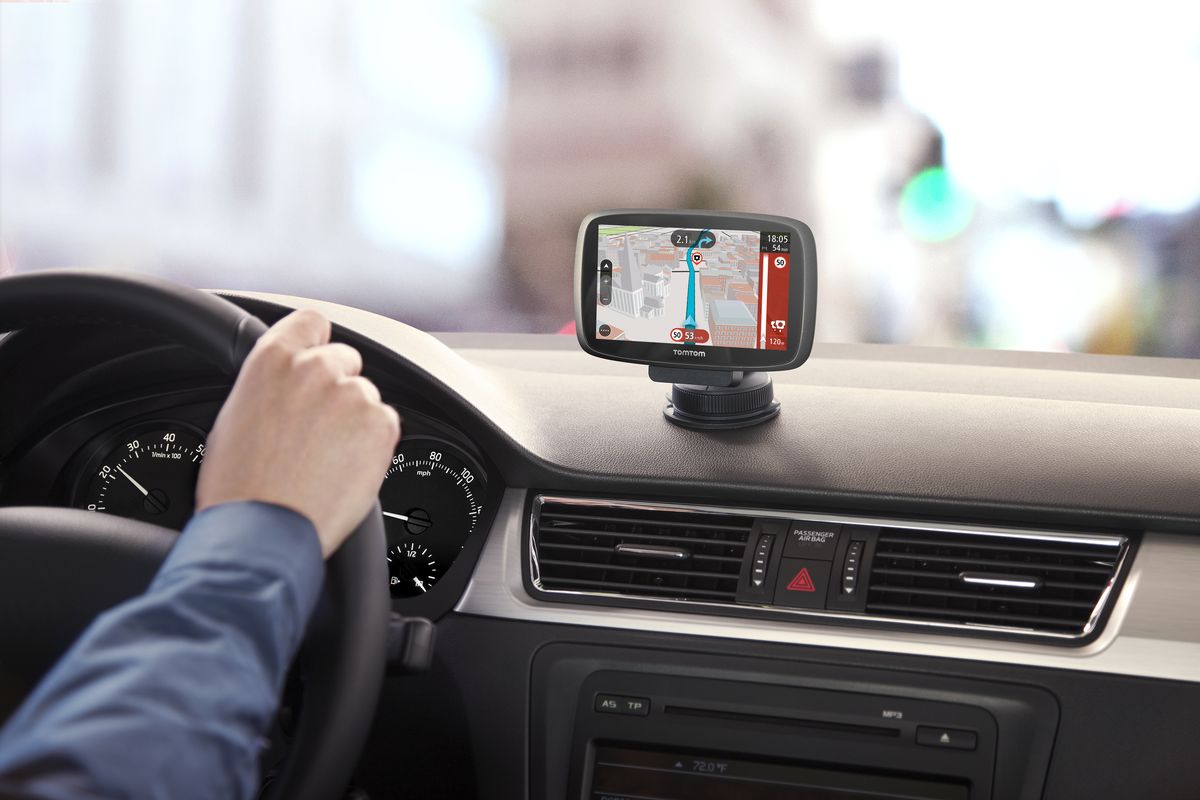
    Dutch navigation firm TomTom said on Tuesday it had lost a contract with automaker Volvo. The company said the contract to provide location and navigation services to Volvo, which was announced in 2016, had been ended before it was due to go into force in 2019. That fed into concerns of critics who said a deal Google made last month with Renault, another TomTom customer, meant the company risked being relegated to third place in its main market, with lower margins.

    Volvo could not immediately be reached for comment on the contract. ING analysts said in a trading note that they believe the Swedish automaker had switched to Google, rather than the current leading player in the navigation market, HERE.

    “Now that Google is making inroads, the mapping business has become a three-player market with TomTom, HERE and Google, which is clearly less attractive for TomTom than the two-player market it was before,” they said.

    TomTom shares lost a quarter of their value in one day on Sept. 18 after Google announced a far-reaching supply deal with a group of automakers including Renault, Nissan and Mitsubishi.

    Though the Volvo news knocked shares lower, TomTom reported better than expected third-quarter results on Tuesday, with core earnings rising to €62.4 million euro ($72.2 million) from $41.1 million a year earlier.

    Group sales were slightly higher at $254 million euros, from $253 million in the third quarter of 2017.

    While sales of the company’s traditional satellite navigation devices continued to fall, that was offset by sales to automakers and map licensing to customers Apple and Uber. The company also raised its full-year revenue outlook to $984 million from $955 million.

    TomTom this month announced plans to sell its fleet management business, saying it would instead focus its energy on making digital maps used in highly automated driving — the business on which it has pinned its future.

    It said it has seen “strong interest” for the fleet subsidiary, valued at roughly $810 million.

    Harold Goddijn, CEO and co-founder, said recent new deals with PSA Group and BMW showed the viability of the company’s products.

  • Singtel and Starhub to offer Google Pixel 3 in Singapore

    Singtel and Starhub to offer Google Pixel 3 in Singapore

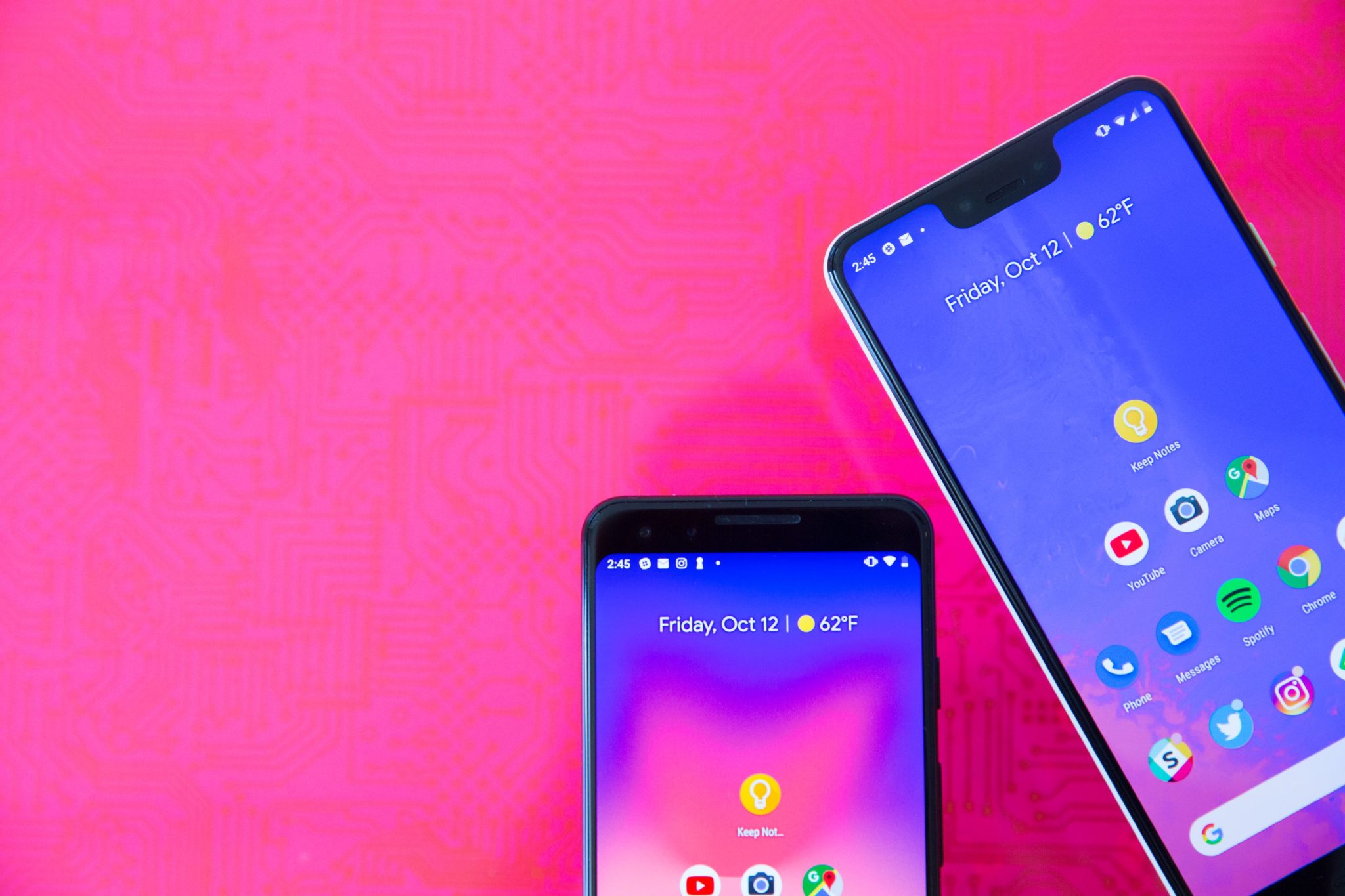
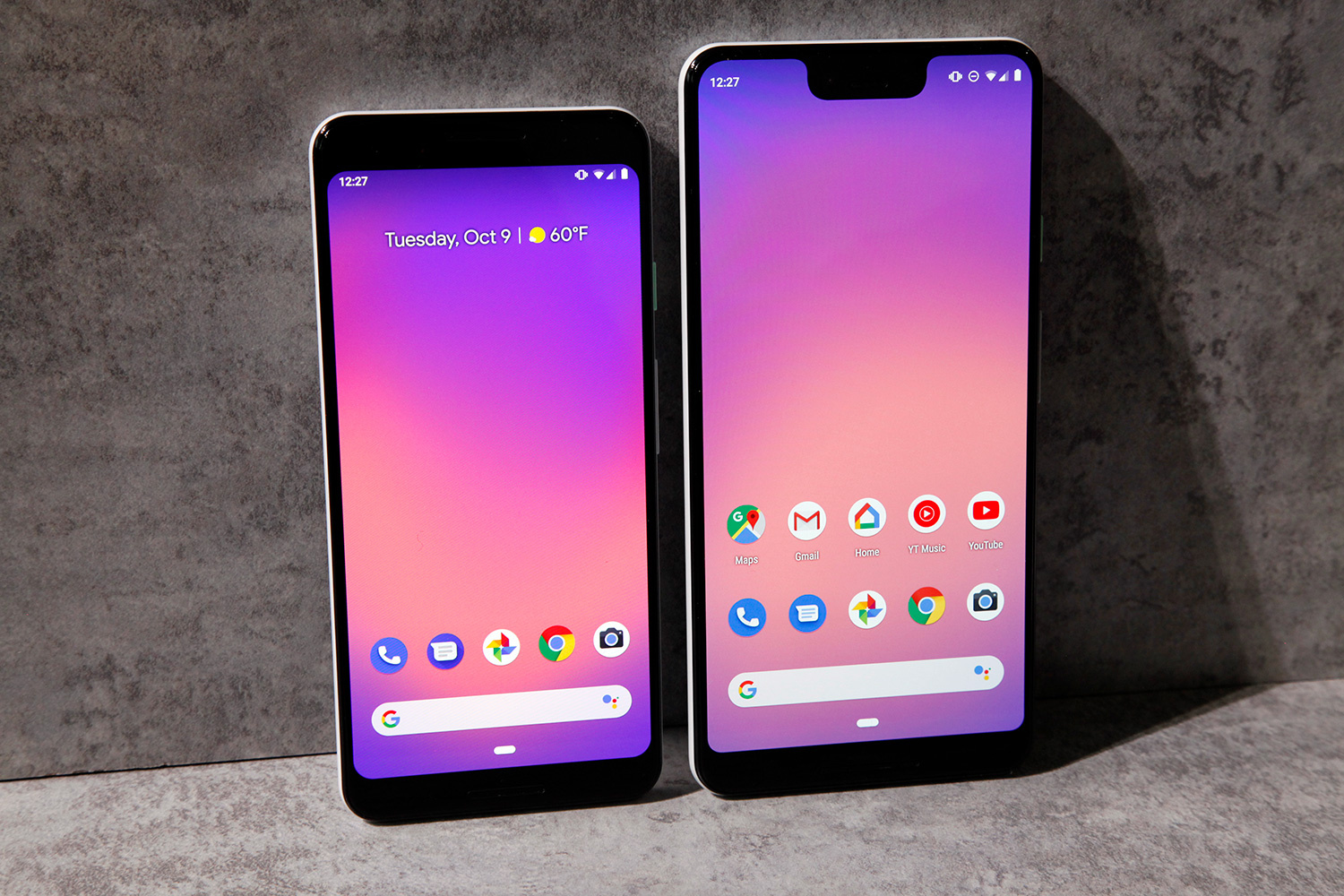
    The local telcos will include Google merchandise as part of their promo. Both Singtel and Starhub will offer Google’s flagship phone Pixel 3 as it launches in Singapore. Google itself will sell the handset through its online store starting 1 November.

    With price ranging from $1,249 for its 5.5-inch model and $1,399 for the 6.3-inch XL model, Google’s flagship will be sold in three colours including Just Black, Clearly White, and new colour Not Pink which will be sold exclusively by Singtel.

    Those who will buy from Singtel will also get a free Google Pixel Stand worth $119 when they additionally purchase certain data subscriptions. Meanwhile, those who will buy from Starhub will get Google Assistant worth $189 as a freebie.

    “Pixel users can gain an edge while streaming high-definition videos and chatting with the Google Assistant,” Starhub vice president of segment and marketing Donovan Kik said.

    Singtel launched the phone for pre-orders on 10 October.