Tag: #growth

  • Indian grocery startup Zepto raises new funds at $900 million valuation

    Indian grocery startup Zepto raises new funds at $900 million valuation

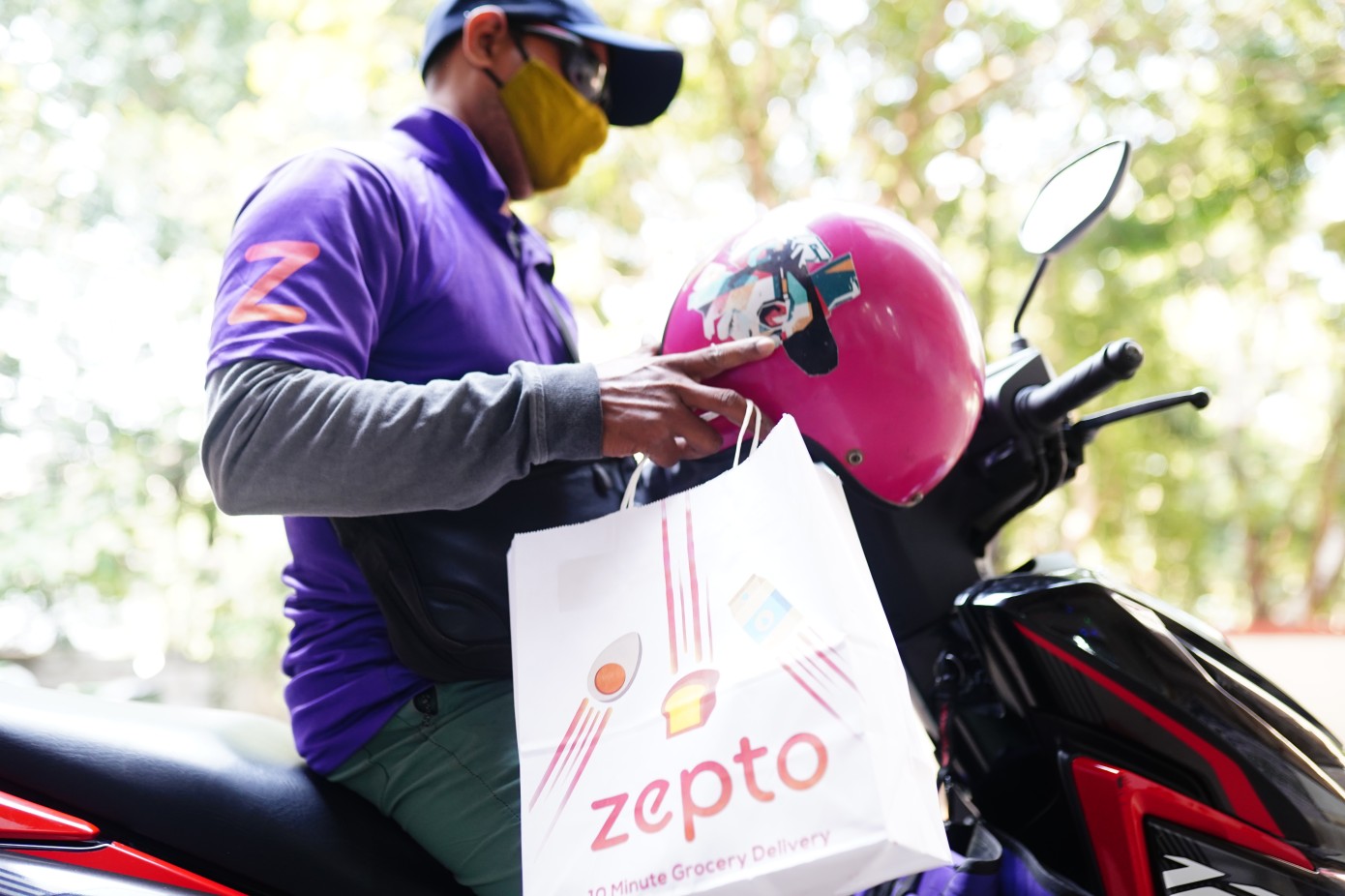
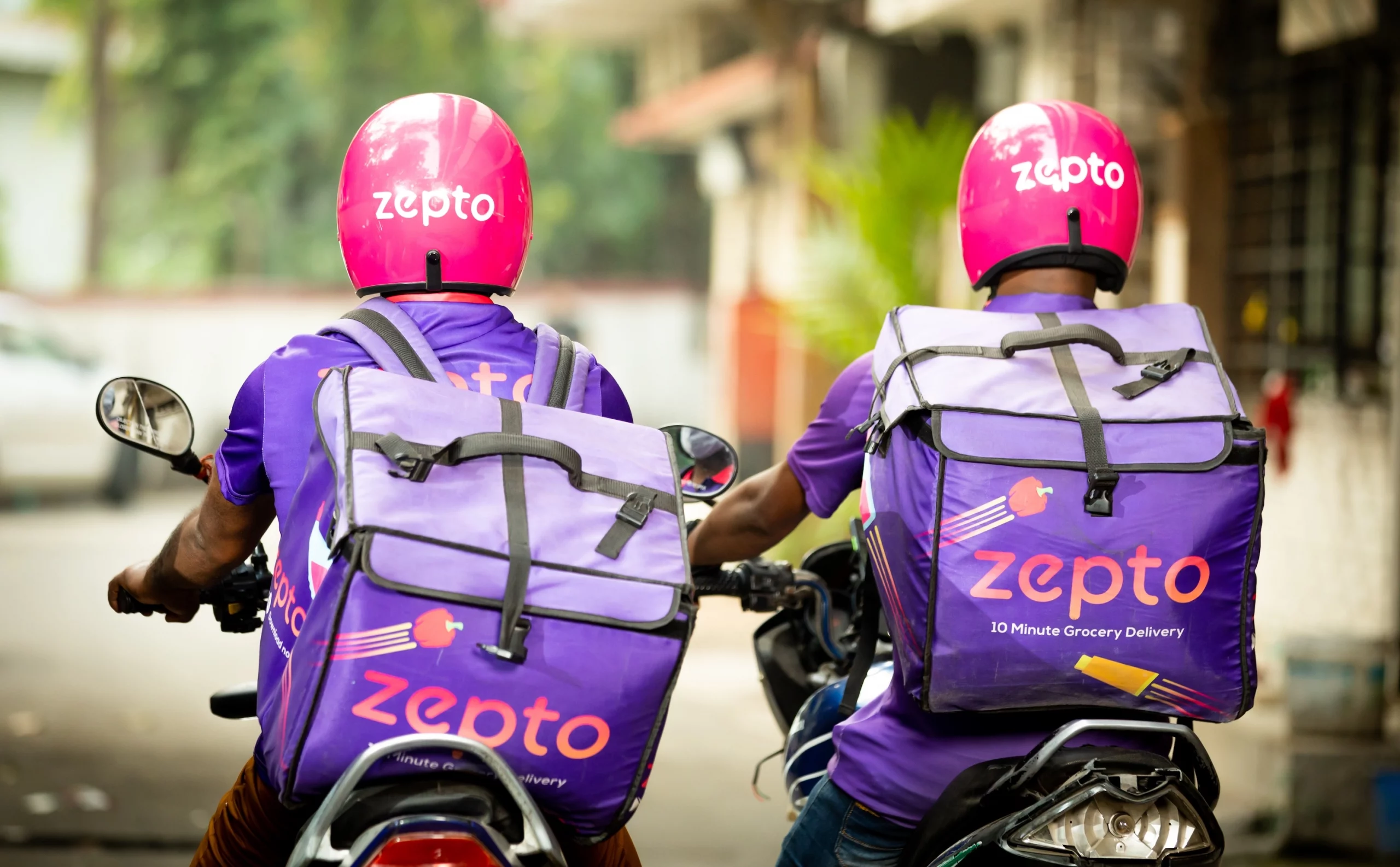
    Instant grocery startup Zepto has raised $200 million in a new financing round as it looks to expand its 10-minute delivery service to more cities in India and grow its network of dark stores.

    Existing backer Y Combinator Continuity led Zepto’s Series D round, valuing the Mumbai-headquartered startup at about $900 million, up from $570 million in its December Series C round and $225 million in a round unveiled in late October.

    Kaiser Permanente, the giant healthcare firm, which also operates a venture arm, as well as all key existing investors including Nexus Venture Partners, Glade Brook Capital, Contrary Capital and Lachy Groom, participated in the new round, the startup said Monday evening.

    There’s no secondary transaction in the new round, which brings the startup’s to-date raise to $360 million.

    At 19, Aadit Palicha and Kaivalya Vohra co-founded Zepto. The duo, who had previously worked on a number of projects, including a ride-hailing commute app for school kids, and dropped out of Stanford two years ago, took Zepto out of stealth mode in November last year.

    Its 10-minute delivery service is today operational in 11 cities across India and it processes hundreds of thousands of orders each day, Palicha, who serves as Zepto’s chief executive, told TechCrunch in an interview.

    The startup’s current annualized revenue is between $200 million to $400 million, he said, a figure he is determined to grow to “at least $1 billion” by the quarter ending March next year.

    The surge in revenue comes as the startup has consistently grown by over 50% each month in recent months, he said. In the most recent quarter, the startup grew its revenue by 800% while slashing its expenses per order by more than five times, he said.

    In India, Zepto is among the earliest startups attempting to prove the quick commerce model, a category that has taken off in several markets, including North America and Europe. However, a number of startups operating in the space have either scaled down their efforts or shut down completely, as many venture investors lose appetite for fast delivery.

    Zepto competes with Swiggy, India’s most valuable food delivery startup and one that has committed to investing more than $700 million on its quick commerce service, called Instamart.

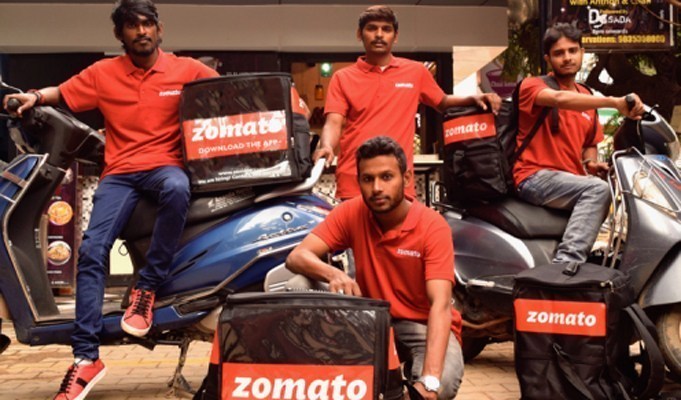
    A number of other players, including Blinkit, formerly known as Grofers, are also attempting to win a slice of the market. The SoftBank-backed startup recently agreed to an acquisition offer by larger food delivery firm Zomato, TechCrunch reported earlier, which in recent months has expressed interest in expanding to the quick commerce category, an area where it has historically performed poorly.

    Zomato last month began a pilot of 10-minute delivery of food items in its home city of Gurugram. Zepto is also piloting a service to deliver a range of prepared food items, including hot beverages and snacks within its signature 10-minute promise in select areas in Mumbai, it said.

    At stake is a $45 billion market, according to analysts at Sanford C. Bernstein. In a report earlier this year, the firm’s analysts reported that India is leading other global markets in the adoption of quick commerce.

    The analysts said customers’ increasing willingness and ability to a pay premium for superior quality products and the growing market for home delivery have contributed to the growth of quick commerce in the country.

    The average size of an order placed on an instant delivery service is currently about $6 in India, compared to $12 to $15 for traditional online grocery orders, they said. “But recent cohorts have shown improving stickiness, with basket size increasing with increase in usage. Quick commerce models have seen improving monthly order frequency (mature cohorts at 3-4 times a week, with healthy AOV of 400-500 Indian rupees). Quick commerce players are focused on driving a high frequency basket which will drive better economics,” they added.

    For Zepto, instant grocery delivery is just the beginning in a decade-long journey ahead, said Palicha. Though he declined to reveal the startup’s audacious plans for the future, he said it’s fair to assume Zepto will expand to categories beyond grocery in the long-term, especially those that are currently underserved by giant e-commerce players.

    The startup plans to expand to an additional 12 to 20 cities in the next 12 months and set up a few hundred more dark stores, which it uses to store inventory. These dark stores are optimized for fast delivery, said Palicha. There, the startup stores the most commonly ordered items and a catalog of SKUs in different price ranges. The startup also plans to nearly double its workforce to 2,000 by the end of this year.
  • Deliveroo invests HK$2m to fund sustainable plastic-free packaging

    Deliveroo invests HK$2m to fund sustainable plastic-free packaging

    Deliveroo HK is taking steps to reduce food packaging waste generated by its restaurant partners. The delivery giant is investing HK$2 million to incentivize a scheme that will encourage restaurants to use plastic-free packaging for their delivery orders. It comes as the government considers a move to ban single-use plastic tableware.

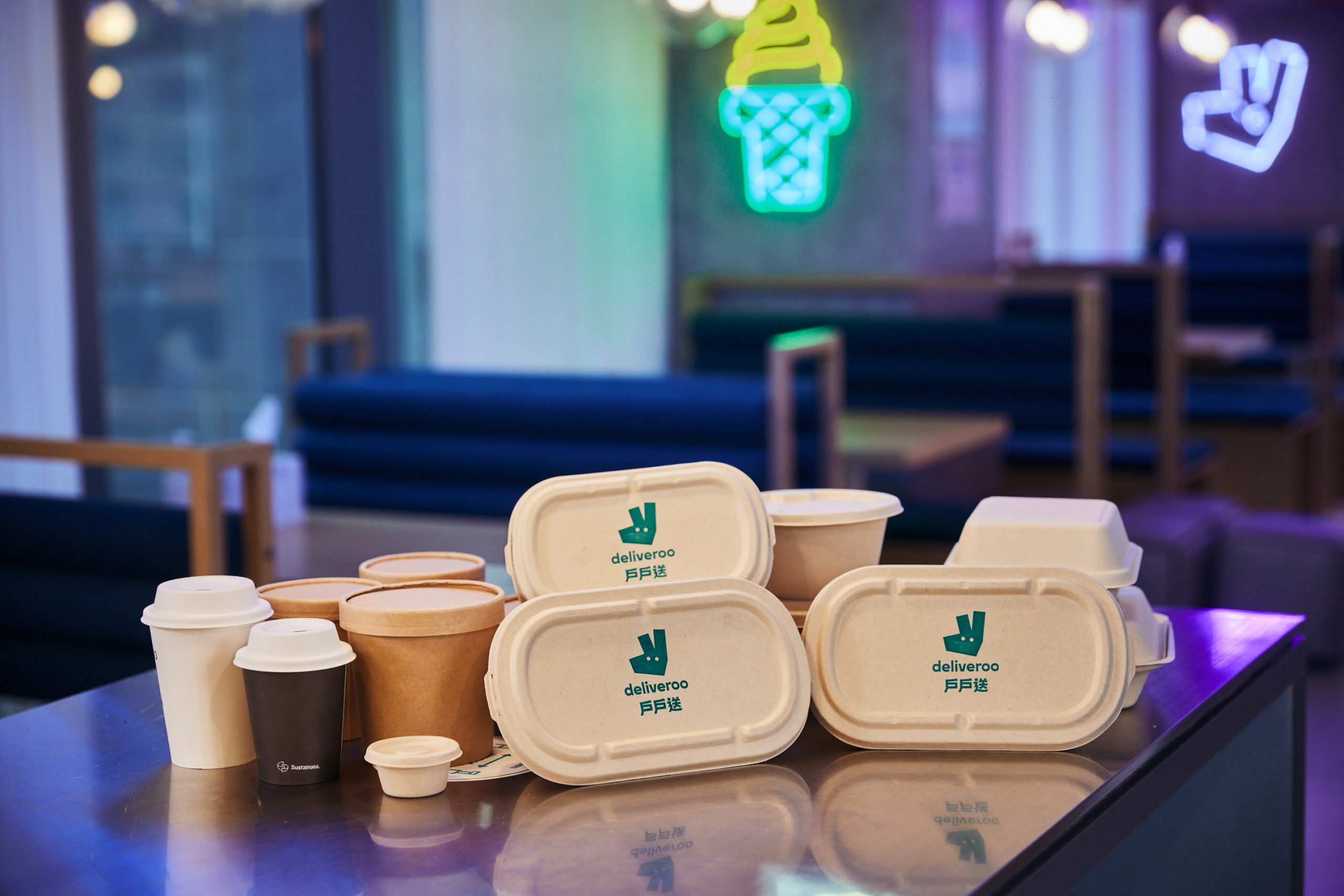
    Investment from Deliveroo HK will allow restaurants to buy suitable food containers at a discounted rate, from zero waste company Sustainable. Independent restaurants and small F&B providers will be offered a 50 percent reduction in packing prices. Large chains will receive a 30 percent discount. Both will be applicable for the first six months of the initiative.

    Deliveroo HK claims to have made sustainability a priority. Its collaboration with Sustainabl. will allow it to promote plastic-free, home-compostable, or recyclable packaging options to restaurant partners. Platform users will be able to search specifically for restaurants that offer eco-packaging solutions, in the future, making early adoption a potentially business-critical decision.

    “With sustainability being one of our priorities here at Deliveroo, we knew it was time to take the crucial step of launching a sustainable packaging scheme that would be of value to our partners in Hong Kong and make an impact to the environment and we’re thrilled to partner alongside Sustainable. to do so,” Andrew Hui, general manager of Deliveroo HK said in a statement.

    “We hope that our eco-minded steps can benefit our restaurant partners as they help create a greener future with us, and by extension, offer the same to their customers. With that said, we understand that integrating sustainable practices will come with new operational costs for our restaurant partners, especially since they are just suffering from the impact of the pandemic. That’s why we are here to provide solutions and financial support, as we leverage our community fund.”

    The HK$2 million subsidy scheme will support locations that want to make a switch to sustainable materials and, potentially, greener delivery methods. It will be the first Hong Kong initiative to be supported by the Deliveroo Global Community Fund. Subsidised packaging solutions will include around 20 products, supplied by Sustainabl., to account for the different needs of various restaurants.

    Sustainabl. is engaged in providing low-carbon, zero-waste packaging supplies that make a F&B circular economy possible. Everything supplied to Deliveroo restaurant partners will either be home compostable or recyclable, with bio-coatings for water resistance. The company uses renewable materials to create its ranges including sugarcane and wheat processing waste, bamboo and recycled paper.

    “At Sustainabl., our vision is to enable businesses and families to access ‘truly’ sustainable packaging products that do not damage the environment,” Richard Oliver, CEO of Sustainabl. said in a statement. “We have created cost-effective, functional solutions to enable F&B vendors and other businesses to stop using single-use plastics and reduce unnecessary waste and their carbon footprint. We are thrilled to partner with Deliveroo on this meaningful initiative and look forward to supplying our zero-waste packaging solutions to Deliveroo restaurant partners. With the new scheme in place, we expect to see a greener and more sustainable F&B industry in Hong Kong in 2022 and beyond.”

    Deliveroo has already witnessed the success of a similar scheme, in France. Launched in 2021, the partnership between the delivery leader and barePack saw 60 restaurants trial reusable packaging supplies, in a bid to garner a circular model. Launched in Paris,  the scheme is expected to roll out to other parts of France and possibly London.

    Tackling the grocery side of things, Dutch startup Pieter Pot bagged €9 million in December last year for its reusable container-powered home delivery service. The company aims to make zero waste shopping as competitive and convenient as regular grocery buying. New investmemt has been raised to expand into wider Europe, including the U.K.

  • Vietnam grocery platform Mio secures US$8 million in Series A funds

    Vietnam grocery platform Mio secures US$8 million in Series A funds

    Mio, a Vietnam-based social commerce startup, has raised US$8 million in a series A funding round led by Jungle Ventures. Patamar Capital, angel investor Oliver Jung, and existing investors such as Golden Gate Ventures, Venturra Discovery, Hustle Fund, iSeed SEA, and DoorDash executive Gokul Rajaram also participated in the round.

    The investment boosts Mio’s total funding raised to US$9.1 million.

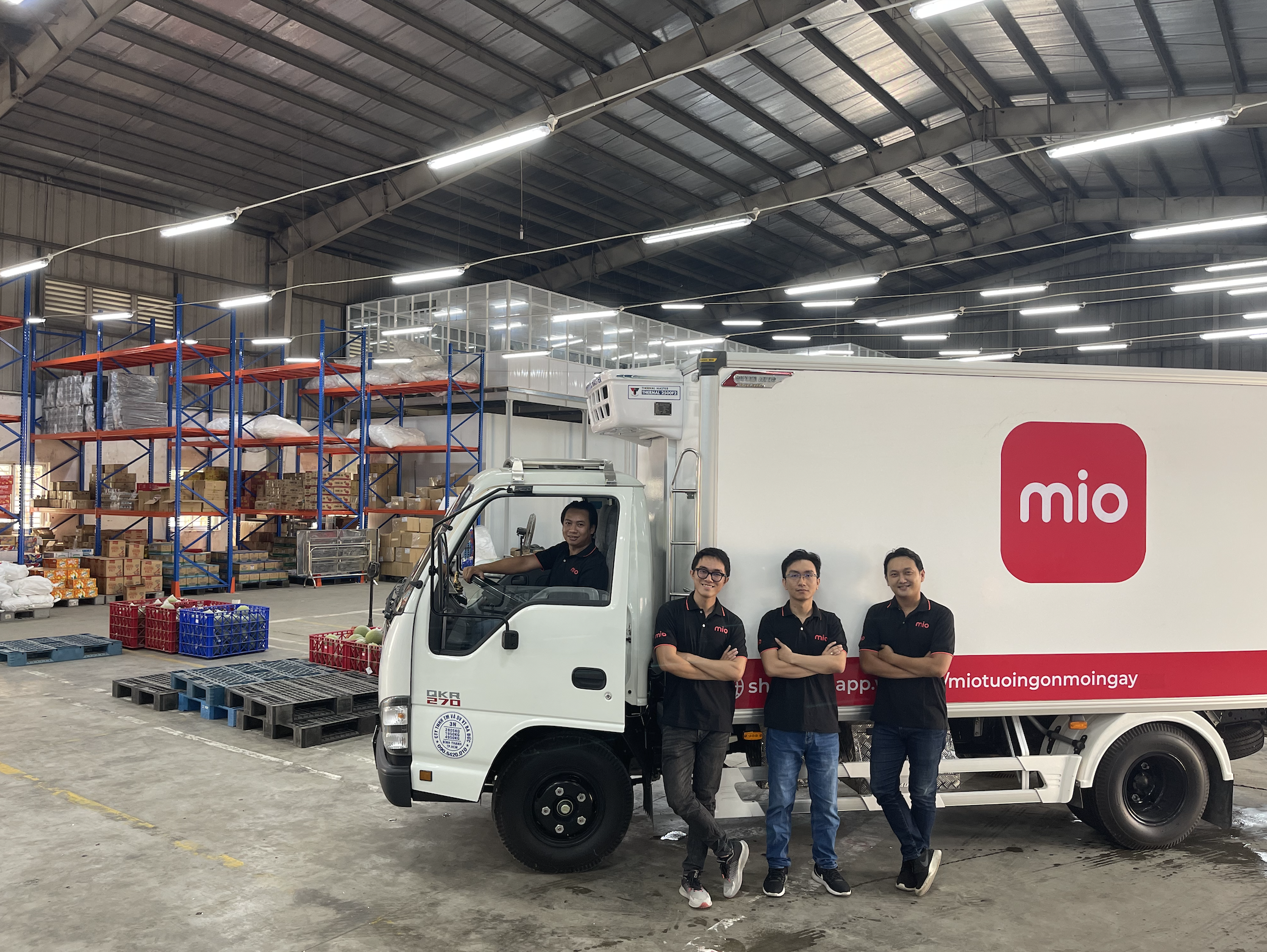
    Founded in June 2020, Mio uses a network of resellers to sell fresh produce such as fruit, vegetables, and meat. The company was set up by former IDG Ventures associate Trung Huynh, Scommerce co-founder An Pham, ex-DigiPay executive Tu Le, and former Uber Vietnam operations lead Long Pham.

    Around a year after its inception, when the company raised a US$1 million seed round, it had 150 active resellers. Today, that number has grown by 10x to 1,500. Mio’s gross merchandise value (GMV) has also increased by more than 50x in the last 12 months.

    Huynh credits the company’s growth to its referral programs, which offer a fee to resellers who can onboard other people to the platform. Existing resellers also get additional bonuses if the individual they refer performs well. In a statement, Mio said that each reseller can earn up to US$400 from these referral bonuses as well as from the 10% commission they get for every order they facilitate.

    “We spend very little in marketing. We don’t use digital marketing or billboards – we focus on the referral,” Huynh told Tech in Asia.

    Mio has around 240 employees, an increase of 5x since May last year. Around 50% of its headcount consists of its operational taskforce who work in the company’s warehouses and fulfillment centers.

    Mio plans to use the fresh funding to put up more fulfillment centers and tap into new cities in Vietnam. It currently covers Ho Chi Minh and its satellite cities, such as Binh Duong, Dong Nai, and Long An, which are located in the southern region of the country. This year, it plans to enter the northern region, where the country’s capital city of Hanoi is located.

    “Hanoi has similarities with Ho Chi Minh, and it also has several satellite cities. We aim to be present in 10 cities by the end of 2022,” Huynh noted.

    The company also wants to improve its logistics and supply chain, which Huynh said is important for Mio in the long run. That’s why the company prefers to control fulfillment centers and the delivery process itself. Today, its delivery courier can handle almost 80% of the company’s total transactions.

    “During the time when the order is spiked, or there is a special event, we cooperate with third-party logistics,” Huynh said.

    The company currently sells more than 10,000 products every day, and it targets to fulfill 100,000 orders per day by the end of 2022.

    Huynh revealed that he sees interest from businesses in the hotel, restaurant, and cafe sector that want to source fresh produce from his company in bulk due to the attractive prices. With the pressure to increase GMVs after raising a significant amount of funding, Huynh finds the offers tempting.

    However, he consistently rejects such requests to keep the company focused on using its reseller network and reaching customers nationwide.

    Mio has expanded its offerings to FMCG products due to requests from its customers. However, these offerings only occupy around 10% of Mio’s total stock keeping units. Huynh explained that while FMCG products are easier for fulfillment – as they typically have a longer shelf life than other categories – they bring lower margins.

    “Majority of our GMV still comes from fresh produce, so it will still be our focus,” Huynh added.

  • Vietnam set to become Asia startup hub

    Vietnam set to become Asia startup hub

    Vietnam could be Asia’s next startup hub after local companies saw a funding surge over 40 times in the last five years, a venture capitalist said.

    Venture funding for startups in Vietnam reached $2.1 billion last year, up from just $48 million in 2017, Binh Tran, co-founder of Ascend Vietnam Ventures said.

    The sector is now attracting top-tier Silicon Valley venture capitalists, including Goodwater Capital LLC, Accel Partners LP and Altos Ventures Management Inc, he added.

    “Vietnam saw a tremendous amount of maturity and growth early on, which will help it become a very important hub for the region,” he said.

    The country is forecast to have the second-largest digital economy in Southeast Asia by 2030, according to a report by Google, Temasek Holdings Pte and Bain & Co.

  • Indian online grocer Zepto secures $100 million investment

    Indian online grocer Zepto secures $100 million investment

    Indian on-demand grocery-delivery service, Zepto, has bagged US$100 million during its Series-C funding, taking its value to US$570 million within five months of its launch.

    Led by Y Combinator’s Continuity Fund, the round included investors Nexus, Breyer Capital, Global Founders Capital and Glade Brook, among others. The Series-C funding follows Zepto’s earlier funding round in which it received $60 million valuing the business at $225 million.

    Zepto was founded by two 19-year-old entrepreneurs, Kaivalya Vohra and Aadit Palicha, who left Stanford last year to develop a solution for instant grocery delivery through a network of dark stores. The 10-minute grocery delivery service is currently available across metropolitan cities, including Mumbai, Delhi, Gurgaon, Bengaluru, and Chennai, with Pune and Kolkata to come.

    “Their attention to detail on the logistics experience is unparalleled and this has enabled them to scale to most major metros in just five months,” said Anu Hariharan, Partner at Y Combinator’s Continuity Fund. “Simply put, we’re confident Zepto will win in this space over the long-term.”

    Zepto will compete directly with local delivery giants, Swiggy and BlinkIt, who have also forayed into the instant grocery delivery sector.

    According to Y Combinator, Zepto’s month–on–month buyer retention rate is 65 per cent. The company has built a network of micro-warehouses, each of which can do more than 2500 orders a day, and are now adding 100,000 new customers every week.

  • Grab’s Ride-Hailing Services Disrupted In Southeast Asian Countries

    Grab’s Ride-Hailing Services Disrupted In Southeast Asian Countries

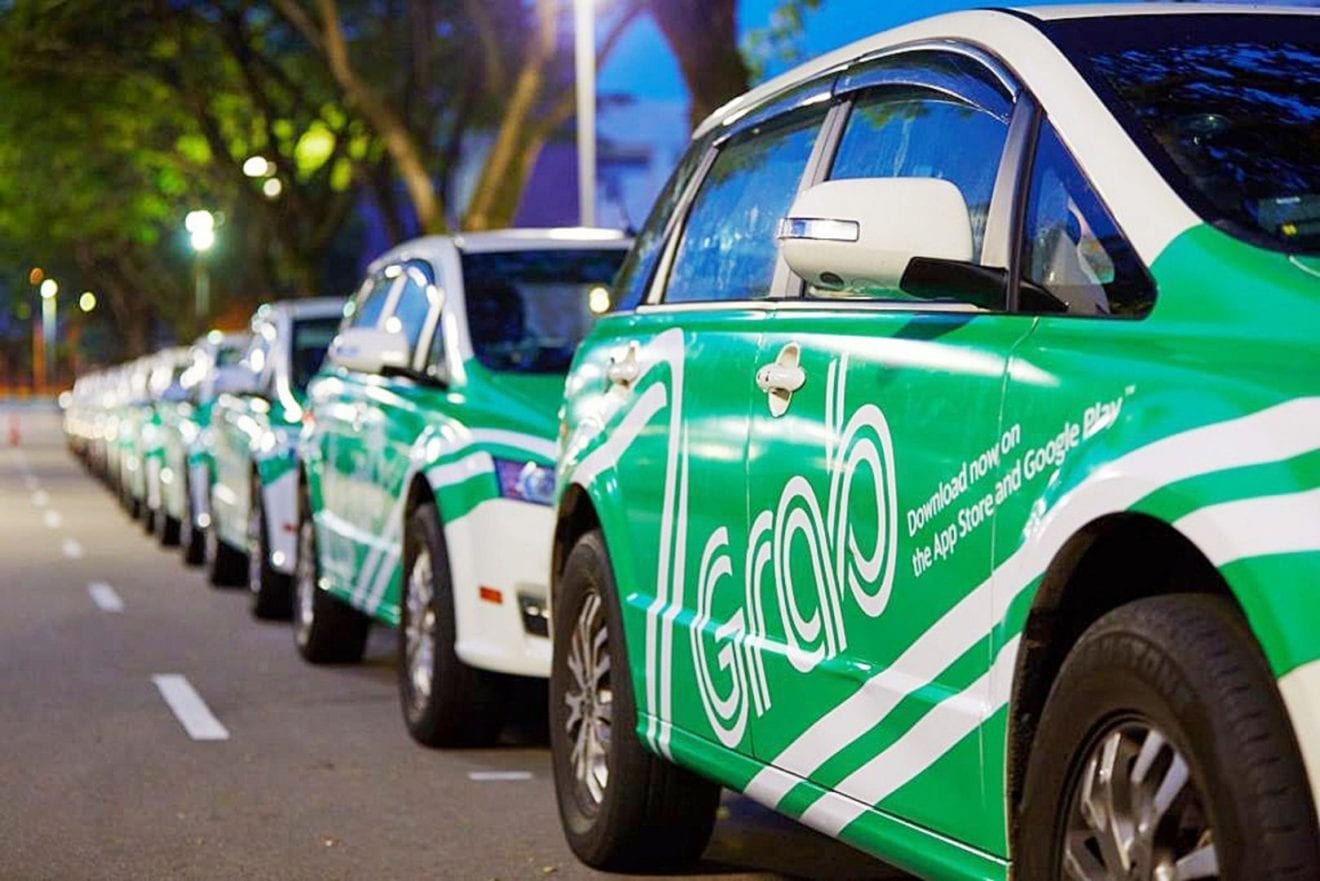
    Southeast Asia’s Grab on Tuesday said it was experiencing disruption to its services, with customers and drivers in Singapore, Indonesia, and Malaysia complaining that they were having trouble using the app’s ride-hailing functions.

    “Some of our services are not accessible at the moment,” Grab posted on its Facebook page.

    “We are looking into this and we will update when the app is back up and running.”

    Grab operates Southeast Asia’s most popular “super app”, which provides ride-hailing, food, and grocery delivery, and payments in over 400 locations in eight countries.

    “We are experiencing some technical difficulties with the app and our engineers are working to recover the issue,” Grab said.

  • Wright Electric’s Spirit 100 Seat Electric Aircraft Announced

    Wright Electric’s Spirit 100 Seat Electric Aircraft Announced

    Wright Electric has announced the Wright Spirit a 100 sweater electric aircraft that now joins its flagship electric aircraft the 1. It has four-megawatt class motors and the design is based on its BA4 146 platform. “The Wright Spirit aircraft design builds on the BAe 146 platform – a 100 passenger, 4-engine aircraft known for its operation out of noise-sensitive airports,” the company said in a statement.

    “To develop the integrated propulsion system, Wright has assembled an innovative team of companies with expertise in generation, energy storage and propulsion design. The program now proceeds with on-going ground testing and final selection of the propulsion system. In 2023, the aircraft will begin flight testing with one all-electric propulsor. The development program will then accelerate towards flight testing with two all-electric propulsors by 2024 leading to the full-electric aircraft by 2026,” it added.

    The tests for the prototype will interestingly happen just on one motor but will be coupled with three conventional engines. Then gradually in 2024 Wright will start using two electric motors and then it will go fully electric in 2026.

    In comparison, the Wright 1 has a 186 person capacity and it has 10 electric motors with a total peak output of 20 megawatts but that electric plane will launch only in 2030.

    Wright Electric has explained its development of 2-megawatt motors which scale from 500 kilowatts to 4 megawatts with inverters with ultra-high efficiency and power density.

    “The path was set in early 2020 with Wright’s announcement and development of their megawatt propulsion system for an all-electric commercial aircraft. Throughout the last two years, the company has been proving key components of the system including a high-efficiency, high-power-density inverter and a 2 MW (2,700 HP) motor. The existing hydrocarbon-based propulsion system will be replaced with Wright’s all-electric, emissions-free propulsion system,” explained the company

    Interestingly while it uses electric propulsion, there is no word on the presence of batteries, leave alone the capacity of the battery pack or the weight of the aircraft.

  • Vietnamese proptech startup raises $1.3 mln

    Vietnamese proptech startup raises $1.3 mln

    Citics, a Vietnamese property technology (proptech) startup, said it mobilized $1.3 million in its latest round of funding, to expand its existing business and invest in new technologies.

    In a recent Series A bridge round, Citics secured $1.3 million from Ho Chi Minh City-based Vietnam Investments Group, Singapore-based Vulpes Investment Management and Hanoi-based BHS Group. Before this round, it mobilized a total $1.7 million from local and foreign investors.

    Citics founder and CEO Tran Minh Long said the proptech startup would in December launch a new version of Citics Valuation to better valuate property and real estate projects.

    Citics has so far this year signed eight cooperative deals with banks, lifting the total number of banking customers to 17. Bankers can check the details and preliminary value of property on Citics’ platform.

  • One Mount develops comprehensive technology ecosystem

    One Mount develops comprehensive technology ecosystem

    One Mount provides solutions covering the entire financial services, distribution, real estate, and retail-sector value chain.

    Approved in June 2020, the National Digital Transformation Program aims to turn Vietnam into a country with digital technology competitiveness comparable to those of developed nations. This sets favorable conditions for Vietnam to actively capitalize on opportunities brought on by today’s technological revolution.

    According to experts, Vietnam has unlocked great potential for digital enterprises to thrive across the country. Technology has been the key factor leading to the explosion of innovative startups in the field of information technology.

    One Mount, with its comprehensive technology capabilities, was named at the Top 10 Vietnam ICT Companies 2021 event as a great example of the new breed of companies providing a suite of technological solutions and offerings for businesses and consumers across multiple life stages.

    Launched in the fall of 2019, One Mount had to navigate a global pandemic in its first two years of operation. This has brought it both challenges and opportunities as it sought to affirm the value of its technology business, which has contributed to the country’s technology and economic goals, even during this challenging period.

    After two years, One Mount has pioneered the deployment of technology solutions that help businesses digitalize their operations and solve bottlenecks in many traditional sectors.

    Leveraging its multi-faceted and modern technology offerings, One Mount is focused on optimizing benefits for value chains across a spectrum of industries and audiences including small to medium enterprises, end-consumers across distribution, retail and real estate, to name a few.

    In the distribution sector, VinShop has established itself as one of the country’s largest consumer goods distributors, which has helped to digitalize more than 80,000 small groceries. Taking advantage of technological advancements to provide maximum support for users, One Mount has connected businesses, manufacturers, and consumers within its ecosystem, allowing goods to reach customers quickly while ensuring stable prices.

    Besides improving the income of thousands of small groceries, VinShop also helps ensure the supply of essential goods while helping consumers feel confident about the quality of products.

    One Mount has developed a lifestyle super app with VinID, a loyalty platform serving millions of users on a monthly basis. VinID recently refined its point tiering system and is rolling out a more dedicated personalization engine, bringing users a more curated experience for their favorite products and brands.

    Meanwhile, OneHousing and OneHousing Pro Agent has established itself as the number one distributor and supplier of Masterise Homes projects in Hanoi. In addition to its premium services, the myHome application integrated with VinID has attracted ten thousand of homeowners and households during its beta launch.

    With more products and premium services on the horizon, OneHousing is expected to transform the real estate landscape in Vietnam by providing a complete one-stop shop experience for home buying, selling and living.

    To realize this early success and fulfill its grand vision, One Mount has formed landmark strategic partnerships with reputable industry leaders like TechcomBank and Google.

    The former has bolstered the vision of bringing financial solutions to more people and underserved areas across Vietnam while the latter helped develop powerful technology infrastructure and AI capabilities via Google Cloud offerings.

    One Mount commits to supporting Vietnam’s digital transformation strategy.

    Recently, One Mount’s potential was affirmed by VINASA when the latter included it among its Top 10 Vietnam ICT Companies 2021. One Mount nabbed a spot in three different categories: Top 10 Companies Providing Digital Transformation Platforms, Top 10 Fintech Companies, and Top 10 Logistics and E-Commerce Companies.

    One Mount was selected by HR Asia Magazine as one of its Best Companies to Work For in Asia 2021 in recognition of its outstanding HR practices, attractive benefits, policies, and engaging work environment.

    With a large technological ecosystem, One Mount provides solutions and services along the entire value chain in the financial services, distribution, real estate, and retail sectors through its three core business units: VinShop, VinID, OneHousing.

  • Fintech Startup Aspire Sets Sights on Southeast Asia’s Digital Economy

    Fintech Startup Aspire Sets Sights on Southeast Asia’s Digital Economy

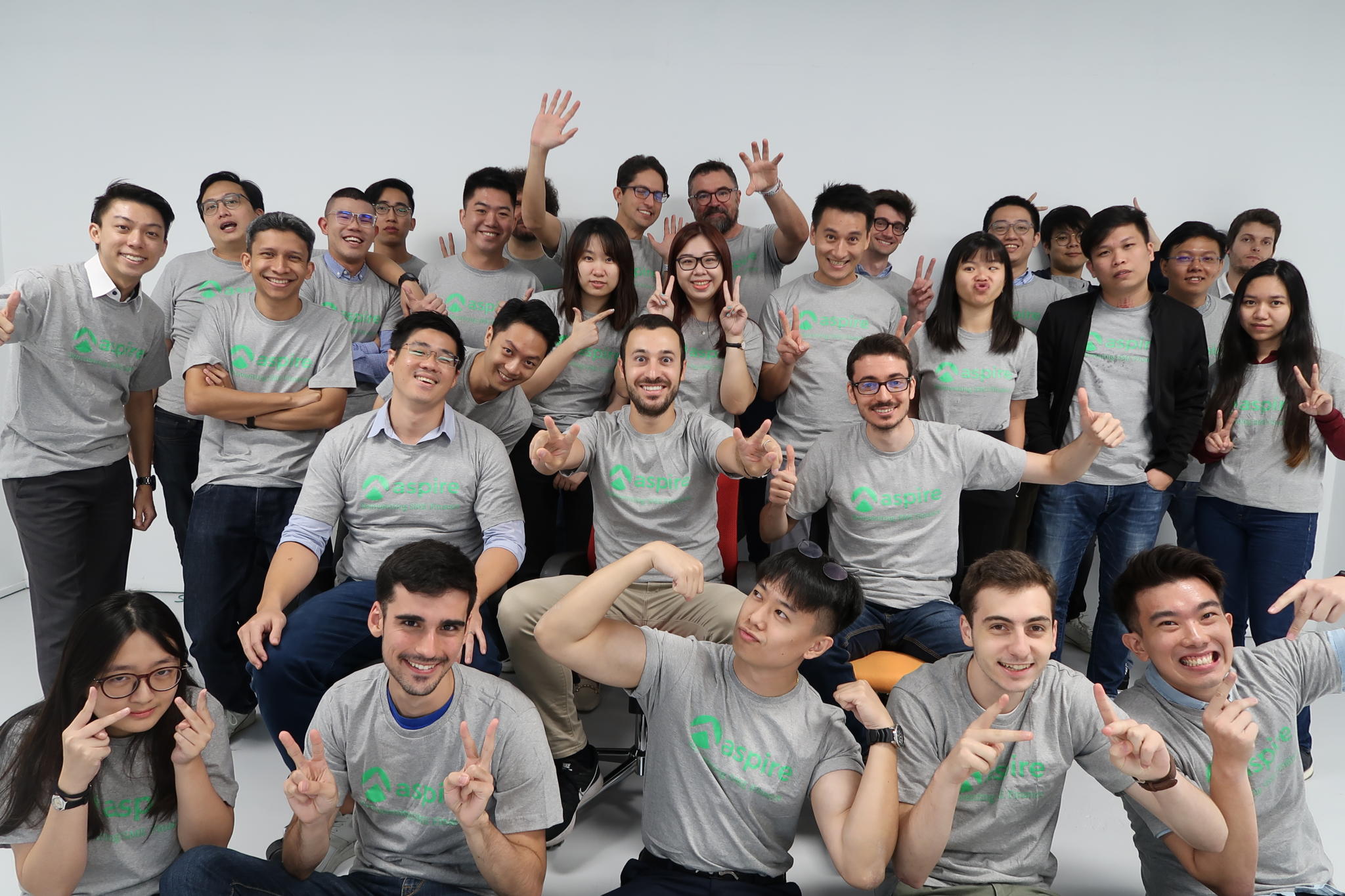
    The Singapore-based neobank has raised a $158 million led by renown VCs and fintech founders.

    Aspire is looking to double down on existing markets, while building the foundations to serve growing business clients across the whole South East Asia region, the firm said in an announcement on Monday.

    The oversubscribed funding round consisted of $58 million in equity and $100 million in debt. It was led by an undisclosed global growth equity firm, together with DST Global Partners, CE Innovation Fund, B Capital Partners and global hedge fund Fasanara Capital. Existing investors including Hummingbird Ventures, Mass Mutual Ventures, Picus Capital, and AFG, as well as a number of individual investors also participated.

    The company also operates in in Indonesia and Vietnam and is laying the groundwork for expansion into other Southeast Asian markets.

    Founded in 2018, Aspire provides an all-in-one finance operating system, which incorporates accounting, payroll, invoice management, FX, credit solutions, and banking. It serves more than 10,000 business accounts, which transact a total of around $2 billion annually, doubling in five months from May.

  • E-pharmacy startup Medigo raises $1 million

    E-pharmacy startup Medigo raises $1 million

    E-pharmacy startup Medigo has received a $1 million investment from venture capital firm Touchstone Partners.

    The med-tech company, which helps users order medicine from pharmacies in the comfort of their homes, plans to expand its offerings to telemedicine and other healthcare services amid growing healthcare spending in Vietnam.

    Medigo, launched in July 2019, has partnered with over 200 medical institutions in Ho Chi Minh City, Hanoi, and Da Nang.

    In the past six months, it saw gross merchandise value increase eight times. Medigo currently has over 200,000 users on its platform.

    Touchstone Partners is an early-stage Vietnamese venture capital firm that launched its inaugural $50 million fund earlier this year.

    Speaking of the investment, co-founder of the firm Ngo Thuy Ngoc Tu said that amid the pandemic, Medigo has offered sustainable solutions to help Vietnamese access healthcare services at reasonable costs.

  • HSBC lowers Vietnam’s growth forecast

    HSBC lowers Vietnam’s growth forecast

    Lender HSBC has lowered its growth forecast for Vietnam from 7.1 percent to 5.1 percent given the ongoing fourth Covid-19 wave that has disrupted key economic activities.

    “The impact of the Delta variant as it spread across the country and in particular the economic heartland of Vietnam in the south meant a swift re-introduction of lockdowns and travel restrictions,” said CEO of HSBC Vietnam Tim Evans in a recent note.

    He forecast GDP growth would be in the range of 5-5.5 percent, depending on the speed and effectiveness of the vaccination rollout, re-opening of the economy and recovery and resumption of major export markets.

    But growth could only reach 3.5-4 percent if the vaccination programme is not fast enough and lockdown and social distancing continue to be lengthened, he said.

    This will cause more adverse impacts on the economy amid increased pressure on supply chains, he added.

    Vietnam in recent months has seen unprecedented disruption to its supply chain, which has caused declining industrial production while key global brands struggled to keep manufacturing going.

    In August, mobility in the country fell 60 percent on average from pre-pandemic levels, which resulted in a 40 percent year-on-year drop in retail sales, HSBC data shows.

    But there are positive signals that indicate an imminent recovery. Ho Chi Minh City, the Covid-19 epicenter, has given the first Covid-19 vaccination dose to nearly 90 percent of its population and is set to have the majority of residents fully vaccinated by the end of this month.

    The State Bank of Vietnam (SBV) has increased credit growth for some commercial banks from 10-12 percent to 14-15 percent this year, which would allow banks to lend more.

    Vietnam remains a highly attractive investment destination in the medium term, given the recent reports of investment from Samsung and LG Display, Evans said.

    “Strong foreign currency reserves coupled with a stable currency, inflation being under-control, continued strong FDI inflows with an emphasis on the manufacturing sector all position Vietnam will for the future.”

    HSBC forecasts next year’s GDP growth at 6.8 percent. It was 2.9 percent last year.

    Several other organizations including the World Bank and Asian Development Bank have lowered their growth forecast for Vietnam because of Covid-19.

  • StanChart Exec Joins Blockchain Startup

    StanChart Exec Joins Blockchain Startup

    Taipei-headquartered XREX has named a managing director in Singapore as it sets its sights on expanding its platform in the region.

    Taipei-headquartered XREX has appointed Christopher Chye as managing director of XREX Singapore and director of product. In this dual role, he will oversee XREX’s businesses and operations in Singapore and play an instrumental role in bringing new value propositions to XREX’s clients, the startup announced on Tuesday.

    Chye joins from Standard Chartered Bank, where he held roles in commercial banking, consumer banking, wealth management and financial crime compliance. He was also a pioneer of Standard Chartered’s digital bank venture in Singapore, where he led the bancassurance, rewards and loyalty, and brand and marketing pillars, and was executive director at its regional CEO office. He was previously a  management consultant with KPMG.

    In a separate announcement, XREX said it raised $17 million in pre-Series A funding led by CDIB Capital Group. The funds will be used to apply for financial licenses in Singapore, Hong Kong and South Africa, and partner with banks and financial institutions, like payment gateways.

    Many of our team members are from or have lived in the markets where we serve. We keenly understand the struggles faced by many cross-border merchants who lack safe access to US dollar liquidity, XREX CEO and cofounder Wayne Huang, said in the announcement.

    XREX was launched in 2018 to drive financial inclusion in emerging markets by leveraging blockchain technology.

    The company uses blockchain technology to solve dollar liquidity shortage issues in emerging markets, and has products like a payment escrow service and crypto-fiat exchange platform.

  • Online market places for neighborhoods in Hanoi become popular

    Online market places for neighborhoods in Hanoi become popular

    With shops closed and delivery services facing restrictions due to the Covid-19 outbreak in Hanoi, apartment dwellers have stepped infill the supply gap by selling online.

    Thu, a clerk at a media company, who is working from home amid the social distancing, said: “I orders goods online for home delivery and pay through bank transfer. The goods are hung on my apartment door.”

    The online market, which serves Thu’s apartment block and others nearby, has over 2,000 members who buy and sell items like fish sauce, salt, cooking oil, rice, vegetables, fruits, meat, eggs, and processed foodstuffs, she said.

    Prices are slightly higher than at traditional markets, but people like Thu accept that because “we don’t have to go outside, minimizing contact and the risk of contracting the disease.”

    In the beginning many sold goods online for a little bit of extra income and even just for fun, but later, when their jobs were severely affected by the pandemic, it became their main source of income.

    “I order fresh pork from my hometown in the countryside, pack and deliver the meat to people in my residential area,” she said.Thai, a kindergarten teacher in Hanoi’s Ha Dong District, started selling foodstuff on an online market for residents of her apartment block when her kindergarten closed down.

    “Within 30 minutes of advertising pork online I often get orders for 50 kilograms.”

    Quang, an administrator of an online market of an apartment block in Cau Giay District, said the market sells essential goods with clear regulations on product quality and non-cash payment, and so has recently become busier, especially amid the Covid outbreak.

    Hanoi has gone over a month under a citywide social distancing order starting July 24, the longest such period since the novel coronavirus first appeared in the country. It has extended its social distancing order until September 6 as the novel coronavirus threat persists.

    The capital has recorded 2,909 local Covid-19 cases since the fourth coronavirus wave hit the country late April.

  • India’s Zomato raises US$1.26 billion in IPO

    India’s Zomato raises US$1.26 billion in IPO

    Indian food delivery startup Zomato Ltd ` will raise US$1.26 billion by pricing its shares at 76 rupees each in its initial public offering, according to two sources with direct knowledge of the matter.

    The sources could not be named as the information has not yet been made public.

    Zomato did not immediately respond to a request for comment.

    The company, which is backed by Ant Group, will be valued at up to US$8 billion following the IPO which is the first for a food delivery group in India.

    The pricing is set at the top of the flagged range of 72 rupees (US$0.9649) to 76 rupees each at the start of the booking building process.

    Zomato, launched in 2008, collates restaurant reviews and offers home delivery of food, making it a competitor to the Swiggy and Amazon.com’s food delivery service.

    Swiggy was reported had raised US$1.25 billion in a private funding round from the likes of SoftBank’s Vision Fund 2 and Prosus.

    Zomato’s IPO was strongly backed by investors attracting bids worth US$46.3 billion as it was more than 38 times oversubscribed when the books closed on Friday, signalling confidence about the fast-growing sector.