Tag: Indonesia

  • Indofood commissions instant noodle factory in Serbia

    Indofood commissions instant noodle factory in Serbia

    PT. Indofood Sukses Makmur, the largest instant noodle producer in Southeast Asia has expanded operation to Europe setting into operation its factory in Serbia.

    Serbian President Tomislav Nikolic officially commissioned the factory in Indjija, around 80 kilometers from Beograd on Friday, the Indonesian embassy in the Serbian capital city said.

    The factory, which produces ready for consumption Indomie noodles, was already operational in August opening hundreds of jobs for the Serbians .

    Construction of the factory in Serbia, would be the first step of the company in market expansion in Europe, an embassy official said.

    The factory, occupying a five hectare plot of lands was built with an investment of 11 million euro. It has a production capacity of 500,000 carton boxes per month for distribution not only in Serbia but also to other countries Europe.

    Free trade adopted by Serbia with various other countries in Europe would facilitate the company in market expansion giving it greater optimism in its ambition to dominate the European market of instant noodle.

    The official commissioning ceremony was attended by other Serbian leaders, members of the diplomatic Corps , business leaders and local journalists.

    Support shown by the Serbian government is a big factor in the success of the Indofood investment in that country.

    President Tomislav Nikolic said he appreciated and supported the Indonesian investment in Serbia as a concrete step to expand economic cooperation between the two countries.

    Indonesian Ambassador Harry R.J. Kandou said the presence of Indofood in Serbia constituted a concrete proof of Indonesian initiative in strengthening economic cooperation between the two countries.

    Anthony Salim, the Executive Director of the Salim Group, which owns Indofood, said he hoped that factory would provide gateway for the Indofood to reach the rest of Europe.

  • Combo card will be tested in 40 cities

    Combo card will be tested in 40 cities

    The combo card that promotes non-cash social assistance will be tested in 40 cities until the end of 2016, Bank Indonesia (BI) has stated.

    If the trial goes off well, on January 1, 2017, the entire social assistance from the government can be channeled through the Family Welfare Card (KKS) Red and White combo device, Director of Elektronifikasi Program and Financial Inclusion of Bank Indonesia Pungky Purnomo Wibowo said Friday (September 2) night.

    “January 1, 2017, we apply all of the Family Hope Programs and the rice prosperous social assistance (Rastra). Further, the student aid program and the School Operational Assistance (BOS) will be around that time as well,” he said.

    The combo card can be used to avail the Rastra, and family expectations (PKH) aid, Pungky explained in the demonstration project or the pilot project.

    The combo card used in the “e-waroeng” (electronic shop and gotong royong/mutual help) are also agents of Financial Services Digital (LKD).

    The beneficiaries of social grants (bansos) bring the Cards Family Welfare (KKS) issued by the Bank to the new joint four, namely Bank Mandiri, Bank Rakyat Indonesia, Bank Negara, and Bank Tabungan Negara, and exchange it at “e-waroeng”.

    With the KKS, the public can receive Rastra basic foodstuffs such as rice, sugar, flour, and oil at subsidized prices.

    Furthermore, the combo cards can not only be used to get help in the LKD functions, but can also be used for transactions such as cash withdrawals or transfers, as well as saving money, such as bank function nirkantor (branchless banking), Pungky said.

    This combo card can make the distribution of social aid meet the rules of 6T – the right target, the right amount, the right price, right time, right quality, and right administration, Deputy Governor of BI Ronald Waas said on the occasion.

    The government budget for social protection in 2017 reached Rp158 trillion, the BI recorded. With that budget, social protection assistance would be effective and appropriate.

  • Asian online shoppers habits uncovered

    Asian online shoppers habits uncovered

    Asian online shoppers research, locate, engage with and purchase products and services in entirely different ways in different markets, according to a new report.

    For example, almost all consumers in Indonesia knowingly provide brands with wrong details, including name (93 per cent), phone number (94 per cent), and email address (95 per cent) when researching or shopping online

    And the biggest driver of online-to-offline (O2O) conversions is with email in Singapore; SMS in Indonesia; chat apps in China; social media in Malaysia and Thailand and video ads in Hong Kong.

    And 27 per cent of consumers in China and 10 per cent of consumers in Singapore unknowingly input wrong payment details, breaking the region’s eCommerce’s momentum.

    Those are among many takes from The Digital Consumer View 2016 (Asia) report, released by global information services specialist Experian today, containing research from International Data Corporation (IDC), aimed at helping businesses better understand digital consumers in Asia.

    The report reveals how consumer behaviour varies across the key Asian markets of Singapore, Malaysia, Indonesia, Thailand, Hong Kong, and China, based on surveys with over 1200 digital consumers.

    Differences exist across channels (SMS, app notifications, email, social media, chat apps), devices (smartphone, feature phone, Wi-Fi/cellular tablet, wearable) and content (ads in email, ads in mobile apps, ads in social media, video ads on websites, and search ads). The findings highlight the complexity of reaching digital consumers in Asia across many channels, but also highlight how crucial that is, says Jeff Price, MD of Southeast Asia at Experian.

    “While the region is fast-growing, consumer behaviour in each market has unique disparities. Businesses today cannot succeed without intelligent insights based on consumer data,” he advises.

    “Asia is in the midst of a great digital revolution, with an explosion of smart devices, social media interactions and eCommerce transactions. While this evolution has greatly enabled and empowered both sides, it has also challenged businesses to be more effective and targeted in the way they communicate and market to this modern, digital-savvy consumer.

    “For companies to keep up with digital consumer behaviours – how they act on information – it’s absolutely vital to adopt and leverage what their consumers are providing them with every day – invaluable data. Businesses slow to act on this data will see their competitive advantage erode.”

    Key findings

    Experian - DCV - Region - Key findings

    • Search and discovery: Social media is the top channel in Singapore (31 per cent), Malaysia (49 per cent), Indonesia (67 per cent) and Thailand (58 per cent). It’s equally important as chat apps in China (47 per cent); in Hong Kong, video ads (63 per cent) trumps all.
    • Triggering product interest: Social media, once again, is the key driver in Singapore (28 per cent), Malaysia (44 per cent), Thailand (49 per cent) and Hong Kong (25 per cent). However, in Indonesia it’s SMS (62 per cent), and in China it is chat apps (48 per cent).
    • Triggering purchase intent: Email is the biggest driver of online to offline conversion in Singapore (27 per cent); SMS tops in Indonesia (57 per cent); chat apps in China (45 per cent); social media in Malaysia (44 per cent) and Thailand (51 per cent); and video ads tie with social media in Hong Kong (23 per cent).
    • Finding good deals: For unplanned purchases stemming from promotions, email leads in Singapore (34 per cent); social media in Malaysia (50 per cent), Indonesia (68 per cent) and Thailand (58 per cent); SMS in Hong Kong (36 per cent), and social media in China (51 per cent).
    • Brand engagement: Email is key for marketers to build engagement in Singapore (58 per cent) and Thailand (60 per cent); chat apps in Malaysia (62 per cent) and China (70 per cent); banner ads in Indonesia (56 per cent), and SMS in Hong Kong (61 per cent). While email is important, marketers need to be wary: more than 70 per cent of consumers reported receiving too many emails, up from 52 per cent in 2015.

    Experian - DCV - Region - The rise of omni-channel engagement 1

    Shiv Putcha, associate director, consumer mobility and telco strategy with IDC Asia Pacific, says businesses and brands cannot afford to ignore Asia’s multi-trillion-dollar digital commerce market. China alone is now the world’s largest retail market.

    “The challenge lies in the fact that the region has extraordinary differences – language, economy, purchasing power – and consumer behaviours, especially with the digital generation. That uniqueness will not diminish over the next few years and may even increase, making it challenging for marketers not using data-driven insights to research, plan and execute effectively. The Digital Consumer View 2016 (Asia) will hopefully serve as a valuable guide to deciphering some of these key trends, mapping the path forward for brands and their connected consumers.”

    Experian - DCV - Region - Top 3 types of ads that influence consumer's buying behavior

    Key Learnings for marketers in Asia

    • Over-reliance on a single marketing channel will not work. Depending on the country and its current state of digital sophistication, marketers need to think carefully about the right mix of channels to employ.
    • Quality over quantity. Consumer preferences for receiving promotional material varies from market to market, and by specific use cases. On a broader level, more is not necessarily better. A relevant and targeted message will ensure better conversion. Too much, and consumers are inclined to unsubscribe, delete, or mark content as spam.
    • The quality and integrity of data is crucial for marketers to find success. A significant number of consumers across the region either knowingly or unknowingly provide inaccurate information, which in turn causes errors and inaccuracies in marketer’s data sets. Around 27 per cent of consumers in China but only 10 per cent in Singapore unknowingly input wrong payment details; 40 per cent of consumers in China, and over 20 per cent of consumers in the rest of the region provide a wrong address at online checkout.

    Asia comprises 49.6 percent of the world’s Internet users, according to Internet World Stats (2016), digital commerce in the Asia-Pacific (excluding Japan) region will rise to US$17 trillion by 2019, up from US$7 trillion in 2015 according to International Data Corporation (IDC). The combination of rising incomes, increased consumption, acceleration of internet use, and the proliferation of mobile broadband access continues to unlock tremendous opportunities for marketers across the continent.

  • Iflix wants to become a social media platform for TV

    Iflix wants to become a social media platform for TV

    Emerging subscription-based streaming video service iflix intends to set itself apart from Netflix by becoming a social media platform for television, according to company executive.

    “Netflix is very much into an original production base… they are really focusing their investment on content and user experience and interface,” Cam Walker, chief executive of iflix Indonesia, told telecomasia.net at the sidelines of Communic Indonesia and Broadcast Indonesia 2016, which kicked off Wednesday at the Jakarta International Expo in Kemayoran, Central Jakarta.

    “We have just most recently decided to venture beyond entertainment into becoming a truly social platform for television.”

    To do that, Walker said the company is planning to introduce more social media components and interactive features to the service. For instance, the company will offer a social feature later this year where users can chat with others or interact with local celebrities who have drawn up movie playlists for them.

    Iflix launched its service in Indonesia in mid-June this year and garnered 250,000 activations in about two-and-a-half months.

    Walker said the Indonesian market is relatively new from an OTT perspective and doesn’t see other streaming services as competitive, as they are all heading in different paths.

    “We’re the new kid on the block. We started a couple of years as a cool internet TV concept, with a vision to provide a better service to piracy and a viable alternative at an affordable price point,” he said.

    iflix is now offering 2,000 seasons of 900 programs, 5,000 episodes of 200 kids programs and local content acquired from partners for its Indonesian viewers.

    Walker said iflix will soon produce its first local Indonesian content that will open more opportunities for local actors, producers, directors, scriptwriters and “the new breed of Indonesian talents.”

    “We’re going to be investing heavily in local productions and local acquisitions as well, which I think will differentiate us from the major international players,” he said.

  • Manulife in upbeat mood after first half surge

    Manulife in upbeat mood after first half surge

    Manulife Indonesia president director and chief executive officer (CEO) Indren S. Naidoo (right) and Manulife Aset Manajemen Indonesia chief economist and investment strategist Katarina Setiawan talk on the sidelines of a press briefing in Jakarta on Wednesday.

    Despite the country’s weak economy, life insurer Manulife Indonesia enjoyed a sharp increase in new business premiums during the first semester of the year on the back of surging wealth and insurance sales.

    Its total new business premiums soared by 28 percent year-on-year (yoy) to Rp 1.8 trillion (US$135 million) in the first semester, according to Manulife’s unaudited financial results for the first semester of 2016.

    During the January and June period, Manulife’s wealth sales rose 27 percent yoy to Rp 1 trillion from
    Rp 785 billion, while its insurance sales increased 17 percent yoy to Rp 764 billion from the corresponding period in 2015.

    As of June, Manulife’s total premium and deposits amounted to Rp 9.1 trillion, a 12 percent hike from Rp 8.1 trillion recorded in the same month last year. The number of the company’s in-force policies, meanwhile, grew steadily to 2,297,305 from 2,250,210 recorded in June last year.

    “We are confident that our business will book positive growth over this year,” Manulife’s newly appointed president director and chief executive officer Indren S. Naidoo told a press briefing on Wednesday.

    Indren, who assumed his position in May, said he was optimistic that the company could tap into the growing insurance market in Indonesia, which is the most populous country in Southeast Asia, but has low insurance penetration.

    Indonesia’s economy expanded an annual 4.92 percent in the January-March quarter, below analysts’ expectation of 5.05 percent. Growth weakened for the fifth straight year in 2015, to 4.8 percent, amid poor commodity prices and contracting exports.

    Financial Services Authority (OJK) data showed that conventional insurance premiums accounted for just 2.37 percent of the country’s gross domestic product (GDP) during the first quarter of the year. Life insurance penetration rates, meanwhile, reached 0.93 percent of the GDP in the January-March period.

    “Compared to some other markets in Asia, we are actually quite low. So, the opportunity is there,” said Indren, who previously assumed CEO positions at Manulife units in the Philippines, Thailand, Vietnam and Cambodia prior to his current position.

    Indren said Manulife would continue to expand its unit-linked products, which have become the main driver of the company’s business growth.

    The contribution of Manulife’s unit-linked products, which combine insurance and investment products such as government bonds and stocks, “was close to 80 percent of our business”, Indren said, explaining that the insurer would continue to promote the instrument as customers still expected double-digit returns on their investment amid the downward trend in banks’ deposit interest rate.

    In the first half of the year, Manulife launched unit-linked product Mi Wealth Insurance to further boost its investment-linked insurance products.

    He expressed his optimism that the burgeoning middle-income segment in the country, expected to reach 100 million of people by 2020, would be a boon for Manulife’s unit-linked products, which are aimed to higher-end customers.

    The CEO said Manulife would continuously educate potential customers on life insurance, as well as its unit-linked instruments by leveraging its 8,000 agents in 25 branches across the country and its bankassurance service, for which the insurer has forged partnerships with three lenders in the country: DBS, Bank Danamon and sharia-based Bank Muamalat.

    “We are here not to sell, but to teach [the customers]. At the end of the day, you, as a customer, will make the decision [on whether to buy Manulife’s products],” Indren said.

  • Indonesia’s inflation rate at seven-year low

    Indonesia’s inflation rate at seven-year low

    Indonesia’s inflation slowed to the weakest in almost seven years and fell below the central bank’s target, bolstering the case for further interest rate cuts by Bank Indonesia (BI).

    Consumer price gains eased to 2.79 per cent last month from a year earlier, compared with economists’ 3.02 per cent estimate.

    Prices fell 0.02 per cent in August from the previous month, the National Statistics Office said yesterday, adding that the annual rate was the lowest since December 2009.

    “If you ask me now whether there is room for (monetary) easing, the room is more open. But whether it would be used or not, it is up to BI,” Coordinating Minister for Economics Darmin Nasution said after the lower-than-expected data was announced.

    Mr Nasution said BI had wanted to cut the benchmark rate “since last month” but then decided to delay to better introduce its new policy rate, the seven-day reverse repo rate, which stands at 5.25 per cent.

    The authorities have set their 2016 inflation target at 3 per cent to 5 per cent and expect consumer price gains to end the year at around 3.5 per cent.

    “Easing inflation – along with stability in both the current account deficit and exchange rate – has created policy space for rate cuts,” said economist Ng Weiwen at Australia & New Zealand Banking Group (ANZ).

    “The degree of easing will be dependent on the size of tax amnesty inflows.”

    ANZ expects the Indonesian central bank to lower its new benchmark rate by another 25 basis points to 5 per cent as soon as its September meeting, Mr Ng said.

    Indonesia’s 10-year bond yield slid four basis points to 7.07 per cent yesterday afternoon in Jakarta, set for the biggest daily gain in three weeks. Shares fell, with the Jakarta Composite Index extending its drop to 0.9 per cent and set for the lowest close since Aug 15.

    Falling airfares, inter-city transport costs and cheaper food were the biggest factors driving the monthly drop in prices, said National Statistics Office deputy Sasmito Hadi Wibowo.

  • Minister sees off organic rice export to Belgium

    Minister sees off organic rice export to Belgium

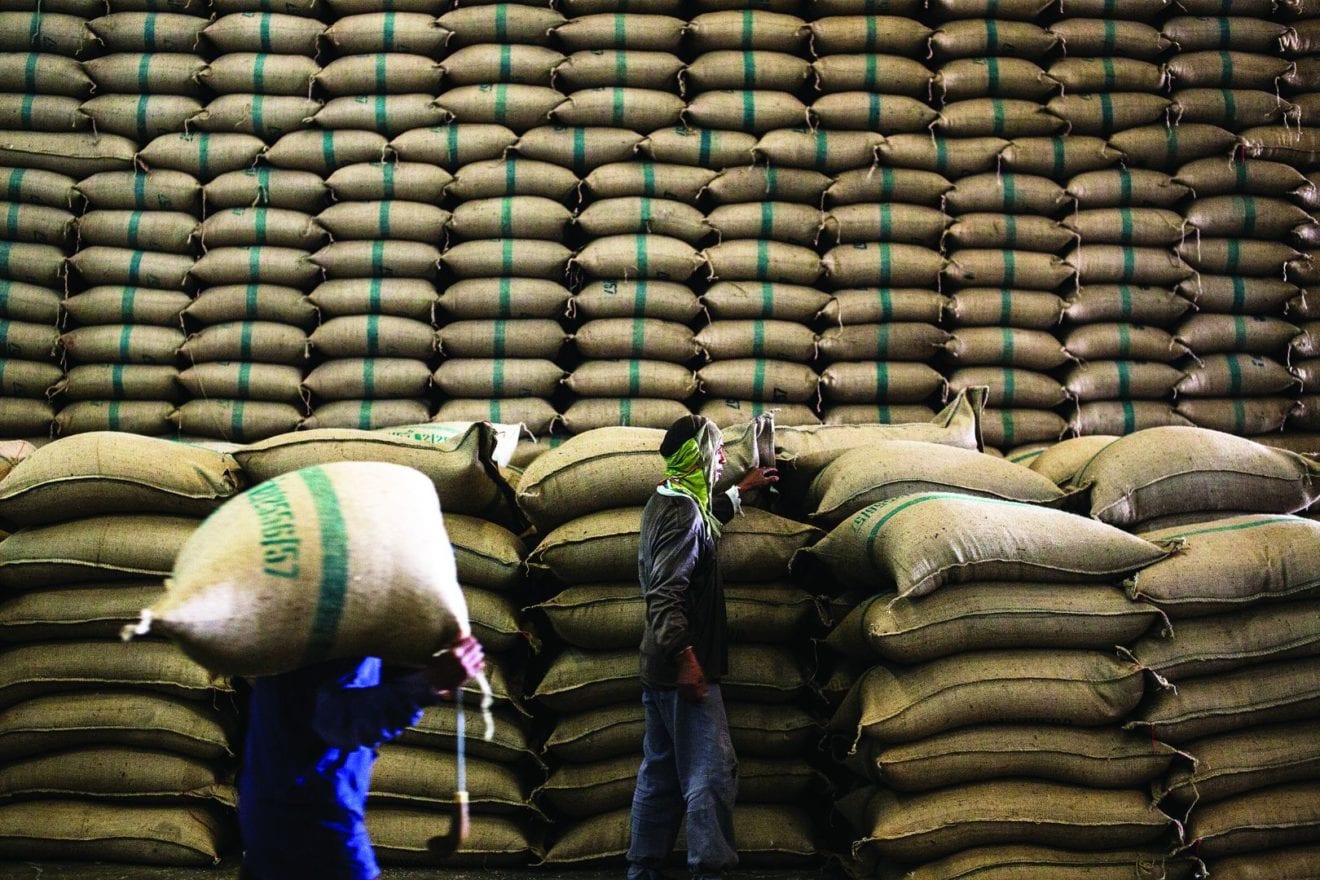
    Agriculture Minister Andi Amran Sulaiman here on Thursday saw of the shipment 40 tons of organic rice produced by a farmer group of Simpatik in Mekar Wangi village, West Java to Belgium.

    The shipment marked eight years of organic rice export from the farmer group to Belgium.

    The exported rice was packed in airtight plastic that can last for months. One pack of rice weighed five kilograms with a label of Indonesia Rice on it.

    In addition to Belgium, the other importer countries are Singapore, Italy, United States, and United Arab Emirates.

    The rice price at the farm level reaches Rp 20 thousand per kilogram, but in Belgium it is Rp90,000 per kilogram.

    At the farmers level, the price of the rice is Rp20,000 per kilogram, while in Belgium it reaches Rp90,000 per kilogram.

    Amran said every year Indonesia is able to export 100 thousand tons of organic rice, so that it will be the future of Indonesian agricultural products.

    “It is a smart agriculture. I have asked the Research Agency to support the organic rice farming. This is the future of rice exports. We just improve the regulation to make this sector competitive,” he said.

    The minister said that in addition to Java, Sumatra and Kalimantan also have potential in the rice organic agriculture.

  • KinerjaPay Launched “I Love Indonesia” Campaign

    KinerjaPay Launched “I Love Indonesia” Campaign

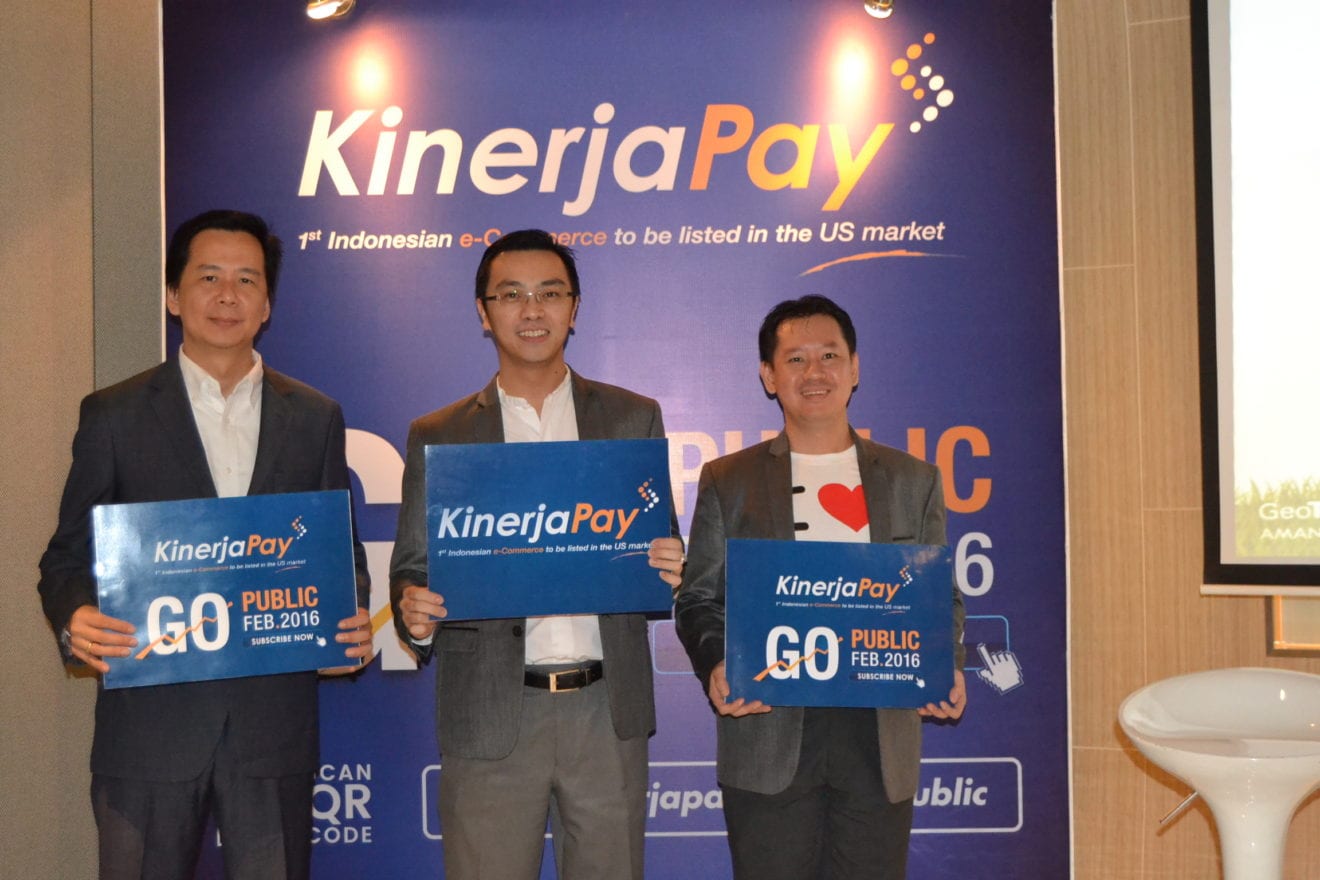
    KinerjaPay launched “I Love Indonesia” Campaign to promote selected premium local products in its marketplace. This campaign is also to celebrate Indonesia’s 71st Independence Day anniversary on 17 August 2016. It is also designed to increase people’s love for domestic products and stimulate domestic consumption.

    Indonesia is a country of big numbers and big opportunity. With 252 million inhabitants it is the world’s fourth most populous country and the largest in south east Asia. Indonesia has 18,307 islands, over 742 different languages and a middle class larger than the population of Malaysia or Australia. Currently the 16th largest economy in the world, it is projected to be the seventh largest economy in the world by 2030. Catching the hype and realizing that a young population embracing the Internet faster than ever before. Mr. Sofyan Djalil as the Indonesia State Enterprise Minister once said he supported any form of program that boost love for the country’s products. “So far, people are not aware that the quality of Indonesian products is already good. I appeal to all state-owned companies to really take the opportunity, provide funds and put up the logo in their ads. They must do whatever they can to make the campaign effective,” he said.

    On the other hand, this campaign also means to promote national products abroad. In making an effective on this goal, The Company is also collaborating with overseas partners such as in Singapore to assist SMEs to expand their businesses internationally especially in South East Asia (SEA). The idea is to leverage strategic values and locations of Indonesia and Singapore, running many regular and ad-hoc events such as monthly networking events, trainings, site visits, and trade exhibitions.

    Mr. Deny Rahardjo, CEO for PT KinerjaPay Indonesia stated “We are very excited and optimist on the success of this campaign to promote Indonesia’s selected local prominent and unique merchants such as Batik, Indonesian coffee bean and handcrafted products. There are currently already more than 418 premium products and 14 prominent merchants have agreed to join the campaign that is planned to run until end of 2016. We do hope that this will bring positive impact towards local economy while promoting KinerjaPay as brand of trust.”

    Notice Regarding Forward-Looking Statements

    This press release may contain forward-looking statements, about KPAY’s expectations, beliefs or intentions regarding, among other things, its product development efforts, business, financial condition, results of operations, strategies or prospects. In addition, from time to time, KPAY or its representatives have made or may make forward-looking statements, orally or in writing. Forward-looking statements can be identified by the use of forward-looking words such as “believe,” “expect,” “intend,” “plan,” “may,” “should” or “anticipate” or their negatives or other variations of these words or other comparable words or by the fact that these statements do not relate strictly to historical or current matters. These forward-looking statements may be included in, but are not limited to, various filings made by KPAY with the U.S. Securities and Exchange Commission, press releases or oral statements made by or with the approval of one of KPAY’s authorized executive officers.

    Forward-looking statements relate to anticipated or expected events, activities, trends or results as of the date they are made. Because forward-looking statements relate to matters that have not yet occurred, these statements are inherently subject to risks and uncertainties that could cause KPAY’s actual results to differ materially from any future results expressed or implied by the forward-looking statements. Many factors could cause KPAY ‘s actual activities or results to differ materially from the activities and results anticipated in such forward-looking statements, including, but not limited to, the factors summarized in KPAY ‘s filings with the SEC. In addition, KPAY operates in an industry sector where securities values are highly volatile and may be influenced by economic and other factors beyond its control.

    KPAY does not undertake any obligation to publicly update these forward-looking statements, whether as a result of new information, future events or otherwise. Please see the risk factors associated with an investment in our securities which are included in our Annual Report on Form 10-K as filed with the U.S. Securities and Exchange Commission on February 11, 2016.

  • Blackmores spreads wings in Indonesia

    Blackmores spreads wings in Indonesia

    Blackmores chief executive Christine Holgate is in Jakarta today to launch the company’s expansion into the Indonesian market.

    The Sydney-based vitamin and supplements company has been operating in China, Singapore, Malaysia and Thailand for some years but has held back from the Indonesian market as it searched for the right partner.

    It has now partnered in a joint venture with Indonesia’s Kalbe Farma, one of the largest health care companies in South East Asia.

    “We will be launching with eight products and have 25 products by the end of the year,” Ms Holgate said yesterday.

    “It is quite a complex registration process in Indonesia compared with Australia. But we are used to the different Asian markets where it can take six months to a year to get registered.”

    She said Blackmores had chosen to partner with Kalbe as it was a major supplier of the nutritional supplements market in Indonesia.

    “It’s a market worth around $2 billion in Indonesia and it’s growing really fast,” she said.

    “The country has one of the fastest growing middle classes in the world and it’s predicted to be the third biggest economy in the world by 2030,” she said.

    She said Indonesians were increasingly interested in more Western versions of natural health products. She said Kalbe had a strong “common shared sense of purpose” with Blackmores including having an institute to train people in natural health care products.

    She said Blackmores would be able to leverage Kalbe’s training processes and its strong representation in shopping centres throughout Indonesia where it has health centres giving advice on natural health products.

    Ms Holgate has been in Indonesia for the past week at the Australian-Indonesian dialogue which is aimed at boosting trade between Australia and Indonesia. Federal Trade Minister Steve Ciobo has been negotiating a free trade agreement with Indonesia, reviving a process which stalled in 2013.

    Ms Holgate said only 2 per cent of Australia’s trade was done with Indonesia and added there were business opportunities in areas such as health, education and financial services. She said Australian companies needed to negotiate partnerships with Indonesian companies to expand into the market.

    Blackmores’ business in Indonesia was “not going to be a huge overnight.”“But you need to plant seeds to grow trees and this is an important next step in our history of growing in Asia.”

  • Bank Indonesia still has chance to slacken its monetary policy

    Bank Indonesia still has chance to slacken its monetary policy

    Bank Indonesia (BI) Governor Agus Martowardojo said the central bank still likely has a chance to relax its monetary policy in the second half of this year.

    “Seeing the condition in August, we can say that there is still a chance to slacken monetary policy but whether it will be carried out next September or October will depend on the data” the central bank governor said in Jakarta on Wednesday.

    BIs board of governors meeting on August 18-19 decided to maintain its 7-Day Reverse Repo Rate (BI 7-day RR Rate) at 5.25 percent with a deposit facility (DF) interest rate of 4.5 percent and lending facility (LF) being lowered by 100 basis points from 7.0 percent to 6.0 percent.

    BI began introducing the 7-Day RR Rate last April. At the BIs board of governors meeting on April 21, 2016, the BI Rate was fixed at 6.75 percent and the BI Repo Rate at 5.50

    Besides this, the BI also maintained a symmetrical and narrow interest rate corridor where the lower limit of DF Rate is set 75 basis points below the 7-Day RR rate and the upper limit of LF Rate is set 75 basis points above the 7-Day RR Rate.

    The decision is in line with the efforts to maintain the macroeconomic stability by continuously preserving the momentum of domestic economic growth amid weakening global economic performance.

    With macroeconomic stability, controlled inflation at targeted range, good current transaction deficit and stable currency rate, room for monetary relaxation is still open.

    The BI also continues to take abreast of short-term domestic global economic development, particularly the possibility for the Fed to raise its Fund Rate. “We wilL see it in September there will be flight to quality with regard to reports on the improvement of the United States economy.”

  • Governement Aims to Protect Fintech Customers

    Governement Aims to Protect Fintech Customers

    Coordinating Minister for Economic Affairs Darmin Nasution wants to have an agency that protects customers of (financial technology/fintech) companies. The agency will also monitor and supervise fintech businesses to make sure they comply with existing laws and regulations.

    The agency, he said, will work in similar ways to the Central Securities Depository (KSEI) and the Clearing and Guarantee Corporation (KPEI) in supervising capital market transactions.

    “In the case of contract breaches, consumers must not incur losses. There must be an agency that covers the loss, he said at the Indonesia Fintech Festival, Tuesday, August 30.

    He said that the fintech industry offers an opportunity for entrepreneurs and the financial services sector. But fintechs have their negative impacts and risks as well, that’s why the OJK and Bank Indonesia (BI) must regulate the industry for the protection of its customers.

    BI Governor Agus Martowardojo supports the development of fintechs, saying it is an industry that allows faster, more efficient services for the financial industry in terms of payment system.

    Agus said he has three hopes for the fintech industry. First, for international fintechs to register as an Indonesian entity. Second, to have all payments denominated in rupiah, and third is for the industry to save their funds in the national banking system.

    President Joko Widodo, who attended the Fintech Festival, said that the business is a golden opportunity for people living in remote areas. Widodo believes that better access to financial services will crunch income gap.

    “I invite fintech businesses to innovate and spawn new breakthroughs in the use of digital technology that will fast-track financial inclusivity,” he said.

  • Indonesia, Norway to expand energy cooperation

    Indonesia, Norway to expand energy cooperation

    Indonesia and Norway have agreed to expand energy cooperation and business-to-business contacts in various sectors of energy development.

    The agreement was reached during an Indonesia-Norway bilateral energy meeting in Stavanger recently, according to Hartyo Harkomoyo, spokesman of the Indonesian Embassy in Oslo.

    Harkomoyo quoted Norwegian Oil and Energy Deputy Minister Ingvil Smines Tybring-Gjedde as saying at the meeting that the country was keen to share its expertise and experiences with Indonesia for the development of the energy sector.

    In response to the statement of the Norwegian oil and energy deputy minister, Energy and Natural Resources Ministrys director for oil and gas development program Agus Cahyono Adi, who led the Indonesian delegation at the meeting, noted that Indonesia was ready to host the Indonesia-Norway energy dialog in March 2017.

    Adi remarked that during the energy dialog, the two countries will discuss governance and regulation in oil and gas exploration, the use of Carbon Capture Storage technology and enhanced oil recovery to revive old wells, and the development of new and renewable energy, among others.

    In the meantime, Indonesian Ambassador to Norway Yuwono A. Putranto said energy is one of the key areas of cooperation in the partnership between Indonesia and Norway.

    In order to focus on the partnership, Indonesia and Norway have agreed on the mechanism to hold regular meetings through dialog in the energy sector every two years.

  • Indonesia-based HappyFresh announces Series B round, leaves Philippines and Taiwan

    Indonesia-based HappyFresh announces Series B round, leaves Philippines and Taiwan

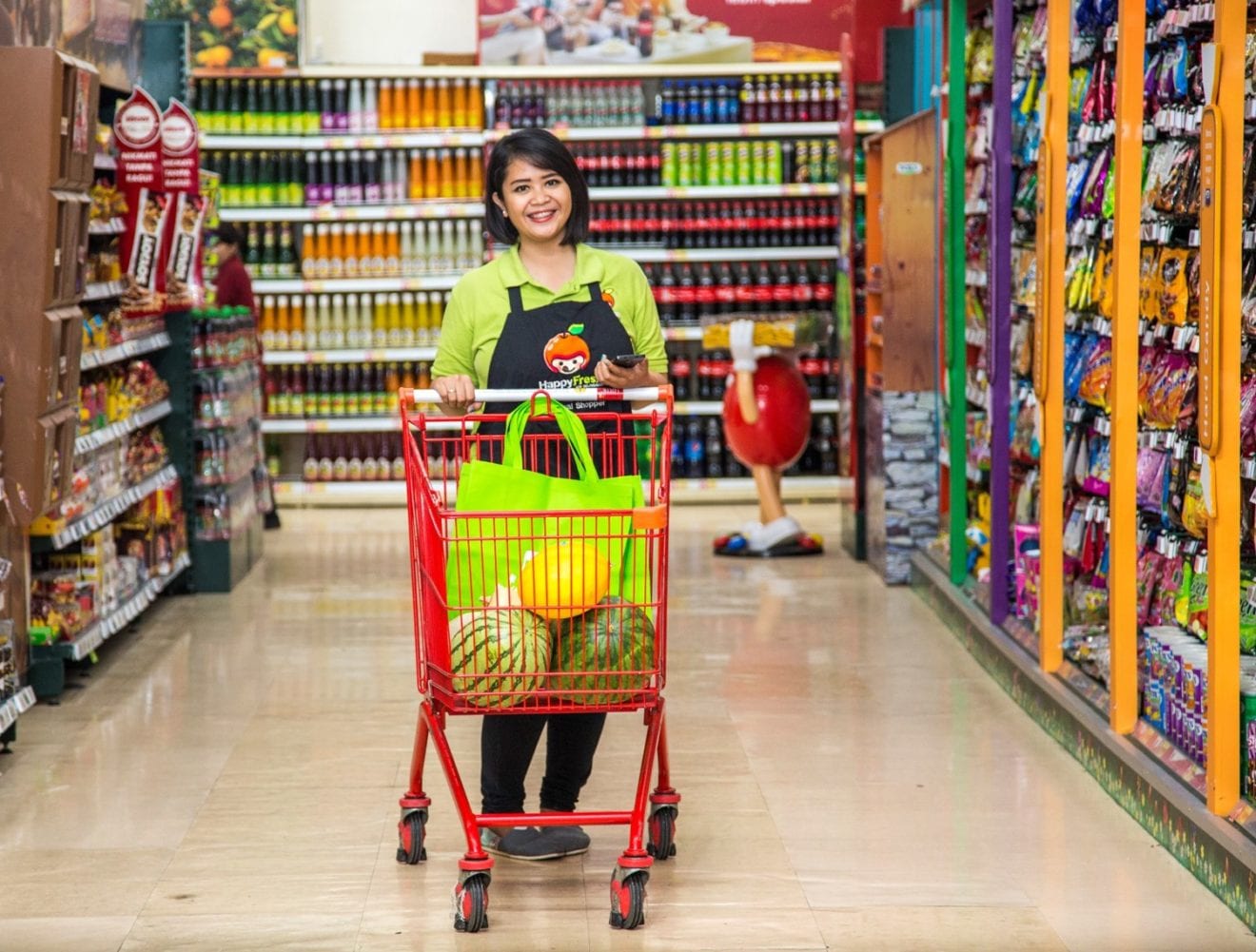
    HappyFresh, the Jakarta-based grocery delivery platform, announced yesterday it has raised an undisclosed Series B round while also revealing it will be consolidating operations and pulling out of the Philippines and Taiwan.

    The round was led Dubai-based private equity firm Samena Capital, with HappyFresh CEO Markus Bihler said a major reason for the partnership was Samena’s status as a leading investment firm for logistics.

    “Number one, given that our business is, to a significant extent, a logistics business, we feel the support on logistics is very value-add,” said Bihler.

    “And number two, they are a classic large-cap private equity firm with significant ties to offline retail, which is the second arm of the HappyFresh business,” he said.

    Other participants in the round were Vertex Ventures, the venture-arm of Singapore’s Temasek Holdings, Sinar Mas Digital Ventures of Indonesia’s Sinarmas Group and Endeavor Catalyst, a New York-based venture arm of Endeavor Capital.

    The fundraising, which was larger than the US$12 million Series A the company raised in September 2015, remains undisclosed in large part because Bihler said it brought unnecessary attention to the number.

    In regards to the decision to pull out of the Philippines and Taiwan, Bihler said a crucial goal for HappyFresh is to focus on its core markets.

    “I believe that companies who are profitable and independently sustainable are companies that last, and therefore can continue to serve, in our case, the end customers and offline retail partners,” he said.

    The decision to consolidate the company to Indonesia, Thailand and Malaysia was a fast decision. It comes six months after the company entered the Philippines back in March and less than a year since it launched in Taiwan.

    “What we have decided is we will focus our effort on the three core markets that we have chosen to operate in, which is Indonesia, Malaysia and Thailand,” said Bihler.

    Because HappyFresh puts emphasis on the role of logistics in the decision to go with Samena Capital, e27 asked Bihler to provide some details as to how that looks on-the-ground.

    “I think if I go back and look at what HappyFresh is, we are a digital marketplace for offline retailers on the front end. And on the backend we are a digitally enabled fulfillment operation. So the largest efficiency gains that we have seen historically, and I am very sure that we will see in the future, is driven by technology,” said Bihler.

    This means intelligent use of routing, the increase of prediction software, and more efficient usage of resources (the time and availability of the shopper and drivers in the company).

    HappyFresh was founded in October 2014 and began operating in March of 2015.

    Its operating model is similar to that of competitor honestbee — in which shoppers visit specific grocery stores and shop for the consumer before the food is delivered. As a comparison, another grocery delivery player, RedMart, has its own warehouses and thus does not ‘shop’ for customers.

  • Taiwan Eyes More than 200,000 Indonesian Tourists

    Taiwan Eyes More than 200,000 Indonesian Tourists

    Taiwan is eyeing as many as 200,000 tourists from Indonesia to visit Taiwan this year, or an increase from that in 2015, where at around 177,743 Indonesian tourists visiting Taiwan.

    Taiwan Tourism Bureau Director David Tsao said that to meet the target, it has held a tourism exhibition at Grand City Surabaya Mall & Convent on 26 to 30 August, 2016.

    “In 2015, tourists visiting Taiwan reached 10.439 million of them and 177,743 of them are Indonesian tourists,” he said in Surabaya.

    He added that one of the attractions of Taiwan’s tourism is its landscape that is different from the sights in Southeast Asian countries.

    “For example in the northern region of Taiwan precisely on the island of Li, the weather is cooler and you can find snowfall there,” he said.

  • Bahrain-Indonesia trade ties discussed

    Bahrain-Indonesia trade ties discussed

    Bahrain Chamber of Commerce and Industry (BCCI)’s chairman Khalid Almoayed alongside a number of board members and Acting CEO have met the Indonesian ambassador to Bahrain, Chilman Arisman.

    The meeting hailed the deep-rooted relation between the Kingdom of Bahrain and the Republic of Indonesia and discussed the promising sectors and incentives offered to investors.

    Almoayed underlined the importance of reinforcing the exchange of business delegations and holding business events to bridge the knowledge gap between Bahraini and Indonesian business owners and stimulate trade, partnership, and investments.