Tag: Indonesia

  • Bank Mandiri to grow Malaysian operations

    Bank Mandiri to grow Malaysian operations

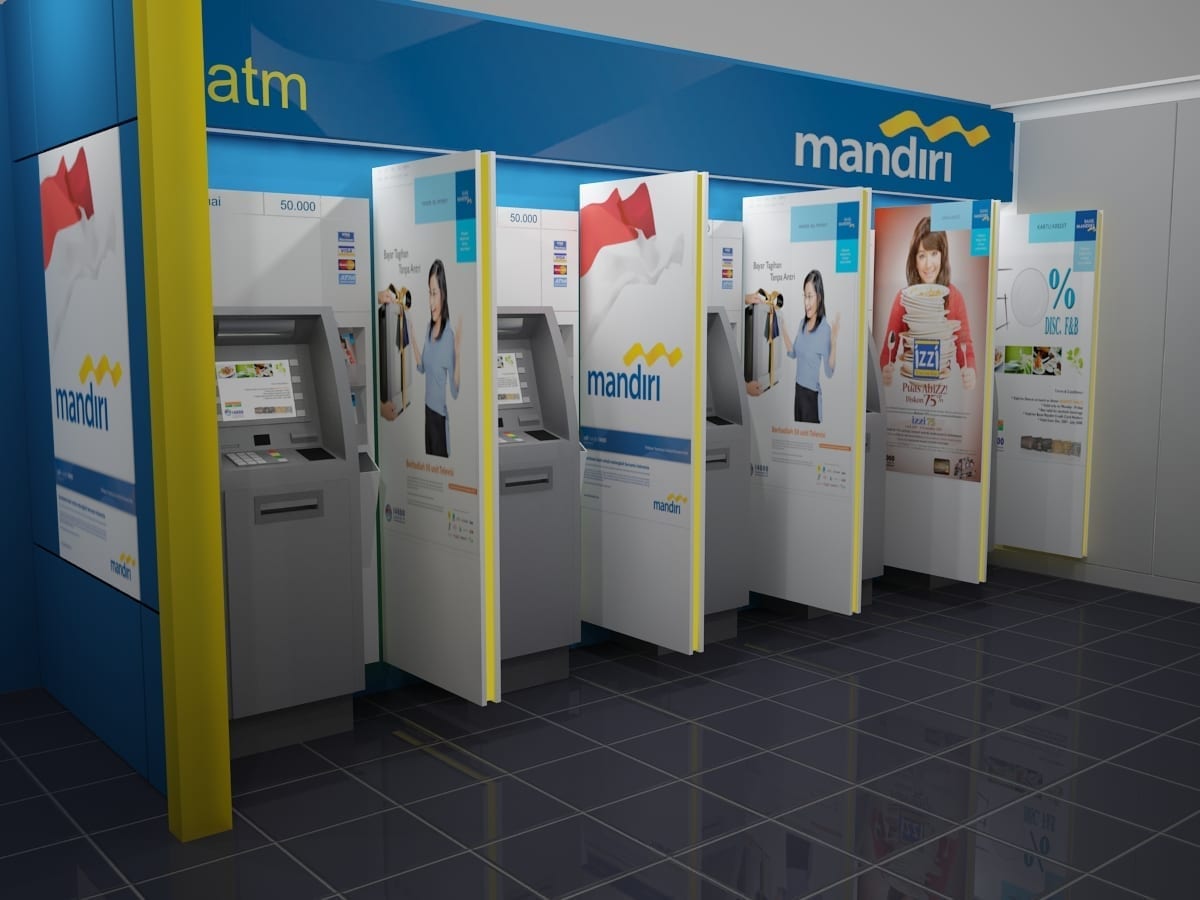
    PT Bank Mandiri Tbk, Indonesia’s largest bank by assets, could soon operate here with full banking rights.

    The move comes after financial authorities from Indonesia and Malaysia signed a bilateral agreement earlier this week, allowing greater access to lenders from both countries to fully operate in the respective jurisdictions.

    Bank Mandiri would pay RM100mil (US$24.6mil) to Malaysia’s central bank as soon as possible and meet the capital requirement of RM300mil by the end of this year so that it could operate soon after the permit is issued by Bank Negara.

    Bank Mandiri currently operates in Malaysia under the licence of remittance office. It has five remittance offices in the country that focus on revenue generated from Indonesians working here.

    Papers in Jakarta reported that the bank planned to immediately apply for a full licence in Malaysia, following the bilateral agreement.

    To recap, the Malaysian authorities had issued a commercial banking licence to five foreign banks, including Bank Mandiri, in 2009-2010 in line with the country’s liberalisation of the financial services sector. Apart form Bank Mandiri, the other recipients were Sumitomo Mitsui Banking Corp of Japan, National Bank of Abu Dhabi and BNP Paribas SA, France, and Mizuho Corporate Bank.

    However, Bank Mandiri’s expansion into the Malaysian market had met with little success because the requirements for the full banking status set by Bank Negara were “too restrictive”, reports had indicated. It was previously quoted as saying that Bank Negara had not responded to its requests for a degree of leeway.

    Foreign banks, under Bank Negara’s funding guidelines, must have a minimum capital, unimpaired by losses, of RM300mil.

    Based on earlier Indonesian news reports, Bank Mandiri was adamant that the amount be lowered to RM100mil.

    The reports also stated that Bank Mandiri was not too happy with the other conditions set by Bank Negara, which included the number of branches and automated teller machines allowed to be opened by foreign banks.

    A main complaint among Bank Mandiri and other Indonesian lenders wanting to open their branches in Malaysia is the “inequality of access” in the two markets. The Indonesian Government had been demanding Malaysia reciprocate the banking freedom its banks enjoy in Indonesia.

    Two Malaysian banks that had established a significant presence in Indonesia are CIMB Group Holdings Bhd and Malayan Banking Bhd (Maybank).

    CIMB Group owns 97.9% of PT Bank CIMB Niaga Tbk, which is Indonesia’s fifth-largest bank by assets. Maybank, meanwhile, operates in Indonesia via 80%-owned PT Bank Maybank Indonesia Tbk.

  • Indonesian growth beats forecasts

    Indonesian growth beats forecasts

    Indonesia’s second-quarter economic growth beat analysts’ expectations amid President Joko Widodo’s efforts to spur an economy struggling in the wake of a slowdown in China and low commodity prices.

    Gross domestic product increased 5.18 per cent from a year earlier, compared with a revised 4.91 per cent in the first three months, the statistics bureau said in Jakarta on Friday. That exceeded the 5 per cent median estimate in a Bloomberg survey of 24 economists.

    Widodo, known as Jokowi, oversaw a 36 per cent surge in government spending from the previous quarter as he seeks to lift growth from the slowest level since 2009. The president has embarked on an ambitious infrastructure program and launched a tax amnesty aimed at luring back billions of dollars of undeclared income back to Indonesia. The central bank has cut its benchmark rate by a percentage point this year in an attempt to revive lending.

    “The outlook for Indonesia’s economy has improved in recent months, raising hopes that the economy could be on the cusp of a sustained recovery,” said Gareth Leather, senior Asia economist at Capital Economics Ltd. in London. “In particular, the passage of a number of reforms including steps to open up more industries to foreign investment as well as tax incentives to encourage more labour-intensive industries to set up in Indonesia has helped boost sentiment.”

    Market reaction

    The Jakarta Composite Index extended gains after the figures were released, rising 1 per cent as of 9:57am in the city. The rupiah strengthened 0.1 per cent to 13,120 a dollar, according to prices from local banks. Indonesian sovereign bonds advanced, pushing the 10-year yield down two basis points to 6.89 per cent, Inter Dealer Market Association prices show.

    While the data exceeded economists’ expectations and the outlook has improved, the result still remained “considerably below” the 5.8 per cent average over the past decade, said Leather.

    On a quarterly basis, the economy grew 4.02 per cent from the previous three months.

    Government spending rose 6.28 per cent from a year earlier, while exports declined 2.73 per cent. Investment was up 5.06 per cent year-on-year while household consumption, which makes up more than half of the economy, rose 5.04 per cent.

    “They can really pause now for a while to see what impact of the fiscal decisions as well as the cuts they’ve announced so far are having,” said Charu Chanana, an economist with Forecast Pte Ltd. in Singapore “I think this buys them some time to hold on for now but easing still remains on the table.”

    The second quarter growth figures come after the central bank left rates on hold in July despite saying there was room for further easing if needed.

  • Lion Air Pilots to Sue Management

    Lion Air Pilots to Sue Management

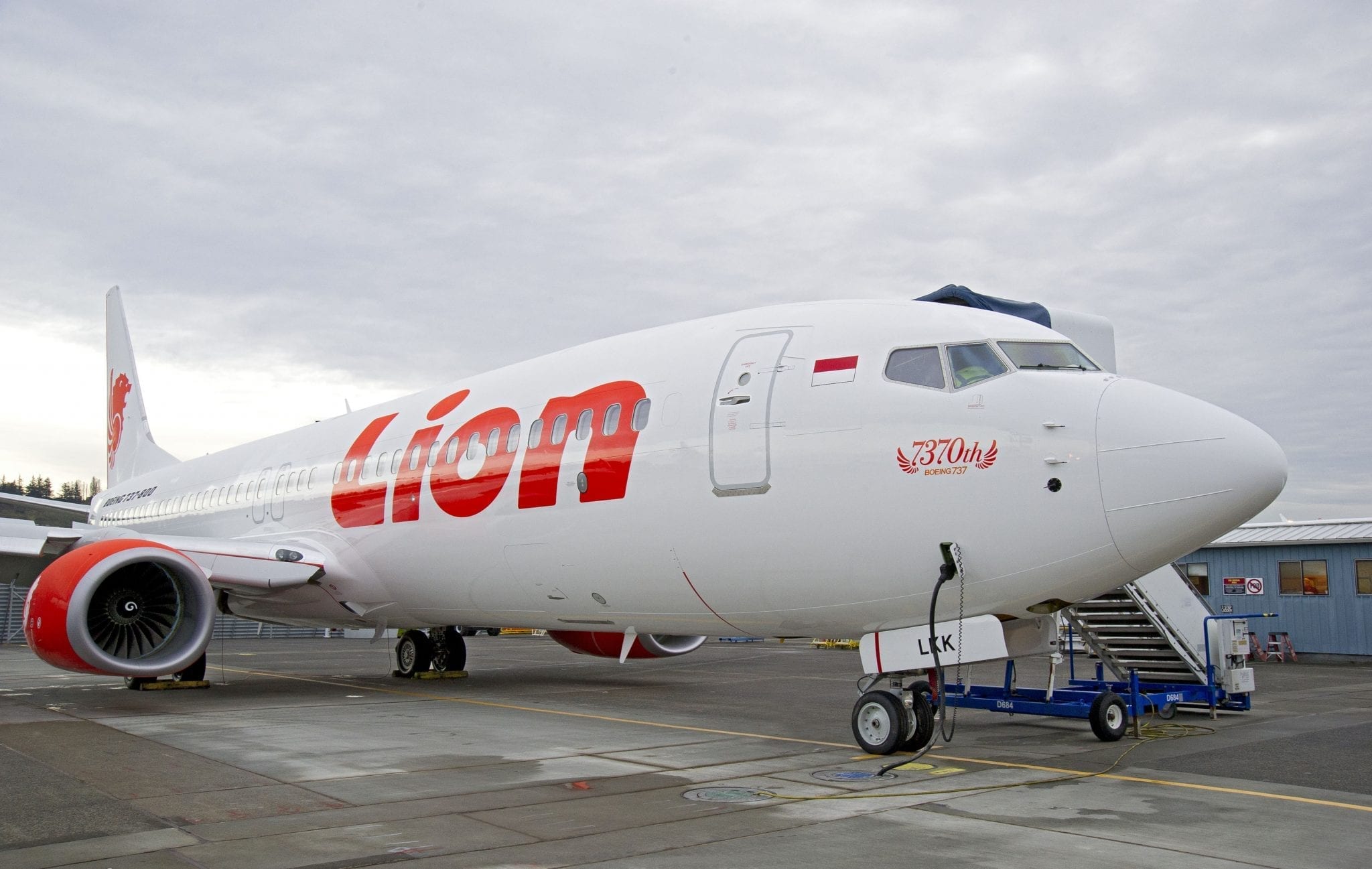
    Labor Union-Pilot Association of Lion Group (Serikat Pekerja Asosiasi Pilot Lion Air / SPAPLG) is planning to file a lawsuit against the management Indonesia’s low-cost airline Lion Air.

    SPAPLG Chief Eki Adriansjah said the move is made following the alleged union busting by the company’s management.

    “We will file a lawsuit against the management because of the union busting it has committed,” Eki said in Jakarta on Sunday (7/8).

    It is planned that lawsuit will be filed to the National Police’s Criminal Investigation Deparment on Tuesday next week, Eki said.

    He added that management also violates Law Number 21 of 2000 on Labor Union and said that SP-APLG had been formally registered at Tangerang Manpower Agency with the registration number 558.4/2529-HI/2016.

    Lion Air, however, does not recogzine the Union.

    On Wednesday (3/8), Lion Air President Director Edward Sirait annouced that the company does not recogzine the union labor within the company.

    Edward also said the pilots who claimed to become members of the union are ‘troublesome pilots who often make mistakes’.  Edward even called those pilots ‘swindlers’.

    The use of the company’s name without permits, he added, is an act of ‘forgery and fraud’.

    “They often violate regulations of the management; they don’t work according the schedules and they are now undergoing a training,” Edward said.

    Eki further said that the management’s rejection to the union has caused anxiety and surprises among the pilots.

    According to him, the establishment of a labor union does not need an approval from the company’s management but only needs a written notification to Lion Air management.

    “We sent a written notification to Lion Air management on a letter dated June 3, 2016,” he said.

  • Indosat Ooredoo launches m-payment for retailers

    Indosat Ooredoo launches m-payment for retailers

    Indonesia’s Indosat Ooredoo has launched a new mobile payment service for retailers, in collaboration with GoSwift International and banking chain BNI.

    The new D-Pay service will allow merchants to use their exsting mobile devices as multifunctional payment platforms, accepting payments based on Visa, MasterCard or JCB credit and debit cards, as well as eWallet services.

    D-Pay services for retailers come bundled with data, voice and SMS allocations from the operator.

    “D-Pay is the latest product from our Mobile Financial Business,” Indosat Ooredoo chief of new business and innovation officer Prashat Gokarn said.

    “In addition to our current products – electronic wallet, bill payments, eCommerce payments, domestic and international money transfer and branchless banking, D-Pay will help reduce cash collection and logistics costs for our eCommerce partners, which will in turn benefit customers with lower prices and assured deliveries.”

    He said the service is tailored for e-commerce companies, as well as SME retailers in need of alternative payment methods but unable to easily afford standard banking solutions, by allowing merchants who do not have access to traditional point of sale services to still accept card payments.

  • Is Nike golf equipment journey ending?

    Is Nike golf equipment journey ending?

    Nike is phasing out its golf equipment business to focus on shoes and apparel.

    The company has announced it is accelerating its footwear and apparel business and will transition out of Nike golf equipment range – including clubs, balls and bags.

    “We’re committed to being the undisputed leader in golf footwear and apparel,” says Trevor Edwards, president, Nike Brand. “We will achieve this by investing in performance innovation for athletes and delivering sustainable profitable growth for Nike Golf.”

    The global giant said it will continue to partner with more of the world’s best golfers as part of its changed golfing segment strategy.

    “Athletes like Tiger, Rory and Michelle drive tremendous energy for the game and inspire consumers worldwide,” says Daric Ashford, president of Nike Golf.nike golf

    “Over the past year the MM Fly Blade Polo, the Flyknit Chukka and Air Zoom 90 have all connected strongly with golfers. We’ll continue to ignite excitement with our athletes and deliver the best of Nike for the game.”

  • ‘Wonderful Indonesia’ campaign boosts tourism industry

    ‘Wonderful Indonesia’ campaign boosts tourism industry

    The government’s efforts to promote tourism in the archipelago with its Wonderful Indonesia campaign have had a positive impact, the president director of tour and travel company Panorama Sentrawisata said on Tuesday.

    Budi Tirtawisata said that in the first six months of this year, his company booked a 19 percent increase in gross revenue to Rp 2.38 trillion, from Rp 1.99 trillion in the same period last year, as more foreigners were drawn to Indonesia.

    “The government’s free visa policy is also contributing to growth in the tourism sector,” Budi told reporters at a press conference in Jakarta.

    Budi was upbeat the company’s business volume would increase, and possibly double, in the second half of 2016, compared to the first half, because more tourism activities were expected to take place in the period.

    “The peak season for tourist visits to Indonesia is during the summer, which occurs in the second half of the year,” Budi said, adding that more tourists would also visit the country during the Christmas holidays in December.

  • Indonesia capital’s airport to open new terminal next week

    Indonesia capital’s airport to open new terminal next week

    Air passenger numbers are soaring in Indonesia, the world’s biggest archipelago nation, as a growing middle class increasingly chooses to fly but ageing infrastructure is struggling to keep up.

    The main airport serving the Indonesian capital Jakarta will next week open a new terminal to ease the burden on the country’s busiest aviation hub, the airport operator said Wednesday.

    The $380 million terminal at Soekarno-Hatta International Airport, which will start operations at about midnight Monday, will have a capacity of 25 million passengers a year once fully operational, said state-owned airport operator Angkasa Pura II.

    The other terminals are currently handling a total of about 60 million passengers a year, way over their capacity.

    The new Terminal 3 will start off handling only flights operated by Indonesian flag carrier Garuda, and it is hoped it will be fully operational by March next year.

    “This will be the biggest terminal in Indonesia,” Angkasa Pura II chief executive Djoko Murjatmodjo told AFP.

    It will eventually be connected to central Jakarta, about 30 kilometres (18 miles) away, by a rail link. There is currently no rail line between the airport and city centre, leaving passengers facing monster traffic jams to get into Jakarta at busy times.

    The terminal’s opening has been delayed for more than a month after the government ordered alterations following the discovery that an important part of the airport was not visible from the air traffic control tower.

    As well as ageing infrastructure, the Indonesian aviation sector also faces problems with safety and has suffered a string of deadly crashes in recent years.

  • Korean Government to Develop ‘Bojeong-dong Café Street’ in Indonesia

    Korean Government to Develop ‘Bojeong-dong Café Street’ in Indonesia

    The Small and Medium Business Administration (SMBA) announced its plans on August 3 to develop a small business K-town in Indonesia modeled after “Bojeong-dong Café Street” as a means of supporting the small business’ overseas expansion.

    The café street developed spontaneously from the mid 2000’s in the Bojeong-dong café street. Currently, total 126 stores are operating in the area of 22,000 ㎡, and small theme streets are developed in every eight alleys.

    Additionally, the SMBA announced its policy to co-operate K-culture and other by developing “small business K-town” in the peripheral region of Jakarta, around at the end of year 2018,

    For the policy, the SMBA proceeded a field investigation with Small Business Association, International Council for Small Business (ICBS Korea), Small Enterprise and Market Service (SEMAS), etc., and the Indonesian Government also has expressed a will to support the project.

    Joo Young-sup, administrator of the SMBA said, “The ultimate goal is to produce 1,000 successful similar cases until year 2020 by pushing ahead of the small business’ overseas expansion policy.”

    Categories:

  • Strong quarter buoys Matahari Putra Prima

    Strong quarter buoys Matahari Putra Prima

    A solid second quarter sent Matahari Putra Prima’s sales up 2.1 per cent in the first half to June 30.

    The Indonesian mixed format grocery retailer has reported net sales for the six months of Rp 7 trillion (US$560 million). Of that figure, 3.7 trillion was achieved in the second quarter, an increase of 6.5 per cent on the back of new store openings. Same store sales fell 0.3 per cent in the first half and rose 4.5 per cent in the second quarter.

    The company posted a net loss for the half of  20.7 billion ($1.66 million), after a healthy second quarter pared back a first quarter loss of 123 billion ($9.8 million).

    MPPA says its total sales growth improved from 2.1 per cent to 8.4 per cent during the first half, after the negative effects of poor economic conditions in Sumatera/Kalimantan and permanently closed stores are excluded.

    CEO Noel Trinder said second quarter sales were led by Lebaran (the two day Eid al-Fitr  holiday) and a strong performance in stores that have been renovated to the new generation G7 store format.

    “Aggressive inventory actions that negatively impacted earnings since the second half of 2015 have now finished, positioning MPPA well for future growth. We believe the resumption of growth which began in the second quarter will carry into the second half,” he said.

    “In addition, MPPA continues to exploit the future growth opportunity of new channels by increasing our shareholding in PT GEI, operator of MatahariMall.com, to 10 per cent in June.”

    As of June 30, MPPA operated 297 stores across Indonesia (112 Hypermart, 25 Foodmart, 106 Boston, 52 FMX and two SmartClub). During the first half MPPA closed three Hypermart stores (one permanently closed, one converted to Foodmart and one converted to SmartClub).

  • Indonesia joins Malaysian halal e-commerce

    Indonesia joins Malaysian halal e-commerce

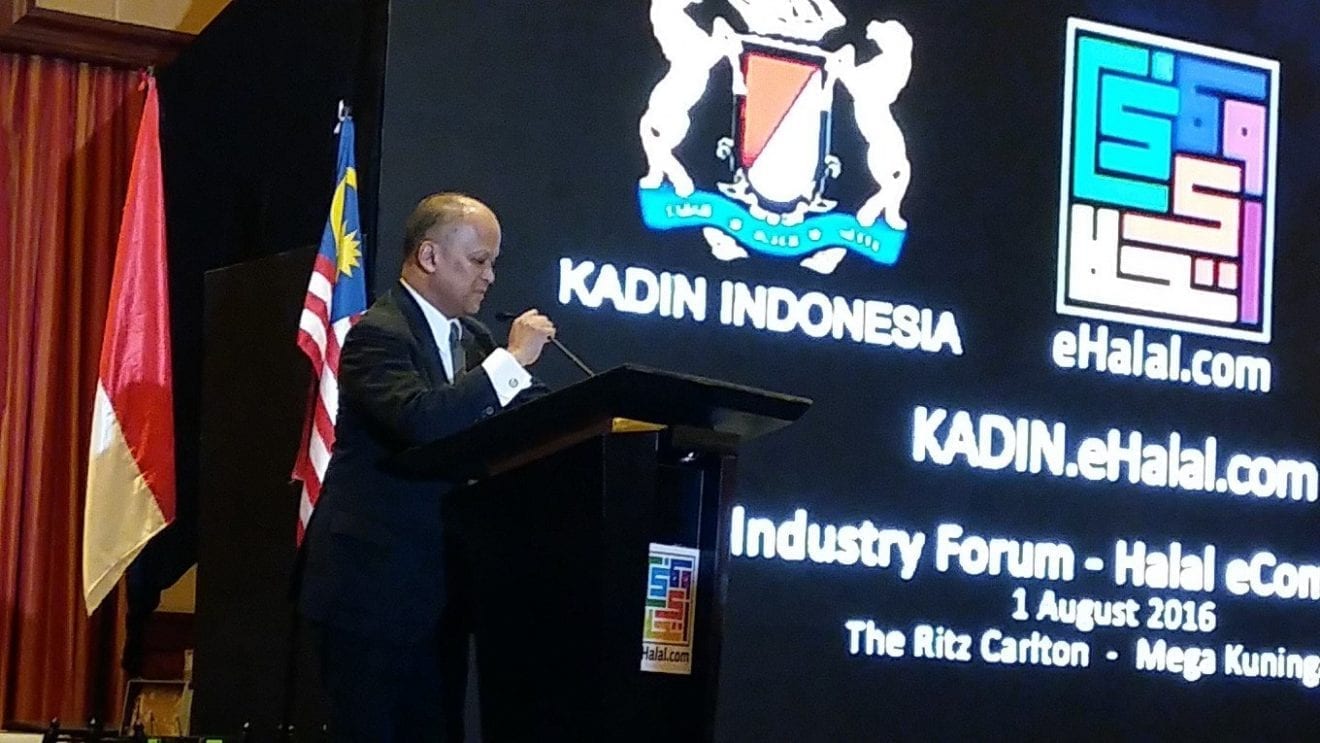
    The Indonesian Chamber of Commerce and Industry (Kadin) has joined Malaysia’s halal e-commerce website to tap into a larger international consumer base for local products, while at the same time giving local consumers easier access to imported halal products.

    The halal business sees a large market of 1.8 billion Muslims worldwide with a variety of products ranging from food, cosmetics, to pharmaceuticals. Markets for the halal business include the ASEAN region — led by countries such as Indonesia, Malaysia and Thailand, which have a large Muslim population — as well as the Middle East and North Africa.

    Now that Indonesian businesses have joined Malaysia’s e-Halal, a commerce directory portal of halal products not only from Malaysia but other countries such as China and India, Kadin chairman Roslan P. Roeslani said the country should not only be a market for halal products but also a producer and supplier.

    E-commerce platforms are becoming increasingly popular to showcase Indonesia’s potential, from big players to smaller enterprises, he added.

    Current trends show that the halal business and market will continue to grow. In 2014, the global halal market value reached US$2.3 trillion.

    “As long as there are Muslims in this world, the halal market will continue to thrive. We must see the business opportunity in this, while still upholding Islamic values,” Rosan said during an event to introduce e-Halal in Jakarta on Monday, adding that Indonesian products can be accessed through the official portal, kadin.ehalal.com.

    Malaysia’s halal industry is more developed and advanced than Indonesia’s, but the latter could still
    work to catch up and learn from Malaysia’s experiences. Indonesia’s potential is not only in food and beverage, Roslan explained, but also cosmetics, such as the popular Wardah, and fashion.

    E-Halal director Michael Teh said although most of its suppliers were Malaysian, it hoped to add Indonesian suppliers to its list from the cooperation with Kadin. E-Halal was launched in Malaysia in May and now has hundreds of products, from prawn crackers and baby food to fresh vegetables and bath salts.

    Michael said suppliers may join e-Halal for free, so long as their products are certified halal from the local issuing authority. From Indonesia, for example, products must receive halal certification from the Indonesian Ulema Council (MUI).

    “All our suppliers must be certified, and we will verify the certifications they upload. Our concept is to enable and safeguard halal suppliers to reach the world of e-commerce,” he said during the same occasion.

    Malaysian International Trade and Industry Ministry’s Halal Industry Development Corporation (HDC) CEO Dato Seri Jamil Bidin said Malaysia and Indonesia must cooperate in developing the halal industry, which holds large economic potential.

    “Amid the increasingly borderless global trade, it is important to seize opportunities and develop with sophisticated technology like e-halal,” Jamil said.

  • YLKI Protests Indecent Bikini-brand Snack

    YLKI Protests Indecent Bikini-brand Snack

    Chairman of Executive Committee of the Indonesian Consumers Organization Foundation (YLKI) Tulus Abadi protested on a Bikini-brand snack product. Tulus said the brand sold in social media is considered as indecent.

    “That is a snack (fried noodle) product with a non-educational, even indecent, brand name”, Tulus said Wednesday, August 3, 2016.

    Recently, information of the Bikini snack circulates through chain messages. The product shows a woman’s body from shoulder to hip with just wearing a bikini. The worst part is the package has “remas aku” (squeeze me) slogan written on it.

    YLKI protested the circulation of the product and asked to recall the product from the market. Tulus requested the National Drug and Food Agency of Indonesia (BPOM) to reprove the manufacturer and demand to shut down any form of sales through social media.

    “Online selling, particularly via e-commerce Olx.com and Bukalapak.com, must be immediately stopped. Consumers must not purchase the product, especially the children,” said Tulus.

  • ‘Modest’ growth for Dairy Farm International

    ‘Modest’ growth for Dairy Farm International

    Pan-Asia retailer Dairy Farm International Holdings reports “modest” sales growth for the six months ended June 30.

    Underlying profit was slightly ahead as higher contributions from food, home furnishings, restaurants and China hypermarket Yonghui offset a lower contribution from the group’s health and beauty division. The group is seeing the benefits from investments made last year.

    Sales for the period, excluding associates and joint ventures, were down 1 per cent but up 2 per cent at constant exchange rates. Sales were impacted by the closure of underperforming stores in Indonesia and Singapore.

    The operating profit was stable at US$197 million, compared with $201 million in the first half of last year.

    Under pressure

    In the food division, sales within supermarkets and hypermarkets were up 2 per cent despite deflationary pressures.

    In Hong Kong, sales increased modestly but profits were impacted by higher rental and labour costs. In Indonesia and Singapore, profitability improved despite reduced sales following store closures. Sales were flat but profits lower in Malaysia, while the Philippines had good sales growth and improved profitability.

    Convenience stores in Hong Kong and Macau performed satisfactorily in a difficult trading environment, while overall sales in Singapore were flat because of the cutback in stores yet sales were positive and profits higher.

    Store expansion continued in mainland China, and there was good sales and profits growth.

    In the health and beauty division, sales improved in Hong Kong but Macau and Malaysia were behind with lower profitability.

    Like-for-like sales were positive in China, and in Indonesia “encouraging” improvements were made in sales and profits following a store rationalisation program.

    In the Philippines, good progress continues to be made on the integration of Rose Pharmacy.

    In home furnishings, Ikea performed well, producing growth in both sales and profits in its three markets. Store expansion opportunities are being pursued.

    Still expanding

    In the restaurant division, Maxim’s maintained its impressive track record with higher sales and profits in China and Hong Kong. The group is growing its presence on the mainland and continues to expand its Starbucks network in Cambodia and Vietnam.

    Yonghui reported 18 per cent revenue growth in the first half.

    In February, PT Hero agreed to sell its remaining Starmart stores in Indonesia. The transfer of the stores is expected to be completed in the fourth quarter.

    In March, the group refinanced short-term borrowings of $900 million, to be used in part to invest a further $191 million in Yonghui. This will maintain the group’s 19.99 per cent interest following the placement by Yonghui of a 10 per cent shareholding to JD.com.

    In April, Maxim’s acquired the Cova patisserie and restaurant franchise in Hong Kong, which has 10 outlets. Maxim’s also opened its first The Cheesecake Factory in Shanghai Disney Town.

    At the end of June, Dairy Farm, including Yonghui, had about 6500 outlets across all formats and employed 180,000-plus people.

    “While sales and profit performance in the first half have been encouraging in a challenging
    trading environment, the outlook remains uncertain with consumer confidence fragile in most
    Markets,” says chairman Ben Keswick.

    Incorporated in Bermuda, Dairy Farm International Holdings has its primary listing on the London Stock Exchange with secondary listings in Bermuda and Singapore. The group’s businesses are managed from Hong Kong by Dairy Farm Management Services through its regional offices. Dairy Farm is a member of the Jardine Matheson Group.

  • Indonesia Intensifies Awareness Campaign on Tax Amnesty Program

    Indonesia Intensifies Awareness Campaign on Tax Amnesty Program

    The Administration of President Joko Widodo (Jokowi) is racing against time to make its tax amnesty program a success, in order to increase the much needed state revenues.

    Officially launched on July 1, the tax amnesty program is effective from July 18, 2016 until March 31, 2017.

    The first period of its implementation is from July 18 until September 30, 2016; the second is from October 1 until December 31, 2016; and the third period is from January 1 until March 31, 2017.

    The tax amnesty program has a specific period, therefore there should be no delay in its implementation, President Jokowi was quoted as saying by new Finance Minister Sri Mulyani Indrawati recently.

    He particularly asked Finance Minister Sri Mulyani to complete all regulations on implementation of the tax amnesty.

    Regulations on the tax amnesty must be completed soon, so the program could be carried out successfully, Minister Mulyani said at the presidential palace, here on July 28, after receiving a directive by the President on the tax amnesty for officials of the tax directorate general of the finance ministry.

    The tax amnesty program is designed to be a significant incentive for taxpayers, since the compensation interest to be charged is only two percent, according to the minster.

    “We are trying, during the period from now until September, to create trust building, convenience and, finally, success in developing a tax system,” she said.

    The president asked every tax officer to not only be ready and proactive in the implementation of the tax amnesty program, but also to secure the state revenue, in general.

    For that purpose, tax officers should be honest, professional and have no conflicts of interest.

    In his directives, President Jokowi said he believed that the momentum to carry out the tax amnesty is right at present, as the public has been enthusiastic in attending the tax amnesty education sessions that have been held.

    The tax amnesty socialization activities have been well received, as the number of people attending the events were larger than those invited for the events, he explained.

    “From three socialization activities that we have carried out, I have seen huge enthusiasm from the public and businessmen. In Surabaya, 2,000 people were invited, and 2,700 people came. In Medan, it was even more. 3,000 people were invited, and 3,500 people came to the event,” the President said.

    Jokowi is scheduled to carry out the tax amnesty sessions in Makassar, Jakarta, and even Singapore in the near future.

    The Indonesian government has implemented a new tax amnesty program to boost tax revenues by encouraging the repatriation of funds stashed abroad.

    The government will impose a two to five percent tax on assets repatriated to the country by March 2017.

    These assets must be invested in Indonesia for a period of three years in funds managed by appointed banks and can be invested in several ways, including government bonds.

    The government said many rich Indonesians have parked thousands of trillions rupiah abroad to evade tax.

    At least Rp4,000 trillion of the fund are expected to be declared and Rp1,000 trillion of which would be repatriated and invested in the country.

    When launching the tax amnesty program on July 1, Jokowi urged the countrys business community, whose members had so far been stashing assets overseas, to avail the government`s program.

    “This is an opportunity that will not come again. Anyone who wishes to make use of it can go ahead and the rest should be prepared for the consequences,” the President stated.

    “So, we hope these funds are repatriated immediately. We will need Rp4,900 trillion in the next five years to develop infrastructure. The national budget can only provide Rp1,500 trillion and the rest must come from investment and businesses. There is no other alternative,” he explained.

    In the meantime, the Indonesian Police (Polri) will guarantee legal certainty and safety of tax amnesty applicants.

    Polri is supporting the governments tax amnesty program and has helped maintain the investment climate by not disturbing activities of investors already in Indonesia, the Head of Polris Crime Investigation Department (Bareskrim), Commissioner General Ari Dono Sukmanto said on July 28.

    The National Police is implementing the instructions of the President Joko Widodo and Law No. 11 Year 2016 on Tax Amnesty, to guarantee safety and legal certainty of the applicants, he added.

    Detectives should focus not only on merely finding wrongdoings of tax payers, particularly tax amnesty applicants, he remarked.

    Polri, in cooperation with several financial institutions, such as Indonesias Financial Services Authority (OJK), Bank Indonesias regional offices, and the Tax Directorate General, will issue appeals to businessmen and individuals, who have stashed their money overseas, to return their money to Indonesia and keep them in domestic banks.

    “Polri will also guarantee the secrecy of data of tax payers applying for amnesty. Those who leak the data will be punished,” he said.

    Furthermore, State-owned bank PT Bank Rakyat Indonesia (BRI) has set a target to collect funds at least worth Rp60 trillion from the tax amnesty program, through both bank and non-bank products.

    “The target would not be achieved without the dissemination of information that the BRI is ready to offer tax amnesty services to the clients and public, both in the country and overseas,” PT BRI Director Sis Apik Wijayanto noted at an event to raise awareness on the tax amnesty program in Lampung, on July 28.

    The BRI has disseminated information on its tax amnesty-related products and services across all its branches in the country.

    In Lampung Province alone, 14 branches and 97 units of BRI are ready to offer tax amnesty services, he remarked.

    The event was attended by 100 people, mostly businessmen from Lampung.
  • Indonesia, France to Boost Economic Cooperation

    Indonesia, France to Boost Economic Cooperation

    Indonesian Coordinating Minister for Economic Affairs Nasution said Indonesia is ready to explore economic cooperation with France.

    He mentioned that France is a strategic trading partner for Indonesia.

    Nasution made the statement during a meeting with French Ambassador to Indonesia H.E. Mrs. Corrine Breuzé, on Friday, (July 29).

    “I believe that the economy of Indonesia and France are complementary. Therefore, it is important to increase economic cooperation in several sectors,” he said on Saturday (30/7).

    Based on data released by the Ministry of Trade in 2015, the total trade volume between Indonesia and France amounted to US $ 2.3 billion. This figure decreased by 9.4 percent compared to that of the previous period, which reached US $ 2.35 billion, while French investment realization in Indonesia was US $ 131.6 million for 197 projects.

    The business that is in great demand among French investors in Indonesia are among others, transportation, communications, electricity, gas, water, food industry, chemical and pharmaceutical goods sectors.

    Nasution further said the investment realization bilateral cooperation between Indonesia and France in the future could be further increased and spread particularly in ​​eastern Indonesia.

    Therefore, in order to boost the value of the investment, the Indonesian Government has made a breakthrough through a series of Economic Policy Package issued since September 2015.

    “This package contains a variety of policies ranging from streamlining the investment license, the revised negative list of investment, the acceleration of infrastructure development and more,” the minister said.

  • CIMB’s Indonesian unit posts big jump in profit

    CIMB’s Indonesian unit posts big jump in profit

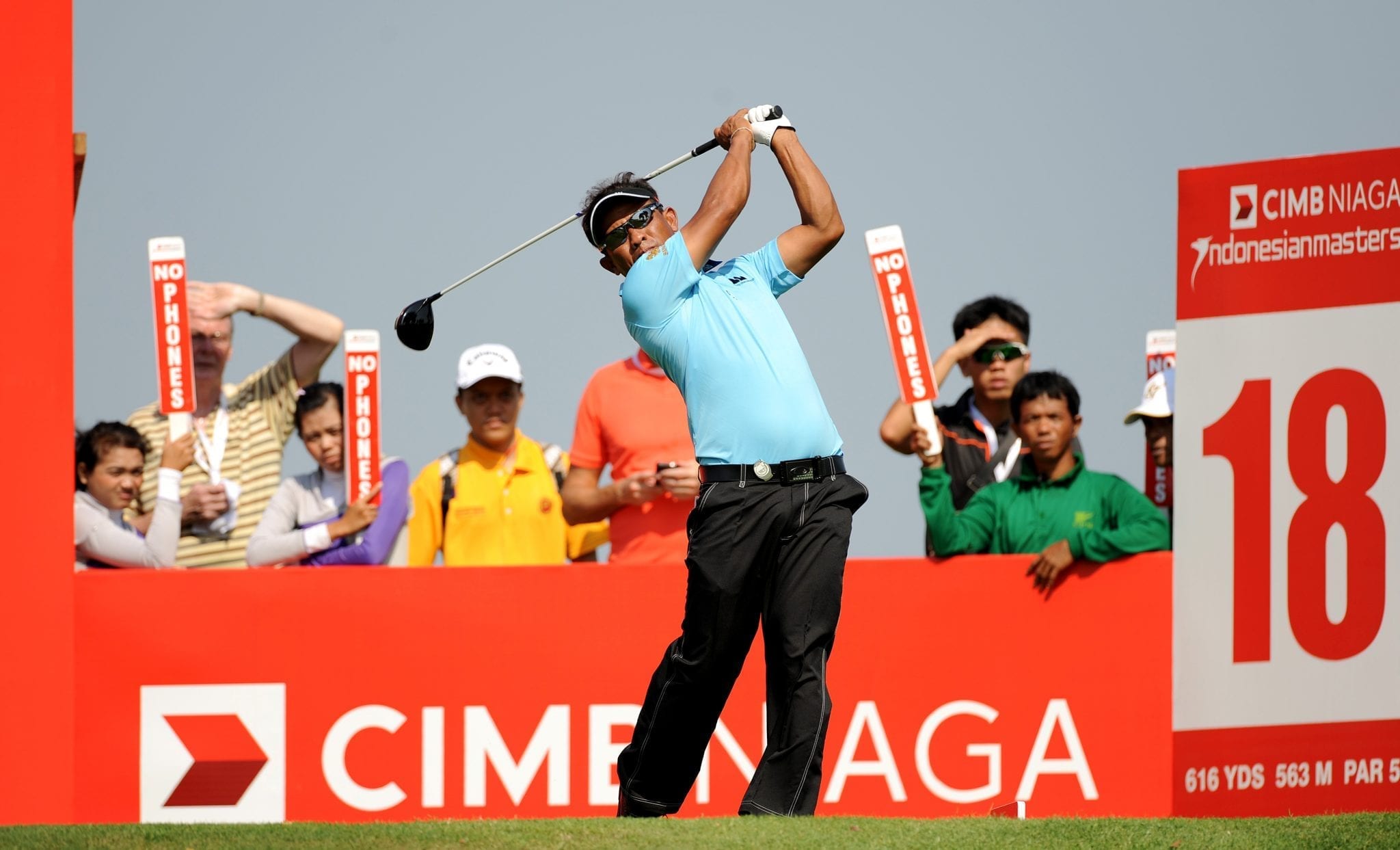
    CIMB Group Holdings Bhd’s 97.9% owned Indonesia-based subsidiary PT Bank CIMB Niaga Tbk, boosted its unaudited consolidated net profit by 318.2% to 736 billion rupiah (RM228.4mil) for the six-month period ended June 30, 2016 (H1).

    The fifth largest bank in Indonesia by assets said in a statement that the higher net profit, which translated to earnings per share of 29.29 rupiah, was due to a 4.8% rise in net interest income (NII) to 5.81 trillion rupiah (RM1.81bil), a 24.1% jump in non-interest income to 1.46 trillion rupiah (RM453mil) and a 7.9% fall in provision expense.

    Its president director Tigor M. Siahaan said: “Despite the challenging environment, our H1 top line performance continued to improve. The 4.8% year-on-year (y-o-y) NII growth was recorded against a decline in interest expense, while non-interest income was 24.1% higher y-o-y due to better treasury and capital markets businesses.”

    He said CIMB Niaga maintained good control over its operating expenses which fell by 1.2% y-o-y.

    “In addition, the provisions for non-performing loans had gradually improved.”

    As the bank retained a conservative growth strategy, total gross loans were lower y-o-y at 175.34 trillion rupiah (RM54.41bil) as at June 30.

    Despite the slower overall growth in CIMB Niaga’s loans, selected business segments recorded encouraging performance.

    The personal and multipurpose loans business grew 9.2% y-o-y through the bank’s X-tra Dana product, while the credit card segment posted a 25.5% y-o-y growth to 7.18 trillion rupiah (RM2.23bil).

    As at end June 2016, the bank had issued over 2.1 million credit cards, an increase of 13.4% from a year earlier.

    To date, CIMB Niaga is the third largest credit card issuer in Indonesia, in addition to being the fifth largest bank with total assets of 239.38 trillion rupiah (RM74.33bil).

    Its current account savings account (CASA) grew 5.7% y-o-y to 93.21 trillion rupiah as at June 30, with the CASA ratio rising 457 basis points (bps) y-o-y to 51.99%.

    The loan to deposit ratio was higher at 96.54% at end-June 2016 compared to 95.81% in the same period last year.

    The Indonesian government has appointed CIMB Niaga as a perception bank assigned to accommodate funds repatriated by taxpayers who are participating in Indonesia’s tax amnesty programme.

    “With additional liquidity available through the programme, the national banking industry, CIMB Niaga included, will have greater capacity to disburse loans to various sectors,” Tigor said.

    CIMB Niaga’s capital adequacy ratio strengthened y-o-y to 17.62% as at June 30.

    “We will continue to selectively increase our assets with a key focus on cost management and asset quality.

    “We started 2016 on a more positive note and seen the potential of gradual improvement in the second half of the year, backed by numerous macroprudential government fiscal and monetary policies to stimulate sustainable economic growth,” added Tigor.