Tag: Indonesia

  • UL wire, cable laboratory inaugurated in North Jakarta

    UL wire, cable laboratory inaugurated in North Jakarta

    A United States safety consulting and certification company, Underwriters Laboratories (UL), inaugurated on Tuesday a wire and cable laboratory operated by its subsidiary, PT UL International Indonesia, in North Jakarta as part of its business expansion in Southeast Asia.

    UL commercial and industrial business president Ben Miller said after the inauguration ceremony that the company had chosen Indonesia for the laboratory’s location because of the county’s fast-growing economy.

    UL said in a statement that the laboratory, the company’s first wire and cable certification facility in Southeast Asia, had been accredited by the National Accreditation Committee as a testing laboratory and by the Product Certification Agency (LSPro) for the certification of Indonesian National Standards (SNI).

    The statement said that UL Indonesia had signed an agreement with the Industry Ministry’s Center for Material and Technical Products (B4T) on the expansion of the SNI certification scope by UL.

    UL Indonesia is allowed to provide testing services in line with SNI certification.

    Miller said that UL standard certification required ongoing surveillance and comprehensive monitoring of products starting from their designing until their selling.

    Meanwhile, vice president and managing director for UL ASEAN Region Anthony Tan said that UL operated three laboratories in Southeast Asia.

    The company had two laboratories in the consumer technology and transaction security fields in Singapore and a textile and consumer goods laboratory in Vietnam, Tan said.

    Tan added that the company would open another laboratory in the heating and ventilation field in Thailand this year.

  • Jin Air ready to fly to lombok using Boeing 777

    Jin Air ready to fly to lombok using Boeing 777

    South Korean low-cost carrier Jin Air is ready to fly to Lombok in the Indonesian province of West Nusa Tenggara using a wide-bodied Boeing 777 plane to encourage the tourism industry there, an official said.

    “I have received an official (notification) from the chairman of Korean Air that its subsidiary, Jin Air, is ready to fly to Lombok using Boeing 777,” Chief of the Investment Coordinating Board (BKPM) Thomas Lembong noted following a meeting at the Coordinating Ministry for Maritime Affairs here on Monday.

    He stated that low-cost carriers are badly needed to boost the tourism industry in Indonesia.

    Although investment in the tourism sector is not large, it still plays a very strategic role in creating jobs and bringing in foreign exchange earnings from international tourists, he said.

    “This needs an extraordinary teamwork as many tourists depend on air connectivity. We need air connectivity, particularly through budget carriers, so that there will be low-cost flights from Korea, China, Japan, Australia, India, and so on,” he remarked.

    Besides low-cost carriers, the government must also prepare supporting infrastructures to boost the tourism industry, he pointed out.

    “Although the runways and terminals of airports are still good, we still need to upgrade them. We must check their electronic navigation system, so that planes can land and take off despite bad weather,” he stated.

  • Where is Indonesian e-commerce headed?

    Where is Indonesian e-commerce headed?

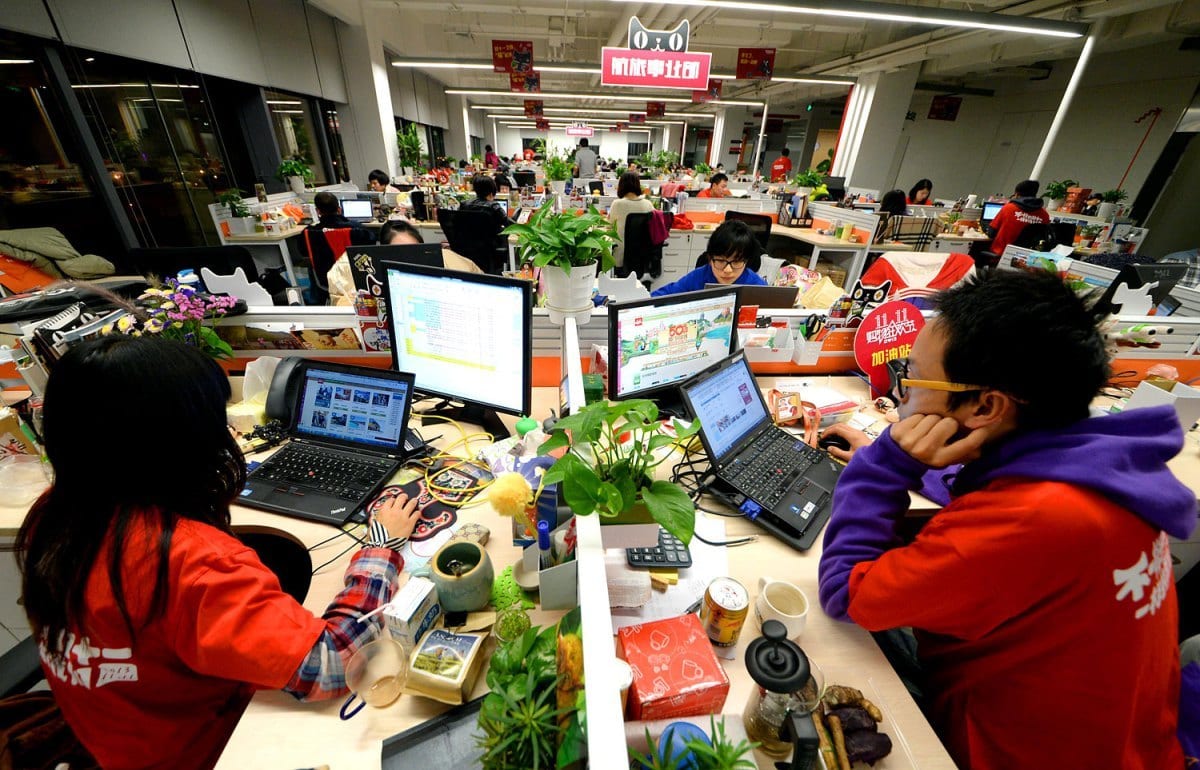
    With a population of over 250 million and rapidly growing internet adoption, the Indonesian archipelago could offer a booming market for online shopping — and current projections say it will reach $130 billion by 2020.

    “The great thing is that there are a lot of investments… There are choices for consumers that love innovative solutions that are coming out from Indonesia itself,” William Gondokusumo, the CEO of Campaign.com and director of Tororo.com told.

    Recently, the Indonesian government altered regulations to allow more foreign investment in the sector. Indonesia’s investment service agency only recently allowed 100-percent foreign ownership for investments above 100 billion Indonesian rupiah ($7.53 million) for the establishment of an e-commerce company in the country.

    However, even with “big boys” such as Alibaba and JD.com coming in — and Amazon soon following with a reported $600 million investment — Gondokusumo predicted that domestic e-commerce firms won’t be pushed out as they are “more community focused.”

    The slowing Indonesian retail growth numbers of February, and indications that price pressure will continue over the next few months do not affect Gondokusumo’s bullish view on the retail and e-commerce in the country.

    “The way we see it,” he said. “All retail and media companies will eventually become their own social network.”

    On the contrary, Ken Dean Lawadinata, former CEO and chairman of Kaskus Networks, who invested alongside Gondokusumo in Tororo, held a less optimistic attitude.

    “At the moment, I have a more bearish attitude towards the IT industry, where I believe most investors and owners are pushing their company to a quick sell or short term mentality. This is not sustainable and bad for the industry itself,” he told in an email.

  • Indonesia Promotes Tourism in Japanese Festival

    Indonesia Promotes Tourism in Japanese Festival

    The Indonesian government participated in the “Singen-ko Festival 2017” held in the Yamanshi Prefecture, Japan, to promote the tourism sector and investments in Indonesia.

    Indonesia was represented by state-owned airline PT Garuda Indonesia, assigned to strengthen the Indonesia-Japan diplomatic relationship.

    “The Garuda Indonesia team is led by Garuda Indonesia Commissioner Jusman Syafeii Djamal, accompanied by House of Representatives Commission X member Niko Siahaan, and a number of local celebrities, such as Donna Agnesia, Okky Lukman, Indra Bekti, and Vincent,” Indonesia’s special envoy for investment affairs Rachmat Gobel said on Monday, April 10, 2017.

    According to Gobel, Indonesia’s involvement in such cultural festival is a strategic way to strengthen ties between Indonesia and Japan. In addition, Garuda has served Japanese wine products from Yamanase on its flights. Therefore, Gobel said Indonesia must seize the opportunity to attract more Japanese investors.

    Data from the Investment Coordinating Agency revealed that Japan is the second largest investor with a total investment value of US$5.4 billion after Singapore in 2016. Japan has made investments in almost all sectors, such as manufacturing, infrastructure and automotive.

    In addition, Japan recorded a surplus of USD 25 billion in current trade balance in February 2017, increasing from USD 588.6 million in January. Official data from the Japanese government showed that the surplus increased by 18.2 percent when compared to last year. Bloomberg forecasted that the current account surplus reached USD 22.5 billion.

    Japan has maintained its trade balance surplus for years, thanks to positive trade balance and strong revenues from overseas investments.

  • Japanese-Bruneian fund seizes investment opportunities in Indonesia

    Japanese-Bruneian fund seizes investment opportunities in Indonesia

    SBI Islamic Fund (Brunei) Limited, a joint venture between Brunei Darussalam’s Ministry of Finance and Japan’s Strategic Business Innovator (SBI) Holdings, is looking for opportunities to invest in Indonesia.

    SBI Islamic Fund (Brunei) Limited CEO Amran Mohammad said the fund would build fish processing factories in Maumere, East Nusa Tenggara, and in Aceh. The facilities would be used to process tuna to be exported to Japan.

    “The one in Aceh will be much bigger than that in Maumere. We are sealing the agreement for [the project in] Aceh,” he told The Jakarta Post during the 3rd IDB Member Countries Sovereign Investment Forum in Nusa Dua on Tuesday.

    The investment for the development of the two facilities would come from its second sharia fund totaling US$60 million.

    Both Brunei’s Ministry of Finance and SBI Holdings contributed $25 million each to the fund, while the remaining $10 million comes from the Islamic Development Bank (IDB).

    SBI Islamic Fund (Brunei) Limited’s first sharia fund worth $75 million was created three years ago and invested in Indonesia’s logistics firm Pandu Logistics, among other investments.

    However, Brunei Ministry of Finance deputy permanent secretary for investment Khairuddin Abdul Hamid said the fund was still looking for another $40 million from private investors.

    “We have already talked with some prominent parties during this forum and are still waiting for the reply,” he said.

  • Pertamina to acquire more oil and gas blocks abroad

    Pertamina to acquire more oil and gas blocks abroad

    State-owned oil and gas company PT Pertamina is seeking to acquire more oil and gas blocks in the country and abroad to meet its production target set by the government.

    “Operations abroad are expected to contribute 33 percent to the companys target of production of 1.9 million barrel oil equivalent per day in 2025,” its Upstream Director Syamsu Alam said in a media gathering here on Monday.

    The company would also be as aggressive in acquiring oil and gas blocks in the country, Syamsu said.

    Syamsu said currently Pertamina already has oil and gas blocks in operation in 12 countries such as in Algeria, Iraq and Malaysia, the first to operate , followed by ones in Nigeria, Tanzania and Gabon.

    Pertamina is preparing development of eight termination blocks in 2018 already handed over by the government to Pertamina including one in Sanga Sanga, East Kalimantan and OSES.

    Domestic assets are also optimized, Syamsu said citing the project of PHE WMO Integration, drilling of Parang Nunukan, Randugunting, enhanced oil recovery (EOR) of old wells.

    Indonesia is currently the 16th largest economy in the world with gross domestic product (GDP) at US$941 billion . In 2050, it is expected to break into the ranks of four largest after China, the United States, and India with GDP predicted at US$15.432 billion.

    Indonesia, therefore, would need support of large supply of energy , Syamsu said.

    In 2015 the countrys energy output reached 354 million tons equivalent oil including 271 million tons of coal and 113 million tons of oil, gas and renewable energy.

    While consumption of oil and gas is still high, production is decreasing with the shrinking known oil and gas reserves .

    Although Indonesia still has 60 oil and gas basins , the countrys oil reserves are ranked only the 26th in the world at 4 billion barrels. Similarly the countrys gas reserves , Indonesia is the 14th largest in the world with reserves of 100 TCF.

    The policy of Pertamina to acquire more oil blocks abroad to increase its reserves will contribute to guaranteeing energy supply in the country .

  • Grab Indonesia buys e-commerce startup Kudo

    Grab Indonesia buys e-commerce startup Kudo

    Ride-hailing firm Grab Indonesia has acquired e-commerce startup Kudo for an undisclosed amount, striking its first deal since pledging to invest US$700 million in its largest market.

    Kudo helps consumers without bank accounts to shop online by connecting them with online merchants and other service providers across 500 cities and towns.

    Based in Singapore, Grab says it plans to accelerate the expansion of Kudo’s network while bringing more riders and drivers on to its own platform. The two companies also plan to explore new financial products such as consumer loans and insurance.

    Former payment-processing company Euronet Worldwide executive Jason Thompson has been hired by Grab to head GrabPay. This digital wallet for riders was introduced last year.

    Grab’s Indonesian investment promise entails building its digital payments network over the next four years in a bid to win over the 260 million people in its largest market. The company’s car- and motorcycle-hailing businesses grew more than 600 per cent in Indonesia last year.

    Valued at more than US$3 billion, Grab intends to set aside as much as US$100 million to bankroll early-stage domestic startups in mobile and financial services. It has started establishing research centres in Bangalore, Ho Chi Minh City and Jakarta to complement engineering offices in Beijing, Seattle and Singapore.

  • Hooters Southeast Asia opens two more outlets

    Hooters Southeast Asia opens two more outlets

    Hooters has opened two outlets in Southeast Asia, Hooters of Singapore – Fusionopolis and Hooters of Jakarta.

    Both locations are run by international franchisee Destination Group of Singapore, a Hooters 2015 Developer of the Year.

    Hooters of Singapore – Fusionopolis is in the One-North Business Park in Buona Vista. The 240 sqm restaurant accommodates 103 guests and has more than 20 large-screen televisions. Fusionopolis is an integrated work-life-play-learn development comprising retail outlets, a fitness club, R&D businesses and apartments.

    Hooters restaurant

    Hooters of Jakarta is in the Kemang Square shopping area, known for its upscale shopping centres, residences and nightlife. The 228 sqm Hooters restaurant seats 105 guests and has more than 16 large-screen televisions.

    “We are continuing our steady progression of opening locations across Southeast Asia,” says Destination Group CEO Gary Murray. The company has a 35-location Southeast Asia development agreement with Hooters of America, with plans to open more outlets soon in Phnom Penh, Koh Samui in Thailand, Taipei and Manila (multiple locations).

    While guests in SouthEast Asia are offered the Hooters standards of burgers, wings, appetisers and salads, they can expect menu additions that suit local tastebuds such as sauces, Indonesian sambal and Singaporean chili crab.

    Hooters of America chief development officer Mark Whittle says more sites are being sought for the group’s restaurants in Bali, Bangkok, Cebu, Davao, Ho Chi Minh City, Hong Kong, Jakarta, Kowloon, Krabi, Kuala Lumpur, Macau, Manila, Siem Reap, Singapore, Taipei and Yangon.

  • Cooking to coding: What free HTML classes mean for Indonesian maids

    Cooking to coding: What free HTML classes mean for Indonesian maids

    Jamilah’s newly obtained skills are beyond anything most would expect from an Indonesian maid working in Singapore – she is not only a cook and a cleaner, but a website builder.

    Jamilah learnt programming languages such as HTML and CSS at a free, eight-week coding course for domestic workers provided by Indonesia’s Creative Economy Agency. The agency plans to expand the programme, launched in Singapore in January, to Hong Kong later this month, then to Malaysia, Taiwan and Saudi Arabia.

    To cater to maids’ strict schedules, the classes are held every Sunday from 10am to 1pm. In Singapore, the demand to enrol was so high the programme was forced to move those about to leave the city state to the front of the line – such was the case with Jamilah.

    “I’m very keen on learning how to code,” Jamilah told. “I’m hoping to have my own business when I return to Central Java and use the website to market my products and bring in more customers from the internet.”

    Students are expected to bring their own laptops to class, and this posed a problem for Jamilah since her old computer was broken. “So I bought a brand new Dell laptop that set me back SG$499 (HK$2,765), or a month’s salary. But it’s worth it.”

    The 41-year-old said she was blessed to have an understanding employer who allowed her to take the course. “My boss even downloaded GitHub for me,” the mother of four said, referring to a popular software development platform.

    By advancing the skill sets of maids such as Jamilah, Indonesia aims to empower workers with entrepreneurial skills that will help them set up businesses once they return home.

    About a third of Indonesia’s six million migrant labourers work as housemaids in places such as Singapore, Hong Kong, Taiwan and the Middle East. In 2015, Indonesian migrant workers sent home about US$9.4 billion in remittances, according to official data. However, once they return home, a relative lack of workplace skills often prevents them from securing well-paying jobs or establishing their own businesses.

    Indonesia has a workforce of about 125 million people, 60 per cent of whom did not get past middle school or high school, according to Minister of Labour Hanif Dhakiri.

    “They do not have the skills needed to have a proper job that would lift them out of poverty,” he said. “We fully support the coding programme for maids as a solution to increase their self-sufficiency post tenure.”

    Through the programme, the government also hopes to bolster the talent supply in Indonesia’s creative workforce to 13 million people by 2019, about a million more than last year.

    “We need to have our own talents so, when it comes to software programming, we no longer have to depend on foreign companies,” said Triawan Munaf, head of the state agency that founded the programme.

    The coding course for maids is a twist on a similar course designed for stay-at-home mothers in Indonesia called “Coding Mum”, organised by the same agency. Launched in February last year, Coding Mum began in six cities and will be expanded to three more this year to meet demand. Its graduates either run their own businesses or are employed as front-end developers and beta testers by local tech firms such as e-commerce company Tokopedia.

    “We have positive results from Coding Mum, where housewives from all ages up to 60 years old have joined the programme,” said Izak Jenie, Coding Mum’s co-founder. “After Coding Mum, we felt challenged to teach coding to housemaids.”

    But teaching how to code to mostly undereducated housemaids is not without challenges. Despite sharing the same lessons with the stay-at-home moms, mentors need to be more patient and understanding with maids, since most of their experiences with the internet are limited to social media services such as Facebook or WhatsApp.

    “However, their motivation to succeed seems bigger. In Singapore, for example, they asked me questions outside of the classroom, sometimes until 1am,” said Henry Sutjipto, the programme coordinator for countries outside Indonesia.

    The classes for maids also require Indonesian-speaking tutors who are willing to volunteer, Sutjipto said.

    These same challenges face the programme as it looks to start classes in the New Territories of Hong Kong, starting on April 23.

    “In Kuala Lumpur it’s easy to find mentors because there are many Indonesians there,” Sutjipto said. “It was difficult to find one in Hong Kong, but we found two information technology lecturers from Indonesia who are currently studying in Guangzhou and are willing to come to Hong Kong to teach.”

    The programme has piqued the interest of Anggraeni Ustianingsih, an Indonesian maid living in Tseung Kwan O who has been working in Hong Kong for five years and whose tenure will expire in November.

    When she returns home, she hopes to expand her business of selling shumay (steamed fish dumplings) to a broader online market.

    “My boss is supportive because the class is scheduled on my day off,” the 42-year-old from Tegal, Central Java, said.

    She has a Lenovo laptop, and is ready to do any homework from the course in her spare time.

    Due to the high interest shown by maids in learning programming and coding, the Indonesian government also plans to bring the course to villages that have sent many migrant workers overseas. It will not, however, expand the programme to cities in the Middle East, other than Medina in Saudi Arabia.

    “It’s hard to implement the programme in the Middle East because housemaids there are not even allowed to get out of the house,” said Dhakiri, the labour minister.

    Back in Singapore, Jamilah dreams of becoming a tailor in her home town after her contract to work in the city state expires on September. But a question lingers: “I’m still not sure whether to return to Indonesia or renew my contract here… I still need more money to send my children to college.”
  • Malaysia puts high hopes on one halal certification with Indonesia

    Malaysia puts high hopes on one halal certification with Indonesia

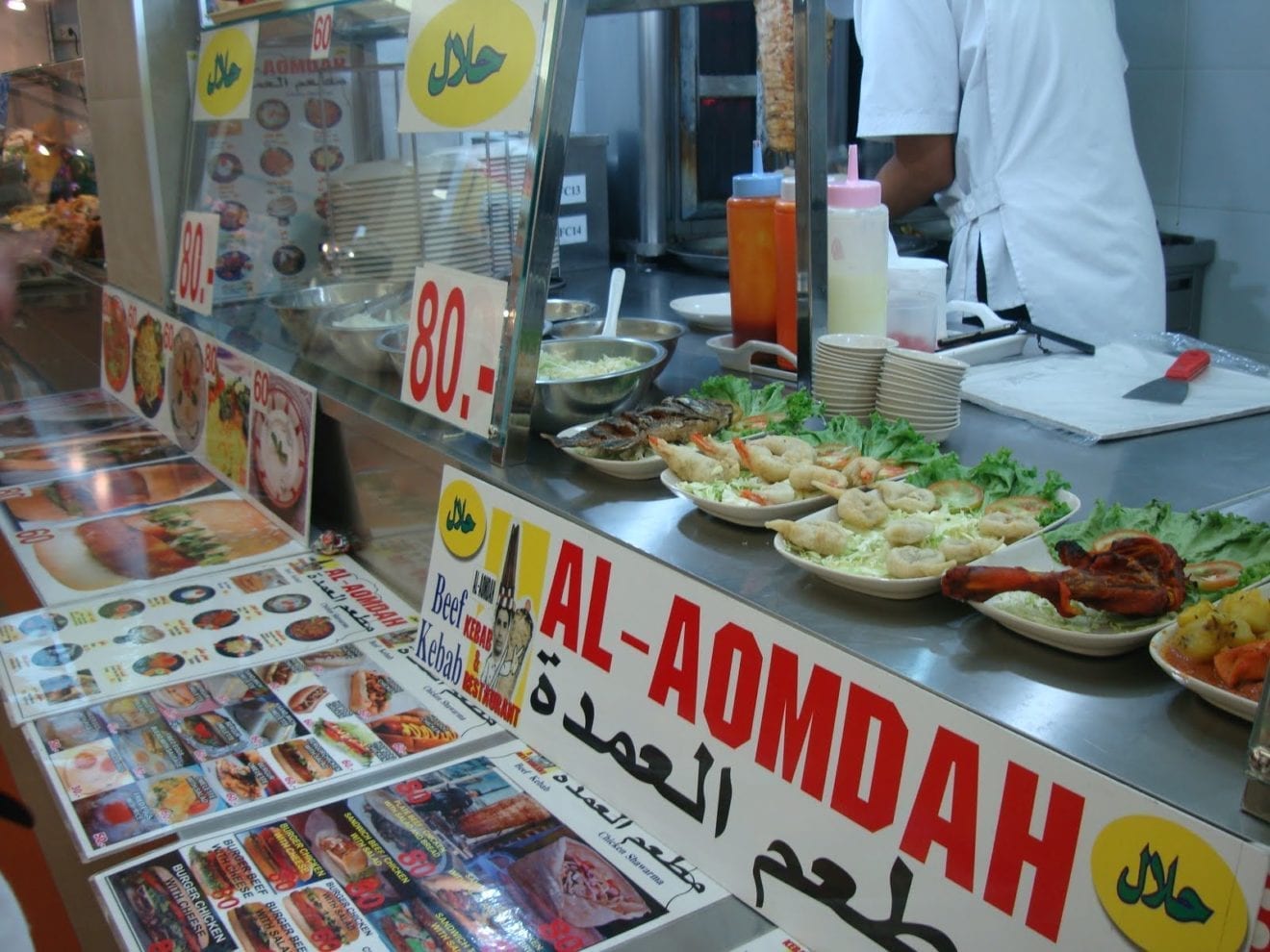
    Malaysia is putting high hopes on the planned unified halal certification with Indonesia, the country with the world’s largest Muslim population, in a bid to strengthen halal trade relations between the two countries.

    At present, Indonesia only directly accepts Malaysian halal certificates for industrial goods, such as palm oil.

    However, Malaysian end-user products must undergo various tests to obtain another halal certificate from the Indonesian Ulema Council (MUI) and halal logo from the Food and Drug Monitoring Agency (BPOM) before being marketed in Indonesia.

    To address the issue, Malaysian and Indonesian authorities are reviewing their halal certifications to avoid inefficient imports and exports in the long run.

    “We have been collaborating very closely because we want to sell more products to Indonesia and, of course, we also welcome Indonesian products in Malaysia,” Malaysian International Trade and Industry Minister Mustapa Mohamed told reporters on the sidelines of the 2017 Malaysia International Halal Showcase (Mihas) in Kuala Lumpur on Wednesday.

    “Some challenges have not been resolved. Indonesian authorities recognize our halal certification, but there are some additional tests that our people have to go through.”

    The MUI’s Food and Drug Analysis Agency (LPPOM) deputy director, Muti Arintawati , said her side had planned to simplify halal certification for Malaysian end-user products imported into Indonesia.

    “We may not need to conduct an audit at the production location. Instead, we can just audit the documents of those products. Nonetheless, this plan has yet to be officially agreed to,” Muti told The Jakarta Post over the phone on Friday.

    In August last year, Malaysian Prime Minister Najib Razak said he was committed to boosting trade between the two neighboring countries to US$30 billion in the near future.

    Total trade between Malaysia and Indonesia has seen a declining trend to $14.31 billion in 2016 from $24 billion in 2013 amid the global economic crisis, as shown by data from Indonesia’s Trade Ministry.

    “Indonesia is huge, of course. It’s a very big market. […] The issue here is that there are some technical issues in regard to the acceptance of halal,” Abu Bakar Koyakutty, senior director of the market access and international partnership division at the Malaysia External Trade Development Corporation (Matrade), told The Jakarta Post on Tuesday.

    “There are different standards on halal. If we can resolve the issue, we see there’s a huge potential.”

    According to a 2016 study published by Salaam Gateway, a business intelligence platform that is a joint effort between the Dubai Islamic Economy Development Center and intelligence and research agency Thomson Reuters, one of problems facing halal regulatory standards globally is that there is no unified standard.

    For instance, it states there is a significant variance between the standards of the Department of Standards Malaysia (DSM) applied in Malaysia and the standards of the Emirates Authority for Standardization and Metrology (ESMA) applied in the United Arab Emirates.

    “The cost of gaining multiple certifications to satisfy the needs of different markets adds complexity and could prohibit entry, resulting in unmet demand for halal food among Muslim consumers,” said the report.

    The report also notes the slow and limited uptake of halal accreditation programs, the process in which a third neutral party validates the certification.

    Compounding that problem, halal accreditation bodies have yet to sign specific mutual recognition agreements for halal certification and there is no forum or framework to ensure peer review.

    Halal accreditors operate independently of each other at present and, often times, there is limited clarity on the jurisdiction of the accreditors.

    Meanwhile, the State of Global Islamic Economy Report 2016/2017 — by Thomson Reuters and research and advisory firm DinarStandard puts the size of Islamic economy at an estimated $3 trillion by 2021, rising from $1.9 trillion in 2015.

    In 2015, Muslims’ spending on food and beverages stood at $1.1 trillion and there was $415 billion estimated revenues from halal-certified food and beverage products.

  • Indonesia turns it back on Vietnamese rice as crops at home flourish

    Indonesia turns it back on Vietnamese rice as crops at home flourish

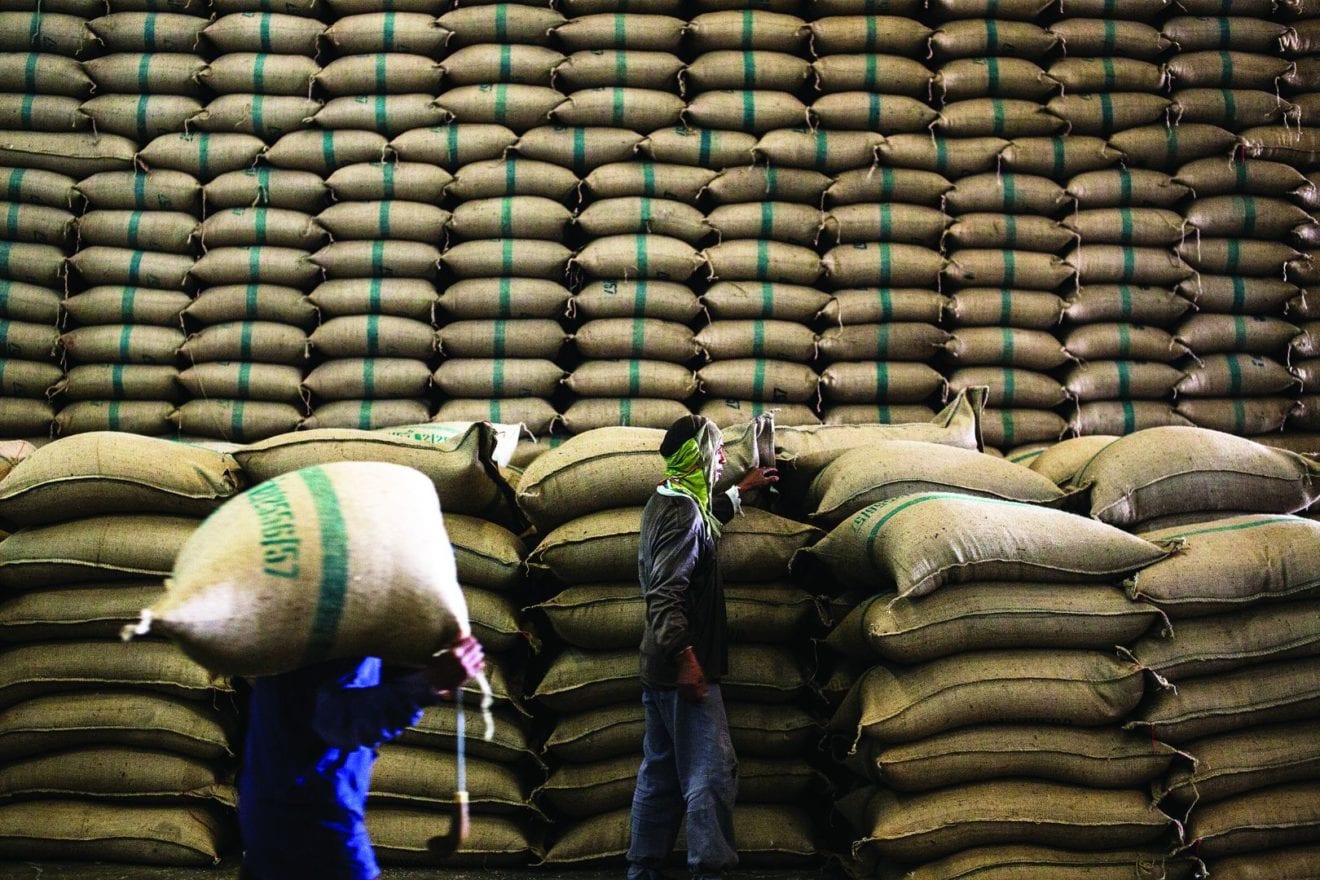
    Indonesia’s rice imports from all destinations in 2017 are forecast to halve to 500,000 tons, based on USDA reports. Indonesia, the world’s fourth most populous country and a major buyer of Vietnamese rice, has not returned to Vietnam for new purchases this year, while its overall 2017 rice imports are forecast to halve to around 500,000 tons thanks to better domestic production, according to industry reports.

    Indonesia was among Vietnam’s 10 biggest rice buyers in the 2010-2016 period, with imports peaking at nearly 1.9 million tons in 2011, based on data from Vietnam’s agriculture ministry.

    But its purchases have been falling and Vietnam received no orders during the first two months of 2017, ministry data shows. Vietnam is the world’s third-biggest rice exporter after India and Thailand.

    Indonesia is forecast to import 500,000 tons of rice this year, down 50 percent from 2016, as domestic milled rice output edges up 2.6 percent to 37.15 million tons “due to increased area harvested”, a U.S. Department of Agriculture attache said in a March 30 report.

    The report said increased cropping intensity and new land will help expand the harvested area this year to 12.24 million hectares (30.25 million acres), 1.2 percent above 2016 when Indonesia experienced a weak to moderate La Nina weather phenomenon.

    Given more use of high-yielding varieties, the report forecasts Indonesia’s output next year will rise further to 37.4 million tons, leaving the country’s rice imports unchanged.

    The forecasts pose a challenge to Vietnam’s rice exports in 2017, with shipments in the first quarter already dropping 24 percent from a year ago to 1.2 million tons, a two-year low, the government has said.

    Hanoi maintains forecasts of a modest rice export volume for 2017, anticipating 5 million tons to be shipped, due in part to expected higher demand from top buyer China. Last year, Vietnam’s rice exports fell to 4.8 million tons, the lowest since 2008.

    Malaysia, another key buyer of Vietnamese rice, is forecast to import 950,000 tons of the grain this year, unchanged from 2016, said a USDA report dated March 27. Last year, the country was Vietnam’s 5th biggest rice buyer, after China, Ghana, the Philippines and Indonesia.

    The average export price of Vietnam’s 5-percent broken rice eased 2 percent in the first quarter ending March from a year ago to $344 a ton, free-on-board basis, and that on Thailand’s 5-percent broken rice also eased the same pace in the same period to $372 a ton, the U.N. Food and Agriculture Organization said.

    Unseasonal rain in the past week has disrupted the harvest of the Mekong Delta’s winter-spring crop, and quotations edged up slightly even though buying demand remains thin, traders said. The 5 percent broken rice advanced to $355 a ton this week from $347-$350 last Thursday.

    Output of the crop, the biggest among the Delta’s three crops grown a year, is projected to drop 1.3 percent from last year to around 10 million tons of paddy, the agriculture ministry has said.

  • Consortium contracts ASN for INDIGO cable system

    Consortium contracts ASN for INDIGO cable system

    A consortium consisting of Asian operators, Google and telecommunications infrastructure company Superloop have commissioned a new subsea able system linking Singapore, Indonesia and Australia.

    Singtel, Indonesia’s Indosat Ooredoo as well as Australia’s Telstra and education sector network provider AARNet have joined Google and Superloop’s SubPartners to join the INDIGO cable system.

    The cable system, formerly known as APX West and Central, will be deployed by Alcatel-Lucent Submarine Networks.

    It will span around 9,000km between Singapore and Perth on the west coast of Australia, and onwards to Sydney on the east coast. A ranching unit with two additional fiber pairs will connect Singapore and Jakarta.

    Construction of the cable is expected to be complete by mid-2019. The system will use an open cable two fiber pair desgin, providing consortium members with spectrum ownership and giving them the ability to independently adopt technology advancements and upgrades as required.

    “With internet data consumption growing by 70% in Asia last year alone these sorts of investments in international networks are critical for meeting the needs of connected consumers and businesses,” Telstra group MD for global services and international David Burns said.

    “The construction of INDIGO is timely to meet the rising demand for high-speed broadband between Asia and Australia. This cable system complements our global connectivity that links Asia, the US, Europe, Australia and the Middle East,” Singtel Enterprise VP for carrier services Ooi Seng Keat added.

    Superloop has inherited its membership in the INDIGO consortium via the recent acquisition of subsea cable operator SubPartners for $2.5 million. As part of the acquisition Superloop has provided a guarantee involving the meeting of SubPartners’ construction capex costs for the project.

  • McDonald’s Indonesia to launch mobile app in Q4

    McDonald’s Indonesia to launch mobile app in Q4

    McDonald’s Indonesia celebrates its 25th anniversary this year. The franchise of US-based fast food giant McDonald’s will launch a mobile application to serve customers amid growing technology development.

    Fast food giant McDonald’s Indonesia will launch a mobile application for food orders in the fourth quarter of this year to tap the growing smartphone market and keep up with the shifting customer behavior, a senior company employee said on Thursday.

    Customers can currently order food for delivery through the McDonald’s website, said Michael Hartono, McDonald’s Indonesia’s marketing and communication director.

    The food chain said that a mobile application would give customers easier access to order food order amid growing technology use and development in Indonesia.

    “We are currently developing the application and hope to launch it by the fourth quarter of 2016,” Michael said during an event in Jakarta on Thursday.

    Once it is launched, customers can download the app and click on the menu when they want to place an order, he added.

    McDonalds recorded a stable performance in 2015 amid the global economic slowdown affecting commodity prices and people’s purchasing power, Michael said without giving further details.

    McDonald’s plans to open 15 stand-alone outlets across the country, adding to its 168 outlets in Indonesia.

    The fast food giant aims to record 15 percent sales growth this year, Michael said.

    McDonald’s Indonesia operates under PT Rekso Nasional Food, which holds the franchise license in Indonesia for McDonald’s.

    Free Egg McMuffin

    McDonald’s will give away 1,000 Egg McMuffins at stand-alone stores across Indonesia on March 7 from 6:30 a.m. to 10 a.m. as part of a promotional campaign. They can be obtained at outlet counters or drive-thrus, Michael said on Thursday. A 50 percent discount will also be given on coffee and hash browns during breakfast.

    During what the company calls National Breakfast Day, held since 2013 on the first Monday of March, free souvenirs, such as T-shirts, will be given to selected customers.

    As this year’s event coincides with McDonald’s 25th anniversary, the company will also give free Egg McMuffins to public institutions, such as schools, police posts, firefighters and hospitals.

    Customers at the event could receive discount vouchers for the following day’s meal, Michael added.

  • Central bank to launch app for monitoring food prices

    Central bank to launch app for monitoring food prices

    Bank Indonesia (BI) plans to launch a mobile app through which the public and regional administrations can monitor harga pangan (the prices of staple foods) on a daily basis.

    The public would be able to use the app to avoid being deceived, while the regional administrations can use it to observe when prices go too high so they can tackle them faster.

    The public can already download the app or use it on the hargapangan.id website, but it has not been officially launched.

    The program managed by the Information Center for Strategic Food Prices (PIHPS) collects data from traditional markets in 82 cities in all 34 provinces in the country for 10 commodities: rice, shallots, garlic, red chili, birdseye chili, beef, chicken, eggs, sugar and vegetable oil.

    “The PIHPS has been running, but we’ll wait for the official launch,” Dody Budi Waluyo, the BI governor’s assistant for monetary and economic policy, said recently.

    “BI keeps improving the program. We’ll also collect prices not only from traditional markets, but also from modern markets; also maybe from big traders and touch on more commodities, as well as prices at the producers’ level. The point is we keep innovating with this,” he added.

    Previously, BI deputy governor Sugeng told the media that the central bank also plans to create a data system to track supplies of staple foods in the regions.

    All the aforementioned systems were developed so BI and the government could come up with better policies to achieve a 4 to 5 percent inflation rate.

  • Indonesia Mulls Hosting Coffee Exhibition in South Korea Next Month

    Indonesia Mulls Hosting Coffee Exhibition in South Korea Next Month

    The Ministry of Commerce assesses that there is a significant opportunity for exporting coffee commodity to South Korea. To achieve this, the Ministry of Commerce plans to hold an exhibition in South Korea.

    Arlinda Director General of Export Development at the Ministry of Commerce, said that coffee has become a trend in South Korea, especially among young people. Therefore, this trend can be utilized  by Indonesian coffee businesses.

    “There is a significant opportunity for coffee in South Korea. We plan on conducting coffee exhibition there next month, and we must use that trend to engage the South Korean markets,” she said in Jakarta on Tuesday (04/04/2017).

    According to Arlinda, the youth market in South Korea will be easier to engage in because of their penchant to drink coffee. Therefore, Indonesia must provide the highest quality coffee, including  Arabica coffee that is a mainstay product in Indonesia.

    “The trend in young people there is coffee and tea. A seminar on food and beverage can provide us with information on local youths’ tastes. Our specialty is coffee Arabica, and we actually have 32 kinds. We are working with coffee exporters to increase their exports,” she said.