Tag: Indonesia

  • Lippo Investment Trust to Acquire Lippo Mall Kuta in Bali

    Lippo Investment Trust to Acquire Lippo Mall Kuta in Bali

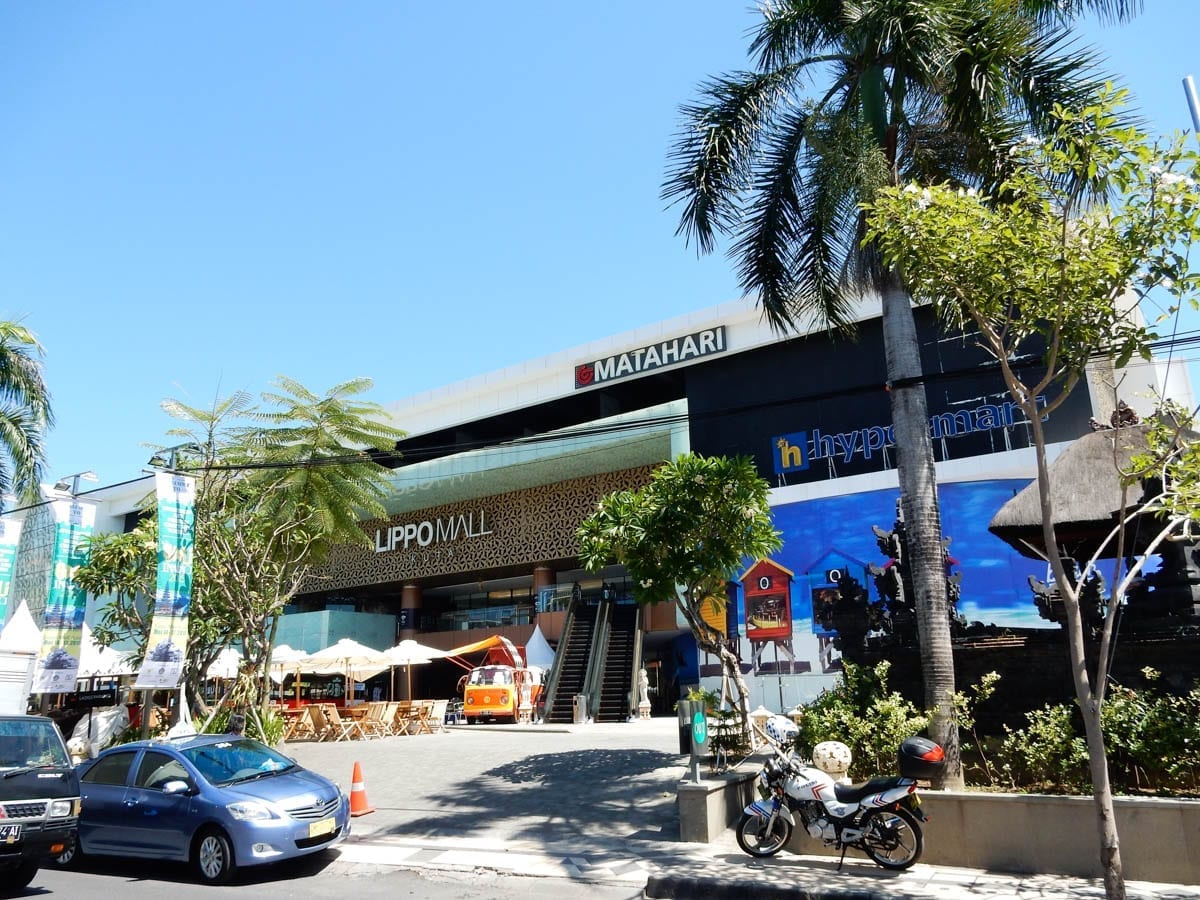
    Opened in 2013, Lippo Mall Kuta is a three-floor mall that offers 21,132 square meters to international and local tenants, such as Nike, Bata, Quicksilver, Planet Sports, Amazing Kuta, Matahari Department Store and Cinemaxx.

    Lippo Karawaci president director Ketut Budi Wijaya said the acquisition is part of “light assets program,” by which the property developer expects to increase its revenue and reduce operating cost.

    LMIRT has been listed on Singapore Stock Exchange since 2007. Its diversified portfolio of income-producing real estate in Indonesia includes 19 retail malls and seven retail spaces.

    The company had $760 million in market capitalization as of November.


  • Asian grocery boom predicted by IGD

    Asian grocery boom predicted by IGD

    Asia will continue to be the biggest engine of growth in the grocery market with its sales set to exceed those of Europe and North America combined within five years, according to new forecasts from research organisation IGD.

    Global growth will be driven by a combination of inflation, population and rising incomes.

    Highlights from IGD’s latest global grocery forecasts to 2021 include:

    * Asia’s grocery market is set to increase by $1.073 trillion, an annual compound growth rate (CAGR) of 6.3 per cent.

    * China will extend its lead over the US as the world’s biggest grocery market, with India in third place closing the gap.

    “Although there are several risks to the global economy and a danger of new barriers to trade in particular, we are optimistic these can be surmounted,” says IGD chief executive Joanne Denney-Finch. “We expect all regions to grow their grocery markets over the next five years, presenting big opportunities globally for manufacturers and retailers.”

    Asia’s grocery market will continue to prosper with China remaining comfortably in first place and three other Asian countries within the top 10, Denney-Finch says. “Millions more people across Asia will become middle class, and many more consumer goods companies will view this region as the key to their growth strategy.”

    IGD’s projected figures for 2021 show that China’s grocery market will be worth $1612 billion with a CAGR of 5.5 per cent.

    This compares with a market worth of $1.311 trillion for the US, with a CAGR of 3.6 per cent.

    India comes in third with a $735 billion market and a CAGR of 9.1 per cent.

    Japan is in fifth place after Brazil with a $399 billion market and a CAGR of 0.7 per cent.

    Rounding up the top markets in Asia is Indonesia, in eighth position with a market value of $305 billion and a CAGR of 9 per cent.

    A food and grocery research and training charity, IGD defines the grocery retail market as all food, drink and non-food products – such as health and beauty, pet care, clothing, DIY – sold through retail outlets selling predominantly food. Modern retail formats, such as supermarkets and hypermarkets, are included as well as traditional retail formats like markets and traditional food stores such as bakers. It excludes wholesale and foodservice formats and drugstores/pharmacies.

  • Garuda Indonesia Opens Jakarta-Mumbai Route on December 12th

    Garuda Indonesia Opens Jakarta-Mumbai Route on December 12th

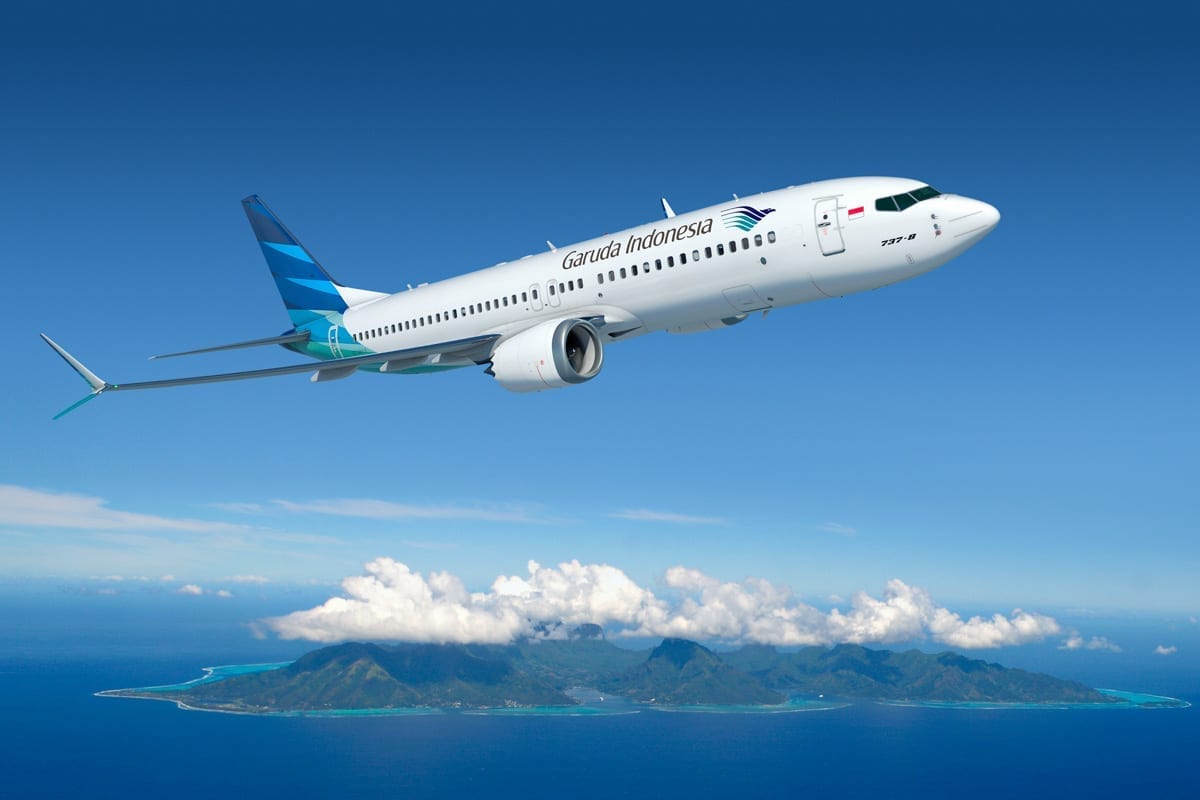
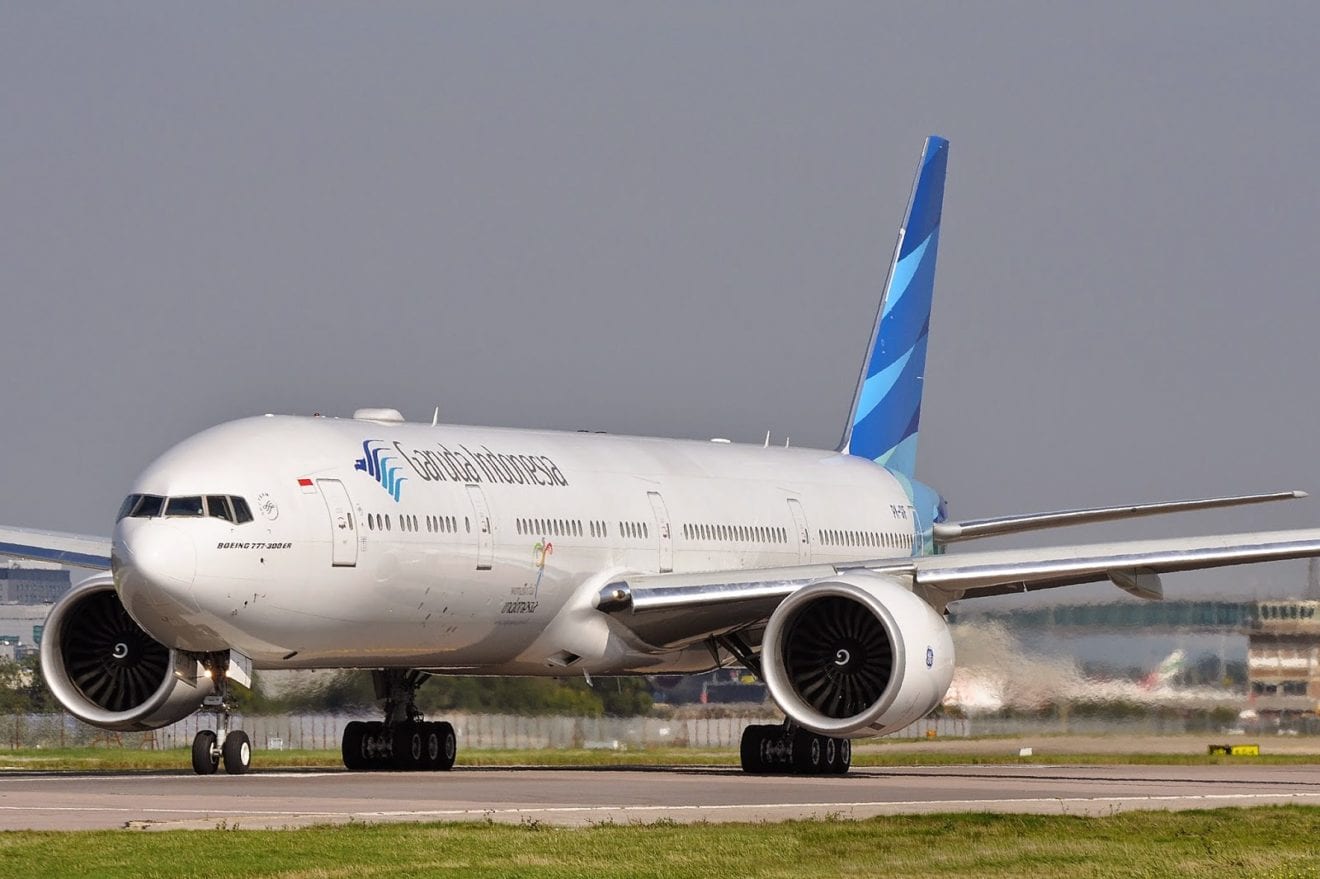
    Flag carrier Garuda Indonesia will open scheduled flights to India starting December 12, 2016. Garuda Indonesia will operate three flights a week from Jakarta to Mumbai via China.

    Garuda Indonesia president director Arif Wibowo said that the flights will make one transit stop in China in first phase of operation.

    “We will see how it goes in two or three months; if the results are good, we will make it direct flights,” he told reporters at a tourism event in Jakarta on Tuesday, December 6, 2016.

    Arif went on to say that India has a huge potential considering its 1.4 billion population. On the other hand, the number of tourists traveling from India to Indonesia is quite significant at 300,000 arrivals per year.

    As such, he is confident that seat occupancy rate of Garuda’s Boeing 737 to operate in that route will reach 70-75%.

    “More so because it will start to operate on the right time, i.e. before year-end holidays,” he added.

    Aside from India, Garuda will also open direct flights from China’s Chengdu province to Bali. Regular flights will commence mid-January 2017.

  • GIC buys $370 million ticket to the movies in Indonesia

    GIC buys $370 million ticket to the movies in Indonesia

    GIC is investing 3.5 trillion rupiah (S$370 million) in Indonesian cinema operator PT Nusantara Sejahtera Raya (NSR) as the Singapore sovereign wealth fund hopes to capture a slice of Indonesia’s economic growth.

    The investment is intended to help NSR further anchor its market position and to prepare for the next stage of growth, GIC and NSR said in a press release.

    “The investment by GIC reflects our confidence in Indonesia’s long-term growth potential,” said Amit Kunal, GIC’s head of direct investments group for South-east Asia, private equity and infrastructure.

    “NSR’s operational expertise and portfolio of high quality cinemas positions it well to benefit from the rapidly expanding consumer class and economic development in Indonesia. We look forward to working with the team at NSR to accelerate its presence nationally and to achieve the vision of providing best-in-class cinematic experience to the country.”

    NSR owns the Cinema 21, Cinema XXI and The Premiere brands in Indonesia.

    The company operated 864 screens in 157 cinemas across 36 cities in the country as at December 2016.

    The NSR investment is in line with GIC’s stated long-term optimism about the region’s economic prospects.

    In GIC’s investment report in July, the fund noted that it held more emerging market equities than a reference portfolio.

    About 19 per cent of the fund’s portfolio was invested in emerging market equities as at March 31, 2016, up slightly from the 18 per cent allocation a year earlier.

    “We have assessed that emerging market equities will benefit from the sustained structural improvements in these economies, and contribute positively to the long-term real returns of the GIC portfolio,” GIC said.

    “We have maintained this assessment even though emerging market equities have underperformed developed market equities in recent years.”

    The worldwide cinema industry is expected to continue to grow over the next few years, with Asia-Pacific outpacing the global average, according to an analysis by PwC.

    In a recent report, PwC estimated that the Asia-Pacific cinema business could grow at a rate of 11.8 per cent per year from US$14.2 billion in 2015 to US$24.7 billion in 2020.

    The expected global average is a more modest 5.8 per cent per year over the same period.

    Box office sales in the region are estimated to grow at 12 per cent per year through 2020, about double the global outlook of 5.8 per cent per year.

    Asia-Pacific cinema advertising is expected to grow at 6 per cent every year through 2020, more than two times faster than the expected global average of 2.8 per cent.

  • Ministry tells Indonesian airliners to hire 900 jobless local pilots

    Ministry tells Indonesian airliners to hire 900 jobless local pilots

    The Transportation Ministry has said as over 900 Indonesian pilots having not been able to gain employment with local airliners, the ministry is planning to impose a new obligation to ensure higher absorption of local pilots by the airline industry.

    “This is a big problem. At least 900 local pilots have no jobs. This will be our homework, to create opportunities for them,” Transportation Minister Budi Karya Sumadi said on the sidelines of the Air Transportation Safety Campaign at the ministry’s office on Sunday.

    Budi said his ministry would require local airliners to employ local pilots, while promising that the ministry would also help improve the competence of the pilots through further training.

    “There has to be an obligation for local airliners to take on local pilots,” he added.

    In addition, the ministry would give impose stricter requirements to foreign pilots working at local airliners.

    “We should impose certain requirements for foreign pilots working in Indonesia,” he added.

    Reportedly, 564 foreign pilots are currently working in the country.

  • FL Technics Opens for Business in Jakarta

    FL Technics Opens for Business in Jakarta

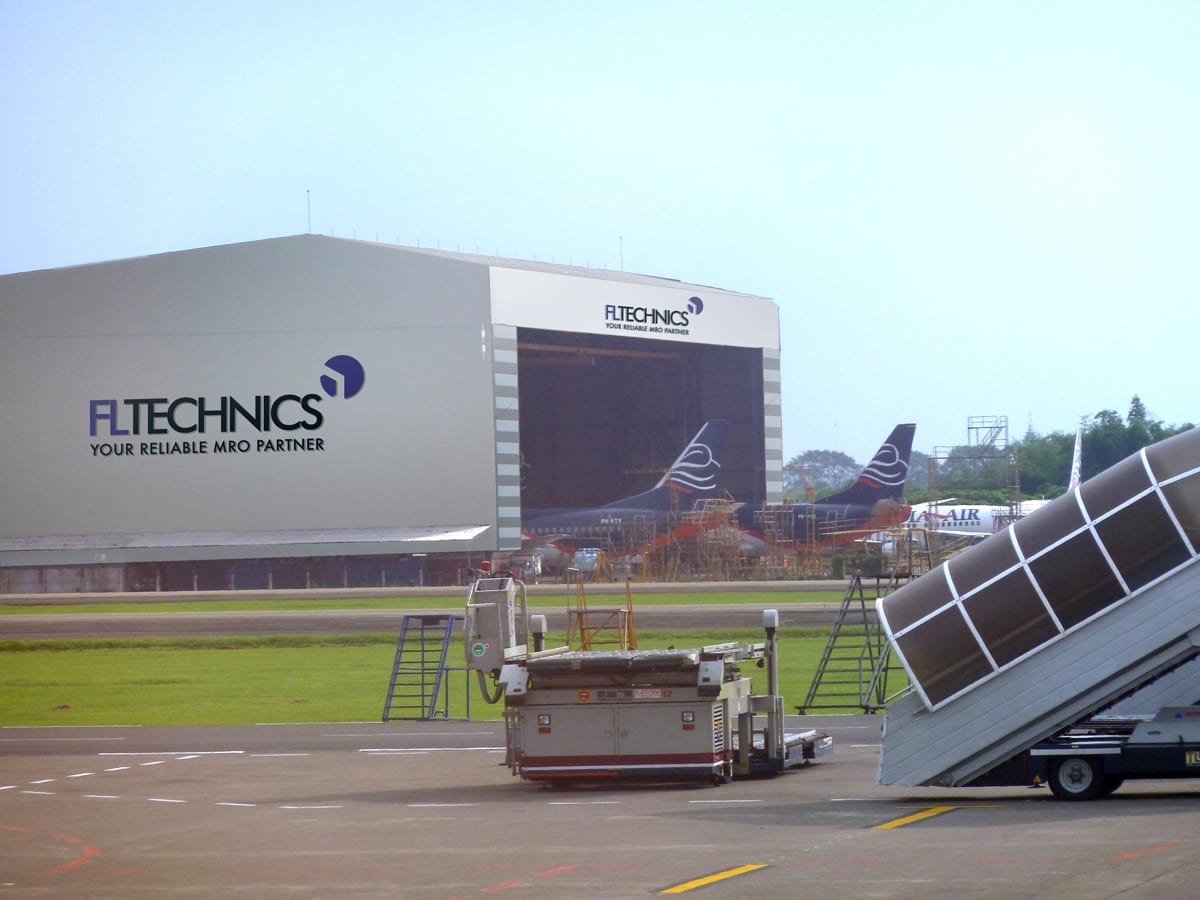
    FL Technics has opened its MRO hangar at Soekarno-Hatta International Airport, Jakarta, Indonesia, and reached cooperation agreements with ten Asian airlines.

    The 9,000-square-meter facility accommodates up to three narrowbodies and is certified to serve 737NGs and CLs, A319s, A320s and A321s.

    Line maintenance has started and base maintenance will begin in 2017.

    Zilvinas Lapinskas, CEO of Lithuania-headquartered FL Technics, said: “After renovating and upgrading the facilities according to European standards, we finally have a modern MRO centre, located in the heart of Indonesia.”

    The unveiling of the facility follows FL Technics Indonesia passing audits by Indonesia’s Directorate General of Civil Aviation and the Thai Department of Civil Aviation.

    The ten airline customers are comprised of NAM Air, Sriwijaya Air, K-Mile Air, Lion Air, Batik Air, Kalstar Aviation, Airfast Indonesia, Trigana Air Service, Tri-MG Intra Asia Airlines and Travira Air.

  • DHL Express launches Rp-17-billion service center and gateway

    DHL Express launches Rp-17-billion service center and gateway

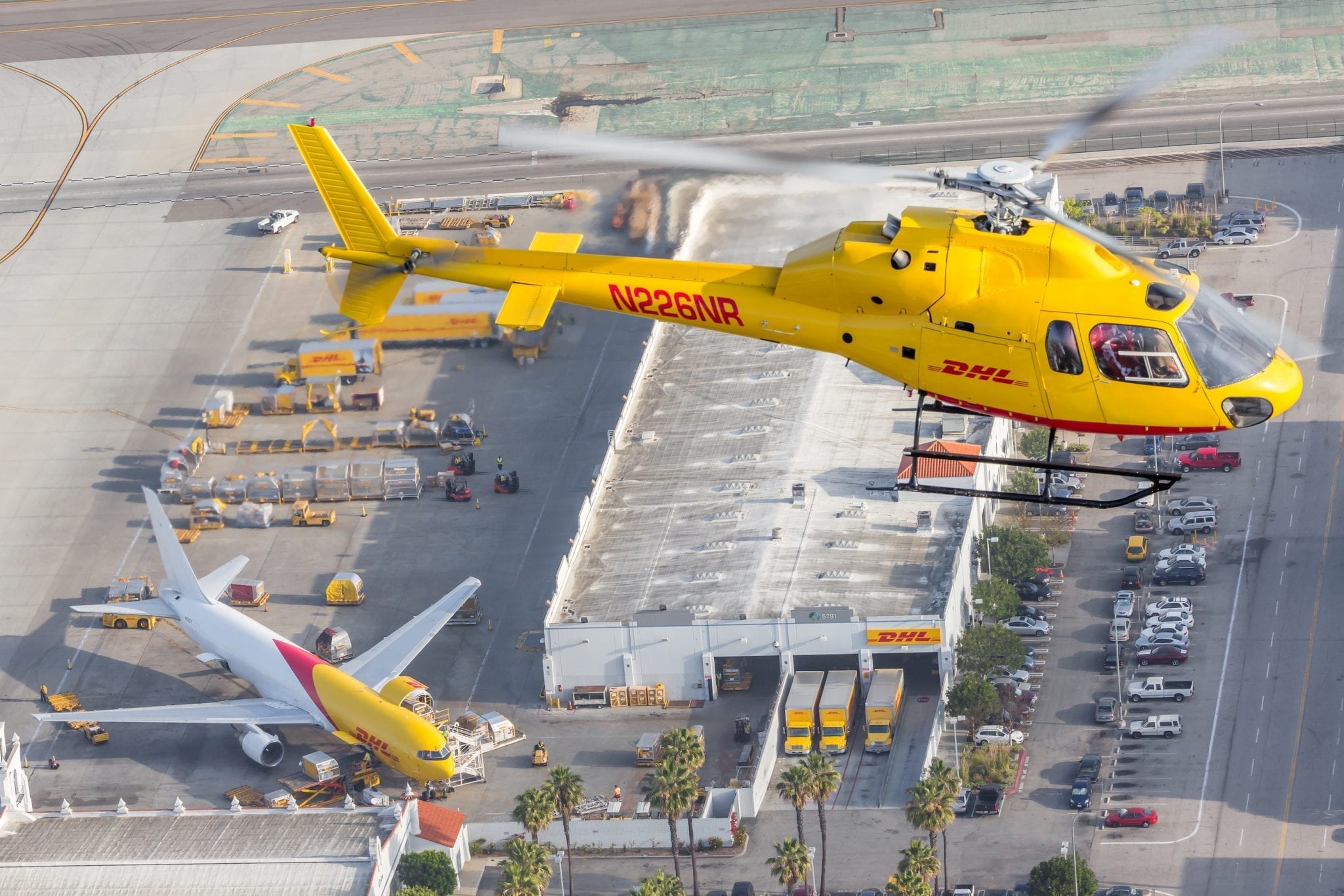
    International logistics company DHL Express, part of Deutsche Post’s DHL Group, launched a service center and a gateway worth Rp 17 billion (US$1.26 million) to support its business operations in and out of Batam, Riau Islands, on Monday.

    DHL Express decided to expand its business in Batam given its potential as the third-largest city in Sumatra, well known as an industrial area, an emerging transport hub, and part of the Indonesia-Malaysia-Singapore golden triangle.

    “This new investment could improve our network in Indonesia that consists of gateways in Balikpapan, Batam, Denpasar, Jakarta, Medan and Surabaya,” Sean Wall, executive vice president of network operations and aviation of DHL Express Asia-Pacific said.

    The new facility has the capacity to handle 2.4 million kilograms of cargo and process up to 150,000 shipments per year. About 26 people work in the 972-square-meter facility, with three certified employees for handling dangerous goods.

    The company claimed that the facility was launched at the right time because the government is considering whether to make Batam a special economic zone for companies that are involved in aircraft maintenance, repair and overhaul.

    “With the potential of Batam being opened as a special economic zone for the aviation industry, DHL’s investment will be able to support the growth of the aviation industry in Indonesia,” Ahmad Mohamad, senior technical advisor of DHL Express Indonesia, said.

  • Grab launches e-money service GrabPay Credits

    Grab launches e-money service GrabPay Credits

    Ride-hailing app operator Grab has expanded into the e-money business in Southeast Asia.

    Singapore-based Grab this week unveiled a cashless mobile payment service called GrabPay Credits, which lets consumers store cash credits on its smartphone app.

    Singapore and Indonesia will be the initial test markets before the concept is rolled out in Malaysia, Thailand, Vietnam and the Philippines where Grabn operates its ride hailing app.

    Users will be able to top up their accounts at convenience stores or using ATMs by partner banks.

    “Working with local banks, payment providers and merchants, Grab is building one of the region’s largest cashless payment solutions for people with limited access to the banking system,” said Tan Hooi Ling, co-founder of the startup.

    GrabPay considers the move into finance as a natural extension of its ride-hailing service, making it easier and safer for customers to pay for rides and eliminating cash.

  • German carmaker BMW launches Indonesian-made sedans in luxury push

    German carmaker BMW launches Indonesian-made sedans in luxury push

    German automaker BMW on Wednesday launched its 7 series sedans in Indonesia that will be assembled in the country as it seeks to tap into the long-term demand for luxury vehicles in Southeast Asia’s biggest economy.

    Other luxury car companies such as Daimler AG’s Mercedes-Benz are also increasingly shifting part of their production to the country of 250 million people to reduce costs and distribute their vehicles more quickly to consumers.

    “We are very positive about the future of Indonesia and therefore we also see an increased potential in the luxury market,” Axel Pannes, managing director of BMW Group Asia, told Reuters on the sidelines of a media launch in Jakarta.

    The German company has invested more than 210 billion rupiah ($15.5 million) over the last five years to assemble a greater number of car models in Indonesia, the 7 series being the latest addition to its local line-up.

    The group sold a total of 3,638 vehicles in Indonesia last year, up 5.7 percent from a year earlier. BMW executives declined to give sales projections for this year or for 2017.

    Global carmakers would benefit from lower import tariffs for certain components if they were to set up local assembly plants, said Jongkie Sugiarto, co-chairman of the Association of Indonesia Automotive Industries.

    The move would also be positive for Indonesia as it brings investment into the country and generates employment, he added.

    The Indonesian government is offering incentives for foreign companies to build cars domestically, said I Gusti Putu Suryawirawan, director-general for metal, machines, transport equipments and electronics at the industry ministry.

    “The aim is for them to produce here and therefore involve local suppliers,” Suryawirawan said, adding that the automotive sector was a key sector for Indonesia’s economic growth.

    Gross domestic product is expected to grow 5 percent this year and up to 5.4 percent in 2017, according to the central bank’s latest estimate.

    The premium car market should be supported next year by the government’s economic stimulus and the roll-out of infrastructure projects, said Kariyanto Hardjosoemarto, a sales operation and product management executive at Mercedes-Benz in Indonesia.

    Indonesia’s tax amnesty scheme, launched in July, may also help to boost luxury car sales as those who were previously concerned by being chased by the tax office would now be less hesitant about making such purchases, Hardjosoemarto added.

  • Alfamart Philippines plans 120 stores

    Alfamart Philippines plans 120 stores

    Alfamart Philippines is set for major expansion with funding secured for as many as 120 new stores.

    Alfamart Philippines is set for major expansion with funding secured for as many as 120 new convenience stores.

    Minority parent company Sumber Alfaria Trijaya already operates 44 stores in the Philippines in a joint venture with SM Retail, through its local subsidiary Alfamart Retail Asia. That company has secured local financing to fund the expansion, which will cost an estimated US$3.8 million.

    The Philippine roll-out is part of  a broader expansion plan for Sumber Alfaria Trijaya which will open 1200 stores in Indonesia this year. Currently, it has 10,086 stores in its home market, including 2958 which are franchised.

  • Indonesia Island Connectivity Plan

    Indonesia Island Connectivity Plan

    The Indonesian government has invited 33 companies from Norway and Denmark to explore business opportunities as part of plans to enhance inter-island connectivity by upgrading infrastructure and constructing 24 seaports and deep sea ports.

    Both Norway and Denmark are eager to invest in Indonesia’s rapidly growing market, with the Indonesian government proposing investment in its business-to-business and business-to-government schemes focusing on port maritime industry sectors such as management and security.

    Denmark and Norway’s fisheries, shipping, offshore energy and maritime equipment and services make the countries ideal partners, according to Susi Pudjiastuti, Indonesia’s Maritime Affairs and Fisheries Minister.

    Danish energy firm Danfoss A/S, ship maker Odense Maritime Technology, Norwegian shipping company Wilh Wilhelmsen ASA and technology systems and solutions enterprise Kongsberg Digital were among the companies visiting Jakarta.

    According to Stig Traavik, Norwegian Ambassador to Indonesia, Nordic countries will be able to advise Indonesia on technological matters due to the country’s development of energy efficient ships.

    Traavik said: “We have produced ships running on natural gas instead of diesel, basically it’s like a mini power plant in the ship [able to] reduce the consumption of gas by 20% compared to modern ships that use diesel fuel.”

    Indonesia has faced high operational costs from its ports due to facilities being located hundreds of kilometres apart and operated by different ministries in the country. Rini Soemarno , Indonesia’s State-Owned Enterprises Minister, visited Denmark, Finland, Norway and Sweden in September to approach the countries for partnerships in energy and fishery sectors.

    Casper Klynge, Danish Ambassador to Indonesia, said: “Denmark is a very small country, but in the maritime area, Denmark and Norway are global superpowers. Every 15 minutes, somewhere around the world, a Danish-operated ship leaves a port.”

    Klynge highlighted that Denmark transports 10% of the world’s goods despite accounting for 0.1% of the global population.

    “Every 15 minutes, somewhere around the world, a Danish-operated ship leaves a port,” he added.

  • Garuda opens Surabaya-Madinah flight route

    Garuda opens Surabaya-Madinah flight route

    Garuda Indonesia opened the Surabaya-Madina flight route on Tuesday as part of its efforts to expand its flight network in the Middle East.

    The national flag carrier will serve the flight route on Tuesdays using an Airbus A330-300 with a seating capacity of 360, all of them economic class, Garuda Cargo Director Sigit Muhartono said in a written statement released on Tuesday.

    “As the flag carrier of the country with the largest Muslim population in the world, Garuda Indonesia will always try to facilitate Muslims wishing to perform religious services in the Holy Land. With the new flight route inaugurated today, we hope the people of East Java and surrounding areas will find it easy and comfortable to travel to the Saudi main cities of Jeddah and Madinah by direct flight,” he added.

    The Surabaya-Madinah flight route will accommodate not only people who want to travel to the Holy Land for umroh (minor hajj) but also businessmen, tourists and migrant Indonesian workers.

    “With the Surabaya-Madina flight route, Garuda Indonesia offers umroh pilgrims an alternative flight route that enables them to opt to depart from Surabaya to Madina and return to Surabaya from Jeddah,” he explained.

  • Bank Mandiri Partners with LINE for E-transactions

    Bank Mandiri Partners with LINE for E-transactions

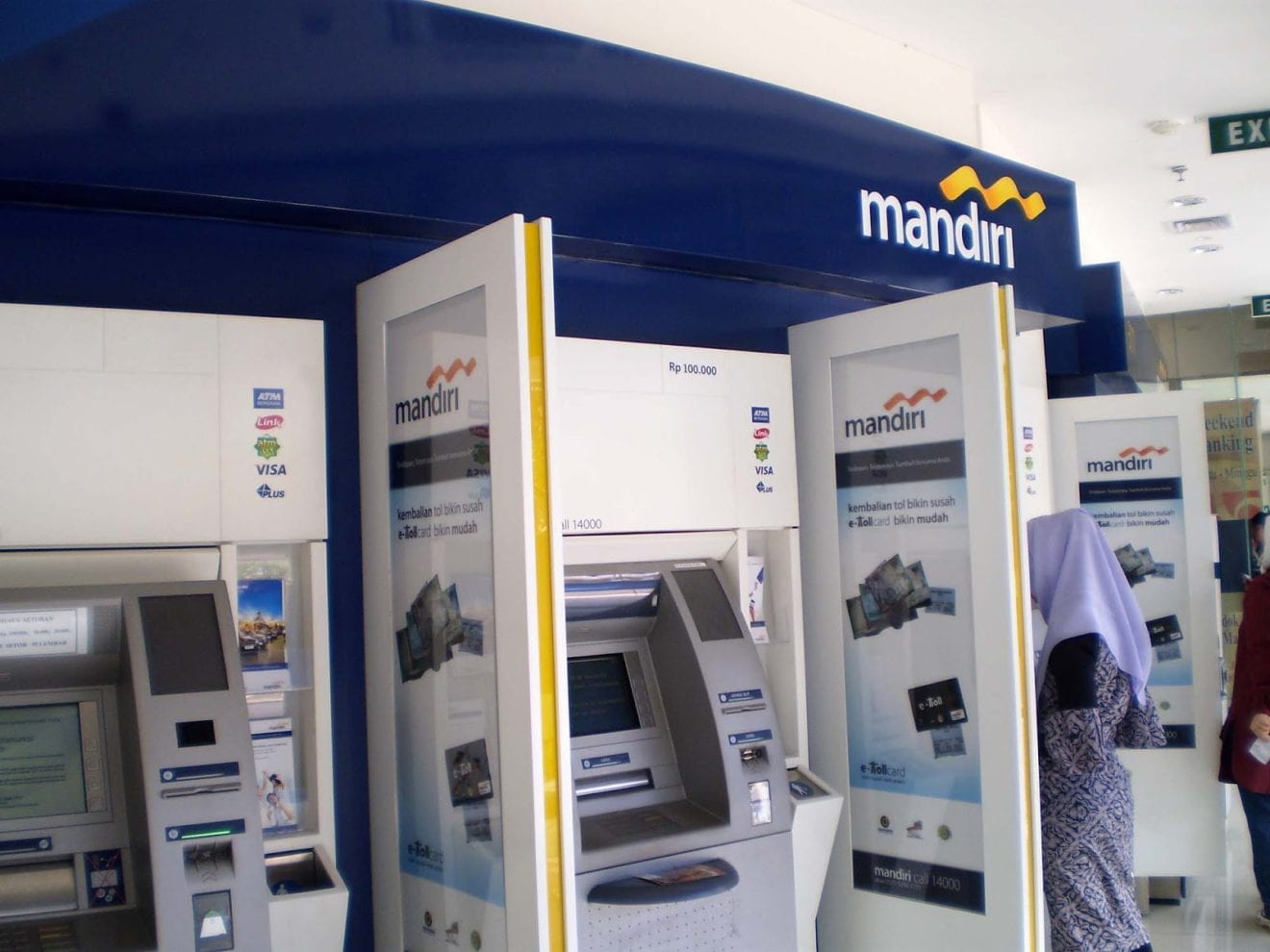
    State-owned lender Bank Mandiri has joined hands with chat app operator LINE Indonesia to integrate its Mandiri e-cash product with LINE pay service. The partnership is aimed at facilitating LINE users in carrying out electronic transactions.

    “E-cash transfer can now be done as easy as sending a text in chat app LINE,” Director for Banking & Technology Bank Mandiri Rico U. Frans said in a written statement on Monday.

    Rico claimed that the service can be enjoyed by both Mandiri customers and non-customers. For Mandiri e-case users, the service can be accessed by integrating their Mandiri e-cash number with LINE Pay. Whereas those who do not have Mandiri e-cash, may create an account in LINE Pay menu.

    “The collaboration is based on shared market target, i.e. youth with digital lifestyle,” he said. LINE Pay e-cash would enable Bank Mandiri to provide easy service to over 90 million LINE users in Indonesia.

    Meanwhile, LINE Indonesia Managing Director Ongki Kurniawan said that the cooperation will help develop financial technology and a cashless society. As well as to help unbanked users to be able to carry out transactions.

    LINE Pay e-cash, Ongki said, is the easiest way to open a bank account. People can download LINE app in Google Play Store and Apple Store and register their phone number in LINE Pay e-cash account to do bank transactions.

    “It can be used to buy phone credit, electricity tokens, bank transfers, as well as online and offline shopping as easy as chatting on LINE,” he said.

  • President calls for serious effort to attract 10 million Chinese tourists

    President calls for serious effort to attract 10 million Chinese tourists

    President Joko Widodo (Jokowi) has called for a serious effort to attract at least 10 million Chinese tourists to visit Indonesia per year.

    “Some 150 million Chinese citizens travel abroad every year. Most of them travel to the US and Europe. I want some 10 million Chinese tourists to visit Indonesia,” he said at a function to familiarize the public with the second phase of tax amnesty program here on Friday night.

    The president said he has signed an agreement with the Chinese government related to Chinese tourists visit to Indonesia.

    “The agreement has been in place. We only prepare flights from China to Indonesia. If the flights are already there, the target of attracting 20 million tourists can be achieved in 2019,” he said.

    The government is developing 10 key tourist destinations expected to attract more tourists, he said.

    “The target of tourist arrivals two years ago was 9 million. We want to increase the target to 20 million in 2019 by all available means including improving our positioning, diversifying products, and building brands,” he said.

    To achieve the target, the government continued to carry out tourism promotion in major cities abroad, he said.