Tag: Indonesia

  • Rupiah falls against dollar to 13,414 on Friday

    Rupiah falls against dollar to 13,414 on Friday

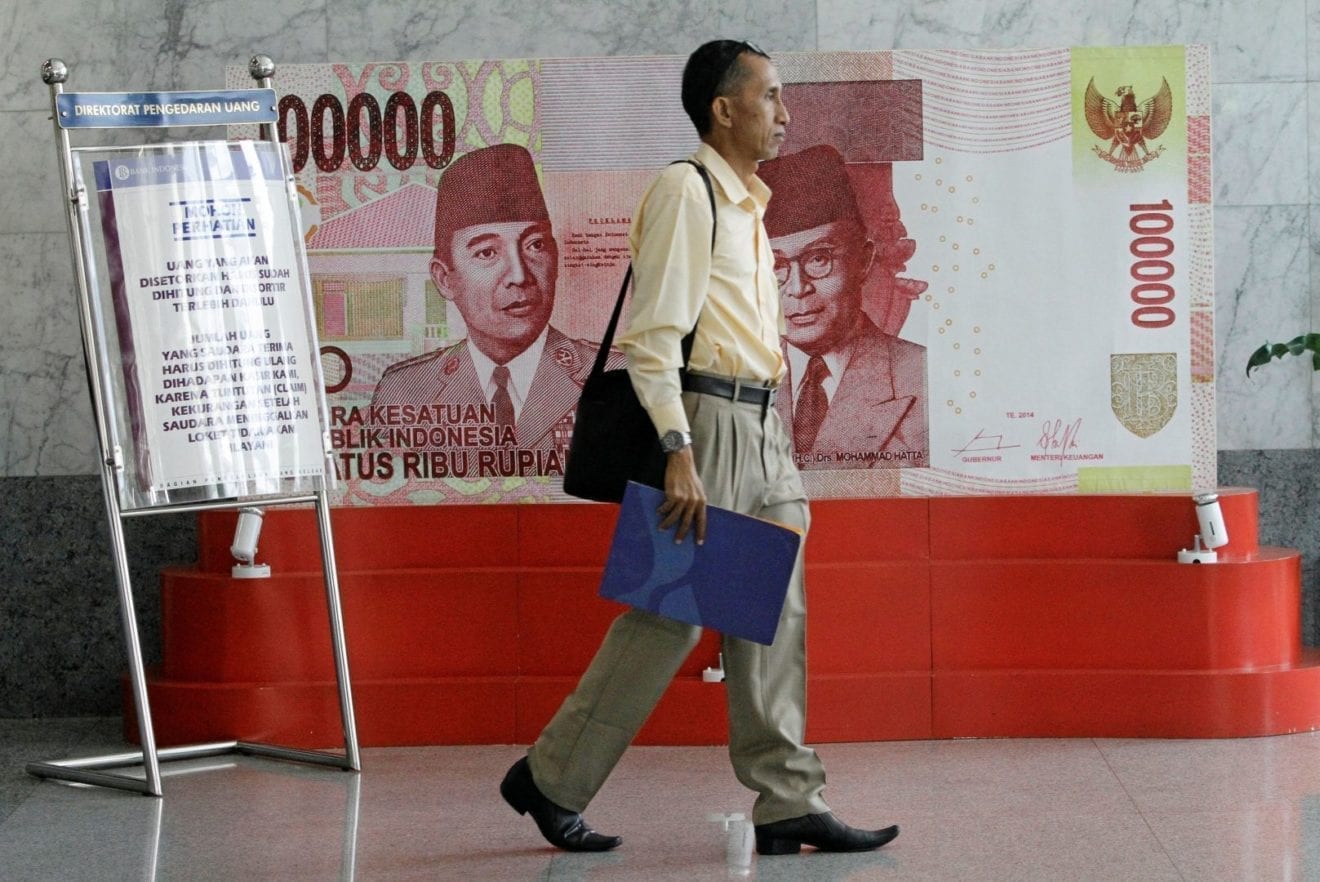
    The rupiah fell 54 points to close at Rp13,414 per dollar in the Jakarta inter-bank spot market on Friday evening, compared to the previous close of Rp13,360 per dollar.

    The dollar appreciated at the weekend, sending a signal that the Fed has indicated the possibility of raising its interest rate this year end, Ariston Tjendra, chief researcher of Monex Investindo, said here on Friday.

    “The signal about a hike in the US interest rate is in line with the US optimistic economic data,” he added.

    The release of data about US jobless claims at low level and the increase in home sales are among the reasons for the Fed to tighten its monetary policy, he noted.

    “The majority of global currencies also tend to weaken against the US dollar,” he commented.

    Lukman Leong, an analyst of PT Platon Niaga Berjangka, reminded that Bank Indonesia which remains in the foreign currency and bond market to control the fluctuation of local currency has prevented the rupiah from further weakening against the dollar.

    On the other hand, the tax amnesty program has added to the rupiah enjoying a positive sentiment, he observed.

    According to the BI mid-rate, the rupiah weakened to Rp13,408 per dollar, compared to Rp13,385 per dollar the day before.

  • South Korean, Chinese cinema giants line up to enter Indonesian market

    South Korean, Chinese cinema giants line up to enter Indonesian market

    The government’s recent decision to allow full foreign ownership in local movie businesses has attracted the interest of South Korean and Chinese cinema giants to invest in Southeast Asia’s largest market, a government official said.

    Creative Economy Agency (Bekraf) head Triawan Munaf said a number of foreign investors were currently conducting feasibility studies for expanding their operations in Indonesia, home to more than 250 million people. Among the big names on the list are South Korean’s Lotte Cinema and Megabox, as well as China’s Dalian Wanda, which is also the world’s largest cinema chain operator.

    “Hopefully they can come by the middle of 2017,” he said on Thursday on the sidelines of the DBS Asian Insights Conference 2016 in Jakarta.

    Despite being the largest economy in Southeast Asia, Indonesia has one of the least penetrated cinema markets in the world. Data gathered from various commercial cinemas shows that there are only about 1,100 film screens available in the whole of Indonesia, with 35 percent of all theaters being in Jakarta.

    With its population size, Indonesia, Triawan said, ideally should have 15,000 screens.

    BKPM estimates that the recent removal of certain sectors from the nation’s negative investment list, signed by President Joko “Jokowi” Widodo earlier this year, will help efforts to hit the investment target of Rp 594.8 trillion (US$43.6 billion) by the end of this year.

    Under new regulations, foreign investors can now fully own local cinemas, film production houses and distribution firms.

  • Indonesia en route to popularize tropical fruit

    Indonesia en route to popularize tropical fruit

    Thousands of farmers under East Kalimantan farmers group Gapoktan find it unfortunate that people outside Indonesia are missing out on their home-grown fresh and juicy mini papayas, bananas and dragon fruits.

    So far, most of their fresh fruit products are only consumed by locals buying from nearby markets due to a lack of infrastructure, making it expensive to deliver fruit across the country, let alone export them.

    Indonesian fruit exporter EK Prima Ekspor Indonesia, a subsidiary of the United Arab Emirates’ retail giant LuLu Group International, knows firsthand how selling prices at the consumer level end up depending more on transportation costs than on production costs.

    “Transportation — from farmers to warehouses to airports and finally to the destination country — is very expensive. If our unique fruit doesn’t appeal to consumers, we could lose out to other countries, especially if they can produce similar fruit for cheaper prices,” said Irawan Santoso, head of the fruit and vegetable division of EK Prima.

    Indonesia also has mangosteens, rambutans, snake fruits, jackfruits, soursops, breadfruits, guavas and starfruits that grow in the tropical country, but they are not frequently consumed globally or even domestically.

    The government aims to boost tropical fruit production by expanding land for fruit plantations while also improving infrastructure and transportation systems to decrease high distribution costs, as part of efforts to be the biggest tropical fruit producer in Southeast Asia by 2025 and in the world by 2045.

    President Joko “Jokowi” Widodo acknowledges that this is no easy task, especially with farmers’ preferences to use land for high-yielding commodities, such as palm oil, rather than fruit, which takes time to return on investment. Poor infrastructure has also driven up logistics costs for years.

    “If we can have 14 million hectares of oil palm plantations, we should also be able to have that much land for fruit,” Jokowi said during the opening ceremony of the four-day Fruit Indonesia Festival 2016 in the Jakarta Convention Center parking lot on Thursday. The President handed out various tropical fruits to children to remind people of the “love local fruit” movement.

    “If you see a lack of supporting infrastructure that could hamper distribution, please let us know,” he told the audience consisting of scientists, fruit planters as well as local and international trade delegates.

    To expand plantations, provincial administrations have been instructed to provide local farmers with 5 to 50 ha of land for fruit planting per business unit, as part of the bigger goal to provide 400,000 ha of land in Java, Kalimantan, Sulawesi and Sumatra.

    The program started with 100,000 ha in cooperation with state-owned companies. State plantation firms under PTPN also asked to start cultivating their under-utilized land for fruit production.

    “The state firms have been very enthusiastic to give sections of land for fruit plantations. They are used to producing palm oil, rubber, tea and other commodities but not fruit. So, a new management specializing in horticulture needs to be formed,” Bogor Agriculture Institute (IPB) rector Herry Suhardiyanto said.

    IPB is now studying a possibility to form another state company to develop horticulture based on the State-Owned Enterprises Ministry’s request.

    The business community is hopeful that the vision of becoming the world’s largest tropical fruit producer will be honored over time.

    “Let us not change the policy and vision every time we change presidents,” said Karen Tambayong, head of horticulture development with the Indonesian Chamber of Commerce and Industry.

  • Bank Indonesia retains benchmark rate amid global uncertainty

    Bank Indonesia retains benchmark rate amid global uncertainty

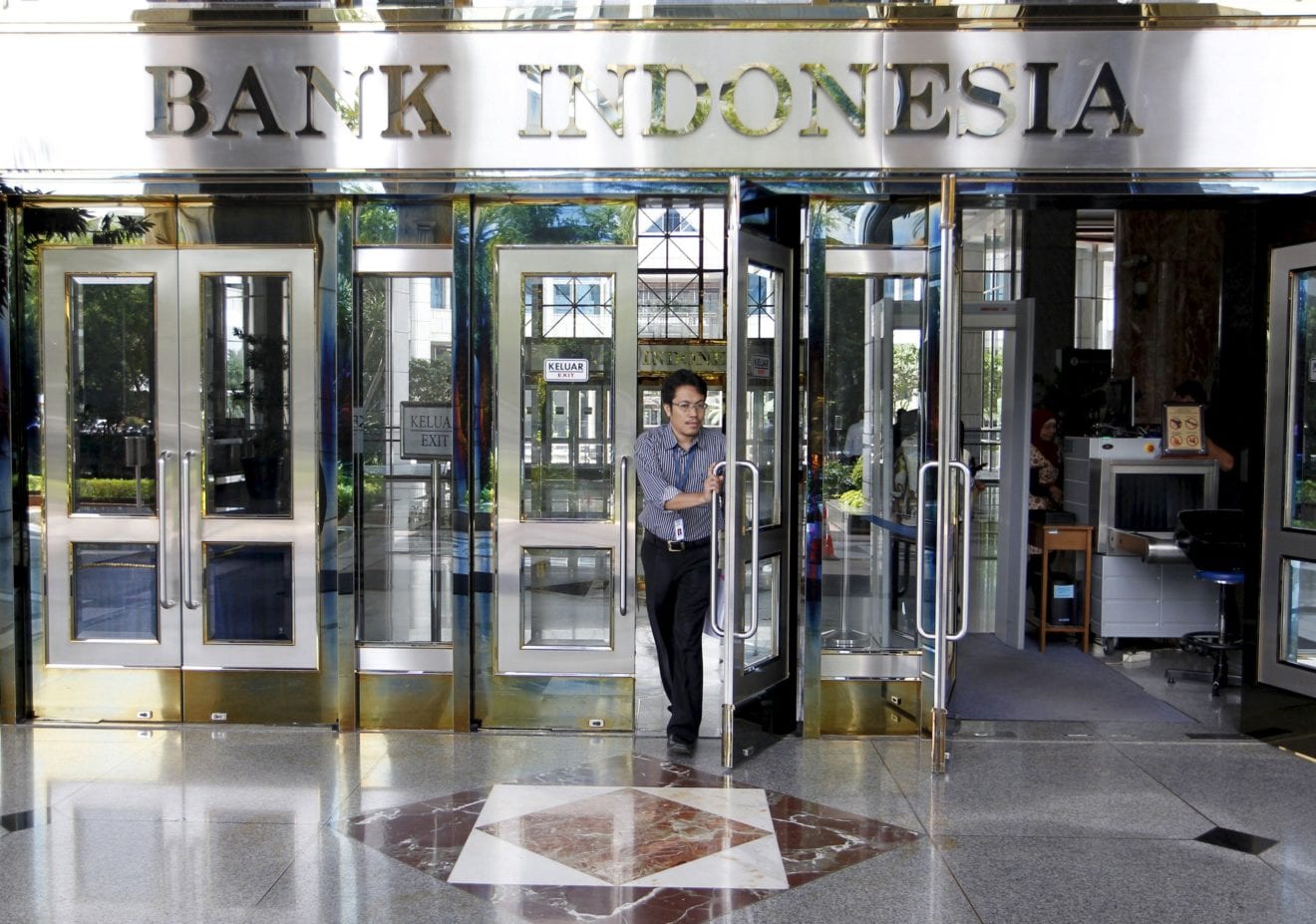
    Bank Indonesia (BI) decided on Thursday to keep its seven-day reverse repo rate at 4.75 percent in response to global uncertainty following the outcome of the recent US presidential election.

    “BI is responding to the uncertainty in consideration of a stable condition in the domestic economy,” BI governor Agus Martowardojo said in a press conference at the central bank’s office in Jakarta on Thursday.

    Agus added that after the US election, which saw the victory of Republican candidate Donald Trump, global uncertainty as a result of the economic programs of the new government had made the rupiah volatile. A week after the Nov. 8 election, the rupiah depreciated 2.23 percent to Rp 13,340 per US dollar, but the year-to-date figure still shows that the currency appreciated by 2.97 percent.

    “We need to be careful with upcoming US policy, such as expansionary fiscal movement, trade protectionism and a Federal Reserve rate hike,” Agus said.

    Moreover, he added, the US economy had shown signs of recovery with better economic growth, decreasing unemployment and increasing inflation, which increase the odds of the Fed increasing its benchmark rate next month and put pressure on the world economy.

    A Fed rate hike would potentially lead to capital outflow from emerging economies, like Indonesia, as investors would likely move their money in search of better yields.

  • Indonesia ships first containers of timber under EU legality scheme

    Indonesia ships first containers of timber under EU legality scheme

    Tesso Nilo National Park, Riau Province, Indonesia. This patch of forest is supposed to provide a habitat for tigers and elephants, but is constantly under threat of fire, illegal logging and encroachment. Image:

    The first containers of plywood certified as legal under the EU’s anti-illegal-logging action plan were shipped out of the Indonesian capital on Tuesday, a milestone in the fight against blackmarket timber in one of the world’s most heavily forested countries.

    Of the 15 nations that have agreed to take part in the scheme, Indonesia is first to succeed in establishing a national system for verifying the legality of its timber — a considerable achievement for a country where unscrupulous loggers pocketed a presumed $60.7-81.4 billion from illicit sales between 2003 and 2014, according to the nation’s antigraft agency. Indonesia lost nearly $9 billion in state revenue from unreported timber sales during the same period.

    “This signifies Indonesia’s commitment to combat illegal logging and the illicit timber trade,” said Rufi’ie, a director at the Ministry of Environment and Forestry.

    Rufi’ie, who like many Indonesians goes by one name, added that 36 certifications had already been issued under the scheme, known as Forest Law Enforcement, Governance and Trade (FLEGT). He said he hoped Indonesia’s compliance with the program would increase the value of its exports.

    With the adoption of the scheme, EU timber importers will not have to perform their own due dilligence on certified shipments from the archipelago country, increasing the competitiveness of Indoensian timber vis-a-vis other producers.

    Vietnam appears likely to be the second country receive the EU’s blessing to issue FLEGT licenses.

    A board member of the Indoesian Wood Panel Association (Apkindo), Gunawan Lim, said he expected plywood exports to jump 20 percent next year on the strength of the new certification, largely because not just Europe but other developed countries were also concerned with legality.

    Aida Greenbury, the head of sustainability at Asia Pulp & Paper, Indonesia’s largest pulp and paper company, agreed: “As nations around the world from Japan to Australia look to tackle illegal logging, Indonesia will benefit from major first-mover advantage for buyers looking for legal products.”

    The focus now shifts to maintaining the credibility of Indonesia’s Timber Legality Assurance System (SVLK), on which the issuance of FLEGT licenses is based.

    Indonesia is home to hundreds of thousands of forestry enterprises, many of which operate informally and on a small scale, and which can be difficult to monitor.

    Large companies break the law, too. On Wednesday, the Supreme Court convicted PT Merbau Pelalawan Lestari of logging outside the boundaries of its permit area on Indonesia’s main western island of Sumatra.

    NGOs called on the Indonesian government to make sure the scheme was properly enforced and monitored.

    Faith Doherty, forest campaign leader at London-based the Environment Investigation Agency, urged the EU to “swiftly [follow] up information on illegal timber trade entering the EU, including information submitted by independent investigators.”

    The WWF urged greater transparency, calling on the Indonesian government to ensure that civil society groups “will be granted full access to information including relevant data and planning documents,” Aditya Bayunanda said. “Holding up such information would greatly decrease the credibility and transparency of the system.”

  • Indonesia holds rate steady after six cuts

    Indonesia holds rate steady after six cuts

    Indonesia’s central bank kept its benchmark interest rate unchanged after six cuts this year, seeking to calm financial markets in the wake of the United States presidential election results.

    Governor Agus Martowardojo and his board held the seven-day reverse repurchase rate at 4.75 per cent yesterday. Analysts had said market volatility following Mr Donald Trump’s victory meant Bank Indonesia (BI) could not cut its benchmark rate for a seventh time this year.

    The rate hold “is in line with BI’s cautiousness in responding to the escalating uncertainty in the global financial market after the US election”, the central bank said in a statement.

    The central bank had reason to pause after taking aggressive action this year to boost growth amid a benign inflation environment.

    Expectations of more US interest rate increases caused the rupiah to plunge as much as 3.7 per cent against the US dollar last week, prompting BI to intervene to stabilise the Indonesian currency.

    “While BI is chasing for faster growth, one cannot be too complacent of the risks involved and how the rupiah traded post-US elections is a timely reminder of this,” DBS Group Holdings economist Gundy Cahyadi said before the rate decision.

    BI has cut its main policy rate this year by a total of 150 basis points. Despite the rate cuts, loan growth has continued to weaken.

    As of September, annual expansion of outstanding loans was at 6.47 per cent, its weakest in nearly seven years, as commercial banks grappled with increased levels of bad loans.

    The government is forecasting growth of about 5 per cent for this year, well below the 7 per cent targeted by President Joko Widodo when he came to office two years ago.

    Inflation remained subdued at 3.3 per cent in October, close to the lower end of the bank’s 3 per cent to 5 per cent target.

    “BI faces a difficult balancing act,” Capital Economics said. “Despite having cut interest rates six times this year, the domestic economy could clearly do with some additional support… But the threat of further falls in the rupiah means that BI is likely to act with caution.”

  • UOB Indonesia Projects 5.2% Growth in 2017

    UOB Indonesia Projects 5.2% Growth in 2017

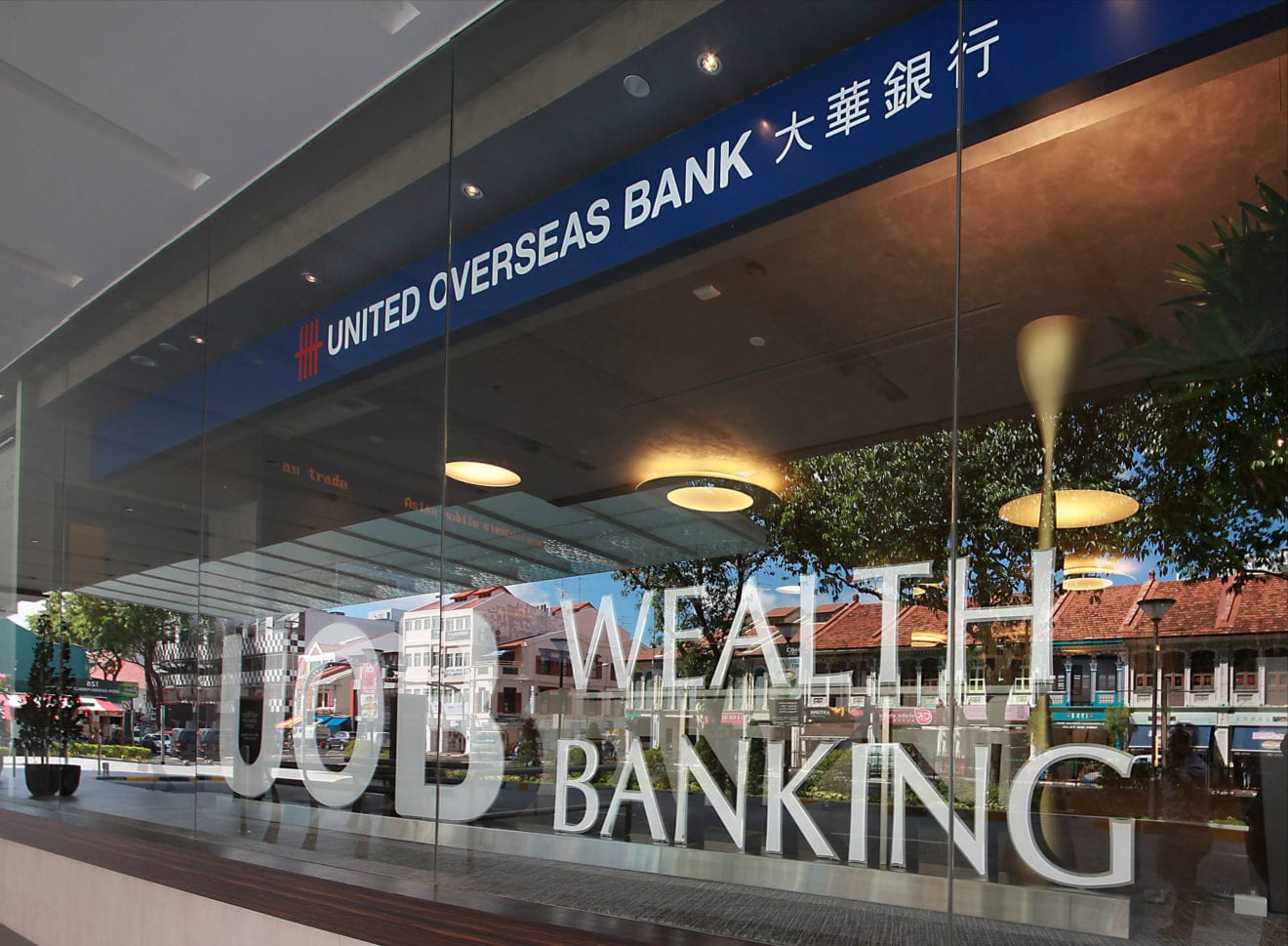
    Bank UOB Indonesia projects Indonesia’s economy to grow next year despite the global slowdown. UOB Indonesia president director Kevin Lam said Indonesia’s economy will grow steadily at around 5.2 percent in 2017, up from this year’s 5.0 percent.

    Kevin is certain that the government will maintain the country’s growth momentum through various economic policy packages aimed at boosting investments. Several infrastructure projects that are currently underway are also expected to help achieve economic equality and income growth.

    “The projects also create jobs, thus contributing to household consumption,” he said in a press conference after the UOB Indonesia Economic Outlook 2017 event in Jakarta.

    Kevin said the government’s effort to attract investors by releasing policy packages—comprised of relaxations and deregulations—is working. According to the UOB Asian Enterprise Survey 2016, nearly a quarter of the respondents, which were Asian companies, chose Indonesia as a destination for their expansions in the next three to five years.

    Last week, Finance Minister Sri Mulyani Indrawati projected that Indonesia’s economy in the fourth quarter will reach 5.0-5.1 percent, “due to fiscal expansions.”

    The minister said state institutions will have plenty of expenditures ahead of the year-end, and the state’s spending figure will reach 96 percent of the target.

  • Direct air link to Indonesia from Mumbai soon

    Direct air link to Indonesia from Mumbai soon

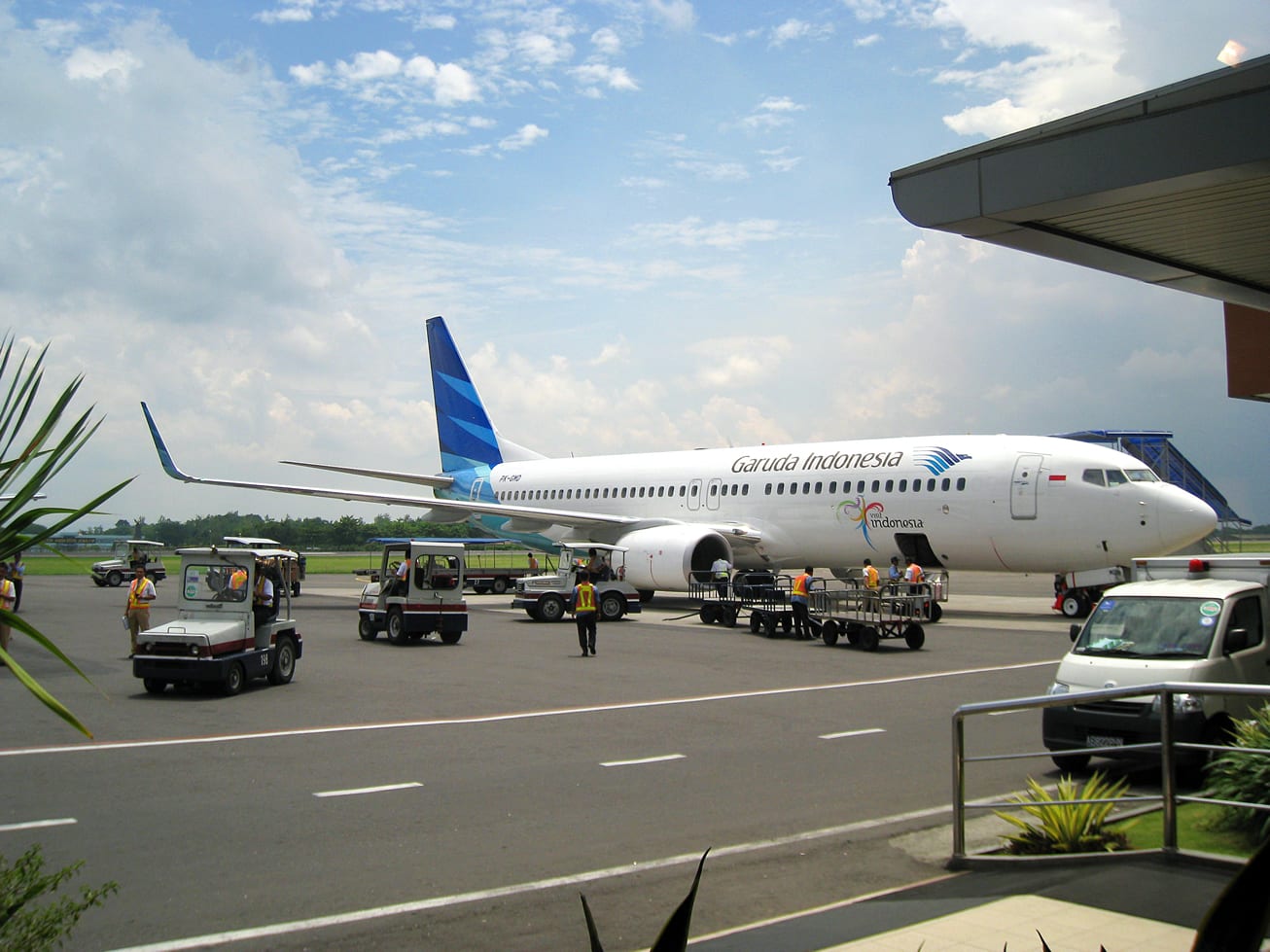
    A direct air link between India and Indonesia is set to become a reality with Garuda Indonesia, the South East Asian country’s national air carrier, considering to launch a service soon.

    Garuda Indonesia plans to introduce direct flights connecting Jakarta-Mumbai. In all likelihood, it should happen this December, Consul General of Indonesia Saut Siringoringo said here on Tuesday.

    He hoped the move would not only address the biggest challenge — absence of direct air connectivity — but eventually also provide a boost to bilateral trade, tourism and people to people ties. Tourism, he added, has considerable potential, particularly in pushing up the number of people from India visiting Indonesia.

    From 2,70,000 Indian tourists last year, which was a 13 per cent growth, the number would cross 3,50,000 this year. “I am very optimistic, this year it could even reach 4,00,000,” the Consul General said, pointing out visa free facility, for stay upto 30 days, was provided on arrival to Indian tourists. Mr. Siringoringo is from the Consulate in Mumbai that covers eight States, including all those in south India. His office, he added, issued around 7,000 working permits every year.

    Bilateral trade

    On the bilateral trade, he said it was around $16 billion and the need for Indonesia was to diversify it beyond the coal and palmoil. Pharmaceuticals and agriculture were two areas that could contribute to the diversification, he added.

    The Consulate, he said, was keen on showcasing Indonesia and strengthening ties with India through programmes. It recently organised a two-day ‘Expo Indonesia 2016’ in Mumbai featuring 37 Indonesian companies. Apart from showcasing a range of products, including furniture, paper, health-care products, food, the event served as a platform to explore business ties. The last time such an exhibition was conducted was in 2007, Mr. Siringoringo said.

    Stating that there is a lot of interest on both sides, he said 130 business delegates from India attended the ‘Trade Expo Indonesia 2016’ last month in Jakarta, an event that witnessed a transaction of $ 84 million.

    Apart from holding another exhibition next year, the Consulate is also getting ready for the visit of a Ramayana troupe comprising 100 dancers from Indonesia.

  • Plug and Play to invest in dozens of Indonesian start-ups

    Plug and Play to invest in dozens of Indonesian start-ups

    Indonesia is a few steps closer to becoming the largest digital economy in the region, as one of Silicon Valley’s largest players, Plug and Play, has expressed interest in investing in dozens of Indonesian start-ups.

    Despite Silicon Valley firms being discouraged from investing abroad recently, Plug and Play seems to see huge potential in Indonesia’s digital economy, as the US tech giant signed a joint venture agreement with local investment firm Gan Kapital to establish Plug and Play Indonesia.

    State-owned lenders Bank Negara Indonesia (BNI) and Bank Tabungan Negara (BTN) will be actively involved in the mobile financial technology-focused start-up accelerator.

    The local branch will be officially established next January and invest in up to 50 early-stage start-ups per year. They will receive funding, mentorship and complimentary co-working space for a three-month period.

    Plug and Play CEO and founder Saeed Amidi said the company hoped to establish 200 Indonesia start-ups in its portfolio by 2020 in response to the visit of Indonesian delegates, led by President Joko “Jokowi” Widodo earlier this year.

    “It took us a few months to come here but we are super excited to start this journey together and work together to build a better economy, what we call knowledge-based economy and digital economy, here in Indonesia,” he said following a meeting with the President on Tuesday.

    During his visit to Plug and Play’s headquarters in Silicon Valley, as part of his visits to the headquarters of US technology giants, Jokowi expressed his expectation to have the company partake in Indonesia’s efforts to become Southeast Asia’s biggest digital economy.

    He even wrote “Start it up together, prosper together” at Plug and Play’s headquarters, from which up to 100 start-ups across the globe are developed every year, including Dropbox, with US$3.5 billion in funds raised by its start-ups since 2006.

    Gan Kapital Group chief financial officer Wesley Harjono, who will also be managing director of Plug and Play Indonesia, said it will allocate around $10 million per year for the 50 start-ups that they have chosen to support.

    “If there are 50 start-ups and we give an average of $500,000 per start-up, then we can prepare $10 million per year,” he stated, adding that start-ups would also enjoy exposure to the global market in hopes that investors abroad would also start to take part.

    Communications and Information Minister Rudiantara highlighted the importance of Plug and Play’s presence in Indonesia to attract more foreign investment in the country’s e-commerce sector.

    “He has come here even at a time when Silicon Valley is being discouraged from investing abroad. He said he is confident about Indonesia and this is a positive factor,” he said.

    The government issued its 14th economic policy package last week, aimed at supporting the digital economy. The government expects the new policy package, dubbed the e-commerce road map, to create 1,000 “technopreneurs” and $130 billion in business value by 2020.

    The road map is intended to better protect national interests and give priority to small and medium enterprises and start-ups, and will offer grants or subsidies to boost their chances of surviving in the tough e-commerce industry.

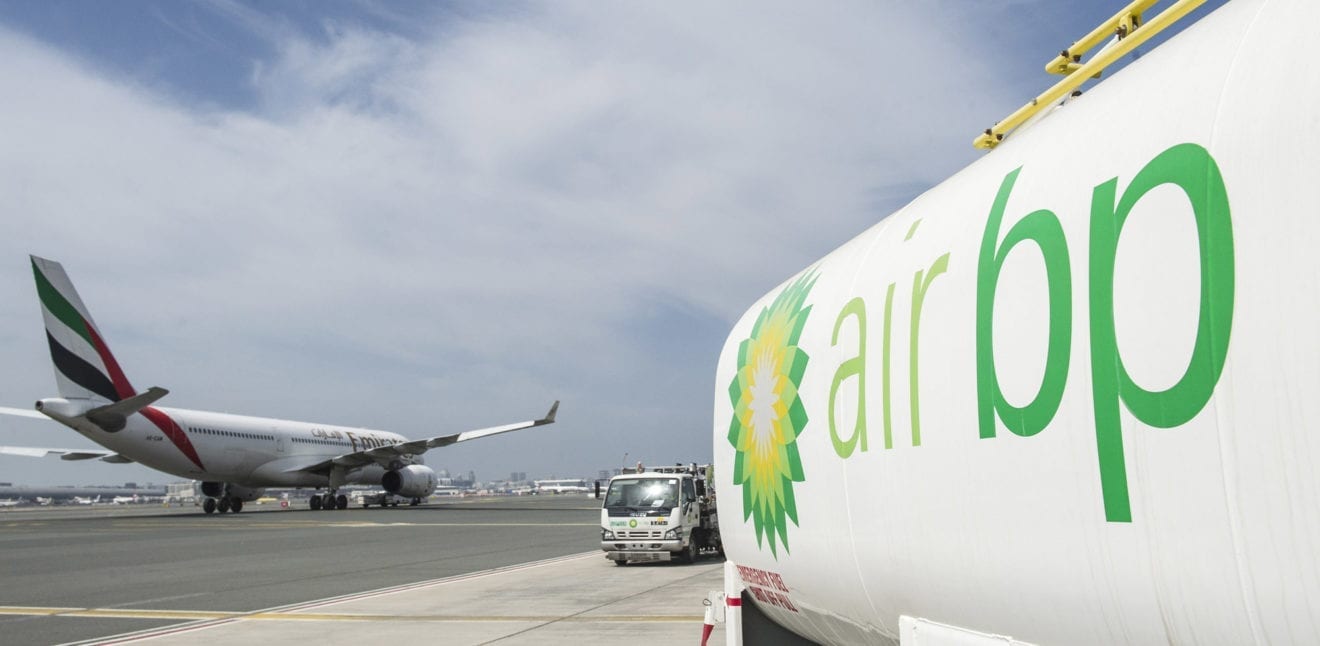
  • Air BP, AKR sign JV agreement in Indonesia

    Air BP, AKR sign JV agreement in Indonesia

    Air BP, the international aviation fuel products and services supplier, and AKR, an Indonesian distributor of chemicals, petroleum, logistics and supply chain solutions, have announced the signing of a JV agreement. The agreement was signed in London by Mr Jonathan Wood, Chief Strategy and Business Development Officer, Air BP, and Mr Haryanto Adikoesoemo, President Director of AKR.

    The JV company, PT Dirgantara PetroIndo Raya, will operate under the name of Air BP-AKR Aviation, with the remit to develop an aviation fuel business in Indonesia.

    Indonesia is one of the world’s fastest growing aviation markets where domestic travel is projected to grow by an average of 15% per year, reaching 180 million passengers in 2021. The market is being driven by the strong economy with a growing middle class, an archipelago geography and increased tourism. Indonesia is now the world’s fifth largest domestic market, behind only the US, China, Japan and Brazil.

    “Air BP sees a great future for aviation in Indonesia and is pleased to be involved in this market and contribute to its future development and success,” said Wood.

  • MPPA opens its premium supermarket format in Denpasar, Bali

    MPPA opens its premium supermarket format in Denpasar, Bali

    The Foodmart Primo is a professionally designed upmarket supermarket with a café, “boutique” bakery and restaurant, offering a high level of local and imported goods in a pleasant ambience for a more enjoyable shopping experience.

    Director of Foodmart Operations, Dave Rao stated “Level 21 Mall is a life-style mall. Our presence is to provide a “one-stop” experience for the customers, whereby they can enjoy shopping at the various outlets as well as eat, drink and get their complete daily/weekly groceries at Foodmart Primo – all under one roof. Our assortment also includes handicrafts, souvenirs, aromatherapy, local snacks and more to cater to the large tourists precence in Bali.”

    ”To date, the Company had already established a presence in the Kuta area and has been looking for an opportunity to venture further into the residential parts of Bali. So when a location in the Level 21 lifestyle mall in Denpasar became available, MPPA took the opportunity to open another Foodmart Primo there.” he added.

  • AirAsia moves into new open-space headquarters

    AirAsia moves into new open-space headquarters

    After announcing that it would relocate to a new office in 2014, budget carrier AirAsia finally moved into its new space in Sepang, Malaysia, on Monday.

    The office, dubbed RedQuarters, is located on an 18,000-square-meter plot beside Kuala Lumpur International Airport 2 ( KLIA2 ). It is reportedly set to house 2,000 AirAsia employees.

    With features like indoor grass and colorful, stylish furniture, the huge open-plan office breaks away from conventional office stereotypes. AirAsia told that the design was intended to reflect the company’s determination to become Malaysia and the region’s best airline, “while incorporating elements showcasing the professional, fun and friendly attitudes.”

    The company threw a celebratory opening party at the new headquarters featuring local entertainers SonaOne and Joe Flizzow.

  • Matahari Department Store Launches MatahariStore.com

    Matahari Department Store Launches MatahariStore.com

    The launch of MatahariStore.com has provided more opportunities for the company and for the development of online and retail industries in Indonesia as research from Google and Temasek shows that e-commerce will contribute to nearly 60 percent of Indonesia’s overall online market, leaving behind online ticketing and ride-hailing booking services.

    “Through the retail stores, mobile applications and now with the newly-launched online platform, we believe that we can become an omni-channel retail player,” Christian said.

    MatahariMall.com will run all MatahariStore.com transactions and will provide content, a secure payment system and delivery of products.

    MatahariStore.com will also implement an online to offline strategy — which allows customers to shop online and pick up their goods at the retailer’s nearest delivery hub  with features that allow customers to pay, receive and return products at any of Mataharimall.com’s 649 delivery hubs across Indonesia.

  • Oppo Joins Hands with Tokopedia

    Oppo Joins Hands with Tokopedia

    OPPO has officially established a partnership with e-commerce company Tokopedia to market its best products, such as its best-selling product OPPO F1s.

    “Our cooperation with Tokopedia is an added value to our customers throughout Indonesia,” OPPO Indonesia CEO Ivan Lau.

    Ivan said that OPPO’s customers who cannot be reached by OPPO’s physical stores will be able to get OPPO products through Tokopedia. In addition, he said, OPPO’s excellent sales volume in Tokopedia had also been factored in. “It was one of the reasons behind the strategic cooperation with Tokopedia.”

    Tokopedia CEO William Tanuwijaya said that Tokopedia users, known as Toppers, will be able to enjoy the ease of payment for OPPO products, ranging from cash payments via convenience stores and post offices to interest-free credit card installments.

    Tokopedia boasts two million pageviews per month, making it as one of the best distribution channels for many brands, including OPPO.

  • Indonesia can weather financial market volatility

    Indonesia can weather financial market volatility

    Despite concerns about volatility in the financial markets for the remainder of the year, experts are upbeat that Indonesia can withstand the turmoil, citing sound fiscal and monetary conditions as the prime driver of hope.

    The domestic bond market is particularly a concern as investors will remain jittery over how the global economy will develop given the lack of clarity in the policies of US president-elect Donald Trump.

    JPMorgan Securities Indonesia managing director and head of investment banking David Dharma Thomas said global investors were currently waiting for policy direction from Trump, who promised an expansive fiscal policy through infrastructure spending next year to propel growth.

    With expected higher economic growth in the US, he said inflation was predicted to surge, and thus encourage the US Federal Reserve to raise its fund rate.

    “The market has already priced in the potential higher rates in the US. With the new president-elect, I think it’s very likely for the Fed to basically increase the rate sooner rather than later,” he said.

    Such a situation would put pressure on Indonesia’s US dollar bond market, David said, as most of the debt papers’ pricing was based on US Treasury bills with 10- to 30-year tenors.

    Yields for 10- and 30-year Treasury bills stood at 2.12 percent and 2.93 percent, respectively, at close of trading on Nov. 10, according to Indonesia Bond Pricing Agency (IBPA) data.

    David said most of the holders of Indonesia’s US dollar bonds were foreign investors through global fund managers. This will encourage them to benchmark the local yields versus the higher-yielding assets offered in more mature markets, specifically those in the US.

    “When rates in the US are going up, obviously people will demand better yields from emerging market papers including from Indonesia,” he said, adding that there would always be risks of capital reversals during volatile times.

    However, David believed the government and Bank Indonesia (BI) had done well enough to cushion the impact of the volatility, such as through the tax amnesty program that was received positively by investors as a means of improving state revenue and foreign fund inflows through repatriation.

    He said the government’s plan to issue bonds for the 2017 allocation early, at the end of this year, would also help the government anticipate the risks that may unfold next year.

    Mega Capital Indonesia fixed income analyst Adra Wijasena said a Financial Services Authority (OJK) regulation issued earlier this year requiring insurance firms and pension funds to invest a minimum 20 percent of their funds in government bonds (SBN) had also helped ease the risks of fund outflows.

    “The policy has lowered the volatility risk and reduced foreign domination,” he said, adding that 38 percent of Indonesia’s government bonds were still held by foreign investors.

    Adra acknowledged global volatility had cut investors’ appetites for sovereign bond (SUN) auctions planned before year-end.

    If the incoming bids turned out to be below expectations, he said, the government would have to pay higher yields, which would then lead to higher costs of funds.

    “If the auction is not successful enough, the government can offer the debt through a private placement scheme,” he said, pointing to a scheme in which the government directly sold its debt papers to certain state institutions, such as BI, the OJK, regional administrations and major dealers.

    Edward Lee, the head of Southeast Asia equity capital markets with Deutsche Bank believed the financial market remained attractive despite the global turmoil as could be seen by Indonesia’s stock index outperforming its peers this year as a result of substantial fund inflows.

    The inflows amounted to between US$2.6 billion and $2.7 billion yearto-date, higher than the $1.7 billion in the same period last year.

    “There are clearly external factors beyond the control of the government, but I think with respect to the measures the government took on the macroeconomy, we feel that backdrop will be supportive of a continued improvement of the stock index and the whole environment of corporate earnings,” he said.