Tag: Indonesia

  • Japan still deeply tied to Indonesia

    Japan still deeply tied to Indonesia

    Despite the seemingly robust investment coming from China, the government claims it has not forgotten Japan and stresses that its foreign investment and trade policies are not all about China.

    China beat Japan to secure the contract for Indonesia’s first high-speed railway project connecting Jakarta and Bandung in West Java. Furthermore, President Joko “Jokowi” Widodo has met with Chinese President Xi Jinping five times since the former was elected president in late 2014.

    Meanwhile, Jack Ma, founder and chairman of Chinese e-commerce giant Alibaba Group, previously agreed to become Indonesia’s e-commerce advisor and may continue to do so.

    This series of events, and several others, may suggest that Indonesia has shifted its economic orientation more toward China, the world’s second largest economy, from its “traditional” partners, including Japan.

    The government, however, strongly dismisses this notion. “There is a perception that we have only made deals with China recently,” Coordinating Maritime Affairs Minister Luhut Binsar Pandjaitan said after a meeting at his office recently.

    “But investments from Japan are still larger than those from China,” he added, trying to reassure those concerned that Japan remained Indonesia’s priority partner.

    Japanese investments are indeed larger than China’s and the amount of foreign direct investment (FDI) from Japan to Indonesia is set to reach between US$3.5 billion to $4 billion by the end of the year, according to the Japan International Cooperation Agency (JICA).

    Nonetheless, data from the Investment Coordinating Board (BKPM) show that Japan and China do appear to be locked in a tight race.

    While Japan has consistently put itself on the list of top three foreign investors and places in second position as of September, China has crept up over the past two years and has entered the big league as well.

    China even trailed behind Japan at number three in terms of realized foreign investment in the first nine months of 2016.

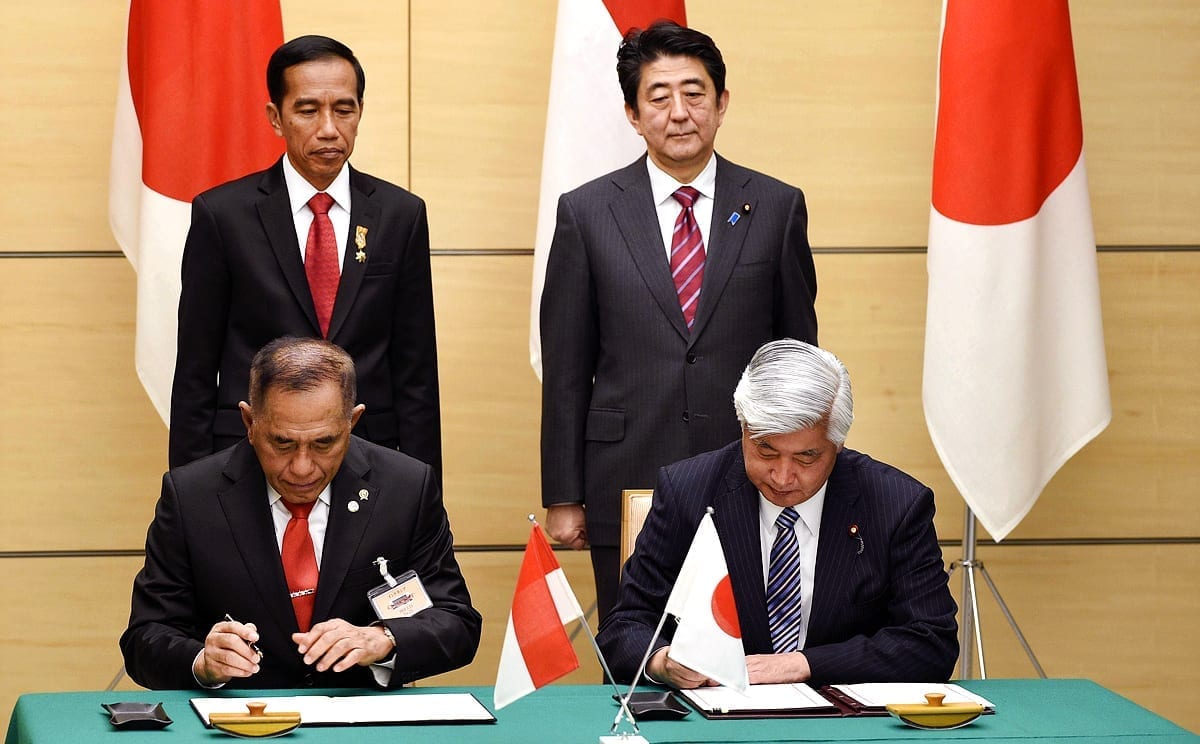
    The government, however, is inching closer to signing major agreements with Japan, a move that will strengthen the latter’s investment dominance.

    The agreements will see Indonesia reach financial closure from Japan for the deep-sea port development project in Patimban, West Java, in early 2017.

    The project is among various national strategic projects that will generate more ease in the distribution of goods shipped into the country.

    As much as US$1.7 billion in foreign loans are expected to be channeled into the project and the Indonesian government will also provide an additional $595 million to finance it.

    The Patimban Port will be located about 70 kilometers from the Karawang Industrial Estate in West Java.

    It will have a container capacity of 1.5 million 20-foot equivalent units (TEUs) once it is partly completed by 2019 and then 7.5 million TEUs by 2027, which is half the capacity of Tanjung Priok Port in Jakarta.

    Luhut said Japan would be involved in managing Patimban once it was completed, which is a plus in the government’s view as the Japanese are expected to transfer their knowledge in port management to their Indonesian counterparts.

    Luhut said the government would expedite the settlement for all administrative problems in the project, including ones related to spatial planning (RTRW) within the next two weeks.

    During that two-week period, the government will also formulate a financing scheme for another strategic project, a railway line connecting Jakarta to Surabaya in East Java.

    The government recently offered Japan the opportunity to take part in the railway project, estimated to cost Rp 102 trillion (US$7.64 billion). However, other countries will participate as well in the bidding process, including rival China, thus opening up the possibility of another round of heated competition.

    “There’s a preference for Japan to be chosen for the railway project,” Transportation Minister Budi Karya Sumadi said. Budi added, however, that Japan would still have to meet all the requirements set by the government.

    The new railway line will enable trains to run at 165 kilometers per hour and will shorten the travel time between Jakarta and Surabaya to around six hours from the current time of 13 hours. The project is slated to begin construction by the end of 2017 and is expected to be completed by late 2019.

  • Indonesia Falls Behind Vietnam in Pepper Production

    Indonesia Falls Behind Vietnam in Pepper Production

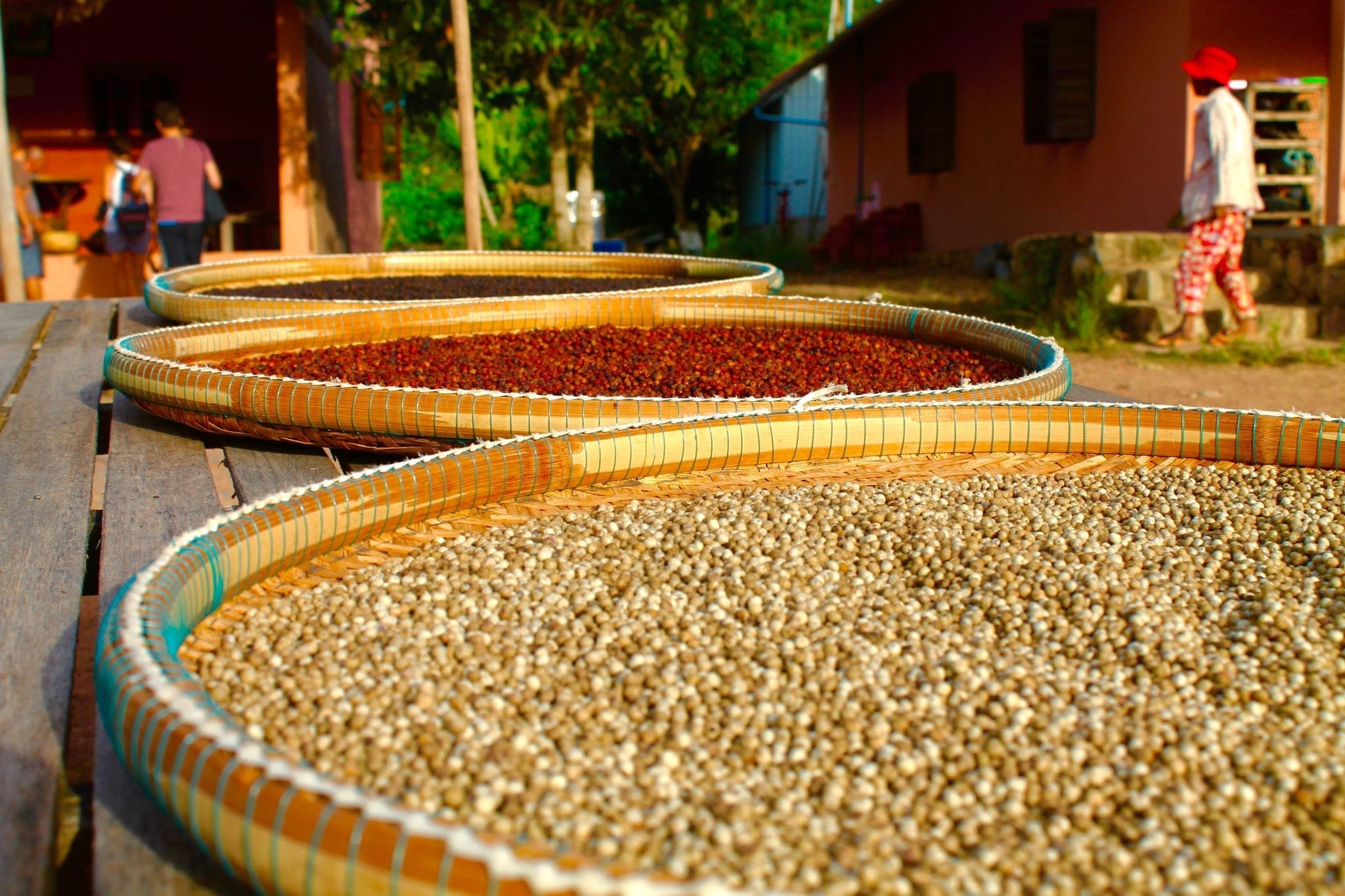
    Indonesia is the world’s second largest pepper producer. In 2013, Indonesia’s pepper production reached 88,700 tons, or an 18.8 percent worldwide market share. Indonesia has the world’s largest pepper production area with 178,000 hectares.

    However, the productivity of Indonesia’s pepper production area is only at 0.5 tons per hectare. “The productivity is low despite having the world’s largest pepper production area,” the head of Trade Study and Development Board, Trade Ministry, Tjahja Widayanti said.

    Whereas Vietnam is the world’s largest pepper producer, boasting a market share of 34.5 percent of world’s total pepper production. Vietnam’s pepper production in 2013 was 163,000 tons, having a “mere” 51,000 hectares of pepper production area.

    Vietnam’s pepper production area is smaller than that of Indonesia and India. “It shows that the productivity of Vietnam’s pepper production area is very high, i.e. 3.2 tons per hectare,” Tjahja said.

    Aside from Vietnam, other countries which have a high productivity of pepper production area are Rwanda at 3.9 tons per hectare, Thailand at 3.4 tons per hectare, Malaysia at 2.5 tons per hectare and Brazil at 2.3 tons per hectare.

    According to the International Pepper Community (IPC), world pepper production this year is expected to fall by 1.75 percent compared to last year’s realization of 403,213 tons. Some 87.22 percent of which, or 351,710 tons, were contributed by IPC member states. In 2017, pepper production is projected to recover, reaching 425,100 tons. “Global pepper industry is still facing challenges of climate change which adversely affects pepper production and quality,” Tjahja said.

    World import of pepper has been increasing. In 2015, the total world import of pepper reached US$3.3 billion with an average annual increase of 15.6 percent throughout 2012-2015. The United States is the world’s largest pepper importer with a 22.8 percent share of the import market. Singapore and India’s pepper imports have significantly increased by 40.7 percent and 27.4 percent, respectively.

  • Bank Indonesia launches financial technology office

    Bank Indonesia launches financial technology office

    Bank Indonesias governor Agus Martowardojo has launched the Financial Technology (Fintech) Office that will serve as a think-tank in developing the financial services industry.

    “Technology innovation in financial sector is now a must. Therefore, innovation must be a continuous process,” Agus said in his speech while opening the Fintech Office here on Monday.

    He explained that the Fintech Office will have four roles to play. First, it will serve as a facilitator in ideas exchange among Fintech regulators and industry players.

    Second, Fintech Technology will contribute with business intelligence that will facilitate the system and generate tools to transform raw data into new information for analysis material.

    The third role that the Fintech will play will be to provide assessments besides testing various ideas and regulations. It will also help as a coordination and collaboration platform for Fintech stakeholders.

    “We will make it a one stop service accessible to the financial players where we will explain the policies that we issue,” Agus noted.

    The Fintech Office, he added, would also act as a regulatory sandbox or a policy formulating laboratory.

    “Such a sandbox will be a restricted platform for innovation development as well as policy testing and evaluation,” Bank Indonesias Deputy Governor Ronald Waas noted.

    However, he added, not all Fintech business segments will be included in Fintech Office as it has been specified that the facility will be for the new Fintech businesses which are not regulated by Bank Indonesia as a payment system authority.

    “The businesses included in Fintech Office will be the breakthrough ones or the new ones” Ronald noted.

    Data obtained from Financial Service Authority shows that currently, 120 Fintech companies have a total asset value of Rp100 billion (about US$7.4 million), a 50 percent increase over the early 2015 figure.

  • Citibank Indonesia reaps high profit growth in Q3

    Citibank Indonesia reaps high profit growth in Q3

    The Indonesian branch of US-based Citibank saw its net profits rise in the third quarter of this year despite the ongoing global economic downturn and sluggish domestic demand.

    The bank’s net profits surged by 64 percent year-on-year (yoy) to Rp 1.9 trillion (US$142.32 million) during the January-to-September period, according to a statement issued on Sunday.

    The profit growth was mainly driven by a 15.5 percent yoy increase in net interest income to Rp 3.05 trillion, along with a 2.79 percent yoy hike to Rp 1.51 trillion in its fee based income.

    “These results reflect the strong momentum of our business, both in institutional banking and consumer banking,” said Citibank Indonesia CEO Batara Sianturi in the statement.

    The bank introduced some initiatives for its institutional and consumer banking businesses in the third quarter, namely Citi Virtual Card Accounts (VCA) for treasury and trade solutions, Citi Priority for wealth management as well as Citi Indonesia Facebook to support the digitization of its cards and retail banking.

    However, it saw its loans decrease by 7.3 percent annually to Rp 39.07 trillion in the first nine months from Rp 42.1 trillion in the same period last year.

    The deceleration in loans was in line with data from the Financial Services Authority (OJK) that show that overall lending in the Indonesian branches of foreign banks dropped by 6.61 percent yoy to Rp 253.1 trillion as of August.

    Bank Indonesia (BI) deputy governor Erwin Rijanto attributed the situation to falling foreign-denominated, or forex, loans, which only grew by 2 percent yoy as of July.

    “This is closely related to global economic conditions. We see that a lot of companies with high exposure to forex loans have temporarily reduced their credit demand. Some of them even decided on early termination of their loans,” he said recently.

    The drop in global commodity and oil prices as well as weak trade are among the factors impacting the banking industry, particularly on forex loans, which are mostly utilized to support the financing of exports and imports.

    This portion of forex lending is also particularly big in Indonesian branches of foreign banks as they are supported by their overseas headquarters.

    Meanwhile, Citibank Indonesia’s report also show that its third-party funds declined by 6.6 percent yoy to Rp 5.25 trillion from January to September.

    Despite the decline in the third-party funds, Batara said the bank managed to grow the portion of current accounts and savings accounts (CASA) — consisting of low-cost funds — to 73.9 percent of its total third-party funds.

    The increase in CASA helped jack up its net interest margin (NIM) to 6.1 percent from 5.3 percent in September last year.

    With an increase in revenue, the bank managed to improve its cost-to-income (BOPO) ratio—which measures efficiency—to almost 80 percent in the third quarter of this year from 91.2 percent a year ago.

    The latest performance was translated into an increase in return on assets (ROA) to 4.4 percent from 2.7 percent in the same period last year, while its return on equity (ROE) rose to 16.5 percent from 10.6 percent.

    The bank’s capital adequacy ratio (CAR) also increased to 29 percent in the third quarter of 2016, from 25.3 percent in the same period last year.

    “As we enter the final quarter of 2016, we believe that the progress we have made in the past three quarters will enable Citibank Indonesia to accelerate its growth imperative and commitment to its stakeholders,” Batara said.

  • Indonesia`s wheat flour consumption expected to increase steadily

    Indonesia`s wheat flour consumption expected to increase steadily

    Indonesias wheat flour consumption is expected to increase steadily with favorable growth of wheat-based culinary business, a businessman said.

    “The increased consumption of wheat flour is correlated to the increased number of cafes. In a cafe, usually customers would not order for rice but cakes that use wheat flour as its basic material,” Marketing Manager of Interflour Indonesia, Dhanny Widjaja, said.

    Indonesian Wheat Flour Producers Association (Aptindo) expected the wheat flour demand in the country to grow by five to six percent with the national economic growth in 2015.

    “We believe that the future trend would be positive, as culinary business is a relatively endurable one,” he said, pointing to its potential in breads, biscuits and noodles industries.

    His company has targeted to increase its market share by 10 percent in 2019.

    “This year (the market share) has reached 8 percent with a total production of 2,800 tons per day from two factories in Makassar and Cilegon,” he said.

    The company has focused on cakes, biscuits and noodle industries in its efforts to expand its product distribution, in addition to its retail markets.

    “We focus on expansion, especially to southern Sumatra,” he said.

    The company would also renew one of its factories in Cilegon, which will be inaugurated in 2017 and will have a production capacity of 400 tons per day.

  • Indonesia has role in tourism development in maritime silk route

    Indonesia has role in tourism development in maritime silk route

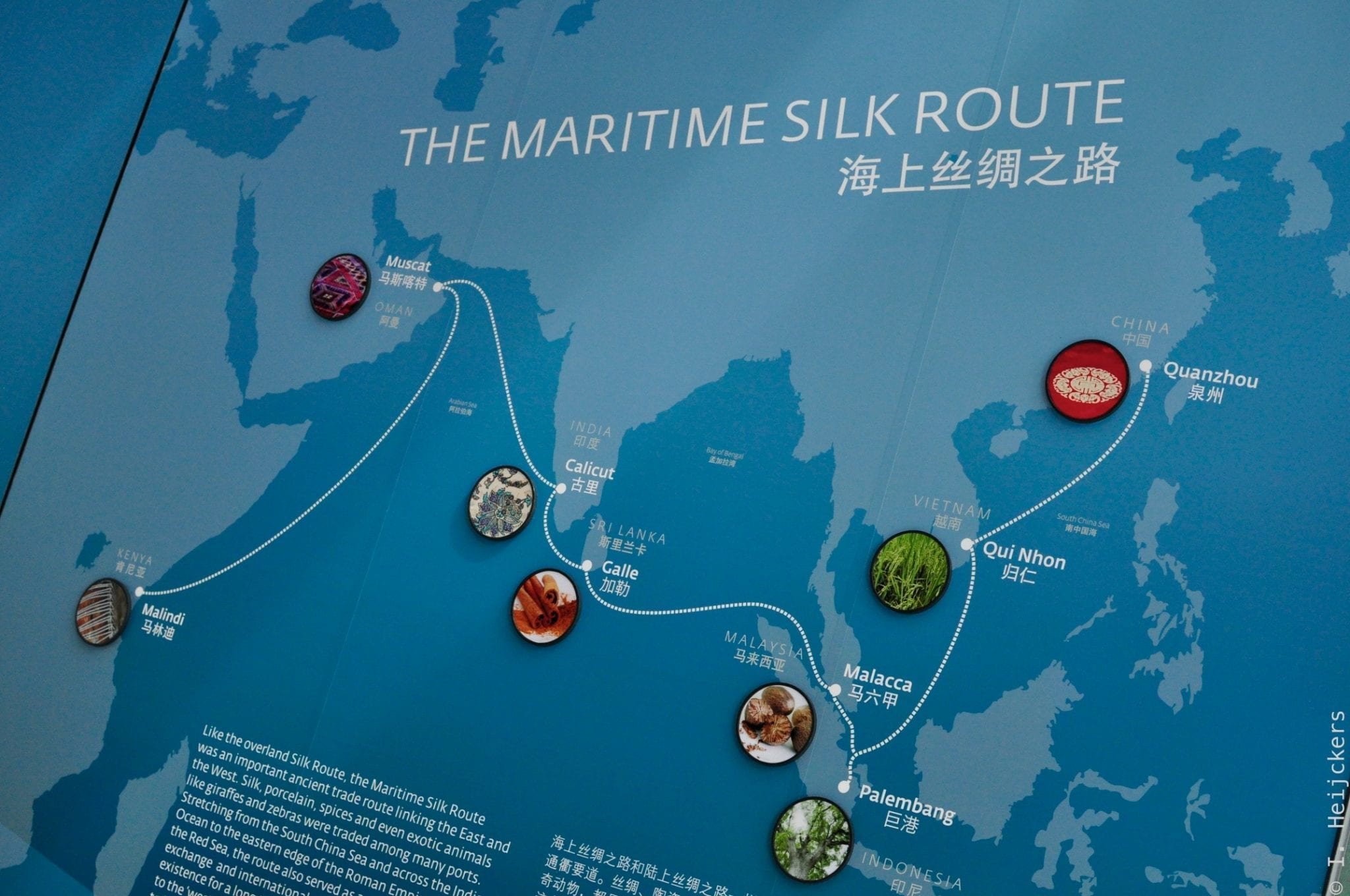
    Indonesia has an important role and can take advantage of tourism development in the maritime silk route of the 21st century in China, according to China National Tourism Administration (CNTA) Information Center Director Cai Jiacheng.

    “Indonesia has its own uniqueness as a global tourist destination, especially for the countries along the maritime silk road of the 21st century in China,” Jiacheng told.

    According to him, Indonesia has a lot of cultural diversity and unique and attractive natural sceneries that can make the country a world tourist destination.

    “However, Indonesia must fix the infrastructure and build good connectivity with a number of other countries, particularly with countries along the maritime silk road,” Jiacheng noted.

    “Indonesia should actually be able to provide maximum services, ranging from easing visas and providing adequate infrastructure, including connectivity, to attract tourists to come to the country,” he added.

    Jiacheng added that Chinese travelers can visit other countries through the ASEAN countries such as Indonesia, Thailand and Singapore.

    “Therefor e, Indonesia has opened the path for China to ASEAN, because of its strategic position to support tourism development in the maritime silk road of the 21st century that can also provide a great advantage for the country,” he said.

    Tourism is playing an increasingly important role in the economic growth of China. Tourism sector accounted for about 10.8 percent of the total growth in Gross Domestic Product (GDP) and 10.2 percent of the national job last year.

    CNTA is targeting 137 million foreign tourists to visit China in 2016, or up to 2.5 percent compared to that of the previous year, while the amount of targeted revenue from foreign tourist arrivals is US $ 121 billion, up by 6.5 percent over the previous year.

    “Therefore, China is serious to work on the tourism sector by using destination packages, connectivity, and the use of information technology for marketing and promotion,” he said, adding that Indonesia can take advantage of the tourism development in the maritime silk road of the 21st century.

  • Yogyakarta`s coffee business potential reaches Rp350.4 billion

    Yogyakarta`s coffee business potential reaches Rp350.4 billion

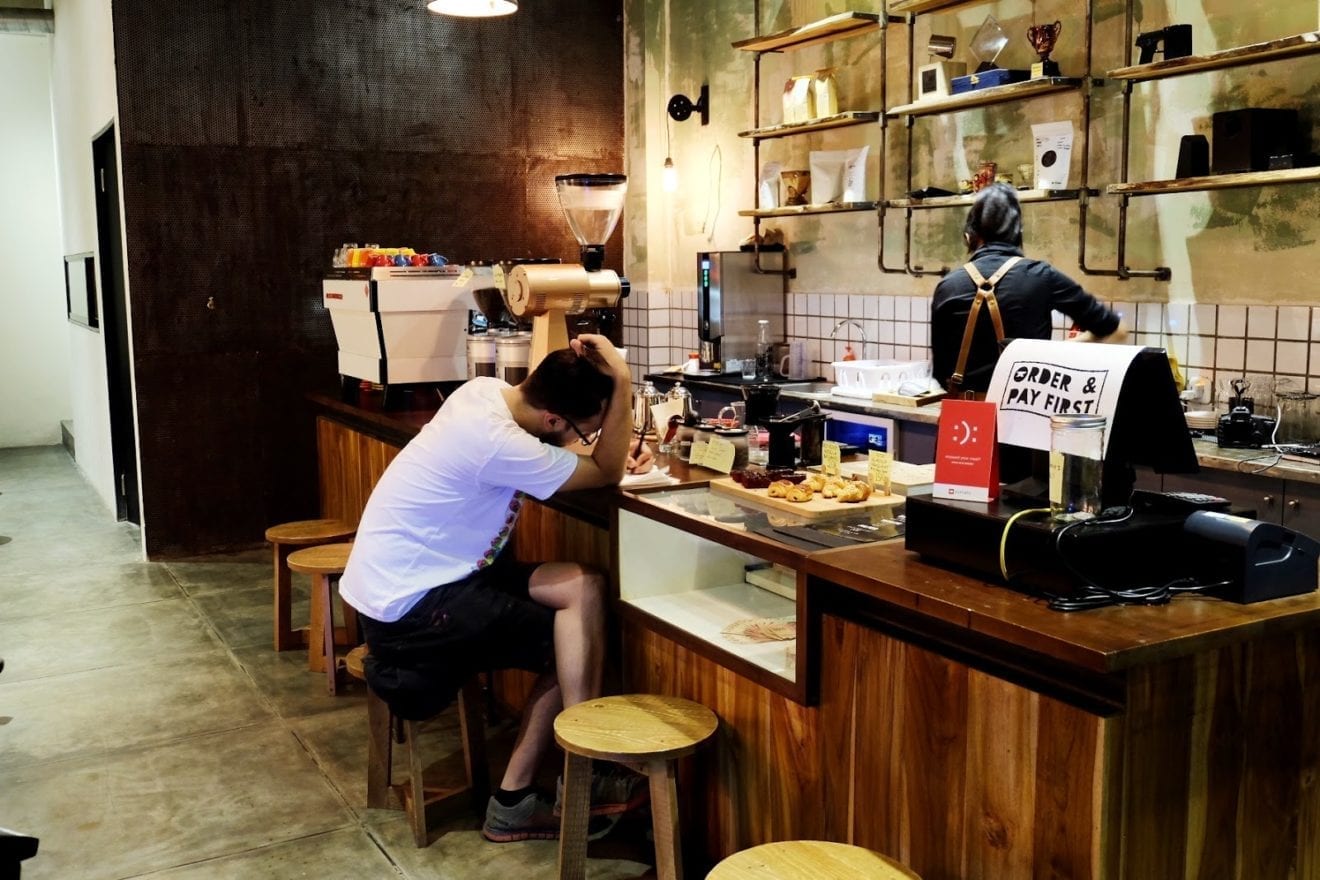
    Coffee shop ventures generate significant economic potentials in Jogjakarta, and it can reach Rp350.4 billion a year, generated from 800 coffee shops in the city.

    “The current economic realization that comes from 600 registered coffee shops in Jogjakarta reaches Rp262.8 billion per year,” the owner of Pitutur Coffee Shop Ponco Kusumo in Jogjakarta said on Monday.

    He explained in detail that a coffee shops economic realization comes from the volume of coffee sold each day, multiplied by the retail price of each cup.

    For example, every day there would be 80 cups of coffee sold in each shop, at a price of Rp15 thousand per cup.

    “That means that every coffee shop generates Rp1.2 million a day. When we multiply the total with the number of registered coffee shops across the town, the result comes out to be Rp262.8 billion, which is a substantial number,” he reiterated.

    The registered coffee shops are the ones that have signed up for the coffee business community, and there could be twice as many shops that are yet to be registered by the owners, he said.

    To reach a sales target of 80 cups per day, the shops need to operate from 10 am to 10 pm.

    “Our customer target includes students, general public and foreign visitors, who enjoy coffee,” he concluded.

  • Indonesia, Singapore launch Kendal Industrial Park

    Indonesia, Singapore launch Kendal Industrial Park

    President Joko Widodo, along with Singapores Prime Minister Lee Hsien Long, launched the Kendal Industrial Park in Central Java Province as a new model of bilateral economic relationship.

    “Prime Minister Lee and I agreed that the investment cooperation in Kendal Industrial Park marks a new milsestone in our bilateral relationship, particularly in the investment sector,” Jokowi said in a joint press statement here on Monday.

    Both heads of state also discussed the potential for more such bilateral investments, as Jokowi believed there was a big opportunity to further develop this economic cooperation.

    The president also stated that Indonesia was committed to improve its competitiveness to become an investment destination country.

    “During discussions, I explained that we are continuously reforming the economic and legal sector to improve Indonesias economic competitiveness,” Jokowi added.

    Jokowi reminded that both Indonesia and Singapore are also enhancing cooperation in the tourism sector by developing new tourism destinations in Indonesia.

    Indonesia hopes that a range of Memorandums of Understanding (MoU) that have been signed would lead to more effective cooperation in the tourism sector.

    Jokowi noted that Singapore also supports Indonesia on several regional and international issues such as counter terrorism measures as well as in the South China Sea dispute.

    “Singapore is an important partner of Indonesia in many sectors. Indonesia and Singapore will also celebrate the 50th year of their diplomatic relationship,” Jokowi noted.

    A project being built in Central Java through bilateral cooperation will create about 4,000 jobs.

    Prime minister Lee underlined that many Singapore companies have been investing in Indonesia, not only in the free trade areas of Batam-Bintan-Karimun (BBK) in Riau Islands, but also in other areas in the country.

  • 70 percent train tickets for Christmas season already sold

    70 percent train tickets for Christmas season already sold

    Seventy percent of the regular train tickets for travel during Christmas and New Year 2017 holidays have been already sold, Bambang Eko Martono, the Director of state railway operator PT Kereta Api Indonesia, said here on Monday.

    “We are targeting 258 million passengers this year,” Bambang Eko Martono stated.

    “PT KAI will offer new additional train tickets that could be ordered on Tuesday (Nov 15) at 12 noon,” he added.

    PT KAI has will make available 13,892 additional train seats during the Christmas and New Year 2017 holiday period.

    “We have made available 212,564 seats per day with 328 regular train trips and 28 additional train trips during Christmas and New Year holidays, about 11 percent more than last year,” he noted.

    The number of passengers travelling by train during the holiday season increased by six percent, from 4.3 million in 2015 to 4.5 million this year.

    PT KAI estimates that revenue during the holiday season could increase up to 10 percent, compared to last years figure for the same period.

  • OpenHydro eyes 300 MW of tidal power projects in Indonesia

    OpenHydro eyes 300 MW of tidal power projects in Indonesia

    OpenHydro, the tidal turbines business of French naval defence group DCNS, will seek to deploy 300 MW of tidal energy capacity in Indonesia by 2023 under a new partnership with local sector player PT AIR.

    OpenHydro said this week it has entered into a memorandum of understanding (MoU) with PT AIR to create an alliance aimed at driving forward the development of a tidal energy industry in Indonesia. The two companies have been working together over the past 18 months and during that time have identified at least 10 locations suitable for commercial-scale projects.

    The pair expect to start with a tidal energy array of up to 10 MW, for which a site will be selected over the coming months. The pilot system is planned for deployment in 2019. It will use European equipment provided by DCNS and its unit, plus locally manufactured content.

    OpenHydro noted that local industrial facility options have been identified and will be assessed by the partners.

    “The nature of the equipment involved in tidal energy projects results in a high level of local manufacturing content,” commented Thierry Kalanquin, chairman of OpenHydro and vice president of energy at DCNS.

  • Indonesia, Singapore agree to develop tourism cooperation

    Indonesia, Singapore agree to develop tourism cooperation

    Indonesia and Singapore agreed to develop cooperation in the tourism sector through the signing of a memorandum of understanding (MoU) in Semarang, Central Java, on Monday.

    Indonesian President Joko Widodo (Jokowi) and Singapore Prime Minister Lee Hsien Loong witnessed the signing of the MoU by Indonesian Minister of Tourism Arief Yahya and Singapore Industry Minister S. Iswaran, representing the Singapore Tourism Board (STB).

    Jokowi, in his statement after the signing of the MoU, said the cooperation will strengthen ties in the tourism sector, including the development of new tourism destinations in Indonesia.

    “We hail the cooperation in the tourism sector that has just been signed,” Jokowi said.

    In the meantime, Minister Arief Yahya said the cooperation, which will be developed, covered three areas. “There are three areas of Indonesian-Singapore cooperation in the tourism sector, namely joint marketing, cruise ships and MICE (Meeting, Incentive, Convention, Exhibition).

    Works that could be done are the development of ports and destinations, the development of human resources, cooperation in the private sector, and exchange of information.

    Yahya said that both countries did no need a long time in the process of reaching the signing of the MoU.

    “This is the fastest signing of MoU that Singapore has ever made,” said Leong Yue Kheong, Assistant Chief Executive of Singapore Tourism Board.

    Since 2010, Singapore has shown its interest to cooperate in the development of cruise ship business, but Indonesia was still calculating the advantages and disadvantages of the cooperation with Singapore.

    It was in the era of Jokowi did Indonesia decide to give priority to cooperation in the tourism sector with Singapore.

    Earlier, Jokowi and Lee Hsien Loong held a bilateral meeting at Perdamaian Guesthouse, Semarang, Central Java.

    Jokowi, who was accompanied by First Lady Iriana Joko Widodo, arrived at the guesthouse at 9.30 am after flying directly from Jakarta. He arrived ahead of the Lees arrival.

    Lee and his wife Ho Ching arrived at the guesthouse at around 9:50 am. He was accompanied by Central Java Ganjar Pranowo to walk into the guesthouse.

    After the welcoming ceremony, Jokowi and Lee directly held a bilateral meeting at the guesthouse.

    As planned, the meeting includes a number of activities, including Indonesia-Singapore “Leaders Retreat Tete-a-Tete,” a bilateral meeting, as well as signing of the MoU on the results of cooperation between the government of Indonesia and Singapore.

    After luncheon, Jokowi and Lee and his entourage are also scheduled to attend the official opening of Kendal Park Industrial Estate By the Bay, which is located in Kendal District, Central Java Province.

    The president and Lee are scheduled to make an observation tour in this area before returning to Semarang.

    The president and the First Lady are scheduled to return to Jakarta at night by the Indonesian Presidential Aircraft-1.

    Coordinating Minister for Maritime Affairs Luhut Binsar Panjaitan, Minister/State Secretary Pratikno, Tourism Minister Arief Yahya, and the Head of Capital Investment Coordinating Board (BKPM) Thomas Lembong accompanied the president during the flight to Semarang.

  • 2 Reasons Why Indonesia’s Economy Could Grow Much Faster Than Singapore’s

    2 Reasons Why Indonesia’s Economy Could Grow Much Faster Than Singapore’s

    The World Bank had recently released its October 2016 edition of the Indonesia Economic Quarterly (IEQ), titled, Pressures Easing. In the report, which goes through the state of Indonesia’s economy, the World Bank shared a few pillars that are supporting the growth of the country’s economy.

    The World Bank’s latest projections are for Indonesia’s economy to expand at 5.1% in 2016. This compares favourably to Singapore’s expected economic growth rate of 1% to 2% this year.

    Here are some of the pillars the World Bank shared in its report:

    1. Higher tax revenue from tax amnesty

    Indonesia’s government had rolled out a tax amnesty program in June this year that is scheduled to run till next March. The tax amnesty program has been highly successful so far and has already gathered IDR 93.4 trillion (around US$7 billion) in revenue for the Indonesian government in the first phase alone.

    The revenue was higher than estimated. The World Bank thinks that the additional revenue is “expected to raise capital spending and hence have a positive impact on Indonesia’s growth.”

    2. Effective social policies and plans for tourism growth

    The better fiscal position of the Indonesia government is not the only pillar supporting growth for Indonesia.

    The World Bank thinks it is possible that the Indonesian government’s policies that stabilised rice prices and expanded social assistance programs over the past few years have helped reduced Indonesia’s poverty rate by 0.4 percentage points in the first-quarter of 2016.

    Indonesia is also looking to boost the appeal of its tourism sector by attracting US$10 billion in private investments for tourism by 2019. Data from the World Travel and Tourism council show that every US$1 million spent on tourism in Indonesia helps support 200 jobs and US$1.7 million in GDP (gross domestic product).

    There are a number of stocks in Singapore’s market with heavy exposure to Indonesia’s economy and one of them is Lippo Malls Indonesia Retail Trust, a real estate investment trust that owns retail malls and spaces in Indonesia. Since the start of the year, Lippo Malls Indonesia Retail Trust’s unit price has climbed by 22%.

  • Indonesia-Singapore partnership to open 4,000 jobs in Central Java

    Indonesia-Singapore partnership to open 4,000 jobs in Central Java

    Singapore Prime Minister Lee Hsien Loong and President Joko Widodo (Jokowi) have issued a joint statement, that a cooperation project being built in Central Java is estimated to create 4,000 jobs.

    Prime Minister Lee and President Jokowi issued the joint statement at Wisma Perdamaian here on Monday.

    The visiting prime minister said there were many Singapore companies investing in Indonesia not only in the free trade areas of Batam-Bintan-Karimun (BBK) in Riau Islands, but also in other areas in the country.

    “Including in the Kendal Industrial Park to be officially commissioned today,” he said.

    According to Lee, the project in Kendal is an important cooperation project with big scale that could create 4,000 new jobs in Semarang especially in Kendal.

    He said the cooperation project constitutes a step of win win outcome between the two countries.

    “We also discussed development of cooperation in other sectors including tourism and we agree to increase tourist traffics mutually beneficial to the two countries,” he said.

    The two countries are designing joint destinations enabling tourists to visit to Singapore and Indonesia in a one trip.

    Lee hopes that the signing of the cooperation agreement on the tourism sector between Indonesia and Singapore, would lead to opening the route of tourist boats to boost development of cruise industry.

    “We encourage capacity building of Indonesia in hospitality and tourism sector,” he said.

    Both sides also discussed investment cooperation between the two countries, such as in the energy sector like energy that could be contributed to Indonesias 35,000 megawatt power generating program.

    Lee suggested to Jokowi, who agreed, the forming of Indonesia-Singapore Business Council to give added value to the partnership of the two countries.

  • Milk tea chain plans Asian expansion

    Milk tea chain plans Asian expansion

    After early success in the Philippines, Khun Thai Tea is now eyeing three more Asian markets.

    The milk tea concept was co-founded by Bronze Media LLP Singapore owners Jeremy Lee and Elis Chai.

    Lee says the company is about to open its third store in Metro Manila, at MegaMall, with plans for a new kiosk every month moving forward. It is looking for partners in other Southeast Asian markets.

    “We are going to take Khun Thai Tea to Jakarta in Indonesia, Kuala Lumpur in Malaysia, and Taipei in Taiwan,” he says. “Plans to start outlets in these cities are already underway.”

    Local Filipino partner Nancy Padilla says the chain’s drinks are based on an original recipe for a refreshing black iced-tea (‘cha-yen’ in Thai) that dates back to 1955. First created by a Thai native fondly known as Auntie Marlee, the strongly brewed Ceylon tea has since been modernised with a switch from Ceylon to a Thai-grown assam tea known as ‘Bai Miang’. Infusion with spices maintains the headiness of the original recipe and bring out its complex flavours.

    The traditional sugar, condensed milk and evaporated milk-heavy Cha-Yen recipe has also been updated to better suit the tastes of modern health-conscious consumers.

    In addition to the original recipe, says Padilla, Khun Thai Tea outlets also offer variations of the concoction inspired by drink recipes from around Asia, such as a mix of coffee and tea (‘Yuan Yang’), which was first brewed in Hong Kong.

    Drawing inspiration from Taiwanese bubble milk tea recipes, Khun Thai Tea also comes with small chewy tapioca balls (‘boba’, or bubbles) added, to infuse new textures and experiences to the drink.

    The newest menu item, Ice Bandung, is inspired by the original popular Malaysian beverage recipe which combines the alluring taste of rose syrup with the velvety smoothness of milk.

  • Despite Climate Agreements and Court Decisions, Indonesia Keeps Betting Big on Coal

    Despite Climate Agreements and Court Decisions, Indonesia Keeps Betting Big on Coal

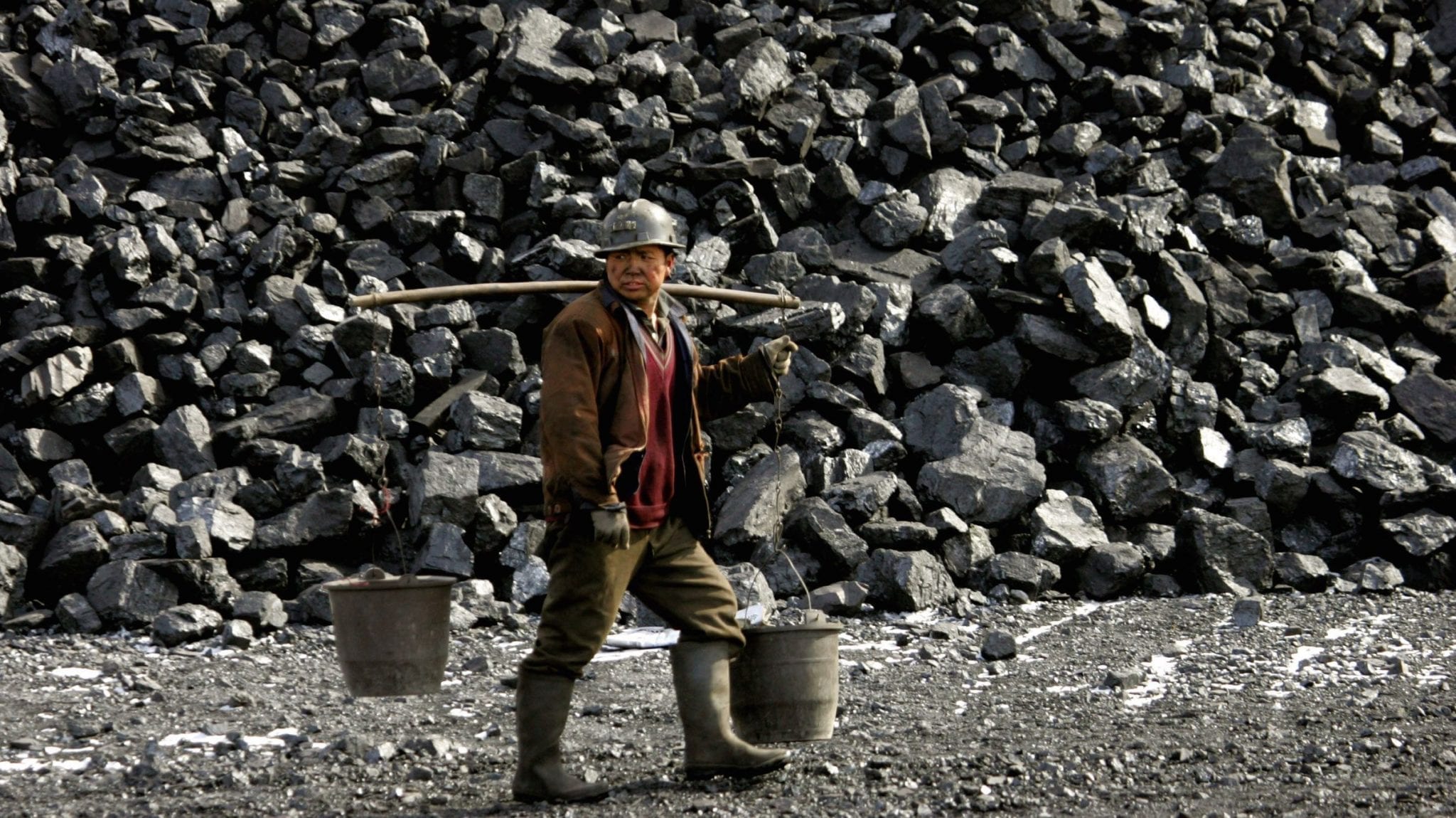
    Though Indonesia has one of the world’s fastest-growing economies, its electrical grid is faltering, with blackouts common and many factories and homes relying on expensive diesel-powered generators as backup. In 2011, Indonesian coal mining magnate Samin Tan and his company, Borneo Lumbung Energi & Metal, stepped into this energy void. Tan hoped to acquire the rights to a potentially rich coal mine in Borneo, one of the more heavily forested of the islands comprising the 3,000-mile-long tropical archipelago. But he needed $1 billion to do it. That deal’s unraveling reveals how years of effort by environmentalists and regulators may in the end have proved less effective at limiting greenhouse gas emissions in Southeast Asia than was a pistol-packing attorney, with enormous potential ramifications for how the fourth-most-populous nation on Earth develops its energy sector—and for the global climate.

    Tan’s company found itself in trouble when the price of coal crashed last year, driven by falling demand from China, where manufacturing has cooled and the government has ordered cuts to imports to protect its mining industry. One of Indonesia’s most important markets for its abundant coal was flagging. In April, the British bank Standard Chartered, the largest investor in a group that loaned Tan $1 billion to finance the mine, suddenly worried Tan wouldn’t be able to sell the coal and called in the paper. Tan refused to repay the bank.

    Coal projects in Indonesia have been able to race ahead not only because the country needs the energy but because investors outside the country have been happy to provide the funding and often receive help from their home governments’ export credit agencies. “National export agencies can support export of technologies,” said Jan Vandermosten, sustainable finance policy officer at World Wildlife Fund’s European Policy Office in Brussels. For example, Indonesian coal mining companies lacking the capital or a key technology to build a coal-fired electrical plant often strike deals with partners overseas, whose home governments help finance the investment, assisting companies in their country to get lucrative deals over foreign rivals. “It’s not about mining coal. It’s about companies that go to developing countries and construct coal plants, importing technology like boilers or other equipment,” said Vandermosten.

    In January, a $3.4 billion coal power project financed in large part by Japan’s public export credit agency, the Japan Bank for International Cooperation, moved forward in Central Java, a large province on Indonesia’s most populous island, where it will provide electricity for nearly 13 million people. JBIC is providing $2 billion, or nearly 60 percent of the project’s capital, and it will be operated by a partnership of Japanese and Indonesian energy companies. The 1,900-megawatt installation is slated to come online in 2020, when it will be the largest coal-fired plant in the country of 250 million people. Elsewhere in Asia, new coal plants in Bangladesh and India have been made possible with American and European financing and expertise.

    Coal’s share of Indonesia’s electrical portfolio has been climbing over the last decade, from 36 percent in 2007 to 41 percent in 2015, according to Kurnya Roesad and Frank Jotzo, climate researchers at Australian National University. In September, they reported that 55 percent of Indonesia’s new electricity will be from coal by 2025, if the expansion of the grid continues at its current pace—despite the government’s pledge to get 23 percent of all electricity from renewable sources by then. But the financing behind complex, expensive coal projects is proving a weak spot in the country’s energy plans.

    In January 2017, a new agreement among Organisation for Economic Co-operation and Development member countries will curtail many coal projects’ ability to receive necessary financing from overseas. Negotiated before last year’s Paris climate talks, the deal could restrict as much as three-quarters of the world’s coal energy pipeline, though early estimates are untested. Indonesian miners may be able to avoid the agreement’s most stringent restrictions, said Vandermosten, who was involved in its conception, by opting for cleaner coal technologies. But they would nevertheless crowd out funding for renewable technologies.

    Where financing can’t be publicly backed, that will drive Indonesian miners and their foreign partners to private financing like the deal with Standard Chartered.

    Which is where a flamboyant attorney named Hotman Paris Hutapea comes in. Hutapea became famous during a high-profile drug smuggling trial a decade ago for sporting a hairstyle reminiscent of mid-1980s Van Halen, keeping a white-handled pistol in a holster in his suit, and flaunting romantic relationships with local celebrities.

    Tan hired him to fight Standard Chartered’s insistence that it be paid. The trial quickly became a test case for a string of other coal projects in Indonesia, including the Japanese-backed project. If digging up coal to fire power-generating plants using 19th-century technology was to be Indonesia’s energy policy of the future, the industry would need to show—even more than that it had the coal—that it could finance the multibillion-dollar infrastructure projects needed to dig it up and turn it into electricity.

    Reports vary, but the British bank’s liability on just the single loan is usually estimated to fall between $630 million and $750 million. That’s a large enough amount that a problem with just this one client could kneecap a major London institution’s stock price and send the rest of the coal market tumbling. The overall package of loans to Tan was the largest debt extended to a single person in all of Asia that year.

    Other large multinationals not in the habit of throwing away millions had been minority partners in the deal, and if the Indonesian court invalidated the terms of the loan—blocking Standard Chartered’s attempt to collect from a company Tan said was not bankrupt—they too would lose between tens and hundreds of millions. Among the investors was Caterpillar, the Peoria, Illinois–based manufacturer of bulldozers and other heavy equipment used in the mining industry, which was in for just over $100 million.

    The trial would take place in Jakarta, and a better place for a show trial about a coal mine may not exist. The capital of a nation of coral reefs and dense rainforest, Jakarta is home to 20 million residents surrounded by toxicity. It’s hard to take a walk along Jalan M.H. Thamrin, the heart of the business district, without the risk of stepping into an open sewer. “The combination of untreated domestic sewage, solid waste disposal, and industrial effluents has led to a major public health crisis” along Jakarta’s main river, the soupy Ciliwung, the Asian Development Bank found in 2012. (ADB helps arrange funding for many public works projects, such as water treatment plants, in Indonesia and elsewhere. Little evidence exists for any improvement in water quality or sanitation since the ADB’s report.) Air pollution—mainly from vehicle exhaust—is so bad that in May, U.S. Ambassador Robert Blake proudly announced that two air quality meters had been installed in a complex housing American diplomatic staff, whose worries about the city’s pollution had converted it into a hardship posting. Sixty percent of people in Jakarta had seen their health harmed significantly by the smeary air, said Blake, citing results of a 2013 joint Indonesian-American study. If a lawyer ever wished to argue against a coal mine by bringing the judge to the courthouse steps to sniff the air, Jakarta was the place.

    As the trial got under way in March, Hutapea was preparing to argue that a bank enabling a coal mine should not be allowed to collect on a $1 billion loan. It wasn’t his first time arguing in court that an Indonesian company working in an environmentally shady industry shouldn’t have to pay back a foreign partner: In 2001, he represented local companies in a $14 billion case brought by American creditors against Indonesian logging company Asia Paper & Pulp, which owned plantations in Borneo. Hutapea argued that the contracts establishing the loans had been invalid. He won.

    His argument in the Standard Chartered case: There had never been a loan to Borneo Lumbung in the first place, the $1 billion that changed hands notwithstanding.

    The Standard Chartered–led consortium had lent Tan the money so he could buy a stake in a rival mining company called Bumi Resources (“bumi” means “Earth” in Indonesian). Tan used mines owned by his company as collateral. But Hutapea argued that Indonesia’s coal is a state asset, even if mined privately. So Tan needed the Indonesian government’s approval to use his own coal mines as collateral for the loan—and he hadn’t requested that. Standard Chartered hadn’t either. The loan, Hutapea maintained, was therefore invalid. There was nothing to collect.

    In April, the court ruled in Tan’s favor. As with the Asian Pulp & Paper case 15 years earlier, Hutapea had saved a company led by an Indonesian oligarch hated by local environmentalists. “You screw my country’s laws, my country’s laws will screw you,” he told a finance industry newsletter.

    Yet Hutapea became the environmentalists’ most unlikely ally, because the victory fouled the entire Indonesian coal economy as badly as the air above Jakarta.

    The world of energy finance, predictably, went nuts. “Any creditor on the hook to Indonesia’s coal mining industry will not be sleeping easily these days,” wrote International Financing Review, a trade publication. Like most commentators, IFR seemed unclear why Indonesia wanted to continue digging coal mines in the first place. Despite plans to expand the country’s coal portfolio, wrote credit analyst Jonathan Rogers, “the fact is that Indonesia’s coal sector is a sunset industry that is likely to shrink substantially in size in the face of collapsing demand from China, its biggest client.”

    China was shifting to wind and solar power, another reason it was buying less Indonesian coal.

    Hutapea’s victory has been closely watched beyond Jakarta and London. In Tokyo, where $3.4 billion was riding on the Central Java coal-powered electrical plant, JBIC issued a statement saying it intended to stick with the project and had faith its loan would be repaid even if the plant went bankrupt. The announcement had the effect, presumably unintended, of telling the world that the Japanese interest was worried. By persuading an Indonesian court to approve what appeared to be an Indonesian company’s swindle of $1 billion from Standard Chartered’s consortium, Hutapea sent a chill across every banking office from New York to Tokyo with a bet on a coal mine in Indonesia, one of the places still aggressively courting those bets.

    Will that money dry up? So far, it hasn’t. But if Indonesia keeps investing in coal, it may not be the environmentalists fighting hardest against it. It’ll be the bankers. It’s hard to breathe most days in Jakarta. But lose your shirt in London, and you’ll end up twice as sick.