Tag: Indonesia

  • Indonesian government taking steps to tackle growth of e-commerce industry

    Indonesian government taking steps to tackle growth of e-commerce industry

    The volume of e-commerce transactions in Indonesia is still relatively small but the government is taking anticipatory steps in the face of e-commerce industry growth as it is developing as a global trade model.

    Indonesias e-commerce transactions still account for about one to two percent of retailer transactions or much lower than the global average of eight percent. However, it is predicted that e-commerce transactions in Indonesia will increase drastically from US$12 billion in 2014 to about US$24.6 billion this year.

    Therefore, the government sees that the e-commerce industry is one of the business sectors that has good prospects in the future, and for this it is issuing an e-commerce development roadmap through an economic policy package.

    The roadmap is appearing in the 14th economic policy package announced by the government on Thursday, November 10, 2016.

    “The policy package is aimed at encouraging people all over Indonesia to expand their economic activities efficiently and to connect them to the rest of the world. With this roadmap, they will be able to enhance their business in a better way,” Coordinating Minister for Economic Affairs Darmin Nasution said while announcing the package at the Presidential Office along with Communication and Information Minister Rudiantara and Cabinet Secretary Pramono Anung.

    Therefore, the next economic policy package is expected to sufficiently address the issue.

    “E-commerce should not be treated as a general form of trading. The tariff should be lower as it is a fledgling industry, an early adopter,” Industry Minister Airlangga Hartarto underlined while speaking on the sidelines of the launch of a book on “Developing Populist Economy and Winning ASEAN Economic Community” recently.

    Indonesian businesses hope that the tax tariff for e-commerce business will be lower than that of the non-e-commerce industry.

    The Indonesian Employers Association (Apindo) hailed the issuance of the package. Businesses badly need the governments support, particularly on the fiscal system with regard to the issuance of the economic policy package on e-commerce, Fredy Ongko Saputro, chairman of Apindo for East Nusa Tenggara, said.

    “The tax tariff should be lower than non-e-commerce because this is a new industry. We hope the tax traffic is set at a modest rate,” the Apindo chairman for East Nusa Tanggara, said.

    The regulation to be issued would determine the success of e-commerce in Indonesia as it has the potential to guarantee the survival of fledgling businesses using e-commerce, economic observer Agustinus Prasetyantoko said, elaborating the point.

    Agustinus is also of the opinion that tax exemption would help boost e-commerce in the country.

    “In certain cases, tax could even be abolished during the start-up phase,” he underscored.

    Singapore could be used as the reference country to study ways to develop and expedite the expansion of e-commerce. It provides tax facilities and a low tax for start-ups in addition to assistance in the form of access to cheap capital.

    The e-commerce market has begun to grow in Indonesia. In 2014, transactions were valued at $12 billion. E-commerce spending in Indonesia was only 1 to 2 percent of the total retail sales as against 16 percent in South Korea, 12 percent in the United States and the world average of 8 percent.

    However, it is worth noting that the performance in 2014 represented a significant increase from $8 billion in 2013. In 2016, the value of transactions is predicted to rise to $24.6 billion.

    Therefore, it is being predicted that Indonesia would be among the top ranked countries in e-commerce in the future after China and India in Asia, which is why the government drew up a roadmap.

    Chief Economic Minister Darmin Nasution expressed the hope that the roadmap for the development of e-commerce industry will encourage younger generations to come up with new and innovative products and services.

    The roadmap is also expected to induce certainty in business besides facilitating the e-commerce industry. Therefore, with strategic direction and guidance, the electronic-based national trade system can be put in place during the 2016-2019 period, he noted.

    The roadmap is also expected to accord priority to and protect the national interests, particularly the interest of small and medium entrepreneurs and startups, he commented.

    “It will also help the human resources and e-commerce agents to improve their knowhow. Also, it will provide terms of reference to the government and all stakeholders for determining or adjusting sector-based policies as part of the effort to develop the e-commerce industry,” he explained.

    Darmin pointed out that the policy package deals with at least eight issues, including funding, taxation, consumer protection, human resource development and education besides cyber security.

    Meanwhile, Communication and Information Minister Rudiantara underlined that digital economy has a huge potential in Indonesia.

    “The Indonesian digital economy is so huge that all transaction services using digital technology will continue to develop,” he observed.

    He reminded that the package also covers several provisions to address seven key issues, including human resources and education, access to capital, tax incentives, consumer protection, cyber security, logistics and communication infrastructure.


  • Indonesian markets panic over Trump’s policies

    Indonesian markets panic over Trump’s policies

    Panic hit domestic financial markets on Friday as investors showed concern over the anticipated policies of US president-elect Donald Trump that may negatively affect Indonesia’s economy.

    The Jakarta Composite Index (JCI) — the benchmark of the Indonesia Stock Exchange (IDX) — ended in the red on Friday after falling 4 percent to 5,231.97 points, its lowest level in the past two months.

    Almost all sectors ended in negative territory, as investors sold a net of Rp 2.46 trillion (US$184.27 million) worth of securities throughout the trading day.

    Net sales jumped more than eightfold from the previous day, when investors ditched less than Rp 300 billion worth of securities.

    The situation was just as bad in the foreign exchange (forex) market, with the rupiah sinking as low as Rp 13,865 per US dollar, the lowest point since June 24. Market intervention by Bank Indonesia (BI) propped up the currency, enabling it to end at Rp 13,383 to the greenback.

    Friday’s development sent the government, financial authorities and analysts rushing to calm panicked investors.

    They attributed the market rout to speculation that Trump might push up fiscal spending after taking office.

    Higher spending may translate into higher inflation and interest rates in the US, which is not good news for Indonesia and other emerging markets that rely heavily on foreign funds, as some of those funds would return to the US.

    “Up to this day, the developments of the rupiah, the JCI and securities are greatly affected by regional and global sentiment impacted by the US political situation,” Finance Minister Sri Mulyani Indrawati said Friday.

    “It is natural to see that every decision made in the US, as the world’s largest economy, even in the form of a statement, can have a significant impact.”

    She said investors, including those holding government debt papers (SUN), did not have to be worried, as Indonesia had a low debt risk with a relatively long maturity profile and a relatively small state budget deficit.

    Moreover, with various fiscal measures to control the state budget deficit, spending and tax revenues, government debt papers had a very low risk profile.

    “There is no need to be trapped in groundless fear,” she stated.

    The IDX and the Financial Services Authority (OJK) also tried to calm investors, saying any impact of Trump’s policies would be temporary.

    BI senior deputy governor Mirza Adityaswara admitted the central bank had intervened in local forex and sovereign bond markets to stabilize the rupiah.

    Selling by forex traders, particularly in non-deliverable forward (NDF) derivative contracts, he went on, had triggered the market volatility.

    NDF contracts, unlike forex forwards, are settled in dollars determined by reference to a daily fixing, which in some jurisdictions is set by a survey of lenders.

    “The NDF market weakened and affected traders without considering Indonesia’s economic fundamentals. That’s why the rupiah was traded at Rp 13,400 [per US dollar] during opening, because the market followed what occurred in Mexico, Brazil and other places,” he said.

    Mirza emphasized that the country’s fundamentals remained strong, with economic growth of 5.02 percent in the third quarter, higher than in most of Indonesia’s Southeast Asian peers.

    Meanwhile, stock market analysts deemed investors’ reaction exaggerated and urged a more cautious manner. They said the market should actually have priced in the expectation of a December rate increase in the US, with further increases in 2017 and 2018.

    Separately, Trade Minister Enggartiasto Lukita said investors should wait until Trump formed his team. He expressed optimism that economic relations between the two countries would remain positive, despite Trump’s seemingly protectionist stance.

    “But we also need to keep our market strong. With a population of 250 million people, we have enough bargaining power,” he said.

    We’ll push local industries here, so that money circulation will happen much more domestically,” he added.

  • Chinese tourists visiting Indonesia up 20 percent

    Chinese tourists visiting Indonesia up 20 percent

    The Indonesian Tourism Ministry and the China National Tourism Administration have agreed to check certain tourism operators who are unprofessional and harm tourists interests.

    “We are ready to blacklist such operators since tourism is a service-based business. Managing the tourism business ecosystem with a sense of commitment and professionalism is crucial. What is at stake is to keep the tourism business sustainable,” Indonesian Tourism Minister Arief Yahya said at a meeting with the Chief of the China National Tourism Administration, Lin Jinzao, on the sidelines of the China International Travel Market (CITM) held in Shanghai from November 11 to 13.

    Travel operators and agents who violate commitment made to their customers must be dealt with sternly, he stated, adding that unprofessional tourism operators will have a detrimental impact on the future of the tourism sector.

    The China National Tourism Administration has taken several steps to control such unprofessional elements, including travel agents, as part of the efforts to make tourists feel comfortable while on vacation in China, he noted.

    “First of all, we express our gratitude to China as more and more Chinese tourists visit Indonesia,” he underlined.

    China is now the biggest source of tourist arrivals in Indonesia, overtaking Singapore, Malaysia, Australia, Japan and South Korea.

    “We have set ourselves the target of attracting 20 million tourists in 2019 and nearly 50 percent of them will come from China,” he disclosed.

    In this regard, he underscored the importance of stepping up tourism cooperation with China to achieve the target.

    In addition, he pointed out that his ministry will also focus on promoting the “Great China” branding which covers China, Hong Kong and Taiwan.

    He also invited Chinese investors to invest in the Indonesian tourism industry.

    “We invite Chinese investors engaged in the tourism sector to invest in Indonesia which offers natural and cultural attractions. Now is the time to make long-term investments in the tourism sector,” he observed.

  • Indonesia antsy over WTO’s expected tobacco ruling in 2017

    Indonesia antsy over WTO’s expected tobacco ruling in 2017

    The Indonesian government and tobacco farmers are waiting anxiously for the result of a dispute settlement against Australia’s plain tobacco packaging policy that they expect will come out in 2017, more than three years after the government submitted a request for consultations with the World Trade Organization (WTO).

    The Trade Ministry’s director general for foreign trade negotiations, Iman Pambagyo, said he hoped that the settlement result would be in favor of tobacco-producing countries.

    “We expect WTO panelists to announce the result in the first quarter of 2017. We still think that the policy violates the trade rules,” he said.

    He added that while Indonesia fully supported the objectives of improving public health and protecting the environment, it was the country’s right to defend its economy against regulations that violated international trade rules, disciplines and obligations.

    According to the WTO, on Sept. 20, 2013, Indonesia requested consultations with Australia concerning certain Australian laws and regulations that impose restrictions on trademarks, geographical indications and other plain packaging requirements on tobacco products and packaging.

    The move came nearly a year after Australia became the first country that obliges all cigarettes sold in its jurisdiction to be wrapped in dark brown packaging in December 2012.

    The Australian government found that it was the least attractive color, particularly for young people.

    The policy went into force along with a tax increase to realize the country’s plan to bring down smoking rates from 16.6 percent in 2007 to less than 10 percent in 2018.

    The Australian Bureau of Statistics claims that smoking rates decreased to 12.8 percent a year after the policy took effect, compared to 15.1 percent in 2010.

    Australia’s move has been copied by the UK and France, which regulate that all cigarette packages manufactured for those countries must be in plain form.

    Singapore considered a similar provision last year as well, but dropped the idea after encountering some technical difficulties.

    After Indonesia submitted its consultation request to the WTO, several other countries and blocs requested to join the consultations, namely Brazil, Cuba, Guatemala, Nicaragua and the European Union.

    The Indonesian Tobacco Farmers Association (APTI) told The Jakarta Post that although Australia was not the main buyer of Indonesian tobacco, more countries would apply similar policies.

    “The policy’s provision will decrease our tobacco exports as antitobacco movements have emerged in other countries,” APTI head Wisnu Brata said.

    Djarum, Sampoerna and Gudang Garam are among the companies whose cigarette brands are available in Australia.

    Data from the Industry Ministry show that some 6 million people are involved in tobacco farms and businesses across the country. Many of them are export-oriented, such as in West Nusa Tenggara (NTB), East Java and Central Java.

    The value of tobacco exports reached US$981 billion in 2015 and $1.02 trillion in 2014.

  • Sales nosedive at Indonesia Motorcycle Show

    Sales nosedive at Indonesia Motorcycle Show

    Despite attracting more visitors than the last event, this years’ edition of the Indonesia Motorcycle Show (IMOS) failed to record higher transactions following the event’s closing on Sunday.

    According to data released by IMOS organizers, the biennial event, which ran from Nov. 2 to 6, attracted 90,186 visitors, a slight increase of 0.48 percent compared to the 89.751 visitors that attended the event in 2014. This year, only 751 motorcycle units were sold during the event, with a transaction value of Rp 19.39 billion (US$1.48 million), down by almost half compared to the Rp 35.7 billion booked in 2014 from the sales of some 1,500 motorcycle units.

    Responding to the decline, Indonesian Motorcycle Industry Association (AISI) chairman Gunadi Sindhuwinata said the market was not in the best condition this year. He, however, said industry players were optimistic motorcycle sales would bounce back with the improvement of the economy.

    “In the next 10 to 20 years, the [motorcycle] sales can still see growth because the public still needs affordable transportation options,” he said on Monday.

    He added that the performance indicator of the show was not measured only by the number of transactions but also the ability of the show to inform the public of the latest technology.

    In general, the motorcycle market is getting smaller. AISI data show that during January to September, sales dropped by 9.74 percent year-on-year (yoy) to 4,351,397 units. This year, the association set a sales target of 6.5 million motorcycles, a minor increase from the 6.4 million sold last year.

    Agus Nurudin, the managing director of the Indonesian unit of global marketing research firm Nielsen, said based on the company’s latest consumer confidence poll, Indonesian customers had become more rational and had slashed their spending on tertiary goods, including gadgets and vehicles, amid the weak economy.

  • EU wants more access to Indonesian F&B market

    EU wants more access to Indonesian F&B market

    The EU demands Indonesia to ease trade barriers in the food and beverage (F&B) sector to give European producers more access to  Southeast Asia’s largest market, an official representing the world’s largest trading bloc has said.

    EU Commissioner of Agriculture and Rural Development Phil Hogan said many European producers had expressed their interest to enter the Indonesian market. However, both tariff and non-tariff measures, such as import quotas and local content requirements, held them back from doing so.

    “Many businesses are interested in Indonesia but they are waiting for improvement in market access,” Hogan said during the 6th EU-Indonesia Business Dialogue in Jakarta on Tuesday.

    He also mentioned the requirement to provide halal certificate as an obstacle for European F&B companies that wanted to explore opportunities in the world’s largest Muslim-majority country. Some European producers, Hogan said, had experiences in producing halal products, but some others did not.

    “We respect religion, but it [halal certification] prevent exports to Indonesia,” he said.

    He suggested that halal certification should be an option instead of being obligatory. Then producers that had not yet obtained certification could still export their products to Indonesia.

    Indonesia and the EU are currently in talks for the Comprehensive Economic Partnership Agreement (CEPA). The anticipated agreement, expected to be concluded by 2019, will remove various trade barriers between both parties.

  • Eastern Indonesia’s economy propelled by commodities pickup

    Eastern Indonesia’s economy propelled by commodities pickup

    Provinces in the eastern part of Indonesia are seeing robust economic growth in the third quarter thanks to higher commodity prices, but without diversification away from commodities the regions may not sustain such rapid growth, economists say.

    While the nation’s overall economic growth was 5.02 percent in the July to September period yearon-year (yoy), provinces in eastern Indonesia saw higher growth, namely Maluku and Papua with 13.72 percent, Sulawesi with 6.67 percent and Bali and Nusa Tenggara, both with 5.04 percent, according to data from the Central Statistics Agency (BPS).

    President Joko “Jokowi” Widodo said he wants to spread economic contributions from the eastern part of Indonesia to the whole archipelago and pledged to boost infrastructure development in the regions.

    However, economists said the government’s efforts to build infrastructure on the outskirts of the country had yet to bear fruit as they required more time before affecting the local economies. Instead, the rising prices of mining commodities have become the main reason for the spike in growth in eastern parts.

    “Improvements in commodity prices, such as gold in Papua, caused the jumping growth,” University of Indonesia (UI) economist Lana Soelistianingsih said on Monday following the data release.

    The BPS data also showed that the overall growth of the nation’s mining sector reversed its minus 0.72 percent yoy contraction in the second quarter to become a 0.13 percent gain in the third quarter, thanks to the higher production of some mining commodities like gold, BPS head Suhariyanto said.

    The eastern part of Indonesia still relies heavily on the mining sector so that most provinces, such as Papua, Maluku, Central Sulawesi and several areas in Kalimantan, see their economic growth spike when prices and production increase, said Center for Reform in Economics (CORE) research director Mohammad Faisal.

    “Other areas, like South Sulawesi, recorded growth because of their diversified economies,” he said. “Bali, on the other hand, is supported by its tourism sector so that when the overall economy slows down, it is still able to post growth.”

    With the projected stable increase in commodity prices going forward, economists expressed optimism that economic growth in the area can be improved, although concerns over its sustainability remain.

    “The growth will be sustainable if those provinces can transform and diversify their economies. If they’re still commodity dependent, the growth won’t sustain,” Faisal said.

    Apart from the mining sector’s reversal of fortune, the top three sectors that booked the highest growth in the third quarter include information and communications, financial services and transportation and warehousing, according to BPS data.

    In quarter-on-quarter, transportation and warehousing, agriculture, forestry and fisheries, as well as the construction sector, were at the top of the list.

    In West Nusa Tenggara and Maluku, the regions that posted the most growth in the third quarter, the marine industry is enjoying growth, especially in the shrimp and seaweed aquaculture industries, according to the Indonesian Chamber of Commerce and Industry (Kadin). Bengkulu, Lampung and Java are also seeing growth in the same sector.

  • PT Telkom has added a number of new wifi hotspots in Bali

    PT Telkom has added a number of new wifi hotspots in Bali

    The hotspots are under the network’s “Wifi.id.corner” program, which has users register for accounts and choose from a variety of packages that Telkom touts as affordable. 

    The new Wifi.id.corner spots are split between the island’s capital city, Denpasar, and north Bali city, Singaraja. 

    “In Bali, the fixed broadband services through Wifi.id.corner are spread across 200 locations. 170 of them are in Denpasar and 30 others in Singaraja, Buleleng,” quoted Nusra Suparwiyanto, executive vice president of PT Telkom Region 5 (East Java/Bali), as saying. 

    Suparwiyanto says Telkom is responding to the growing needs of Bali netizens with these 200 hotspots, which can be found in public spaces such as schools, universities, housing complexes, ports, and also city parks.

    Here’s the impressive part though—this wifi is supposed to be pretty darn fast. According to Suparwiyanto, the network is boasting speeds above 100 mbps—a speed we’re sure most of us aren’t familiar with in Bali. 

  • Indonesia moves away from TPP because of Trump triumph

    Indonesia moves away from TPP because of Trump triumph

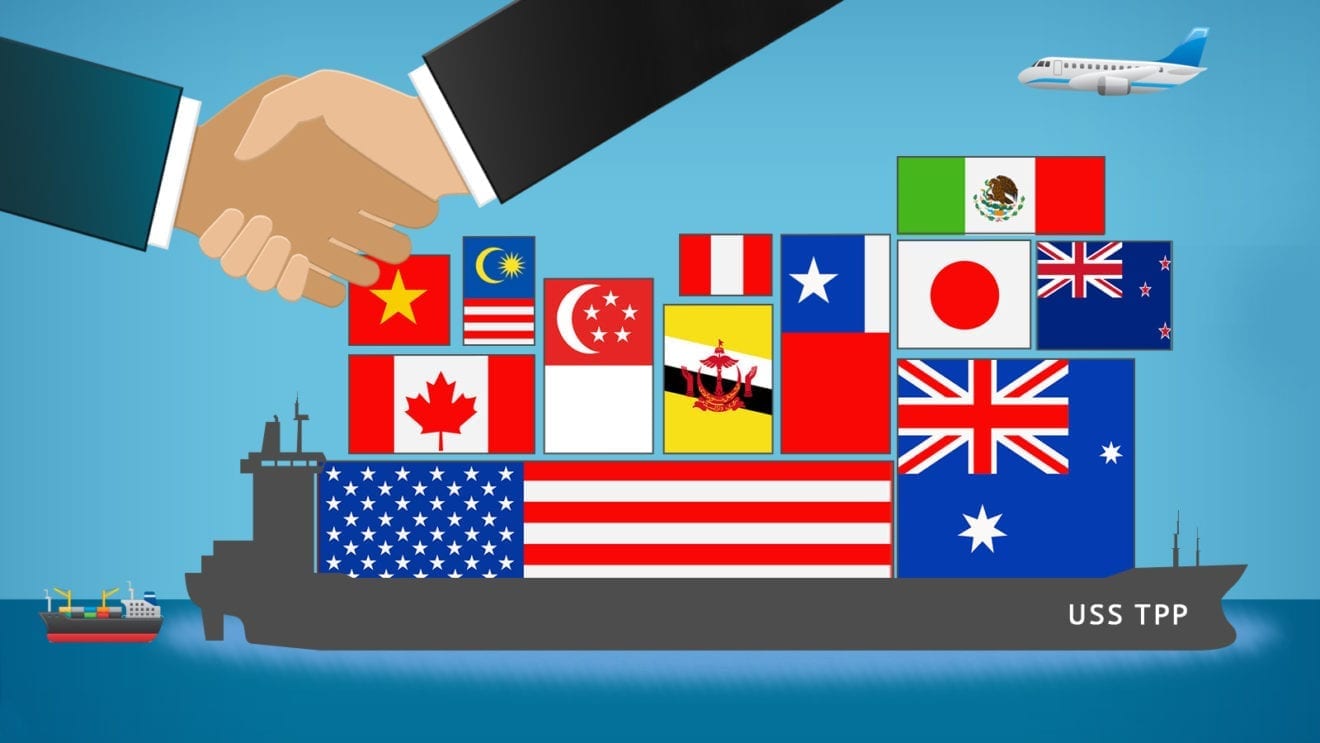
    The Indonesian government has said it will not be in a hurry to seek membership of the US-led Trans-Pacific Partnership (TPP) trade deal following the election of Republican Donald Trump as the country’s president.

    The decision was made considering Trump’s promise on the campaign trail to scrap the TPP, a multinational trade deal between the US and countries in the Asia-Pacific.

    “We are still calculating the costs and benefits of the TPP. This kind of agreement requires thorough negotiation and recently the discussion was getting stressful,” Trade Minister Enggartiasto “Enggar” Lukita said on Friday during a media briefing in Jakarta.

    He explained that problems persisted because each country had its own “ego” in expressing its needs through the mega trade deal.

    President Joko “Jokowi” Widodo expressed his intention to join the 12-member trade bloc last year.

    The TPP, which covers 40 percent of global gross domestic product (GDP), was signed by Brunei Darussalam, Canada, Australia, Chile, Japan, Malaysia, Mexico, New Zealand, Peru, Singapore the US and Vietnam.

    The trade deal has not been ratified by the US Congress.

  • Government to take firm action against illegal textile imports

    Government to take firm action against illegal textile imports

    The government plans to take firm action against illegal imports of textile and textile products as these have been hindering business and impacting ind ustrial growth in the manufacturing sector.

    “We will take firm action against importers who have so far misused facilities to avoid official levies by the government,” Finance Minister Sri Mulyani said at a press conference here on Thursday.

    She stated that strengthening the textile industry and the textile products sector was very important as this sector has been asked to increase production to boost national exports.

    Smuggling of used clothes into several regions of the country to meet the increasing demand for cheap clothes has been disrupting growth of textile and textile products sector.

    Certain people were illegally importing products. These people held import licenses to transfer goods to other parties. Businessmen dealing in textile and textile products exploited these licensed importers.

    “We will enforce the law. We have invited police officers to a meeting attended by the chief of the crime investigation department to take a stronger and more consistent action against illegal imports,” she assured.

    Sri Mulyani informed that she would also invite other ministries to review regulations relating to textile and textile products imports. Some of these regulations overlap and run against the needs of the public, trade and industry.

    The TPT (textile and textile products) is a labor intensive industry that can absorb a lot of workers and even create new jobs in the distribution and trade sectors, she added.

    In 2016, Indonesias TPT exports contributed 9.61 percent to the total non-oil and gas exports, which is the second highest after palm oil exports, recorded at 10.3 percent.

    Based on national law enforcement data in 2015, 162 cases of smuggling were aborted by the Directorate of Customs and Excise of the Ministry of Finance. Until October this year, 151 cases of TPT smuggling cases had come to light.

    The Directorate of Customs and Excise would tighten coordination and supervision in cooperation with the Corruption Eradication Commission, the Indonesia Police, the Ministry of Trade as well as the Ministry of Industry to solve the TPT import problem.

    With improved TPT import policies and their implementation, the national manufacturing industry is expected to grow while domestic prices of TPT would be more stable and state revenues more optimal.

  • Indonesian government to give preference to Japan for semi-high speed train

    Indonesian government to give preference to Japan for semi-high speed train

    The Indonesian government will give preference to Japan to build a Jakarta-Surabaya semi-high speed train project, Transportation Minister Budi Karya Sumadi said.

    “Japan will receive preference,” he said after a coordination meeting at the Coordinating Ministry for Maritime Affairs here Friday.

    Despite receiving preference, Japan must continue to meet the qualifications set by the Indonesian government, Sumadi, one-time president director of state airport operator Angkasa Pura II, said.

    He made it clear that at the coordination meeting with Coordinating Minister for Maritime Affairs Luhut Binsar Panjaitan, National Development Planning Minister/National Development Planning Agency (Bappenas) Head Bambang Brodjonegoro and Finance Minister Sri Mulyani the government decided to expedite the construction of the semi-high speed train project.

    The government will soon complete a plan for the construction of semi-high speed train line and will discuss it with Japan in the next few months, he said.

    Meanwhile, Bambang said at the meeting the government still had to assess the semi-high speed train project.

    “We are still discussing and whether the project will use an ordinary loan scheme, government project, or private sector participation scheme,” he said.

  • Trump Victory Effect Only Temporary Visible in Asia

    Trump Victory Effect Only Temporary Visible in Asia

    Coordinating Economic Minister Darmin Nasution believes that the impact of the US presidential election on Indonesia’s economy is only temporary. Darmin said that the government would anticipate changes in the market after Republican presidential candidate Donald Trump won the election.

    “We shouldn’t be worried about the election. There will be an impact on the economy, but it’s only for a short term,” Darmin said at his office on Wednesday.

    The election results announced today showed that Donald Trump gained 288 votes, exceeding the minimum winning threshold of 270 votes. His rival from the Democratic Party Hillary Clinton obtain 215 votes.

    Industry Minister Airlangga Hartarto echoed Darmin’s comment saying that the US presidential election would not have direct impact on the national industry. Instead, Airlangga suggested that the US presidential election would have a significant impact on the capital market.

    However, Airlangga warned that the election results could affect the Fed rate revision in December. In addition, Airlangga said that he would revisit the plan to join the Trans Pacific Partnership.

    During his campaign, Trump revealed his plan to cancel all trading agreements that could cause losses to the US. Trump also criticized the TPP as a danger for the US. Trump further called for cancellation of the North America Free Trade, since it would have negative impacts on job opportunities in the country.

  • GO-JEK acquires Pune-based mobile app developer Leftshif

    GO-JEK acquires Pune-based mobile app developer Leftshif

    Indonesia-based leading startup GO-JEK on Tuesday announced that it has acquired Pune-based mobile application developer Leftshift for upscaling its product development, design and engineering platforms.

    This is the fourth Indian start-up acquisition by the Indonesian startup.

    “Our partnership with Leftshift over the last one year has been an amazing experience, they are arguably among the best mobile app developers in the country. We look forward to their team becoming a part of the GO-JEK family,” said Sidu Ponnappa, Managing Director, GO-JEK Engineering India, in a statement.

    Leftshift was started in 2007 with the intent of creating “loveable apps” that people would find easy and convenient to use.

    “The opportunities and challenges at GO-JEK are beyond thrilling. Our resources and technology would certainly complement and accelerate product development at GO-JEK,” added Sudhanshu Raheja, founder and CEO, Leftshift.

    According to GO-JEK, it intends to continue shoring up its India operations as it eyes more talent for key processes like data science, mobile, security and DevOps.

    The financial details of the acquisition were not disclosed.

  • Government Push Google to Pay Tax

    Government Push Google to Pay Tax

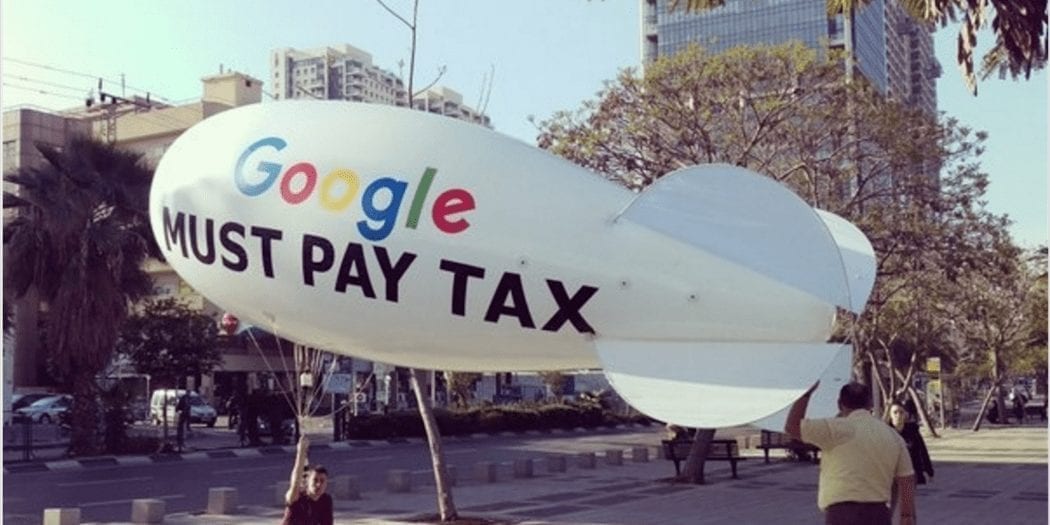
    Director General of Tax Ken Dwijugiasteadi confirmed that Google Asia Pasific Pte Ltd will settle their tax debts by the end of 2016. The government has decided to negotiate with the company instead of filing a report to the police. “Google must pay their tax debts this year, the company and the government will release a statement after the investigation,” Ken said on Monday.

    Ken had met with Google representatives last week. According to the Director General, Google has the right to file their objection towards the tax investigation results as long as an agreement has not been made. The company however, will be required to pay off their debts based on the investigation’s closing conference.

    In response to the issue, Google spokesman Jason Tedjakusuma refused to provide any comment. Jason also refused to respond to questions related to the results on last week’s meeting. “No comment,” Jason said briefly.

    The government estimated that Google Asia Pacific’s revenue, based on service and product sales in Indonesia, had reached Rp 5.5 trillion. On the other hand, Google representative office in Indonesia only generates revenues from advertising services.

    Google Indonesia had been registered at the Tanah Abang Tax Office as a foreign investment company since September 15, 2011. However, state officials cannot collect the company’s taxes because Google is not registered as an Indonesian legal entity.

    Yustinus Prastowo, Executive Director of Center for Indonesia Taxation Analysis doubted the government’s ability to force Google to pay their taxes by the end of 2016. “Even if there is a payment, it wouldn’t be as large as it was expected,” Yustinus said.

  • Lippo Group betting on e-money in digital age

    Lippo Group betting on e-money in digital age

    Indonesia’s Lippo Group is turning e-commerce, electronic money and other information technology-related enterprises into a new pillar of its business, closely monitoring spending trends to gain a better foothold in the greater Southeast Asian market.

    The next phase for the banking and real estate conglomerate “will be the fourth industrial revolution,” CEO James Riady told The Nikkei Tuesday on the sidelines of the 18th Nikkei Global Management Forum here.

    Lippo Group was founded as a banking institution by Mochtar Riady, the current CEO’s father and a former head of Bank Central Asia. It branched out into real estate in the 1990s when subsidiary Lippo Karawaci developed a plot outside Jakarta that the group collected as collateral. Lippo Group has since also developed retail and hospital operations, which help boost property value. It now has more than 20 listed subsidiaries and rings up a total of about $7 billion in annual revenue.

    But the fall in resource prices and China’s economic slowdown have dealt a blow to the Indonesian economy, including to its real estate sector. Lippo Karawaci suffered a 23% drop in sales last year to 9.19 trillion rupiah ($702 million), as well as a 79% plunge in net profit to 535.3 billion rupiah.

    Business of the future

    Meanwhile, the proportion of smartphone users in Indonesia has risen from about 20% of the population in 2014 to almost 40% — about 100 million people — in 2015. “We must have inward creative disruption so that we can be transformed into a new area of growth, which is the digital economy,” James Riady said.

    In addition to its communications and media businesses, Lippo Group launched e-commerce site MatahariMall in September 2015. One of the platform’s strengths is that it can use Lippo Group’s retail network throughout Indonesia to move and distribute products — a definite plus in the face of competition from Lazada Group, a subsidiary of Chinese titan Alibaba Group Holding, and Tokopedia, in which Japan’s SoftBank Group has a stake. It was revealed in October that Japanese trading house Mitsui & Co., bullish on MatahariMall’s growth potential, was investing in the site’s operating company.

    Riady considers e-money his new focus. The goal is to get Lippo Group’s 120 million customers on board by allowing them to pay at hundreds of retail locations using the service. He plans to expand the group’s e-money offerings to other Southeast Asian countries, as well as include such services as depositing and transferring e-money. Riady sees a complete transformation in the way banks do business.

    Lippo Group and Singaporean ride-hailing company Grab agreed in July to cooperate on launching a mobile payment platform. The service will roll out in earnest at the end of the year.

    Following trends

    The spread of e-money will allow Lippo Group to closely track spending by its customers at retailers, e-commerce sites and other outlets. Riady hopes to use the service to bolster overseas expansion of the group and improve products and services associated with retail operations.

    Lippo Group is currently operating real estate businesses in Singapore and Hong Kong. But it will target Southeast Asia in the future to win over the region’s young, eager consumers. “What matters is how we can capture the [Association of Southeast Asian Nations] population of 600 million into our e-money accounts and world of services,” Riady said.

    In terms of Lippo Group’s real estate business, Riady expressed his interest not just in property development but in creating entire communities spanning retailers, hospitals and schools. The group has already built hospitals in Myanmar, and the CEO said the company is looking into Vietnam and Laos as well.