Tag: International

  • Baselworld to halve exhibitor numbers in 2018

    Baselworld to halve exhibitor numbers in 2018

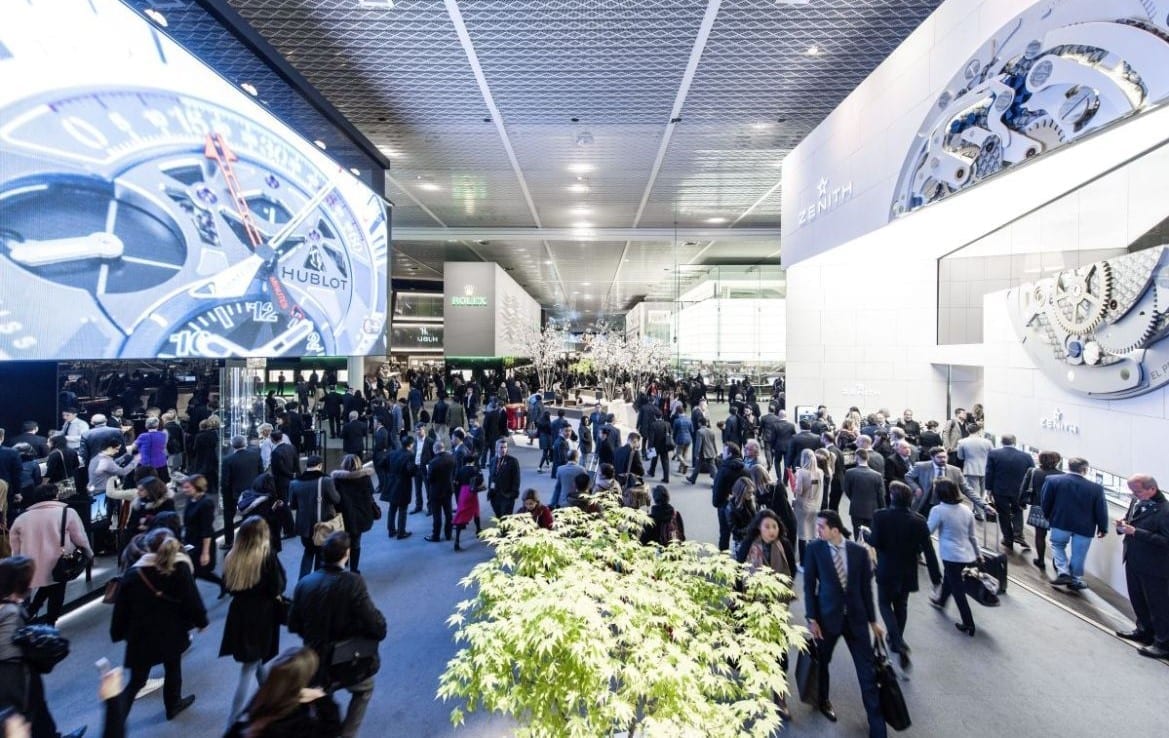
    Baselworld, the world’s leading show for watches and jewellery, will halve its exhibitor numbers and shorten the show’s duration by two days in 2018.

    The exhibitor numbers in 2018 are expected to be around 600-700, compared to around 1,300 this year. The prices for stand rental will also be lowered by -10%, the organizers revealed.

    Baselworld said the decision to reduce the number of exhibitors and length of the show is a result of market consolidation in terms of marketing and production and the challenges of digital technology.

    In a statement, Baselworld said: “Baselworld remains faithful to its strategy of quality and diversity. However, the watch and jewellery market is undergoing a period of profound change. Baselworld 2018 presents itself in a denser and more concentrated form in several respects.

    “Baselworld has decided to maintain its outstanding quality for the next edition. The show does not rely on quantity, but will remain the leading event for premier global brands. And this in all segments.”

    According to the Federation of the Swiss Watch Industry, Swiss watch exports fell by -9.8% in 2016 – their second consecutive annual drop.

    “The environment confronting the Swiss watch industry remained difficult throughout the year 2016. Demand for personal luxury goods fell, especially for the most expensive products. Timepieces therefore had to contend with changes in the choices made by consumers who are increasingly interested in the notion of experience associated with the world of luxury and less in shopping as used to be the case,” said the Federation of the Swiss Watch Industry.

    Baselworld is scheduled to take place from 22 to 27 March 2018.

  • Kim Kardashian to launch her first fragrance

    Kim Kardashian to launch her first fragrance

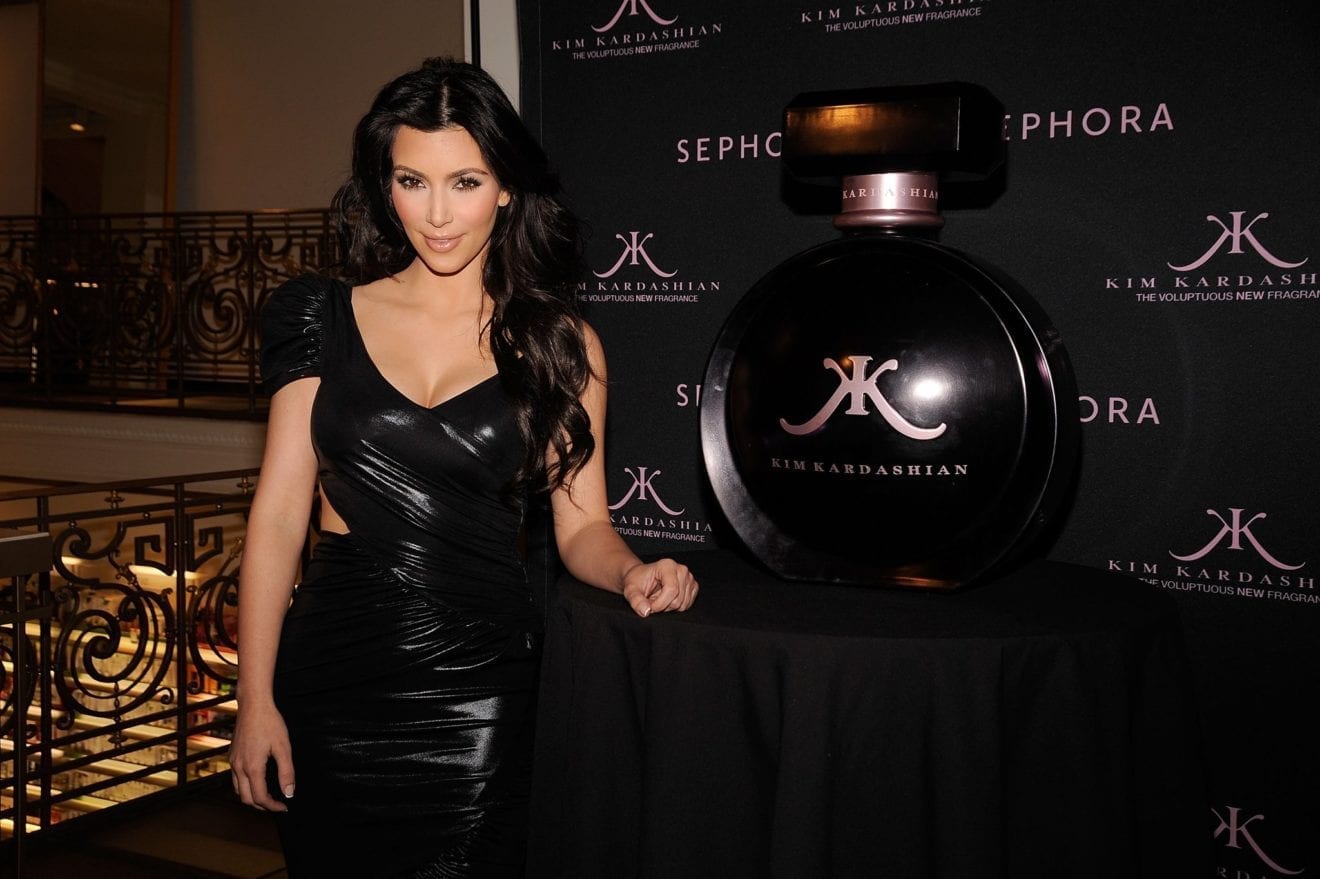
    Reality TV star and businesswoman Kim Kardashian has announced she will launch a gardenia-inspired fragrance collection under her KKW Beauty firm.

    The social media savant-turned-entrepreneur will release three eau de parfums via Kardashian’s online beauty portal kkwfragrance.com.

    Dubbed ‘Crystal Gardenia’, ‘Crystal Gardenia Citrus’ and Crystal Gardenia Oud’ – all variations on Kardashian’s preferred flower scent – the perfumes will be available in two sizes, both 30ml. and 75ml.

    For the Gardenia collection, Kardashian worked with fragrance house Givaudan.

    The brand’s signature scent, ‘Crystal Gardenia’, features notes of water lily, gardenia, tiara flower and velvet tuberose, rounded out by warm woods and skin musk for a deeper finish. ‘Crystal Gardenia Oud’ opens with top notes of bergamot, lavender, red rose and jasmine, featuring base notes of oud, patchouli and royal amber, while ‘Crystal Gardenia Citrus’ boasts top notes of sparkling citrus, woods and musks.

    Some 300,000 bottles with go on sale and are expected to sell out in minutes.

    “I think that with the social media aspect of it, [and] being able to really reach so many people, I think it’s going to work. Obviously I’m in the celebrity category, but I just wanted a bottle that was so simple that can look like it’s something sitting on your counter and be a beautiful object. I tried to make it really timeless so that it can’t just all be about a celebrity fragrance,” Kardashian told WWD, in an interview.

    Kardashian first unveiled her KKW Beauty brand in June this year, with the launch of a Creme Contour & Highlight Kit, available in four shades. The star then went on to launch a powder version of the first contour set, available in three shades.

    The businesswoman has been doing fragrance since 2009 through a licensing deal with Lighthouse Beauty that has since ended.

  • New entry in the top highest rents globally

    New entry in the top highest rents globally

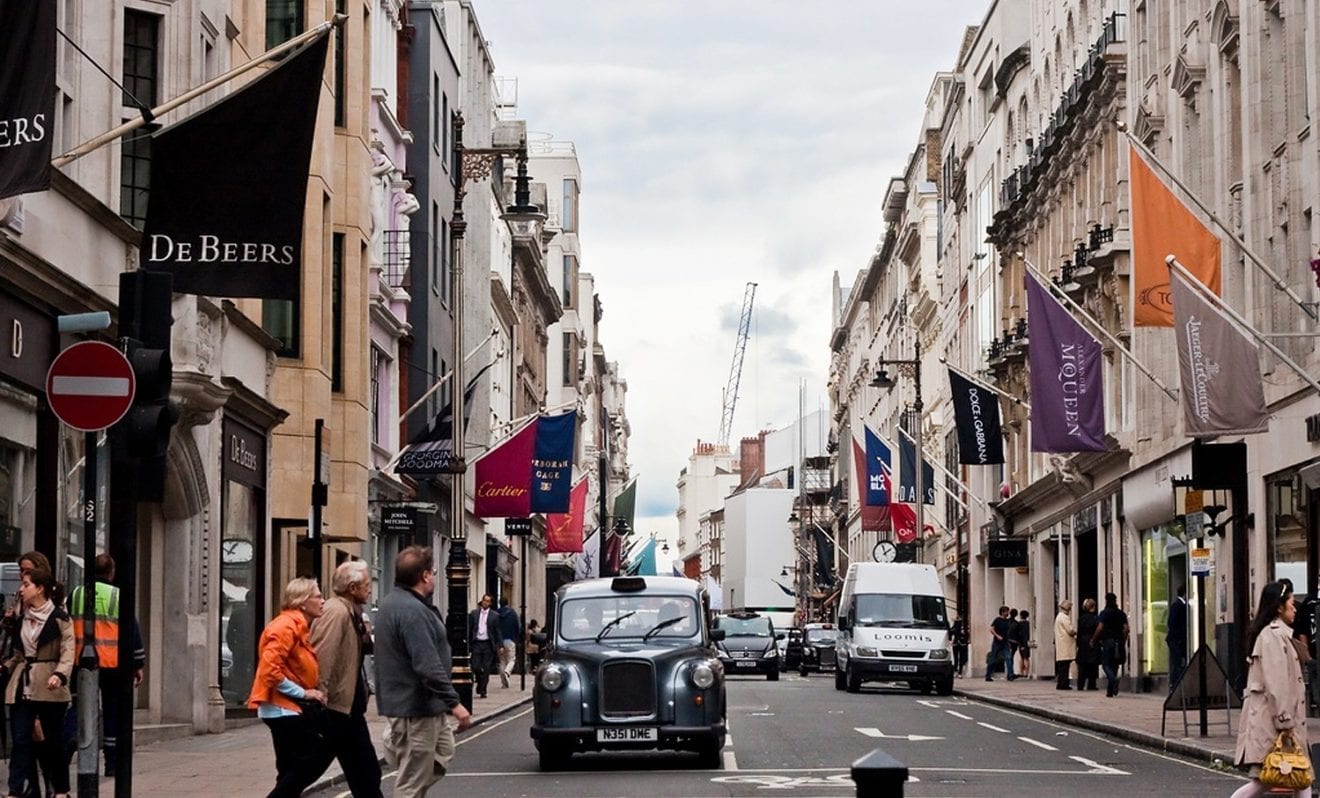
    Bond Street in London is the new entry in the podium of the highest rents globally, after overtaking the Champs Elysées in Paris.

    Property firm Cushman & Wakefield released the new list this week and said that Upper Fifth Avenue in New York stays top ($3,000 per square foot) with Hong Kong’s Causeway Bay next ($2,725). After Bond Street ($1,720) is Milan’s Via Montenapoleone, with the Champs Elysées now in fifth place.

    Bond Street rents raced ahead by almost 40% in the year 2017 to June as demand stayed strong despite fears over Brexit. In fact, the Brexit effect could have been partly responsible for the rise with a tourist surge as international visitors took advantage of the weak pound after the Brexit vote.

    Report author Darren Yates of Cushman & Wakefield’s Darren Yates said: “London’s major thoroughfares are some of the most desirable and expensive streets in the world. Although there was a pause in activity in London in the initial aftermath of the EU referendum, the start of 2017 brought a resurgence in leasing deals.”

    There had been fears this summer that some luxury brands would quite the area as it had become so expensive with Colliers International telling The Guardian that a number of Bond Street leases were being “quietly marketed”.

    Dolce & Gabbana, Hugo Boss, De Beers and DKNY were among the big names said to be looking at a move.

    But Yates said he hasn’t seen any signs of big brands wanting to move, although he added that with the property market slowing, they are probably less likely now to want to hand over million of pounds to encourage an existing tenant to move as they have done in the past.

    A new report from Savills earlier this year showed that Bond Street is evolving into a home for ultra-luxury brands with fewer affordable luxury or premium labels occupying stores there.

    Super-luxury retailers now occupy 73.9% of its retail space, up from 62.8% over the last five years, and following the launch of the report, Savills said it would see a further 12 new stores by year-end, a high number and on a level with the peak reached in 2012.

    The newcomers include several ultra-luxury names (Alaïa, Delvaux and Officine Panerai).

  • Tiny Samsung Galaxy S9 Mini could be in the works

    Tiny Samsung Galaxy S9 Mini could be in the works

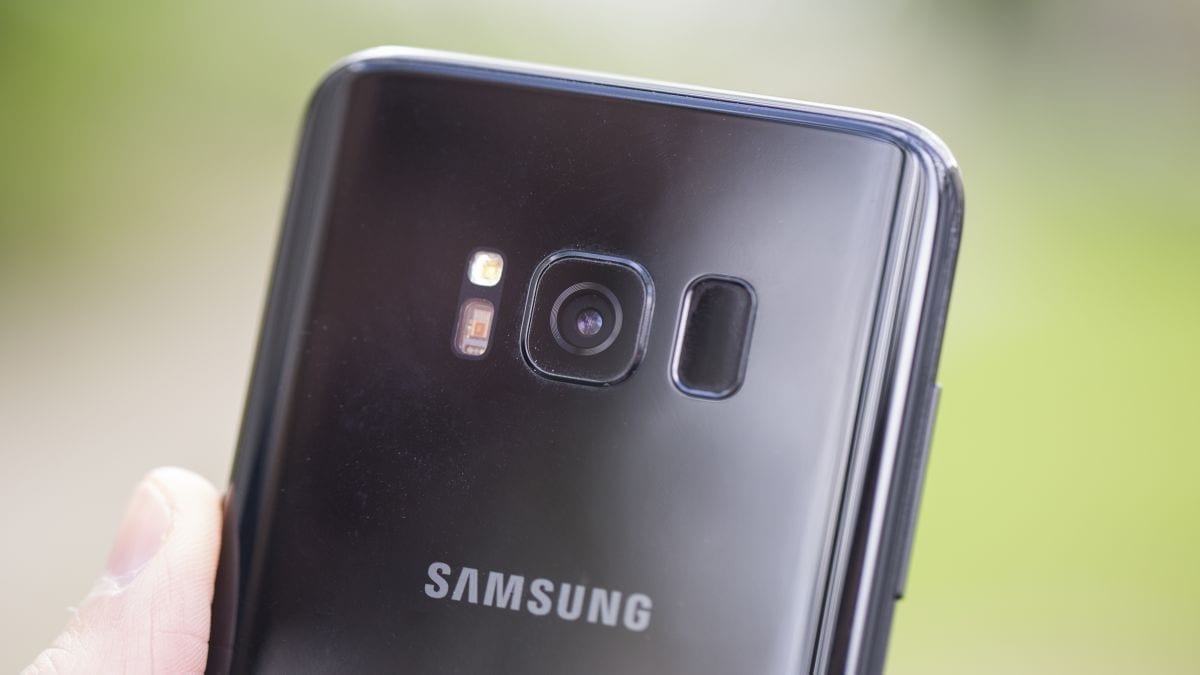
    Other than the iPhone 8, Sony Xperia XZ1 Compact and their predecessors there haven’t been many high-end compact phones in recent years, but Samsung could be about to add to the list with a Samsung Galaxy S9 Mini.

    Known leaker I ice universe has said as much on Weibo (a Chinese microblogging site), adding that the screen is less than 5 inches and that it has a “full screen”, which suggests that it will have minimal bezels and a super-widescreen 18.5:9 aspect ratio, just like the Samsung Galaxy S8 range.

    They don’t actually name the phone, but the mention of “full screen” suggests it will be using design language from the S series, so an S9 Mini is the obvious conclusion.

    Some sites are reporting that the Samsung Galaxy S9 Mini – or whatever it ends up being called – will also have a curved display, which would make sense if it uses the Galaxy S9 name, but the original information is in Chinese, and based on our own translation attempts we feel it could just as well be saying that the screen won’t curve.

    Coming soon… probably

    Similarly, there’s no suggestion that it will launch alongside the Samsung Galaxy S9 and Galaxy S9 Plus, despite what you might read elsewhere, though a launch in the first half of 2018 would seem likely if it’s going to arrive at all.

    And that’s a big if, I Ice Universe seems to say they’re not sure if it will be released or not (though this again is based on Google Translate).

    There’s reason to be skeptical, as Samsung hasn’t made a mini version of its flagships in years. But if the Samsung Galaxy S9 Mini is real we’d expect to hear more about it soon.

  • Sidney Toledano to Step Aside at Dior as LVMH Shakes Up Senior Ranks

    Sidney Toledano to Step Aside at Dior as LVMH Shakes Up Senior Ranks

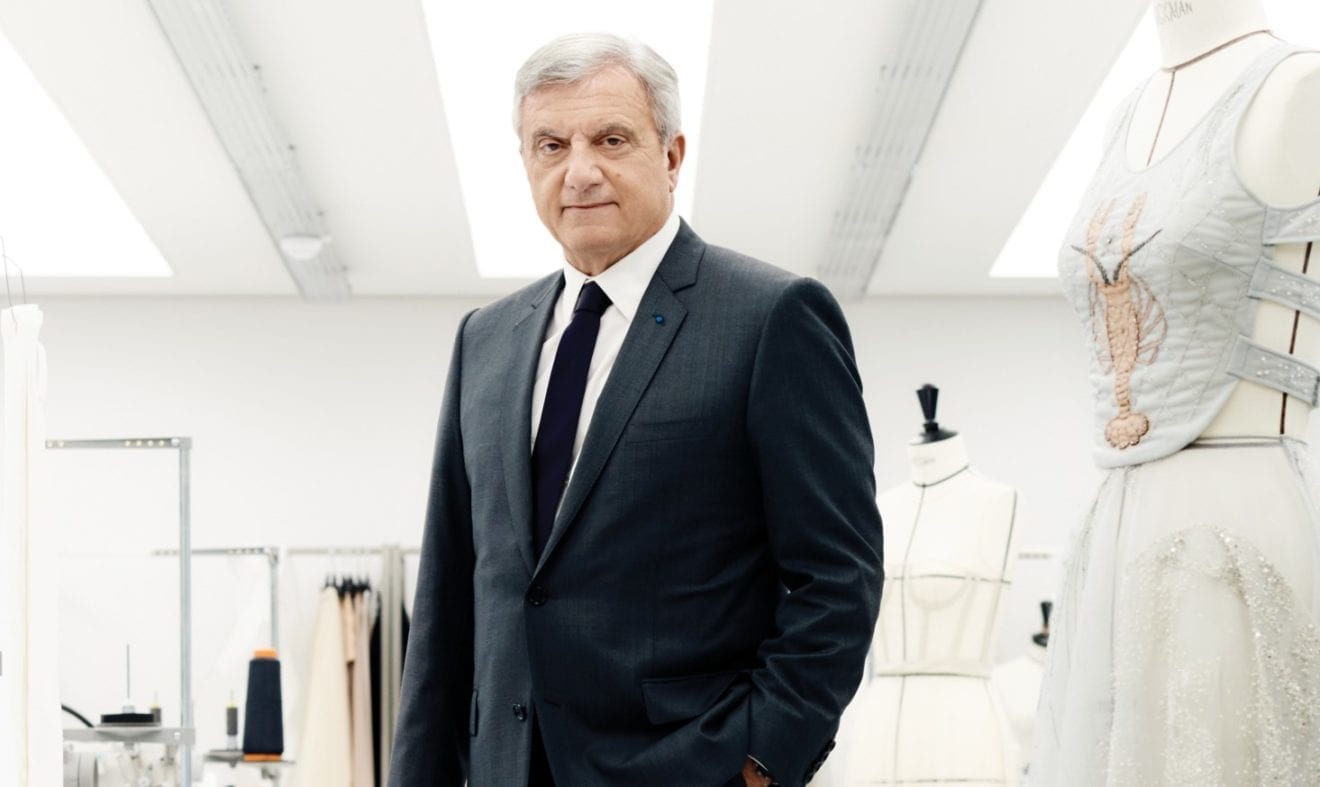
    Sidney Toledano plans to step aside after 20 years as chief executive of Christian Dior Couture as corporate parent LVMH Moët Hennessy Louis Vuitton seeks to inject new blood into its senior ranks.

    Wednesday’s announcement marks the end of an era at Dior, during which Mr. Toledano, 66 years old, turned the elite brand into a global fashion powerhouse with annual sales of more than EUR2 billion ($2.3 billion).

    Pietro Beccari, the current chief executive of Fendi, also part of LVMH, was named to replace Mr. Toledano. Mr. Beccari is highly regarded within LVMH for having engineered a turnaround at Fendi. Under his tenure, sales grew from an estimated EUR600 million to EUR1 billion.

    “Pietro has an excellent track record,” said Bernard Arnault, the French billionaire who is chief executive and controlling shareholder of LVMH.

    Mr. Arnault gave Mr. Toledano a new job as head of LVMH Fashion Group, which manages some of the brand’s smaller fashion labels including Celine, Givenchy and Marc Jacobs. Mr. Arnault suggested the move to Mr. Toledano, and he agreed, Mr. Toledano said. He will start the new role early next year.

    “He never imposed something on me,” Mr. Toledano said in an interview. “I said I want a new challenge.”

    Wednesday’s move is the first major shake-up at Dior since Mr. Arnault earlier this year spent EUR12 billion to unite the fashion house with LVMH. Previously, the Arnault family owned part of Dior through a holding company that also owned part of LVMH. But Dior the brand was independent from LVMH, even though the companies cooperated extensively under Mr. Arnault’s control.

    When Mr. Toledano took over at the brand in 1998, annual sales were around EUR200 million. He embarked on a store-building spree and expanded the business dramatically in Asia. He also anchored the company as designers came and went. He clashed with Hedi Slimane and fired John Galliano after the designer was recorded shouting anti-Semitic insults at a bar in Paris. Mr. Galliano apologized and said he was seeking help.

    The move elevates Mr. Beccari to one of the top spots in the fashion world and Mr. Arnault’s luxury empire. Dior’s sales have surged in recent years, propelled by strong demand in Asia. The brand, however, is significantly smaller than French rival Chanel and should have room to grow, says Luca Solca, analyst at Exane BNP Paribas.

    “The benchmark for Dior is Chanel,” Mr. Solca said. “It has a similar allure and sophistication and it’s coming from the same background, which is couture.”

    The move leaves a leadership hole at Fendi, which has become LVMH’s third-largest fashion brand after Louis Vuitton and Dior. Mr. Beccari helped turn around Fendi by boosting its digital-marketing efforts and introducing a line of new bags that could be accessorized with pompoms and shoulder straps.

    “The big thing will be how they’re going to replace Beccari,” Mr. Solca said. “Fendi needs to maintain its momentum.”

    Mr. Toledano will now devote his attention to smaller brands that collectively comprise a significant chunk of revenue for LVMH and are seen as growth opportunities for the company. The division also houses Marc Jacobs, which has been underperforming in recent years.

    “I will have to meet the team, talk with Marc, talk with the CEO,” Mr. Toledano said.

  • Barbie To Release Its First Doll Wearing a Hijab

    Barbie To Release Its First Doll Wearing a Hijab

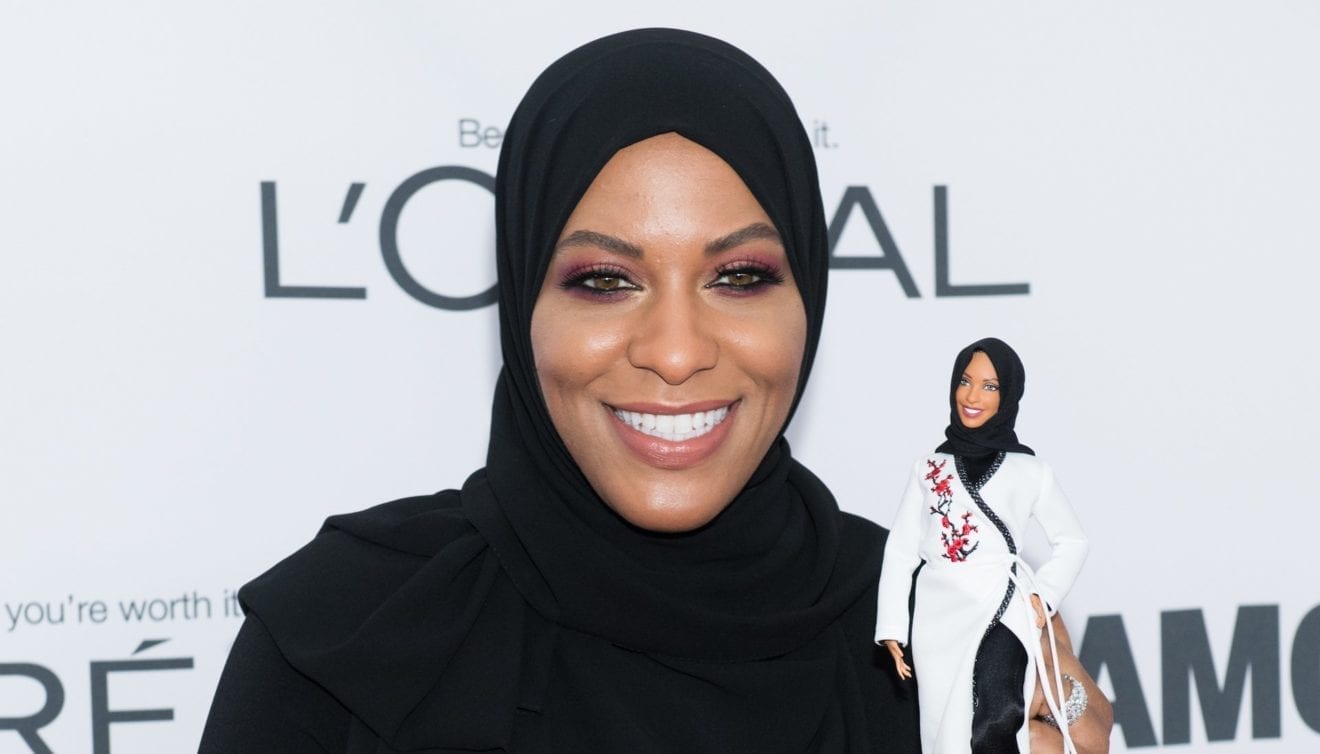
    Mattel is about to release its first Barbie doll wearing a hijab.

    This follows a partnership with fencer Ibtihaj Muhammad, who made history last year as the first member of the US Olympic team to compete while wearing a hijab. The special-edition Barbie has been designed after Muhammad, who visited the Mattel factory to take part in the process.

    She saw her doll for the first time at this year’s Glamour Women of the Year Summit, introduced by model Ashley Graham who debuted her own Barbie at last year’s summit.

    Barbie hijab 1

    Muhammad’s face lit up when she saw her Barbie replica, that includes her fencing uniform and white hijab. She recalled her childhood experiences playing with Barbie and wishing she had one that looked like her. To compensate, she would sew a hijab for her Barbie and for her sisters’ dolls.

    “Ibtihaj is an inspiration to countless girls who never saw themselves represented, and by honouring her story, we hope this doll reminds them they can be and do anything,” says Barbie VP of global marketing Sejal Shah Miller.

    Muhammad’s Barbie will be released next year as part of Mattel’s “Shero” line, which includes Barbies inspired by role models such as Olympic gymnast Gabby Douglas and director Ava DuVernay.

  • Richemont acquires Italian leather brand Serapian

    Richemont acquires Italian leather brand Serapian

    Swiss luxury goods holding company Richemont Group has bought out Italian leather supplier Serapian, with the purchase price not disclosed.

    A managing director is to be appointed, with the founding Serapian family no longer a stakeholder. However, it will continue to fill key roles in the company.

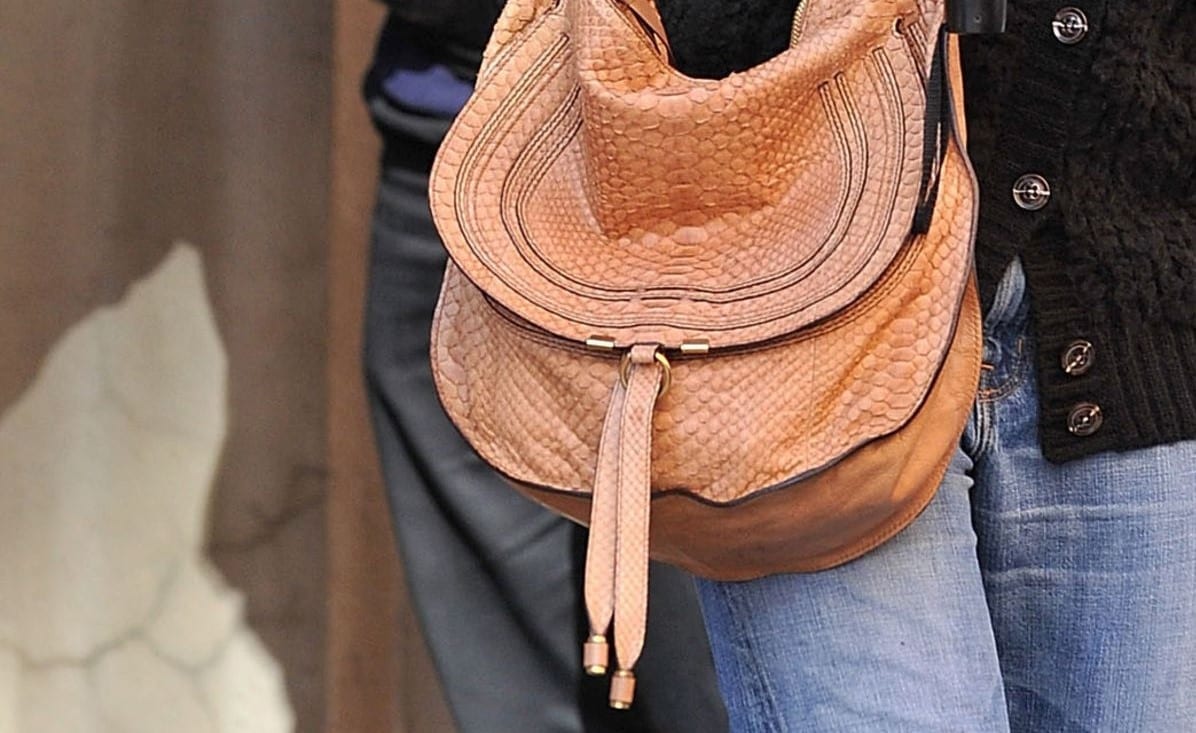
    Richemont’s relationship with Serapian dates back to the 1970s when the Milanese firm supplied leather to Richemont brands Cartier and Dunhill, along with Azzedine Alaia, Chloe, Jaeger-LeCoultre, Lancel and Piaget.

    Richemont plans to develop Serapian and use it across its portfolio as well as supplying leather to outside luxury brands. Other areas of development include bespoke items.

    Serapian’s collections are all made in Italy, in a Milanese atelier that includes a laboratory, and in a factory on the outskirts of Milan.

  • More ‘Everyday Objects’ From Tiffany

    More ‘Everyday Objects’ From Tiffany

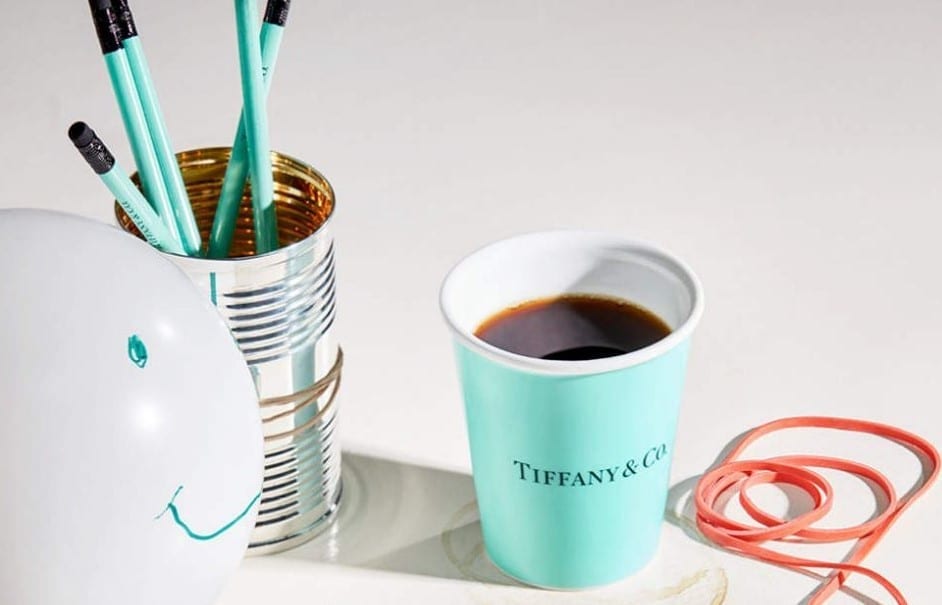
    Tiffany & Co has unveiled a collection of “everyday objects,” including a US$8970 ball of yarn made of handspun silver – all on sale at the brand’s new Blue Box Cafe.

    Located on the refurbished fourth floor of the New York City Tiffany & Co flagship, the cafe is described by the luxury jewellery brand as its first ever “retail dining concept”.

    The floor also features a tongue-in-cheek collection of everyday items along with a baby boutique, sterling silver hollowware, a selection of vintage books curated by Assouline and a Tiffany fragrance laboratory.

    Blue Box Cafe - Tiffany 3

    “Both the cafe and redesign of the Home & Accessories floor reflect a modern luxury experience,” said Reed Krakoff, chief artistic officer with Tiffany & Co. “The space is experimental and experiential – a window into the new Tiffany.”

    The everyday objects collection was born from the notion that beautiful things should not be limited to special occasions, explains Krakoff. “It’s Tiffany’s take on modern life where creativity and wit collide with the finest materials. I think what makes the collection unique is that it incorporates the best quality, craftsmanship and design with a level of functionality that allows you to use these things every day,” said Krakoff.

    Blue Box Cafe - Tiffany 4

    For example, Tiffany & Co “upgraded” an 11.5-centimetre-tall can by adding a sterling silver exterior and a gold vermeil interior lining, along with an enamel stripe in Tiffany’s famous blue.

    A “crazy straw” comes in silver ($330) and gold or rose gold ($430) with a blue enamel band.

    There’s an $850 pair of table tennis bats made from reclaimed American walnut and black and blue leather – which comes complete with a Tiffany-branded ping-pong ball.

    Other items include a protractor, ruler, first aid box, ornamental building blocks and paper cup – all “ordinary objects made extraordinary,” as the brand proclaims. An empty paint can has been reimagined as a crystal ice bucket with a sterling silver trim.

    “These covetable accessories possess a whimsical wink that is quintessentially Tiffany,” commented online design authority Dezeen.com. “The luxury house is known for its tongue-in-cheek approach to design, and the Tiffany Archives serve as a wellspring of inspiration for a series of objects in this collection, many of which can be engraved to make them uniquely personal.”

    Blue Box cafe Tiffany 7

    Striking interior

    The Tiffany & Co flagship’s new fourth floor incorporates industrial details the company believes evoke its craftsmanship and heritage. “Playful and unexpected touches sit harmoniously alongside elegant finishes like herringbone marble and amazonite stone, reflecting the new Home & Accessories collection’s emphasis on everyday luxury,” explained the company in an overview of the finished project.

    The staircase leading to the fourth floor features a modern trio of nearly 15-foot-high light chains, created by the Paris-based design duo Ronan and Erwan Bouroullec. It is surrounded by hand-drawn ampersands, a design motif from the latest Home & Accessories collection.

    Blue Box Cafe - Tiffany 2

    And a portrait of Charles Lewis Tiffany was commissioned, rendered with 8000 painted screws, offering a contemporary take on the luxury house’s founder.

    American classics on the menu

    Blue Box Cafe - Tiffany 5

    Meanwhile, the cafe features Tiffany’s famous blue colour throughout the floor. The Blue Box Cafe serves American classic dishes made with the high quality, regionally sourced ingredients. The simple menu – which will change and evolve through the seasons – is a refined take on signature New York dishes.

    “The setting is as inviting as the food is inspiring, serving customers who have always dreamed of having Breakfast at Tiffany,” the company said.
  • Aesop store pays tribute to Oscar Niemeyer

    Aesop store pays tribute to Oscar Niemeyer

    The new Aesop Duke of York Square store in west London was designed as a tribute to Brazilian modernist Oscar Niemeyer.

    While founded in Australia, skincare brand Aesop was recently bought by Brazilian retail group Natura and the new owner has been quick to add a touch of its own influence in store designs. Aesop is renowned for each of its shops being designed differently, eschewing the cookie-cutter approach of most global retail brands.

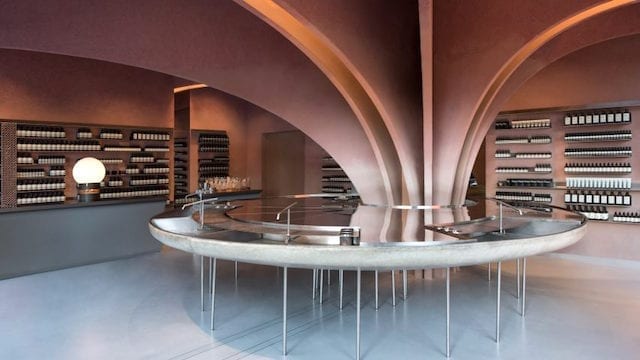
    Twelve rose-tinged clay arches fan out over a huge stainless-steel sink in the Snohetta-designed Aesop Chelsea store, reports architecture and design online publication Dezeen. It is located inside a luxury shopping area beside the Saatchi gallery in Duke of York Square off King’s Road.

    Dezeen reports a large column set in the centre of the 108sqm shop dictated the starting point of the design for Snohetta’s Oslo office.

    “The team placed 12 arching sections of wall – intentionally reminiscent of the concrete forms used by Oscar Niemeyer – around its edges. The arches splay out across the ceiling and touch the walls, to incorporate the column into the design.”

    Aesop West London 1

    A large disk-shaped sink with a polished stainless-steel top and fibre-glass base wraps around the centre of the column, cementing it as the centre point of the store.

    “There is this column, very odd, very strange, and we decided we would surround this column to accentuate it even more,” senior architect Peter Girgis told Dezeen.

    “Central to the space is this large disk sink, about four and a half metres in diameter, and from that we wanted this column of both light and emulating structure to come and loom,” added Girgis, who led the project with architect Gaute Simonsen.

    Aesop Duke of York Square is Snohetta’s first permanent project in the UK, but its seventh store for the skincare brand. It designed a store for Aesop in Singapore, likened to “an upside-down forest”.

  • Givenchy Kids collection launched

    Givenchy Kids collection launched

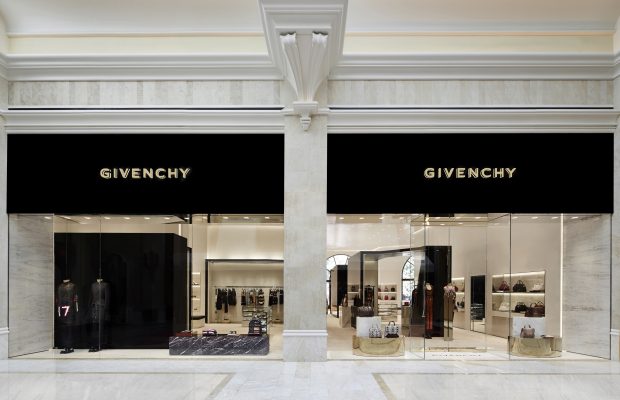
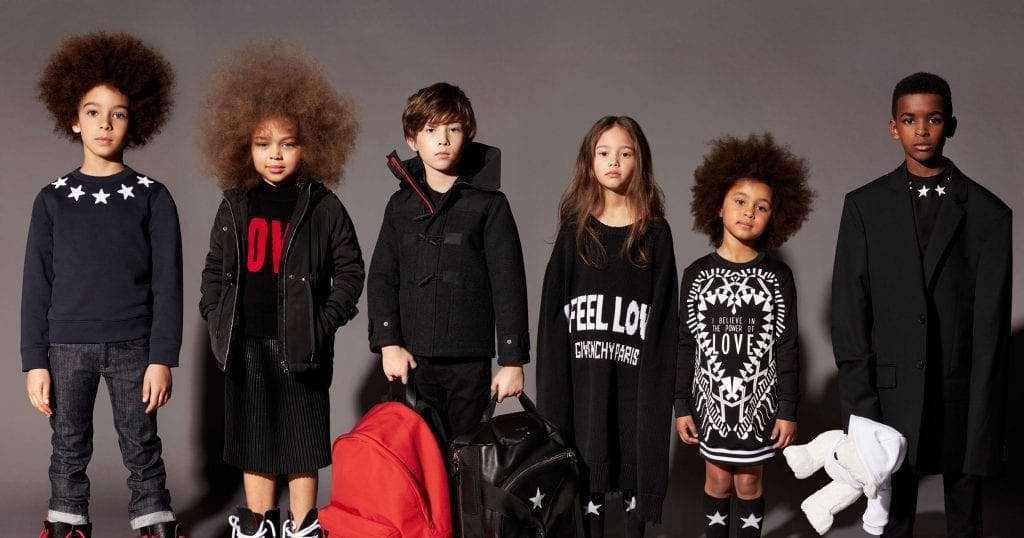
    French luxury fashion house Givenchy is launching its first childrenswear collection, for the fall/winter season.

    In the style of its men’s and women’s ready-to-wear collections, the Givenchy Kids line will offer a complete wardrobe with iconic “mini-me” pieces for babies and children up to 12 years old.
    Key looks include streetwear-inspired pieces, denim, house classics and a selection of couture looks for special occasions.

    The line will debut in July in 150 stores worldwide, including multi-brand stores and the CFW Retail concept store Kids Around. A curated selection of pieces will later be available online.

    All up there are 130 pieces in the collection – 60 for girls, 40 for boys and 30 for babies. Prices will range from €80 (US$85.75) to €300.

  • Younger buyers seen as key for luxury industry

    Younger buyers seen as key for luxury industry

    The younger generation will be key for the luxury industry in the next decade as it enters a “new normal” characterised by lower growth, new research shows.

    To find success, brands will need to refocus on their customers to better anticipate and cater to their needs, according to US global consulting company Bain & Company, which ran the research for luxury fashion e-commerce group Farfetch.

    The research estimates that millennials will represent 40 per cent of the global personal luxury goods market by 2025, and the characteristics of millennial behaviour are already seeping through to older generations, which accounted for 73 per cent of luxury purchases last year.

    The resultant “millennial state of mind” is characterised by three main traits:

    • Uneasiness. Digital interaction with peers is rising when it comes to choosing a product.
    • Urgency. “I want it fast, and I want it now.” The time to make a purchase is shrinking, with younger customers taking a third less time than older customers to make decisions.
    • Uniqueness. Consumers now expect brands to align with their personal values and passions.

    Online interactions are now influencing 70 per cent of luxury purchases, which means at least one digital interaction has taken place with the brand or the product before those purchases.

    For consumers between 18 and 24 years old, 14 per cent make their first luxury purchase online, and digital traffic to websites of luxury brands is double the number of store visits.

    By 2025, says the research, online and monobrand stores will become the two largest channels for luxury sales, each accounting for 25 per cent.

    Bain & Company believes that stores will continue to play a critical role in the luxury market, accounting for 75 per cent of purchases by 2025.

    Asian consumers will continue to account for more than half of the luxury market, with generation Y (millennials) and generation Z accounting for 45 per cent.

    Headquartered in Boston, Bain & Company has 55 offices in 36 countries.

    Farfetch partners with luxury boutiques and brands and was founded in 2008 by Portuguese entrepreneur José Neves. Its online platform is in nine languages, the company has offices in 11 cities globally and it express ships items to more than 190 countries.

  • LVMH sales soar as shoppers return to luxury

    LVMH sales soar as shoppers return to luxury

    LVMH sales surged 15 per cent in the latest quarter to €9.88 billion (US$10.477 billion).

    That was nearly €400 million more than analysts had been expecting, with the result driven across all of the luxury group’s business units.

    Fashion and leather goods, which account for more than half the company’s turnover, rose 15 per cent during the quarter. That compares with static growth the same quarter last year. Fendi and Louis Vuitton were singled out by analysts as strong performers, with Celine, Kenzo, Loewe and Berluti also showing progress.

    LVMH’s leather and fashion brands also include Dior, Emilio Pucci, Fendi, Givenchy, Louis Vuitton, Marc Jacobs, Moynat, Rimowa and Thomas Pink.

    ‘Selective retailing’,  the group’s second-largest division, had been dragged down by DFS in prior quarters, offsetting a strong performance by Sephora cosmetics chain, observed Deborah Aitken, an analyst with Bloomberg Intelligence. But the latest quarter it showed improvement of 11 per cent. Sephora continued to gain market share globally and recorded double-digit revenue and profit growth for the quarter.

    “This could be an important turnaround,” said Aitken.

    Liquor – including brands such as Cape Mentelle, Chandon, Cloudy Bay, Dom Pérignon, Glenmorangie, Hennessy, Krug, Moët & Chandon and Veuve Clicquot – was the second best performing sector, up 13 per cent organically. Hennessy was a star performer.

    Sales of watches and jewellery also rebounded, rising 11 per cent. Bulgari continued to gain market share and Tag Heuer successfully launched its new Connected Modular 45 watch.

    And the perfume and cosmetics business grew sales by 12 per cent.

    Fung Global Retail observed that Parfums Christian Dior reported good growth and Guerlain launched a new women’s fragrance called Mon Guerlain during the quarter. Parfums Givenchy benefited from the success of lipstick lines, which saw rapid development in Asia. In addition, the Kat Von D brand launched exclusively in January 2017 at Sephora in France.

    Managing expectations

    While the company was clearly pleased with its results it did warn shareholders to keep their expectations modest, pointing out the growth had come against a 2016 quarter when the industry was struggling with Paris terror attacks. It said such levels of growth should not be expected for the full year.

    LVMH shares rose to a record in Paris after the results were announced.

    The LVMH figures will set the standard for a raft of luxury retail earnings due to be released in the coming days. Prada reports results today and Kering, parent of Gucci, on April 25.

  • Goldman Sachs linked to The Body Shop bid

    Goldman Sachs linked to The Body Shop bid

    Investment bank Goldman Sachs is reportedly preparing a £600 million bid for The Body Shop.

    Owner L’Oreal decided to put the ethical cosmetics brand on the market last month, apparently unwilling to invest in arresting falling sales and market share.

    The Body Shop bid price would fall considerably short of the £850 million L’Oreal is said to be seeking – a figure roundly considered as highly optimistic in the investment community.

    Private equity companies Carlyle, CVC Capital Partners, Advent International and Apax Partners have all been reported to have shown an interest in the business. L’Oreal paid £650 million for the business in 2006.

    Founded by Dame Anita Roddick and her husband Gordon in 1976, The Body Shop has grown to more than 3000 stores in 66 countries. The original concept was to create an ethical approach to cosmetics with fewer chemicals and no animal testing.

    Sales fell 3.2 per cent in the first half of 2016 and by 2.8 per cent in the third quarter. Another decline is expected to be reported when L’Oreal releases its results this month.

    Charlotte Pearce, an analyst with GlobalData, warns The Body Shop needs to freshen its offer or face its eventual demise.

    “The brand has become outdated and has failed to provide an innovative offer with exciting new products to entice customers into stores, causing the retailer to lose out to brands with more relevant beauty and skincare ranges,” said Pearce.

  • H&M Sustainability goal: 100 per cent recycled by 2030

    H&M Sustainability goal: 100 per cent recycled by 2030

    The latest H&M Sustainability Report released this week aims for 100 per cent recycled or other sustainably sourced materials by 2030.

    And the Swedish headquartered retailer says it wants to be “climate positive” throughout its entire value chain by 2040.

    Another key highlight is a commitment to switch to 100 per cent renewable electricity. In 2016, 96 per cent of the company’s global electricity in its own operations came from renewable sources.

    The report also mentions that H&M in 2016 was named the biggest global user of cotton  certified by the Better Cotton Initiative.

    “When it comes to recycling and reuse, the H&M group is continuing to drive an ambitious development plan,” the company said in a statement.

    Since the start of the global Garment Collecting initiative in 2013, the H&M group has collected 39,000 tonnes of unwanted textiles. By 2020 the company aims to collect at least 25,000 tonnes of textiles every year. The report also shows that the work to scale-up the H&M group’s industrial relations and fair living wage programs continues with good progress.

    “We want to use our size and scale to lead the change towards circular and renewable fashion while making our company even more fair and equal. This is why we have developed a new strategy aiming to take our sustainability work to the next level,” said Anna Gedda, head of sustainability at the H&M group.

    “We want to lead by example, pave the way and try new things – both when it comes to the environmental and social side – to ultimately make fashion sustainable and sustainability fashionable. Our climate positive strategy is one way of doing this,” she added.

    DBL factory visit. Savar. Bangladesh

    Fashion from plastics

    This year, H&M launched its first Conscious Exclusive collection featuring clothing made from Bionic, a polyester made from recovered plastic from shorelines.

    “We are committed to proving that sustainable fashion has a place on the red carpet as well as making it part of the standard offer in our stores,” the report says.

    The Conscious Exclusive collection is available in about 160 H&M stores worldwide, as well as online from April 20.

    “We continually work with materials and processes that make our products more sustainable. In doing so, we contribute to the democratisation of sustainable fashion by making more environmentally friendly choices available to our customers.

    “We also help lift these materials to scale and create demand for further innovation. In the long run, this can change the way fashion is produced by greatly reducing the need for raw materials, which in turn lightens the burden on our precious planet.”

    Other sustainable materials in the Conscious Exclusive collection and in other H&M ranges available throughout the year include fabrics such as recycled polyester, Tencel and organic cotton.

  • Burberry changes strategy to boost up sales

    Burberry changes strategy to boost up sales

    In a significant strategic u-turn the Burberry beauty business is to be out-sourced again.

    The UK fashion brand has announced a partnership with Coty to help boost the growth of Burberry beauty products from October.

    “We are delighted to partner with Coty, a world leader in luxury fragrance and makeup,” said creative chief Christopher Bailey in a statement. “Working with a global partner of their scale and expertise will help drive the next phase of Burberry Beauty’s development and position this business for future growth.

    “Further, the combination of the upfront payments and ongoing royalties is financially attractive and is expected to provide an accretive impact to our earnings from 2018/19.”

    The Burberry beauty portfolio includes fragrance lines Mr Burberry and My Burberry and make-up products. It turned over about £203 million last fiscal year.

    The appointment of Coty suggests the failure of a four-year old decision to take the beauty business in-house, after previous partner Interparfums was ended. But management disagrees.

    “We are in a very different position now to the position we were in four years ago,” said Julie Brown, Burberry’s chief operating and financial officer, explaining the strategic shift.

    “There was quite a high level of distribution of beauty products four years ago and what we wanted to do was bring it back in-house, control it a lot more carefully, and ensure we repositioned it, alongside the rest of the Burberry range.”

    Executive director John Smith said taking the portfolio in-house had helped strengthen the brand but “at the same time, we are on our own, in an industry where there is lots of competition. By partnering with Coty with their sheer scale… we do feel that we will have a lot more force in the marketplace in terms of distribution and relationships with wholesalers, department stores and so on.”

    Burberry expects be paid £130 million ($163 million) for the long-term exclusive global licence and related transfer of the beauty business, and £50 million for assets.

    Under the deal,Burberry will lead the creative parts of the business and Coty will use its industry expertise and global distribution network to optimise sales.