Tag: International

  • Uber joins forces with global public transport association

    Uber joins forces with global public transport association

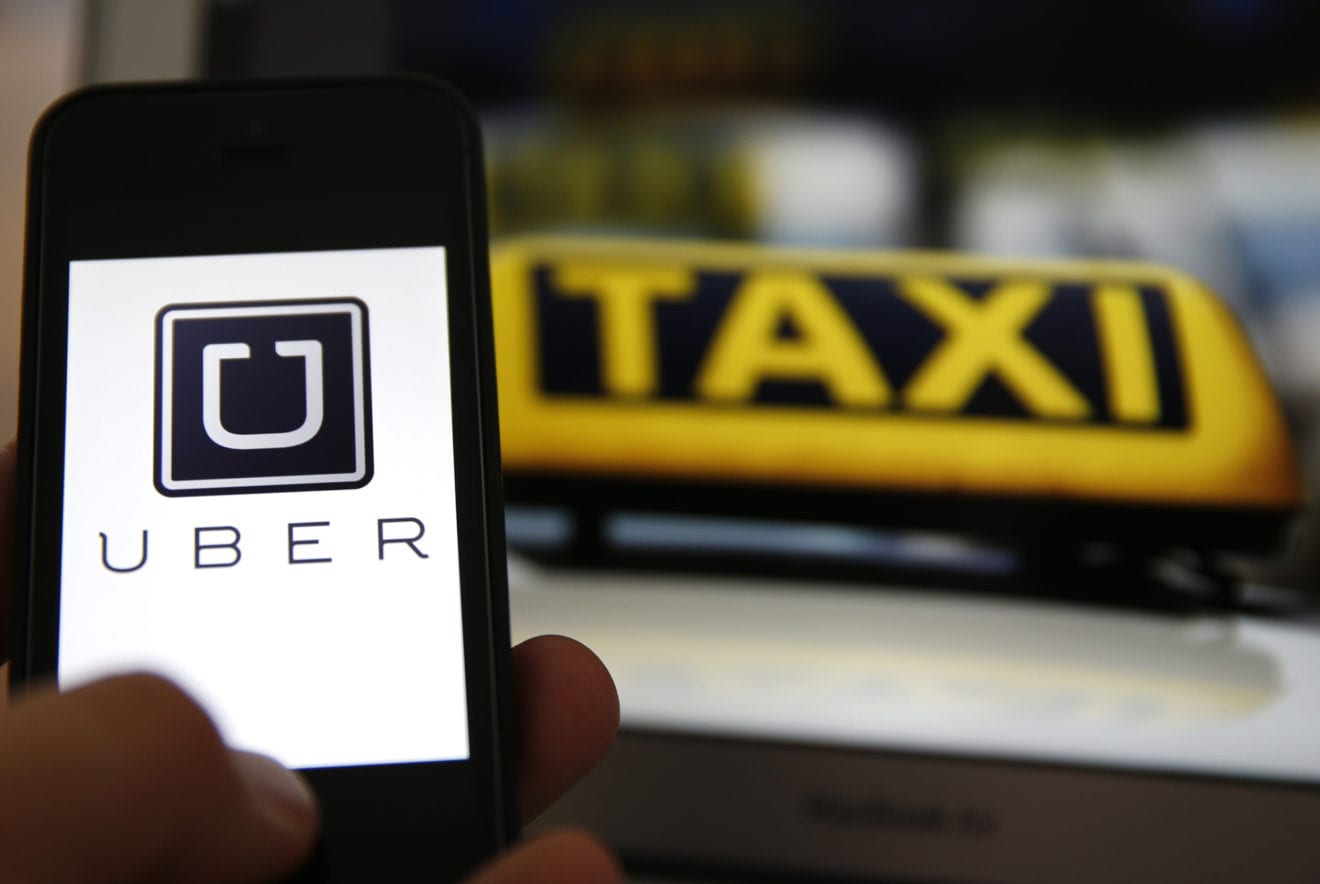
    Ride-hailing app Uber said on Monday it was joining a global public transport association to improve mobility in the cities it operates in.

    Uber also said it was joining the International Association of Public Transportation (UITP) to connect more people to public transport.

    Andrew Salzberg, Uber’s head of transportation policy and research, said aligning the company with public transport authorities was a good way to make Uber a better partner for cities.

    UITP represents public transport providers around the world, including Transport for London (TfL) – which in September stripped Uber of its operating licence.

    Scandal-hit Uber has just had to reassure authorities it is tackling the way it does business after the disclosure of a massive data breach cover-up that has prompted investigations from regulators around the world.

    Uber, currently valued at $69 billion, has been testing a more collaborative approach to regulators under its new CEO Dara Khosrowshahi in a shift away from a more aggressive culture under former CEO Travis Kalanick.

    “One of the big emphases that Dara has made … is that we want to be better partners for the cities we operate in,” Salzberg said, acknowledging that Monday’s announcement was part of the company’s effort to improve relationships with local authorities.

    Uber said it would work on a series of training sessions with UITP starting with the so-called first and last mile issue of public transport to connect people better at the start or end of their journeys.

    Salzberg said the company also wanted to help to reduce congestion on roads by encouraging people to move to shared modes of transport.

    Alain Flausch, Secretary General of UITP, said Uber joining the association was a sign that the company wanted to have a better relationship with regulators.

    “They are kind of saying to every politician: ‘We are joining the community and we want to help in the new ecosystem’,” Flausch said.

    Flausch said he had told members of UITP that he would check the company stuck to its promises.

    “It’s a work in progress and having Uber join is a good sign. Of course they keep their business model but … they need to be a bit more flexible and open to talking.”
  • Toys R Us UK close its operational despite it is still active worldwide

    Toys R Us UK close its operational despite it is still active worldwide

    As a raft of UK Toys R Us closures were announced, management moved to reassure customers it is business as usual, globally.

    With the Toys R Us US parent trading under Chapter 11 bankruptcy protection, the company is moving to restructure the business globally. The UK division has initiated a process by which it is seeking creditor approval to “reposition its real estate portfolio for future growth and profitability”. That would lead to 26 stores closing, equal to about a quarter of its retail network in the market.

    Toys R Us head office has issued a statement assuring customers the UK Company Voluntary Arrangement (CVA) process will not impact any Toys R Us entities or stakeholders outside the UK, including employees, vendors and customers.

    “The company’s approximately 1600 Toys R Us and Babies R Us stores around the world, including all stores in the UK, are currently open for business and continuing to operate as usual. Customers can also continue to shop for the toy and baby products they are looking for online.”

    Toys R Us in Asia, a joint venture with the Fung Group, continues to trade unaffected by the US company’s problems. A partial float of the Asian business is being discussed as a means of reducing the parent company’s debt.

    Dave Brandon, chairman and CEO of Toys R Us, said the closure of stores in the UK would “put our UK operation on stronger financial footing”.

    “Through the CVA process, we hope to receive authorisation to restructure our UK lease obligations so that we will be better able to invest in our UK business and further improve the customer experience. Importantly, our stores and operations in our other global markets will not be impacted by this process.

    “We are confident that we are taking the right steps to ensure that the iconic Toys R Us and Babies R Us brands live on for many generations in the UK and around the world. We remain committed to championing play for kids and serving as a trusted resource and friend for parents around the world. Today’s proactive measure better positions us to achieve these goals and ensures customers can continue to shop us with confidence over the Holiday season and beyond.”

    Under the UK CVA process, Toys R Us UK has submitted a restructuring plan to its creditors and will solicit their approval of this plan over the next 14 days. It will need approval by 75 per cent of the creditors to proceed

  • Retailers brace as Amazon launches in Australia

    Retailers brace as Amazon launches in Australia

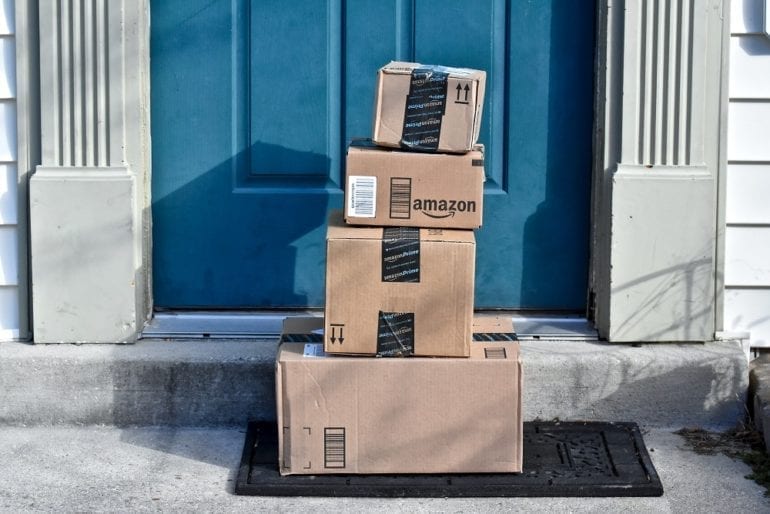
    U.S. internet giant Amazon launched in Australia Tuesday in time for Christmas, with retailers scrambling to cut costs and boost their online offerings as they brace for an expected shake-up of the sector.

    The arrival of the behemoth — which has grown from an online bookstore to one of the world’s largest firms — poses a threat to a market already grappling with weak consumer confidence amid tepid wages growth.

    The American giant is offering “millions” of products from well-known Australian brands, as well as small and medium-sized Australian businesses selling on Amazon Marketplace.

    They will be shipped from a warehouse in Melbourne.

    Online shopping only accounts for between 8-13 percent of total sales in Australia, leaving room for growth in a sector estimated to be worth more than Aus$300 billion ($227 billion) annually.

    “We believe Amazon’s full entry into Australia will likely be a success,” UBS analysts said in a note ahead of the launch, adding that Australia was an “attractive market where online is under-penetrated”.

    “Australian online shoppers spend the third-most globally of Amazon’s markets.”

    Retail categories most likely to be hurt by Amazon’s entry include electrical, appliances, apparel and cosmetics, UBS added.

    Faces challenges

    The U.S. firm was likely to absorb losses initially to boost its market share, IBISWorld senior analyst Kim Do said, pressuring the profitability and margins of its competitors.

    Several top Australian retailers have recently succumbed to pressure from foreign giants such as Japan’s Uniqlo and Sephora of France, while others have cut back on bricks-and-mortar stores.

    But Australian Retailers Association executive director Russell Zimmerman welcomed Amazon’s arrival, saying it provided an additional platform to boost sales.

    “With over 300 million active users already on Amazon’s Marketplace, the majority of Australian retailers view Amazon’s platform as a supplementary channel to their current retail offering,” he said.

    Some analysts warned Amazon would face challenges, such as low access to broadband and the large size of the island continent.

    “A key reason why Australia lags behind its peers (in the development of the e-commerce sector) is the low access to broadband,” BMI Research, Fitch Group’s research arm, said in a note.

    Broadband subscriptions in Australia stand at 57.3 per 100 people, rising to a forecast 60 in 2021, in contrast to markets like Singapore which is projected to have subscriptions of 75.3 per 100 that year, BMI said.

    “Slower delivery speeds due to the large geographic size of the country and as a result, more costly delivery services… will not bode well for the success of an e-commerce company.”

    Retail analyst Brian Walker said according to his research, Amazon was “producing a positive return” in just one-third of the countries it was operating in outside of the U.S.

    “The rest are still in the various stages of growing. And that is the point about Amazon,” Walker told AFP. “They will take in our view of somewhere between two to five years to hit any form of scale in Australia.”

    Amazon, a Seattle-based company, has expanded far beyond its roots as a digital bookstore, moving into the groceries and other retail sectors as well as cloud computing, streaming video, artificial intelligence and more.

    It has become one of the most valuable companies on the planet alongside U.S. tech rivals Apple, Facebook and Google parent Alphabet, and in October reported third-quarter profits of $256 million.

  • Gucci confirms tax evasion probe

    Gucci confirms tax evasion probe

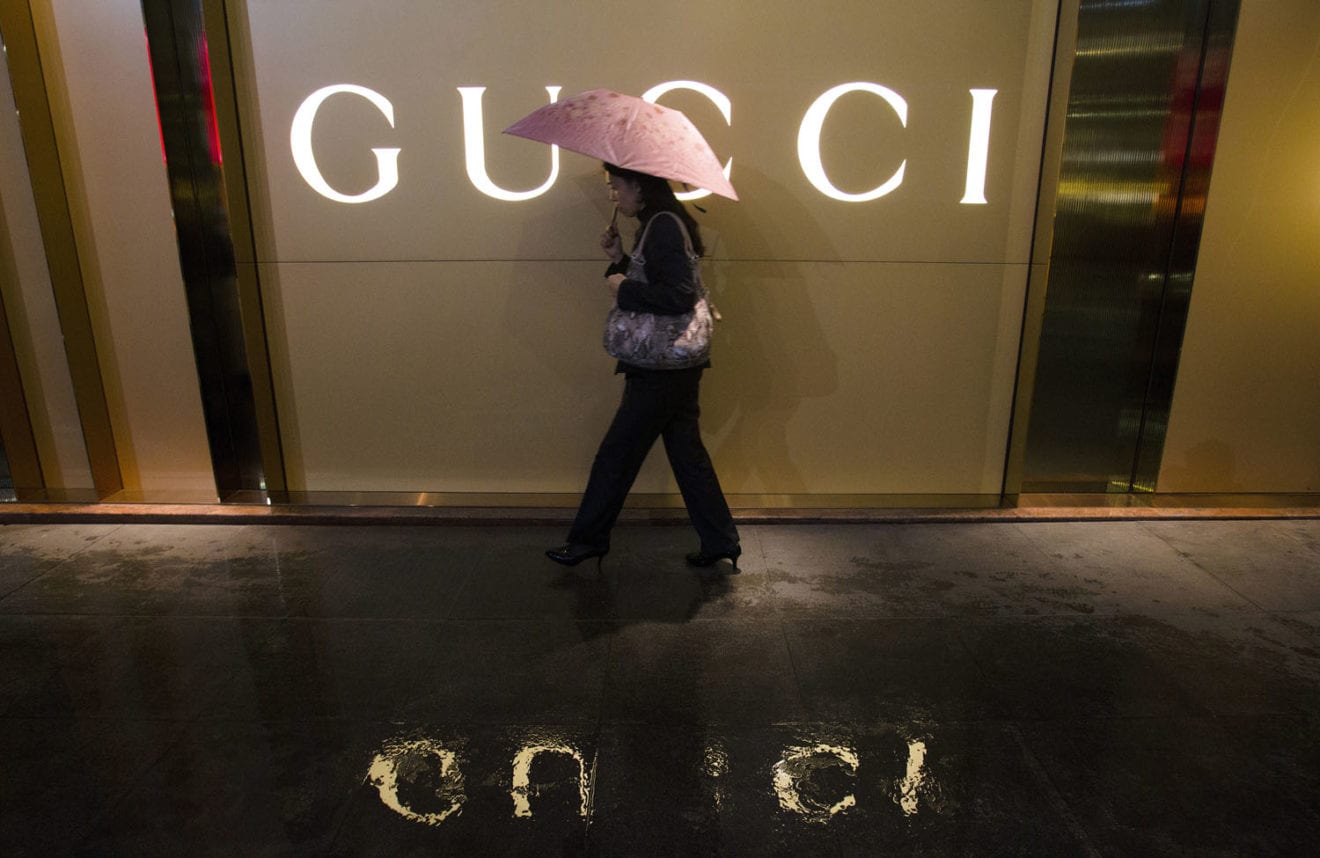
    Italian fashion giant Gucci on Monday said police raided its offices over suspected tax evasion, confirming a report in the Italian press.

    The Milan public prosecutor suspects the fashion house of declaring several years worth of Italian sales in Switzerland, thereby saving around 1.3 billion euros ($1.5 billion) in domestic tax, La Stampa daily said.

    The investigation is reportedly based on information from a former senior Gucci employee who has since left the company, which is part of French luxury group Kering.

    La Stampa said financial police had spent at least three days searching Gucci’s new, ultra-modern Milan headquarters and also other offices.

    “With respect to an article concerning an audit by the local tax police conducted at Gucci’ls offices in Florence and Milan published in an Italian newspaper today, Gucci confirms that it is providing its full cooperation to the respective authorities and is confident about the correctness and transparency of its operations,” Gucci said in a statement.

    Four years ago, fellow Italian fashion behemoth Prada had to pay 470 million euros to the Italian taxman after it declared a decade’s worth of home revenue abroad.

    The Italian tax dragnet has since extended to tech giants — 318 millions euros of Italian revenue for Apple and 306 million for Google while investigations are also under way regarding Amazon and Facebook.

    Gucci has turned in a strong recent performance with third quarter organic growth of 49.4 percent on 1.5 billion euros of sales.

  • Nike to launch world’s first sports hijab

    Nike to launch world’s first sports hijab

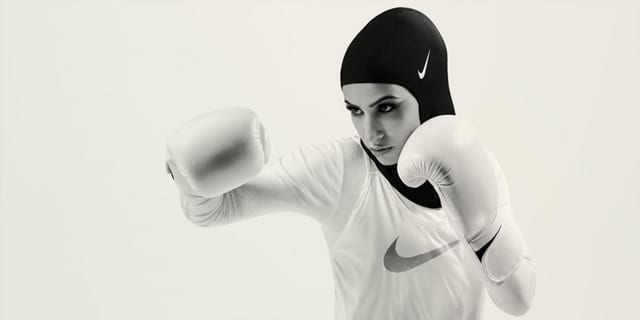
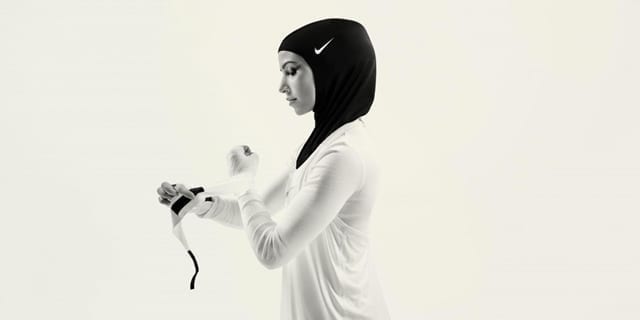
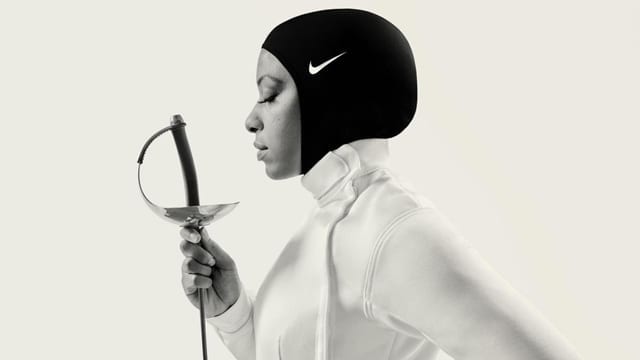
    Nike has launched the world’s first sports hijab, which is being rolled out internationally after months of anticipation.

    Tested by US champion fencer Ibtihaj Muhammad, the pioneering garment is breathable and lightweight, designed to fit “like a second skin” and not interfere with movement.

    Muhammad, who this year had the first-ever hijab-wearing Barbie modelled on her appearance, says she has had many false starts while competing because of her heavy hijab impeding her hearing.

    “It really sank in how much my previous hijab had been hindering my performance when I tried the Nike Pro Hijab,” she says. “Suddenly I could hear. I wasn’t as hot, and it felt like my body was able to cool itself down better and faster.”

    Nike says the Pro Hijab will help to make sports more inclusive for Muslim women. Statistics from Sport England show that just 18 per cent of Muslim women take part in regular sport, compared to 30 per cent of the total female population.


    Other hijabi athletes, including runner Manal Rostom, have also praised the garment’s innovation.
    “It inspires me to reach greater heights and to run farther distances,” says Rostom, who completed the latest New York Marathon in the Nike Pro Hijab. “I believe it’s going to inspire girls worldwide to follow their passion for sport.”

  • Ex Stuart Weitzman CEO launches new line of luxury sneaker

    Ex Stuart Weitzman CEO launches new line of luxury sneaker

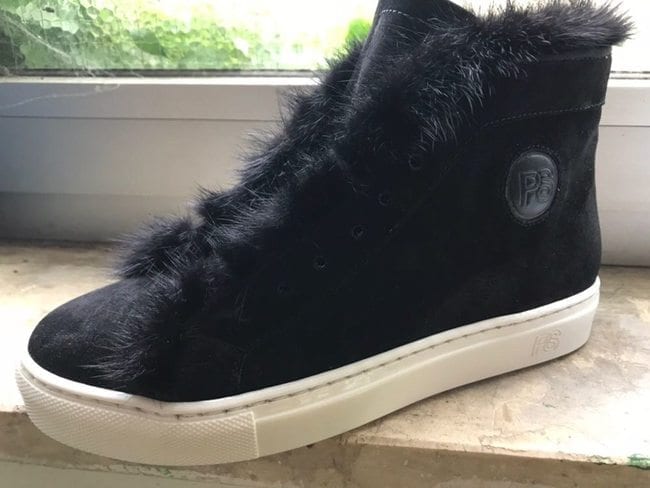
    Former Stuart Weitzman CEO Wayne Kulkin has launched a new brand to take advantage of the fast-growing luxury sneaker category.

    StreetTrend is a partnership between Kulkin and Hilco Global, which is better known in retail circles for managing the liquidation of failed retail businesses, including HMV, Blockbuster and Linens N Things.

    Kulkin says he is confident that luxury sneakers is a trend with staying power. “Consumers are passionate about the growing trend of wearing sneakers in all settings – from the gym to the office, from the park to the bar,” he says.

    “The demand for multiple pairs of shoes is a natural extension of the shift to casual dress at the workplace. People want to make a statement about their personal style from head to toe.”

    Kulkin founded the company early this year, working at first on developing product designs

    “I’ve been a sneakerhead since I was a teenager. Anyone who’s ever met me will tell you that I am always in sneakers, whether it’s with a suit, jeans, or sweatpants.”

    The first products are expected to ship to luxury retail stores in North America and Europe, including Neiman Marcus, Nordstrom, Shopbop and The Shoebox NYC, in Spring/Summer 2018.

    StreetTrend will manufacture its shoes in Italy and retail them under three brands: p448, Meline, and P.S.821.

    “StreetTrend LLC will design and market Italian-made luxury sneakers that are fresh and innovative,” says Kulkin. “The entire collection is made with the finest materials and handcrafted in Italy. Our goal is to completely exceed consumer expectations on style, comfort, and fit, all at a democratic price point.”

    Kulkin will leverage his deep industry experience in marketing, supply chain and global consumer trends as CEO of the new venture.

    “I’m excited to build something from the ground up. I love the power of ideas and the creative process, and I’m certain we’re tapping into a very exciting consumer need for sneakers that look and feel fantastic.”

    Kulkin spent more than 20 years at Stuart Weitzman and served as its CEO both before and after the company’s acquisition by Coach, (now Tapestry). He started his shoe career as a buyer at Nordstrom, and has been involved with every aspect of the footwear industry over his career.

    Hilco Global’s activities are not restricted to dissolving businesses. The company has invested in many fashion and consumer brands in the past, including Polaroid, Halston, Haute Hippie, Madaluxe Eyewear, Le Tigre, Caribbean Joe, Ellen Tracy and Altec Lansing.

  • Stagnate sales result for Sears

    Stagnate sales result for Sears

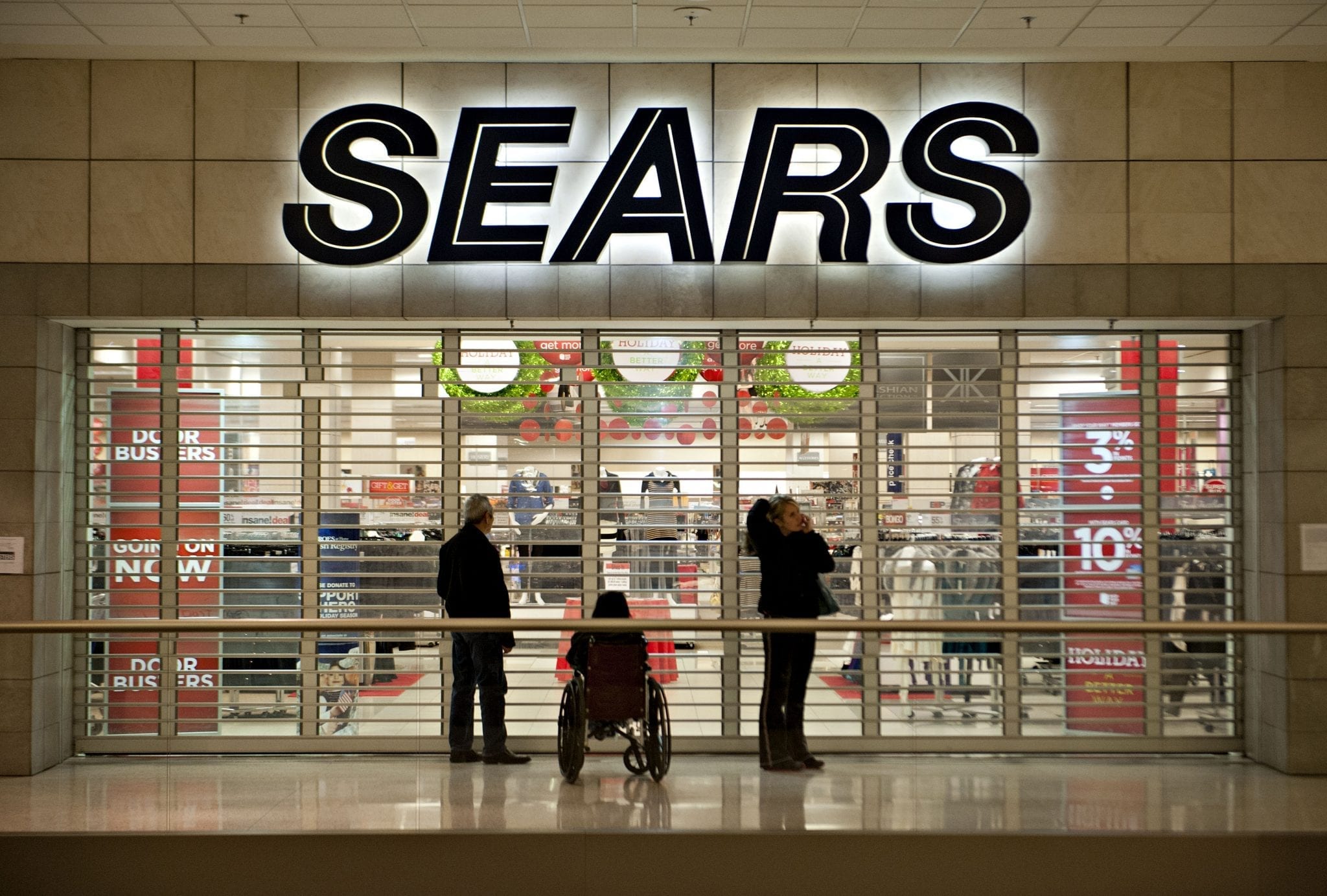
    Dire, dismal, terrible, horrendous, grim, appalling – over the past few years we’ve used up our stock of adjectives to describe Sears results. As the descriptors run dry, so the bad numbers keep on coming.

    This quarter is no exception.

    It is particularly worrying that the strength of declines across all parts of the business is intensifying. In this period, total sales were down by just over 27 per cent. To be fair, more than half of this is attributable to ongoing store closures. However, that program does not explain the slump in comparable sales which were down by 17 per cent and 13 per cent at Sears and Kmart, respectively.

    In essence, the whole group remains in a tailspin, and it is clear that there is no chance of even a levelling-off in sales anytime soon. The dramatic loss of customers at existing stores continues apace, and there is a danger this trend could accelerate into the new year.

    Much has been made of the improvement to the bottom line. But, these warm words – a bromide which has been trotted out at every results announcement for years – do not stack up against reality. It is true that losses have narrowed, but Sears was still in the red by well over US$500 million during the quarter. By no means is this a cause for celebration.

    One small bright spot comes from the agreement with the Pension Benefit Guaranty Corporation. Under this plan, Sears will make an upfront payment into the pension scheme, secured by real estate assets. This will eliminate contributions which were required in both 2018 and 2019. This will certainly take some pressure off the bottom line in those years, although we caution that it does very little to fix the fundamental issues with the business.

    The extent of Sears’ woes is best seen through the growing gap between its assets and its liabilities. Last year this deficit was around $3.4 billion; this year it has grown to just over $4 billion. Given that the group has been selling off assets to fund current operations, this is not particularly surprising. However, the continued growth of the deficit, at a time when the group is deeply unprofitable, simply isn’t sustainable.

    For all the criticism we throw at Sears, it is only fair to praise the initiatives the group is taking to try and bring itself back. While we lack faith that these things will be enough to revive the company’s fortunes, they are not entirely without merit.

    The first of these is the relatively recent decision to sell some Kenmore branded appliances on Amazon. This is a sensible move which should strengthen sales volumes which, in turn, should support the inherent brand value of Kenmore. Arguably, without seeking out alternative distribution channels, Sears’ brands are ultimately in danger of fading into obscurity. However, this move is also a tacit admission that its stores are simply not working effectively as a distribution channel for its own brands.

    The second interesting move was the whole store sale that the group initiated before Black Friday.

    While this was probably borne out of desperation, it did help to drive footfall and interest across many stores. Unfortunately, such a strategy is not sustainable on a permanent basis – but it can be used to give sales and cash-flow a short-term boost.

    Ultimately, Sears is a dying business. Whichever way you cut them, the fundamental economics of the business do not add up. Nothing in this latest set of Sears results changes that view.

  • When Tiffany gasps chasing in modern luxury retail

    When Tiffany gasps chasing in modern luxury retail

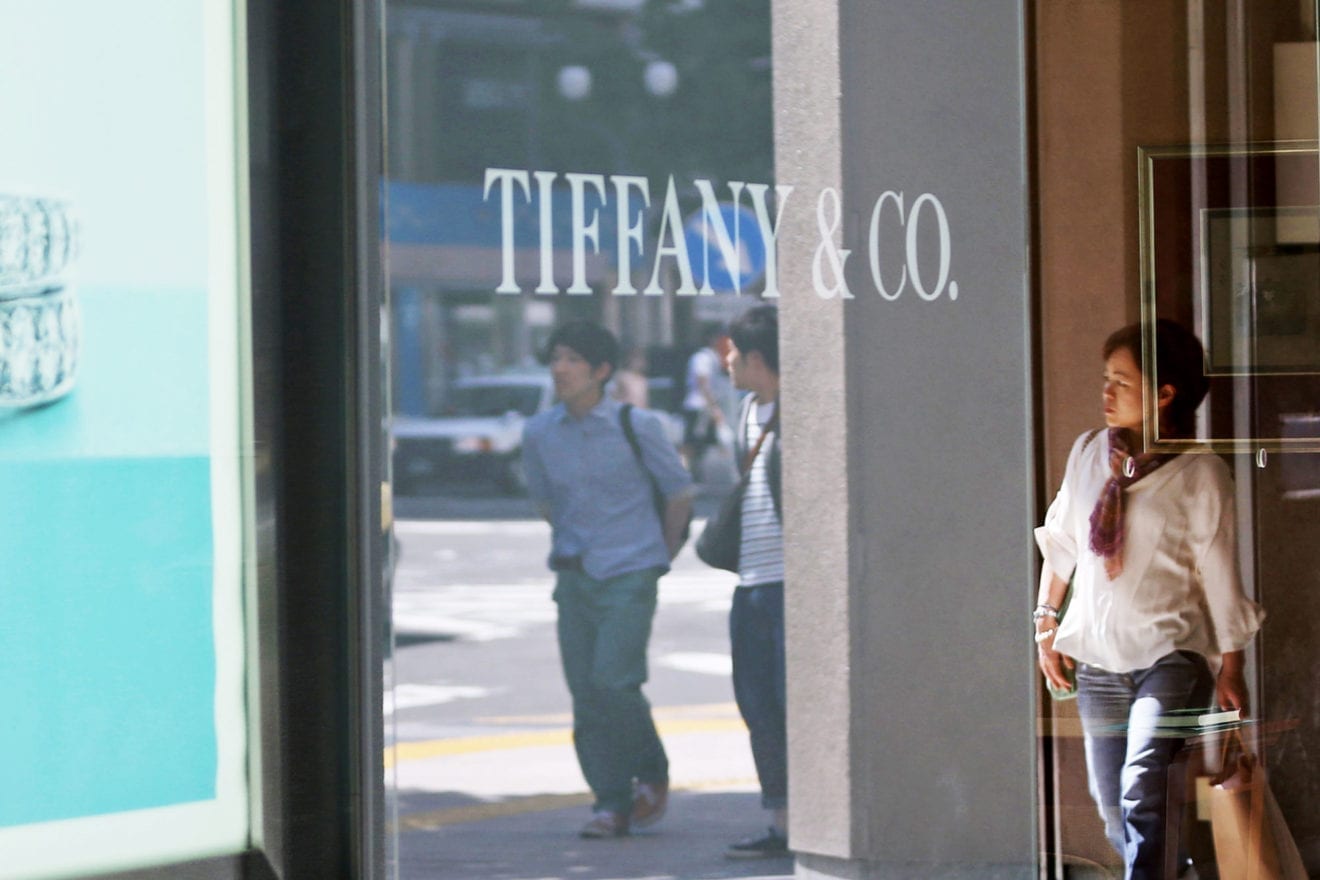
    At this time of year, New York City’s Fifth Avenue is a sparkling sea of holiday lights. There’s Cartier with its illuminated Panther; Harry Winston with its diamond-shaped orbs; and then there’s Tiffany, which seems to have decked its store with lights that Las Vegas discarded in the 1970s. It is a small point, but it is one that underscores the fact that parts of the Tiffany business remain firmly out of step with the modern world of luxury retail.

    Yet there is progress: only parts of the group are behind the curve. A year or so ago, the whole organisation appeared to be struggling to keep up, but a raft of initiatives have since helped to pull elements of the proposition into the 21st century.

    This work shows up in the latest numbers which continue along an improved trajectory. Total sales are up by a respectable 3 per cent, and while comparable sales remain in decline, it is encouraging to see this is no longer because of weakness in the North American market. On the bottom line, net income rose by 5.4 per cent.

    What has Tiffany done to engineer this improvement?

    The product has to be the starting point, with the greater emphasis on fashion and designer collections generating interest among younger consumer segments. The urban Tiffany HardWear range has performed particularly well, while Elsa Peretti’s assortment of pieces has added a gentler contemporary edge to the offer.

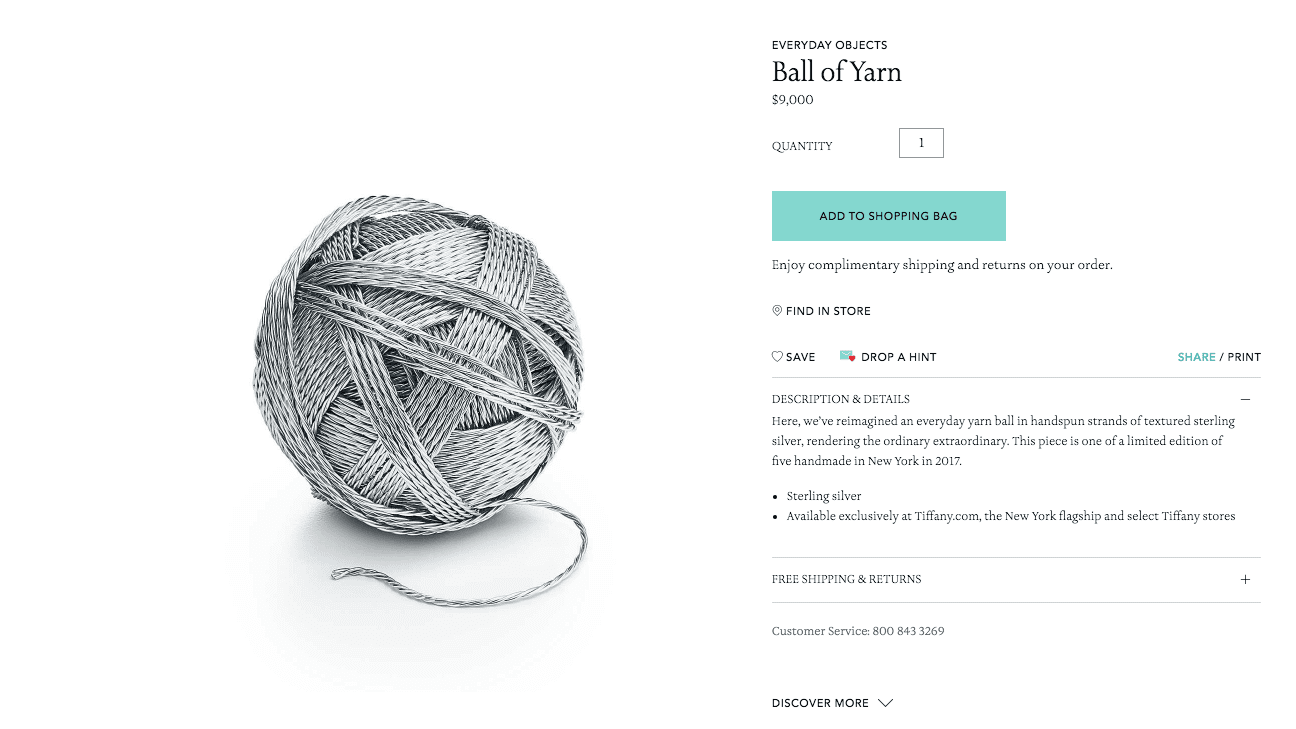
    Tiffany has recently followed up this success with the whimsical Everyday Objects collection of decorative accents. It is unlikely that the $9000 sterling silver ball of yarn nor the $1000 silver tin can will be to everyone’s taste or budget, although they generated some favorable publicity for the brand.

    Behind these headline items, more accessible pieces like the bone china ‘paper’ cups at $95 are likely to attract more interest. The point is that Tiffany is trying something new and is grabbing the attention of shoppers.

    As well as using its products to showcase the brand, Tiffany has also upped its game in general marketing and advertising. These have been more in vogue than past campaigns, and the use of celebrities like Janelle Monáe, Zoë Kravitz, & St. Vincent (Annie Clarke) is helping consumers to see the brand in a new, more modern light.

    Moving online

    One interesting consequence of this gentle repositioning is that many of the younger shoppers Tiffany is starting to attract are going online rather than into stores. This has resulted in some robust e-commerce numbers. It is to Tiffany’s credit that it has responded by improving the website experience and by increasing the amount of content across its platforms.

    This outperformance of online is likely to continue, which presents a dilemma to Tiffany. Many of its stores are in desperate need of refurbishment and ideally, need to be brought up to the same standard as the new Union Square shop in San Francisco. This is an expensive undertaking and one that the group may struggle to justify if more sales are migrating online.

    The new Blue Box Cafe in the New York flagship is a smart way of pulling people into the store, but this initiative can’t be easily replicated across the estate. Moreover, it is a shame to draw people into a shop that still feels dated and fusty.

    Despite all the progress, further change, especially in stores, is essential. For as much as Tiffany has made strides, it has not yet regained that full youthful vigour that so many of its peers exhibit. The gaudy, old-fashioned lights on its New York store underscore that there is much more thinking, and much more work, to do in the reinvention of this heritage brand.

  • BMW to spend $237 million on battery cell center

    BMW to spend $237 million on battery cell center

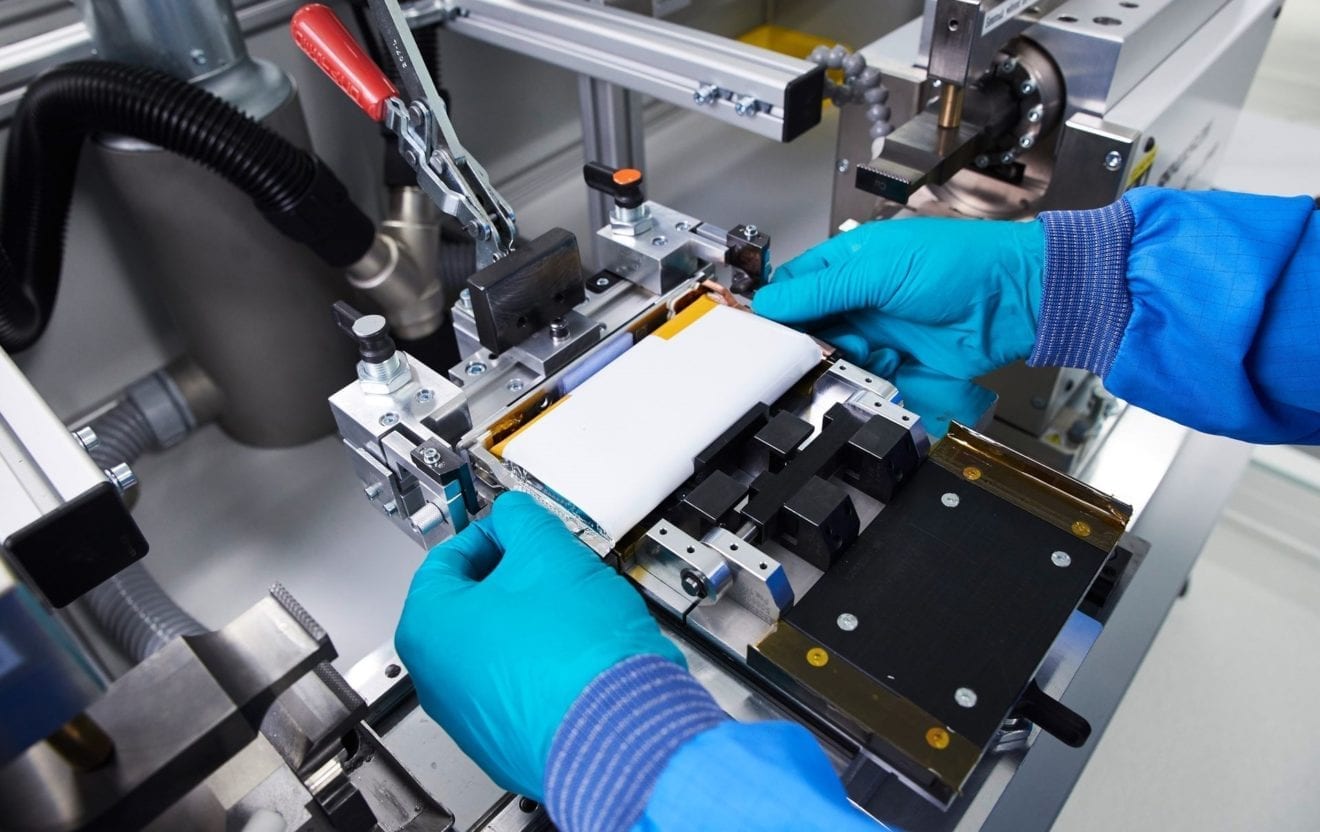
    BMW will bundle its battery cell expertise in a new competence center, the German luxury carmaker said on Friday, adding it would invest 200 million euros ($237 million) in the site over the next four years.

    “By producing battery-cell prototypes, we can analyse and fully understand the cell’s value-creation processes. With this build-to-print expertise, we can enable potential suppliers to produce cells to our specifications,” BMW board member Oliver Zipse said in a statement.

    “The knowledge we gain is very important to us, regardless of whether we produce the battery cells ourselves, or not.”

    The center will open in early 2019, BMW said.


  • A PornHub pop-up shop has opened in SoHo

    A PornHub pop-up shop has opened in SoHo

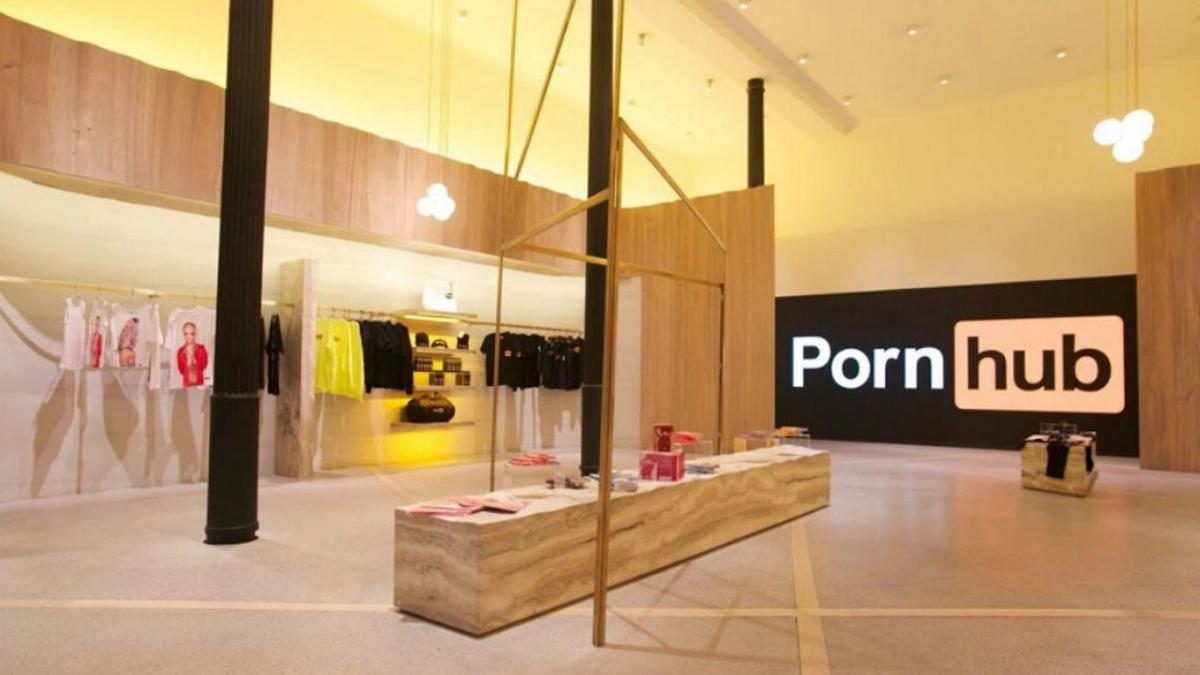
    Pornhub chose Black Friday to open a popup store in New York’s trendy Soho district as the brand continues to position itself as mainstream and connect with fans.

    The store – which will trade until December 20 – features Pornhub-branded streetwear, books, gifts and toys for adults created in partnership with retailer Ann Summers.

    It’s the first of two popups planned by the previously online-only business, which last year attracted 23 billion visits – that’s 44,000 every minute – and streamed nearly 92 billion videos.

    A Pornhub holiday-themed popup shop will be opening in Milan in Italy, at Via De Cristoforis 5 – right by the famous Corso Como, on a street which is home to brands including Christian Louboutin, Chiara Ferragni and Moschino. The Milan store will offer what Pornhub describes as “an intimate boutique environment for European fans of the site to shop Pornhub-branded limited-edition apparel and gifts”.

    In a partnership with the Museum of Sex, the Soho store will offer products from the Museum’s gift shop, including Taschen books, ‘aphrodisiac apothecary herbs’ and sex games. Some of Pornhub’s most popular actresses will also be making appearances during the month.

    “As an online brand, we’ve been limited to interacting with our fans on the site and through social media,” said Pornhub’s VP Corey Price, explaining the strategy behind the store.

    “As we continue to increase brand awareness and expand into new verticals like retail, we are looking for new ways to interact with our fans. We thought it would be great to open up a store where fans can come check out the recent streetwear pieces we’ve collaborated on and some of our product lines,” he said.

    The store will feature products from two of Pornhub’s latest partnerships: a line of streetwear by the clothing brand, Richardson, which includes reissues from their fall line and two new designs; and the Pornhub couple’s sex-toy line from Ann Summers. The Pornhub store will also carry its own products such as limited Pornhub clothing inspired by the iconic Pornhub logo, including both men and women’s clothing; the Adult Coloring Book; and branded gear from content partners Brazzers and Team Skeet.

    The space Pornhub is occupying on Soho’s Wooster St was previously home to Thai-American fashion designer Thakoon Panichgul. Neighbours include such brands as Moschino and Celine

    Casey described the site as “an exceptional location” for Pornhub’s retail debut. The space has been reconfigured to simulate the look and feel of the Pornhub homepage, including a bed inside where people are invited to sit and “interact” with the camera on a live-feed streaming onto Pornhub.com directly. Visitors to the store must be aged 18 or over.


  • Take a deeper look on Pharrell Williams & Chanel’s collaboration

    Take a deeper look on Pharrell Williams & Chanel’s collaboration

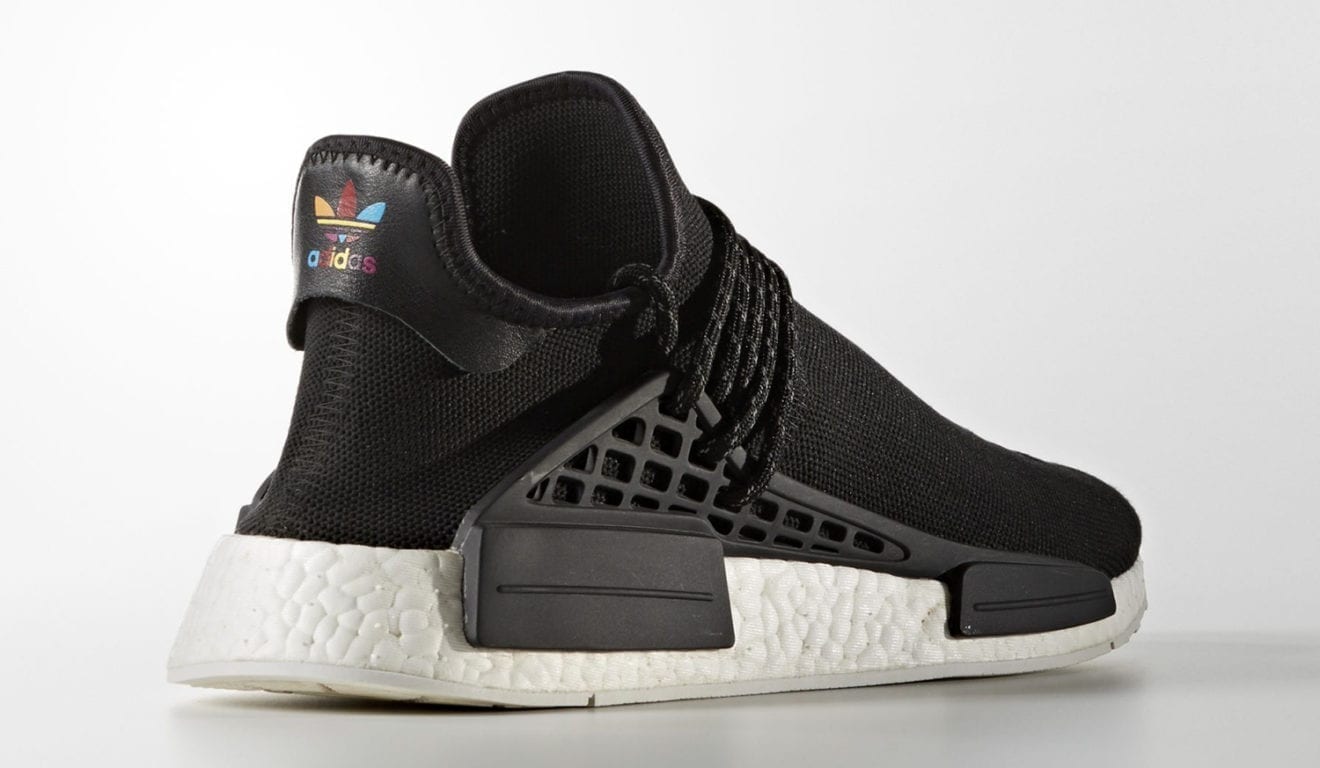
    Pharrell Williams’ sneaker collaboration with Adidas Originals HU NMD and Chanel launched at the Paris boutique Colette.

    Chanel at Colette
    Source : WWD

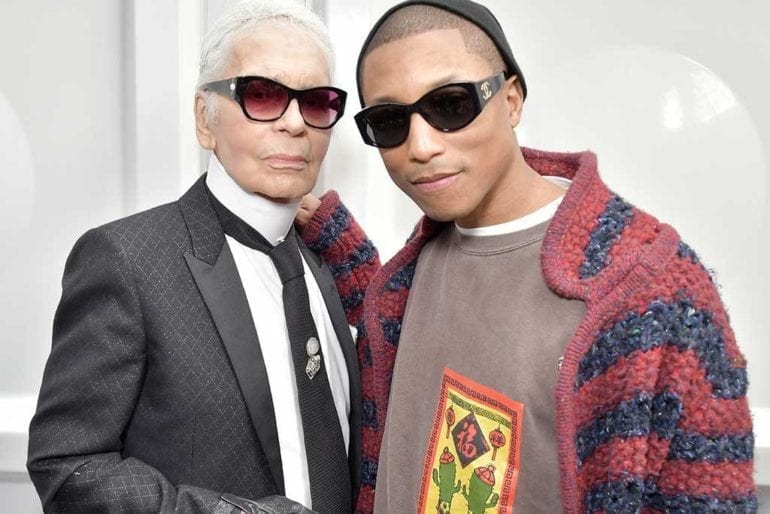
    To celebrate, the luxury French house founded by Gabrielle Chanel threw a party attended by the likes of Karl Lagerfeld and Justin Timberlake. Indeed Williams has collaborated with Timberlake for his upcoming album.

    The sneakers, 500 of which have been made and which 120,000 hopefuls pre-registered on the Colette website to be in with a chance of buying, are retailing for almost $1200. Williams, however, speculated that the might fetch up to $40,000 on the resale market.

    Here, are 13 of the most illuminating takeaways from the day’s experience. Quotes from Pharrel Williams are used as explanations.

    1. His relationship with Chanel began in an unexpected way.

    “I used to listen to Notorious B.I.G. back in the day and he used to talk about bags by Chanel.”

    2. Williams began wearing the label long before the unisex trend took shape.

    “One day I had the audacity to buy a belt even though I knew it was a woman’s brand and other things that would fit me, like a couple of sweaters that felt like they were unisex.”

    3. He’s also been customizing his sneakers since forever.

    “I started writing the CCs on some of my sneakers and the rest is history.” He customized his own Chanel collaboration pair with slogans such as “Women’s Rights” on the back and “God Is The Greatest,” “Love Your Enemy” and “Others First” on the sides of the soles.

    4. Williams does not consider himself a style beacon.

    “I’m definitely not a style icon. I’m learning all the time and I pride myself on doing collaborations with people I can learn from.”

    5. He was initially worried that Chanel might say no when he proposed the collaboration.

    “I could not believe it [when they said ‘yes’] and I still cannot believe I’m here. It has been never done in the history of the brand.”

    6. Yes, some people do actually say no to Pharrell Williams.

    “My wife tells me no all the time.”

    7. Those sneakers could have looked very different.

    “We picked five different designs and these were the ones that Karl liked,” he said of the collaboration sneakers he sported. “They say Chanel on one foot and Pharrell on the other. There were some that just said Chanel or Gabrielle. There were different combinations. It is another level to have my name alongside Chanel. That’s what I was really honored by.”

    8. Like many artists, Williams has synaesthesia, meaning he perceives music as colors.

    “It is because [the artists’] minds are wired to perceive things metaphorically: If they hear something, they see a color. That’s an instant metaphor.” Indeed color plays a major role in his life, not least his hair. While he is now sporting an orange dye job, “two years ago I dyed my hair green and that was the tipping point when I decided to do another album with N.E.R.D. I am like a method actor.”

    9. So what color is his “Lemon” track with Rihanna?
    Yellow of course. And as for that eagerly anticipated, upcoming N.E.R.D. album, it involves “a lot of colors like crazy graffiti.”

    10. Williams doesn’t like interviews.

    “Talking about your art form too much drives out the lucidity and the vividness of it. So if it was a painting, by the time you’re done doing the interview the painting will have faded a bit.”

    11. Women have taught him everything he knows.

    “From my mom women I dated from fashion, taste, how to take care of my face how to see deeper into things and not just be hooked on aesthetics that’s how a woman’s mind works. They do not just stare at the painting, they figure out what it means.”

    12. And as evidenced by the messages he wrote on the back of his shoes, he strongly believes in women’s rights.

    “You guys deserve to get paid as much as we do. We owe the female species.”

    13. Any more collaborations with Chanel in the pipeline?

    “I think that is up to them. I would love to.”

  • Neo Investment to Fund $40 million for Victoria Beckham

    Neo Investment to Fund $40 million for Victoria Beckham

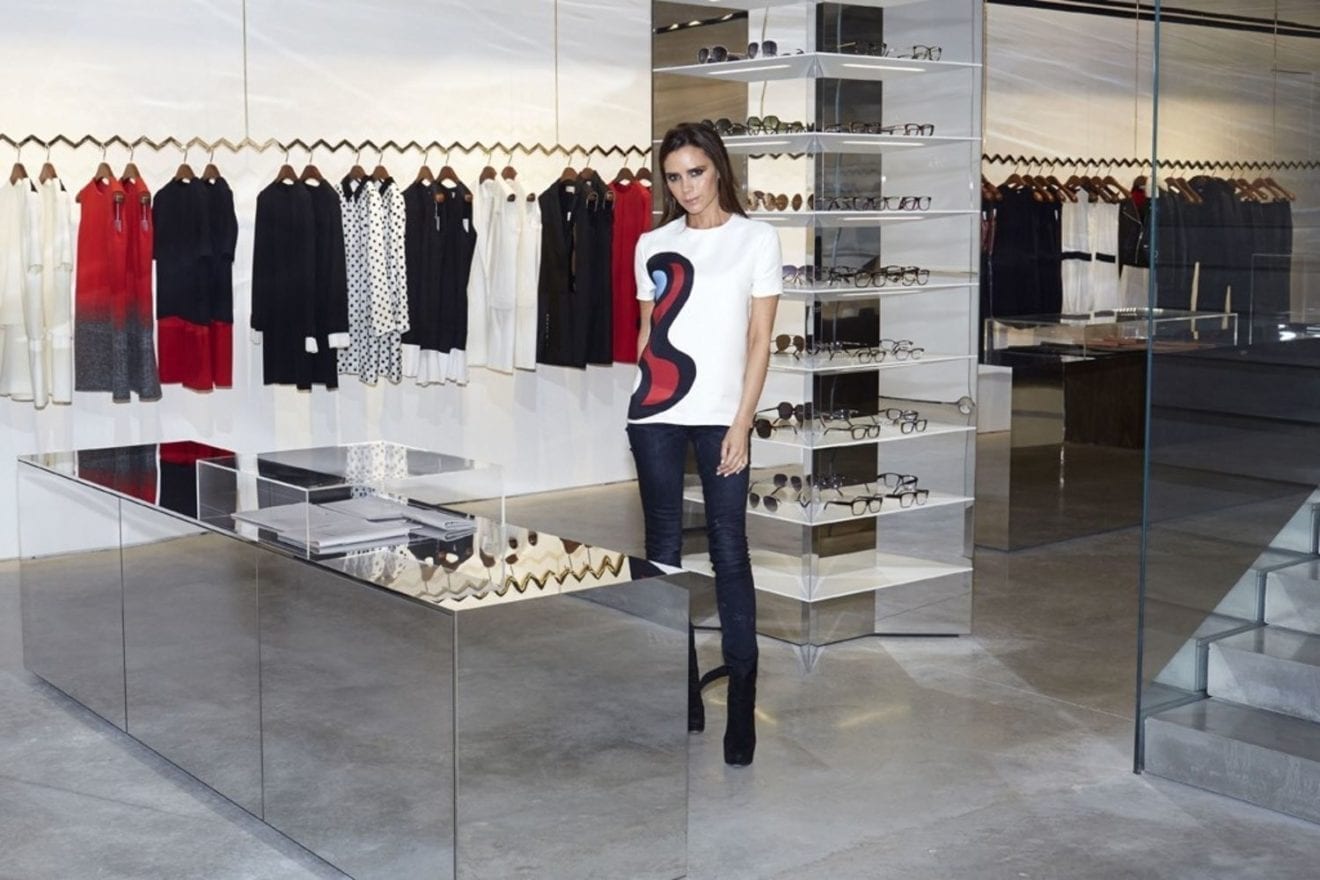
    Fashion entrepreneur Victoria Beckham has raised £30 million (US$40 million) from growth equity firm Neo Investment Partners in exchange for a minority stake in her namesake luxury label.

    While the terms of the transaction have not been disclosed, market insiders say the deal values the business at £100 million.

    “As the business continues to grow, I appreciate the need for external investment which, in turn, would bring external expertise,” says the former Spice Girl. “Neo has shown it can take founder-led businesses with a global outlook to new heights. Our focus is on building a sustainable, profitable luxury brand.”

    Neo Investment Partners founder/managing partner David Belhassen says Beckham is an inspiration to millions of women around the world. “She has built a unique, differentiated luxury brand with a strong identity and very high potential.”

    Beckham plans to use the funding to expand the luxury womenswear brand’s physical retail and e-commerce presence, as well as drive growth of core product categories.

    After a series licensing deals for eyewear, denim and fragrance, Beckham launched her own luxury womenswear line in 2008 with a range of dresses. Initially shunned by the fashion industry, she has since expanded into handbags, eyewear and shoes and currently employs 180 people with stores in London and Hong Kong as well as an e-commerce site.

    Beckham teamed with Target last year for a capsule collection, and is now working on a collaboration with Reebok expected to launch late next year. “To challenge the traditional notions of fitness wear within a fashion context is something I have always wanted to do,” she says.

    The Victoria Beckham label is controlled by Beckham Brand Holdings, a holding company that also owns the licensing of the former football star’s name. The company is owned by the husband-and-wife team of David and Victoria Beckham as well as Simon Fuller, the entertainment impresario who created the Idol franchise.

  • More refresh design for Pizza Hut Australia

    More refresh design for Pizza Hut Australia

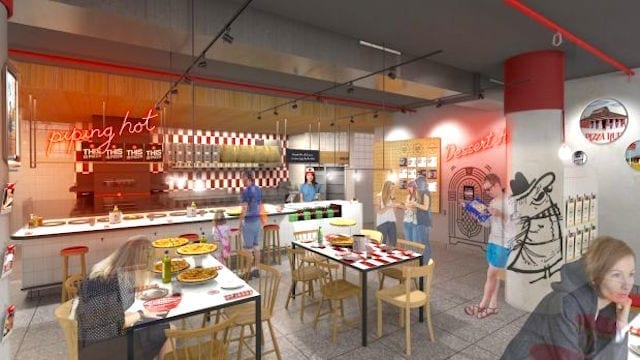
    Pizza Hut Australia has taken its next big step back into the fore, unveiling a new brand image and concept store in a bid to redefine its position in Australia’s highly competitive pizza market.

    The new store, launched yesterday in Sydney has been designed as a fresh take on contemporary Australia with ties to the brand’s US heritage and will inform a broader store refresh program, which began earlier this year.

    Its original brand icon Pizza Pete has also been reintroduced into signage and internal designs alongside several menu innovations, such as localised flavours, designed to cement its point-of-difference as a dine-in pizza option – juxtaposed to market leader Domino’s delivery-focused offer.

    The move is a sign that the chain’s owner, private equity firm Allegro Funds, is looking to bolster the consumer-side competitiveness of the chain, after it purchased the master-franchise license for Pizza Hut from American owner Yum! Brands in 2016.

    Under Yum! Pizza Hut began falling behind rival Domino’s technologically enabled fast-delivery model, prompting management to spend the last year undertaking a broad-based improvement plan within the business that included the acquisition of Eagle Boys outlets late last year.

    Allegro has also been busy bringing new talent into the business to reposition its future under the stewardship of former McDonald’s executives Peter Rodwell, Lisa Ransom and Chris Leslie. The chain’s new director of innovation, Matthew Sawyer, who was brought over from McDonald’s in December last year, said that the re-brand would deliver a local spin on a well-known brand with global credentials.

    “Pizza Hut in previous years had lost its direction and when we took over the business we clearly identified that there was a lot of love for the brand – in particular the old dine-in restaurants with the all you can eat buffets and the self-service desserts,” he said. “We knew we had to do something around that to reconnect with the Australian community.”

    Sawyer said dine in will be a point-of-difference for Pizza Hut’s new look, with franchisees given autonomy within a flavour toolkit to localise parts of the menu. He calls it ‘glocal’ – a play on the words local and global – a philosophy that will be rolled out through the 300+ store network.

    “Over the next few years you’ll see significant change in the brand, how fast we roll this out will depend on how fast we learn about how well certain items work in different communities,” he said. “That’s the thing about global, it’s going to be different everywhere.”

    In many ways the dine-in focus doubles down on Pizza Hut’s pre-existing market position, but made-to-order rather than pre-prepared pizzas as well as new delivery methods, such as electric bikes, will round out the new offer.

    Allegro has previously said it has no intention of contesting Domino’s market leading position, but does want to cement itself as the number-two in the Australian market, making Retail Food Group (RFG)’s Pizza Capers and Crust brands relevant competitors.

    RFG has been embarking on its own repositioning since last year, revamping its QSR division to focus more heavily on lunchtime business with new products and mobile food trucks. IBISWorld data from 2016 placed Pizza Hut’s share of the local market at just over 15 per cent after the Eagle Boys acquisition, compared to Domino’s 25 per cent share and RFG’s 4 per cent share.

  • Unique Airstream trailer pop-up store by Aether

    Unique Airstream trailer pop-up store by Aether

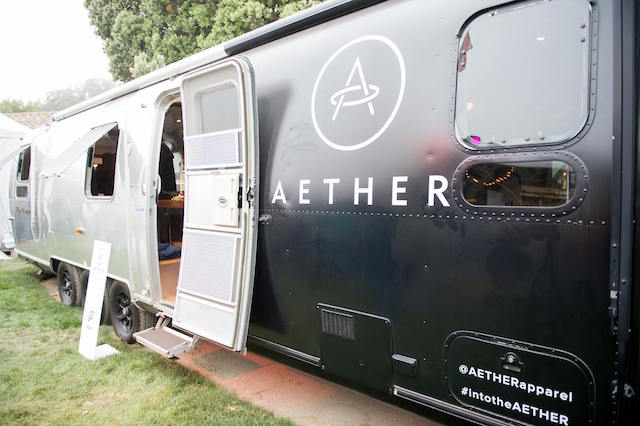
    High-end clothing company Aether has converted an Airstream trailer into a store that can travel and stop at locations chosen by customers.

    The mobile popup has already visited several cities near the brand’s home in Los Angeles.

    Trend monitoring website Springwise.com reports the fashion company wanted to find something which had the ease and portability of a pop-up, but was also reusable.

    Aether 2

    Working with designer Thierry Gaugain, the company created the Aetherstream, an Airstream trailer transformed into a travelling storefront complete with a wood burning stove, custom built sofas, furnishings and decorations from Parisian flea and antique markets.

    Destinations for the mobile store are selected by customers who are invited to email the company to suggest a stop.

    Springwise says the converted trailer is just one example of how small and independent companies are innovating to compete with online retail giants.

    “Other examples include modular, customisable street carts and a new gadget and platform that helps local shops rise to the top of area internet searches.”

  • In a bold and surprising move CHANEL debuts capsule of €1000 sneakers

    In a bold and surprising move CHANEL debuts capsule of €1000 sneakers

    French luxury brand Chanel has launched a capsule featuring 500 pairs of €1000 (US$1185) sneakers to celebrate its takeover of French high-fashion streetwear retailer Colette.

    Courtesy of Karl Lagerfeld, the sneakers are part of singer Pharrell Williams ongoing collaboration with Adidas Originals.

    The resale value of the sneakers have shot up to $32,000 after 120,000 shoppers registered to buy them. The 500 buyers will be chosen by an independent ballot process.

    Williams says he expects the resale value of the sneakers to go up to $40,000 as any of his merchandise is known to resell for multiple times its value. For example, his Adidas collaboration with his band Nerd is now going for up to $10,000.

    There is also a philanthropic twist to the collaboration as Williams and Chanel plan on donating profits to the Chanel Foundation, which supports women’s empowerment.

    It is one of the final collaborations for Colette with the department store set to close on December 20.