Tag: Korea

  • South Korea to explore halal food market in Indonesia

    South Korea to explore halal food market in Indonesia

    The South Korean Ministry of Agriculture, Food and Rural Affairs, through the Korea Agro-Fisheries and Food Trade Corporation, will explore the possibility of entering the halal food market in Indonesia.

    Lee Kyu Baek from the Korea Agro-Fisheries and Food Trade Corporation made the statement in Jakarta, Tuesday, during a press conference about the upcoming Korean Festival, scheduled to begin on Sep 30.

    As a part of the month-long festival, the Trade Corporation will hold a Korean food fair themed Safe and Healthy Lifestyle with Premium K-Food from 6 to 9 October.

    “This effort is being made to increase the demand for Korean foods, as well as heightening its recognition in Indonesia,” he said.

    Lee further explained that the halal food industry in Korea is still small, which is why the Korean government has launched a Moslem friendly policy to ensure the convenience of Moslem tourists who come to visit.

    It has been reported that some 740,000 Moslem tourists have visited South Korea, as of last year, and the Indonesia K-Food Fair 2016 event is seeking to further promote both Korean cuisine and tourism to the Indonesian public.

    The cuisine-based fair will be divided into two segments, one being an export conference, scheduled to be held at the Ritz-Carlton Hotel on Oct 6 and 7.

    “We will be holding a seminar in which representatives from Korea will explain halal policies, as well as the steps to obtain halal certification in detail,” he said.

    The business-to-business conference will see 20 Korean exhibitors and 40 Indonesian buyers participating, he remarked.

    In addition, a consumer experience event (B2C) will be held in Kota Kasablanka from October 8 to 9, where visitors can taste traditional Korean foods being promoted in separate halal, easy products and healthy food zones.

  • Kumho Tire auction to start in November

    Kumho Tire auction to start in November

    Creditors of Kumho Tire gave formal notice this week that they will hold an open auction for their respective holdings in the South Korean tyre manufacturer with preliminary bidding scheduled to start in early November.

    The creditors involved are eight financial institutions including Woori Bank, state-owned Korea Development Bank and KB Kookmin Bank. Together they own 42% of the equity in the tyre manufacturer, worth some KRW760bn (US$680m) based on the current share price.

    Kumho Tire graduated from a four-year creditor-led debt restructuring programme at the end of 2014 after it suffered a severe liquidity crisis in 2009.

    The 50 year-old tyre manufacturer currently employs around 5,000 people in South Korea. It has nine tyre plants worldwide, three in South Korea, four in China and one each in Vietnam and the US. It generated global sales of KRW3.04 trillion (US$2.7bn) last year.

    In the first half of 2016, the company generated revenues of KRW1.45trn and earnings of KRW55.8bn.

    The auction will be organised by Credit Suisse bank which expects the final round of bidding to take place in January 2017 with a buyer expected to be selected shortly after that. The controlling equity stake is expected to cost around KRW1trn, including fees.

    Park Sam-koo, the current chairman of the former owner of the company,Kumho Asiana Group, will have the right of first refusal to buy back the shares by matching the highest bid in the final auction. He has previously indicated that he would be interested in taking back control of the tyre manufacturer but it is unclear whether he has the financial backing to do so.

    Other global tyre companies will be given the chance to bid and private equity companies are also expected to feature in the auction.

  • Korean bank deploys optical encryption from Ciena

    Korean bank deploys optical encryption from Ciena

    KB Kookmin Bank, Korea’s largest financial institution, is deploying Ciena’s encryption capabilities for secure, high-capacity data centre interconnect (DCI), in a bid to better protect customer data.

    The encryption solution protects KB Kookmin Bank’s data transmissions from its offices and enables secure data centre interconnect (DCI) between its data centers.

    Several security solutions exist to protect data at-rest that secure servers, databases, routers, and switches by managing user access and credentialing. However, large amounts of critical data are in-flight and transported beyond the walls of the data center, traversing a larger, wide area network. Ciena’s optical-layer encryption solution gives KB Kookmin Bank an additional level of protection and protects data in flight as it leaves the private cloud and is transported between locations and data centers. Ciena’s solution adheres to local and international regulations and legislations, including the Federal Information Processing Standard (FIPS) 140-2 encryption certification.

    Additionally, Ciena’s software-based MyCryptoTool gives KB Kookmin Bank a dedicated management user portal that allows end-users to remotely control all of the security parameters associated with their encrypted services.

    “We are committed to providing the best possible service to our customers, which includes data protection and security. Ciena’s optical encryption solution provides an extra layer of protection and gives our customers the confidence to know their personal information is safe,” said Kim Ki-Hyun, CIO of KB Kookmin Bank.

  • Chuseok sales weren’t as terrible as expected

    Chuseok sales weren’t as terrible as expected

    Going into last week’s Chuseok holidays, expectations were low in the retail sector due to a prolonged economic slowdown and a soon-to-be-implemented anti-graft law that will make expensive presents unlawful.

    Against all odds, however, four major department stores in Korea enjoyed growth in the sales of holiday gift sets. To skirt an anti-graft law known as the Kim Young-ran Act, which goes into effect Sept. 28 and bans the exchange of gifts costing more than 50,000 won among civil servants and even journalists, the stores offered lower-cost gift sets.

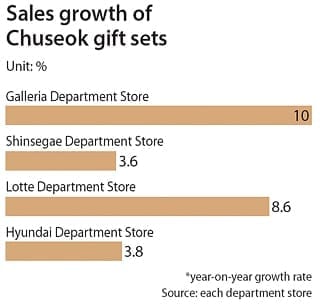
    Galleria Department Store said sales of holiday gift sets rose 10 percent between Aug. 26 and Sept. 14 compared to the same period last year.

    The proportion of products that were cheaper than 50,000 won was 26 percent – the highest share and 6 percentage points more than last year. Products that cost more than 300,000 won accounted for 14 percent, 1 percentage point lower than last year.

    Galleria Department Store expanded gift options that cost less than 50,000 won from last year’s 56 items to 478. As a result, revenue generated from 50,000-won-or-less products rose by 47 percent year-on-year.

    Lotte Department Store said sales of holiday gift sets between Aug. 26 and Sept. 13 rose 8.6 percent year-on-year. Sales of processed food products and daily necessities – which usually cost less than 50,000 won – rose by 16.5 percent. But sales of meat and gulbi (dried corvinas) – relatively expensive holiday gifts – only increased by 6.5 and 3.8 percent respectively.

    Hyundai Department Store said its holiday gift set sales between Aug. 29 and Sept. 14 rose by 3.8 percent.

    Shinsegae Department Store saw a sales increase of 3.6 percent in Chuseok gift sets sold between Aug. 26 and Sept. 13. Products or sets cheaper than 50,000 won saw an increase of 7.8 percent while more costly items only rose 2.9 percent.

    The Kim Young-ran Act was not the only factor in holiday spending.

    An unprecedented heat wave during the summer on top of a prolonged economic slowdown prompted many consumers to buy health supplements, which are cheaper than agricultural and marine products.

    The most popular product was red ginseng extracts or pills. Health-related products saw a sales surge of 26 percent year-on-year at branches of Galleria Department Store. The top seller in the health category was red ginseng extract, which is in the 80,000-won price range.

    Shinsegae, which is known for its extensive and affordable wine selection, said sales of wine rose the most – 40.5 percent – followed by health-related items, which rose by 20.8 percent year-on-year.

    Health-conscious products were the most popular at Lotte as well, enjoying a 28 percent year-on-year increase in sales.


  • Napa cabbage prices skyrocketed last month

    Napa cabbage prices skyrocketed last month

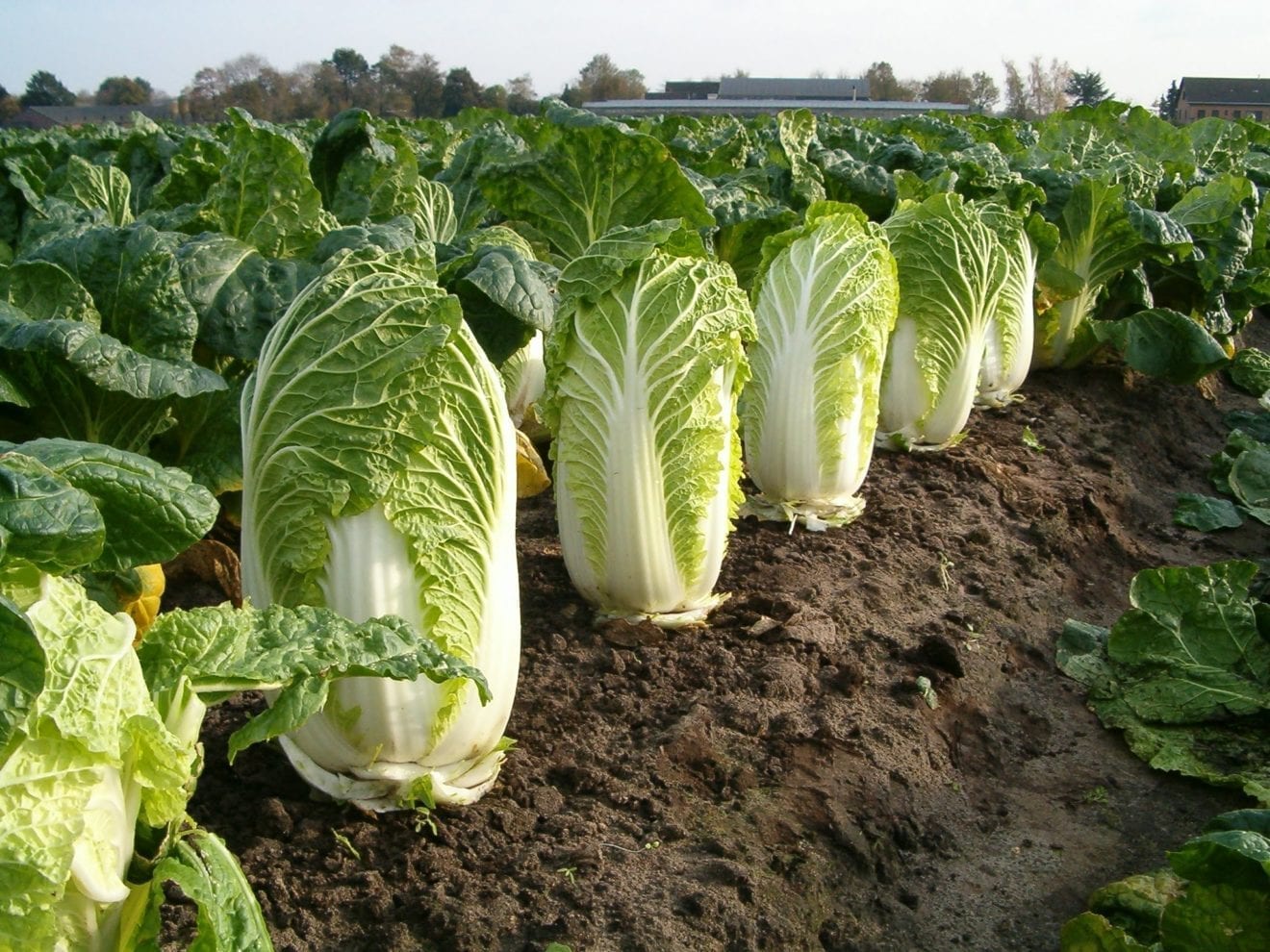
    The average price of napa cabbages at local retail stores rose significantly last month compared to the previous month as the supply likely dropped due to the abnormally hot weather that hit the country this summer.

    Prices of napa cabbage, a Korean staple and key vegetable for making kimchi, rose 63.7 percent month-on-month to a record 5,303 won ($4.73) a head, the Korea Consumer Agency (KCA) said Monday. The price of 1.5 kilograms (3.3 pounds) of white radishes rose 29.2 percent to 2,279 won and 1.5 kilograms of onions rose 5.3 percent to 3,217 won.

    “We don’t know the exact reason for the rise in some vegetable prices, but we believe that the supply in general dropped due to the high temperature and drought,” said KCA researcher Kim Eun-ji.

    Additionally, a recent report by the Bank of Korea attributed the long-term rise in cabbage prices to Chinese imports of kimchi.

    Samgyeopsal, or pork belly, one of the most popular meats among Koreans, was 11.2 percent cheaper at 2,005 won per 100 grams, while beef prices rose 3.8 percent to 8,601 won. The fall in pork prices is mainly due to the base effect from June, when prices rose 22.2 percent month on month, ahead of the summer vacation season in Korea.

    The KCA analyzed the price of 402 major products in 373 stores across the country, and the agency found that the price varied by types of stores.

    In fact, the average price of napa cabbage sold at corporate run retail stores was the highest at 6,965 won, and was lowest at large discount chains at 3,702 won.

    Onion prices had a 77.2 percent gap by store type, KCA said. The price of 1.5 kilograms of onions was 2,429 won at traditional markets and 4,303 won at department stores.

    Beef, napa cabbages, radishes and onions were some of the products that were cheaper at large discount stores and traditional markets in July.

    Meanwhile, the year-on-year growth rate for napa cabbage was 84.5 percent, the highest among major products sold in retail stores and traditional markets. It was followed by beef (25.5 percent) and radishes (15.6 percent). The price of pork, on the other hand, fell 14.2 percent year on year, and onion prices dropped 13.2 percent during the same period.

    “The price varies by the store types and the government will provide the retail prices online [www.price.go.kr] so that people can research the price and promotion events ahead of their shopping,” said Kim at the KCA.


  • GM Korea to sell 10 Chevrolet Aveo compacts online

    GM Korea to sell 10 Chevrolet Aveo compacts online

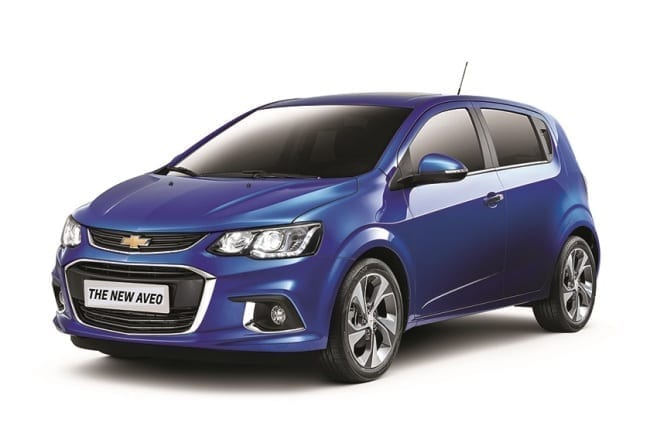
    GM Korea said on Sept. 19 it will sell 10 units of its new Chevrolet Aveo compacts via Auction, a local online shopping site affiliated with eBay Korea, on Sept. 26.

    This is the first time in Korea that a carmaker has decided to sell vehicles online.

    Even though the unprecedented online car sale seems more like a marketing activity, industry watchers say other carmakers could follow suit considering consumer reaction, especially among youngsters who prefer online shopping rather than visiting physical shops.

    “Through the collaboration with Auction, we hope to appeal to female drivers in their 30s and 40s, the new Aveo’s target customers,” a GM Korea official said.

    In August, Ticket Monster, a daily-deal site, stirred controversy after it sold 20 Jaguar XF sedans via its website without consulting the carmaker’s UK headquarters. Jaguar Land Rover Korea at the time hinted at a legal action for damage to its brand value and creating confusion.

    The retail price of the Aveo is 17.79 million won (US$16,000). GM Korea plans to offer diverse benefits to those who purchase the car online, including online cash points worth 5 million won.


  • Richemont expects weaker half-year earnings after restructuring costs

    Richemont expects weaker half-year earnings after restructuring costs

    Luxury goods maker Richemont said on Wednesday that it expected operating profit in the six months to September to decline by 45% from a year ago.

    The Luxembourg-and JSE-listed group said in a statement that the decline reflected the effect of one-off restructuring charges of about €65m, and the additional effect of inventory buybacks.

    “We are of the view that the current negative environment as a whole is unlikely to reverse in the short term. However, we remain convinced of the long-term prospects for luxury goods globally and in particular for watches and jewellery,” it said.

    Sales in the five months to August dropped 13% at constant exchange rates and 14% at actual rates.

    Richemont said sales in the UK had shown growth since the weakening of pound against most currencies at the end of June following the EU referendum.

    Elsewhere in Europe, sales were down, particularly in France, due to a significantly lower level of tourist activity.

    There was positive momentum in both jewellery and accessories in the Americas, but an overall decline in sales due to a weaker performance in watches.

    In the Asia-Pacific region, growth in mainland China and Korea was more than offset by the continuing weakness of the Hong Kong and Macau markets.

    Retail declined overall, primarily due to Europe and Japan. All other regions’ sales declines were low single digits, supported by jewellery and accessories. The marked decrease in wholesale sales reflected the continuing negative trend and the watch inventory buybacks.

    Richemont’s other businesses reported sales growth, thanks to positive performances at Montblanc, Chloé, Azzedine Alaïa and Peter Millar.

  • Agatha Paris opens first stand-alone travel retail outlet

    Agatha Paris opens first stand-alone travel retail outlet

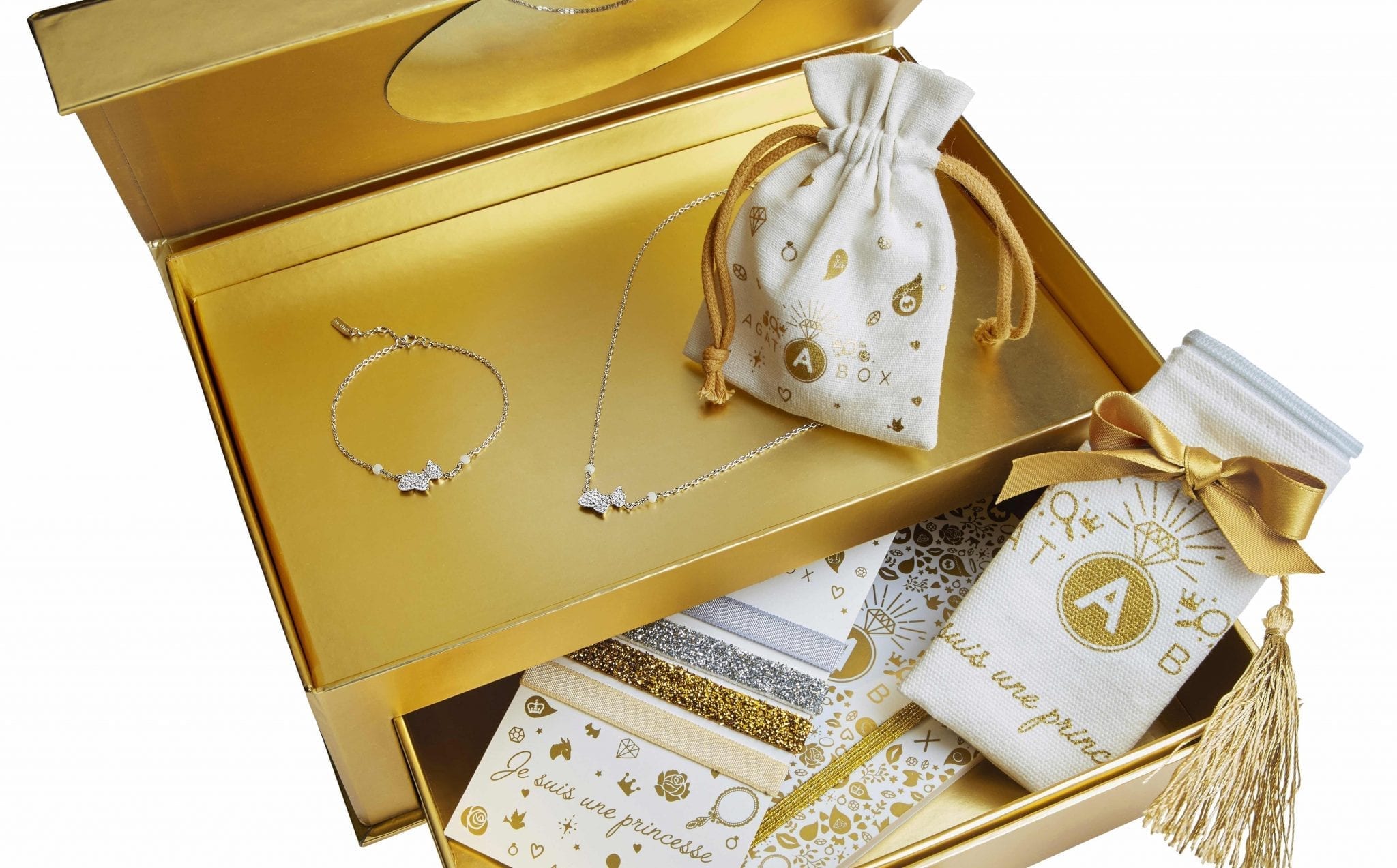
    French fashion jeweller Agatha Paris has opened its first stand-alone travel retail store, at Haikou Meilan International Airport on China’s Hainan Island.

    Opened in partnership with Hainan Duty Free, the 20 sqm store has a contract until September 2019.
    Agatha Paris will present its latest collections, including several travel-retail exclusive sets, at the upcoming TFWA World Exhibition in Cannes. The brand showcased a range of stainless-steel jewellery at this year’s TFWA Asia Pacific exhibition in Singapore.

    The brand’s collections are divided into five themes: Iconic, Timeless, Modern Chic, Classy and Sparkle. This year’s collections include African Art Deco, Grand Palais, Opera and Olympia.

    Global head of travel retail Karan Tuli says the brand launched into travel retail three years ago, initially with a sole focus on inflight sales to gain exposure. It has since expanded its network, with 330 points of sale in 25 countries, and listings with 30 airlines. Its 14 ground shop locations in Asia include China, Japan, the Philippines, South Korea and Thailand.

    “Business in Australia, Cambodia, Singapore and Vietnam is on the radar for the coming months,” says Tuli.

    “Southeast Asia and China are seeing fast expansion, and the potential for the brand to grow its travel-retail footprint is more positive than ever. Costume jewellery is a tough category, but recent spending trends have supported a positive outlook for us.”

    King Power Group founder Antares Cheng acquired the Agatha Paris brand in 2006.

  • Taubman Centers Unit Opens Starfield Hanam in South Korea

    Taubman Centers Unit Opens Starfield Hanam in South Korea

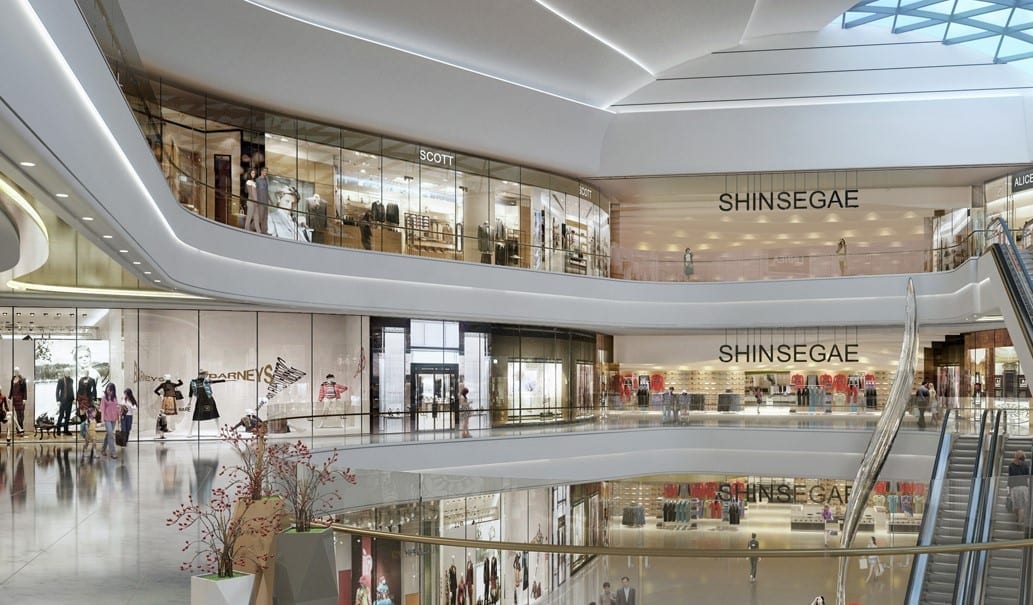
    Taubman Centers, Inc. is making its impact felt around the world. Its wing in Asia – Taubman Asia – together with its partner Shinsegae Group, celebrated the opening of Starfield Hanam shopping center at Hanam, Gyeonggi Province in South Korea. This retail project, developed by Taubman Asia and Shinsegae Group, marks Taubman Asia’s first ground-up development in South Korea.

    The shopping center is the country’s largest western-style mall and is nearly 100% leased. There are almost 300 stores and restaurants in this 1.7 million square foot center. It is anchored by Korea’s reputed department store brand, Shinsegae.

    There has been a rapid shift in customers’ shopping preferences and patterns, with online purchases growing significantly. Hence, the mall landlords have been making concerted efforts in developing retail hubs with swanky entertainment zones, and this shopping center is no exception.

    From international luxury brands, like Balenciaga, Burberry, Bvlgari and Fendi, to fast fashion choices – such as Cos, H&M, Massimo Dutti – Starfield Hanam has a vast range of stores to offer. Also, with 110,000 square feet of dining options and entertainment options like the 11-screen Megabox cinema, a Sports Monster sportsplex and an 112,000 square foot Aquafield indoor/outdoor water park, this retail property is expected to attract high footfall.

    Taubman Asia is a subsidiary of the U.S. Mall operator Taubman Centers and is into retail real estate projects in Asia. It is, in fact, Taubman Centers’ platform for expansion into China and South Korea. Taubman Asia, founded in 2005, is headquartered in Hong Kong.

    On the other hand – Bloomfield Hills – MI-based Taubman Centers, is engaged in the ownership, management and/or leasing of several regional, super-regional and outlet shopping centers in the U.S. and Asia. Taubman currently has a Zacks Rank #3.

    A better-ranked stock in the REIT industry is InfraREIT, Inc., sporting a Zacks Rank #1.

    Also, investors can consider better-ranked stocks like EPR Properties and Weingarten Realty Investors that carry a Zacks Rank #2.

    Confidential from Zacks

    Beyond this Analyst Blog, would you like to see Zacks’ best recommendations that are not available to the public? Our Executive VP, Steve Reitmeister, knows when key trades are about to be triggered and which of our experts has the hottest hand.

  • South Korean retailer E-mart to invest $200m for retail chain ops in Vietnam

    South Korean retailer E-mart to invest $200m for retail chain ops in Vietnam

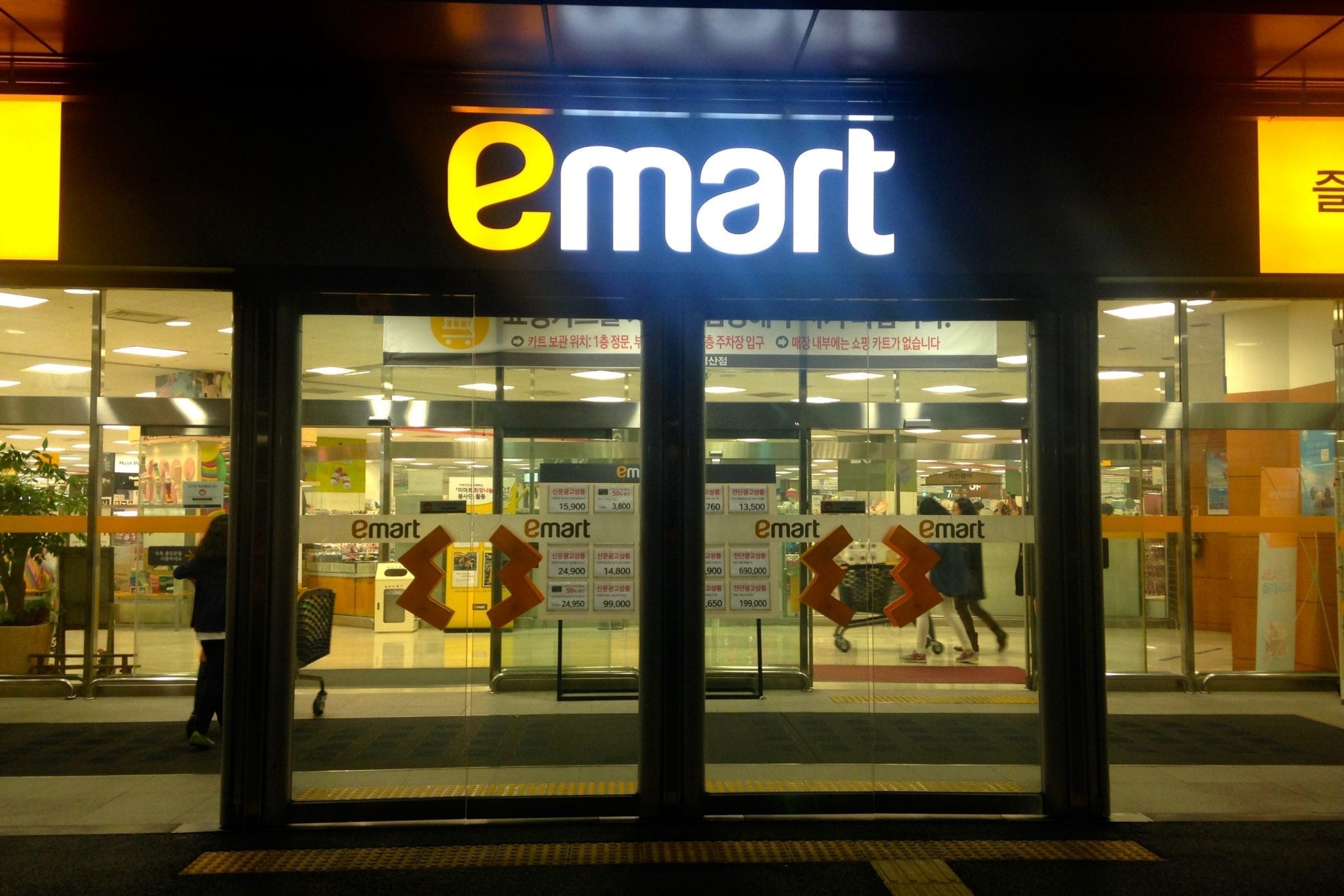
    A memorandum of understanding between E-mart and Vietnam’s Ho Chi Minh City was signed on September 9. Emart will make the investment over the next four years.

    The investment is expected to be used for building new supermarkets and commercial facilities, as well as local social development. E-mart opened a supermarket worth $60 million in Ho Chi Minh City last year, in addition to a toy library in the city.

    The Korean company had earlier said it planned to open 52 stores in Vietnam by 2020.

    E-mart is betting the country’s rapid growth, averaging 5.2 per cent since 2013, driven by a young and urban demographic with higher spending power.

    Vietnam’s growth was the highest among Southeast Asian peers featured in the 2016 Global Retail Development Index conducted by US management consulting firm AT Kearney. Vietnam was seen as the 11th fastest emerging retail market, up from 28th spot two years ago.

    Government data showed that retail sales in the country rose 7.4 per cent year-on-year in August 2016. Consumer spending rose to $116.2 billion, while the retail market was forecast to be worth $109 billion in 2017.

    Free trade pacts signed by Vietnam have encouraged foreign retailers to tap into this liberalizing market. Vietnam fully opened its retail industry in 2015, which is coupled with a lot of tax preferences for investors.

    Japan’s Takashimaya and Miniso have set up retail shops in Vietnam in July. Meanwhile, 7-Eleven is planning a local presence through the franchising route.

    Existing players are opening new outlets, as well as acquiring local businesses. Vingroup, the most active domestic company which launched over 90 stores in 2015, aims to introduce twice as many in 2016. It acquired Maximark and Vinatexmart, two Vietnamese operators, as part of this strategy.

    Thailand’s Central Group had acquired Big C Vietnam for $1.05 billion, along with electronics store chain Nguyen Kim and e-commerce site Zalora Vietnam. Other M&A deals include TCC Holdings buying Metro Cash&Carry Vietnam, and AEON acquiring Fivimart and Citimart.

    Central has since announced that it has halted further investment in  the country and would focus on consolidation.

  • Coupang Sales Growth Bolsters SoftBank’s Bet on Korean Retailer

    Coupang Sales Growth Bolsters SoftBank’s Bet on Korean Retailer

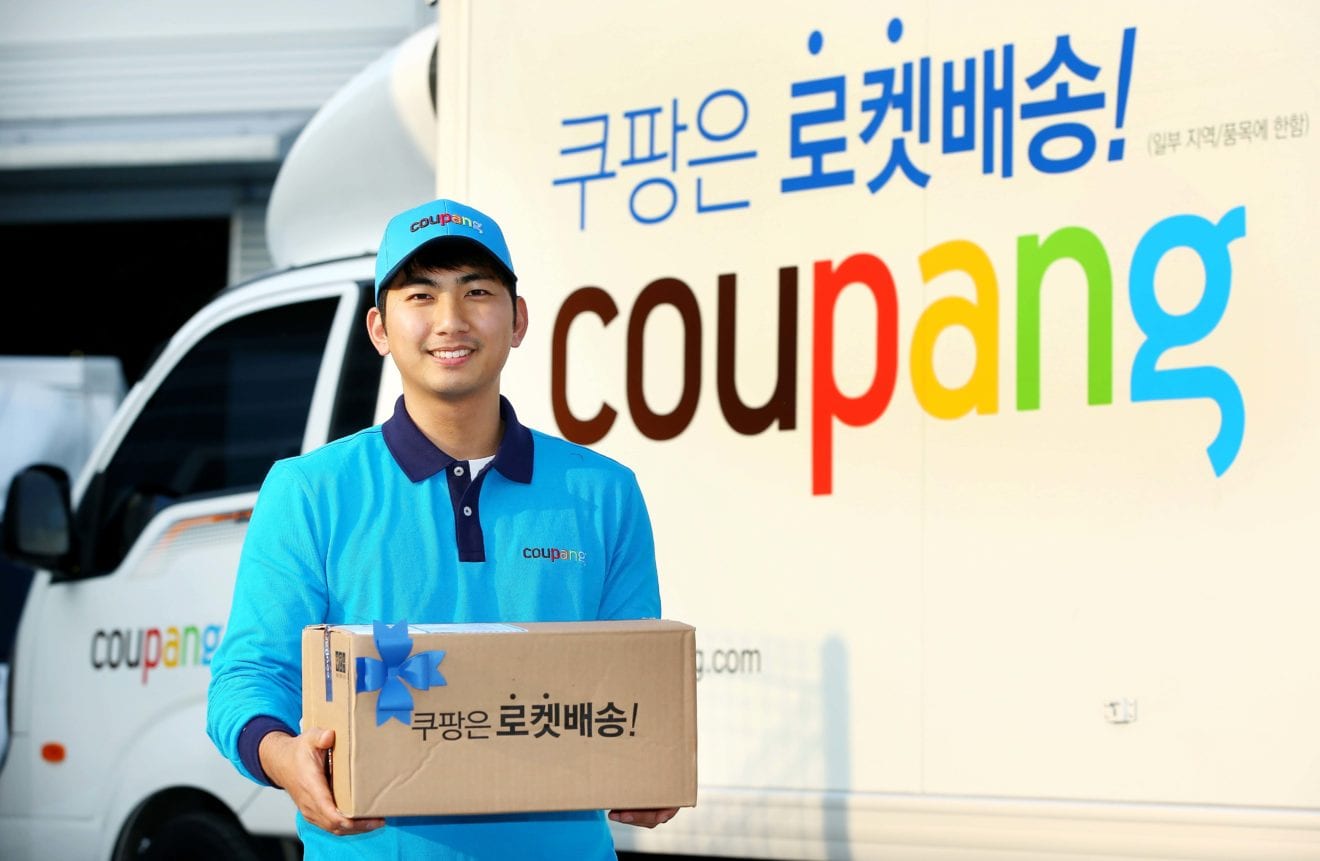
    Coupang’s net sales more than doubled in the first half of the year, helping to validate SoftBank Group Corp.’s bet that the South Korean web retailer will carve out a piece of Asia’s booming e-commerce market.

    Net revenue rose to 868 billion won ($782 million) in the first half of the year, helped by retail expansion and increased margins, according to a financial document seen by Bloomberg. Gross merchandise volume climbed 26 percent to 1.8 trillion won in the period, the document showed.

    SoftBank, whose investment in Alibaba Group Holding Ltd. has zoomed past $70 billion, backed Coupang in June 2015 with $1 billion in financing that valued the Seoul-based company at $5 billion. The bets are part of billionaire Masayoshi Son’s quest to replicate his success with Alibaba, an investment that started with a $20 million stake more than 15 years ago. SoftBank’s expansion in Asia has also led to deals with India’s Snapdeal and Indonesia’s Tokopedia.

    The number of products offered by Coupang more than tripled to 700,000 items from a year ago, according to the document. The startup launched its Rocket Pay services and opened a fulfillment center in Korea, the first of two planned for this year, the document showed.

    Matthew Nicholson, a spokesman for SoftBank, declined to comment. Coupang Chief Executive Officer Bom Kim didn’t immediately reply to an e-mail seeking comment. Backers of Coupang include Sequoia, Greenoaks Capital and Rose Park Advisors.

    The startup, founded in 2010, is burning through cash to expand and capture users as it competes with sites such as Ticket Monster, a Korean online retailer that’s owned by Groupon Inc., KKR & Co. and Hong Kong-based Anchor Equity Partners. Forward Ventures, Coupang’s parent, said its operating loss widened to 547 billion won in 2015, compared with a 121.5 billion won loss in 2014.

    SoftBank’s e-commerce bet in India is under even more pressure. Snapdeal, which has struggled to narrow the lead of its home-grown rival Flipkart Ltd., now faces competition from Amazon.com Inc. In June, Amazon Chief Executive Officer Jeff Bezos pledged to invest another $3 billion in his company’s Indian operations, bringing the total to $5 billion.

  • Korea’s Whoo to make debut in Cannes

    Korea’s Whoo to make debut in Cannes

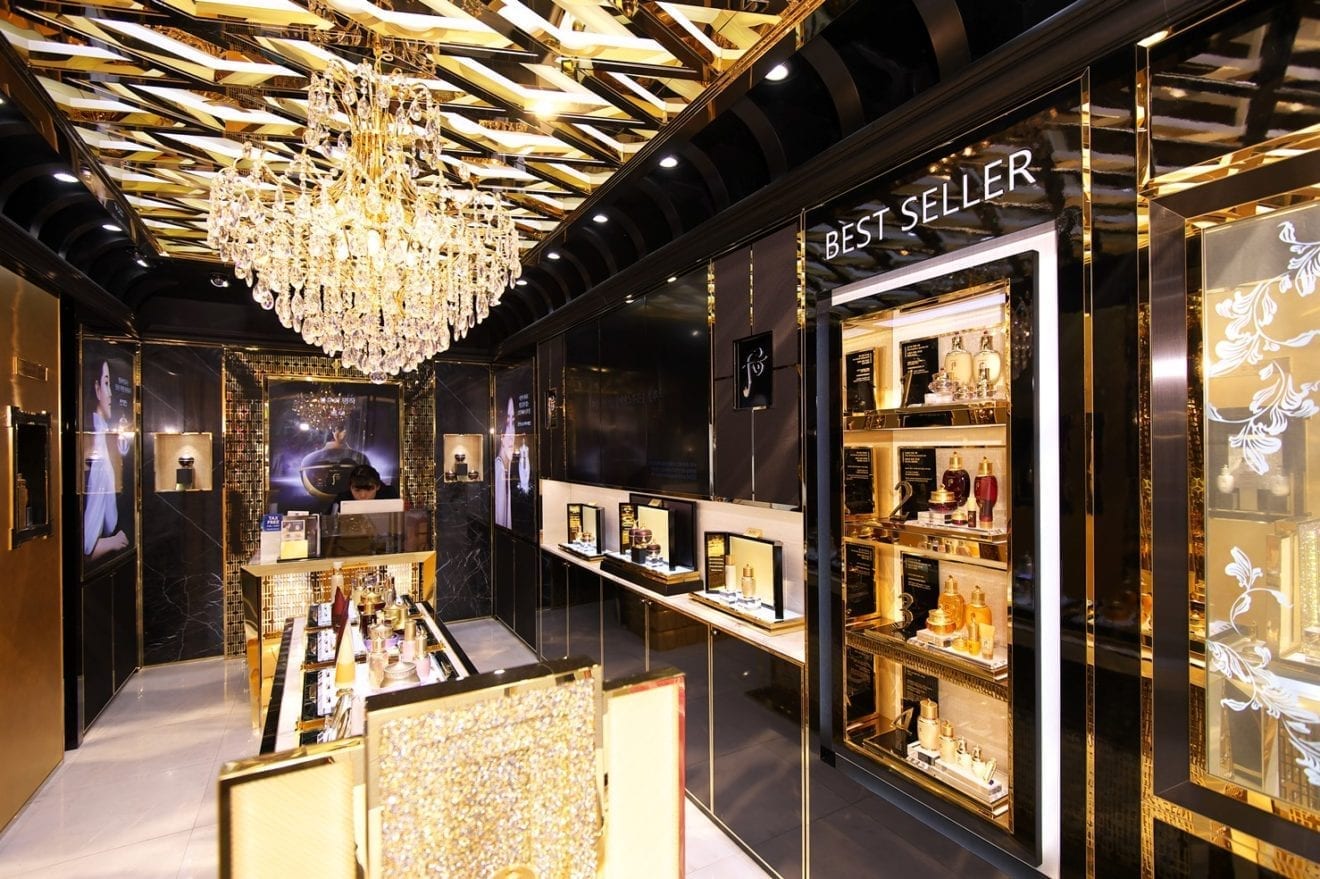
    Korean cosmetics brand Whoo is set to make its debut at TFWA Cannes as parent company LG Household & Health Care Co., Ltd. aims to introduce the Asian oriental medicinal cosmetic brand to the world and “take a leap to a global brand”.

    LG Household & Health Care Co., will introduce Whoo to the travel-retail market as it seeks opportunities to expand beyond Asia.

    As it celebrates its 13th anniversary this year, Whoo, which took its brand name ‘后’(whoo) from the image of fiddle, has already experienced rapid growth in Asia. The brand’s products are based on remedies and formulas popular among emperors and empresses of the historical Korean courts.

    The brand has been present in the top ranks of sales among large duty-free shops in Korea, according to the company, and set a remarkable record reaching $20m of monthly sales in just one store  – Lotte Duty Free Shop Sogong. The company stated this trend continues across the duty-free market with retailers in China, Hongkong and Thailand reporting sales have doubled for the brand compared to the previous year.

    The brand’s best seller is the Whoo Bichup Self-Generating (Jasaeng) Essence, which is an oriental medicinal essence that helps to repair skin balance that has been damaged through aging with  three formulas originated from oriental medicinal remedies Gongjinbidan, Gyeongokbidan, Cheongsimbidan, adding to the Chojahabidan formula.

    The Whoo brand was the first Korean cosmetic brand that participated in The 20th French Louvre Museum Wedding Fair held in Louvre Museum, France in October 2014 where it received a good reception with its court stories of emperors and empresses, and sophisticated design exhibiting Korean beauty.

  • Koreans offer hottest properties for sale

    Koreans offer hottest properties for sale

    Region’s property investors get a glimpse of Korea’s hottest properties being displayed at the Global Cityscape 2016, which will conclude today.

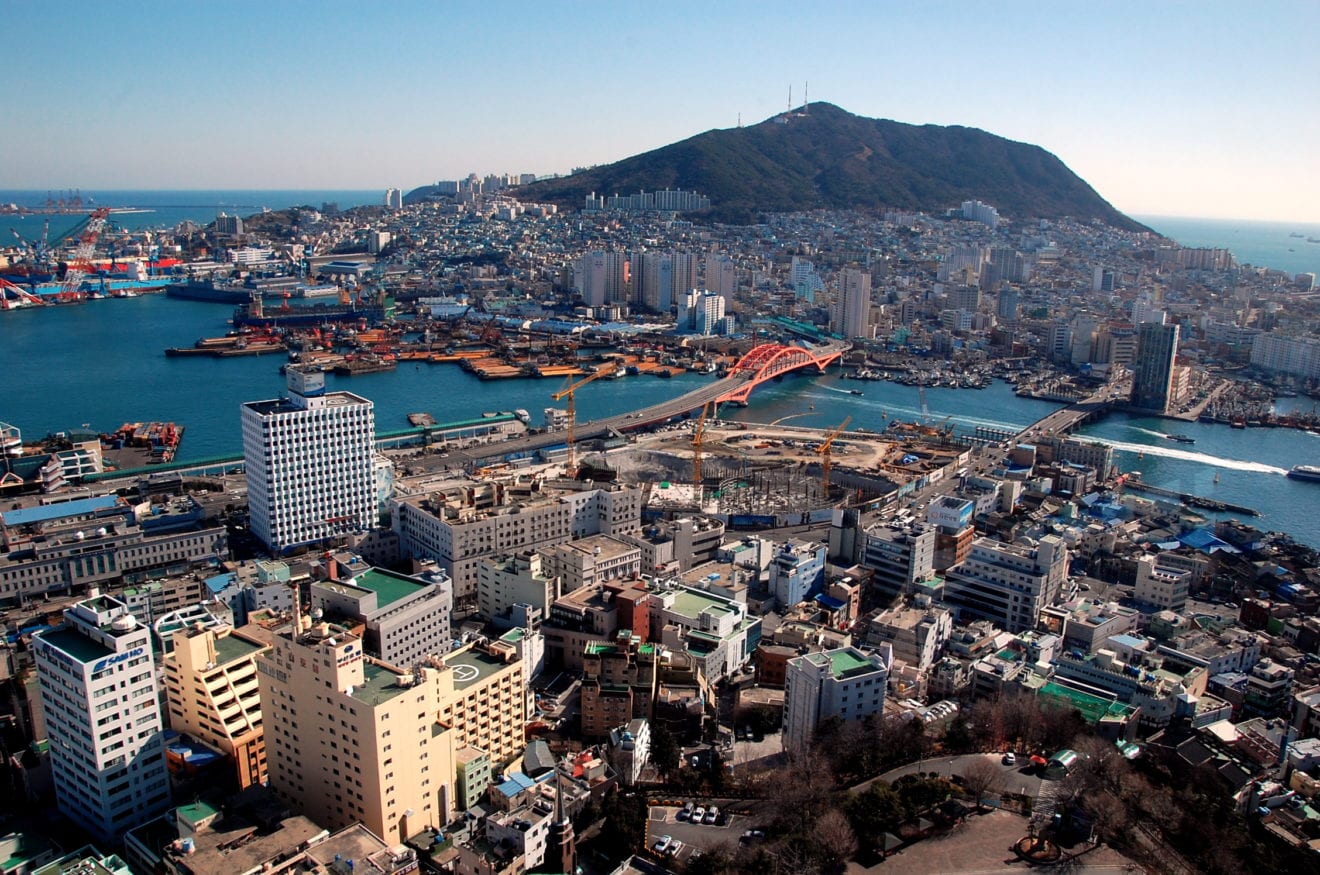
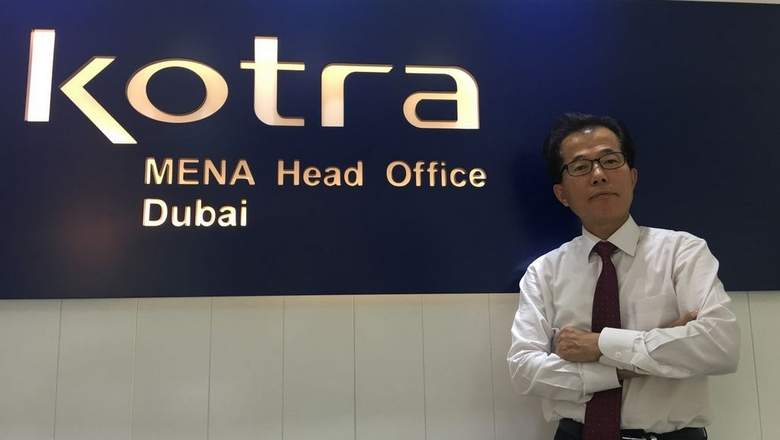
    “The two Korean free zones Incheon and Busan are participating in the three-day exhibition to showcase new property projects in Korea,” said Yong Suk Kwon, regional president Middle East and North Africa of Trade and Investment Promotion Office (Kotra).

    koreaeconomy

    Korea has long been focused on the UAE and GCC to attract investments into the second biggest Asian economy. In recent years, Korean real estate projects have done well in attracting foreign direct investment.

    “South Korea scored a total return rate of 7.1 per cent in 2015. It is a high and competitive return rate compared to other Asian countries. The returns are much higher than China (5.7 per cent) and Singapore (6.2 per cent), said Kwon.

    He said foreign investment companies including the State Oil Fund of Azerbaijan (SOFAZ), Abu Dhabi Investment Authority (ADIA), Kohlberg Kravis Roberts (KKR), ARA Asset Management Limited and Blackstone, have entered South Korea’s office building market.

    Referring to CBRE’s 2016 research, he said Korea secured 39 per cent of investors’ interest in most attractive countries to invest. “The hottest sectors were offices with 39 per cent, multifamily/leased residential units 26 per cent and shopping centres 17 per cent,” Kwon said, adding that investments also went into storages and infrastructure.

    Korea’s retail market is showing solid growth at 2.4 per cent in 2015 at $246 billion. Online shopping market showed the biggest growth with 14.3 per cent fuelled by the expansion of e-commerce and payments from mobile phone or mobile commerce. Complex shopping malls are showing robust growth displacing department stores and consolidating smaller forms of retail stores.

    “South Korea is seeing a record-breaking foreign direct investment influx,” Kwon said. In 2015, Korea received $20.3 billion in FDI, the largest amount till date. And in the first half of 2016, about $10.5 billion worth FDI was invested in Korea, also breaking the previous record so far.

    The government of South Korea designated so called “Korean Free Economic Zones” to improve the business and living environment for foreign-invested firms in Korea, Kwon said.


  • Shinsegae to open all-in-one shopping complex

    Shinsegae to open all-in-one shopping complex

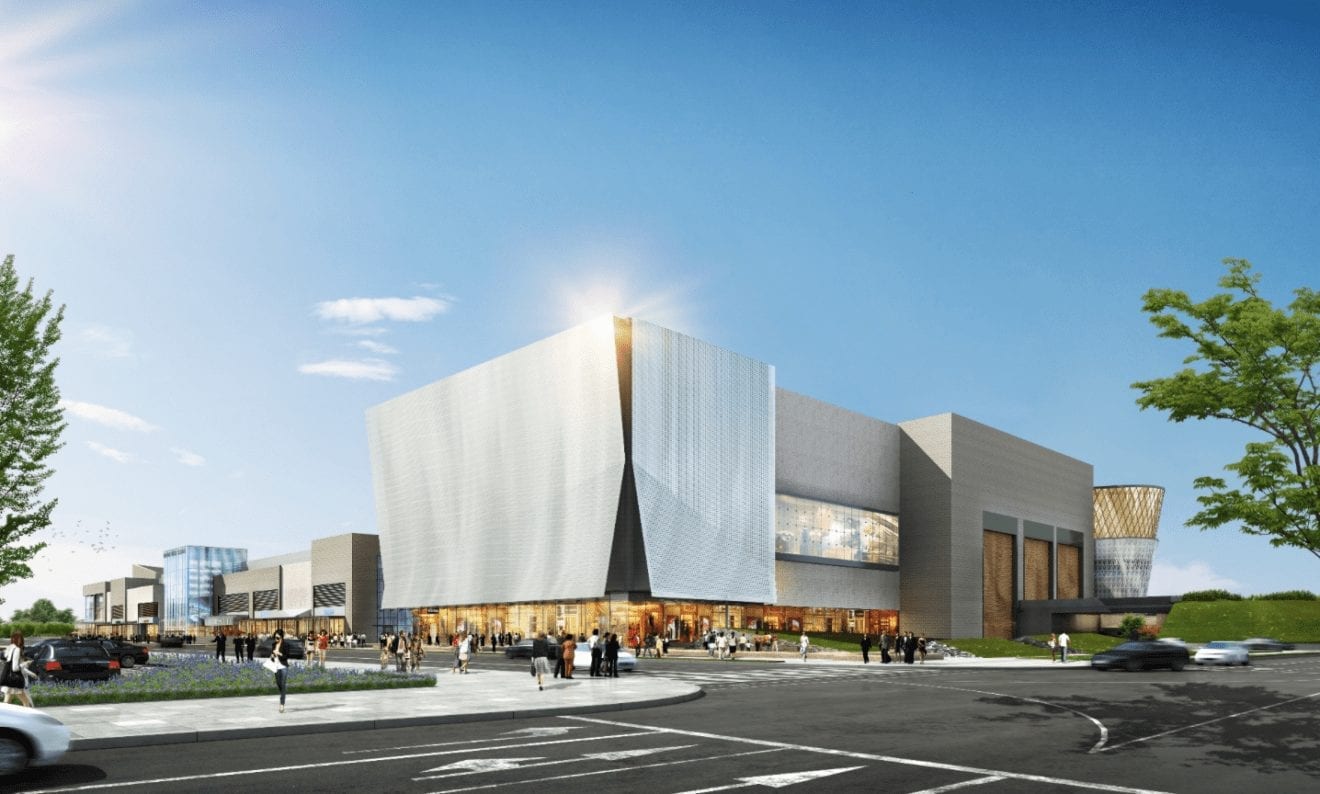
    Shinsegae Group is set to open South Korea’s largest shopping theme park in Hanam, southeast of Seoul, on Friday to offer a wide variety options for shopping, leisure and culinary experiences.

    “Starfield Hanam” is a three-story building with four underground floors, covering an area spanning 460,000 square meters located some 20 kilometers southeast of Seoul. It’s equivalent to 70 football fields, big enough for visitors to day trip to without leaving the shopping mall that houses 750 brand stores and a parking space for 6,200 vehicles.
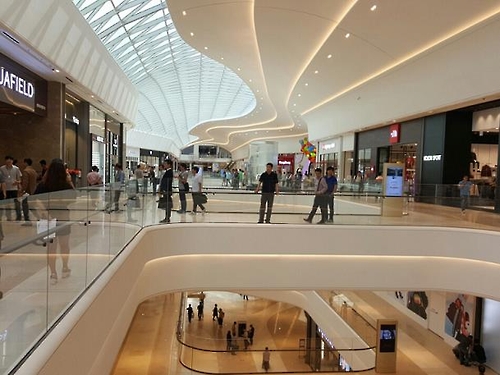
    Shinsegae Group opens "Starfield Hanam," South Korea's largest shopping theme park on the southeastern outskirts of Seoul on Sept. 9, 2016. (Yonhap)

    Shinsegae Group opens “Starfield Hanam,” South Korea’s largest shopping theme park on the southeastern outskirts of Seoul on Sept. 9, 2016.

    The 1 trillion won (US$916.5 million) joint investment with Taubman, a U.S. shopping mall owner and operator, is the Korean retail giant’s ambitious project to revitalize its offline retail channel in the face of tougher competition with emerging online and mobile malls.

    “This is Korea’s largest suburban shopping mall that provides shopping, leisure and rejuvenating experiences in one place,” Lim Young-lock, vice president of Shinsegae Property, the group’s property development unit, said during a press meeting on Monday. “We hope that it will become the ultimate destination for a one-day shopping trip for customers in the Seoul metropolitan areas and potentially, across the nation.”

    Starfield Hanam targets to post 820 billion in sales in the first year, hoping to raise it to 5 trillion won within 4-5 years, Lim said.

    Women’s clothing stores as well as open cooking studios and ceramic workshops are located on the first floor, differentiating itself from traditional department stores that have cosmetic and luxury brands on the first floor.

    On the second floor, about 30 luxury brands, including Louis Vuitton, Gucci and Prada, are lined up along with contemporary fashion brands.

    Shinsegae placed its affiliate stores in the first basement floor, including E-Mart Traders, a warehouse-style supermarket similar to U.S. chain Costco, and Electro Mart, the group’s electronic retail shop.

    Apart from other malls that mostly focus on shopping experiences, Starfield offers various options for men to see, experience and buy.

    Hyundai Motor Co., South Korea’s largest automaker, has a showroom on the first floor to showcase its Ioniq green car and luxury sedan Genesis brands.

    The Ioniq showroom features the Ioniq line, which includes the firm’s first pure electric vehicle built on a dedicated platform. In addition to the electric version, the Ioniq also comes in plug-in hybrid and traditional hybrid models.
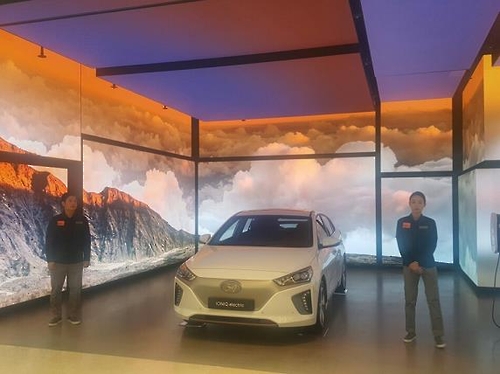
    Hyundai Motor displays plug-in Ioniq model at its showroom at Starfield during a pre-opening event on Sept. 5, 2016. (Yonhap)


    Foreign automakers and motorcycles are also heating up the competition to attract male customers.

    BMW MINI launches Asia’s first “City Lounge” where customers can see and test drive the German automaker’s MINI models, and American motorcycle Harley Davidson’s shop displays its latest models and sell related products.

    In November, American electric car maker Tesla Motors is set to launch its first dealership to prepare for its entry into the Korean market.

    “Traditional shopping malls usually have a lack of options for male customers, but Starfield offers things to do and see for men like me, who like cars and electronic gadgets,” Kim Min-seok, a 24-year-old from Seoul, said during a pre-open event. “I’m looking forward to seeing Tesla’s electric cars when it opens a new shop.”

    The shopping theme park has a lot to offer to family visitors as well.

    Aquafield, an indoor and outdoor waterpark, and Sports Monster, an electronic sports field, are located on the third and fourth floor.
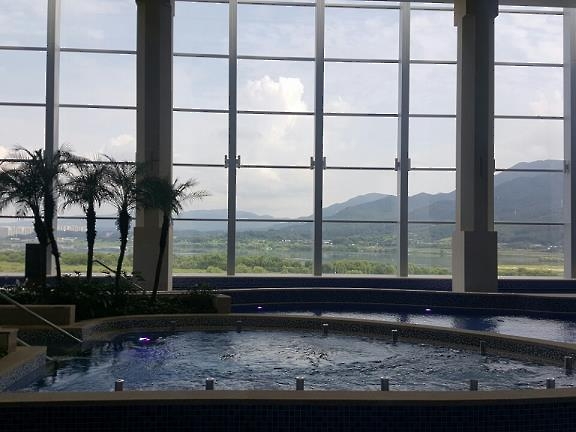
    Aquafield at Starfield Hanam on the third floor. (Yonhap)

    Aquafield covers an area of 13,000 square meters, with an indoor swimming pool that has a panoramic view of the Han River and the surrounding mountain, a water park and an upscale spa.

    At Sports Monster, people can enjoy basketball, volleyball and badminton as well as rock climbing and bouncing on a trampoline.

    It also displays an “e-sports arena” that combines virtual reality (VR) gadgets and 4D technology for such sports as surfing, snowboarding, horse racing and rowing.

    “I felt almost like I was falling from a cliff while getting on a roller coaster in this virtual reality,” Shin Min-hee, a 20-year-old, said, taking off a pair of VR goggles.

    There are also various restaurants, cafes and desert places and a food market for fresh ingredients.

    PK Market, a food market that has “Live to Eat” slogan, sells international food ingredients, vegetables, fishery and meat.
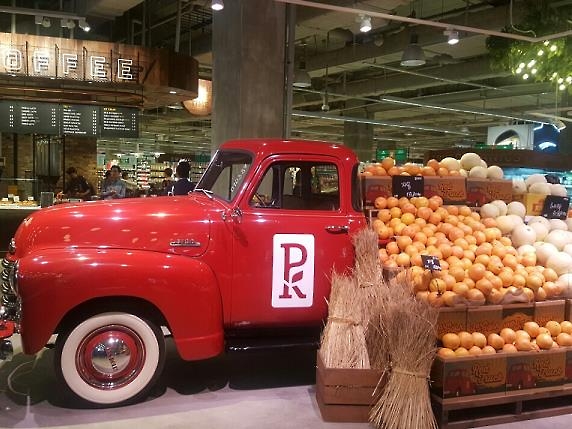
    PK Market sells fresh vegetables, fishery and meat as well as international food ingredients. (Yonhap)

    “Eatopia” (a compound for eat and utopia), and “Gourmet Street” feature branches of famous local and international restaurants.

    “I was surprised to see many visitors even during the pre-opening events, which far exceeded my expectations,” said Lim, after touring the mall. “I hope Starfield can change customer expectations for an offline shopping mall through new experiences.”
     

  • E-Land Group sells clothing brand to China

    E-Land Group sells clothing brand to China

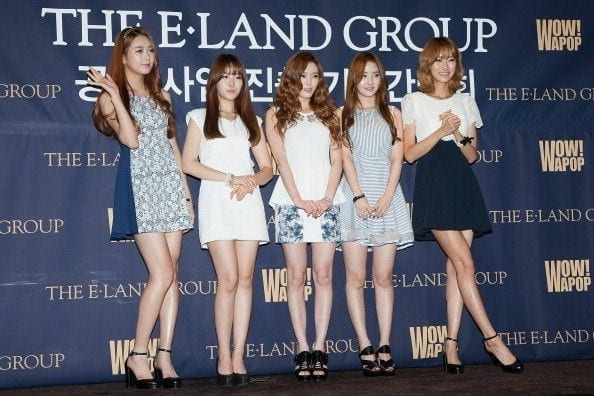
    To raise funds to cut debt, South Korean apparel retailer E-Land Group is selling a youth clothing brand to China’s V-Grass Fashion Co for nearly US$900 million.

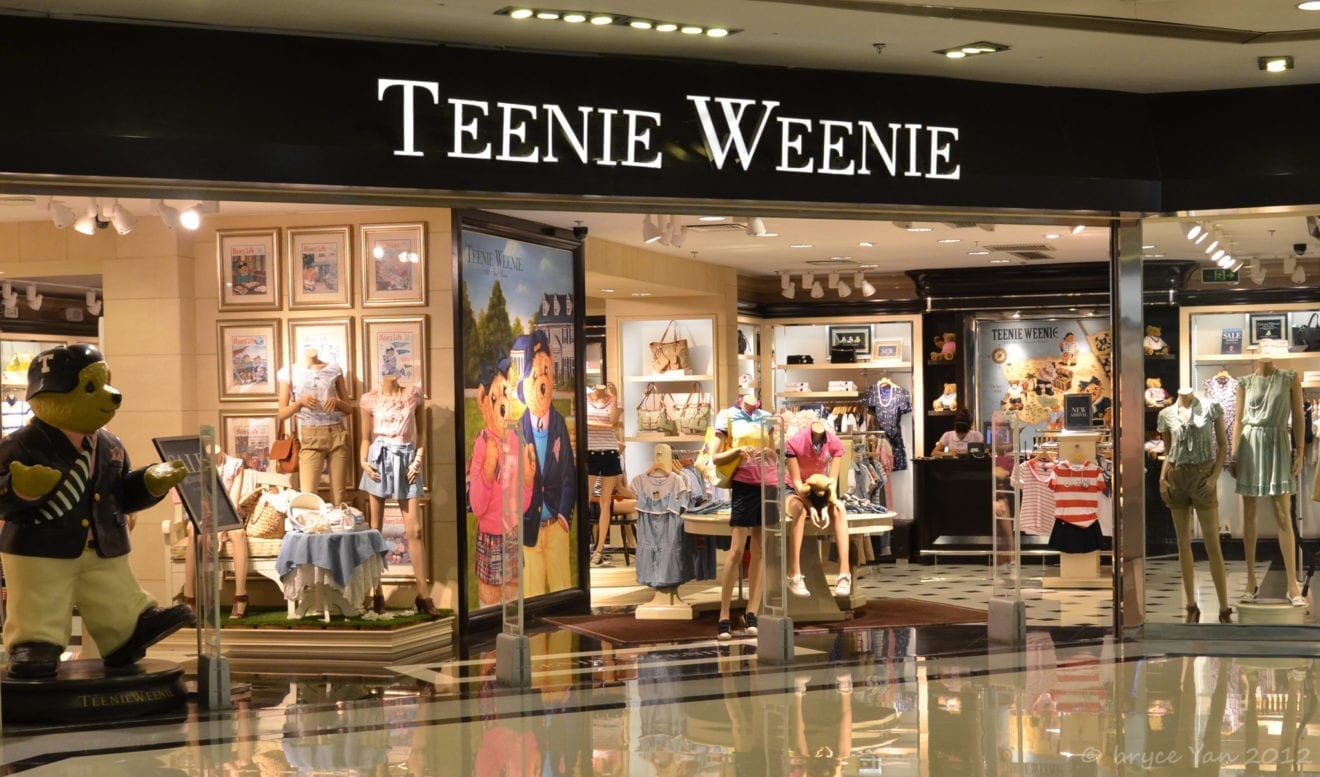
    South Korea’s largest apparel retailer, E-Land Group says it expects to close the sale of its Teenie Weenie business for around 1 trillion won by year-end. It says the sale will help cut its debt-to-capital ratio by about a third.

    Led by the success of cosmetics firms, demand in China is surging for Korean products, as well as Korean TV dramas and K-pop music.

    origin_0e7d699c9db0be3878895dcc837751c1

    Teenie Weenie has the strength of both being a Korean firm with a Chinese partner, says VP Lee Gyu-Jin. Launched in China in 2004, it already has a strong profile for its casual clothing. It has 1400 department store and other outlets in China with annual revenue of 420 billion won.

    V-Grass is a Shanghai-listed women’s apparel company with a market value of about $685
    million and is little known outside China. Earlier this year it said it planned to raise up to 1.35 billion yuan ($202 million) in a private share placement “to fund projects”.

    Earlier, E-Land Group dropped a plan to sell its Kim’s Club hypermarket chain to US private equity fund KKR, citing differences over price.