Tag: Korea

  • Samsung issues recall of Galaxy Note 7 globally

    Samsung issues recall of Galaxy Note 7 globally

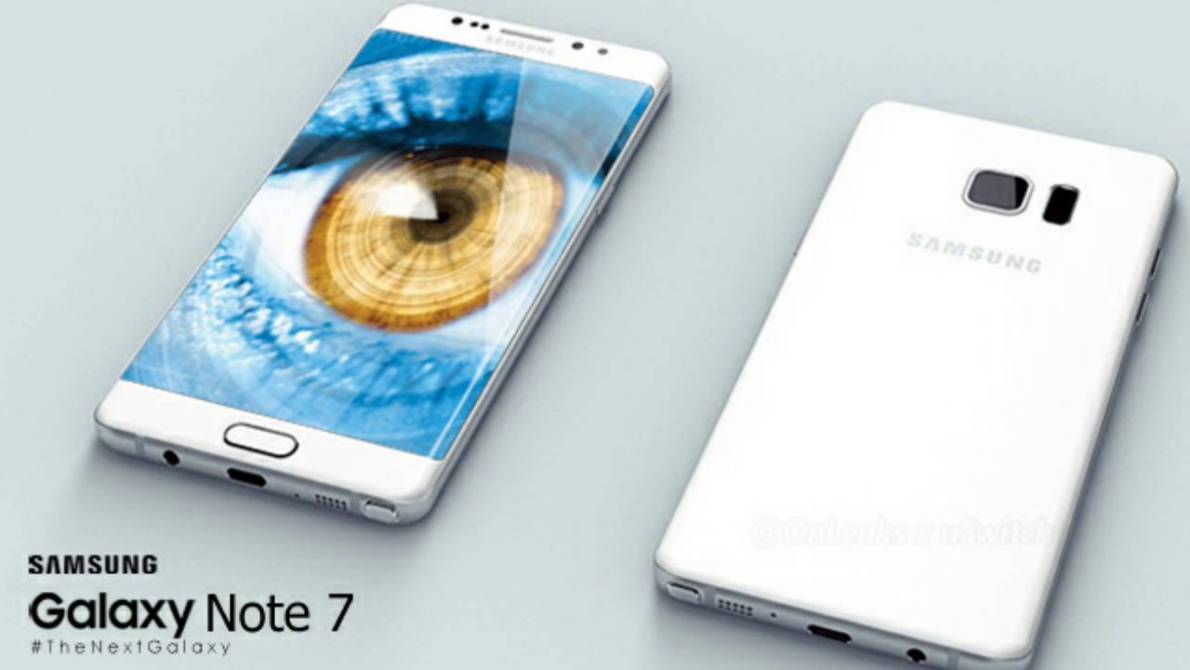
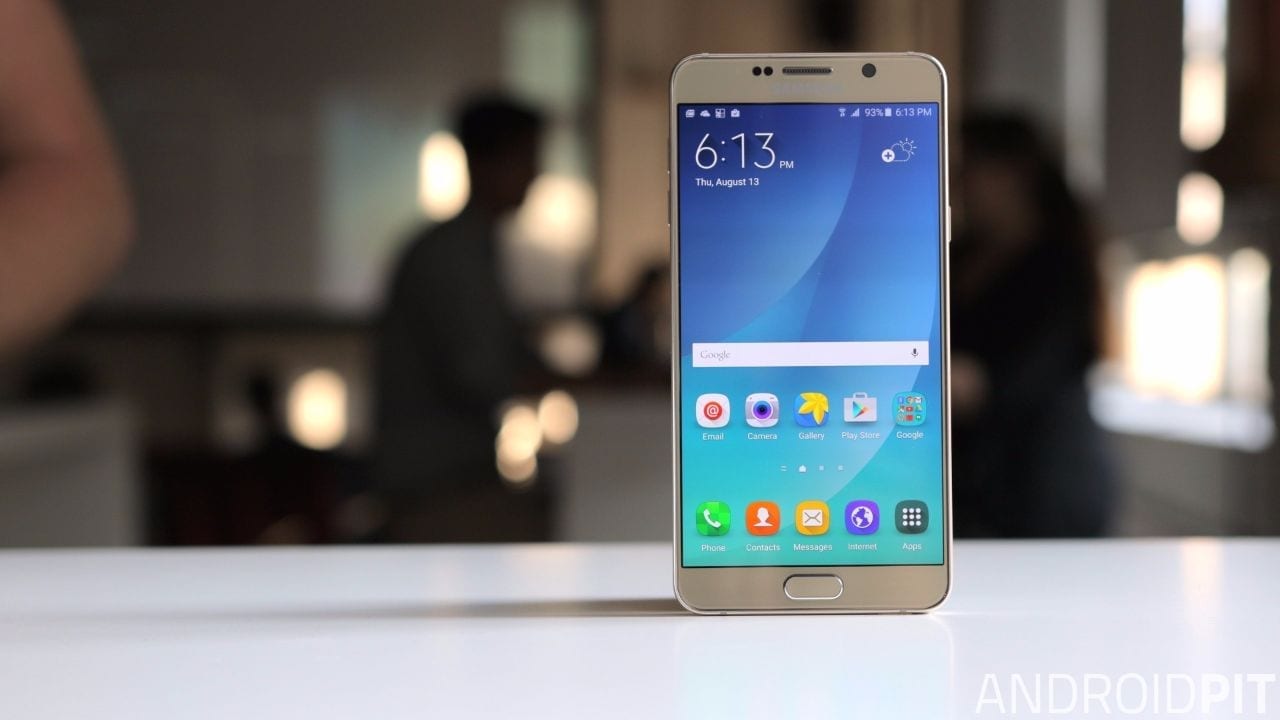
    Samsung Electronics is recalling about 1 million units of its Galaxy Note 7 smartphone sold globally after a series of reports on battery explosions since its launch on Aug. 19.

    The company said all the phones will be exchanged with new ones regardless of battery functions. Considering inventories, the recall will affect some 2.5 million Note phones produced, it added.

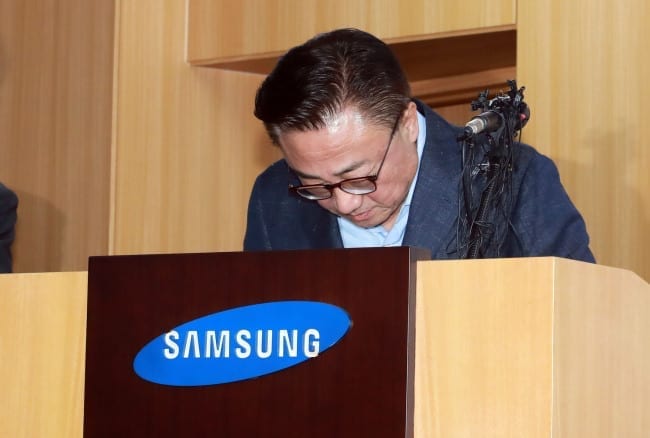
    Samsung Electronics mobile chief Koh Dong-jin apologizes at a press conference held in Seoul

    “We have concluded that defective battery cells have caused the recent explosions. Among 1 million units sold, 24 have been found to have faulty batteries,” said the company’s mobile chief Koh Dong-jin at a press conference held in Seoul on Sept. 2.

    “Even though our investigation is ongoing, we have decided to exchange all the phones considering growing safety concerns among customers,” he said.

    Samsung has suspended shipments of the big-screen Note phone since early this week after several reports in Korea and abroad claiming that the phone exploded while charging. No injuries have been reported.

    The recall is expected to start from Sept. 19 in 10 countries, including Korea and the US.

    In Korea alone, some 400,000 preorders have been made.

    Koh declined to reveal the cost of the planned recall, saying: “It is a huge amount. But we have decided to do so for the safety of our customers.”

    Considering the retail price of Korea at 988,900 won (US$881), the company is recalling an estimated 2.5 trillion won (US$2.2 billion) of Note phones.


  • Samsung issues recall over exploding Note7s

    Samsung issues recall over exploding Note7s

    Samsung plans to conduct a global recall of its Galaxy Note7 following reports that the device can overheat and even explode due to a faulty battery.

    The company announced it has stopped sales of the device and will voluntarily replace it for existing customers over the coming weeks.

    As of September 1 there had been 35 reported cases of battery malfunctions globally, Samsung said. The company is conducting a thorough inspection with suppliers to identify possible affected batteries in the market.

    But sales of the device have not been suspended in every marke. In a statement, 3 Hong Kong said it has learned from Samsung Hong Kong that sales of the device will not be affected by the recall, and the device launched in the market as scheduled last week.

    By contrast, the Philippines’ Globe will participate in the recall, and announced it will replace existing Note7 devices as soon as Samsung is able to provide replacement units, or customers can select another replacement device instead.

    Bloomberg has estimated that it may cost Samsung as much as $1 billion to replace all 2.5 million Note7 phones shipped since the device’s launch two weeks earlier. The company could also face reputational damage a a precarious time for smartphone vendors.

  • Ediya Coffee opens 2000th outlet

    Ediya Coffee opens 2000th outlet

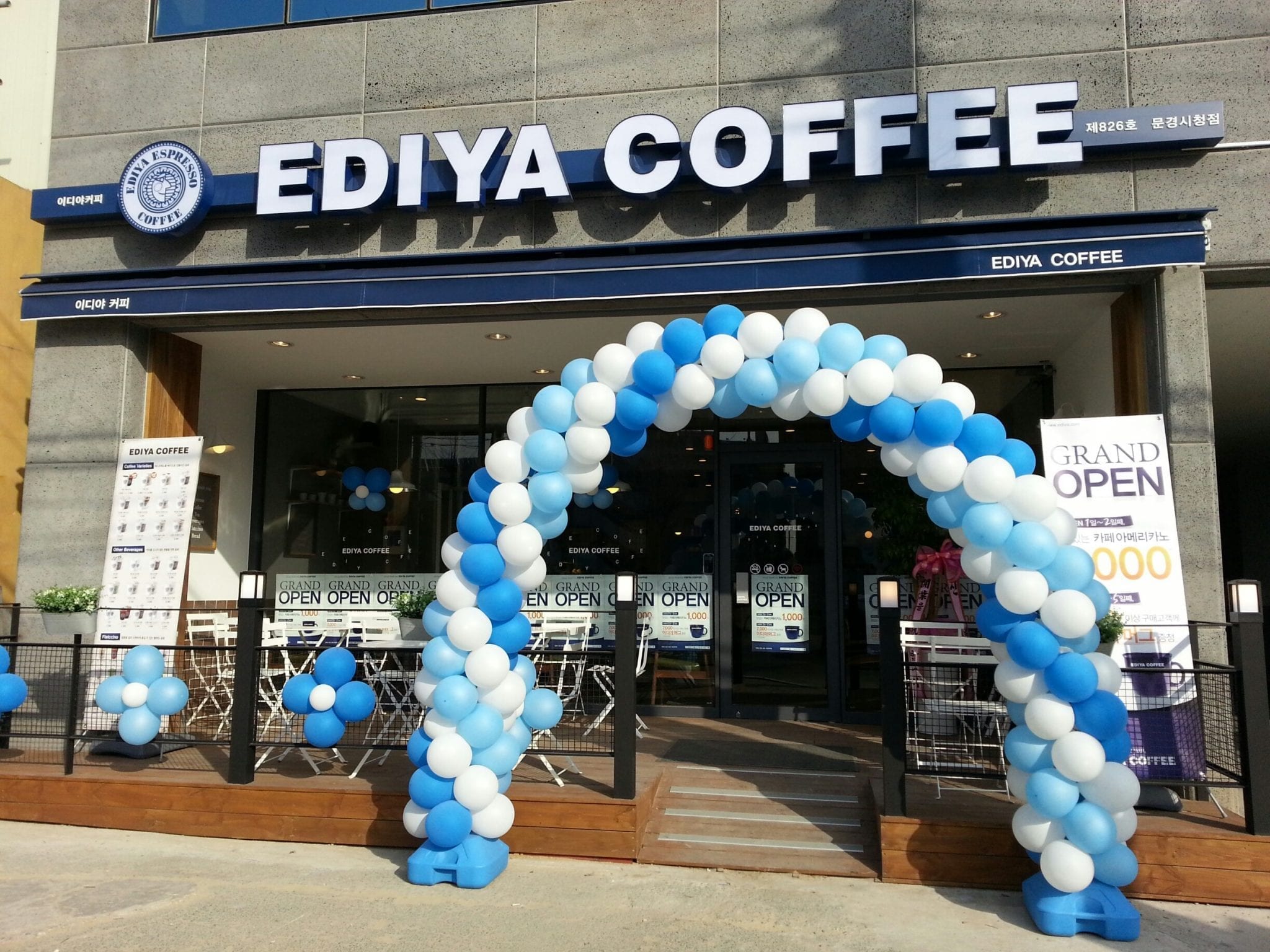
    South Korea’s Ediya Coffee says it is the first Korean cafe chain to open its 2000th store.

    The milestone comes just 15 years since the brand was founded in 2001.

    Only last year did the chain open its 1500th store, demonstrating the rapid pace of the business’ expansion despite the crowded nature of the domestic cafe sector.

    “Our 2000th shop was opened in Singal in Yongin, Gyeonggi Province,” the company said.

    Market watchers credit the chain’s rapid growth to its low prices relative to rival brands like US-based Starbucks and Italy’s Pascucci.

    “We thought we would achieve the 2000 mark in the second half of 2017, but it came sooner than expected,” a company spokesman said.

  • Moynat Boutique opens in Seoul

    Moynat Boutique opens in Seoul

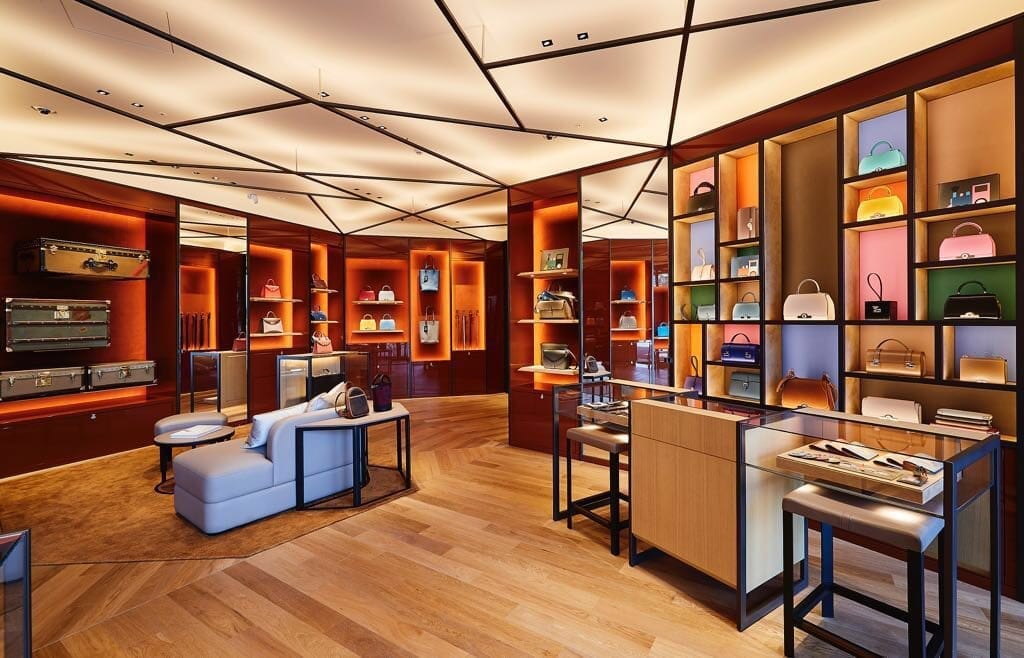
    Korea’s first Moynat Boutique has opened inside the Shilla Hotel in downtown Seoul.

    The French luxury bag and luggage brand, bought by LVMH in 2011,  has been expanding its international network in recent years, and now boats full-scale ‘maison’ stores – or flagships – in Paris, London and New York, and ‘galleries’ in Hong Kong, Beijing, Tokyo, Seoul and Taiwan.

    Moynat Korea

    The new store, located on the first floor of the Shilla Hotel, will feature men’s and women’s lines as well as two designs created exclusively for the Seoul store. Customers can use the brand’s signature personalisation services, including made-to-order designs and hand-painted motifs by Moynat’s artists.

    moynat korea

    The brand was founded in 1849 by Pauline Moynat and initially gained fame for its lightweight, waterproof trunks.


  • DJI Hong Kong opening flagship in Causeway Bay

    DJI Hong Kong opening flagship in Causeway Bay

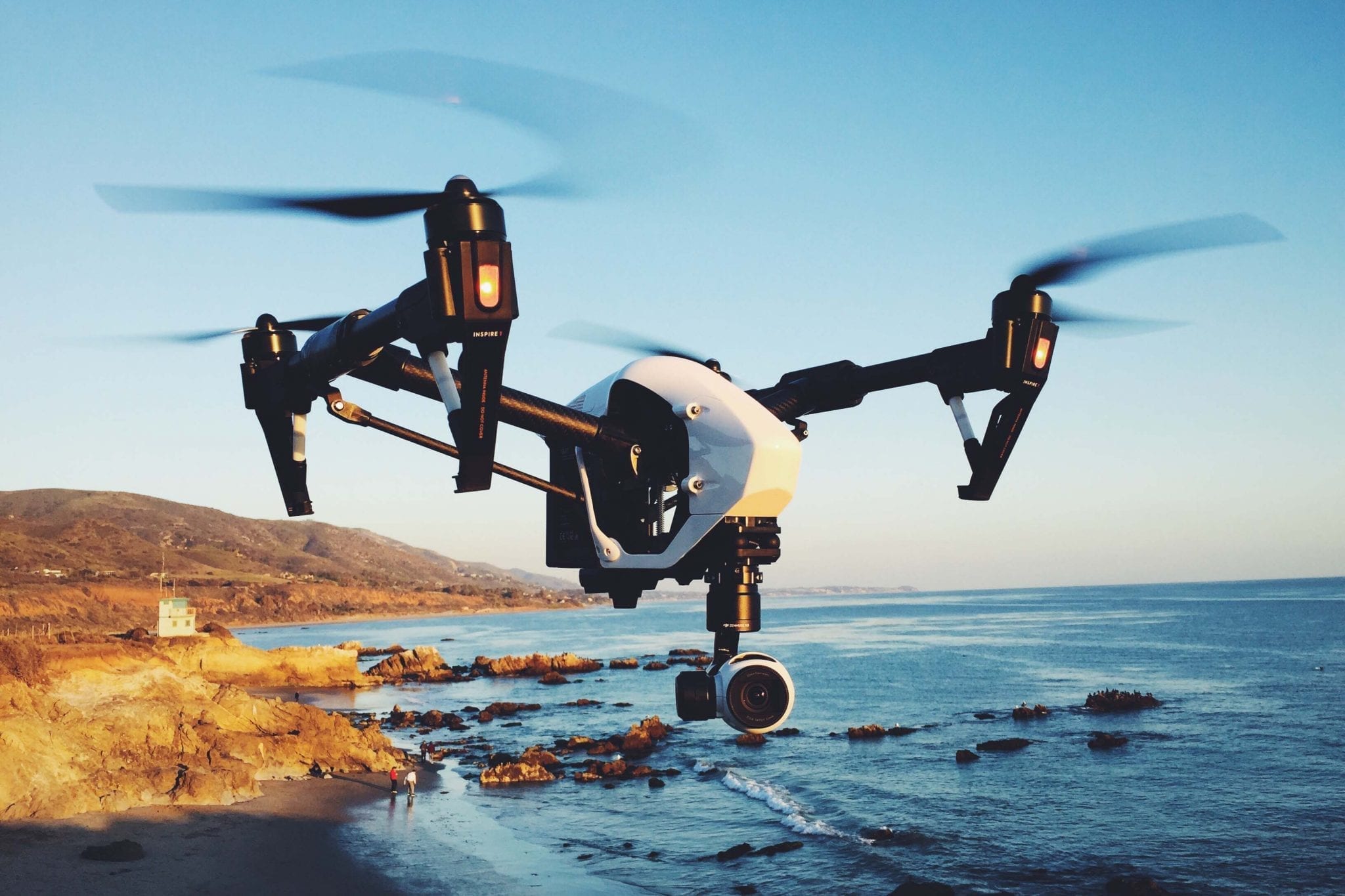
    Unmanned aerial vehicle (UAV) technology company DJI Hong Kong is about to open a flagship store featuring flight cages, experience zones, an aerial photo gallery, technical support centre and its full range of consumer and professional products.

    In Causeway Bay, the three-storey store, covering more than 10,000 sqft (930 sqm) will open at the end of next month. It will display animated DJI and drone silhouettes to add to the Victoria Harbour evening backdrop.

    Its ground floor will feature the company’s full range of aerial and handheld products, while the SkyPixel Gallery on the first floor will showcase UAV photography from around the world. The technical support centre is on the second floor along with a space for workshops, seminars and special events.

    DJI HKFS 1st Floor

    “Discovery is an important part of the learning process, and when people understand how easy it is to use the technology they will find ways to incorporate it into their lives or for their businesses,” says DJI founder/CEO Frank Wang.

    DJI HKFS

    This will be the company’s third foray into retail following the December opening of its first flagship store in in Shenzhen, followed by a Seoul flagship in March.

    DJI’s global network spans the Americas, Europe and Asia, with customers in more than 100 countries using its products for such purposes as filmmaking, construction, emergency response, agriculture and conservation.

    DJI HKFS 1st Floor

  • Volkswagen decides not to sue South Korea over sales ban

    Volkswagen decides not to sue South Korea over sales ban

    Volkswagen decided against suing South Korea which last month suspended sales of most of its models and slapped a fine of 17.8 billion won ($15.93 million) on the German carmaker.

    Instead, Volkswagen will try to achieve certification for the affected models and resume sales quickly rather than taking on a lengthy legal process, a spokesman for Volkswagen’s South Korean unit said.

    Last month, the government revoked certification for 80 model variants of VW, Audi and Bentley vehicles on grounds that the German automaker fabricated certificates of vehicle emissions and noise-levels.

    At that time, Volkswagen described the ruling as “most severe” and said it would consider a legal challenge.

    Volkswagen’s sales slumped 40 percent to 12,888 vehicles from January to July in South Korea, after jumping 17 percent last year, in the wake of its emissions-test cheating scandal.

    Nissan Motor’s (7201.T) South Korean unit has filed a lawsuit over claims by the environment ministry that it had cheated on emissions with its Qashqai diesel sport utility vehicle.

  • Korean wave exports boom

    Korean wave exports boom

    Outbound shipments of Korean food, beauty, fashion and personal care products soared in the first half of the year on the back of the growing popularity of the Korean Wave, or hallyu.

    Official data released today by the Korea International Trade Association (KITA), shows exports of such goods amounted to US$6.79 billion in the January-June period, up 15.2 per cent from a year earlier.

    Industry watchers said the growth is attributable to the cultural wave of “hallyu” in China and other Asian countries, which refers to the boom of South Korea-made entertainment goods, including pop music, movies and TV dramas. The popularity of hallyu helped turn its fans into consumers of South Korean products.

    The growth was driven by cosmetics-related goods with their exports rising 38.5 per cent to reach $1.81 billion during the first half of the year.

    Exports of foods also rose 3.5 per cent year-on-year to reach $2.43 billion, the data showed.

    The association said South Korea’s diversified product portfolio helped meet demand from customers in overseas markets.

    Last year, exports of such products amounted to $12.21 billion won, the data showed.

    Earlier data also showed that exports of South Korea-made cosmetics more than tripled over the past five years.

    Outbound shipments of makeup products reached $2.45 billion in 2015, surging 53.1 per cent from $1.56 billion a year earlier, according to the data by Korea Customs Service (KCS).

    The 2015 figure soared more than threefold from $698 million in 2011, with an annual average growth of 36.9 per cent over the 2011-2015 period.

    The total volume of cosmetics exports stood at 90,491 tons in 2015, compared to 31,606 tons tallied in 2011.

    China is the biggest buyer of South Korean beauty products, importing $999.5 million last year, or 40.6 per cent of the country’s entire cosmetics exports.

  • Lotte forecasts $5bn for 2016 after first-half surge

    Lotte forecasts $5bn for 2016 after first-half surge

    South Korean duty free and travel retailer, Lotte Duty Free Group, is targeting a +20% increase in total duty free revenue to reach just over $5bn in 2016 after first half growth of +25%. Driving the big increase have been high-spending Chinese visitors shopping in its stores.

    First half sales reached almost $3bn, a senior Lotte Duty Free source said on condition of anonymity. The sales boost comes at a time when the company was preparing to close its Lotte World Tower store in June after failing to renew the shop’s licence.

    “Chinese tourist numbers are very strong (and) we are forecasting a +20% increase in total revenue for 2016. Sales have increased a lot (so far) this year because in 2015 we had the MERS epidemic problem,” the source said. “Last year, our total revenue in South Korea was $4.2bn.”

    Lotte-World-Tower-hero-P&C

    Chinese travellers continue to boost sales.

    Sales in the second half of 2016 also got off to a good start with July revenue climbing +45% as the summer peak season got underway, the source noted.

    To cope with the closure of the Lotte World Tower store the company has expanded its Sogong downtown flagship unit in central Seoul. The shop has been expanded to occupy four floors in the Lotte Sogong department store building – adding floor 12 to floors nine to 11.

    The duty free shop took over the 12th floor in February which has been converted to the new perfume and cosmetics space and opening in June. It replaces the food court that was previously there.

    BEAUTY GETS ITS OWN FLOOR

    Moving beauty to the 12th floor from the 9th floor has increased the total duty free beauty area by around +35% to 3,500 sq m. In addition, Lotte will use about one third of its 11th floor retail area to display mid-priced South Korean cosmetics brands which are also popular with Chinese visitors.

    Space for the South Korean cosmetics brands zone on the 11th floor is being created by moving some fashion brands from this level to the ninth floor area where perfume and cosmetics were located previously. The ninth floor area is being developed as an open display fashion floor and Lotte plans to bring in a number of new South Korean and international fashion brands as well for the first time.

    The group has taken over the Seoul Gimpo Airport beauty and general merchandise licence, previously operated by Shilla Duty Free, which was recently retendered by Korea Airports Corporation (KAC).Meanwhile, responding quickly to the loss of its Lotte World Tower store licence, Lotte has recently acquired two new airport duty free licenses, emphasising the company’s intention to retain its leading position in  Korea’s DF&TR market.

    SME operator City Plus was awarded the Gimpo liquor, tobacco and general merchandise licence, that was previously operated by Lotte, after KAC reserved the concession for SME bidders only.

    Elsewhere, Lotte Duty Free has also taken over the Gimhae Airport perfume and cosmetics licence in Busan, after Shinsegae Duty Free decided to give up after losing money and it was retendered.

    FIGHTING ON FOR LOTTE WORLD

    Meanwhile, Lotte is aiming to reopen its Lotte World Tower store and has set its sights on winning one of four new duty free licenses for downtown shops in Seoul that Korea Customs Service is due to tender towards the end of 2016.

    “The 7th floor is being used for the Lotte Internet duty free centre and the customer lounge. As the government recently issued new duty free licenses, we will do our best to acquire a licence to repay the love our customers have shown to us. Thank you.”Following the World Tower closure: Lotte posted the following announcement on its website: “We express our deep thanks to our customers for shopping at Lotte World Tower. Due to the expiry of our duty free shop licence, Lotte World Tower store was closed on 26 June, 2016.

    Of the four new downtown duty free shop licenses that KCS will award, three are for large conglomerates and one for SME operators. In addition to Lotte, Shilla Duty Free and Shinsegae Duty Free may make bids even though both companies have already opened new downtown stores in Seoul this year.

    Newcomer Hyundae Department Store is another likely bidder, as is WalkerHill Duty Free which had to close its newly-rebuilt downtown store after losing its licence. It is keen to re-open its now empty shop.
  • IBM opens 9th APAC cloud center in Korea

    IBM opens 9th APAC cloud center in Korea

    IBM has launched its first cloud data center in Korea together with SK Holdings, a Korean IT services company IBM partnered with last year.

    The company’s ninth cloud data center in Asia Pacific, it is the latest step in IBM’s ongoing expansion of the physical infrastructure that supports its cloud services. The facility in Pangyo, outside of Seoul, is the 47th site in this global cloud data center network.

    IBM is going after the Korean public cloud services market, which IDC expects to grow from $445 million last year to $1 billion in 2019. Target customers are both Korean enterprises and start-ups, according to IBM’s announcement.

    The cloud data center will have the capacity to support “thousands of servers,” IBM said.

    Its services include public, cloud, and hybrid environments, as well as IBM’s extensive Platform-as-a-Service portfolio, collectively branded Bluemix. Among them are APIs for the company’s “cognitive computing” capabilities called Watson, which developers can use to build those capabilities into applications they design.

  • Lotte Group vice chairman found dead, suicide suspected

    Lotte Group vice chairman found dead, suicide suspected

    A local news agency reports that a suicide note was found in the executive’s car.

    A senior executive at South Korea’s Lotte Group was found dead on Friday, a suspected suicide, hours before he was to be questioned by prosecutors conducting a criminal probe into the family-run conglomerate, news reports said.

    Lotte Group, in a text message to reporters, said it confirmed the death of Vice Chairman Lee In-won through police and other sources. It did not elaborate further or give the cause of death.

    South Korea’s Yonhap News Agency, citing unnamed sources, reported a body believed to be Lee’s was found on a walking path outside Seoul on Friday morning. Police were trying to confirm the body was Lee’s, Yonhap said, adding that a suicide note was found in the executive’s car.

    Prosecutors raided Lotte offices in June, looking into a possible slush fund as well as breach of trust involving transactions among the group’s companies, sources said at the time.

    Lee, who was 69, had been scheduled to appear before prosecutors on Friday morning for questioning, Yonhap said.

    Park Ju-gun, head of corporate analysis firm CEO Score, said Lee’s death is a blow to prosectors given his high rank in the group.

    “Lee’s standing within Lotte was almost on par with that of the owner family members,” he said.

    Lee had been with the group since 1973 and was a top lieutenant of Chairman Shin Dong-bin, who last year saw off a bitter challenge from his older brother for control of the conglomerate founded by their 94-year-old father, Shin Kyuk-ho.

    “He oversaw Lotte Group’s overall housekeeping and core businesses and accurately understood the minds of Chairman-in-Chief Shin Kyuk-ho and Chairman Shin Dong-bin to be carried out well in subsidiary companies,” Lotte Group said in a statement.

    Lee was also engaged in finding new growth opportunities for Lotte, the group said.

    “Vice Chairman Lee has always emphasized improving Lotte employees’ sense of ethics as he believed ethical management directly translates to improving company value.”

    The investigation had already exacted a devastating toll on Lotte’s business, which ranges from hotels to retail to chemicals. Its Hotel Lotte unit was forced in June to shelve an initial public offering to raise up to 5.7 trillion won ($5.12 billion), which would have made it the world’s largest this year.

    Also in June, its Lotte Chemical unit withdrew from bidding for U.S.-based Axiall AXLL 0.09% , citing its difficulties in South Korea. Rival Westlake Chemical WLK -0.58% ended up with a $2.33 billion deal for Axiall.

    Fire department staff and police found a body believed to be Lee’s, an official at the Yangpyeong fire department near Seoul told Reuters, declining to be named as he was not authorized to speak to media. Police officials could not be immediately reached for comment.

    A South Korean prosecution official, who declined to be identified as he was not authorized to comment on the matter, expressed condolences for Lee’s death and said prosecutors planned to reconsider the schedule for the ongoing investigation.

  • Flying start for Innisfree China at Disneyland

    Flying start for Innisfree China at Disneyland

    Korean beauty brand Innisfree China, known for its natural ingredients, has come up with a fresh idea to promote its new store in Shanghai Disneyland.

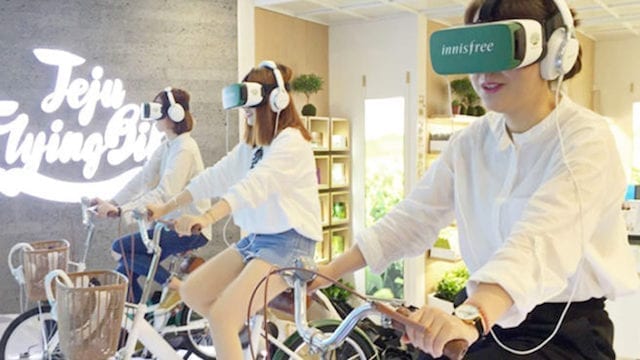
    Using the “Jeju flying bike”, it is offering customers a virtual visit to the company’s home base of Jeju Island. They mount the bike and put on VR goggles for the journey, created by PostVisual.

    They “fly” from the 16.5 sqm store to the 1650 sqkm island, which is a Unesco World Heritage Site for its volcanic landscape. Through eye-tracking technology, the virtual tourists can fly around the island and “collect” natural ingredients such as canola blooms, green tea leaves and nutmeg.

    To create the 360deg aerial and underwater surroundings, PostVisual spent about three months producing the content, even building its own VR drone camera in-house.

    innisfree VR

    Thousands of visitors have already taken the virtual ride, and the concept will be rolled out this year to flagship stores in Hong Kong, Indonesia, Singapore and Vietnam as well as elsewhere in the US.

  • Pop-star eateries for Bangkok’s Show DC complex

    Pop-star eateries for Bangkok’s Show DC complex

    K-pop star Psy of Gangnam Style is one of several celebrities who will have eateries at the upcomingShow DC/YG Republique integrated food and entertainment complex in Bangkok.

    He will have a noodle house, while other Korean stars featured are singer Rain with After The Rain restaurant, and boy band BTS (Bangtan Boys) with Brick Cafe.

    Mr. Chayadit Hutanuwatra, Chairman of SHOW DC Corp Ltd (Right) and Dr. Julianne Hur, Vice President of The The Mall OF Korea (Left)

    Mr. Chayadit Hutanuwatra, Chairman of SHOW DC Corp Ltd (Right)
    and Dr. Julianne Hur, Vice President of The The Mall OF Korea (Left)

    This was revealed at a media update event, which featured a K-pop fashion show featuring Thai model Rawiwan Bunprachom (“Yoghurt”).

    Show DC 5

    Mr. Chayadit Hutanuwatra, Chairman of SHOW DC Corp Ltd (Center), Mr. Thammarat Thuratong, Celeb E-san’s owner (Far Right), Dr. Wichuda Na-Songkhla Sriyaphai (Far Left), Deputy Managing Director of Wandee Culinary Art School

    Near Rama IX Road the Bht9.5 billion (US$274.8 million) project is 90 per cent complete and on track to open in November. It covers 18,000 sqm over six levels, and more than 400 brands have already signed up 93 per cent of the retail space.

    Show DC 1

    K-District @Show DC will be the largest K-Pop town outside Korea. As well as retail and restaurants, it will showcase an acting and talent academy from Korea, plus Korean plastic surgery clinics, cosmetics, fashion and lifestyle shops.

    Show DC 2

    “Our plan is also to stimulate the economy and promote Thai products by putting together best-in-class Thai products at the Thai Thai Market, covering 2500 sqm on the fourth floor,” says Show DC chairman Chayadit Hutanuwatra. The market will feature 150 shops.

    Outlets at the project’s “Shop & Enjoy” experience include Asia Herbs Association, Hot Star (Taiwanese snacks), Kanna (health food), Krua Wandee Culinary Art School and Stick House (Italian-style ice cream), along with fashion brands BKK Original and H&M.

  • Starbucks Korea hosted 2nd annual Barista Championship for Partners with Disabilities

    Starbucks Korea hosted 2nd annual Barista Championship for Partners with Disabilities

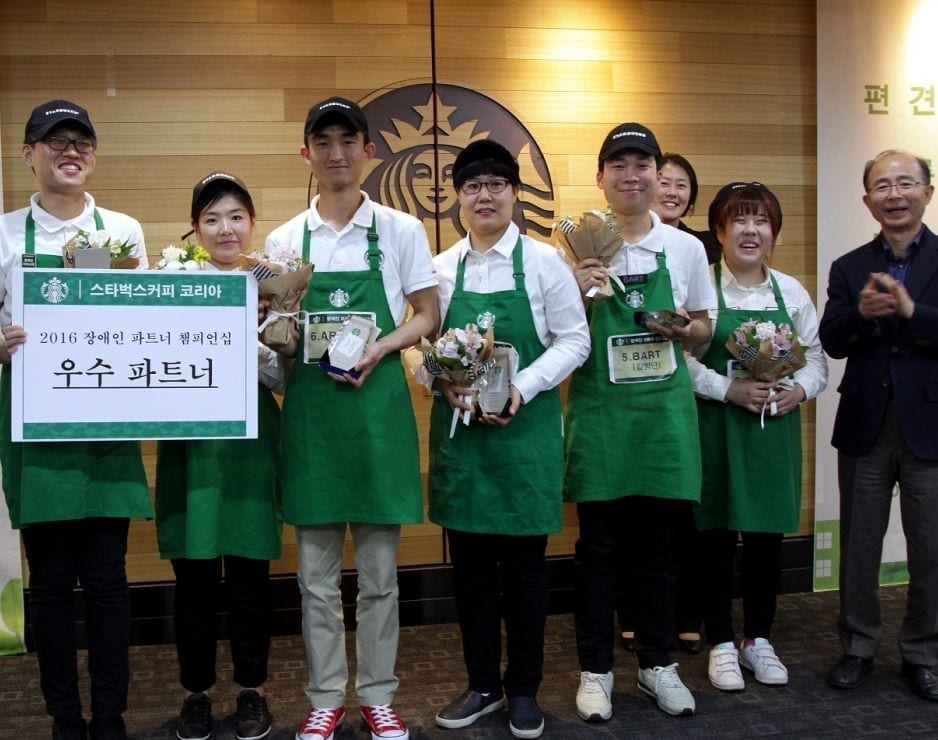
    Learning that she was the winner of Starbucks Korea’s Barista Championship for Partners with Disabilities was a surprise for Banny M.H. Choi.

    “When I found out about this championship, I wasn’t sure if I could do it, but I decided to challenge myself,” said Choi, who has a hearing loss. “When they announced that I was the winner I couldn’t believe it. I didn’t expect to earn first prize because I was so nervous.”

    Excelling in the competition was a source of pride for Choi.

    “I have always tried my best to eliminate prejudice about the disabled,” Choi said. “After winning this competition, I am confident that I can do anything regardless of my disability.”

    Starbucks Korea hosted the championship for the second consecutive year, as a way to recognize partners (employees) with disabilities. Choi and the remaining nine finalists were selected to participate based on recommendations from their district managers.

    During the competition, they were judged by three partners from the Starbucks Coffee Leadership and Operations Service Team on beverage quality, speed of service, cleanliness and latte art. As the victor, Choi received a trophy and a Starbucks Card loaded with 100,000 Korean Won (approximately USD$90.00).

    “We take pride in the fact that Starbucks is a welcoming workplace for everyone,” said S.K. Lee, president, Starbucks Coffee Korea. “We hope to demonstrate the talents of all our baristas and change perceptions about the abilities of people with disabilities.”

    The company’s effort to hire and train people with disabilities has not gone unnoticed. In April, Starbucks Korea received the presidential award from the Korea Employment Agency for the Disabled and the Ministry of Employment and Labor.

    “This year’s finalists had very impressive skills, which made it difficult to select one winner,” said Lee. “Next year, we will offer a competition in each market in the China and Asia Pacific region to recognize more of our partners.”


  • Samsung promises to employ more local talent

    Samsung promises to employ more local talent

    Korean technology giant Samsung has promised to develop and nurture local talent in Indonesia through its Samsung Research and Development Institute (SRIN), a platform for innovation.

    The SRIN is currently carrying out a roadshow at several academic institutions in Indonesia to help young developers put their ideas into practice where previously it “would be hard for them to do so”, as the company claims. The platform could become a gateway for Indonesian talent to contribute to the development of new technologies for Samsung or other companies.

    Aside from developing its devices, Samsung’s other goal is to drive innovation in the internet of things (IoT) segment, which the company says is starting to take off in Indonesia.

    Samsung Indonesia’s marketing director for IT and mobile technology, Vebbyna Kaunang, said the use of Samsung’s IoT technologies in Indonesia was currently limited to business-to-business application, such as equipping offices with smartphone-controlled lights and other utilities. It is still unclear when these features will be made available to the general public.

    Because the company is pushing this segment further in the hope of preparing it for the Indonesian market, the development of local talent seems more important than ever, as qualified Indonesians could contribute to future Samsung technologies.

    Earlier this year, the company laid out plans to seek more Indonesian developers to help create local content for its burgeoning virtual reality (VR) service.

    “What we plan to do is to get our digital ecosystem in gear and hopefully fulfill all device segments with the latest technology every time. Through programs held by the SRIN, we are able to do that using unnurtured talent,” she said at the launch of Samsung’s new Galaxy Note 7 on Tuesday.

    The Galaxy Note 7 is described by Samsung as its pinnacle of innovation. Assembled in the company’s factory in Cikarang, West Java, the smartphone is equipped with features such as an iris scanner for more secure access, an improved stylus called the S Pen, and the ability to function for 30 minutes under water at a depth of 1.5 meters.

    The device itself is not yet available in retail stores in Indonesia, but pre-orders for the country sold out within three days earlier this month at a price of Rp 10.7 million (US$813).

    Vebby added that the components of the Galaxy Note 7 were 100 percent compliant with the upcoming regulation, which requires all 4G smartphones sold in the country to be made of at least 30 percent local components.

    At present, the government applies a mandatory rule of having 20 percent local content in 4G smartphones sold in the country, but the rule applies mostly to hardware, while the upcoming regulation will also encapsulate software requirements.

    The regulation is slated to be implemented at the beginning of next year.

    Samsung released its Galaxy S7 smartphone in March.

  • Korean department stores trigger restaurant battle

    Korean department stores trigger restaurant battle

    Korean department stores have become the new battleground for Korean restaurant chains.

    Restaurants have long been a lucrative business for department store operators – accommodating hundreds of weary shoppers every day, they have sometimes been referred to as a ‘goose that lays a golden egg’.

    However, until now, opening such a restaurant had been a near-impossible task without deep connections to the store’s higher-ups.

    According to retail industry sources, several new restaurants are set to open next month in the food court section of Lotte’s flagship department store in Myeongdong, which is currently being renovated. Of note, the new owners didn’t have to lobby Lotte management or be a member of a Lotte family to open their establishments.

    Lotte faced significant criticism in June when the media spotlighted Seo Mi-kyung, Lotte founder Shin Kyuk Ho’s third wife, and her company Yuki Co, which operates a bibimbap restaurant (Yukyung),  naengmyeon restaurant (Yuwonjeong) and coffeehouse (Margaret) at the Lotte’s Myeongdong store.

    “We’re in the middle of clearing up our business with Seo’s company,” said the department store official. “We plan to operate our food court based on the popularity of restaurants and their competitive advantage.”

    A high-end sushi restaurant, Sushi Chohi, Chinese restaurant Luii, and European casual restaurant Elbon Grand Cafe operated by chef Choi Hyun-seok are among the new eateries that will open in mid-September.

    Hyundai Department Store, once criticised for giving favors to its subsidiary Hyundai Green Food, is also rearranging the food courts at its stores to accommodate popular restaurants from across Korea. And although it still operates Hyundai Green Food-owned restaurants like Bonga Sushi and Hansol Naengmyeon at its branches, it’s now focusing its efforts on attracting other popular restaurants.

    “Bonga Sushi and Hansol Naengmyeon have made a name for themselves, and their inclusion is not necessarily due to the Hyundai family relationship,” said a Hyundai Department Store official. “We’re concentrating more on attracting well-known restaurants to our food courts, because restaurants with no competitive edge aren’t likely to survive.”

    Italian restaurants Le Jiu and Signature Lab opened their latest locations at the Samseong-dong branch, while Amorino, an Italian gelato franchise, opened a new eatery at Hyundai’s Apgujeong branch.

    Shinsegae Department Store also introduced new restaurants this year. Youth-driven restaurants from Gangnam and Hongdae, including Chinese cuisine franchise Choma, steakhouse restaurant Fukuoka Hambageu, and premium tteokbokki restaurant Villa de Spicy, according to Shinsegae, were met with high acclaim.

    Shinsegae also said that new restaurants tend to attract more customers to its stores.

    “Department stores are no longer solely a place for shopping. They’re transforming into one integrated living space for consumers to spend their free time,” said a retail industry official. “Given the circumstances, the stores will continue with their efforts to accommodate more popular and competitive restaurants.”