Tag: Korea

  • CJ pulls out of McDonald’s Korea race

    CJ pulls out of McDonald’s Korea race

    CJ Group says it has withdrawn from the bidding process for franchise rights for McDonald’s Korea.

    The Korean multinational gave no reason for its loss of interest.

    McDonald’s US is seeking buyers for 20 year franchise rights for its business in China, Hong Kong and Korea as it moves to a franchise partnership model outside the US.

    CJ Group, whose interests include cinema chains in Asia and the Tous Les Jours bakery chain, said this week it had not entered the latest round of bidding for the business.

    That leaves a consortium including Maeil Dairy Industry and another group with KG Group and NHN Entertainment Corp as the last two potential buyers on the shortlist.

    McDonald’s hopes to earn about US$280 million from the Korean master franchise rights.

  • Ikea introduces line of kitchenware in Korea

    Ikea introduces line of kitchenware in Korea

    Swedish home furnishing company Ikea is launching kitchen products for the first time in Korea.

    “We have 700 articles in the cooking and eating area, completely new for the Korean market,” Andre Schmidtgall, country retail manager at Ikea Korea, said Thursday during a press briefing at the Times Square shopping mall in Yeongdeungpo District, southwestern Seoul.

    Although Ikea entered the Korean market in 2014, sales of kitchenware such as dishes and cups from the Swedish home decor maker were not permitted due to legal restrictions related to product labeling. After the Korea Food and Drug Administration eased up on the restrictions this year, the company was able to bring in the full set of its items to Korea.

    Ikea’s store in Gwangmyeong, Gyeonggi, includes a 1,000-square-meter (10, 764 square foot) space devoted to kitchen products and began sales on Sept. 9. The new promotional campaign for the product line begins next Tuesday and runs through Nov. 12 at Times Square. The mall will include a venue set up with an Ikea kitchen and allow visitors to cook food there.

    Even as the company rolls out its new products here, Ikea is still working on cleaning up its stained image in Korea after delaying a recall of drawer chests that killed several children after tipping over.

    “We have tested drawer chest products and suspended another 15 models a day before yesterday,” Schmidtgall said.

    The company already halted sales of 15 drawers including the MALM drawer on Sept. 9, following recall orders from the Korean Agency for Technology and Standards under the Ministry of Trade, Industry and Energy.

    “We put safety and security as the utmost priority,” Schmidtgall said. “Tipping risk is an industry-wide problem.”

    According to Ikea, particular models of its drawer chests are banned from sale only in three countries – the United States, Canada and Korea – and in other markets, the article is sold with recommendations that the drawer be anchored to the wall for safety.

    Ikea Korea in the latest financial year from Sept. 2015 to Aug. 2016 recorded 345 billion won ($309.4 million) in revenue. From January to August 2016 compared to the same period last year, revenue rose 17 percent.

    The company is working on a second Korea branch in Goyang, Gyeonggi, set to open by the latter half of next year. It plans to build up to six stores in Korea by 2020. Likely locations include the Seoul metropolitan area, Daejeon and Chungcheong in the country’s central region, and Busan in the southern region.

  • Apple Looks to Open First Store in Samsung’s Backyard

    Apple Looks to Open First Store in Samsung’s Backyard

    Apple Inc. has made inquiries about opening its first retail store in South Korea, in a signal that the technology company might be looking to step up competition in the backyard of smartphone rival Samsung Group.

    Apple looked at sites across the street from the group’s longtime headquarters in Seoul, according to people familiar with the matter.

    The Cupertino, Calif., company, which is Samsung Electronics Co.’s biggest rival in the mobile-phone market as well as a major customer of its smartphone components, is looking at locations near the South Korean company’s own three-story global flagship store in Seoul’s upscale Gangnam neighborhood, the people said. The company has sent retail executives to South Korea in recent months to check out potential sites for the store, they said.

    The people warned that Apple’s plan hasn’t been completed and a store opening could take about a year.

    “We have made no announcements about a store there,” a spokesman for Apple said.

    A spokeswoman for Samsung Electronics declined to comment.

    South Korea, Asia’s fourth-largest economy, has long been a tough market for Apple. Smartphone sales are dominated by hometown favorites Samsung and LG Electronics Inc., who together account for about 80% of the smartphone market in the country. Apple doesn’t break out sales for South Korea separately.

    After the launch of the larger-screen iPhone 6 and iPhone 6 Plus in late 2014, Apple jumped to about one-quarter of the market, before its share fell below 10% in the second quarter of 2016, according to data tracker Strategy Analytics.

    Opening a glitzy flagship store would send a message that Apple intends to compete hard on Samsung’s home turf.

    From a glass cube on New York City’s Fifth Avenue to a Norman Foster-designed store in Istanbul, Apple has used its prominently placed retail stores to attract buzz for the brand and to sell premium handsets. In Seoul, Apple has scouted potential locations around the Gangnam subway station, Seoul’s busiest and home of the headquarters of Samsung Group, as well as another site on Seoul’s fashionable Garosu-gil shopping street, according to the people.

    In South Korea, Apple relies on third-party retailers who apply for licenses to operate as authorized Apple resellers, as well as carrier partners.

    In mainland China, a critical market for Apple, the company has opened 36 Apple stores, including in Shanghai and in second-tier cities such as Nanning, Fuzhou and Jinan. It has six Apple stores in Hong Kong and seven in Japan.

    Apple’s hunt for retail real estate in Seoul comes as Samsung grapples with a recall of its latest smartphones amid reports of batteries in the Galaxy Note 7 catching fire. Analysts estimate the recall of 2.5 million devices could cost

    Samsung more than $1 billion.Before the Note 7 recall, Samsung reported its most profitable quarter in two years in July as Apple suffered a 27% drop in quarterly net profit compared with a year earlier.

    Samsung’s share of the global smartphone market rose to 22.3% in the most recent quarter from 21.8% a year earlier, according to research firm Gartner. Over the same period, Apple’s share fell to 12.9% from 14.6%.
  • Pei Wei Asian Diner plans 11 Korean stores

    Pei Wei Asian Diner plans 11 Korean stores

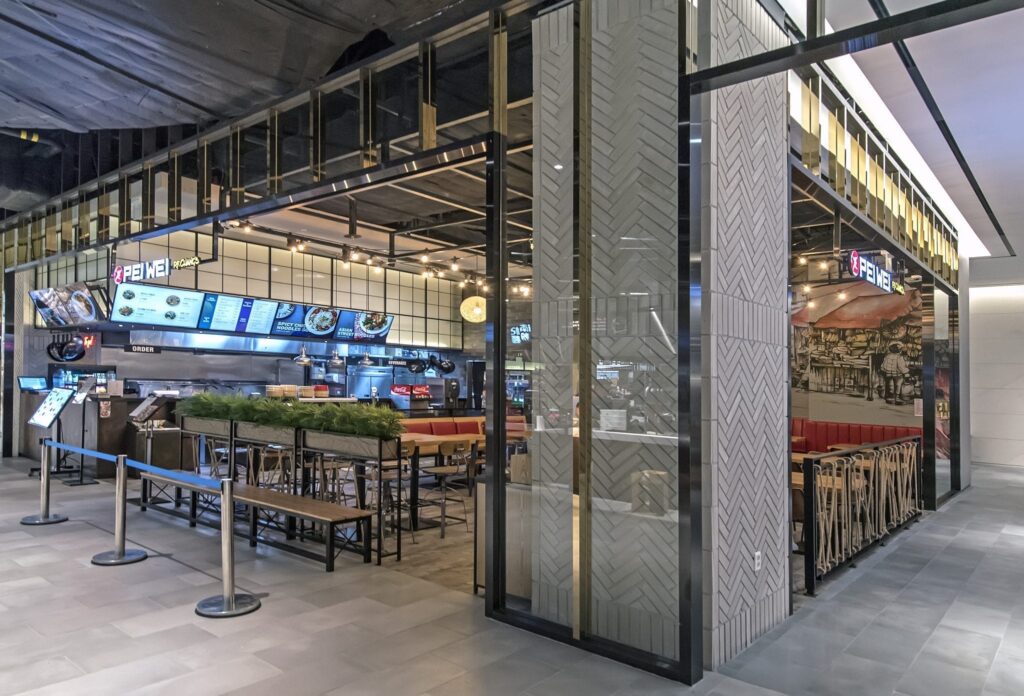
    Pei Wei Asian Diner, the fast casual pan-Asian US restaurant chain, has opened the first of 11 restaurants planned for South Korea.

    Known for bold flavors and an affordable Asian-inspired menu, the US company has partnered with ELX Food & Beverage, led by chef Justin Choi for its first foray into Asia.

    The inaugural store has opened at Starfield Hanam, the country’s largest shopping mall. The company is planning to open 10 more Pei Wei locations by end of 2017 including Daejeon Galleria Department Store and Busan Seomyun Lotte Department Store.

    pei-wei-outlet

    Choi will supervise the brand in Korea and Pei Wei will offer its characteristic ‘scratch and open kitchen’, which allows customers to see the cooking process that includes Chinese woks.

    Pei Wei is the second brand of the globally popular P F Chang’s which was brought by ELX F&B to the South Korean market.

    “South Korea’s sophisticated yet practical customers are a perfect target for Pei Wei’s simple, yet healthy and high-quality dishes,” said Kwak Ki-hoon, CEO of ELX F&B. “Through our insights and experience behind our successful launch of P F Chang’s, I look forward to leading local dining trends through Pei Wei’s flavorful selection and fresh offerings.”

    The Pei Wei menu in Korea will feature the same items popular in the US, including its signature Lo Mein and Quinoa & Fire Chicken, in addition to the ‘Wok Classics’ Noodle & Rice bowl options, soups, salads and Small Plate offerings.

    Founded in 2000, in Scottsdale, Arizona, Pei Wei owns and operates more than 200 restaurants in the US, Middle East, South Korea and airports.

  • Seoul tops airport retail rankings

    Seoul tops airport retail rankings

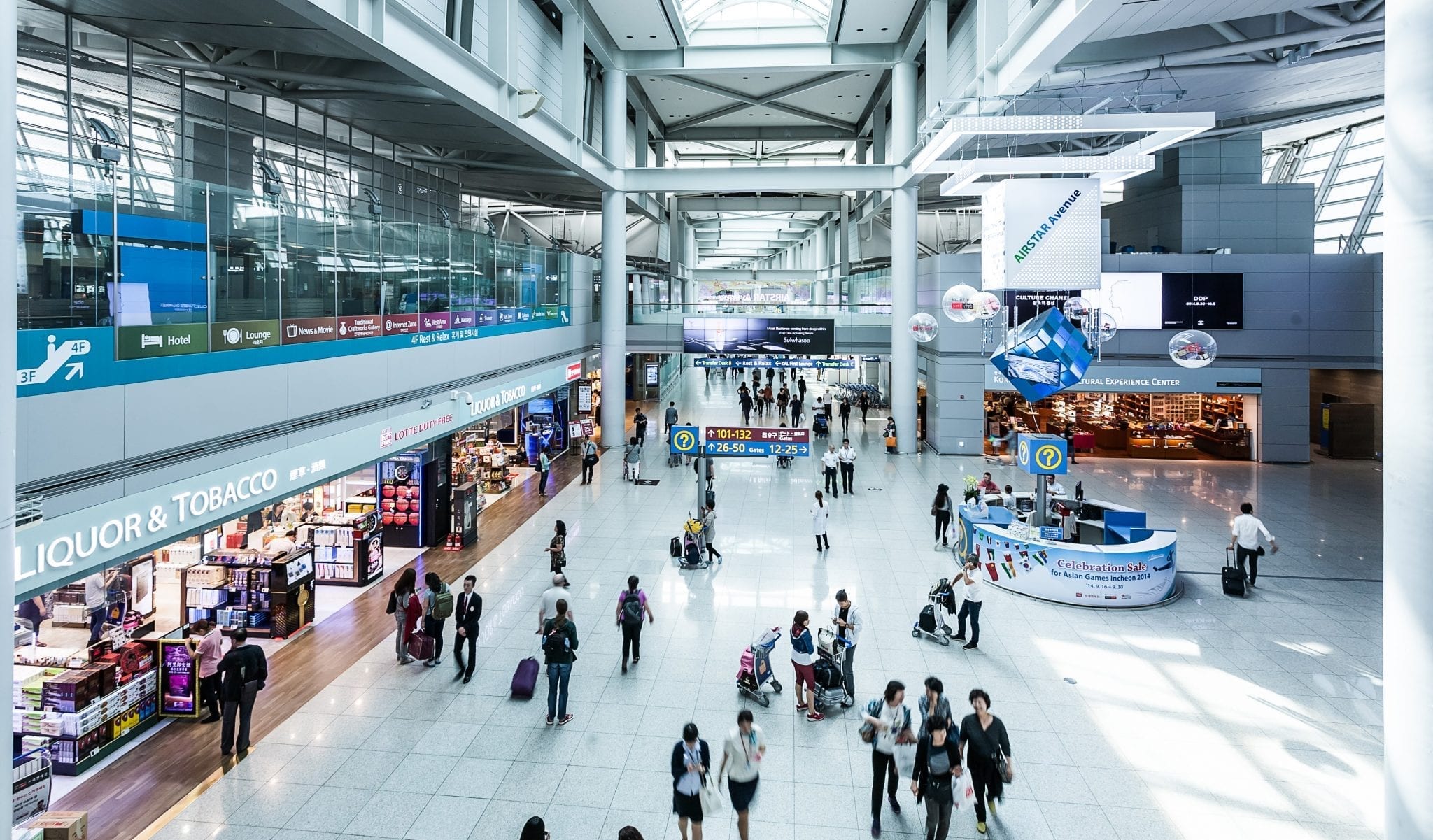
    Seoul’s Incheon Airport not only tops the Asia-Pacific rankings for retail spending – it has the highest turnover of any airport in the world.

    Which is remarkable given it ranks 10th in the region by passenger numbers, according to Airports Council International data, with 49,281,220 people passing through in 2015, compared to more than 90 million in Beijing and 55 million in Singapore.

    Asian airports dominate the world top 100 airport retail rankings measuring shopper spending, according to data collected by Swedish company Generation Research for 2015. While the tables lists the world’s top 100 and Asia-Pacific’s top 50, it does not provide any actual figures for spending. Sales from around the world were converted into US dollar value.

    In the global airport retail rankings, Incheon leads Dubai Airport, with Singapore Changi third.

    In the Asia rankings, published below, Singapore leads Bangkok – something of a surprise third-place getter given it is generally regarded as an expensive airport for ‘duty-free’ goods, and Pudong, Shanghai in fourth. Hong Kong makes it only fifth on the table, despite its huge passenger throughput and broad retail offer.

    Tokyo Narita, Beijing Capital, Taipei Taoyuan, Cheju and Osaka Kansai complete the top 10.

    On the global rankings, those Asian airports take fifth, sixth, seventh, eighth, 10th, 12th and 14th places.

    London Heathrow takes fourth place, Paris de Gaulle ninth, and Frankfurt 13th.

    Asia’s Top 50 list:

    Top 50 airport location Asia

    The Global Top 100 list:

    Top 100 airport location 2015 -1

  • South Korea to explore halal food market in Indonesia

    South Korea to explore halal food market in Indonesia

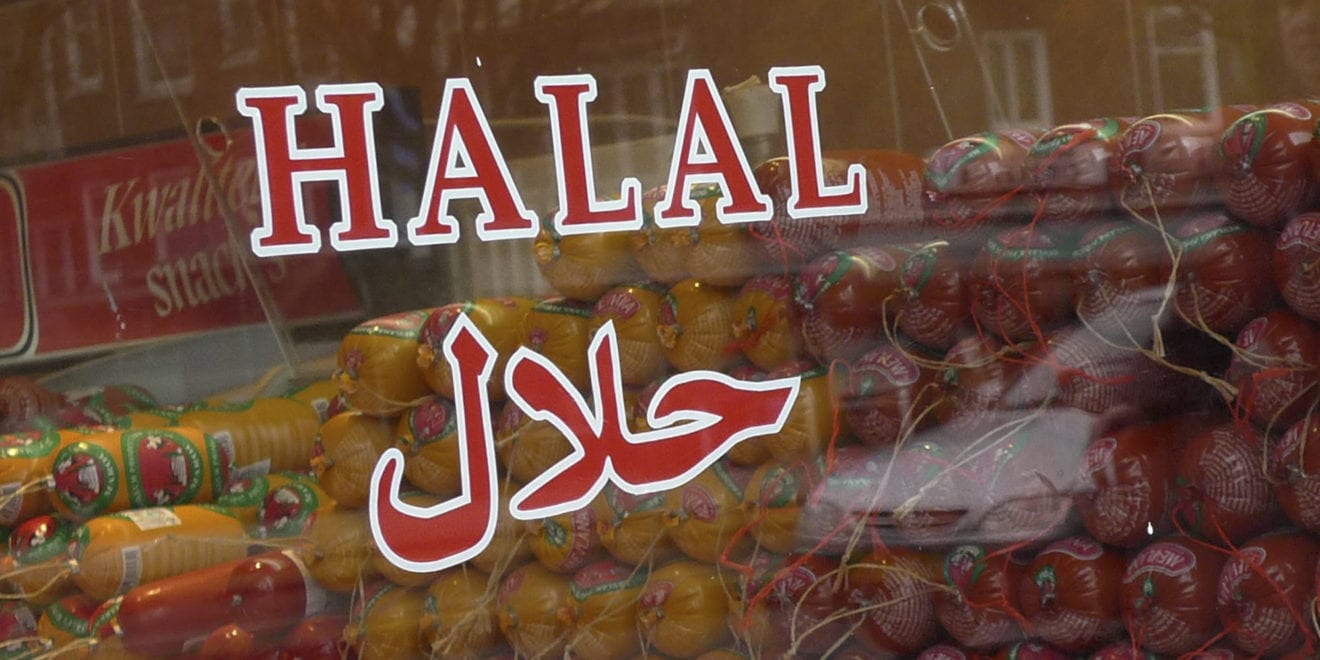
    The South Korean Ministry of Agriculture, Food and Rural Affairs, through the Korea Agro-Fisheries and Food Trade Corporation, will explore the possibility of entering the halal food market in Indonesia.

    Lee Kyu Baek from the Korea Agro-Fisheries and Food Trade Corporation made the statement in Jakarta, Tuesday, during a press conference about the upcoming Korean Festival, scheduled to begin on Sep 30.

    As a part of the month-long festival, the Trade Corporation will hold a Korean food fair themed Safe and Healthy Lifestyle with Premium K-Food from 6 to 9 October.

    “This effort is being made to increase the demand for Korean foods, as well as heightening its recognition in Indonesia,” he said.

    Lee further explained that the halal food industry in Korea is still small, which is why the Korean government has launched a Moslem friendly policy to ensure the convenience of Moslem tourists who come to visit.

    It has been reported that some 740,000 Moslem tourists have visited South Korea, as of last year, and the Indonesia K-Food Fair 2016 event is seeking to further promote both Korean cuisine and tourism to the Indonesian public.

    The cuisine-based fair will be divided into two segments, one being an export conference, scheduled to be held at the Ritz-Carlton Hotel on Oct 6 and 7.

    “We will be holding a seminar in which representatives from Korea will explain halal policies, as well as the steps to obtain halal certification in detail,” he said.

    The business-to-business conference will see 20 Korean exhibitors and 40 Indonesian buyers participating, he remarked.

    In addition, a consumer experience event (B2C) will be held in Kota Kasablanka from October 8 to 9, where visitors can taste traditional Korean foods being promoted in separate halal, easy products and healthy food zones.

  • Kumho Tire auction to start in November

    Kumho Tire auction to start in November

    Creditors of Kumho Tire gave formal notice this week that they will hold an open auction for their respective holdings in the South Korean tyre manufacturer with preliminary bidding scheduled to start in early November.

    The creditors involved are eight financial institutions including Woori Bank, state-owned Korea Development Bank and KB Kookmin Bank. Together they own 42% of the equity in the tyre manufacturer, worth some KRW760bn (US$680m) based on the current share price.

    Kumho Tire graduated from a four-year creditor-led debt restructuring programme at the end of 2014 after it suffered a severe liquidity crisis in 2009.

    The 50 year-old tyre manufacturer currently employs around 5,000 people in South Korea. It has nine tyre plants worldwide, three in South Korea, four in China and one each in Vietnam and the US. It generated global sales of KRW3.04 trillion (US$2.7bn) last year.

    In the first half of 2016, the company generated revenues of KRW1.45trn and earnings of KRW55.8bn.

    The auction will be organised by Credit Suisse bank which expects the final round of bidding to take place in January 2017 with a buyer expected to be selected shortly after that. The controlling equity stake is expected to cost around KRW1trn, including fees.

    Park Sam-koo, the current chairman of the former owner of the company,Kumho Asiana Group, will have the right of first refusal to buy back the shares by matching the highest bid in the final auction. He has previously indicated that he would be interested in taking back control of the tyre manufacturer but it is unclear whether he has the financial backing to do so.

    Other global tyre companies will be given the chance to bid and private equity companies are also expected to feature in the auction.

  • Korean bank deploys optical encryption from Ciena

    Korean bank deploys optical encryption from Ciena

    KB Kookmin Bank, Korea’s largest financial institution, is deploying Ciena’s encryption capabilities for secure, high-capacity data centre interconnect (DCI), in a bid to better protect customer data.

    The encryption solution protects KB Kookmin Bank’s data transmissions from its offices and enables secure data centre interconnect (DCI) between its data centers.

    Several security solutions exist to protect data at-rest that secure servers, databases, routers, and switches by managing user access and credentialing. However, large amounts of critical data are in-flight and transported beyond the walls of the data center, traversing a larger, wide area network. Ciena’s optical-layer encryption solution gives KB Kookmin Bank an additional level of protection and protects data in flight as it leaves the private cloud and is transported between locations and data centers. Ciena’s solution adheres to local and international regulations and legislations, including the Federal Information Processing Standard (FIPS) 140-2 encryption certification.

    Additionally, Ciena’s software-based MyCryptoTool gives KB Kookmin Bank a dedicated management user portal that allows end-users to remotely control all of the security parameters associated with their encrypted services.

    “We are committed to providing the best possible service to our customers, which includes data protection and security. Ciena’s optical encryption solution provides an extra layer of protection and gives our customers the confidence to know their personal information is safe,” said Kim Ki-Hyun, CIO of KB Kookmin Bank.

  • Chuseok sales weren’t as terrible as expected

    Chuseok sales weren’t as terrible as expected

    Going into last week’s Chuseok holidays, expectations were low in the retail sector due to a prolonged economic slowdown and a soon-to-be-implemented anti-graft law that will make expensive presents unlawful.

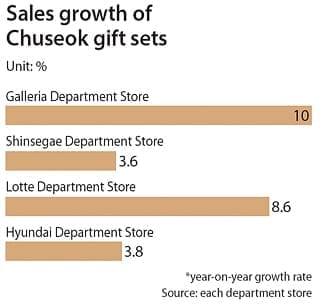
    Against all odds, however, four major department stores in Korea enjoyed growth in the sales of holiday gift sets. To skirt an anti-graft law known as the Kim Young-ran Act, which goes into effect Sept. 28 and bans the exchange of gifts costing more than 50,000 won among civil servants and even journalists, the stores offered lower-cost gift sets.

    Galleria Department Store said sales of holiday gift sets rose 10 percent between Aug. 26 and Sept. 14 compared to the same period last year.

    The proportion of products that were cheaper than 50,000 won was 26 percent – the highest share and 6 percentage points more than last year. Products that cost more than 300,000 won accounted for 14 percent, 1 percentage point lower than last year.

    Galleria Department Store expanded gift options that cost less than 50,000 won from last year’s 56 items to 478. As a result, revenue generated from 50,000-won-or-less products rose by 47 percent year-on-year.

    Lotte Department Store said sales of holiday gift sets between Aug. 26 and Sept. 13 rose 8.6 percent year-on-year. Sales of processed food products and daily necessities – which usually cost less than 50,000 won – rose by 16.5 percent. But sales of meat and gulbi (dried corvinas) – relatively expensive holiday gifts – only increased by 6.5 and 3.8 percent respectively.

    Hyundai Department Store said its holiday gift set sales between Aug. 29 and Sept. 14 rose by 3.8 percent.

    Shinsegae Department Store saw a sales increase of 3.6 percent in Chuseok gift sets sold between Aug. 26 and Sept. 13. Products or sets cheaper than 50,000 won saw an increase of 7.8 percent while more costly items only rose 2.9 percent.

    The Kim Young-ran Act was not the only factor in holiday spending.

    An unprecedented heat wave during the summer on top of a prolonged economic slowdown prompted many consumers to buy health supplements, which are cheaper than agricultural and marine products.

    The most popular product was red ginseng extracts or pills. Health-related products saw a sales surge of 26 percent year-on-year at branches of Galleria Department Store. The top seller in the health category was red ginseng extract, which is in the 80,000-won price range.

    Shinsegae, which is known for its extensive and affordable wine selection, said sales of wine rose the most – 40.5 percent – followed by health-related items, which rose by 20.8 percent year-on-year.

    Health-conscious products were the most popular at Lotte as well, enjoying a 28 percent year-on-year increase in sales.


  • Napa cabbage prices skyrocketed last month

    Napa cabbage prices skyrocketed last month

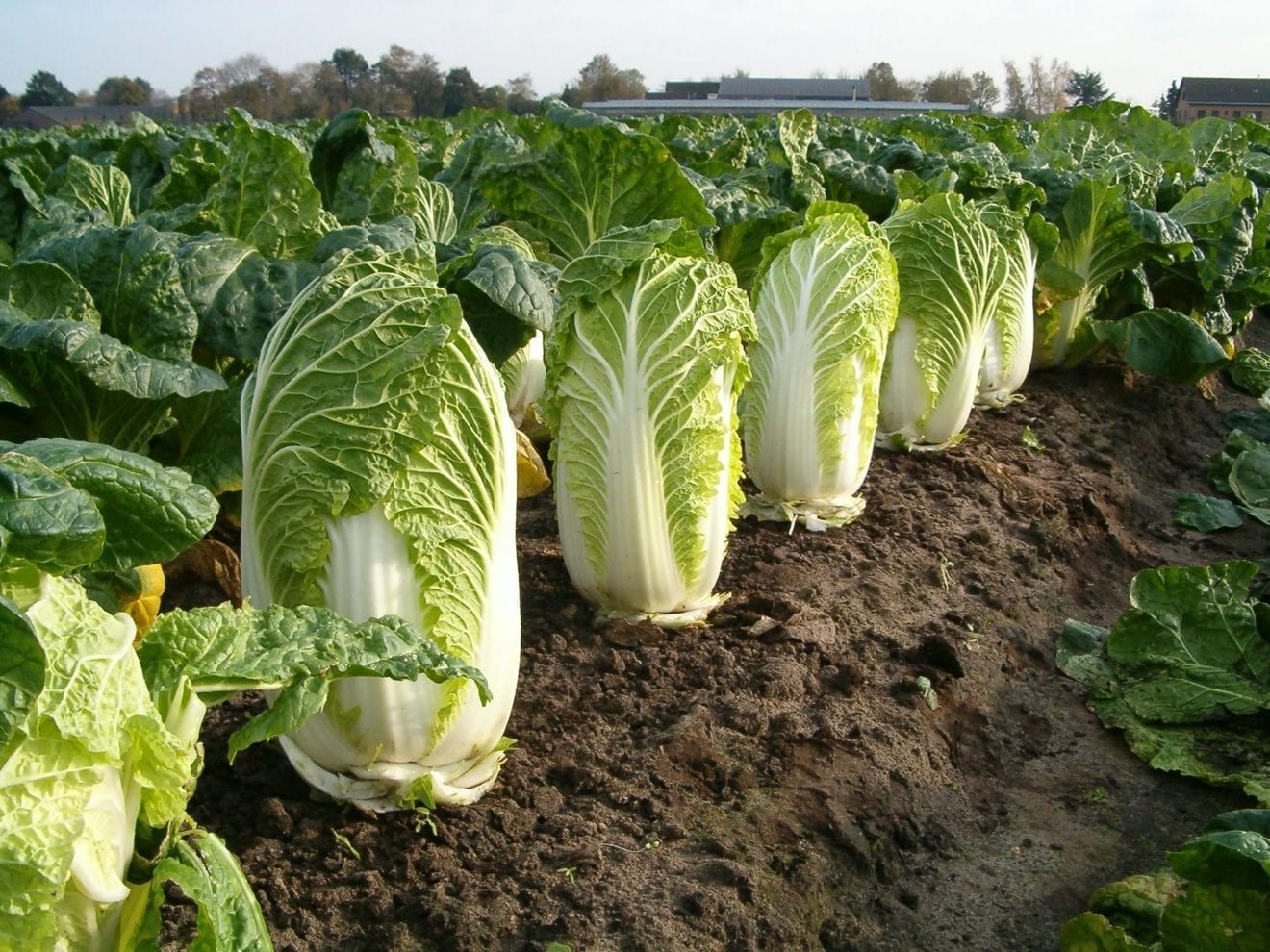
    The average price of napa cabbages at local retail stores rose significantly last month compared to the previous month as the supply likely dropped due to the abnormally hot weather that hit the country this summer.

    Prices of napa cabbage, a Korean staple and key vegetable for making kimchi, rose 63.7 percent month-on-month to a record 5,303 won ($4.73) a head, the Korea Consumer Agency (KCA) said Monday. The price of 1.5 kilograms (3.3 pounds) of white radishes rose 29.2 percent to 2,279 won and 1.5 kilograms of onions rose 5.3 percent to 3,217 won.

    “We don’t know the exact reason for the rise in some vegetable prices, but we believe that the supply in general dropped due to the high temperature and drought,” said KCA researcher Kim Eun-ji.

    Additionally, a recent report by the Bank of Korea attributed the long-term rise in cabbage prices to Chinese imports of kimchi.

    Samgyeopsal, or pork belly, one of the most popular meats among Koreans, was 11.2 percent cheaper at 2,005 won per 100 grams, while beef prices rose 3.8 percent to 8,601 won. The fall in pork prices is mainly due to the base effect from June, when prices rose 22.2 percent month on month, ahead of the summer vacation season in Korea.

    The KCA analyzed the price of 402 major products in 373 stores across the country, and the agency found that the price varied by types of stores.

    In fact, the average price of napa cabbage sold at corporate run retail stores was the highest at 6,965 won, and was lowest at large discount chains at 3,702 won.

    Onion prices had a 77.2 percent gap by store type, KCA said. The price of 1.5 kilograms of onions was 2,429 won at traditional markets and 4,303 won at department stores.

    Beef, napa cabbages, radishes and onions were some of the products that were cheaper at large discount stores and traditional markets in July.

    Meanwhile, the year-on-year growth rate for napa cabbage was 84.5 percent, the highest among major products sold in retail stores and traditional markets. It was followed by beef (25.5 percent) and radishes (15.6 percent). The price of pork, on the other hand, fell 14.2 percent year on year, and onion prices dropped 13.2 percent during the same period.

    “The price varies by the store types and the government will provide the retail prices online [www.price.go.kr] so that people can research the price and promotion events ahead of their shopping,” said Kim at the KCA.


  • GM Korea to sell 10 Chevrolet Aveo compacts online

    GM Korea to sell 10 Chevrolet Aveo compacts online

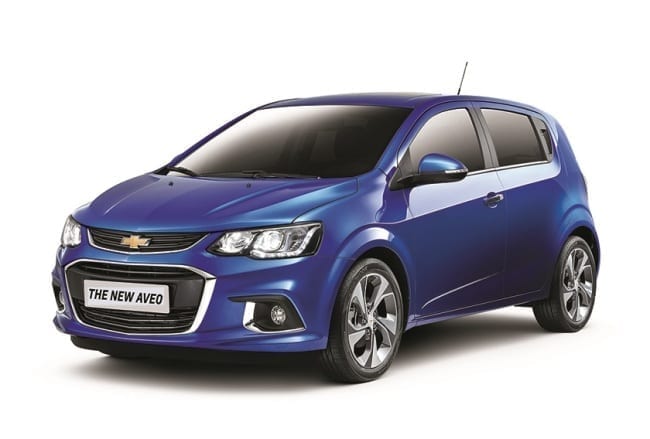
    GM Korea said on Sept. 19 it will sell 10 units of its new Chevrolet Aveo compacts via Auction, a local online shopping site affiliated with eBay Korea, on Sept. 26.

    This is the first time in Korea that a carmaker has decided to sell vehicles online.

    Even though the unprecedented online car sale seems more like a marketing activity, industry watchers say other carmakers could follow suit considering consumer reaction, especially among youngsters who prefer online shopping rather than visiting physical shops.

    “Through the collaboration with Auction, we hope to appeal to female drivers in their 30s and 40s, the new Aveo’s target customers,” a GM Korea official said.

    In August, Ticket Monster, a daily-deal site, stirred controversy after it sold 20 Jaguar XF sedans via its website without consulting the carmaker’s UK headquarters. Jaguar Land Rover Korea at the time hinted at a legal action for damage to its brand value and creating confusion.

    The retail price of the Aveo is 17.79 million won (US$16,000). GM Korea plans to offer diverse benefits to those who purchase the car online, including online cash points worth 5 million won.


  • Richemont expects weaker half-year earnings after restructuring costs

    Richemont expects weaker half-year earnings after restructuring costs

    Luxury goods maker Richemont said on Wednesday that it expected operating profit in the six months to September to decline by 45% from a year ago.

    The Luxembourg-and JSE-listed group said in a statement that the decline reflected the effect of one-off restructuring charges of about €65m, and the additional effect of inventory buybacks.

    “We are of the view that the current negative environment as a whole is unlikely to reverse in the short term. However, we remain convinced of the long-term prospects for luxury goods globally and in particular for watches and jewellery,” it said.

    Sales in the five months to August dropped 13% at constant exchange rates and 14% at actual rates.

    Richemont said sales in the UK had shown growth since the weakening of pound against most currencies at the end of June following the EU referendum.

    Elsewhere in Europe, sales were down, particularly in France, due to a significantly lower level of tourist activity.

    There was positive momentum in both jewellery and accessories in the Americas, but an overall decline in sales due to a weaker performance in watches.

    In the Asia-Pacific region, growth in mainland China and Korea was more than offset by the continuing weakness of the Hong Kong and Macau markets.

    Retail declined overall, primarily due to Europe and Japan. All other regions’ sales declines were low single digits, supported by jewellery and accessories. The marked decrease in wholesale sales reflected the continuing negative trend and the watch inventory buybacks.

    Richemont’s other businesses reported sales growth, thanks to positive performances at Montblanc, Chloé, Azzedine Alaïa and Peter Millar.

  • Agatha Paris opens first stand-alone travel retail outlet

    Agatha Paris opens first stand-alone travel retail outlet

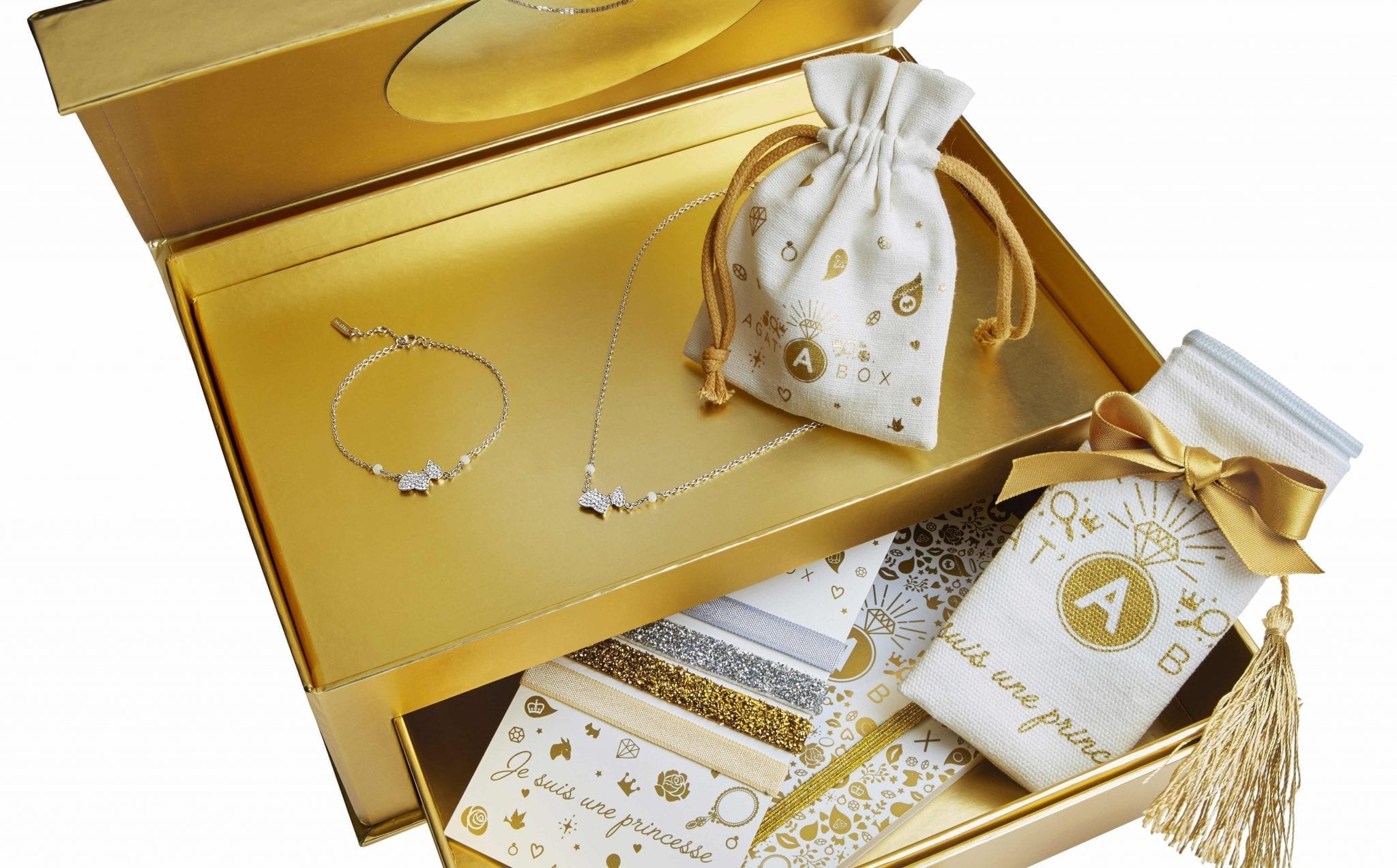
    French fashion jeweller Agatha Paris has opened its first stand-alone travel retail store, at Haikou Meilan International Airport on China’s Hainan Island.

    Opened in partnership with Hainan Duty Free, the 20 sqm store has a contract until September 2019.
    Agatha Paris will present its latest collections, including several travel-retail exclusive sets, at the upcoming TFWA World Exhibition in Cannes. The brand showcased a range of stainless-steel jewellery at this year’s TFWA Asia Pacific exhibition in Singapore.

    The brand’s collections are divided into five themes: Iconic, Timeless, Modern Chic, Classy and Sparkle. This year’s collections include African Art Deco, Grand Palais, Opera and Olympia.

    Global head of travel retail Karan Tuli says the brand launched into travel retail three years ago, initially with a sole focus on inflight sales to gain exposure. It has since expanded its network, with 330 points of sale in 25 countries, and listings with 30 airlines. Its 14 ground shop locations in Asia include China, Japan, the Philippines, South Korea and Thailand.

    “Business in Australia, Cambodia, Singapore and Vietnam is on the radar for the coming months,” says Tuli.

    “Southeast Asia and China are seeing fast expansion, and the potential for the brand to grow its travel-retail footprint is more positive than ever. Costume jewellery is a tough category, but recent spending trends have supported a positive outlook for us.”

    King Power Group founder Antares Cheng acquired the Agatha Paris brand in 2006.

  • Taubman Centers Unit Opens Starfield Hanam in South Korea

    Taubman Centers Unit Opens Starfield Hanam in South Korea

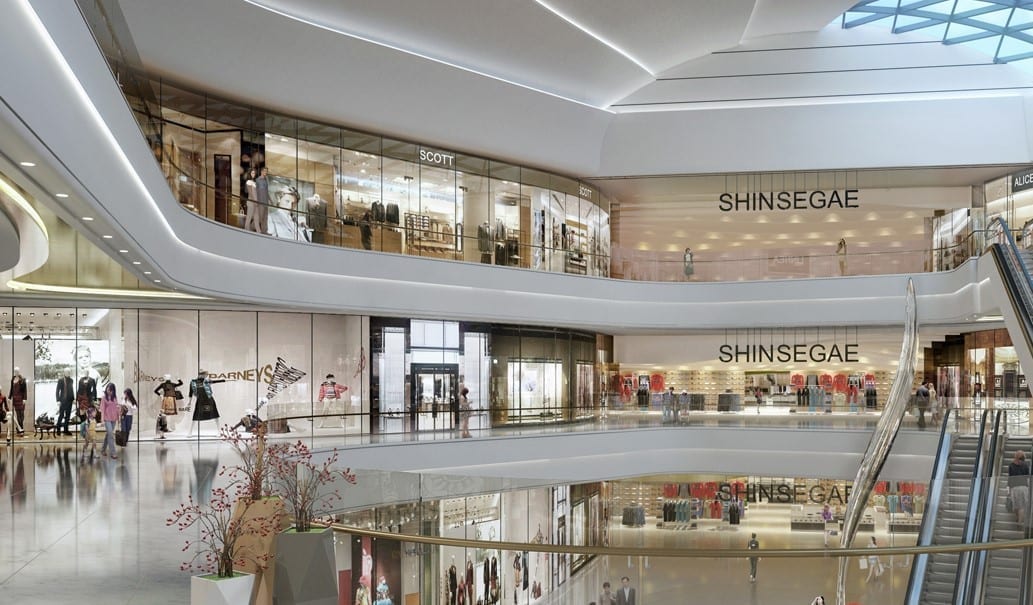
    Taubman Centers, Inc. is making its impact felt around the world. Its wing in Asia – Taubman Asia – together with its partner Shinsegae Group, celebrated the opening of Starfield Hanam shopping center at Hanam, Gyeonggi Province in South Korea. This retail project, developed by Taubman Asia and Shinsegae Group, marks Taubman Asia’s first ground-up development in South Korea.

    The shopping center is the country’s largest western-style mall and is nearly 100% leased. There are almost 300 stores and restaurants in this 1.7 million square foot center. It is anchored by Korea’s reputed department store brand, Shinsegae.

    There has been a rapid shift in customers’ shopping preferences and patterns, with online purchases growing significantly. Hence, the mall landlords have been making concerted efforts in developing retail hubs with swanky entertainment zones, and this shopping center is no exception.

    From international luxury brands, like Balenciaga, Burberry, Bvlgari and Fendi, to fast fashion choices – such as Cos, H&M, Massimo Dutti – Starfield Hanam has a vast range of stores to offer. Also, with 110,000 square feet of dining options and entertainment options like the 11-screen Megabox cinema, a Sports Monster sportsplex and an 112,000 square foot Aquafield indoor/outdoor water park, this retail property is expected to attract high footfall.

    Taubman Asia is a subsidiary of the U.S. Mall operator Taubman Centers and is into retail real estate projects in Asia. It is, in fact, Taubman Centers’ platform for expansion into China and South Korea. Taubman Asia, founded in 2005, is headquartered in Hong Kong.

    On the other hand – Bloomfield Hills – MI-based Taubman Centers, is engaged in the ownership, management and/or leasing of several regional, super-regional and outlet shopping centers in the U.S. and Asia. Taubman currently has a Zacks Rank #3.

    A better-ranked stock in the REIT industry is InfraREIT, Inc., sporting a Zacks Rank #1.

    Also, investors can consider better-ranked stocks like EPR Properties and Weingarten Realty Investors that carry a Zacks Rank #2.

    Confidential from Zacks

    Beyond this Analyst Blog, would you like to see Zacks’ best recommendations that are not available to the public? Our Executive VP, Steve Reitmeister, knows when key trades are about to be triggered and which of our experts has the hottest hand.

  • South Korean retailer E-mart to invest $200m for retail chain ops in Vietnam

    South Korean retailer E-mart to invest $200m for retail chain ops in Vietnam

    A memorandum of understanding between E-mart and Vietnam’s Ho Chi Minh City was signed on September 9. Emart will make the investment over the next four years.

    The investment is expected to be used for building new supermarkets and commercial facilities, as well as local social development. E-mart opened a supermarket worth $60 million in Ho Chi Minh City last year, in addition to a toy library in the city.

    The Korean company had earlier said it planned to open 52 stores in Vietnam by 2020.

    E-mart is betting the country’s rapid growth, averaging 5.2 per cent since 2013, driven by a young and urban demographic with higher spending power.

    Vietnam’s growth was the highest among Southeast Asian peers featured in the 2016 Global Retail Development Index conducted by US management consulting firm AT Kearney. Vietnam was seen as the 11th fastest emerging retail market, up from 28th spot two years ago.

    Government data showed that retail sales in the country rose 7.4 per cent year-on-year in August 2016. Consumer spending rose to $116.2 billion, while the retail market was forecast to be worth $109 billion in 2017.

    Free trade pacts signed by Vietnam have encouraged foreign retailers to tap into this liberalizing market. Vietnam fully opened its retail industry in 2015, which is coupled with a lot of tax preferences for investors.

    Japan’s Takashimaya and Miniso have set up retail shops in Vietnam in July. Meanwhile, 7-Eleven is planning a local presence through the franchising route.

    Existing players are opening new outlets, as well as acquiring local businesses. Vingroup, the most active domestic company which launched over 90 stores in 2015, aims to introduce twice as many in 2016. It acquired Maximark and Vinatexmart, two Vietnamese operators, as part of this strategy.

    Thailand’s Central Group had acquired Big C Vietnam for $1.05 billion, along with electronics store chain Nguyen Kim and e-commerce site Zalora Vietnam. Other M&A deals include TCC Holdings buying Metro Cash&Carry Vietnam, and AEON acquiring Fivimart and Citimart.

    Central has since announced that it has halted further investment in  the country and would focus on consolidation.