Tag: Korea

  • South Korea prosecutors to indict Lotte chairman, father and brother in corruption probe

    South Korea prosecutors to indict Lotte chairman, father and brother in corruption probe

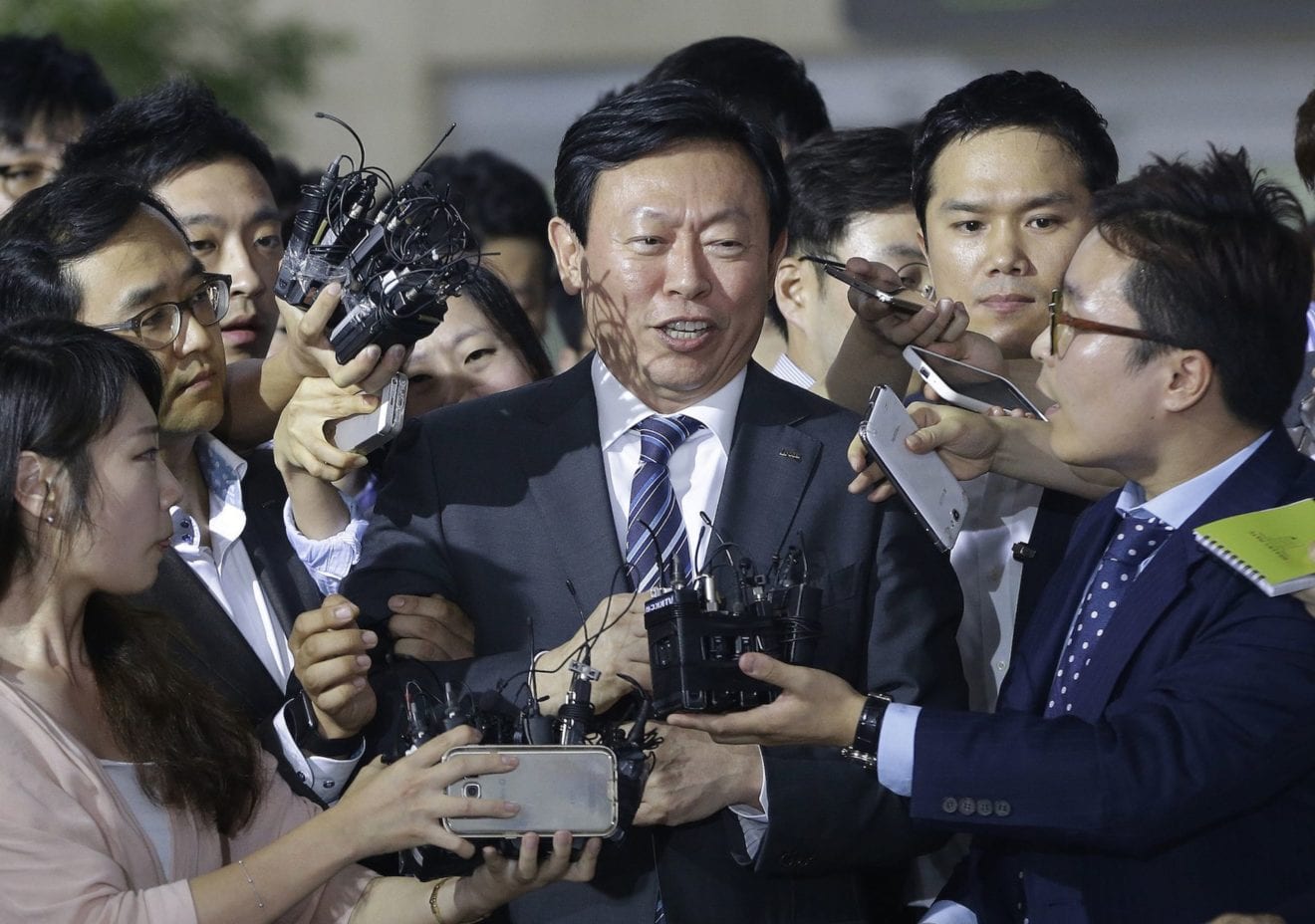
    South Korean prosecutors will file charges on Wednesday against Lotte Group’s chairman, Shin Dong-bin, father and brother alleging they committed offences such as embezzlement and breach of trust worth hundreds of millions of dollars at the family-owned conglomerate, as reported on Tuesday.

    Closing a wide-ranging probe into corruption that has convulsed Korea’s fifth-largest conglomerate, prosecutors will announce the results of their investigation into the retail-to-chemicals group on Oct. 19, a prosecution source with direct knowledge of the matter told Reuters.

    The person, who requested anonymity as he was not authorized to speak to the media, declined to comment on whether Shin, 61, will be indicted.

    Shin’s father, the 93-year-old Lotte Group founder Shin Kyuk-ho, and his brother Shin Dong-joo, will also be charged with offences such as tax evasion and breach of trust.

    A Lotte Group spokeswoman declined to comment.

    The probe has constricted management at Lotte, a household name in Korea, since it flared into public in June, derailing plans for billion-dollar deals and freezing expansion of a group with assets worth 103 trillion won (US$92 billion). It also served as the backdrop to the apparent suicide of a leading executive at the group.

    While Shin would be charged with embezzlement of about 50 billion won and breach of trust involving about 175 billion won, he would not be arrested.

    Last month the Seoul Central District Court turned down prosecutors’ request for an arrest warrant for Shin after he appeared at a court hearing, saying it didn’t view detaining the executive as necessary.

    Once indicted, appeals processes could mean Shin potentially faces trial in court for many months.

    A spokesman for the Seoul Central District Prosecutors’ Office could not be immediately reached for comment.


  • Lotte jumps into Shanghai retail

    Lotte jumps into Shanghai retail

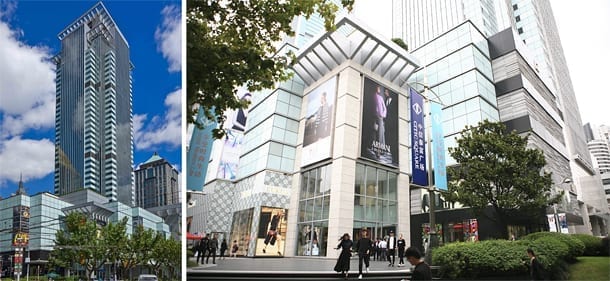
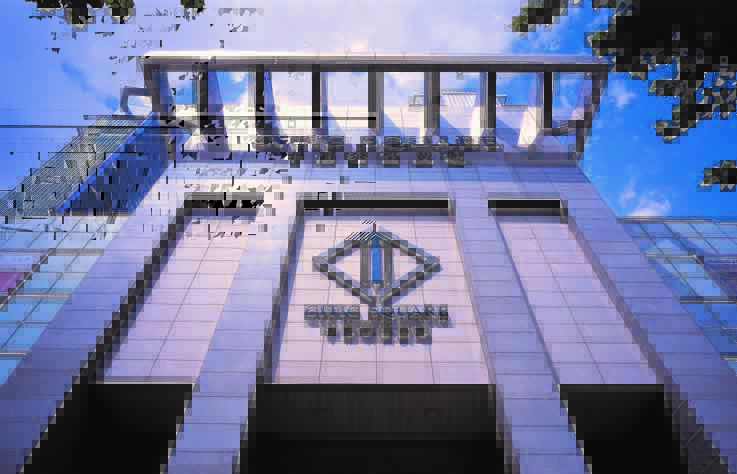
    Lotte Department Store has signed on to a joint venture with Citic Group, a state-owned Chinese company, to operate a shopping mall in Shanghai and to build three more in the region between 2017 and 2019, the Korean company announced Monday.

    The joint venture will operate the already-existing Citic Square Mall in the bustling commercial district of Jing’an on West Nanjing Road. The mall is currently run by Citic Group, and Lotte’s participation in the joint venture with the Chinese company will allow the Korean retail giant to step foot into the Shanghai market without having to navigate through China’s byzantine business regulations.

    Lotte will hold approximately 49 percent of the joint venture’s shares and will focus on operations, while Citic Group will help with property development.

    The partnership was first offered by Citic Group, which makes 60 trillion won ($52.6 billion) in annual sales from financial services, energy and property development. “In China, companies in property development have started to launch businesses in retail because they already have the land to build new facilities,” a Lotte Department Store spokesman said.

    Although Citic Group is an influential company in China, it lacks expertise in retail, as it wasn’t the group’s main business in the past. Competition is also tough, as Shanghai is currently home to over 50 department stores and 80 shopping malls.

    Lotte Department Store, on the other hand, already has five branches across China and has experience with merchandising, store design and employee training in the country. Sales at Lotte’s five department stores rose 28 percent last year from the previous year.

    The Korean retail giant said it plans to use the partnership to create more opportunities for Korean brands to enter Shanghai. Consumers in the metropolis have shown particularly high interest in Korean popular culture, making it a good starting point for Korean fashion companies looking to set foot in China.

    “We believe the partnership with Citic Group will strengthen our stance in the Chinese market,” Lotte Department Store CEO Lee Won-jun said. “Our plan is to use this opportunity to help other domestic companies with potential to expand to China as well.”


  • ASEAN e-commerce market keeps booming

    ASEAN e-commerce market keeps booming

    The ASEAN region (The Association of Southeast Asian Nations) is emerging as one of the most promising e-commerce markets in the world to replace the saturated Chinese market.

    Following the establishment of the ASEAN Economic Community (AEC) at the end of 2015, e-commerce is providing huge opportunities for Korean retailers seeking new customers abroad.

    Most member states of ASEAN, including Indonesia, Thailand, Malaysia, Singapore, the Philippines and Vietnam, are experiencing an e-commerce boom.

    The Internet-based retail market has been relatively underdeveloped in Southeast Asia due to low Internet penetration and lack of customers with purchasing power.

    However, with the middle class growing and Internet penetration spreading, the number of online and mobile shoppers in the region is rising fast.

    Still, it is fragmented and Internet users account for only around 40 percent of the total population of Southeast Asia, indicating that the region has much room to grow.

    According to the 2016 report “E-Conomy SEA (Southeast Asia)” released jointly by Singapore’s sovereign fund Temasek and Google, the average annual growth rate of Internet users in the region is forecast to reach approximately 14 percent by 2020, well above 4 percent for China and 1 percent for the United States.

    Online shoppers, accordingly, are also on a sharp rise.

    According to Bain & Company, the number of digital consumers, or those aged over 16 and using e-commerce, reached 150 million in 2015. Of them, around 100 million or 75 percent actually purchased goods online.

    By nation, Indonesia ranked at the top with 51 million digital consumers, followed by Vietnam (31 million), the Philippines (28 million), Thailand (23 million), Malaysia (14 million) and Singapore (3 million).

    “Chinese and global Internet companies should look at Southeast Asian e-commerce as their next potential gold rush,” reported IT-specialized media TechCrunch in June, 2015.

    In particular, ASEAN’s e-commerce has a special feature that sets itself apart from other countries.

    For example, the online retail market in the U.S. and Korea first grew with expansion of PC-based shopping. However, Southeast Asia experienced the e-commerce boom with more consumers accessing Internet via smartphones.

    In 2015, e-commerce in the ASEAN is estimated at $5.5 billion (6.06 trillion won), and the amount is expected to rise to $8.78 billion by 2025, according to E-Conomy.

    The portion of e-commerce to retail sales in the region stood at only 0.8 percent in 2015 but is forecast to jump to 6.4 percent by 2025.

    Global players eye ASEAN

    Against this backdrop, global players are making fast forays into the ASEAN e-commerce market.

    In April, Alibaba, China’s largest e-commerce company, purchased a controlling stake in Southeast Asian online retailer Lazada Group for $1 billion, its largest overseas investment.

    Lazada was started by Germany’s Rocket Internet in 2012 with headquarters in Singapore. It is operating in Malaysia, Indonesia, the Philippines, Thailand and Vietnam. It is the number one e-commerce player in Philippines, Malaysia, Thailand and Vietnam.

    In June, U.S. retail giant Amazon also decided to invest $600 million to open an e-commerce platform in Indonesia, according to Daniel Tumiwa, chairman of the Ecommerce Association of Indonesia (IDEA).

    Japanese SoftBank and Silicon Valley venture capitalist Sequoia Capital acquired a $100 million stake in Tokopedia, the biggest startup investment in Indonesia. eBay, another U.S. e-commerce giant, currently owns Qoo10, the online shopping mall based in Singapore.

    Korean companies are also expanding their operations in the region to capitalize on the rising popularity of hallyu or the Korean Wave.

    On Sept. 20, CJ Korea Express, South Korea’s largest parcel delivery service company, signed an international delivery service contract with Lazada. Under the deal, CJ would deliver goods made in Korea purchased by customers via Lazada’s website.

    On the same day, KOTRA, Korea’s trade-investment promotion agency, joined hands with Qoo10 to start an online support program and help Korean small firms export their goods to Southeast Asia. Qoo10 has a total of 300 million online members in Singapore, nearly 60 percent of its population.

    SK Planet opened 11th Avenue, its online shopping mall, in Indonesia in 2014 and Malaysia in 2015.

    Korea is now focusing on expanding exports of consumer goods to ASEAN as it has faced limitations to increase external shipments of parts and intermediary products.

    “With more Korean firms entering the ASEAN e-commerce network, including Lazada, exports of Korean consumer goods, such as mobile phones, cosmetics, food and fashion items, are on a sharp rise,” Roh In-ho, KOTRA’s Asia Regional Director based in Singapore, said.

    For sustainable growth, Korean firms need to make more effort to come up with localized strategies that meet demands from local customers.

    “If diversifying marketing strategies, ASEAN e-commerce will offer good opportunities for small Korean exporters,” Roh said. “It is very important to develop designs and products that locals would like.”
  • Korea’s Mangosix arrives in Japan

    Korea’s Mangosix arrives in Japan

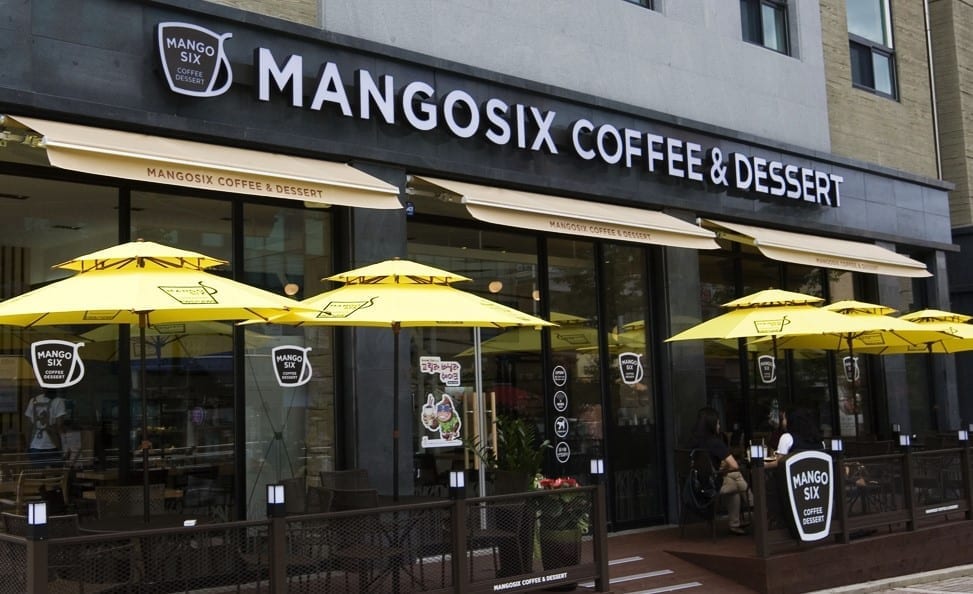
    Korean cafe chain Mangosix has opened its first branch in Japan, in Don Quijote Miyakojima store in Nishisato, Hirara, in Okinawa.

    With mango juice as its main product, Mangosix opened its first store in 2011 and now has about 230 outlets in Asia, Europe and the US.

    For the first time, Mangosix will also offer ice brewed coffee at its Japanese store. Milkissimo’s gelato from Hokkaido is used for sweets and coffee toppings. Miyako-jima island is known for its mangoes, which is why the company decided to open its first store there.

    Mangosix Japan president Akira Kito says the company aims to open 30 stores in Japan within the next three years.

  • China biggest buyer of Korean beauty products

    China biggest buyer of Korean beauty products

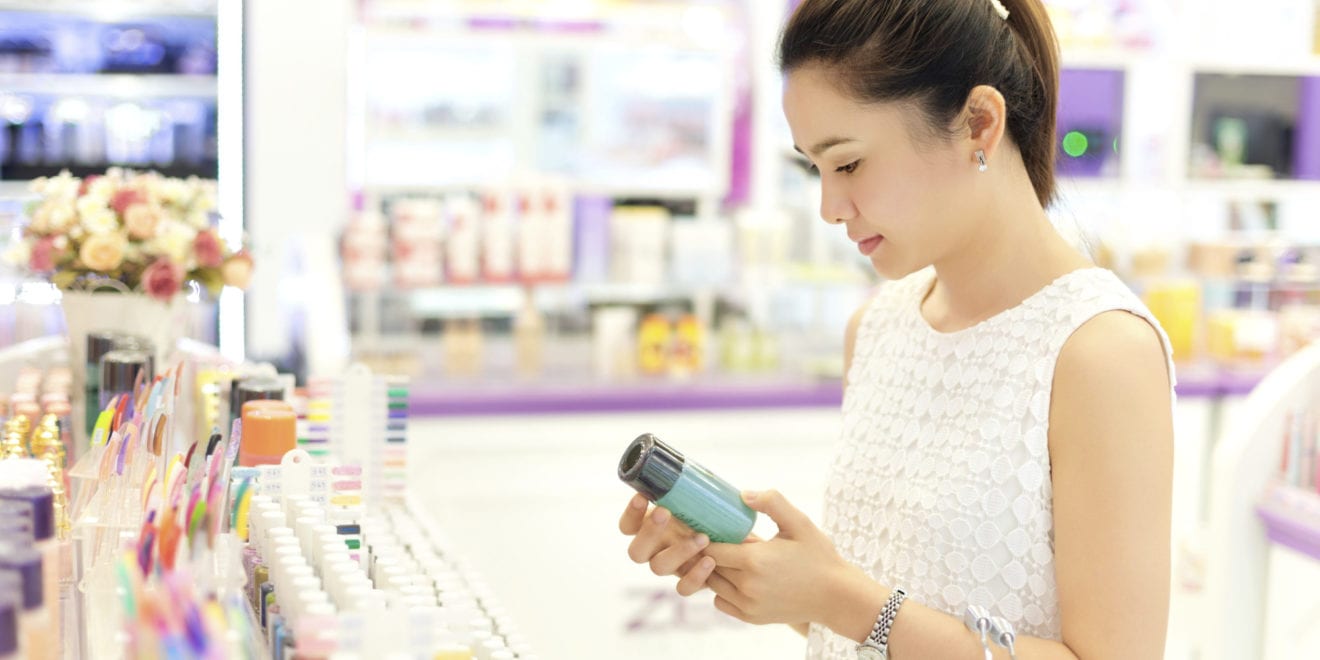
    China was the biggest buyer of Korean beauty products last year, grabbing almost half of the country’s cosmetics exports, according to Korea Health Industry Development Institute data.

    Chinese buyers accounted for 41.1 per cent of South Korea’s cosmetics exports, jumping from 22.1 per cent portion in 2013.

    The value of the exports also skyrocketed, from US$274.34 million in 2013 to $1.04 billion last year.

    However, exports to China could be in jeopardy if Beijing imposes economic sanctions in response to South Korea’s push for an advanced US missile defense system, says the institute. South Korea announced in July that it would take on the Terminal High Altitude Area Defense (THAAD) system by the end of next year to counter growing threats from North Korea.

    “There is concern over the Chinese government enacting indirect or direct economic sanctions and possible anti-South Korea sentiment in China,” says the institute.

  • CTE debuts in South Korea

    CTE debuts in South Korea

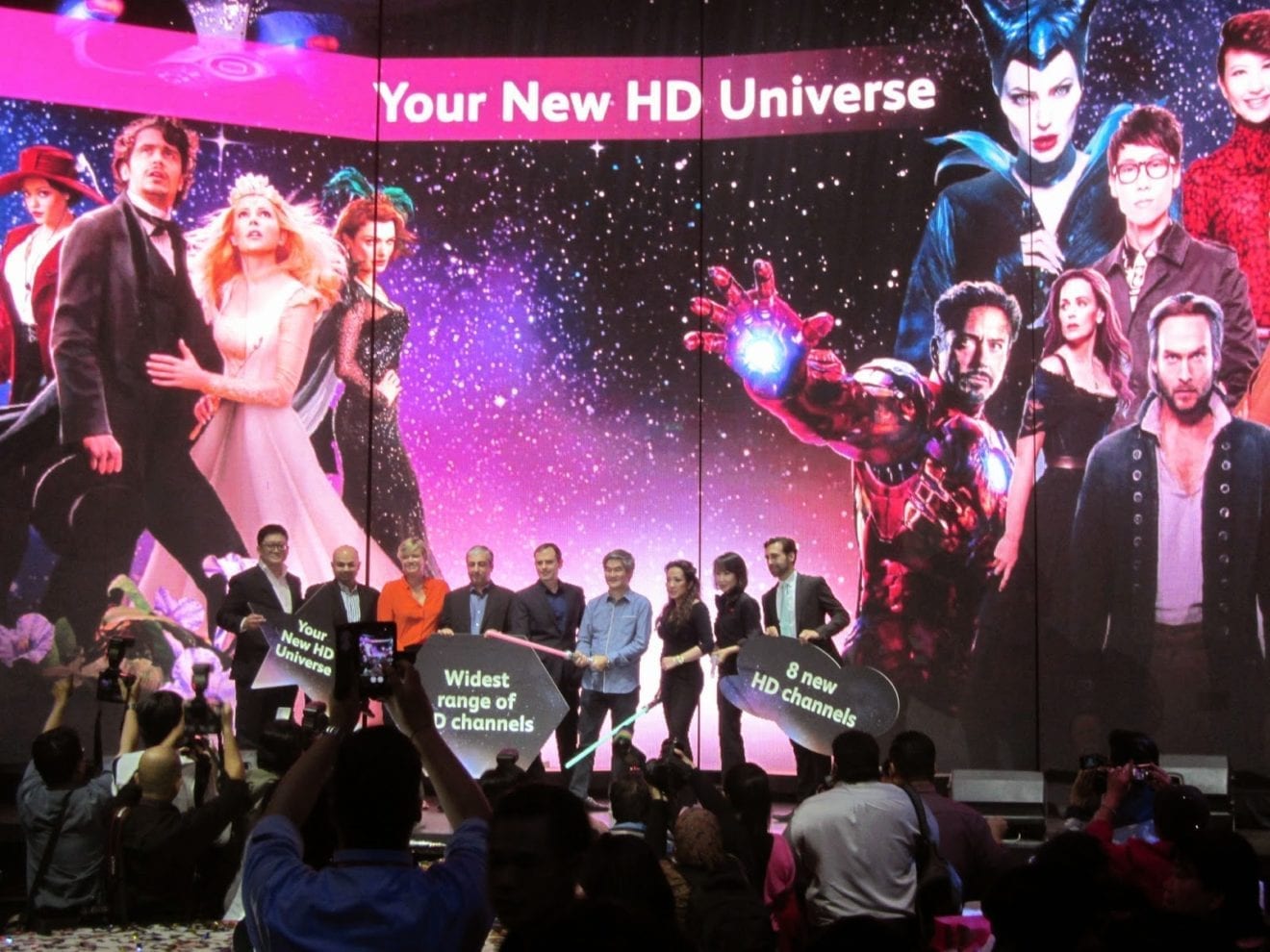
    Celestial Tiger Entertainment (CTE) has launched its flagship Chinese movie channel, Celestial Movies, on SK Broadband – a major pay TV platform in South Korea with over 3.8 million subscribers.

    The channel is now available on SK Broadband’s linear service “B tv” as well as OTT services “B tv plus” and “oksusu”.  The deal marks CTE’s first foray into South Korea.

    “This launch in South Korea is a very important milestone for Celestial Tiger Entertainment as this marks the 16th country for our network footprint,” said Todd Miller, CEO of CTE.

    Celestial Movies will be fully localized with Korean subtitles.  The channel will offer Chinese blockbusters and iconic films covering a diverse range of genres and featuring superstars like Jet Li, Chow Yun Fat, Stephen Chow and Nicolas Tse.

    Celestial Movies also airs special programming each month centered around themes such as tribute to stars, special holidays and particular genres. Beyond movies, the channel also presents interviews with renowned Chinese stars and directors.

    Celestial Movies is CTE’s flagship Chinese movie channel in Asia.  In Malaysia, Celestial Movies, Celestial Movies HD and Celestial Classic Movies continued to dominate the Chinese demographic as the top three most-watched regional movie channels among Astro Chinese 4+ audiences in the first six months of 2016.  In Indonesia, Celestial Movies remained among the top four regional movie channels including Hollywood services.

  • Tesla rents second space in Korea to go Gangnam-style

    Tesla rents second space in Korea to go Gangnam-style

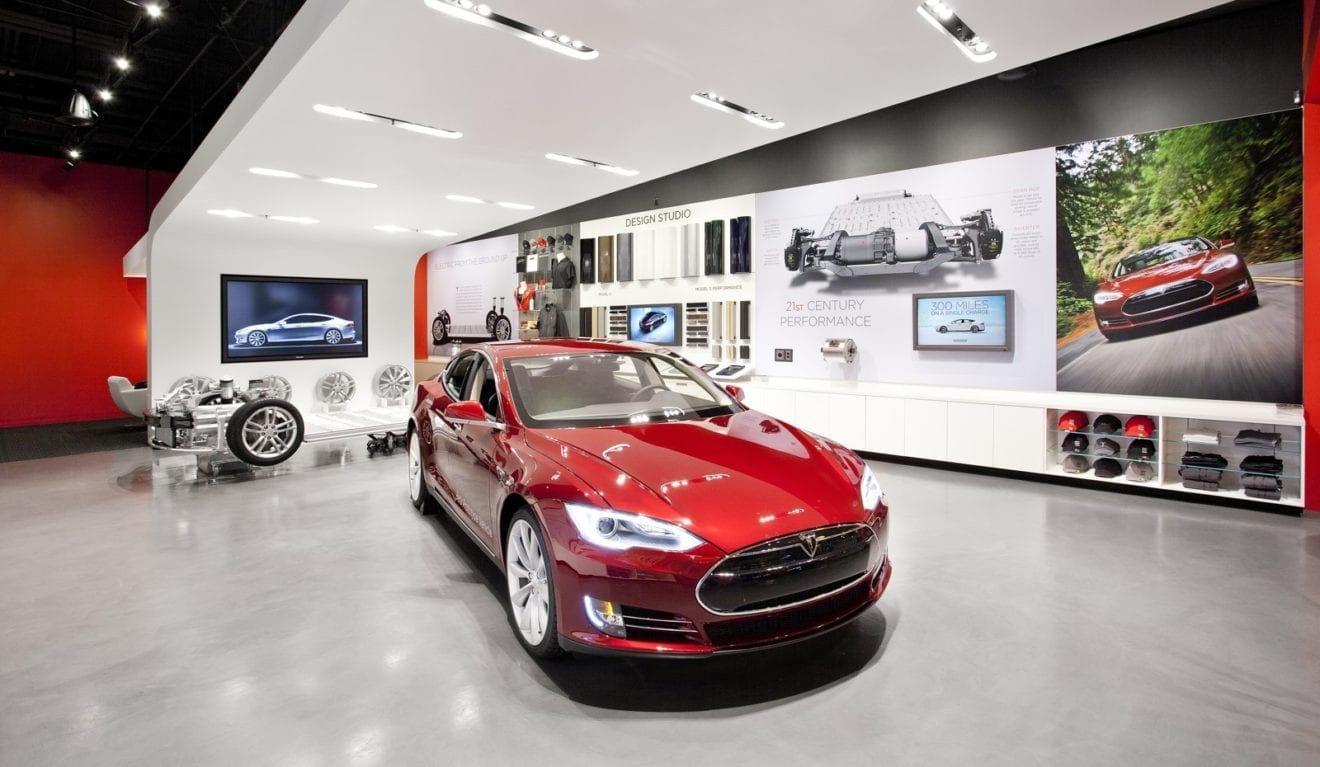
    Tesla Motors is preparing to open a second showroom in Korea in Gangnam, southern Seoul. Its first will open in the Starfield Hanam shopping mall in Gyeonggi in less than two months.

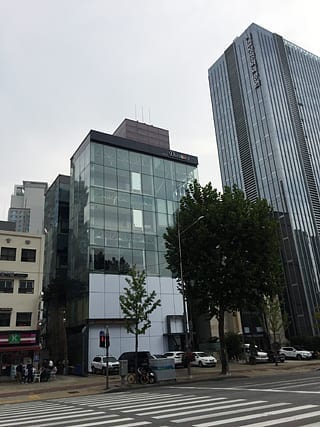
    A lease on three floors of a five-story building in Cheongdam-dong, 131-11, known as Yeongdongdaero 730 under the new address system, was signed by Tesla Motors Korea on Sept. 1. Tesla will rent the building’s basement, first and second floors through Aug. 31, 2021. The rent is 500 million won ($439,059) for the entire period, the document shows.

    The landlord is Bora Trading, a Seoul-based importer of Italian food products including the De Cecco pasta brand.

    Tesla made it official Sept. 2 that it would open its first Korea showroom in Starfield Hanam, a shopping mall that was opened Sept. 9 by retail giant Shinsegae, by December. The announcement came 10 months after the American electric vehicle pioneer opened an office in Samseong-dong, southern Seoul.

    Second showroom for Korea in a building in Cheongdam-dong, 131-11, 

    Tesla confirmed its rental in Gangnam.

    “We have just registered a building on Yeongdong Boulevard,” said Atsuko Doi, Tesla’s head of communications for Asia Pacific, in an email. She added the company hasn’t “planned in detail how we use it.”

    Regarding rumors among auto enthusiasts in Korea that Tesla may choose not to open the showroom in the 212-square-meter (2,281-square-foot) space in Starfield Hanam, she described them as “incorrect.”

    When visited on Monday by the Korea JoongAng Daily, the space Tesla has rented from Bora Trading was already under remodeling. Previously an Italian restaurant, the old interior was torn down completely. One of the workers on the scene said they are working on an automobile showroom without elaborating further. The process is expected to be finished in a month, which would indicate it could open in November at the earliest.

    There is speculation Tesla will open two showrooms simultaneously. The one in Gangnam will be more symbolic of Tesla’s attempt to be considered a luxury brand.

    Cheongdam-dong is Seoul’s swankiest area full of luxury-brand stores including Dior, Cartier and Hermes. Showrooms for Lamborghini, Ferrari and Bentley are less than 1 kilometer from Tesla’s space. Korea’s top automaker, Hyundai Motor, is scheduled to complete by 2021 a 105-story new headquarters just 1.6 kilometers farther down Yeongdong Boulevard.

    The building in Gangnam has been optimized to serve as a car showroom. It was established in 2004 by KUZ Plus, which was the official importer of Ferrari and Maserati until 2006. The floors are framed by huge glass windows to display vehicles.

    In Asia, the California-based company led by business magnate Elon Musk opened its first showroom in October 2010 in Tokyo’s trendy Aoyama district. Now there are three in Japan. Tesla runs 21 stores in China, three in Hong Kong and one in Taiwan, which opened in July.


  • Korea convenience store boom causes concern

    Korea convenience store boom causes concern

    Around 15 convenience stores were opened in South Korea every day on average last year.

    And the Korea convenience store boom is worrying a ruling lawmaker, who has urged the nation’s fair trade watchdog to seek measures to avoid excessive competition in the market.

    According to the data compiled by Rep. Yoo Ui-dong of the Saenuri Party, 5508 convenience stores were newly established in 2015 alone, casting concerns over a potential oversupply of such shops in the domestic market.

    Yoo said while the numbers may seem to reflect the boom in the industry, such a sharp gain may have an adverse impact on the livelihoods of the shop owners.

    “Currently, we do not have a law that can regulate the opening of a new convenience store right next to another,” Yoo said.

    “The Fair Trade Commission needs to come up with measures to limit the number of new shops.”

  • Hyundai Motor reaches tentative wage deal with South Korean union

    Hyundai Motor reaches tentative wage deal with South Korean union

    Hyundai Motor reached a tentative wage pact with its South Korean labor union on Wednesday after the worst strikes in the automaker’s history disrupted output at its domestic production base.

    The agreement is subject to a vote by almost 50,000 union members on Thursday, who rejected an earlier deal in August because of it was less generous than the previous year’s package.

    The union has held 24 rounds of full-scale or partial strikes since July 19, preventing the automaker from making 131,851 vehicles worth more than 2.9 trillion won ($2.60 billion), the government said last week.

    “The company and the union have formed a common ground that we should prevent further catastrophe as a prolonged strike has had a substantial impact on not only the company but the regional and national economy,” Hyundai Motor said in a statement.

    Under the latest agreement, Hyundai will increase basic monthly pay by 72,000 won; give each worker a one-off payment of 3.3 million won as well as bonus and incentives payments worth 3.5 times their basic monthly wage; and each worker will also receive 10 Hyundai shares, the company said.

    The deal came after the government threatened to intervene to suspend strike action, criticizing the union for walkouts despite relatively high wages at the automaker.

    The prolonged labor disputes coupled with sluggish domestic demand have prompted some analysts to cut earnings forecasts for the July to September quarter which the company is scheduled to report late this month.

    Twelve out of 25 net profit estimates have been revised down in the past 30 days, pushing the average estimate 12 percent lower, according to Thomson Reuters StarMine.

    Hyundai Motor, which is the world’s fifth-biggest carmaker including affiliate Kia Motors (000270.KS), has been hit by strikes in all but four of the union’s 29-year history though it usually made up for lost production by the end of each year.

  • Discovery Japan Mall opens online

    Discovery Japan Mall opens online

    Tokyo-based craft products retailer DigitalStudio has launched Discovery Japan Mall, a cross-border eCommerce venture.

    Specialising in Japanese brands, the mall’s initial catalogue includes mainly toys, fishing gear, cosmetics, food, watches and fashion. About 100 Japanese companies have opened stores on the mall, offering about 15,000 items.

    Shipping is available to more than 120 countries and regions, and as part of the opening campaign free international shipping is offered for orders worth JPY 20,000 (US$190) or more until the end of this month.

    As well as credit cards, the mall supports payment by AliPay, PayPal, UnionPay and WeChat. The website is available in English, simplified and traditional Chinese, Indonesian, Korean and Thai. Purchases can be made by smartphone, and all orders include tracking and shipping insurance, plus delivery from Japan.

    Discovery Japan Mall representative Norio Itabashi says many hidden Japanese products do not reach the overseas market, and the mall is working with craftsmen and manufacturers to sell unique products.

    DigitalStudio was established in 2003 with the aim of “continuing to bring Japan to the world”.

  • Chinese celebs promote ‘K-beauty’

    Chinese celebs promote ‘K-beauty’

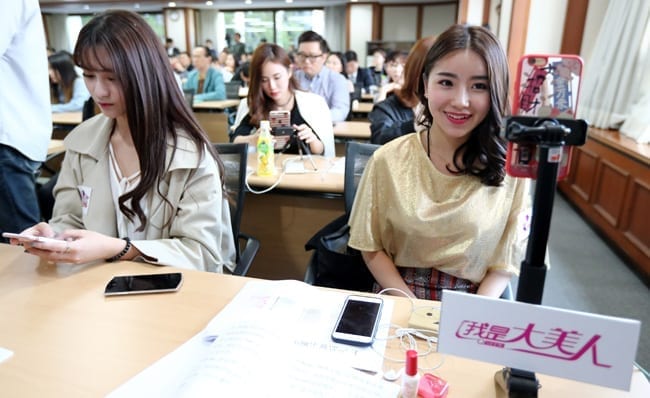
    Internet celebrities in China, known as “Wang Hong” there, have been in the limelight among Korea’s cosmetics and retail industry officials, amid a chilly relationship between the two countries. Bilateral relations have soured since Korea decided to deploy the Terminal High Altitude Area Defense (THAAD) missile system.

    The online stars, who have millions of followers on the internet, exert a strong influence over young Chinese people. According to CBN Data, a commercial data company affiliated with Alibaba, the “Wang Hong economy” is set to be worth 58 billion yuan ($8.7 billion) in 2016, more than China’s box office in 2015.

    Korea’s cosmetics industry officials have recently paid attention to them, as more have promoted K-beauty fever in China, evaluating or recommending Korean cosmetics online.

    Some cosmetics companies have even invited them to Korea to promote their products.

    AmorePacific invited some to Korea in March and September this year to promote its oriental herbal shampoo “Ryoe.” After the invitation, AmorePacific’s shampoo sales in China grew seven times year-on-year. LG Household and Health Care invited nine celebrities to Korea on Sept. 22 to promote its cosmetics brand SU:M37. The Face Shop invited five others and introduced their products to them earlier this year.

    Retail industry officials are looking for opportunities from the celebrities as well.

    Aekyung invited 10 in May to promote its cosmetics brand “Luna,” and HDC Shilla I’PARK Duty Free hosted an overnight trip for five to sightsee spots in Yongsan, central Seoul. Shinsegae broadcasted its “K-beauty fashion week” event to China through the channels of a few of the internet celebrities and Galleria Duty Free Shop employed two to promote the store in China through their social media.

    On Oct. 3, Minister of Culture, Sports and Tourism, Cho Yoon-sun said, “We would like you Wang Hongs, who lead the trend in China, to be a bridge between Korea and China,” meeting six celebrities at Jongno Hanok Village in central Seoul.

  • South Korea’s Largest Retailer Joins Hands With Sinar Mas Land in Indonesia

    South Korea’s Largest Retailer Joins Hands With Sinar Mas Land in Indonesia

    South Korea’s largest retailer, GS Retail, opened its first supermarket in Cibubur, East Jakarta, on Friday (07/10) in partnership with Indonesian property developer Sinar Mas Land, to target the country’s upper-middle class.

    “We decided to choose Legenda Wisata for GS Retail’s first supermarket because Cibubur is home to middle- and high-income families,” GS Retail  senior executive Won Yong Kim said in a statement.

    The supermarket offers a wide range of food, household, electronic, beauty and hygiene products, as well as the popular South Korean bakery shop Tous le Jours and Indonesian café Bengawan Solo Coffee.

    The 2,913 square-meter supermarket, which is located inside the Legenda Wisata housing estate, was constructed by Sinar Mas Land.

    In October 2014, Sinar Mas Land was assigned to build a megastore for one of the Southeast Asia’s largest retailers, Courts Asia Limited, in Kota Harapan Indah residential estate in Bekasi, West Java, and in January 2015, to build another in BSD City in Tangerang, Banten.

    Established in 1971, GS Retail has 11,000 convenience stores and 290 supermarkets in South Korea. It booked $5.7 billion in revenue last year.

    The company has had a presence in Indonesia since March 2014.

  • Hang Nadim Airport to serve flights to China, Korea

    Hang Nadim Airport to serve flights to China, Korea

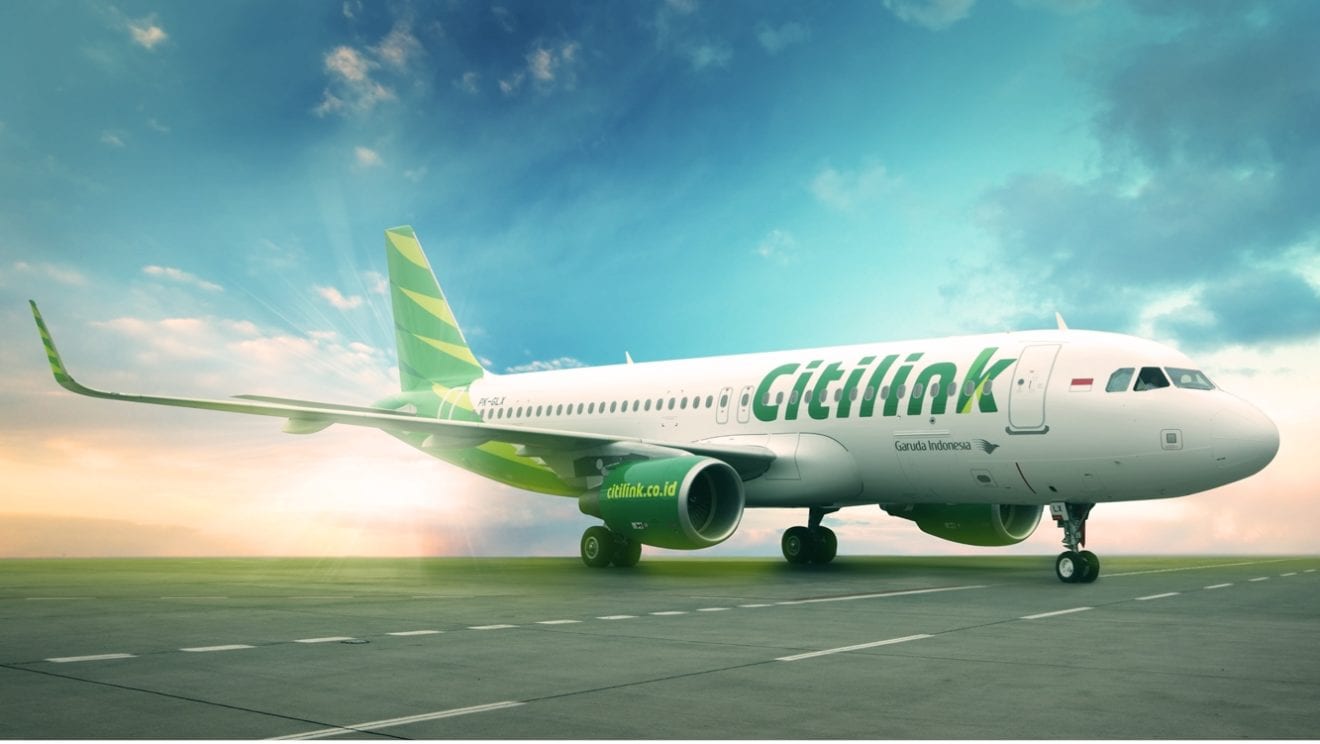
    The Citilink airline company will soon serve flights from Hang Nadim International Airport here to China and South Korea, according to the airports general manager, Suwarso.

    “Two international flights from Batam to China and South Korea have been approved and will soon be launched early next year, probably in February 2017,” Suwarso remarked here on Tuesday.

    According to him, the opening of two routes is part of an effort by the Riau Islands provincial government to increase the number of tourist visits, especially from East Asia.

    With the two new international flights, the Riau Islands provincial government hopes tourist arrivals will increase to enjoy the great tourism potential in the province.

    He said Citilink will operate Airbus A320 aircraft, with the capacity to accommodate 180 passengers, to transport tourists from China and South Korea to Riau Islands Province.

    “The Riau Islands province has formed a partnership with the tour and travel associations in China and Korea. So, with this partnership, these Batam-China and Korea routes could run smoothly,” stated Suwarso.

    He added that Indonesias free visa policy is also applicable to China and South Korea, so tourists from these countries will not need visas when visiting Indonesia.

    “Hang Nadim International Airport is open 24 hours and ready to serve international flights, so there is no problem anymore,” Suwarso noted.

    He said the airport had an international flights lounge area, with a capacity of up to 600 seats.

    International flights from this airport are currently served only by Malindo Air, travelling to Malaysia once per day.

    “If the international flights area becomes crowded, we are ready to increase the capacity of the international waiting room,” remarked Suwarso.

  • ITU Telecom World 2017 to be held in South Korea

    ITU Telecom World 2017 to be held in South Korea

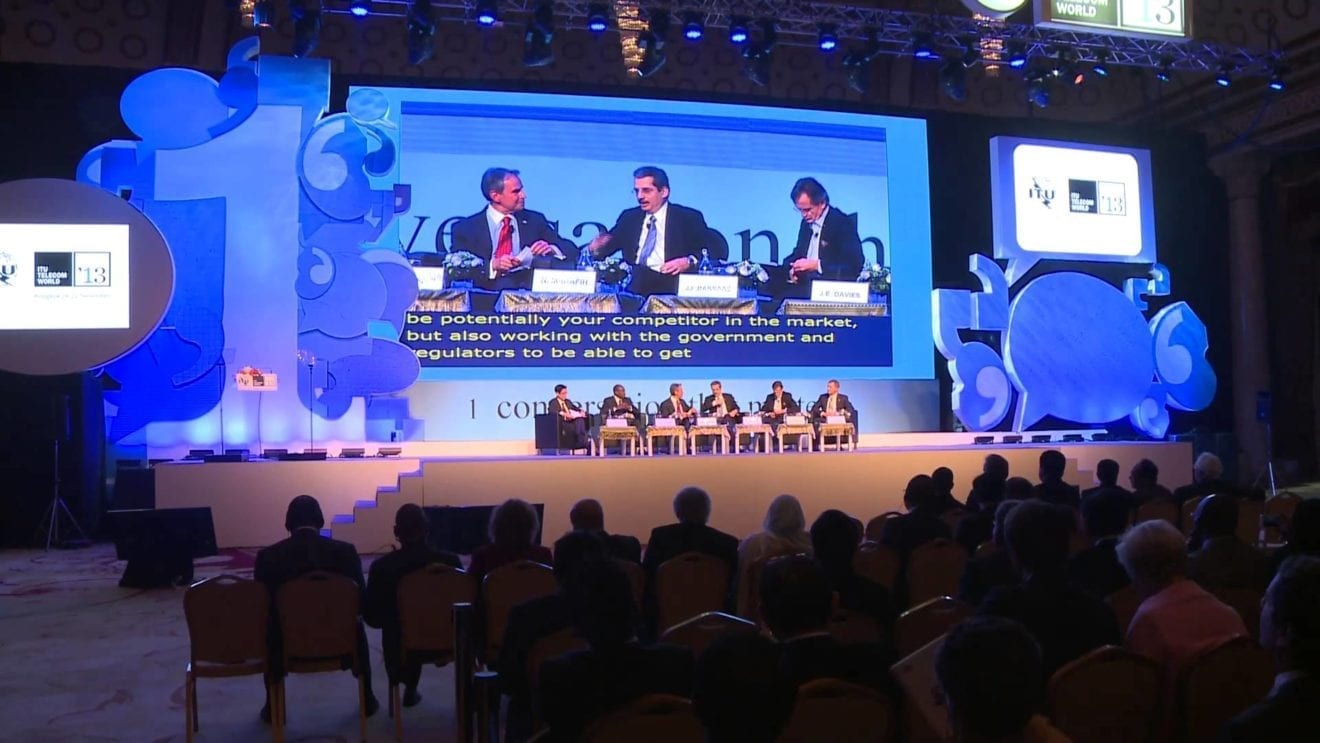
    South Korea’s Ministry of Science, ICT and Future Planning will host next year’s ITU Telecom World conference in the city of Busan.

    The event will take place on September 25-28. It will include an international exhibition designed to showcase new technologies in areas including smart cities, 5G, IoT, automation and AI.

    An accompanying forum will involve high-level discussions exploring the technologies, policies and strategies driving the digital economy, as well as the ICT-related efforts to meet the UN’s Sustainable Development Goals.

    In addition, the annual ITU Telecom World Awards will recognize innovation in ICT solutions with social impact from companies of any size, from SMEs ranging up to large corporations.

    “The Republic of Korea has been a terrific partner of ITU for many years,” ITU secretary-general Houlin Zhao said.

    “Busan will be a great setting for ITU Telecom World 2017 to continue our mission of promoting cross-sector partnerships in ICTs to achieve the Sustainable Development Goals.”

    ITU Telecom World 2016 will take place in Bangkok on November 14-17.

  • Korea and Singapore’s broadband lead narrows

    Korea and Singapore’s broadband lead narrows

    South Korea continued to have the highest average connection speed in the world at 27 Mbps while Singapore maintained its position as the country with the highest average peak connection speed at 157.3 Mbps.

    These were among the findings of the Akamai Technologies’ Second Quarter, 2016 State of the Internet Report.

    Both countries, however, registered declines in average connection speed and average peak connection speed, respectively, at 7.2% (South Korea) and 7.1% (Singapore) compared to the first quarter.

    Meanwhile, the global average connection speed decreased 2.3% quarter over quarter to 6.1 Mbps, while the global average peak connection speed increased 3.7% to 36 Mbps. The 10 Mbps broadband adoption rate grew 0.7% quarter over quarter, but 15 Mbps and 25 Mbps broadband adoption rates fell 0.8% and 2.1%, respectively.

    In Asia-Pacific, the report noted that 14 of the 15 surveyed countries had average connection speeds above the 4 Mbps broadband threshold. Indonesia registered a 148% gain in average connection speed in the second quarter and the only country to see its speed double compared to the previous year.

    In the mobile space, Akamai reported that average mobile connection speeds ranged from a high of 23.1 Mbps in the United Kingdom to a low of 2.2 Mbps in Venezuela. The report noted that in the upcoming quarters, it expects to see mobile speeds continue to climb as 4G LTE becomes deployed more broadly worldwide.

    In Asia-Pacific, South Korea (11.1 Mbps) also led the world in average mobile connection in the second quarter of 2016, followed by New Zealand (9.8 Mbps), Japan (9.5 Mbps), Taiwan (9.3 Mbps), Australia (8.9 Mbps), and the Philippines (8.5 Mbps).