Tag: Korea

  • Lotte, Shinsegae address Korean gender employment issues

    Lotte, Shinsegae address Korean gender employment issues

    Korean retail giants Lotte and Shinsegae are competing to improve employment conditions for women.

    The two companies are pushing forward with efforts to provide more opportunities for women to move up in their corporate hierarchies and implementing women-friendly systems as part of their company policies. Korean gender employment issues are of growing concern in a traditionally male-dominated business culture.

    According to industry watchers, Shinsegae’s discount store franchise E-Mart instituted a shortened work-hour system for all of its pregnant employees starting in April, with employees eligible regardless of whether they apply for the benefits or not, and offering them 100 per cent of their wages. Under the arrangement, pregnant employees have their work day shortened by two hours.

    The system had been difficult for female workers to take advantage of given both the company atmosphere which tended to discourage the practice, as well as reduced wages, said a company official.

    In addition, E-Mart announced in March a new leave of absence policy for employees having difficulties with pregnancy, and it also plans to implement its own maternity leave system that allows employees to take up to a year of maternity leave, on top of the legally-guaranteed period of 20 months (eight months for maternity, 12 for childcare). The latter has already been implemented by another Shinsegae franchise, Shinsegae Department Store.

    In contrast, Lotte’s women-friendly policies focus more on employing a greater number of women as new recruits.

    Since 2006, Lotte has been increasing the number of female employees at its affiliate enterprises by hiring more women through its recruiting process. In 2015, 35 per cent of new recruits were women, a rate that the group plans to increase to 40 per cent this year.

    Furthermore, Lotte also operates a special recruiting platform specific to retired female officers from the military, an endeavor which took off in 2011 with cooperation from the defense ministry.

    As a result, the number of women at Lotte with positions as section chiefs or higher now stands at 870, an increase from 95 in 2008, and 19 of the group’s board members are also female.

    Meanwhile, Lotte established eight additional daycare centers for its employees in the first half of 2016 for working mothers, while allowing women to automatically take their year-long childcare leave right after their maternity leave, so they won’t have to face unnecessary guilt or unwelcome comments from colleagues or bosses.

    “Chairman Shin Dong-bin seems to be taking extra attention to nurture female employees and their talent,” said a Lotte official. “Our goal is to create a work environment where women can work without facing gender discrimination.”


  • South Korea is world’s top online FMCG market

    South Korea is world’s top online FMCG market

    South Korea was the world’s top market for online grocery sales for the 12 months preceding June 2016.

    This was the conclusion from the third annual Future of e-Commerce in FMCG (Fast Moving Consumer Goods) study by Kantor WorldPanel, a firm that tracks consumer buying behavior worldwide.

    The report noted that sales of groceries through e-commerce platforms reached $48 billion in the 12 months to June 2016.

    E-commerce now accounts for 4.4% of all FMCG sales. However, despite the growth of e-commerce, the growth of the entire FMCG market was flat performance during the same period, increasing just 1.6%.

    “FMCG growth is slowing, but our data shows that people are looking for more convenience, which can be met by shopping online. Grocery e-commerce, although currently small, with only one in four people shopping online, is growing fast,” said Stéphane Roger, the global shopper and retail director at Kantar Worldpanel.

    “We forecast it will grow to 9% of the market and be worth $150 billion by 2025. With new entrants such as Amazon expanding rapidly, the industry is facing a shake-up,” he said.

    E-commerce growth is also unequal, differing from country to country. Although connectivity plays a part, it is not clear whether it is the primary reason for the growth.

    For example, while South Korea is the world’s largest online FMCG market by value share (16.6%), US consumers only bought 1.4% of groceries online.

    Meanwhile, China’s netizens are catching up. The report noted that the country saw the biggest growth in the last 12 months, 47% – to a value share of 4.2%.

    Meanwhile, Europeans have a relatively low adoption of e-commerce in all countries except the UK with 6.9% of the market and France which has 5.3%.

    According to Kantar WorldPanel, France is a relatively unique e-commerce market with their success with the Drive model, where online purchases are collected from the store.

    Other conclusions:

    • Online buyers tend to continue to keep buying online after their first purchase.
    • Online buyers are less impulsive, based on comparative research across UK, France and China.
    • 50% of FMCG purchases in China is on beauty.
    • Online buyers splurge more on a single visit online.
    • 55% of online shoppers tend to use the same shopping list for the next purchase.
  • McDonald’s Malaysia ‘not in hurry’ to sell

    McDonald’s Malaysia ‘not in hurry’ to sell

    Despite shortlisting several bidders for the McDonald’s Singapore and McDonald’s Malaysia franchise rights, Malaysian subsidiary Golden Arches Restaurants says it is not in a hurry to sell.

    MD Azmir Jaafar says the deal is being discussed with the shortlisted bidders, but no time frame has been set to complete the transaction.

    “We want to find the right partner who understands the local market and can ensure continuity of McDonald’s value and tradition, as well as be backed by strong capital.”

    He says it has always been the group’s idea to sell the franchise rights to a local partner, which would be more efficient than management by a corporate entity.

    McDonald’s Corp announced a revamp of its ownership models throughout Asia in July, including plans to offload its China, Hong Kong, Malaysia, Singapore and South Korea master franchises.

    CEO Steve Easterbrook’s plan covers about 4000 restaurants with an ultimate goal of having at least 95 per cent of the group’s restaurants franchised.

    Meanwhile, Azmir says that as the Malaysian deal is a business transaction “we will ensure the valuation is done properly”.

    “Still potential”

    There are 260 McDonald’s restaurants in Malaysia, with Golden Arches managing 200 and the rest in the hands of a third party. Though Malaysia has a population of only about 30 million people, which is relatively smaller than China and Indonesia, Azmir still sees huge potential in the market.

    “There are still many underserved areas,” he says. “As the government is improving the infrastructure in Sabah and Sarawak, I think we can expand our footprint into Kota Kinabalu and Kuching and other cities.”

    Azmir says the company intends to open 30 stores in the Klang Valley, Johor, Melaka and Penang as well as Sabah and Sarawak in the next three years. Five to seven new stores are targeted for this year, with one in Presint 2, Putrajaya, and another in Chukai, Terengganu, already open.

    “Our expansion plan is focussed on stand-alone stores as this model works very well, especially in terms of accessibility and convenience. Our ultimate goal is to have 500 stores in the country.”

    Azmir says the company also intends to renovate and remodel up to 30 outlets, each to cost about RM1 million (US$241,700). They have been open for nearly 30 years and will also have their technology upgraded.

    Combined, McDonald’s Singapore and McDonald’s Malaysia have enjoyed record sales in the past few months and is still targeting higher double-digit growth this year.

    Even following the introduction of the goods and services tax in Malaysia in April last year, Azmir says the company raised its selling prices by only about 1 per cent to offset the higher raw-material cost.
    He believes McDonald’s has captured up to 42 per cent market share in the Malaysian fast-food market.

  • Fast Retailing rolling out GU shops overseas

    Fast Retailing rolling out GU shops overseas

    Japanese retail holding company Fast Retailing intends to have 1000 shops for its low-cost GU brand overseas in 10 years, up from about 10 foreign stores now.

    GU sells clothing often priced at about half that of stablemate Uniqlo.

    Fast Retailing will expand GU first in Asia, where Uniqlo has been successful, says chairman/president Tadashi Yanai.

    After increasing its GU outlets in Taiwan and China, Fast Retailing will turn its attention to South Korea, Hong Kong, Thailand and Singapore for growth in the next five years.

    GU’s first overseas store opened in 2013. In Japan, the brand’s low prices and sensitivity to fashion trends have helped store numbers grow to around 350.

    Meanwhile, Uniqlo now has more stores overseas than in Japan, with plans to set up around 100 shops a year in China.

    Other brands under Fast Retailing’s wing include Comptoir des Cotonniers, J Brand and Princesse Tam-Tam.

  • GM Korea sales plunge 12.4 pct on-year in September

    GM Korea sales plunge 12.4 pct on-year in September

    GM Korea Co., the local unit of U.S. automaker General Motors Co., said Tuesday its sales dropped over 12 percent from a year earlier last month as both its domestic sales and exports suffered heavy losses.

    In September, the company sold 45,113 vehicles globally, down 12.4 percent from the same month last year, the company said in a press release.

    Domestic sales tumbled 14.1 percent on-year to 14,078 cars, while exports retreated 11.16 percent to 31,035 vehicles.

    In the first nine months of the year, the company’s global sales slipped 4.4 percent to 434,573 cars despite a 12.3 percent on-year spike in domestic sales as its outbound shipments plunged 10 percent on-year to 306,583 units over the cited period.

  • Korea’s Etude House refreshens image

    Korea’s Etude House refreshens image

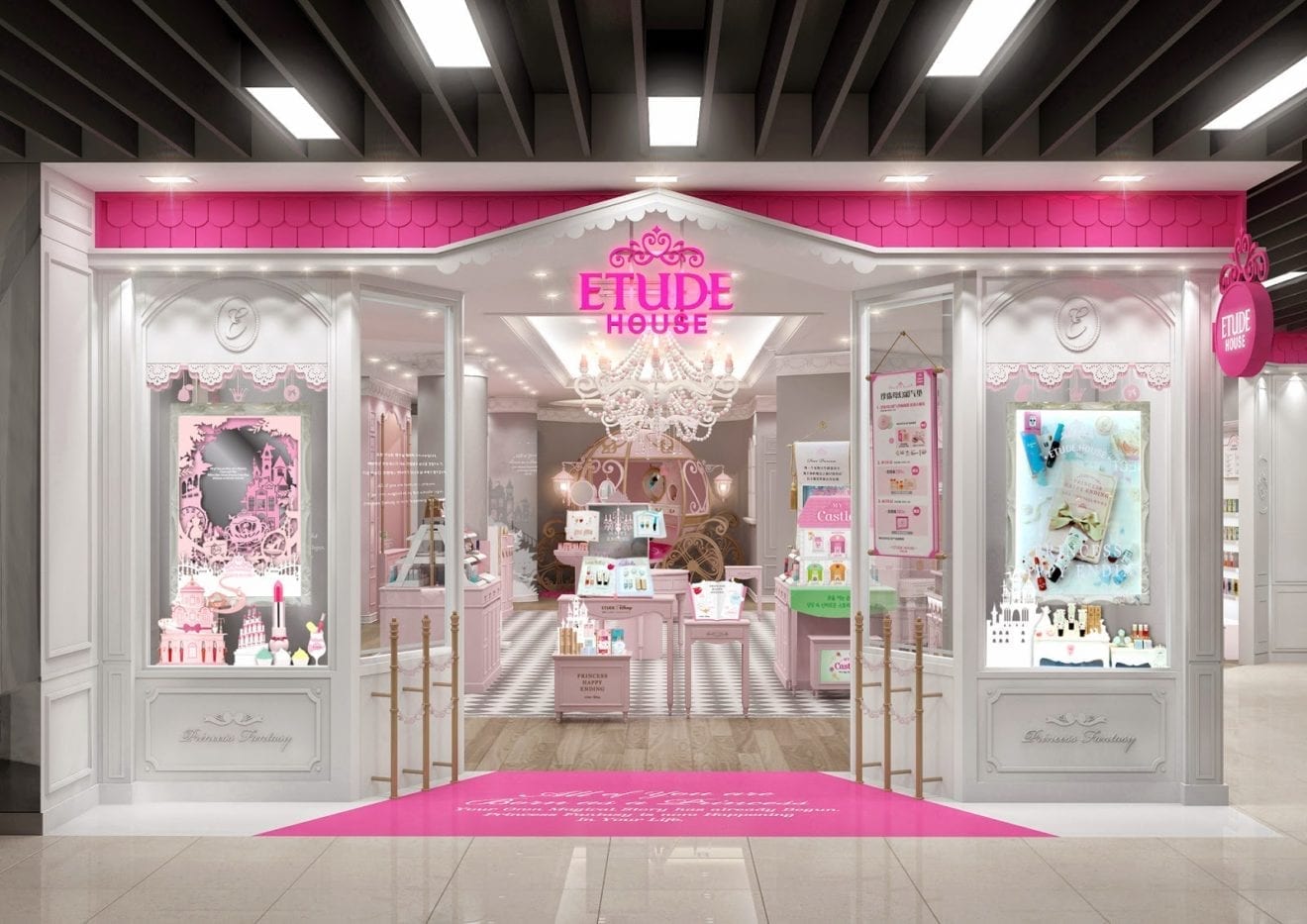
    With a new brand positioning, Korea’s Etude House has been making inroads in the global cosmetics market this year.

    Previously tagged Princess Fantasy, its new positioning line is Sweet Dream. Its makeover includes more sophisticated visuals in its advertisements and packaging designs, plus a new slogan, “Life is Sweet”. The aim is to symbolise the positive energy and values of people in their 20s as Etude House works toward its vision of becoming the “global No. 1 young makeup brand” through overseas expansion, digital content development, new services and innovative products.

    Etude House, owner by Amorepacific has about 230 stores in 12 Asian countries, and by 2020 aims to have increased its number of overseas stores by 50 per cent.

    From June, Etude House has been managing a multi-channel network, the Beautizens Club, to support the development of new beauty content creators. This has led to 25 content creators from Asia being chosen as “beautizens” to receive makeup tutorials.

    Etude House also has a new mobile app that lets customers administer their account. It also contains digital content that analyses purchasing patterns and draws on age-group general preferences to suggest colours.

    In co-operation with the Seoul Metropolitan Rapid Transit Corporation, the brand offers customers the option to pick up their online-ordered products at lockers inside subway stations.

  • South Korea August dept store sales rise for 3rd month

    South Korea August dept store sales rise for 3rd month

    South Korea’s department store sales rose for a third straight month in August thanks to widespread discounting ahead of a major public holiday this month, government data showed on Thursday.

    Combined sales at department stores run by Hyundai Department Store, Lotte Shopping and Shinsegae Co rose 4.1 percent on-year, data from the Ministry of Trade, Industry and Energy said.

    This followed a 7.0 percent jump in July.

    Sales of all individual categories at department stores rose in August, with the exception of men’s clothing.

    The same data showed August sales at discount stores fell 1.3 percent from a year ago after rising for two months previously. In August, sales rose 2.1 percent.

    The decline was attributed to a 14.8 percent slump in sports-related goods as the unusually hot summer weather this year discouraged customers from seeking them out, the monthly report said.

    Online open market sales growth at websites owned by eBay Korea Co Ltd and others slowed slightly to 22.4 percent in August from 31.2 percent in July.

    Retail sales overall in August mainly saw demand for household electronics like air conditioners and gifts ahead of the Chuseok holiday season, the data said.

  • Korea Sale Festa’ kicks off with huge discounts from retailers

    Korea Sale Festa’ kicks off with huge discounts from retailers

    South Korea kicked off a nationwide shopping event on Thursday with a variety of promotions, cultural and entertainment events to draw more shoppers at home and abroad and revive the sluggish domestic consumption.

    The massive shopping campaign called “Korea Sale Festa” runs until Oct. 9, involving major retailers, manufacturers and traditional markets, while cultural and entertainment programs for foreign travelers will be held throughout October.

    The shopping festival is jointly hosted by the Ministry of Trade, Industry and Energy and the Ministry of Culture, Sports and Tourism to tie up the retail industry with tourism and cultural sectors to unleash pent-up demands in time with the major Chinese holiday season.

    A total of 249 retailers, manufacturers and online malls provide discounts and promotions at 59,000 stores across the nation, offering much wider options compared with last year’s fall shopping season when “Korea Black Friday” and “Korea Grand Sale” were held between September and October.

    This shopping season isn’t just limited to malls and online retailers. Consumers looking for a new vehicle, phone or television will find some attractive bargains at car dealerships and electronics stores as major companies join the shopping season. Among the big names are Samsung Electronics, LG Electronics, Hyundai Motor, AmorePacific and LG Household & Healthcare.

    samsung
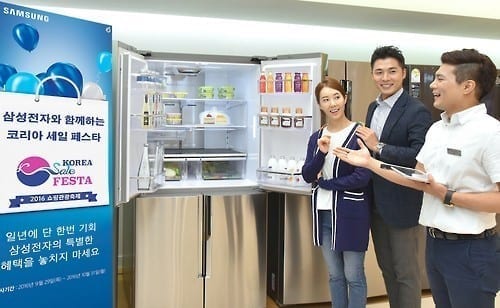
    A sales manager at Samsung’s electronics store in Seoul explains discount deals on a refrigerator on Sept. 28, 2016, in this photo provided by the company.

    Three car makers — Hyundai Motor, SsangYong Motor and Renault Samsung Motors — offer up to a 10 percent discount on cars during the period, while Samsung Electronics and LG Electronics give half priced deals on best-selling home appliance items. Consumers can get up to a 670,000 won discount (US$612) on Samsung’s Galaxy S6 Edge Plus smartphone.

    Department stores give deep discounts on luxury goods, fashion items and cosmetics, knocking down price tags by up to 80 percent.

    Among the top price for a giveaway event is a 700 million won apartment offered by Lotte Department Store, the retail unit of Lotte Group.

    Online malls and social commerce sites, including Coupang and Ticket Monster, are also offering cyber deals during the period, with the government supporting part of their delivery fees to boost sales.

    About 400 traditional markets nationwide will hold various events and unique festivals in October to catch the eyes of visitors and spur the local economy.

    The event held ahead of the year-end holiday season is raising expectations among local retailers as it overlaps with a Chinese national holiday that runs from Oct. 1-7. It’s when deep-pocketed Chinese travelers hop on planes to go on a holiday shopping spree.

    According to industry officials, about 250,000 Chinese tourists are expected to visit South Korea during the weeklong autumn holiday.

    korea-sale-fiesta

    With so much money up for grabs, local retailers have prepared a bunch of promotional events and giveaways targeting Chinese patrons.

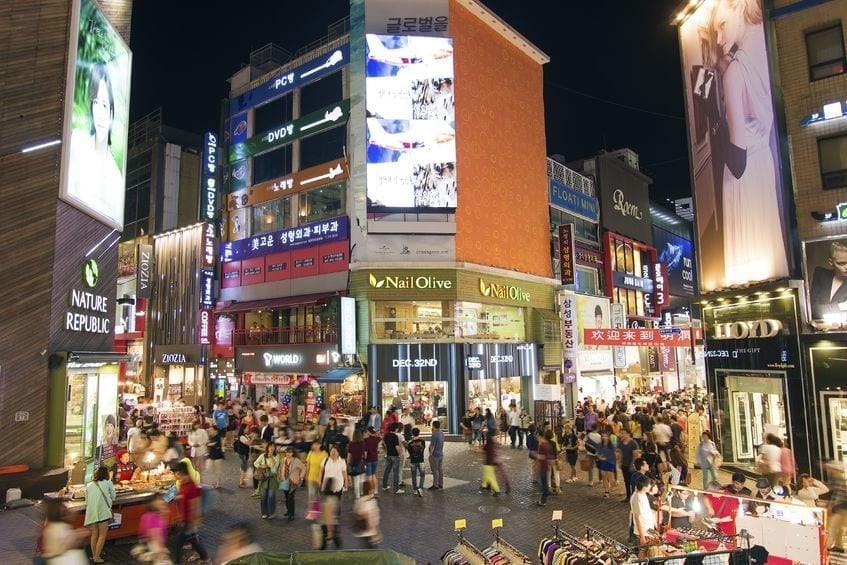
    Myeongdong, the busiest shopping street in downtown Seoul, has transformed to embrace Chinese travelers, supplementing Chinese-speaking shop assistants and putting up Mandarin signs for the latest beauty products.

    Duty free stores, which heavily rely on Chinese travelers, also offer promotional and entertainment events, teaming up with credit card companies.

    Shinsegae Duty Free holds “K-beauty and fashion week” during the Chinese holiday at its Myeongdong branch to attract those who are interested in beauty know-how and encourage purchase of Korean beauty products.

    Market watchers say the influx of Chinese tourists will give much-needed momentum to revitalize the tepid domestic consumption, which will in turn drive up shares related to consumption and leisure.

    “While last year’s sales event was mostly about offering discount deals, Korea Sale Festa is more systematic with wider discounts and cultural events for foreign travelers,” Nam Ok-jin, a researcher at Samsung Securities, said. “Special offers given during (China’s) National Day is expected to maximize the effect.”

  • Xiaomi Products Come to Korean Convenience Stores

    Xiaomi Products Come to Korean Convenience Stores

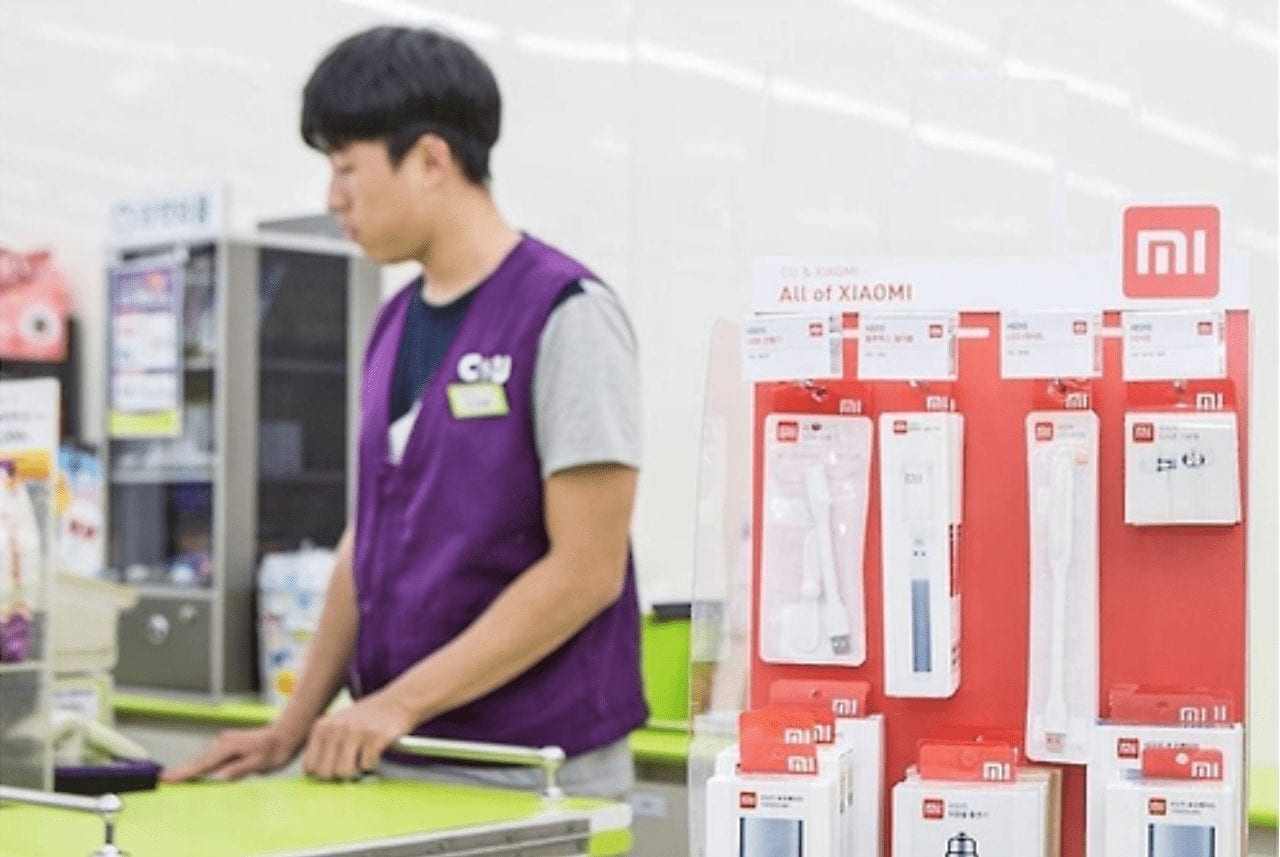
    Ticket Monster (T-Mon), Korea’s leading social commerce platform, announced Thursday that it will be supplying convenience store franchise CU with Xiaomi products for offline distribution.

    CU outlets have already been selling Xiaomi portable battery packs (5000mAh) since the beginning of September, which were also supplied by T-Mon, but they will now have nine other products from the Chinese company on offer, including ear phones, selfie sticks, LED lights, and USB fans. 

    The move is a win-win for both CU and T-Mon. 

    “With the widespread use of smartphones, sales of smartphone-related products such as portable battery packs have increased by 69 percent this year,” said official.

    “We’ll be increasing our Xiaomi inventory at outlets closer to universities, offices, and entertainment districts, while also targeting Chinese tourists at our stores near tourist attractions like Myeongdong and Gwanghwamun.” 

    As for T-Mon, it will be securing an offline distribution channel to further expand its revenue stream. 

    “By allowing offline sales of products that used to be sold exclusively online, we’ll be offering our partners new opportunities to increase their profits,” a T-Mon official said. 

    Xiaomi products have grown increasingly popular on Korea’s ecommerce platforms for their affordability. The company’s 5000 mAh battery pack, in particular, makes up about 80 percent of all portable battery sales on T-Mon. 

    Although the Chinese electronics giant has yet to introduce its smartphones to Korea, the brand has gained widespread recognition with massive popularity on ecommerce platforms like T-Mon and Coupang. 

    Xiaomi made its official entrance here in March through an exclusive deal with local distributor Youmi, and has since been selling a wide range of electronics and consumer goods including the Mi Band (fitness wearable), an air purifier, Bluetooth speakers, a bicycle, and even backpacks.

    The company also opened its first offline store at the Yongsan Electronics Market in June, and is rapidly expanding its outlets across the Seoul Metropolitan Area.


  • Samsung Recovers More Than 60 Percent Of Galaxy Note 7 Smartphones In US And South Korea

    Samsung Recovers More Than 60 Percent Of Galaxy Note 7 Smartphones In US And South Korea

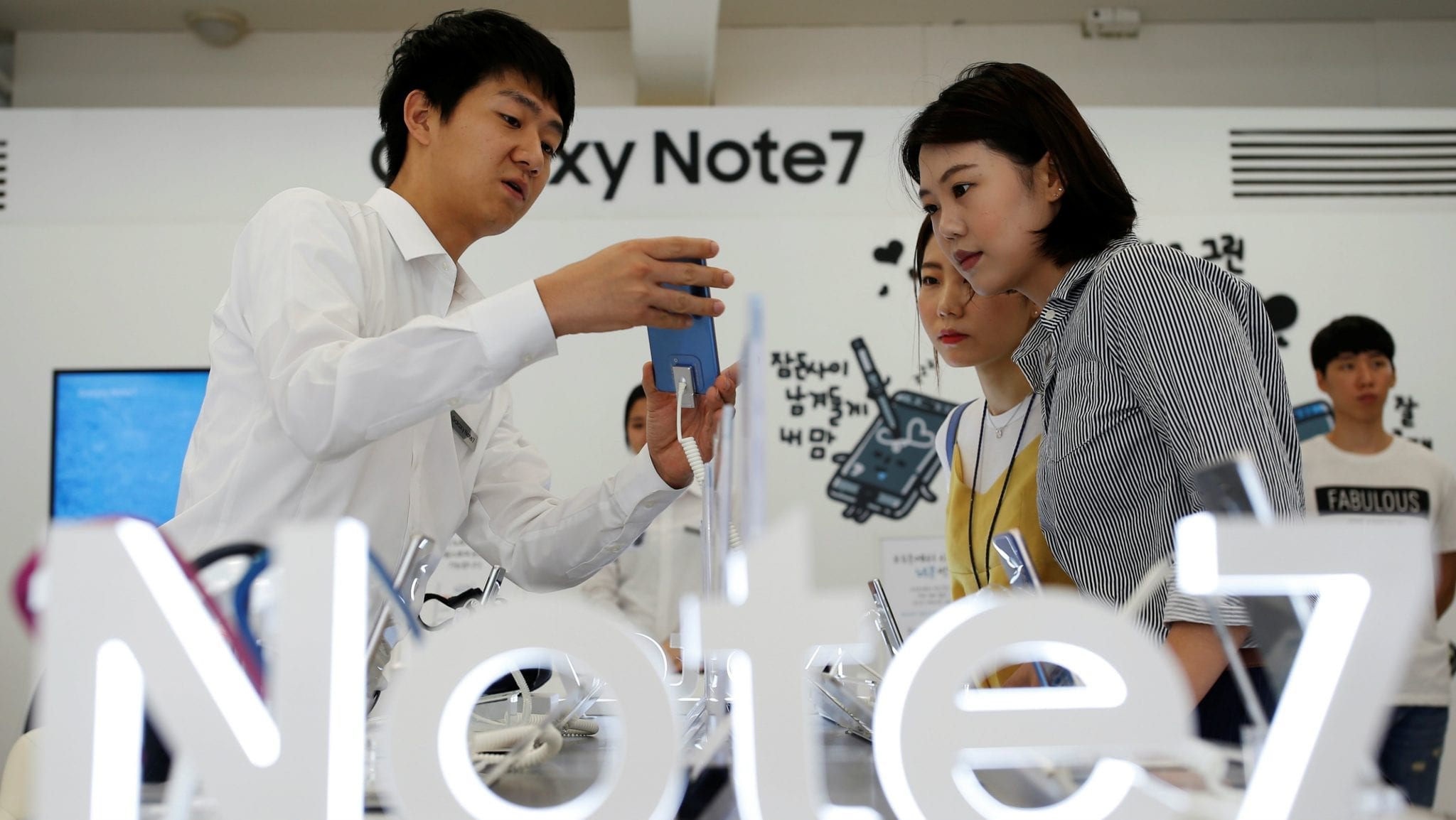
    Galaxy Note 7 smartphones caused headaches and occasional burns to their owners, but only 60 percent of the defective devices sold in South Korea and the U.S. have so far been exchanged with new models, Samsung says.

    This means that 40 percent of the potentially explosive handsets are still in consumer hands, despite the fact that Samsung issued a worldwide recall on the smartphone almost a month ago.

    The percentage shows that the successful exchanges in the U.S. are slowing down.

    At the middle of last week, Samsung reported that 50 percent of the potentially hazardous smartphones were replaced with new models in the U.S. It would seem that the number of returns increased by 10 percent in five days, but keep in mind that the total figure takes into account South Korean returns as well.

    Last week, reports from South Korea indicated that the return percentage in the country is north of 50 percent.

    Samsung tried its best to motivate South Korean retail stores to accelerate the replacement of faulty Note 7 phones, and it even put financial incentives on the table. The Korea Times reports that vendors can earn 20,000 won (about $18) per exchanged phone. Stores can get an additional $18 per phone should they top an 80 percent exchange rate of the Note 7 handsets prior to the end of September.

    Even with the financial motivators in line, mobile customers in South Korea seem rather reluctant to let go of their Galaxy Note 7s. In the OEM’s home country, it took five days to see half of the Note 7 stock exchanged, whereas in the U.S. and Singapore the switch only took two days for 50 percent of devices.

    Singapore customers wasted no time and swiftly returned the fiery Note 7 models. Samsung’s recall program was open for 10 days in the country and it already ranked an 80 percent exchange of the Note 7.

    The recent battery scandal dented Samsung’s reputation as a reliable electronics manufacturer as well as its share value. However, 90 percent of Note 7 customers choose to replace their phones with a safe version of the same device. Of South Korean clients, only 4 percent chose a refund over an updated Note 7.

    As a reminder, the biggest smartphone builder announced on Sept. 2 that at least 2.5 million Note 7 smartphones are being recalled due to faulty batteries that can overheat while charging, causing some phones to burst into flames.

    According to the OEM, the replacement devices that are in stores are sporting safe batteries.


  • Are low spending Chinese shoppers a new normal?

    Are low spending Chinese shoppers a new normal?


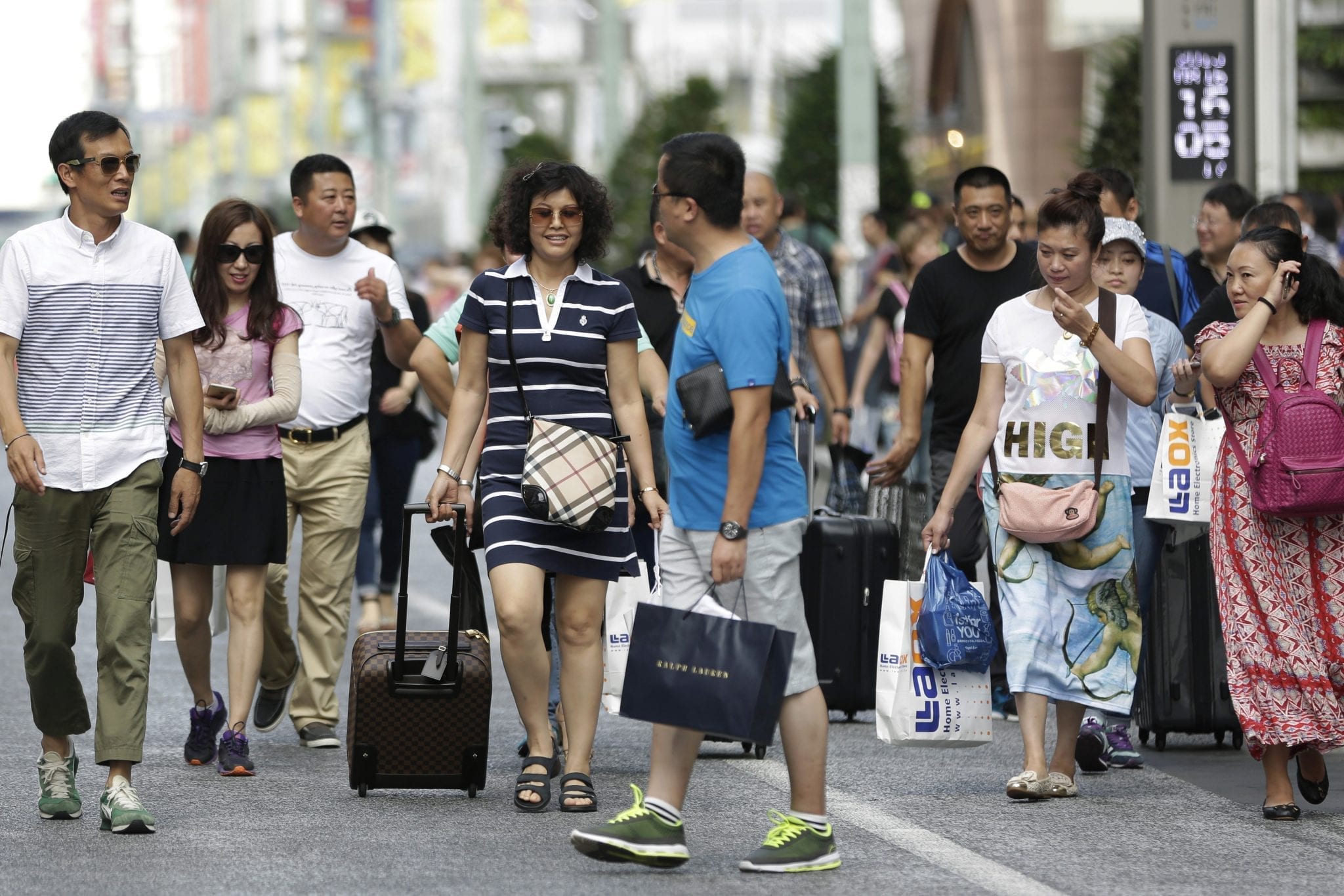
    August shopping data from tax refund specialist, Global Blue, indicates a downward trend in tax-free in-store sales of -13% (year-on-year) – the worst decline since the start of the year and a big fall compared with July’s 0% change.

    global-blue-august-asia-3-markets
    There are stark differences in August tax-free sales, largely because of the beneficial ‘MERS effect’ in Korea.

    While transactions rose significantly in August by +25%, the decline of average spend at -30% clearly shows that individual travellers are spending less and this is probably due to a combination of factors ranging from China’s customs clampdown, a different passenger profile, and currency influences.

    Global Blue says: “The rise of less affluent middle class Chinese travellers continues to bring down the average spend of tax-free shopping globally, with a sizeable impact in Asia. Across the region more ‘value seekers’ from second-tier and third-tier cities are growing their transactions, but with less affluent spending patterns.”

    Duty free and travel retailers can take comfort from the rising number of travellers in Asia, which correlates with higher numbers of transactions in South Korea, Japan and Singapore. But, says Global Blue, the overall sales performance in the region is significantly limited by the headwinds of a stronger yen in Japan and Chinese spending in the region increasingly being driven by value-seeking shoppers who spend less.

    COMMON THEME IS LOWER SPEND POTENTIAL

    The travel boost is not compensating for the spending fall in key duty free and travel retail locations such as Singapore and Japan – while Hong Kong (downtown) does not even have the benefit of rising traveller numbers.

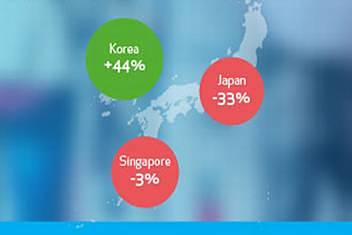
    All Global Blue’s Asia tax-free shopping destinations rely on increased arrivals and traffic, yet the common theme is lower spend potential. With -33% sales in August, Japan has been affected by the strong currency, which has negatively impacted the number of transactions.

    Global Blue August Asia

    Transactions are strongly up but average spending is even more strongly down.

    Global Blue estimates that 23% of Japan’s negative sales performance this month is driven by the softer yen and the other 10% is due to increased numbers of less affluent Chinese shoppers arriving in Japan (+20 to +30% more in the first half of the year at Narita airport) from second-tier and third-tier cities.

    South Korea’s sales performance of +44% this month (versus an impressive triple-digit growth of +215% for July) is on the back of highly beneficial comparisons to last year when the MERS virus took a big toll on traffic.

    ASIA YEAR-TO-DATE DOWN -21%

    Transaction numbers are significantly up across all globe shopper nationalities in Asia, except for Hong Kong (-10%), reflecting the increase in air arrivals across Japan and South Korea. Taiwanese globe shoppers (+43%) showed the highest transactions growth in the region in August, followed by Chinese (+28%), with Thais and Indonesians up too. However, the decline in average spend per transaction is a long-term trend.

    Global Blue estimates that the new Chinese value seekers are having a negative impact of between -6% and -10% across Asia as their demand for regional travel increases, driven by the Chinese government’s strategy of strengthening the economy by localising discretionary spending.

    Year to date tax-free sales performance across the region is flat and average sales are down -21%. A less favourable economic situation in mainland China is also not helping travel spending: for example Japan’s current picture YTD is a +26% increase in transactions and a decline of -25% in average sales.

  • High-end Knockoff Retailers Busted in Seoul’s Busiest Tourist District

    High-end Knockoff Retailers Busted in Seoul’s Busiest Tourist District

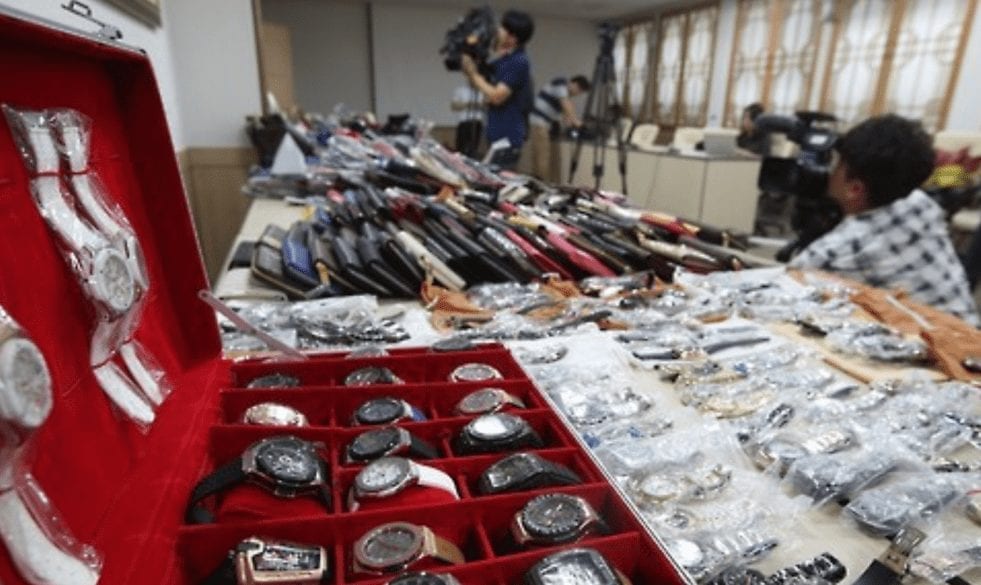
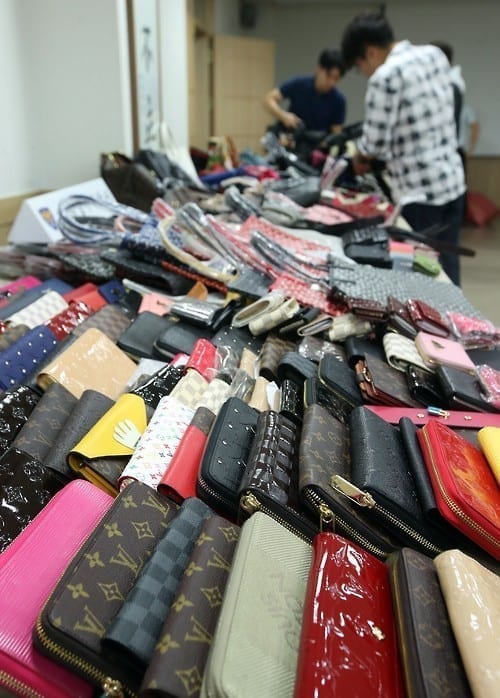
    Seoul police busted four retailers Monday for selling counterfeit products of luxury brands in Myeongdong, one of the busiest tourist and shopping districts in Seoul. 
    fake-product-luxury

    The gang launched operations in April, and has since sold 40-million-won ($36,245) worth of knockoff products from 41 brands that included luxury brands Louis Vuitton and Rolex. Converting the sales figure to the retail value of their respective genuine products, they were worth over 8.3 billion won, the police said. 

    The suspects displayed the products without the logo engravings to evade police crackdowns. Instead, they sold the final products with the logos at a separate storage area only when visiting customers asked for counterfeit products.

    “Counterfeit products can badly hurt the image of Myeongdong, so we plan to continue our crackdown operations jointly with the local government and the intellectual property office,” said a police official.


    Image Credit: Yonhap 

  • Korean partner for Perry Ellis

    Korean partner for Perry Ellis

    Perry Ellis has signed a licence agreement with Doctorstick Korea Co to design, manufacture, market and distribute men’s and women’s contemporary sport and casual shoes under the Perry Ellis brand.

    Currently the US brand has 37 product categories, spans more than 50 countries and generates almost $1 billion in global retail sales annually.

    “We are confident this joint effort will provide us with a platform consistent with our strategic initiative to expand the Perry Ellis brand globally,” says Perry Ellis International executive chairman George Feldenkreis.

    Doctorstick Korea plans to launch the footwear program through eCommerce platforms and television shopping channels in Korea in spring next year, and target an introductory full collection by the middle of the year.

    Established in 2007, the company also licenses the Flying London and Mono Cross brands in Korea.

  • Apple Korea to launch first official store

    Apple Korea to launch first official store

    Apple Korea is to open the brand’s first official store in Seoul, but no date has been revealed.

    A lease has been signed for a property in Garosu-gil Road, an upmarket, tree-lined street, with Apple Korea paying a 1.6 billion won (US$1.44 million) deposit for the lease, which runs to February 29, 2036.

    Without an Apple Store in Korea, consumers have had to turn to third-party suppliers, leading to complaints about delays and poor service, reports the Korea Times.

    In response, the Korea Fair Trade Commission told Apple in December to rectify its policy.
    Apple has started recruiting staff for the Seoul store, advertising positions covering marketing, store crew and customer service.

  • Bangkok tops Global Destinations Cities Index

    Bangkok tops Global Destinations Cities Index

    Bangkok is the top-ranked destination city by international overnight visitor arrivals, according to the annual Mastercard Global Destinations Cities Index.

    Ranking 132 cities, the index projects visitor volume and spend estimates while delivering insights into how people travel and spend around the world.

    As cross-border travel and spending continue to grow at a faster pace than the world GDP, the world’s cities continue to be engines of broader economic growth, says Mastercard.

    According to the study, Bangkok is projected to receive 21.47 million international overnight visitors this year, just ahead of London (19.88 million visitors).

    Also in the top 10 cities are:

    • Kuala Lumpur, 12.02 million visitors

    • Paris, 18.03 million visitors

    • Istanbul, 11.95 million visitors

    • Dubai, 15.27 million visitors

    • Tokyo, 11.70 million visitors

    • New York, 12.75 million visitors

    • Seoul, 10.20 million visitors

    • Singapore, 12.11 million visitors

    Hong Kong was 11th.

    “The way people travel and spend across borders indicates just how interconnected and important the world’s cities are,” says Mastercard president of international markets Ann Cairns.

    As well as the top 10 cities, Mastercard names the top 10 fastest-growing destinations, which indicates the increasingly importance of Asia Pacific to the global economic landscape.

    Osaka new star

    Osaka has shown the strongest growth in international visitors (24.15 per cent) over the past seven years. Other cities that make the fastest-growing list:

    • Chengdu, 20.14 per cent

    • Taipei, 14.53 per cent

    • Abu Dhabi, 19.81 per cent

    • Xi’an, 14.2 per cent

    • Colombo, 19.57 per cent

    • Tehran, 12.98 per cent

    • Tokyo, 18.48 per cent

    • Xiamen, 12.93 per cent

    • Riyadh, 16.45 per cent

    For the first time, the index explores whether visitors travel for business or leisure, giving broader insights into spending on dining, lodging and shopping. The index shows that more people are travelling to the top 20 cities for leisure with Shanghai being the sole exception.

    Visitors to the top 20 cities overwhelmingly spent more on shopping, as opposed to dining, says the index.

    Asia Pacific dominates both the global top 10 (five cities) and top 10 fastest-growing destination cities (seven cities).

    Public data is used in deriving the international overnight visitor arrivals and their cross-border spending in each of the 132 destination cities for the index. Mastercard volumes or transactional data is not considered.

    The full report can be downloaded here.