Tag: Korea

  • Blackpink is now Shopee brand ambassador

    Blackpink is now Shopee brand ambassador

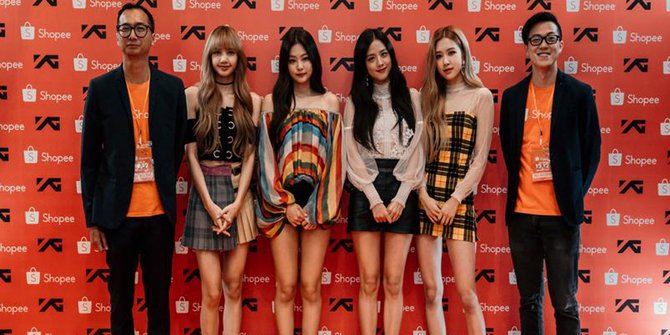
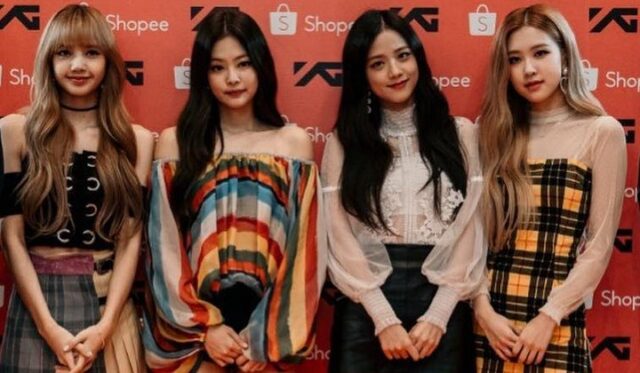
    Popular all-girl K-pop group Blackpink has been appointed Shopee’s first regional brand ambassador. The appointment is timed to coincide with Shopee’s 12.12 birthday sale, which has embarked on a two week promotional campaign. The planned deals include discounts of up to 80 per cent for the one-day-only promotion.

    To draw attention to the sale day, Blackpink have released a dedicated shopee commercial currently available for viewing on YouTube.

    The promotion coincides with the launch of Korean entertainment firm YG Group’s official shop on the platform across five Shopee markets, including Singapore.

    K-pop group Blackpink was founded in 2016 and within just two years has built a strong reputation for its unique vocals and the group members’ personalities. Hailed by Billboard as the best-charting female Korean act in history, Blackpink has established prominence with record-breaking releases, including the single Ddu-Du Ddu-Du and albums Square One, Square Two and their most recent mini-album, Square Up.

  • SsangYong launches Rexton Sports in Latin America

    SsangYong launches Rexton Sports in Latin America

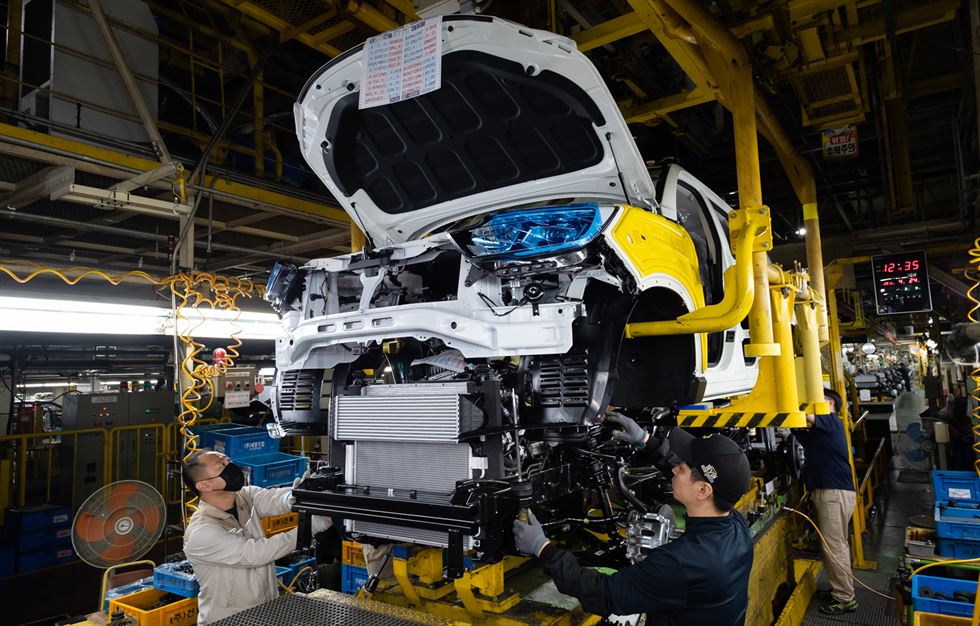
    SsangYong Motor, the Korean unit of Indian carmaker Mahindra & Mahindra, said Wednesday it has launched the Rexton Sports sport-utility vehicle (SUV) in Latin American markets to boost sales. SsangYong Motor launched the Rexton Sports SUV in Chile in September, Ecuador in October and Paraguay in November, following its launch in Europe in the second and third quarters.

    The carmaker plans to introduce the car in Africa and Middle Eastern markets in early 2019.

  • Asiana Korea upgrades the system that monitors flight safety

    Asiana Korea upgrades the system that monitors flight safety

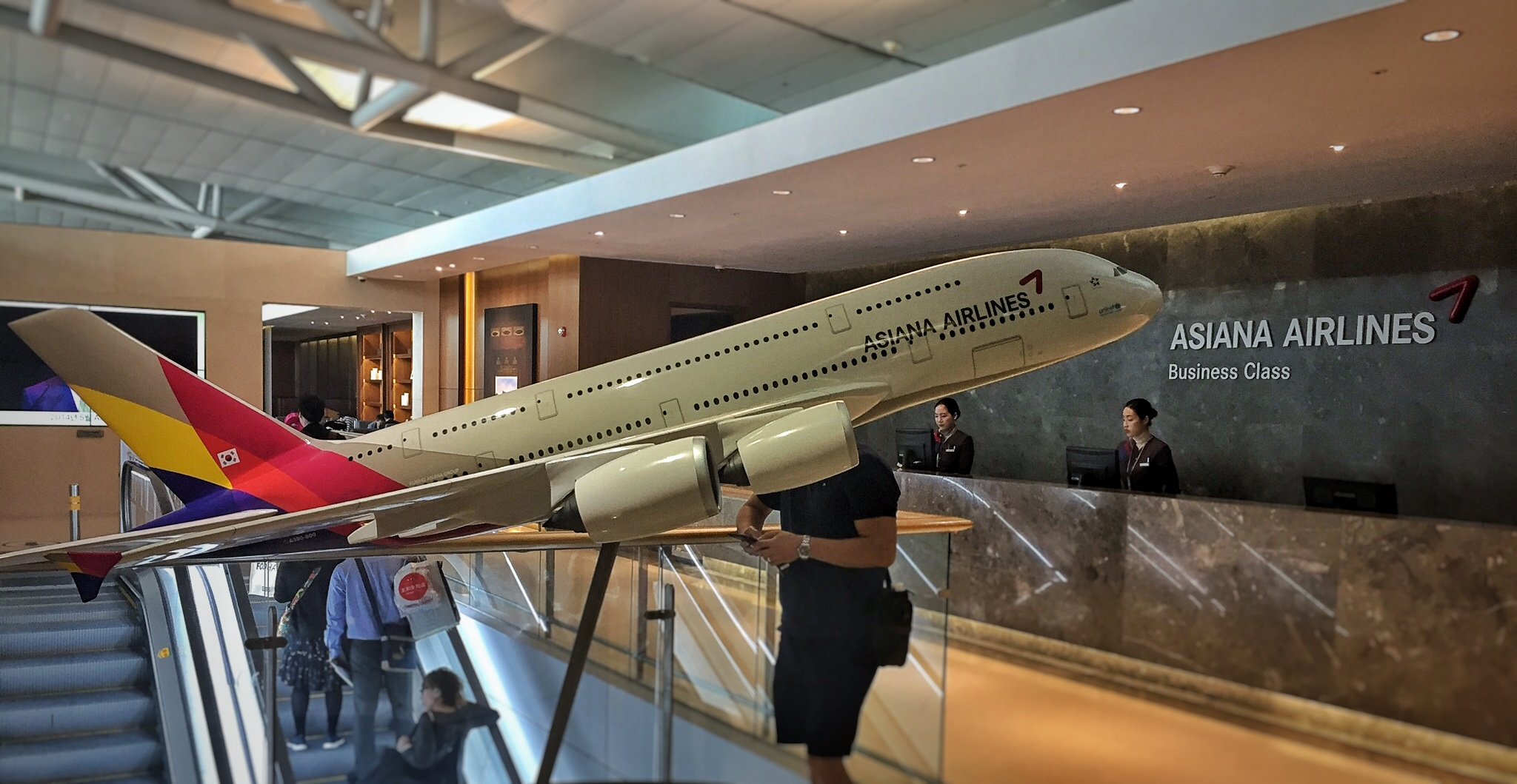
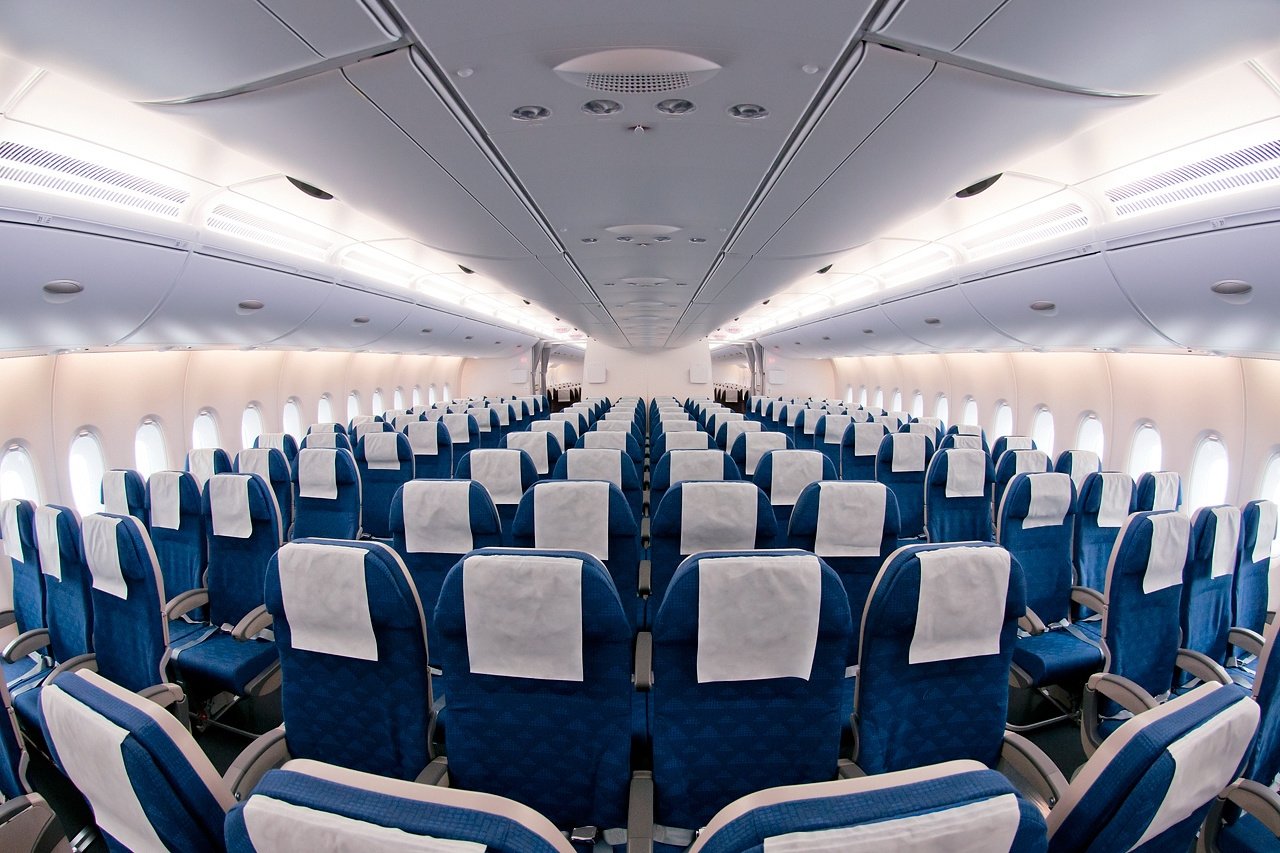
    Asiana Airlines completed an upgrade of its flight operational quality assurance system on Friday. The system analyzes data related to flight operations including piloting decisions during unexpected weather conditions and plane speeds or flying altitudes on certain flight routes.

    It was first implemented in 1995 to ensure safety in flight operations and, since 2015, a committee consisting of eight representatives from both the corporate and labor union has been holding monthly meetings to find potential risks in flight operations based on the data.

    Asiana said the upgrade enables the company to collect and analyze all data on flight operations while the previous system only allowed the company to analyze unusual sets of data. This way, the airline can monitor each pilot’s operational habits and provide more detailed feedback to them.

    The airline is also preparing to launch a so-called Asiana Flight Review Assistance System by 2019 in partnership with its IT service affiliate Asiana IDT to further enhance safety in flight operations. This system will help the company manage all analysis on flight operations using big data technology.

  • SK’s Chey says group is committed to U.S. society

    SK’s Chey says group is committed to U.S. society

    The chairman of Korea’s SK Group was in Washington on last Wednesday, vowing to make a commitment not only to the U.S. market but also its people and society. Chey Tae-won, who heads Korea’s third-largest conglomerate by assets, formally opened the Washington office of chipmaker SK Hynix in the presence of dozens of American dignitaries, including former U.S. Secretary of State Colin Powell.

    What was initially meant to be an opening ceremony was expanded under the name “SK Night” to provide a platform for Chey to explain the group’s current operations and investment plans in the United States, group officials said.

    “Past years, every different SK subsidiary … opened up their branches in the East Coast and West Coast, Texas … but they never actually [had] real communication with society,” Chey said in a speech.

    “Well this time, we will be investing in the U.S. about more than $7 billion here and there,” he said, citing as an example the planned construction of an electric vehicle battery plant in Jackson County, Georgia.

    “That’s going to be a $1.6 billion investment, and we’re going to hire right now more than 1,400 people,” he added to applause. “But within five years and if the market allows us, then we can expand [investment to] $5 billion and hire more than 6,000 employees there.”

    The plant is to be built by the group’s energy-chemical business, SK Innovation. On Monday, SK Biopharmaceuticals said it has applied to the U.S. Food and Drug Administration to win approval for sales of a newly-developed epilepsy treatment drug.

    Chey has pushed to expand SK’s presence in North America this year to add to business networks in China, the Middle East and Southeast Asia. During his stay here, he met with American business partners and local subsidiaries to help expand their presence on the continent.

    “[By opening up] the Washington office, I’m trying to show our commitment not only [to the] business side but also social value and commitment to society,” Chey said, adding that the group’s target is to “grow together” with U.S. society.

  • Niche market of coffee lover in Korea

    Niche market of coffee lover in Korea

    South Korea’s cafe market is notoriously crowded pushing some large players to the brink and suffering from price attacks from convenience store operators. Yet niche is still a nice place to be, judging by the experiences of a small Seoul startup.

    Two young entrepreneurs have shared their vision of launching a coffee franchise called That Coffee Roasters.

    Co-CEOs Chin Kyo-hwa and Lee Chang-hoon reported that redecorating their first coffee shop to appeal more to female customers was key to their initial success.

    According to Chin, low early revenues escalated after the change.

    “It took more than three years for our coffee shop to gain popularity,” he said. “The store’s monthly sales more than doubled in the past two months on the back of word-of-mouth online and the new interior design.

    “The store is tiny and small, but we hope to launch at least three more stores in less than five years in Seoul.”

    Chin and Lee also run a roastery factory in Guro, Seoul for direct sale to clients. While the business currently serves a small client base, the pair are already planning to expand operations as the company gains more traction.

  • Korea’s Air Pohang to suspend flights while it replaces all of its jets

    Korea’s Air Pohang to suspend flights while it replaces all of its jets

    On last Thursday, regional Korean airline Air Pohang said that it will temporarily suspend flight services next month while it replaces all of its existing passenger jets. In February, Air Pohang began services with two Bombardier 50-seater CRJ-200 aircrafts – one each on the Pohang-Gimpo and the Pohang-Jeju Island routes.

    The company said that it will replace the two CRJ-200s with three Airbus A319 aircrafts by the end of March.

    As the CRJ-200 model has not been in production since 2007, the company said it has experienced difficulties in securing parts for the planes when repairs have had to be made.

    Air Pohang is based in the industrial city of Pohang, about 370 kilometers (230 miles) southeast of Seoul.

    Asia’s fourth largest economy has two full-service carriers: Korean Air and Asiana Airlines. It also has six low-cost airlines: Jin Air, Jeju Air, Air Busan, Air Seoul, Eastar Jet and T’way Air.

  • Luk Fook sales soar despite challenges ahead

    Luk Fook sales soar despite challenges ahead

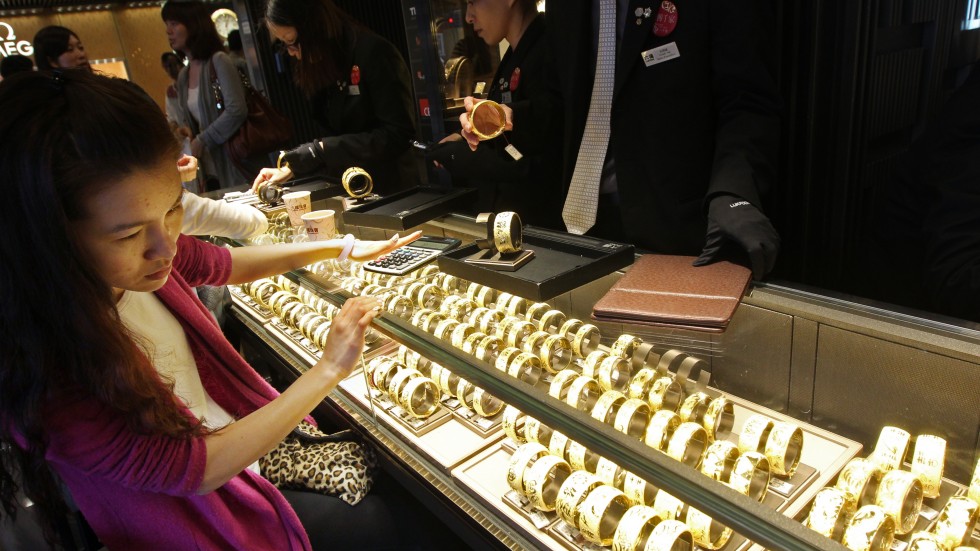
    Thanks to positive Hong Kong market sentiment and lower gold prices, Luk Fook Holdings has reported a 25.1 per cent boost in sales in the September half year. The company says sales totalled HK$7.859 billion (US$1 billion) compared with $6.283 billion in the same period last year. Profit attributable to shareholders soared 27.9 per cent to $665.4 million.

    Sales in the Hong Kong market, the company’s key source of revenue, rose 31.2 per cent as mainland Chinese visitor numbers continued to grow and retail sentiment improved.

    Sales in Macau rose 19.9 per cent.

    However the company has warned that the US-China trade war and the depreciation of the Renminbi are starting to impact on sales in the second half.

    “Same-store sales growth in the Hong Kong and Macau markets … started to see a decline since the second half of October and recorded a single-digit drop for the period from October to [the] first three weeks of November,” the company said. “In Mainland China there was a double-digit drop.

    “Therefore, the group remains prudent about its business development in the second half of the financial year. Nevertheless, with the anticipated considerable growth of the middle-class population in Mainland China, the group remains optimistic about the mid- to long-term business prospects.”

    Luk Fook said that during the coming year, it will focus on enriching its product offer, expanding its footprint in Mainland China and adopting market-oriented strategies to penetrate into the mass market, covering the middle-class, wedding couples as well as kids.

    “The group’s target for net shop addition in Mainland China for this financial year will maintain at not less than 120 shops. The group is also committed to further developing its e-commerce business and strengthening cooperation with e-commerce platforms in Mainland China.”

    Targeting younger shoppers

    In light of the enormous spending potential of young consumers on online sales platforms, the company plans to step up its efforts to promote the sales of affordable-luxury jewellery products to expand its footprint in the young consumer market.

    “By understanding customers’ spending habits, the group will adopt holistic approach to penetrate into the markets for the middle-class, wedding couples and kids. It will also continue to attract customers and encourage local consumption by visual merchandising enhancement, cross-selling boosting and VIP promotional activities, so as to improve sales and profits. Given the importance of social media in product promotion, the group will continue to showcase and promote its products on mobile applications and social media platforms such as Facebook and WeChat.”

    During the first half of the financial year, Luk Fook added a net 94 stores to its ever-growing network, including 90 in Mainland China, where is closed six self-operated stores and opened 96 licensed stores. Two company-owned stores opened in Hong Kong, one in Macau, and one in Malaysia, with a new licensed shop opening in the Philippines, However, one licensed store closed in South Korea.

    The group now boasts a global network of 1725 Lukfook shops spanning Hong Kong, Macau, Mainland China, Singapore, Malaysia, Cambodia, the Philippines and the US.

  • Vietnam’s peer-to-peer shopping and delivery platform gets South Korea license

    Vietnam’s peer-to-peer shopping and delivery platform gets South Korea license

    Vietnamese peer-to-peer delivery service XTayPro has been licensed in South Korea and expects this to be a stepping stone into East Asia. The app is a platform connecting people travelling by air with those who wish to buy or send products overseas.

    It creates a community of travelers who can make a little extra cash by buying and carrying stuff for others.

    Less than four months ago XTayPro had participated in the K-Startup Grand Challenge, a start-up accelerator program supported by the South Korean government.

    It has since signed 10 memoranda of understanding and letters of intent with funds and technology investment companies in South Korea.

    The K-Startup Grand Challenge has been held annually since 2016 to help start-ups grow and expand into Asian markets. It has so far supported 40 startups and solicited $26 million for them.

    At this year’s event Vietnam had 8 representatives who overcame 1,700 other start-ups from 100 countries to join a group of 80 in the 4-month Acceleration Program.

  • Retail sector Korea in future

    Retail sector Korea in future

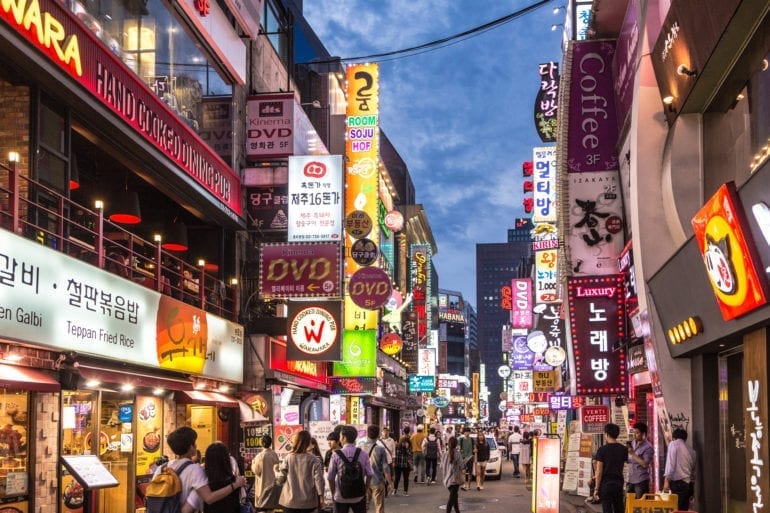
    Technology and e-commerce trends are reshaping the global retail industry in profound ways, as the rise of online channels threatens to displace more traditional shopping experiences. However, Korea’s retail sector seems to be thriving in the face of this upheaval, with a 6% year-over-year increase in retail sales by Q3 2018. What are the factors fuelling this encouraging retail growth?

    Firstly, improved relations with China and North Korea have energised the retail sector, with duty-free sales registering an impressive 34% year-over-year growth by Q3 2018. While this retail boost can primarily be attributed to the recent surge of Chinese tourists in Korea, it also reflects the growing international popularity of Korean beauty and lifestyle brands.

    E-commerce is also emerging as a key driver of Korea’s retail sector. Online channels have experienced rapid growth since 2010, and will only keep expanding their foothold as Korean consumers start shifting away from brick-and-mortar stores. With Korea’s e-commerce market predicted to grow by 21% this year, traditional retailers will need to find new ways of adapting to this rapidly evolving landscape.

    Some retailers are already turning to artificial intelligence and other Industry 4.0 technologies in an effort to provide consumers with more innovative shopping experiences. For instance, Hyundai Department Store is using Naver’s virtual assistant Clova to answer customer inquiries – whether they relate to store locations or specific purchases.

    Another interesting example is retail giant Lotte Home Shopping, which has developed its own augmented reality system so that customers can visualize how products would look in their home. As these new technologies get ushered into the mainstream, we can expect to see more and more retailers jumping on the AI bandwagon in the next few years.

    However, this doesn’t mean that we should write off the traditional brick-and-mortar experience just yet. Major brands are still banking on attracting consumers with the enduring prestige of high street locations – such as Maison Kitsuné, which recently opened its flagship store in Seoul’s trendy Garosugil district.

    Many global retailers continue to view Seoul, one of the world’s most famous shopping destinations, as a test bed in Asia. With cosmetics brands like Givenchy Beauty and Armani Beauty making their debut in Seoul this year, and renowned F&B brand Blue Bottle Coffee preparing to enter the Korean market in 2019, it’s clear that leasing demand from foreign retailers is still going strong.

    If we look to other segments of the retail industry that are experiencing growth, it’s worth highlighting the surge of fresh food delivery services across the country. With double-income families emerging as a major consumer force, demand for overnight fresh food delivery has also been rising – and major retailers as well as food startups are turning their attention towards this potentially profitable market.

    The rapid expansion of the food delivery market – and of the e-commerce sector in general – is proving to be a windfall for Korea’s logistics industry. Logistics developers are recognizing the need for large-scale modern logistics centers capable of storing and delivering goods nationwide, with faster delivery remaining the market’s key competitive measure. The growing demand for cold chain facilities is expected to fuel a mass redevelopment of older warehouses, especially in the Greater Seoul area.

    So far, Korea’s retail industry has shown remarkable resilience against a backdrop of technological disruption. More brick-and-mortar retailers are offering F&B, AI and entertainment options to differentiate themselves from their e-commerce counterparts; and this trend will only grow as consumers seek out unique shopping experiences. The question is, will Korea’s retail market keep thriving in the long term?  As long as technology continues to enhance – and not supplant – existing retail experiences, we can venture to hope that a bright future is in store for this challenging and dynamic sector.

    -CBRE-

  • LNG Canada investor Petronas signs gas supply deal with Vitol

    LNG Canada investor Petronas signs gas supply deal with Vitol

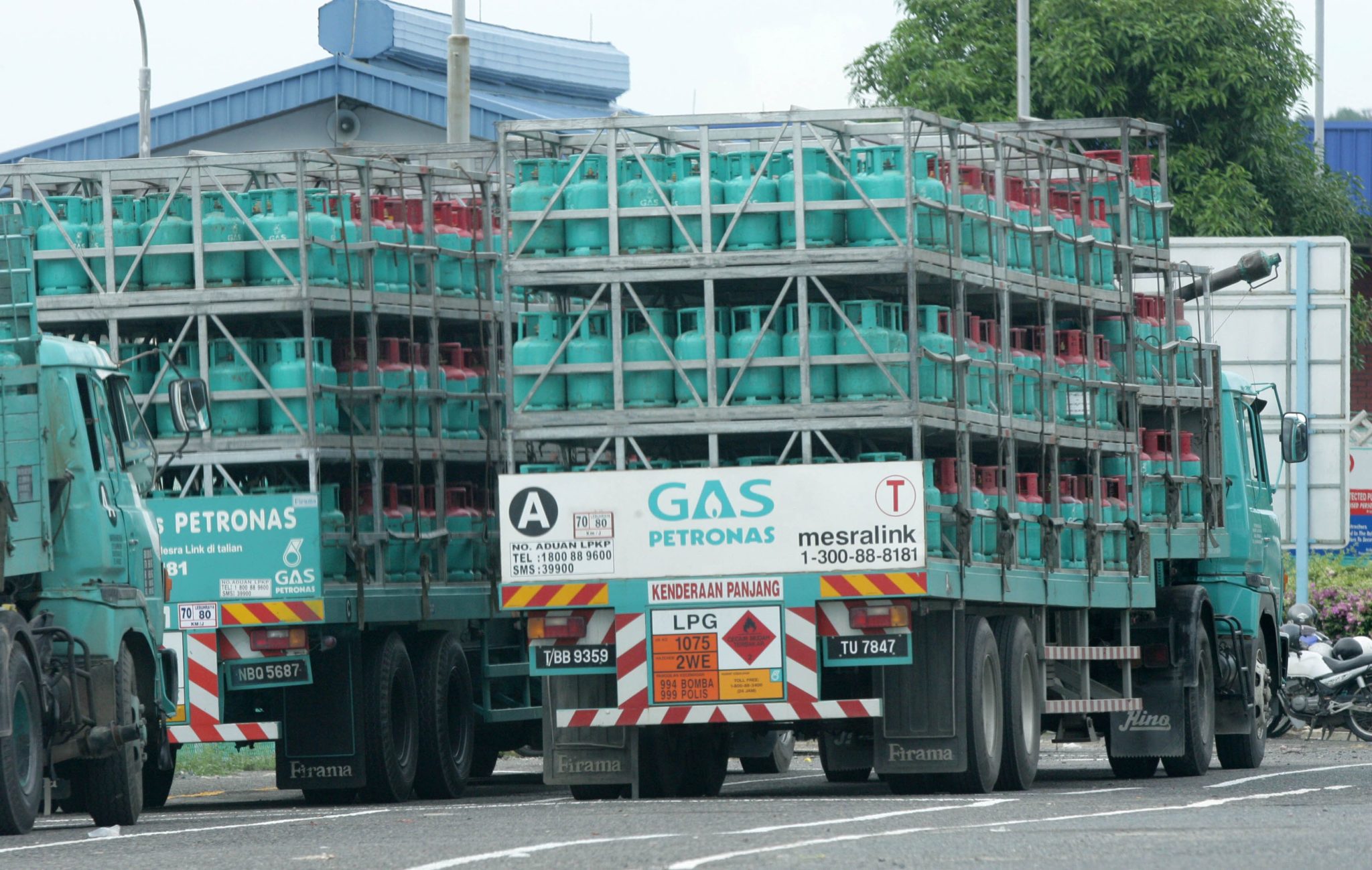
     LNG Canada, the US$30 billion (RM125.7 billion) liquefied natural gas (LNG) export project, has bagged another client after project shareholder Petroliam Nasional Bhd (Petronas) signed an initial sales deal with trading house Vitol.

    Royal Dutch Shell decided in October to construct the export terminal. It was the first major investment decision in a new North American LNG export project for two years and was expected to launch a new wave of such projects in the region.

    Petronas, the Malaysian state-owned oil and gas company that bought a 25% stake in the project in May, will supply Vitol with 0.8 million tonnes per year (mtpa) of LNG starting from 2024 for 15 years, Vitol said in a statement.

    “The primary supply to Vitol will come from LNG Canada as well as from (Petronas’) other global LNG supply portfolio,“ Vitol said.

    Vitol joins Asian utilities Tokyo Gas, Toho Gas and Korea Gas Corp (Kogas) as buyers, committing to offtake around 2.4 mtpa collectively.

    Such long-term agreements normally underpin project finance and are critical before a final investment decision is taken. But because Shell and partners Petronas, PetroChina, Mitsubishi and Kogas are such large players in the LNG market, they can absorb the output into their global portfolios without needing to find significant other buyers.

    Under previously announced deals, Toho Gas will buy 0.3 mtpa, Tokyo Gas 0.6 mtpa and Kogas 0.7 mtpa from LNG Canada.

  • Korean fashion firm Handsome unveils AI-designed clothes

    Korean fashion firm Handsome unveils AI-designed clothes

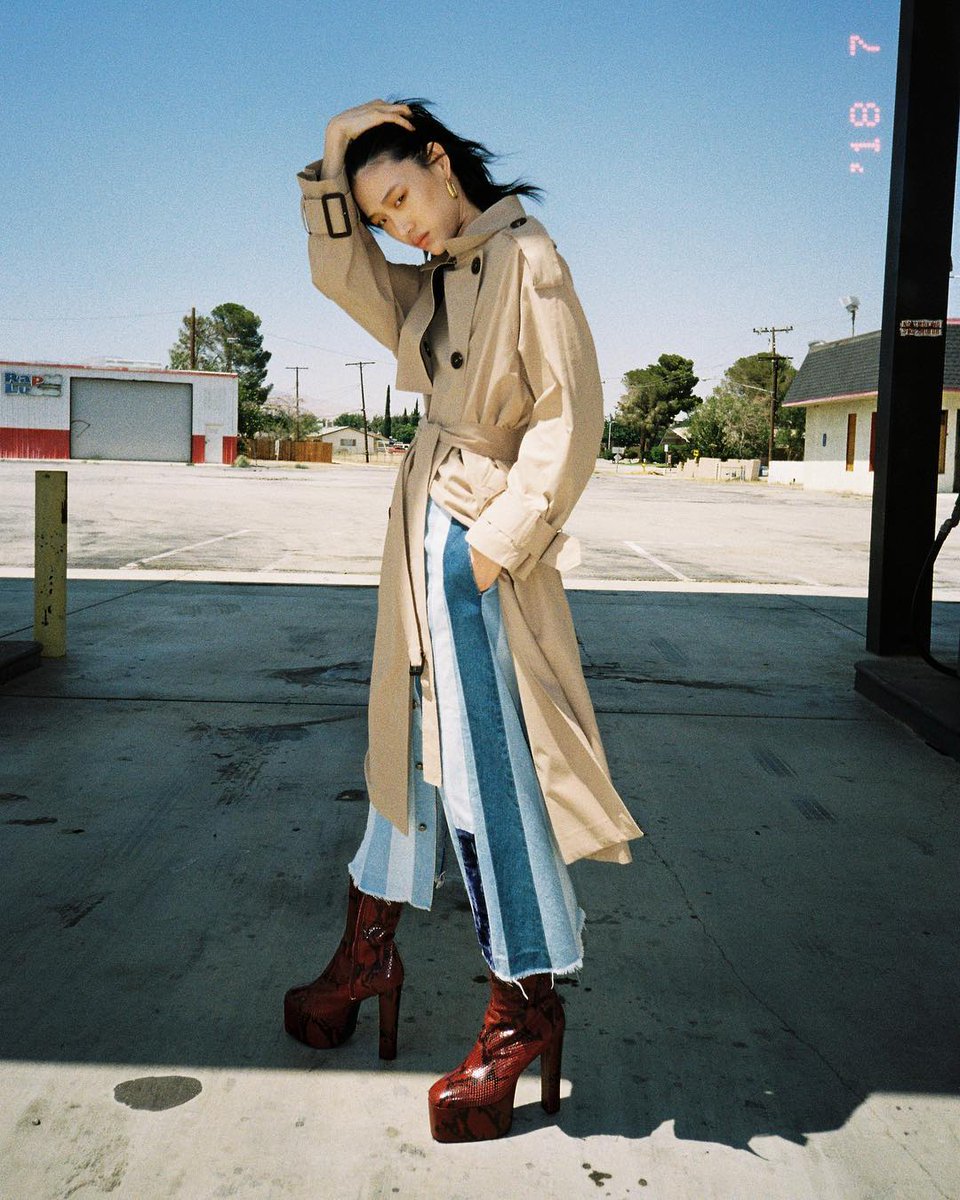
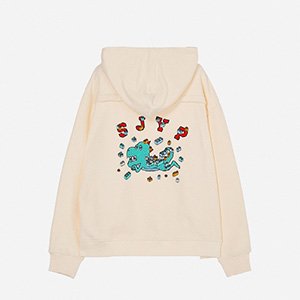
    South Korean fashion label Handsome says it will release the country’s first clothes designed with artificial intelligence technology. Handsome, an affiliate of Hyundai Department Store Group, said it joined forces with Designovel to create new patterns for clothes released under the SJYP brand. Designovel is a startup specialising in AI fashion technology.

    The fashion company said the first product, dubbed Dino Hood Tee, is printed with an image of a dinosaur and toy blocks designed by Designovel’s program, Style AI.

    The graphic was based on 330,000 images, including characters and logos, provided by Handsome.

    Style AI uses a convolutional neural network, which is an image processing technology to modify patterns.

    Handsome said it will review whether the AI technology can be applied in other areas of its fashion business.

  • Korea’s manufacturing and mining shipments up 7 percent

    Korea’s manufacturing and mining shipments up 7 percent

    Korea’s manufacturing and mining industry shipments increased in 2017, mainly due to growth in the electronics, refined petroleum and machinery sectors, a government report showed on Tuesday. Combined shipments by companies in the sectors with more than 10 employees reached 1,516 trillion won ($1.34 trillion), up 7 percent, or 99.7 trillion won, from the year before.

    The increase is attributable to a 14.6 percent year-on-year rise in electronics shipments and a 26.6 percent gain in shipments from local refined petroleum businesses during the one-year period, the agency said. The machinery sector posted a 19 percent year-on-year rise last year.

    Such gains offset losses in the shipbuilding and automaking sectors, it said.

    The report also said that the average shipments for manufacturing companies stood at 21.7 billion won last year, up 6 percent from 2016.

    It said value-added product deliveries by mining and manufacturing companies rose 8.1 percent, or 41 trillion won, in 2017 to over 547.7 trillion won.

    As of the end of 2017, there were 69,790 mining and manufacturing companies in the country employing 2.96 million people. This represents a slight fall from the year before.

  • BTS to promote new Hyundai Palisade SUV

    BTS to promote new Hyundai Palisade SUV

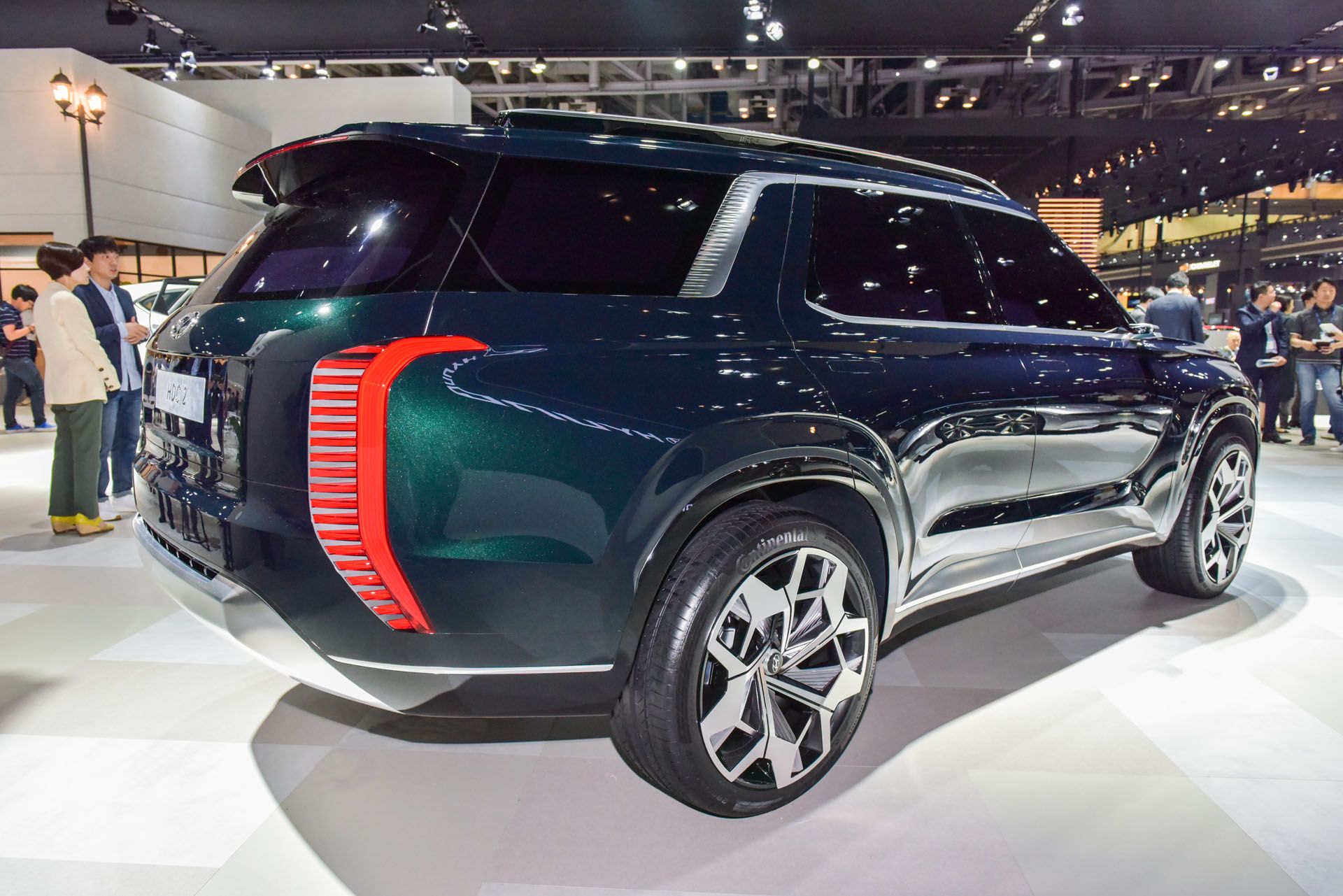
    Global K-pop sensation BTS has been chosen as the face of Hyundai Motor’s new large Palisade SUV, which will premiere at the upcoming LA Auto Show. The carmaker said Tuesday that it has appointed the seven-member boy band as the global ambassadors for the vehicle. The group will introduce the car in a video to be shown at the auto show today.

    According to Hyundai Motor, the group’s explanation will focus on the large SUV’s spacious interior and the convenient features found throughout its three rows of seats.

    “Hyundai Motor appointed BTS as the global brand ambassador of the Palisade as the K-pop group was considered the most suitable to introduce the new vehicle that is throwing the gauntlet down in the large SUV market,” the company said in a statement Tuesday.

    “The group will be able to deliver the greatly spacious interior of the Palisade, which is able to accompany seven to eight people.”

    Hyundai Motor said it would live stream the premiere on the automaker’s Facebook page. It will also post a range of videos featuring BTS and the Palisade on its social media accounts.

  • KT subscribers jump ship after fire accident

    KT subscribers jump ship after fire accident

    KT’s week has taken yet another turn for the worse as the fire that caused major telecommunications disruptions in Seoul and the surrounding area has likely left the company with a hefty compensation bill and subscribers looking to take their business elsewhere.

    According to data from the Korea Telecommunications Operators Association on Tuesday, the number of KT’s mobile service subscribers has been shrinking since a fire broke out at the carrier’s Ahyeon telecommunications switching center in Seodaemun District, western Seoul, on Saturday.

    On Saturday, the total number of subscribers to the country’s second-largest mobile carrier fell by 828 people compared to the previous day. This means that the number of people that left KT was larger than those who newly subscribed to the carrier that day.

    On the contrary, subscribers to SK Telecom increased by 246 people and LG U+ 582 people on the day of the accident.

    On Monday, the number of KT subscribers again dropped by 678 people. During the two operating days, KT lost a net 1,506 subscribers.

    Before the accident, the number of KT subscribers was on the rise. On Thursday, KT’s pool of subscribers increased by 69 people and by 83 people on Friday, but that trend was reversed after the fire.

    The troubled company said most fire-affected services have returned to normal on Tuesday, but analyst Kim Hyun-yong from eBest Investment & Securities said, “KT’s sales and brand image can be damaged if the situation is not fixed quickly considering the long hours and broad scope of disruptions [caused by the accident,]” in a report.

    SK Telecom also suffered from problems in its mobile communications services in April and LG U+ last year, but disruptions were resolved in a matter of hours, not days.

    Analysts estimate KT will have to spend at least 23.2 billion won ($20.5 million) in compensation to individual customers as it decided to waive a month’s phone bill for KT subscribers residing in the affected regions. The amount is roughly 1.6 percent of KT’s projected operating profit for this year according to Yang Jong-in, a research fellow from Korea Investment & Securities, Tuesday.

    “We made our assumptions based on KT’s market share in the five affected districts in Seoul,” Yang said.

    Another analyst Kim Joon-sop from KB Securities estimated the amount of compensation to be larger, at around 31.7 billion won.

    As compensation plans for the business losses of small and microbusiness operators have not yet been laid out by the mobile carrier, the amount of compensation could snowball.

    The accident comes at a tragic time for KT, as it was just a week before the carrier expected to introduce its first 5G network-based services. Korean carriers have been preparing to launch their first 5G services in dongle-type devices from December and had scheduled large press briefings this week prior to the official launch.

    KT has now delayed its event. On Monday, the mobile carrier sent notices saying “we decided to cancel our scheduled event to quickly fix telecommunications disruptions caused by the fire,” to reporters.

    The 5G network has been KT’s key focus and Chairman Hwang Chang-gyu had promised in September to invest a whopping 9.6 trillion won into its 5G business over the next five years. The company had also cemented its image as a leading 5G service provider by serving as the official telecommunications partner at the PyeongChang Winter Olympic Games earlier this year.

    The latest incident, however, has hampered KT’s latest bid to take a bigger share of the local telecommunications market, which has been in a similar shape for the last decade: SK Telecom taking 50 percent, followed by KT with 30 percent and LG U+ 20 percent.

    “SK Telecom, which boasts a well-established image of offering quality mobile services, and LG U+, which bets on cost-effective services, are likely to take advantage of the latest accident,” an industry insider said.

    Still, KT is trying its best to restore the disrupted network.

    According to KT, 96 percent of its mobile communications service has been restored, while 99 percent of landline internet and 92 percent of fixed-line phone services are repaired as of 11 a.m. Tuesday.

    KT said microbusiness operators still suffering from telecommunications disruptions are those that depend on copper cables rather than more modernized fiber optic cables. While 99 percent of fiber optic cable-based landline phone services are back to normal, only 10 percent of the copper cable-based services have been restored.

    “Copper cables are heavy and thick so they cannot be taken out through manholes for restoration,” KT said in statement. “They can only be recovered after our people are allowed into the tunnel where the fire broke out.”

    To minimize damage to copper-cable users, KT said it will offer 1,500 wireless LTE routers to shop operators so they can use electronic card payment systems. KT is also offering 300 wireless payment devices to convenience stores after discussions with the various franchise headquarters. The carrier has also been rushing to convert copper cables to fiber optic ones in areas with a large number of shops since Monday.

    From the government’s side, the Ministry of Science and ICT created a task force on Tuesday consisting of related government officials and representatives from mobile carriers to discuss how to manage low-level telecommunications facilities like the Ahyeon facility, which was graded D in terms of importance.
  • Hana Bank reveals Vietnam expansion plan

    Hana Bank reveals Vietnam expansion plan

    South Korean banks are setting themselves up to score big in Vietnam as foreign ownership limits would be loosened. South Korea’s second-largest lender by assets, KEB Hana Bank, is interested in buying a 17.65 percent stake in the Bank for Investment and Development of Vietnam (BIDV), a source said. BIDV is currently the second-largest state-owned lender in Vietnam by assets. 95.28 percent of its equity belongs to the country’s central bank, the State Bank of Vietnam (SBV).

    The SBV has “proposed to sell” the stake to KEB Hana for 30 billion won ($26.6 million), said the source, who requested anonymity.

    Last year, Shinhan Bank, a commercial banking unit under Seoul-based Shinhan Financial Group, acquired ANZ Vietnam’s retail unit, bringing along the Australian bank’s 95,000 credit card customers.

    Shinhan Bank has recently become the largest foreign bank in Vietnam with $3.3 billion in assets, surpassing HSBC.

    Vietnam presented a draft securities law in Hanoi earlier this month that would remove the current 49 percent foreign ownership cap in many sectors, allowing majority or even 100 percent ownership of a company.

    Although the limit for banks remains at 30 percent, government economic advisor Can Van Luc said at the draft presentation forum on November 7 that authorities would consider raising this limit for banks on a case-by-case basis, Reuters reported.

    Analysts say Vietnam’s growth potential and deregulation plans make it an attractive market for South Korean banks.

    “Vietnam is the most desirable market among emerging countries,” said Seo Young-soo, an analyst at Kiwoom Securities.

    “It has more advanced urbanization, and its market is more concentrated compared to Indonesia. Its government-driven economic development model is also familiar to South Korean banks, which have grown under the same strategy,” Seo said.

    Data from the Seoul-based regulator Financial Supervisory Service (FSS) show that total assets held by South Korean banks in Vietnam increased 18.9 percent last year to $5.7 billion.

    This ratio is higher than that of foreign lenders overall, whose combined total assets increased 12.9 percent to $42 billion during the same period, FSS said. South Korean lenders’ combined net profit in Vietnam also jumped 28.9 percent last year to $61 million.

    Vietnam has nine wholly-owned foreign banks, four state-owned banks and 31 domestic joint-stock banks.