On Tuesday, Hyundai Motor said that its Palisade SUV will come with a new feature dubbed Snow Mode that is designed to help the vehicle navigate snowy terrain by redistributing power to its wheels. The Palisade, Hyundai Motor’s new large SUV, is slated to launch later this month.
The new vehicle will be the first SUV in Korea to come with Snow Mode or an equivalent function, according to Hyundai Motor.
The system helps redistribute driving power to the wheels so that a car stuck on a snowy road can regain traction.
A video posted on a Hyundai Motor blog on Tuesday shows the Palisade crossing uneven snowy terrain. At one point, the car’s left rear wheel is left spinning in the air, but the Snow Mode quickly recognizes the lack of traction and transfers the driving power to the other wheels. Later in the video, power is shifted to the right rear wheel to give the vehicle a boost, enabling it to get back onto the road.
The carmaker said the SUV model has been tested on 6,000 kilometers on snowy terrain in Arjeplog, Sweden over the past two years.
The large Palisade SUV will launch on Nov. 28 at the LA Auto Show.
Naver Labs and Qualcomm will work together on future technology like robotics and self-driving vehicles, the local IT company said on Tuesday. The two companies signed an agreement on Monday to combine their knowledge and expertise.
U.S.-based Qualcomm is a well-known manufacturer of semiconductors and telecommunications solutions. Naver Labs is an affiliate of Korea’s largest portal site and is currently working on a wide array of location-based technology solutions like autonomous driving, mapping and navigation using augmented reality.
Naver Labs said it hopes to apply Qualcomm’s latest chips and solutions to its high-tech products. The first products developed by the two companies will be unveiled at next year’s Consumer Electronics Show in Las Vegas in January.
“We plan to offer full technology support for the successful development of Naver Labs’ products and services,” said Jim Cathey, Qualcomm’s president for the Asia Pacific and India regions.
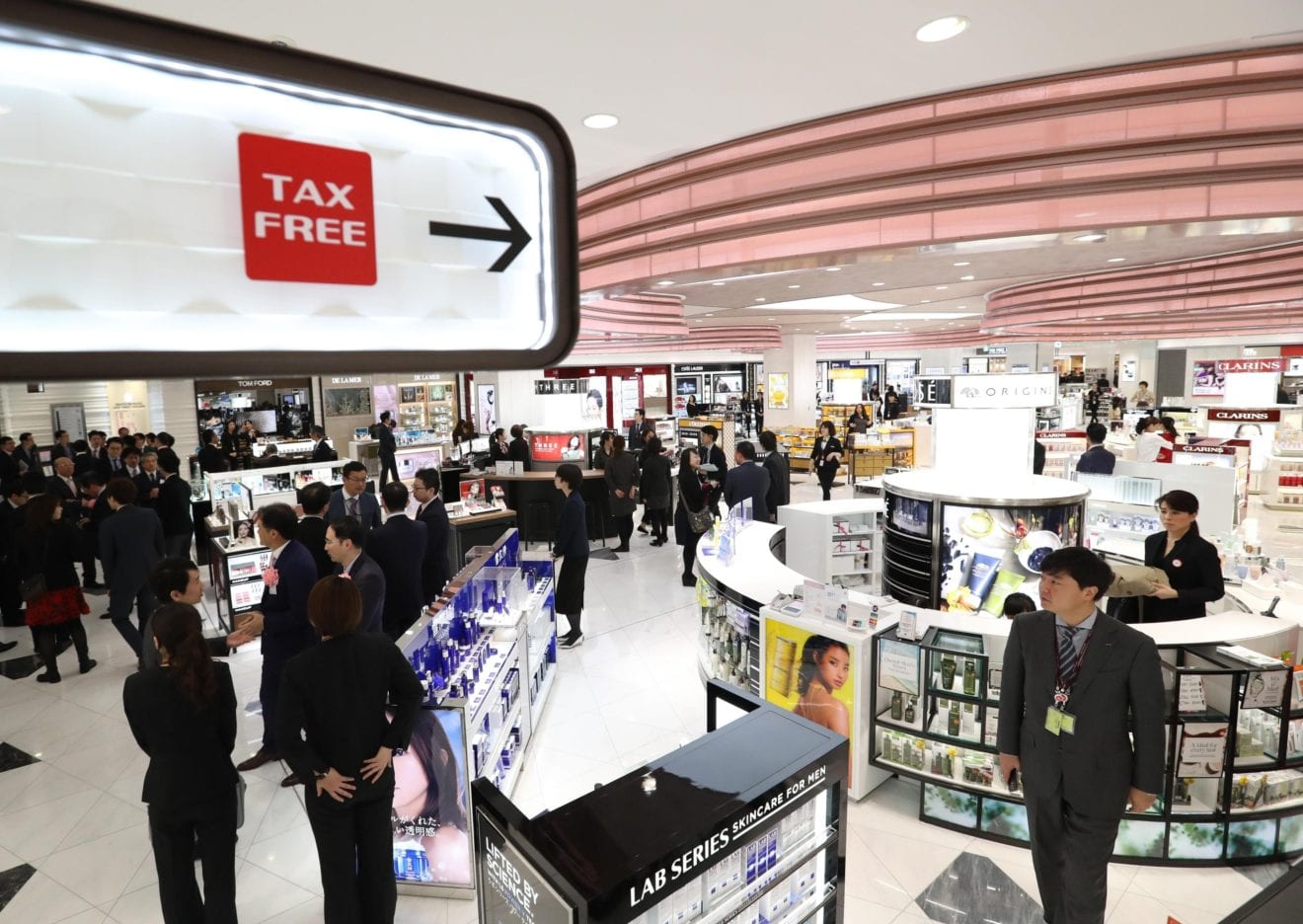
South Korean retail giant Lotte’s duty-free operator Lotte Duty Free posted a rapid hike in overseas sales in its quarterly performance report. According to the company, sales for the third quarter this year hit a record-high 4.1 trillion won (US$3.6 billion), a 25 percent on-year increase.
The sales from its downtown city stores and its overseas stores amounted to 3.8 trillion won and 164 billion won, respectively.
Lotte Duty Free currently operates seven overseas stores in countries including Japan, Vietnam and Thailand. Sales at its overseas stores increased 65 percent from a year ago, and the outlet in Vietnam recorded an 800 percent jump in sales.
The company said it expects 200 billion won worth of overseas sales by year-end.
It will also soon open its first duty-free store in Australia.
According to the company, its operating profit in the third quarter totaled 228 billion won, representing an on-year jump of 550 percent.
The company said the number proves that the retailer is recovering from China’s apparent retaliation over the deployment of the Terminal High Altitude Area Defense system here.
After withdrawing stores from Terminal 1 at Incheon International Airport in February due to a sharp drop in sales, Lotte Duty Free is focusing on aggressive marketing for its online mall and its downtown outlets.
Compared with last year, its sales online and at its downtown stores rose 42 percent and 50 percent, respectively, the company said.
Home appliance companies are building their rental service businesses as the trend is for consumers to value experience more than ownership. With the growing size of the local home appliance rental market, some companies have started management services to take care of rental customers, while others have set up entire rental business subsidiaries.
On Nov. 17, LG Electronics announced the formation of “Care Solution,” which will manage home appliances for rental customers. While a rental management service existed before, the new offering goes beyond simply providing replacement parts and instead regularly replaces the main components of appliances.
For rented water purifiers, LG Electronics will exchange filters and water pipes and inspect sensors. For those who rent its Tromm Styler home dry cleaning appliance, the company will replace water container components every two years and periodically provide scented aroma sheets.
Cuckoo Electronics, known for rice cookers, jumped into the rental market last December when it established its Cuckoo Homesys subsidiary. Last month, the company introduced a new rental brand, “Inspure,” which focuses on water and air purifier products.
Samsung Electronics has yet to launch a rental business on its own but has partnered with professional rental companies for its home appliance products. It started renting its products through Kyowon Wells last June and also joined hands with Hyundai Rental Care last July.
Home appliance companies are focusing on the rental business as the market seems to be growing. According to the KT Economics & Management Research Institute, the rental market in Korea is expected to grow past 40 trillion won ($35.49 billion) by 2020 from 25 trillion won in 2016.
LG Electronics recorded 128.2 billion won in rental-related sales in the first half of this year, more than doubling the 53.8 billion won reported two years ago. Operating profit for Cuckoo Homesys through the third quarter of this year was at 52.8 billion won, a 50 percent increase from the figure over the same period last year.
With a sluggish job market and slowing economic growth in Korea, consumers are feeling the pinch and valuing experience over ownership. The result is an increase in demand for rental products.
The rise of premium products, which have been developed by companies to stay competitive in the crowded home appliance market, has also contributed to the rental trend. As such products are expensive, consumers are looking toward rentals.
For example, a 55-inch LG OLED TV costs 3.6 million won to buy outright, but it can be rented out at 59,900 won per month for 36 months. The price drops further when other discounts are applied, such as those offered by credit cards companies.
“The need to use good products exists, but with troubling economic times, penny pinching is called for. Consumers are taking an interest in rentals that can meet their needs at a low cost at the moment,” said Jung Yeon-sung, a professor of business at Dankook University.
The increase in one-person households has also contributed to the rise in rental services as it is difficult for a single person to afford appliances that could cost millions of won. According to government data, there were 5.5 million single-person households in Korea last year, accounting for 28.5 percent of the total number of households. The figure has doubled since 2000, when there were 2.22 million single-person households.
For companies, the rental business doesn’t bring in big profits immediately, but it provides steady profits.
“We plan to focus on management instead of just the leasing out products and help customers improve their quality of life,” said Choi Sang-gyu, head of domestic sales at LG Electronics.
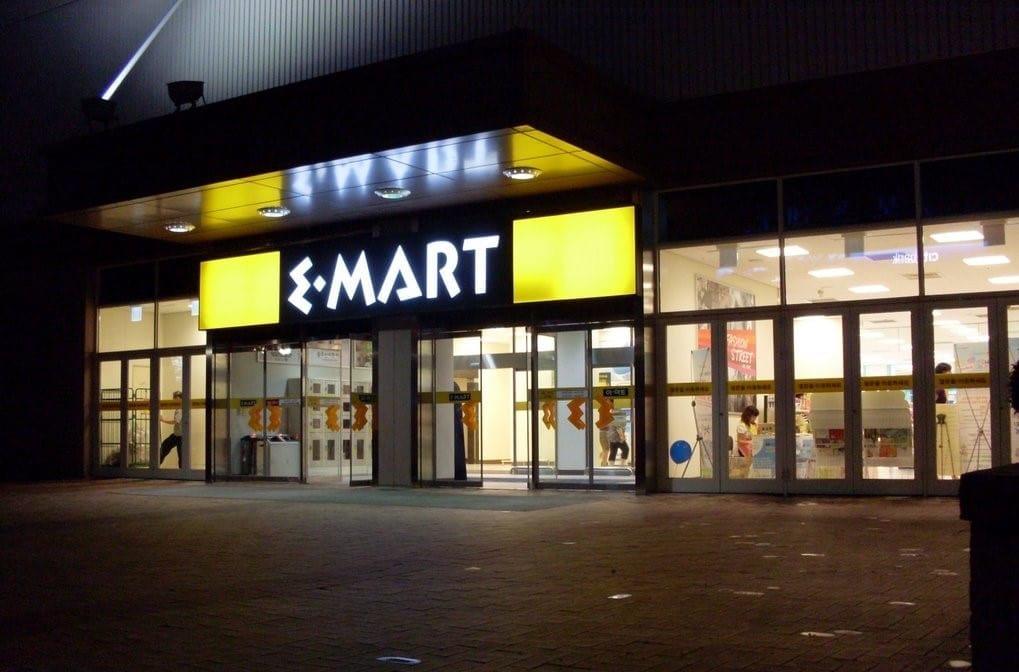
Emart is taking its No Brand line to the Philippines, the first overseas expansion for the label. The chain announced Monday that it signed a franchise agreement with Robinsons Retail, the No. 2 retail company in the Philippines, to roll out No Brand and Scentence in the country. Both are Emart in-house lines.
“Under the deal, 50 No Brand and 50 Scentence stores will be established in main shopping malls and department stores at the Philippines by 2020,” Emart said in a statement.
Robinsons will be in charge of store operations, while Emart will be paid a licensing fee and profit from the export of products to the stores.
No Brand is an Emart label that sells daily necessities and some food items. Around 70 percent of No Brand goods are manufactured by local small enterprises. Although it was started as an in-house line, No Brand has been so successful that stand-alone stores have been opened.
Emart has established stores overseas, but this is the first time No Brand has been taken abroad. With partner Robinsons, the local retailer plans to co-develop No Brand products for the Philippine market and possibly export them for sale at Emart stores in Vietnam and Mongolia.
For Scentence, Emart’s in-house beauty brand, the Philippine project is the brand’s second overseas move. It opened in Saudi Arabia in July. Emart says it plans to develop Scentence beauty products that fit well with the climate of the Philippines.
No Brand and Scentence are both part of Shinsegae Vice President Chung Yong-jin’s strategy to develop “specialized stores” that focus on a particular product category instead of selling a little of everything as is done in discount chains.
The discount chain market is saturated in Korea and is facing mounting regulations.
“The deal to launch No Brand and Scentence in the Philippines is meaningful to us in that it diversifies our global portfolio for specialized stores,” said Lee Joo-ho, who heads Emart’s global business.
The Shilla Duty Free has appointed a new MD of its Hong Kong operations. Changha Shin takes over the helm of Shilla Travel Retail Hong Kong this week after the surprise departure of Alice Woo. Woo built the business up after becoming its first employee last year when the Korean-owned travel retail company secured major duty-free concessions at Hong Kong International Airport.
Prior to working with Shilla, Woo spent 22 years in travel retail in Asia, Hawaii and North America, with companies including DFS Group and Nuance Watson.
Her replacement Shin was previously the merchandising director of Shilla Travel Retail Hong Kong. In a short statement, Shilla said Shin has a wealth of knowledge across various product categories with 14 years of experience. He started in HR with Shilla Group and has “deep knowledge” of Shilla Group and its partners.
“The Shilla Duty Free is proud to promote from within and support the development of its staff.”
Woo will leave her position this week with the change referred to being due to “internal circumstances”. It is unclear if she will remain with the company in another role.
Korea’s mid-sized cosmetics companies suffered losses in the third quarter of this year as they struggled to reorganize their business structures in the face of tough competition at home, industry sources said Sunday. Able C&C, which operates budget cosmetics brand Missha, swung into the red in the July-September period, posting a net loss of 9.4 billion won ($8.3 million), it said.
Its sales dropped 12.1 percent to 73.1 billion won and operating income swung to a loss of 13.2 billion won. The company said fierce competition in the country’s cosmetics industry, combined with its heavy investment in research and development of new products, led to the poor earnings results.
Tonymoly reported a net loss of 3.5 billion won, with 800 million won in operating losses on a consolidated basis during the cited period, according to the company.
Korea’s mid-sized beauty firms’ profitability deteriorated following a diplomatic row between Seoul and Beijing last year, which led to a sharp drop in the number of tourists coming to Korea. Industry watchers said the expansion of online and duty-free channels has hurt the mid-sized companies, which rely heavily on offline stores. Last month, Skinfood was placed under a Seoul court’s receivership after the company said that it is having temporary difficulty securing liquidity due to excessive debt.
“We are making efforts to improve our profitability and strengthen our online business,” an official from Nature Republic said.
Nature Republic reduced the number of its stores to 680 by the first half of this year from 770 in 2015. The company reported 58.8 billion won in sales and 300 million won in operating income in the third quarter of this year.
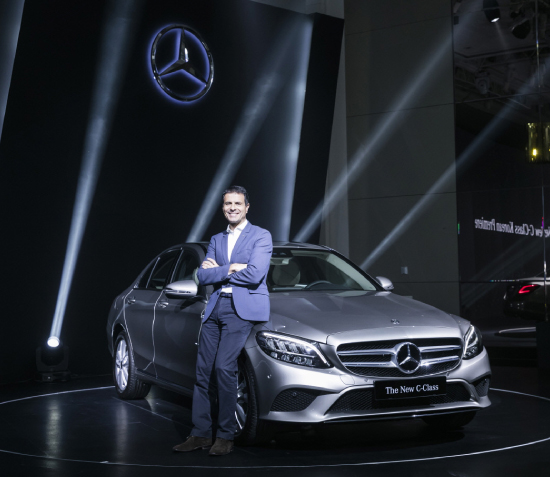
Mercedes-Benz Korea is still committed to diesel despite a global shift to eco-friendly engines, such as hybrid or electric units. The Korean section of the German premium carmaker premiered a partially revamped model of its flagship C-Class sedan in Incheon on Friday, equipped with a diesel engine.
The C-Class sedan is one of Mercedes’ biggest models, having sold 9.5 million units worldwide since its introduction in 1982. Korea is the seventh largest market for the C-Class.
Although not a fully revamped version, some 6,500 parts, including engine parts, have been upgraded, the company said.
On Friday, Mercedes-Benz Korea showed a C 220d model with a four-cylinder OM 654 diesel engine, an interesting approach considering the industry’s shift to zero emissions.
“This diesel engine’s CO2 emissions are 15 percent less than the petrol engine [with the same 2.0-liter capacity],” said Jochen Betsch, head of advanced engineering diesel at Daimler, who gave an extensive presentation on the upgraded diesel engine at a press event Friday in Incheon.
Even while shedding 16 percent of its weight, the new engine added 24 horsepower to generate a maximum of 194 horsepower and torque of 40.8 kg.m.
“It gets quite obvious that Daimler has strong commitment for diesel,” Betsch said.
Dimitris Psillakis, CEO of Mercedes-Benz Korea, said a version with a gasoline engine will launch in the first half of next year, followed by a plug-in hybrid engine.
“A diesel engine has its strong points with performance and even CO2 emissions,” Psillakis said. “It is important to offer all the options out there to our customers.”
The press event Friday included an extensive presentation on the upgraded diesel engine, a move that many saw as a reference to rival BMW diesel models that experienced a spate of fires in Korea last summer. Psillakis, however, denied such speculation, saying the “customers have the right to know about the improved features of the new diesel engine.”
The new C-Class’ official fuel efficiency wasn’t disclosed.
Its price starts at 55.2 million won ($48.9 thousand).
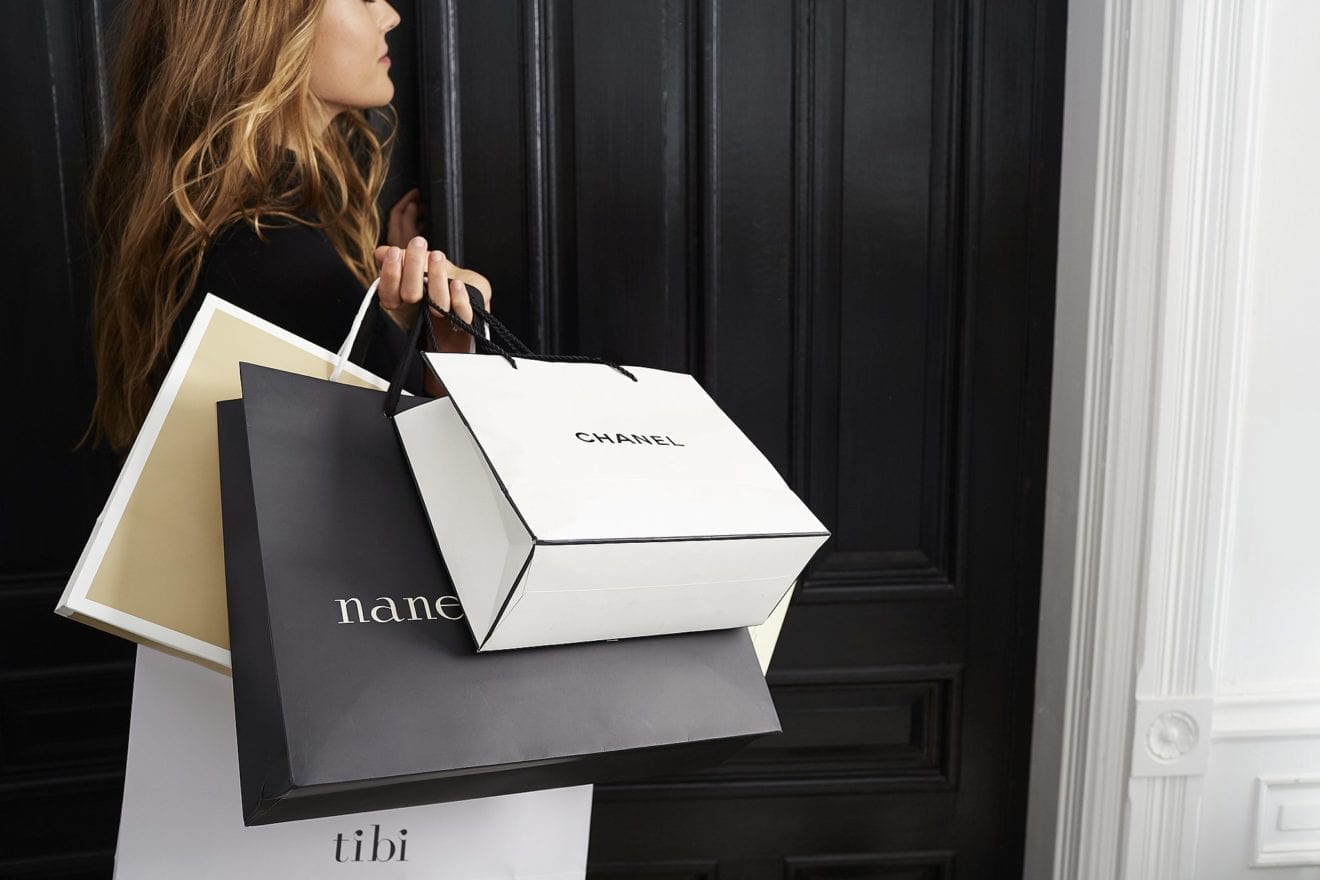
A growing community of Korean women primarily in their 20s to 40s prefer renting high-end goods from subscription services such as Series Eight, The Closet and Reebonz Korea. Asked why they chooses to rent their wardrobe, they said the introduction of luxury goods rental services helped her prioritize living expenses and limit unnecessary spending on personal shopping.
By paying a monthly subscription fee of 79,000 won (US$70), Reebonz customers, for example, can rent up to two bags a month. Customers opting for pricier premium plans are given the option to rent a bag from the most expensive or popular brands for up to 10 days for prices ranging from 9,800 won to 19,800 won.
“Subscription-based business models have not seen much success in the local market compared to other countries. But, because luxury goods’ prices are so high compared to the low purchasing power of Koreans in their 20s and 30s, the (subscription) services are expected to see substantial growth in South Korea,” said Choi Kang-sik, a professor of economics at Yonsei University.
Choi said that with more women wanting to rent luxury goods, rental companies must better communicate with luxury brands in order to bring better products to the table.
“The power of luxury brands will always see an upward trend. The difference, now, will be that consumer groups won’t be women visiting department stores. It will be the luxury rental companies who will be supplying the bags to the original customer base,” he said.
Even though popular American designer rental services such as Bag Borrow or Steal and Rent the Runway launched a decade earlier, designer subscription services garnered attention from local consumers starting in 2016, according to Series Eight CEO Kim Tae-hyun.
Kim, who co-founded Reebonz Korea with current chief Ha Dong-gu, left Reebonz to launch the startup Series Eight under the Value Art Architect Group last year.
On the surface, the two companies share similar concepts with regards to lending customers a hand in renting high-end products.
If Reebonz sticks to a subscription model, Series Eight and its six-member team envisions a shopping platform beyond just a rental service where women can rent high-end bags whenever and for however long they please.
“We essentially did not want to give the idea of pressuring women to pick a bag every month just because they are paying a certain amount. The pressure in itself ruins the shopping experience,” Kim said.
In order for a business to be successful on a subscription-based model, it needs to provide convenience, value for the money and personalized experiences. Consumers will cancel services that do not deliver unique, excellent personalized experiences, according to Choi.
Park Sun-young, juggling being a mom and public relations director at an ad agency in Seoul, appreciates such unique value from subscription services. Unlike her younger colleagues who seem to have time to go shopping, Park would rather save money and time by renting her wardrobe online.
“I think young women may feel it’s weird to rent designer clothing and carry handbags that are ultimately not theirs. But, look inside your closet. How many bags are just sitting on the shelf collecting dust?” Park posed.
“Being a mom and having a job, the rental services make my shopping experience something I look forward to at the end of the night before I go to bed. Just scroll down, look through the catalogue and click order.”
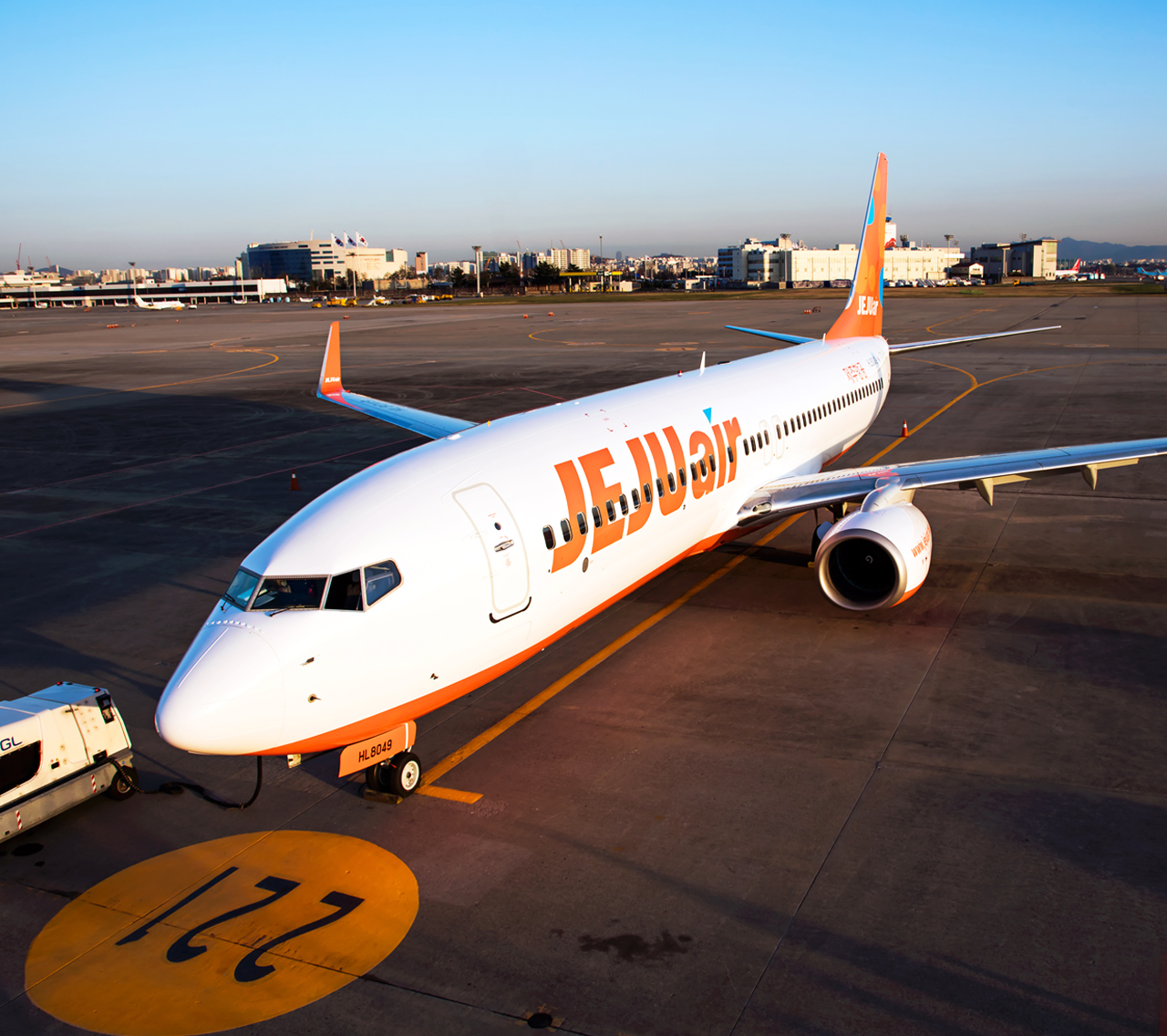
Jeju Air, Korea’s biggest budget carrier by sales, said, on Tuesday, that it inked a $4.4 billion deal for 40 new planes, with the delivery set to begin in 2022. Jeju Air has decided to buy Boeing’s new B737 MAX passenger jets to strengthen its fleet, the company said in a statement.
The low-cost carrier plans to assign the 189-seat B737 MAX on its mid and long-haul routes as they are more fuel efficient than the planes it currently operates, a company spokeswoman said over the phone.
The new jets have a range of some 6,500 kilometers, 1,000 km more than the B737-800NG that the company currently operates.
In the January-September period, net profit jumped 31 percent to 84.86 billion won ($75 million) from 64.61 billion won a year earlier. Operating profit climbed 14 percent to 95.82 billion won from 83.79 billion won during same period. Sales were up 28 percent to 941.93 billion won from 734.78 billion won.
Jeju Air said it is on track to achieve sales of over 1 trillion won this year on the back of a strengthened fleet and profitable routes.
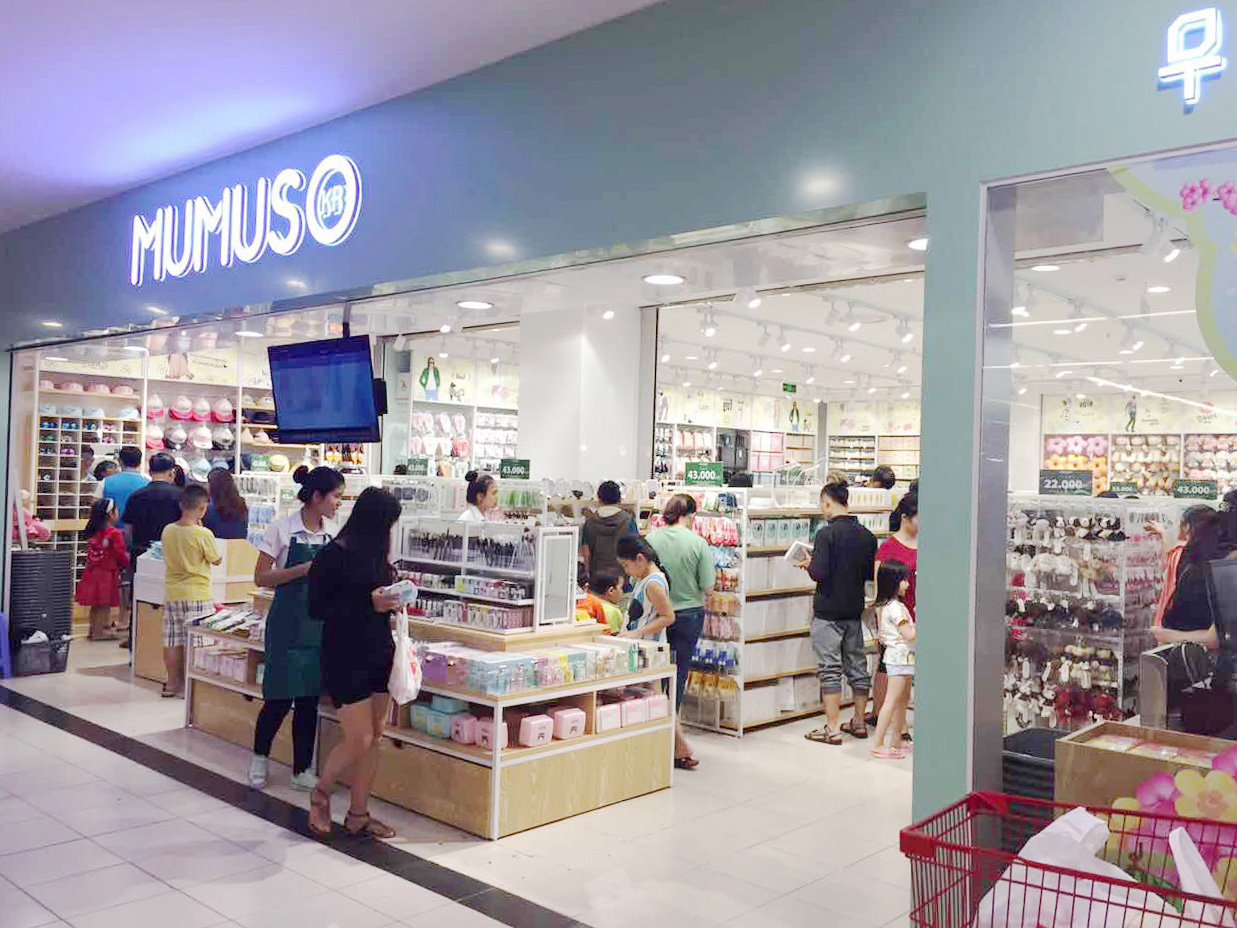
East Asia’s affordable lifestyle brand Mumuso has announced its expansion plans in Kolkata while opening its first store. Mumuso is eyeing the Indian market aggressively with new stores in different parts of the country, a senior executive said.
With a strong presence in over 30 countries across the world, the Korean lifestyle brand Mumuso has entered into the Indian Market and plans to open around 300+ stores by 2022 with an average investment of Rs 80 lakh to Rs 1.2 crore which will be spent towards setting up these company-owned and franchise stores. The brand is planning to open outlets pan India with its market reach in cities likes Kolkata, Hyderabad, Siliguri, Bangalore, Delhi, Mumbai, Surat, Durgapur, Chennai and so on.
Mumuso India — the Indian entity of Mumuso —whose offerings include accessories, stationery, small electronics and lifestyle items, sources these mostly from South Asian nations such as Malaysia, Singapore, China, Indonesia and Korea.
India has seen a sharp rise in the demand for lifestyle products in the recent years. Mumuso has product categories from Health and Beauty, Fashion Home Accessories to Apparel, Accessories, Digital Products and more. The products offered by the brand are not only beautiful, functional, high-quality and affordable but also provides relaxing and pleasant shopping experience to the customer.
Speaking on the occasion, Raunak Agarwal, Managing Director, Mumuso India said, “Our expansion strategy is to set up 300+ outlets all over India along with entering the e-commerce market as online shopping has seen a big boost in India in recent years. We are also looking to source from Indian companies specially apparels and small leather products. The company will look to have 300-odd stores by mid-2022. India, being a fast emerging market for retail industry, we are expecting an escalated growth in a short span of time. Indian market has a big potential, where we believe our creative range of products will enhance the rich experience of customers since it’s an international brand with high quality and valued pricing.”
He added, “There has been a high demand for the trendy and affordable products as far as lifestyle is concerned. People not only look forward to quality and style but also affordability. With Mumuso coming into the picture, people won’t have to travel to different stores for their needs, but just walk into our showroom and get their products. Mumuso brand always adheres to the principle of selling products with reliable quality and affordable price, strictly observes to the borderline of high quality, strives to improve the upper limit of taste and price ratio and provides well-designed products, continuously optimizes the supply chain service system to reduce the cost, creating relaxing and light-hearted shopping experiences for consumers.”
As aftershocks of the clampdown on Daigous continue to reverberate through the luxury shopping community in China, e-commerce platforms are rising to fill the gap.
The launch of China’s new e-commerce law, coupled with the 928 Daigou crackdown at the Pudong International Airport in Shanghai, has stirred up uncertainty in the global luxury industry.
In fact, LVMH share prices reportedly fell in early October due to fears of a slowdown in Chinese spending.
Earlier this month, Luxury Society attended the live seminar “Reinterpreting the 300-billion Daigou market” hosted by Tencent media.
During a debate, luxury e-commerce platform OFashion’s CEO Xiao Yu and N5 Venture Capital’s founder Xiao Yiwei shared their insights on how luxury buying will likely evolve in the post-Daigou era.
According to Xiao Yu, the estimated Chinese luxury spending in 2018 is 600 billion RMB and Daigou purchases account for half of that, making it an estimated 300-billion industry.
Without Daigou, what is the next best alternative for Chinese consumers looking to buy authentic luxury goods at lower prices?
First, let’s revisit the 928 daigou crackdown in Shanghai’s Pudong airport and take a look at how China’s 300-billion Daigou industry is in danger.
What Happened During The 928 Daigou Crackdown
September 28 2018 marked an important date in the history of Chinese luxury consumption.
In Shanghai Pudong airport, all passengers returning from Seoul were stopped by Chinese customs for baggage inspection.
Seoul has been a classic shopping destination for Daigous to obtain global brands at a discount. More than 100 passengers from same Seoul-Shanghai flight were found guilty of illegal imports.
It was every Daigou’s living nightmare.
One of them relayed the unfolding events through WeChat text messages. Screenshots of this message thread eventually made its way online.
The messages read,
“In the line to pay my fine”
“I was live streaming in duty free shop during the day, but live streaming fine payment during the night (face palm emoji)”
Source: Sohu, A Daigou’s WeChat record of 928 crackdown got popular online.
Whether as a full-time profession or simply a hobby, the Daigou business is one based on relationships.
In fact, the first clients of most Daigous are generally from his or her own social network.
Since Daigous operate in a legal gray area and rely solely on private transactions, customers often have a hard time verifying the authenticity of their purchases.
Needless to say, seeking redress in the case of fraud is difficult or near impossible.
Within the last decade or so, Daigous have become rather ubiquitous.
Chinese netizens often joke on social media that “everyone has a Daigou friend on his/her WeChat”, or “Daigou is our generation’s best marketing guru”.
Rumors of Daigous making a minimum of $100k USD a year and buying houses while still in college flood the internet, making the Daigou profession both a mysterious and highly coveted one in China.
On September 28, however, this all came to a screeching halt.
Within a night, the image of Daigous as self-made businessmen was reduced to that of illegal importers.
Chinese Luxury Consumers Have Changed
The Daigou business flourished in China largely because of strong domestic demand for global luxury products. This demand is quickly changing.
During the seminar, OFashion’s CEO Xiao Yu offered his observations on shifting consumer tastes by analyzing the purchase data of its platform’s 3 million active buyers.
Here are our major takeaways.
1. Chinese Consumers Love Buying “Hits”
The biggest difference between luxury consumers from China and those from mature markets is that Chinese consumers prefer mainstream “hit” items, while mature market consumers also buy a brand’s long-tail (niche) products.
2. Entry-Level Luxury Sells Best
Out of all the luxury product categories, entry-level items with a price range of 2000-5000RMB (430-730USD) exhibit the strongest sales performance.
3. Consumer Tastes Have Diversified
While Chinese consumers concentrated their research on highly famous luxury brands in the past, they are now much more receptive to niche brands.
Bestselling product styles have also shifted from traditional classics like the Salvatore Ferragamo ballet flat, to streetwear brands.
Additionally, Chinese consumers are now searching more about domestic brands compared to four years ago, when most searches were about established global brands.
4. TheLipstick Effect Doesn’t Quite Apply In China
Considered an entry-level luxury product, lipsticks have been selling like hot cakes in the Chinese market recently.
While the “lipstick effect” – a global economic theory that postulates the correlation between beauty product sales and economic downturns – may hold true in many markets, industry professionals have stressed that it might not necessarily be the case in China.
While China might be in the midst of a lipstick craze, experts have noted that lifestyle brands that are inspiring, soulful, and fun, can still rise to the top of the market quickly.
How Platforms Can Rise To The Challenge
Now with the individual Daigou business in danger, it’s time for luxury cross-border platforms to shine.
As the live seminar’s two speakers noted, inefficiency is still a huge pain point in the cross-border industry.
That said, cross-border solutions aiming to improve efficiency would likely to grow fast.
As the luxury buying business faces tightening controls by regulators, consumers are turning to professional buyers, reliable platforms, or buyer’s platforms — a combination of the former two.
Besides established luxury e-commerce platforms such as Tmall Global, JD’s Toplife, Secoo and VIP, platforms that specialize in serving professional buyers are booming, too.
Tmall Global’s Luxury Direct has turned buyers into consultants and made fashion-consulting service a selling point.
The platform’s “About” page reads, “Our buying team takes orders straight from fashion weeks and selects products from brand official showrooms all across Europe.”
OFashion’s app “Buyer Box”, an app targeting professional buyers, has even a CRM (Client Relationship Management) system for users to personalize a client’s order.
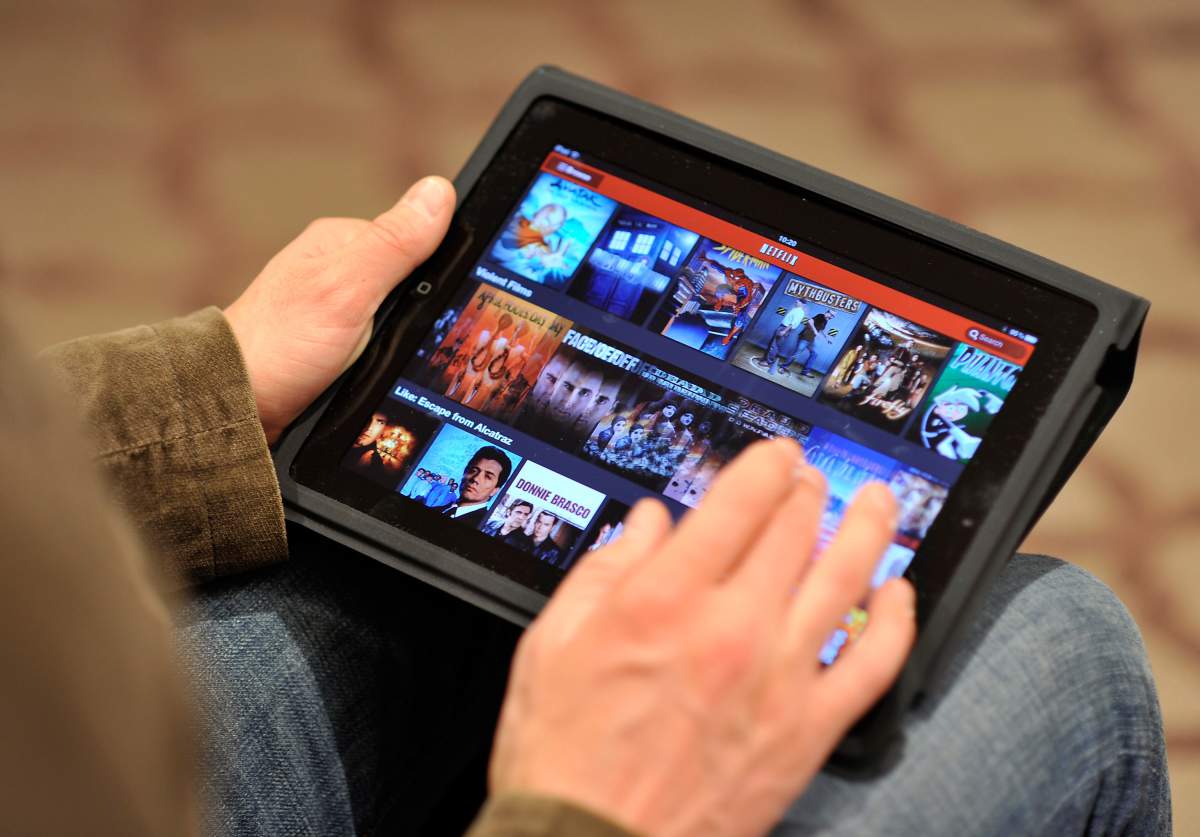
Netflix content will be available on LG U+ internet protocol TVs (IPTV) today. Under an exclusive IPTV deal inked with LG U+, Netflix content, including Netflix Originals, will be aired through LG’s platform, the carrier said Wednesday.
LG subscribers won’t have to replace their existing set-top boxes as they will be automatically upgraded, though services will be first offered to the 1.07 million users of LG’s latest set-top box, dubbed UHD2, and gradually rolled out to other set-top boxes.
Considering Netflix offers over 22,000 movies and television shows, including its big-name original content like “House of Cards,” “Stranger Things” and “Orange Is the New Black,” this is a good chance for the smallest carrier in Korea to steal some subscribers.
By next month, the carrier will also reform the user interface of its IPTV so users have easier access to Netflix content as well as its own kids’ content platform, dubbed “Kid’s World,” that is gaining popularity among customers in their 30s and 40s with children. LG is banking on both services for the further growth of its IPTV business, according to Song Gu-young, senior vice president and head of home and media business at LG U+.
The revamped interface could look similar to the Netflix app. When a user selects a video, an image related to the video will fill up the whole screen and a preview will run automatically, which is similar to how video previews are played on the Netflix app.
The partnership between LG U+ and Netflix is no surprise as the market has long been expecting the announcement, but what’s still not clear is whether the carrier will offer a phone plan centered on Netflix. Without a useful plan, existing users of Netflix might not feel the urge to migrate to LG just for the IPTV service because it would only mean they get better access to Netflix content on the LG platform, but for the same monthly fee.
LG is reportedly planning to roll out phone plans with a Netflix discount, according to an industry source, but it might take some time as new plans need government approval.
For the time being, LG U+ is giving out free three-month Netflix trials to new subscribers of its IPTV plans worth at least 15,400 won ($13.50) per month until the end of this year.
Korea’s mobile carriers have shifted their focus to the IPTV business as sales from traditional mobile phone subscriptions faltered after the government pressured them to make monthly phone bills cheaper last year.
The government fuel tax cut, which was implemented to ease the burden on rising crude oil prices, has turned out to be more effective than initially expected. According to the Ministry of Trade, Industry and Energy on Sunday, the average price of gasoline at gas stations nationwide was 1,575.2 won ($1.40) per liter during the second week of November. This is an 85.2 won, or 5 percent, drop, from the 1,660.4 won average just a week earlier.
Diesel prices have also dropped to an average 1,419.2 won per liter, down 56.2 won, or 3.8 percent, from the first week of this month, when it was an average 1,475.4 won for the same amount.
On Saturday, the ministry said the average price of gasoline had further fallen to 1,556.8 won per liter – 133.5 won less than the 1,690.3 won it sold for on Nov. 5, the night before the government’s fuel tax cut went into effect.
On average, the government cut 15 percent off of all fuel taxes including gasoline and diesel in the hopes of easing the burden created by rising international crude prices. It was the first fuel tax cut adopted in a decade.
“As the situation [of low-income households and small and medium-sized enterprises] becomes more difficult with rising international crude prices, we have decided to aim for a psychological effect that will help the economy by increasing disposable incomes,” Ko Hyoung-kwon, deputy finance minister said in late October.
Among gas stations, the government-supported Altteul Gas Station saw the biggest drop in prices – its gasoline costs 135.5 won less than it did on Nov. 5.
Other major brands including SK, GS, S-Oil and Hyundai Oilbank have cut gasoline prices by 133.3 won.
By region, Jeju lowered its gasoline prices the most. The island has seen a 169.4 won drop in average price compared to Nov. 5. Daejeon followed, as prices have fallen an average of 149.6 won, while Incheon came in third after seeing a 142 won drop.
Seoul gas stations on average lowered their prices by 134.9 won while Gyeonggi gas prices fell by 137.2 won per liter.
Seoul and Gyeonggi account for 39 percent of all fuel sold in the country.
However, as of Saturday, 173 gas stations around the country – 1.5 percent of the nation’s gas stations – have not taken part in lowering fuel prices. The ministry said that these gas stations failed to deplete all of the gas that they had stockpiled before the Nov. 6 fuel tax cut was implemented.
Hyundai Motor premiered the latest version of its Santa Fe SUV at an international auto exhibition in Guangzhou on Friday in its latest move to try and woo Chinese buyers. It also rolled out a reshuffle of its Chinese business. Vice President Lee Byung-ho was promoted to president of Hyundai Motor and Kia Motors’ China Business Division, the carmaker announced Friday.
The automaker showcased the fourth-generation Santa Fe, which has been strategically modified for the Chinese market. The new edition is the most futuristic Santa Fe on the market anywhere in the world, including the models sold in Korea.
After hitting rock bottom in the past two years due to diplomatic tension over the deployment of the U.S.-led Terminal High Altitude Area Defense antimissile system in Korea, Hyundai Motor has been slow in recovering sales in China. In the third quarter, it sold 177,000 units, a 6.2 percent year-on-year drop.
Hyundai Motor said it has installed a fingerprint scanner on the door – a global first – allowing owners to lock and unlock the door without a car key. The fingerprint scanner can also turn on the engine and automatically adjust the seat and side mirror to the owner’s liking.
The new version is also bigger than the latest Santa Fe that launched in Korea in February.
The length was extended by 160 millimeters (6.3 inches) and the wheelbase by 100 millimeters, enlarging the space for the second and third row passengers. Other smart car technology included in the vehicle is similar to the version available in Korea.
The car is equipped with a Rear Occupant Alert system that alerts the driver when a passenger is left behind in the back seat through ultrasound detection. It is the first time Hyundai Motor has installed such a system in cars launched in China.
The Santa Fe is also equipped with Safe Exit Assist, which prevents collisions with oncoming traffic when exiting the vehicle.
The car is also equipped with voice recognition through a partnership with Chinese IT giant Baidu.
“The latest Santa Fe stands in the center of Hyundai Motor’s continuous attempts and innovation toward the ever-changing needs of the customer,” said Beijing Hyundai in a statement. “The Santa Fe will bring about changes in the premium SUV market in China with its top-notch safety and smart car features.”
The car will go on sale starting in the first quarter of next year in China.
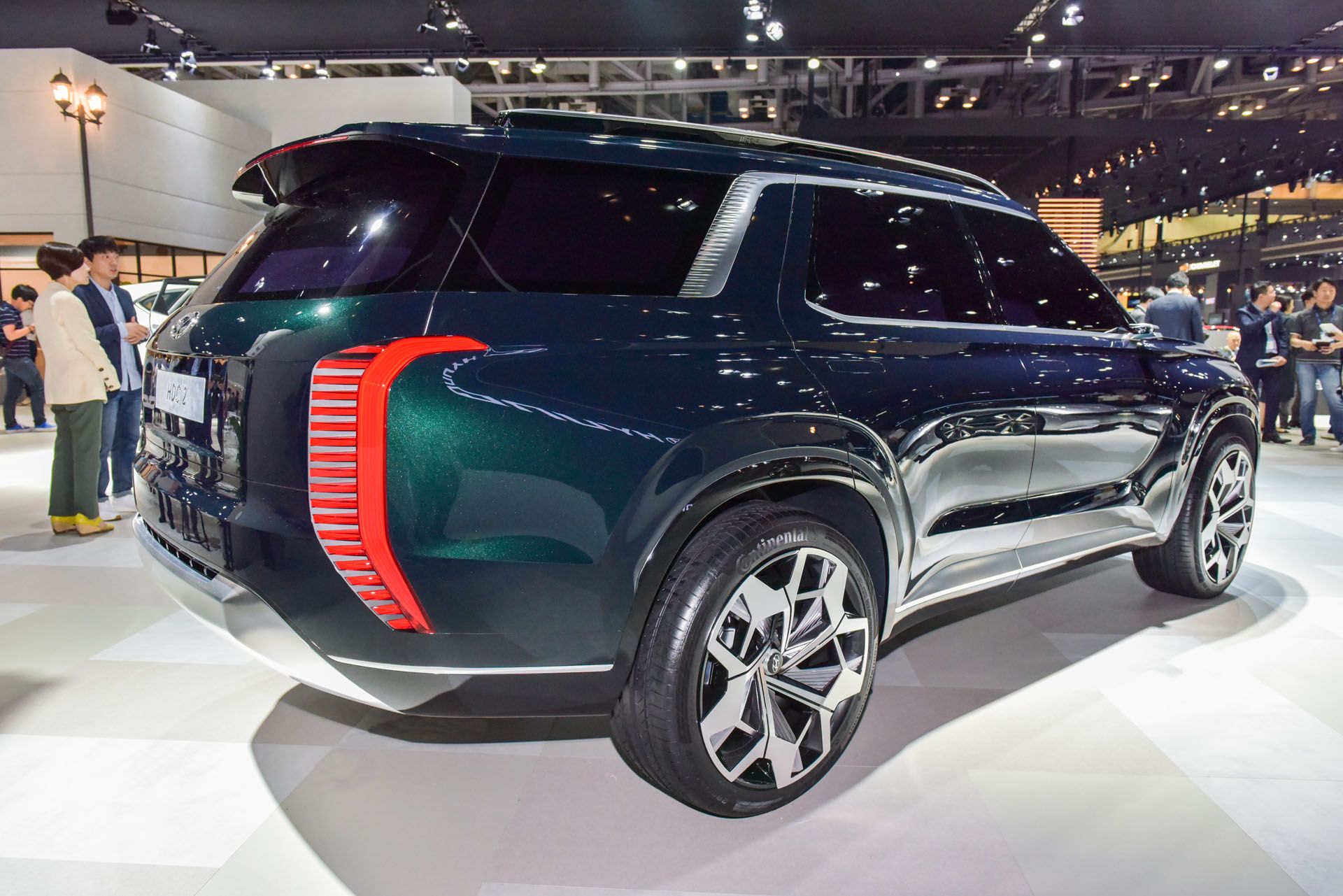
Hyundai Motor set up a 1,820-square-meter (19,590-square-feet) booth at the Guangzhou International Auto Exhibition where its latest lineup of 18 cars, including a concept version of the large Grandmaster SUV and N series vehicles, such as the Veloster N and i20 WRC, were on display.
It also showed off its hydrogen-powered Nexo SUV.
The auto exhibition in Guangzhou runs from Saturday to Nov. 25.