Tag: Korea

  • LG Chem picks first CEO from outside group

    LG Chem picks first CEO from outside group

    LG Chem said Friday it nominated Shin Hak-cheol, vice chair and executive vice president of 3M, as its new head. It is the first time the chemical company hired a chief executive from outside the company since its foundation in 1947. Current LG Chem CEO Park Jin-su climbed the ladder during his 42-year career at the company.

    LG Chem said it has been looking for a person who can systemize global business operations as overseas production and marketing of lithium-ion batteries has increased along with demand for electric cars.

    “Shin has gained global perspective and experience in operating a global materials and components business,” LG Chem said in statement. “He is the right person capable of responding to a rapidly changing business environment and bringing change in corporate culture and structure.”

    Shin started at 3M Korea in 1984 as a technical supervisor and then joined 3M Philippines in 1995 as its managing director. In 2011, he was named executive vice president of 3M International Operations, becoming the first Korean to lead 3M’s overseas businesses, LG Chem said.

    His most recent role at 3M was leading global teams, including the research and development, strategy and business development and business transformation teams, as vice chair and executive vice president at the 3M headquarters in Saint Paul, Minnesota.

    Shin will begin commute to work and be officially inaugurated as the chief executive during the shareholders meeting in March.

    Park will retire as Shin is inaugurated, but the exact date has not been announced yet. The company grew into a 28 trillion won ($24.8 billion) company under Park. In 2011, it posted around 22.6 trillion won in sales.

    Industry analysts say this may be the beginning of a major transformation at LG under the leadership of 40-year-old Chairman Koo Kwang-mo.

  • Start-ups in Korea challenged by overregulation and lack of exits

    Start-ups in Korea challenged by overregulation and lack of exits

    Park Jong-hwan is a Korean start-up success story. Twenty years ago, he was living in a basement room with a friend. In 2015, he became a legendary figure after selling his Kim Gisa navigation service to Kakao for 62.6 billion won ($56.0 million).

    The co-CEO of Kim Gisa Company, who now also runs co-working space company Work&All and a start-up accelerator, met with JoongAng Ilbo on Nov. 2 to discuss the challenges faced by start-ups in Korea.

    During the interview, he expressed the need for a change in government regulations.

    “It is difficult for a second Kim Gisa to emerge in this regulatory environment,” said Park. “When I meet start-ups these days, they don’t have the confidence to start new things but instead worry about facing legal or social problems.”

    “In an environment that first regards new ideas or businesses as illegal, start-ups lose confidence and creativity,” complained the Kim Gisa Company founder.

    Park has struggled with regulations and a negative attitude towards the industry since his early start-up years. When nominated for an award, it was almost rescinded as his service didn’t provide location services inside buildings. When Kakao tried to implement Kim Gisa’s technology to match rides, it was met with government opposition. The government’s strong stance against the growing carpool and ridesharing industries is an issue that particularly frustrates the start-up pioneer.

    Park, whose father is a veteran taxi driver of 40 years, said he understands the opposition from the taxi industry but explained that the carsharing service provides a better alternative for taxi drivers.

    “If a company-owned taxi driver opts to operate on a car-sharing platform, the driver will pay two to three percent in fees instead of the payment to the taxi company, leading to increased income,” said Park. “If we set aside a partial fee for every service and provide it to the taxi industry, as it is done in Australia, private taxi drivers will be less opposed.”

    “The government should be a mediator in the changing times,” he added. Park also argued that Korea’s business environment, which make start-ups mergers and acquisitions (M&A) difficult, pose as an unseen stumbling block for tech-based start-ups.

    A positive cycle of investment, growth, profit return and reinvestment can only occur when there are numerous success stories of start-up exits. But complex tax-related regulations, difficult conditions for initial public offerings and a negative attitude toward start-up exits all prevent M&A from taking place, said Park.

    “If start-ups grow and are bought out by large corporations, they then fall under new regulations as they are considered an affiliate company of a large corporation, even if they maintain the same workforce and business structure,” explained Park. “M&A can only be undertaken by large corporations with enough cash, but the reality is that it’s difficult because of such regulations.”

    The start-up founder lamented the lack of successful exits since Kim Gisa, “There hasn’t been a large-scale M&A in the three years since Kim Gisa,” he notes. “Promising local start-ups are leaving to countries abroad.”

    Park’s co-working sharing company aims to ease some of the burdens faced by start-ups and provide an accommodating environment in the country’s tech hub in Pangyo, Gyeonggi. While tech giants such as NHN, Nexon and AhnLab are able to afford the high rent in Pangyo, it is difficult for start-ups.

    Park argues that acquisition of start-ups by tech giants will become more common if start-ups settle down in Pangyo and create an environment similar to Silicon Valley.

    “I would like to provide a mentoring space to help others reduce the time spent on trial and error,” said Park. “I am looking at two to three start-ups in which to make investments.”

    The start-up mentor said that updating regulations that stand in the way of start-up development could help create new jobs – one of the main promises of the government.

    “When the number of start-ups increases and their businesses grow, there will naturally be more recruitment. The quality of jobs will increase as the number of them rises.”

  • Singles’ Day boosts Korean brands

    Singles’ Day boosts Korean brands

    China’s massive Singles’ Day shopping spree provided a huge boost to Korean retailers, with some companies posting their highest sales figures ever. Since 2009, Chinese retail giant Alibaba Group has transformed Singles’ Day, which falls on Nov. 11, into an online shopping festival with large discounts offered for 24 hours.

    Other ecommerce giants like JD.com soon followed suit, making Singles’ Day into a Chinese version of Black Friday, although much bigger.

    At Alibaba, the number of transactions on Nov. 11 has steadily increased since the event began in 2009.

    Despite concerns that the ongoing trade war between the United States and China may have put a break on the income growth of middle-class Chinese consumers this year, Singles’ Day once again broke records.

    Chinese shoppers purchased a total of 213.5 billion yuan ($30.6 billion), worth of goods on Sunday, a 27 percent surge from last year’s record. The year-on-year growth rate was slower than last year’s 39.3 percent.

    Over 40 percent of shoppers made purchases from international brands, said Alibaba.

    Among the countries that sold products to Chinese customers on Sunday, Korea ranked third after Japan and the United States.

    Korea placed at No. 3 on the list in 2016, but fell two ranks last year after the deployment of the U.S.-led terminal high altitude area defense (Thaad) antimissile system. The incident soured relations between the two countries and provoked a boycott movement against domestic brands in China.

    The exact volume of Korean goods purchased on Sunday was not disclosed, but it was evident that the shopping spree had an impact on local companies, as some of them reported record-breaking figures on Monday.

    Food company Nongshim, famous for Shin Ramyun instant noodles, set a new record for Singles’ Day revenue since it launched online sales in China in 2013.

    The company sold 5 million yuan worth of instant noodles at ecommerce website Taobao on Sunday. This was a 25-percent increase compared to last year’s Singles’ Day and 10 times the average sales made at the Chinese ecommerce website per day.

    The No. 1 best seller for Nongshim was a multipack of its eight most famous noodle brands, including Shin Ramyun, Neoguri and Kimchi Ramyun.

    “We organized huge promotional events ahead of Singles’ Day, as well as collaborating with [social media influencers in China] to air live videos of cooking Shin Ramyun,” the company said.

    Eland Group’s Chinese office sold 444 million yuan worth of fashion goods through ecommerce website Tmall.

    Based on sales records, the fashion group focused on presenting a wide array of outerwear like coats and jackets. A padded jacket from its kid’s brand, Paw in Paw, sold over 20,000 units during Singles’ Day.

    Beauty companies also did well. At LG Household & Health Care, cosmetics sales increased 50 percent compared to last year’s Singles’ Day. Daily necessities jumped even higher by 73 percent year on year. Its brand, The History of Whoo, LG’s biggest success in China, sold 23 billion won ($20.2 million) worth of products, a 72 percent increase year on year.

    Although LG did not disclose the entire sales volume, the company spokesman said that “this year has set a record for Singles’ Day.”

    Rival Amorepacific unexpectedly set positive records as well. The company has been struggling after it lost Chinese consumers in the Thaad row. On Sunday, it generated 37 percent more sales compared to Nov. 11 last year. Several products from brands like Sulwhasoo and Laneige that were prepared for the Singles’ Day promotion sold out.

  • SK Korea keeps building Vietnam ties

    SK Korea keeps building Vietnam ties

    SK Chairman Chey Tae-won met with Vietnam Prime Minister Nguyen Xuan Phuc in Hanoi Thursday to discuss the conglomerate’s plans to invest more in both private and public companies and introduce measures to ease environmental problems there.

    They met for the second time in a year. As a result of the previous meeting, SK purchased a 9.5 percent stake in the holding company of Masan Group, one of Vietnam’s largest private enterprises, for $470 million in September.

    “We are pursuing further cooperation with private companies after our first meeting beginning with investment in Masan Group,” said the chairman of Korea’s third-largest conglomerate. “We expect cooperation in other areas such as privatization of state-owned companies to speed up.”

    Nguyen explained Vietnam’s privatization plans to Chey while asking SK to help develop the country’s growing industries.

    “Chairman Chey is the only foreign company chief that I meet every year, my interest in SK is special,” said Nguyen.

    Chey also said the group will help Vietnam combat environmental problems that stem from industrial development. SK Group currently supports the reforestation of a mangrove forest in Vietnam.

    Mangrove forests used to cover 4,400 square kilometers (1.08 million acres) of Vietnam, but only 30 percent remains. Since last May, SK Innovation has provided support to reforestation efforts in a mangrove forest in Tra Vinh province and reforestation research by Ho Chi Minh City University of Technology.

    SK’s relationship with Vietnam has grown over the years. Energy subsidiary SK Innovation has taken part in oil exploration and crude oil production from the country’s offshore oil fields since 1998. SK’s construction unit, SK E&C, has helped build petroleum complex projects in the country.

    Chey also participated in the Hanoi Forum Friday and Saturday.

    The Korea Foundation for Advanced Studies, an academic non-profit organization, and Vietnam National University in Hanoi jointly launched the forum this year to encourage academic cooperation between the two allies.

    Korea Inc. has been paying increasing attention to Vietnam as an alternative investment destination to China. Vietnam is expediting privatization amid a difficult fiscal situation, putting on sale several government-owned companies.

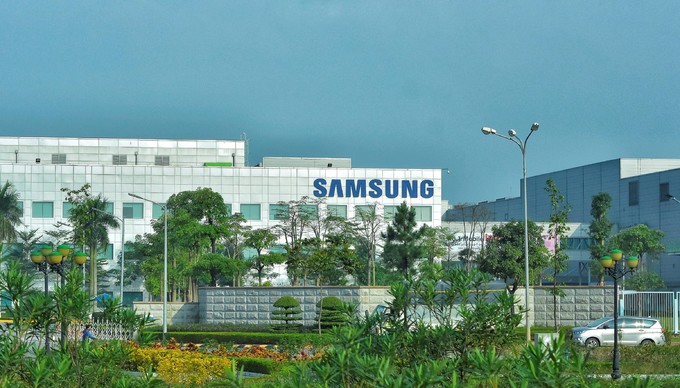
    In late October, Samsung Electronics Vice Chairman Lee Jae-yong paid a visit to Vietnam and vowed to increase investment during a meeting with the Vietnamese prime minister. Samsung Electronics operates major phone manufacturing lines in Vietnam, which has helped Vietnam become the second-largest exporter of mobile phones after China. As a manufacturing location, Vietnam serves as an important strategic partner for many Korean companies’ global supply chain.

    LG Display and textile giant Hyosung are also Korean companies with manufacturing units in Vietnam.

    During President Moon Jae-in’s visit to the country earlier this year, senior executives from SK and Samsung were in the president’s entourage in an effort to establish stronger business relations.

    In 2017, Korea placed second in terms of direct foreign investment in Vietnam, following Japan. Vietnam is currently Korea’s fourth-largest export partner.

  • Hyundai to unveil new large SUV Palisade

    Hyundai to unveil new large SUV Palisade

    Hyundai Motor’s new large SUV, set to be unveiled at the Los Angeles Auto Show later this month, will be called the Palisade. According to the carmaker Friday, its new model for the 2020 model year will be revealed on Nov. 28 during a press event at the L.A. motor show.

    The company will start taking preorders for the SUV in the Korean market starting at the end of this month, earlier than other countries. Hyundai Motor America said Thursday the car will be available in the U.S. market in the summer of 2019. Hyundai said the SUV was named after Pacific Palisades in southern California, an affluent neighborhood that boasts a series of coastal cliffs. The carmaker is hoping that the Palisade will live up to its premium-sounding name.

    The three-row SUV will offer seven or eight passenger seats, according to a spokesperson from Hyundai Motor. The major focus in designing the car is enabling everybody inside the car, even those in the third row, can enjoy their own space. In some vehicles with third rows, space is tight.

    The carmaker said its new Palisade will offer the most seating space among competing vehicles in the same segment. It also promised diverse seat adjustment options and an easy-to-use interface for adjusting car settings for passenger convenience.

    “For large SUVs, carmakers need to offer more value than just the basic driving performance,” a Hyundai spokesman said. “The spacious interior and intuitive interface for safety and convenience services offered in the car are its competitive edge.”

    The carmaker is expecting a lot from this vehicle, as it in hopes to make the Palisade its flagship SUV model when families are increasingly lean towards bigger SUVs over sedans. The Palisade will replace the Max Cruze (Santa Fe XL overseas) as Hyundai’s largest SUV.

    Specifications and pricing for the Palisade were not released on Friday.

  • Incheon Airport tests an unmanned shuttle service

    Incheon Airport tests an unmanned shuttle service

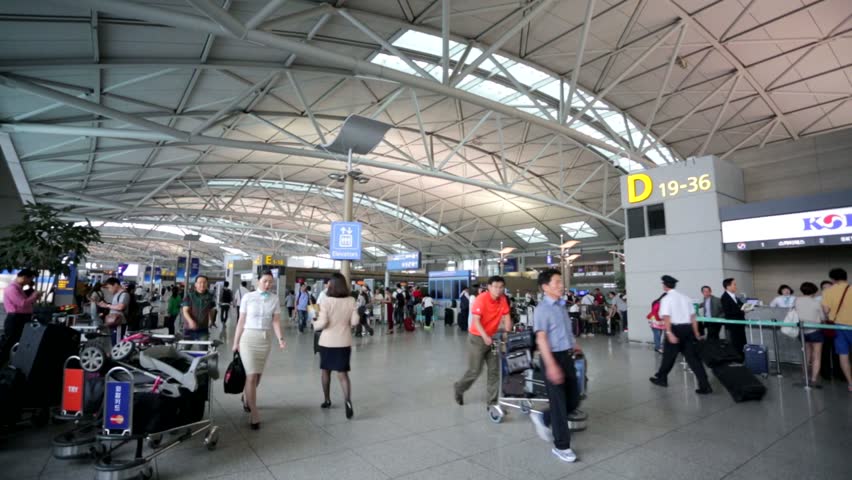
    Incheon International Airport said Sunday that it has successfully tested a self-driving shuttle bus becoming the first Korean airport to do so. The test took place inside its long-term parking lot on Friday, where a driverless bus ran 2.2 kilometers at a speed of 30 kph.

    “The test route has lots of curved lanes and is frequently interrupted by other cars … We have seen that autonomous driving is possible,” the airport said.

    The shuttle bus used in the test has been developed by Korean companies, including KT and Unmanned Solution. It is the country’s first driverless vehicle to obtain a temporary driving license. Last month, the airport signed a memorandum of understanding with KT to cooperate in autonomous driving. It plans to introduce a detailed plan for various self-driving car services.

  • Hyundai, Kia invest big in Grab

    Hyundai, Kia invest big in Grab

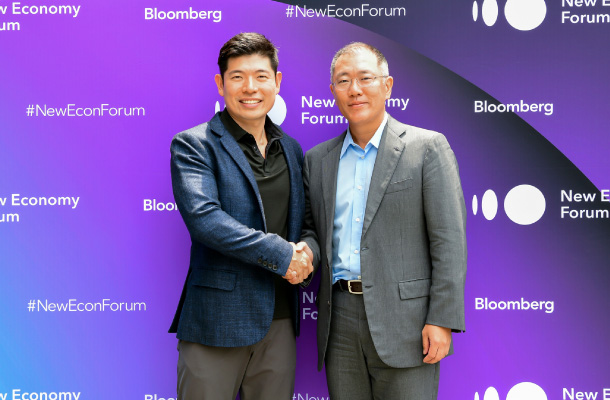
    Hyundai Motor and Kia Motors will jointly invest $250 million into the world’s third-largest ride-hailing operator Grab, eyeing shared mobility services as a way to overcome faltering car sales, the companies said Wednesday.  Hyundai has already injected $25 million into Grab in January, so total investment on the Singapore-based company adds up to $275 million. This is the largest investment made in a single company by the two sister automakers under Hyundai Motor Group, the group said.

    Grab, which has operations in 235 cities in eight countries in Southeast Asia, is the largest ride-hailing service provider in the region, though it is smaller than China’s Didi Chuxing and U.S. company Uber, which have larger operations elsewhere.

    The big bet in Grab comes as the largest auto group in Korea seeks fresh business models for growth. The group said it will make the two carmakers core players in an era where shared mobility is becoming ever more important.

    The three companies will start their collaboration by deploying Hyundai and Kia-made electric cars in Grab’s Singapore business. Hyundai will first supply 200 electric vehicles to the ride-hailing company by early next year. Kia is mulling whether to follow suit soon after.

    The vehicles will be rented out to Grab drivers. This way, Hyundai can introduce its electric cars to Singapore and other Southeast Asian markets once the pilot test in Singapore proves successful.

    “Targeting emerging markets based on strong partnerships with local companies like Grab could be a sustainable way of making profits,” Hyundai said in statement.

    If more people use ride-sharing services and other apps rather than driving their own cars, these large mobility service companies could become the major customers for carmakers in the future, and automakers are already aware of this.

    The three companies will also work on developing car maintenance and repair services as well as car financing services specialized for Grab drivers using the electric cars.

    Going further, they plan to launch electric car models customized for ride-hailing services.

    “Grab is the best partner there is to expand [our] electric car supplies in the Southeast Asian market,” said Chi Young-cho, chief innovation officer at Hyundai Motor Group.

    The latest investment is in line with Hyundai’s aggressive preparation to enter the shared mobility business. It is a relatively late mover into the future mobility business compared to competitors like Germany’s Daimler, which launched its own car-sharing brand Car2Go in 2008.

    The automaker landed a partnership with Sydney-based car sharing start-up Car Next Door with the aim of launching a new app-based mobility service in Australia by 2020. It also holds partnerships with India-based car-sharing company Revv, U.S. mobility service company Migo as well as local last-mile delivery service provider Mesh Korea. In Netherlands, it started its own car-sharing business with 100 Ioniq EVs last month.

  • Blue Bottle Coffee makes debut in South Korea

    Blue Bottle Coffee makes debut in South Korea

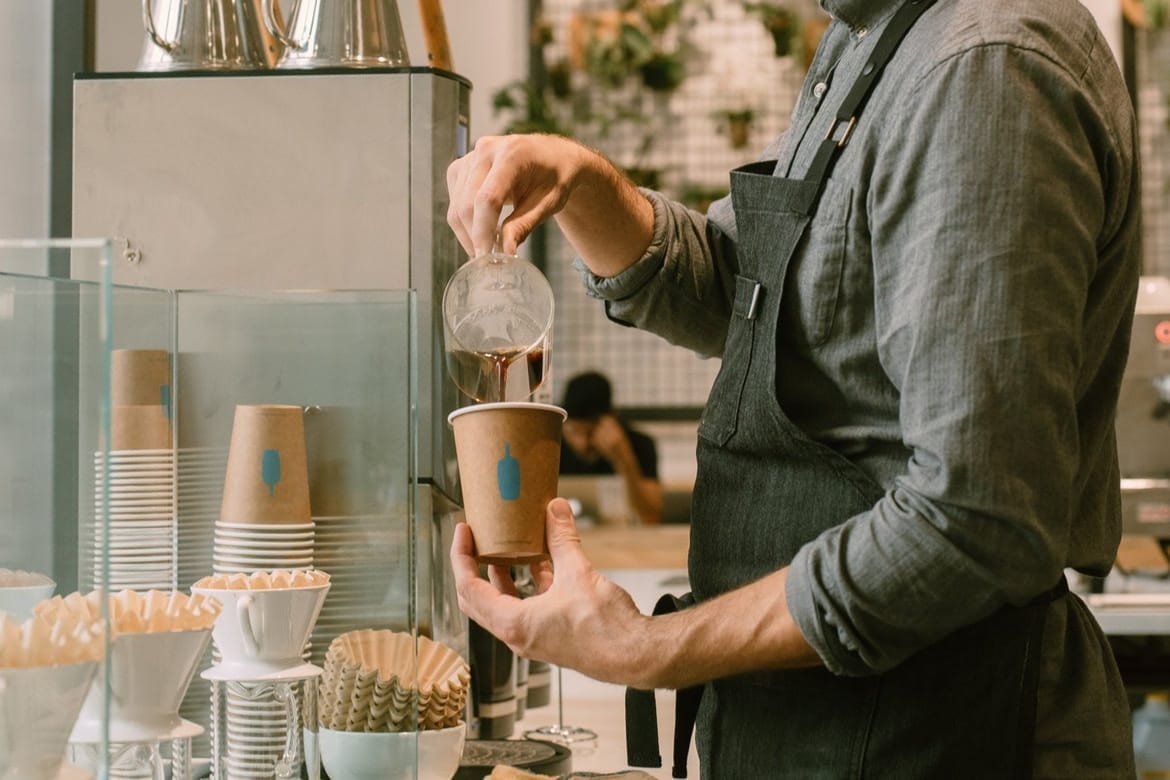
    Blue Bottle Coffee Co an upscale US coffee chain operator, says it will open its first South Korean shop in Seoul in the second quarter of next year as the company moves to expand its presence in the Asian market. It said the new cafe and a roastery will open in Seoul’s eastern Seongsu neighbourhood, a trendy hangout spot where young artists and designers have renovated existing buildings into art spaces, fine restaurants and cafes.

    The move will mark Blue Bottle’s second international launch since it opened its shop in Tokyo in 2015. Blue Bottle said it will directly enter the South Korean market as Blue Bottle Coffee Korea Ltd.

    “We feel very close to our South Korean guests, having known them for years in our cafes in the US and Japan and on social media,” said Bryan Meehan, CEO of Blue Bottle Coffee. “Now, Blue Bottle Coffee will no longer be just a tourist destination for them but a part of the fabric of Seoul.”

    Founded in 2002, the Oakland-based roaster now has 56 cafes in the US and 10 in Japan. Swiss food giant Nestle bought a 68 per cent stake in the company last year.

    According to government data, the size of South Korea’s coffee market stood at 11.7 trillion won (US$10.8 billion) in 2017, up more than threefold from a decade earlier.

  • Korea’s KT skips Huawei for 5G

    Korea’s KT skips Huawei for 5G

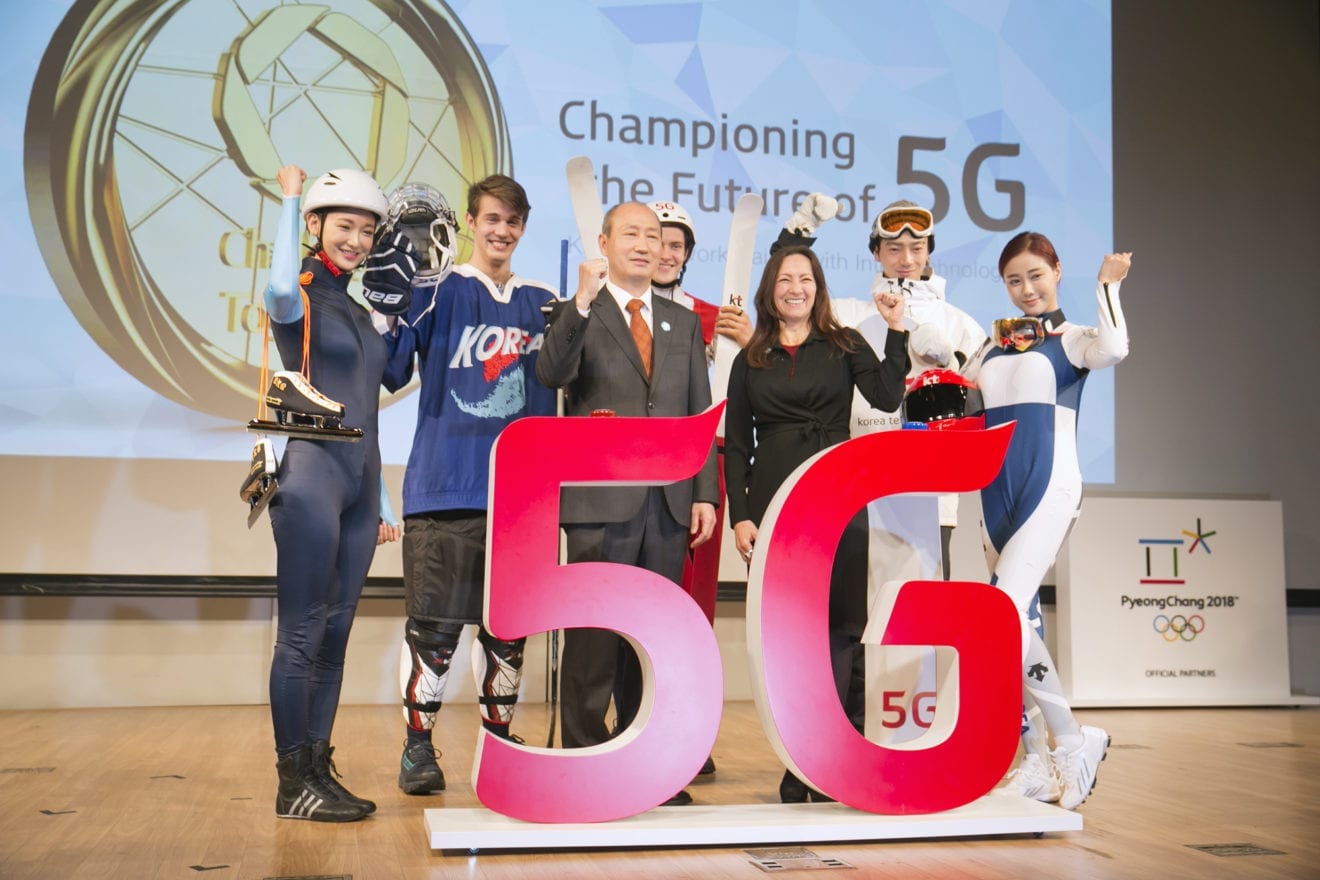
    KT has chosen Samsung Electronics, Ericsson and Nokia as suppliers of 5G network equipment. As expected, Huawei was excluded from the list.  “In choosing 5G equipment providers, the company considered a wide range of factors: the level of technology, investment costs and management stability based on the compatibility with the existing LTE network,” KT said in a statement.

    The bid results, announced by the company Thursday, come a month after SK Telecom named Samsung Electronics, Ericsson and Nokia as its 5G equipment providers.

    This is the second time Huawei was left out despite having participated in internal tests along with the three selected.

    SKT and KT’s choices were anticipated because both had used equipment from Samsung, Ericsson and Nokia for their 4G LTE networks.

    Compatibility of equipment is an advantage for mobile carriers in terms of cost and maintenance, especially in the early stages when 5G equipment is not fully installed nationwide.

    LG U+ is the only one among Korea’s three mobile carriers that has not yet announced 5G equipment suppliers. The smallest mobile carrier is likely to include Huawei on its list. It partnered with the Chinese company for its 4G LTE network, along with Samsung, Ericsson and Nokia.

    An LG spokesman said Thursday that the company “does not have plans to openly disclose selected bidders for 5G network equipment at the moment,” as it is not mandatory.

    However, LG U+ Vice Chairman Ha Hyun-hwoi gave a strong hint at the parliamentary audit late last month when he gave a positive answer to a lawmaker’s question on whether it was “unavoidable” to use Huawei’s 5G equipment as its 4G equipment was from the same company.

    The biggest advantage of Huawei’s 5G equipment is cost efficiency. The Chinese company is known to charge prices that are 20 to 30 percent lower than other global competitors for high-quality 5G equipment. A factor that argues against Huawei is security concerns.

    Due to its ties to the Chinese government, there have been worries that the company’s equipment is being used for spying. In August, the U.S. and Australian governments banned Huawei from supplying equipment for their 5G wireless infrastructure citing security reasons. Britain said in July it “is less confident” about the integrity of Huawei products.

    The concern is shared by some local customers as well. Online petitions at the Blue House’s official website have been posted since June requesting a stop to LG’s adoption of Huawei’s 5G equipment. Huawei has been denying such allegations.

    In a press release last month, the Chinese tech company highlighted that, despite ongoing security concerns, there has been zero cases of actual information leakage in the past.

    “We have supplied LTE equipment for LG U+ since 2013, and until now, there were no cases of security accidents,” said the statement. “After multiple verifications by the government, it has been proved that there have been no problems.”

  • Korean Air shifting most of its data to Amazon’s AWS

    Korean Air shifting most of its data to Amazon’s AWS

    Korean Air Lines said Tuesday it will transfer most of its data and applications to Amazon’s cloud computing platform as it overhauls its IT infrastructure over the next three years. The planned data migration to Amazon Web Services (AWS) is part of Korean Air’s broader plan to invest 200 billion won ($178 million) over the next 10 years to accelerate the company’s digital innovation and transformation, Korean Air said in a statement.

    “Leveraging cloud technologies means we will be able to provide faster and more efficient services that are tailored to the needs of our customers,” Korean Air President Walter Cho said in the statement.

    Cho, AWS Managing Director Ed Lenta and LG CNS Chief Executive Kim Young-seob signed a data center outsourcing agreement. LG CNS, one of Korea’s leading IT outsourcing providers, will help Korean Air move its data to the AWS system.

  • New iPhones sell slowly in Korea

    New iPhones sell slowly in Korea

    A week after Apple introduced its latest iPhone series at stores in Korea, sales are only about 60 percent of those reported for the previous lineup over the same period of time. According to estimates compiled by local mobile carriers, a total of 170,000 iPhone XS, XS Max and XR models were purchased between Nov. 2 and Nov. 7. A total of 280,000 iPhones 8 and X models were sold in the first week of their release in November 2017. Sales of the two models began three weeks apart.

    Industry watchers assumed that Apple’s simultaneous release of the three models was designed to garner greater attention and boost sales in the early days.

    However, figures so far show that the latest iPhones are selling more slowly than earlier models.

    “It’s not doing that great,” said an employee at a brick-and-mortar phone shop in central Seoul on Friday when asked if the new iPhones are popular.

    “There’s the expensive price tag, but it also has to do with the fact that there aren’t dramatic function upgrades. To be honest, even I can’t really notice a big difference between the iPhone X and XS. Maybe the next series will come with more innovative features – we’ll see.”

    Price became an issue as soon as Apple introduced the new models. In Korea, the 512-gigabyte iPhone XS Max sells for nearly 1.97 million won ($1,745), while the 256-gigabyte XS retails at 1.56 million won.

    Even the budget XR model is priced slightly below one million won.

    Despite the price concerns, presales have been reasonably strong. SK Telecom, KT and LG U+ took orders between Oct. 26 and Nov. 1.

    Presales results for the three new models differed per company, but the general assessment was that demand was similar or stronger than for previous generation iPhones.

    Presale results don’t necessarily indicate success. Customers who preorder iPhones in Korea, even before actually touching the product, are likely to be loyal Apple fans.

    “The thing about Apple maniacs is that they will get their hands on the next iPhone no matter what,” said a source from one of the mobile carriers.

    “But success doesn’t just come from them. The general public, especially those switching between smartphone brands, should be attracted to buying it, too. The new iPhone seems to be failing in that respect this time.”

    Up until a few years ago, a few manufacturers like Apple and Samsung dominated the smartphone market. Customers nowadays have a much wider ranges of options in terms of price and style.

    Over the last decade, smartphone technology has advanced so much that even budget models priced at half that of the latest iPhones come with high-tech functions, such as face unlock.

    From Apple’s side, there are signs that the company is well aware of the slower demand.

    Japan’s Nikkei Asian Review reported on Monday that Apple told smartphone assemblers Foxconn and Pegatron to halt plans to bring on additional lines for iPhone XR production. All companies involved declined to comment.

  • Self-driving car tested out in Korea

    Self-driving car tested out in Korea

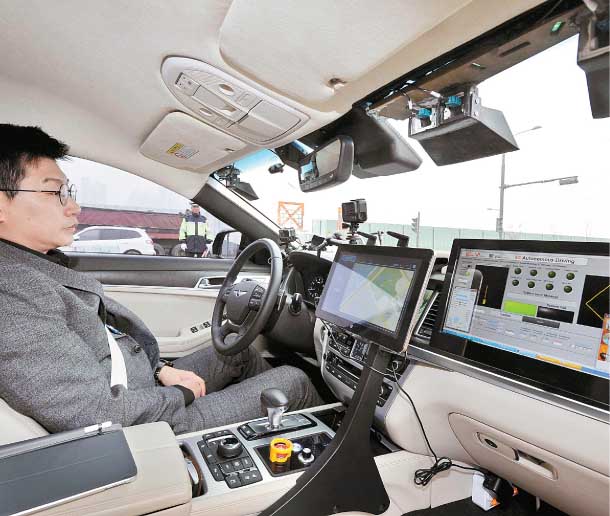
    A user tries out self-driving technology from local car-sharing app Socar in Siheung, Gyeonggi on Wednesday. The technology enables users to hail self-driving cars, and is currently being tested, according to Socar. The technology was jointly developed by Seoul National University, Yonsei University, SK Telecom and autonomous car technology developer SWM.AI.

  • Kakao profit falls in Q3 as investment costs rise

    Kakao profit falls in Q3 as investment costs rise

    Kakao, the operator of Korea’s top mobile messenger, KakaoTalk, said Thursday its third-quarter operating profit fell 35 percent from last year due to increased costs from new businesses. Operating income reached 30.7 billion won ($27.3 million) in the July-September period from 47.4 billion won a year ago, the company said in a regulatory filing.

    Sales rose 16 percent on-year to a quarterly record high of 599.3 billion won, the company said.

    Kakao said its operating income plunged due to increased investments in new businesses, such as Kakao Mobility, that the company recently launched in an effort to secure new growth engines.

    Kakao said the revenue from its content platform remained steady at 306.7 billion won, with the figure representing a 17 percent year-on-year increase.

    Advertising sales grew 10 percent year on year to 167.1 billion won over the cited period on the back of mobile advertising revenue growth.

    Music content sales increased by 11 percent year on year to 136 billion won in the third quarter due to steady revenues from the Melon streaming service.

    Kakao said it will keep up efforts until the end of this year in order to expand its foothold by wrapping up a merger with its entertainment affiliate, Kakao M. The tieup will allow the company to move forward on various business collaborations.

    Kakao said the decision is aimed at bolstering its entertainment content based on the users of Melon, which is currently operated by Kakao M.

  • Jeju Air net profit falls 3.7% due to the high cost of oil

    Jeju Air net profit falls 3.7% due to the high cost of oil

    Jeju Air, Korea’s biggest low-cost carrier by sales, said Tuesday its third-quarter net profit fell 3.7 percent from a year earlier due to high oil prices. Net profit for the three-month period that ended on Sept. 30 reached 31 billion won ($27.6 million), compared with 32.3 billion won ($28.7 million) a year earlier, the company said in a regulatory filing.

    The budget airline said high oil prices are to blame for the decline in net profit.

    Jet fuel prices came to $87.3 per barrel in the third quarter, up 45 percent from a year earlier.

    Operating profit fell 6.5 percent to 37.7 billion won ($33.5 million) in the July-September period from 40.3 billion won ($35.8 million) a year ago. Sales were up 31.3 percent to 350 billion won ($311 million) from 266.5 billion won ($236.8 million) during the same period last year, it said.

  • Samsung steps up Microsoft cooperation

    Samsung steps up Microsoft cooperation

    Samsung Electronics Vice Chairman Lee Jae-yong met with Microsoft CEO Satya Nadella in Seoul Wednesday and vowed to increase cooperation with the U.S. company in artificial intelligence and cloud computing. Nadella is visiting Seoul this week for the first time in four years and delivered a keynote speech at Microsoft Korea’s “Future Now” artificial intelligence (AI) conference Wednesday.

    The two met in the morning before the conference and agreed to step up partnership in artificial intelligence, cloud computing and big data, said a Samsung spokesman.

    Microsoft currently uses Samsung’s semiconductors for cloud servers, and Samsung could sell more of its chips to the American partner in the near future.

    Media reports in Seoul say, as a result of the meeting, some Samsung devices, including smartphones, will be embedded with Microsoft cloud services in the future. Samsung already uses Azure, a Microsoft cloud computing platform, for its system air conditioners to collect data on the surrounding environment, including temperature and humidity, so the machines run more efficiently.

    The two executives might meet on a regular basis and exchange ideas on tech development, according to reports. The two leaders met in Seoul four years earlier.

    During his keynote speech at the conference at a hotel in western Seoul, Nadella mentioned Samsung as one of several Korean companies that had developed offerings based on Microsoft’s Azure platform.

    “Take the example of Samsung Electronics’ IoT [Internet of Things]-based air conditioner that runs on Azure. By taking into account environmental factors, like the number of people, the smart air conditioner can save up to 25 percent in energy and 30 percent in costs,” he said.

    Other sections of the Microsoft CEO’s speech were centered around the need to use artificial intelligence responsibly.

    “We need to ask ourselves not only what computers can do, but what computers should do,” he said, addressing an audience of over 1,500 programmers and businesspeople.

    He also spoke of the necessity to find ways to develop AI for “people who don’t have the ability to participate” in the digital economy.

    As an example, Nadella shared the case of Korea University Prof. Lee Seong-whan using Microsoft’s deep learning Cognitive Toolkit. Lee, who heads the brain and cognitive engineering department, analyzes brain signals in the development of computer systems that amputees can use to move prosthetic arms or robotic arms.

    Earlier on Tuesday, Samsung hosted “Tech Forum 2018,” an event for developers in Silicon Valley. Around 150 developers and designers were invited to the Samsung Research America center there.

    Kim Hyun-suk, president and CEO of Samsung’s consumer electronics division, said in opening remarks that the company was developing many “unfamiliar acquaintances,” which he believes will shape Samsung’s future innovation.

    “Samsung encounters a vast number of customers, rapidly changing technologies and new staff from various backgrounds,” he said. “Our strength is in selling more than 500 million consumer devices a year. We will expand contact points with our customers to reach into the smallest corners of their living spaces and bring innovation to their lifestyles in general.”

    Kim added that in terms of working with various employees, the company will continue to develop a corporate culture where global staff can cooperate and freely suggest ideas. Samsung also introduced the company’s developments in future technologies and held open discussions.