Tag: Korea

  • KT promotes its 5G team to run entire mobile business

    KT promotes its 5G team to run entire mobile business

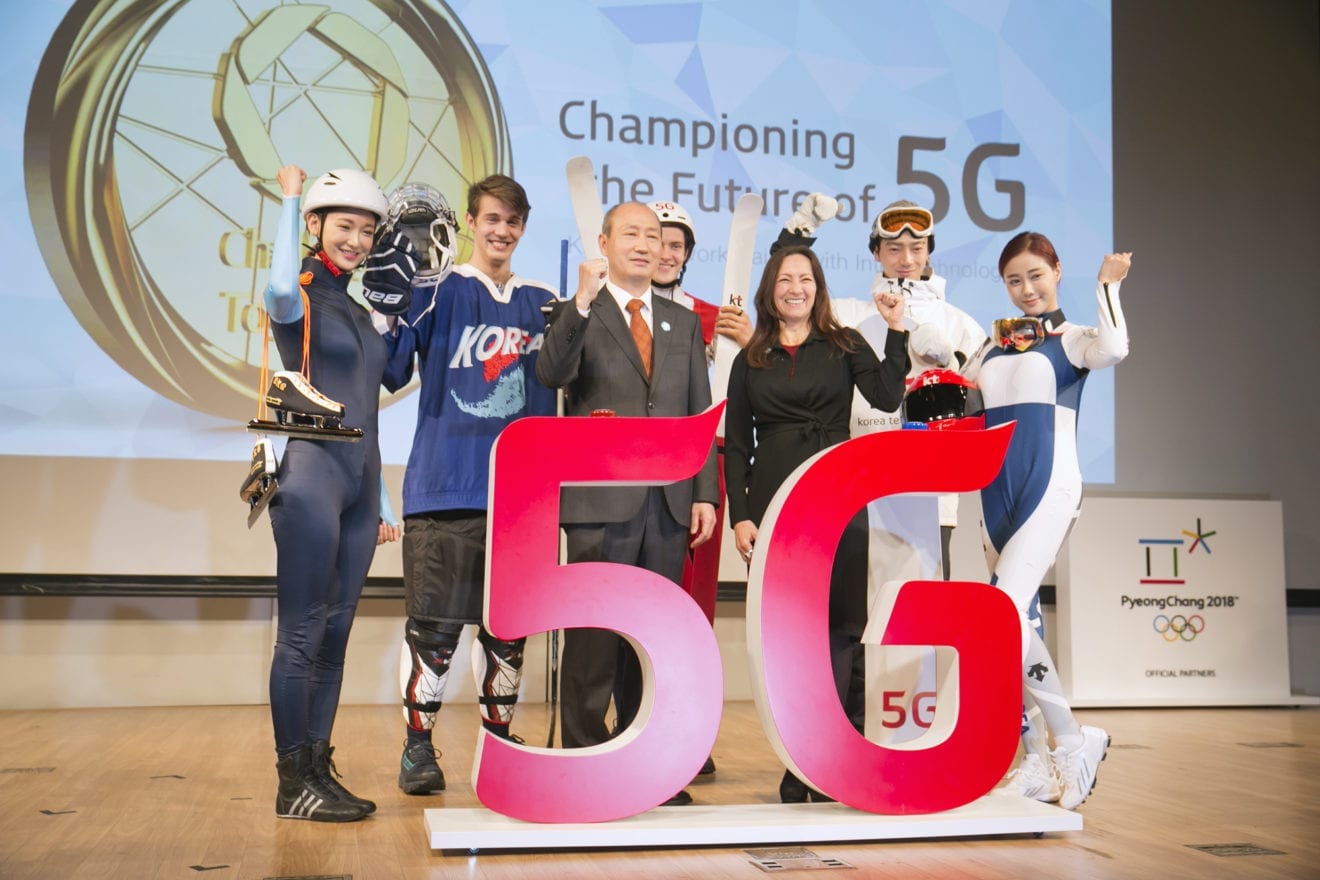
    Mobile carrier KT announced its annual reshuffle Friday as it actively prepares to gain a strong foothold in 5G-related activities in 2019. The next-generation 5G mobile network is expected to be 20 times faster than the current 4G network. Mobile carriers are working to achieve commercialization of the technology by March next year.

    KT’s 5G business team used to be part of the company’s marketing division. Following the reshuffle, the team is in charge of the carrier’s entire mobile business.

    Its main role will be developing customer services using the 5G network.

    A new 5G Platform Development team will be part of the marketing division. It is tasked with devising services for corporate clients, including those related to smart cities, smart factories and connected cars.

    As for changes at the top, former chief secretary, Kim In-heo, 55, was appointed president of KT. Kim has been noted inside the company for his practical working style and flexibility with regard to fixed customs.

  • Naver says its Green Dot is the future of searching

    Naver says its Green Dot is the future of searching

    Naver’s iconic green search bar may one day be a thing of the past – at least in the mobile app.

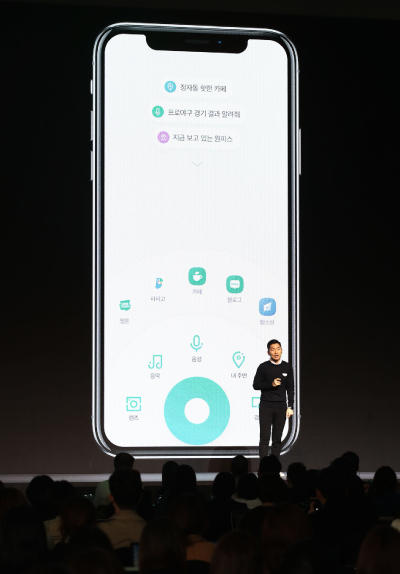
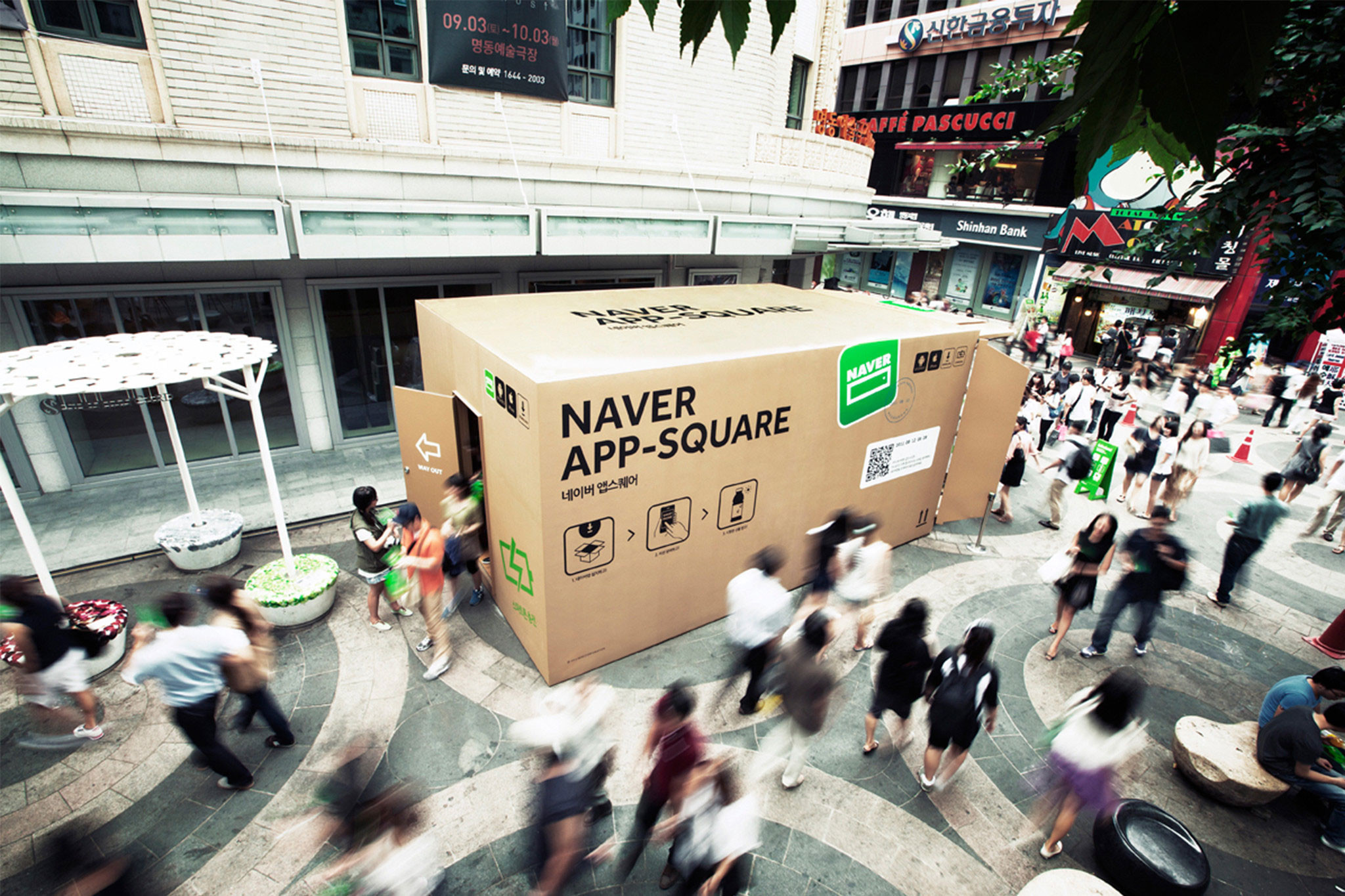
    Korea’s most popular portal site is experimenting with a new tool called the Green Dot that allows users to search for information not only by text, but also by voice, location and photos.

    The Green Dot was first unveiled last month. It is what the company calls an “interactive search” button located at the bottom of Naver’s app.

    When touched, the button opens a small window that offers various search functions like voice recognition, music recognition and recommendation on trending restaurants and bars nearby. The user can also add short-cuts to frequently used Naver services, from blogs to shopping.

    “Naver’s green search bar was developed at a time when searching online through PCs was about keywords and being linked to [web pages with] text information,” said Kim Seung-eon, the portal giant’s design head, at the Naver Design Colloquium held Friday in Dongdaemun, central Seoul. The annual event invites Naver designers to share their strategies and design insight.

    “But now with mobile, [portals] aren’t just about new information; we listen to music, reserve restaurants and use services that are closely linked to our daily lives. There are so many usages now and ways to input information. The Green Dot integrates all these; it’s the start of a new way to search and connect.”

    Kim added that the Green Dot will be the new design identity of Naver and a core function related to services coming in the future.

    The portal giant also shared the results of its first page overhaul on its mobile app.

    Last month, Naver introduced a new first page of its mobile app that left out news and trending keywords, leaving nothing but the search bar, weather information and the Green Dot.

    Its explanation was that the change was purposed to put a larger emphasis on searching, which accounts for 60 percent of why users turn on the Naver app. The change was available as a beta service.

    According to Naver, some users felt that the blank space was awkward, but the beta service had also showed meaningful results: the amount of time users spent on the app increased 15 percent and the number of searches rose 20 percent.

  • Korean brands stars on China’s Singles’ Day

    Korean brands stars on China’s Singles’ Day

    South Korean retailers benefited from another record-setting Nov. 11 Singles Day shopping extravaganza led by Alibaba Group of China. Since 2009, Chinese retail giant Alibaba Group has transformed Singles’ Day, which falls on Nov. 11, into an online shopping festival with large discounts offered for 24 hours.

    Over 40 percent of shoppers made purchases from international brands, said Alibaba.

    Among the countries that sold products to Chinese customers on Sunday, Korea ranked third after Japan and the United States.

    Korea placed at No. 3 on the list in 2016, but fell two ranks last year after the deployment of the U.S.-led terminal high altitude area defense (Thaad) antimissile system.

    The incident soured relations between the two countries and provoked a boycott movement against domestic brands in China.

    The exact volume of Korean goods purchased on Sunday was not disclosed, but it was evident that the shopping spree had an impact on local companies, as some of them reported record-breaking figures on Monday.

    Korea’s top beauty and personal care brand LG Household & Health Care Ltd. said on Monday that overall cosmetics sales during this year’s around-the-clock shopping gala rose 50 percent from a year ago at Tmall Global, a major e-commerce platform managed by China’s Alibaba Group.

    Sales of household items also jumped 73 percent during the same period.

    LG Household & Health Care raised 23 billion won (US$20.3 million) in sales of its flagship cosmetics label the History of Whoo during this year’s Singles Day event, up 72 percent from last year.

    Sales of luxury cosmetics brand su:m37 also jumped 82 percent during the same period mainly driven by increased demand for its Water-Full skin-care product line.

    The brand sold 26,500 sets of Water-Full line on November 11, up 208 percent from a year ago. It sold 24,400 sets of its Time Energy skin moisturizing solution, up 48 percent during the same period.

    Korea’s largest cosmetics company AmorePacific Corp. also scooped up sales on Sunday event.

    Sales of Yoonjo Essence, an activating serum of its premium cosmetics brand Sulwhasoo, hit 10,000 in just 60 seconds after launching sales at Tmall.

    Pre-order sales of Hera’s Rouge Holic lipstick also quintupled this year from last year.

    Korea’s fashion and retail conglomerate E-Land Group that manages 19 brands on Tmall raised 72.3 billion won in revenue on November 11 alone.

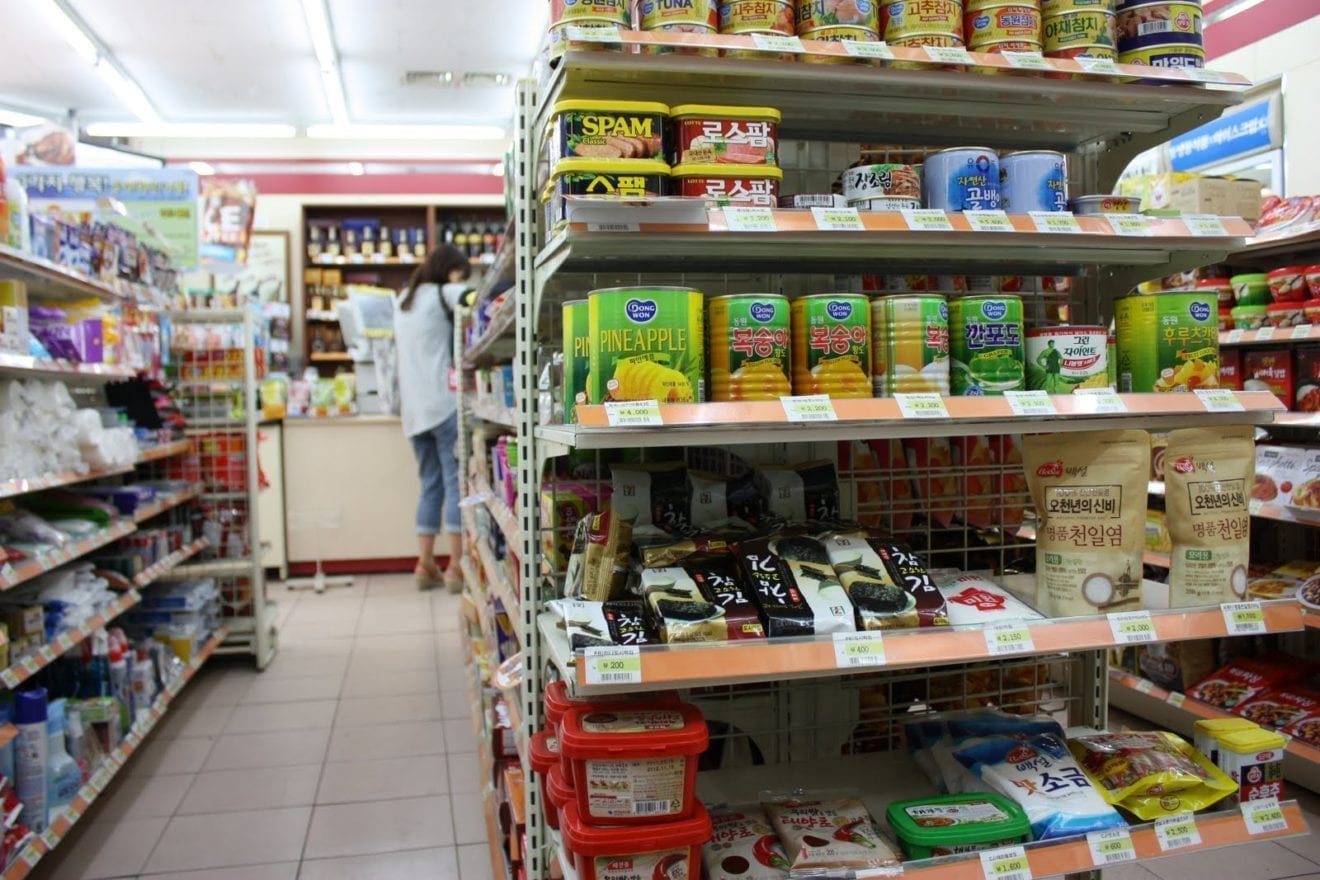
    Korea’s largest manufacturer of instant noodles Nongshim Co. also raked in record sales of 800 million won at Alibaba’s online shopping mall Taobao on the event day, more than tenfold from its daily average sales and up 25 percent from last year.

    The company attributed record sales to its top-sellers Shin Ramyun and Kimchi Ramyun.

    Alibaba clocked in sales of US$30.8 billion in the 24-hour shopping gala that began at 12 a.m. Sunday, beating last year’s US$25.3 billion.

  • SK unit to supply batteries to VW

    SK unit to supply batteries to VW

    SK Innovation is supplying electric car batteries to Volkswagen Group along with existing suppliers LG Chem and Samsung SDI, the Korean battery maker said Wednesday. The Volkswagen Group brands plan to launch 50 new fully electric models by 2025, and the group said it needs more battery supplies in a statement Tuesday. SK Innovation was the last of the four battery suppliers selected by the carmaker.

    SK Innovation will start supplying batteries to Volkswagen cars in Europe from 2019. LG Chem and Samsung SDI are also strategic partners in the auto company’s European operations.

    From 2022, SK Innovation will also supply batteries for the North American market.

    The group’s electric car production in China will source batteries from Chinese partner Contemporary Amperex Technology (CATL) from 2019.

    SK Group’s battery arm is planning on covering Volkswagen orders by setting up new facilities in Europe and the United States. Currently, the company is mulling three locations in the United States, it said, without giving details about the production capacity or the amount of investment. As for its newly-planned European plant, the company said it is considering multiple locations including Hungary, where it is already building a plant.

    When all planned factories are in place, SK Innovation’s battery production capacity will increase to 20 gigawatt-hours per year by 2022, the company said. Despite being a latecomer to the market, SK Innovation has been rapidly expanding its battery business. Daimler and Kia Motors are also using SK batteries.

    Its share of this year’s global battery market, excluding China, was 2.2 percent based on accumulated battery sales through the end of September, according to data from market tracker SNE Research, growing from 1.4 percent the same period last year.

    LG Chem is still the largest local player, with a 17.5 percent market share, followed by Samsung SDI, with an 8.2 percent market share.

    “With SK Innovation, LG Chem, Samsung and CATL, we have found strong partners for the long-term supply of cells for our electric vehicles,” said Stefan Sommer, a Volkswagen board member responsible for components and procurement.

  • Hyundai investing in U.S. drone company

    Hyundai investing in U.S. drone company

    Hyundai Motor, Korea’s largest carmaker by sales, said Thursday it has invested in a U.S. unmanned aerial vehicle (UAV) company to jointly develop new products. In the investment, Hyundai Motor and Top Flight Technologies will jointly seek business opportunities in the global high-end aerial drone market, the company said in a statement.

    “In addition to solving the challenges of longer-duration flight for quadcopters, Top Flight is developing the technologies needed to enable new solutions in aerial logistics and mapping which could be useful in Hyundai’s future business,” John Suh, vice president of Hyundai CRADLE in Silicon Valley, said in the statement.

    Hyundai CRADLE is Hyundai Motor’s corporate venture and open innovation business in the United States.

    “Hyundai’s investment in Top Flight confirms its commitment to autonomous vehicles and mobility solutions, whether on the road or in the air. We fully believe that Hyundai’s world-class assembly and automation capabilities will help spur the production and deployment of aerospace-grade UAVs, more efficiently than ever,” Top Flight Chief Executive Long Phan said in the statement.

    The U.S. start-up is unrivaled in the fields of cutting-edge unmanned aerial vehicles equipped with small-sized gasoline engines that can extend flight range by charging a battery, it said. Hyundai didn’t provide how much it has invested in the U.S. start-up.

    The global UAV market is expected to grow from $5.6 billion in 2016 to $12.2 billion in 2019 and to $22.1 billion in 2026, the statement said. As UAVs are mainly used for military purposes, there is big growth potential for the commercial drone market. At present, the drone delivery services market is in the early stages of development. The concept of drone delivery services began with Amazon in December 2013. The U.S. retailer said its drone service is designed to deliver packages to customers as quickly as possible using UAVs.

  • Palace set collaboration with Polo Ralph Lauren in Seoul

    Palace set collaboration with Polo Ralph Lauren in Seoul

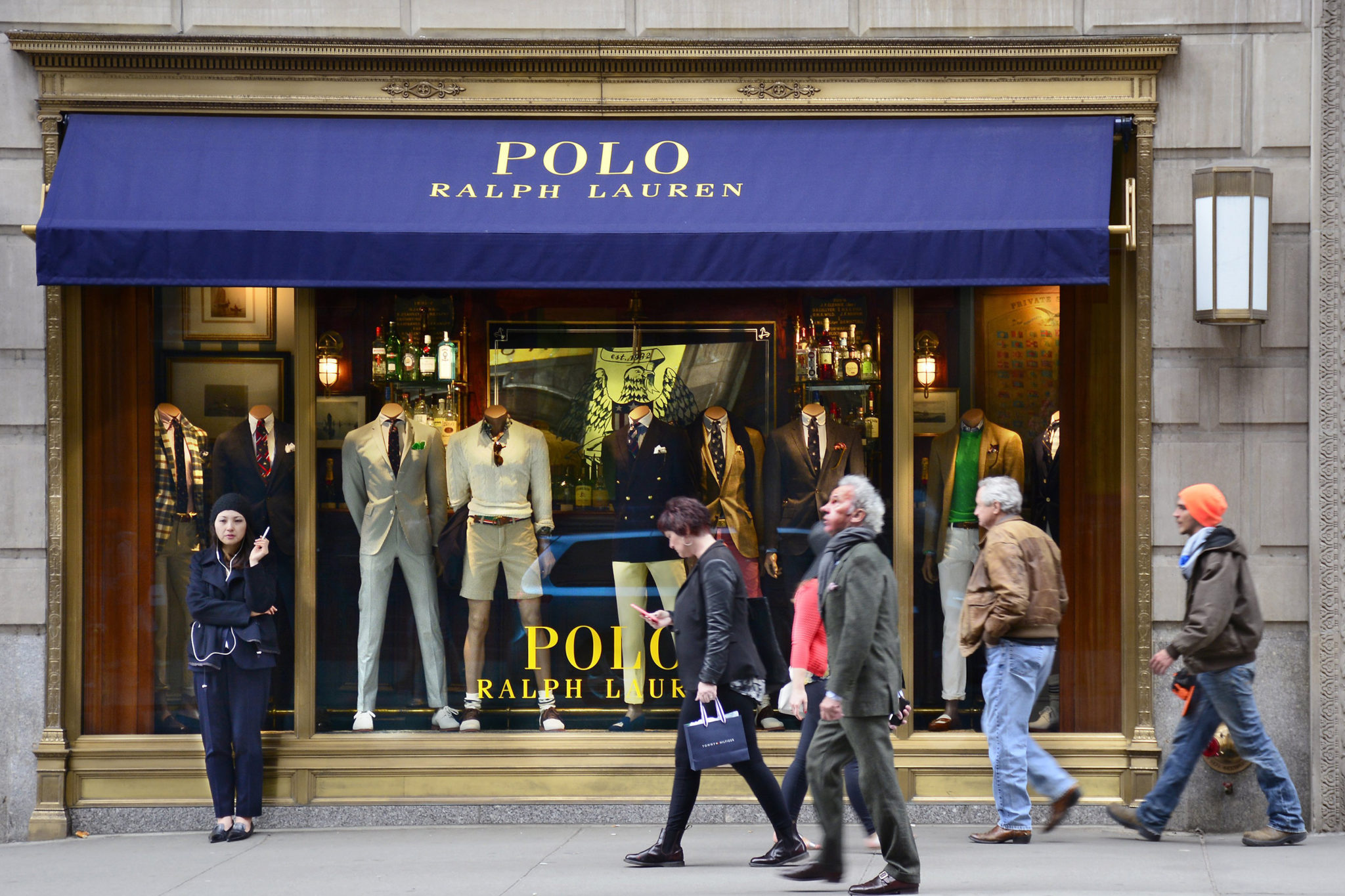
    Streetwear label Palace and Polo Ralph Lauren, the luxury fashion brand, have brought their recent collaboration to Seoul after a show in London. The hotly anticipated crossover saw queues forming from the night before its Saturday morning release at the RL Garosu store to secure purchases of premium limited-edition items.

    Popular products included a Kickflip Polo Bear knit sweater and teddy bear, both of which were posted online within an hour of selling out at sizeable markups.

    Buyers were limited to purchases of one item per product and up to 10 products in total.

  • Apple concerns hit supplier stocks

    Apple concerns hit supplier stocks

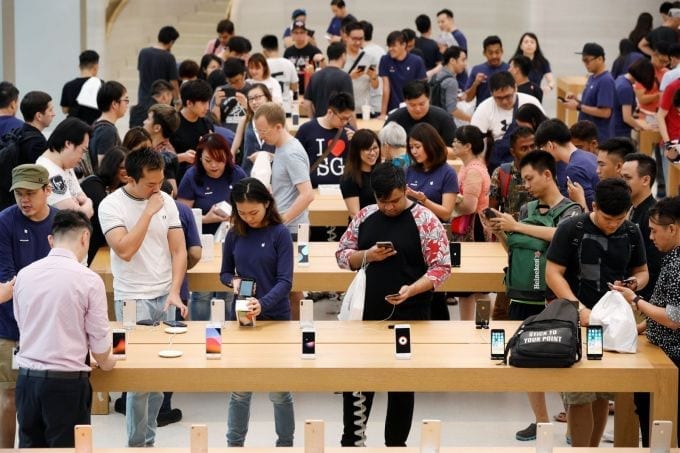
    Shares in Asian suppliers and assemblers for Apple fell on Tuesday after several component makers warned of weaker than expected results, leading some market watchers to call the peak for iPhones in several key markets. Following a poor forecast earlier this month, analysts and investors voiced concern over the state of Apple’s business, contributing to growing worries that iPhone sales were stagnating and could hurt suppliers.

    Fresh warnings on Monday from screen maker Japan Display, British chipmaker IQE and Lumentum Holdings, the main supplier of the Face ID technology in the latest generation of iPhones, hurt technology stocks in Asia on Tuesday.

    Taiwan-based assembler Hon Hai Precision Industry (Foxconn) dropped more than 3 percent. Rival Pegatron fell more than 5 percent but later recouped losses. Both companies count Apple as a major customer.

    The world’s largest contract chipmaker, Taiwan Semiconductor Manufacturing, fell 2.6 percent, while Flexium Interconnect was down 1.5 percent. The Taiwan Weighted Index was down around 1.6 percent.

    “Apple’s iPhone weakness has been a long-term issue for the Asia supply chain,” said Arthur Liao, an analyst at Fubon Research in Taipei.

    “For Apple, iPhone shipment has reached its peak. For tech suppliers facing the future, they have no other big client like Apple.”

    The company’s shares fell to their lowest level in more than three months on Monday.

    Last week, a media report saying the iPhone maker had told its smartphone assemblers to halt plans for additional production lines dedicated to its new lower-priced iPhone XR had pressured supplier stocks.

    Analysts said the lack of technological breakthroughs had put a cap on demand.

    “With no new technology in sight next year for the supply chain, this is not ideal for the companies involved,” said Nicole Tu, a Taipei-based analyst at Yuanta Investment Consulting.

    “Up through the first half of 2019, we likely won’t see any breakthrough.”

    Lumentum on Monday slashed its profit and revenue forecast for the current quarter, while IQE warned that current-year results would be lower. Japan Display lowered both sales and margin outlook for the year as well.

    Apple warned earlier this month that holiday sales would miss Wall Street expectations due to weakness in emerging markets.

  • Start-up fund to create 11,000 jobs in Korea

    Start-up fund to create 11,000 jobs in Korea

    Local banks have invested an additional 345 billion won ($303.8 million) into start-up support. Based on past results, the latest funding could yield 11,000 jobs, D.Camp said on Wednesday. In 2012, 18 local banks teamed up to create and invest 500 billion won into D.Camp, a non-profit organization that supports early-stage start-ups. They decided to pour another 345 billion won into the non-profit in April.

    A total of 320 billion won of the total is being allocated to a private investment firm, K-Growth, to create a fund specializing in local start-ups. K-Growth will pull in other investors to join the new fund, with the total size targeted at 1.6 trillion won.

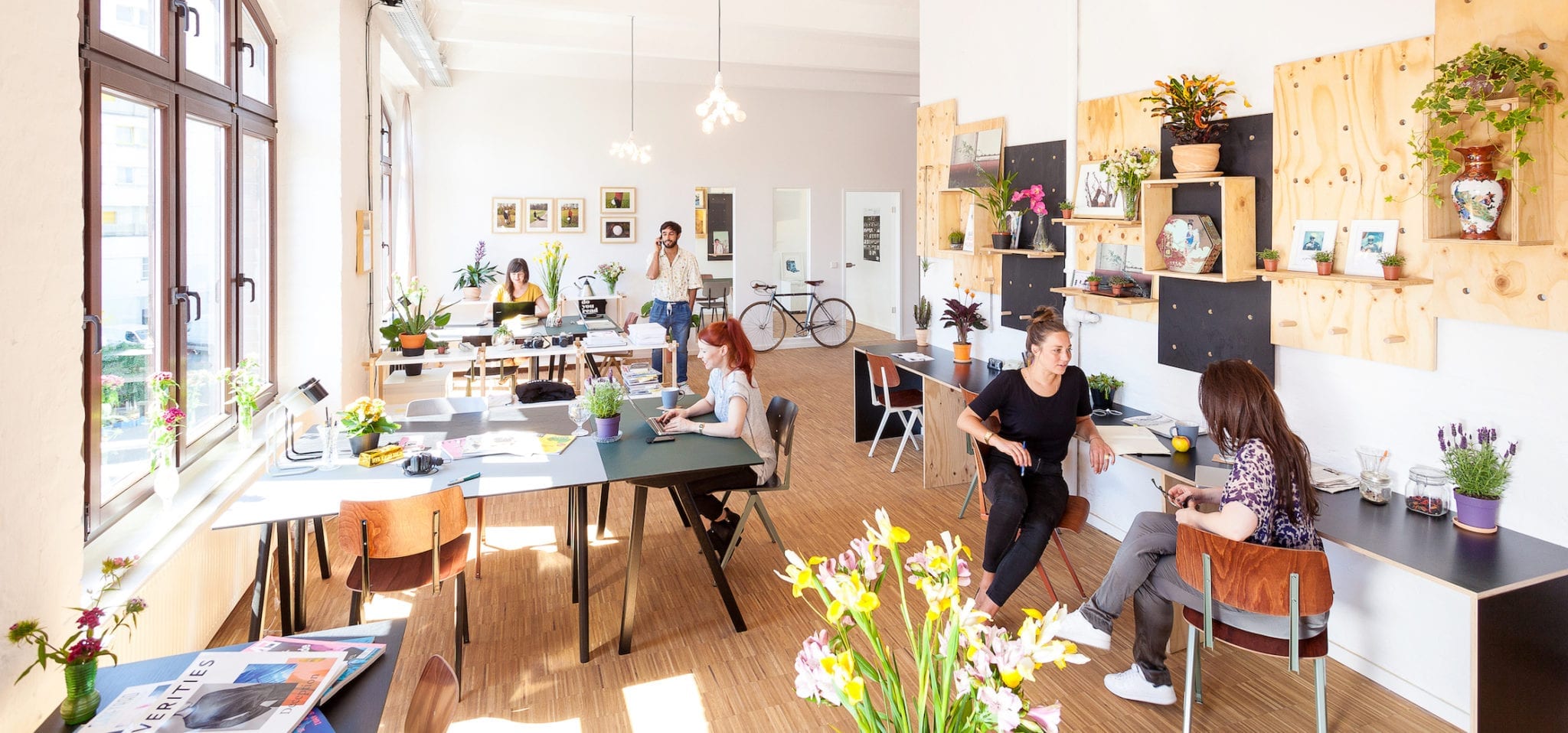
    The remaining 25 billion won will be utilized by D.Camp for the running of its co-working space and for the organization of various training and meet-up sessions for start-ups.

    D.Camp analyzed the number of jobs created by start-ups that received investments from the non-profit and K-Growth in the past in order to calculate how many jobs the new investment is likely to create.

    “K-Growth’s fund will produce 10,080 new jobs, while D.Camp’s support can add 960 to that figure, so the total will come to about 11,000” in the next three years, said D.Camp head Kim Hong-il at a press event in southern Seoul.

    D.Camp began investing in and incubating early-stage start-ups in 2015. Among 121 start-ups it invested in, 86.4 percent, or 110 companies, managed to survive and expand from seed stage. This is higher than the local survival rate of 38.2 percent and the Organization for Economic Cooperation and Development’s average of 57.2 percent.

    The enterprise value of the companies increased an average of 282 percent after receiving D.Camp investment. Among the 110 surviving today, 37.3 percent weren’t generating any revenue at the time the non-profit decided to participate.

    Kim said a big factor in keeping D.Camp’s success rate high is its monthly demo day, in which start-ups compete and present their businesses in front of other start-up entrepreneurs and investment managers at D.Camp. For teams with good evaluation results, D.Camp recommends investment and support.

    “D.Camp started out as something more like a social responsibility program, but today, we see it as a long-term investment for the country’s economy,” he said. “Start-ups nowadays offer services and products that even customers didn’t know they needed. That kind of innovation is something large-sized companies can’t do.”

  • Hyundai to offer connected cars in Europe

    Hyundai to offer connected cars in Europe

    Hyundai Motor is introducing its connected-car system in Europe in partnership with Vodafone next year. The carmaker and affiliate Kia Motors signed a memorandum of understanding with Vodafone at the company’s British headquarters on Monday to roll out the service, Hyundai Motor said.

    Its Blue Link connected-car platform will be available in cars launching in Europe in the latter half of next year. The system will utilize Vodafone’s network. Kia’s Uvo connected-car system will be available in new cars sold in Europe in the first half of 2019.

    The connected-car service will offer real-time traffic information as well as information about nearby parking lots. It will also enable the remote detection of the car’s location as well as anti-theft features.

    Voice-recognition will be available in partnership with Nuance, a U.S. company. In Korea, that service is available in partnership with Kakao.

    Vodafone is one of the leading telecom companies in Europe, with 120 million users on the continent. It is established in 51 countries globally.

    The Blue Link service offered in collaboration with Vodafone will be available in eight European countries, including Britain, Germany, France and Spain. Ultimately, it will be available in 32 European countries.

    Europe is the fifth region where Hyundai Motor has introduced its connected-car service. It is already available in Korea, the United States, Canada and China.

    In July, Hyundai Motor partnered with Chinese IT firm Baidu for the introduction of connected-car services. In the United States, it is working with AT&T, and in Canada it utilizes the Bell network.

    “The latest collaboration will enable European customers to use the high-tech service,” said Suh Jung-sik, senior vice president of Hyundai Motor’s ICT department in a written statement. “The connected-car service will launch from early next year and be expanded in the future.”

  • Korea’s car companies discuss challenges

    Korea’s car companies discuss challenges

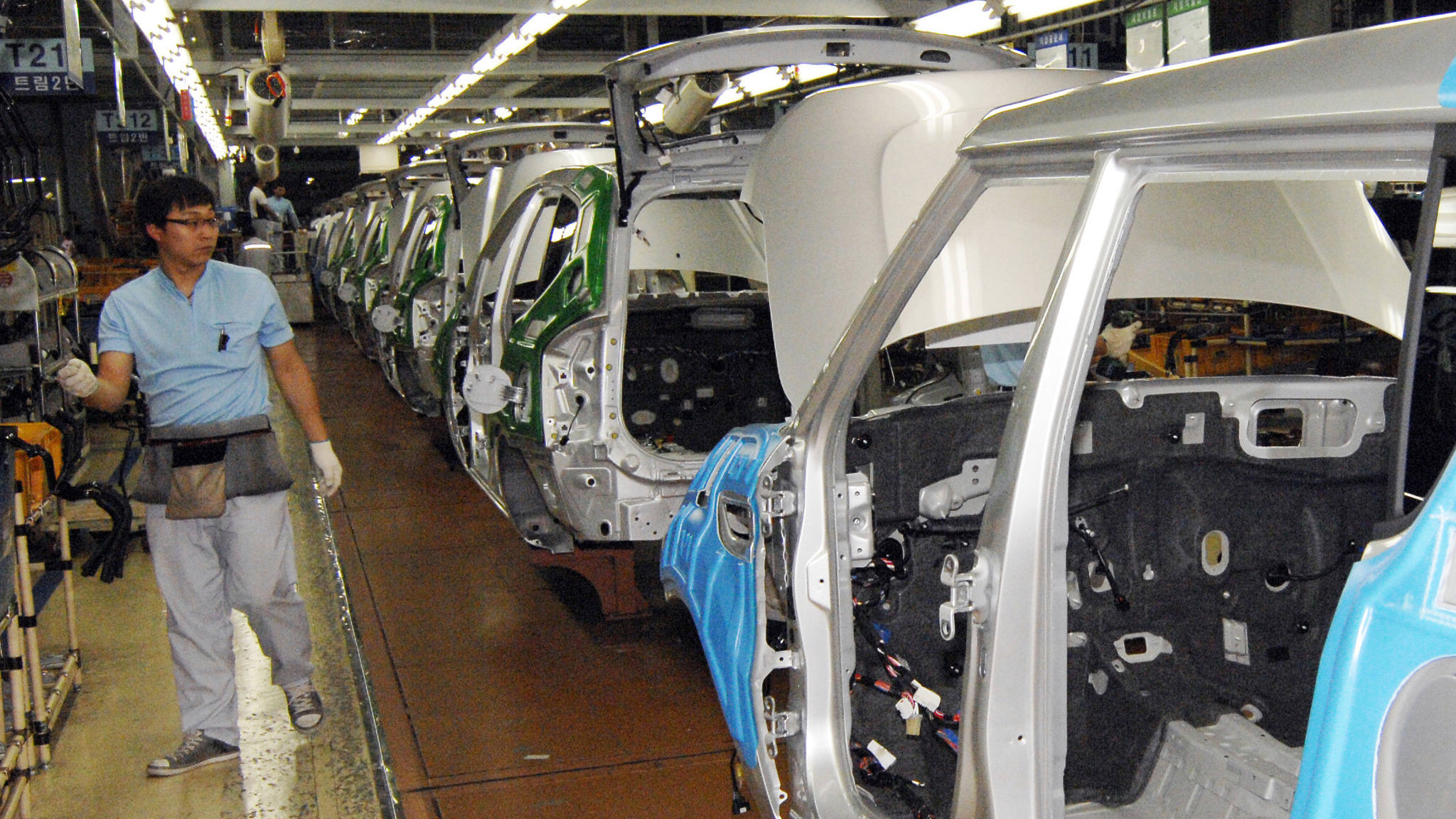
    Representatives of Korea’s major automakers and parts makers and industry officials gathered in Seoul Wednesday to discuss ways to breathe new life into the sluggish sector. The chief executives of the big five automakers — Hyundai Motor, Kia Motors, GM Korea, Renault Samsung and Ssangyong Motor — and their local parts makers and industry associations explored ways to tackle daunting challenges facing the industry.

    Korea’s auto industry is going through a hard time after GM Korea shut down its underutilized Gunsan plant in May, and Hyundai and Kia have been posting generally disappointing earnings this year.

    Small and medium-sized companies that make parts for the carmaker were more vulnerable to falling sales, with more than one-third of such Korean auto parts makers posting losses in the first half of this year, data by the think tank Korea Institute for Industrial Economics and Trade showed.

    They are also in the crosshairs as the United States is weighing slapping tariffs on foreign-made autos and auto parts on national security grounds.

    The participants called for the government to boost domestic demand, provide financial assistance to cash-strapped parts makers and lower regulations in emerging sectors, such as autonomous and electric vehicles.

    The automakers said they will seek ways to maintain over 4 million units in domestic car production and raise the number to 4.5 million by 2025.

    Hyundai Motor, the nation’s leading automaker, said it will invest 220 billion won ($193.8 million) over the next two years to develop an advanced lineup of its hydrogen-fuel electric car Nexo, with a goal of releasing over 30,000 units in the domestic market in 2022.

    GM Korea said it will hold trade shows to help its local contractors tap into the global market and supply 70 billion won in subsidies for small- and medium-sized contractors.

    Renault Samsung said it will operate a research and development fund worth 35 billion won by 2020 and form an alliance with Nissan and Mitsubishi to help its contractors make bids overseas.

    Ssangyong Motor promised to expand use of Korean-made parts and support its contractors in India.

    The Ministry of Trade, Industry and Energy said it will join industry efforts to overcome challenges and drive innovation in the sector.

    “If the auto industry and the government work together, we can come up with measures to deal with the hardship,” Industry Minister Sung Yun-mo said during a meeting with them.

    “We will gather opinions to prepare support measures, especially for parts manufacturers.”

    The ministry said it will unveil a comprehensive support package for the auto industry next month, which includes financial and R&D support as well as deregulatory measures.

  • Korea’s snack prices increase as costs rise

    Korea’s snack prices increase as costs rise

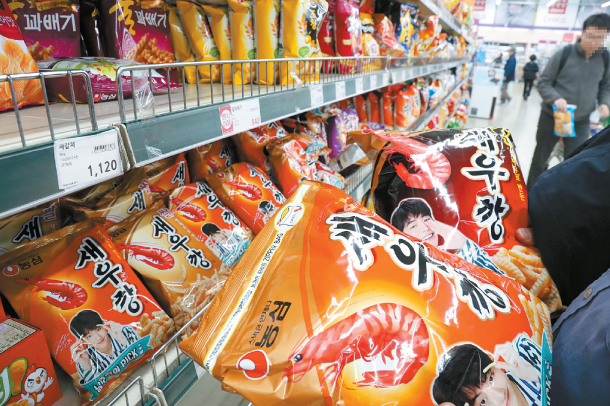
    Nineteen Nongshim snacks, including its famous Shrimp Crackers, will cost more beginning tomorrow, the company announced on Tuesday. “We have decided to raise prices in the face of accumulated pressure from rising production, labor and management costs,” said a Nongshim spokesperson. “We have tried to minimize the scope of the price rise in consideration of our consumers.”

    According to the company, Nongshim will raise the prices of 19 out of its 23 snacks by an average of 6.7 percent beginning from Nov. 15.

    A 90-gram (3.17 ounces) bag of Shrimp Crackers, one of the company’s iconic products, will now cost around 100 won ($0.08) more than the current 1,200 won. The prices of other favorites, such as Onion Rings, Honey Twist Snacks and Tako Chips, will rise by 6.1 percent, while the price of Pretzels will jump by 7.4 percent.

    Tomorrow’s hike will mark the first time in over two years that Nongshim has increased snack prices. It upped the price of 15 of its snacks by an average of 7.9 percent in July 2016. In Feb. 2014, it increased the price of Shrimp Crackers by 10 percent.

    Earlier this year, competitors Crown-Haitai Confectionery and Lotte Confectionery began charging more for some of their snacks, both citing rising production costs.

  • Foldable phone coming early 2019

    Foldable phone coming early 2019

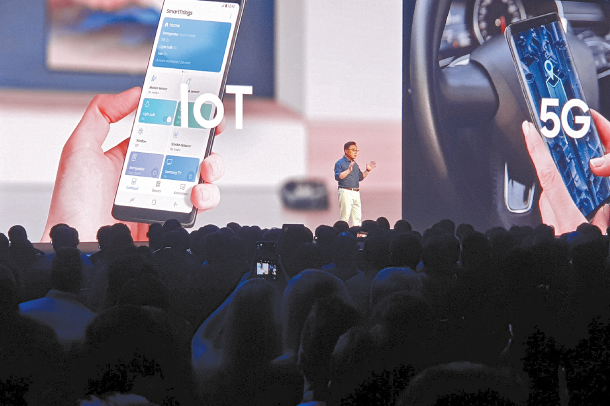
    Samsung Electronics will make its foldable smartphone available by the first half of 2019, with initial shipments estimated at least at 1 million units, according to Koh Dong-jin, president of the IT and Mobile Communications division at the company.

    The comments were made Thursday in San Francisco on the day two of the Samsung Developer Conference, where he discussed the rollout of the new flagship phone with considerable confidence.

    “We will definitely introduce the phone before the end of the first quarter next year, although I cannot pin down the date at this moment,” he said. “And we will maintain the line each year.”

    His comments indicate that Samsung will be adding foldables to its existing two flagship lines, the Galaxy S – released most recently in February – and the Galaxy Note – released in the fall. But the foldables will be released in a limited number of countries, including Korea and the United States. Koh added that Samsung has yet to confirm the name of the lineup.

    Given Samsung’s status as the No.1 smartphone vendor in the world and the fact that its flagship models sell at least 1 million units, Samsung is gearing up to churn out over 1 million foldables from the outset “if the market reaction is positive,” he added.

    Koh’s meeting came a day after Samsung introduced the foldable phone. The company demonstrated what it calls the “Infinity Flex Display,” which measures 7.3 inches diagonally when the phone is open like a book. The screen is slightly larger than the largest smartphone screen and slightly smaller than those of a conventional tablet PCs.

    The company has so far declined to provide additional specifications, including thickness, weight and the battery power.

    “We showcased the display to show off Samsung having reached the stage of commercializing the device,” he said. “We have overcome several barriers, such as making the central hinge through the screen invisible. What remains to be done is working on the user interface to make it more concrete.”

    He went on to say that Samsung distributed the foldable device to developers before the event so that they could help in designing the best-possible user experience.

    Two months earlier, he met with Google CEO Sundai Pichai to launch a task force for foldable user experience.

    Beginning with foldables, Samsung is getting ready to revolutionize smartphone display form factors – to rollables as well as stretchables.

    “As much as foldables will have a huge technological impact, so will rollables and stretchables. That’s why we are studying them,” he said. “But the entire workforce is devoted to foldables at present.”

    Samsung has been grappling with declining sales and revenue from smartphone business. Operating profit for the division during the third quarter fell 29.8 percent year on year to 2.22 trillion won ($1.96 billion), while revenue slid 10 percent to 24.91 trillion won over the same period.

    Chinese rookie Huawei is rapidly catching up.

    Koh mentioned 5G connectivity, artificial intelligence and the Internet of Things as breakthrough technologies that will help Samsung compete.

    “While we have been maintaining leadership with 4G over the past decade, 5G, AI, IoT and augmented reality will offer a new opportunity in 2019.”

    He added that foldables will achieve another leap when such technologies become reality and are combined with the device.

    “Next year will be the 10th anniversary of Galaxy smartphones, and it’s very meaningful to me,” he said. “We will be coming up with an impressive Galaxy S10 as well.”
  • JD.com to provide more imported product to China

    JD.com to provide more imported product to China

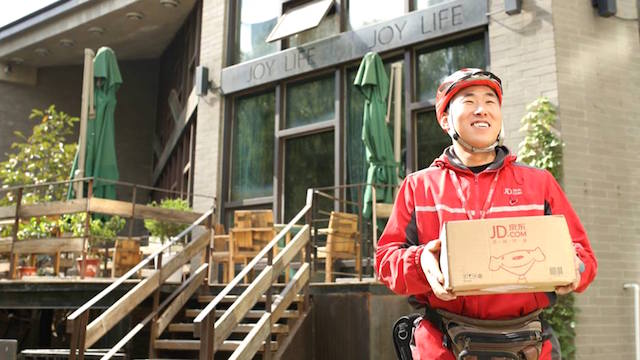
    JD.com, China’s largest retailer, will purchase nearly RMB 100 billion worth of products from overseas brands. As disposable incomes in China rise, consumers increasingly demand high-quality products, especially imported products.

    E-commerce has rapidly emerged as one of China’s most preferred channels for buying overseas brands. Last year, the number of users purchasing products from overseas brands grew by 37.1% compared to 2016.

    The volume of imported goods in 2018 to date has already skyrocketed 150% as compared with two years ago.

    JD’ “Retail as a Service” strategy has proved enormously appealing to household
    names from all over the world.

    Indeed, the growing family of leading international brands partnering with JD to facilitate their e-commerce strategy now includes the likes of Saint Laurent, Alexander McQueen, Dell, Nestle, Avène and many more.

    As China’s e-commerce transformation continues to unfold, consumers have gravitated especially towards premium, smart, and green products.

    According to JD’s data, the highest performing categories among its customers this year have been mobile phones, computer and office suppliers, home appliances, maternal and childcare, and digital products.

    Advanced economies such as the U.S., Japan, South Korea, Germany, and the Netherlands remain the most popular sources of imported goods.

    Chinese consumers buying online are mostly younger (26-45 years old), white-collar workers with middle-to-high incomes.

    China’s most developed regions, particularly the coastal cities, account for the largest uptake of imported goods.

    The growth rate for purchases of overseas brands, however, is now highest in fourth- and third-tier cities, where these brands are often not available in brick and mortar stores.

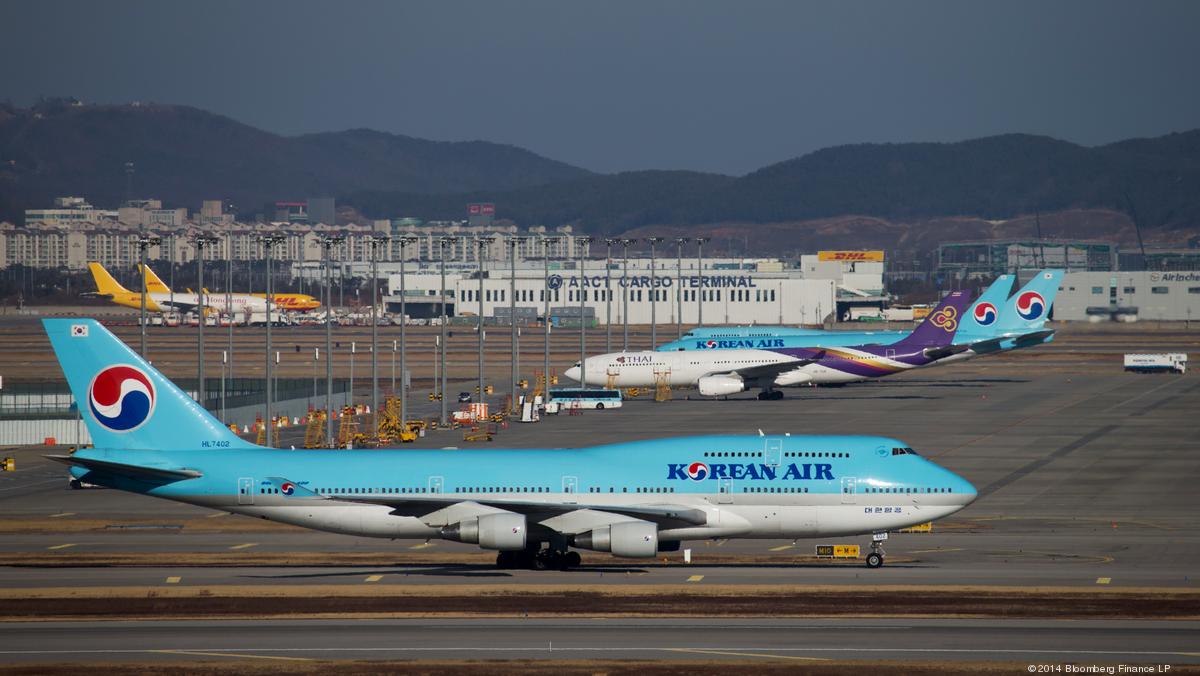
  • With China business back, Korean Air’s net triples in Q3

    With China business back, Korean Air’s net triples in Q3

    Korean Air’s net profit in the third quarter more than tripled in comparison to last year largely due to increased sales of long-haul flight tickets and a business recovery in China, the company said in an earnings report on Tuesday. The company posted 267.8 billion won ($236 million) in net profit for the quarter that ended in September, more than three times the 75.7 billion won it earned last year when the airline suffered from China’s economic retaliation for the deployment of a U.S. anti-missile system in Korea.

    The airline posted a record 3.4 trillion won in revenue for the quarter, up 9.1 percent year on year. For operating profit, the company posted 392.8 billion won, up 3.7 percent year on year.

    Despite a rise in international oil prices and a deterioration in foreign exchange rates, the company said joint venture operations with Delta Air Lines launched in May contributed to an increase in transfer passengers. General increase in demand for travel in Korea also pulled up sales.

  • LG Chem signs deal to distribute cancer drug

    LG Chem signs deal to distribute cancer drug

    LG Chem has partnered with U.S. bio company Cue Biopharma to develop immunotherapy drugs to treat cancer, the local company announced Monday. Immunotherapy drugs help patients fight diseases like cancer by enhancing their immune system. It is a relatively unusual form of cancer therapy that differs from the conventional approach of using medication to directly fight the cancer cells inside the human body.

    Based in Boston, Cue Biopharma is a Nasdaq-listed company that specializes in developing biologics for immunotherapy. The companies will co-develop and distribute three immunotherapy drugs which were previously developed by Cue Biopharma: its lead product CUE-101, currently in the preclinical stage, and two other cancer antigens that are at an earlier stage of development.

    Cue Biopharma’s core technology is the Immuno-STAT platform that inserts information about a specific cancer cell into a T cell, a white blood cell that will then find and attack the disease. Before the platform existed, T cells had to be pulled out of the human body to have the information injected into them, but Cue Biopharma’s technology allows the process to happen internally.

    Under the agreement, LG Chem will obtain exclusive distribution rights for the three treatments in Asia once they are fully developed. Cue Biopharma will take charge of distribution in other regions.

    LG will offer a maximum of $400 million to the U.S. bio company including milestone payments given at each stage of clinical testing in the development process. Once the treatments are commercialized, Cue Biopharma will additionally receive license fees proportional to sales in the Asia region while LG, in return, will receive royalties from the Asia sales.

    This is the first time in its three decades of history in the bio pharmaceuticals industry that LG Chem has partnered with another company to work on a new drug.

    “We are very pleased to enter this strategic collaboration with Cue Biopharma; it is more than a licensing deal, it is a partnership with a shared vision and great strategic fit,” said Dr. Son Jee-woong, president of LG Chem Life Sciences.

    For Cue Biopharma, the advantage of working with LG is its experience in developing and manufacturing bio pharmaceuticals in the past as well as its business know-how in the Asia region.

    Under the partnership, LG will also conduct development in mass production and quality control methods for the immunotherapy drugs.