Tag: Korea

  • Thai flagship store opened in Coupang

    Thai flagship store opened in Coupang

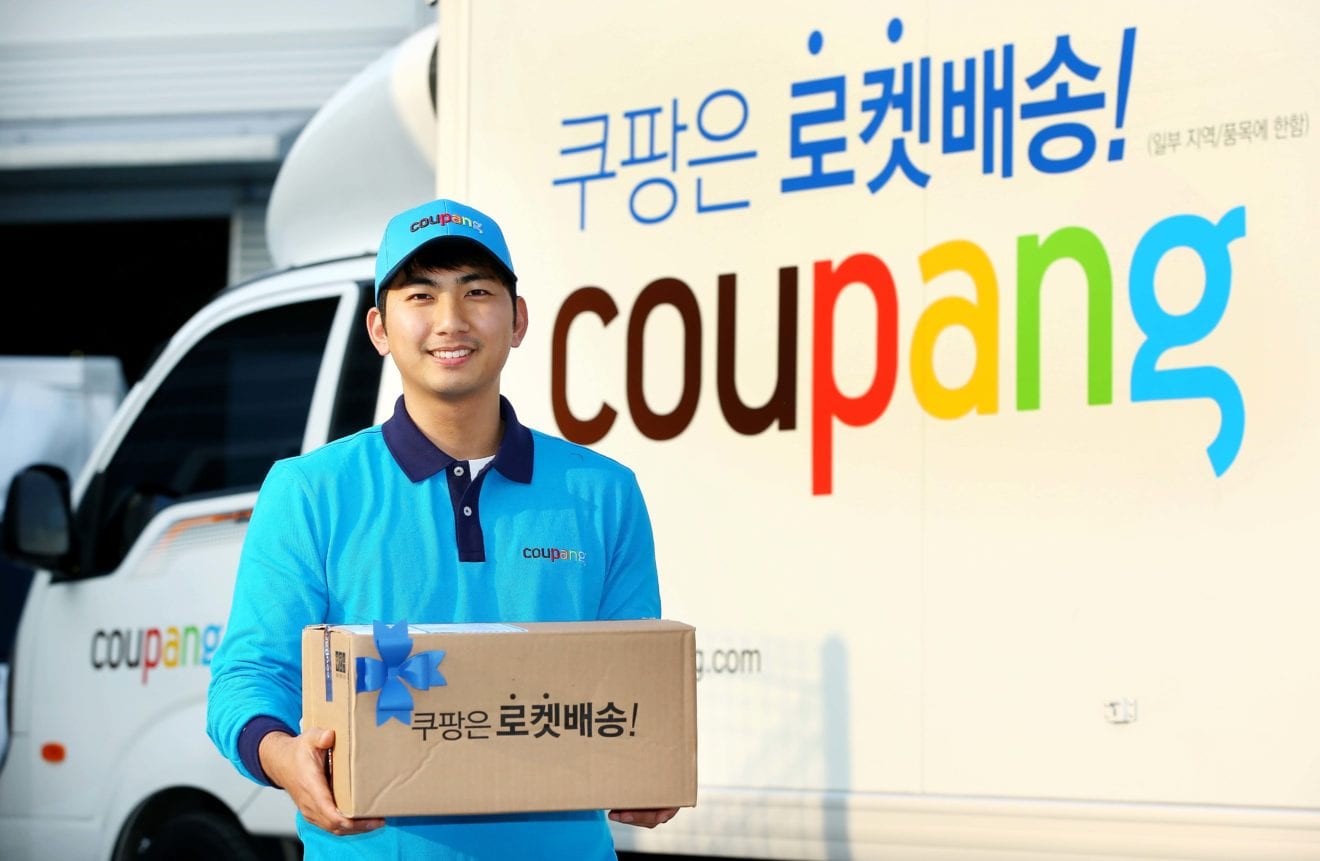
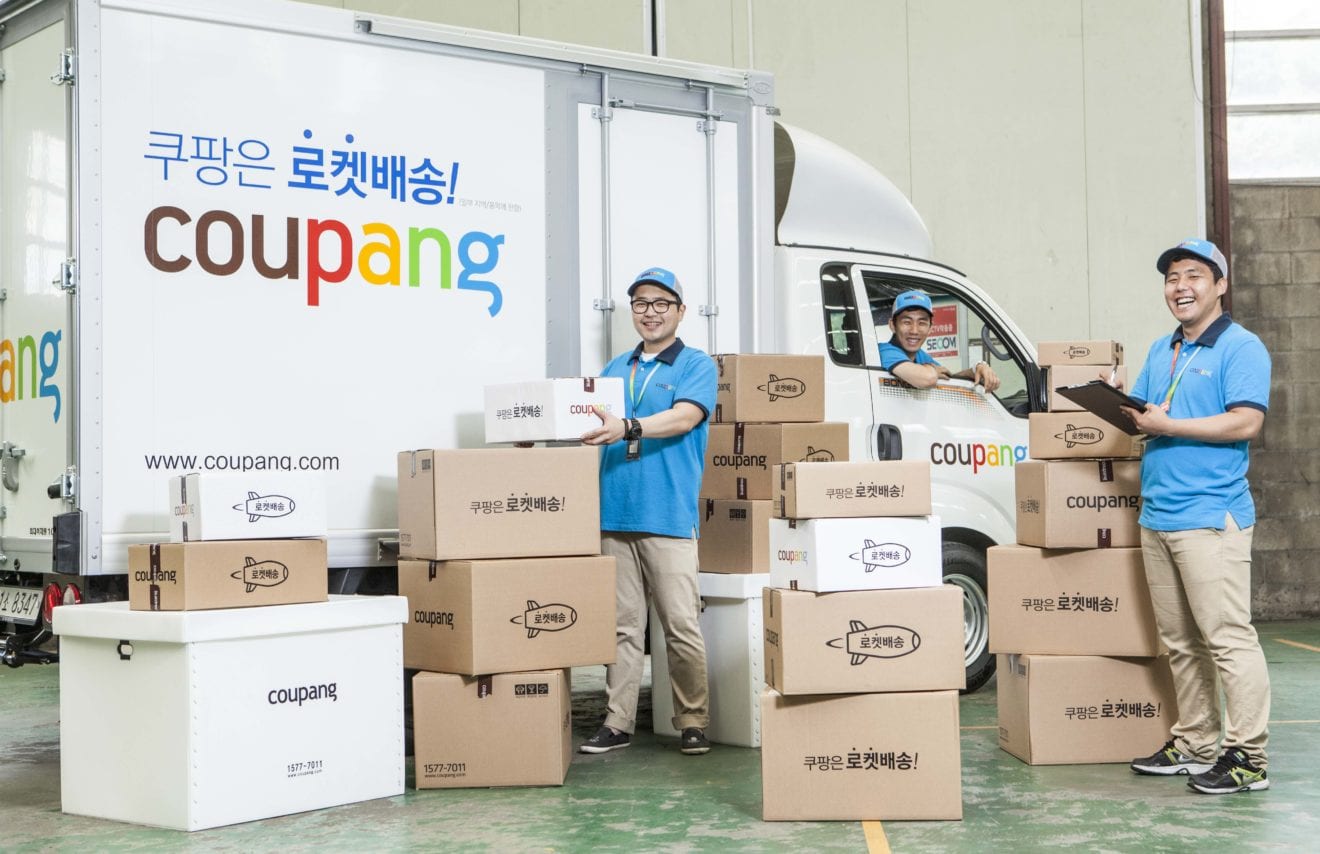
    South Korean e-commerce firm Coupang is planning to launch a flagship store in Thailand to boost the online sales of Thai-sourced products. Thailand’s Ministry of Commerce has been promoting Thai products on the platform since August, which has brought in more than THB118 million (US$3.57 million) for mostly food and beverage items. The ministry has just met with Coupang executives to seal an agreement to expand cooperation, resulting in the establishment of a Thai Mall on the platform.

    It is expected that the new partnership could result in an increase in sales to more than THB 200 million (US$6.06 million) over the coming year, a rise in export volumes to Korea by 7 per cent. Thailand’s total exports to South Korea were valued at $4.66 billion last year, an increase of 14.4 per cent from the year previous.

    Commerce Minister Sontirat Sontijirawong said “South Koreans know Thai brands from travelling here”, with 1.5 million of them visiting Thailand annually.

    Coupang is South Korea’s largest and fastest-growing e-commerce firm. It recently received an investment of US$2 billion from the SoftBank Vision Fund. It offers more than 120 million items for sale and 4 million available for guaranteed one-day delivery.

  • Samsung Galaxy A9 to debut in Indian market

    Samsung Galaxy A9 to debut in Indian market

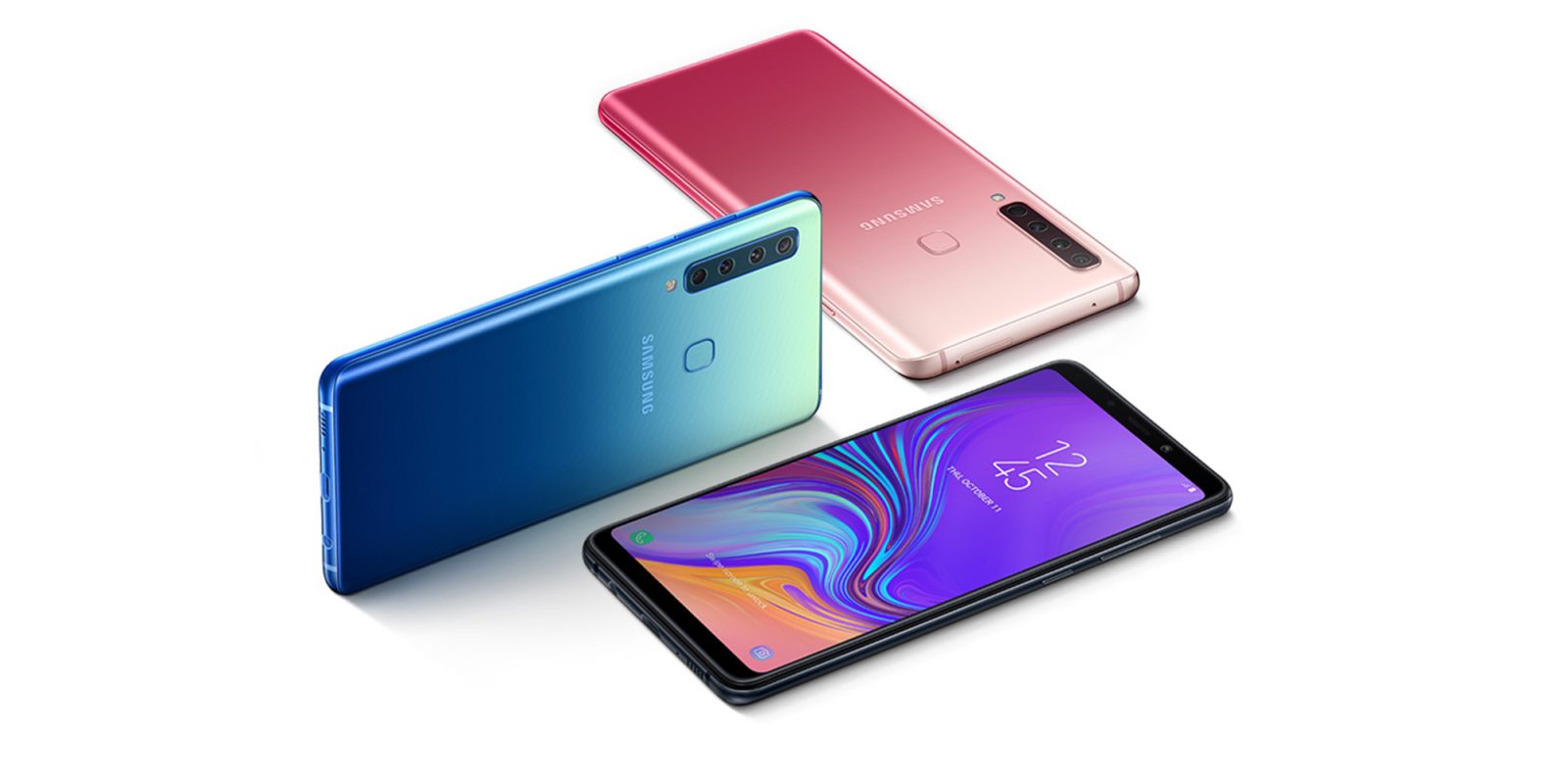
    Samsung Electronics has chosen India as the first country in which to release its Galaxy A9 mid-range smartphone. The company is set to begin sales of the model on Nov. 28.  The A9, introduced on Oct. 11 in Kuala Lumpur, in the presence of some 1,000 journalists and businessmen, is the first Samsung smartphone with four cameras on the back.

    “We are beefing up the smartphone lineup and marketing activities in India,” a Samsung spokesman said. “We plan to churn out smartphones best optimized for the Indian market at the newly established factory in India and supply directly to the local market.”

    In July, Samsung completed the expansion of its smartphone factory in Noida, south of the Indian capital of New Delhi. Work began on the 800-billion-won ($707,780) project in June 2017.

    Once the No. 1 smartphone vendor in India, Samsung has been overtaken by Chinese rookie Xiaomi, the world’s fourth-largest smartphone vendor. India is the world’s third-largest smartphone market.

    According to Counterpoint Research in October, Xiaomi accounted for 27 percent of the India smartphone market, up 5 points year on year, whereas Samsung captured 23 percent, the same share as a year earlier.

    India is a crucial market for Samsung, given that the company lost China to Chinese players. According to Strategy Analytics, Samsung’s market share in China slumped to a mere 0.8 percent in the second quarter, with Huawei taking 27 percent.

    Samsung launched eight models in its low-end Galaxy J series alongside premium models, such as Galaxy S9 and Note9, in India this year. The J series is the company’s the most popular lineup in India

    The A9 is a part of the trend of adding as many cameras as possible to smartphones. Its four cameras on the rear boast four different resolutions – 24, 10, eight and five megapixels. The first one is regular, the second has a telephoto lens and the third is for ultra-wide angle shots. The fourth, with the lowest resolution, serves as a depth camera that gives users the ability to manually adjust the depth of field of their images. That helps create so-called bokeh-effect photos, whereby the subject is in focus but the background is blurred.

    Xiaomi is betting aggressively on India. Its Indian unit promised to open 500 offline stores under the Mi brand and hire more than 15,000 staff by the end of 2019. Huawei followed suit, vowing to expand production facilities and open over 1,000 stores.

  • All Starbucks in Korea to get paper straws from yesterday

    All Starbucks in Korea to get paper straws from yesterday

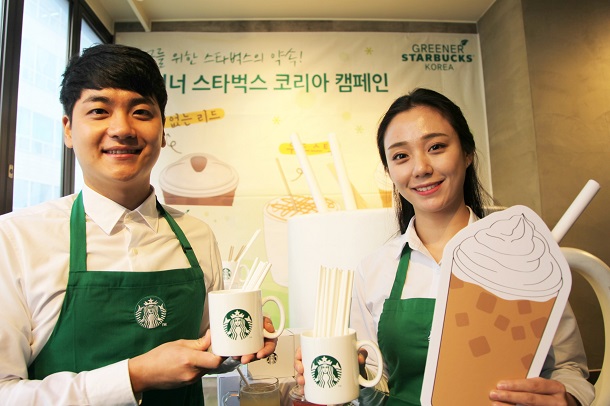
    Starbucks Korea is stocking all 1,225 of its stores nationwide with paper straws in a bid to cut down on its plastic usage. Starting last Monday, Starbucks began stocking all of its stores with white paper straws, which it found during trials to be more popular than green ones. The paper straws will also be coated with soy oil both inside and outside in response to customer complaints that its original trial straws were too flimsy.

    Starbucks trialed paper straws at 100 stores in Seoul, Busan and Jeju Island over the last two months.

    Though all stores now have paper straws, some branches will continue to offer customers plastic ones until they deplete existing stocks.

    Additionally, on Monday Starbucks began stocking all of its stores with plastic cup lids that don’t require straws. These special lids, which resemble those used with hot drinks that come in paper cups, will be provided for take-out orders of regular cold drinks. Paper straws and regular lids will be provided for specialty cold drinks like Frappuccinos and drinks topped with whipped cream that are difficult to drink without straws.

    “We developed the plastic cup lids to minimize disposable waste consumption and also offer an alternative to customers who prefer drinking without straws,” said a Starbucks spokesman.

    Starbucks will also remove the straws and stirring sticks it previously left out for customers and instead place them behind counters and only provide them on request. It will replace all plastic stirring sticks with wooden ones as well.

    Last year, Starbucks Korea used 180 million plastic straws, nearly enough to circumnavigate the earth if laid end-to-end.

    “With the adoption of paper straws we will be able to prevent consumption of at least 180 million plastic straws from next year,” said a Starbucks spokesperson.

  • Korea’s FTC orders Booking.com, Agoda to change rules

    Korea’s FTC orders Booking.com, Agoda to change rules

    Hotel booking sites Agoda and Booking.com have been ordered to revise their no-refund policies or potentially face legal action. Korea’s Fair Trade Commission (FTC) announced on Wednesday that it has ordered the two global travel platforms to revise the terms and conditions which allow them to unfairly deny refunds for products and services.

    Customers are currently unable to get refunds on some hotel bookings or additional services, like hotel meals, reserved through Agoda and Booking.com even if reservations were made well in advance. Agoda and Booking.com have the same parent company, Booking Holdings, which also operates travel platforms Kayak and Priceline.

    “Though we recommended that Agoda and Booking.com revise their no-refund clauses last November, the companies failed to take heed without any particular reason,” read an FTC report. “We decided last month to issue an order forcing them to make the necessary revisions.”

    The FTC is not asking them to ban all no-refund products, but to at least accept refund requests made long before reservation dates.

    “The companies will still be able to deny refunds on highly discounted products or bookings made just before the reservation date,” said a spokesman. “But it is unreasonable for them to deny refunds for reservations made months ahead.”

    “The probability that a booking platform will be able to resell a product after a consumer cancels a reservation long before reservation date is very high,” he added. “The platform operators will face few losses if they resell the products.”

    The Act on the Regulation of Terms and Conditions gives the FTC the right to take “measures necessary to correct the terms and conditions” of a business that incurs losses to “several customers because the business person fails to comply with the recommendation” to revise “unfair terms and conditions.”

    According to the Act, the FTC also has the right to report the case to prosecutors if companies fail to respond accordingly within 60 days.

    The two companies have yet to give an official response. Agoda’s Peter Allen, who serves as the head of the company’s external relations department Agoda Outside, was in Seoul on Wednesday to give a talk at a leadership forum organized by the company.

    Agoda and Booking.com are not the only booking platforms that have been flagged for having policies that potentially harm customers.

    From 2016 through October 2017, the FTC reviewed the terms and conditions of major hotel booking sites operating in Korea and found that seven, including Agoda and Booking.com, had unfair refund policies.

    Unlike Agoda and Booking.com, Interpark, Hana Tour, HotelPass, Hotels.com and Expedia have since revised their terms and conditions.

    The number of consumer complaints against international travel platforms grew in Korea last year.

    According to the Korea Consumer Agency, consumers filed a total of 5,721 complaints in the first half of 2017 against international travel and accommodation platforms, or 46.4 percent more compared to the same period in the previous year.

  • Apple pilloried over display model policy

    Apple pilloried over display model policy

    Just before the Fair Trade Commission comes to a decision on whether Apple has violated domestic fair trade laws, Korean phone distributors are calling the tech giant out for being the only phone manufacturer in the country that makes them pay for display phones in their stores.

    The Fair Trade Commission (FTC) is due to hold a meeting in mid-December after two years of investigating accusations against Apple and finally decide whether the company indulged in unfair practices. Some complaints are that Apple charges mobile carriers for repair and advertising costs of Apple products.

    On Wednesday, the Korea Mobile Distributors Association (KMDA) accused the company of doing something that no other handset maker did in Korea. “Apple doesn’t let us sell iPhones at all if we don’t purchase the demo phones needed for store displays,” read a statement from the KMDA. “Other manufacturers provide the display phones themselves, and come to collect them later.”

    According to the association, Apple even charged retailers for the costs of building shelves for display models and controlled where the promotional posters for new products were placed. Most of the demo devices are priced at around 70 percent of the market price. Distributors say they also had to purchase demo iPads and Apple Watches.

    iPhones are getting more costly, which could be a factor in the distributors going public with complaints against the company.

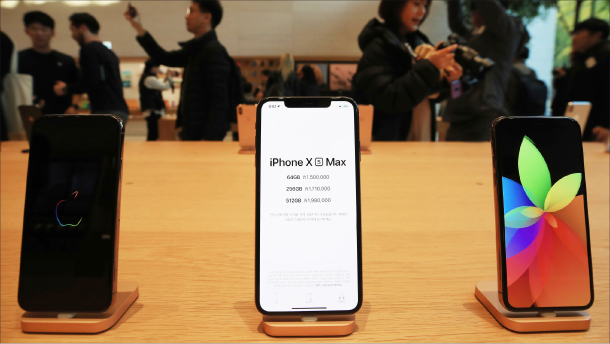
    In the past, Apple phones cost no more than 1 million won ($883). Last November, the iPhone X launched just three weeks after the iPhone 8 with a 1.42 million won price tag for a 64 gigabyte model. With the release of the iPhone XS, XS Max and XR on Nov. 2, iPhone prices have reached new highs. The iPhone XS Max is selling for more than 30 percent higher than the iPhone X at 1.97 million won for a 512 gigabyte model.

    “Previously, I spent around 1.1 million won on demo devices for Apple’s new products,” said a 53-year-old owner of a wireless store in Jongno District, central Seoul.

    Branches of the three major mobile carriers – SKT, LG U+ and KT – are the main distributors of mobile phones in Korea.

    “But recently, with Apple products becoming more expensive, the costs I have to bear have risen tremendously,” he said.

    The owner estimated that he spent nearly 5 million won on purchasing demo phones for Apple’s newest models.

    According to industry estimates, each mobile retailer spends around 2.9 million won a year purchasing Apple demo phones. This means that Apple will earn around 25.5 billion won in total sales of demo phones from the country’s 8,800 wireless stores.

    “We are not trying to sue Apple right away at this point, but rather figure out who holds responsibility,” added a KMDA spokesman. “Mobile carriers may be responsible for allowing Apple to pursue such unfair practices, leaving distributors to pay for the costs.”

    Korea is not the only country that has investigated Apple for unfair practices. This July, Japanese authorities called out the tech giant for antimonopoly practices that included forcing local mobile carriers to subsidize iPhone prices to boost sales. In 2016, France sued Apple for $55 million over unfair practices that also involved unfair contracts.

    Apple has not released an official response to the KMDA’s complaints.

    Sales of Apple’s new products have been less than stellar, which is also fueling dissatisfaction among distributors. According to industry estimates, the number of customers buying Apple’s three newest models between Nov. 2 and Nov. 7 was only 60 percent of the number that purchased Apple’s iPhone X and iPhone 8 in their first week last November.
  • Catwalk to be presented in Dear So Cute China store

    Catwalk to be presented in Dear So Cute China store

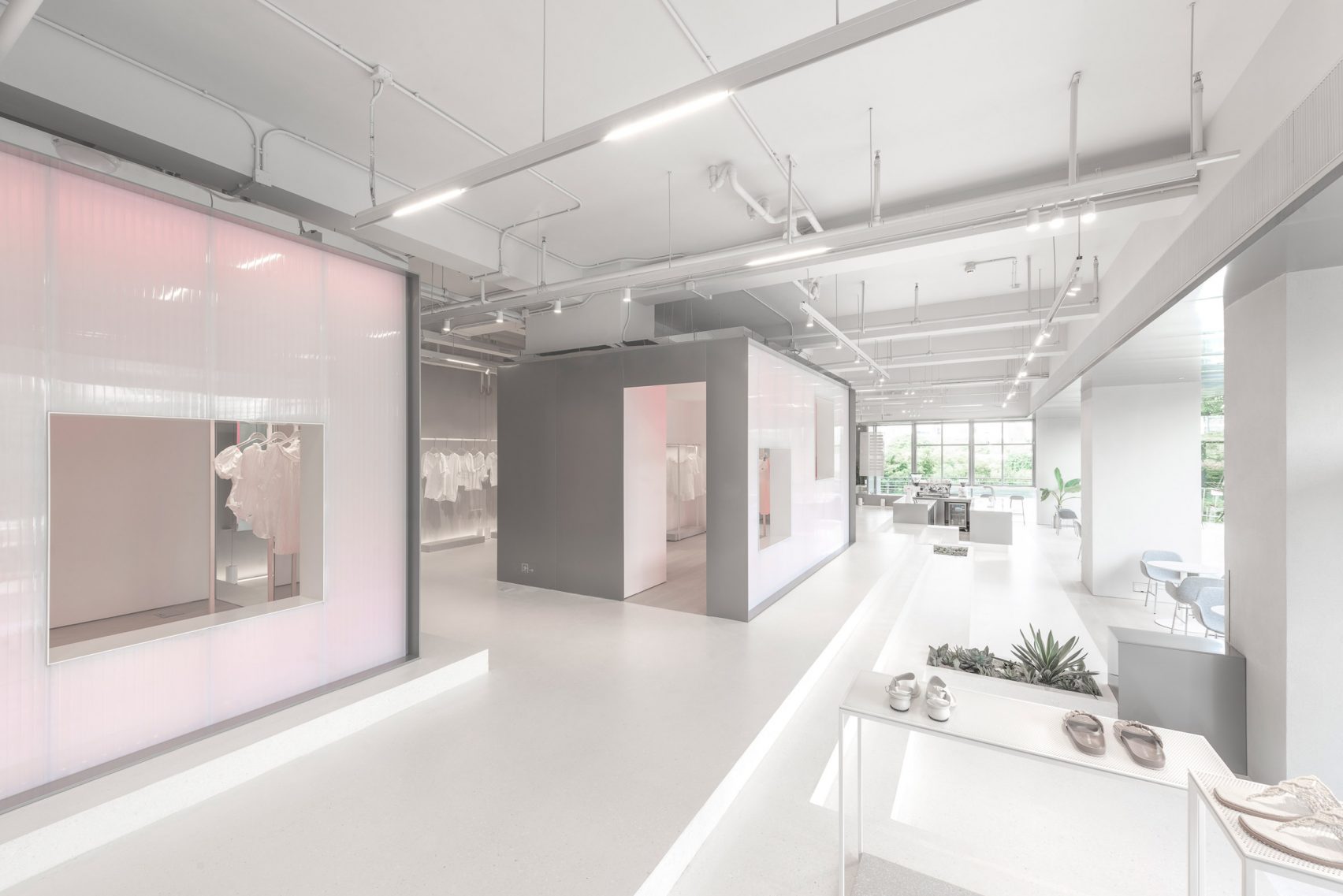
    Design firm Lukstudio has created a theatrical-style shop and cafe as a promotional and retail space for fashion platform Dear So Cute in Chinese Haining. Inspired by South Korean cafe/fashion trends, the design is intended to communicate the brand’s values and showcase products to younger consumers. The store layout features a backstage rigging system to adjust display features as with a theatre stage, and incorporates elements of the Hainingese shadow puppet tradition in its design.

    According to a report, the retail space emphasises the brand’s “forever young energy” with a minimal, contemporary look and pink highlights, serving as a neutral backdrop for the activities going on in the space. One standout feature is a stage in the fitting room area for customers to “catwalk” before friends while deciding on purchases.

    “In today’s retail environment, most people shop online for the convenience and the reassurance of the review system,” Lukstudio’s founder Christina Luk said. “However, I believe when it comes to delivering a brand’s identity and values, the physical store is much more effective.”

    View the store design in the gallery below (7 images) :

  • Mumuso to open 300 stores in India by 2022

    Mumuso to open 300 stores in India by 2022

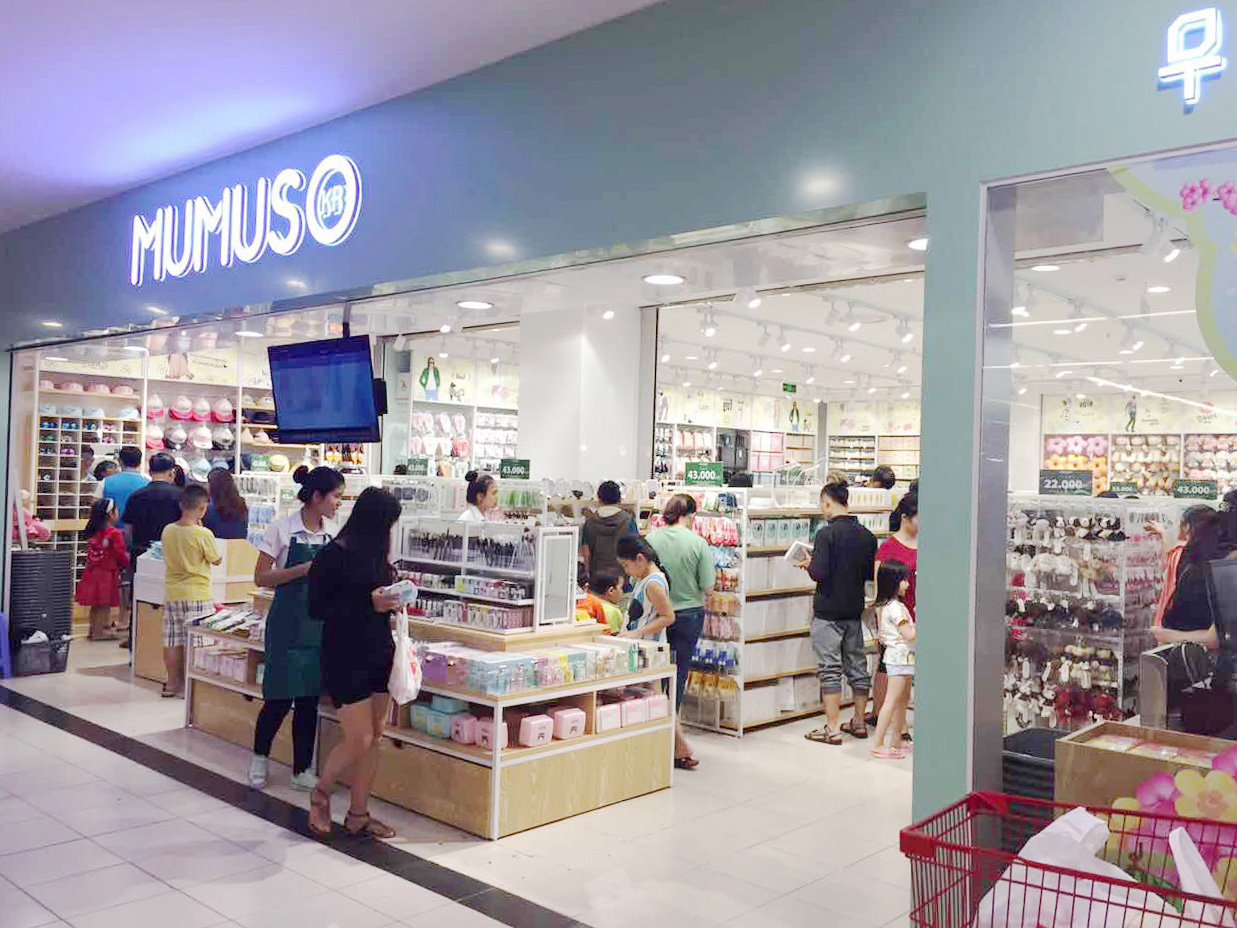
    Korean lifestyle brand Mumuso has announced its plan to open 300 stores across India by 2022. The lifestyle brand, currently present in 30 countries, entered the Indian market in September with a flagship store in Kolkata’s Park Street. “Mumuso is eyeing the Indian market aggressively with new stores in different parts of the country” said Raunak Agarwal, Managing Director of Mumuso India.

    “Mumuso is eyeing the Indian market aggressively with new stores in different parts of the country” said Raunak Agarwal, Managing Director of Mumuso India.

    “India has seen a sharp rise in the demand for lifestyle products in the recent years”, he added.

    Mr. Agarwal said each Mumuso store will offer 1200 unique items across eight categories and there will be an investment of Rs 80 lakh to Rs 1.2 crore in opening the stores.

    The next stores to open will reportedly be in Hyderabad, Siliguri, Bangalore, Delhi, Mumbai, Surat, Durgapur and Chenna.

    Out of the 300 stores planned, 10 are said to be launched in the current calendar year.

    Mr. Agarwal added the company would take the franchisee route to achieve its target of 300 stores, but the tier 1 and tier 2 cities will have at least one flagship Mumuso store.

    Company officials said the brand was expected to grow at a 12 to 13% rate in eastern India in the next four years.

    Mumuso currently has only one warehouse of 50,000 square feet on the Bombay Road in West Bengal but it plans on having more warehouses with future expansions.

  • Hyundai AutoEver plans IPO

    Hyundai AutoEver plans IPO

    Hyundai AutoEver, an ICT affiliate of Hyundai Motor Group, plans to go public on the Korean stock market, a move seen as a preliminary step to the group’s restructuring. The company said it submitted an application for preliminary screening to the Korea Exchange on Thursday. NH Investment and Securities will oversee the deal. “In time for the paradigm shift such as the fourth industrial revolution, [the initial public offering (IPO)] is to enhance the company’s competitiveness in digital technology as well as the company’s awareness, in addition to further secure investment for research and development,” the company said.

    Hyundai AutoEver was established in 2000 as a B2B company that develops a range of auto software systems related to connected and cloud services. It posted 1.1 trillion won ($971.4 million) in revenue last year with 52.1 billion won in net profit.

    In addition to fortifying the company’s competitiveness, the IPO is expected to relieve more than one risk at Hyundai Motor Group once it restarts its governance restructuring scheme. The company’s internal trade with other Hyundai affiliates accounted for more than 80 percent of its revenue last year.

    Kim Sang-jo, head of the Fair Trade Commission, has been pushing chaebol to eliminate trade among affiliates.

    Domestic fair trade law regulates family members of chaebol from owning more than 20 percent of the group affiliate’s shares. Hyundai Motor Group Executive Vice Chairman Chung Eui-sun slightly missed the spot by owning a 19 percent stake in Hyundai AutoEver, yet the latest push for an IPO is seen as a move to eliminate any possible risk of controversy.

    The public listing of the company is also expected to help Chung secure more funds required for the future governance restructuring as it will encompass numerous spinoffs and mergers.

    Hyundai Motor Group initially released a restructuring scheme back in March that never got off the ground due to a negative response from the market.

  • 7-Eleven Korea launches locker service

    7-Eleven Korea launches locker service

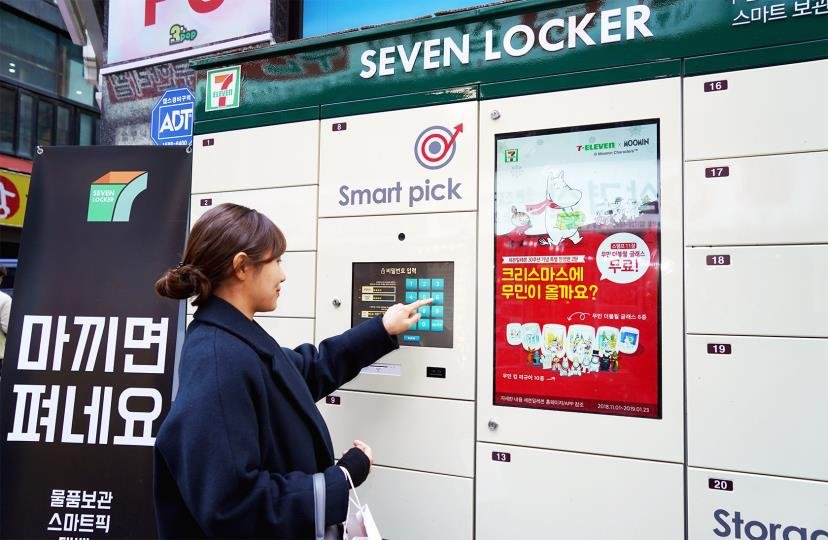
    7-Eleven South Korea has launched an unmanned locker service called Seven Locker at two stores in Seoul.

    The initiative is part of the company’s effort to diversify operations and generate more profits for its convenience stores.

    The Seven Locker trial operations started at two stores in Seoul’s Hongdae and Jongno districts, with another eight on track to open by year’s end to better gauge customer response and growth potential. The plan calls for 100 lockers to be placed at 7-Eleven stores across the country in the first half of next year, with the service to be extended to all key stores going forward.

    The lockers will be set up near tourist attractions and entertainment districts where there is demand for such services among locals and foreigners alike.

    The convenience store chain said depending on the size of the space, storage fees will range from 2000 won (US$1.76) to 4000 won for a four-hour period, with users allowed to make payments using their credit cards.

    “The lockers can create more profit for stores, while providing a differentiated service to our customers,” a local 7-Eleven executive said.

  • LG Display adds kiosks that let employees donate money

    LG Display adds kiosks that let employees donate money

    LG Display said last Wednesday it has installed electronic kiosks in its facilities across the country, helping employees make donations easily. The company said employees can swipe their identity cards on the kiosks and make donations ranging from 1,000 won ($0.88) to 10,000 won, which will be automatically deducted from their paychecks.

    LG Display said the project was designed to encourage employees to participate in making contributions to the community.

    LG said 4,000 employees have participated so far in raising 60 million won.

  • Retailers attack ‘unfair’ Apple South Korea practices

    Retailers attack ‘unfair’ Apple South Korea practices

    Apple South Korea is under fire from retailers, accused of using unfair commercial practices. South Korean retailers have joined forces to confront Apple’s continuous “gapjil” — a uniquely Korean term referring to the abuse of power by someone against a person in a weaker position — that has put an increasing financial burden on their operations.

    The Korea Mobile Distribution Association has claimed in a statement that Apple South Korea had habitually forced local dealers to buy the iPhone maker’s new models for demonstration or demo phones, as opposed to other brands’ practices, putting an increasing financial burden on them, and that “they cannot stand it anymore”.

    The retailers say they had no choice but to accept Apple’s overbearing demands, since the popular iPhone’s position in the market makes it difficult to ignore, to say the least.

    It is reported that the retailers had to buy Apple’s new models including the iPhone XS, iPhone XS Max and iPhone XR, but having to buy too many new models in a short period of time and the “exorbitant prices” of the new phones resulted in a significant financial burden.

    According to the KMDA, most mobile phone manufacturers offer their new models for demonstration for free, and collect them when newer models are released. Apple, however, has imposed additional conditions regarding the brand’s new model promotion: forcing retailers to pay for the manufacturing cost of phone stands, and determining where the stands and promotional posters will be placed in stores, according to local retailers.

    Domestic mobile carriers are no exception to Apple’s overbearing position. Industry watchers say local carriers had to shoulder advertising expenses aimed to promote Apple’s new lineup. Even the costs of subsidy plans and repair fees for Apple’s phones tend to be covered by mobile carriers.

    The Fair Trade Commission ruled that Apple South Korea’s sales practices were in violation of local competition laws, and sent a review report to the iPhone maker that indicates the corresponding fines and required measures to address the company’s anticompetitive behavior. Apple has yet to respond.

  • Lotte gears up for winter promotion at downtown and airport stores

    Lotte gears up for winter promotion at downtown and airport stores

    The winter promotion for Lotte Duty Free will kick off on 23 November and run until 2 January 2019. The large-scale event will see more than 50 overseas brands, including  MaxMara, Ferragamo and Vivienne Westwood, offered at a discount of 20-80%.

    During the six-week promotion, any customers spending more than $1 at the retailer’s Myeongdong head office, World Tower, Coex, Incheon Airport, Gimpo Airport, Busan or Jeju stores will be given the chance to enter a lottery. 10 winners from the lottery will be presented with a ₩3m ($2,658) travel voucher.

    Customers spending a certain amount instore will be entitled to giveaways and gifts with purchase. Those that more than $800 in Lotte’s World Tower or Coex downtown stores will receive tickets for the Picasso and Cubism Art Exhibition; those spending more than $300 at World Tower, Coex, Busan or Jeju from 28 November will receive a Lotte calendar, while those spending more than $300 at Incheon, Gimpo or Gimhae airports after 1 December will receive a free microfiber knee blanket; and those that spend more than $100 at the retailer’s Coex store will be awarded a scratch coupon.

  • Nykaa.com to bring Laneige to India

    Nykaa.com to bring Laneige to India

    Nykaa.com, India’s leading beauty retailer has launched Korean Beauty brand Laneige, exclusively in India. Laneige maximizes the potential of water to deliver the right solution to each skin concern with carefully selected, optimum natural ingredients. The brand has been showing great results with its simple yet innovative skincare and makeup solutions.

    With over 20 years of research, Laneige’s Water Science has developed optimum water to address skin concerns like hydration, pore refining, anti-aging, or complexion-correcting. Their signature Hydro Ionized Mineral Water offers quicker and deeper absorption for better overall moisturization while Mint Water reduces excessive sebum while offering greater pore care.

    “Observing the growing trend of Korean beauty brands across the world, Nykaa began introducing Korean brands to our portfolio last year. These brands have been a huge success with the Indian audience with their innovative ingredients and cutting-edge science. With Laneige’s signature water science based products we offer our customers a new facet in their beauty regime,” says Falguni Nayar, CEO Nykaa.

    Laneige’s best-selling products like Water Sleeping Mask, Lip and Eye Sleeping Mask, Water Bank Hydro Essence and White Dew Ampoule Essence are now available for women in India exclusively on nykaa.com and at select Nykaa Luxe stores in Delhi, Ahmedabad, Indore, Hyderabad, and Bangalore.

  • Coupang Korea to sack $2 billion funding

    Coupang Korea to sack $2 billion funding

    South Korea’s Coupan, the fast-growing e-commerce firm, will receive an investment of US$2 billion from the SoftBank Vision Fund. The funding follows SoftBank Group’s initial investment of $1 billion in June 2015. The new round of capital will enable Coupang to continue investing in consumer-first technologies.

    Lydia Jett, partner at SoftBank Investment Advisers and a Coupang board member, said the company Coupang wants to have “a revolutionary technology platform and uncompromising focus on customer delight”.

    “We believe the company is well-positioned to lead the Korean e-commerce market, with significant platform opportunities ahead given its data, payments and logistics advantage.”

    With revenue more than doubling in the last two years and approaching $5 billion this year, Coupang is Korea’s largest online retailer with more than 120 million items for sale and 4 million available for guaranteed one-day delivery.

    Millions of customers buy from Coupang more than 50 times per year, and one in every two Koreans has downloaded Coupang’s mobile application.

    Coupang CEO Bom Kim said: “At Coupang, we are obsessed with making customers’ lives easier.

    We’re excited to continue our partnership with SoftBank. We are confident this investment will allow us to leverage the platforms we have created in logistics, payments, and data to make e-commerce and other innovations even more indispensable to our customers.”

  • Korea’s convenience stores to use mobile payments more

    Korea’s convenience stores to use mobile payments more

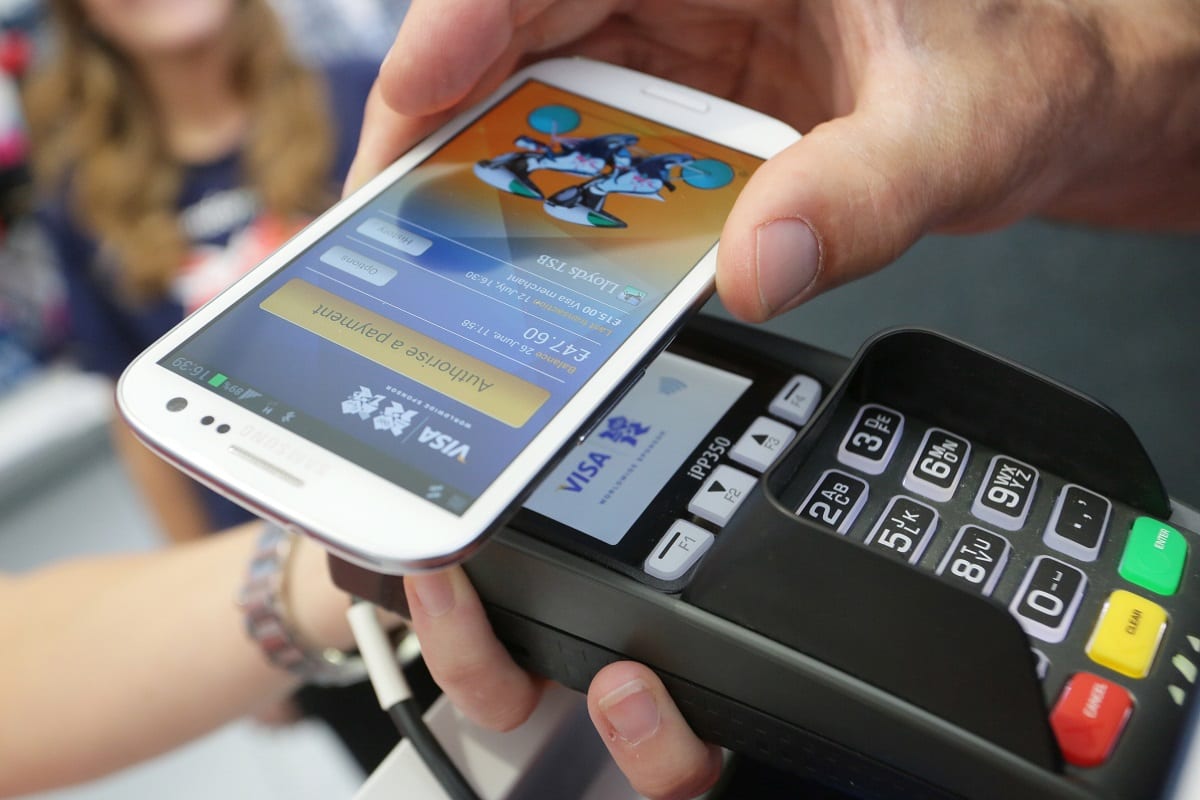
    Mobile payments at South Korean convenience stores have more than doubled this year thanks to the greater use of smartphones and the expansion of mobile settlement services. South Korea’s top convenience store chain CU said the number of so-called easy mobile payments at its outlets soared 121.5 per cent year on year in the first 10 months.

    Convenience chain operators in Asia’s fourth-largest economy adopted the easy mobile payment system in 2011, but the service only started to take off last year.

    The percentage of mobile payments out of total settlements at convenience stores expanded to 3.5 per cent this year, compared with 1.9 per cent last year and just 1 per cent in 2015.

    “The number remains in the single-digit range, but the easy mobile-settlement system has been growing at an exponential pace,” a CU spokesperson said.

    Currently, CU allows customers to use Samsung Electronics’ Samsung Pay and 19 other payment tools at its stores.

    Samsung Pay accounted for 85.5 per cent of CU’s mobile settlements during the January-October period, followed by Kakaopay with 4 per cent and LG Pay with 2.8 per cent.

    Industry sources said retailers in South Korea have been ramping up efforts to develop their own mobile payment platforms as more tech-savvy consumers turn to their smartphones to make mobile payments at South Korean convenience stores.

    Some seven in 10 South Koreans are known to own a smartphone, the fourth-highest smartphone penetration rate in the world.