Tag: Korea

  • Samjin makes debut in the Philippines market

    Samjin makes debut in the Philippines market

    South Korean fish cake brand Samjin has opened in the Philippines as part of a broader expansion plan for Asia.

    Its first store opened in Makati at the Ayala Malls Circuit, and is operated by South Korean entertainment and logistics company Wevenine.

    A spokesperson for the firm said: “We plan to market some 40 different kinds of fish cakes, including both semi-manufactured and completed products, using ingredients entirely from South Korea”.

    The brand has announced plans to follow up on the opening with four further branches in the territory by the year’s end, as well as establishing a presence in Indonesia.

    It has already opened in Singapore and is eyeing locations in China.

  • Shinsegae DF partners with China’s Ctrip

    Shinsegae DF partners with China’s Ctrip

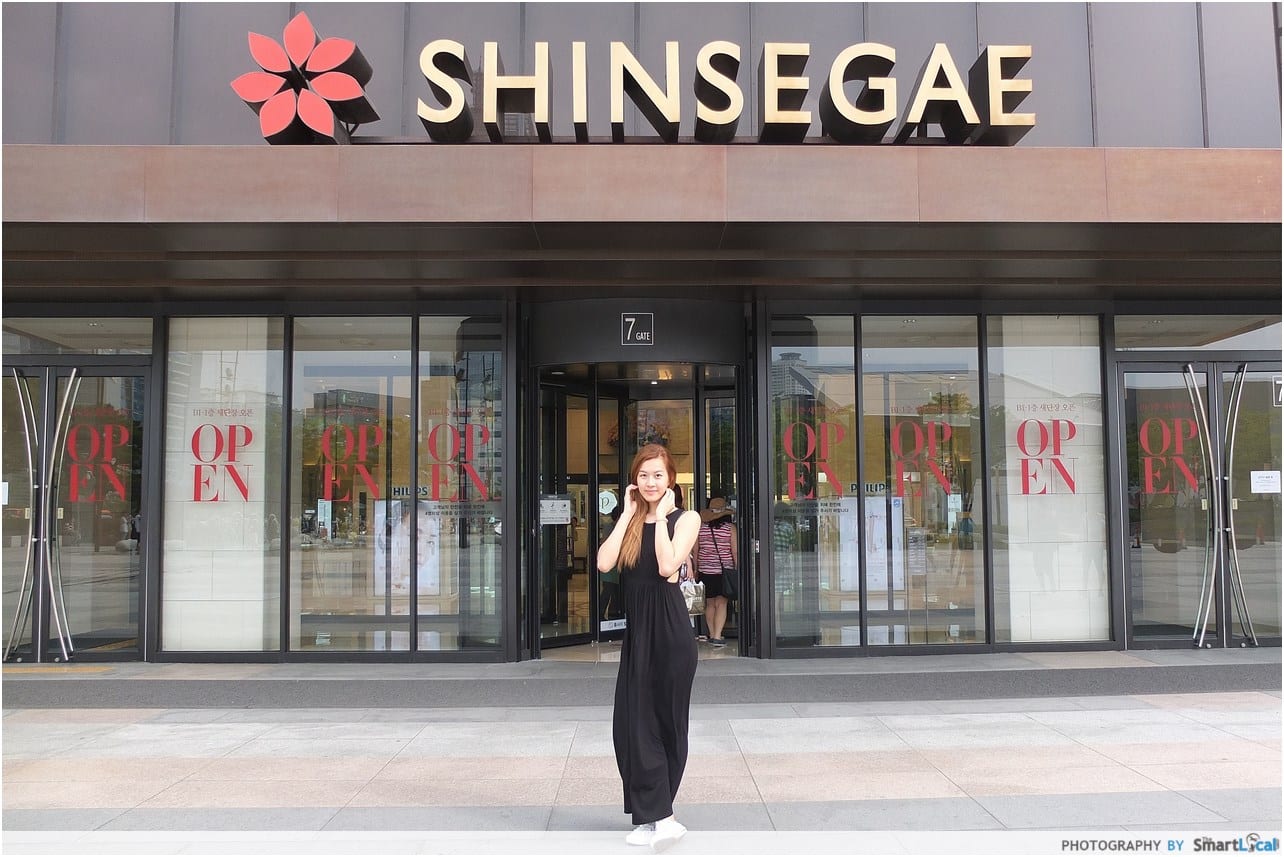
    Shinsegae DF Inc., duty-free store operating unit of South Korea’s retail conglomerate Shinsegae Group, has joined hands with China’s largest online travel agency Ctrip to offer membership service with hopes to woo more Chinese consumers.

    Shinsegae DF said on 3 August that it will offer consumers membership subscription service via Ctrip website, becoming the world’s first duty-free store operator to partner with Ctrip, an online platform in China with over 300 million users offering travel-related services such as accommodation, flight reservation, and tour packages.

    Under the partnership, Shinsegae DF will introduce its brand on the travel agency’s website under Global Shopping section and offer membership subscription service.

    Consumers will be given silver memberships that grant them a 10 percent discount at all times.

    The latest partnership with Chinese e-commerce site comes at a time when Shinsegae DF is going all-out to attract Chinese travelers to boost sales.

    In November, the Korean duty-free store operator joined hands with China’s leading messaging and social media app WeChat with 1 billion monthly users to expand membership. Shinsegae DF has seen a 150 percent average daily surge in the number of foreign memberships since the service launch.

    Average daily sales of Shinsegae DF’s store in Myeong-dong, central Seoul, have also jumped from the 4 billion won (US$3.5 million) range in October last year to more than 5 billion won this year, the company said.

    An unnamed official from Shinsegae DF said that the company will put out efforts to attract Chinese travelers by expanding membership subscription partnership with Alipay in addition to Ctrip and WeChat.

    Shinsegae said the daily average number of foreigners who sign up for its memberships grew over 150 percent following the launch of the service with WeChat.

    “We are putting our utmost efforts in establishing platforms and communities to better communicate with consumers from Greater China,” a company official said. “In addition to Ctrip and WeChat, we plan to expand collaboration with Alipay.”

  • Samsung vows to invest $161B by 2021

    Samsung vows to invest $161B by 2021

    Samsung announced Wednesday it will spend 180 trillion won ($160.7 billion) and hire 40,000 more employees over the next three years to drive growth – an unprecedentedly ambitious plan from Korea’s biggest conglomerate.

    The 180 trillion won includes capital expenditures and research and development, and some 130 trillion won – 43.3 trillion won on annual average – will be dedicated to the domestic market, which Samsung said would indirectly create 700,000 more jobs.

    The annual figure is in line with the 43.4 trillion won Samsung spent on new facilities last year.

    The remaining 50 trillion won in investments is speculated to be earmarked for mergers and acquisitions as well as foreign manufacturing facilities.

    The pledge of 40,000 new jobs is meant to give jobs to young Koreans, the group explained. Korea is struggling with the worst youth unemployment rate in its history. The number of new jobs created by Samsung over the past three years was between 20,000 and 25,000.

    “Today’s announcement follows many months of deliberation and review by the management and board of directors of different Samsung companies that will make the investments, including Samsung Electronics,” Samsung said in a statement.

    The investments are divided into two categories. One is to sustain the company’s leadership in semiconductors and displays.

    “In addition to investments for memory products, spending will be dedicated to non-memory products and new advanced manufacturing equipment,” Samsung said. Developing profitable and new products will be the focus in displays, amid rising competition in the industry.

    The second category is to search for new growth engines. A total of 25 trillion won will go into four specific areas: artificial intelligence (AI), 5G telecommunications, automotive electronics components and biopharmaceuticals.

    The plan to invest 180 trillion won exceeds a widely expected figure of 100 trillion won. Samsung was supposed to announce its investment and hiring plans on Monday when Finance Minister Kim Dong-yeon visited its Pyeongtaek campus in Gyeonggi and met with its de facto chairman, Lee Jae-yong. But Samsung delayed the announcement at the last minute after stories were published that accused the government of “begging” for investments from conglomerates.

    Samsung’s ambitious plan does follow a request from President Moon Jae-in. In mid-July, the president directly asked Lee to “invest more locally and create more jobs” when the two met at a ceremony in India to mark the completion of Samsung’s biggest smartphone factory in the world.

    Wednesday’s announcement made clear Samsung’s industrial focus for the next few years. Samsung Chairman Lee Kun-hee, now bedridden, used to declare Samsung’s growth drivers every several years. In 2010, four years before he had an incapacitating stroke, Samsung named medical equipment, biopharmaceuticals, solar batteries, auto batteries and light-emitting diodes as its growth drivers, estimating they would generate 50 trillion won in annual revenue by 2020.

    In Wednesday’s announcement, Samsung changed its focus to AI and 5G connectivity that will create new opportunities in autonomous driving, the Internet of Things (IoT) and robotics. The top chaebol had already vowed to significantly expand its AI research capability, increasing its number of advanced AI researchers to 1,000. Becoming a global player in advanced markets for 5G chipsets and related devices and equipment is also on Samsung’s road map for the future.

    Samsung aims to become a leader in electronics components for future cars such as system on chip (SoC) semiconductors for autonomous driving, using its leadership in semiconductor, telecommunications and display technologies.

    In biopharmaceuticals, the group said it has seen strong growth in both contract manufacturing and the biosimilar businesses, promising to invest heavily to combat chronic and difficult-to-cure diseases.

    Following the upbeat statement on Samsung’s biopharmaceutical ambitions – despite a recent scandal over suspected accounting fraud – shares of Samsung BioLogics shot up 7.08 percent to close at 454,000 won Wednesday.

    Peaking at 600,000 won in April, the shares nose-dived to as low as 353,000 won early May after the Financial Supervisory Service started auditing it for accounting irregularities.


  • Lotte near university to get big VR ‘theme park’

    Lotte near university to get big VR ‘theme park’

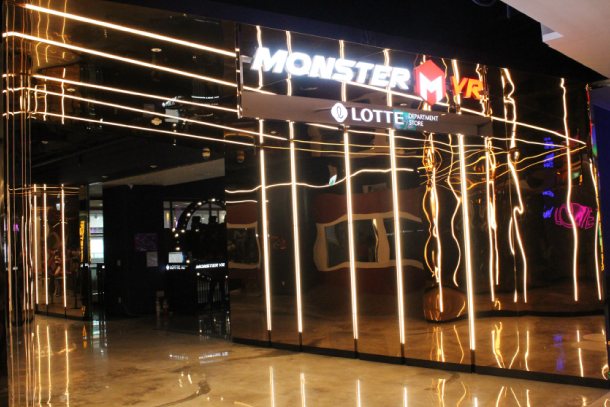
    Lotte Department Store will open a big virtual reality (VR) theme park on the 10th floor of its branch near Konkuk University, eastern Seoul, on Friday.

    The operation, named Lotte Monster VR, will offer more than 60 VR attractions or rides. Previously, the 10th floor of that store had restaurants and a culture center.

    The project was developed over a year with local company GPM, which runs a chain of VR theme parks or arcades.

    Lotte’s VR rides will mimic the experience of rafting, bungee jumping and riding a roller coaster. On a lower grade of the thrill scale, it will offer a virtual balloon ride. Lotte also will have a small VR film theater with 14 seats called the Monster Cinema, continuing the monster theme.

    Monster Cubes is an enclosed attraction with a huge screen in which a small group of people can play around 50 VR games and videos. One corner of the 10th floor with have a nearly 150-square-meter (1,614-square-feet) cafe.

    The retail giant said in a statement that it was trying to reverse the trend of young customers “turning away from brick-and-mortar stores in favor of ecommerce.”

    Because Lotte’s store is near Konkuk University, 35 percent of its sales come from customers in their 20s and 30s – a much higher figure than at other branches.

    The company said it first realized the potential of VR attractions when it operated a small VR arcade in el CUBE’s Hongdae branch, western Seoul, from September 2017 to last March.

    The arcade was only 148 square meters, but there were queues of people waiting for as long as one hour to get in on weekends, the company said. It was particularly a success among customers in their teens and 20s.

    “A VR theme park is a new kind of attraction for a local department store,” said Yoo Hyeong-ju, who heads Lotte Department Store’s development team. “We’re expecting the arcade to extend the amount of time people will spend in the store, particularly customers in their 20s and 30s, as well as families.”

  • Baemin robot gets job at Pizza Hut

    Baemin robot gets job at Pizza Hut

    Another day, another Dilly – or so the saying probably goes in Baedal Minjok’s head office.

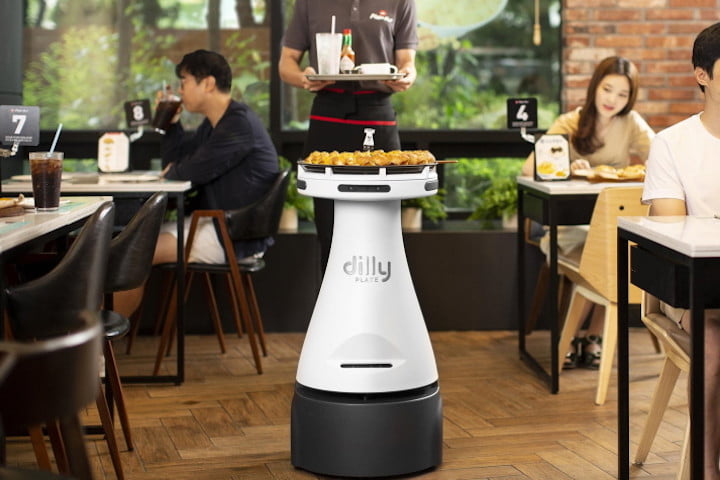
    The food-delivery app’s Dilly Plate robot has started serving up slices at a Pizza Hut restaurant in Mok-dong, western Seoul, according to both companies on Wednesday. Dilly Plate, the new serving robot, is not to be confused with plain old Dilly, the delivery robot that the company has been working on since last year.

    Dilly Plate is a self-driving robot specifically designed for restaurants. Having first started working at the Pizza Hut restaurant on Monday, it will assist human employees in serving pizza for two weeks until Aug. 19.

    Dilly Plate can safely carry up to 22 kilograms (48.5 pounds) at once – a limit that is unlikely to be tested in Pizza Hut – and lasts eight hours on a single charge. The robot uses a 3-D camera and sensors to control its movement. It automatically stops and avoids obstacles and people.

    A spokesman for Baedal Minjok, or Baemin, explained that Dilly Plate can move quickly, but in Pizza Hut, the speed has been limited to a human walking speed for the safety of both customers and pizzas.

    “The store will have people walking around, and there may be emergency situations like collisions if Dilly moves too fast,” he said.

    Dilly Plate was developed by Bear Robotics, a U.S. start-up co-founded last year by John Ha, a former Google engineer originally from Korea. In April, Baemin invested $2 million in the venture in exchange for convertible bonds.

    Dilly Plate is modeled after Penny, a robot that found employment at Ha’s restaurant in California.

    Dilly Plate will be the first server robot introduced in Korea. Before it could begin work in Pizza Hut’s Mok-dong restaurant, Baemin had to map out the store and install it in the robot’s software.

    “We’re looking forward to Dilly’s performance [and hoping it will] unburden human staff from having to carry pizzas,” said Cho Yoon-sang, a senior marketing executive at Pizza Hut Korea. “This way, human servers will be able to focus on providing quality service to our customers. We decided [to hire] Dilly with hopes of enhancing work efficiency and improving customer service.”

    Baemin is hoping that the two-week trial will give more actual data regarding Dilly Plate’s operation, with the goal of introducing the server robot at more restaurants in the future.

    “In terms of the technology, Dilly Plate is already available for mass production,” said a Baemin spokesman. “But mass production is expensive, and we need to know whether Dilly is truly marketable. So the trial is to see whether Dilly Plate offers a real-life benefit to restaurants and their staff.”

    Baemin has been investing in robots since last year, aiming to develop robots that deliver food to consumers’ doors. The original Dilly had its first successful test run at a food court in Cheonan, South Chungcheong, in May. The plan is to gradually expand original Dilly’s boundaries from indoors to outdoors until it is able to fully run on its own on the streets.

  • Asiana Airlines mired in the red for first half of 2018

    Asiana Airlines mired in the red for first half of 2018

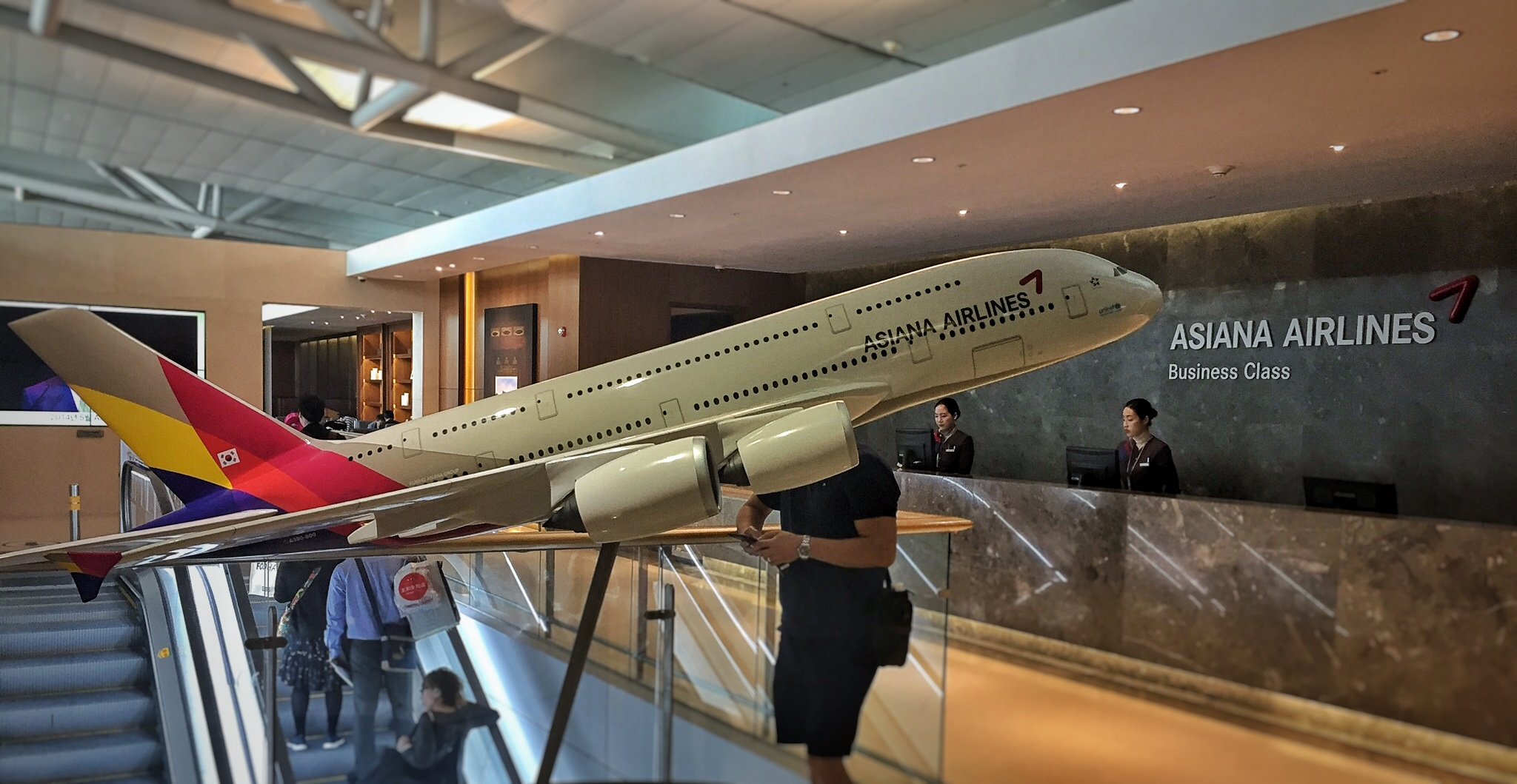
    Asiana Airlines, Korea’s second-biggest airline by sales, said Wednesday it swung to a net loss in the first half as a strong won drove up currency losses and fuel costs.

    Asiana Airlines reported it was in the red by 54.8 billion won for the January-June period, shifting from a net profit of 21.3 billion won a year earlier, the company said in a statement.

    “The airline suffered 72.6 billion won in foreign exchange losses during the first six months due to the won’s strength against the dollar, swinging from foreign exchange gains worth 63.7 billion won a year ago,” an Asiana spokesman said.

    Higher jet fuel prices also weighed on first-half results, he said.

  • Line Friends opens pop-up character store in Hollywood

    Line Friends opens pop-up character store in Hollywood

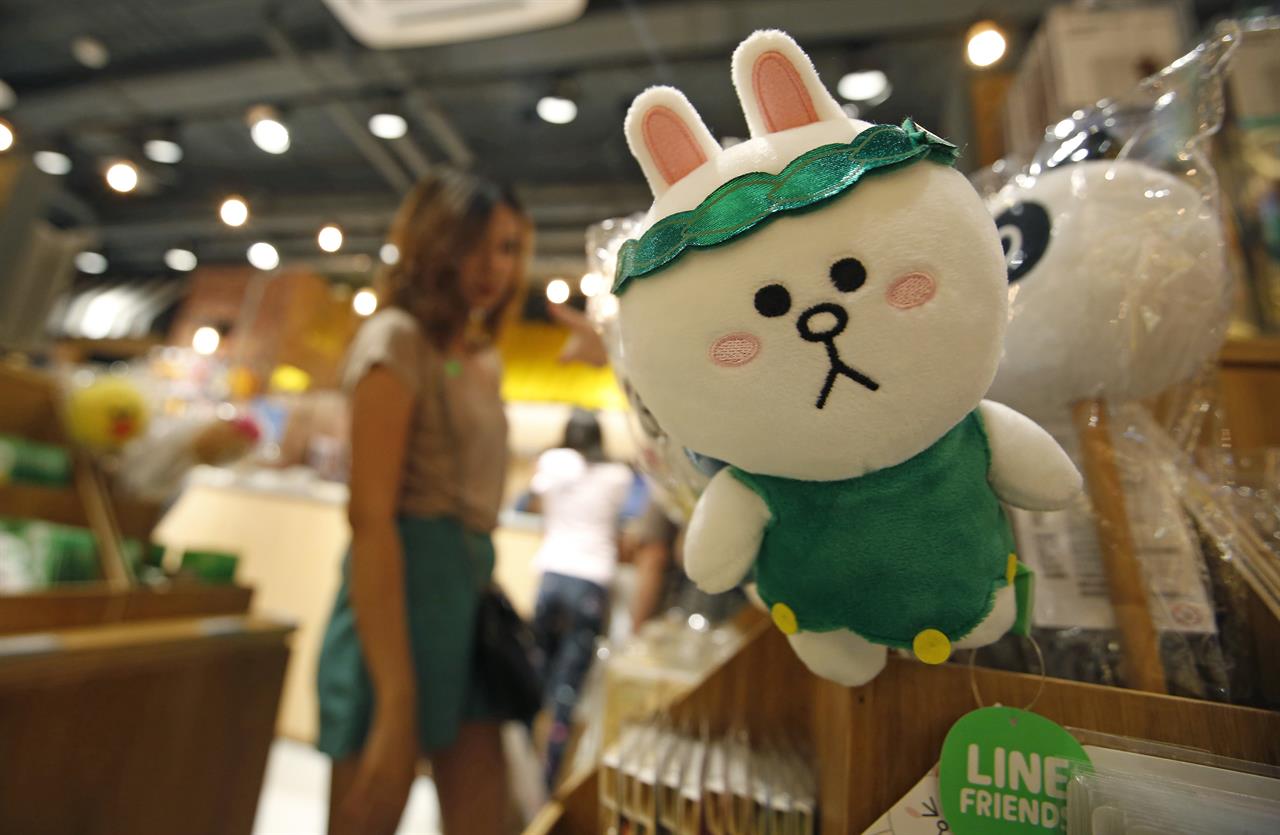
    Line Friends, the character merchandising unit of Japan-based mobile messenger Line, announced that it has opened its first pop-up store in Hollywood, Los Angeles.

    Over 1,500 people lined up outside the new Line Friends’ pop-up store in Hollywood, Los Angeles, on the morning of 27 July, waiting for the doors to open for the first time.

    The pop-up store, which will be open until late October, saw over 15,000 visitors within the first two days of its launch.

    Line Friends, a range of characters based on Naver’s messaging app, Line, has gained popularity in global markets as part of a growing trend for “K-characters.” Armed with cute animal characters with names like “Brown” and “Sally,” the brand reached the United States after its explosive success in Southeast Asia.

    Line Friends has been expanding its customer base, starting with its release of the character line “BT21” in collaboration with boy band BTS last year in an effort to draw in BTS fans from around the world.

    The brand has been more popular in foreign countries than in Korea. A Line Friends pop-up store opened in New York last August, but became a permanent location after its huge popularity.

    “Judging by the success of the Hollywood pop-up store and the popularity of the New York location, we expect that we’ll be able to expand to a full-scale intellectual property business with Line Friends in North America,” the company said.

    Line Friends operates 112 stores in Japan, the United States, China and Taiwan. Korean character and animation industries are the main pillars of the K-content industry along with mobile and PC games. The industry’s growth potential is practically unlimited as the language and cultural barriers are low and it is easy for brands to collaborate with other businesses for things like household items, games and film.

    According to this year’s content industry outlook report released by the Korea Creative Content Agency in March, the character industry accounted for 9.5 percent of content exports, the second highest following the game industry. Kakao Friends is also planning to expand to Japan, the United States and Europe, starting with its recent name change to Kakao IX.

  • Jeju Air net profit rises 10 percent in second quarter

    Jeju Air net profit rises 10 percent in second quarter

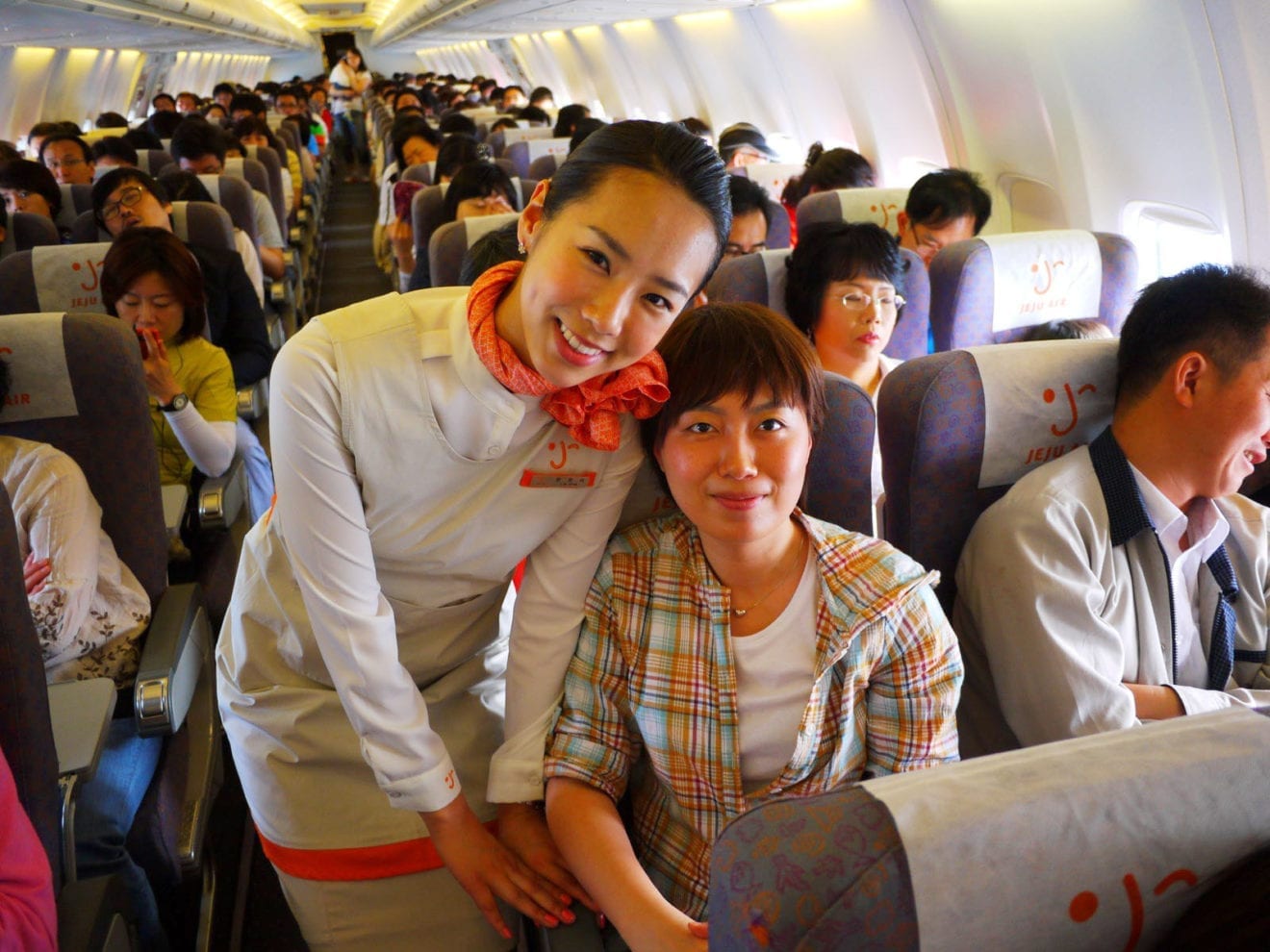
    Jeju Air, Korea’s biggest low-cost carrier by sales, said Tuesday its second-quarter net profit rose 10 percent from a year earlier, helped by oil and currency hedging plans.

    Net profit for the three-month period that ended in June climbed to 16.83 billion won ($15 million) from 15.27 billion won a year earlier, the company said in a regulatory filing.

    “The company has hedged on oil prices and major settlement currencies due to its heavy exposure to volatility. The move helped it secure a certain level of profitability in the past quarter,” the airline said in a statement.

    But operating profits fell 28 percent to 11.63 billion won in the April through June period from 16.18 billion won a year ago. Sales were up 24 percent to 283.26 billion won from 228 billion won during the same period last year, it said.

    An increase in jet fuel prices and a decreased number of holidays had an impact on the quarterly operating income, the statement said.

    For the first half of 2018, net profit jumped 66 percent to 53.77 billion won vis-a-vis 32.31 billion won in the previous year. Operating income climbed 34 percent to 58.06 billion won in the first half from 43.41 billion won a year ago. Sales rose 26 percent to a record 591.84 billion won from 468.2 billion won.

    Looking ahead, Jeju Air said it is on track to achieve sales of over 1 trillion won this year on the back of a strengthened fleet and profitable routes.

    The budget carrier plans to expand its fleet to 39 B737-800NG planes by the end of this year from the current 34.

  • BrewDog to open brewpub in Itaewon Korea on Friday

    BrewDog to open brewpub in Itaewon Korea on Friday

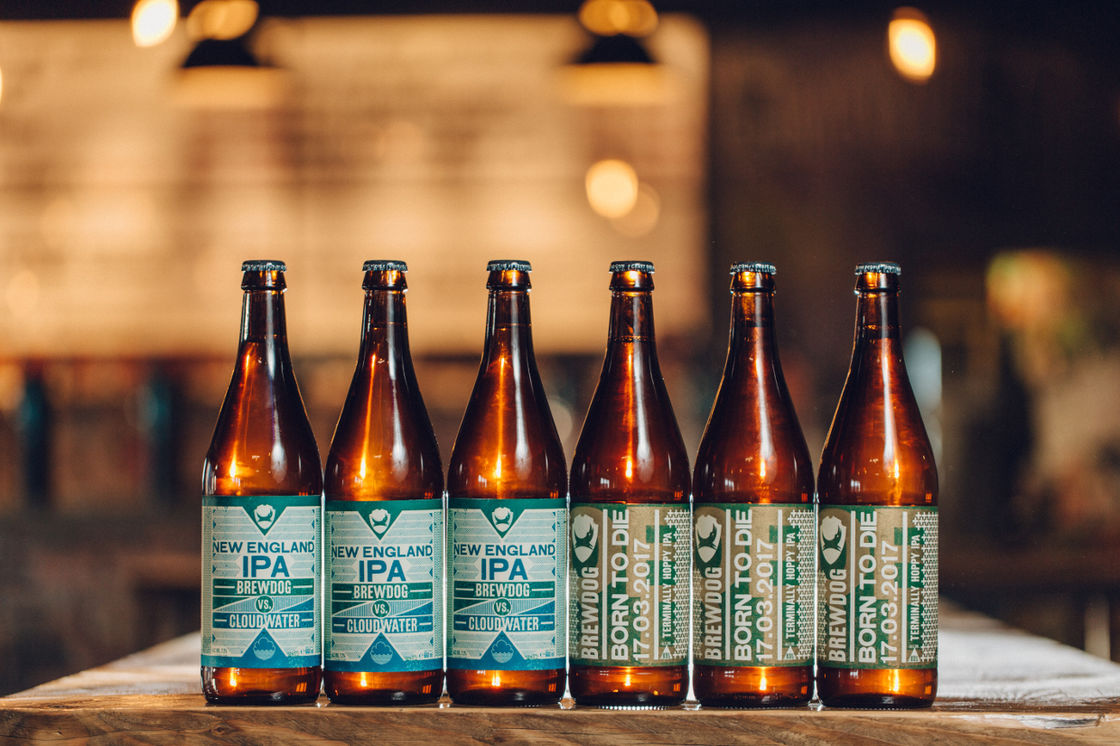
    Scottish beer brand BrewDog will launch its first brewpub in Asia in Itaewon, central Seoul, this week.

    The 500-square-meter (5,381-square-foot) bar near Itaewon Station will be the brand’s second brewhouse in the world and first outside of the United Kingdom. The company runs pubs in more than 50 countries, but only two are brewpubs, which means they have brewing facilities and can produce fresh beer on the spot.

    “Global craft beer has been growing faster than ever in the last few years, and among other Asian countries, the expansion speed of Korea was very impressive,” said James Watt, BrewDog’s co-founder. “We have high expectations for the Itaewon branch to act as the center of our strategy to stretch out in Asia.”

    Alex Hwang, who will manage the Itaewon brewery, added that Korea was selected for its image as a trendsetter among Asian countries.

    The foreigner-friendly Itaewon district in central Seoul is a haven for other tap houses and craft beer pubs. The equipment at BrewDog’s bar will come from Rolec, a German company that specializes in brewing machinery.

    “Itaewon is Korea’s craft beer mecca, but because most of the stores were small, it was hard to find pubs with full-fledged brewing facilities,” said BrewDog’s Korea head Kim Tae-kyung.

  • DJI x LINE launches character-branded drone

    DJI x LINE launches character-branded drone

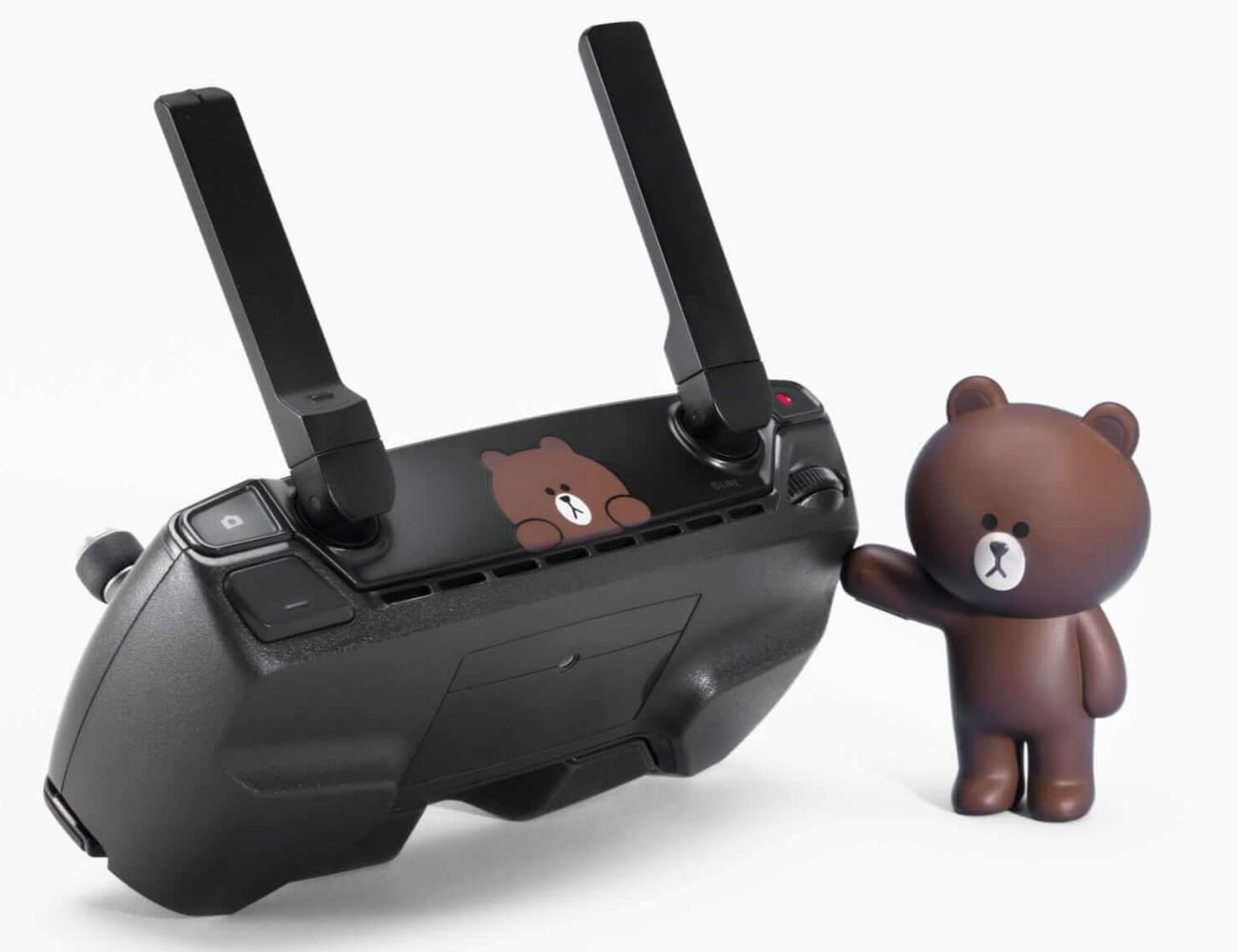
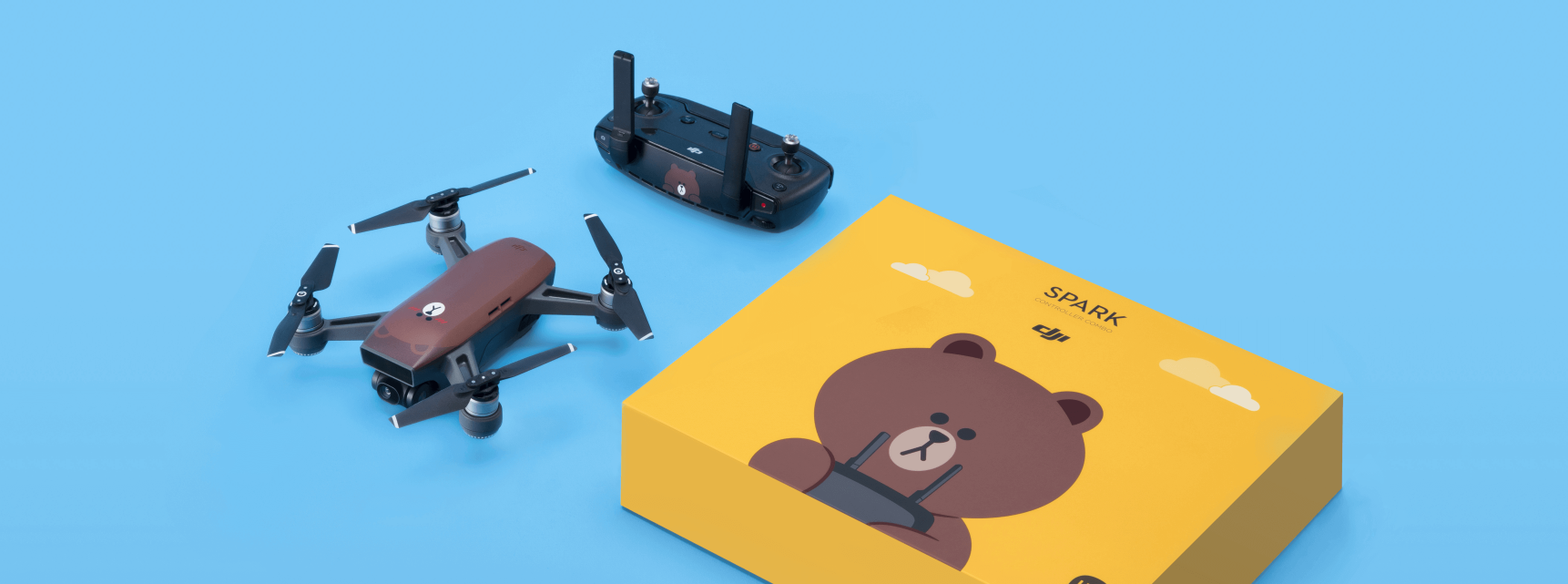
    Shenzhen-headquartered tech firm DJI has released of a Line Friends drone, its first character-branded device.

    The move is expected to be a step towards making the technology more accessible to a wider audience. The miniature camera drone depicts the popular character Brown, and is small enough to lift off from the palm, with a photo-taking capacity of 12 megapixels and 1080p stabilised video capture. The Line Friends drone has the distinctive feature of being able to be controlled with hand gestures.

    DJI’s senior communication manager Monica Suk said, “The DJI Spark earned its reputation as the smallest, yet powerful flying camera. It made flying a drone extremely easy, fun and more personalised. Similar to other things we carry in our bags, a drone is becoming a lifestyle accessory.

    “This special edition Line Friends drone will take this concept even further and make storytelling and sharing exciting, and a part of our everyday life.”

    The Line Friends drone (Brown) Spark RC Combo is selling at US$399 in North America, China, Hong Kong and Korea.

  • Korean Air launches new route to Boston with Delta

    Korean Air launches new route to Boston with Delta

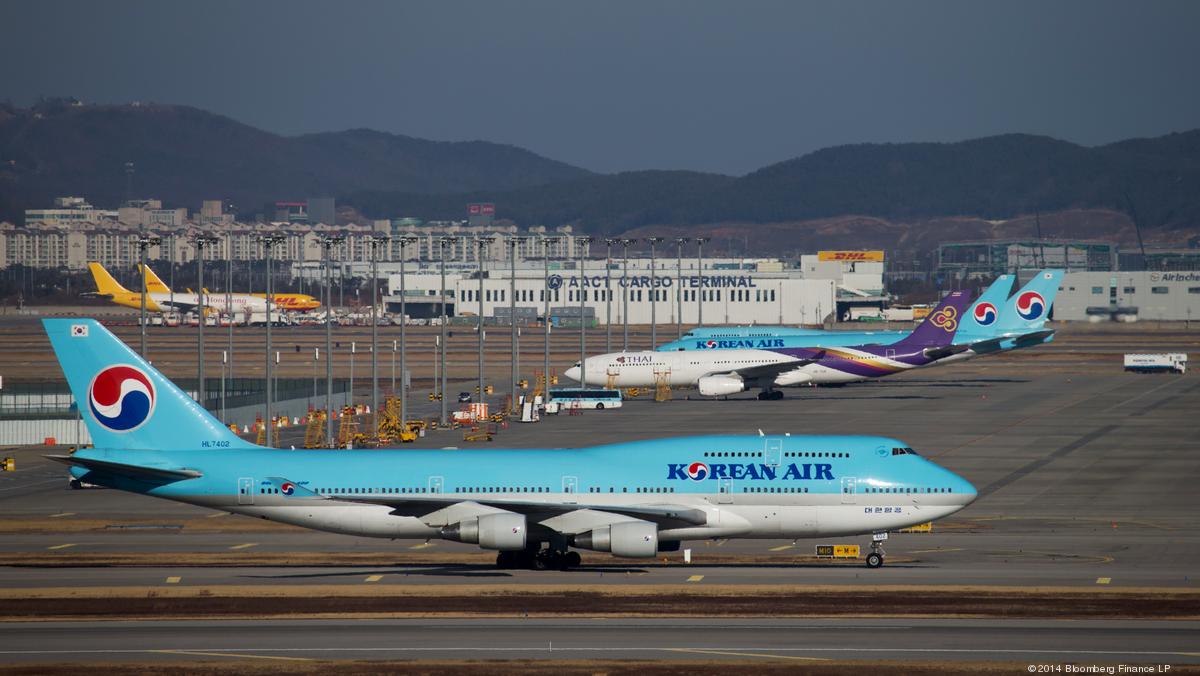
    Korean Air Lines, the country’s flag carrier, said Monday it will open a new route to Boston in April next year as part of a joint venture with Delta Air Lines.

    Korean Air plans to use Boeing 787s to provide five flights per week on the Incheon-Boston route, beginning April 12, the company said in a statement.

    Delta Air will allocate its Boeing 777-200ER to serve on the Incheon-Minneapolis route on a daily basis from April 2.

    On May 1, the two airlines launched a joint business that permits Korean passengers to use multiple routes when traveling to the United States by taking flights from either Korean Air or Delta Air.

    The partnership has allowed local travelers to fly on 370 routes to 192 cities in the U.S. since May. Until April, Korean Air customers leaving the country could only enter the United States for travel or business trips at a handfuls of airports.

  • Lancome launches event at Shinsegae Duty Free

    Lancome launches event at Shinsegae Duty Free

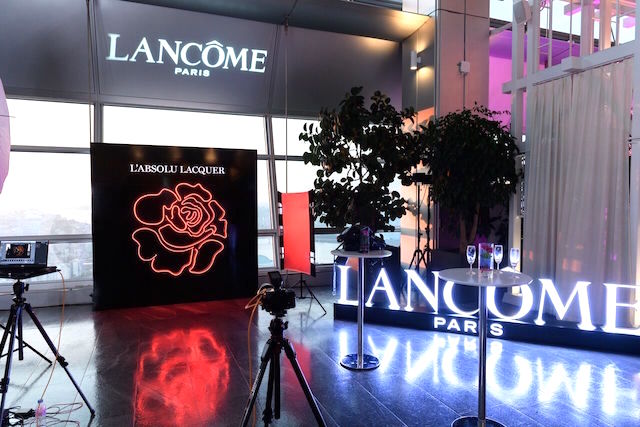
    Cosmetics brand Lancome has taken over a high-profile retail space in Seoul’s Shinsegae Duty Free store.

    The 360-degree panoramic LED screen above the signature Shinsegae carousel, facade and surrounding features were fully branded to showcase new products, creating a multi-sensorial concept space intended to immerse guests and consumers in the brand’s “Makeup Is My Power” experience.

    Lancome Travel Retail Asia Pacific is using the area to promote its Teint Idole Ultra Wear Foundation in a move designed to promote the power of makeup as well as to create a dedicated beauty space for consumers to fully experience its products.


    “As part of our goal to create new tourism demands through our duty-free store, we are on a constant lookout for partners and ideas to strengthen and elevate our retail offerings. We are proud to partner Lancôme Travel Retail Asia Pacific for this impressive regional launch,” said Seokho Hong, senior VP of Shinsegae Duty Free.

    The official launch event included a celebrity appearance by popular Korean celebrity and Lancome local ambassador for South Korea, Suzy Bae, a group of Lancome’s national make-up artists from around the world, and 20 prominent Chinese KOLs and customers.

  • Lotte donates $100,000 to Laos disaster relief effort

    Lotte donates $100,000 to Laos disaster relief effort

    Lotte said on Tuesday it has donated $100,000 to relief and reconstruction efforts following the Laos dam disaster in Attapeu.

    Oh Sung-yup, head of communications at Lotte Corporation, delivered the fund to Community Chest of Korea, a non-profit charity organization based in central Seoul, on Tuesday. The fund will be used to supply necessities to victims who lost their homes and to help rebuild villages.

  • SK Broadband adds home screens to TV

    SK Broadband adds home screens to TV

    SK Broadband will launch customizable home screens for all of its 4.6 million TV subscribers on Aug. 16.

    SK Broadband unveiled a series of upgraded TV media services on Tuesday and vowed to increase its offerings of customized content.

    “Paid broadcasting services are supposed to analyze the data of customers’ media consumption trends to come up with the services and content that suit them,” said Yoon Suk-am, head of the media business division at SK Broadband at a press conference at SK Telecom’s headquarters in central Seoul. “It will be the first step in raising customer value further.”

    Users may choose among three options to set their home screen, which appears right after the TV is turned on – video on demand, a real-time TV channel or a kids’ channel that consists only of content for children. Baseball aficionados, for example, can set a baseball channel as their home screen.

    The screen can also recommend content according to age group and based on the past user’s viewing habits, including their favorite TV programs from the past five years. The screen will also show which monthly plan users are subscribed to, valid membership points, coupons and discounts.

    SK Broadband said its mobile video streaming app, Oksusu, will offer real-time baseball broadcasts that are up to 20 seconds faster than competing apps.

    For children, SK Broadband will offer a custom fairy tale maker to TV subscribers. Kids can add their own voice, face and drawings to a TV screen to make their own TV fairy tale content, using 3D facial recognition technology and real-time facial expression generation technology. Some 250 fairy tales will be available for customization.

    When viewers take a photo of their face with a smartphone app and send it to the TV, the photo’s facial expression will take on up to 20 different emotions depending on the flow of the story. Viewers may even turn into the antagonist of one of the fairy tales. Children may also draw paintings that are added to the story and affect its outcome.

  • Faure Le Page ready to debut in Seoul

    Faure Le Page ready to debut in Seoul

    The Parisian luxury accessories retailer Faure Le Page will open its first store in South Korea next month.

    The Faure Le Page store will be the fashion house’s eighth brick-and-mortar store globally when it opens at Hanwha’s Galleria Department Store in Seoul.

    The French company, which specialises in leather bags and other leather goods, dates back to 1717 and already has Asian stores in Japan and Taiwan.

    “Seoul, one of the most dynamic cities in the world, will open a new chapter for our brand,” said Faure Le Page’s creative director Augustin de Buffevent.

    “After comparing other competitive fashion companies, we decided to partner with Hanwha Galleria [due to] their best department stores for luxury goods.”