Tag: Korea

  • Hyundai teamed up with Amazon to plan new retail model

    Hyundai teamed up with Amazon to plan new retail model

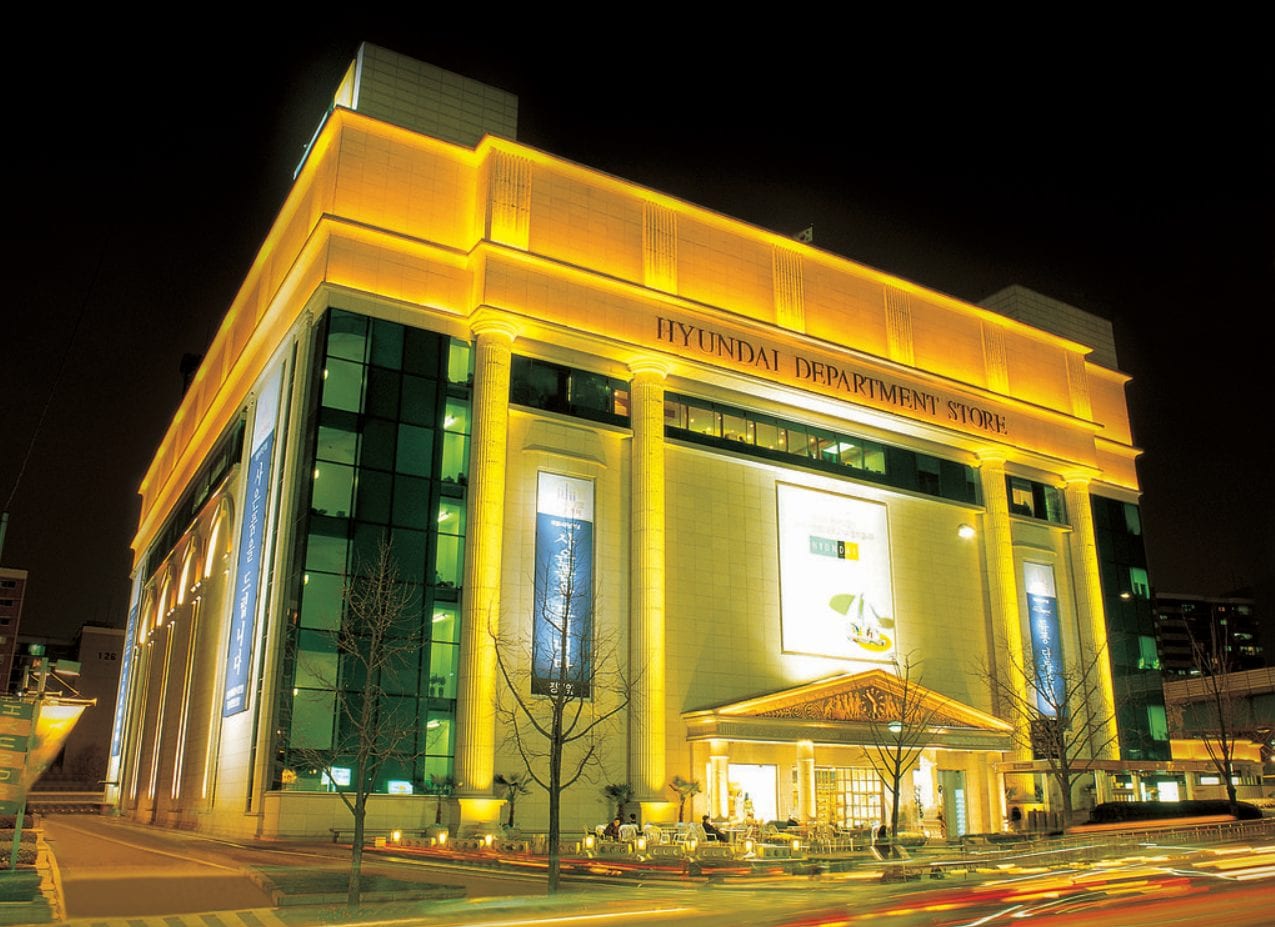
    Hyundai and Amazon plan to develop a “next-generation” retail model amid South Korean retailers’ push to adopt the latest technology to their online and offline platforms.

    Under the strategic collaboration agreement with Amazon Web Service (AWS) Korea signed on Friday, Hyundai Department Store Group said it will also establish a system to analyse customer activity and expand the partnership between its information technology arm and AWS, the US retail giant’s cloud-computing platform.

    Their joint research will focus on developing the Korean version of Amazon Go – the US e-commerce firm’s checkout-free offline mall – as well as using drones to deliver food and beverages, and applying artificial intelligence technology for automated concierge service, according to Hyundai.

    The Korean retailer’s aim is to implement Amazon’s cutting-edge technologies to its department store set to open in Yeouido, Seoul’s financial district, in 2020.

    “We will partner with Amazon to find a medium- and long-term roadmap to provide a new shopping experience to our customers,” a company official said.

    The deal was made as South Korean retailers are moving to secure competitiveness through the use of new technologies.

    Last Friday, E-Mart Everyday, another major South Korean retailer and Shinsegae’s supermarket-chain operator, opened a “cashier-less” store in Seoul where customers can pay via the firm’s mobile payment service app without going through a checkout counter.

    The 212sqm Gangnam store is expected to increase the company’s competitiveness in the market, allowing customers to use Shinsegae’s SSG Pay mobile payment system to make their purchases. It is the latest in a series of technological advances made by the company, including electronic price labeling and the use of robotic concierges and autonomous shopping carts.

    The new store will include a self-checkout counter as an alternative to using the app, and a cashier for age-verification sales of alcohol and tobacco products.

  • Tax office probes Jin Air over possible evasion

    Tax office probes Jin Air over possible evasion

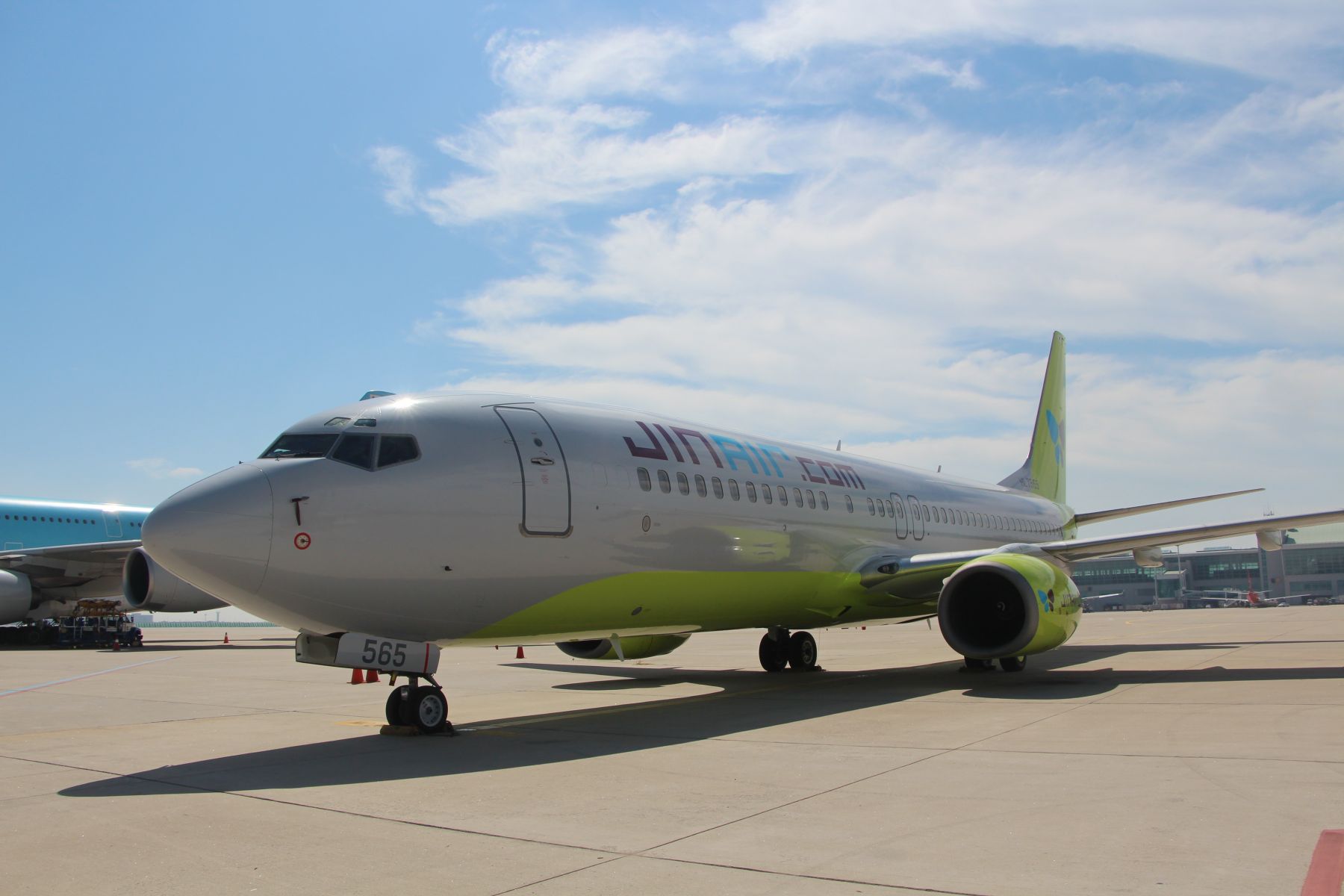
    Korea’s tax office is investigating Jin Air over potential tax evasion, the latest in a series of investigations into Hanjin Group’s founding family members over alleged wrongdoings, industry sources said Monday.

    The tax probe came days after the transportation ministry last week said it has decided not to revoke Jin Air’s business license, ending weeks of uncertainty for the low-cost affiliate of Korean Air. The company appointed a foreign national to its board of directors, a violation of Korean aviation law.

    In the interest of national security, only Koreans are permitted to serve as directors of commercial airlines.

    The company, however, appointed Cho Hyun-min, an American citizen and the younger daughter of Hanjin Group Chairman Cho Yang-ho, to serve as a board member of Jin Air between 2010 and 2016.

    The tax probe centers on whether a severance payment to Hyun-min was acceptable and whether the airline gave undue favor to the Cho family through its in-flight duty-free goods operation.

  • Cadillac House Korea aims for the trendy

    Cadillac House Korea aims for the trendy

    Cadillac hopes to shake off its stodgy image and attract younger, trendier drivers in Korea, and it has opened a flashy brand experience center to win them over.

    The American luxury brand opened Cadillac House Seoul in southern Seoul on Monday. Visitors can check out photo exhibitions and souvenir shops related to the brand, and many of the carmaker’s models are also on display.

    Cadillac House operated as a pop-up store last year, but the company decided to make it permanent after receiving positive feedback.

    “Our objective this year is to diversify marketing strategy to increase point of contact both online and offline,” Cadillac Korea President Kim Young-sik said in a press conference held Monday at Cadillac House Seoul.

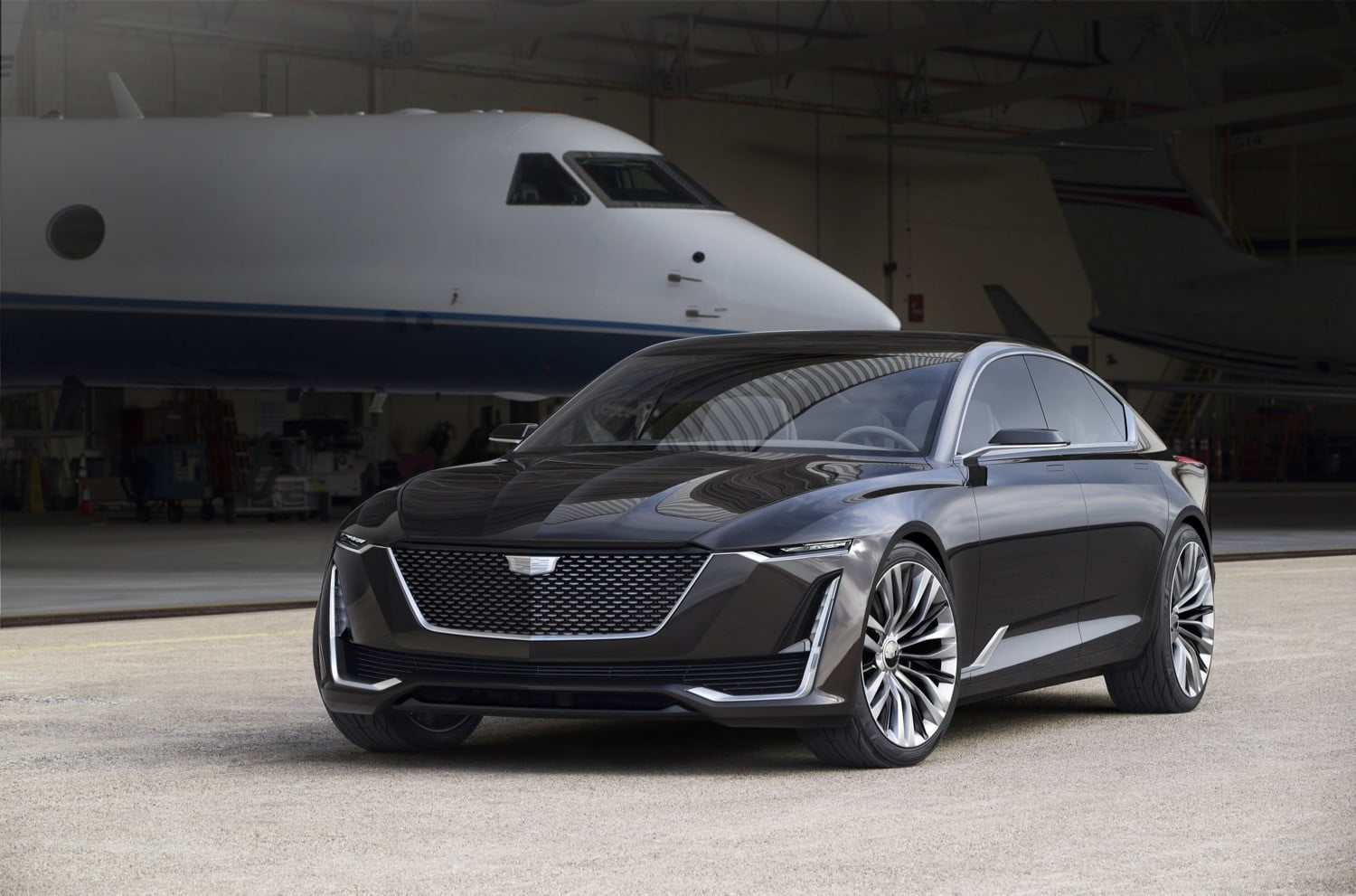
    Cadillac Korea unveiled the Escala Concept sedan in Korea for the first time. It was first revealed in the United States in 2016. Cadillac, which is known for its bulky and classic designs, added futuristic features to the concept car, including a curvy sideline and vertical headlight lamp in the front. The carmaker said that this design identity will be implemented in the company’s production lineup from 2021. The Escala will be on display at the Cadillac House for the next three weeks.

    Cadillac Korea also unveiled a limited-edition version of its ATS sedan called the ATS Supreme Black. The all-black limited edition vehicle also has some of the performance features, such as a rear spoiler, that are only found on Cadillac’s premium vehicles. Fifty of the cars will be sold in Korea.

    The photo exhibition on the second floor showcases Cadillac Korea’s collaboration with camera brand Leica. Three renowned figures in art and culture took photos of Cadillacs in different cities with Leica cameras. Donghae from K-pop group Super Junior is one of the photographers.

    The souvenir shop on the first floor sells diverse lifestyle and fashion products Cadillac developed with New York-based designer Jamie Lee.

    Kim said that Cadillac House showed the carmaker’s ambition to renew its image and become more attractive to younger buyers. It said the latest change of the company’s name from GM Korea to Cadillac Korea will contribute to improving the brand’s image.

    “The fact is that Korea is the only country among Cadillac’s 52 global market that uses the car’s brand [Cadillac] as the company’s name, whereas other countries still use just GM,” Kim said. “It shows that the New York headquarters is showing that there is much interest in the Korean market and a willingness to invest here.”

  • China is now the largest market for Samsung

    China is now the largest market for Samsung

    China accounted for more than 30 percent of Samsung Electronics’ overall sales over the January-June period, industry data showed Monday, emerging as the company’s largest market and outpacing the American continents for the first time.

    The South Korean tech giant, which posted sales of 83.9 trillion won ($74.6 billion) over the first six months of 2018, raked in 27.4 trillion won, or 32.7 percent, from China, the corporate data showed. It marked a sharp rise from 18.5 percent tallied in 2013.

    Asia’s top economy accounted for 20.6 percent of Samsung’s sales in 2014, with the number rising to 28.3 percent for the whole of 2017.

    In contrast to its rising dependency on the Chinese market, Samsung’s latest data sales to the Americas was equal to 26 percent of the total in the first six months of this year, falling from 31.8 percent posted for all of 2016.

    Industry watchers said the increase apparently came as Chinese tech giants’ demand for Samsung’s chips increased sharply. The U.S. government’s protectionism policies also weighed down on Samsung’s sales in the key North American market, they added.

    Samsung’s business report showed Chinese tech giant Huawei Technologies was included as one of the South Korean firm’s top five clients. Other major buyers of Samsung products were Apple, Verizon Wireless, Germany’s Deutsche Telekom AG and Hong Kong’s Techtronics.

    The company said five firms accounted for 11 percent of its first-half sales, without providing further details. The latest list is significant as Chinese and Hong Kong firms joined the top five.

    In 2017, Samsung’s five major buyers were Apple, Best Buy, Sprint, Verizon and Deutsche Telekom.

    Experts said Samsung Electronics should take a careful approach to the Chinese market at the same time, as Beijing’s latest push to foster its own semiconductor industry may adversely impact the company.
    China accounted for more than 30 percent of Samsung Electronics’ overall sales over the January-June period, industry data showed Monday, emerging as the company’s largest market and outpacing the American continents for the first time.

    The South Korean tech giant, which posted sales of 83.9 trillion won ($74.6 billion) over the first six months of 2018, raked in 27.4 trillion won, or 32.7 percent, from China, the corporate data showed. It marked a sharp rise from 18.5 percent tallied in 2013.

    Asia’s top economy accounted for 20.6 percent of Samsung’s sales in 2014, with the number rising to 28.3 percent for the whole of 2017.

    In contrast to its rising dependency on the Chinese market, Samsung’s latest data sales to the Americas was equal to 26 percent of the total in the first six months of this year, falling from 31.8 percent posted for all of 2016.

    Industry watchers said the increase apparently came as Chinese tech giants’ demand for Samsung’s chips increased sharply. The U.S. government’s protectionism policies also weighed down on Samsung’s sales in the key North American market, they added.

    Samsung’s business report showed Chinese tech giant Huawei Technologies was included as one of the South Korean firm’s top five clients. Other major buyers of Samsung products were Apple, Verizon Wireless, Germany’s Deutsche Telekom AG and Hong Kong’s Techtronics.

    The company said five firms accounted for 11 percent of its first-half sales, without providing further details. The latest list is significant as Chinese and Hong Kong firms joined the top five.

    In 2017, Samsung’s five major buyers were Apple, Best Buy, Sprint, Verizon and Deutsche Telekom.

    Experts said Samsung Electronics should take a careful approach to the Chinese market at the same time, as Beijing’s latest push to foster its own semiconductor industry may adversely impact the company.

    “Samsung Electronics, whose dependency on China has significantly increased, may become the victim of the irrational trade dispute between Washington and Beijing, which is ignoring the existing international system,” an industry watcher said.
    “Samsung Electronics, whose dependency on China has significantly increased, may become the victim of the irrational trade dispute between Washington and Beijing, which is ignoring the existing international system,” an industry watcher said.

  • Galaxy Note9 does better than S9 on preorder sales

    Galaxy Note9 does better than S9 on preorder sales

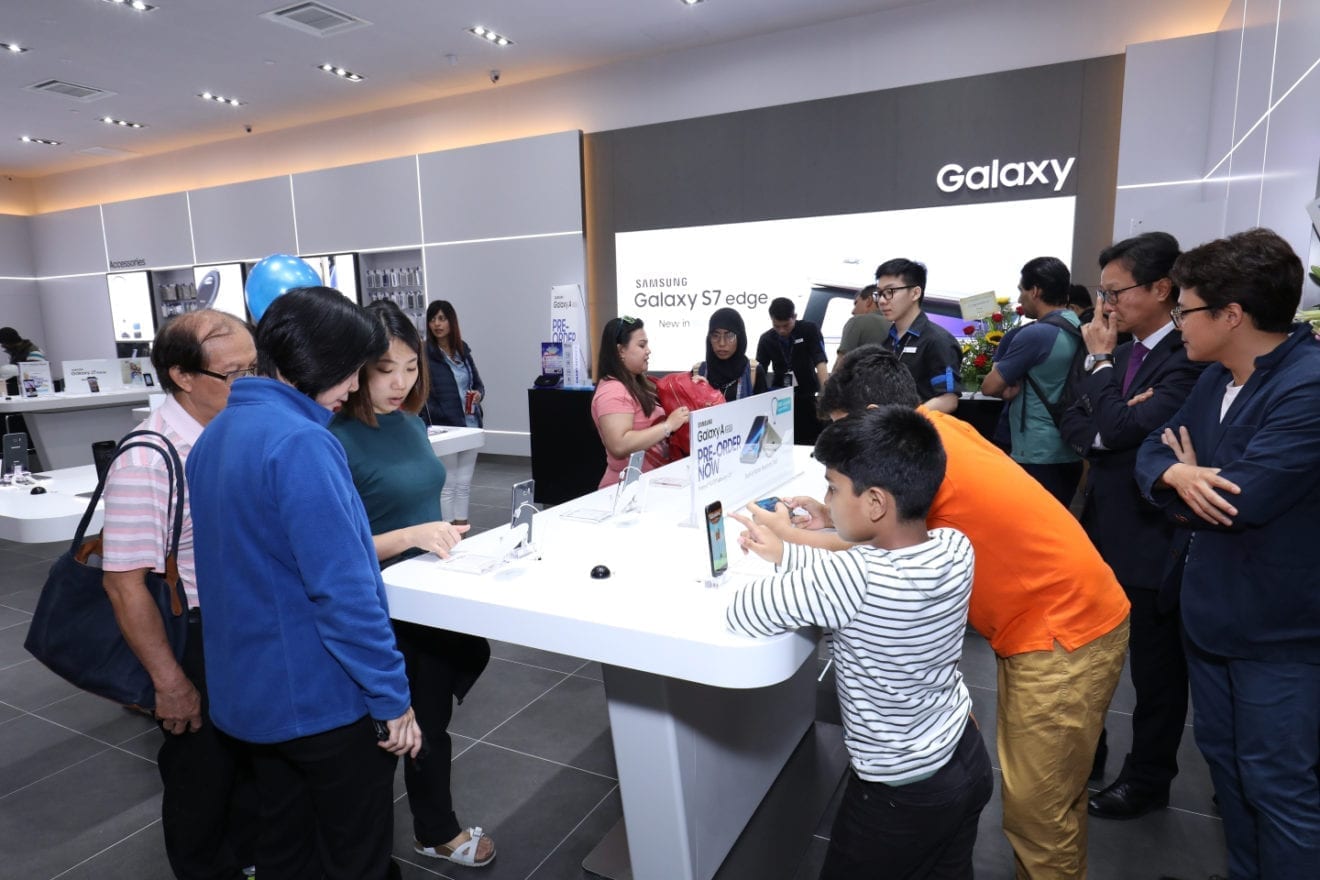
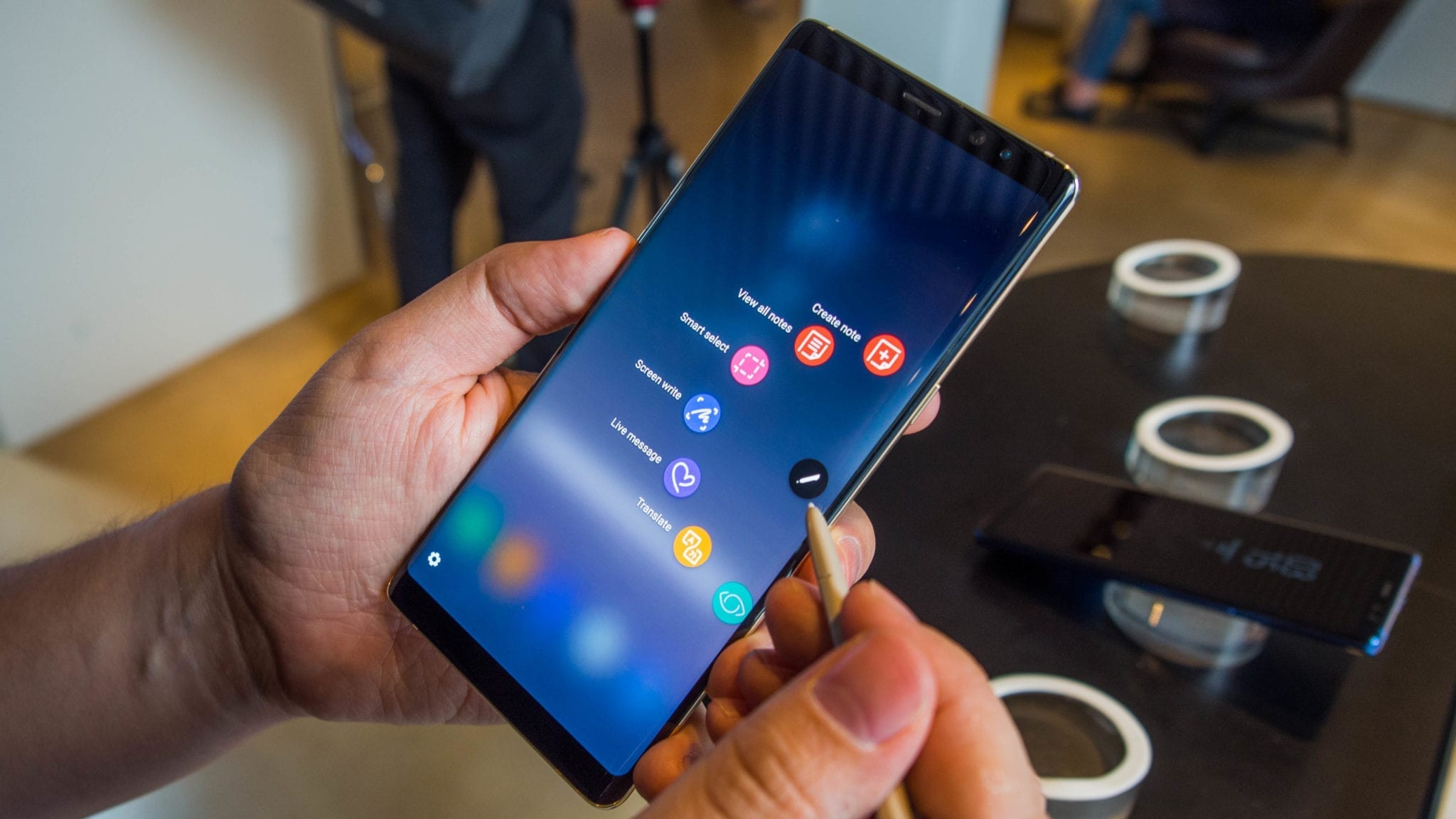
    Samsung Electronics latest smartphone, the Galaxy Note9, attracted more preorder sales than the Galaxy S9, released in March, mobile carriers here said Monday.

    “The number of preorders for the Galaxy Note9 is roughly 30 to 50 percent higher than the Galaxy S9,” a source from a local mobile carrier said.

    The representative added that despite the stronger numbers it is still some 80 percent of the preorder numbers for last year’s Galaxy Note8.

    The overall figure for the Note9 is viewed as being solid considering demand for the Note8 shot up due to the battery debacle of the Note7 that was released in 2016.

    Local mobile carriers will end preorders for the new smartphone on Monday, and start handing out the devices to customers on Tuesday. The official release is slated for Friday.

    The Galaxy S9, which failed to grab the market’s attention due to a lack of features compared with predecessors, has been cited as one of major hurdles that has weighed down Samsung’s mobile business.

    The Note9 is currently seeking to revitalize the IT and mobile business through its 4,000 mAh battery along with a top-notch stylus equipped with Bluetooth technology.

  • Memebox and Sephora partner on ecommerce

    Memebox and Sephora partner on ecommerce

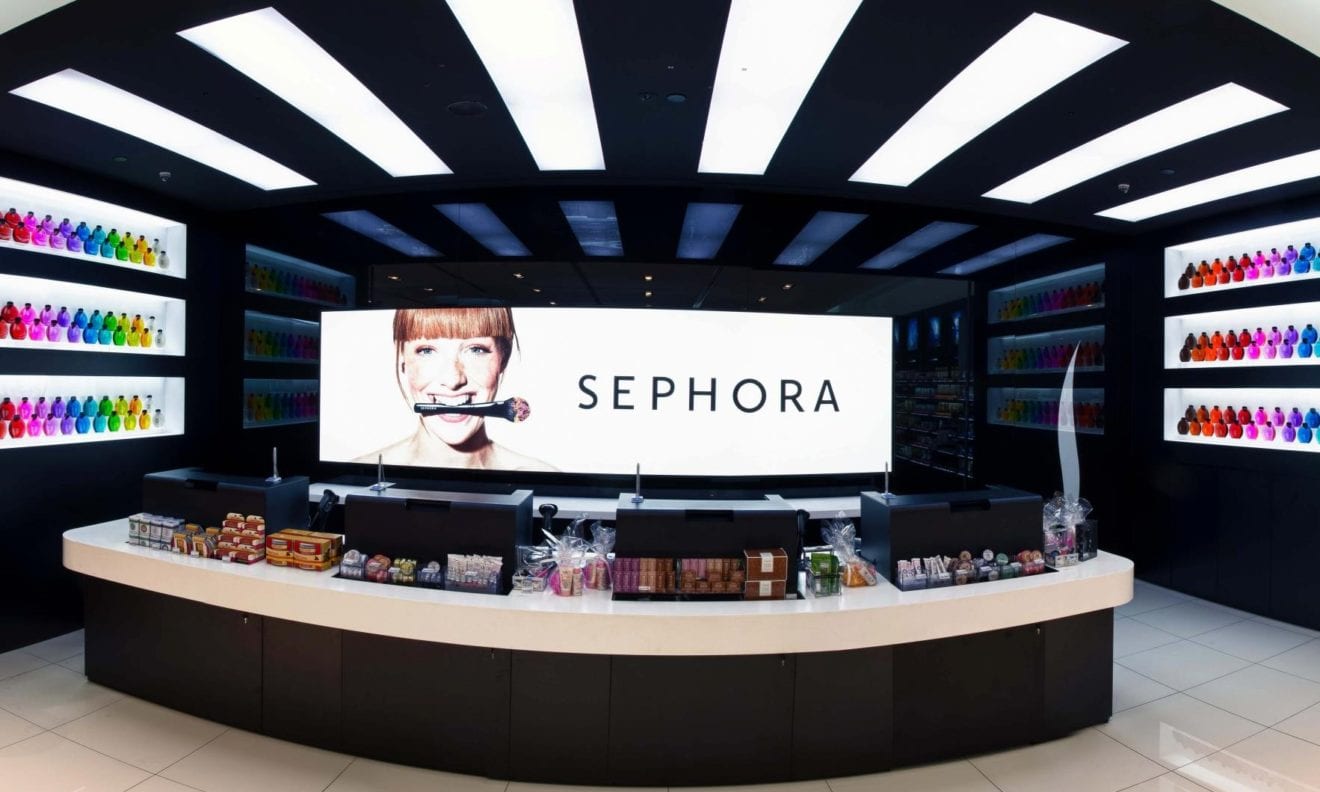
    Memebox signed a partnership deal with global beauty giant Sephora to expand its global presence in the ecommerce scene and develop a joint brand due for release this autumn, according to Formation Group on Monday.

    The achievement comes only six years after the local beauty company launched as a small start-up in Korea. It now has offices in five regions around the world including Pangyo, Gyeonggi and San Francisco.

    Formation Group is a venture capital firm and a stakeholder in Memebox.

    One goal of the partnership with Sephora, a global beauty retailer owned by LVMH Group with operations in 33 countries, is to expand Memebox’s global ecommerce site that recently re-opened after being closed down last year.

    Memebox launched in the United States in 2014 as an online store offering K-beauty products. Last year, it halted the global ecommerce website with an aim of developing an online community where consumers can exchange know-how and reviews on beauty products.

    The website has more than five million users per month uploading videos and tips.

    However, the ecommerce site was re-launched in June. “We decided the timing had come to develop a competitive edge with our own ecommerce platform, now that the awareness and credibility regarding Korean beauty brands has greatly improved in the United States,” said Memebox CEO Ha Hyung-seok.

    The launch also gave U.S. consumers access to Memebox’s in-house brands: Pony Effect, I Dew Care and Nooni.

    One of Memebox’s strengths is the accumulated data from its community which has more than 30,000 product reviews from people of different ethnicities and cultural backgrounds. In a beauty market where trends change fast, an up-to-date database of consumers is a big asset not only in terms of marketing, but also for fast product development.

    Another apparent result of the collaboration between Memebox and Sephora is scheduled to come this autumn: a color cosmetics brand for which details have not yet been revealed.

  • Evolution in Korean retailers commerce

    Evolution in Korean retailers commerce

    South Korean retailers are increasingly crossing boundaries between their commerce platforms from television to offline and online to attract more customers, market watchers said.

    Shinsegae TV Shopping Inc., the home shopping arm of retail giant Shinsegae, is set to open an offline shop for luxury goods sold through its program S-Style at the retailer’s mall in Paju, north of Seoul, on August 18.

    The 159-square-meter store will mark the first case for a television-based commerce firm to open an offline mall, according to Shinsegae.

    “We will provide a unique experience to our customers, freely crossing over the line between online and offline,” a company official said, adding the launch is aimed at communicating more closely with its customers.

    Shinsegae is not the only retailer moving to break boundaries between its platforms.

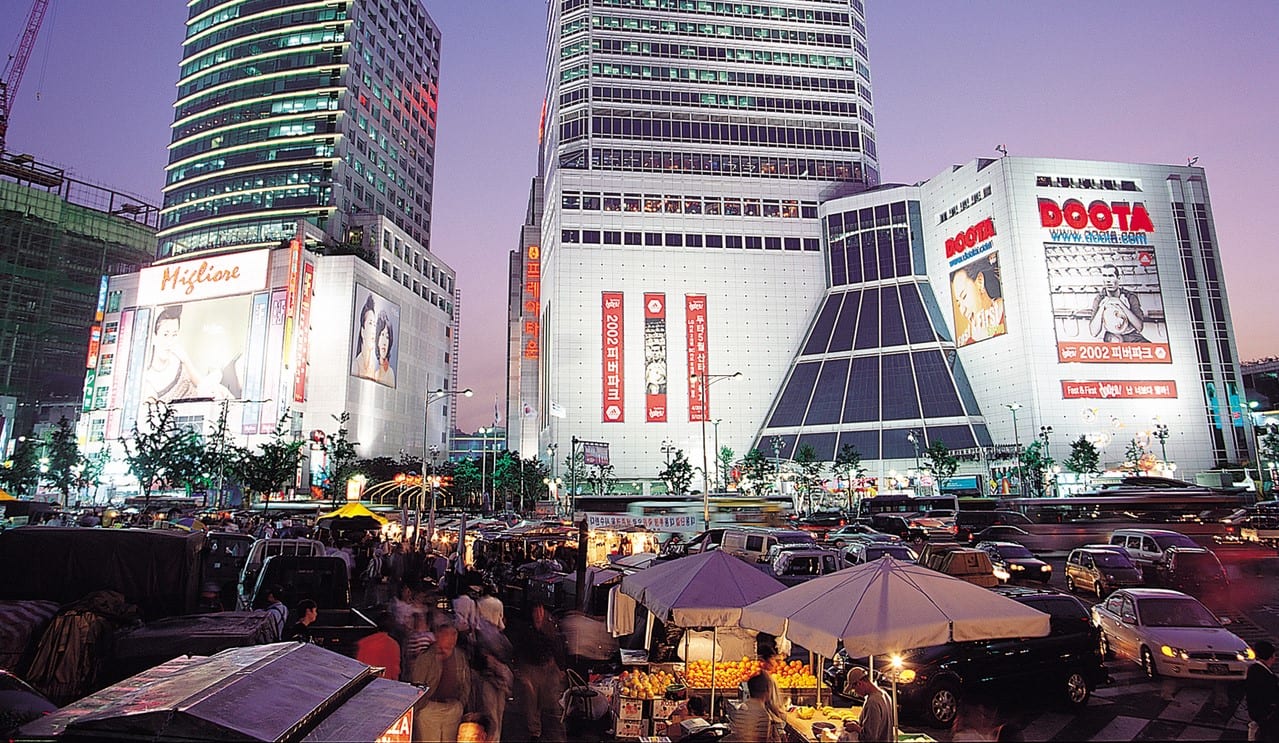
    Earlier onAugust 13, another major retailer, the Hyundai Home Shopping Network Co., opened an online mall named Hootd, gathering products from eight influencer brands. Their combined number of followers on social media amounts to 1.4 million, according to the company.

    Launching the new service, Hyundai said it will actively collaborate with Hyundai Department Store to regularly open pop-up stores and use its TV channel to further raise the influencer brands’ profile.

    Industry watchers say local retailers have been gradually expanding the collaboration of online and offline platforms to create synergy and make up for their respective shortcomings.

    “Despite efforts to overcome the limit of fully delivering product information, online platforms fall short of providing the same experience as offline malls,” said Kim Na-kyung a researcher at the LG Economic Research Institute.

    “Especially to meet the needs of consumers who wish to check products’ traits that cannot be explained in numbers, such as texture and color, offline channels can be an effective complement.”

  • Lotte duty free profit soars

    Lotte duty free profit soars

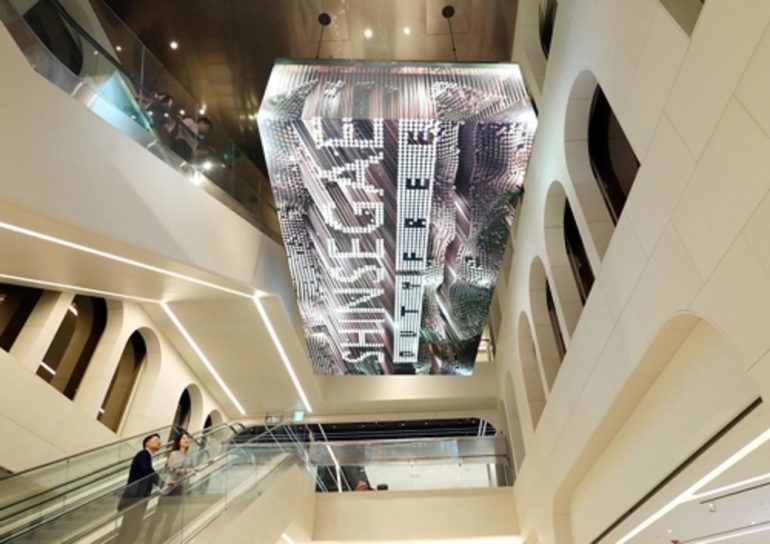
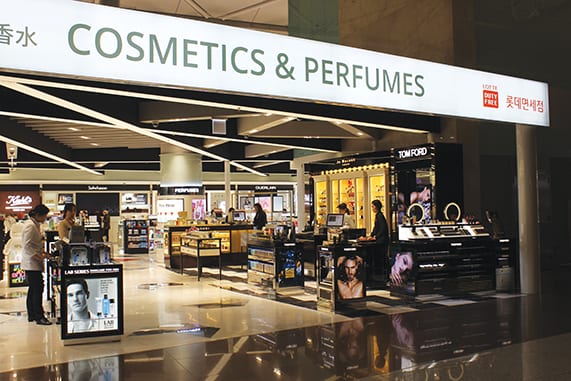
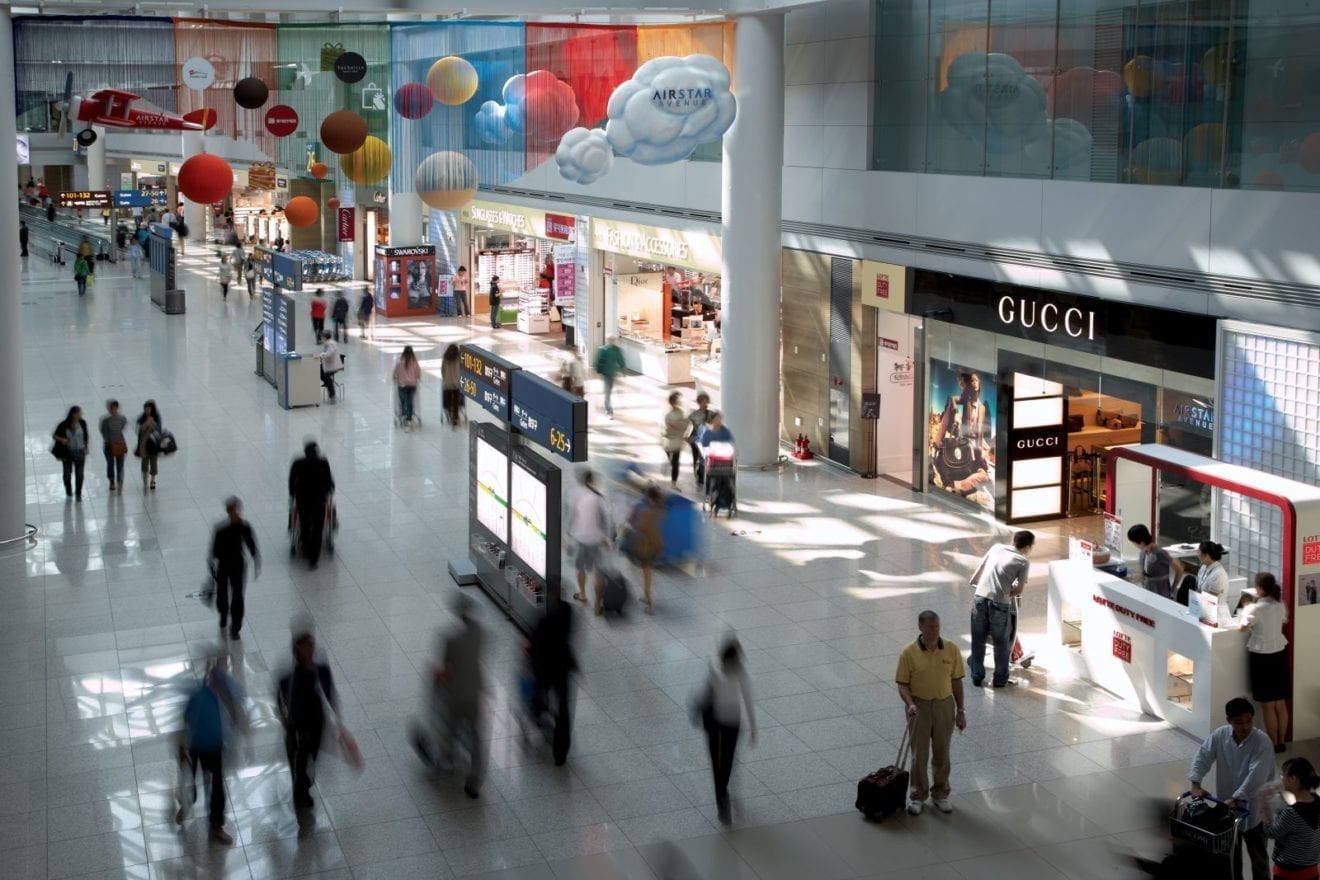
    South Korean duty-free operator Lotte has reported soaring profit following its decision to partially withdraw from Incheon airport.

    In the company’s first half report, it indicated solid worldwide sales accounted for the profit increase, which came to KRW155 billion (US$137 million) – up a staggering 1995 per cent.

    Total global sales hit KRW2.7 trillion (US$2.4 billion), almost all of which came from domestic sales.

    Three out of four concessions at Incheon were shuttered by the firm following long-running losses. The closures have saved the firm considerable expenditure on rent.

    The positive results have encouraged Lotte to expect overseas sales in excess of KRW200 billion (US$177.7 million) this year, following the launch of additional stores in Vietnam and elsewhere.

  • Korea falls in love with electric vehicles

    Korea falls in love with electric vehicles

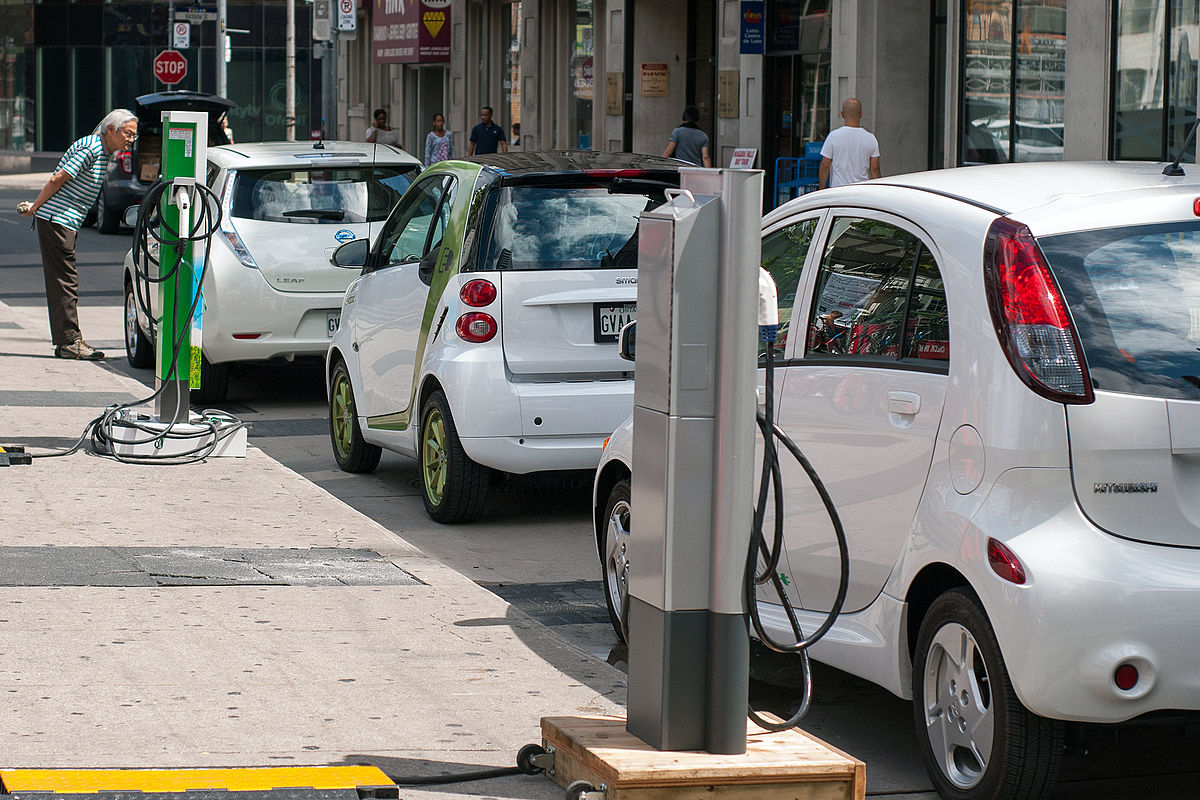
    The adoption of electric vehicles may have been rather slow in Korea, but the market for micro electric vehicles – small two-seater electric cars with less range but cheaper price tags – is booming.

    While sales figures and the charging infrastructure for EVs in Korea falls well behind other countries like Japan and the United States, micro electric vehicles are proving surprisingly popular.

    Renault’s Twizy has become the global poster boy for these mini EVs. In Korea, 984 of the tiny Renault Samsung Motors’ cars were sold in the first half of this year, nearly double the number sold in the previous half. Globally, an average of about 1,300 Twizys are sold every six months, which means that nearly 90 percent of global sales took place in Korea this year.

    In fact, the Twizy is so popular here that the French headquarters is considering moving some of the assembly line from Spain to Korea.

    One of the biggest benefits of micro electric vehicles, like the Twizy, is that they do not require a new charging infrastructure. The vehicles can be charged through any standard 220-volt socket – it takes 3.5 hours and costs about 600 won ($0.53) to fully charge the battery.

    To foster the industry, the government in June categorized electric micro cars in the compact car segment, giving new legal grounds for diverse R&D activities and the establishment of better safety standards.

    Seizing on the opportunity, multiple midsize companies have jumped on the bandwagon and are introducing increasingly souped-up micro electric vehicles.

    Daechang Motors, manufacturer of the infamous Yakult cart in Korea, started mass producing a two-seater electric vehicle called the Danigo in March. The new model costs only about 5 million won for Seoul residents after subsidies, one of the cheapest models on the market.

    Semisysco, another midsize company, has been selling a two-seater electric vehicle called the D2 since February. The D2 is manufactured by Chinese firm Zhidou, and Semisysco is in charge of importing them. From later this year, however, Semisysco is planning on manufacturing them in Korea.

    “The micro e-mobility industry has even more possibilities than traditional electric cars in Korea at the moment,” said Kim Pil-soo, an automotive engineering professor at Daelim University College in Gyeonggi.

    “It has a lower entry barrier from both manufacturers and customers. It is definitely a fledgling industry now but has a lot of potential to grow,” he added.

    Safe and economical

    Upon the government’s announcement on the renewed car segment categorization, institutions that rely on delivery have quickly started to adopt the micro electric vehicles to replace their motorbikes and scooters.

    Korea Post is at the forefront.

    Just last month, the postal delivery service pledged to buy 1,000 micro-electric vehicles to replace its two-wheeled delivery vehicles this year. It said it will replace 66 percent of its current 15,000 two-wheeled vehicles into micro electric cars by 2020.

    “About 300 accidents are reported per year while delivering post,” said Sunwoo Hwan, an official at Korea Post.

    “It mostly results in the driver being severely hurt. In that sense, micro electric vehicles are much safer for delivery drivers,” Sunwoo added.

    Operation costs are also as advantageous when utilizing micro electric vehicles, according to the official.

    “For two-wheeled vehicles, we estimate the life span to be about three to four years,” the official said. “For micro e-mobility, we estimate them to last about eight years. The initial cost may be more expensive but not if you see it in the long term.”

    Fried chicken franchise BBQ has also signed a memorandum of understanding with Renault Samsung Motors to use their Twizys to deliver chicken. It said it will gradually implement a total of 1,000 Twizys within this year.

    “On top of enhanced safety compared to two-wheeled bikes, micro electric cars are extremely cost-effective because it costs about 20,000 won to 30,000 won in charging fees per month,” the chicken company said in a written statement.

    Korea, known for its top-notch delivery service, will continue to take advantage of the new option in the delivery method.

    Shake Shack, La Grilla and Baskin Robbins, which are all F&B affiliates of SPC Group, have also started using Twizys in their delivery fleet to test out their convenience. Pizza delivery franchise Pizza Alvolo also uses Daechang Motors’ Danigo.

    “Demand for delivery food is on a constant rise, and we decided to use Twizy to enhance the convenience of the customers and the staff as well,” a spokesman at SPC Group said.

    Easier access

    Traditionally, cars are purchased at offline dealerships where a long consultation with a talkative dealer is inevitable. Manufacturers of micro electric vehicles are shifting the retail landscape by offering the cars online and in discount stores.

    Daechang Motors has been offering its Danigo vehicle on e-commerce platform TMON since January. It first put a limited 100 units on the platform, but they sold out in two days. It added 200 more units afterwards but they sold within a day as well.

    On the back of such popularity, Daechang Motors is currently offering its cars only through TMON.

    Semisysco is also opting for an online platform to enable easier access to the car.

    It started offering its electric vehicle D2 through Interpark in July.

    It has also signed a partnership with Emart, Korea’s largest discount chain, to display its vehicle along with other household products. The D2 is available at 21 Emarts and other affiliated stores nationwide.

    “The largest number of orders is through Emart,” a spokesperson for Semisysco said.

    “Its price is not burdensome. People who come to the discount store to shop for other products can casually look around, and sometimes that leads to purchase decisions,” the spokesman added.

    Renault Samsung Motors and Semisysco said a majority of their cars’ purchases were made for individual use, such as commuting.

    Room for improvement

    Despite the economic value and agility on narrow roads, it’s not all plain sailing in a micro electric car.

    Under current regulations, vehicles that cannot travel faster than 80 kilometers (50 miles) per hour are not allowed to drive on highways or roads that are built exclusively for cars.

    Although this might not be an issue for short commuting within metropolitan areas, it means that long-distance driving on the weekends or on holidays will not be possible with these miniature vehicles.

    Ultimately, this is the same hurdle that conventional electric cars face when trying to expand in Korea.

    Price could also be an issue for some potential customers. An average price of 9 million won may be cheaper than conventional electric vehicles, but with that money, people can also buy a compact internal combustion engine car from domestic carmakers or a small sedan from a secondhand car market.

    “A subsidy needs to be maintained or expanded in order to further foster the industry,” said Kim. “This segment is completely new and people’s awareness is still lacking,” he added

  • KT korea to offer discount SIMs to tourists

    KT korea to offer discount SIMs to tourists

    KT, Korea’s second-biggest wireless services provider, said Friday it will provide discounts on SIM cards and WiFi services to foreigners visiting the country.

    Foreign travelers can receive a discount of up to 50 percent on KT’s mobile roaming services when ordering from the company’s English website by the end of this year, KT said.

    The SIM cards can be purchased at the KT’s roaming centers at Incheon International Airport, Gimpo International Airport, Gimhae International Airport and Busan International Port.

  • Lotte Tour to hold investor sessions for Jeju resort

    Lotte Tour to hold investor sessions for Jeju resort

    Lotte Tour Development said Thursday it will hold a series of investor relations sessions next week in a bid to attract more investment to its resort construction project in the southern island of Jeju.

    Lotte officials will meet with institutional investors in Hong Kong and Singapore from Monday to Friday to explain its recent earnings results and take questions on its key businesses, according to its regulatory filing.

    Last week, Lotte Tour announced its plan to raise 240 billion won ($215 million) for the construction of Jeju Dream Tower on the island.

    The construction of the resort, which is being co-developed by Lotte and China’s real estate developer Greenland Group, is expected to be completed by October next year.

  • Still no clue how to stop BMWs from bursting into flames in Korea

    Still no clue how to stop BMWs from bursting into flames in Korea

    BMW cars continue to burn in Korea, and neither the carmaker nor the government has a clear idea of how to resolve the ongoing crisis.

    On Saturday, a 120d model burst into flames in Incheon and the following day, a 2015 BMW 520d model ignited on a highway in Hanam, Gyeonggi. Both models were included on a recall list drawn up by BMW Korea.

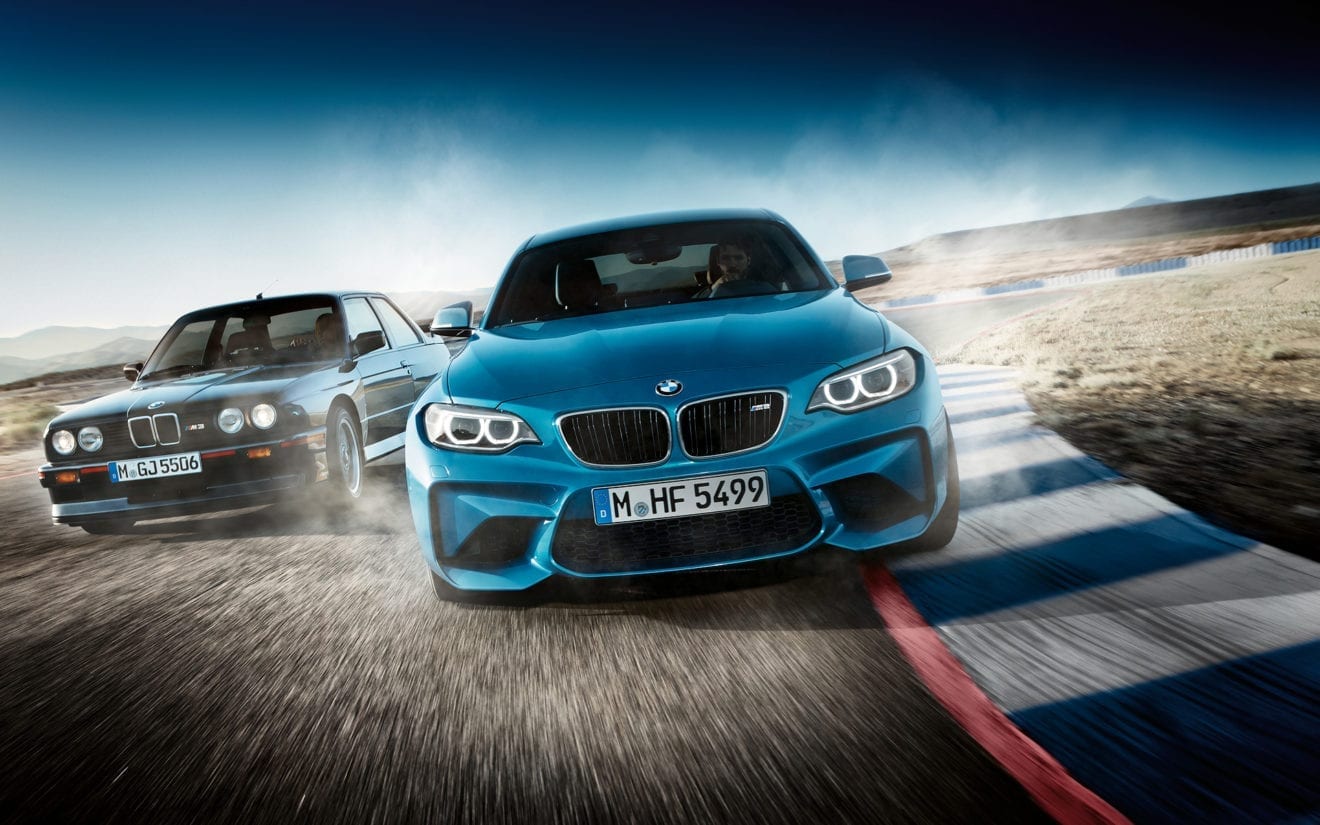
    On Monday, a BMW M3 gasoline model not on the recall list caught fire on a highway in Namyangju, Gyeonggi.

    They bring the total of BMW fires in Korea this year to 39.

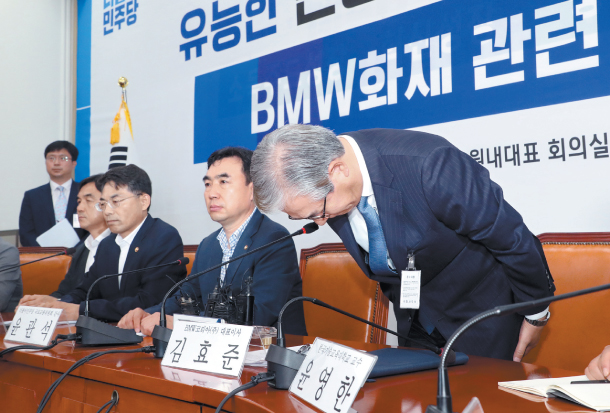
    Members of the Land, Infrastructure and Transport Committee from the ruling Democratic Party held an emergency meeting Monday, attended by officials from the Transport Ministry and BMW Korea Chairman Kim Hyo-joon. Chairman Kim apologized and the lawmakers pledged to revamp regulations on recall procedures, all of which had been promised before.

    “Democratic Party lawmakers from the Land, Infrastructure and Transport Committee agreed that policies on punitive damages and recall processes have to be strengthened and regulations to support hefty fines [on manufacturers] have to be improved,” said Yoon Kwan-seok, a lawmaker from the Democratic Party who is a member of the committee.

    “Regarding the aftermath measures, the government and the lawmakers will work together to improve the regulations,” Yoon added.


    The Transport Ministry said Monday that it will run a series of tests with the help of external experts to see if software was a factor into the fires.

    BMW Korea insists that faulty exhaust gas recirculation (EGR) modules are to blame for the fires. The EGR reduces gas emissions by recirculating a portion of the gases into the manifold pipe. Industry experts have been raising other possibilities.

    One speculation is that a piece of software called the electronic control unit has been manipulated to decrease the amount of emitted gas to meet the tightened standards on diesel engine emissions after the so-called Volkswagen dieselgate scandal broke out in 2015.

    “There is a possibility that a fire broke out, even if an EGR is fine, because the software had been manipulated to reduce the amount of emitted gas,” said Kim Pil-soo, an automotive engineering professor at Daelim University in Gyeonggi. “It is hard to believe that so many fire cases broke out only in Korea if the hardware was the only problem,” he added.

    The Transport Ministry said it will collect multiple samples, including inspected and non-inspected cars as well as models that are not being recalled to test the possibilities.

    Meanwhile, the first police investigation in a class action suit took place on Monday evening.

    Lee Kwang-duk, a BMW owner and one of the plaintiffs in a class-action lawsuit against BMW Korea, was questioned Monday evening. The plaintiffs claim that BMW Korea covered up the causes of fires on purpose for years.

    “I will ask the police to secure emails that BMW Korea exchanged with its German headquarters and the manufacturers of the EGRs,” Lee said before attending the session. Lee is the owner of a 2014 BMW 520d model that caught fire last month after a friend of his drove the car for one hour and parked it in front of a building in Seongnam, Gyeonggi.

    As of Sunday, 67.9 percent of the 106,000 recalled cars had received safety checkups.

  • Convenience store in Korea enjoying revenue boost

    Convenience store in Korea enjoying revenue boost

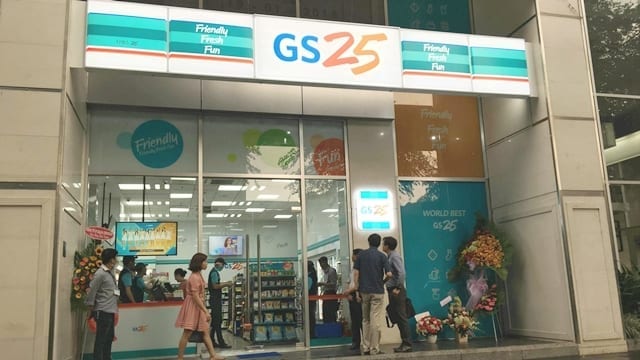
    South Korean convenience store operators GS25 and CU received a boost from in-house brands in the second quarter.

    GS Retail, which operates the GS25 chain, recorded a net profit jump of 11.1 per cent year on year to 45.8 billion won (US$41 million) in the April-June period, on sales up 5.3 per cent to US$2 billion.

    GS Retail attributed the growth to development of new products at its convenience stores, with 36.7 per cent of GS25’s sales excluding alcohol and cigarettes coming from its private-label products in July.

    South Korean convenience store operators have been developing private-label products to attract more customers.

    GS25’s main rival CU posted a net profit of US$60 million from April to June, an increase of 105 per cent from the first quarter of this year, on sales of $1.3 billion.

  • Jin Air’s second-quarter profit falls 88 percent

    Jin Air’s second-quarter profit falls 88 percent

    Jin Air, the budget affiliate of Korean Air, said Friday that its second-quarter net profit fell 88 percent from a year earlier on increased fuel costs and a decline in travel demand.

    Net profit for the three months that ended on June 30 came to 1 billion won ($886,000), down from 8.1 billion won a year earlier, the company said in a regulatory filing.

    Operating profit dropped 50 percent to 6.2 billion won in the second quarter from 12.5 billion won a year ago. Meanwhile, sales rose 18 percent on-year to 226.5 billion won.

    The earnings results came as the South Korean government has been mulling whether to cancel the airline’s license over its illegal appointment of a foreign national to its board of directors.

    Under Korean aviation law, only Koreans can be registered as the directors of an airline.

    Jin Air named Cho Hyun-min – the younger daughter of Korean Air Chairman Cho Yang-ho – as its director between 2010 and 2016, even though she is legally an American citizen.

  • Hyundai creates separate sound zones in cars

    Hyundai creates separate sound zones in cars

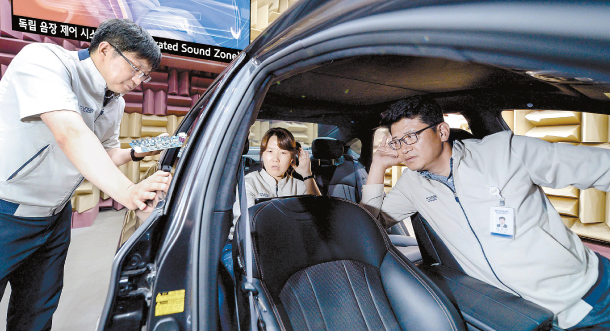
    Hyundai Motor has developed a sound system for vehicles in which passengers and the driver can hear different songs or make totally private phone calls.

    It is the first such system in the world, the carmaker announced Sunday, and will be offered in Hyundai Motor cars within a year or two.

    Korea’s largest carmaker calls the system a “separated sound zone” and unveiled it on its official website and on YouTube last Sunday.

    In the YouTube video, classical music plays in the front of the car where two parents are sitting, while pop music plays in the back for children.

    Separate sound zones are created by the artful placement of different speakers. There is also software that control the sound’s reflective wave and output level, the carmaker explained.

    Playing different types of music is the most basic thing the sound zones can do, according to the carmaker.

    A driver or passenger could have a private phone call as well. Calls on speaker are usually heard by all people in the car.

    With the system, passengers can enjoy individual choices of music while retaining the ability to converse among themselves, which isn’t possible if they are enjoying private music with earphones.

    Sounds that are necessary to the driver but that are disturbing to other passengers can be controlled too, such as audible directions from the navigation system or warning sounds from the driving assistance system.

    Music or direction guides that a driver is listening to won’t be heard by a sleeping child in the back seat.

    Hyundai Motor said it started developing the system in 2014 and is almost ready to install it in mass-produced cars.

    “This sound system will become necessary as the autonomous driving era nears and demands for entertainment inside a car evolve,” said Ih Kang-duck, a researcher in charge of developing the system.