Tag: Korea

  • Top Uber exec makes amends to Korea

    Top Uber exec makes amends to Korea

    Uber’s chief operating officer, Barney Harford, vowed to take Korean regulations more seriously during his visit to Seoul on Wednesday.

    The ride-hailing company is working to revitalize its local business and focus on its taxi and food delivery services, he said.

    “If we look back, we haven’t always behaved in the right way, and that is the case in Korea as well,” Harford said at a discussion attended by members of the American Chamber of Commerce in Korea. “As a company, we want to apologize for that.”

    Following his apology, Harford said that Uber would strive to become a better partner for cities and countries that host its services, hinting that the company wants to start fresh.

    “I want to be clear that going forward, we will not launch products or services that do not comply with regulatory frameworks in Korea,” he said.

    Uber has been plagued for more than a year by a series of high-profile scandals involving its unrestrained office culture and lawsuits that led to a company-wide reshuffle, including the replacement of its CEO and COO. Harford, who has an MBA from Insead, served as Asia-Pacific president at Expedia from 2004 to 2006 and took the CEO post at Orbitz in 2009.

    Orbitz was then sold to Expedia in 2015, and Uber’s new CEO, Dara Khosrowshahi, the former CEO of Expedia, asked Harford to join the company as his right-hand man.

    Harford took over the job last December. His visit to Seoul on Wednesday was his first since he joined Uber.

    Uber first came to Korea in 2013. Its most popular ride-hailing service, UberX, was banned in 2015 after the company’s peer-to-peer ride-hailing model was declared illegal by Korean transportation authorities. The service also faced intense protests from taxi drivers who were afraid of losing their income to Uber.

    Uber has since remained low-profile here, merely operating Uber Black, a premium cab-hailing service; Seoul Taxi, which works in the same way as Kakao Taxi; and car rental services such as Uber Trip and Uber Assist.

    In the meantime, Kakao Taxi, modeled after Uber and run by Kakao, operator of the country’s most popular chat app, has captured more than 90 percent of Korea’s taxi-hailing market. In August last year, Uber introduced its food delivery service UberEats, but it is only available in limited areas within Seoul.

    Harford said he still believes there are ways to use Uber to enhance existing taxi operations. He gave the example of UberFlash in Singapore, which Uber launched earlier this year in partnership with the country’s largest taxi company. The service, before it was sold, allowed customers to get a ride from either a taxi or an Uber depending on which was closer.

    Although the service is no longer available, since Uber sold its Southeast Asian operation to rival Grab, Harford said the partnership was “totally focused on increasing earning opportunities for the taxi drivers in Singapore.”

    Regardless of its minor presence in Korea, Uber has been expanding its Korean workforce in the past several years in hopes of grabbing more of the Korean market. The Uber COO called Korea “an incredibly important market” for the company because of its economy’s size and high level of technology.

    Harford said Uber is currently looking for partnerships and new opportunities in Korea.

    The COO arrived in Seoul on Tuesday night and had a meeting early Wednesday morning with several executives from unnamed Korean technology companies to search for potential “partnership opportunities.”

    “I think there is potential for us to work closely with some of the greatest technology companies in Korea,” Harford said. “The partnership will help us take Korean technologies and integrate them into some of the work that we are doing.”

    Uber recently announced it would diversify into electric bike and scooter services for short trips as a way to ramp up its global business. The company added electric bikes to its app in some cities in the United States.

    Earlier this year, it acquired bike-sharing company Jump and also invested in Lime, an electric scooter firm. However, Harford did not offer a specific timeline for rolling out new services in Korea.

    In a sign of the company’s ambitions, Harford said Uber isn’t just about cars, just as Amazon isn’t just about books.

    “It’s what got us started, but we see ourselves as a company that is about the transportation of people and of things,” Harford said. “There are many ways we are pushing forward in terms of urban transportation.”
  • 7-Eleven launches first fully-automated stores in South Korea

    7-Eleven launches first fully-automated stores in South Korea

    7-Eleven is launching first fully-automated stores 7-Eleven Express in South Korea.

    Currently under trial, four vending machine-style convenience stores are being operated: two at the headquarters of 7-Eleven in downtown Seoul, one at Lotte E&M in Incheon, and one at the headquarters of Lotte Rent-a-Car in Anyang, Gyeonggi Province.

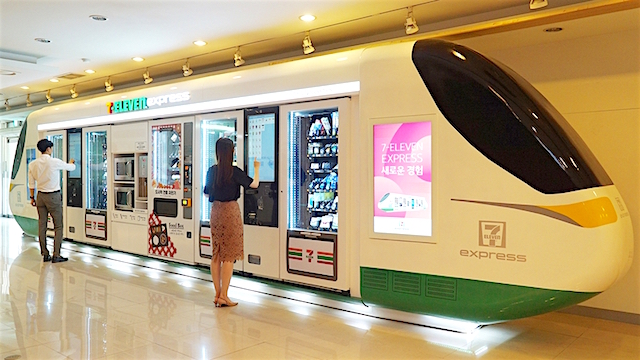
    The store is designed as a 10-metre long express train, and consists of five vending machines with 200 products, which are divided into five categories for which there is high consumer demand: drinks, snacks, prepared meals, processed food and non-food products.

    Consumers can make a purchase by inputting the product number into the machine or selecting items from the central kiosk, and pay via a prepaid transit card or credit card, not cash.

    The stores feature a microwave oven and a hot water dispenser in the central area.

    7-Eleven is taking steps to commercialise the vending machine-style convenience stores, and will accept franchise applications from its current franchisees, as a “second store”.

    “This model is designed to maximise the profit of our current franchise owners,” 7-Eleven explained.

    Self-service convenience stores are being tested in several markets around the world.

    South Korean 7-Eleven also tested its “c-store of the future” with hand-payment at Lotte World Tower while the Taiwanese branch opened second unstaffed X-Store.

  • Chanel Korea comes under fire for sale of used bag

    Chanel Korea comes under fire for sale of used bag

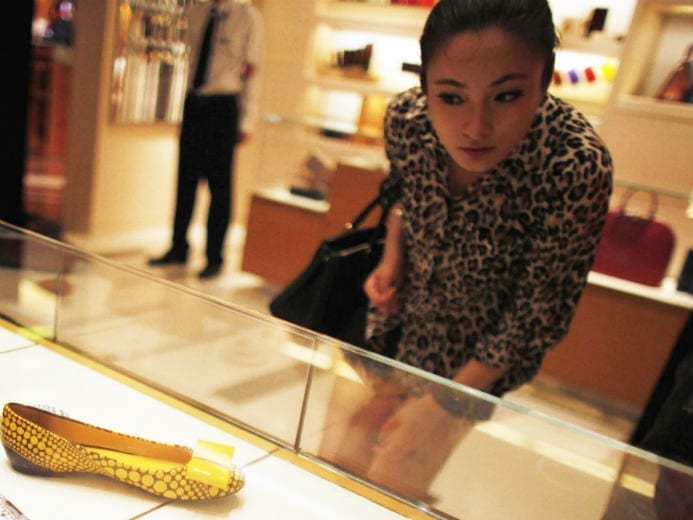
    Chanel Korea has come under fire for allegedly selling a used handbag to a customer.

    South Korean media outlet News One has reported a customer paid 7 million won (US$6280) for a Chanel 2.55 flap bag at a department store in April. She claims she later found a bankbook and credit card belonging to someone else inside the bag, both items issued a month earlier.

    “I asked Chanel if anyone had purchased and refunded the bag, but the company said the product’s serial number showed that it had no purchase history,” the bag’s owner said.

    Chanel Korea released a statement saying it had no idea how the items came to be inside the bag, but it ruled out the possibility an employee had borrowed and used it before its sale. It said it had offered to replace the bag with a new one in July.

    Several South Koreans went online to express their dismay about the incident, one commenting on a news story saying: “Korean customers should take collective action such as a boycott to make sure that foreign companies such as Chanel and BMW do not look down on Korean customers and to teach them a lesson”.

    An unidentified “industry insider” said such an event was “very rare” and “close to impossible”.

    “If that product had been refunded, it is possible to find someone’s belongings from the bag.” But the source said if the bag had really never been sold before, it was hard to explain how the items got insid

  • Galaxy watches go on sale this week

    Galaxy watches go on sale this week

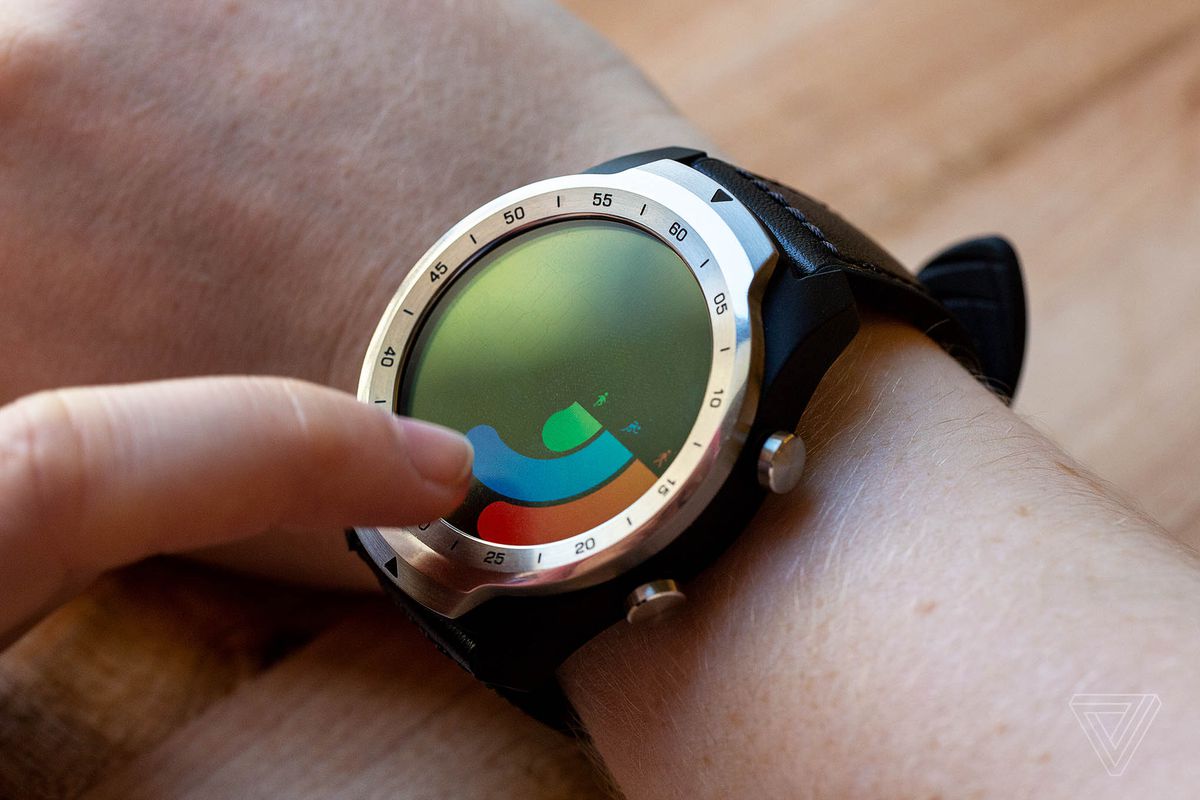
    Samsung Electronics’ new smart watches will go on sale today.

    Out of two new Galaxy Watch models, one works through a connection to a smartphone via Bluetooth. Its sales start today. The second, which operates totally independently via phone networks, will be available for purchase on Friday.

    Each type of smart watch, the fifth series from Samsung since 2013, comes in two sizes — 42 millimeters in diameter and 46 millimeters. The smaller model comes in either midnight black or rose gold, while the larger model comes in silver.

    The new watches were unveiled at a so-called unpacked event for Galaxy Note9 phablets in New York on Aug. 9. They are the first smart watches from Samsung that have lost the “Gear” brand name. Samsung is now the world’s third-largest wearable producer after Apple and Fitbit.

    The Galaxy Watch has been designed to automatically track the time spent and calories consumed on six types of exercise including walking, running and biking. Users may designate 33 more types of physical exercise, the largest number available for any smart watches on the market. The watch can keep track of users’ stress levels through a heart rate sensor and encourages users to breathe deeply to lower the stress level through notifications.

    The watch also syncs with the health application of a Galaxy smartphone.

    Samsung said the biggest improvement in the Galaxy Watch is its long battery life, ending the hassle of having to charge the watch every day. A 46-millimeter Galaxy Watch can run for 80 hours, or more than three days, at a minimum on a single charging and a 42-milimeter model can run 45 hours at the minimum. The LTE-enabled Galaxy Watch can receive or make phone calls without being tethered to a smartphone. But the watch can be used on the same account used for an owner’s smartphone and via the same phone number.

    Prices of the Bluetooth-enabled models start from 339,900 won ($305) and the LTE-enabled models from 379,500 won. They can be bought from Samsung online or at Samsung Digital Plaza stores nationwide, mobile carrier stores, department stores and discount chains.

  • Lotte Duty Free takes over Australia and NZ stores ownership

    Lotte Duty Free takes over Australia and NZ stores ownership

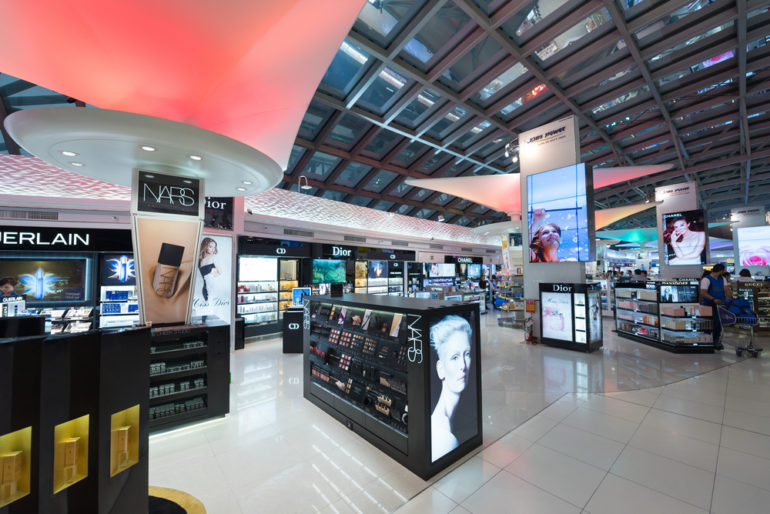
    Lotte Duty Free has bought a change of outlets in Australia and New Zealand from local operator JR Duty Free.

    The four Australian stories are in airports in Brisbane, Darwin and Canberra and in downtown Melbourne, while the New Zealand store is at Wellington airport.

    JR Duty Free reportedly operates seven stores in Oceania and five shops in Israel. Its revenue last year was US$617 million.

    Financial details of the deal were not revealed.

    Lotte Duty Free believes growing numbers of Chinese tourists into Oceania offer an opportunity to grow its business in the two markets.

    The South Korean company has been steadily enlarging its global footprint since 2012, expanding into Vietnam, Japan, Thailand, Indonesia and the US.

  • Emart’s 2nd-gen Pepper is chattier than before

    Emart’s 2nd-gen Pepper is chattier than before

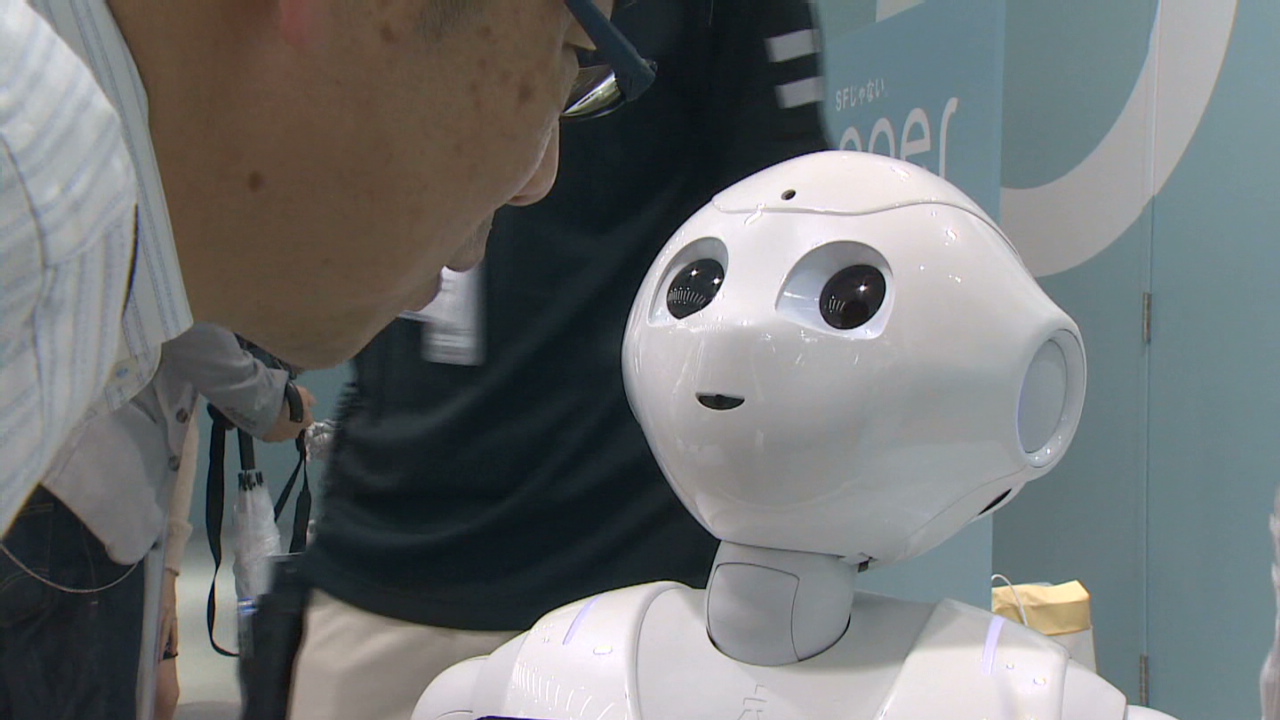
    An upgraded version of Emart’s humanoid Pepper robot will start roaming the aisles of the retailer’s Seongsu branch in eastern Seoul starting tomorrow.

    Pepper is a humanoid robot developed by Japan’s SoftBank Robotics. Its main function is emotional perception and communication with humans at stores or at home. Emart developed programs tailored to using Pepper as an assistant to customers.

    The company said Monday the robot will serve as a guide for customers at the Seongsu branch’s imported food section three times a day between tomorrow and Sept. 12.

    This is the second test run for Pepper. Emart first sent the robot to its Seongsu store in May. The difference from three months ago is that Pepper can now move by itself.

    Pepper’s conversation skills have also received an upgrade. In May, Pepper was able to respond to simple questions on promotion events and offer product information after recognizing products with its camera.

    The new Pepper is smarter. It now has an artificial intelligence-based chat function that helps it engage in longer conversations. The robot also has access to data from SSG.com, the ecommerce website of Emart’s parent company Shinsegae, so it can make suggestions from various product categories. “For example, Pepper can spot a consumer lingering around the imported food corner, step up to them to ask which dish they plan to cook and propose a sauce that would best suit their needs,” said Emart in a statement.

    Many retailers are finding ways to use technology to downsize their workforce. The most common form of automated retail is electronic kiosks. Many eateries, from chains like McDonald’s to local non-franchise eateries, have machines for taking orders.

    Service robots like Pepper are becoming increasingly popular. Delivery app Baedal Minjok launched the robot server Dilly at a Pizza Hut branch earlier this month to transfer pizza from the kitchen to tables. In January, local coffee franchise Dal.komm Coffee launched b;eat, an automated coffee-making robot, which it installed at 10 of its coffee shops across Korea.

    “The primary purpose for the service robots that are coming out nowadays is to offer an entertaining point to enhance the consumer experience at their stores,” said Ryu Han-seok, an IT columnist. “Brick-and-mortar retailers haven’t had anything attractive and differentiating to show to consumers recently.”

  • Naver to pump 258.9 billion won into French affiliate

    Naver to pump 258.9 billion won into French affiliate

    Naver, Korea’s dominant internet portal and search engine, said Thursday it will invest 258.9 billion won ($230.8 million) in its wholly-owned affiliate in France to strengthen its presence in Europe.

    Naver will acquire 2 million new shares issued by Naver France to help the Paris-based affiliate secure operating capital, a company spokesman said.

    The company didn’t give a time frame for the investment.

    Naver set up the affiliate in France in June 2017 in a bid to make an investment in local internet startups and proceed with research and development activities to make a foray into European internet markets, the spokesman said.

  • S. Korea’s overseas direct purchases up sharply in H1

    S. Korea’s overseas direct purchases up sharply in H1

    South Korea’s direct purchases from foreign countries continued to increase at a sharp pace in the first half of this year on rising consumer demand for cheaper and quality products, customs data showed.

    A total of US$1.32 billion worth of foreign goods was directly bought by South Korean shoppers via overseas Internet shopping malls in the January-June period, up 35 percent from US$974.1 million tallied a year earlier, according to the data compiled by the Korean Customs Service (KTS).

    The number of overseas direct purchases jumped 36 percent on-year to a record 14.94 million cases over the same period, the data showed.

    The value and the number of direct purchases have been on a steep rise in recent years, with the half-yearly amount nearly doubling from two years ago.

    The customs office said booming demand for cheaper Chinese electronic goods, U.S.-made dietary supplements and Japanese toys led the sharp increase, with foreign foodstuffs, clothes and cosmetics still popular among South Korean shoppers.

    Purchases of dietary supplements jumped 34 percent on-year to 3.09 million cases in January through June, while 1.92 million purchases of garments and 1.68 million picks of electronic goods were reported, up 60 percent and 91 percent, respectively, from a year earlier.

    By country, the United States was the biggest seller with US$730.1 million in the six-month period, surging 55 percent from a year earlier, while some US$204.8 million worth of Chinese goods were shipped, up 16 percent from a year earlier. Purchases from Europe and Japan rose 19 percent and 6 percent to US$253.3 million and US$85.2 million, respectively.

  • LG’s wearable robot does the heavy lifting

    LG’s wearable robot does the heavy lifting

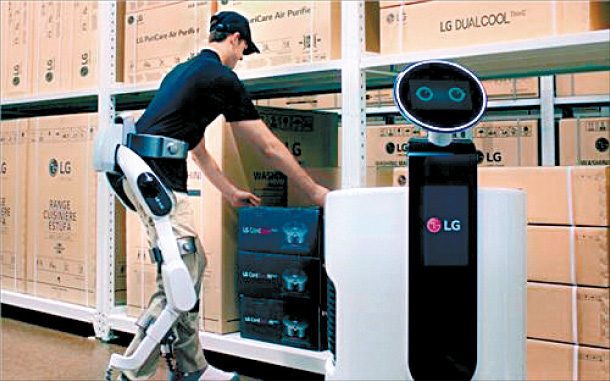
    LG Electronics said Thursday it will showcase a wearable robot that can help workers lift and move heavy objects easier at an upcoming tech exhibition in Germany.

    The electronics company said the CLOi SuitBot will be unveiled to the public at the Internationale Funkausstellung (IFA) Berlin, which kicks off next week.

    LG Electronics said the wearable robot, which strengthens the legs and lower body, will help users enhance their physical strength at construction sites and factories, along with other everyday activities. The device can also assist those with physical impairments.

    The company applied artificial intelligence technology to the robot to analyze the surrounding environment and alert users of potential threats.

    The CLOi SuitBot also stands out from other wearable robots as it is more comfortable and can be worn easily.

    LG said it will continue to expand its research into robotics to help people overcome their physical limitations. Last year, the company bought shares in SG Robotics, a South Korean developer of wearable robots.

    The SuitBot adds to LG’s portfolio of CLOi machines. The company earlier introduced various products for different purposes, including navigation, cleaning, mowing lawns, serving and shopping.

    LG said its CLOi brand aims to provide users with clever robots that run on what it calls “operating intelligence.”

    The company has not yet announced the detailed date for the release of the CLOi SuitBot.

    The Korean tech giant has been forging ties with various partners around the globe to bolster its robot business, including robot developer Robotis, AI start-up Acryl, U.S. robot maker Robostar and Bossa Nova Robotics.

    LG said it will continue to develop more robots for household and commercial purposes.

  • iPrice to get investment from Naver Korea

    iPrice to get investment from Naver Korea

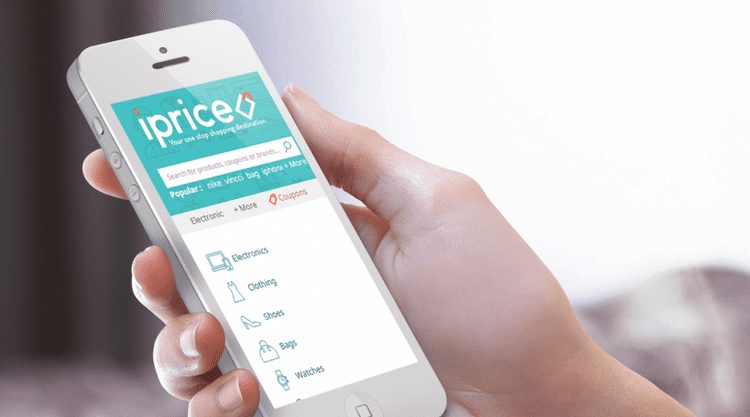
    South Korean internet service company Naver has invested in Malaysian retail aggregator iPrice.

    The firm intends to invest an undisclosed amount to fund iPrice’s expansion into the Indonesian market and to improve its platform towards a better user experience. It currently operates in seven Asian countries, serving to compare prices between similar products on different e-commerce platforms. It aims to become the primary gateway to online shopping in Southeast Asia.

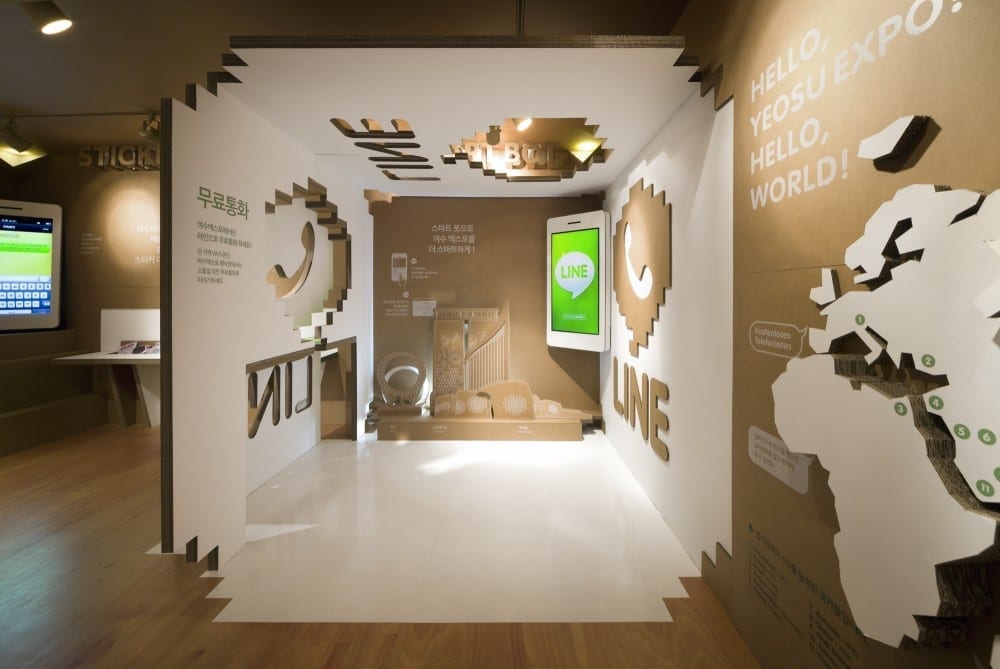
    The firm recently acquired capital investments from Line Ventures, a Japanese subsidiary also owned by Naver.

    iPrice Group co-founder and CEO David Chmelar said: “Naver not only operates the leading search engine in Korea but has also been able to build an impressive shopping and price comparison engine in the country. Given the wealth of experience and strategic value that Naver brings to the table, we couldn’t pass the opportunity to welcome them as our latest investor.”

    Peter Na of Naver added: “The tremendous traction which iPrice has continued to display throughout its latest fundraising is a testament to the impressive execution of the team and the explosive growth of Southeast Asia’s e-commerce market.”

  • Samsung Electronics No. 3 globally for R&D spending

    Samsung Electronics No. 3 globally for R&D spending

    Samsung Electronics ranked third globally in terms of research and development (R&D) expenditures last year, data showed Thursday.

    According to the report compiled by Ernst & Young, a global accounting firm, Samsung Electronics spent 13.1 billion euros ($15 billion) on various R&D projects in 2017.

    U.S. online commerce giant Amazon topped the list with 20.1 billion euros, trailed by Alphabet, the parent company of Google, with 14.8 billion euro. Samsung’s semiconductor rival Intel came in fourth with 11.6 billion euros.

    The Korean tech company said in its business report that it spent 8.7 trillion won ($7.77 billion) on R&D projects over the January-June period of 2018.

    The report said the world’s top 500 players in terms of R&D expenditures spent a combined 532 billion euros for the whole of last year, up 6 percent on-year.

  • Kia Motors unveils KX1 entry-level SUV in China

    Kia Motors unveils KX1 entry-level SUV in China

    Kia Motors, Korea’s second-largest automaker, said Thursday that it has unveiled its KX1 entry-level SUV in China in its latest move to meet the demands of young customers.

    The KX1 SUV comes with a 1.4-liter MPI gasoline engine mated to a five-speed manual gearbox or a six-speed automatic transmission, the carmaker said.

    Chen Bingzhen, a senior executive at Dongfeng Yueda Kia, said the KX1 is a trendy SUV that has been tailored specifically to young people.

    Dongfeng Yueda Kia is a joint venture between Kia Motors and China’s Dongfeng Motor.

    Kia has three plants in China, which have a combined capacity of 890,000 units.

    The carmaker sold 191,328 cars in China in the January-July period, up 27.8 percent from the same period a year earlier.

  • Korea’s Income gap widened again in 2nd quarter

    Korea’s Income gap widened again in 2nd quarter

    The income gap in Korea widened again in the second quarter, a serious blow to the so-called income-led growth policy of the Moon Jae-in government, which vowed to narrow the inequality in earnings between the rich and poor.

    According to data released by Statistics Korea on Thursday, earnings for households in the first quintile of income brackets, the bottom 20 percent of the population, retreated 7.6 percent in the second quarter compared to a year earlier.

    Households in the second and third quintile also saw their incomes fall by 2.1 and 0.1 percent – whereas the rich folk kept getting richer.

    The average income for people in the fourth quintile went up by 4.9 percent and for the fifth quintile by 10.3 percent.

    A similar trend was spotted from January to March this year, when people in the first and second quintile experienced 8.0 and 4.0 percent drops in their incomes while people in the fourth and fifth quintiles saw gains of 3.9 and 9.3 percent compared to the previous year.

    The total distribution ratio for disposable income – a barometer of earnings equality – was 5.23, which means the earnings of those in the fifth quintile were 5.23 times higher than those in the first quintile.

    That figure indicates that the Korean economy is facing the worst level of income inequality since 2008 when the ratio for the period of April to June came to 5.24.

    Officials from the Finance Ministry blamed the aging of Korea’s society and other long-term problems such as ongoing slumps in certain sectors like shipbuilding.

    “The Korean economy is suffering from a lack of domestic demand [for goods and services], a result of massive restructuring we have seen in the manufacturing sector since 2015,” said Park Sang-young, a director at Statistics Korea. “It seems like this situation is taking a toll on those in the first quintile of the income group.” Statistics Korea is run by the Finance Ministry.

    The statistics agency explained that the number of employed in households in the first quintile has shrunk from 0.83 per household last year to 0.68 per household this year, an 18 percent fall.

    For households in the fifth quintile, on the other hand, the number of workers rose from 1.99 per household last year to 2.09 this year, a five percent increase.

    But the data released on Thursday coupled with a jobs report from last week – which showed only 5,000 jobs being added to the economy in July – has deeply troubled some analysts.

    Some economists are blaming the Moon administration’s relentless push to raise the minimum wage for the worsening situation.

    For the Moon government, the minimum wage hike is a key pillar of its “income-led growth” policy.

    Its logic is that by pushing up the minimum wage, workers in the first and second quintiles would see their income go up, which was supposed to make workers wealthier, willing to spend more and meant to translate into greater hiring by businesses.

    But the effect has been much less hiring of workers than in the past, particularly in minimum wage jobs, and a measurable widening of the income gap.

    “The drastic hike in the minimum wage has little impact on those in the upper group of the income bracket,” said Yun Chang-hyun, a professor of business at the University of Seoul. “But for those in a more vulnerable position, it robs them of their jobs.”

    Despite such concerns by some analysts, the Korean government is adamant about its policies.

    Kim Dong-yeon, Korea’s finance minister and deputy prime minister for the economy, said on Thursday during a budget meeting at the National Assembly that the government will propose a budget plan next year that contains “the biggest budget allocated for jobs in history.”

  • Amorepacific opens outdoor public exhibition on Jeju

    Amorepacific opens outdoor public exhibition on Jeju

    South Korea’s leading cosmetics company Amorepacific is holding an outdoor public exhibition on Jeju Island until October 14, featuring natural aspects of Jeju, like its volcanic topography.

    Titled “apmap 2018 jeju — volcanic island,” the exhibition is part of the company’s “amorepacific museum of art project (apmap),” which portrays the natural vitality of Jeju through contemporary artworks.

    A total of 15 young artists and architects have participated in the exhibition, displaying artworks ranging from sculptures to media art inside the Osulloc Tea Museum on Jeju and outside in the museum’s garden.

    Participating artists and art pieces include Lee Yong-ju and his work titled “Foldable House,” ADHD’s “Ply” and Hong Buhm’s “Veiled Grains and Layers.”

    Lee’s “Foldable House” was inspired by the Jusangjeolli cliff, and “Ply” was inspired by lava, while “Veiled Grains and Layers” was inspired by the forests Saryeoni and Gotjawal.

    The company said the exhibition would help visitors understand Jeju’s scenery in a new way and presents a special experience of art in one’s routine life.

    Through art, visitors will rediscover Jeju’s picturesque landscape and scenery as depicted in the artists’ figurative language, and find moments of contemplation and rest, it added.

    Osulloc Tea Museum on Jeju, opened in 2001 and features a cultural space where 1.8 million people visit each year.

    The company has been running the art project apmap since 2013, to discover rising and unknown artists and support their experimental art creation. Exhibitions take place every four years in parts I and II. Each project aims to introduce new themes and artists.

    From 2013 to 2016, apmap part I was held at Amorepacific venues including its product distribution center Beauty Campus located in Osan, Gyeonggi Province, in 2013, Jeju Island’s Seogwang Tea Garden in 2014, the research center Mizium in Yonging in 2015 and the new headquarters in 2016, which was designed by renowned artist David Chipperfield.
    Part II, which kicked off last year, will be hosted until 2020 on Jeju Island, the company said.

    Jeju Island was selected as a venue considering that contemporary artworks blend well with Jeju’s nature and landscape, the company said.

    The latest exhibition, which is a section of part II, began on August 11 and runs until October. Anyone who visits the Osulloc Tea Museum on Jeju can see the exhibition free of charge. More information about the company’s art project and the exhibition can be found at apma.amorepacific.com.

  • U.S.-China trade war doesn’t rattle Korea yet

    U.S.-China trade war doesn’t rattle Korea yet

    The United States on Wednesday levied 25 percent tariffs on $16 billion worth of Chinese imports. China immediately retaliated by putting the same level of tariffs on $16 billion of American goods.

    Since July 6, each country levied 25 percent tariffs on $34 billion worth of goods, bringing the total of exports slapped with new tariffs to $50 billion on each side.

    And although low level talks are going on between the two countries, the U.S. government is looking into levying 25 percent tariffs on $200 billion worth of Chinese goods. Beijing has warned that it will levy 5 to 25 percent tariffs on $60 billion worth of American goods if the Trump administration actually goes through with its threat.

    While the escalating trade conflict between the world’s two largest economies has cause global concern, the Korean stock market wasn’t heavily affected, closing 0.41 percent or 9.27 points higher on Thursday than the previous day.

    One major reason is that the new tariffs were telegraphed in advance and some analysts believe the two sides will eventually reached an agreement. If they do, that could help the Kospi rise around the third quarter.

    At the beginning of the year, the Kospi enjoyed a bullish rally that even pushed it to beyond 2,600 in inter-day trading. But lately, it has been hovering around the 2,200 mark.

    The trade war between the United States and China is considered one of the biggest factors keeping the Kospi down, along with the recent fear of an emerging markets crisis after Turkey’s currency and debt woes.

    However, there is growing speculation that the Chinese government is under pressure to strike a deal with the United States as its economic indicators have been sagging lately.

    China’s 6.7 percent economic growth in the second quarter was 0.2 percentage points lower than in the first three months of the year. There’s already consensus that, in the second half, China’s growth will slow to 6.5 percent.

    The Chinese stock market has been bearish. Last week alone the index fell every day, closing the week at its weakest level since January 2016. The close on Aug. 17 was a 25 percent drop compared to Jan. 29, when it hit a high for the year of 3,587.03.

    Market analysts are projecting that once the trade conflict is resolved, the Kospi could rise to around 2,580 and 2,650 within this year. Korea Investment & Securities is even more optimistic as it projected the Kospi to reach as high as 2,800.

    “While the conflict between the United States and China is getting worse, it seems the United States has no intention or reason to expand the situation to the point of driving the global economy into the ground,” said Shin Dong-suk, head of Samsung Securities’ research center. “In reality, Donald Trump, who is facing a mid-term election in November, will look for ways to resolve the situation and make the Chinese yield.”

    He said Korea’s stock market will likely see a mild recovery in the third quarter.

    Yoon Hee-do, head of Korea Investment & Securities’ research center, said while the conflict between the United States and China is still worrying, the depreciation of the Korean won against the U.S. greenback will likely improve the performances of listed companies in the third quarter by raising the price competitiveness of their exported goods.

    But some believe the Kospi might not see a significant increase.

    “It’s likely that the market could be moving within a limited range,” said Lee Kyung-soo, head of Meritz Securities’ research center.

    Some raised concerns about Korea’s semiconductor companies, with demand for mobile DRAM chips reaching saturation and Chinese memory chip manufacturers overproducing.

    But Lee Chang-mok, head of the NH Investment & Securities Research Center, said there are still hopes for favorable news such as improvement in South and North Korea relations.