Tag: Korea

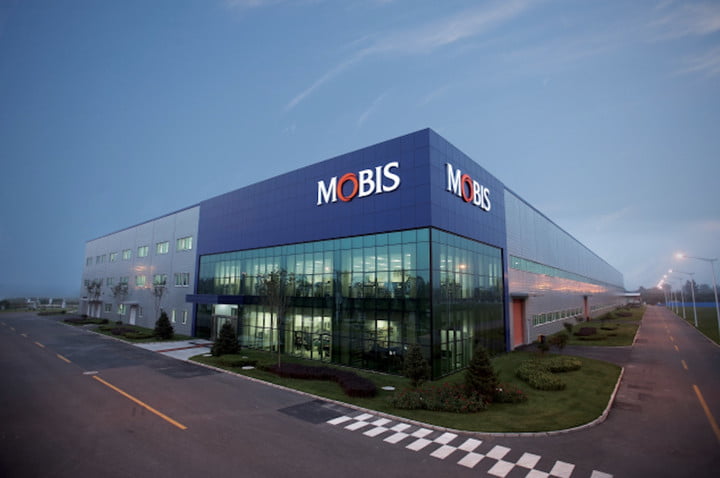
  • Hyundai Mobis makes autonomous car radar

    Hyundai Mobis makes autonomous car radar

    Hyundai Mobis said Thursday that it developed its own short-range radar system for use in autonomous cars and plans to offer the system to local automakers from 2020.

    Radar can be used as an object detection system to help self-driving cars avoid collisions. The company said it is the first local firm to develop this type of radar on its own.

    The short-range radar developed by the auto parts maker is used for blind-spot collision warnings, a driver assistance service that alerts drivers of a potential collision with a car behind it, depending on the position and speed of the car to the rear.

    According to Hyundai Mobis, its radar works twice as fast as existing systems and detects objects 1.5 times further away. The hardware for the system weighs roughly 120 grams (4.2 ounces), half the amount of existing devices, the company said.

    Local automakers have been depending on imports for object detection systems and the Hyundai Motor affiliate said its system can replace imported radar.

    The parts maker’s goal is to develop four different radar systems used in self-driving cars within this year. To develop high-performance long range radar, the company is working with two German radar companies.

    According to Hyundai Mobis, the market for radar systems for cars will grow by an average of 20 percent every year to reach 20 trillion won ($17.8 billion) by 2023.

    Gregory Baratoff, the vice president of Hyundai Mobis’ DAS engineering group, said the company will soon introduce video recognition technology and sensor fusion technology that integrates data collected from different sensors with the ultimate goal of developing parts for fully autonomous cars, in a statement Thursday.

    To expand its sensor portfolio by 2020, the company said it will secure technologies to develop all types of sensors used in self-driving cars.

  • Kia to hire 1,300 of its contractors’ workers

    Kia to hire 1,300 of its contractors’ workers

    Kia Motors will directly hire 1,300 employees at its contractors by next year in response to the Moon Jae-in administration’s goal of reducing the number of contract workers, the carmaker announced on Thursday.

    If it completes the transition, Kia Motors will have directly hired all contracted workers at its factories. Since 2015, Korea’s No. 2 carmaker has already directly hired 1,087 employees of its contractors as of this June.

    “The latest agreement between management and the labor union lives up to the current administration’s initiative on [improving the work environment for] contract workers,” the company said in a written statement Thursday. “The management and the union preemptively approached the issue and came out with a solution.”

    The agreement, which was made at Kia Motors’ Sohari factory in Gwangmyeong, Gyeonggi, on Wednesday comes two weeks after the Ministry of Labor announced that it is considering mediating the employment issue between Kia Motors and its contracted workers. Until recently, Hyundai Motor Group avoided negotiating directly with contracted workers, as it already had its hands full dealing with its permanent employees.

    In July, however, a committee dedicated to reforming unfair administrative issues at Ministry of Labor advised the ministry to resolve an illegal dispatch of workers issue at Hyundai Motor Group. In response, the labor ministry recently told the carmaker to directly negotiate with the contracted workers at its company.

    Kia Motors’ bigger affiliate, Hyundai Motor, has already been working on the issue since 2017. In 2017, the carmaker directly hired some 6,000 employees from its subcontractors. From 2018 to 2021, the carmaker also promised to directly hire an additional 3,500 employees.

    “The latest agreement will put an end once and for all to the issue of contractors’ employees at Kia Motors,” said an official from the carmaker.

    In 2015, Kia Motors’ contract workers’ unit of the Korean Metal Workers’ Union sued Hyundai Motor Group Chairman Chung Mong-koo and Kia Motors CEO Park Han-woo for violating regulations on dispatched workers, but the case has not been decided yet.

  • SK buys 9.5% stake in Vietnam’s Masan Group

    SK buys 9.5% stake in Vietnam’s Masan Group

    SK Group will acquire a 9.5 percent stake in Vietnamese food and beverage company Masan Group to become its largest foreign shareholder.

    The Korean conglomerate announced Wednesday that it has agreed to acquire the stake at $470 million. The two companies will jointly look for business opportunities in Vietnam through strategic investments.

    Masan Group is at the top of the Vietnamese food and beverage market. Its business portfolio expands into finance, animal breeding and mineral mining. Its yearly revenue posted 1.9 trillion won ($1.7 billion) last year.

    “The latest investment is meaningful in a way that it is part of the group’s effort to secure new business opportunity in the global markets just like Chairman Chey Tae-won emphasized in his New Year speech early this year,” said Lee Hang-soo, head of the group’s PR team in a statement Wednesday.

    “SK Group and Masan Group will cooperate to develop new businesses in Vietnam as well as elsewhere in the Southeast Asia region,” he added.

    SK Group has been showing keen interest in fortifying its global business over the past few years.

    SK has been looking for business opportunities in the United States, China and Southeast Asia. The group had established a new investment arm in Singapore based on joint investment from its five subsidiaries.

  • KT signs partnership to build AI hotels in Vietnam

    KT signs partnership to build AI hotels in Vietnam

    KT said Tuesday that it inked a partnership with Vietnam’s largest construction company, Hoa Binh Construction Group, to build artificial intelligence-equipped hotels and smart cities.

    Based on the partnership, the two companies plan to install AI services in hotels and apartments in Vietnam and other Southeast Asian countries. In the longer term, the two hope to expand the cooperation to create smart cities featuring digital technologies.

    KT has already created an AI hotel in Korea earlier this year by installing smart speakers customized for hotels in rooms at the Novotel Ambassador Hotel & Residences in Dongdaemun, eastern Seoul. Hotel guests can use a version of KT’s GiGA Genie smart speaker to turn on lights, change TV channels and order more towels from the front desk.

  • Naver to contribute 99 billion won to venture capital fund

    Naver to contribute 99 billion won to venture capital fund

    Naver is contributing 99 billion won ($88 million) to a 100 billion won venture capital fund devoted to fostering and investing in start-ups, the top internet portal announced Tuesday.

    The fund is being launched by TBT, a venture capital firm founded by Lee Ram, a former CEO of Camp Mobile, a mobile app development subsidiary that merged earlier this year with Naver. TBT is coughing up the remaining 1 billion won to create TBT Global Growth No. 1 Investment Cooperative. The fund is meant to find and support companies with growth potential in the global market.

    TBT was established at the end of August by Lee and another executive with capital of 2 billion won.

  • Map apps offer tips to beat the Chuseok traffic

    Map apps offer tips to beat the Chuseok traffic

    Korea’s top navigation apps have released their projections on the best and worst times to travel from Seoul to the provinces for the Chuseok harvest holiday.

    The three-day Chuseok holiday starts on Sunday, but the government granted a substitute holiday on Wednesday, as Sunday is already a day off. The Chuseok holiday season is considered to run from Friday night until Wednesday.

    SK Telecom, which operates the country’s largest mobile navigation app, T Map, advised drivers headed for Busan or Gwangju to leave Seoul before 10 a.m. on Friday or after 3 p.m. on Saturday or Sunday based on its analysis of traffic data accumulated over the last five years.

    The worst traveling hour for people heading to Busan from Seoul will be around 11 a.m. on Monday. The mobile carrier said it would take more than eight hours to travel from Seoul to the coastal city then. If there’s no traffic, Seoul residents can reach Busan in a little over four hours.

    As for travelers to Gwangju, SK Telecom said the worst time to leave Seoul would be 4 p.m. on Friday.

    For those traveling back to Seoul from Busan or Gwangju, the mobile carrier suggested leaving before 8 a.m. on Monday or after 8 p.m. on Tuesday.

    The KakaoNavi app, operated by Kakao Mobility, also disclosed its own projections based on data it accumulated since 2011.

    Kakao advised drivers to leave Seoul between 6 and 8 p.m. on Sunday if they are headed to Busan. The company said the trip would only take about 4 hours and 30 minutes at that time.

    Kakao also gave exact times for travelers leaving Seoul for Gwangju, Daejeon, Daegu and Ulsan as well. It said the best time to leave for Gwangju will be 6:40 p.m. on Sunday. For Daejeon it will be 7:40 p.m. and for Daegu and Ulsan it will be 7 p.m.

    For those traveling back to Seoul from different destinations, the company suggested that drivers leave after 8 p.m. on Monday. Both companies, however, said that traffic will generally move at a crawl on highways on Monday until late at night.

    As drivers tend to be increasingly dependent on navigation apps during the holiday period to find less congested routes, SK Telecom spokesperson said it has secured extra server capacity for T Map. Last year, some navigation apps, including OneNavi, malfunctioned during the holiday due to traffic overloads.

    It is also gearing up to secure stable network connectivity during the holiday season, as failed data connections on roads could cause chaos even if the apps work well.

    According to SK Telecom, T Map usage increases by 51.5 percent and LTE data usage increases by 11.3 percent during the Chuseok season. To provide stable telecommunications networks, the mobile carrier added data capacity at existing base stations and extra WiFi equipment near dense traffic areas like highways, large discount stores and airports.

    It will operate an emergency response team consisting of roughly 2,200 staff members to manage network quality from Friday through Wednesday.

    Other carriers are also beefing up their networks. KT designated 700 places, including bus terminals, airports and department stores as areas that will be reinforced. The carrier said it plans to use 590 staff members to monitor LTE base stations in these areas around the clock. LG U+ said it will also operate an emergency response team to monitor its telecommunications network from Saturday through Wednesday.

  • Beautytap California flagship store open door

    Beautytap California flagship store open door

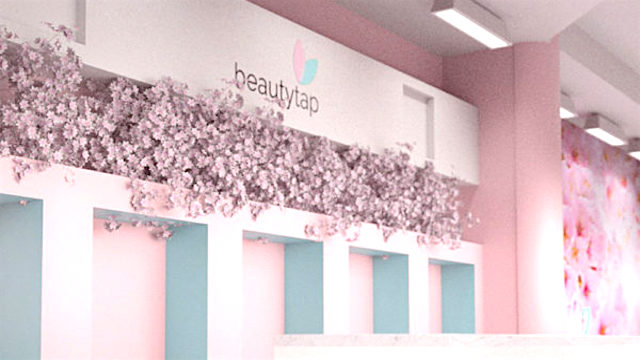
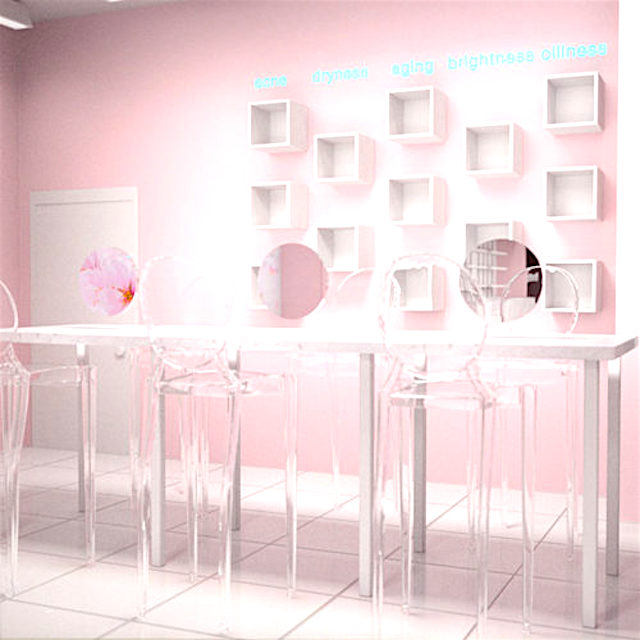
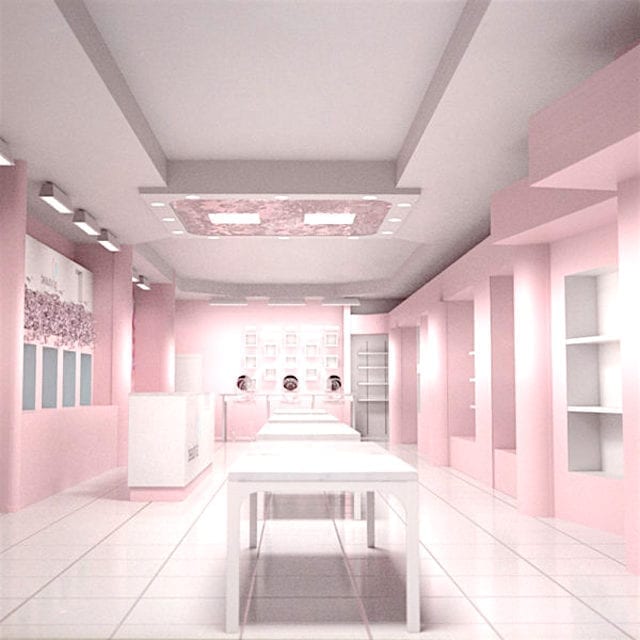
    South Korean beauty platform, Beautytap, has opened its first fully fledged retail location in California.

    Located at South Coast Plaza in Costa Mesa, the store is a one-stop destination for Korean beauty education, advice, content, community engagement and products.

    The store offers premium luxury beauty products, direct from Seoul, selected by Beautytap’s team.

    The brand has also launched a website for the US market featuring community-driven content on K-beauty, intended to complement the in-store experience and educate customers.

    Alongside Beautytap’s own products, the store also stocks products from K-pop star Jessica Jung’s Blanc & Eclaire skincare line Serein Skincare, her second point of sale in the US.

    “Skincare is a passion of mine, and I chose to partner with Beautytap to carry my Serein Skincare line because they embody K-beauty as an everyday lifestyle,” Jung said.

    James Sun, founder and CEO at Beautytap, said that with 90 per cent of beauty products still being purchased in physical stores, the company knows it has to go above and beyond an online experience to build a true relationship with its customers.

    “This is where the physical element comes in, by allowing customers to come into our store so they can experience and learn about products and interact with our educated staff, in-person,” he said.

    South Coast Plaza is one of the US’ top-grossing shopping centres and features a high concentration of designer boutiques. “It was the perfect location for our first retail store,” said Sun.

    K-beauty experts will be in store at the Beautytap flagship to explain products to customers and recommend the most appropriate products for customers.


  • GS25 brings facial recognition to new shop

    GS25 brings facial recognition to new shop

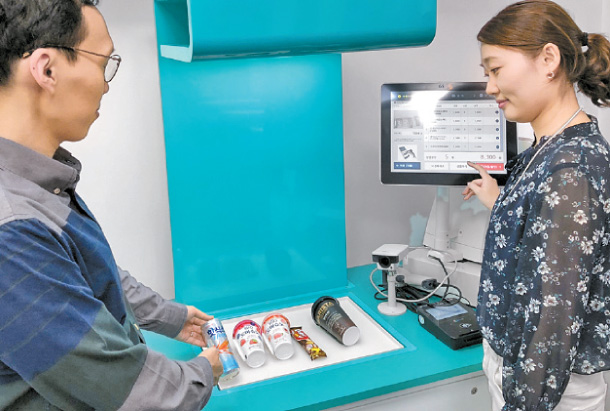
    Convenience store chain GS25 has opened up a cashier-less store in Seoul that uses face-recognizing cameras to handle payments.

    The company’s first Smart GS25 started operation at LG CNS’ headquarters in Gangseo District, western Seoul, on Monday. LG CNS is a long-time provider of electronic systems to GS25 and one of the companies working to add state-of-the-art technology to the convenience store chain.

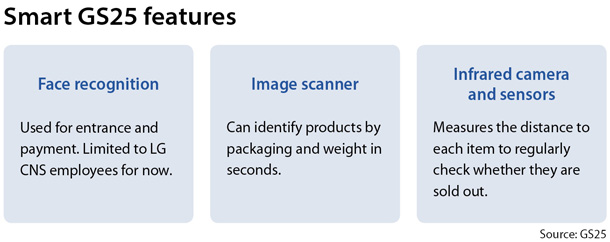
    The unmanned branch is only accessible to LG CNS staff. The store’s front entrance will allow customers to enter through face recognition after they register with a camera in front of the store. Payments can also be made through the face-scanning technology, and the store automatically charges customer’s bank accounts.

    “We aim to introduce and test 13 new smart solutions by the end of this year at the Smart GS25,” the convenience store said in a statement on Monday. “The [long-term] purpose is to apply them to our branches to reduce our franchisees’ labor costs.”

    The experimental GS25 has eight new tech features. Although GS25 is late to the game, as its competitors CU, 7-Eleven and Emart24 have already rolled out their own automated technologies, some of GS25’s features are new to Korean convenience stores.

    One is the aforementioned face recognition technology for entrance and payments. Another is the image scanner at the cash register. Most convenience stores without a human cashier use barcodes to identify the products. GS25’s new system instead identifies an item by its packaging and weight.

    This allows customers to simply place items on the table before paying using facial recognition or a credit card. The company says it takes only about a second for the system to recognize five items at once, whereas with the conventional bar code system it would take 15 seconds to scan them one by one.

    An infrared camera and sensors are also installed at the store to regularly check which items need to be restocked.

    This system measures the distance to products to see whether there are any left on the shelf and automatically reports this information to the store supervisor.

    Other features include a smart CCTV that will track where customers spend the most time. This can help the store owner to decide where to place different items.

    “The Smart GS25 is not just an unmanned convenience store packed with tech gadgets,” said Lee Hyun-gyu, a manager of the new shop. “Its main function is to prove technologies that will enhance the convenience of store operation and relieve franchisees of the burden of labor costs. We expect some of the technologies tested here will be shown at our franchises by next year.”

    A GS25 spokesman added, however, that a Smart GS25 open to the public would probably not be autonomous.

  • SK Telecom cranks up speed of WiFi by four times

    SK Telecom cranks up speed of WiFi by four times

    SK Telecom said Monday it commercialized a next-generation WiFi service that is four times faster than existing services at key areas with dense traffic, including COEX in southern Seoul.

    The new technology offers a maximum of 4.8 gigabits per second (Gbps) data speeds, which is about four times faster than the WiFi service commercialized in 2013, according to the mobile carrier.

    The new “T WiFi AX” uses four antennas to transmit and receive radio waves and works on 160 megahertz bandwidth, twice as large as the bandwidth used by the existing WiFi services, according to SK Telecom. Broader bandwidth translates to faster data speeds just as eight-lane highways are better at relieving traffic congestion than four-lane highways. The bandwidth is spread across 2.4 gigahertz and 5 gigahertz bands.

    The mobile carrier also cooperated with fixed-line service operator SK Broadband to offer network stability even in crowded areas.

    Currently, SK Telecom has the new WiFi service operating in busy areas like COEX in Samseong-dong and U-Square, a large bus terminal in Gwangju. The mobile carrier said it will keep expanding services for nationwide coverage.

    Customers, however, will not be feel a dramatic increase in data speeds with their existing smartphones, according to the mobile carrier.

    “The WiFi service is built on a 802.11.ax standard set by the Institute of Electrical and Electronics Engineers but smartphones in the market do not carry chips that meet that standard yet,” a spokesperson from SK Telecom said. “Phones released next year will carry chips that let users experience 1.2 Gbps data speeds.”

    According to data from SK Telecom, the maximum data speeds for smartphones on WiFi connections until now was 866 megabits per second, and the speeds will continue to increase following upgrades in smartphone hardware.

    The mobile carrier developed the technology last October. After test operations in various traffic scenarios, its technology and network equipment was approved for deployment by the Ministry of Science and ICT last month.

  • G.U has its button on the trends

    G.U has its button on the trends

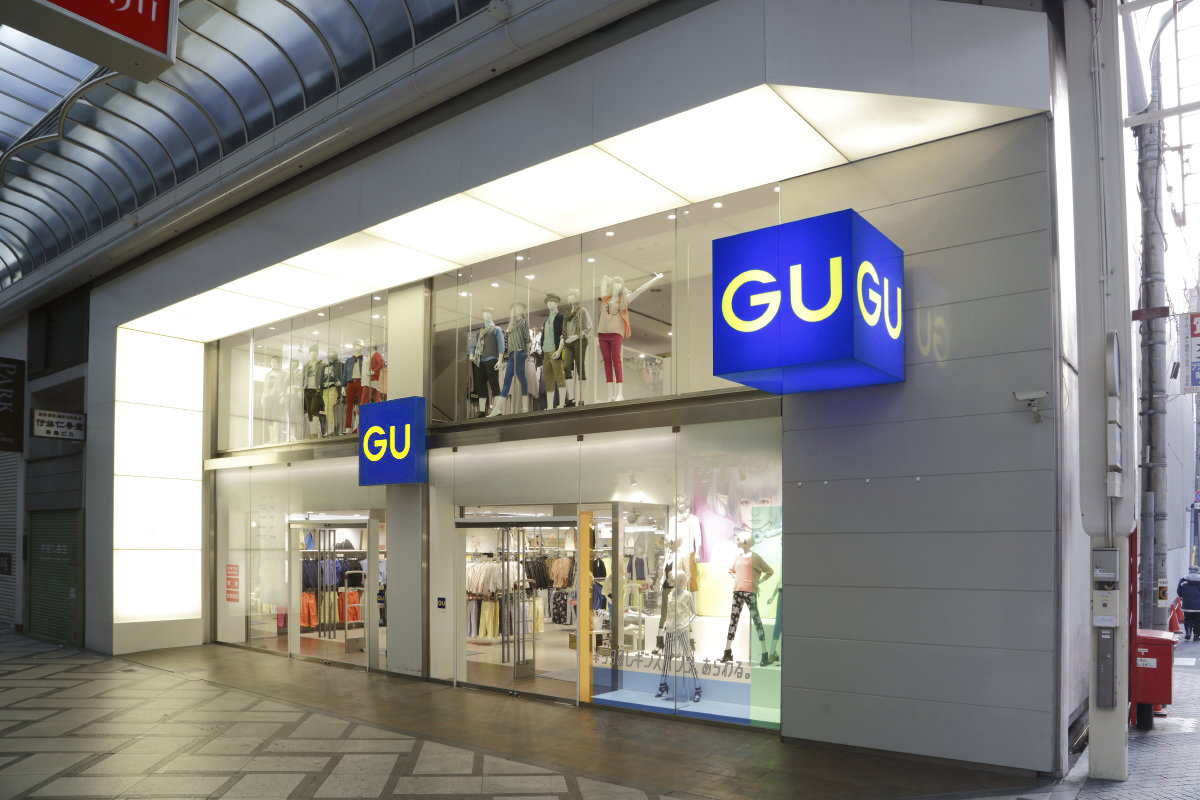
    G.U, a casual clothing retailer owned by the parent company of Uniqlo, opened its first Korea store in the Lotte World Mall in southern Seoul on September 14 with the promise of bolder patterns and slightly lower prices that can’t be found at its better-known sister brand.

    The 1,390-square-meter (14,960-square-foot) store in the mall’s basement comprises 11 sections divided by gender, age and apparel, from sportswear and pajamas to suits and business casual clothing. GU’s parent company is Japan’s Fast Retailing, best known for Uniqlo.

    “Part of our strategy is to divide sections not only by demographics but style,” said Koh Ah-ra, head of GU’s Korea operation, “and suggest style examples for each section and update products every week to offer consumers an idea of the global fashion trend.”

    At a press event on September 13, Koh noted that half of the store’s floor space had been dedicated to mannequins showing different style options using GU products. Trendiness, she said, is the core identity that separates it from Uniqlo’s focus on good-quality but basic items like white shirts and trousers. For that reason, GU has established research centers in the fashion capitals of Tokyo and London.

    GU is not new to fashion enthusiasts, thanks to its association with Uniqlo. On opening day, there was already a queue outside when the doors opened at 10 a.m.

    The store’s interior does not look drastically different from Uniqlo, with apparel hung in neat lines on clean white shelves. The noticeable difference is the colors and patterns – bright oranges and red checkered patterns that might not be found among Uniqlo’s more earthy tones.

    The Jamsil store has 40 “fashion advisers” on hand to help customers find the right items for their style and offer advice if they want to step outside of the box to try something new. The advisers, according to GU, are tested on their basic knowledge of fashion and are not required to wear uniforms. They pick their own clothes, often in opposition to each other. One employee might be wearing street fashion while another has on business casual, a rare practice in Korean fast fashion.

    GU’s first store in Korea is also a testing ground for retail tech. One is the GU Fashion Stand, a kiosk that shows photos and Instagram posts of models wearing GU items. Customers can tap specific items on the screen to look up product information and put them in a wish list that can be sent to their smartphone.

    The prices, however, are not drastically different from those at Uniqlo, despite GU promoting lower cost as one of its advantages. The discount largely ranged from several thousand won to around 10,000 won (a couple of dollars to US$10) compared to similar items at Uniqlo.

    Several items at the Jamsil store are currently exclusive to Korea, including long padded coats and skinny ankle jeans.

  • New K-beauty brand from Memebox x Sephora

    New K-beauty brand from Memebox x Sephora

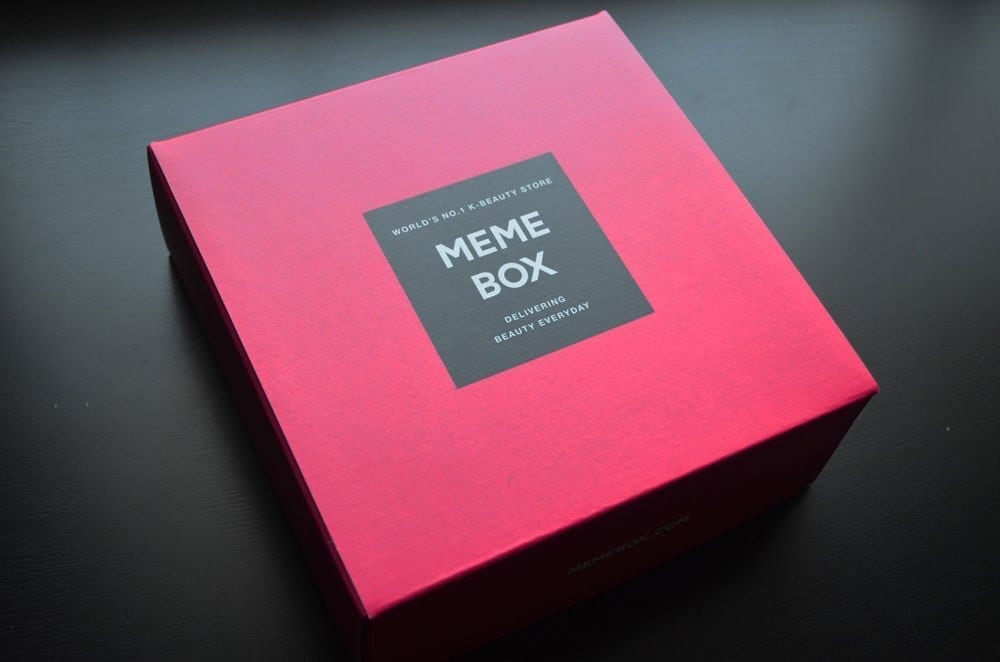
    Korean beauty and tech company Memebox continues its U.S. repositioning with the launch of Kaja Beauty, the first complete K-Beauty color cosmetics line in the States.

    Created exclusively in partnership with Sephora, the new brand is launching with a 47-item product collection, including blushes and eyeshadows. The line will launch on Sephora.com on September 18 and then roll out to 58 of its top doors on Sept. 28, though a smaller selection of products will be available in all 410 Sephora stores.

    The launch comes as Memebox is shifting strategy. In June, the company, which was founded in 2012 as a Korean beauty subscription box service and has raised US$160 million in funding so far, relaunched its U.S. e-commerce business after shutting it down in 2017 to focus on its own online community and building key retail partnerships.

    “The first phase of Memebox was bringing third-party products to the U.S.,” said Memebox CEO Dino Ha. “Now, it’s about building a singular brand that resonates more.”

    Its U.S. site now only features its global private-label brands, like Pony Effect, Nooni and I Dew Care (the latter two are also sold at Ulta), and an edited 54 products across the three brands — Kaja won’t be sold on Memebox’s own e-commerce platform at launch, but will debut on the site in the coming months. Memebox also launched its Insider Access dashboard in June, which features influencer-curated micro-shops and content for its online community to read reviews and discover third-party product via affiliate links.

    But finding a large American retailer to partner with was Ha’s top-of-mind priority to drive growth, which is where Sephora came in.

    Fifteen thousand new brands come out of Korea every year, according to Ha, so to cut through, Kaja is bent on being “customer-centric.” From ideation to launch, the product development took about five months (compared to the typical 18-month production cycles typical of cosmetics and skin-care brands), and was created using customer insights from Sephora’s and Memebox’s 5 million global customers.

    As it stands, Sephora doesn’t sell any K-beauty branded color cosmetics online or in-stores. Eighty percent of the customers surveyed for Kaja were non-Asian — they were very familiar with Korean skin care but showed a desire for color cosmetics. Thus, Ha realized that makeup versus skin care was Korean beauty’s natural next frontier in America. This is the first time Memebox has partnered with Sephora, though the retailer has other K-beauty partnerships, including with e-commerce site Glow Recipe. It has also worked with online site Peach & Lily in the past.

    “Sephora was particularly in-tune with the white space around makeup in the K-beauty market,” said Ha. “Korean beauty has always focused so heavily on skin care, so we wanted to be the first K-beauty brand that was actually about makeup.”

    While Memebox sells a few makeup products in its Pony Effect brand, which was created in partnership with celebrity makeup artist and mega-influencer Pony and offers lip glosses and lipsticks, Memebox was also highly penetrated in skin care, thanks to its Nooni and I Dew Care lines. Kaja is meant to capitalize on that color cosmetics opportunity.

    Other K-beauty retailers like Peach & Lily have recently introduced branded product lines, proving these Korean startups have the opportunity to fuel revenue with their own assortments. In March, market research firm Euromonitor International reported that since 2015, South Korea’s beauty exports to the U.S. grew 59 percent, reaching $207 million.

    Price was a major consideration for Kaja Beauty — all of the makeup products range from $14 to $24 — in order to further reach those millennial and Gen Z customers. “It’s really about giving that girl on the go what she wants,” said Yoon Sung Choi, Memebox’s vp of brand development.

    Memebox is also rebranding its social presence with a Kaja Beauty-forward point of view. On Monday, the brand announced on Instagram that it will be refocusing its account on its new Sephora partnership, and on Wednesday, Memebox totally swiped its Instagram, leaving only a handful of in-feed posts artistically teasing the new Kaja beauty products.

    Ha said more Kaja products are on deck with Sephora for 2019, and that Memebox wants to be able to react quickly to customer responses on the new lineup. “Half of our product plan is still wide open, so we can be as deductive as we can be to expand,” he said.

  • Mulberry thinks big in South Korea with Seoul show

    Mulberry thinks big in South Korea with Seoul show

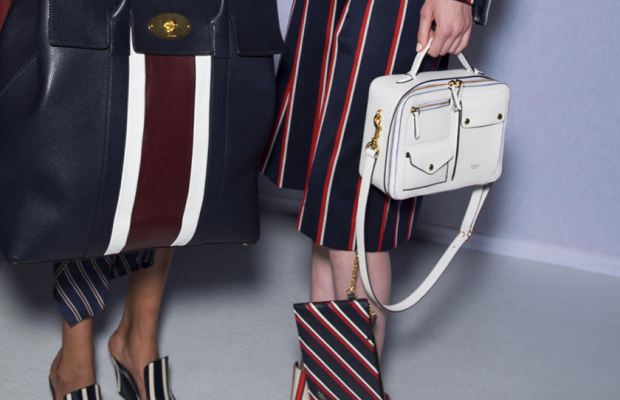
    Mulberry has set its sights firmly on Seoul and South Korea. After Tommy Hilfiger’s show in Shanghai, it is now the turn of the British luxury leather goods label to tread the catwalks in Asia.

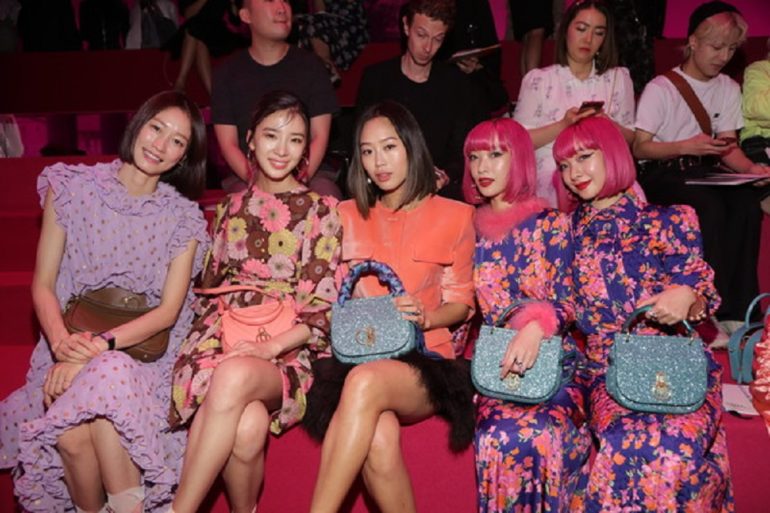
    For four days, Mulberry will be staging a series of events in the South Korean capital, for its ‘Mulberry x Seoul’ operation. Top of the bill is a show scheduled on September 6 at 8 p.m. at the K Museum of Contemporary Art, which is broadcast live on Mulberry’s website and social media accounts.

    The show introduced the label’s ‘Eccentric Sensibility’ Autumn/Winter 2018-19 collection, with which creative director Johnny Coca seeks to explore “the mischievous, eccentric facet of British style.”

    Mulberry is keen for Koreans to discover its own brand of British eccentricity, “the by-product of a juxtaposition of historical and visual references.” The show will be followed by a gala evening organised by artist collective Studio Concrete and by renowned Seoul club Trunk, notably featuring star Korean DJ Peggy Gou.

    The public also enjoyed a comprehensive Mulberry experience, with events including British-themed cocktail parties, a selfie studio and films. For the occasion, the Museum of Contemporary Art will host a Mulberry pop-up store, with the chance to win gifts and, above all, one of the exclusive Small Harlow handbags from the latest collection – a limited edition of the model will be available in Korea for two weeks. In parallel, and until September 21, Seoul’s two 10 Corso Como concept stores will showcase a selection of Mulberry items from the new collection.

    “At a time when we are focusing on international expansion, this event will boost our distribution network in South Korea, which is already robust. We want to realise the brand’s potential in this crucial market, and to address more directly a generation that is young, curious and keen on digital tools,” said the CEO of Mulberry, Thierry Andretta, in a press release.

    Mulberry recently set up the Mulberry Korea joint-venture company with its long-standing South Korean partner SHK Holdings. The British label has a 60% stake in the company, which will manage its business in the country.

    The two partners are planning investments worth €5.22 million. Mulberry currently operates 18 retail outlets in South Korea, including concessions, outlet and duty-free stores and an e-tail site.

    In recent years, the luxury leather goods brand strengthened its presence in Asia by creating other joint-venture companies, in China, Hong Kong, Taiwan and Japan. In the 2017-18 financial year, which closed on March 31, Mulberry generated a revenue of €192.61 million, up 1 percent, while its retail sales rose 3 percent, reaching €150 million.

  • Korean culture inspires Louis Vuitton

    Korean culture inspires Louis Vuitton

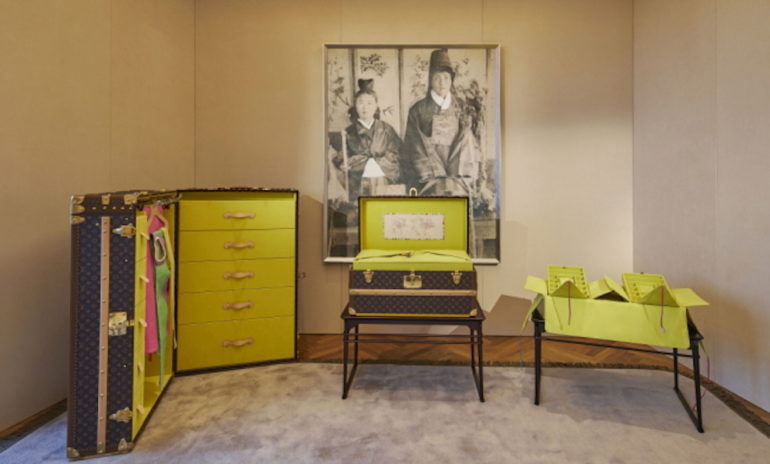
    Stylist Seo Young-hee has designed a special edition trunk for Louis Vuitton, influenced by Korea’s traditional marriage culture.

    Seo, who worked as a stylist for Vogue Korea before switching to work as an artistic director of fashion on a project basis, is known for combining Korean traditional crafts with modern fashion. She was inspired by the luxury brand’s “Volez Voguez Voyagez” exhibition in Seoul last year.

    At the exhibition, one of the brand’s signature trunks was decorated like a “hahm” using objects placed inside and outside it, Seo said. A hahm is a special box containing presents that is traditionally sent to a Korean bride’s house by the groom before the wedding.

    From last November, she discussed the project with a director from Louis Vuitton’s Special Order Trunk team. After a nearly yearlong project, a Wardrobe Trunk and a Cabinet Trunk were created.

    It is the first time that Louis Vuitton, known for its bespoke trunks for special occasions, has made a trunk influenced by Korean tradition.

    The trunks, decorated with traditional Korean fabric and embroidery, carry special ornaments related to the hahm tradition. The cabin size trunk was designed to be lower in height compared to other products, considering that hahm are usually carried on the back.

    “It was an unforgettable experience to visit a workshop in Asnieres, France, and talk about trunk-making with an artisan who worked with respect for and interest in Korean traditional culture,” Seo said.

    The limited edition hahm trunk can be custom ordered at local Louis Vuitton stores.

  • Brooks Running arrives in South Korea

    Brooks Running arrives in South Korea

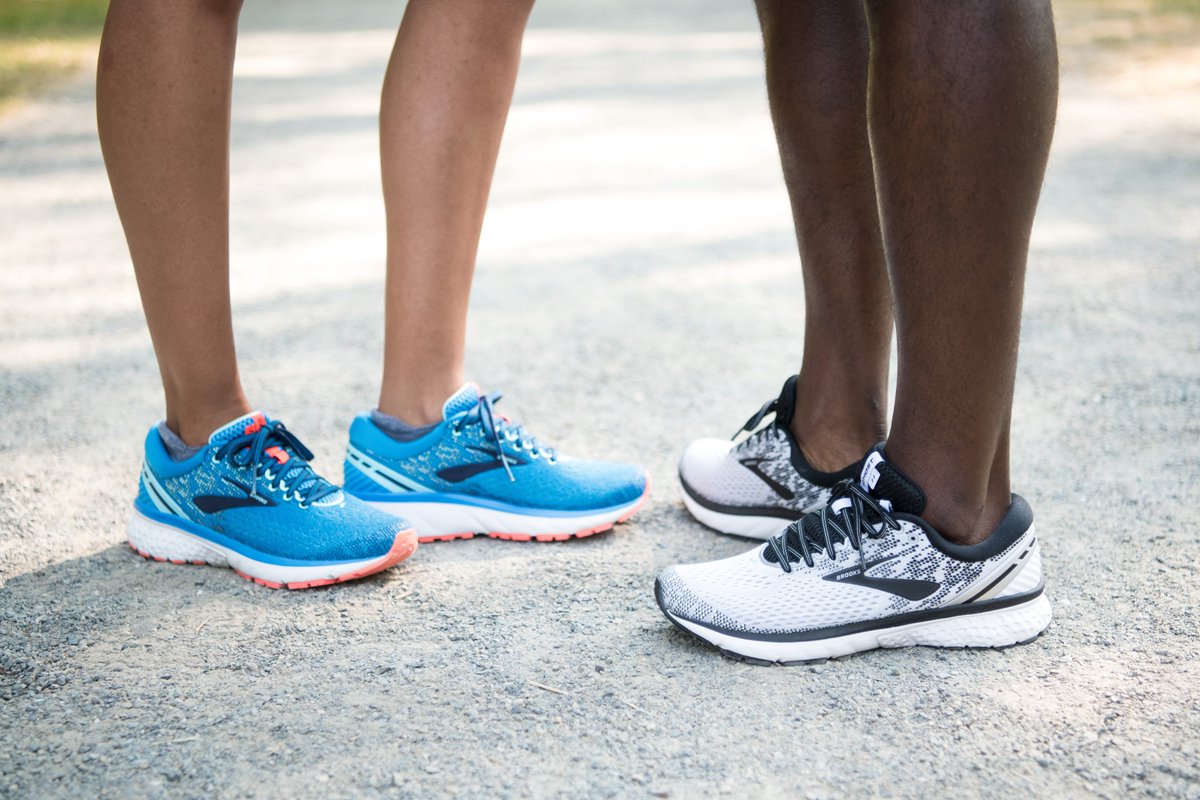
    South Korean fashion retailing group Samsung C&T has announced plans to sell Brooks Running products under exclusive contract.

    The Seattle-based sports apparel label occupies a large share of the American running gear market and is one of the top three running labels globally, with operations in more than 50 countries.

    The company expects to lead the local running market with its expertise and technology to match the growing wellness trend and number of runners in the country, according to an official spokesperson.

    The brand’s five-level flagship store will open in the fashionable district of Gangnam in southern Seoul.

  • India is Hyundai’s land of opportunity

    India is Hyundai’s land of opportunity

    Hyundai Motor is still working hard to woo Indian consumers as the world’s second-most populous country emerges as one of the fastest growing markets in the global auto industry.

    Hyundai Motor Vice Chairman Chung Eui-sun made a speech at the first Move Global Mobility Summit on Thursday, presenting the automaker’s plan to pursue future mobility and its dedication to the Indian market.

    The summit is a two-day state-run event taking place in New Delhi under the theme “Shared, Connected and Zero Emissions Mobility.” More than 1,200 attendees, including the CEOs of auto giants and start-ups, will participate in discussions centering on future mobility.

    “Hyundai Motor will actively pursue to become a smart mobility solution provider from a manufacturer,” Chung said in his speech.

    “I am certain that innovation in mobility will improve not only people’s lives but also improve environment and energy issues at the same time. It will also act as a means to connect the urban with the suburban and a person with another person,” he added.

    Chung also unveiled plans to launch a total of four eco-friendly vehicles in India in the near future, three of which will be electric models and the fourth a hydrogen-powered Nexo.

    Hyundai Motor, the world’s fifth-largest automaker, has seen huge potential in India’s auto market for some time.

    India is currently the world’s fourth-largest auto market, posting a year-on-year sales growth rate of 9.5 percent according to 2017 market data.

    Hyundai Motor established its Indian office in 1996 and has been using the regional office as an export hub, sending cars made there to more than 90 countries.

    Hyundai Motor is currently the No. 2 player in India. It sold some 320,000 units this year as of July, posting a year-on-year growth rate of 7.5 percent. The i20 hatchback and small SUV Creta are the most popular models.

    Most recently, the automaker has made a hefty investment in local car-sharing start-up Revv.

    Hyundai’s smaller affiliate Kia Motors belatedly entered the Indian market in 2017 by starting the construction of a local factory with a $1.3 billion investment. It will start sales of its models from next year.

    At the forum, Hyundai Motor summed up its strategies in pursuing future mobility with three keywords – clean mobility, freedom in mobility and connected mobility.

    “India has been taking significant steps toward the future it has long dreamt of,” Chung said. “[The country] will play a leading role not only in the manufacturing industry but also in ICT in the face of the fourth industrial revolution as well,” he added.

    According to Hyundai Motor, Chung attended a tea meeting with Indian Prime Minister Narendra Modi and 50 other global companies CEOs after making the speech on Thursday.

    The CEOs of Maruti Suzuki, Mahindra & Mahindra, Tata, Toyota, Ford, Mercedes-Benz, Uber and SoftBank all attended the summit.