Tag: Korea

  • Naver unveils cutting-edge location tech for smarter mobility

    Naver unveils cutting-edge location tech for smarter mobility

    From indoor navigation using augmented reality to ultra-high definition mapping technology for autonomous driving, South Korean internet giant Naver is developing a range of location-tracking technologies it believes will form the backbone of new offline services in the future.

    Some of these technologies were unveiled Thursday at Naver’s annual developer’s conference Deview 2018 held in Seoul, organized to showcase the Korean portal site operator’s future tech development direction each year.

    Stressing “location” as the most important cue for context in a physical space, Naver Chief Technology Officer Song Chang-hyun said Naver’s in-house research lab is developing and testing out an array of location and mobility-based technologies that will serve as the backbone of new, real-world services
    “If technology can fix mobility problems in the physical space, it will inevitably lead to the development of new services. And the underlying platform technology for any location and mobility problem is mapping,” Song said in a keynote speech during the conference.

    In line with this vision, Naver plans to open source the Naver Maps Enterprise application programming interface to developers next month. The soon-to-be-free mapping API includes including point of interest data and navigation data, which most smaller ICT firms find difficult to build and maintain.

    The Korean internet giant also introduced for the first time the eXtended Definition & Dimension Map, or xDM, platform which includes high-dimension mapping, localization and navigation technologies to guide people and self-driving vehicles in not just outdoor, but also indoor settings.

    For instance, Naver utilized its xDM platform to build an AR navigation system that guides people through indoor spaces without GPS access, using just a smartphone camera. On a smartphone, walking direction signs and messages would be overlaid on top of real-life pathways as captured by the camera.

    The company also showcased the latest updates in its robotics technology development, which had taken center stage at last year’s Deview conference.
    This service is slated to debut soon, via a partnership with Incheon Airport. This week, Naver signed a memorandum of understanding with the airport’s operator to launch an indoor AR navigation app that would guide airport passengers to their respective destinations inside the airport.

    “We plan to open source our xDM platform in the form of API and SDK so that they can be used for various location-based service development and mobility research in the future. We plan to continue improving xDM so it can grow into Korea’s top location and mobility platform,” Song said.

    In addition, Naver Labs is developing technologies for self-driving cars, including a high-definition map that combines high-definition aerial maps and mobile mapping devices to build intricate, real-time maps even in crowded urban centers where GPS access is partly blocked out.

    M1, an autonomous indoor mapping robot that creates intricate 3D maps while moving by laser-scanning its surroundings with a 360-degree camera, and Around, a self-driving robot that navigates itself by accessing M1’s mapping data via the cloud, are undergoing commercialization procedures via a partnership with Hyundai Heavy Industries Holdings.

    Aircart, an electric book cart equipped with a module that amplifies human power to make pushing the cart significantly easier, is preparing for commercial deployment at local libraries in partnership with Samsong Caster.

    Naver’s robotics lab is also continuing research and development efforts with Seoul-based Korea Tech Co. to develop robotic cable-driven arms with humanlike sensitivities called Ambidex. Weighing just 2.6 kilograms, the robot’s core motors are placed near the torque and transfers power down to the lower arms and fingers via flexible, lightweight cable wires.

    Looking ahead, Naver plans to showcase its fleet of robots at the Consumer Electronics Show in Las Vegas in January next year, marking its first-ever attendance at the global electronics conventio

  • Philip Morris to begin selling Korean-made heated tobacco unit

    Philip Morris to begin selling Korean-made heated tobacco unit

    Philip Morris Korea Inc. said Thursday that it will begin selling its tobacco sticks, called Heets, produced at its factory in South Korea later this month.

    To this point, Philip Morris Korea imported Heets for sale in South Korea.

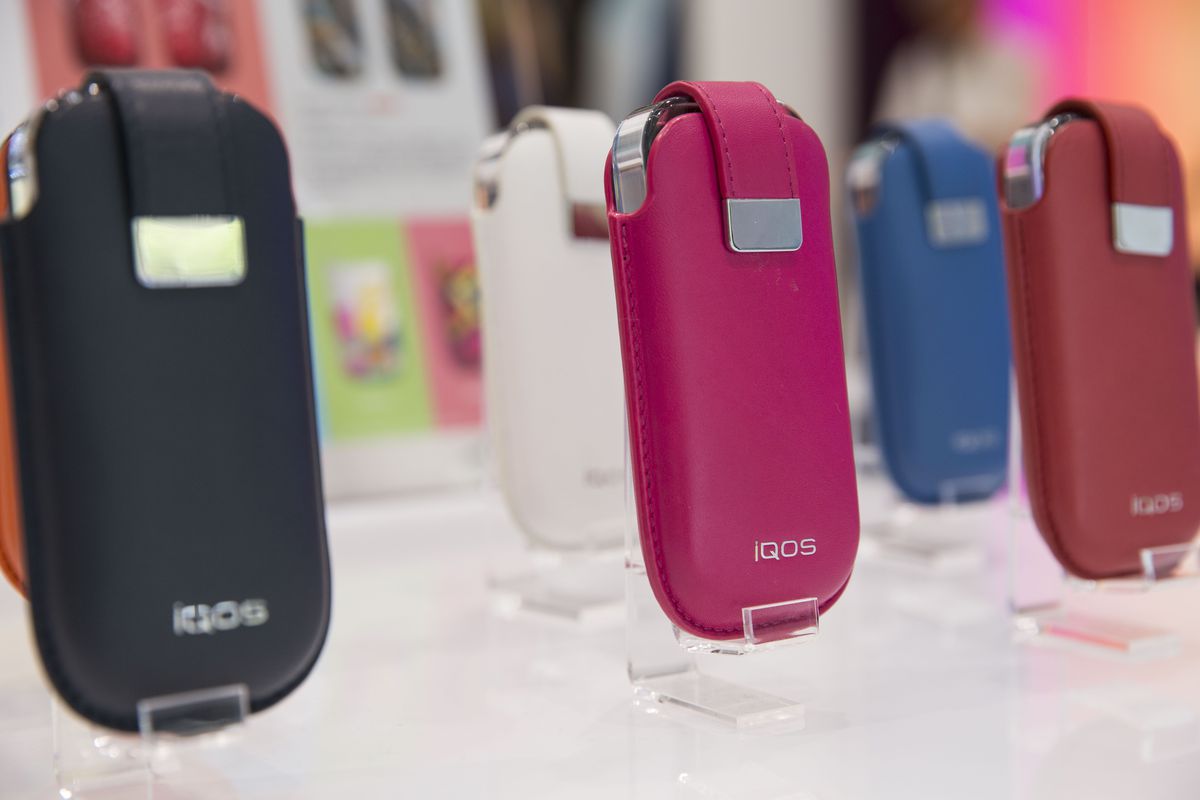
    Philip Morris Korea has expanded its production facility in Yangsan, the first facility in Asia to manufacture heated tobacco units for its tobacco heating device IQOS. Yangsan is a city located about 420 kilometers southeast of Seoul.

    The share of Heets, tobacco sticks exclusively for IQOS, was reported at 8.1 percent of South Korea’s total tobacco market in August.

  • Lotte’s Shin returns to work after early release

    Lotte’s Shin returns to work after early release

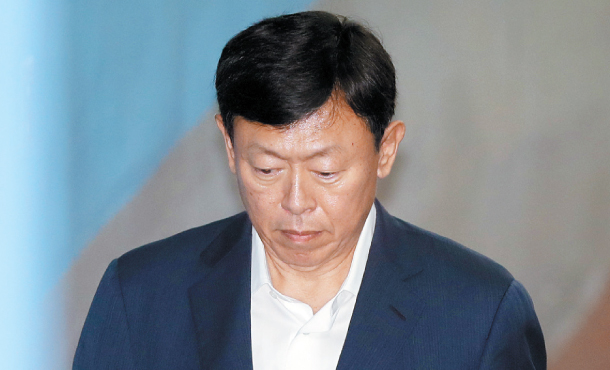
    Lotte Group Chairman Shin Dong-bin returned to the office on Monday, getting back to work immediately to resolve issues that were put on hold while he was imprisoned until Oct. 5.

    Shin was spotted heading to his office on the 18th floor of Lotte World Tower in Songpa District, southern Seoul, Monday morning without responding to questions from reporters.

    The 62-year-old Lotte head’s return to work comes just eight months after he was sentenced to 30 months in prison in February for bribing former President Park Geun-hye. On Friday, the Seoul High Court replaced the prison sentence with four years of probation.

    On his first day back, Shin was scheduled to meet with top executives for business updates, including heads of Lotte Group’s four main business units and Vice Chairman Hwang Kag-gyu, who was the de facto leader of the conglomerate during Shin’s vacancy.

    “We plan to speed up examinations of business agendas that were put on hold in order to normalize the company’s management,” a Lotte spokesman said.

    Shin was a core decision maker for multiple large-scale projects inside the group, and his imprisonment put a halt on many of those plans. Earlier this year, Lotte was looking into investing a total of 11 trillion won ($9.6 billion) in domestic and foreign companies, but the decisions had to be postponed.

    Among the large-scale construction projects waiting to restart is Lotte Chemical’s massive oil complex in Indonesia, in which the company planned to invest 4 trillion won by 2023. This was the largest ongoing investment when Shin was detained in February. Lotte finalized procedures in purchasing land for the site last year, but its construction was indefinitely postponed.

    Another problem left to untangle is the Lotte World project in Shenyang, China. The ambitious 3-trillion-won plan to build a mall, theme park, hotel and residencies inside one complex was stopped during construction by Chinese officials in November 2016. The apparent reason was safety violations, but it was thought to be part of unofficial sanctions on Lotte for having approved a land swap with the then-government for the deployment of the U.S.-led Thaad antimissile system.

    Lotte’s organizational reform also has a chance of moving forward now that Shin is back in control as he can mediate between Korean and Japanese shareholders. Since 2016, Shin has led efforts to cut cross-shareholding among affiliates and rearrange them under Lotte Corporation, a Korean holding company.

  • Samsung sets quarterly profit, revenue records

    Samsung sets quarterly profit, revenue records

    Samsung Electronics once again set quarterly records for profit and revenue thanks to high demand for the semiconductor chips needed to propel today’s key technologies.

    However, Korea’s biggest company is facing challenges as its current portfolio is heavily dependent on computer chip sales. Its smartphone business is struggling as sales of its flagship Galaxy S9 smartphone sales failed to reach expectations.

    According to Samsung Electronics’ guidance report on third-quarter performance, released on Friday, the company’s revenue grew 4.7 percent compared to a year ago to 65 trillion won ($57.5 billion) while its operating profit expanded by 20.4 percent to 17.5 trillion won. It is a new record for both quarterly revenue and operating profit. The earlier market consensus on Samsung Electronics’ operating profit was between 16.8 trillion won and 17.1 trillion won. Compared to the previous quarter, revenue was up 11.1 percent and operating profit was up 17.7 percent.

    Although the guidance report did not give details on the earning performance of each business, market experts believe the company’s record-breaking performance was due to the company’s semiconductors.

    Brokerage firms estimated that Samsung Electronics made roughly 25 trillion won in revenue in semiconductors in the third quarter, up 24 percent from last year’s 19.9 trillion won.

    The operating profit of the memory business is estimated to have increased by 36 percent to 13 trillion won, which would be an all-time record.

    DRAM revenue is believed to have surged 47 percent year-on-year to around 14 trillion won while NAND flash was up more than 8 percent during the same period to 7 trillion won.

    “The recent starting of additional production line manufacturing DRAM and NAND flash of the company’s memory plant in Pyeongtaek, Gyeonggi, is said to have contributed to the robust sales of the company’s memory chips,” said Doh Hyun-woo, NH Investment & Securities analyst.

    The company’s display business is estimated to have improved sharply in the third quarter as well, contributed by Apple’s release of the latest iPhone, equipped with organic light-emitting diode (OLED) display, in September.

    While the liquid-crystal display (LCD) business revenue is estimated to have dropped 28 percent, OLED business is estimated to have increased 35 percent year-on-year to over 7.5 trillion won. LCD prices have recently been falling on the attacks of low-price competition from Chinese companies. The overall display revenue is estimated to have increased 14 percent to around 9.5 trillion won.

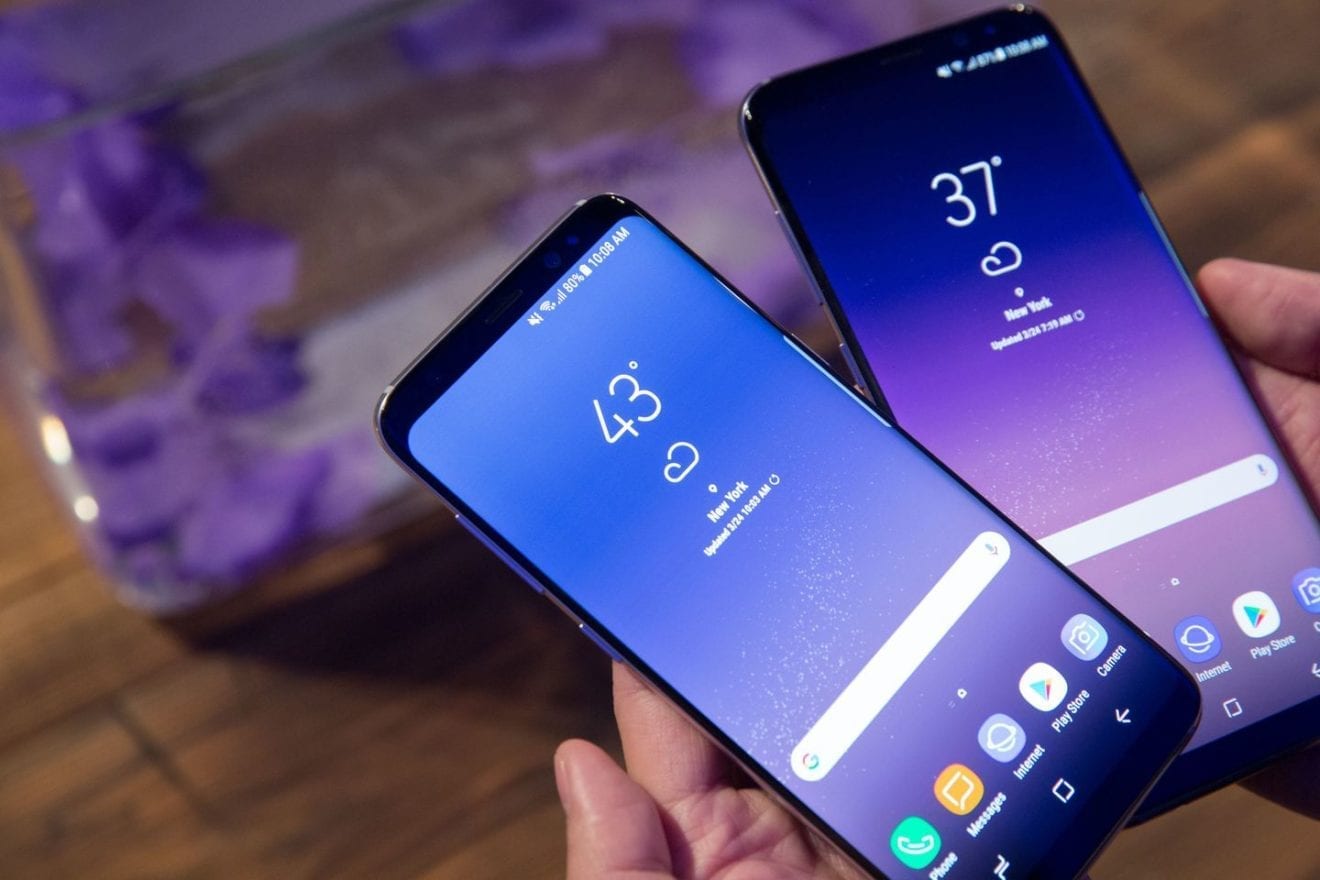
    On the contrary, Samsung’s mobile communication business is believed to have suffered. Sales of the Galaxy S9, which was released in the second quarter, are middling, and the company is believed to have spent a large amount on marketing the Galaxy Note9, which was released in August. This likely had an effect on the company’s operating profit.

    In the third quarter, market analysts believe the mobile business dropped 9 percent to 25 trillion won, while operating profit fell nearly 30 percent year-on-year to 2.3 trillion won compared to the 3.3 trillion won recorded a year ago.

    The company’s dependency on its semiconductor’s business is becoming an increasingly large concern.

    “While the third quarter guidance report is positive in that it exceeds earlier market consensus, heavy dependency on semiconductor performance is a negative [for Samsung Electronics],” said Kim Yang-jae, analyst at KTB Investment & Securities. “[Samsung Electronics] is facing a slowdown on earnings momentum, as DRAM prices has been falling since the fourth quarter.”

    DRAMeXchange, a computer chip market research firm, estimated that DRAM and NAND flash prices will fall in the fourth quarter compared to the third quarter due to difference between supply and demand. When compared to the third quarter, DRAMeXchange projected a 5 percent drop in the fourth quarter, sharper than earlier estimates of a 1 to 3 percent decline.

  • Korea’s jobless rate rises in September

    Korea’s jobless rate rises in September

    South Korea’s jobless rate rose slightly in September due to a fall in employment in the retail and restaurant sectors, with poorer-than-expected job creation continuing, government data showed Friday.

    The unemployment rate stood at 3.6 percent last month, up 0.3 percentage point from a year earlier, marking the highest rate for September since September 2005, according to the report compiled by Statistics Korea.

    The number of employed people reached 27.05 million in September, up 45,000 from the same month in 2017, according to the data.

    The unemployment rate for young adults — those aged between 15 and 29 — was 8.8 percent, down 0.4 percentage point from the previous year.

    The employment rate stood at 66.8 percent in September, down 0.1 percentage point from a year earlier, with the corresponding figure for young people at 42.9 percent, up 0.7 percentage point over the cited period.

    The number of newly added jobs improved last month, after staying below 10,000 per month for the second straight month. The retail segment saw a reduction of 100,000 jobs in September compared with a year earlier, and the lodging and restaurant sector also shed 86,000 jobs last month.

    The manufacturing sector also saw the reduction of 42,000 jobs last month.

    In contrast, the healthcare and IT sectors added 133,000 and 73,000 jobs, respectively.

    “A slowdown in the reduction of jobs in the manufacturing sector helped boost job additions, but any sharp rise in job creation is unlikely for the time being,” an official at the statistics agency said.

    The number of unemployed reached 1.02 million in September, hovering over the 1-million mark for the ninth straight month.

    In June, the government cut its job creation target to 180,000 this year from 320,000.

    Since May, the government has been implementing a 3.9 trillion-won ($3.69 billion) extra budget largely to create jobs.

    The push comes as President Moon Jae-in has called for all-out efforts to create quality jobs.

    The supplementary budget is the second of its kind under the Moon administration. Last year, the government set aside an 11 trillion-won supplementary budget that focused on creating high quality jobs.

  • Hyundai Motor considers eco-friendly engine for its N brand

    Hyundai Motor considers eco-friendly engine for its N brand

    Hyundai Motor is planning to build a driving center in Korea as early as next year in its ambition to have its high-performance division compete with BMW’s M and Mercedes-Benz’s AMG models.

    “I am considering building a driving academy where customers are invited to experience high-performance cars,” Thomas Schemera, head of Hyundai Motor’s high-performance division said at the Paris Motor Show on Thursday. “I believe interacting with customers and listening to their feedback are important.”

    Schemera also added that the first center is most likely to be built in Korea before the automaker expands to other parts of the world like the United States or Europe.

    Schemera, formerly in charge of BMW’s M series, was appointed executive vice president of Hyundai Motor to head its high-performance vehicle and motorsport division in March.

    Hyundai Motor’s N series is a latecomer in the industry, as its initiative of launching a high-performance lineup only became official in 2015. BMW’s M series, one of Hyundai’s strongest competitors in high-performance motoring, began in the 1970s.

    Yet, Hyundai’s N series sales figures are quite impressive so far. Since its launch in Europe in the second half of 2017, the first model – the i30 N – sold 3,771 units this year through August. This is already 35 percent above the initial sales target for this year, which was 2,957 units.

    The second in the series – the Veloster N – is doing well, too. Since its launch in July in Korea, it sold 525 units in its first two months. Globally, it sold 4,122 units this year as of August, again surpassing its initial goal of 3,300 units.

    The Veloster N team is planning for a U.S. launch before the end of this year. The third in the series – the i30 Fastback N – premiered at the Paris Motor Show, now underway.

    Hyundai Motor’s ambitions in high-performance cars is helping elevate Hyundai’s brand image in general, according to Schemera.

    “The i30 sales had been on a downturn, but they started to rebound after the launch of the i30 N,” he said. “Not only other N models but also other Hyundai cars in Europe will likely see improved sales.”

    Ahead for the N series, Schemera hinted there would be an eco-friendly engine for its lineup, perhaps an HEV, PHEV or even a hydrogen engine.

  • Avison Young opens its first office in Asia

    Avison Young opens its first office in Asia

    Mark E. Rose, Chair and CEO of Avison Young, the world’s fastest-growing, private and Principal-led, global commercial real estate services firm, announced today that the company has opened a new office in Seoul, South Korea.

    The new Seoul office represents Avison Young’s first office in Asia, 85th office globally, and an additional step in the firm’s ongoing aggressive global growth and expansion strategy. Full operations in Seoul will begin on November 1, 2018.

    Over the past 10 years, Avison Young has grown from 11 to, now, 85 offices in 76 markets and from 300 to more than 2,700 real estate professionals in Canada, the U.S., MexicoEurope and Asia.

    Effective immediately, 63 new members, including brokerage and other service specialists, join Avison Young from Seoul, South Korea-based commercial real estate firm Mate Plus Advisors Co. Ltd. Byoung Gon Choi becomes a Principal of Avison Young’s Seoul Operations and Managing Director of the new office. He will focus on expanding Avison Young’s business-line coverage across South Korea, servicing new and existing clients, and managing the day-to-day operations of the office.

    Choi brings 34 years of commercial real estate experience in South Korea to Avison Young, most recently as CEO of Mate Plus Co. Ltd., a leading real estate property management company in Korea; CEO of its affiliate Mate Plus Advisors, which specializes in investment sales, retail, project management, asset management, leasing, research and advisory services; and CEO of Genstar, of which Mate Plus is a key affiliate.

    “The opening in Seoul represents another milestone in our global expansion strategy,” comments Rose. “We’re thrilled to be launching our first office in Asia in Seoul as we begin to fulfill our long-sought goal of entering the highly dynamic Asian marketplace and expanding our footprint across another continent. Furthermore, we’re delighted to have Byoung Gon Choi, who is a highly regarded commercial real estate professional, guiding our expansion program in Seoul and the rest of South KoreaByoung Gon’s ability to foster deep relationships is evident in his previous companies’ geographic and project-type diversity. He understands current market trends and uses that knowledge to provide creative solutions that meet each client’s unique business needs. He and his team, which include leading capital markets and corporate services professionals, have comprehensive knowledge of Seoul’s commercial real estate sectors and can also give clients highly strategic advice on asset management and property management. The new team’s experience and expertise will benefit our clients and company alike. We couldn’t be more pleased to have Byoung Gon and our other new colleagues on board.”

    Rose adds: “We believe that Seoul is an underserved market that offers great potential for increased local, national and international investment sales and leasing activity. Seoul, which has a young, highly educated and tech-savvy workforce, is a gateway to China and the rest of Asia. The new Seoul office will also enhance our ability to facilitate multi-market transactions – and sets us up for further expansion within the Pacific Rim.”

    Choi will work closely with Hiren Thakar, a Principal of Avison Young and the firm’s Chief Operations Officer, International Operations.

    “We were impressed by Byoung Gon’s professional manner in meeting client needs and his proactive approach to commercial real estate brokerage company management and service,” states Thakar. “A well-established industry leader, he and the entire Seoul team will fit well in our client-centric culture. We are already working on developing potential new partnerships and generating client assignments together. Furthermore, South Korea is a stable, rapidly growing Pacific Rim country that has become a destination for investors, landlords and occupiers as they seek to establish a foothold in the region. Each real estate sector is expanding rapidly and has a large, diverse client base. Byoung Gon and his team are experienced in working with international clients and have been successful at completing assignments throughout South Korea.”

    Today’s announcement follows Avison Young’s announcement on July 16, 2018 that Caisse de dépôt et placement du Québec (CDPQ), one of Canada’s leading institutional fund managers, has made a $250-million preferred equity investment to accelerate Avison Young’s strategic growth plan.

    Thakar adds: “The opening of our new Seoul office will allow us to capitalize further on CDPQ’s investment in Avison Young’s strategic initiatives. Our global team will continue to eye additional markets for expansion through the deployment of capital obtained via CDPQ’s recent investment.”

    Avison Young made its first investment under its strategic partnership with CDPQ by acquiring leading U.K. firm Wilkinson Williams LLP and opening a new office in London’s West End on August 1, 2018.

    “We are delighted to join the Avison Young family and be the faces of the company’s first office in Asia,” says Choi. “Avison Young’s entrepreneurial and collaborative culture resonates well with the way we conduct business in South Korea. Our team strongly expects that, by sharing in the benefits of Avison Young’s Principal-led and collaborative business philosophy, we can take our consulting services in South Korea to the next level. Moreover, in co-operation with Avison Young colleagues, we can complete the value chain, providing all types of commercial real estate services to clients.”

    Choi adds: “We believe that our clients will be better served by tapping into Avison Young’s global brand and resources. We look forward to working with our new colleagues throughout the company and developing many trans-Pacific partnerships on behalf of our clients. We also look forward to recruiting new top professionals as we expand the firm’s presence throughout South Korea.”

    Effective November 1, 2018Avison Young’s new Seoul office will be located at 9F Samhwa Tower, Eulji-ro-5-gil 16, Jung gu, Seoul, Korea 04539.

    Seoul, the capital of South Korea, is located on the Han River and serves as the main gateway and logistics hub for Northeast Asia. With a population of approximately 10 million, Seoul ranks among the world’s most dynamic marketplaces. The region is home to many manufacturing sectors, including steel, electronics, automobiles and auto parts, textiles and footwear, chemicals and pharmaceuticals. Other sectors with a strong presence include information and communications technology, financial technology, fashion and construction. International trade also plays a key role in the city’s economy, thanks to South Korea’s status as one of the world’s top exporters. The city’s workforce benefits from low local (5%) and national (4%) unemployment rates (as of August 2018). The World Bank’s latest rankings list South Korea fourth globally for ease of doing business. Seoul’s commercial real estate market features vibrant office, retail, industrial, multi-family and investment real estate sectors. However, the city is also known for its high levels of alternative assets, including data centres, self-storage facilities, student accommodation, education-related buildings and healthcare and seniors-care properties.

  • Huawei insists it’s not a 5G espionage risk

    Huawei insists it’s not a 5G espionage risk

    Two Korean mobile carriers are trying to decide whether to choose Huawei as their next-generation 5G network equipment provider, and the Chinese electronics giant sent a press release Monday to downplay potential spying issues.

    Huawei said there has never been any information leakage over its devices and vowed to follow any Korean government demands for security verifications.

    “Huawei’s products and solutions are used by customers and consumers in over 170 countries, Fortune 500 companies and major mobile operators around the world,” said Huawei in the release. “Huawei is doing its best to offer stringent cyber security and has received zero complaints concerning the issue.”

    Huawei is now the world’s second-largest smartphone vendor after Samsung Electronics and the No. 1 maker of telecom network equipment. It noted in the release that it is “abiding by laws and regulations in the regions it offers ICT solutions.”

    The release came as KT and LG U+, the two smaller players in Korea’s mobile market, are set to announce which telecom equipment suppliers they have chosen for their 5G service. Announcements are expected this month.

    Given that LG U+ is already using 4G long-term evolution network devices from Huawei, it is highly likely Korea’s smallest telecom might choose the Chinese manufacturer for compatibility’s sake. It also uses network devices by Samsung, Nokia and Ericsson.

    LG is likely to choose all four, including Huawei, for its 5G networks.

    Sources say KT isn’t likely to opt for Huawei. The second-largest carrier in Korea has been using Samsung, Ericsson and Nokia equipment for its 4G LTE network.

    Deals involving trillions of won in orders were supposed to be closed by August but have been delayed. Korea aims to commercialize 5G network as early as next March, but Korean telecom authorities are in a dilemma over the Chinese issue.

    They realize Beijing could retaliate through trade sanctions if Korea decides not to choose the Huawei equipment.

    Korea’s top telecom, SK Telecom picked Samsung Electronics, Ericsson and Nokia as the suppliers for its 5G network equipment on Sept. 14 despite Huawei’s lower offer. Huawei is known to charge prices that are 20 to 30 percent lower than other global competitors for high-quality 5G equipment.

    Huawei’s security problem stems from its ties to the Chinese government, and the worry that its equipment being used for spying purposes isn’t confined to Korea. Britain’s National Cyber Security Centre said in July that it “is less confident” about the integrity of Huawei products.

    The U.S. and Australian governments in August banned Huawei and ZTE from supplying equipment to develop the country’s 5G wireless infrastructure for security reasons.

    One of the main reasons for the escalating trade war between the United States and China is their desire to win in the 5G race to become a global leader.

    Huawei is already a supplier of 4G networks in Australia and refuted the August decision, saying Canberra should not use the excuse of national security to erect trade barriers.

  • A’pieu opens first store in Thailand

    A’pieu opens first store in Thailand

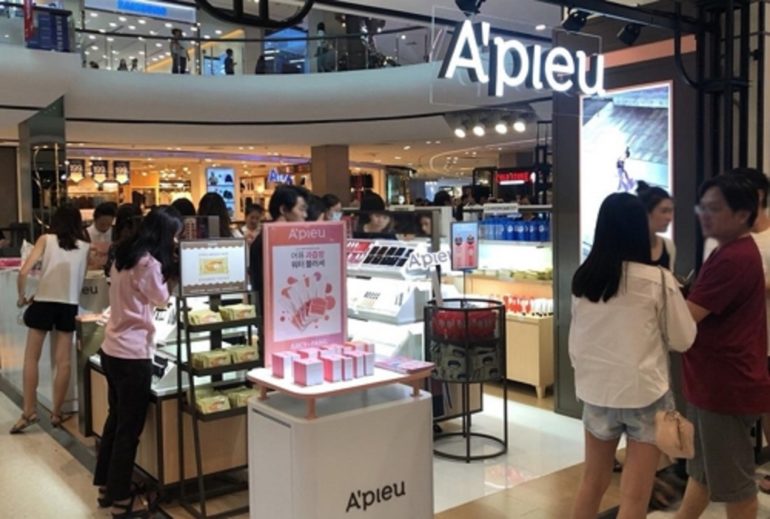
    A’pieu, a cosmetics label owned by South Korea’s Able C&C, opened its first store in Thailand last month and will speed up its plan to open more stores in the country.

    Its first stand-alone store, opened on September 29, is housed at Central Plaza Pinklao, a shopping mall located in Noi District in Bangkok and one of the most sought-after places by young visitors as it hosts many famous fashion brands, restaurants, and a cinema.

    A’pieu plans to open three more independent stores in the country by next month. It is also scheduled to open another store at Siam Square, the largest shopping and entertainment area in Bangkok, in January 2019.

    Its products are also available at five outlets of Eve and Boy, a local drugstore chain selling premium cosmetics labels such as Estee Lauder and Clinique. The Korean beauty brand plans to provide its products to total 12 Eve and Boy outlets across the nation by the end of this month.

    “We have put forward the opening schedules of A’pieu stores in Thailand as its products have drawn better-than-expected responses from Thai customers after the soft-launching event,” said an official from Able C&C. “We will take the label available at more health and beauty stores in Thailand and open more independent outlets.”

    Outbound shipments of Korean cosmetics products to the 10-member Association of Southeast Asian Nations market reached US$406 million in 2016, up 31.6 percent from the previous year, according to a report by the Korea Trade-Investment Promotion Agency.

    Thailand’s cosmetics market is the largest among them and has posted an annual growth rate of 8 percent in recent years, the company said, citing data from market researcher Euromonitor International.

    The size of the Thai beauty market was estimated at around $2.6 billion in 2016 and is expected to top $3 billion this year, it added.

  • Bearpaw Continues Ongoing Partnership With Wing’s Foot Korea, Inc.

    Bearpaw Continues Ongoing Partnership With Wing’s Foot Korea, Inc.

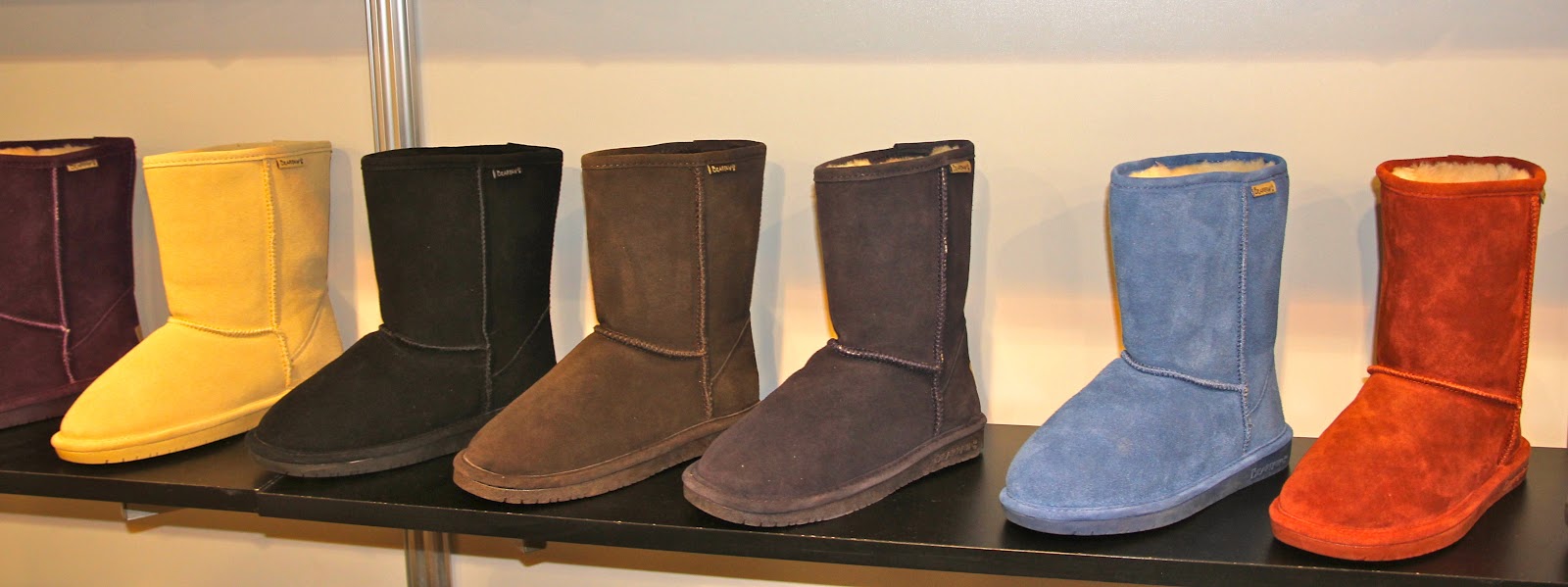
    In representing the Bearpaw brand to the consumers of South Korea and Japan, Wing’s Foot has introduced an extensive line of footwear and an assortment of apparel and outerwear to the region.

    Bearpaw’s VP of international sales Kevin McDonald said Bearpaw is extremely grateful for its partnership with Wing’s Foot as it has been a great fit for their brand and has given Bearpaw the ability to reach new and expanding markets, therefore cultivating continued growth and success.

    Bearpaw president John Pierce said Wing’s Foot has been its exclusive distributor to the Korean market for several years now, and the company is pleased to extend the partnership.

    “Bearpaw will continue to increase the company’s efforts with our existing partners across several locations outside of the US.”

    Bearpaw products are now available throughout the US and in more than 45 countries throughout the world.

  • Korean restaurant Mom’s Touch to land in Singapore

    Korean restaurant Mom’s Touch to land in Singapore

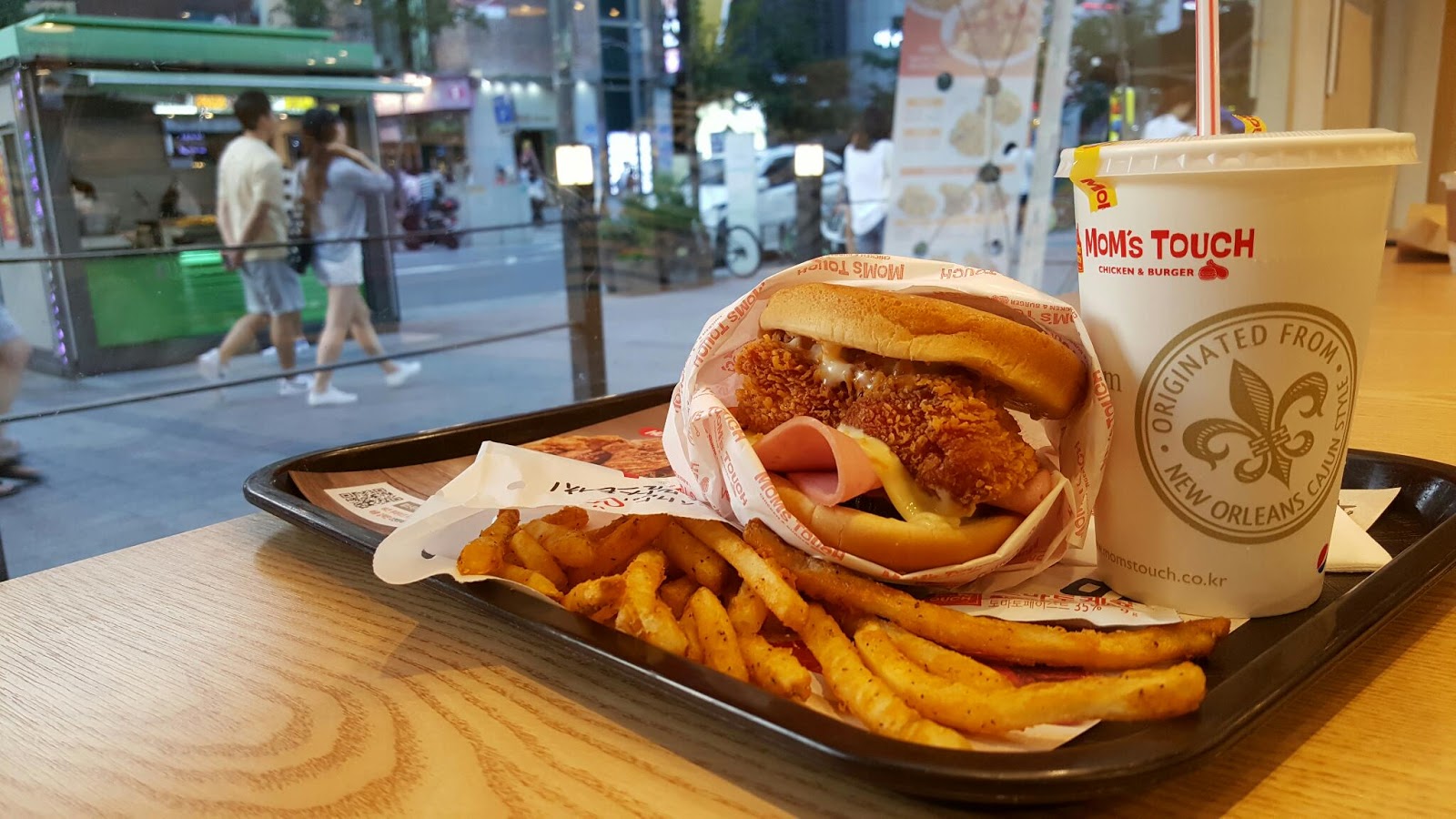
    No Signboard Holdings has entered into a master franchise agreement with South Korean Haimarrow Food Service and US firm HFS Global to develop and operate Mom’s Touch chicken and burger restaurants in Singapore and Malaysia.

    The group has been granted the right to operate the South Korean chain in Singapore and Malaysia for a period of 10 years – with an option to renew for another 10 years – from the date the group’s first Mom’s Touch restaurant commences operations (or on 2 January 2019, whichever is earlier).

    The company’s initial plan is to launch eight Mom’s Touch restaurants in Singapore and Malaysia within the first three years of the franchise agreement.

  • Kakao to spin off e-commerce unit for expansion

    Kakao to spin off e-commerce unit for expansion

    South Korean mobile messaging platform Kakao is spinning off its e-commerce unit for further expansion.

    The new organisation will be Kakao’s largest spin-off, worth about KRW510.3 billion (US$458.6 million) by December. It will take over the operation of the Kakao Gifts, Shopping, Kakao Style and Kakao Farmer services.

    Kakao has also made plans to acquire global e-commerce firms and has expressed being open to securing additional funds through its spin-off.

    A spokesperson for the company said: “We are indeed open to securing additional investments after the process is completed. But at the moment we do not have any specific plans.”

    Kakao’s e-commerce business is weak in comparison with industry leader Naver, achieving only one seventh of the sales of its competitor. Its messenger service, conversely, remains dominant in its market.

  • Korea’s rice burger franchisees fight back

    Korea’s rice burger franchisees fight back

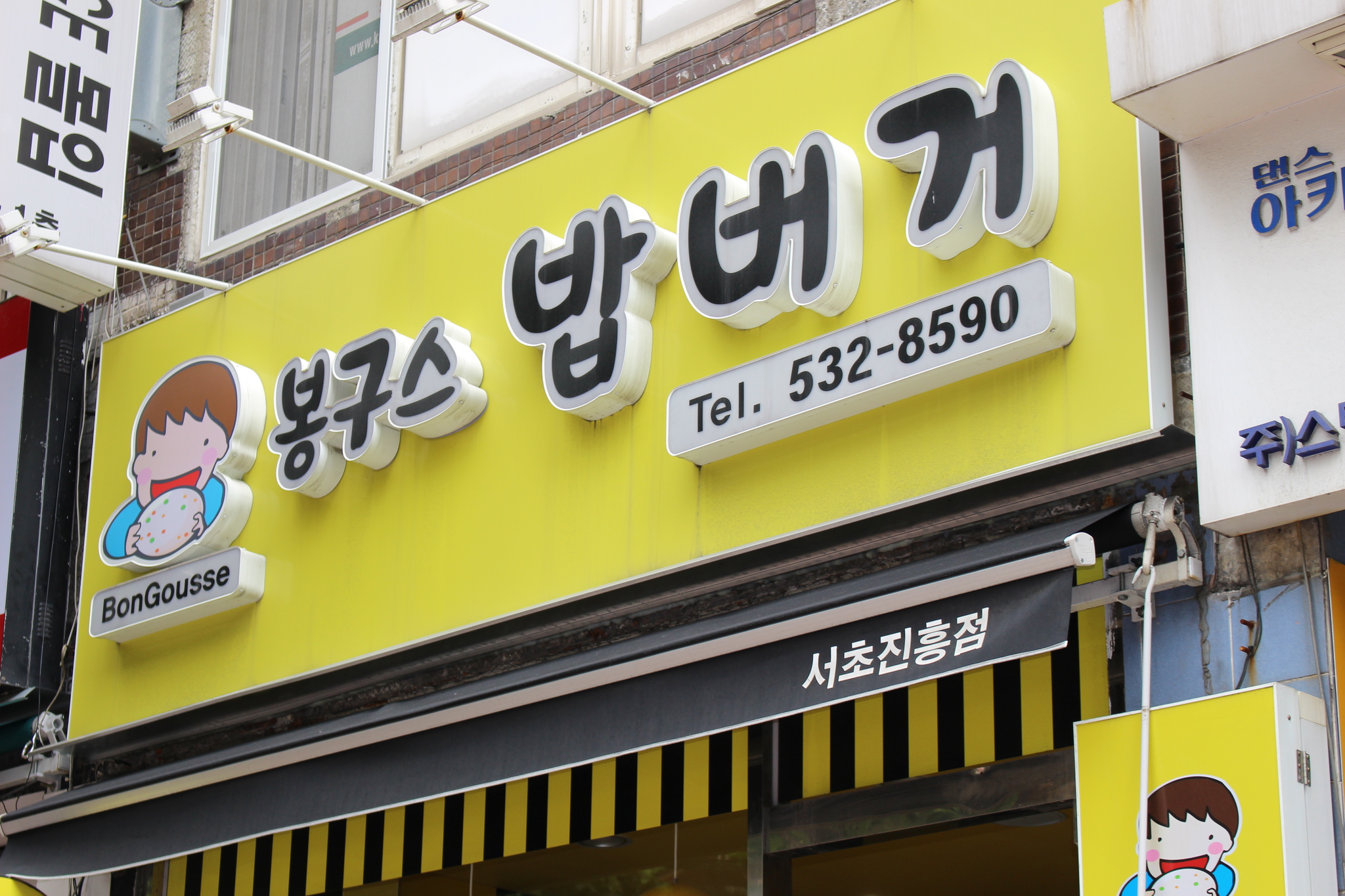
    BonGousse Rice Burger, which was acquired Tuesday by chain Nene Chicken, is receiving fierce criticism from franchisees for failing to inform them of the deal.

    The rice burger chain was established in 2010. The brand rose to fame thanks to its popularity among students, but entered a steep downfall last year when CEO and founder Oh Se-rin was convicted of drug use.

    BonGousse franchisees claim they were never informed about the merger by headquarters beforehand and only learned about it after the deal between the companies were finalized last month. According to local news outlets, the association of BonGousse franchisees reported the headquarters to the Fair Trade Commission saying that the deal violated contracts with franchisees.

    Franchisees are set to meet with BonGousse headquarters to receive details on the acquisition on Thursday.

    “We’re in the process of expanding our business with our expertise in the chicken business and franchise operation,” Nene Chicken said in a statement. “We plan to create synergy with the acquired company based on our experience in the franchise business and quality control.”

    BonGousse Rice Burger started out as a street food stall that sold rice balls made in the form of a hamburger. The business took off by establishing restaurants near schools and universities, and the number of branches reached a peak of 1,000 in 2015.

    Oh also gained attention and fame as a young entrepreneur, and made many media appearances to encourage entrepreneurship among students. A college dropout, Oh was only 25 when he started BonGousse in front of a high school in Suwon, Gyeonggi.

    Oh was found to have taken drugs with three women at a hotel in Seoul in May 2015. He was also found to have used methamphetamines three times with close associates in 2016 at a hotel and at his home. He was sentenced to a year and a half in prison and three years of probation. His conviction in August 2017 tainted the brand’s image and dragged down sales by 30 percent, according to BonGousse franchisees.

    In October, a group of around 300 BonGousse franchisees sued Oh and BonGousse headquarters for damages. They said that, after the conviction, the company modified contract terms in a way that increased advertising costs for franchisees while reducing headquarters’ costs.

  • Lotte prepares for verdict on chairman

    Lotte prepares for verdict on chairman

    Lotte Group Chairman Shin Dong-bin is due to receive his appeals court sentence tomorrow. The leader of Korea’s largest retail conglomerate is facing up to 14 years in jail.

    Shin has already served eight months of the 30-month sentence he received over charges of bribing former President Park Geun-hye to curry favor during her administration.

    Prosecutors requested a 14-year sentence for the Lotte Group chairman to the appeals court in August.

    Lotte employees last month submitted a petition that Shin be released on the grounds that the absence of the 62-year-old chairman is hurting Lotte’s business. Major business decisions have been on hold since Shin has been imprisoned, and recruitment and investment has been scaled back tremendously.

    The ruling tomorrow is expected to have major implications for Lotte, and potentially the Korean economy as well. Lotte, with a net worth valued at over 100 trillion won ($89.4 billion) and annual revenue of 90 trillion won, is Korea’s fifth-largest conglomerate.

    A chairman’s downfall

    On Feb. 13, Shin was put in jail after the Seoul Central District Court found him guilty of bribing former President Park in return for a business deal. According to prosecutors, he offered 7 billion won to a nonprofit foundation controlled by Park’s close friend Choi Soon-sil to score a license it needed to operate its duty-free business in Seoul.

    Lotte’s official stance, however, is that Shin and the company are simply victims of Park’s abuse of power. Shin offered the 7 billion won in May 2016, after Lotte had failed twice in 2015 to obtain approval to continue its duty-free operations in Seoul for the following year.

    In July 2017, the Board of Audit and Inspection found that the Korea Customs Service, which oversees the assessment of duty-free businesses, manipulated evaluation scores to disqualify Lotte. Lotte’s original score far exceeded those of the companies that obtained approval instead.

    “Like other businesses that had given money to Park [and her friend] after private meetings with her, Lotte was not giving out bribes, but paying a sort of ‘quasi-tax,’” said a Lotte spokesman.

    Frozen in time

    For the past eight months of Shin’s absence, Lotte Group has been wary of making major decisions on investment and recruitment.

    The conglomerate invested 879.1 billion won in its retail business during the first half of this year, a 20 percent decline from last year. Lotte also hit the brakes on hiring. It only hired some 2,300 new employees this year, whereas it had recruited between 12,000 and 13,000 new workers in other years.

    The conglomerate has also put some 10 trillion won worth of domestic and overseas investment and merger and acquisition plans on an indefinite hiatus. Projects on hold include large-scale oil complexes in Indonesia and Louisiana and acquiring Vietnamese confectionary, retail and hotel businesses.

    Shin’s imprisonment came as a complete surprise in February. Shin, then the chairman of the Korea Ski Association, had scheduled a dinner meeting with international ski authorities for the day following the first court ruling.

    “As we didn’t expect Shin’s imprisonment, we hadn’t made any provisions for such a development,” said a Lotte spokesman on Sunday. “Shin left a huge vacuum in Lotte’s management. Now, all of Lotte Group is paying careful attention to the appeals court ruling.”

    Though Lotte is far from being the only Korean conglomerate to see its leader go to jail, it is rare for companies to hold off on all major management decisions throughout their imprisonment.

    “Lotte’s dependence on Shin was especially high, especially because of the unique situation we have with Lotte in Japan,” said a Lotte spokesman.

    Shin played an instrumental role in helping Lotte grow to its present size. He led the acquisition of the home shopping and electronics retail businesses that became Lotte Homeshopping and Lotte Hi-mart. Shin also strengthened Lotte Chemical by purchasing Samsung’s chemical division for just 3 trillion won.

    In 2015, Shin also emerged as the sole leader of both Lotte’s Korean and Japanese businesses after ousting his own father – who founded Lotte in 1948 in Japan before expanding to Korea in 1967 – as well as older brother from the management of Lotte Holdings. The Tokyo-based holding company holds major stakes in Lotte’s Korean businesses.

    “After the Shin brothers’ power struggle [where Shin fought over the succession of the conglomerate with his older brother Shin Dong-joo], Lotte faced public scrutiny. This revealed the conglomerates’ backward management practices, including [the complex] cross-shareholding [control], which drew the attention of the prosecutors’ office,” said an industry source.

    Although Shin may have caused problems for management in the past, the consensus among Lotte employees is that only Shin can improve the conglomerate’s organizational structure.

    In recent years, Shin pushed for greater transparency and the separation of Lotte’s Japanese and Korean businesses. He also tried to remove cross-shareholding ties by merging Lotte subsidiaries under Lotte Corporation, a new Korean holding company. Cross-shareholding occurs when publicly traded companies own shares in each other, leading to double counting of equity and distorted assessment of the companies’ value.

    “Firms like Amazon are pushing the global retail industry towards new levels of competition,” said Park Ju-young, who teaches entrepreneurship and business at Soongsil University. “Because of its status as Korea’s largest retail conglomerate, Lotte’s defensive approach to management may eventually lead to economic loss for the country.”

    Loyal supporters

    Law authorities confirmed Monday that Lotte union members submitted a petition on Sept. 10 to the judge in charge of the case to free Shin for the upcoming appeals court sentence.

    According to the Seoul High Court, which is overseeing the case, the petition was signed by 19 people, including Lotte trade union members representing Lotte Shopping, Lotte Property & Development and Lotte World, as well as high-ranking officials from the Korean Federation of Tourist & Service Industry Worker’s Union.

    “Lotte did not gain any unlawful profit from handing out bribes to former President Park, and is instead a victim [of the Park administration],” read the 3-page-long petition. “When Lotte provided its golf course in Seongju, North Gyeongsang, as the grounds for the installation of the anti-missile system Thaad upon coercion from Park, China retaliated by closing down Lotte stores.”

    Lotte union members said they decided to submit a petition after hearing that prosecutors had recommended a 14-year sentence for Shin in late August.

    “We are not trying to persuade the judge that Shin is innocent,” said Kang Suk-yun, head of Lotte’s labor union. “But we believe that our plea for clemency does not contradict the sentiment of the Korean people, when the entire Korean economy, not just Lotte, is doing poorly.”

  • SK Telecom puts its smart speakers in Paradise

    SK Telecom puts its smart speakers in Paradise

    SK Telecom will develop artificial intelligence-based (AI) hospitality services for the Paradise Hotel Busan, the mobile carrier said Wednesday.

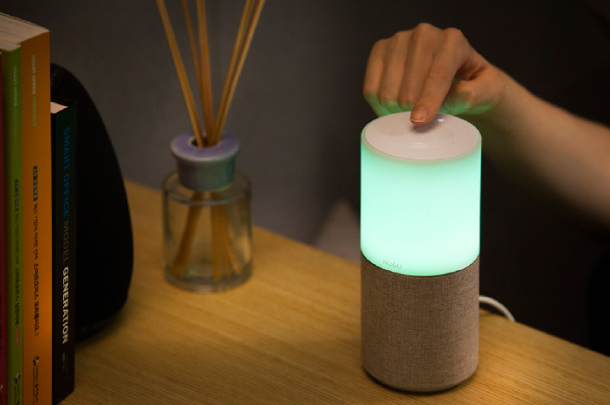
    The company hopes to use its AI technology to improve various hospitality services offered at the hotel, located near Busan’s famed Haeundae Beach. It will start by placing the latest version of its voice-powered smart speaker Nugu, dubbed the Nugu Candle, in about 100 hotel rooms this year.

    The Nugu Candle, released in July, offers more mood-lighting options than its predecessors in 17 different colors from its own light-emitting diodes (LED).

    The device can answer customers’ verbal inquiries about hotel facilities and tourist information about surrounding areas.

    The device will also be used in restaurants and wine bars inside the hotel. The smart speaker is not capable of controlling lamps in the room or curtains yet, a spokesperson from the mobile carrier said.

    But the partnership could expand to offering more AI-based hospitality services in the future, and the device will be given software upgrades to support new features.

    “We will keep striving to make sure AI becomes a natural part of our customers’ lives,” said Park Myung-soon, head of SK Telecom’s AI business unit.

    It’s not the first time Nugu has been placed in hotels. An earlier version of Nugu is being used at the Walkerhill Hotel in eastern Seoul. The company placed Nugu in all 250 rooms at the Walkerhill about two weeks ago, according to the company.

    That device can control some room settings, like temperature, through voice commands.

    KT is the mobile carrier’s largest competitor in putting AI technology into hotels. KT introduced a hotel version of its GiGA Genie smart speaker in July.

    The hotel version has a 10.8-inch display and it understands English, unlike the original GiGA Genie for homes. It can control lighting, room temperature, televisions and order things from the front desk on voice commands. The hotel version is currently being used in the Novotel Ambassador Hotel & Residence in Dongdaemun and L’escape Hotel in central Seoul.

    Kim Chae-hee, senior vice president of KT’s AI business unit, at a press event held in July said KT will continue to target hotels as customers increasingly look for services that don’t require them to interact with hotel staff face to face.