Tag: Korea

  • Bang & Olufsen made a Brown Bear speaker inspired by a Line character

    Bang & Olufsen made a Brown Bear speaker inspired by a Line character

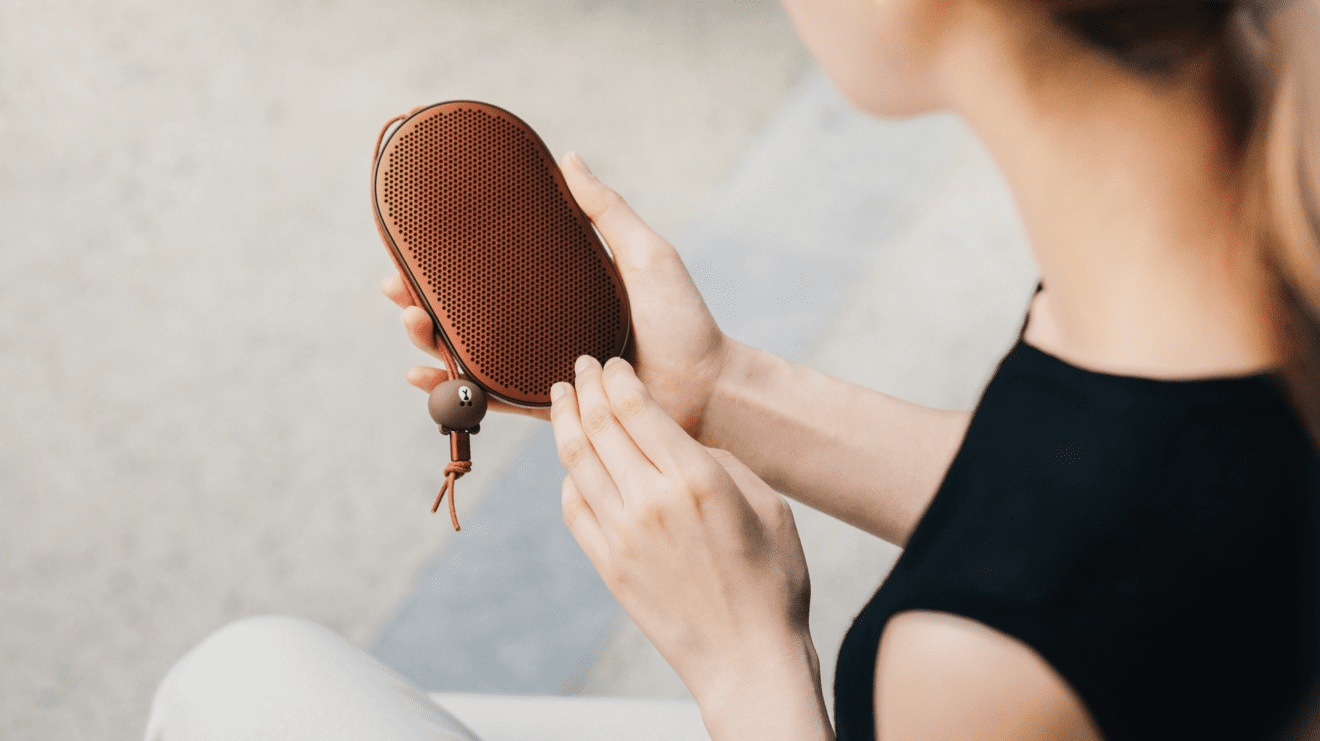
    Messaging platform Line has partnered with consumer electronics firm Bang & Olufsen to release a Brown-Bear themed speaker.

    The collaboration attests to the popularity of the chat app within Asia and of its proprietary characters, which are in familiar daily use amongst those who communicate via the platform. Brown Bear is a well-loved character in Line’s cartoon cast.

    Line character merchandise already sells in 108 countries, with a flagship store for Line-themed products in New York’s Times Square.

    The Bluetooth speaker, based on the firm’s Beoplay P2 model, is controlled by taps and shakes rather than button presses, and is brown with a featured Brown Bear accessory. It has been given a limited release with only 5000 units made, distributed in East Asia and the US both online and at a few retail outlets.

    Last month, Line partnered with DJI to create a Brown Bear-themed drone.

    View gallery of how the speaker looked like below (5 images) :

  • SK Holdings to invest $31 mn in U.S. fashion brand Rails

    SK Holdings to invest $31 mn in U.S. fashion brand Rails

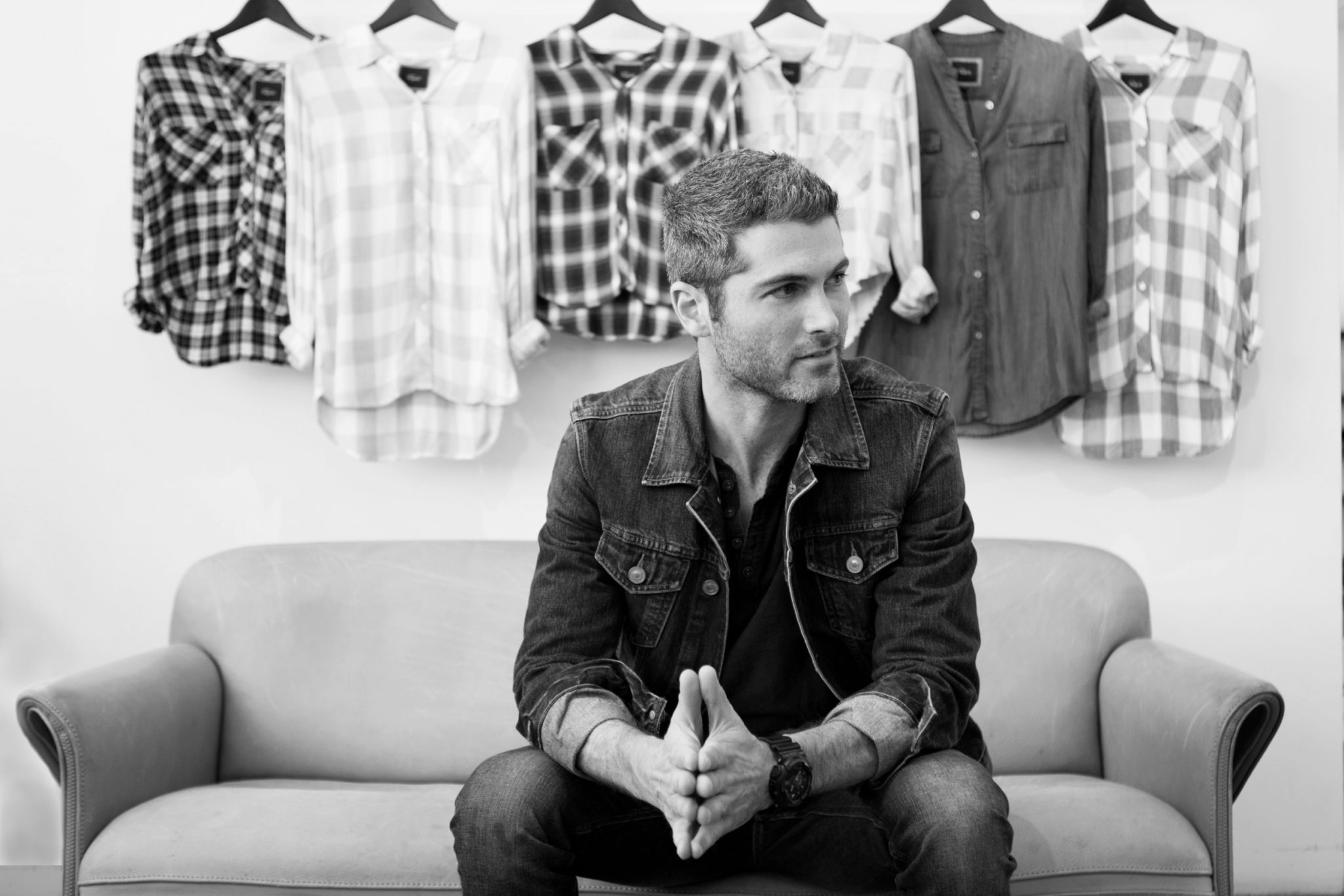
    South Korean firm SK Holdings is planning to invest KRW35 billion (US$31 million) into the contemporary fashion brand Rails.

    The investment, which will be channeled through its American investment subsidiary Plutus Capital, will finance its acquisition of 3160 shares in the Los Angeles brand. Rails is known for its high-quality blouses and is considered one of the country’s fastest growing fashion labels.

    SK Holdings has recently broadened its portfolio to shift focus to its investment strategy. It has invested into a range of industry sectors, including a $60 million shareholding in two North American clothing brands last year. Half of the firm’s $1.5 trillion spending last year was invested offshore. It has also invested heavily in ride-sharing platforms both in Southeast Asia and the US.

  • Shinsegae’s Emart to bring its fancy PK Market store to LA next year

    Shinsegae’s Emart to bring its fancy PK Market store to LA next year

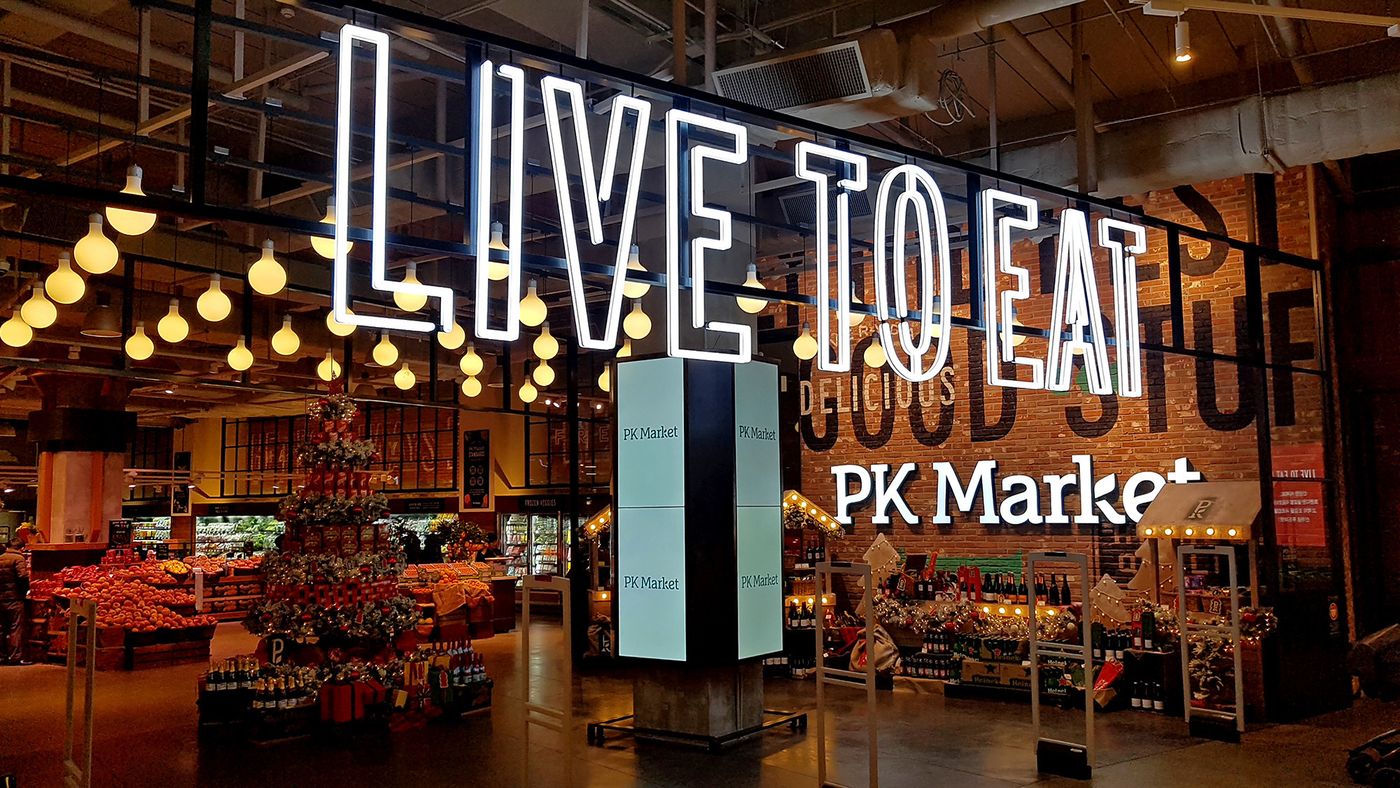
    Discount chain Emart will launch its PK Market grocery store chain in downtown Los Angeles in the second half of next year.

    This is Emart’s first expansion into the U.S. market.

    The company said that it signed a 10-year contract on a 4,803-square-meter (1.18-acre) space inside LA Jewelry Mart, which is located in the Jewelry District of Downtown Los Angeles.

    “As the rent contract was signed, we’re now able to further embark on procedures to plan for our business in the United States,” Emart said in a statement.

    During the contract period, Emart will occupy three floors of the six-floor building. PK Market will take up the basement and second floors, while the third floor is planned to be used as an office for the local discount chain.

    This red-brick structure was built in 1916 and was first used to house the Ville de Paris department store. In the building’s early days, the neighborhood was the city’s commercial center and had one of the largest jewelry districts in the United States.

    Downtown Los Angeles lost its shine in recent decades compared to other areas of the city, but development projects in the area have increased lately as more people and proprietors are getting interested in the charm of the old district.

    Emart said it approved of the location, considering that there are a number of ongoing developments that will transform the area once they are completed.

    “The building itself sits inside the Historic Core where the city office is, near South Park and the Financial District – it’s a part of town that has quite a floating population,” the company said.

    Emart’s plan to take its brick-and-mortar business to the United States – a rare move for a Korean retailer – was unveiled in March by Shinsegae Vice President Chung Yong-jin. Chung said the U.S. version of PK Market will present a wide array of Asian foods, including Korean products.

    PK Market currently has branches in the Starfield malls in Hanam and Goyang, Gyeonggi. It is built around a “grocerant” concept, in which restaurants, food stalls and a high-end grocery store coexist in one space.

    Emart added that, while the concept will remain the same, the name PK Market may be changed for the U.S. market.

  • Korea Sale Festa kicked off last week

    Korea Sale Festa kicked off last week

    The Korea Sale Festa beginning Sept. 28 will fail to fulfill its aim of boosting consumption and helping small- and medium-sized enterprises (SMEs), as a growing number of retailers and consumers have turned away from the government-initiated discount event.

    Since 2016, the government has hosted the Korean version of Black Friday to stimulate domestic consumption.

    However, consumers have pointed out low discount rates and the poor quality of products sold during the event.

    Retailers have also complained about the ineffectiveness of the event. “Department stores and discount chains regularly hold discount events, so their sales do not grow significantly during the Korea Sale Festa,” a retail industry official said.

    Amid the growing criticism, the government even cut the budget for the event and its duration.

    According to Rep. Yoon Han-hong of the main opposition Liberty Korea Party, the Ministry of Trade, Industry and Energy will spend 3.45 billion won (US$3 million) on the Korea Sale Festa this year, down from 5.1 billion won last year.

    In particular, the budget for traditional markets and SMEs decreased to 1.3 billion won from 2.77 billion won, while that for the promotion of the event is 2.15 billion won, down from 2.32 billion won.

    Most of the 2.15 billion won has been used to cast SHINee’s Choi Min-ho as spokes-model for the Korea Sale Festa, and entertainers who will perform on the eve of the event. They include Red Velvet, EXO, NCT 127 and several other singers and comedians.

    The length of the Korea Sale Festa has also been shortened to 10 days this year from 34 days last year.

    Given that the event will be held after the peak shopping season of the Chuseok holidays, SMEs and vendors at traditional markets will face difficulties in boosting sales.

    Against this backdrop, the number of companies participating decreased to 231 this year from 446 last year, as a growing number of retailers, hotels and restaurants declined to offer discounts.

    “Despite the recent slump in domestic consumption, the trade ministry does not pay any attention to the Korea Sale Festa, as it focuses only on the shutting down of nuclear power plants,” Yoon said. “The government should come up with measures to boost consumption and support SMEs.”

    The ministry decided to spend 2 billion won on the Korea Sale Festa next year, down 1.45 billion won from this year. Some observers expect the Moon Jae-in administration will move to abolish the event initiated by the previous Park Geun-hye administration.

  • Louis Vuitton dominates fake products seized in Korea

    Louis Vuitton dominates fake products seized in Korea

    South Korea’s Customs service has released an intellectual property infringement report detailing the most-seized counterfeit goods over the past four years.

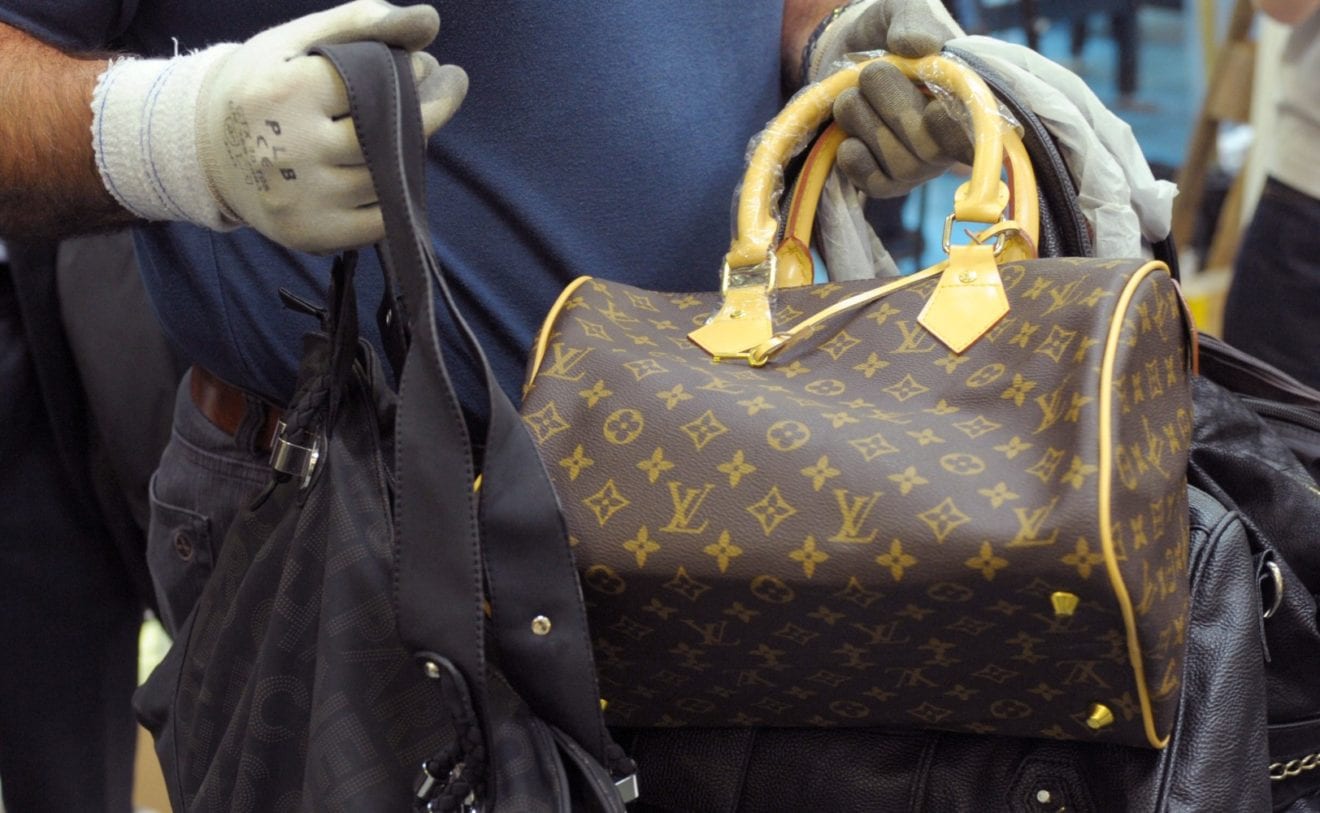
    According to the report, South Korean officials seized more fake Louis Vuitton products than any other between June 2014 and June this year, a trend that accelerated over the period.

    Agents seized KRW183.1 billion (US$224 million) worth of LV-trademarked counterfeit goods, mostly originating from China. Almost a quarter of those goods were seized within the last six months alone.

    Democratic Party lawmaker Kang Byung-won, who commissioned and released the report, said: “Making and distributing fake goods is a criminal act that violates intellectual property rights, and it is required to toughen crackdown on such illegalities.”

    Other frequently counterfeited brands include Rolex watches, Cartier jewelry, Chanel garments and accessories, and Gucci products.

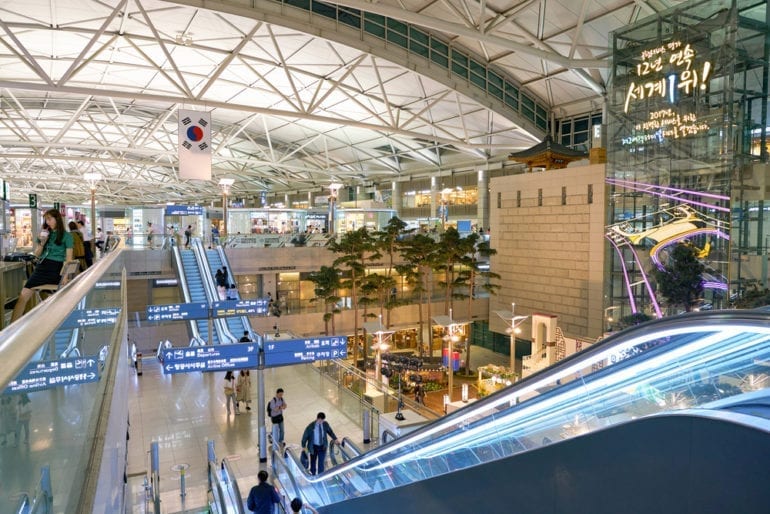
  • Duty-free on arrival set for Incheon next year

    Duty-free on arrival set for Incheon next year

    The country’s first duty-free store available to returning travelers will open at Incheon International Airport as early as next May, the Finance Ministry announced.

    Currently, duty-free purchases are allowed only for passengers departing Korea, either at an international airport or in advance at city locations with the goods available for pick-up at the departure terminal.

    “The number of people traveling abroad has been on the rise and they’ve been grappling with the inconvenience of carrying products purchased duty-free throughout the whole trip,” the Ministry of Economy and Finance said in a statement released.

    “[Duty-free on arrival] is aimed to end that inconvenience and prompt consumers to spend more inside the country instead of shopping duty-free overseas.”

    The statement added that duty-free on arrival is now already available at 149 airports in 73 countries.

    Cigarettes, a duty-free steady seller, will not be allowed for sale at on-arrival stores, the ministry said.

    “The price of cigarettes differs greatly at duty-frees and local retailers,” said a source at the Finance Ministry. “People could buy lots of them at arrival gates and resell them in Korea at a price cheaper than the official retail price.”

    The same abuse could be possible with cigarettes purchased at departure duty-frees, but the source added that “generally speaking, it’s inconvenient [to buy cigarettes there for resale] because they have to be carried throughout the trip and, in such cases, the purpose is mainly personal, either for the consumers themselves to smoke during the trip or as gifts.”

    Fruits and meat products that must be declared for quarantine are also banned from arrival duty-free stores.

    The Finance Ministry also reminded travelers that the purchase limit for duty-free products for Koreans returning home remains unchanged at US$600.

    Larger duty-free brands that operate stores in the city and departure gates argued the need to raise that limit if the government wanted to grant licenses for stores at the airport’s opposite end.

    Bidding for licenses to run duty-free spaces at Incheon International Airport’s arrival gates will be held between March and May of next year.

    Only small and mid-sized companies are allowed to submit business plans, leaving out industry leaders such as Lotte, Shilla and Shinsegae Duty Free.

    Operations at on-arrival duty-free stores are planned to start between late May and June. After a six-month trial run at Incheon, the government will look into expanding duty-free on arrival at other international airports in the country.

    This announcement puts an end to a 15-year debate. Consumers support the idea: 81 percent of respondents to a government survey last month complained about carrying duty-free goods while traveling.

    Since 2003, lawmakers have proposed to begin duty-free on arrival six times, but all the initiatives failed in the face of opposition from current operators and airlines. Current tax law allows duty-free purchases only on departure, so National Assembly action would be required as part of setting up a new system.

    President Moon Jae-in urged quick changes to the current system in August, citing a $13.7 billion tourism deficit last year.

  • Samsung cleans up its cross-shareholding web

    Samsung cleans up its cross-shareholding web

    Samsung Group affiliates sold off shares in each other’s companies on Friday in a major step toward revamping the conglomerate’s governance structure and removing its byzantine web of cross-shareholding.

    Samsung Fire & Marine Insurance put 2.61 million shares, or 1.37 percent, of Samsung C&T for sale at a suggested price of 328.5 billion won ($294.3 million) through a block deal. Samsung Electro-Mechanics had 5 million shares in the company, equivalent to 2.61 percent, which it aimed to sell at 642.5 billion won.

    The main buyers were institutional investors, industry sources said. They purchased each Samsung C&T share for 122,000 won, 5 percent down from the previous day’s closing price. This will leave Samsung Fire & Marine Insurance with 319.3 billion won and Samsung Electro-Mechanics with 610 billion won.

    The sell-offs put an end to the conglomerate’s long history of cross-shareholding in which companies in a group own shares in other companies. In Korea, the tactic is often used by a conglomerate’s owner family to tighten its ownership across affiliates without directly owning shares in each.

    Samsung, the country’s largest conglomerate, originally had six affiliates forming a complicated spoke-and-axle structure with Samsung C&T at the center. The other five companies were Samsung Electronics, Samsung SDI, Samsung Life Insurance, Samsung Fire & Marine Insurance and Samsung Electro-Mechanics.

    Its first step toward breaking the structure came in April, when Samsung SDI sold off 4.04 million shares worth 559.9 billion won in Samsung C&T. This effectively terminated three out of seven cross-shareholding arrangements that existed across affiliates. Friday’s sell-off cut off the remaining four.

    Industry analysts expected Samsung C&T to buy back the shares sold by the two affiliates, but all of them were sold to outside investors through block deals, a form of transaction in which two parties agree on a price outside the stock market. Samsung SDI also sold its shares to institutional investors in a block deal in April.

    The current administration under President Moon Jae-in has sent multiple warnings to Samsung to resolve its cross-shareholding structure. It was one of Moon’s pledges when he ran for office last year.

    As for Samsung’s Lee family, the effect on their ownership inside the group is minimal. Its members, including the ailing patriarch Lee Kun-hee and his son Lee Jae-yong currently own 33 percent of Samsung C&T, the group’s de facto holding company. Friday’s sell-off of 3.98 percent in the affiliate won’t make much difference.

  • LG U+ adds Google Assistant to its IPTV

    LG U+ adds Google Assistant to its IPTV

    Unlike its telecom service competitors SK Telecom and KT, LG U+, the smallest of the three, is taking a two-track strategy when it comes to voice commands for its internet protocol TV (IPTV) service.

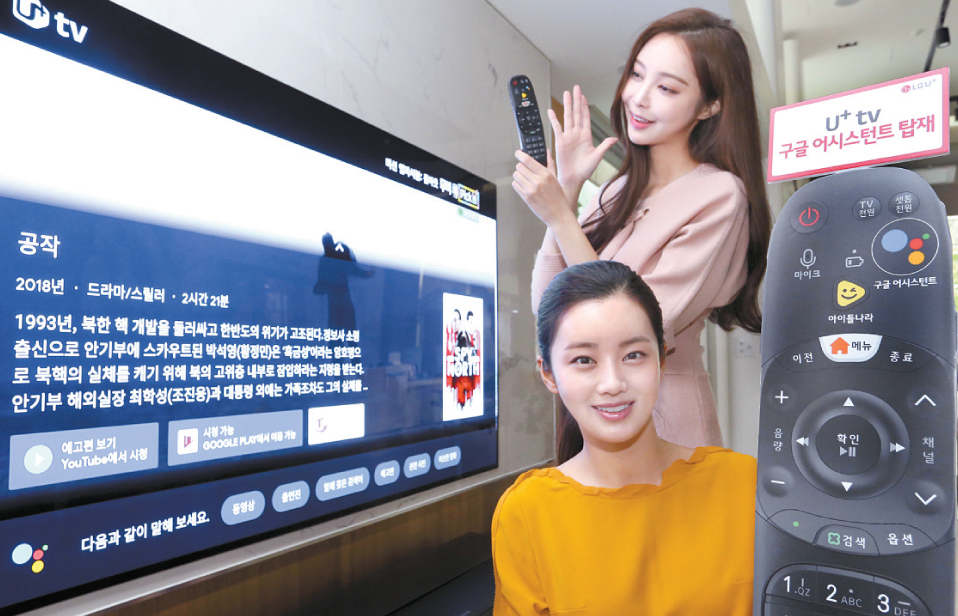
    LG U+ said on Wednesday that it will enable its customers to use Google Assistant for its IPTV set-top box. Subscribers to LG U+ IPTV service can use Google’s AI voice assistant to watch YouTube on TV, launch the Google Photos app as well as use translate and search features with a remote control specifically devoted to Google Assistant.

    Searching for videos on YouTube and viewing photos on smart TVs is hardly new for owners of the latest smart TVs, but using a remote control for real-time translation on a TV is a unique feature.

    “We plan to continue expanding the fields of cooperation with Google that began in 2012,” said Won Kang-hoon, leader of the IPTV partnership service team at LG U+.

    LG U+, an affiliate of LG Electronics, already joined forces with top domestic search engine and portal operator Naver last December to let its customers use Naver’s Clova AI platform for its cable TV service. The telecom operator even tied Clova Friends, an AI speaker, with its subscription services as part of a joint promotion.

    LG U+ IPTV subscribers, who total around 2 million, can use both Clova and Google Assistant. But the telecom has yet to decide whether to link the Google Home AI speaker with its IPTV service.

    SK Telecom and KT, the two largest telecom operators in Korea, have been building their own AI voice command platform. The former has Nugu and the latter has Giga Genie. Other tech firms, such as Samsung Electronics and Naver, have theirs as well. LG U+’s affiliate LG Electronics has its own ThinQ platform, but as of now it only works with home appliances and smartphones.

    LG U+ first released a set-top box equipped with the Google TV operating system in 2012. Four years later, it let subscribers watch some curated YouTube video content. Last August, LG U+ began offering YouTube Kids content to subscribers.

  • Decathlon opened first Korean store

    Decathlon opened first Korean store

    The first Decathlon South Korea store has opened.

    The French-headquartered sports goods retailer is rapidly expanding its Asian footprint, last year opening its first store in Indonesia and in January planning its fourth Singapore store, a 5000sqm flagship.

    The new Decathlon South Korea store is takes up 7800sqm in Songdo, near Seoul. Its opening early this month coincides with the launch of its South Korean e-commerce platform. Four more outlets are in the works to be opened within two years.

    Stephane Guy, CEO of Decathlon South Korea, said: “Songdo is a sports city. There are many parks where we can run, walk and we have many families living here too. It‘s exactly what we wanted.”

    Decathlon operates 1415 stores in 47 countries.

  • Ministop South Korea is for sale, rivals compete

    Ministop South Korea is for sale, rivals compete

    South Korean retail operators Lotte and Shinsegae are competing to buy the 21-year-old local subsidiary of Japanese convenience-store operator Ministop.

    Shinsegae and Lotte respectively own rival chains Emart24 and 7-Eleven and are both reportedly seeking to take full ownership of Ministop South Korea. Both companies see the deal as a means to grow their respective businesses in a market where convenience-store penetration has reached saturation point, limiting opportunities for organic network growth.

    7-Eleven currently operates 9535 stores across South Korea and Emart24 3413. The Ministop network numbers just 2535.

    Japan’s Aeon, which owns the Ministop brand, owns a majority 76 per cent of the South Korean business.

    Daesang group owns 20 per cent and Mitsubishi the balance. Aeon has appointed Nomura Securities to find a buyer for the business as it sees little future for the convenience store brand in South Korea, a highly competitive market. Instead, Aeon is looking to Southeast Asian markets for growth, including Vietnam, Thailand and Cambodia.

    Last year, Ministop South Korea sales totalled 1.18 trillion won (US$1 billion), ranking it fourth in revenue terms behind GS25, CU and 7-Eleven.

  • Samsung expected to post record operating profit

    Samsung expected to post record operating profit

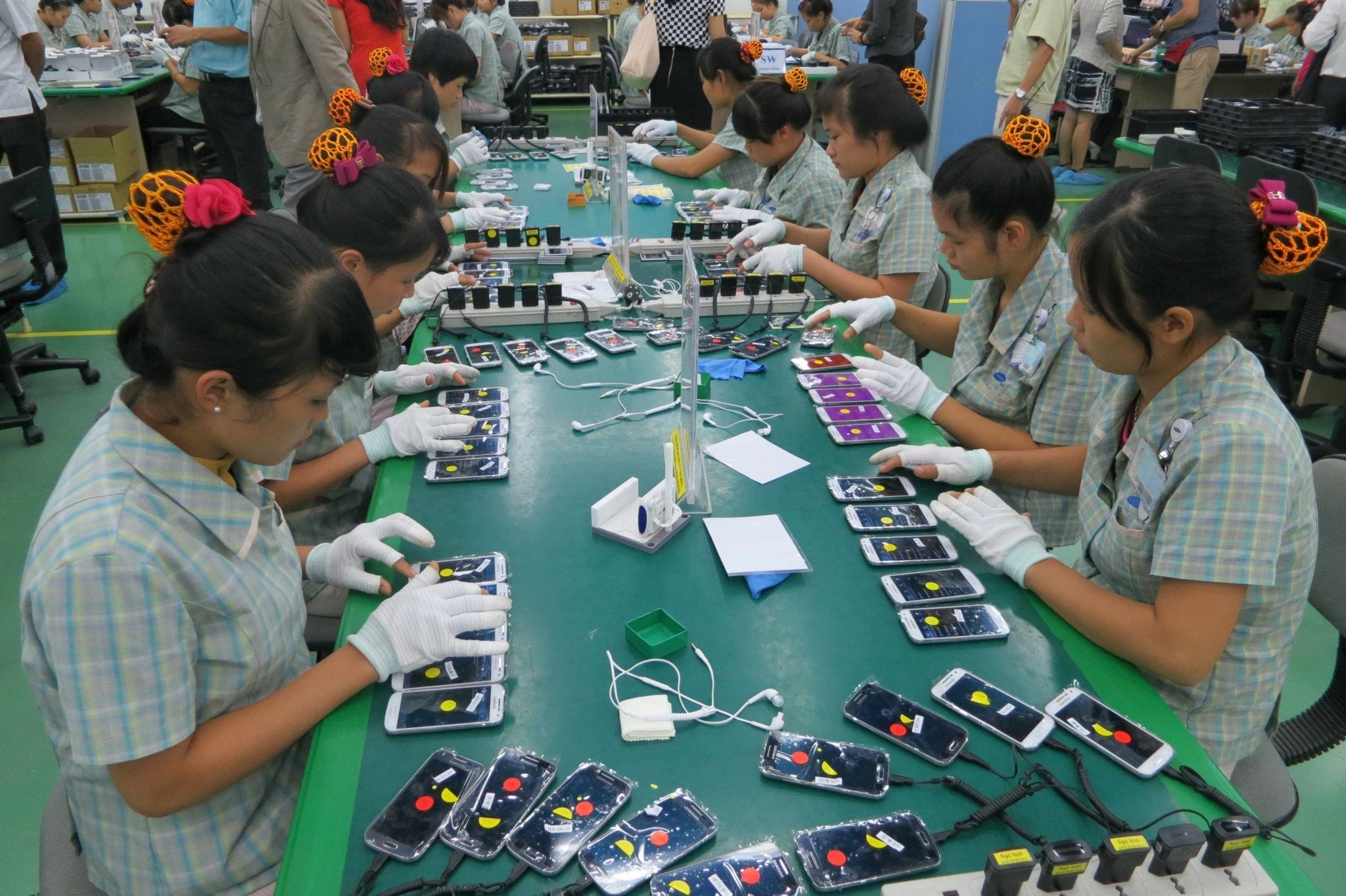
    Samsung Electronics is expected to post a record operating profit of 17.2 trillion won ($15.4 billion) in the third quarter, backed by firm demand for memory chips, market sources said Tuesday.

    The consensus by major brokerage firms marks an 18.5 percent on-year increase in the tech behemoth’s profit for the July-September period.

    The revenue is forecast at 65.2 trillion won, up 5.1 percent from a year ago.

    The company is expected to release its third-quarter earnings preview next Friday.

    The world’s top smartphone maker logged a record high 65.9 trillion won in sales in the fourth quarter of last year and a record high of 15.6 trillion won in operating profit in the first quarter of this year.

  • Delpozo to arrive in South Korea with KLH International

    Delpozo to arrive in South Korea with KLH International

    Spanish luxury designer brand Delpozo has entered into a partnership with South Korean firm KLH International to open six locations in South Korea.

    Two of the Delpozo South Korea stores have already begun trading, with the third opening shortly. The remaining three are planned to launch within two years.

    The first Delpozo South Korea store in Seoul, at 63sqm, launched September 14 at the Lotte World Tower. The second location in Lotte Busan measures 57sqm and opened five days after Seoul. The third – and largest at 100sqm – opens early next month in Hyundai Mainwill.

    Grupo Perfumes y Diseno has owned the Delpozo brand since 2013. The company’s president and owner Pedro Trolez said the partnership marks further expansion in the Asian market.

    “We are very excited about opening the first three locations, with more expected for the next two years,” he said.

    KLH International CEO Thomas Hahn said the launch will “give a new impulse into the stagnant women’s clothing market”.

  • Korea’s Goobne Chicken enters Malaysian market

    Korea’s Goobne Chicken enters Malaysian market

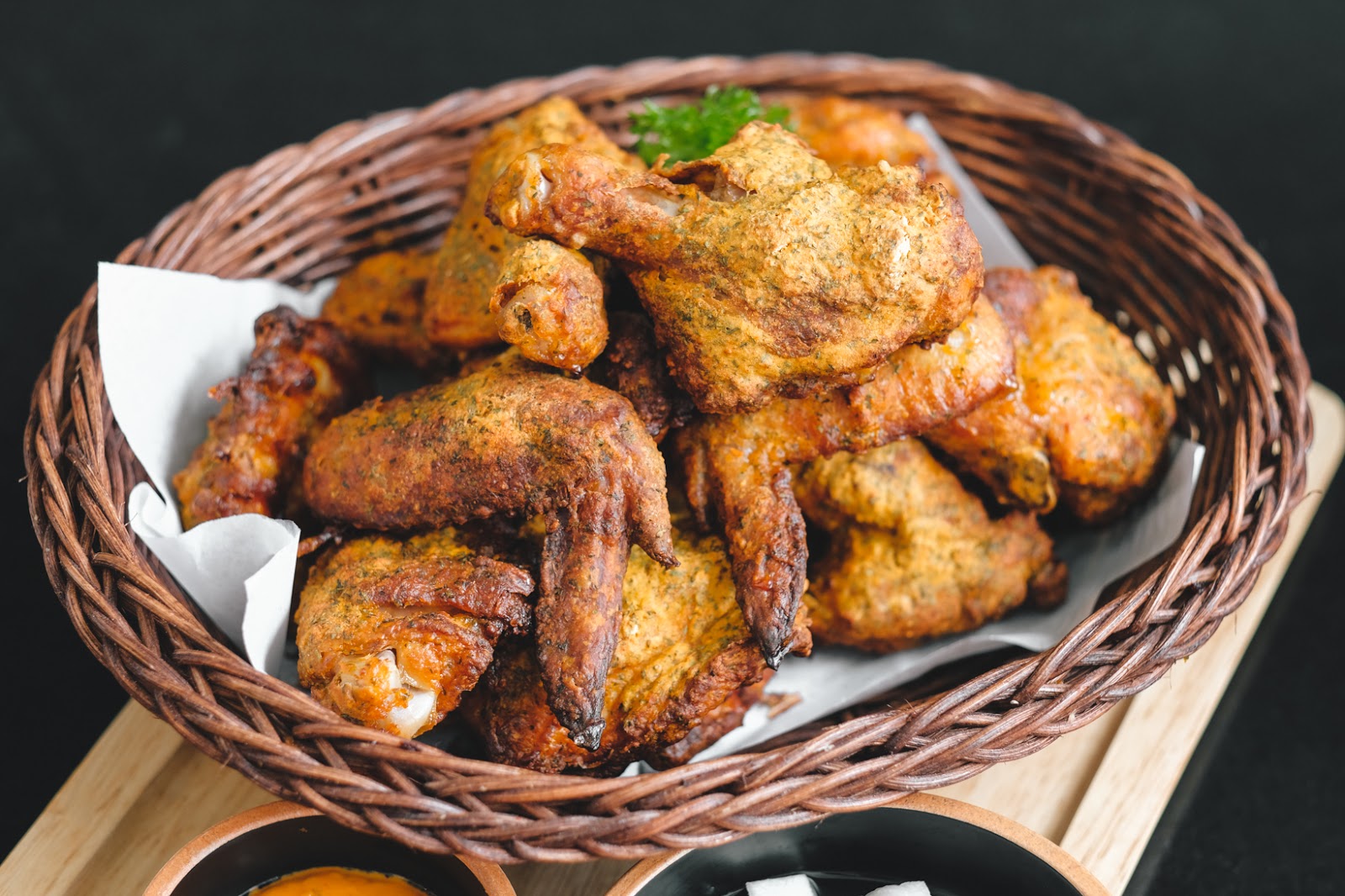
    South Korean fast-food chain Goobne Chicken has expanded into Malaysia, opening its first outlet in My Town Shopping Center.

    The brand plans to test the market under a franchise agreement with a local partner and has chosen its first location at one of the city’s largest shopping malls, housing more than 400 retail and dining options.

    Located on the fourth floor, the 115sqm store can seat 64.

    “Our employees in overseas management, product development and marketing departments have performed a thorough market study for the Malaysian entry,” said a Goobne Chicken spokesperson.

    “We plan to win over Malaysian consumers with our locally-tailored menu and marketing campaign.”

    Goobne operates 12 outlets overseas, including in Hong Kong, Macao, Japan and Indonesia.

    The company says it will open its first Vietnam restaurant in Ho Chi Minh City in November.

  • Hyundai Motor hydrogen trucks are going to Europe

    Hyundai Motor hydrogen trucks are going to Europe

    Hyundai Motor’s hydrogen-powered truck will take to the streets of Europe, where the hydrogen infrastructure is better than in Korea and subsidies for hydrogen cars more generous.

    The nation’s No.1 carmaker announced Thursday that it signed a memorandum of understanding with Swiss hydrogen energy company H2 Energy to supply 1,000 large hydrogen trucks from 2019 to 2023.

    They will include both refrigerated and unrefrigerated cargo trucks. H2 Energy will lease the trucks to local gas station companies and grocery franchises.

    Under the partnership, Hyundai Motor and H2 Energy will try to expand the use of hydrogen-powered trucks not only in Switzerland but all over Europe.

    “The MOU with H2 Energy allowed Hyundai Motor’s hydrogen trucks to advance into the European eco-friendly commercial vehicle market,” said Lee In-cheol, executive vice president of Hyundai Motor’s commercial car team.

    The hydrogen-powered trucks being sent to Europe from next year are based on Hyundai Motor’s flagship large-sized Xcient truck. The development is near completion, Hyundai Motor says, to meet local transportation regulations.

    The trucks will have 190 kW fuel-cell batteries.

    They are expected to have a range of 400 kilometers (259 miles) per charge, which will take about 7 minutes.

    In terms of safety features, they will have forward collision avoidance and lane departure warning systems.

    Hyundai Motor explained that it is initiating its hydrogen truck business in Europe rather than Korea due to better infrastructure and state support as well as rising demand.

    State support comes in various ways in European countries. Germany, for example, offers subsidies, while the Netherlands and Norway give tax incentives to people who purchase eco-friendly vehicles.

    Switzerland, the first market for Hyundai Motor’s hydrogen-powered Xcients, has eliminated tolls on 3.5-ton or heavier trucks that run on eco-friendly engines. Trucks powered by diesel engines, in contrast, have to pay heavy tolls.

    The carmaker plans to launch a midsized truck fueled by hydrogen in the near future that could be used for road cleaning or collecting garbage.

  • Seoul Design Cloud to promote city as design hub of Asia

    Seoul Design Cloud to promote city as design hub of Asia

    Seoul is promoting itself as Asia’s leading design hub with a series of design-related events.

    Hosted by the Seoul Design Foundation, Seoul Design Cloud, a mega design event comprising Seoul Design Week, Seoul Upcycling Week and Seoul Fashion Week – different from the biannual fashion event – kicked off Monday at Dongdaemun Design Plaza.

    “With Dongdaemun Design Plaza as the center, Seoul’s design will take a leap. And Seoul Design Cloud will show the way,” Choi Kyung-ran, the head of the Seoul Design Foundation, said at a press event on the opening day.

    Seoul Design Cloud is being held at the DDP – which is also being used as the main press center for the inter-Korean summit – through September 26.

    “DDP will receive attention (from around the world). We hope that through this opportunity, (the venue) can grab people’s attention,” Choi said.

    The 10-day event kicked off with the Human City Design Seoul conference, which discusses the city’s future in terms of design-related aspects.

    At the conference, Seoul Mayor Park Won-soon spoke as a social designer, suggesting Seoul move on as a design city. A related exhibition is being held at the DDP during the period of the event, introducing cases from 21 cities in which design has made people’s lives better.

    Ahn Gi-hyun, the head curator of the exhibition, and his team gathered examples from around the world, and contacted cities to receive videos that are being shown at individual kiosks.

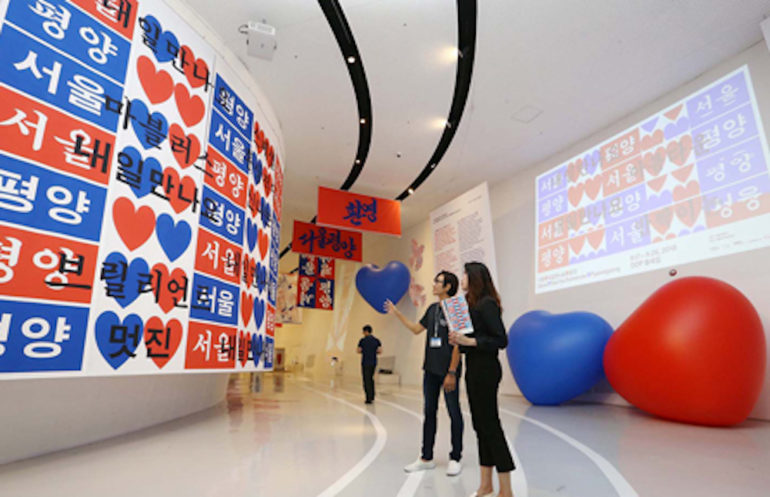
    “Seoul See You Tomorrow Pyeongyang” is an exhibition that celebrates cooperation and harmony between the two Koreas and hopes to link the two capital cities beyond physical and political boundaries.

    Around 41 graphic designers and illustrators from Korea and abroad participated in creating artworks that imagine what the two cities would be like in 2030, using mainly the colors of red and blue.

    Meanwhile, young student designers will showcase 100 new hanbok designs on Sunday at Changdeokgung, with student models wearing the designs walking around the palace garden. The outfits were shown to the public on Monday at a fashion show in line with the opening of Seoul Design Cloud.

    During the event period, a market will also be held at DDP to introduce local brands based in the Dongdaemun area, the fashion hub of Seoul.

    With Seoul Design Cloud covering a broad spectrum of design with diverse events, from conferences to markets, questions were raised at the press conference about the identity of the event.

    “We have obtained some fundamental results by cooperating with the Seoul Metropolitan Government on the topic of city revitalization,” said Jun Gi-hyun, an official from the Seoul Design Foundation, in response to the question.

    “Regarding design, there are numerous things happening. It is our role to show everything to the people, allowing them to be inspired,” he added.