Tag: Korea

  • Xiaomi phone comes to Korea

    Xiaomi phone comes to Korea

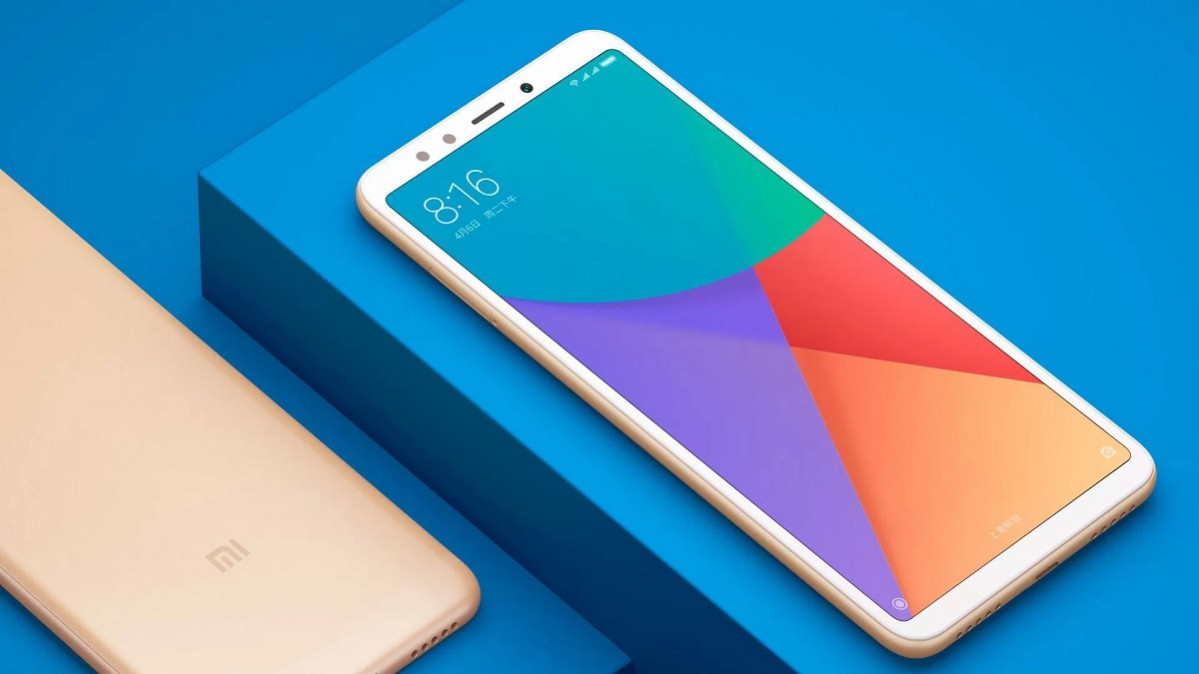
    Xiaomi’s Redmi Note 5 became the Chinese electronics giant’s first mobile phone to officially sell through Korean mobile carriers on Monday.

    The cost-effective phone, priced at 299,000 won ($265), is the first Xiaomi device launched nationwide through Korean mobile carriers SK Telecom and KT. Unlocked Xiaomi phones have previously been available through other retail channels in Korea.

    Redmi Note 5’s greatest selling point is its cheap price tag. While the phone already costs about a third of the price of Samsung’s Galaxy S or Note series phones or Apple’s iPhones, SK Telecom and KT are offering discounts of up to 200,000 won depending on the phone plans users subscribe to.

    That means that some customers will be able to pick up the phone for as little as 100,000 won.

    But the Redmi Note 5’s cheap price tag doesn’t mean Xiaomi has cut back on the features.

    The 5.99-inch screen phablet comes with a large 4,000mAh battery – larger than both the 3,300mAh battery in the Galaxy Note 8 released last year and the 3,000mAh battery in the Galaxy S9 released in March – and dual rear cameras with a 12-megapixel main lens.

    For enhanced selfie mode, the phone has a 13-megapixel front-facing camera. G-mobi, the Korean distributor of Xiaomi products, said that artificial intelligence has been applied to the camera so it can blur the background to focus on people during a launch event held Monday in Seoul.

    G-mobi also emphasized the beautify 4.0 feature of the camera, which can add effects to peoples’ faces by recognizing each part of the face such as dark circles, nose, eyes and even freckles. The feature enables users to easily fix their looks without editing the photo through special apps or programs.

    Jung Seung-hee, CEO of G-mobi Korea, said the Redmi Note 5 has been gaining better-than-expected feedback during the presales period that began from July 12. The phone is also sold online by CJ and Hi-Mart. Jung did not disclose exact sales data.

    She also declined to comment on an exact sales target for the phone, only saying that the goal for now is to safely land Xiaomi as a smartphone brand in Korea.

    When asked whether Xiaomi plans to establish its own retail shop in Korea, Jung said that is highly desired and a plan is being considered, but the low margin on Xiaomi products makes it a difficult decision.

    With the launch, eyes are now on how much market share the phone can take in Korea, the home turf of smartphone giants Samsung Electronics and LG Electronics where non-Korean branded phones have rarely survived, with the exception of Apple’s iPhone.

    According to market tracker Strategy Analytics, Samsung phones have accounted for 65.3 percent of the local smartphone market in the first quarter, followed by Apple with 16.7 percent and LG at 12.2 percent. Other foreign brands are struggling to even achieve a five percent market share.
  • Electric car sales in Korea shoot up as driving range grows

    Electric car sales in Korea shoot up as driving range grows

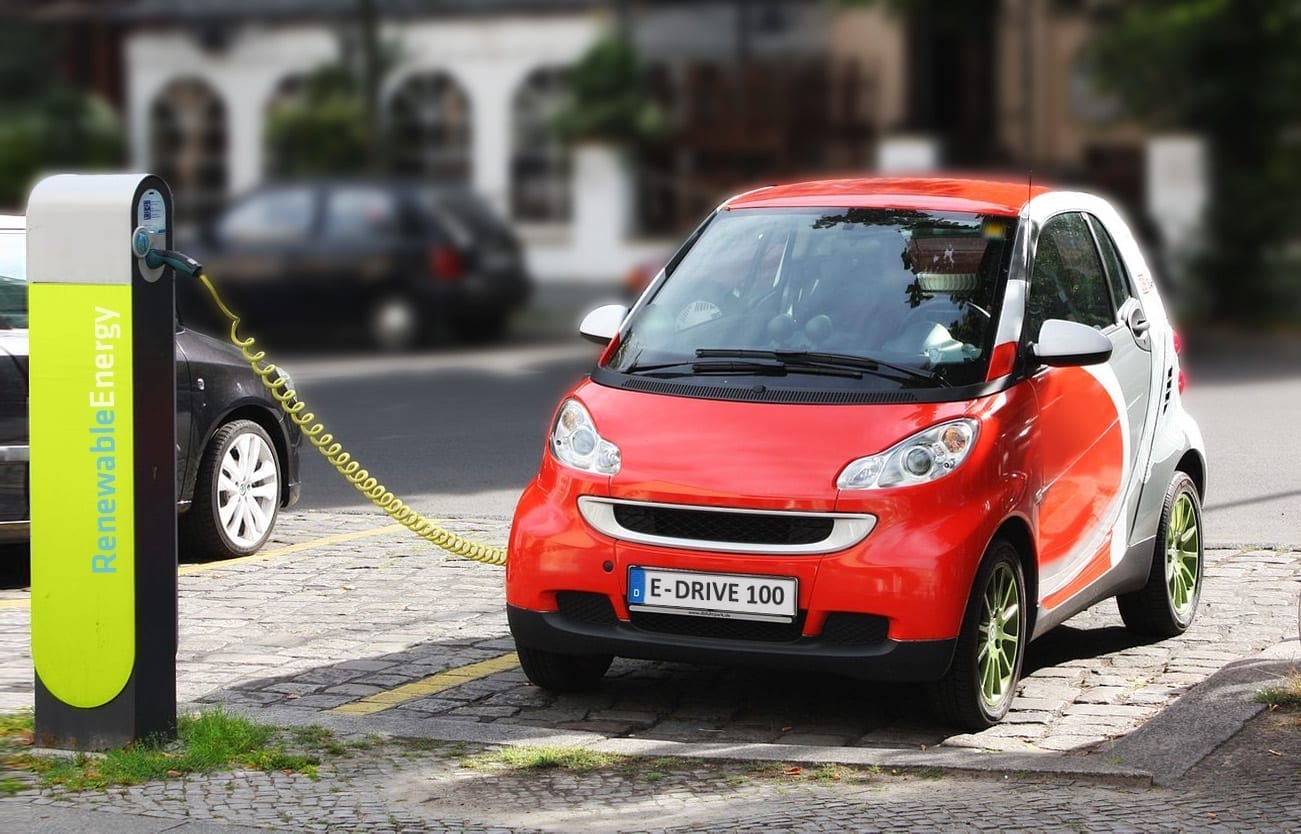
    For years, Korea’s electric car market lagged behind that of other countries due to a lack of charging infrastructure and few appealing models.

    This year marks a turning point, as sales of electric vehicles (EV) grew by more than 150 percent in the first half of 2018 when compared to 2017.

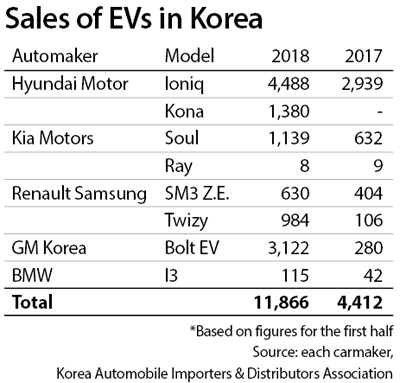
    According to data from Korea’s four domestic carmakers and the Korea Automobile Importers & Distributors Association released on Sunday, 11,866 pure electric vehicles were sold from January to June this year. This is 168.9 percent more than the first half of last year, when 4,412 electric cars were sold in Korea.

    Hyundai Motor sold 4,488 of its Ioniq Electric cars, making it the year’s most popular model. It was followed by GM Korea’s Bolt EV.

    The Bolt EV launched in Korea last year, and GM Korea sold a total of 3,122 of the cars in the first half of this year.

    The electric version of Hyundai Motor’s small Kona SUV, which only launched in May, took the third spot with 1,380 vehicles sold.

    The top three EV models this year all have batteries that provide for long ranges.

    The Ioniq Electric, the oldest of the three, can travel 200 kilometers (124 miles) per charge, a slight upgrade from its previous version, which ran out of juice after 191 kilometers.

    GM Korea’s Bolt EV, a rising star in the Korean EV industry, can travel about 380 kilometers. The Kona Electric has the longest range of the top three at 400 kilometers.

    According to Hyundai Motor, about 15,000 sales of the Kona EV have not yet been reflected in the data.

    Kia Motors’ Soul EV followed in fourth place, with 1,139 cars sold, which is 80.2 percent more than the first half of 2017.

    Renault Samsung Motors is aiming at a niche market with its electric cars. Its electric SM3 Z.E. sold 630 units in the first half. The Korean unit of French auto giant Renault Group is targeting taxi companies by providing an extra discount for SM3 Z.E.s sold as taxi vehicles.

    It also launched a micro EV, the Twizy, last year, which sold 984 units so far this year.

    BMW upgraded the driving distance of its i3 by 50 percent last year to 208 kilometers. The company sold 115 i3s last year, 173.8 percent more than the first half of 2017.

    The EV market in Korea is expected to grow further later this year after Kia Motors’ launches its electric Niro SUV, which will be able to travel more than 380 kilometers per charge, and Jaguar’s I-Pace, which will have a range of 480 kilometers per charge.

  • J-beauty brands to broaden their market

    J-beauty brands to broaden their market

    The flood of Chinese tourists to Japan has given a fresh uplift to the high-end beauty products market. Buoyed with success, some niche brands are now venturing beyond China.

    Nagoya-based MTG, which sells health and cosmetic tools that cost hundreds of dollars, is gearing up for further expansion abroad. The company made its stock market debut in Tokyo on Tuesday, raising 34.2 billion yen ($309 million).

    Excitement around the listing — the second largest initial public offering in Japan this year after e-commerce unicorn Mercari in June — was reflected in its share price, which ended 27% higher than the offer price of 5,800 yen, giving it a market capitalization of $2.56 billion.

    This is partly due to the stellar growth of its overseas business; revenue for its global segment more than doubled to 11.2 billion yen in the year ended September. This was driven by sales in China, mostly through Alibaba Group Holding’s Tmall shopping platform.

    “Over the next three to five years, we want to grow in Asia, centered around China,” MTG President Tsuyoshi Matsushita said at a press conference on Tuesday. The company is exploring options to enter Russia, Dubai and the Philippines, he added.

    Established in 1996, MTG designs and sells beauty and health products in collaboration with universities, medical institutions and celebrities. To stimulate interest among Chinese consumers, the company recently appointed Chinese actress Fan Bingbing as “global ambassador” for ReFa, its best-selling facial and body massage tool.

    “I have seen many Japanese brands that have great quality but lose because of branding and marketing,” said Matsushita. “Overseas sales now account for 35% of the total. We want to show that upstarts from Japan can compete globally.”

    Japan’s beauty market has benefited from a rise in foreign tourists, especially from China — with annual visitor numbers from that country tripling between 2014 and 2017. Popular products are exposed through social media to mainland Chinese consumers, who buy the products through e-commerce platforms like Tmall. This virtuous cycle enables relatively new players like MTG to succeed without having a large physical presence in a foreign country. Matsushita said that five years ago the company did not have any overseas talent.

    The eagerness to go global highlights the opportunity that MTG and its rivals see ahead: millennials willing to spend lavishly on new ideas to improve their looks. Such behavior is rare in Japan, where spending on skincare and cosmetics is already the highest in the world and led by older women.

    “The main difference [with] Japan is that users in China are very young,” said Kimiyo Yamazaki, president of high-end beauty device maker Ya-man. “In Japan our products… target seniors who want to go beyond cosmetics, but in China they are college students, or people in their 20s and 30s.”

    Ya-man makes high-end facial care devices that can cost upwards of 40,000 yen. It logged a 50% increase in net profit for the year ended March to 3.3 billion yen, driven by sales in China. The company launched its products in South Korea and Singapore last year, and recently expanded to Indonesia. It is looking to enter Vietnam before the end of this year.

    Ya-man targets 30 billion yen in annual revenue over the long term, 30% higher than its latest fiscal year. Jiro Kojima, an analyst at Daiwa Securities, estimates that half of that growth will come from East Asia and other overseas markets. “The market for products like facial rollers is continuing to expand in Asia,” he wrote in a research note to clients in June.

    Other companies are also expanding their product lines. Fancl, a smaller cosmetics rival to Shiseido and Kose, has seen overseas sales for its supplements grow faster than its core cosmetics business. The company recently unveiled plans to sell supplements in China as early as 2020, pending approval from local regulators.

    Some observers warn that the current boom in Japanese brands might cool. The growth in exports of South Korean cosmetics products to China is said to have slowed last year amid tensions over the deployment of the U.S. THAAD anti-missile system in South Korea, to which Beijing has strongly objected. Another challenge is preventing copycat products — MTG has partnered with Alibaba to protect its intellectual property.

    “We need to create a system that doesn’t rely on a single brand or product,” said MTG’s Matsushita. “We made some progress. Now we need to prove the high expectations by shareholders with numbers.”

  • Samsung’s Note 9 stresses power of stylus

    Samsung’s Note 9 stresses power of stylus

    Samsung Electronics’ next flagship smartphone, the Galaxy Note9, will hit the Korean market on Aug. 24, according to sources.

    The phablet, scheduled to be unveiled in New York at 11 a.m. on Aug. 9, can be preordered starting Aug. 14 and will be shipped on Aug. 24, around three weeks earlier than its predecessor, the Note8, last year.

    Samsung is advancing the release date to chalk up some sales before Apple launches its next flagship phone in three versions in September.

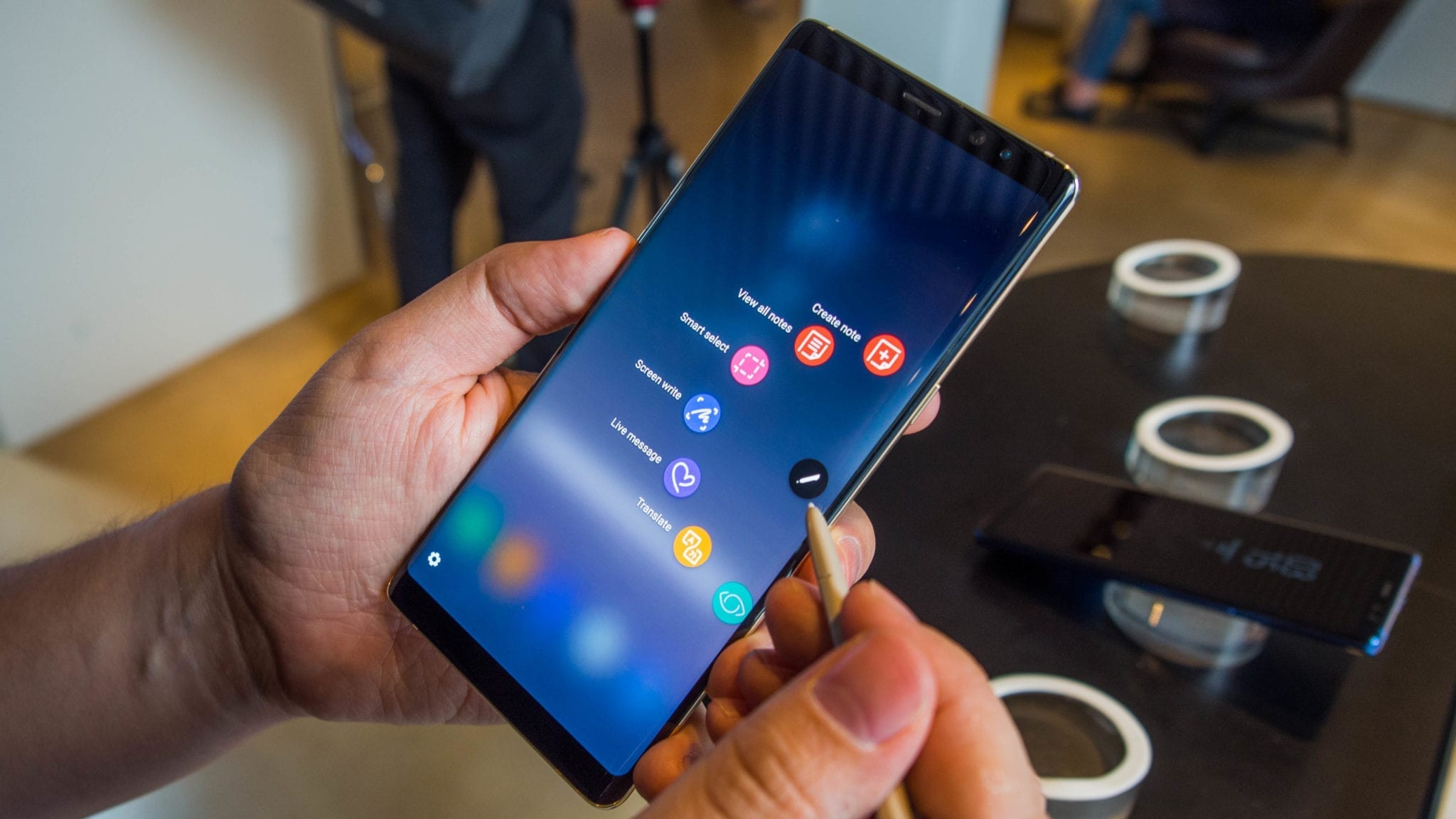
    In an online invitation to the so-called unpacking event for the Note9, Samsung emphasized its S Pen stylus, indicating its features will become more varied.

    Last Thursday, a Galaxy fan renowned for leaks who goes by the user name Ice Universe tweeted a photo presumed to be the Galaxy Note9’s official poster. An image showed a yellow S Pen lying on a blue Note9. The S Pen is rumored to be able to remotely play music and set timers on the smartphone over Bluetooth.

    The image of the Note9’s rear shows a fingerprint scanner and heart rate module underneath dual camera lenses.

  • Converse x KASINA Capsule launched

    Converse x KASINA Capsule launched

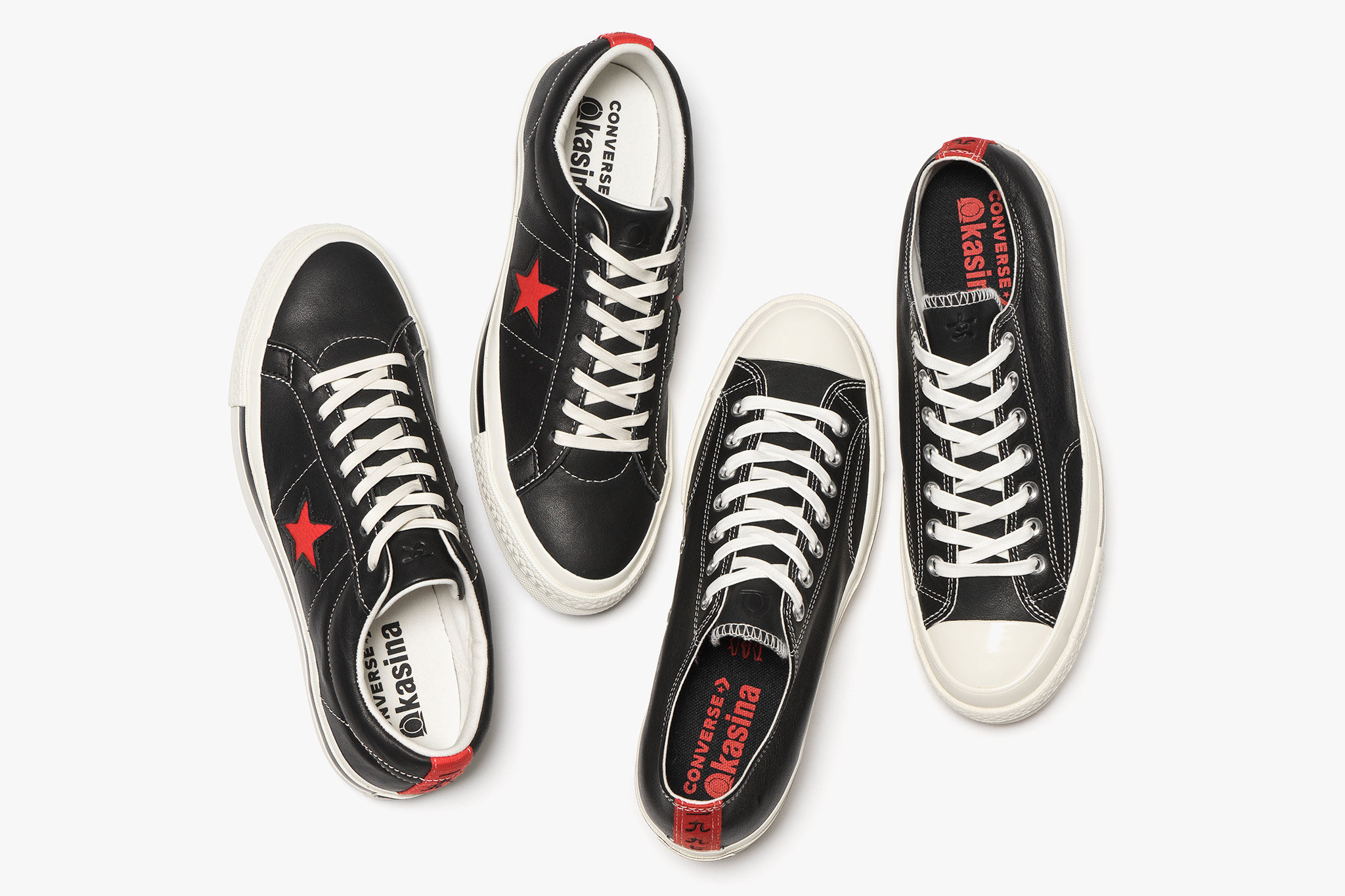
    Popular footwear label Converse has partnered with South Korean streetwear brand Kasina to release a collaborative capsule collection.

    Today’s Kasina x Converse global release on converse.com and in Kasina stores will feature Chuck 70 Ox and One Star silhouettes, an homage to Kasina’s urban styles and the iconic Korean fashion staples of recent decades.

    Kasina started trading in 1997 as a skateboarder garment label that blossomed as its image found favour with KOLs in Korean entertainment. The shoes bear the firm’s inaugural year on the heel along with the brand’s symbol – the Chinese character for “woman”.

  • Volkswagen, Toyota lead a surge in imports

    Volkswagen, Toyota lead a surge in imports

    Audi and Volkswagen have roared back to the Korean imported car market after a two-year absence.

    After launching in May, Volkswagen’s flagship midsize Tiguan SUV became the best-selling imported car model in Korea in June.

    The Tiguan 2.0 TDI sold 1,076 units in June, according to the Korea Automobile Importers & Distributors Association on Thursday. It was the only imported model that sold over 1,000 units last month.

    In its launch month, Volkswagen Korea sold 1,561 Tiguans.

    “Although Volkswagen’s brand image was dented due to the emissions scandal, the Tiguan SUV is widely known to be well-made and it seems like Korean consumers have been waiting specifically for the model,” said Kim Pil-soo, an automotive engineering professor at Daelim University.

    “At the moment, there are no substitutes for the Tiguan SUV that satisfy those who want to buy an imported car in a medium price range. Due to its relatively low price, Tiguan is able to appeal to consumers who were thinking about buying domestic brands.”

    On the back of those strong sales, Volkswagen Korea was ranked third in sales of imported cars in June with only two models on offer, the Tiguan and the Passat sedan.

    As for specific imported models, BMW’s 5-series sedan 520d came in second in June sales with 963 units, followed by Audi’s A6 35 TDI with 891 units.

    Korea’s imported car sales continued to grow in the first half of this year.

    According to KAIDA statistics, a total of 140,109 imports were sold between January and June, which was an 18.6 percent year-on-year jump.

    Mercedes-Benz Korea managed to maintain its top spot for six consecutive months. It sold 41,069 units in the Jan.-June period, an 8.9 percent year-on-year increase. BMW Korea followed, selling 34,568 units, a 19.2 percent year-on-year jump.

    Japanese brands are expanding their presence in Korea. In the past, Japanese brands were largely neglected here because they were considered overly expensive.

    Toyota Korea came in third spot in the Jan.-June period. It sold 8,350 units, recording a whopping 60.8 percent year-on-year increase. A hybrid version of its new Camry sold 3,051 units in the first half, followed by the gasoline-powered Camry, which sold 2,104 units.

    Toyota’s luxury arm Lexus tumbled two steps from last year’s third spot to fifth, but its sales still recorded solid growth. It sold 6,276 units in the first half, a 7.2 percent year-on-year jump.

    “With the rising interest in imported cars, people who would have bought domestic brands are now turning to import brands. Japanese brands are benefiting from that shift in consumption patterns,” Kim added.

  • GS Retail set footprint in US e-commerce

    GS Retail set footprint in US e-commerce

    South Korean retailer GS Retail has announced a KRW33 billion (US$29 million) equity investment in a US online retailer.

    The company has purchased stock in Thrive Market, in a move intended to secure a foothold in America’s thriving organic food sector. It is GS Retail’s first overseas investment.

    Thrive’s core business is to sell organic products to its subscriber base, posting annual sales growth of 40 per cent since it launched in 2015.

    A spokesman for GS Retail indicated that the firm expects Thrive to post solid growth in future, with expected sales of over KRW200 billion (US$178 million) for the current financial year.

    GS plans to market Thrive products through its existing GS25- and GS-branded retail chains within a year.

  • Android Auto finally learns Korean Language

    Android Auto finally learns Korean Language

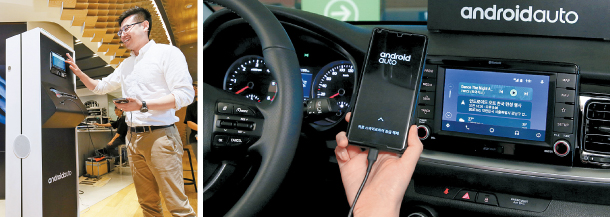
    Android Auto, Google’s three-year-old software for cars, is finally available in the Korean language and can now be used in a majority of Hyundai and Kia vehicles in Korea.

    Google Korea, Hyundai Motor and Kakao jointly announced the launch of the smartphone-based virtual dashboard in Korea on Thursday, effective on the same day. The Android software, when connected to an Android smartphone, enables drivers to make calls, send text messages, use a navigation map, listen to music and much more, all through Google Assistant voice commands.

    “The primary task of drivers is safely driving,” said Lawrence Kim, a lead product manager at Google Android Auto, “but observation of drivers showed they do so many other tasks with their smartphone – sending text messages, reading news and making calls. It’s a far-from-safe situation, which led us to think about how to seamlessly integrate smartphones with the vehicle.”

    He noted that the software is not designed to simply mirror the app on the smartphone. Google has customized the user interface for the car display.

    Google joined forces with Kakao Mobility, the transportation arm of Kakao, to develop a navigation map based on the Kakao Navi app as an alternative to Google Maps. The Korean government’s ban on Google’s use of mapping data has led to Android Auto’s later-than-expected debut here. Google Maps users in Korea can only get access to public transportation routes – save for subways – and simple street maps.

    Hyundai Motor and its sister carmaker Kia Motors were the first in the world to introduce Android Auto in their vehicles in 2015, but availability was confined to outside of Korea until Thursday. The software is compatible with all cars currently sold by Hyundai Motor and Kia Motors – totaling over 40 including the Avante, Sonata, Santa Fe from Hyundai and the K5, K7 and K9 from Kia.

    Drivers only need to download the Android Auto app from the Google Play store, connect their smartphone to their vehicle via a USB cable and install the system in the car. The software is activated by pressing a voice-recognition button on the steering wheel or saying “Okay Google.”

    Choo Kyo-woong, director of the infotainment development group at Hyundai Motor, said the carmaker currently does not support wireless connection with the smartphone, citing the issue of smartphone battery exhaustion.

    Android Auto’s entry in Korea comes amid growing competition in the auto infotainment market. Consumers are increasingly attracted to entertaining and safe driving and customized car systems. There is no downright leader in the market, yet, but Google has a great competitive edge, given that the Android system captures more than an 80 percent share of smartphones in Korea.

    Naver currently sells Away, a car infotainment display based on its self-developed artificial intelligence platform, at over 300,000 won ($266). Naver’s portal and chat app rival Kakao has its own service based on its Kakao I AI platform. SK Telecom has combined Nugu AI platform with T Map, a navigation app that controls more than 60 percent of the navigation market in Korea. KT is preparing to unveil its system, Giga Drive.

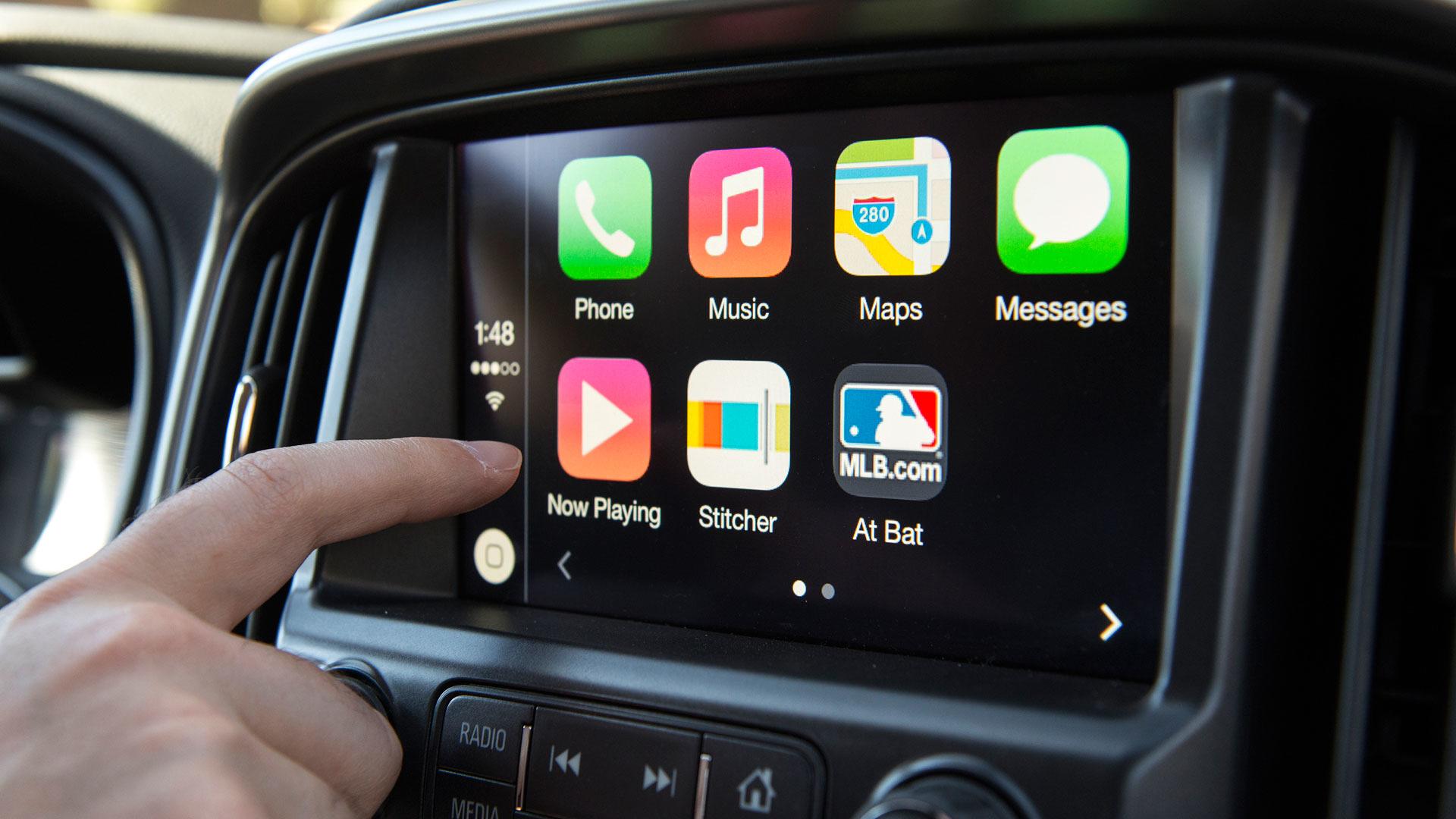
    Apple’s CarPlay is already available for owners of the iPhone 5 or later models in almost 40 countries around the world, including Korea. Unfortunately, its functions are limited here because navigation is not available.

  • Frost & Sullivan collaborates with Seoul Fintech Lab to support Fintech startups in Korea

    Frost & Sullivan collaborates with Seoul Fintech Lab to support Fintech startups in Korea

    Frost & Sullivan has signed a Memorandum of Understanding with the Seoul Metropolitan Government (SMG) to support activities such as commercialization, investment promotion, support for advancement of Fintech startups into the global market.

    The formal signing of the memorandum took place at Four Seasons Hotel, Hong Kong on Tuesday, July 10 witnessed by the representatives from the Seoul Metropolitan Government, and the Financial Hub Korea, Financial Supervisory Service (FSS). The agreement was signed by Kim, Dae Ho, Director, Seoul Metropolitan Government and Shivaji Das, Asia-Pacific Partner in Charge, Frost & Sullivan.

    Frost & Sullivan’s collaboration with SMG also aims to help startups accelerate the pace of their market commercialization. Under this agreement, Frost & Sullivan will also assist in uncovering potential overseas fintech startups and hold joint events of mutual interest with the Seoul Fintech Lab.

    Shivaji Das shared that Frost & Sullivan was well-placed to assist SMG, given the company’s strong track record and expertise in Fintech. With its global presence, broad industry coverage and strong business network, the company is able to actively work with other key partners in building a converged development platform that can accelerate new startups towards transformational growth.

    “We are honoured to be partnering with the Seoul Metropolitan Government to contribute towards the overall growth of the Fintech ecosystem in Korea. Through our combined efforts, we hope to help drive innovation and help startups develop amidst the rapidly evolving market environment,” said Shivaji Das.

    Frost & Sullivan works with their clients to execute Fintech projects and have also developed several Fintech-related reports under their global FinVision research subscription incorporating the relevant research from 4 different core groups; Digital Transformation, Banking & Financial Services, Visionary Innovation Group and TechVision.

    The Seoul Fintech Lab is an initiative by the Seoul Metropolitan Government to develop the Korean fintech ecosystem by equipping Korean fintech businesses with the necessary skills, knowledge and resources to succeed globally. The lab is also set to be an incubator for new startups.

  • Older consumers do their shopping online

    Older consumers do their shopping online

    Consumers in their 50s and 60s are an emerging force in e-commerce as older customers with plenty of money to spend. Data confirm they are increasingly shopping online and via mobile apps.

    Data from e-commerce website Auction released showed that online purchases by consumers in their 50s and 60s have more than doubled compared to five years ago.

    Comparing the sales record from the year’s first half, consumers in their 50s spent 130 percent more than they did in 2014. Shoppers in their 60s increased their online spending by 171 percent.

    Combined, shoppers in their 50s and 60s accounted for 27 percent of all Auction customers in the first half of this year. In 2014 their share was just 17 percent.

    “We see more proactive PC and smartphone users among people in their 50s and 60s and their increase is wielding influence over the e-commerce market, which in the past was mainly about consumers in the 20s and 30s,” said Seo Eun-hee, who is in charge of Auction’s marketing team.

    Seo added that the growing purchasing power of older customers is a sign that e-commerce is no longer a channel confined to specific generations.

    Auction’s report also analyzed which products were popular with older consumers.

    Although it is generally thought that younger shoppers are more willing to spend money on themselves – the “you-only-live-once (YOLO)” lifestyle – Auction’s data suggested that is no longer the case.

    Belying the traditional Korean image of the prudent, family-centered older generation, shoppers in their 50s and 60s are apparently splashing out on clothes, luxury goods and travel. Sales of tickets for flights, cruises, golf vacations and tour packages rose more than 114 times. Fashion items sold almost eight times more this year compared to 2014 while sales for luxury-branded goods nearly tripled.

    More seniors were also looking for simpler alternatives to home-cooked meals as purchases of instant food and home-meal replacements also tripled during the same period.

    Smartphones are one factor that has boosted the number of older consumers shopping online. Mobile versions of e-commerce sites are generally simpler and intuitively easier to understand than those of PCs.

    In late June, e-commerce website WeMakePrice announced that “senior” is one of the four keywords that define the e-commerce trend in this year’s first half.

    Purchases by consumers above 50 rose 36 percent year-on-year during this period. The number of members of the website in this age group also increased 2.6 percent year-on-year.

    Like Auction, the list of products most purchased by senior consumers had high price tags: bars of gold, laundry machines and refrigerators. In fact, seven among last year’s 10 bestselling products of consumers aged above 50 were home electronics, whereas in 2016 there were two and in 2015, zero.

    This increase is notable in that it signals senior consumers now have more trust in the products they buy online.

  • When robots strolling around at Incheon Airport

    When robots strolling around at Incheon Airport

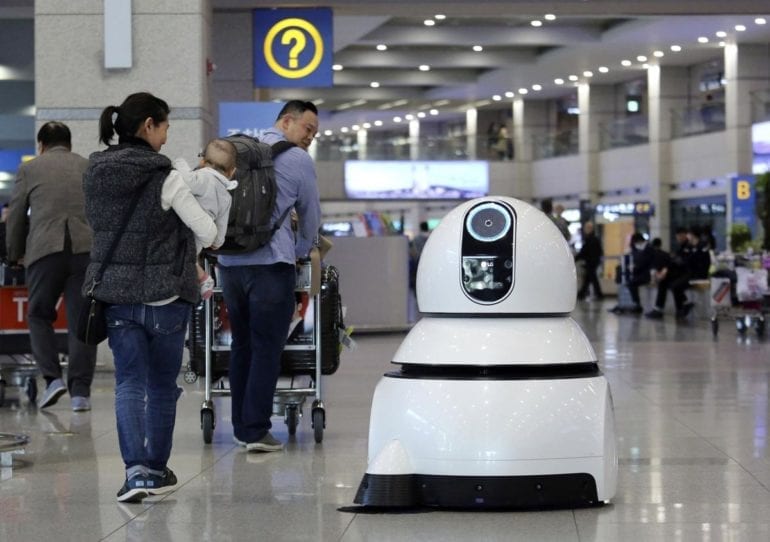
    Incheon International Airport will deploy robot guides that can escort travelers to immigration and baggage claim areas from 21 July, in time for the summer peak season.

    The airport said it is first in the world to put robots into service, as opposed to testing them.

    The second-generation robot, dubbed Airstar, is an upgraded version of guide robots that were tested in the airport last year.

    Airstar robots have improved driving and voice recognition features compared to the test versions and are also capable of expressing 14 different emotions.

    The self-driving feature was upgraded by using more sensors including three-dimensional camera sensors that help avoid obstacles and ultrasonic sensors that recognize very close objects, the airport said.

    As for voice recognition, the new robot is designed to distinguish voice commands from other noises in the airport. The robot speaks four languages: Korean, English, Chinese and Japanese.

    The robots will escort travelers, tell them how busy immigration desks are, what products are restricted on board and the way to gates after scanning barcodes on boarding passes.

    The robots can also take photos of travelers in the airport and send it to them by email or text message.

    The second-generation robot hardware was designed by Puloon Technology and LG’s IT service unit LG CNS developed the software starting last September.

    Eight robots will be deployed in Terminal One and six in Terminal Two, which opened at the beginning of this year.

    “We plan to make Incheon a cutting-edge smart airport by adopting drones, Internet of Things technology and autonomous shuttle buses,” said Chung Il-young, CEO of Korea’s largest airport.

  • South Korean convenience stores to sell more own brand

    South Korean convenience stores to sell more own brand

    More South Korean c-stores are set to launch in-house products as local retailers move to attract more consumers with price competitiveness.

    E-Mart24, the convenience-store arm of South Korean retail giant Shinsegae, said it is planning to unveil its own private-label product within this year. Ministop Korea, operator of Ministop, is set to launch its own branded products in September.

    The moves are part of the companies’ broader efforts to find a breakthrough in the saturated South Korean c-store landscape. The size of South Korean convenience stores private-label product market is estimated at around 3.5 trillion won (US$3.15 billion).

    CU, South Korea’s largest convenience-store chain, operated by BGF Retail, released its own brand, Heyroo, in 2015, and GS25, another major convenience-store chain, joined the move with You Us in 2016.

    BGF Retail said sales of its private-label products rose 35.3 per cent year-on-year in 2016. Last year’s revenue was up 19.1 per cent from 2016.

    GS Retail, operator of GS25, said sales of its private-brand items accounted for 36.6 per cent of its total revenue in the first half of this year, excluding revenue generated from cigarettes and services. The company has around 2000 products under private label.

    Another major convenience store chain, 7-Eleven, said sales of its in-house products accounted for 35.9 per cent of this year’s total revenue as of Sunday. It currently has some 1500 products under its private brand.

    “The companies will be able to survive in this saturated market only if they manage to secure consumers who are highly loyal to their private label products,” an industry source said.

    The market size for convenience stores in South Korea surpassed 20 trillion won in 2016, up 18.6 per cent from the previous year, according to industry data.

  • Korea’s M Corset listing for IPO to boost awareness

    Korea’s M Corset listing for IPO to boost awareness

    South Korean underwear retailer M Corset is going public on the Kosdaq secondary bourse.

    The IPO has been announced as a move to improve the firm’s brand awareness in Asia. Its initial share price is being set at KRW10,100 to KRW11,500 (US$9–$10.35) per share, or up to 29 billion won (US$26 million) based on the top-end price.

    A spokesperson for the company at the press conference for the IPO said “We will use our IPO momentum to make inroads into Asian markets, including China.”

    The brand, which has an almost 20-year history, made the leap from TV home-shopping channels to brick-and-mortar stores through the success of its 19 underwear brands for men and women under 19 – the most popular of which is Wonderbra, which made up 43 per cent of its total sales of KRW124.3 billion (US$112 million) last year.

  • Apple and Samsung duke it out in South Korea

    Apple and Samsung duke it out in South Korea

    South Korea’s capital Seoul is one of the world’s most technologically advanced, known for its rapid Internet speeds and advanced infrastructure.

    It was one of the first to introduce city-wide free Wi-Fi, and 5G will be introduced commercially in 2019. It is the home of global tech titans Samsung and LG. But in one way Seoul lagged behind other cities.

    Apple announced the opening of their first retail stores in May 15, 2001. Four days later, on a Saturday, the first ever Apple stores opened in Maclean, Virginia, and Glendale, California. “The Apple stores offer an amazing new way to buy a computer,” said the late Steve Jobs, Apple’s CEO at the time.

    Over the years more stores opened, going on to stock the iPod, the Macbook Air, and the iPhone. Tokyo got its first Apple store in 2003. London a year later. Beijing in 2008. And the Middle East in 2015 with Dubai’s Apple store.

    But South Korea, the 11th largest economy in the world and one of the most technologically advanced, saw its first Apple store open on January 26, 2018.

    In the Apple outlet is located in Garosu-gil,we see a fashionable street in trendy Gangnam-gu, popular with tourists and chic locals. Inside the pristine and meticulous store, lined with four potted trees at its entrance, were a busy amount of people.

    Ju-Won Shin, 38, an accountant, was sitting down at a table looking to buy an iPhone SE, while already owning an iPhone 6S and iPad Pro. What does he think of Apple? “Their products are easy to use, refined, and have a good vibe,” he said. Shin preferred Apple to Samsung because “they’re constantly trying hard to make good quality products.”

    Another store wanderer was So-ri Lee, 22, a waitress at a cafe, who was browsing phone cases. So-ri had an iPhone 8 and had been using it for two years. Before that she owned a Samsung Galaxy Mega. She said she preferred iPhone because she loved the design– “it’s pretty and easy to use, and now I’m used to iOS,” she said.

  • Samsung’s streak of record profits comes to an end

    Samsung’s streak of record profits comes to an end

    Samsung Electronics set records with its last seven quarterly operating profits, but its hot streak has come to an end.

    The tech giant said in its second-quarterly earnings guidance Friday that its operating profit fell by 5.37 percent from the previous quarter of 2018 to an estimated 14.8 trillion won ($13.3 billion).

    Its revenue also dwindled by 4.23 percent from last quarter to 58 trillion won. Analysts believe disappointing sales of Galaxy S9 smartphones and reduced profits from its display business were the main factors behind the sluggish results.

    The operating profit for the April-June period was lower than analyst’s earlier consensus of 15.27 trillion won, which was compiled by market information provider FnGuide.

    The guidance provides averages for the range of operating profit and revenue for the quarter, Samsung will release confirmed figures by business sectors three weeks from now.

    When compared to the second quarter of 2017, operating profit was up by 5.19 percent, but revenue fell by 4.92 percent.

    “Operating profits at all of the business sectors at Samsung for the second quarter are forecast to fall, except for semiconductors and consumer electronics,” said Lee Soon-hak, an analyst at Hanwha Investment and Securities. The ongoing supercycle in the chip industry is still boosting Samsung’s earnings, he added.

    In the first quarter, Samsung’s semiconductor division posted 11.55 trillion won in operating profit, the best result in the company history. Analysts project the profit from the division amounts to more than half of Samsung’s entire second-quarter operating profit.

    The IT and mobile division, which is in charge of smartphones, is projected to have made only around 2.5 trillion won in operating profit, down more than 2 trillion won from the 4.6 trillion won it made in the second quarter of last year.

    Samsung’s flagship Galaxy S9 smartphone, launched in March, has underperformed relative to market expectations. The phone is expected to be Samsung’s least popular Galaxy S model since 2012’s Galaxy S3.

    Eugene Investment and Securities lowered its shipment estimate for the Galaxy S9 in the second-quarter from 15 million to 9.5 million units. It also decreased its expected total 2018 shipments for the S9 to 31 million units, down 19.5 percent from 2017’s S8, which shipped 38.5 million units.

    Some other brokerage houses are also revising their yearly sales estimates for the S9 to below 30 million. Consumers and experts say the phone lacks unique features compared to its predecessor.

    Samsung shares ended 2.29 percent lower at 44,900 won on Thursday, an all-time low closing price since the company’s shares were split 50 to 1 at the end of April. Ever since the split, Samsung stocks have fallen by 15.3 percent. But according to analysts, Samsung shares may have hit rock bottom, given that concerns over second-quarter earnings have been sufficiently reflected.