Tag: Korea

  • Korean-licensed Mumuso sells Chinese products, found guilty of ‘misleading’ consumers

    Korean-licensed Mumuso sells Chinese products, found guilty of ‘misleading’ consumers

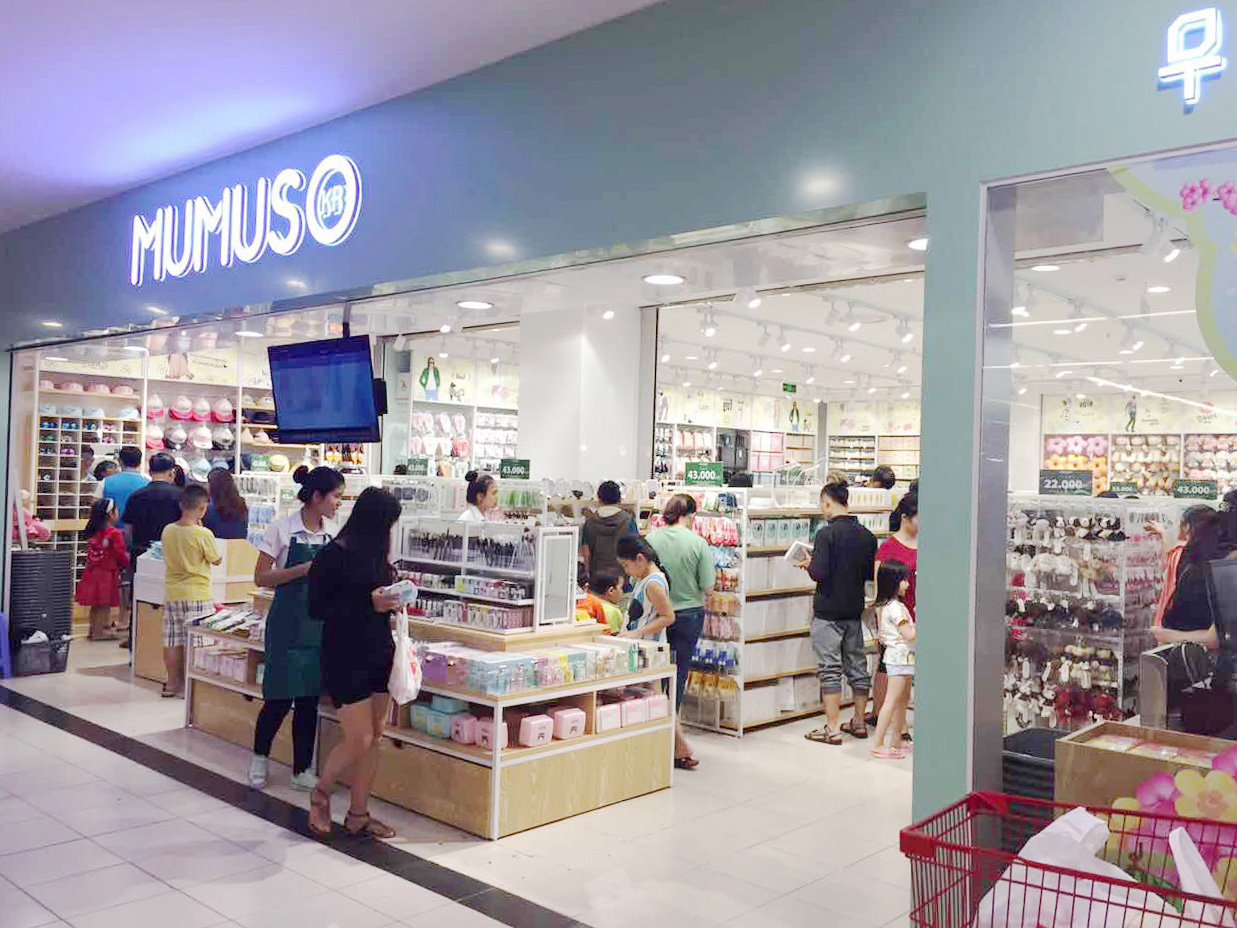
    After inspecting 2,273 items sold by Mumuso Vietnam Import Export Company Limited in the country, the Ministry of Industry and Trade (MOIT) said 99.3 percent was imported from China.

    Earlier, the company, whose product range includes beauty, healthcare, fashion accessories and home appliances, said that it was a legitimate Korean enterprise that has outsourced production to China.

    It had also said then that the product designs are made by a South Korean company.

    The inspectors said local laws were violated despite the firm’s explanation saying that Mumuso is a trademark established in Korea and its products are manufactured at its headquarters in Shanghai, China.

    The inspectors also said Mumuso put out a lot of content expressing its products’ connections to Korea, could show no documents or other proof for such information, especially relating to the origin and the technology used.

    The company was violating the Vietnamese Competition Law by engaging in unfair competition with similar firms selling Chinese-origin products. The content they provided has led to wrong understanding among customers about the chain and its products, the inspectors said.

    They said that the company had provided incomplete and inaccurate information to Vietnamese consumers, who’d assumed that the products were Korean.

    Mumuso does not have a single store in Korea.

    It has committed several other violations including not having a Vietnamese label on their products and providing inaccurate information about its website to the Ministry of Industry and Trade, inspectors found.

    It had registered neither the franchising associated with the Mumuso trademark nor its head office engaging in commercial activities. It had also not informed the MOIT about its promotion programs.

    The ministry has instructed relevant agencies to deal with all the violations that the company has committed under various laws of Vietnam.

    In Vietnam since late 2016, Mumuso has rapidly developed in Hanoi and Ho Chi Minh City, with 27 stores in central locations.

    It sells many low cost products, starting from as little VND22,000 (less than $1) per unit.
  • Profit dive leads Ministop to uncertainty

    Profit dive leads Ministop to uncertainty

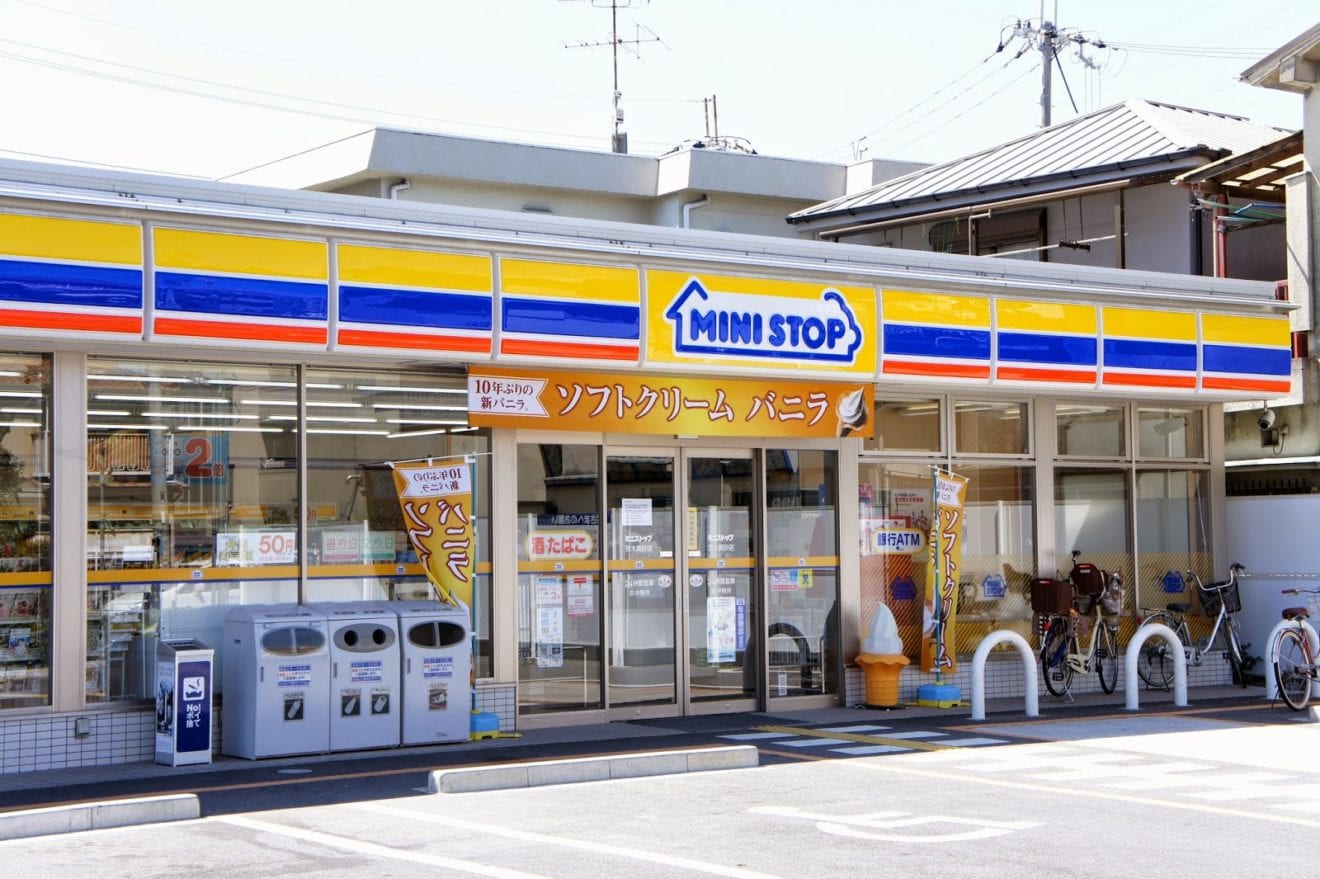
    The future ownership of South Korea’s fourth-largest convenience store chain, MiniStop Korea, is uncertain with options under review.

    Parent Aeon Group of Japan is apparently tiring of falling profits from the chain and has appointed Nomura Securities to explore sale options, including a clean sale of its stake or attracting a strategic investor.

    With more than 2500 stores spread across South Korea, MiniStop’s sales reached 1.18 trillion won (US$1 billion) last year.

    In a statement issued this week, Aeon said: “Even though we are considering business tie-ups with other companies to improve corporate value, there are no concrete plans on selling off MiniStop Korea yet.”

    Aeon currently owns 76.06 per cent of MiniStop Korea with local Daesang Group holding 20 per cent and Japan’s Mitsubishi the remaining 3.94 per cent.

    Intense local competition is behind the decline in MiniStop Korea’s profitability, according to local industry sources. Profit plunged 23 per cent last year to 2.6 billion won (US$2.3 million). In 2015 the company achieved an operating profit of 13.2 billion won.

  • Cafe 25 opens 10,000th store

    Cafe 25 opens 10,000th store

    Convenience-store brand GS25 says 10,000 of its outlets now serve coffee products distributed under its house brand Cafe 25, just 30 months after the brand was launched.

    The figures show how successful South Korea’s convenience stores have been in challenging coffee-focused chains like Lotte’s Angel-in-Us and even Starbucks, by offering discounted alternatives through vast store networks.

    The GS Retail-owned group says it has already surpassed the 100 million-mark for the total number of coffee products sold, with Cafe 25 selling 40 million cups in the first half of this year alone.

    GS25 is putting significant effort into making the coffee products successful by installing top-notch coffee machines that sell for 13 million won (US$11,440) in each of its stores.To commemorate 10,000 GS25 store milestone, the company will be selling 50,000 promotional coupons online via Gmarket and Auction that allow customers to buy iced Americanos and iced lattes for half the usual price.

    An official at GS25 said the success of Cafe 25 products can be explained by the company’s bid to offer high-quality coffee products at affordable prices, while also leveraging the chain’s vast network of stores.

  • Innisfree teams up with Alibaba to open new concept store in China

    Innisfree teams up with Alibaba to open new concept store in China

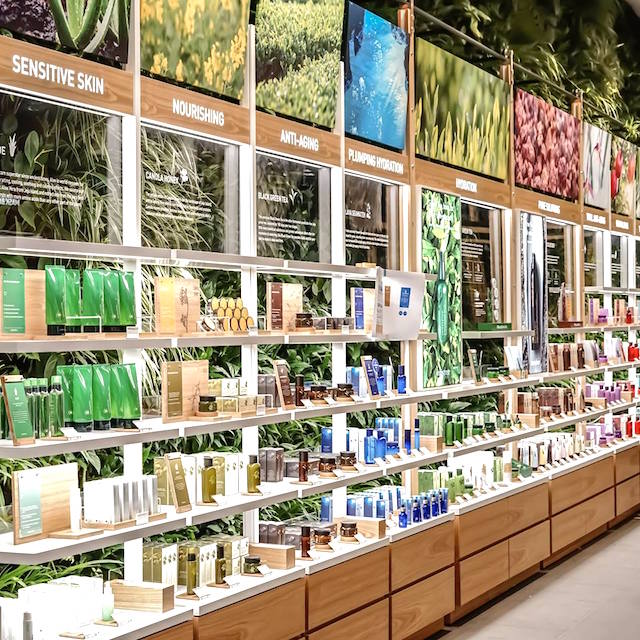
    South Korean cosmetics giant Amorepacific’s cosmetics brand Innisfree has opened a new concept store in Hangzhou, China, in collaboration with Alibaba’s Tmall, the company said Thursday.

    According to Innisfree, its new concept store features a technology-based shopping experience, backed by Tmall’s new retail technology.

    Tmall is China’s largest B2C platform for brands and retailers, in terms of GMV.

    At the store, customers can test makeup products by using Magic Mirror, which has adopted Tmall’s augmented reality technology. An automated vending machine that sells mask sheets and sample products will allow customers to easily purchase items at lower prices, the company said.

    In addition, smart shelves are installed to show each product’s information on interactive screens.

    “With the South Korean cosmetics brand acing in the Chinese market, especially with Innisfree being the only brand to have hit 1 billion RMB ($148 million) of sales, our trial with Innisfree to provide a new retail and interactive experience based on big data technology will strengthen customers’ brand experience and increase their satisfaction,” said Mike Hu, head of Tmall’s retail business division.

    Tmall also plans to collect information on real-time product availability at 61 stores in Shanghai and Hangzhou through big data technology to boost online sales and help stores digitize their operations and upgrade the supply-chain operation and offer shoppers an integrated online and offline experience.

    “Tmall is one of the most innovative and leading retail platform operators globally. We will strive to adopt digital technology and interactive content marketing from Tmall for Innisfree’s brand value,” said Filipp Cai, head of Innisfree China.

    Innisfree, which means “pure island” in Korean, is based on the philosophy of introducing beauty products with natural ingredients sourced from the Korean island of Jeju. It opened its first store in China in 2012.

  • Lotte Mart makes debut in Mongolia

    Lotte Mart makes debut in Mongolia

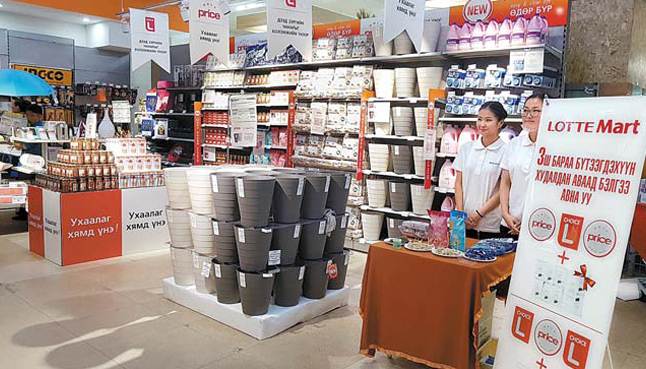
    Lotte Mart Mongolia is opening its first store, in Ulaanbaatar, in the first half of next year.

    The South Korean retailer has set up a joint venture with local retailer Nomin Holdings, which will sell Lotte’s private label products for the next 10 years. It is initially targeting sales of US$3 million annually.

    To prepare for this expansion, Lotte Mart has already sold its food products of its private labels – Only Price, Yorihada, and Choice L – last year at four stores including a state-run department store and two supermarkets owned by Nomin in Ulaanbaatar.

    Nomin Holdings is one of Mongolia’s three largest enterprises and has also worked with other global names including L’Oreal, Mango, and Century 21 in the country.

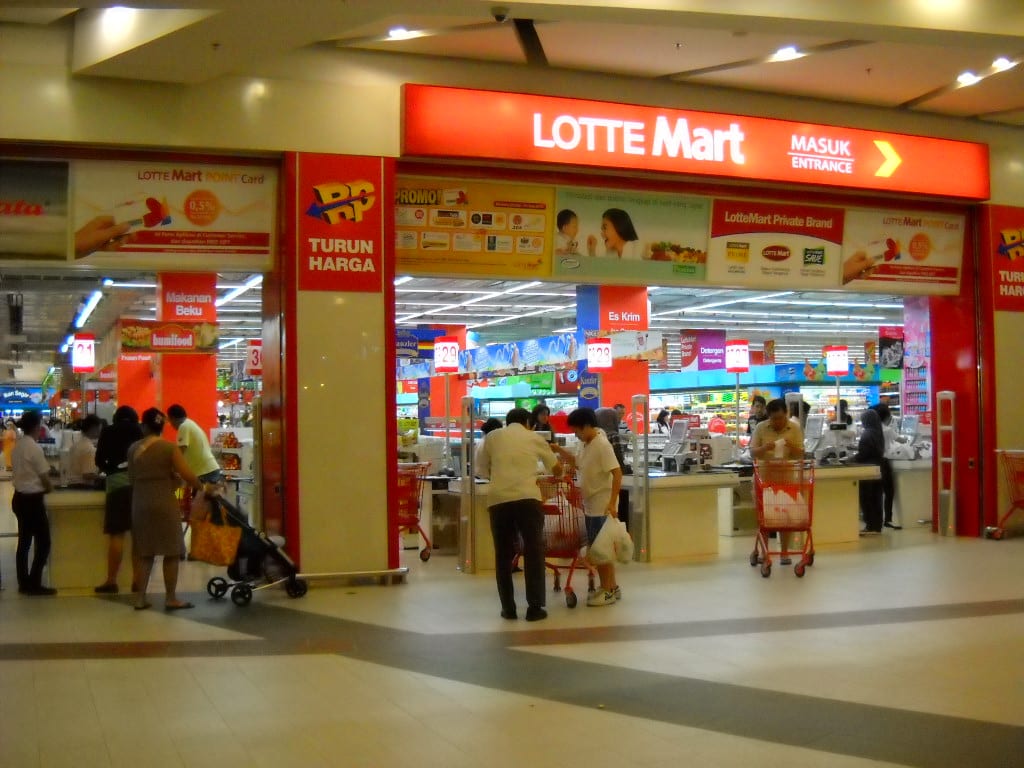
    Mongolia is one of Lotte’s latest foreign markets after it pulled out from China. Parent Lotte Group operates 46 Lotte Mart stores in Indonesia and 13 in Vietnam. It launched its fast-food brand Lotteria in Ulaanbaatar last month.

  • G.U., Uniqlo’s sister brand, coming to Korea

    G.U., Uniqlo’s sister brand, coming to Korea

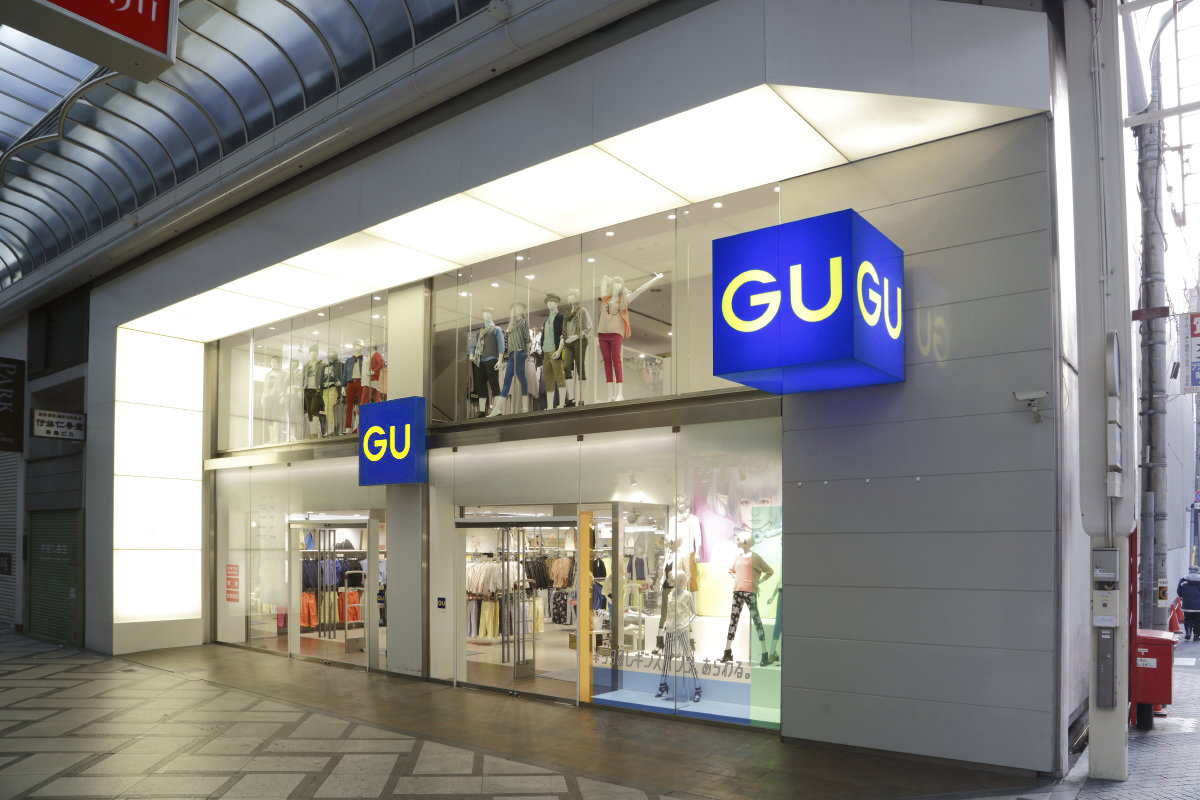
    Uniqlo’s sister brand G.U. is coming to Korea in September and will open its first store in the Lotte World Mall in Jamsil, Southern Seoul.

    Due to open on 14 Sept., the store will be 1,400 square meters (15,069 square feet) on the first basement floor. The brand’s parent company is Japan’s Fast Retailing, best known for Uniqlo.

    “Expanding overseas is one our most important tasks,” said G.U. CEO Osamu Yunoki in a press conference held on July 19 in central Seoul. “Korea has consumers that are highly sensitive to fashion, so our launch here was considered essential to fulfill that goal.”

    Korea is the fourth overseas location for G.U. It currently has 19 branches in China, Taiwan and Hong Kong, along with 374 in Japan.

    G.U. was established in 2006 and has grown rapidly to reach 199.1 billion yen (US$1.76 billion) in revenue this year. Its products are differentiated from Uniqlo by their lower prices and more diverse styles, which include preppy, feminine and business casual. Uniqlo emphasizes functionality and keeps its product designs basic.

    “In Japan, Uniqlo and G.U. stores are often located close to each other and sales figures have shown that the two stores proximity create a positive effect,” Yunoki said. Uniqlo is on the first floor of the mall.

    Yunoki said G.U.’s prices in Korea may be higher than in Japan considering additional costs like tax, but the plan is to maintain the similar price gap with Uniqlo as in Japan. In an interview with the Japanese media outlet Nikkei last month, Yunoki said the ideal pricing for G.U. was “half the prices offered by Uniqlo, or at least 30% cheaper.”

    Some of the products at G.U.’s Korea branch will be exclusive to Korea. The brand has research centers in London and Tokyo that analyzes fashion trends in different markets.

    “In line with the launch schedule, we did a study of Korean fashion based on interviews, postings on social media and fashion magazines, to come up with exclusive products like over-sized coats and skinny pants,” said Hirofumi Osako, G.U.’s regional head for Korea.

    “Our plan is to learn from consumers here and continue to apply what we learn to products we release here.”

    From August 24 to 26, a pop-up store will open in the Hongik University area to present G.U.’s fall and winter lineup. Local consumers can also see the designs beforehand through a mobile app that will launch August 1 and the official online shopping mall, which is due to open on 1 Sept..

  • Shinsegae Opens New Duty-free Store in Seoul

    Shinsegae Opens New Duty-free Store in Seoul

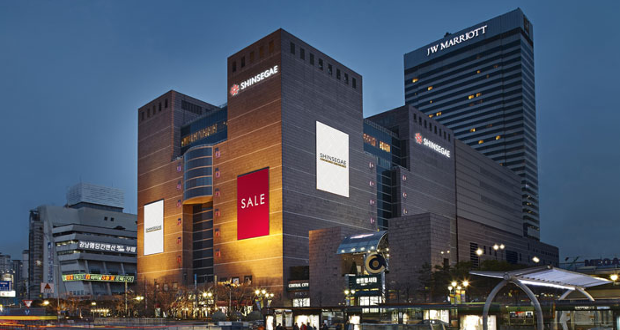
    Burgeoning duty-free retailer Shinsegae opened its second store in downtown Seoul.

    As reported, the retailer announced its plans to open the mammoth 13,350sqm outlet in the Central City complex in Seoul’s Gangnam area after being awarded the licence in December 2016. Its opening follows the retailer’s first downtown Seoul store opening in the Myeongdong district in May 2016.

    The downtown outlet features both areas dedicated to Korean brands, such as Sulwhasoo and The History of Whoo, and international brands, including Gucci, Estée Lauder and Tiffany & Co, across multiple floor.

    The opening comes in the wake of rapid growth from Shinsegae in recent years, with the retailer saying in 2014 it was looking to “aggressively” expand.

    Since then Shinsegae has not only opened the Myeongdong downtown store and the new Gangnam outlet in Seoul. The retailer has also secured key retail contracts at Incheon International Airport. In July 2017, it was awarded a fashion contract in terminal two at the airport and the retailer has this month taken on both the concessions vacated by Lotte in terminal one at the airport.

  • Korean investor inks UK’s largest retail warehouse deal of the year

    Korean investor inks UK’s largest retail warehouse deal of the year

    It is thought to be the biggest deal for a retail warehouse site so far this year and is the first time Korean investors have stepped into the UK retail sector.

    The 195,000 sq ft shopping park called Gallagher off Junction 9 of the M6 is anchored by Next and Currys and includes major stores run by TK Maxx, Outfit, Mamas and Papas, Boots, Furniture Village, SCS, Harveys, M&S Simply Food, Oak Furniture Land, Sofology and Tapi as well as Costa, Burger King and Pizza Hut restaurants.

    It has been sold by owner KKR, a global investment group, but its operating partner Quadrant Estates is being retained by the Koreans to run the site.

    The new owner is a real estate fund managed by Korean asset manager KAIM and backed by South Korean banking giant Hana. Sangmin Lee, chief information officer of KAIM, said: “We are delighted to have acquired this asset, which offers our investors an attractive combination of secure income returns and longer term upside potential. We are attracted to it by its inherent strength evidenced by the retailers’ trading performance and location.

    “We are looking forward to working with Quadrant as our local asset manager to secure the future performance of the park during our investment period. ”

    The site was acquired by KKR and Quadrant Estates in 2014, bought in three deals totalling £123m.

    Quadrant drew up plans for a major revamp of the site, merging three car parks into one, merging the Currys and PC World stores, developing new space including four new restaurants. It resulted in £17 million investment in the park over the last few years but attracted new tenants M&S, JD Sports, Sofology, DFS, Nando’s, Costa and Smash Burger, which in turn has seen a ‘significant’ increase in customers coming to the park.

    Guillaume Cassou, head of European real estate at KKR, said “We backed a fundamentally good asset in need of repositioning and Quadrant implemented an intensive business plan over four years that has resulted in a great end product, which we have now sold to long term income-focussed capital. We were delighted to transact with Hana and KAIM on their first foray into the UK market.”

    Christopher Daniel, founding partner at Quadrant Estates, said “We achieved exactly what we set out to do with the park. We created an asset that is now ranked by CACI as one of the top 10 in the country.”

  • Ministop Korea denies rumors of closing shop

    He added that reports which said Ministop has selected Nomura Securities as deal manager to sell its Korean unit are untrue.

    Established in 1997, Ministop Korea is the fourth-largest player in the country. But recently the company has faced some difficulties doing business here. The number of Emart24 outlets has increased dramatically from 501 in 2014 to 3,236 as of June this year, outnumbering Ministop’s 2,346 outlets. Moreover, the Fair Trade Commission slapped it with a 234 million won (US$207,796) fine for signing illegal and unfair contracts with its suppliers.

    Emart24, the convenience store chain of retail giant Shinsegae, which is considered to be one of the likely candidates to acquire Ministop, also denied the reports, saying it is unrealistic.

    “Our operating system is totally different from Ministop. If we acquire the chain, we will have to adjust all the differences, which takes too much effort,” a Emart24 spokesperson said.

  • Vietnam’s Cong Ca Phe eyes South Korea expansion

    Vietnam’s Cong Ca Phe eyes South Korea expansion

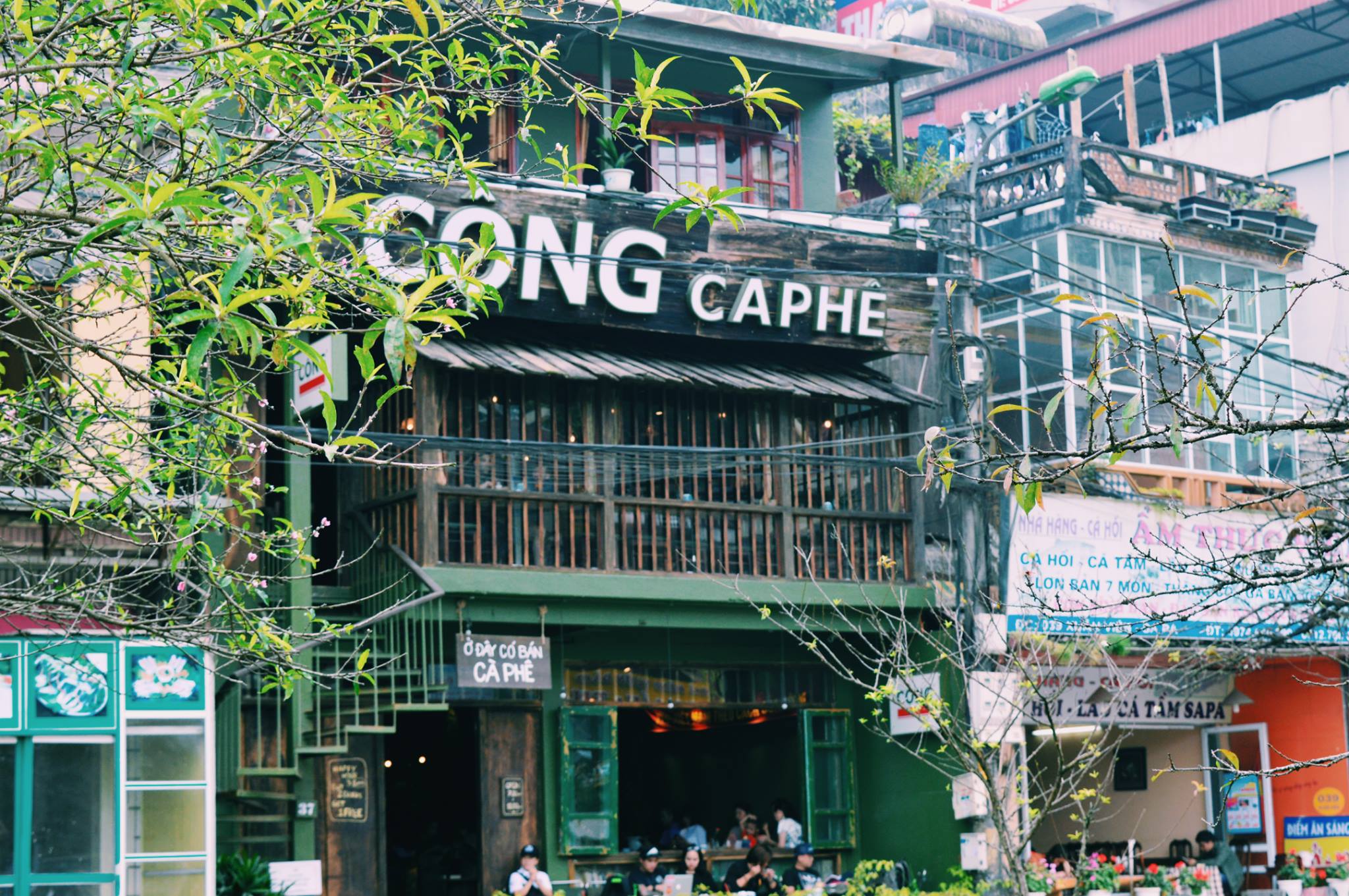
    Vietnamese traditional-coffee chain Cong Ca Phe is opening its first overseas outlet by the end of this month.

    The Hanoi-based chain has appointed a master franchise in South Korea and according to the Cong Ca Phe South Korea Instagram account, the first outlet will open in Yeonnam-dong, a popular destination for local youth.

    According to a report, all staff are being trained in Vietnam, and the main barista is Vietnamese.

    An all-original menu will be served in the Seoul outlet, including Cong’s signature coconut coffee and local Vietnamese snacks such as peanut brittle and sunflower seeds.

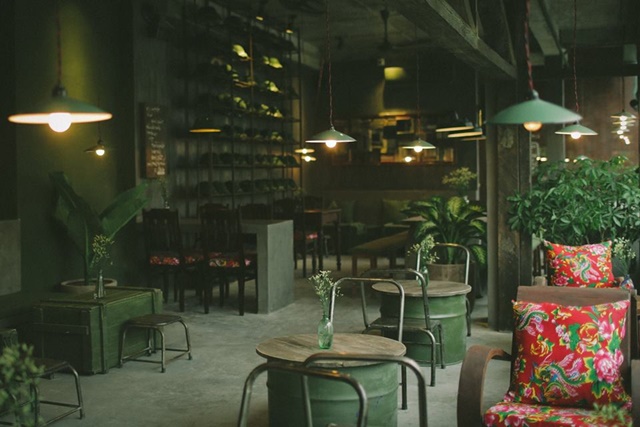
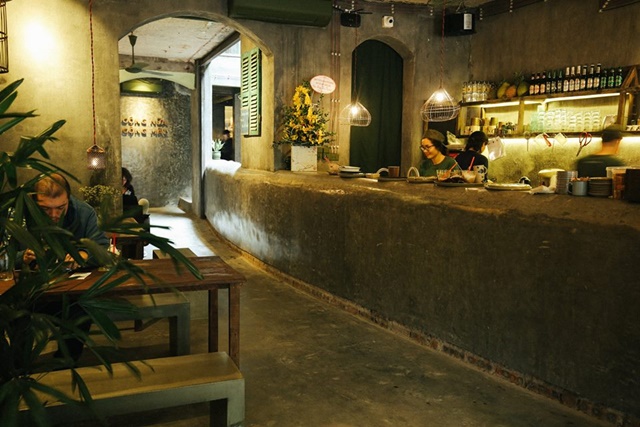
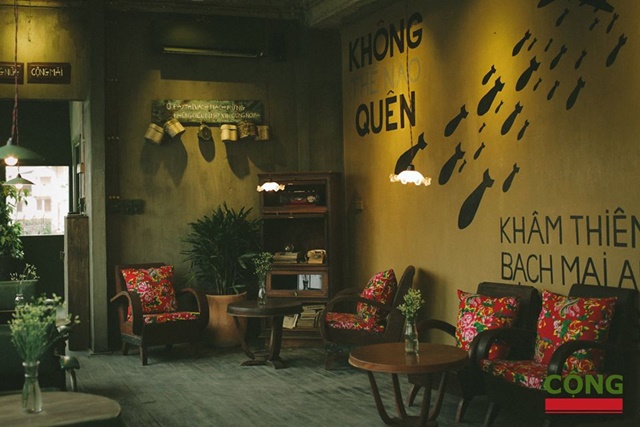
    Founded in 2007, Cong Ca Phe’s interior design is inspired by the 80s in Vietnam, the so-called “subsidy period” with colourful murals depicting old communist-era lifestyle. They usually have wooden floors, mid-tone brown tables, and antique wooden chairs, padded with chinese cotton-print cushions.


    The chain now has more than 50 outlets across Vietnam, both company owned and franchised.

  • Vini Vici beauty enters China

    Vini Vici beauty enters China

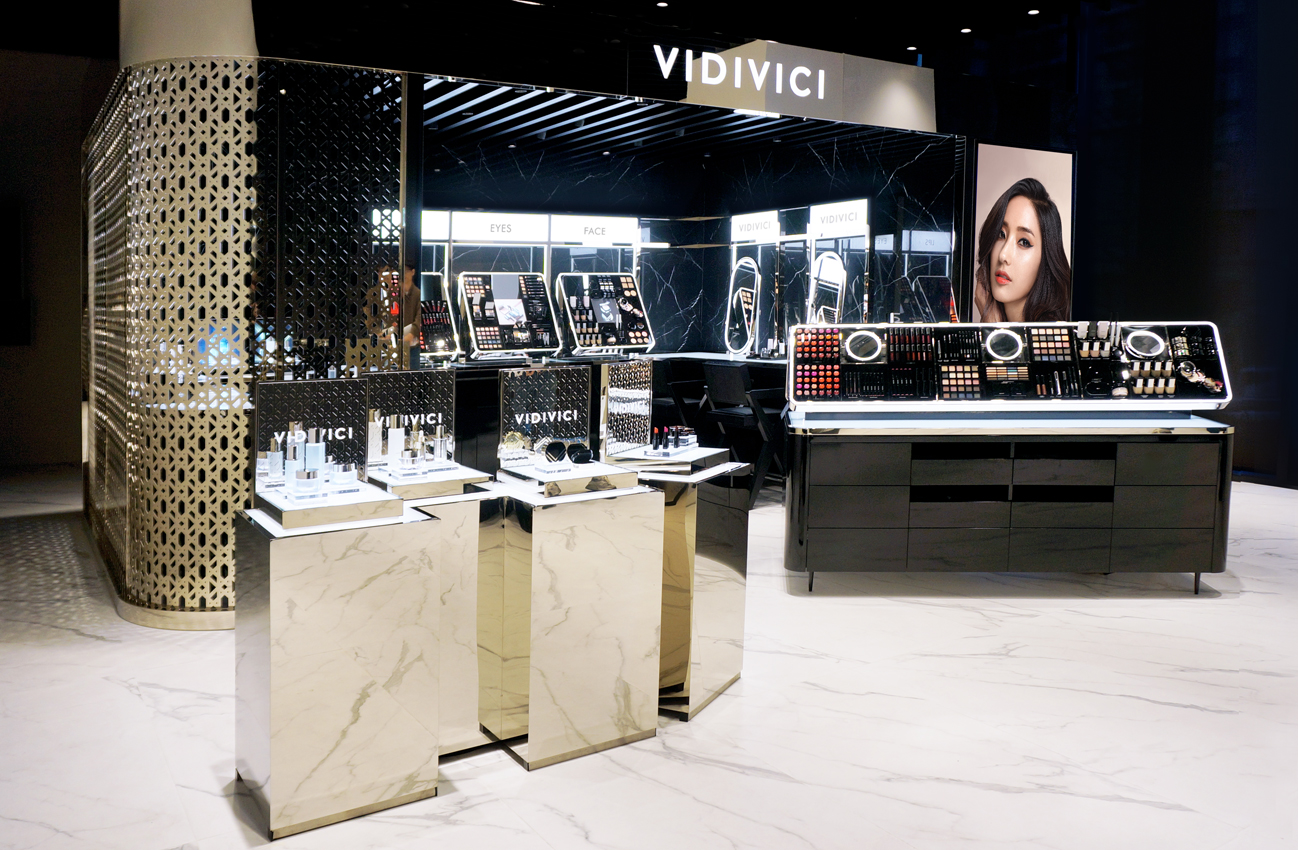
    Shinsegae International Co., the fashion arm of South Korea’s retail giant Shinsegae Group, aims to open a flagship store of its cosmetics brand VIDI VICI in China late next year to tap deeper into the world’s largest market.

    Prior to the opening, it will launch a premium skin care line with a concept of lotus in November, the company said.

    Shinsegae International recently established a local office in China to prepare for the opening of a VIDI VICI flagship store, according to a company official. It could open the store by the end of next year after getting necessary licenses from Chinese authorities.

    “VIDI VICI is famous for its skin care goods in China, so we are planning to add a premium skin care line consisting of six products for women in their 30s and 40s with a price tag of below 200,000 won (US$178.08),” said an official at Shinsegae International.

    VIDI VICI has successfully earned more than 10 billion won in sales every month since March thanks to the brand’s popularity among Chinese consumers.

    It swung to profit of 570 million won for the first time last year since it was taken over by Shinsegae International in 2012. Its revenue is expected to reach 130 billion won this year, according to analysts.

    Shinsegae International’s cosmetics business also reversed to profit of 5.7 billion won last year on sales of 62.7 billion won, and sales are forecast to more than triple to 200 billion won this year.

    Meanwhile, Shinsegae International recently has won the exclusive right to sell the lineup of U.S. top makeup brand Hourglass Cosmetics in Korea and opened a store in a department store in Seoul.

  • Scentence debuts in Saudi Arabia

    Scentence debuts in Saudi Arabia

    E-Mart, South Korea’s largest discount-chain operator, is set to open a store in Saudi Arabia this week.

    Last November, E-Mart firm signed an agreement with the kingdom’s major retail group Fawaz Alhokair to open the beauty store Scentence at the Al Nakheel Mall operated by the Saudi company, which averages 25,000 daily visitors.

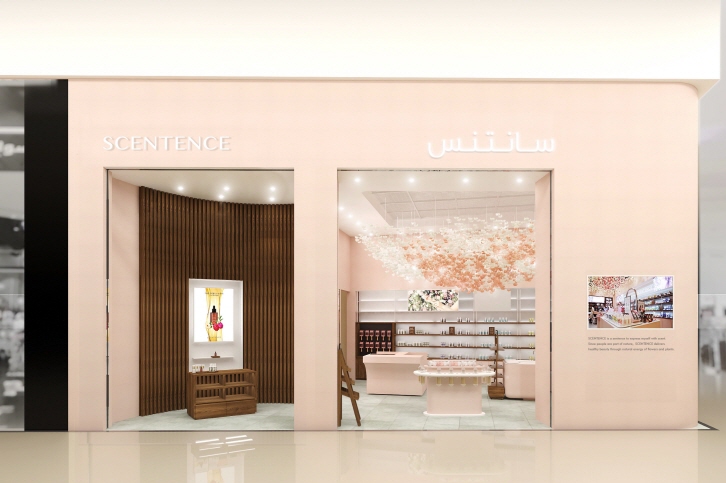
    The 66sqm store will open to the public in the Saudi capital Riyadh on Sunday, July 22.

    “Scentence is expected to post stable growth in the new market on the back of the Middle Eastern beauty market’s raid expansion and the popularity of K-beauty,” said Jung Kyung-ah, an E-Mart official in charge of the retailer’s health and beauty business.

    Saudi Arabia’s beauty market has been growing at an average of 15 per cent every year, according to E-Mart.

    The Middle Eastern foray is part of a broader plan to increase the reach of E-Mart’s brands globally.

  • KT triples the Wi-Fi speed at 3 Seoul Starbucks branches

    KT triples the Wi-Fi speed at 3 Seoul Starbucks branches

    KT will triple the speed of the internet at some Starbucks Korea branches starting today.

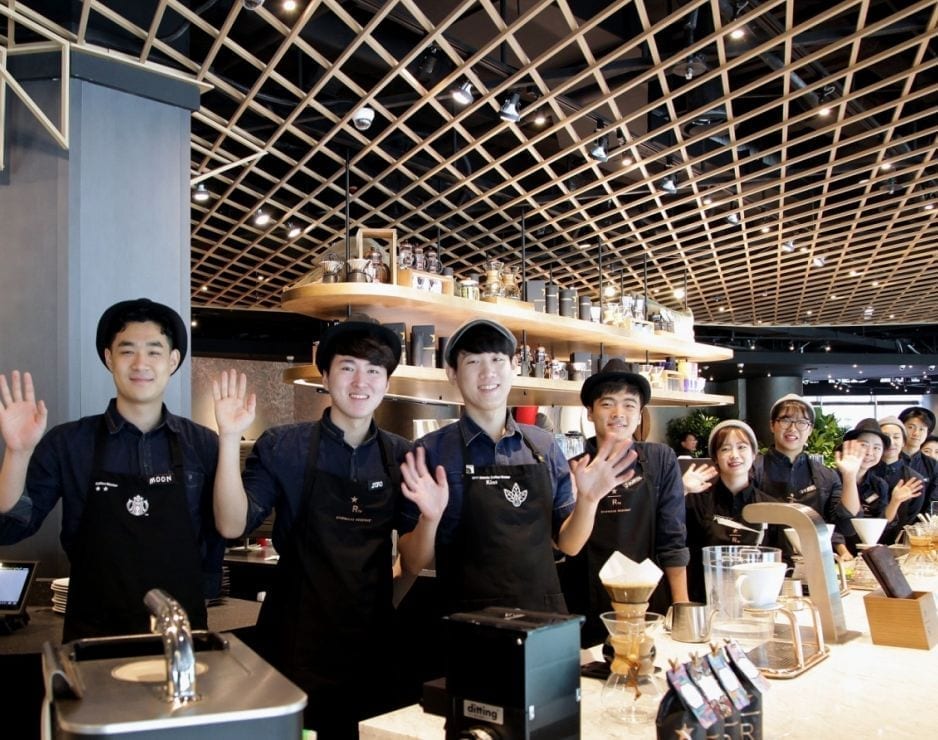
    The company announced Monday that it will offer 10 GiGA Wi-Fi services at three Starbucks Korea branches. The cafes are in the Jongro Tower in central Seoul and COEX and Kyobo Tower in Gangnam District, southern Seoul.

    According to KT, the 10 GiGA Wi-Fi will enable consumers to use the internet at a speed of 4.8 gigabits per second (Gbps). This is three times the speed previously offered by the coffee chain, which topped out at 1.7 Gbps.

    The upgraded speed is meant to ensure the internet is still smooth and fast when multiple users are connected at once. In the past, customers complained about the internet slowing down when many users tried to connect at once.

    KT plans to expand the service to all of Starbucks’ premium Reserve stores in Korea by September.

  • Berjaya Corp acquires 98% stake in Just KPop

    Berjaya Corp acquires 98% stake in Just KPop

    Berjaya Corp Bhd’s (BCorp) wholly-owned subsidiary Berjaya HR Café Ltd has acquired 98% equity interest in South Korea’s Just KPop Ltd (JKP), for KRW98 million(RM354,172).

    The group told the stock exchange that following the subscription of 19,600 common stocks at par value of KRW5,000 (RM17.87) each, JKP has now become a 98%-owned subsidiary of BCorp.

    JKP, which has not commenced operations, is intended to carry out food and beverages businesses and restaurants as its principal activities.

    It was incorporated in South Korea under the Korean Commercial Act with an issued share capital of KRW100 million (RM357,473.68) comprising 20,000 common stocks at KRW5,000 each.

  • Gas station parcel service to go nationwide

    Gas station parcel service to go nationwide

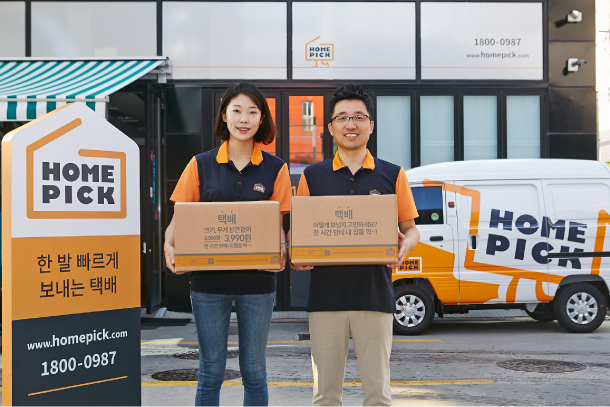
    Just a month after Homepick launched in Seoul the service is getting ready to go national, the next step in an ambitious plan to improve parcel services while making use of wasted space on gas station forecourts.

    Homepick, a new business concept created jointly by SK Energy, GS Caltex, CJ Logistics and delivery start-up Zoomma, allows customers to send parcels right from their doorsteps without going to post office or convenience stores.

    The business is unique in the way it takes advantage of unused space in gas station forecourts. All Homepick offices are on the grounds of gas stations, making use of space that used to be wasted.

    Homepick doesn’t need much space for its offices. One office, on the side of a GS Caltex gas station in Gangnam, southern Seoul, measures about five pyeong (117 square feet) and only contains racks to store parcels and a desk with a computer to print out invoices. But Zoomma CEO Kim Young-min thinks the compact space gives the company an advantage.

    “Gas stations offer parking space for delivery trucks, they are everywhere in the country and they are also very noticeable, which makes it easier for delivery staff to find the station,” Kim from Zoomma said. “It’s also much cheaper to rent out a space from gas stations than getting a separate office especially in places like the posh Gangnam area where real estate prices are high.”

    According to Kim, Homepick will open offices at about 600 SK and GS gas stations nationwide by August to offer door-to-door parcel delivery across the country.

    The service, which started in June, is currently only available in the greater Seoul area including Gyeonggi and Incheon.

    “It’s a win-win for both the logistics companies and gas station operators,” said SK Energy’s network business development team leader Lee Myung-hee during a press briefing Monday. “Gas station operators earn on average 2.5 million to 3 million won a month in profit, which is not much. Renting out idle space will help them earn about one third of that in extra income.”

    Currently, the oil refiners are offering four to five-pyeong spaces at their gas stations at small rental fees. Zoomma staff collect parcels from homes located within a 3-kilometer radius of each gas station and store them in the office until CJ Logistics staff pick up consignments of parcels to move to final destinations.

    The proximity of the warehouses – or in this case gas stations – allows Zoomma staff to pick up parcels within an hour of customers placing orders. Customers can even reserve the desired time of pick-up.

    Also, unlike at post offices or convenience stores where delivery fees vary by size and weight, Homepick offers a single price tag of 5,500 won, making it convenient to send large parcels of up to 20 kilograms.

    Heavy parcels would typically cost around 7,000 to 8000 won even if customers took them to post offices themselves. Currently, the service is offered at 3,990 won as part of a promotional launch event.

    Zoomma hopes to reap 60 billion won in revenue in its first year of service by handling 12 million parcels a year.

    The company hopes to grow to a size where it is able to handle 60 million parcels and earn 330 billion won in revenue by its third year. To reach that third year target, Kim said the start-up would have to hire about 5,000 pick-up drivers. Currently, it has about 150.

    The business model was inspired by SK Group Chairman Chey Tae-won’s order to open up all assets and business infrastructure of SK affiliates to create more social value, according to SK Energy.

    GS joined despite being a competitor in the oil refining market as its chairman also shared Chey’s vision, according to GS team leader Kim Nam-joong.

    As GS also has GS Home Shopping, which depends heavily on a logistics service, and convenience store chain GS25 that already offers parcel delivery services, the group hopes to create synergies between businesses by utilizing gas stations as warehouses.