Tag: Korea

  • Mulberry Group looking for a JV Parter in Korea

    Mulberry Group looking for a JV Parter in Korea

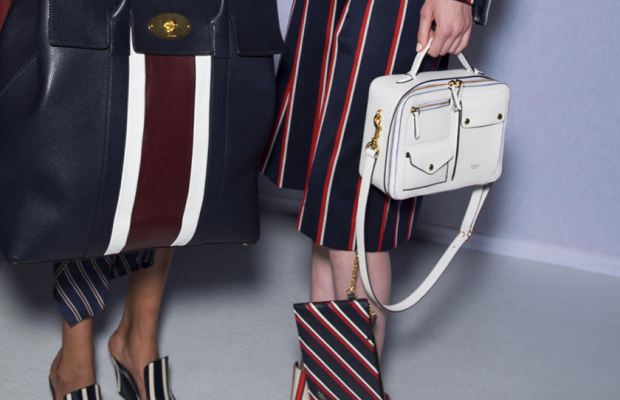
    Despite a profit decline for its latest year, UK luxury leathergoods company Mulberry Group plans to form a JV to develop its business in South Korea.

    It says it has signed an agreement with SHK Holdings to form Mulberry (Korea) Co. It will own 60 per cent of the new entity and the two companies will invest £4.6 million (US$6.1 million) to buy assets and to develop the business in South Korea.

    Mulberry last year had plans to launch an equal-share JV with another company as well as plans to launch into Hong Kong.

    Meanwhile, for the financial year to March 31, Mulberry made a profit of £6.9 million, down from £7.5 million the year earlier.

    Revenue rose 1 per cent to £169.7 million, it said. Retail sales grew 3 per cent, with UK sales broadly flat and international sales up 20 per cent. Digital sales grew 14 per cent, making up to 17 per cent of group revenue, the company said.

    For current trading, Mulberry says retail like-for-like sales fell 7 per cent in the 10 weeks to June 2 with international sales up 1 per cent. However, UK sales were down 9 per cent because of lower footfall.

  • Mulberry FY profit falls; to form South Korea JV

    Mulberry FY profit falls; to form South Korea JV

    Mulberry Group PLC (MUL.LN) said Wednesday that fiscal 2018 pretax profit declined 8% and that it will form a new majority-owned joint venture to develop its business in South Korea.

    The luxury leather-goods company said it has signed an agreement with SHK Holdings Ltd. to form a new entity called Mulberry (Korea) Co.

    Mulberry said it will own 60% of the new entity and the two companies will invest 4.6 million pounds ($6.1 million) to buy assets and to develop the business in South Korea. Mulberry expects to incur around GBP3 million of costs in the current financial year for the joint venture.

    Meanwhile, for the financial year ended March 31, Mulberry said it made a profit of GBP6.9 million compared with GBP7.5 million the year earlier.

    Revenue rose 1% to GBP169.7 million from GBP168.1 million, it said. Retail sales grew 3%, with U.K sales broadly flat and international sales up 20%. Digital sales grew 14% making up to 17% of group revenue, the company said.

    For current trading, Mulberry said retail like-for-like sales fell 7% in the 10 weeks to June 2 with international sales up 1%. However, U.K. sales were down 9% due to lower footfall in the period, it said.

    London-listed Mulberry maintained the dividend at 5 pence a share.

    “Following another period of cash generation, our balance sheet is strong. Although the U.K. market remains challenging, we will continue to invest in our strategy to develop Mulberry into a global luxury brand to deliver increased shareholder value,” Mulberry Chief Executive Thierry Andretta said.

  • Missha and Disney launched make-up collection

    Missha and Disney launched make-up collection

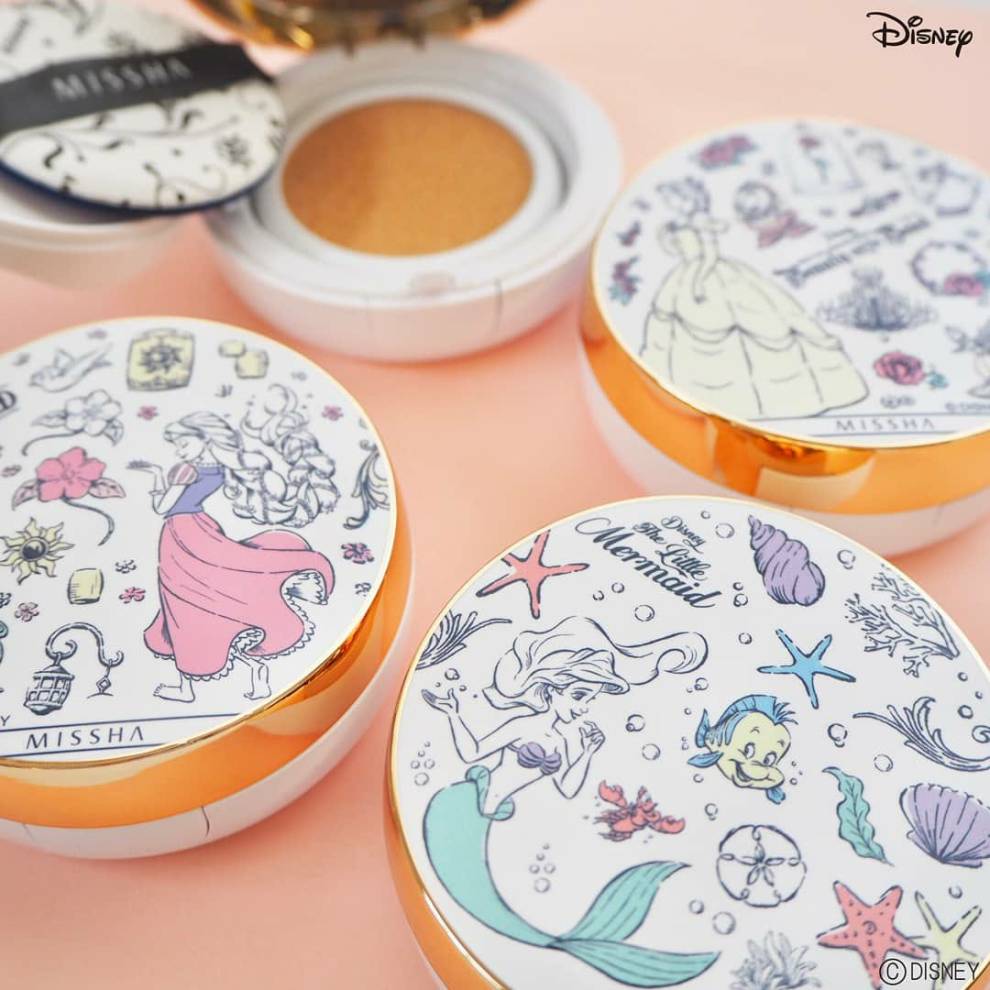
    Missha and Disney have teamed up to create a Princess-inspired collection “It’s Demo Missha x Disney Makeup”.

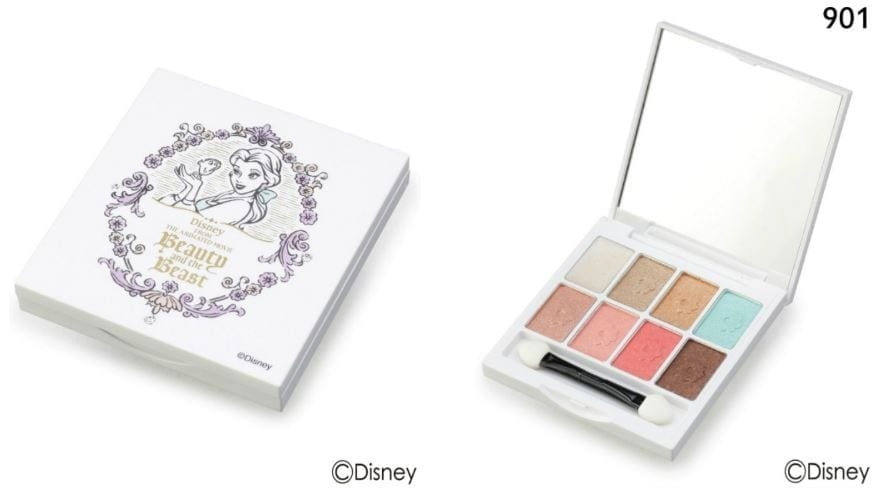
    The collection includes four princess designs – Belle, Rapunzel, Ariel or Snow White – for both cushion BB creams and the eight-shade FAB eyeshadow palettes.


    The collection is only available in Korea stores and the company only ships online to the US. However, customers can purchase via third-sellers on Amazon.

  • Chelsea jerseys will soon bear Hyundai logo

    Chelsea jerseys will soon bear Hyundai logo

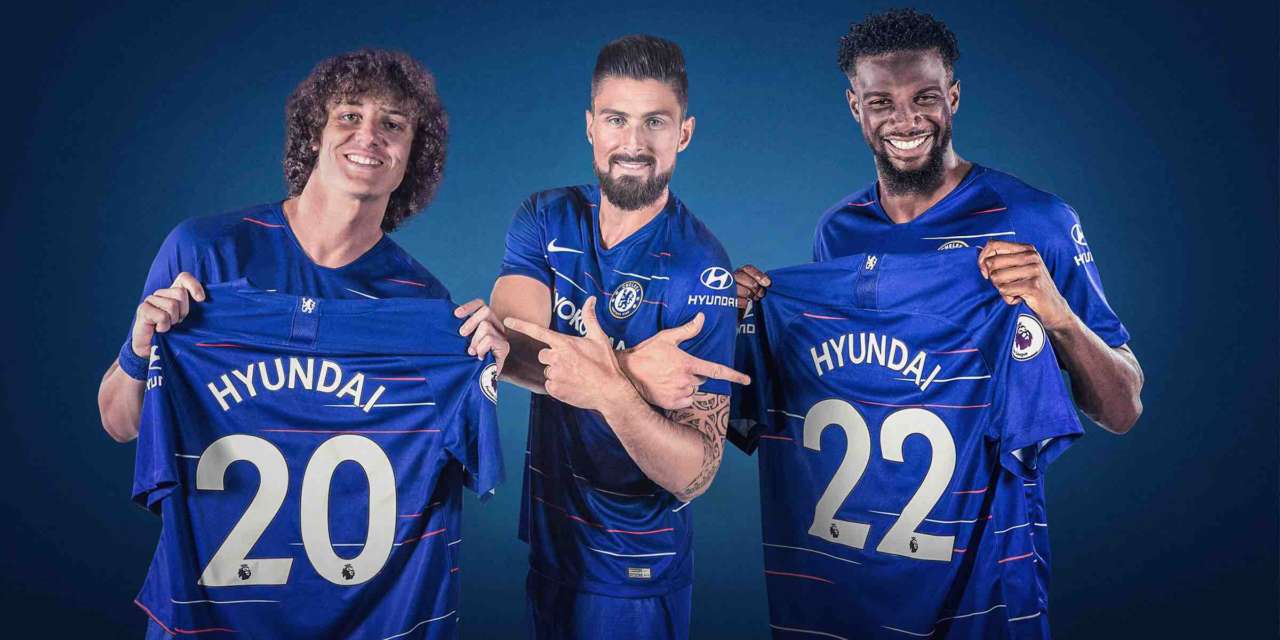
    Hyundai Motor signed a four-year contract with storied English Premier League club Chelsea FC to become its global automotive partner.

    Korea’s biggest automaker announced that it will sponsor the football team until 2022.

    Hyundai Motor’s logo will appear on the sleeves of the team’s new uniform and on the signboards at Chelsea’s home and away games. The automaker will also display its cars at Chelsea’s Stamford Bridge stadium.

    This is the first time Hyundai Motor has sponsored a British football team.

    “For 20 years, Hyundai has been bringing the dynamism, passion and excitement of football to fans around the world,” said Andreas-Christoph Hofmann, vice president of marketing product at Hyundai Motor. “We are thrilled to begin a new partnership with Chelsea, a successful and ambitious club that matches the global scale and challenging spirit of Hyundai.”

    Chelsea’s new uniform that features Hyundai Motor’s logo will debut on July 23, when the team will play against Perth Glory in Australia ahead of the 2018-19 Premier League season.

    Chelsea was founded in 1905 and has won six EPL seasons. It has also won the FA Cup eight times.

    The automotive company has been a FIFA Top Partner since 1999, and has been sponsoring the French football team Olympique Lyonnaise since 2012.

    As official FIFA partners, Hyundai Motor and Kia Motors have recently stepped up their marketing effort for the upcoming Russia World Cup.

    On May 31, Hyundai Motor delivered 530 Santa Fe, Tucson and Starex SUVs to the World Cup venues. Kia Motors sent 420 of its K9, Sorento, Sportage and C’eed models.

    Hyundai’s standalone Genesis luxury brand has sponsored the Genesis Championship, a men’s golf tournament for Korean players, since last year.

  • Skincare gadgets becoming household necessity in Korea

    Skincare gadgets becoming household necessity in Korea

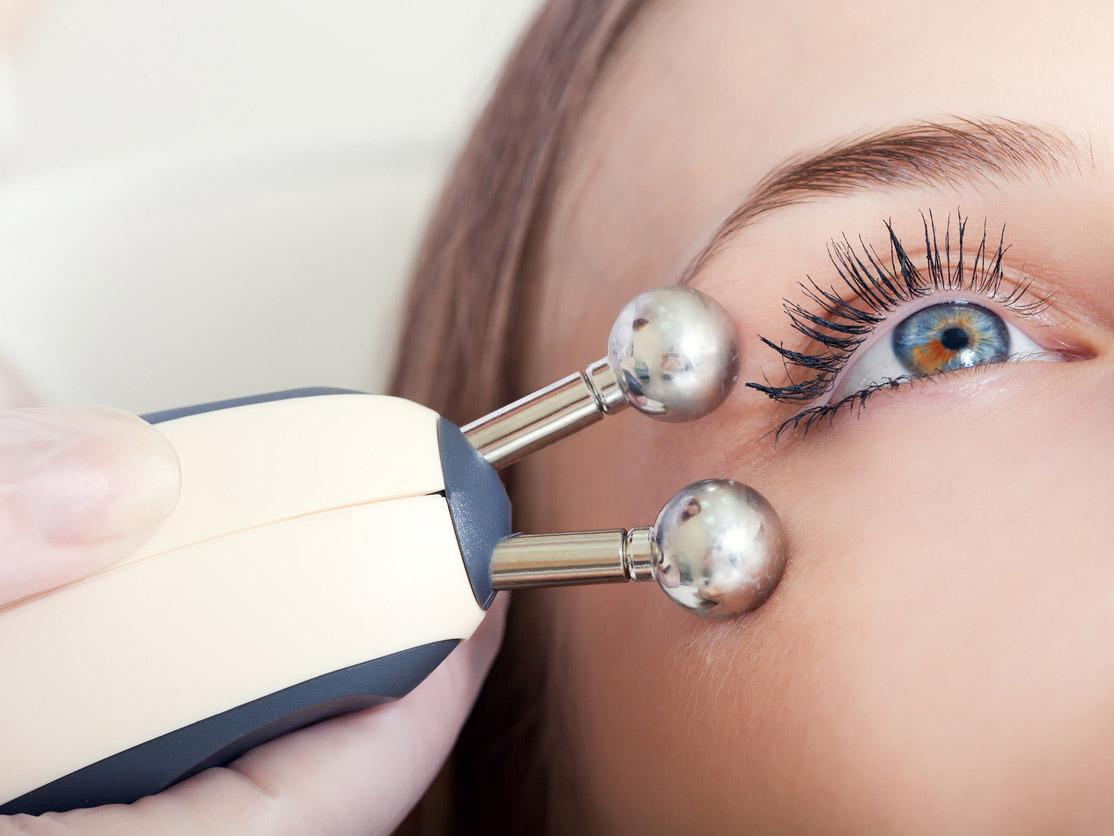
    The demand for electronic skincare devices is growing as consumers seek more affordable and time-efficient options to use at home rather than visit a dermatologist clinic.

    Electronics firms have been promoting a wide array of products, claiming they improve skin tone and suppleness using various light frequencies, sonic waves, and ion charges.

    Online retailer GS Shop recorded over 5.7 billion won (US$5.3 million) in sales with LG Electronics light-emitting diode (LED) masks this year. On June 3, the retailer sold 3 billion won worth of LED masks made by a smaller local firm named CellReturn in just one hour.

    The products are not cheap and prices vary widely depending on the brand or product model. Some cost 200,000 won (US$190) but higher-end products advertised by top actresses such as Kang So-ra can cost up to 1.7 million won.

    Even the latter price, however, is considerably lower than regular treatments at the dermatologist.

    The appeal seems to be greater for older women with increasing skin problems and working women or mothers who need quick, hassle-free remedies. The mask _ like other recent skincare devices _ simply needs to be switched on and placed over the skin for a few minutes each day.

    “Regular treatments at a dermatology clinic are too expensive,” said a 62-year-old housewife surnamed Kim who lives in Uijeongbu, Gyeonggi Province. Kim recently bought an LED mask for 200,000 won.

    “It’s light and convenient to use, so I leave it by my bedside and use it before I go to sleep,” she said. “About two months after I started using the mask, people said my skin looked brighter.”

    “But I’m not sure why the LED masks by bigger companies are so expensive,” she added.

    Before LED masks, there was the electronic cleanser brush, which became well-known here in 2013 with the popularity of L’oreal’s Clarisonic face cleanser. A similar device launched the following year by Eyesel Creative, a local firm, was also well received by consumers.

    Companies are capitalizing on the recent boom of the home skincare market with a diverse array of products.

    A local brand, introduced a vacuum face massager for relieving muscle tension and getting rid of dirt from pores. The handheld light therapy device by Makeon, a daughter brand of cosmetics giant Amore Pacific, has three different wavelength settings to address different types of skin concerns.

    The homecare beauty equipment market, already estimated at 450 billion won, is growing by 10 percent every year.

  • Korean Air hiring flight attendants

    Korean Air hiring flight attendants

    Korean Air’s reputation may be in the gutter due to ongoing investigations into its owner family, but it’s hiring.

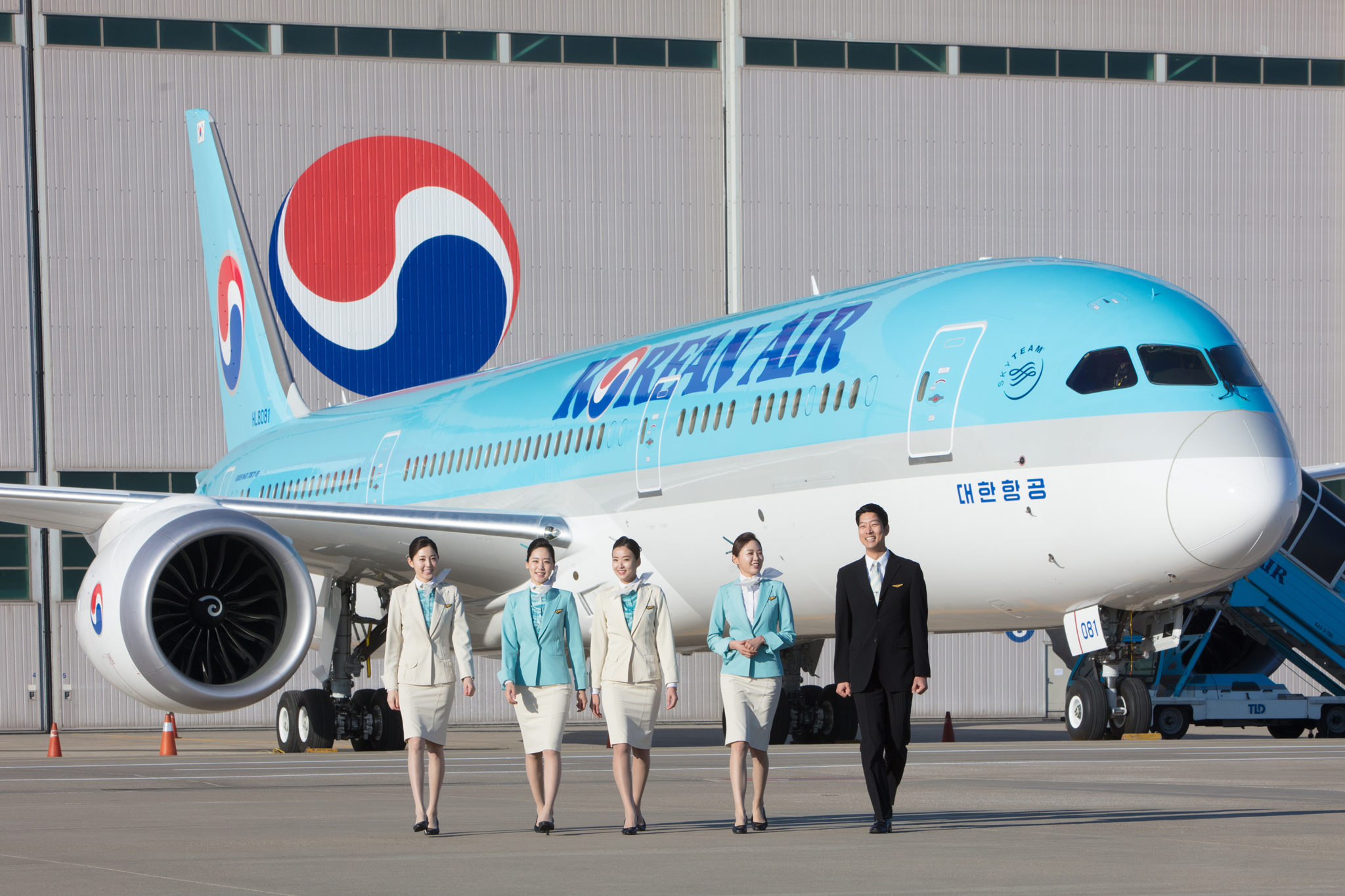
    Korea’s largest airline is looking to take on 600 new flight attendants this year, the company said on Tuesday.

    Korean Air began recruiting 200 new flight attendants on Tuesday. The company already hired 200 attendants in the early half of the year, and is currently in the middle of hiring 100 experienced flight attendants.

    Korean Air usually takes on about 500 new flight attendants every year, so this year’s hiring represents a bit of a bump. A company spokesperson said that it increased its hiring to keep up with its expanding flight routes.

    Last year, the company hired only 180 new flight attendants, so it decided to hire more this year.

    Most of the company’s statements in recent months have been in response to allegations against the Cho family, which owns Korean Air.

    A series of investigations into the family began in April, when Korean Air Chairman Cho Yang-ho’s youngest daughter Cho Hyun-min was caught throwing a drink at an advertising executive during a meeting in March. Since then, the airline has been busy responding to complaints rather than promoting its business.

    Korean Air is expecting steep growth in its business this year. It moved to Incheon International Airport’s second terminal, which opened in January, and started a joint venture partnership with U.S. airline Delta in May.

    However, the scandalous stories of the Cho family have dominated coverage of the company. Various family members are under investigation for different charges and allegations including smuggling, tax evasion and unfair trading through affiliates.

    Most recently, Lee Myung-hee, the wife of the company’s chairman, was summoned by the Korea Immigration Service on Monday for about 13 hours of questioning into whether she illegally hired Filipino housekeepers.

    While only ethnic Koreans or immigrants married to Koreans can work as housekeepers in Korea, Lee is accused of making the airline’s branch in the Philippines recruit around 10 housekeepers and dispatch them to Korea, supposedly as Korean Air trainees. According to reports, Lee acknowledged that she hired Filipino housekeepers, but denied that she was involved in their hiring process.

  • Samsung Electronics calls for retrial in Apple case

    Samsung Electronics calls for retrial in Apple case

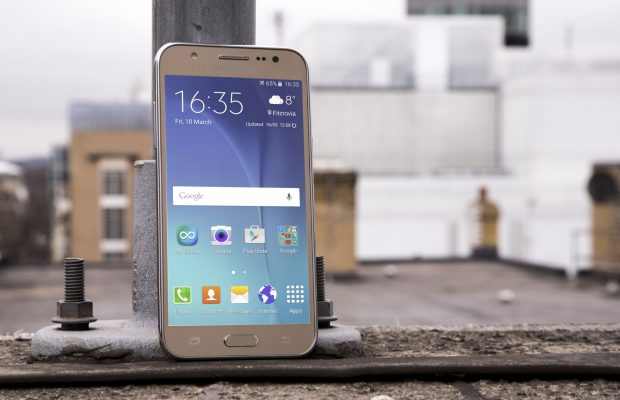
    Samsung Electronics on Tuesday called for a retrial of the latest ruling by a U.S. court, which ordered the Korean tech giant to pay Apple $539 million over design infringement.

    The Korean tech giant claimed that the amount awarded to Apple by the latest ruling is excessive, demanding that the U.S. District Court in San Jose, California, reconsider the ruling.

    The conflict between the two companies surrounding alleged design infringement started in 2011, with the court ruling ordering Samsung to compensate Apple coming in May.

    The U.S. company claimed Samsung violated its designs, such as a “black rectangular front face with rounded corners,” a “rectangular front face with rounded corners and a raised rim” and a “grid of 16 colorful icons on a black screen.”

    Shortly after the court ruling, Samsung said it would “consider all options to obtain an outcome that does not hinder creativity and fair competition for all companies and consumers.”

  • Lotte Mart begins selling menstrual cups today

    Lotte Mart begins selling menstrual cups today

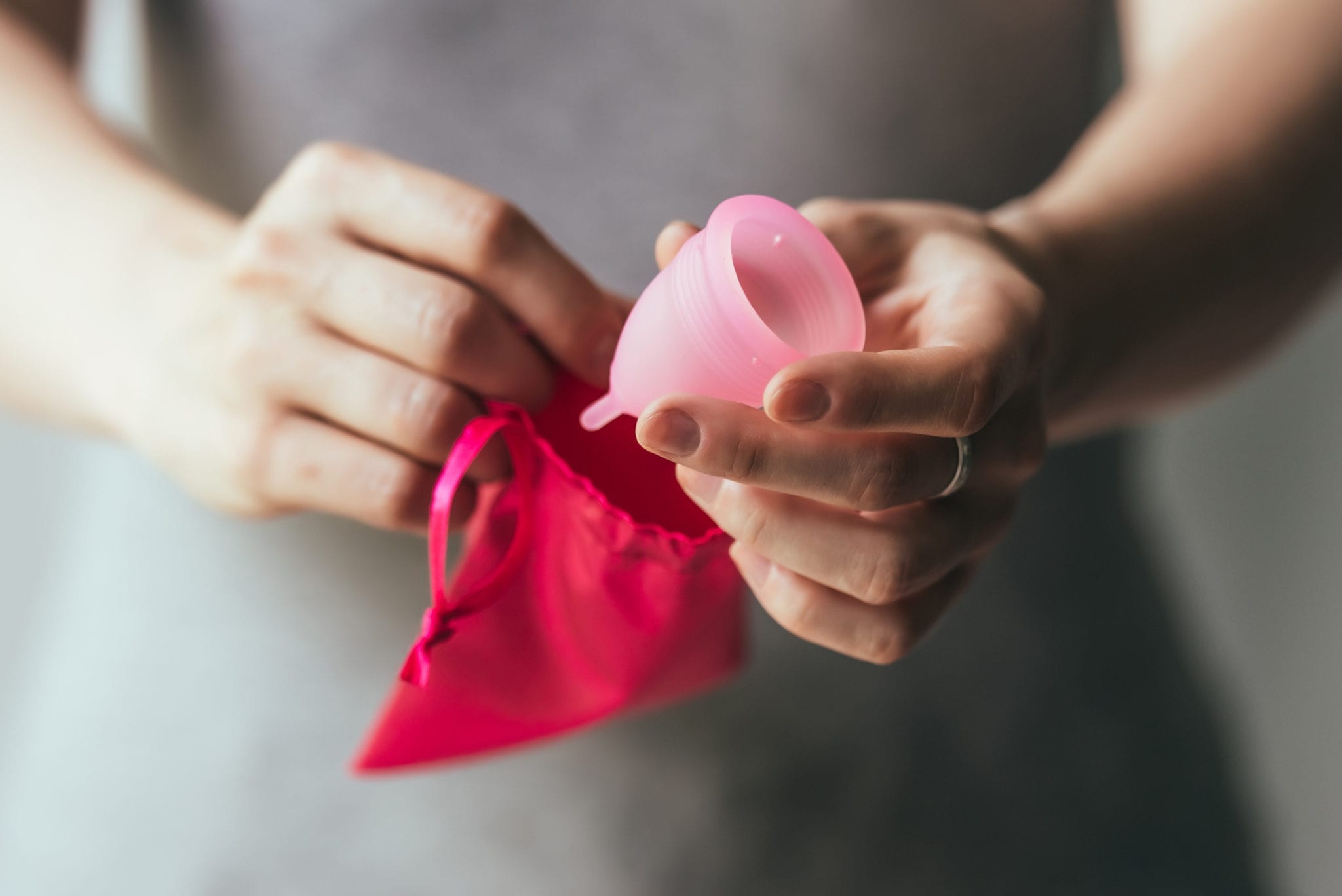
    Lotte Mart began selling menstrual cups at its online and brick-and-mortar stores today.

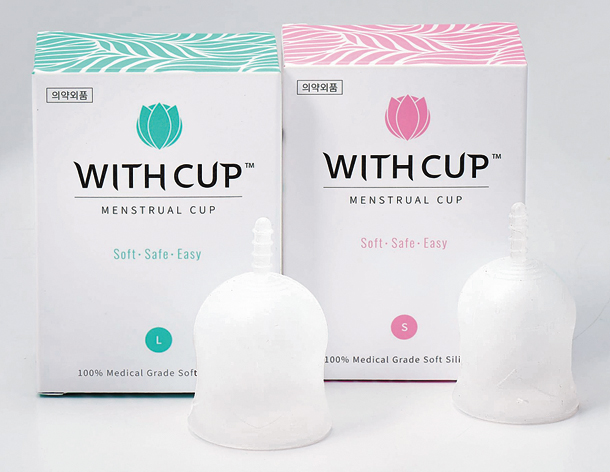
    The discount chain will sell two variations of “WithCup” in two different sizes, both priced at 39,000 won ($36.21). WithCup was the first menstrual cup made in Korea to receive safety approval from the Ministry of Food and Drug Safety last month. It is cheaper than the foreign products that consumers previously had to buy online.

    The launch makes Lotte Mart the first discount chain to sell menstrual cups. Menstrual cups rose as an alternative to sanitary pads last year when the safety of several sanitary products fell into question. But most of them had to be purchased through foreign shopping websites as menstrual cups were only approved to be officially imported into Korea in December.

  • Amorepacific loses a cushion compact patent

    Amorepacific loses a cushion compact patent

    The Supreme Court dismissed Amorepacific’s patent on cushion compacts, putting an end to a three-year legal battle, according to the company on Tuesday.

    Amorepacific appealed a Patent Court of Korea ruling in February that invalidated the company’s patent for cushion compacts on the grounds that the product lacked “inventiveness.” This meant that its manufacturing didn’t have innovative technology not found elsewhere in the industry.

    The Supreme Court decision, which came on May 31, concludes a three-year legal struggle between the beauty giant and six domestic beauty companies, including Cosmax, an original design manufacturer for well-known local and global brands.

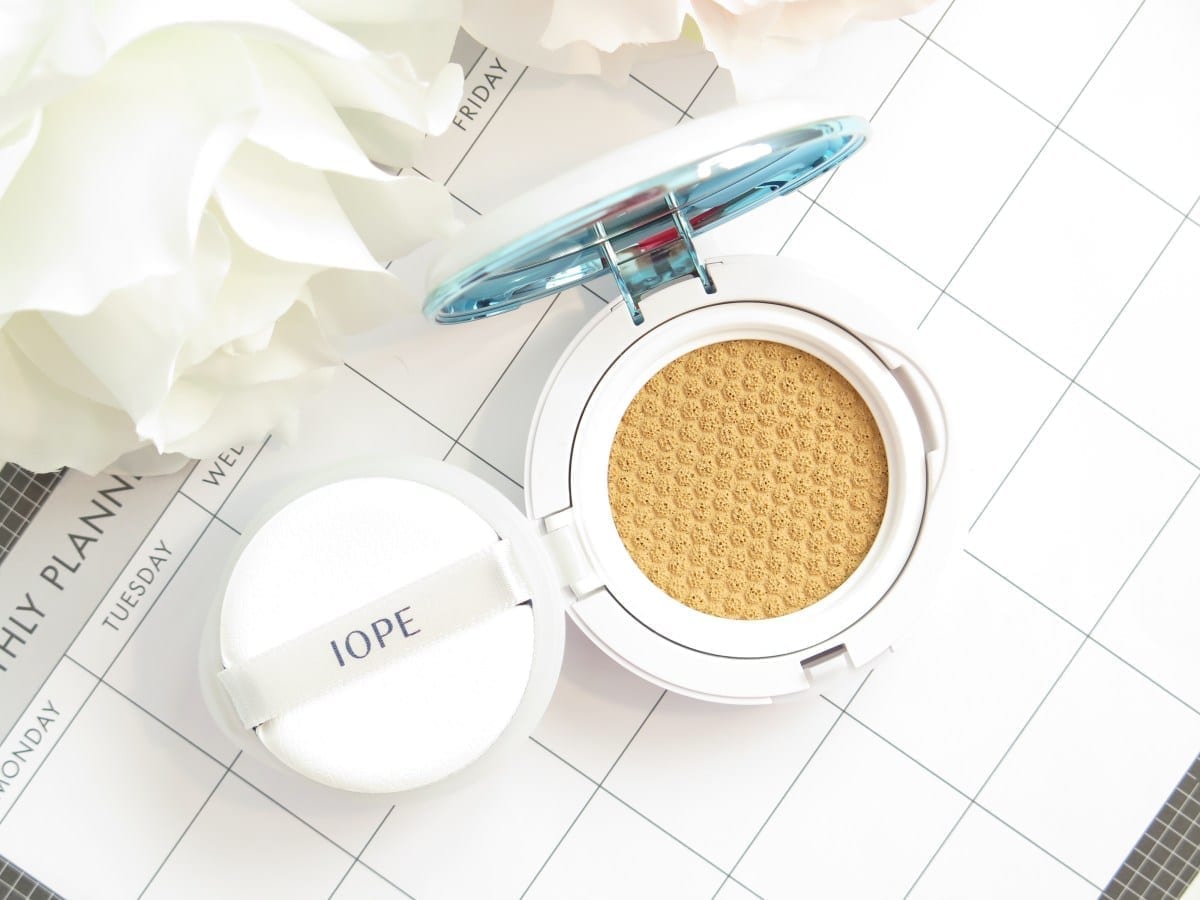
    Cushion compacts contain liquids like color foundation or sunscreen in a case, which was first used for skin powder. A sponge inside the case holds the liquids so they don’t flow out. Cushion compacts were first released by Amorepacific’s Iope brand in 2008, and became one of the company’s biggest successes. Now, cushion compacts are released by global names like Chanel, Yves Saint Laurent and L’Oreal.

    In 2011, Amorepacific registered a local patent for cushion compacts, which it described as a “cosmetic that includes urethane foam soaked with product.”

    In 2015, the six smaller beauty companies filed a suit in the patent court to annul Amorepacific’s patent on the grounds that urethane foam has been used in beauty products in the past. Cosmax was also sued by Amorepacific the following year for patent infringement.

    Amorepacific possesses more than 400 patents worldwide related to cushion compacts, but the one related to the usage of urethane foam as the sponge that holds the liquid is especially important. Manufacturers like Kolmar Korea and Cosmecca Korea paid loyalty fees to use the technique.

    Many beauty companies have since developed their own methods and materials to use in cushion compacts, but in the products’ early days, most followed Amorepacific’s model. If the court had ruled in favor of Amorepacific, this would have given the company grounds to ask for compensation for patent infringement.

    The patent court’s first ruling was in favor of Amorepacific, but the second one annulled the patent, so the beauty giant appealed to the Supreme Court but failed to receive a nod.

    “The domestic patent was annulled, but the same patent is still effective abroad, so we will continue exercising our rights to protect our technology in overseas markets,” said an Amorepacific spokesman.

  • SK Telecom invests 10 billion won in content provider Make Us

    SK Telecom invests 10 billion won in content provider Make Us

    SK Telecom invested 10 billion won ($9.2 million) in mobile video content provider Make Us, the company said Monday.

    Local start-up Make Us creates video clips related to various categories including music, food, travel and beauty and distributes them through its own channels on Facebook and YouTube.

    Korea’ largest mobile carrier hopes to use the start-up’s expertise in making creative content while launching its new music streaming platform in the second half of this year.

    One of most well-known content created by Make Us is its music channel Dingo Music, which offers music videos cropped to appear on a vertically-oriented phone screen.

    The two are considering jointly producing music programs to be broadcasted on mobile channels.

    According to the mobile carrier, the start-up’s content is most popular among people under the age of 40. Based on last year’s data, it has a total of 33.6 million subscribers to its pages on Facebook, YouTube and Instagram.

  • Gentle Monster looks beyond sunglasses

    Gentle Monster looks beyond sunglasses

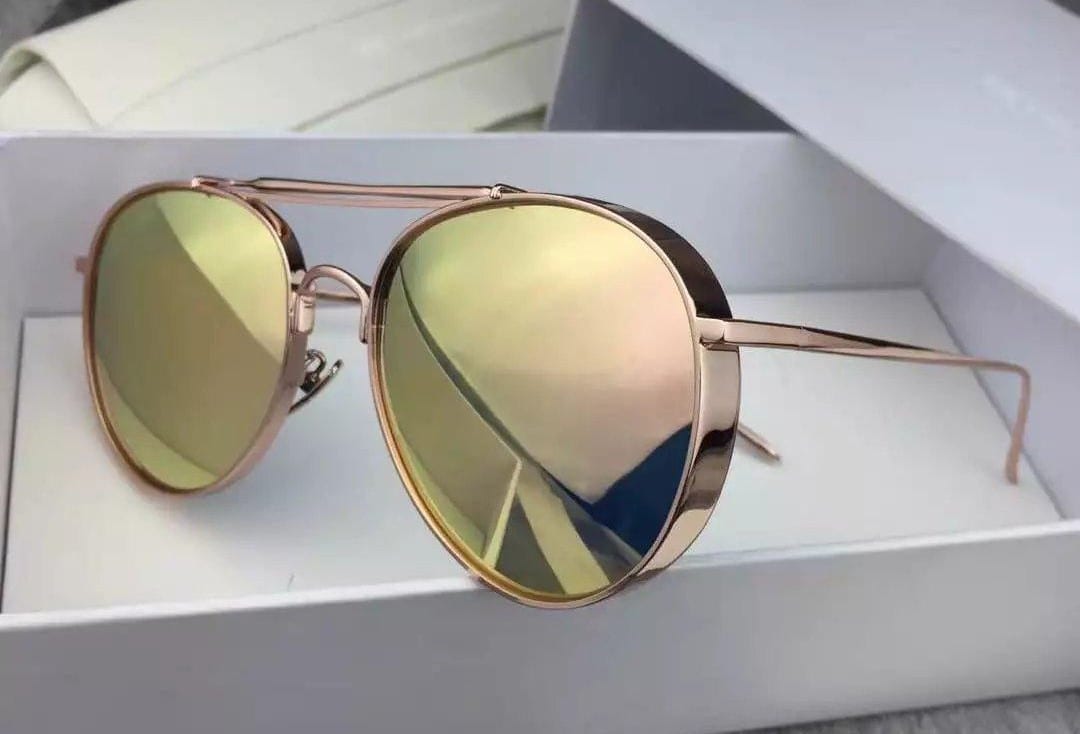
    Among the foreign luxury brands filling the eyewear section at local duty-free shops and department stores, the Korean-based brand Gentle Monster stands out.

    Getting its initial fame among the Korean public as “Jun Ji-hyun sunglasses” after the actress wore a Gentle Monster product in hit TV series “My Love From the Star” in 2014, the brand is solidifying its place in a market heavily dominated by foreign luxury brands.

    The brand’s founding story is not so typical, as its two co-founders weren’t exactly in love with sunglasses. Originally in English education, they looked into what kind of market they could stand the chance to be profitable.

    “The eyewear market has a long history, but it has not been changing in Korea. It was pretty much the same, controlled by a few major giants who have factories and retail shops,” Jay Oh, one of the two founders, said at an event hosted by the French Korean Chamber of Commerce and Industry in central Seoul on 29 May.
    “We thought, if we make something special and unique, people might love us,” he said.

    Oh and Kim Han-kook founded I.I Combined, the owner and operator of Gentle Monster, in 2011. The name stands for the combination of ultimate imagination and interpretation of the world.

    “The brand has a specific customer role model — a gentle monster. We want our customers to look gentle but have great passion and enthusiasm inside,” Oh said. “Our beauty concept is weird beauty.”

    Gentle Monster produces three types of sunglasses, categorized as first-generation, second-generation and third-generation products. Each generation has a different purpose and concept.

    “Third-generation products are hard to wear in real life, but they are attractive on Instagram and to celebrities,” Oh said. “We are developing 50 models every season and 20 of them are in the third generation. We are not really seeing this as profitable but this is fun, a part of our ultimate imagination.”

    “Second generation is a little bit less challenging, fashion leaders can wear this. Most of the sales come from the first-generation products. It is where we see mass customers. But still the third generation is leading the fashion industry,” he said.

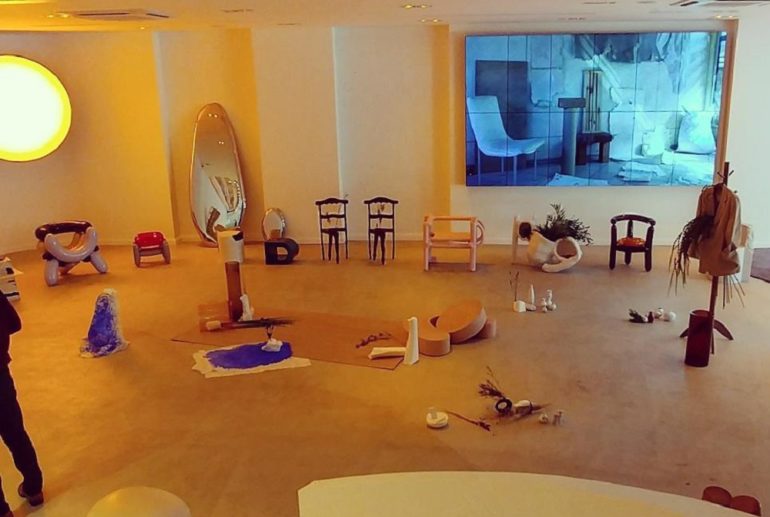
    The brand is represented by its unique, artistic flagship stores, which more resemble art exhibitions than stores.

    Oh stressed that flagship stores are not just about selling products. “We are not really making the space to sell something, but to deliver our spirt,” he said about the six branches across the nation and 10 more around the world. While the concept for the stores changes each year, this year’s concept is about the universe and aliens.

    French luxury goods giant LVMH Moet Hennessy Louis Vuitton has seen the value in the brand’s flagship store strategy. In August, L Catterton Asia, backed by the French giant, invested around 60 billion won (US$53.17 million) in Gentle Monster, becoming the second-biggest shareholder of the firm.

    “Flagships are what Gentle Monster is, it’s a whole ‘starting with experience’ idea. The same product, but the experience and the strategy are different. This is where the future of luxury retail is at. It’s not only about products,” Cho Hyun-ock, president of LVMH Korea, said at the event.

    “The investment is not just to earn money, but to learn from Gentle Monster — the creativity and the innovation,” he added.
  • Samsung tip has government investigating KIP

    Samsung tip has government investigating KIP

    The Ministry of Trade, Industry and Energy has been investigating a Korean company over technology leakage overseas at the request of Samsung Electronics, sources said on Monday.

    The probe into KIP, a private company belonging to the Korea Advanced Institute of Science and Technology, started in April after Samsung Electronics reported the issue to the government. But the issue is complicated by an ongoing lawsuit between KIP and Samsung in the United States.

    KIP sued Samsung over mobile transistor intellectual property, and critics have suggested that Samsung’s recent allegations are an attempt to cloud the issue.

    Back in late 2016, the company run by a group of researchers at Kaist filed a suit at a federal court in Texas against Samsung for using its patented technology for mobile 3D transistors, known as fin field effect transistors (FinFET), since 2015. The technology is used to increase the processing speed of smartphones and tablet PCs.

    Unlike Samsung, Intel has been paying around 10 billion won ($9.3 million) to use the technology since 2012. KIP demanded that Samsung pay for its use of the technology as well, and a jury is set to hand down the first verdict on the case on June 16.

    Samsung, however, has refused to pay for the technology, claiming it was initially developed as part of a state-supported research project. The electronics giant fought back, claiming that KIP leaked the core technologies overseas.

    The world’s No. 1 chipmaker asked the ministry to look into whether KIP’s intellectual property fits into one of seven categories that either have technological and economic value in markets at home and abroad or have great growth potential that are stipulated in the Act on Prevention of Divulgence and Protection of Industrial Technology.

    The seven designated technologies need state approval before being exported overseas.

    While reviewing documents preparing for a trial, Samsung claims it found evidence of a national core technology being leaked abroad without approval from the Commerce Ministry.

    FinFET was originally a joint project between Wonkwang University, where Lee Jong-ho, now professor at the department of electrical and computer engineering at Seoul National University, was serving as professor, and Kaist in 2001. Lee patented the technology under his name in Korea and handed it over to KIP later. KIP then transferred the patent to its U.S. branch, which was established in 2016.

    “It is hard to conclude whether [the KIP-owned technology] is a core national technology and it is not clear either whether the issue needs to be assessed by a group of experts,” said a ministry official. “We are taking into consideration of various aspects, given the issue could affect the trial.”

  • Innisfree makes Australian debut

    Innisfree makes Australian debut

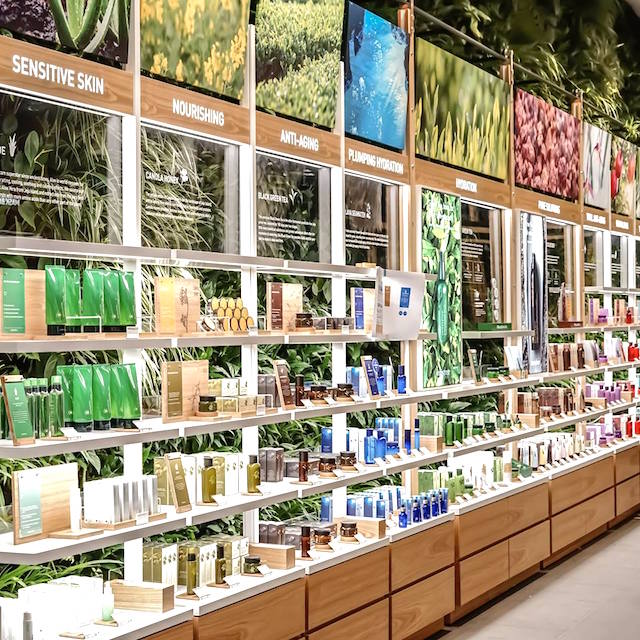
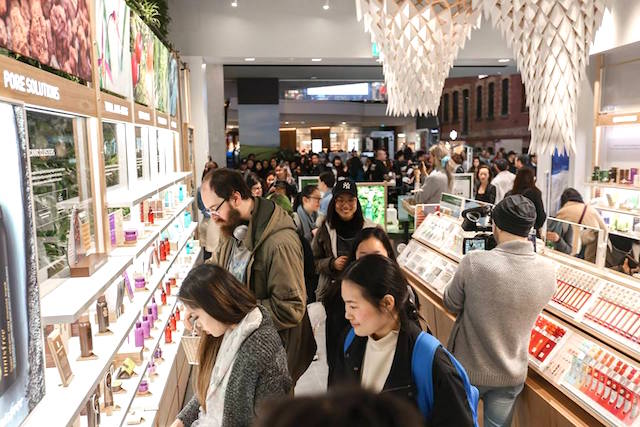
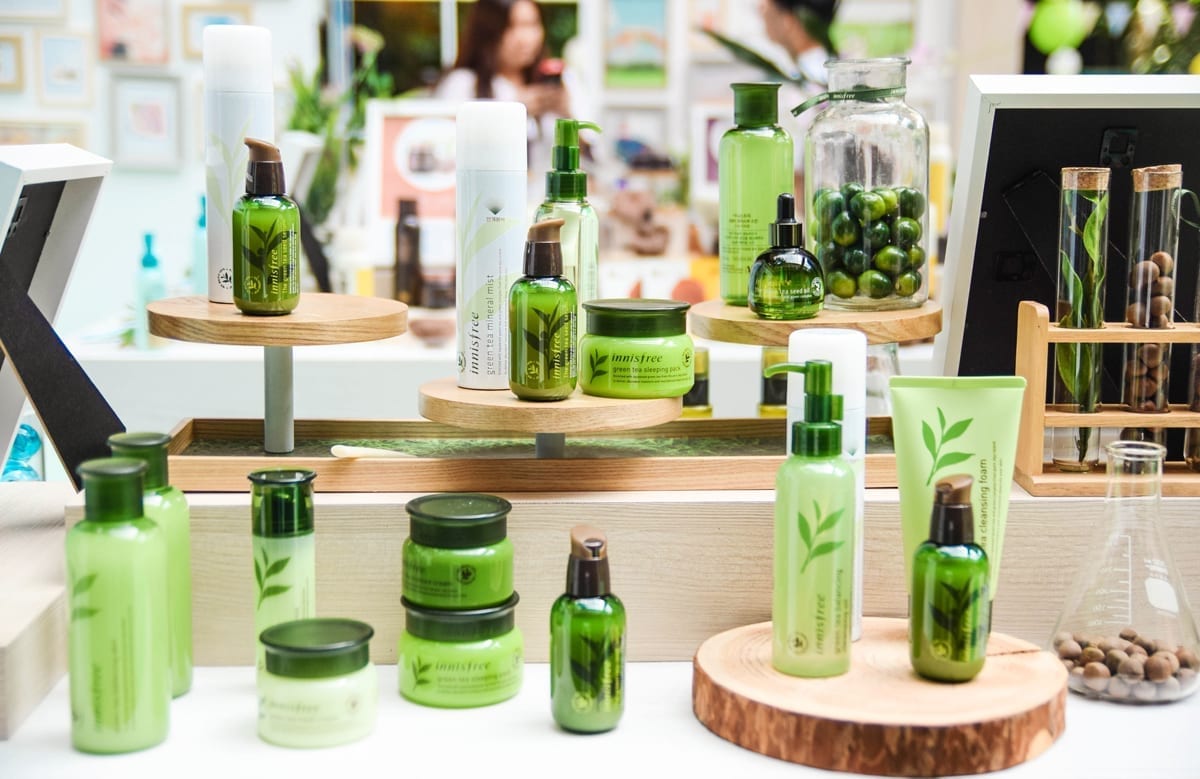
    Innisfree Australia has opened its first outlet, inside Melbourne Central shopping complex.

    This is Amorepacific’s second foray to promote its Korean cosmetics brand in Australia after Laneige launched in March.

    The company also expanded its Etude House brand in the Middle East this month.

    Innisfree, known for its green-tea lines, now has 12 stores in overseas markets including China, Thailand, Vietnam and the US.

  • Alibaba to sell more Korean stuff

    Alibaba to sell more Korean stuff

    Chinese e-commerce giant Alibaba Group announced Monday that it will expand partnerships with Korean brands in line with a Chinese government initiative to increase imports over the next few years.

    “During international forums such as Davos or Boao, President Xi Jinping has announced multiple times that China will expand exports – [the government] plans to import $8 trillion in the next five years and the China International Expo will take place in Shanghai this year,” said Angel Zhao, the group’s vice president, at a seminar held by the company on Monday at COEX in Gangnam, southern Seoul.

    “Under such import policy, Alibaba’s platforms like Tmall, Tmall Global, Taobao and others will be a useful tool for our partners to introduce their products to Chinese consumers.”

    Established in 1999, Alibaba Group is an IT giant that runs multiple e-commerce sites like Tmall, Taobao, Alibaba Express and the payment service Alipay. In 2014, it launched a Korean office aimed at expanding partnerships in Korea, but Monday’s event was the largest event it has ever held here, with some of its top executives from the China headquarters attending.

    Korean brands in Tmall Global, a website that mainly sells products from foreign companies, saw an annual sales growth rate of 45 percent between 2015 and 2017. This placed Korea as the No. 4 exporter to the website last year, following Japan, the United States and Australia.

    Alvin Liu, a general manager of Tmall’s import and export business, said he still sees potential for Korea’s beauty products to grow through Chinese e-commerce, which is currently dominated by jiulinghou, meaning consumers born in the 1990s.

    “Over 90 percent of Tmall Global’s users are jiulinghou, and in China there are 174 million people in this generation, which as a country would rank the eight largest in the world by population,” he said.

    “Data analysis [from our platform] indicates that this generation is particularly interested in expressing themselves in front of others and they’re starting to look for beauty products on a global scale – this is a big opportunity for Korea because it has an advanced market in the sector.”

    As an incentive for potential partners, both executives suggested that a partnership with Alibaba will offer opportunities to tap into both online and brick-and-mortar stores in China, including its in-house offline retailers like the grocery store Hema. Alibaba has been investing in a “New Retail” strategy, which is to expand offline services to create synergy with its online business. Earlier this year, Tmall opened its first store exclusively comprised of imported goods in Hangzhou.

    Zhao added that Alibaba could be the gateway to Southeast Asian countries as well through Lazada, a leading e-commerce website in the region which the Chinese company acquired shares of in 2016.

    “A priority for us [in the search for Korean suppliers] is to export products that are unique and trendy,” said Danny Chung, Alibaba Group Korea’s general manager. “From that perspective, diversification of product sectors apart from beauty and fashion is also important.”

  • Korea now fifth-biggest beauty exporter to EU

    Korea now fifth-biggest beauty exporter to EU


    Korea is now one of the top beauty product exporters to the European Union, surpassing Japan to take the No. 5 spot in terms of value.

    According to a report released by the International Trade Association on 5 June, Korea exported 135 million euros (US$158 million) of beauty products to the EU last year, pushing Japan down to the No. 6 spot.

    The United States took the top spot last year, with 1.2 billion euros of exports to the EU. China came in second with 630 million euros, followed by Switzerland with 574 million euros and Canada with 137 million.

    Although it placed fifth overall, Korea actually recorded the highest year-on-year increase among the top five, at 46.8 percent. The report added that the 135 million euros was a 10-fold increase compared to 2010.

    A major contributor to the rise in popularity of Korean beauty goods across Europe is the growing trend for eco-friendly or vegan lifestyle. The analysis, from Korea International Trade Association’s (KITA) Brussels office, pointed out that Korean brands managed to cater to these changing tastes as they heavily promote the use of natural ingredients like ginseng, green tea and aloe plants.

    This was backed by a survey conducted by Cosmetics Europe in April last year: 52 percent of respondents answered that a product’s effect on the environment was a major factor they considered when making beauty purchases.

    The analysis said that there is a growing perception in Europe that Korean beauty products are good quality. Korean brands also offer products that are otherwise hard to find from European brands, like sheet masks and cushion foundations.

    For companies that aim to launch businesses in Europe, KITA advised that it’s necessary to verify that product ingredients are not animal-tested, as such testing was banned by the European Union in 2013.

    “Several European companies said Korean brands have to work more to increase awareness and particularly make sure to emphasize that they are Korean, as a lot of European consumers know that animal-testing is mandatory for beauty products in China,” said the report.