Tag: Korea

  • Bottega Lounge opening in Seoul attended by owner

    Bottega Lounge opening in Seoul attended by owner

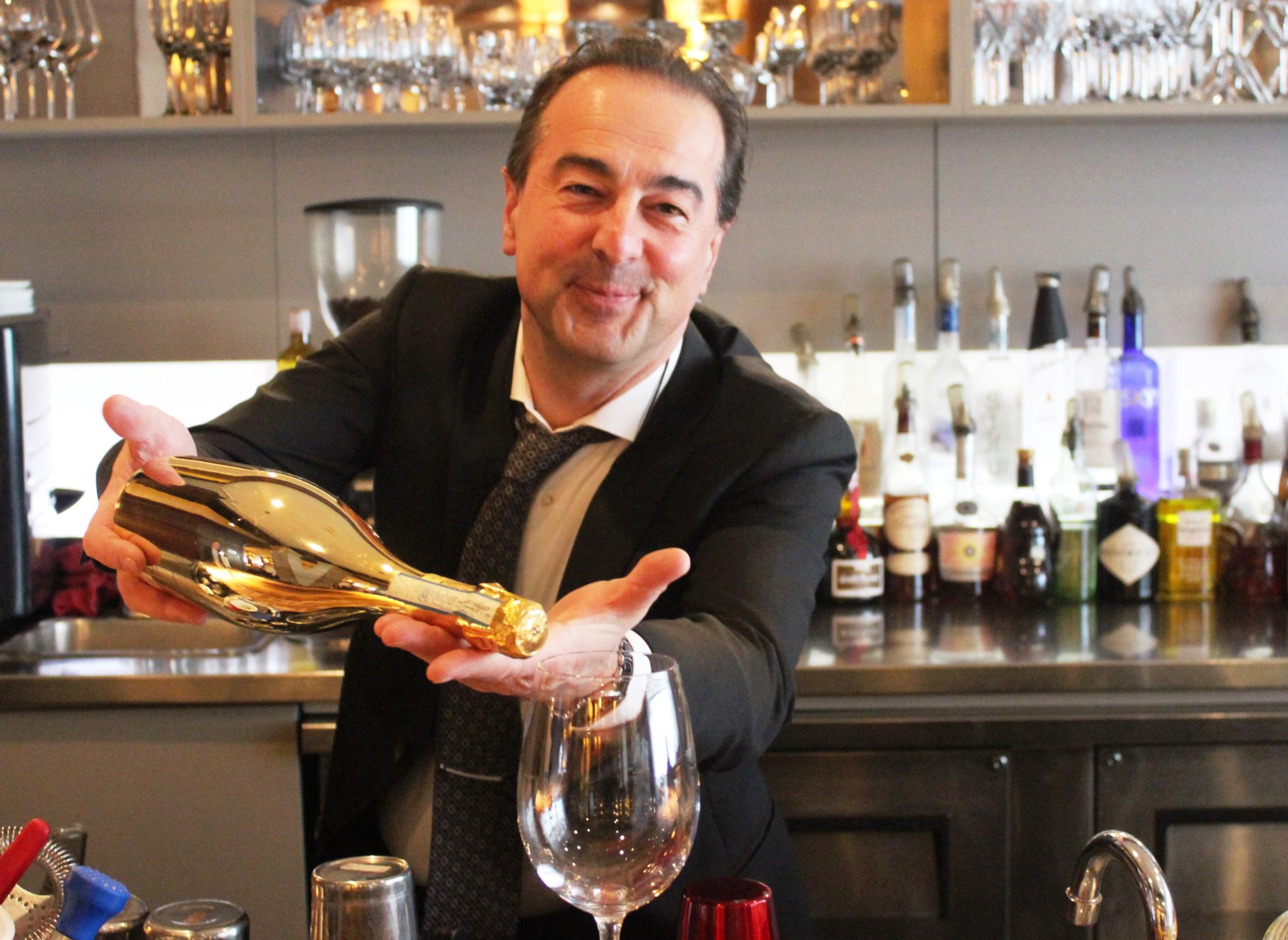
    Owner/MD of the Italian winery and distillery bearing her family name attended the official inaugural event of the Bottega Lounge in Seoul’s Gangnam-Gu.

    Opened in collaboration with a local partner, the lounge offers Italian Prosecco, Amarone della Valpolicella, Brunello di Montalcino, grappa and liqueurs.

    The lounge also allows Seoul people to become familiar with Italian food, as well as other Asian, American and French cuisines.

    Bottega is a family-owned company in Bibano, Treviso, (45km north of Venice) that has been producing premium Italian wines, grappa, spirits and food products since 1977. Bottega is a third-generation business, today led by Barbara, Sandro and Stefano Bottega. Its headquarters are in a renovated 19th-century farmhouse surrounded by 10ha of vineyards. The group also runs a winery in Valpolicella and one in Montalcino.

    Bottega products are distributed to more than 120 countries.

  • Nature Republic site priciest property in Korea

    Nature Republic site priciest property in Korea

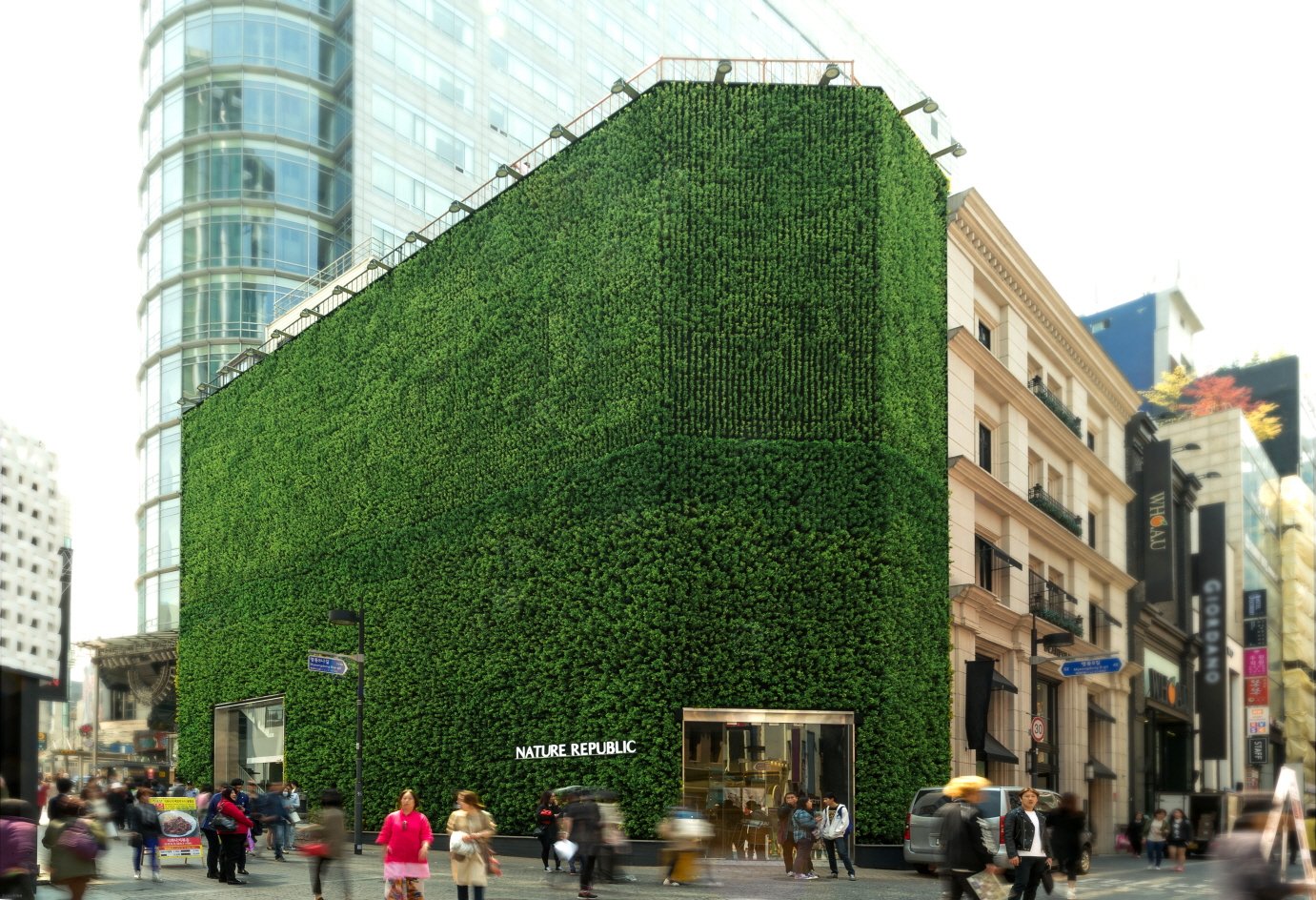
    The Nature Republic flagship store in Myeongdong, Seoul, has been named the most expensive commercial property in South Korea for the 15th consecutive year.

    According to data released by the Ministry of Land, Infrastructure and Transport (MOLIT), the official government appraisal of the land currently housing the cosmetics retailer’s stroe increased by 6.16 per cent from last year to 91.3 million won (US$85,439) per square metre.

    Other properties within Myeongdong rounded out the list of the 10 most expensive properties per square metre in the nation.

    Properties currently occupied by jewellery shops Lloyd and Clue were the second and third most expensive, coming in at 90.25 million won and 90.12 million won, respectively.

    The site of Woori Bank’s Myeongdong Branch dropped to fourth place at 88.6 million won per square metre after holding the second highest position for many years.

    The average price of land per square metre rose 6.28 per cent with Mapo-gu showing the highest increase at 11.89 per cent.

    Seocho-gu followed with 8.76 per cent, while Yongsan-gu and Seongdong-gu were tied at 8.14 per cent each.

    Gangnam-gu, with a 7.85 per cent increase, rounded out the list of districts in Seoul that saw the greatest rise in land prices.

    According to MOLIT, the least expensive land can be found in Uljin-gun, North Gyeongsang Province, boasting an appraisal price of 142 won (US13 cents) per square metre.

    In addition, the greatest price leap came from Guneop-ri, Hwachon-myeon in Hongcheon-gun of Gangwon Province, having seen a 700-fold increase from 286 won per square metre last year to 200,000 won this year.

    The jump in price is attributed to a newly built rest service area along the Seoul-Yangyang highway.

  • Starbucks Launches New Auto-payment System

    Starbucks Launches New Auto-payment System

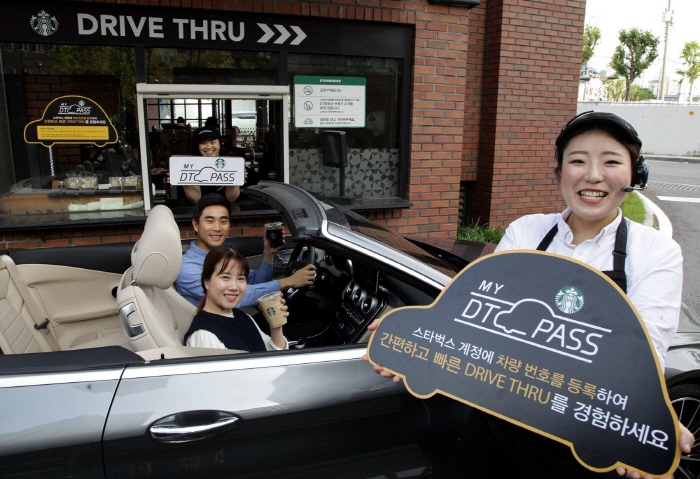
    Starbucks Korea has launched automatic payment drive-through locations, using DT Pass technology.

    To use the service, customers need to have a Starbucks online account with a rechargeable membership card, and register their car licence plate. A DT Pass device at the drive-through entrance will identify the customers via their registered car licence plate and deduct the payment automatically.

    The company says the time for a barista to receive the order information and for customers to make a payment is reduced by 13 to 15 seconds, which accounts for 10 per cent of the time spent at a drive-through.

    Starbucks Korea launched the service after a survey of account members. It is available at 11 branches in Seoul and will expand to 140 branches nationwide by August.

    Korea was also the first country to adopt Siren Order four years ago, which let customers order in advance so everything would be ready when they arrived.

  • Samsung tops Asia’s top 1000 brands ranking

    Samsung tops Asia’s top 1000 brands ranking

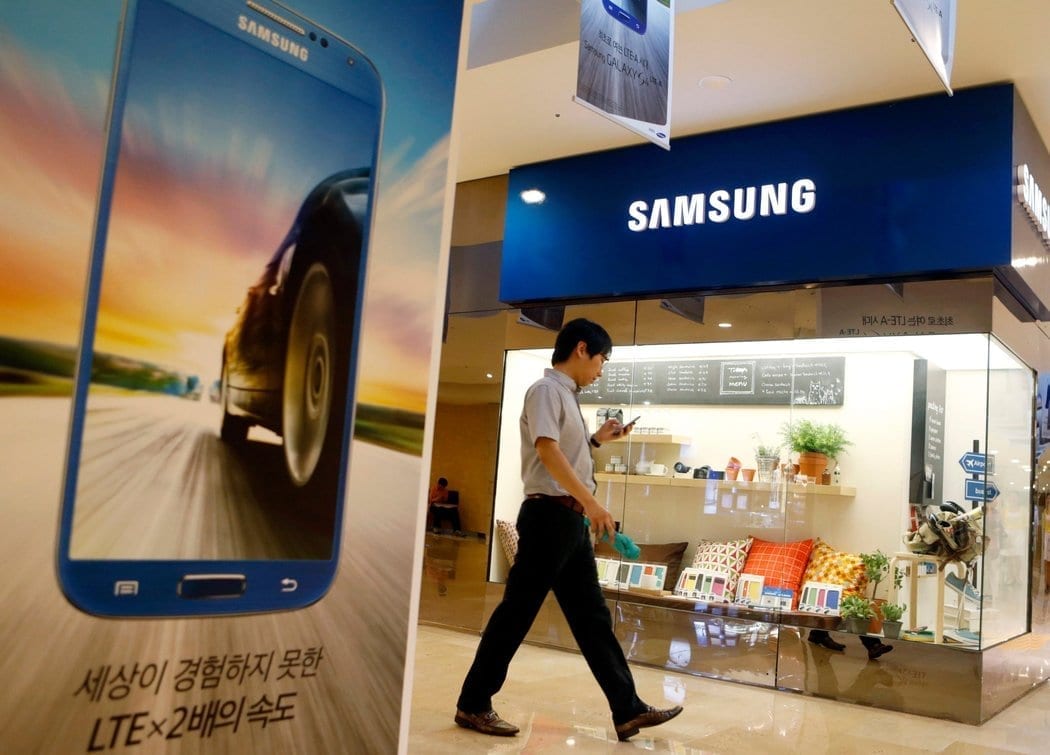
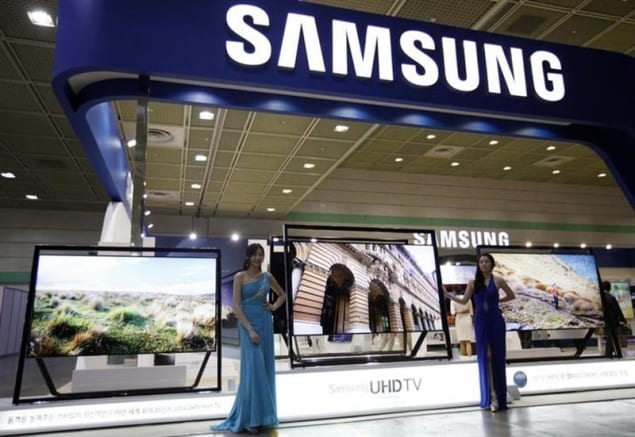
    Samsung again tops Asia’s Top 1000 Brands list, produced by Campaign Asia-Pacific and Nielsen.

    In its 15th year, the list again has Apple at second place.

    Rounding out the top 10 are Panasonic (up two spots), Sony (down one place), Nestle (down one), LG, Google (up six), Chanel, Nike (down two) and Philips (up 10).

    While the past 12 months have seen Samsung riding high on social awareness and release a string of hot new products, it is the brand’s size and “traditional” marketing methods that keep it at the top, say experts.

    It has emerged as the top brand in Asia for the seventh year in a row, despite the disastrous exploding Note 7 phone saga.

    Google jumped five places in the list this year, breaking into the hallowed Top 10 for the first time since 2011 and finishing in position seven. The company emerges as Asia’s favourite search engine in all markets except China and South Korea, and it is also rated top for “digital experience” in all markets except China (where consumers cited Apple) and India (Amazon).

    Still climbing

    Chinese brands are still climbing the chart. Huawei, which jumped 661 spots last year, and Xiaomi (up 577 spots) have been more moderate this time. Huawei has gained another 44 spots to rank 158th overall, while Xiaomi leapt 88 places to land at 128, making it China’s top home-grown brand throughout Asia-Pacific for this year.

    Best dressed among fast-fashion brands were Zara, which reached 52nd place in the Top 1000, and H&M, which climbed to 65th. Both brands improved significantly on their positions last year. Japanese clothing brand Uniqlo also leapt up the charts, landing in 38th position.

    Not all e-commerce brands are capitalising on the steady rise in online shopping. While top players Amazon, Lazada and Taobao saw strong gains, others like Ebay, Rakuten, Zalora and Flipkart still have work to do.

    Amazon jumped 20 spots to become Asia’s 23rd top brand overall. Lazada, powered by Alibaba, surged even more (35 places) to cement its position at 62nd overall. Alibaba’s Taobao, top in China but slower to grow outside of it, moved 31 spots higher but is still a distant third across the region, ranking 210th.

    However, other key players have been losing ground. EBay, ranked 144th two years ago, has steadily dropped to 237th this year. Japan’s Rakuten slipped slightly this year to 331st after a larger drop last year. Fashion-focused Zalora tumbled significantly this year to place 409th, while strong players in specific markets like Flipkart (second in India) and Qoo10 (first in Singapore) both dropped more than 60 places overall to land at 564th and 592nd respectively.

  • Korean retailers to focus on men

    Korean retailers to focus on men

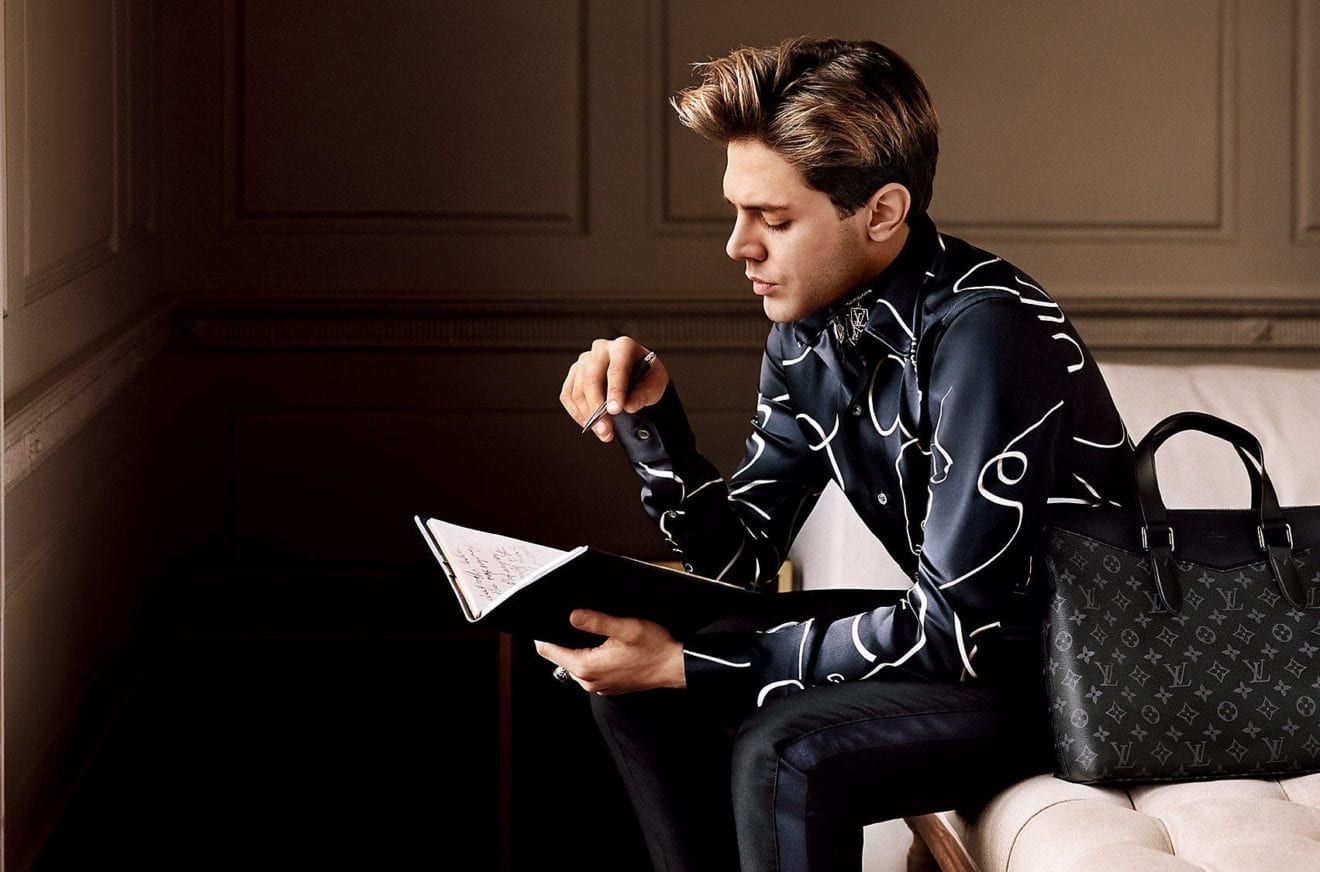
    Shinsegae Department Store will open a Gucci Man and Dior homme in June and July.

    Lotte Department Store is also promoting ‘Louis Vuitton Man’ and ‘Gucci Man’ in line with the reorganization of stores this fall.

    Korean retailers are actively targeting men’s luxury goods market as men’s luxury market is growing faster than other fashion segments in the market.

    Luxury goods in Shinsegae Department Store this year increased by16.5 percent, which is much higher than that of women’s wear (2.4 percent) and men’s wear (7.5 percent). Men’s luxury goods rose by 39.2 percent.

    The same goes for Lotte Department Store. In the first quarter of this year, sales of luxury goods grew 10.7 percent, much higher than general men’s wear (0.9 percent) and women’s wear (1.5 percent). Hyundai Department Store’s sales of luxury men’s grew 24.2 percent this year.

    In addition to exclusive luxury stores, there is also a fierce competition to attract men’s multi shops. It is a strategy to increase the number of different multi shops to aim at the younger generation who are looking for a unique product.

    In 2013, Lotte Department Store opened its first ‘Eli’den men’, targeting to male consumers in their late 20s and 30s. The ‘David Collection’, which is multi shop specializing in men’s apparel and articles in 2014, and ‘Men issue’, a men’s shoe editing shop in 2015 are attracting a mania.

    Shinsegae Department Store has men’s exclusive multi shops “BOONTHESHOP” in Gangnam store, Busan Centum City store, and Daegu. Sales of over 100 brands such as vêtement, ‘Lardini’, ‘Off White’ and ‘Marni’ were higher than expected, which is 31.7 percent up from the same period last year.

    According to an industry officer, “Grooming men who open their wallets for their own looks and fashion, mainly in their 30s and 40s, are increasing,” he said. “We plan to expand contemporary men’s products “He added.

  • Shinsegae and Shilla to fight out Incheon T1 duty free bids

    Shinsegae and Shilla to fight out Incheon T1 duty free bids

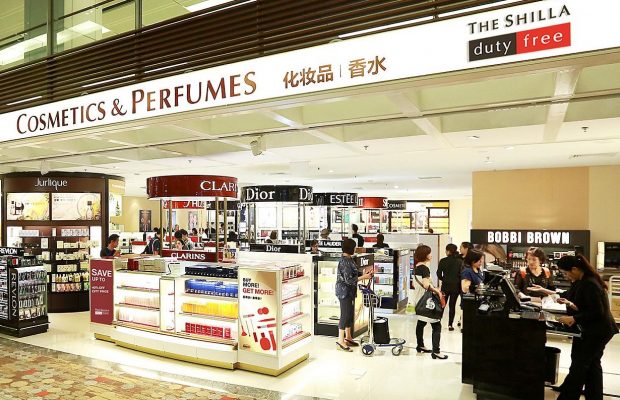
    Shinsegae Duty Free and The Shilla Duty Free will fight out the contest for two Incheon International Airport Terminal 1 duty free contracts on offer, despite rival Lotte Duty Free tabling the highest bids in each case.

    The tenders followed incumbent Lotte Duty Free’s resignation from both concessions in February.

    As reported, four retailers – Lotte Duty Free, The Shilla Duty Free, Shinsegae Duty Free and Doota Duty Free – bid for the two packages, DF1 and DF5.

    While Lotte Duty Free submitted the highest offers for both packages (see figures below), Incheon International Airport Corporation opted to shortlist only Shilla and Shinsegae. The two retailers must now table their business plans to Korea Customs Service and Incheon International Airport Corporation by 5 June. A winner will be selected in mid-June.

    A Shinsegae Duty Free spokesperson confirmed the shortlist to The Moodie Davitt Report. A Lotte Duty Free spokesman said the company was “despondent”, given that it had tabled the highest bid.

    Lotte’s DF1 bid was +1.6% higher than Shinsegae’s and +27.2% higher than Shilla’s. On DF5, Lotte’s offer was +13.2% better than Shinsegae’s and +38.8% above that of arch-rival Shilla.

    Some Korean duty free market sources expressed shock at the result. One veteran retailer told The Moodie Davitt Report, “Lotte must have been penalised for dropping the [former] concession in the mid-term. Yet as evaluations are based 60% on the business plan and 40% on the monetary offer, it is not easy to understand that Lotte did not qualify… especially as it had paid a KW187 billion penalty (for its premature exit).

    “There is no specific regulation or degrading for a company which gives up a government concession in the mid-term.”

    One source told The Moodie Davitt Report, “The most probable scenario is that the licence evaluation committee of Korea Customs Service will award DF1 to Shinsegae and DF5 to Shilla in order to avoid potential monopoly issues [as Shilla also holds the rest of the airport’s P&C business reserved for major retailers -Ed].”

    Not surprisingly, Shilla is known to dispute that position. Korea’s Fair Trade Commission will not have a problem with the proposed structure, sources close to the company believe. Shilla could reasonably point to many other international airports which have a single retailer for one category (or in fact for all categories), the sources contend.

  • BGF Retail outlines KRW30bn online investment

    BGF Retail outlines KRW30bn online investment

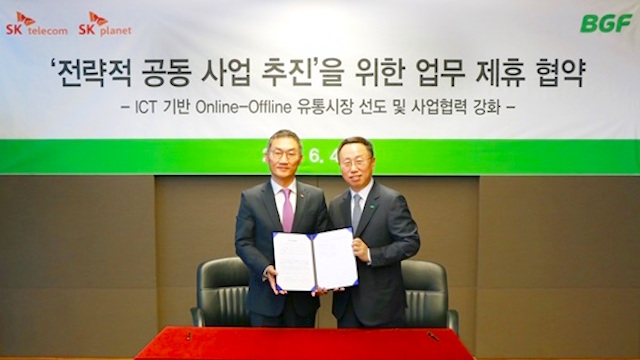
    BGF, owner of Korean c-store chain CU, has boosted its stake in online grocery business Hello Nature.

    Founded in 2012, Hello Nature offers compact packaged-grocery deliveries. It was bought by SK Planet in 2016. Its sales reached US$9 million last year.

    Investing 30 billion won (US$28 million) for a controlling 50.1 per cent stake, BGF will run Hello Nature as a joint venture.

    “The online premium grocery shopping market is a blue ocean which has been growing rapidly every year,” said BGF chief Lee Keon-jun.

    BGF aims to build Hello Nature into the leading online grocery platform within the next five years by connecting its delivery service to 13,000 CU stores across Korea.

    Hello Nature will also consider consider expanding into the offline market.

    Demand for online delivery services for fresh food in Korea has been increasing rapidly thanks to the growing number of one-person households – 5.28 million in 2016, accounting for 27.8 per cent of all household types in the country.

  • Etude House and Nature Republic debut in Saudi Arabia

    Etude House and Nature Republic debut in Saudi Arabia

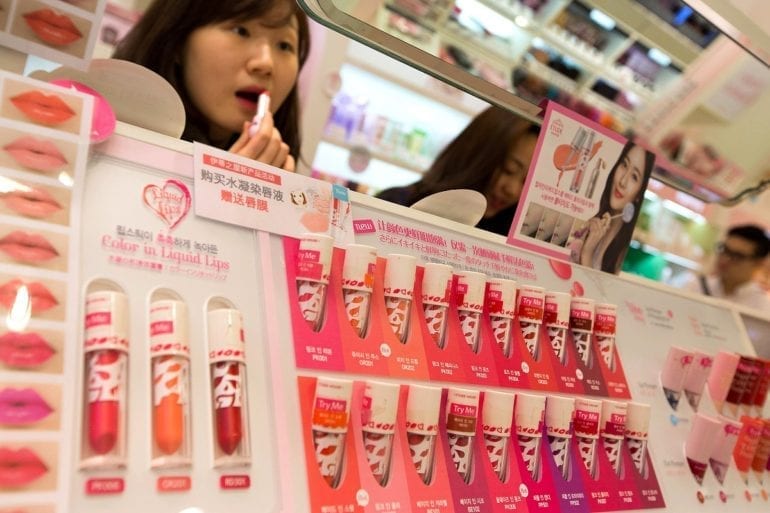
    Two Korean cosmetics brands Nature Republic and Etude House have opened their first outlets in Saudi Arabia.

    Nature Republic has signed an agreement with local retailer Fawaz Alhokair to open the first store in the capital city of Riyadh, the first of up to five outlets in the country. Saudi Arabia is the brand’s 19th market.

    Etude House has also made it to Riyadh with the first store at the Granada Center after a successful launch in UAE and Kuwait earlier this year.

    The Middle East’s cosmetics market is expected to reach US$36 billion by 2020 while Saudi Arabia’s cosmetics market has grown 15 per cent annually in recent years and is the largest beauty market in the region.

  • Shinsegae bets strong to replace Lotte’s Incheon duty free

    Shinsegae bets strong to replace Lotte’s Incheon duty free

    Shinsegae is going all out to acquire licenses to operate duty free shops at Incheon International Airport after its rival Lotte’s bid fell through.

    The bid is understood by many as Shinsegae‘s aim to expand its presence in the still lucrative and growing duty free industry.

    According to industry officials, the Incheon International Airport Corp. (IIAC) has narrowed the candidates for the licenses to Shinsegae DF and Hotel Shilla. The two filed their intent to operate duty free outlets at the DF1 bloc for cosmetics and perfumes and DF5 bloc for clothing in the airport’s Terminal 1.

    Lotte and Doosan also vied for the operating licenses, but failed to make it to the final list. The Korea Customs Service will review the bids and select the operators for each of the blocs next month.

    Lotte Duty Free previously ran those blocs, but in February it gave up its licenses citing high rent, standing at around 800 billion won (US$743.5 million) a year.

    Lotte’s move was interpreted as an attempt to lower its rent for the blocs by renegotiating the deal, as it continued to accumulate losses due largely to the high rent it agreed to pay in its previous deal. The 800 billion won rent for the blocs is nearly four times higher than the minimum guarantee the IIAC wants this time for those blocs, which is 200 billion won.

    According to sources, Lotte made the highest bid at 280 billion won for DF1 and 69 billion won for DF5 in the four-way battle.

    Following were Shinsegae with 276 billion won for DF1 and 61 billion won for DF5, Shilla with 220 billion won for DF1 and 50 billion won for DF5. Doosan’s Doota Duty Free bid 192.5 billion won for DF1 and 53 billion won for DF5.

    Despite Lotte placing the highest bid, it lost points in other criteria, such as management ability and its withdrawal from the previous duty free license deal driving the airport authority to lose faith in Lotte, industry officials said.

    As Lotte failed to make the final list, the final selection next month will bring a fundamental change to the domestic duty free industry.

    As of last year, Lotte was Korea’s largest duty free operator by sales with a 41.9 percent market share. It was followed by Shilla with a 26.8 percent share and Shinsegae with a 12.7 percent share.

    The combined sales of DF1 and DF5 blocs in 2017 stood at 900 billion won, which was approximately 6.4 percent of Korea’s total duty free sales last year.
    This means Lotte’s market share will drop to 36 percent. If Shilla wins the licenses for both blocs, its market share will go over 30 percent, or if Shinsegae wins it will reach a 20 percent market share.

    Shinsegae’s surge

    Depending on the customs service’s selection, Shinsegae will operate up to four outlets at the airport. It currently has the DF7 bloc in the first terminal and DF3 bloc in the second terminal.

    Though the duty free business does not have many chances to expand because of regulatory issues and five-year licenses, Shinsegae has expanded its presence rapidly in the domestic market, encroaching on the market shares of Lotte and Shilla.

    Shinsegae’s market share stood at 2.8 percent in 2014 but quickly rose to 12.7 percent last year, increasing by 10 percentage points during the period.

    Its surge was largely attributable to the solid numbers from its Myeong-dong branch, which brought in 1.35 trillion won in sales last year. The branch opened in May 2016 but quickly hit its stride thanks to luxury brands such as Dior, Cartier and Fendi.

    The branch is also expected to house Rolex and Chanel in the near future, casting a rosy outlook for its sales. Shinsegae’s strategy to focus on Japanese and Southeast Asian customers also served its growth well.

    While other duty free outlets were hit hard by the decline of inbound Chinese customers last year due to the diplomatic friction between Korea and China over a U.S. Terminal High Altitude Area Defense (THAAD) battery, Shinsegae managed to post high numbers thanks to their relatively low reliance on Chinese customers.

    “Shinsegae’s intent to make the airport a world famous tourist attraction seemed to earn points in IIAC’s review,” a Shinsegae official said. “Also, the company’s portfolio in Myeong-dong contributed to its shortlisting.

  • Play for your makeup at Chanel’s Coco Game Center

    Play for your makeup at Chanel’s Coco Game Center

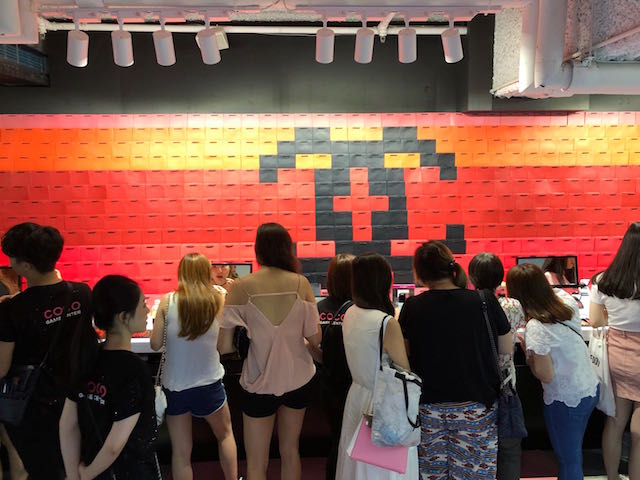
    Retro games such as Pacman and Pong take on a new twist at the Coco Game Center in Pacific House until June 18.

    After last year’s hit Coco Cafe, Chanel Beauty has followed up with another fun beauty concept.

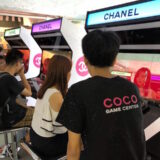
    With previous stops in Seoul, Tokyo, Shanghai and Singapore, the Coco Game Center has arrived in Hong Kong. Inspired by Japanese arcades, the pop-up features games that highlight Chanel Beauty collections.

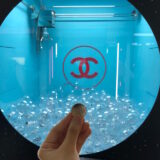
    The Bubble Game features the Hydra skincare line, while Beauty Ride features the latest range from Rouge Coco. The Beauty Lounge offers six new shades of Rouge Allure Ink.

    Visitors can also find out what happens when they put moisturiser on Mario or lip rouge on Pac-Man.

    Check the gallery of the event below (6 images) :

  • Samsung Electronics shares jump on sale

    Samsung Electronics shares jump on sale

    Samsung Electronics shares shot up 2.42 percent on Thursday over the previous day to close at 50,700 won ($47), largely due to two of the chaebol’s financial affiliates selling their stakes in the tech giant on Wednesday.

    The market sees the sale as a step toward changing Samsung’s complicated governance structure. Samsung Group has been under pressure to reform its governance structure, which relies on webs of cross-shareholding ties among its affiliates.

    Financial Services Commission Chairman Choi Jong-ku repeatedly stressed that it would be best if Samsung Life Insurance, the de facto financial holding company of Samsung Group, sold off its stake in Samsung Electronics.

    Fair Trade Commission Chairman Kim Sang-jo, in a meeting with executives of the top 10 conglomerates in Seoul on May 10, also warned that Samsung could face big consequences if it does not change its governance structure.

    “The worst decision [Samsung Vice Chairman Lee Jae-yong] can make is allowing time to go by without making any decision,” Kim said.

    In response, Samsung Life Insurance on Wednesday sold 23 million Samsung Electronics shares valued around 1.18 trillion won. Samsung Fire & Marine Insurance sold 4 million Samsung Electronics shares valued around 210 billion won on the same day.

    J.P. Morgan and Goldman Sachs were in charge of selling the shares. Although neither company disclosed who purchased the shares, it is believed that foreign institutional investors were the buyers.

    The insurance companies sold their shares in Samsung Electronics because of a regulation that prevents financial affiliates of conglomerates from owning more than 10 percent of a nonfinancial company.

    Samsung Life Insurance had an 8.27 percent stake in Samsung Electronics and Samsung Fire & Marine Insurance owns 1.45 percent stake. The combined stakes of the insurance companies was below the 10 percent threshold, at 9.72 percent.

    The sales reduced Samsung Life’s stake in the electronics company to 7.92 percent while the Samsung Fire & Marine Insurance’s stake dropped to 1.38 percent.

    Samsung Electronics has been retiring its own shares since last year. The company has canceled almost 18 million common shares and 3.23 million preferred shares, which is about half of the shares the company issued. Samsung Electronics plans to cancel an additional 8.99 million shares that it owns, worth around 40 trillion won, by the end of the year. The company announced the cancellation at the beginning of the year as a move to increase shareholder value.

    If the stock cancellations go as planned, the combined stakes that the two insurers have in Samsung Electronics would have been 10.45 percent, which would have violated the maximum 10-percent regulation.

    It’s estimated that the selloff on Wednesday will bring down the stake the insurers have to 9.99 percent when Samsung Electronics’ share cancellations go through.

    “Because of the stakes that the insurers have in Samsung Electronics, it is inevitable that they will have to sell the shares,” said Lee Byung-gun, a DB Financial Investment analyst. The selloff on Wednesday reduces the risk of Samsung running afoul of the law.

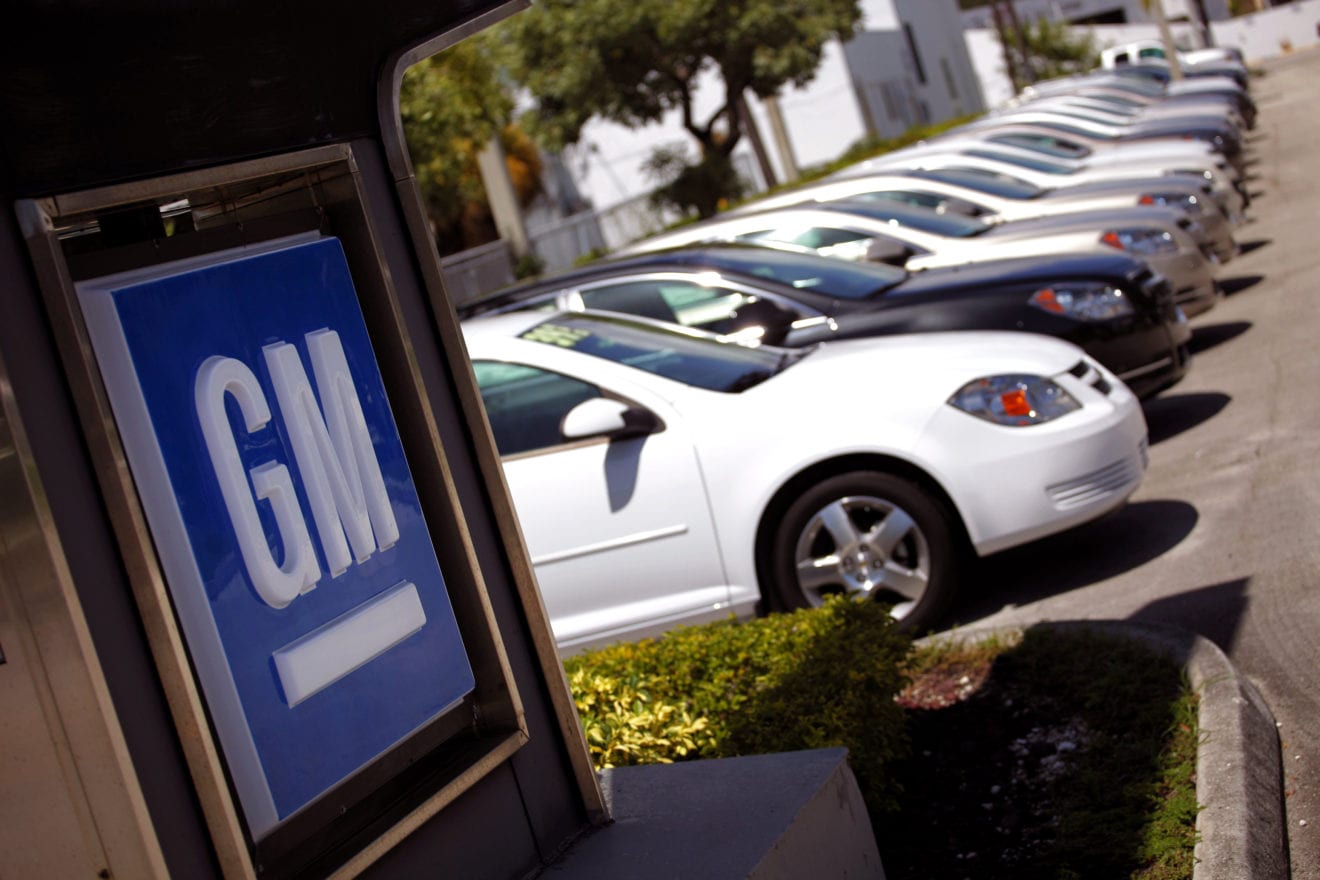
  • Auto sales pick up but GM, Renault struggle

    Auto sales pick up but GM, Renault struggle

    The outlook for Korea’s top automobile manufacturers has started to look up as overseas sales increase.

    It wasn’t all rosy, however, as GM Korea, which has been struggling to stay afloat since the beginning of the year, saw sales continue to fall.

    Hyundai Motor, Korea’s top automaker, said Friday its May sales rose 5.7 percent from a year earlier on recovering demand for its vehicles.

    Hyundai Motor sold 387,017 vehicles in May, up from 366,256 units a year earlier, helped by increased overseas sales, the company said in a statement.

    “The monthly results were helped by increased shipments of the Kona SUV to overseas markets, recovering sales in China and robust sales in emerging economies, such as Brazil and Russia,” the statement said.

    Domestic sales climbed 2.1 percent to 61,896 units last month from 60,607 a year ago, and overseas sales were up 6.4 percent to 325,121 from 305,649 during the same period, it said.

    In the January-May period, sales gained 2.4 percent to 1.83 million units from 1.79 million units a year earlier, the statement said.

    Kia Motors said its car sales rose 9 percent in May from a year earlier on recovering demand for its vehicles.

    Kia Motors sold 247,176 vehicles last month, up from 226,826 units a year earlier, the company said in a statement.

    The monthly sales were buoyed by increased domestic and overseas sales of new and upgraded models, such as the Stonic subcompact SUV, the Stinger sports car, the Rio subcompact and the Sportage SUV, it said.

    Domestic sales climbed 8.1 percent on-year to 47,046 units in May from 43,522. Overseas sales were up 9.2 percent to 200,130 from 183,304 over the same period, the statement said.

    In the January-May period, Kia’s sales grew 3.9 percent to 1.13 million autos from 1.09 million units in the year-ago period, it said.

    Renault Samsung Motors saw its May sales fall 22 percent from a year earlier due to weaker demand for its vehicles.

    Renault Samsung sold 16,101 vehicles last month, down from 20,517 units a year earlier, the company said in a statement.

    Domestic sales dropped 20 percent on-year to 7,342 units last month from 9,222 units. Exports also declined 23 percent to 8,759 from 11,295 during the same period, the statement said.

    In the January-May period, overall sales fell 4.6 percent on-year to 104,097 autos from 109,080, it said. The company’s current lineup includes the SM3 compact, the all-electric SM3 Z.E. sedan, the QM3 subcompact SUV and the SM5, SM6 and SM7 sedans.

    Renault SA owns an 80 percent stake in Renault Samsung.

    SsangYong Motor sales rose 4.6 percent last month from a year earlier, helped by increased exports.

    SsangYong Motor sold 12,920 vehicles in May, up from 12,349 units a year earlier, the company said in a statement.

    Domestic sales fell 5.2 percent to 9,709 units last month from 10,238 a year earlier. But exports jumped 53 percent to 3,229 units from 2,111 during the same period, it said.

    In the January-May period, the maker of the Rexton and Tivoli sport utility vehicles sold a combined 54,514 vehicles, down 5.4 percent from 57,648 a year earlier, the company said.

    Indian carmaker Mahindra & Mahindra Ltd. owns a 72.85 percent stake in SsangYong Motor.

    GM Korea saw sales fall 5.1 percent from a year earlier due to weaker domestic demand.

    GM Korea sold 40,879 vehicles last month, down from 43,085 units a year earlier, mainly because of a sharp decline in domestic sales, the company said in a statement.

    Domestic sales plunged 35 percent to 7,670 units last month from 11,854 a year ago. Exports rose 6.3 percent to 33,209 units from 31,231 during the same period, it said.

    The sales slump was mainly affected by weaker local demand for the Cruze subcompact and midsize Malibu sedans, the statement said.
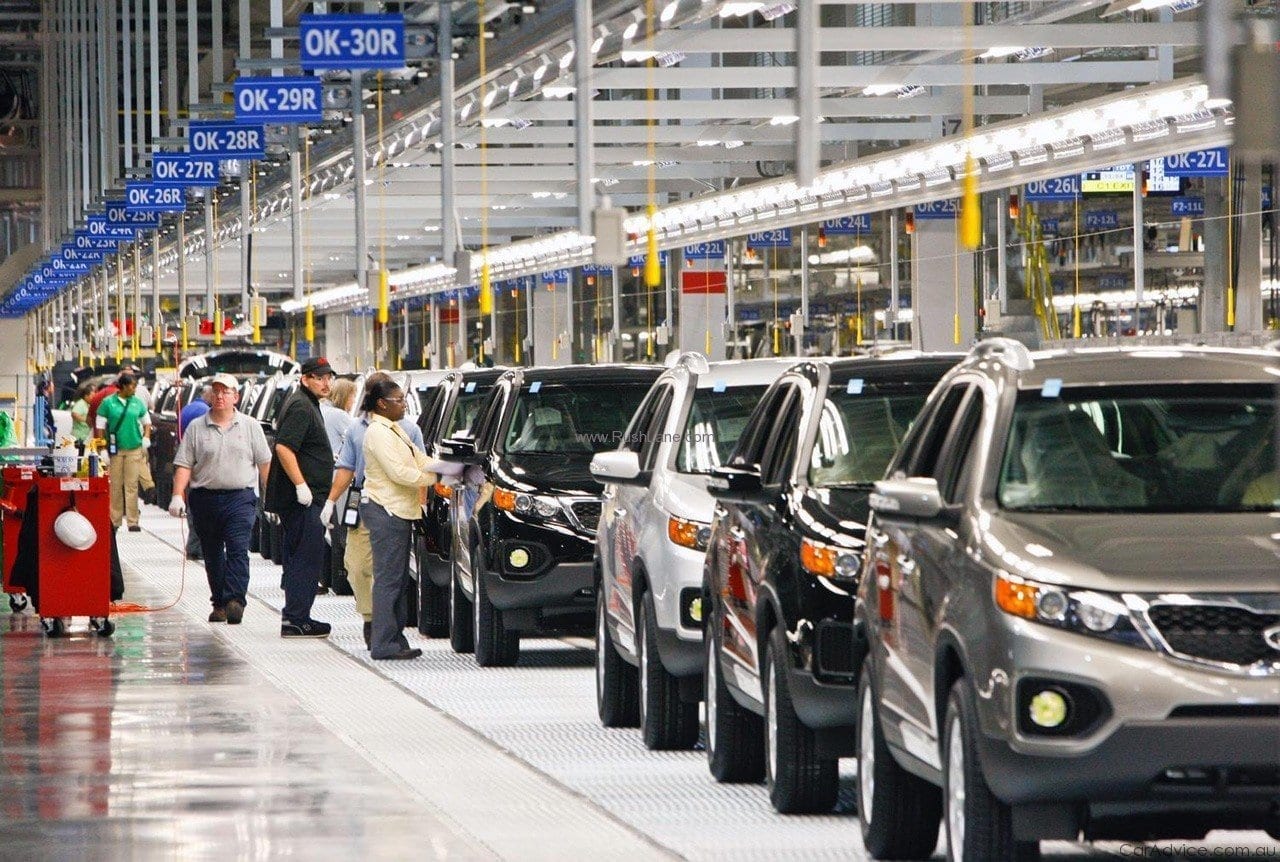
  • Hyundai Motor plans to join Gwangju-run factory

    Hyundai Motor plans to join Gwangju-run factory

    Hyundai Motor on Friday announced plans to join Gwangju’s city-owned automobile factory project, and the automaker’s labor union is putting up a fight over the plan’s potential effect on employees’ wages.

    Korea’s largest automaker said that it submitted a letter of intent to invest in the construction of the factory, along with other companies, in response to Gwangju’s request.

    “In regard to Gwangju’s business, which will be built inside the Bitgreen National Industrial Complex and aims to foster the local economy and jobs, [Hyundai Motor] proposed a consultation to review the business’ validity and investment possibility,” Hyundai Motor wrote in its letter of intent.

    The carmaker will not participate in the joint venture’s management and will only invest in a certain amount of the project. The workers will be employed by the city of Gwangju.

    The amount of production from the Gwangju plant will depend on the market demand for the car that Hyundai plans to produce there, according to the automaker.

    Gwangju’s auto factory project is slated to be completed by 2020. It is part of the city’s initiative to expand employment, though the salaries at the plant will be half of the Korean auto industry’s average. The plant will be the first automobile factory built in Korea since Renault Samsung Motors’ Busan factory in 1998.

    Hyundai Motor’s participation is likely to send a jolt to the labor market, as employees at the plant will receive an average of 40 million won ($37,233) in annual pay. This is less than half of the wages of unionized Hyundai Motor employees, which are estimated to be around 90 million won a year.

    Hyundai Motor’s labor union on Friday requested the carmaker withdraw the proposal, claiming that its participation in the project would cause a drop in the average wages of Hyundai Motor workers.

    It warned Hyundai Motor that it would stage a protest if the company doesn’t withdraw the letter of intent.

    “The Gwangju employment [project] will standardize full-time workers’ annual salary at around 40 million won,” the labor union said in a statement Friday. “The employees are neither contract workers nor full-time workers, but somewhere in the middle.”

    Although the city government would be employing the workers at the new factory, if Hyundai Motor becomes the biggest shareholder in the joint venture, the lower wages at the Gwangju factory could have an effect on the automaker’s unionized employees.

    Hyundai Motor’s unionized employees’ high wages have been a big headache for the carmaker, which is why the company hasn’t invested much in domestic plants recently and has been steering its capital toward its overseas manufacturing facilities.

    According to industry data, Hyundai Motor and Kia Motors’ Korean production fell to 44 percent of total production in 2017, compared to 73.3 percent in 2006.

    Gwangju’s new auto plant is likely to receive about 500 billion won in investment and will be able to produce about 100,000 cars a year. It will provide jobs to around 12,000 people through direct or indirect employment. Hyundai Motor’s stake in the new factory will likely stay below 20 percent.

    “The plant will not be operated by Hyundai Motor,” an official from the Gwangju city government said.

  • CJ opens store for prepared meals

    CJ opens store for prepared meals

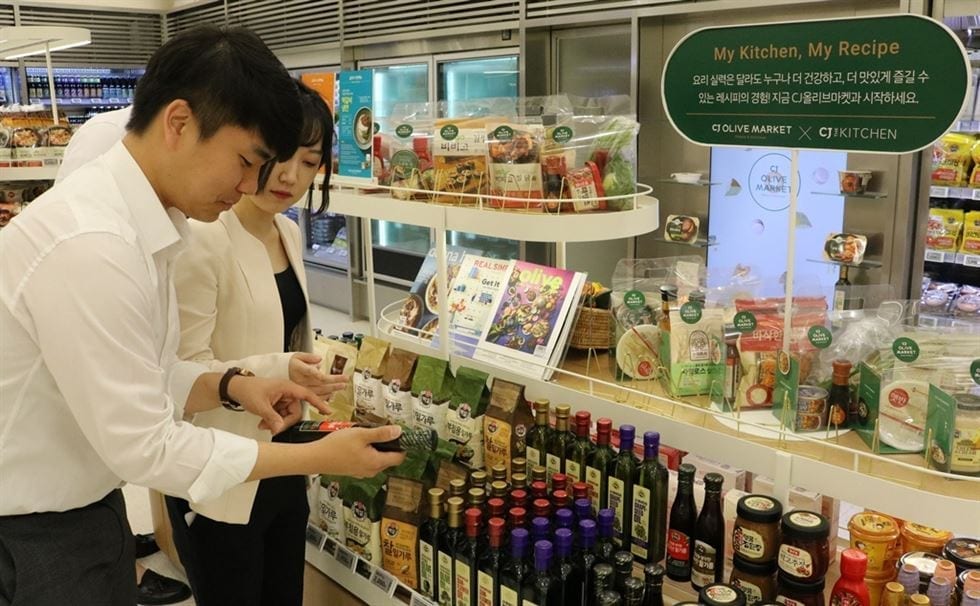
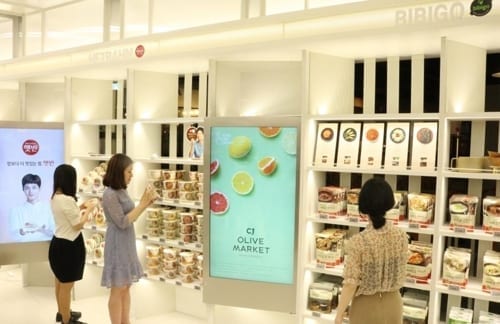
    Korean foods retailer CJ CheilJedang has opened its first “home meal replacement” (HMR) store, called CJ Olive Market, in Seoul.

    The 443sqm store is located at CJ CheilJedang headquarters building, and is divided into two areas – a restaurant where customers can buy food from a vending machine or cooked on-site by chefs – and a grocery store.

    Th team of CJ chefs will come up with new menu items every two months.

    CJ has also developed a smartphone app that allows customers to buy products by scanning codes printed on products or table mats in the store.

    “Our HMR business will evolve into a future-oriented business that suggests integrated menus for home meals,” said Son Eun-kyung, head of CJ CheilJedang’s food marketing division.

    The company also plans to develop a virtual reality store.

    CJ CheilJedang hopes its new HMR range will help it grow sales to US$3.3 billion by 2020.

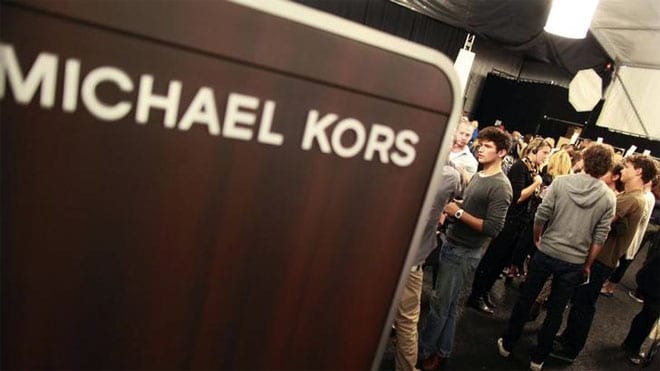
  • Asia safes Michael Kors performance

    Asia safes Michael Kors performance

    Asia proved the strongest growth market for premium apparel and accessories retailer Michael Kors last year, offsetting ongoing weakness in its largest market, the Americas.

    Asian sales increased 17.5 per cent to US$137.7 million in the fourth quarter and were up 33.7 per cent to $469 million for the year.

    Michael Kors sales and profit numbers released overnight included a better than expected fourth quarter, but flat forecasts for the year ahead disappointed analysts.

    Net income for the three months ended March 31 was $44.5 million, a significant improvement over a $26.8 million loss during the same period last year.

    Fourth-quarter comparable Michael Kors sales were up 2.3 per cent on strength in accessories, footwear and men’s categories, but fell 1.7 per cent on a currency-corrected basis.

    Michael Kors has been investing heavily in transitioning its business model following the acquisition of Jimmy Choo last year, with chairman and CEO John D Idol saying a solid foundation had been created.

    “We created a global luxury group with the acquisition of Jimmy Choo and completed the first year of our Runway 2020 strategic plan for the Michael Kors brand, ending the year significantly ahead of our expectations,” he said.

    “Looking to fiscal 2019, we have a number of initiatives planned to drive growth in both of our luxury brands.

    The company expects building momentum to deliver first quarter revenue of around $1.13 billion, with a $140-$145 million contribution from Jimmy Choo’s 182 stores.

    Neil Saunders said the addition of Jimmy Choo had masked weakness in Michael Kors sales figures for last year.

    “While the headline growth number from Michael Kors looks strong … it is flattered by the addition of Jimmy Choo sales; when these are stripped out, the growth plummets to a lacklustre 0.6 per cent,” Saunders said.

    “This anemic underlying growth rate comes off the back of a dire performance last year when revenues plunged by 11.2 per cent. Taking account of all these things, the fashion brand is ending its fiscal year with soft growth.”

    Store renovations, expansion into new luxury concepts, a renewed focus on e-commerce and the launch of a new loyalty program have emerged as key pillars of the company’s 2020 strategic plan.

    In comparison, Americas sales declined by 2.5 per cent to $342.8 million in the fourth quarter and by two per cent to $1.67 billion for the year.

    “Perhaps the most damning figure is the Americas retail sales number,” Saunders said.

    “A particularly worrying outcome given the 18 per cent decline posted in the prior year. In our view, this number clearly indicates that Michael Kors is not back to full strength and still has a lot of work to do on its proposition.”

    Encouragingly, retail growth and the addition of Jimmy Choo bolstered margins, resulting in a 14.5 per cent increase in gross profit.

    Jimmy Choo sales were $107.9 million worldwide in the fourth quarter and $222.6 million for the full year, with Europe and the Middle East driving turnover.

    There were 1011 stores in Michael Kors business as at March 31, including 829 Michael Kors stores.