Tag: Korea

  • Lotte unifies all fashion labels under single business

    Lotte unifies all fashion labels under single business

    Lotte, the South Korean retail giant, has announced the unification of all its fashion businesses under the group’s apparel affiliate to secure competitiveness in the local fashion industry.

    This new approach to pursue the efficiencies derived from centralised management received a nod of approval from the company’s investors, confirmed the retailer. Lotte Shopping Co., the operator of the conglomerate’s department store chain, said shareholders of its fashion business unit NCF Co. approved the company’s decision to change the corporate name to Lotte GFR (Lotte Global Fashion Retail) on Thursday.

    “We will be able to create synergy by combining the capabilities of a retailer and a fashion company,” Seol Poong-jin, head of Lotte GFR, said.

    As a result of this move, NCF, the department store’s global fashion business unit has been transferred to the new company. Founded in 2003, NCF was acquired by Lotte for 19 billion won (18 million dollars) in 2010.

    The new company explained that it now expects to generate 1 trillion won (924 million dollars) in revenue by 2022 through the development of new labels, imports of renowned overseas brands and active mergers and acquisitions.

    The two units’ combined sales currently stand at around 200 billion won (185 million dollars), with some 300 stores under operation at Lotte’s outlets.

  • Korean retail conglomerates eye pet business more and more

    Korean retail conglomerates eye pet business more and more

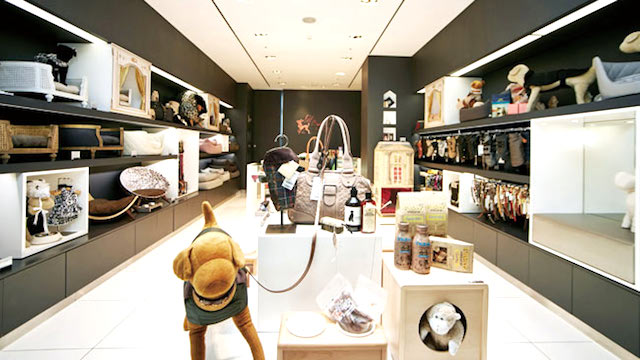
    South Korean retail conglomerates like CJ, Lotte and Shinsegae are catering more and more for pet owners as market demand grows.

    They have opened pet shops that offer products and services ranging from food and grooming services to even lodging for pets. They are also launching their own branded product lines.

    Shinsegae International’s household goods brand Jaju has launched its pet product line Jaju Pet, which plans to sell innovative pet products such as its “slow round bowl”, designed to help pets eat their food slowly, and plastic dog-waste bags that can be connected to a dog collar.

    E-Mart, Korea’s first discount retail outlet run by Shinsegae, has opened Molly’s Pet Shop with its offering of products and grooming services. It even has its own pet hotel. Since opening at the end of 2010, E-Mart now runs 35 Molly’s stores.

    Lotte Department Store opened a pet consulting service dubbed Zipsa in Gangnam in January. The store offers such services as dog-walking or pet-food delivery.

    Online shopping malls are also trying to catch some action. GS Shop has launched a “pet zone” on its mobile platform offering services that cater to various stages of a pet’s life cycle, while CJ Mall has its All Pet Club, offering food and clothing products as well as services such as lodging and funerals.

    Food companies Binggrae, Dongwon F&B Harim, KGC and Pulmuwon are also launching pet-food brands.

    Korea’s Ministry of Agriculture, Food and Rural Affairs says the pet industry has grown by more than 14 per cent on average a year since 2014. The market size was tabulated at KRW2.3 trillion (US$ 2.1 trillion) last year and is expected to surpass the KRW3 trillion won mark this year.

    The pet-loving population is estimated to be around 10 million individuals in 4.57 million households. Analysts say that as single or two-person households increase and as the aging population grows, society will see more people raising pets in the future.

  • Hyundai, Kia jump ahead in the U.S. hybrid market

    Hyundai, Kia jump ahead in the U.S. hybrid market

    Sales of hybrid vehicles made by Hyundai Motor and its affiliate Kia Motors in the United States rose 7 percent in the first four months of this year from a year earlier, industry data showed Sunday.

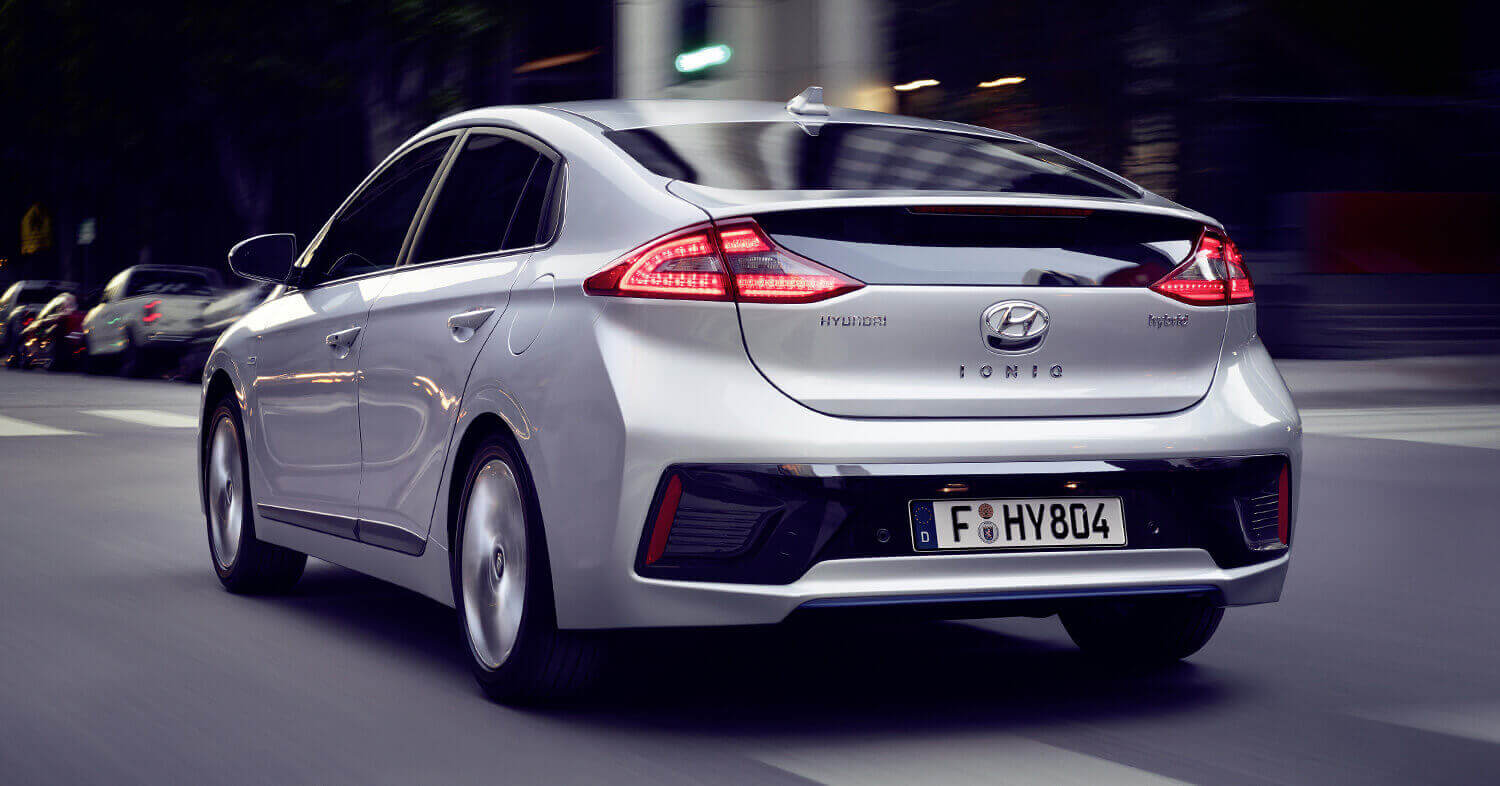
    The two Korean carmakers sold a combined 15,930 hybrid models in the January-April period, including 7,927 units of Kia’s Niro crossover and 4,836 units of Hyundai’s Ioniq, according to numbers released by hybridcars.com, a U.S. website.

    The robust sales of Hyundai Motor and Kia Motors came as total sales of hybrid vehicles in the U.S. fell 11.6 percent on-year to 100,456 units.

    Hyundai and Kia trailed Japanese auto giant Toyota and Ford in hybrid sales, which took the first and second places in terms of sales with 56,791 units and 19,583 units, respectively.

    The brisk sales of Hyundai Motor and Kia Motors boosted their combined market share in hybrid vehicles to 15.9 percent in the January-April period, compared with 7.5 percent for the whole of 2011.

  • HHI, Naver to build cheap robots

    HHI, Naver to build cheap robots

    Industrial robot company Hyundai Heavy Industries Holdings (HHI Holdings) inked a partnership with tech giant Naver on Monday to develop customer service robots that will sell for a fraction of the price of existing models.

    HHI Holdings, the holding company of Korean shipbuilder Hyundai Heavy Industries, will handle the production, sales and quality control of the service robots while Naver’s research and development arm Naver Labs will lead technology and software development.

    The two companies plan on commercializing two types of service robots within the year.

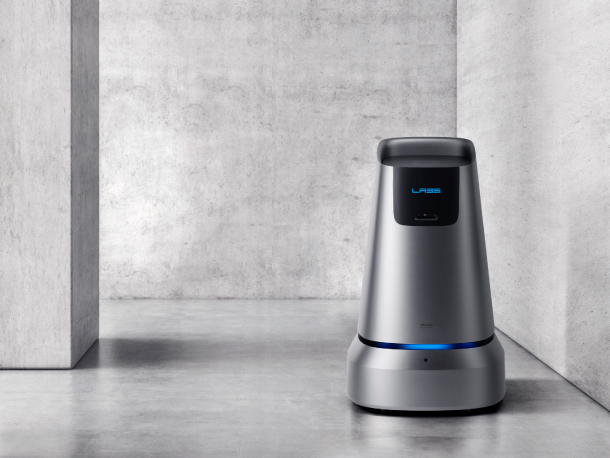
    One is a high-precision indoor mapping robot dubbed M1, and the other is a service robot called Around that can control its own movements around shops using a 3-D map created by M1.

    The two robots were initially developed by Naver Labs, but the industrial robot maker will help commercialize the products by producing them at its factory in Daegu.

    According to Naver, it was able to minimize the number of expensive sensors used for Around as the precise map data captured by M1 gives the self-driving robot a better sense of direction without including numerous sensors and cameras.

    “By cutting the use of sensors, we pulled down the manufacturing cost of our autonomous robot to about one-tenth that of competing robots in the market,” a Naver spokesperson said. “To commercialize the robots, one of our priorities was making them more affordable.”

    The spokesperson said that competing models cost over 100 million won ($93,132), largely due to their high-tech sensors and cameras.

    The robots will be deployed in a variety of commercial locations, like airports, shopping malls, gas stations, hotels and factories to guide customers and provide product information.

    In the future, the two companies will also work together on new robot concepts and take advantage of both companies’ affiliates and customer networks, HHI Holdings said in a statement.

    Service robots are becoming more common in Korea nowadays. Incheon International Airport started testing guiding robots and cleaning robots made by LG Electronics from last year, and it is preparing to officially launch them later this year. In January, local coffee shop chain Dal.komm Coffee released a coffee-making robot called b;eat.

  • Samsung’s IoT home comes with Jedi curtains

    Samsung’s IoT home comes with Jedi curtains

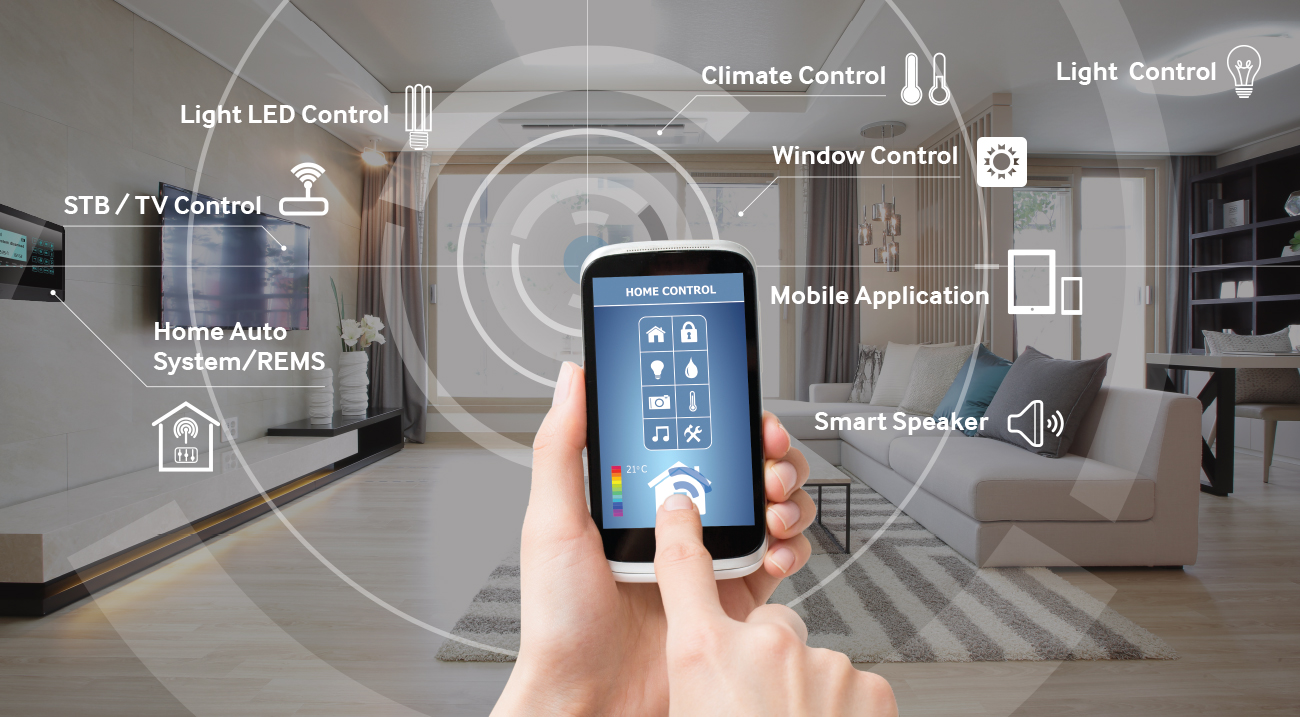
    Samsung C&T, the construction arm under the electronics giant, plans to make homes that are so smart they can recognize residents’ needs even before they call out for help.

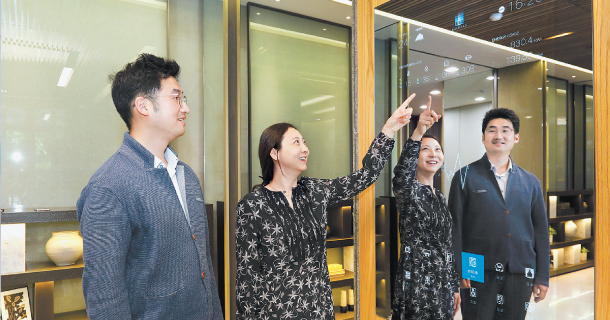
    When this guests stepped into the 54-pyeong (1,921 square-feet) model house of Samsung C&T’s Raemian apartment brand in Munjeong-dong, southern Seoul, on Monday, the house welcomed the guest with a cool “air shower” to blow away fine dust.

    “There is a sensor in the ceiling of the entrance that can detect the fine dust level,” a spokesperson from Samsung C&T said. “If people coming in from outside increases the fine dust level in the house, the air shower [air blown from the ceiling] will be activated.”

    The air shower was just the beginning of the high-tech features that the “Raemian IoT Homelab,” the model house to be opened to the public from June, had to show off.

    The demonstration went from strength to strength as an employee entered the next room and waved his hand to automatically open the curtains. This “Star Wars” style magic trick was actually achieved as the internet-connected curtains communicated with the smart watches the demonstrators were wearing. The movement picked up by the gyro sensor in the watch triggered the curtains.

    Lazy home owners – or those who don’t like to wear watches – need not fear, as the smart curtains and other features in the house can also be controlled by voice command and a smartphone app.

    According to Baek Jong-taek, a senior vice president at Samsung C&T, most of the concepts will become reality by the end of this year and could be included in actual homes from next year. As the company is scheduled to begin presales of nine apartment complexes next year, they are the main targets for the latest Internet of Things (IoT) systems.

    “Whether all apartment units will be equipped with the system will depend on discussions with stakeholders such as apartment owners,” said Kim Myung-suk, vice president of the product design group at Samsung C&T. “The IoT system could be offered as a premium option only for residents that want extra smart home features.”

    To make the home – which includes 19 different IoT services and products – work, the company partnered with 12 other companies including speaker maker Harman International, electronic curtain provider Somfy, massage chair maker Bodyfriend, air quality management company Haatz and SK C&C, SK’s IT service unit with expertise in artificial intelligence.

    The constructor said it welcomes many more partners who would like to open up part of their software to make a richer smart home environment including Samsung rival LG Electronics.

    Monday’s event came as a surprise not only because top-notch IoT tech was introduced, but also because there have been rumors that Samsung plans to ditch its Raemian brand due to the low profitability of the reconstruction business. Last time it won a reconstruction order to build a Raemian apartment complex was in September 2015.

    Kim, however, made clear that Samsung has never said it would “not participate in reconstruction project bids” and added that the company “has been reviewing quality business opportunities.”

    Industry insiders said the event may be a sign that Samsung is back in the game with the upgraded Raemian brand.

  • Department store sales benefit from holidays

    Department store sales benefit from holidays

    Department-store sales in South Korea rose this month with several family-oriented holidays and special occasions, retail industry data shows.

    Children’s Day, which falls every May 5, a substitute day off and May 8 Parents’ Day all contributed to more consumption at department stores. Plus Buddha’s Birthday, which is a national holiday and falls on a Tuesday, created a four-day break for some workers.

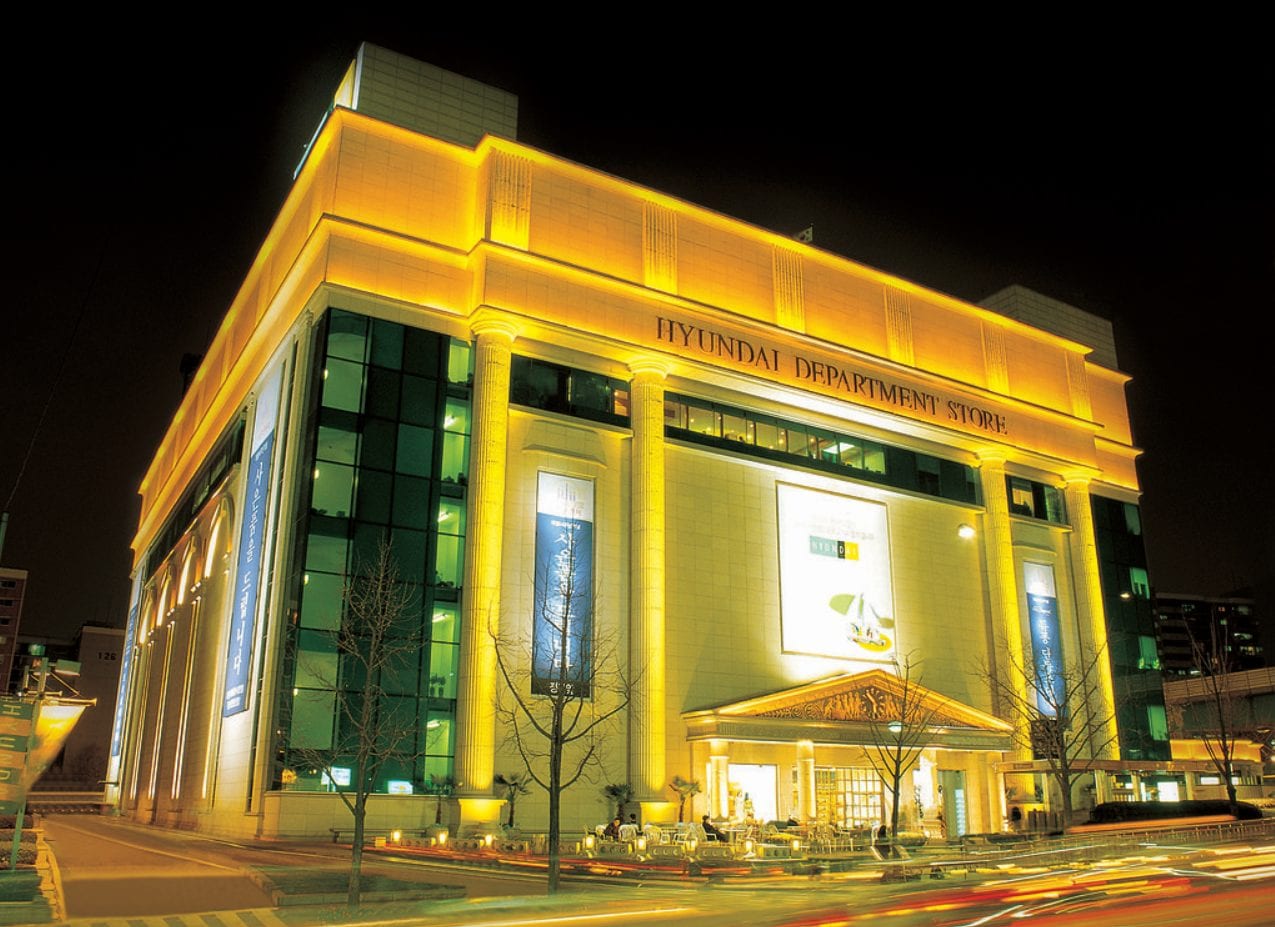
    In the first 20 days of this month, sales at upper-end department stores like Hyundai, Lotte and Shinsegae all rose, with some reporting close to double-digit gains compared with the year before.

    Shinsegae says its sales shot up 9.9 per cent, compared to a 1.5 per cent contraction for May last year. Sales of men’s and women’s clothing rose 16.1 and 12.6 per cent respectively, while demand for sports products rose 12.6 per cent. It said demand for designer goods soared 26 per cent.

    Hyundai says it sold 6.1 per cent more goods, with Lotte trailing with a gain of 5.3 per cent.

    Discount store chain E-Mart says sales for April and May were down slightly with the demand for both fresh and processed food falling last month.

  • Asia Pacific drives Tiffany & Co global growth

    Asia Pacific drives Tiffany & Co global growth

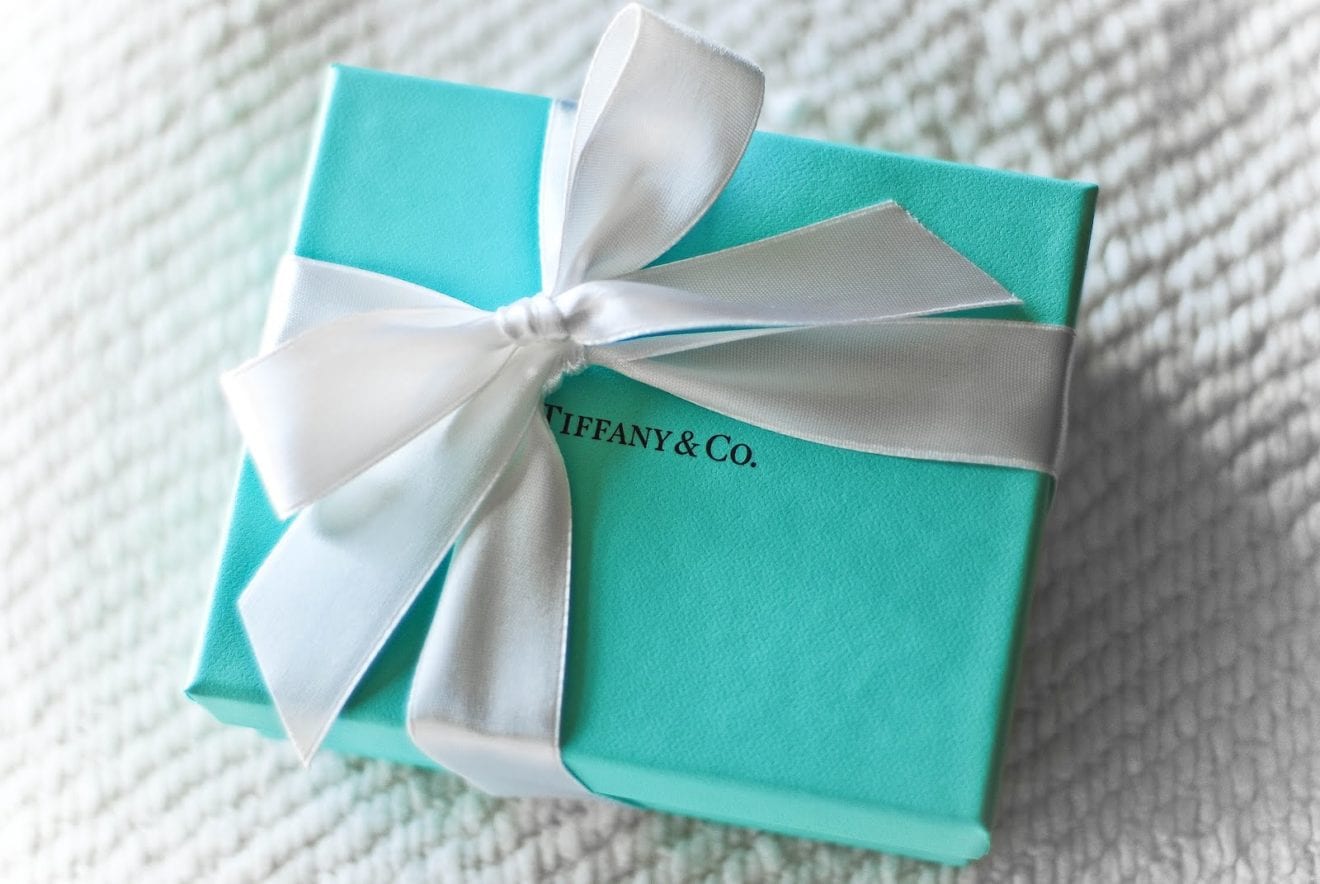
    Tiffany & Co Asia-Pacific sales soared 28 per cent in the first three months of this year helping the New York-headquartered jewellery retailer achieve a 53 per cent lift in profit.

    The company’s worldwide net sales increased 15 per cent to $1 billion, with comp sales up 10 per cent. Net earnings increased from $93 million to $142 million.

    Asia-Pacific sales reached $329 million – one third of Tiffany’s global sales – driven by China “and most other markets,” and higher wholesale sales in Korea. Management attributed the growth to higher spending by both local customers and foreign tourists. On a constant exchange-rate basis, total sales and comparable sales increased 23 per cent.

    In Japan, total net sales rose 17 per cent to $151 million and comparable sales rose 14 per cent.

    Neil Saunders, MD of GlobalData Retail, says the results showed that despite being up against some soft prior year figures, the group has “pulled itself out of its previous funk” and its various initiatives are delivering solid results.

    “Among the steps taken, the renewal of the offer is the most critical. Here, Tiffany’s focus on producing more innovative and contemporary collections has paid dividends in both stimulating consumer interest and driving sales. Collections like Tiffany HardWear have been well received and has enabled a brand that was seen as old to reconnect with younger demographics.”

    Saunders says the pace of product innovation was especially encouraging. “New ranges like Paper Flowers show that the company is full of ideas and that it will continue to launch new collections throughout the year. This approach means that the company is once again treating jewellery as an item of fashion and is putting itself at the forefront of trends and modern design. In our view, this is the breath of fresh air that will clear away Tiffany’s traditionally fusty image.

    “It is also encouraging that, while cohesive, new collections are accessible to many consumers. The luxury Paper Flowers range, for example, features items that span the price spectrum from $2500 to $75,000. Meanwhile, the more everyday HardWear range spans $150 to $13,500. Certainly, products are not cheap, but neither should they be as Tiffany is an unashamedly luxury brand that wants to create an aspirational feel.”

    He says strong marketing has helped to amplify the changes made to products. “In our view, campaigns like Believe in Dreams are wonderfully playful and go right to the heart of the issue: that Tiffany might be seen as old-fashioned, but actually, it has something of relevance to the modern shopper. Featuring Elle Fanning in a Tiffany Blue colored hoodie sets the tone perfectly and really helps connect the brand with younger consumers with whom it has traditionally had little resonance.”

    GlobalData’ research shows that Tiffany is gaining ground in both awareness and appeal to millennial shoppers and this is one of the key factors helping performance.

    “Notably, this shift in attitude and message has not harmed the appeal or affection older customers have for the brand. Indeed, many are very engaged with the new styles and marketing. Tiffany, it seems, finally realises that most consumers of all ages no longer want old-world luxury; they want modern, fresh thinking that excites and inspires them.”

    But he cautions Tiffany still has work to do on its store environments. “Although steps are being taken to address this, many stores still do not reflect the brand image of the new Tiffany. However, we appreciate that this change will take time to deliver and are now confident that Tiffany will address the issues. Away from stores, we applaud the website which is easy, engaging and interesting to shop; this is no doubt helping Tiffany’s e-commerce numbers.

    “Overall, we believe that Tiffany has done a great job in turning around its brand. The company feels more energetic and younger than it has for a long time, and that can only be a good thing.”

  • GM Korea to offer more Chevys on local market

    GM Korea to offer more Chevys on local market

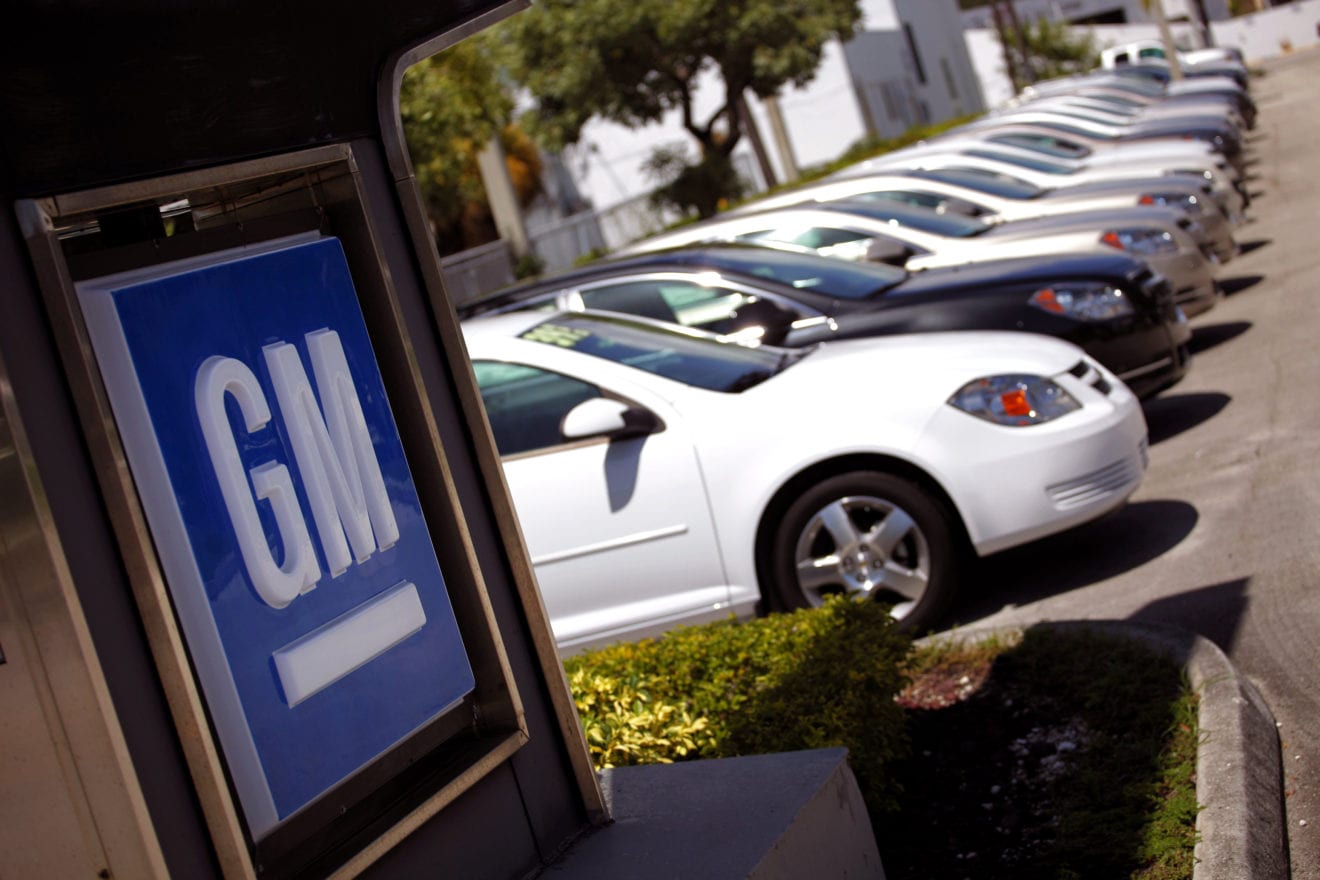
    GM Korea, the Korean unit of General Motors, will bring in more Chevrolet models produced outside the country if local demand rises, a company executive said Wednesday.

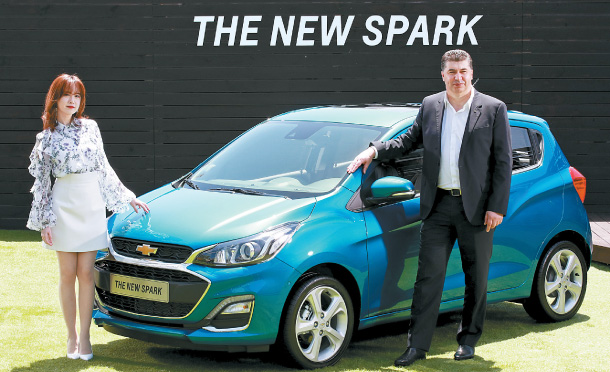
    “Chevrolet is a global brand. We have a very diverse portfolio. We will make sure that customers in Korea will have access to Chevy models brought from around the world,” GM Korea President and Chief Executive Kaher Kazem said in a showcase for the face-lifted Spark.

    The upgraded Spark will go on sale next month in Korea after it is produced at the Changwon plant, 400 kilometers (248 miles) south of Seoul, for local and international markets.

    To select the right Chevrolet models for the Korean market, GM Korea conducted a consumer survey from May 8 to 20. The six models posted on the Chevrolet webpage were the Equinox, Traverse, Tahoe and Suburban sport utility vehicles and the Corvette sports car and Colorado pickup.

    The company didn’t provide the survey results as the poll was for its own reference.

    The Equinox SUV will be displayed at the Busan motor show next month and is expected to hit dealerships within this year, the CEO said, adding that the introduction of Chevy cars fully depends on domestic demand.

    As the demand for SUVs has been on the rise in global markets, carmakers have beefed up their lineups with SUV models in recent years.

    The New Spark is the first model of 15 new and upgraded vehicles GM vowed to launch in the Korean market in the next five years as part of its commitment to bolster its operations in Asia’s fourth-largest economy.

    “We start today with the Chevrolet Spark to open a new chapter together in Korea. The Spark is an extremely important vehicle not only for domestic customers but also for international customers,” Kazem said.

    The Spark comes with eight air bags and other safety features, such as forward collision alert, side blind spot alert, lane departure warning and low-speed collision mitigation braking systems.

    The Spark is available in 48 markets and is the best-selling mini car in the United States, with sales of 176,627 units in the six years through 2017, the company said.

    The 1.0-liter gasoline model with a manual transmission sells at the starting price of 9.8 million won ($9,100), and prices go up to 13 million won depending on options. The price for the Spark with an automatic transmission is higher than the manual model by 1.8 million won, it said.

    GM and the state-run Korea Development Bank (KDB), the two biggest shareholders in GM Korea, recently signed the binding agreement that will permit a combined 7.7 trillion-won lifeline – 6.9 trillion won from GM and 810 billion won from the KDB – to keep the loss-making Korean unit afloat.

    Under the deal, the Detroit carmaker is banned from selling any of its stake in GM Korea before 2023 and is required to keep its holding in the unit above 35 percent until 2028.

    In February, GM announced its plan to shut down one of its four car assembly plants in Korea by May and asked the KDB to extend a financial helping hand to GM Korea. The Korean unit has continued to post net losses worth an accumulated 3.134 trillion won over the past four years through 2017 due to lower demand for its models.

  • Budget airlines fly high with huge first quarter

    Budget airlines fly high with huge first quarter

    Budget airlines flew high in the first quarter, with combined operating profits soaring to more than double the figure inked in the same quarter last year.

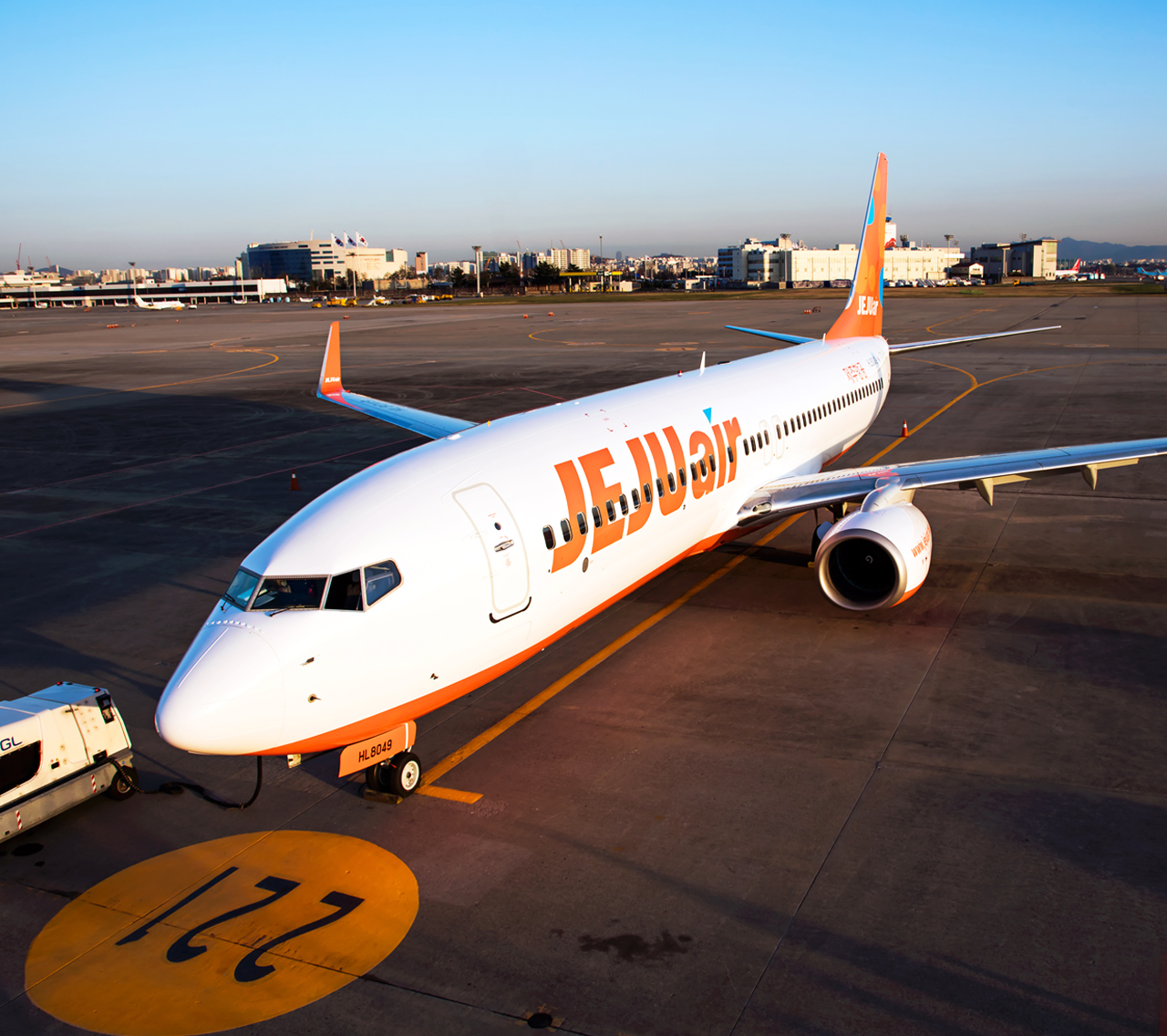
    Combined operating profits from Korea’s six low-cost carriers (LCC) – Jeju Air, Jin Air, T’way Air, Eastar Jet, Air Busan and Air Seoul – jumped by roughly 131 percent year-on-year to 186.1 billion won ($171.96 million) in the first quarter according to tentative performance reports from each company on Wednesday. Revenue grew by 34.2 percent to 1.18 trillion won.

    LCCs typically release a tentative earnings report before releasing their fixed figure as they do not vary much.

    The largest growth booster was the rapidly increasing demand for both international and domestic travel.

    According to data from the Ministry of Land, Infrastructure and Transport released last month, the number of passengers that traveled through Korean airports reached 9.58 million in March, increasing by 12.6 percent year-on-year. While March is not traditionally a high-season for international travel, the number of overseas travelers increased by 17 percent to 7.1 million in the same month, showing traveling is becoming a year-round event.

    The budget airlines’ efforts to diversify flight services to Japan and Southeast Asian destinations also paid off. After tension with China over the deployment of the U.S.-led terminal high-altitude area defense antimissile system stopped Chinese tourists from visiting Korea, LCCs specializing in short-haul overseas travel quickly sought out alternative destinations.

    Korea’s largest LCC Jeju Air said its focus on Japan and Southeast Asian destinations, favored by Korean travelers, was a big driver for growth. Jin Air also credited its growth to flight service diversification.

    Airlines are still in the process of expanding their travel routes. Eastar Jet will introduce a service to Da Nang, Vietnam, in June and Sapporo, Japan, in July. By the second half of the year, it will also start services to Kyushu and Nagoya in Japan.

    T’way Air diversified its routes by creating flight services that depart from various regional airports in Korea including Daegu, Busan and Jeju.

    “Airlines posted positive first quarter earnings despite soaring oil prices largely thanks to strong demand for overseas travel,” said Choi Go-woon, an analyst from Korea Investment & Securities. “Budget airlines, which had struggled in business in traditional low seasons, will see continuous performance growth now that people enjoy traveling abroad, especially to Japan and Southeast Asia, regardless of the season.”

    During the same period, the combined operating profits of full service carriers Korean Air and Asiana Airlines grew 14.2 percent to 241.1 billion won. Asiana’s operating profit soared 144 percent to 64.3 billion won in the last quarter, the highest quarterly profit in three years, however Korean Air posted negative 4.3 percent growth and posted 176.8 billion won in operating profit.

    Korea’s largest airline said one-time incentive payouts to employees, of about 53.4 billion won, and losses from unfavorable currency rates ate up its operating profit. Though the owner family scandal has tainted the airline’s brand image, it wasn’t until April that the “water rage” scandal involving Korean Air heiress Cho Hyun-min broke. Any effect from resultant boycotts will show in second quarter reports.

    Revenue growth of the two full service carriers was limited to 8.3 percent. The total earnings of 4.62 trillion won, however, remains an unbeatable sum for the six budget airlines combined.

    Full service carriers are trying to survive through a fierce battle in the aviation market by bolstering their long-haul flight services. According to a spokesperson from Asiana Airlines, it will make 60 percent of its services long-haul flights by 2022.

  • Air France launches more flights to Incheon

    Air France launches more flights to Incheon

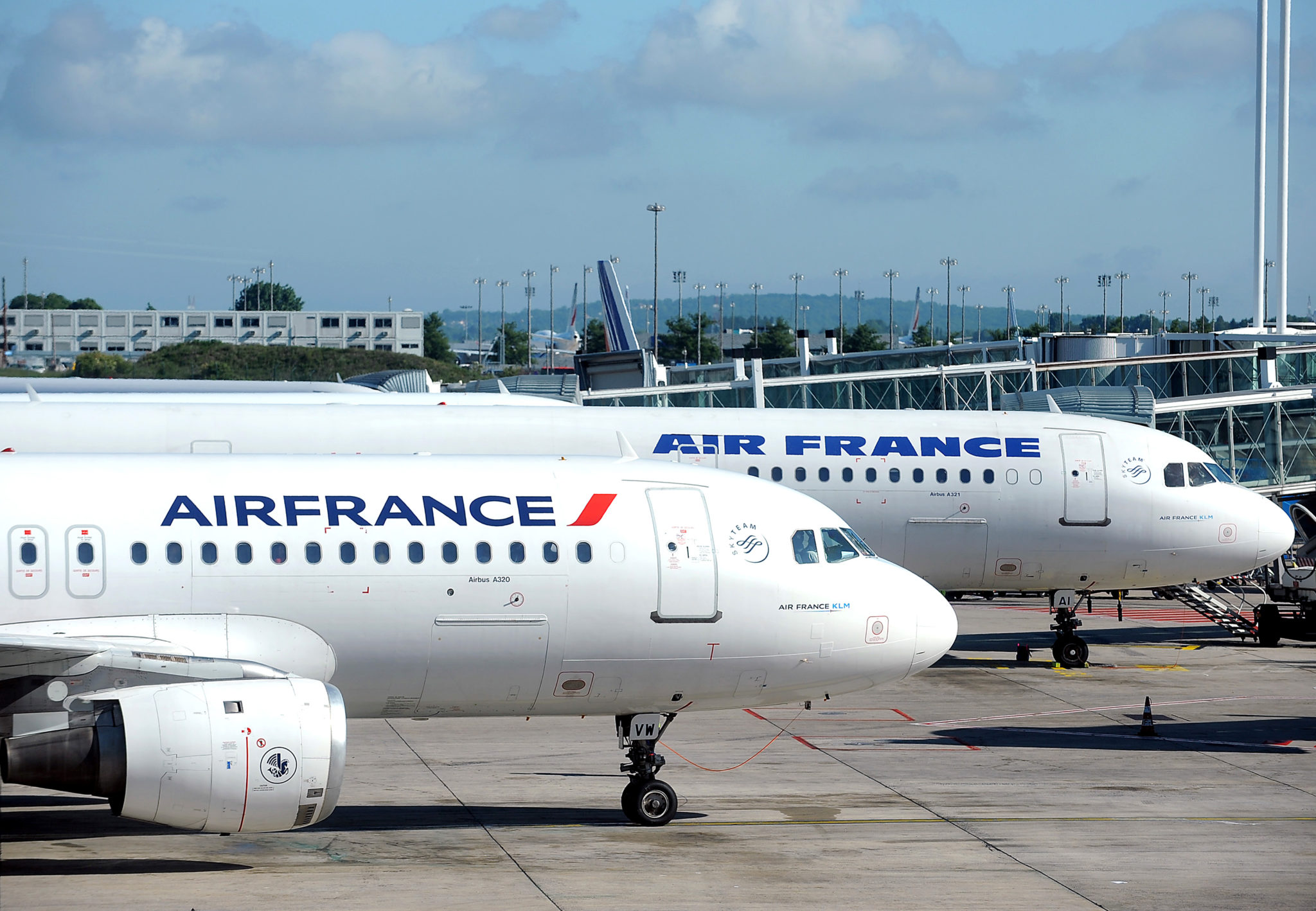
    France’s flagship carrier Air France increased the number of direct flights between Incheon and Paris earlier this month to meet growing demand from Koreans interested in visiting France’s capital.

    This year, Air France is celebrating the 35th anniversary of its first flight from Europe to Seoul in 1983.

    From the beginning of this month until Oct. 27, an additional flight will leave for Paris from Incheon International Airport on Monday, Wednesday and Saturday. Additional flights returning from Paris are available on Tuesday, Friday and Sunday.

    Currently, two flights traveling either from Incheon to Paris and from Paris to Incheon depart every day. The 1:20 p.m. flight is shared with Korean Air.

    The additional three flights a week increases Air France’s flights between the cities from 14 a week to 17, and will increase weekly available seats by 28 percent.

    “In 2015 and 2016, the number of Asian passengers flying to Europe stabilized and even decreased a bit because the situation in Europe wasn’t so good in terms of politics and security,” said Antoine Pussiau, senior vice president of Air France’s Asia Pacific division. “But now we are seeing Asian passengers coming back to Europe, not only to France but other major countries like Italy, the Netherlands and Great Britain.”

    According to the European Travel Commission’s tourism report released in February, travelers to Europe in 2017 rose a record 8 percent last year to 671 million, much better than the 2 percent increase seen in 2016.

    The report noted that stronger growth last year was due to improved economic growth in source countries as well as easing security concerns in Belgium, France and Turkey.

    The Paris Region Tourist Board estimated that last year, the number of international visitors to hotels in Paris surged 13.7 percent year-on-year. Chinese and Japanese clients increased by double digits, though it didn’t have a figure for Koreans.

    According to one study, Koreans’ favorite travel destination is Paris.

    According to a study released in April by the Korean office of U.K.-based travel website Skyscanner, Koreans searched for European destinations 141 percent more last year than in 2016.

    Paris was the top-ranked European tourist destination, followed by Rome, London, Prague, Barcelona, Frankfurt, Madrid, Zurich and Milan.

    While the Korean government tracks the number of Korean leaving the country, it does not note their travel destination.

    Although Paris is still on top, it has been facing stiff competition from other European cities such as Warsaw, Lisbon and Barcelona.

    Warsaw, Poland, saw the sharpest increase in searches from Koreans. Interest surged by 257 percent, while searches for Budapest increased by 236 percent and Lisbon and Barcelona jumped by 193 percent and 174 percent.

    Air France said it has one distinctive advantage against the competition, though — Charles de Gaulle Airport, which serves as the airline’s principle hub.

    Only the best

    Charles de Gaulle Airport is Europe’s second-largest hub.

    The airport received over 63 million passengers last year. Roughly 24 percent transferred to other flights, with some traveling as far as South America.

    “When you arrive in Charles de Gaulle Airport, you can connect to everywhere,” said Pussiau. “We fly to 134 countries from North and South America to Africa. Some of the competition only flies to one point or another, like only arriving in Barcelona and nowhere else.”

    Air France and the airport have been working together for over two decades to attract more passengers to transfer flights. In order for the airport to be considered a “hub,” more than 20 percent of all passengers arriving at the airport must be transferring to other flights.

    As a result, Air France and the airport have been focusing on increasing convenience for customers.

    This includes a separate passageway for people transferring to another Schengen area, which refers to the 26 countries in Europe that do not required border checks.

    But what Air France boasts about most is the service at its premium first- and business-class lounges.

    The airline has a single first-class lounge near the entrance to Charles de Gaulle and seven business lounges spread across the airport.

    The first-class lounge provides one-stop services, from ticketing to luggage loading. It will even send a driver to deliver passengers to the front door of their flight in a luxury vehicle.

    Air France has revamped its business lounge, also referred to as the Salon Lounge, in recent years.

    “Our business lounge contributes to Air France’s excellence strategy,” said Laurence Garnier-Plat, Air France’s business and first-class lounge product manager. “For some years, Air France has continued to develop and upscale the lounges.”

    Among the seven lounges, the one at Hall L is the largest as it covers an area of 3,200 square meters (34,444 square feet). Air France opened up a newly-furbished 2,180 square meter area in January, and it plans to reopen the remaining area in July this year.

    One of the lounge’s distinctive features is its open kitchen, which allows the customers to see their dish being cooked by chefs.

    The lounge has an “instant relaxation” area with more comfortable sofas that allow the customers waiting for a long period to take naps or work in quiet. It also offers a 15-miniute free facial treatment in partnership with cosmetics company Clarins.

    The lounge in Hall M, which opened in June 2012, was designed by famous French designer Noe Duchaufour-Lawrance. The lounge’s wooden interior provides a soothing atmosphere.

    Garnier-Plat, the lounge’s product manager, said that the experience that customers get before boarding the plane is just as important as the flight itself.

    “[We] are very focused on customer experience and attention to detail,” said Garnier-Plat.

    She said one of the key experiences of the lounge is offering customers a firsthand take on the French way of life through food and drink.

    “Everything that’s to relax, that’s the way of [French] life,” the lounge product manager said.

    Even for non-business passengers, Air France is providing special events. On May 5, which is celebrated as Children’s Day in Korea, Air France provided gifts to children flying back to Incheon. One Japanese girl didn’t understand why she received a gift. She muttered to herself, “why?” in Japanese as she opened the package with delight.
  • Samsung to open AI centers in three countries

    Samsung to open AI centers in three countries

    Samsung Electronics is opening research centers dedicated to artificial intelligence technology in the United Kingdom, Canada and Russia.

    That will bring the number of Samsung’s AI research centers to five, adding to existing ones in Korea and California.

    The Cambridge center in the U.K. opened yesterday, the Toronto center in Canada opens on Thursday and the Moscow center in Russia opens next Tuesday.

    In November, the electronics giant established an AI center under Samsung Research, a unit that heads development of future technology for the company. Two months later, a Samsung AI center was opened in Silicon Valley in the United States.

    The Korean center will function as headquarters for all five AI research centers, making it a global hub for AI research. Samsung has grand plans to expand the number of specialized researchers in the AI field to more than 1,000 by 2020, and some 40 percent will be foreigners.

    “[The AI center] will be a game-changer for Samsung to make a new world for the era of artificial intelligence,” said Kim Hyun-suk, president of Samsung’s consumer electronics unit at Tuesday’s inauguration ceremony of the AI center in Cambridge. Kim also heads Samsung Research.

    The Cambridge center will be led by Andrew Blake, who was director of the Microsoft Research Lab in Cambridge. Professor Maja Pantic of Imperial College London will also lead AI research as part of the unit. Her area of expertise is machine analysis of human emotions, for which she was chosen by the science journal Nature to speak at the 2016 World Economic Forum in Davos.

    Larry Heck was appointed to head the Toronto center. He is an expert in voice recognition and was a former leader of Samsung’s Silicon Valley center. The Moscow center will be led by Higher School of Economics Prof. Dmitry Vetrov and Skoltech Prof. Victor Lempitsky.

    Samsung Electronics has been active in artificial intelligence technology this year. It introduced its AI assistant Bixby in April 2017.

    At the Consumer Electronics Show in January, President Kim vowed to use the virtual assistant in all of its products, including home electronics, by 2020.

    Samsung Vice Chairman Lee Jae-yong reportedly intends to invest in future growth areas such as AI following his return to management this year after months in jail.

    With Lee back at the helm, there is anticipation that Samsung may be more aggressive about acquiring companies with promising research.

  • Duty-free operators to get licenses for a decade

    Duty-free operators to get licenses for a decade

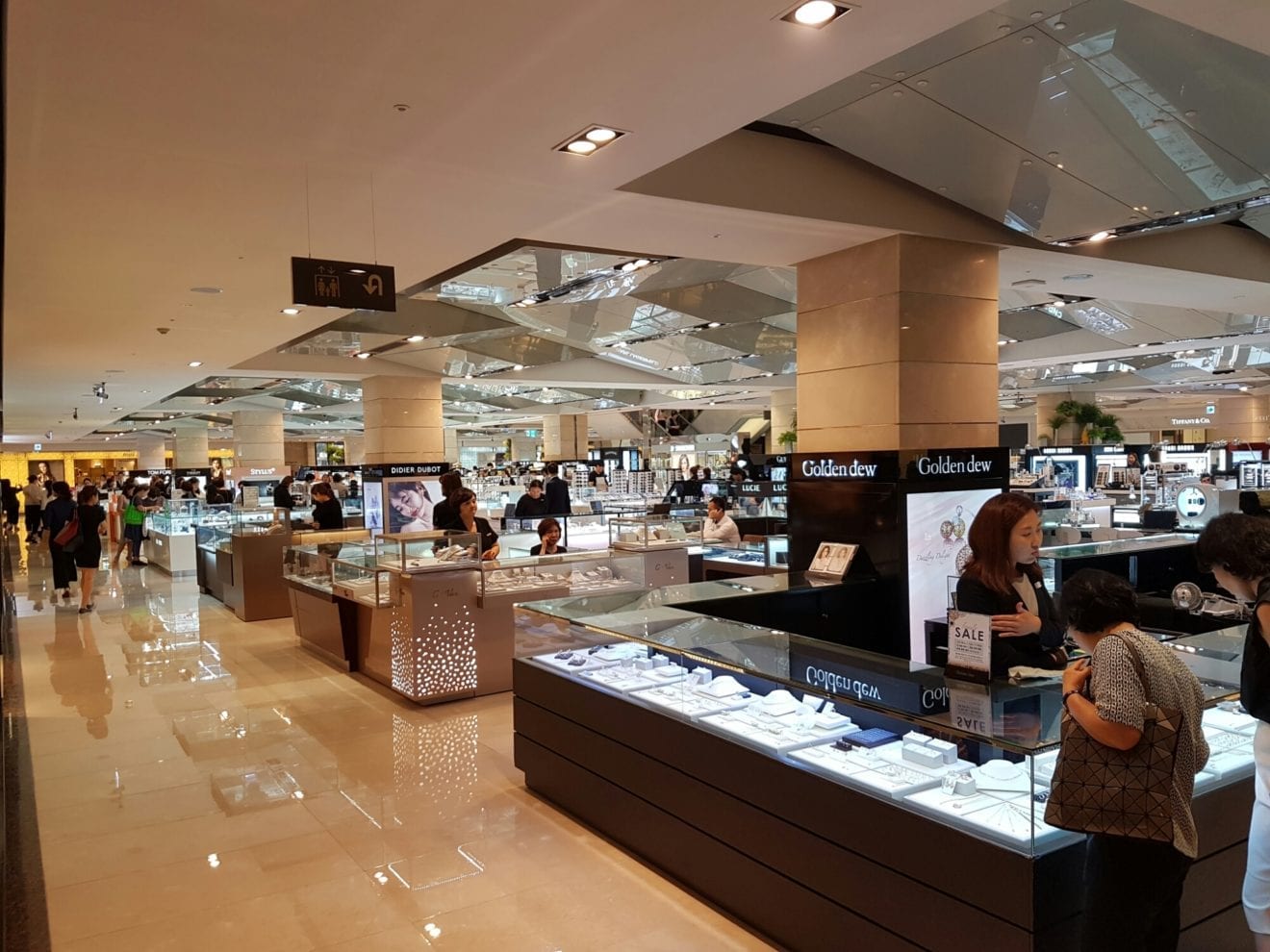
    Retail giants like Lotte and Shinsegae don’t have to worry about getting their duty-free licenses renewed every five years anymore.

    A task force on improving duty-free regulations decided on Wednesday to propose the government extend duty-free licenses for conglomerates to a maximum 10 years. Additionally, duty-free stores managed by small and medium-sized companies will be allowed to have their licenses renewed two times.

    Under the current law, conglomerate have to bid for duty-free licenses from scratch every five years. Small and medium-sized duty-free operators are allowed to renew their licenses once.

    If the government and lawmakers accept the proposal, it will undo the regulation changes made by the previous Park Geun-hye administration in November 2013, which cut the contract terms from 10 years to five.

    According to Yoo Chang-jo, a business professor at Dongguk University who is leading the task force, the goal is to make the changes effective from Jan. 1.

    “Currently, those with duty-free licenses have until next year or three years from today before their licenses expire,” Yoo said on Wednesday. If the revised regulation passes the National Assembly, “they will be allowed to renew their licenses once” for another five years.

    There have been complaints in the industry that extending licenses to a maximum 10 years is still too short and harms the duty-free operators’ competitiveness by limiting investment and contributing to uncertainty.

    The task force claimed that it limited the maximum to 10 years for a reason.

    “If the license is renewed after 15 or 20 years, there will be criticism that [the government] is favoring existing operators, which will not be accepted by the public,” Yoo said.

    He said the possibility is high for duty-free operators that are competitive to be picked again.

    The task force was formed last July after the Board of Audit and Inspection of Korea came to the conclusion that license reviews by the Park government lacked transparency and fairness.

    Park was accused of influencing the government to strip the duty-free license held by Lotte Group in 2015.

    Lotte regained its license in a revaluation the following year after allegedly complying to several demands from the Blue House.

  • Korea department store sales benefit from holidays

    Korea department store sales benefit from holidays

    Department store sales rose this month on the strength of several family-oriented holidays and special occasions, retail industry data showed Tuesday.

    Numbers provided by major Korean retailers showed Children’s Day, which falls on May 5 every year, a substitute day off, and May 8 Parents’ Day all contributed to more consumption at department stores.

    In addition, Buddha’s Birthday, which is a national holiday that fell on Tuesday, created a long four-day break for some workers, giving them more time to spend.

    In the first 20 days of this month, sales at upper-end department stores like Shinsegae, Lotte and Hyundai all rose, with some reporting close to double-digit gains compared to the year before.

    Shinsegae said its sales shot up 9.9 percent on-year, which is an improvement on the 1.5 percent contraction reported for May 2017.

    The store said sales of men’s and women’s clothing rose 16.1 percent and 12.6 percent, respectively, while demand for sports products moved up 12.6 percent. It said demand for expensive designer goods soared 26 percent.

    The increase in sales was also reported by Hyundai and Lotte department stores during the same period. Hyundai said it sold 6.1 percent more goods, with Lotte trailing with a gain of 5.3 vis-a-vis the year before.

    Clothing, cosmetics, sports and imports generated growth for the stores with demand for consumer electronics and home fashion items contributing to the overall good showing.

    “Holidays and special occasions requiring gift buying played a part in better sales numbers this year,” a Lotte Department Store representative said.

    He said sales ahead of Children’s Day and Parents’ Day were good.

    On the other hand, less demand for fresh produce that make up a large part of hypermarket sales caused a drop in numbers for such retailers.

    Emart, the country’s largest discount store chain, said sales for April and May were off slightly compared with the year before. It said demand for both fresh and processed food fell last month and coming into May.

    The company said sales of TVs, refrigerators and washers did rise, although not enough to offset the dip in demand in other areas.

    This trend was repeated at Lotte Mart, which said sales were off 1.8 percent so far in May, affected in part by negative growth in fresh produce.

    An industry expert said sluggish economic conditions were having an effect, with department stores that tailor to the more wealthy less vulnerable than hypermarkets.

  • Seoul Garden celebrates 35th anniversary with exciting deals

    Seoul Garden celebrates 35th anniversary with exciting deals

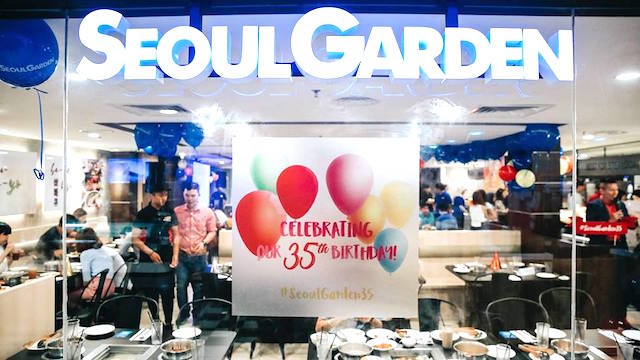
    Asian-Korean restaurant chain Seoul Garden has marked its 35th anniversary with a celebration at its first Malaysian outlet, in Gurney Plaza, Penang.

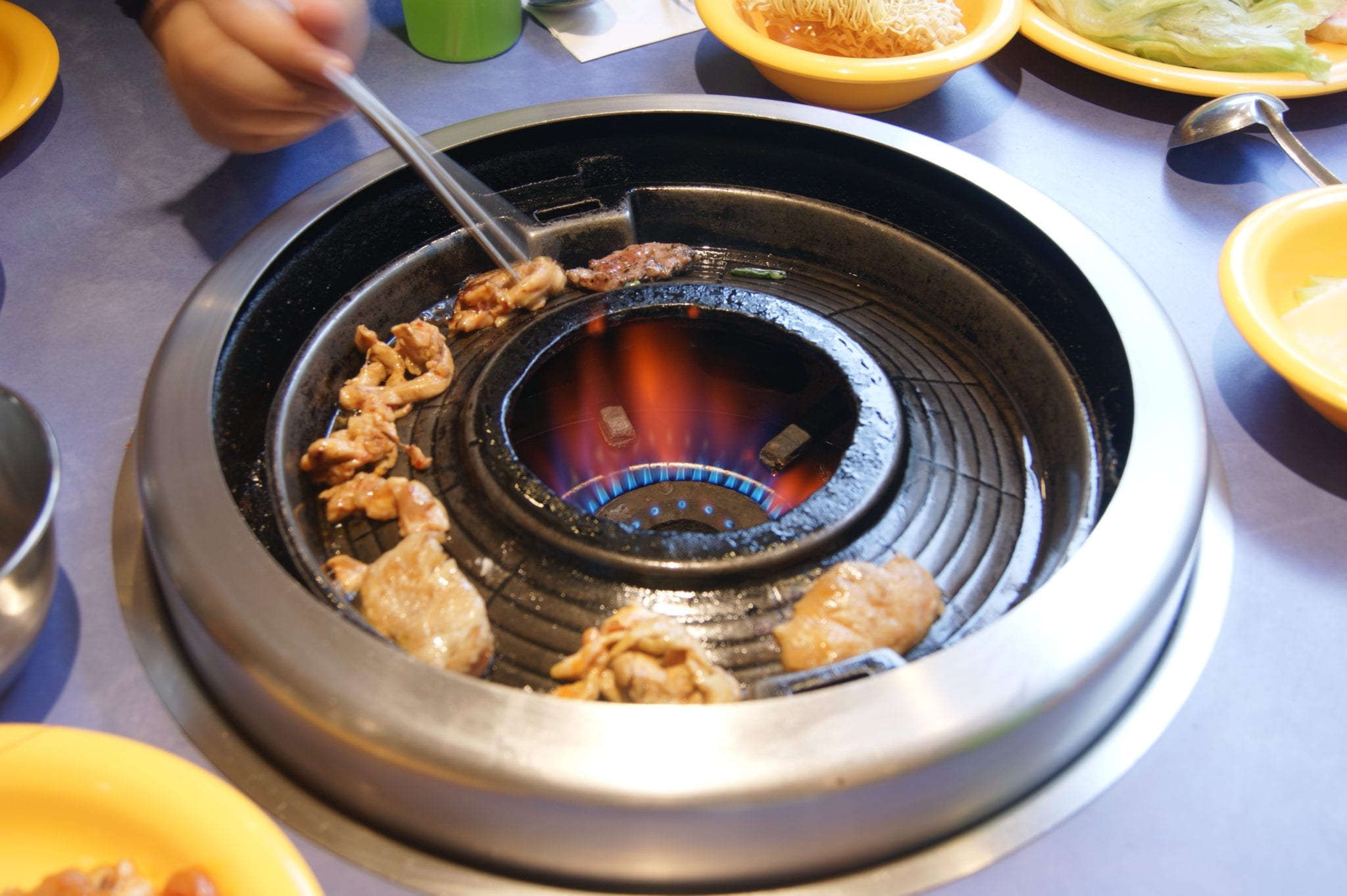
    The brand’s grill and steamboat buffet included marinated meats such as coffee chicken and beef bulgogi.

    Seoul Garden Group COO Siow Yong Wu says the brand has come a long way since its establishment in Singapore in 1983 as an a-la-carte eatery catering to Korean expatriates. He says they switched to a buffet concept before entering the Malaysian market in 2005 with the Gurney Plaza outlet.

    Penang franchisee Joseph Lee says Seoul Garden outlets were among the most popular dining venues because of their vast buffet, offering about 120 items.

    With 35 outlets across peninsular Malaysia, Sabah and Sarawak, the brand has also obtained halal certification.

    Group CEO Andrew Lee says all food items come from halal suppliers. “We have also re-engineered our proprietary grilling system to give customers a more comfortable, smoke-free dining environment.”

    Siow says the group intends to expand heavily, both within Malaysia and in neighbouring countries. Currently, the brand has a presence in Indonesia (Medan), Vietnam, the Philippines, Brunei and Myanmar.

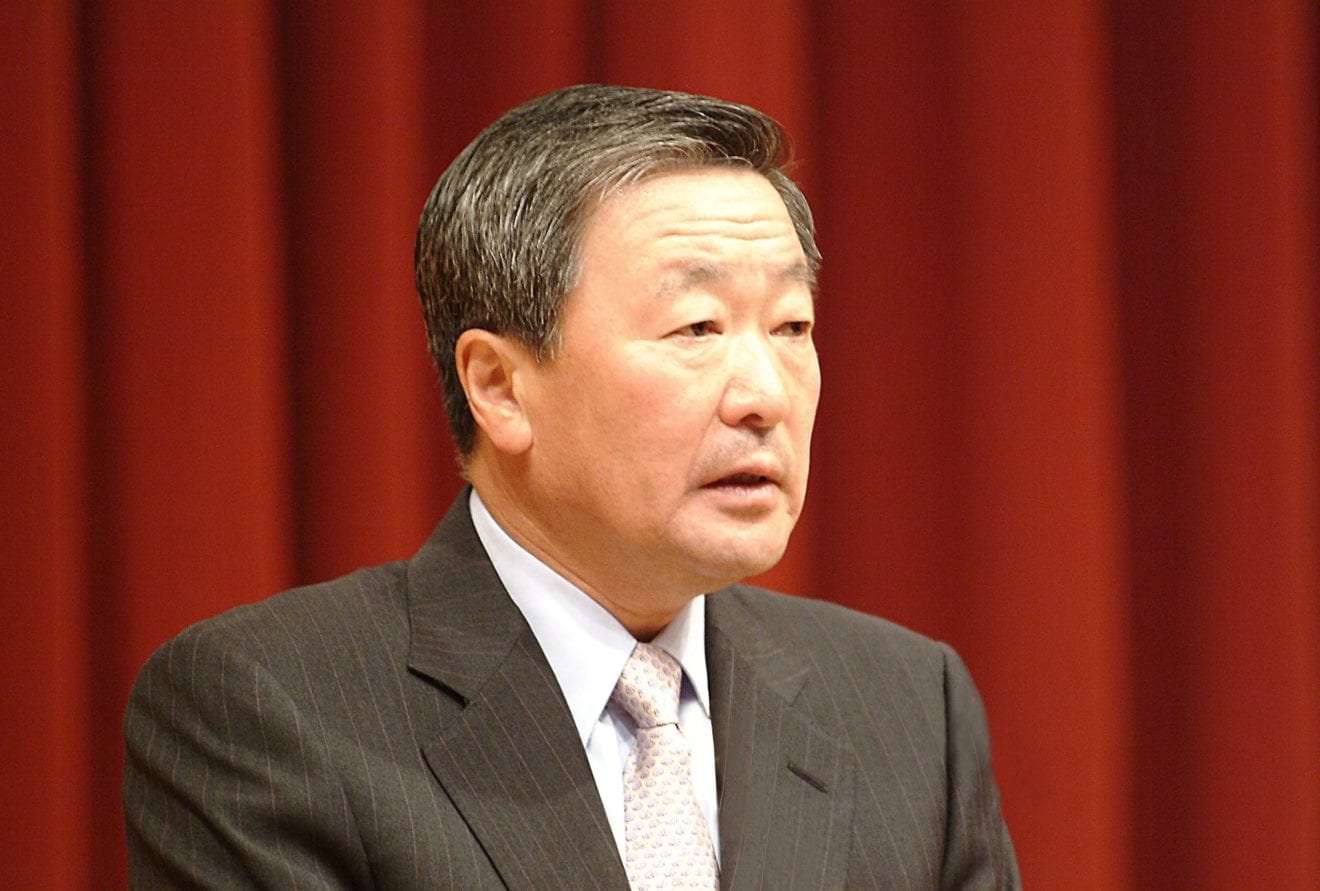
  • LG Group chairman dies at 73

    LG Group chairman dies at 73

    Koo, 73, had been ill for a year, LG Group said in a statement.

    Koo had been fighting a brain disease and had undergone surgery, said a group official who declined to be identified.

    “Becoming the third chairman of LG at the age of 50 in 1995, Koo established three key businesses – electronics, chemicals and telecommunications – led a global company LG, and contributed to driving (South Korea’s) industrial competitiveness and national economic development,” LG said.

    LG Group also established a holding company in order to streamline ownership structure and to begin the process of succession.

    The country’s powerful family-run conglomerates are implementing generational succession amid growing calls from the government and public to improve transparency and corporate governance.

    LG Corp (003550.KS), a holding company of the conglomerate, had said on Thursday its longtime chairman was unwell and it planned to nominate his son to its board of directors in preparation for a leadership succession.

    Heir apparent Koo Kwang-mo is from the fourth generation of LG Group’s controlling family. He owns 6 percent of LG Corp and currently heads LG Electronics’ information display unit.

    He joined the finance division of LG Electronics in 2006 and has been involved in several businesses such as appliances, home entertainment and group strategy, LG said.

    The late chairman adopted Koo in 2004 from his younger brother Koo Bon-neung after his only son died in a car accident.

    The change at the helm is not expected to be disruptive to the group’s business, one analyst said.

    “Although Koo passed away at a relatively early age, his son has already been in a senior position and I don’t think there will be a big change in governance structure or strategic decisions,” said Park Ju-gun, head of corporate analysis firm CEO Score.

    Under Koo’s leadership, the conglomerate changed its corporate brand to LG from Lucky Goldstar and sold LG’s semiconductor business to Hyundai, now SK Hynix Inc (000660.KS), under government-led restructuring in the wake of the Asia financial crisis in the late 1990s.

    Major affiliates are LG Electronics Inc (066570.KS), display maker LG Display (034220.KS) and electric car battery maker LG Chem (051910.KS).

    South Korean prosecutors said this month they raided LG Group’s head office as part of a probe into alleged tax evasion by family members controlling the conglomerate.

    The company said Koo’s funeral would be held privately with family members. Visitors including Samsung Group heir Jay Y. Lee have paid their condolences at his altar.