Tag: Korea

  • Korean police question KT chair in donation probe

    Korean police question KT chair in donation probe

    South Korean police are reportedly questioning KT chairman Hwang Chang-gyu over suspicions that the operator made illegal political donations in exchange for favorable legislation.

    Police believe that KT made donations to lawmakers sitting on the parliamentary committee in charge of telecommunications in return for policies favorable to KT’s newest business, its internet banking service.

    South Korean law bars registered companies from donating any funds to lawmakers as well as donations made with company money.

    The police suspect that former and current KT executives may have paid around 90 legislators a combined 430 million won ($401.8 million) in illegal donations between 2014 and 2017.

    According to the report, police have already raided the offices of KT and its affiliates on suspicion that KT executives used company funds to buy large amounts of gift vouchers and then cashed these vouchers out for donation money.

    Authorities believe that Hwang may have either instructed these executives to do so or was briefed about the plan.

    Hwang, who was appointed chairman of the company in 2014 and last year renewed his term for a further three years, has been asked to come in for questioning today, the report adds. Depending on the outcome he may be interrogated for a second time.

  • Exclusive Ambush fashion booth at Joyce

    Exclusive Ambush fashion booth at Joyce

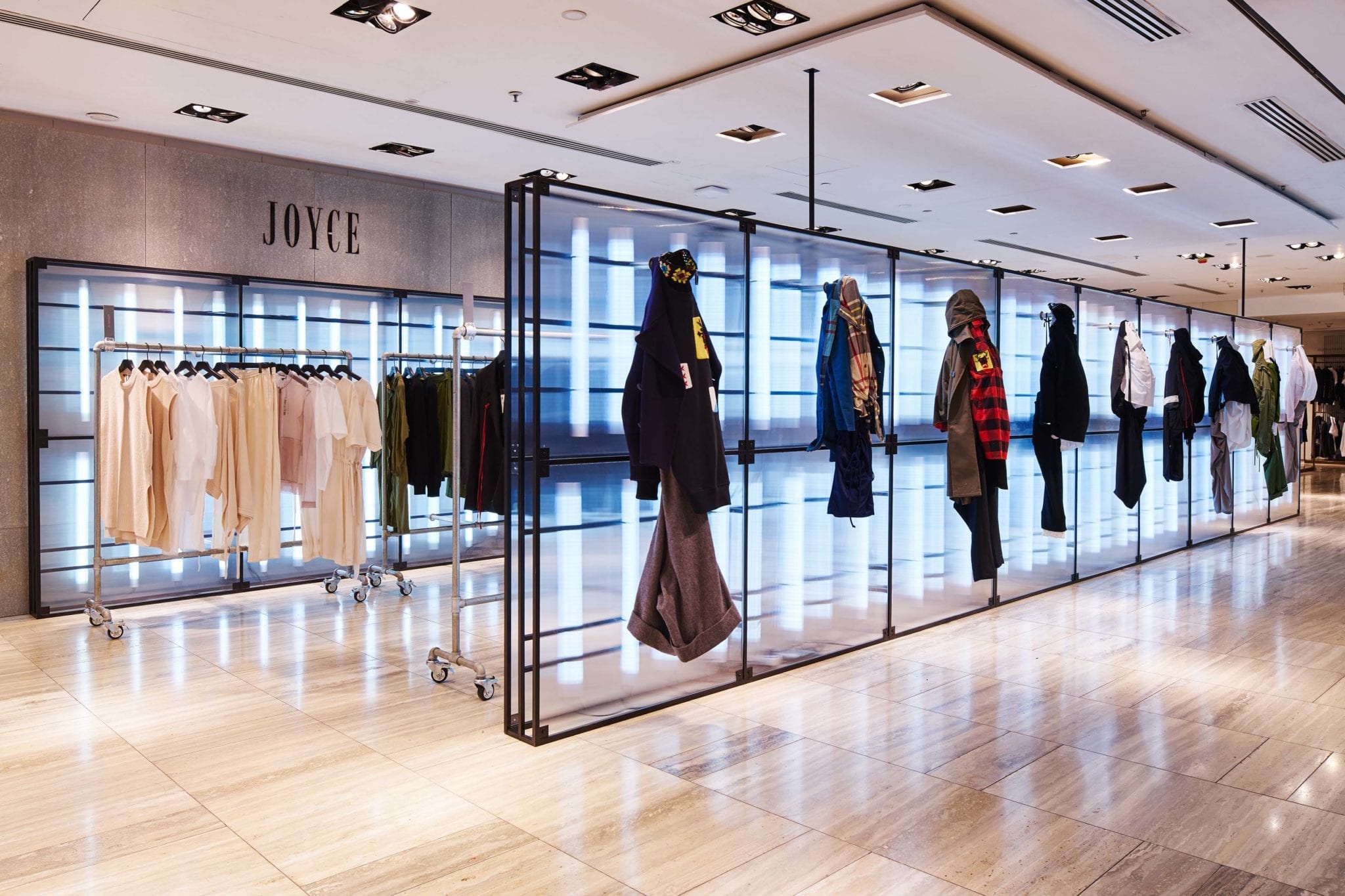
    Fashion retailer Joyce has joined forces with innovative Japanese design label Ambush for an exclusive capsule collection.

    The Ambush fashion label was founded by Japanese/Korean hip-hop artist Verbal and his graphic artist wife Yoon, with its clothing collection for Joyce presenting a new take on sportswear.

    Largely inspired by the track jacket, the collaborative drop comprises designs with a palette of yellow and navy. Along with classic tracksuit pieces, there is also a reinterpretation of the classic silhouette as a dress. Rounding off the offering is a white t-shirt with punk-influenced writing scrawled across the front.

    The Ambush fashion capsule is available at Joyce locations in Hong Kong and Shanghai.

  • Innisfree Vietnam pop-up boosts brand

    Innisfree Vietnam pop-up boosts brand

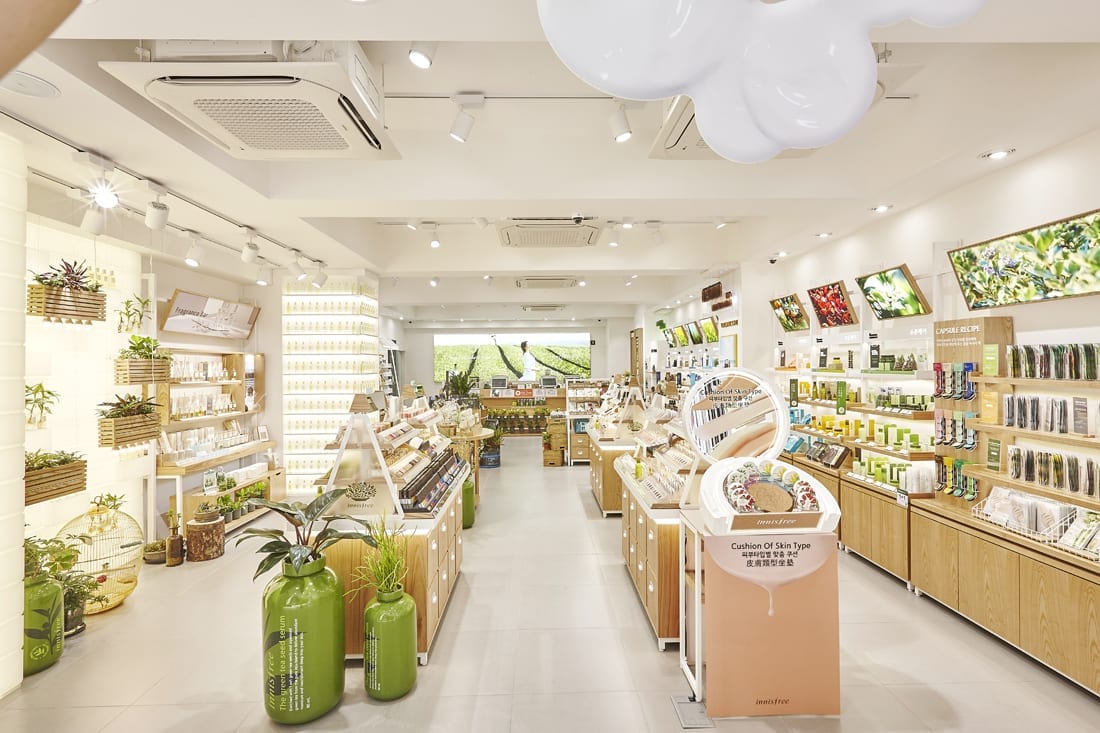
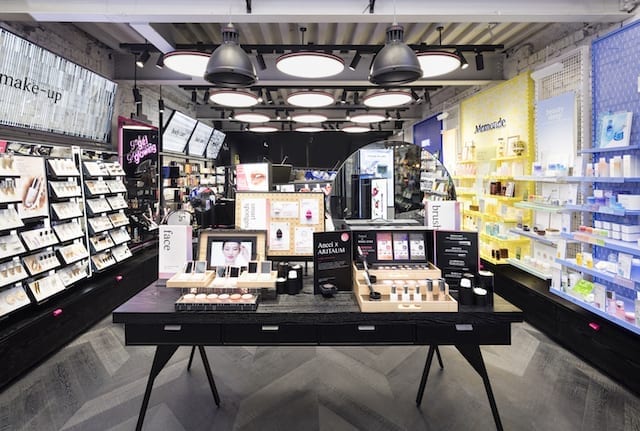
    Korean cosmetics brand Innisfree has opened its first pop-up store, inside Saigon Center in Ho Chi Minh City, from now until Sunday.

    Called New Hydration Station, the Innisfree Vietnam pop-up introduces the brand’s new green tea range through different sections such as Hydration Station, Hydration Wash Zone, Beauty Wash, Green Tea Store, Green Tea Zone.


    After the pop-up, the brand will open new store at Crescent Mall in District 7, in the hub of the city’s Korean community.

    During the first two days, customers will get the chance to receive Innisfree tumblers, eco bags, and masks with bills over VND300,000.

    After arriving in Vietnam in 2016, Innisfree has opened four stores, all in Ho Chi Minh City.

  • Samsung to debut MicroLED TVs this year

    Samsung to debut MicroLED TVs this year

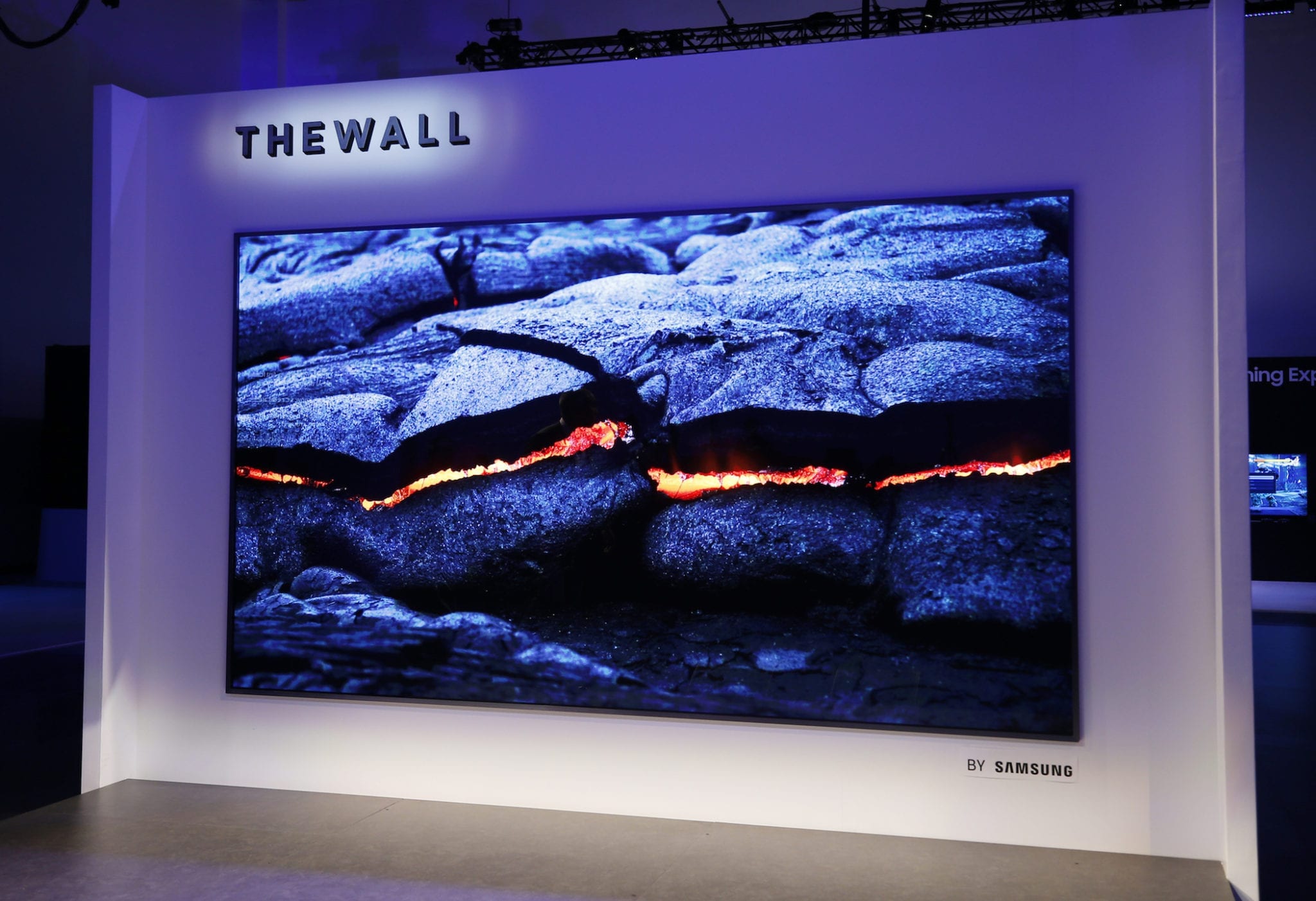
    Samsung Electronics will launch televisions using MicroLED next-generation display technology by the end of the year, with price tags that could reach $300,000.

    Samsung will be able to work flexibly with customers on screen size, thanks to the modular design of its MicroLED panels, design chief Lee Don-tae told.

    Although details have not been settled, the TVs due out this year could be even larger than the 88-inchers leading Samsung’s current lineup. Samsung plans to market them as a high-end offering in the U.S. and the Middle East, and as a potential replacement for computer projectors.

    MicroLED, which uses massive numbers of tiny light-emitting diodes per screen, is seen as the next big thing in display technology. Unlike LCD and many OLED TVs on the market, it does not rely on color filters, using elements that emit red, green and blue light instead. It is also believed to offer better images with a wider viewing angle. Competition is already heating up. Apple has begun developing its own MicroLED displays, according to American reports.

    Samsung itself has pulled out of OLED TVs, which take their name from the organic LEDs they employ. But the company remains critical of rivals’ products, most of which use white OLEDs simply as a light source rather than to produce color. Samsung employs OLEDs that emit their own colors in smartphone displays that it makes.

    Meanwhile, the LG group has emerged as a key player in displays based on white OLEDs. In addition to using them in its own TVs, it is also now supplying the panels to 13 TV manufacturers, including Sony.

    OLED TVs are rapidly becoming a fixture in luxury markets. The global market for them nearly quintupled between 2015 and 2017 to roughly 1.33 million units, according to Euromonitor International. Samsung is struggling to remain a leading player in high-end TVs with its lack of OLED models and wants to gain a head start in next-generation MicroLEDs.

  • MSGM China opens a new Beijing boutique

    MSGM China opens a new Beijing boutique

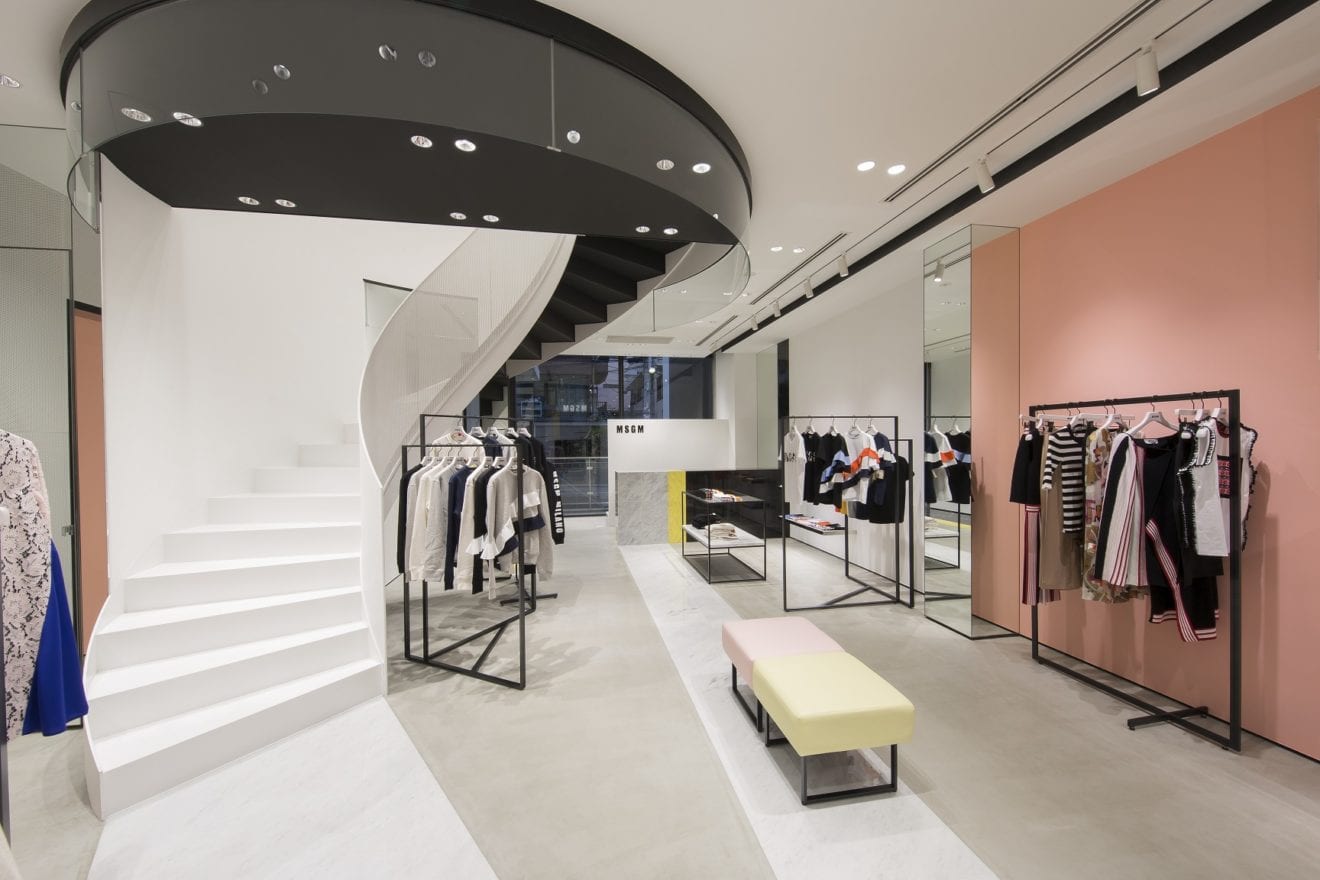
    MSGM China has opened its second store, a boutique in SKP Beijing.

    The Italian fashion label’s 15th store, it offers menswear, womenswear and accessories. The 100sqm space features flexible iron display structures, geometric neon lighting and Carrara and black Marquina marble surfaces interrupted by a fluorescent yellow stripe, a hallmark of the brand.

    MSGM China’s first store opened in Shanghai last year, when the brand also opened a space in Seoul.

  • GM workers storm Korea CEO’s office after company holds back bonus

    GM workers storm Korea CEO’s office after company holds back bonus

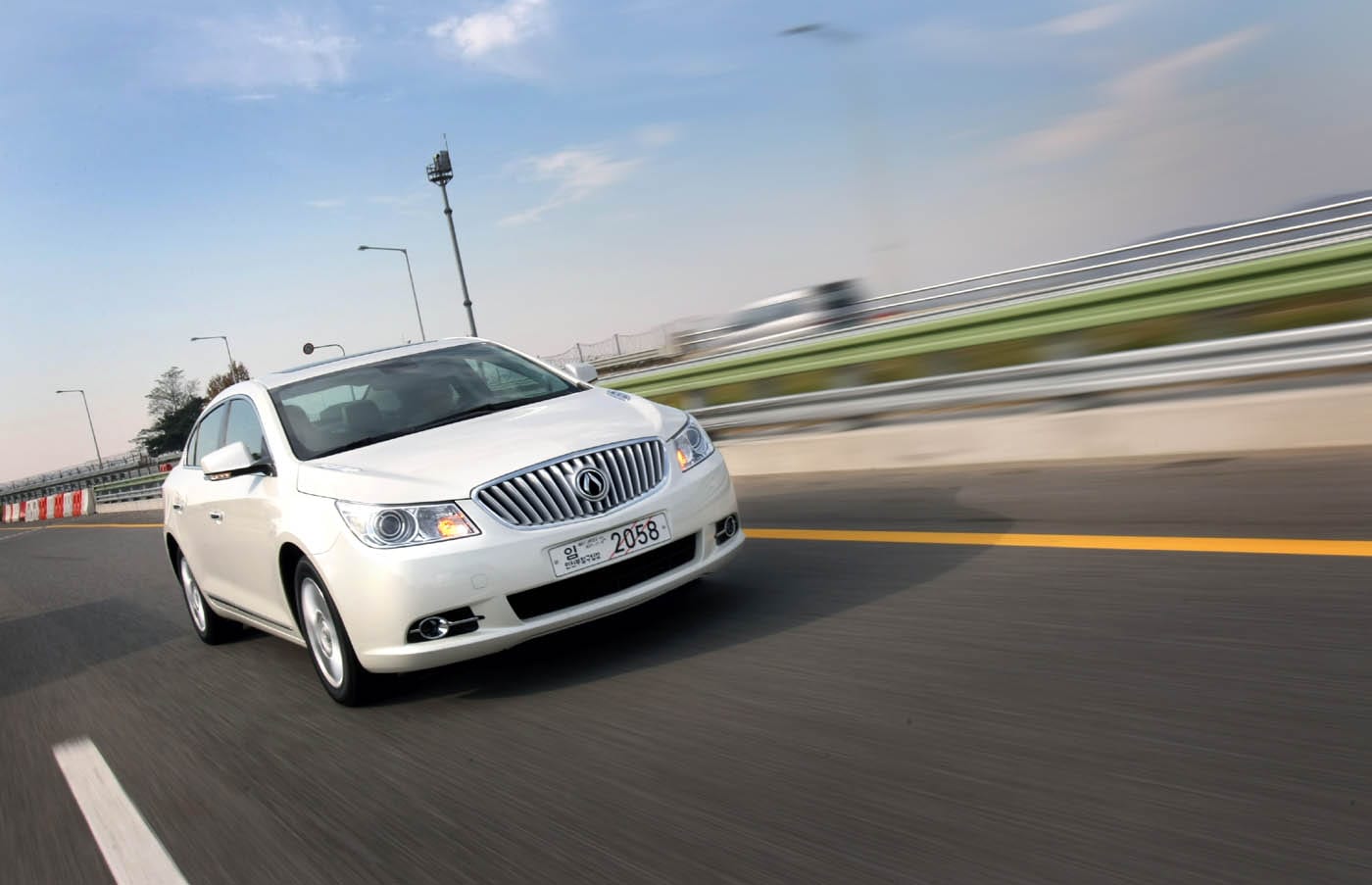
    General Motors workers in South Korea forced their way into company executive offices, destroying and removing furniture, shortly after the automaker’s local unit told employees that there will be no bonuses due to a cash crisis.

    A video posted on YouTube showed about a dozen union members storming the CEO’s office in Incheon on Thursday, kicking and throwing chairs before removing a large desk.

    The union, whose representative could not be reached for comment, was protesting the company’s decision and urged the CEO to resign, according to GM Korea’s spokesman.

    Separately, the company confirmed in a statement what it called a “violent incident” at its executive offices that “resulted in significant damage to company property.”

    GM, which is seeking concessions from the union to revive its South Korean business after mounting losses, has proposed a $2.8 billion new investment plan and a $2.7 billion debt-for-equity swap to turn around the unit. After threatening to exit the country altogether earlier, the subsidiary last month said it intends to file for bankruptcy if the union fails to agree to a restructuring plan, putting pressure on employees and the government to help it stay afloat.

    The incident was reported to the police, the company said, adding that it will take legal action against the workers.

    Government reaction

    South Korea on Friday urged GM and the union to reach a wage deal swiftly, saying the government will be able to discuss support for the money-losing unit on condition of an agreement.

    The latest comments, made by the industry minister during a meeting with GM Korea’s CEO, came after the union’s protest over nixed bonuses.

    “Should the industrial conflict seen yesterday and today happen again, it will be difficult for (GM Korea) to gain public support and government support,” Paik Un-gyu, minister of trade, industry and energy, said in a statement.

    GM’s union accepted the company’s demand for a wage freeze and no bonuses for this year, but opposes a proposal to cut benefits as well as its plan to shut down the Gunsan plant.

    “We appreciate the ministry’s interest and encouragement,” a GM Korea spokesman said.

  • Starbucks Coffee Korea walks the talk

    Starbucks Coffee Korea walks the talk

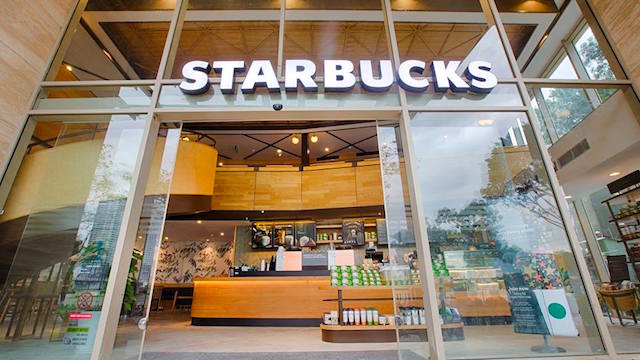
    Voice recognition ordering has been introduced by Starbucks Coffee Korea, thanks to a 50/50 JV between Starbucks Coffee International and Shinsegae Group.

    Starbucks Coffee Korea has become the first retailer to use Samsung’s intelligent assistant Bixby, available on certain Samsung Galaxy devices, to allow for end-to-end ordering and payment.

    The features are an extension of Starbucks Siren Order, the company’s mobile order-and-pay technology that lets customers in South Korea order and pay for their purchases before arriving at the store.

    Bixby allows members of Starbucks loyalty program (My Starbucks Rewards) to place an order and pay through voice recognition “on command”. Customers simply speak as they would to a barista, including modifying their drinks to meet their preferences.

  • Lotte unveils El Cube Game in Korea

    Lotte unveils El Cube Game in Korea

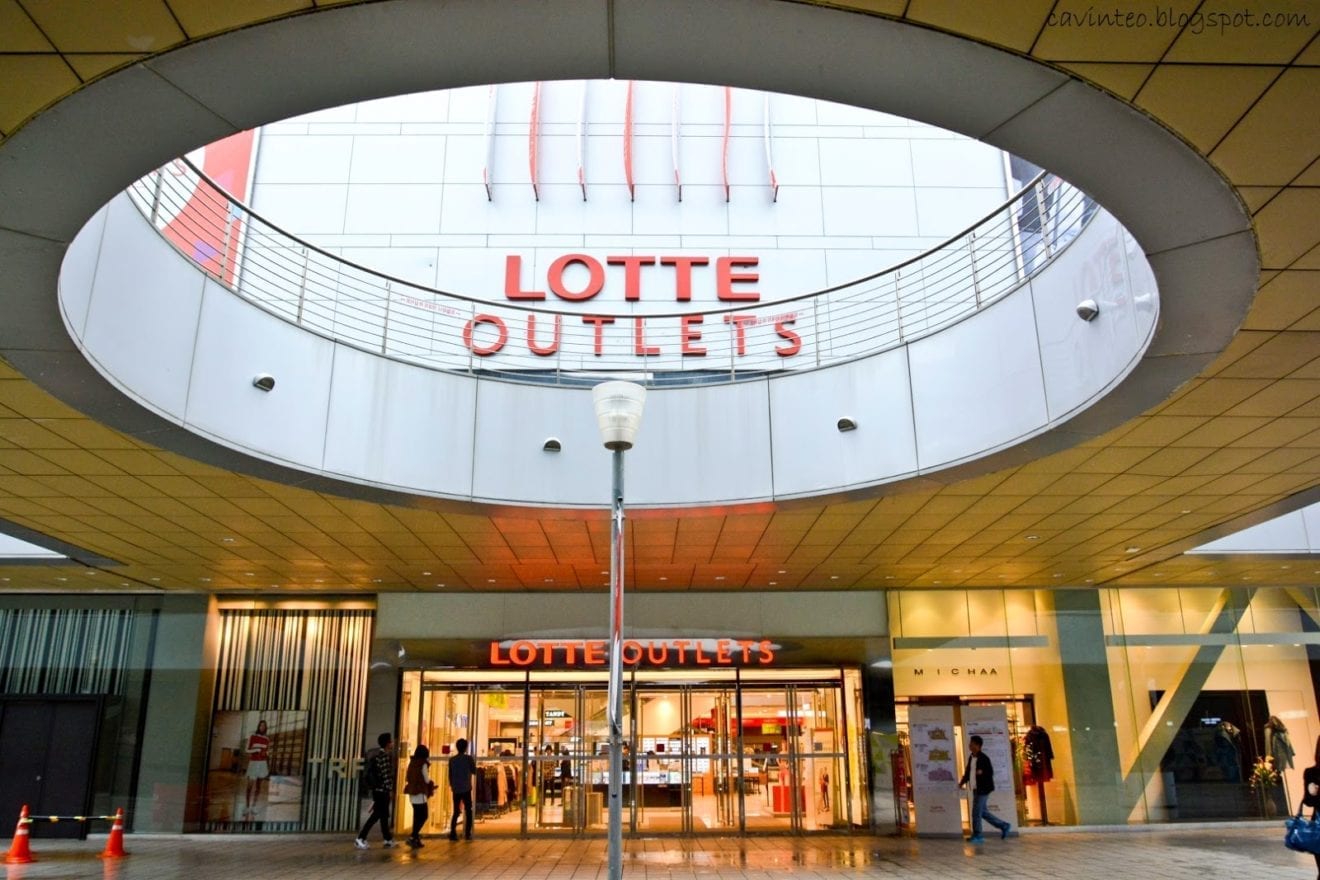
    South Korean retail giant Lotte opens a dedicated game products store in Seoul tomorrow amid a rapid growth of the country’s computer game industry.

    Lotte Shopping Co said it has remodelled its el Cube store in Hongdae, western Seoul, into a shop exclusively for games, to be called el Cube Game.

    El Cube is Lotte Department Store’s “mini” version, targeting consumers in their 20s and 30s. There are currently five el Cube outlets throughout the country.

    Lotte said the first offline store of Netmarble Games, South Korea’s top mobile game maker, will open at its outlet in Hongdae, one of South Korea’s most popular hangout places.

    The El Cube game store will also sell toys targeting “kidults,” referring to adults with a keen interest in toys that many regard as for children, it said.

    The market size of South Korea’s game industry was valued at around 11.5 trillion won (US$10.84 billion) as of last year, up 18.5 per cent from 9.7 trillion won in 2013, Lotte said, citing the Korea Creative Content Agency.

  • South Korean department stores chase men from now onwards

    South Korean department stores chase men from now onwards

    South Korean department stores are ramping up efforts to attract male customers, whose growing numbers are changing the retail landscape.

    According to data from Shinsegae Department Store, male customers, which accounted for 28.1 per cent of customers in 2010, now represent just over 34 per cent of the major department store’s customer base.

    Sales at male-oriented shops at the main branch of Shinsegae Department Stores in Myeongdong and the Gangnam branch also jumped from 8.2 per cent to 10 per cent over the same period.

    Against this backdrop, South Korean department stores are continuing efforts to revamp their men’s departments, as well as introducing various products catering to family in an attempt to attract male customers of all age groups.

    Shinsegae Centum City opened a renovated men’s department on the fifth floor last month, featuring experience stores that appeal to not only men, but also women and family members.

    Street 5 is a select shop modeled after a European-style city-center plaza, packed with local brands from Busan and Daegu, differentiating itself from other stores.

    Apart from a wide selection of men’s clothing stores, a photography studio specializing in black and white photography and a premium select pet shop will also welcome visitors with various interests.

  • McDonald’s Marks 30 Years Since Opening its Doors in Korea

    McDonald’s Marks 30 Years Since Opening its Doors in Korea

    n March 29, 1988, the McDonald’s franchise opened its first location in South Korea in Apgujeong-dong in the southern part of Seoul.

    The country was already awash in Olympic fever with the summer games set to open later that year in September as hundreds lined up for their first taste of McDonald’s on the peninsula.

    Since that time, over 1.9 billion people have walked through McDonald’s doors in Korea – or about five people each second.

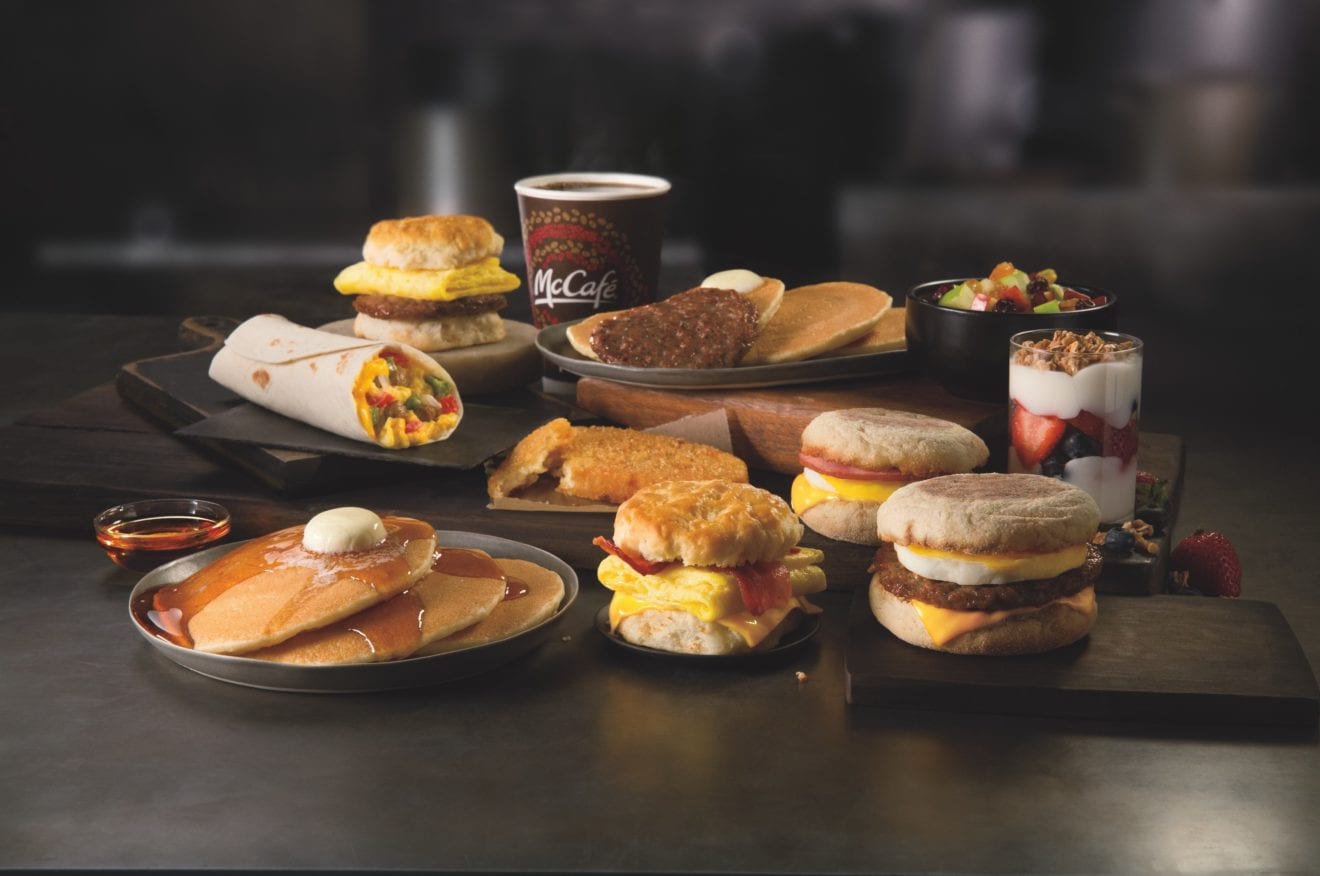
    Over the course of its three decades in the country, the global fast-food giant has introduced several items tailored to local tastes such as the “Bulgogi Burger” and the “1955 Burger”.

    In another nod to local tastes, Korea is also one of the few countries that doesn’t sell the Filet o’ Fish – which was replaced several years back with a shrimp burger. A move which prompted one person to form a Facebook group calling for its return.

    Knowing Korean’s love for spicy cuisine, the company also launched the “McSpicy Shanghai” chicken burger.

    It is interesting to note that McDonald’s branded their spicy Korean offering “Shanghai” – likely a wise move to maintain that international food feel of the franchise despite it being an adaption to local tastes.

    Last year in Singapore, McDonald’s rolled out the “Seoul Spicy Chicken Burger” and “Seoul Spicy Beef” burger, along with the “Kimchi Shaker Fries.” None of which are available in the Korean market.

    Riding the popularity of K-pop and Korean dramas in Southeast Asia, Singapore Mickey D’s even rolled out a mock Korean drama ad campaign with a love triangle featuring the Seoul Spicy in the middle of it all.

    Brand troubles in Korea

    While McDonald’s remains a very strong brand in the South Korean market, there are signs of it slowing down. The company currently has 448 stores across the country, but the pace of growth has slowed in recent years, increasing by 13 stores in the past two years.

  • JD Sports Fashion Korea

    JD Sports Fashion Korea

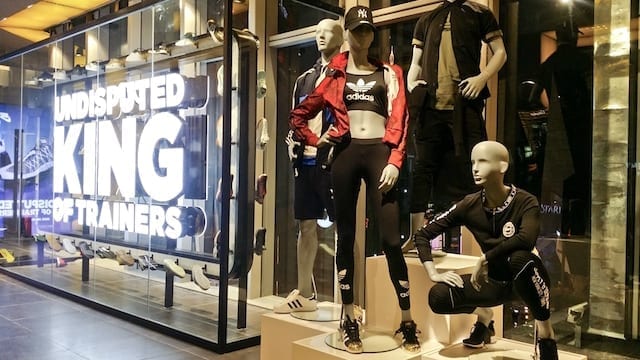
    JD Sports Fashion Korea will launch with a store in Seoul’s Gangnam district on Friday week.

    It is the British sports fashion brand’s first venture into the Northeast Asian market since forming a JV with Korean retailer Shoemarker in September.

    By the end of the year, JD Sports hopes to have 32 stores across Korea, to be promoted and managed by Shoemarker. They will offer such global sportswear brands as Adidas, Fila, Nike and Puma.

    Founded in 1981, JD Sports Fashio has more than 1250 stores in 14 countries including Australia, France, Germany and the UK. Sales reached US$3.24 billion in 2016.

  • Retailers find winning strategy in online-only

    Retailers find winning strategy in online-only

    Retailers have long been using online channels to make up for sluggish sales at their brick-and-mortar stores, but recently, they have taken the shift to another level, introducing products exclusively for online.

    The trend-conscious fashion and cosmetics sectors are at the forefront of this new strategy. Beanpole Ladies, a brand under Samsung C&T, recently introduced Lime Beanpole, a series of products sold exclusively through its website. The target demographic is Koreans in their teens to 30s, and the prices are around 60 to 70 percent of Beanpole’s original lineup. The designs are youthful, including engraved prints and embroideries for fruit.

    The nearly 30-year-old brand has been releasing clothes aimed at younger consumers since 2016 starting with Choco Beanpole. The last line before Lime Beanpole, called Coffee Beanpole, released for the fall and winter season last year, was a success – 80 percent of the stock was sold out.

    AmorePacific brand Innisfree’s True Care cosmetics line is popular among consumers in their teens and 20s and can only be purchased online. Another AmorePacific brand, Etude House, sells its Tapa sheet masks this way. Iope’s Whitegen Essence Cushion foundation, exclusively sold online, has a demo target of consumers in their 30s.

    “In the past, online-only products were special editions for those who don’t shop at brick-and-mortar stores but nonetheless have a sense of loyalty to the brand,” said Lee Min-kyu, senior vice president at AmorePacific. “Now, they’re starting to make exclusive products rather than one-time events.”

    Similarly, LG Household and Health Care’s The Face Shop sells 14 products from its Bifida line only online. Another well-known cosmetics brand, Nature Republic, has 18 products from its series Bulgarian Rose sold the same way.

    The biggest reason why companies are developing online-only products is their cost effectiveness. Operating brick-and-mortar stores incur high maintenance costs and investment in various stages of distribution.

    “If a product is sold at brick-and-mortar stores, it’s practically impossible to sell the same thing at a lower price online,” one industry source said. “Online-exclusive products can be sold at a lower price while maintaining the same level of quality, which is why it’s more effective in attracting new customers.”

    Another important motivating factor in the strategy is boosting brand loyalty among younger consumers. If something is sold exclusively online, this can attract more people to the company’s website, even if it’s just out of curiosity.

    “To prevent a brand from aging, it’s important to constantly pull in younger consumers,” said Won Eun-kyung, head of Bean Pole Ladies. “But conventional ways [of rebuilding a brand image] through [such methods as] a logo change are expensive, whereas the same results can be obtained by releasing online-only products.”

    Companies anticipate that if they succeed in creating a more favorable perception of the brand, sales will be affected positively in the long run.

    Some companies think online is a better channel to present the product’s differentiating points to the public.

    “A characteristic of online consumers is that they tend to compare the pros and cons of a product through multiple sources like blogs rather than rely on one-sided information offered by the manufacturer’s ads,” said Koh Hyang-sook, who leads one of Woongin Foods’ marketing teams. “Apart from raising awareness of the brand, online-only is now a method used to effectively highlight the product’s advantages.”

  • Miranda Kerr launches organic beauty brand KORA on Tmall

    Miranda Kerr launches organic beauty brand KORA on Tmall

    As China’s desire for organic, healthy products gains momentum, international beauty brands are seeking to take advantage of a new approach to well-being.

    Last week, founder and supermodel Miranda Kerr launched Australian luxury skincare brand KORA Organics’ first Tmall store in China via live-stream from her Hollywood home. The event attracted more than 223,000 live viewers, with KORA Organics offering exclusive giveaways for spectators.

    “From my experience over the years, I have come to believe in and appreciate a holistic approach to overall wellness, and the connection of the mind, body and skin,” Kerr says.

    This kind of health-focused lifestyle philosophy is soaring in popularity among Chinese consumers, with last weekend’s Tmall Beauty Summit reporting that premium health and fitness products are more popular than ever with young Chinese women.

    “The appetite for natural and organic products in China continues to grow, and skincare is no exception” says Maggie Zhou, managing director of Alibaba Group Australia and New Zealand.

    With a growing awareness of health and well-being in China, Tmall Global is hoping to capitalise on luxury international brands seeking to enter the market. Tmall Global helps international brands like KORA Organics sell directly to Chinese consumers. For more than 80 per cent of brands on the site, these virtual flagship stores were their first foray into the Chinese market.

    “KORA Organics is a proudly-owned Australian brand whose certified organic and natural products speak directly to the growing demand from many Chinese consumers for clean and green Australian products” Zhou says.

    Korean beauty brand Innisfree has long been popular with Chinese consumers, marketing its innovative all natural, organic products from Jeju island. K-Beauty has struggled in China over the past year, with consumers turning to Japanese beauty when searching for high-quality products. However, according to L2’s Digital IQ Index: Beauty China 2018, Innisfree still ranked seventh among Chinese consumers, in large part due to the social media marketing of the brand’s all natural cosmetics and ‘green philosophy’.

    In line with this trend, KORA Organics is promoting certified organic and natural products, formulated with herbal extracts, essential oils, and vitamins. KORA’s products are certified by the international body COSMOS-standard AISBL/Ecocert, which guarantees the absence of toxins, synthetic pesticides or chemicals. In Australia and the United States, KORA Organics is stocked in more than 200 Sephora stores, and by the end of 2018, the brand hopes to be in place in over 2,500 stores across 25 countries.

    For now, KORA Organics will be entering China exclusively through Tmall, hoping to reach a growing base of Chinese consumers seeking healthy and organic skincare products before everyone else does.

  • Is hype gone for AmorePacific?

    Is hype gone for AmorePacific?

    AmorePacific seems to be in a quandary, with the country’s fair trade watchdog investigating the cosmetics giant amid declining performance.

    According to AmorePacific’s auditory filing, the company logged 731.5 billion won (US$685.2 million) in operating profit last year, down 32.4 percent from a year earlier. Its sales also declined to 6.29 trillion won, down 10 percent during the same period.

    Its share price also nearly halved from two years earlier.

    In the first half of 2016, AmorePacific hovered over 400,000 won per share, but started to decline, falling as low as 236,500 won last Sept. 29, and did not rise above 350,000 won. It ended at 278,000 won on Tuesday.

    The situation is quite similar for AmorePacific Group (Amore G), which is the holding firm of AmorePacific. It has been on a downturn for the past two years, falling from 215,000 won on July 3, 2015, to 127,000 won on Tuesday.

    On the fall of the titan, analysts and other observers cited the diplomatic friction between Korea and China, due to the former’s decision to deploy a U.S. Terminal High Altitude Area Defense (THAAD) battery here.

    They said China’s cap on the number of items purchased at duty free shops directly affected the revenues of domestic cosmetics firms, whose sales to Chinese tourists account for a significant portion of their entire sales.

    However, some others say blaming the THAAD issue as the sole cause of AmorePacific’s fall may be unfair, given LG Household & Health Care’s (LG H&H) surge last year.

    In January, LG H&H said it posted 6.3 trillion won in sales and 930 billion won in operating profit last year, up 2.9 percent and 5.6 percent from 2016, respectively.

    LG H&H explained it has overcome the harsh market environment, in which overall market growth faced headwinds due to a sharp decline in inbound Chinese traffic, due to its luxury brand strategy and robust sales in the onshore Chinese market.

    With the handsome numbers, LG H&H overtook AmorePacific to become Korea’s top cosmetics company.

    As the two companies show stark differences while suffering the same THAAD issue, analysts interpreted the performances of their luxury brands as the decider.

    According to LG H&H, its Whoo brand logged 1.4 trillion won in sales last year, up 200 billion won from a year earlier. Though AmorePacific did not disclose its luxury brand Sulwhasoo’s sales, Kiwoom Securities analyst Lee Hee-jae assumed Sulwhasoo posted 1.15 trillion won in sales last year, down 245 billion won from 2016.

    AmorePacific denied the assumption, saying it cannot disclose the amount but Sulhwasoo outperformed Whoo in sales last year.

    Further data showing AmorePacific products’ popularity is the market share in duty free shops. According to a Daishin Securities report, AmorePacific’s duty free market share declined from 12 percent in the first half of last year to 5 percent in the fourth quarter.

    Amid doubts on the competitiveness of AmorePacific products, with its fairness in business also questioned, the Fair Trade Commission (FTC) investigated Amore G and its subsidiaries.

    During the five-day investigation that started Feb. 21, the watchdog looked into internal trading between Amore G’s affiliates on suspicion the group unfairly helped affiliates in which Suh Min-jung, the eldest daughter of AmorePacific Chairman Suh Kyung-bae, owns stakes.

    Despite the negative issues, Amore G and AmorePacific decided to pay dividends worth more than 40 billion won to the Suh family. Of them, Chairman Suh will take approximately 39 billion won thanks to his more than 70 percent stake in Amore G and 11 percent stake in AmorePacific.

    Unlike the owner family, AmorePacific employees did not receive incentives, which they normally receive every six months, throughout last year.
  • More stagnant E-mart store to be closed

    More stagnant E-mart store to be closed

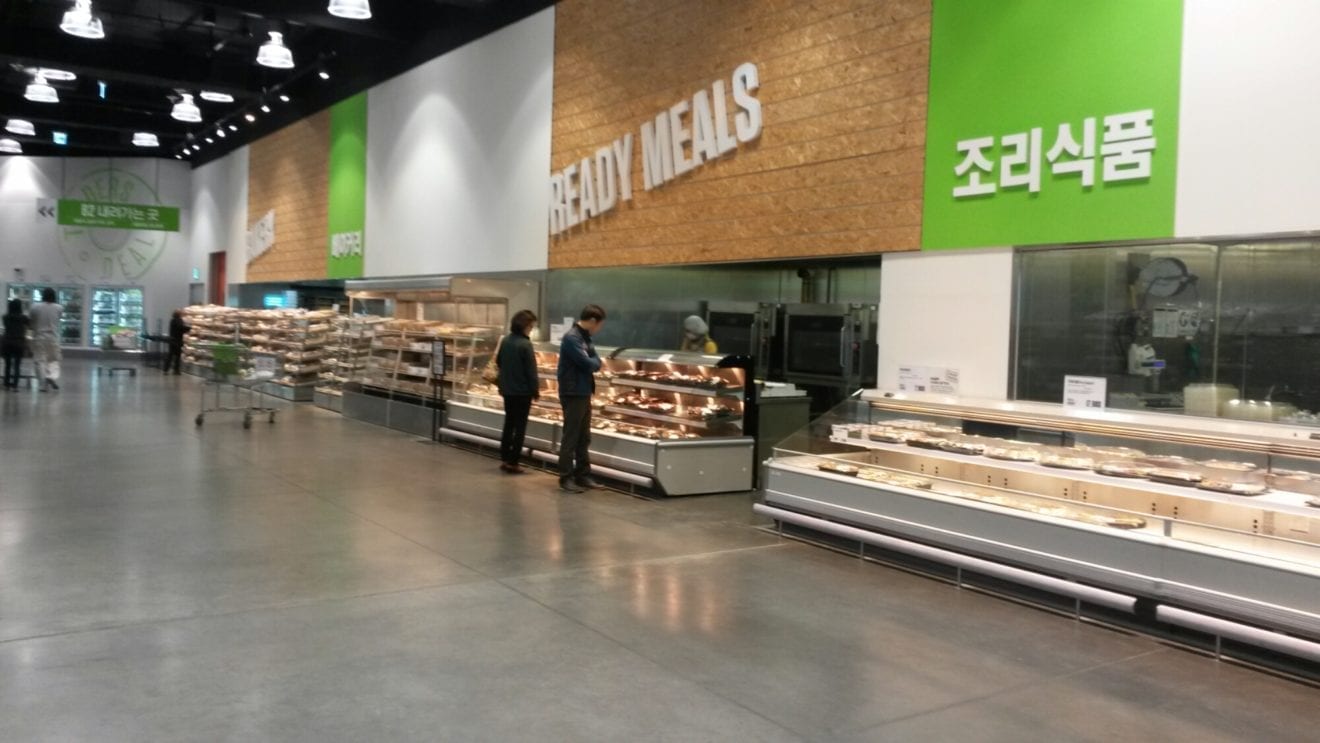
    Shinsegae Group’s discount chain E-mart has decided to shut several more stagnant stores this year to improve the company’s efficiency.

    Shinsegae says it has also sold its Deoki-dong branch in Ilsan, Gyeonggi Province. The outlet had initially been a Walmart store in 1996, but became an E-mart in 2006 after Shinsegae acquired the US-based discount chain’s Korean affiliate.

    “We realised we needed to reform our stores for continuous growth,” says an E-mart official, “so we began closing down our stores that showed sluggish sales.”

    The company sold its store in Hakseong in Ulsan, the store in Bupyeong in Incheon and the store in Siji in Daegu last year. It also sold land in Hanam and Pyeongtaek, Gyeonggi Province.

    Following the closure of an SSG Food Market Mokdong store in Seoul in January, E-mart plans to shut down the Bupyeong and Siji branches in the first half of this year. The restructuring is regarded as a move to offset the retailer’s sluggish growth rate over the past few years.

    E-mart posted KW566.9 billion (US$524.3 million) in operating profits last year, down 0.3 per cent from the previous year.

    Disposing of its stores showing losses, the company is considering opening a couple of new stores this year, as reported.

    E-mart left the Chinese market last year because of lingering losses in the world’s most populous country. After launching E-mart store there in 1997, at one time it had 30 outlets. However, the Chinese affiliate posted KW21.6 billion in losses in 2016, and its accumulated deficit between 2013 and 2016 reached KW150 billion.

    Meanwhile, E-mart will begin building its second store in Ho Chi Minh City in May. The company is using its Vietnamese affiliate as a base for its expansion in other Southeast Asian countries, such as Cambodia, Laos and Myanmar.