Tag: Korea

  • AmorePacific apologizes for tainted cosmetic products

    AmorePacific apologizes for tainted cosmetic products

    AmorePacific Group, Korea’s largest cosmetics company, apologized Tuesday for selling products that contained high levels of the dangerous heavy metal antimony.

    The company said it is in the process of taking the products off store shelves.

    On Monday, the Ministry of Food and Drug Safety said that 13 cosmetic items from a local contract manufacturer were found to have levels of antimony that were beyond legal limits. The ministry ordered the companies selling the products to pull them from the market.

    Among the products, six were sold by AmorePacific’s brands – four concealers from Aritaum, and a concealer and an eyebrow pencil from Etude House.

    “As a manufacturer and distributor, we should have paid full attention to ensure quality control of all products sold,” AmorePacific said in a statement. “We are very sorry for causing inconvenience.

    “We will make every effort possible to minimize any further inconvenience in the process of retrieving the products.”

  • Hite Jinro opens pub in Hong Kong

    Hite Jinro opens pub in Hong Kong

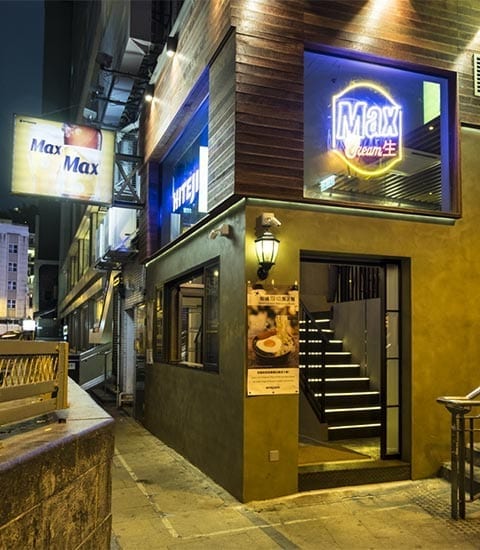
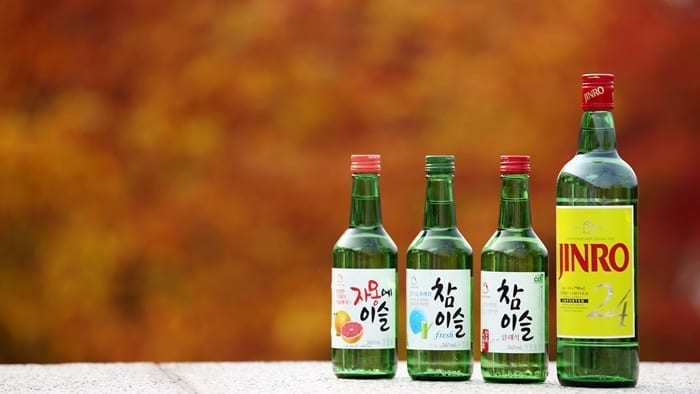
    South Korean liquor maker Hite Jinro has opened its second exclusive offshore bar, in Hong Kong, as part of its outreach campaign with its beer and soju labels.

    In Lan Kwai Fong, its bar is its second overseas flagship store following the opening of Jinro soju bar in Hanoi, Vietnam, in October. The two-storey Hong Kong pub sells draft and regular beer labels Hite and Max as well as the company’s distilled rice liquor soju Chamisul.

    Hite Jinro exported 400,000 boxes of beer – each containing 20 500ml bottles – to Hong Kong last year, up 30 per cent from a year ago.

  • Will Wearable Cards Gain Ground in Domestic Market?

    Will Wearable Cards Gain Ground in Domestic Market?

    All eyes are on whether “wearable credit cards,” which became a hit during the 2018 Winter Olympics in PyeongChang in South Korea, will be able to gain ground in the domestic market even after the closing ceremony of the Olympics. In the United Kingdom and Australia, the wearable card market is already being established.

    According to credit industry sources on March 20, Lotte Card Co. predicted earlier that 100,000 wearable payment devices for the 2018 PyeongChang Winter Olympics would be sold. However, more than 150,000 wearable payment devices have been sold as of the 18th of this month.

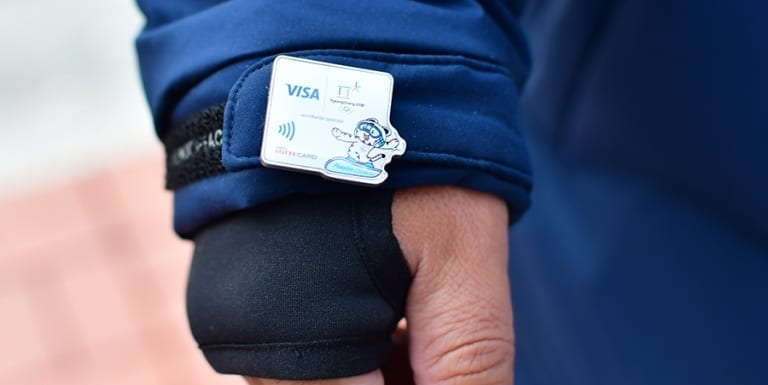
    Visa has developed three Near Field Communication (NFC)-enabled wearable payment products for the Winter Olympics: A commemorative sticker, a pair of gloves, and an Olympic pin in November last year. Visa teamed up with Lotte Card, the financial arm of the South Korean-based retail giant Lotte Department Store to produce these new pre-paid payment wearables. To use the devices, the wearer can tap or bring the wearable near any NFC-enabled terminal or reader and the secured microchip and antenna embedded within the device will allow a contactless payment to be completed.

    Credit card companies are paying attention to whether wearable credit cards will be able to sustain the momentum from the Winter Olympics and create the market in South Korea.

    Foreign major financial companies and payment and settlement companies have been already preparing for various types of payment services, including wearable credit cards, in order to dominate the future payment market in advance. U.K.-based Barclaycard joined hands with numerous accessory brands to develop NFC-enabled wearable payment products, such as bracelets, smartphone cases and keychains. Australia’s Bankwest also launched ‘Halo’, a ring that enables users to make ‘tap and go’ payments as an alternative to cash or a contactless card. The ring itself is water-resistant and does not need to be charged. In addition, The “Pay per Gaze” payment service using Google Glass also was released.

    However, there are big challenges for the wearable payment market due to no standards established for contactless payments and compatibility with other devices. In fact, some users had trouble making a payment during the Winter Olympics when they put their NFC-enabled commemorative sticker on the center or the upper side of their smartphones. This is because it conflicted with their smartphone’s NFC features.

    An official from the credit card industry said, “Commercialization of wearable credit cards is not too distant when we solve problems with technology verification and complementarities with wearable types of cards.”

  • Supermarket chains dominate offline shopping

    Supermarket chains dominate offline shopping

    Scale continues to play a major part in attracting shoppers both online and offline, a recent survey showed, with supermarket chains and large open market platforms coming top in consumers’ preferred retail outlets.

    According to a joint survey conducted by research firm Consumer Insight and Hanyang University’s retail research center, at least 80 percent of consumers said they went to supermarkets within the last month. The survey was conducted on some 15,000 Koreans from July 2017 to the end of January this year.

    Convenience stores came in second at 68 percent, followed by local grocery stores (55 percent), brand stores (45 percent) and traditional markets (39 percent).

    The report said 44 percent of the respondents said they generally tended to choose supermarket chains for offline shopping, while less than other offline shopping channels picked up shares of less than 10 percent each.

    “Some of respondents said they visit supermarket chains because it is well-located and easy to find. Some of them also cited familiarity as another reason, because its category of products and even interior provide similar ambience throughout all chains,” said Jung Kyung-sik who participated in the study.

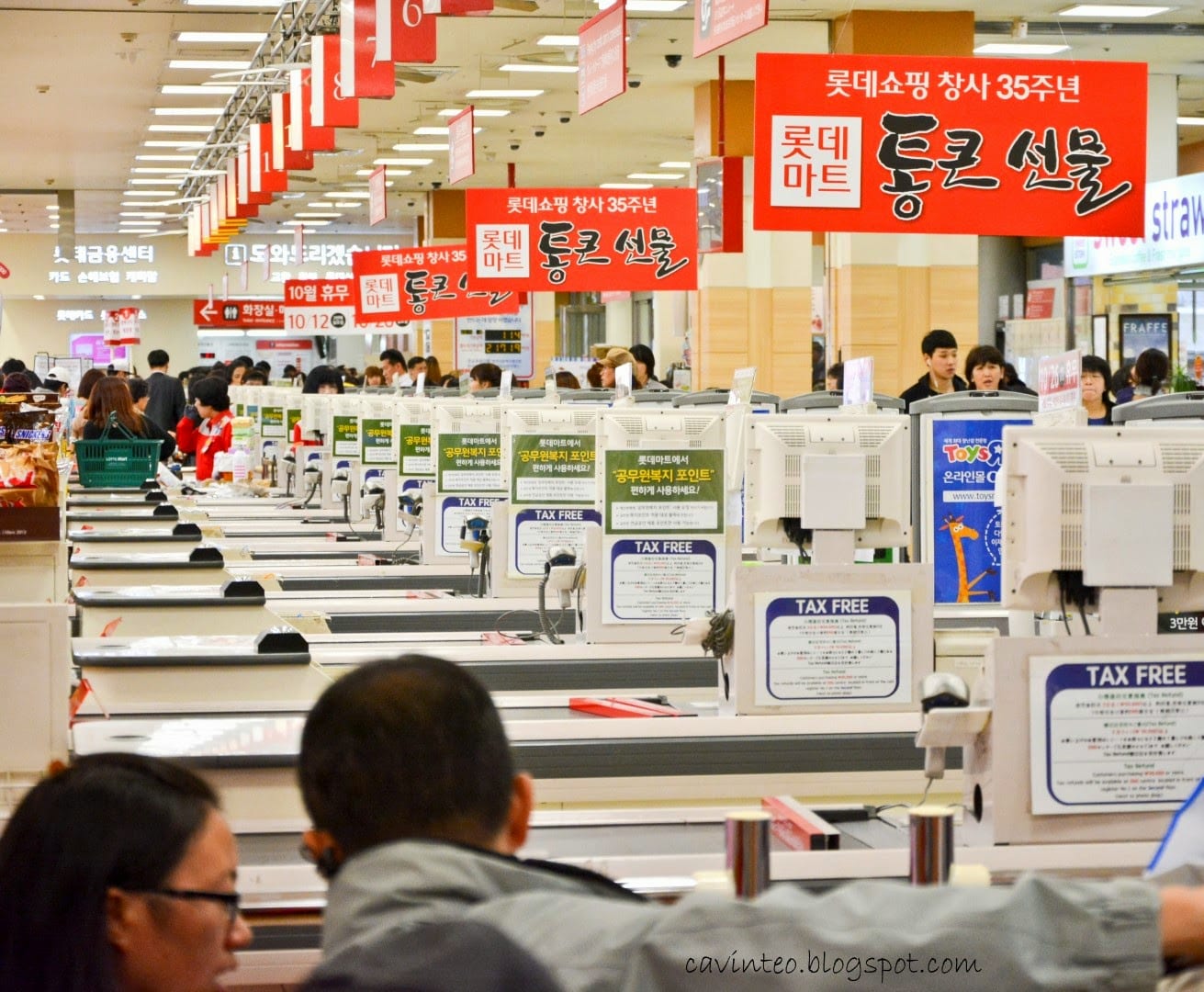
    E-mart, discount store chain under retail giant Shinsegae, currently operates 145 stores across the country, while Homeplus and Lotte Mart have 142 stores and 123 stores, respectively.

    In terms of customer loyalty, which the report calculated based on preference and actual use, supermarket chains topped the list at 55 percent, while department stores (17 percent) and midsize grocery stores (16 percent) operated by retail giants such as Shinsegae followed. Midsized grocery stores, also known locally as “super supermarkets,” are those between 1,000 and 3,000 square meters.

    “Supermarket chains are dominating offline shopping channels, while other shopping platforms such as local grocery stores, convenience stores and traditional markets are left as secondary options,” the report read.

    Meanwhile, among online shopping channels, customers used open markets the most, with 79 percent of shoppers having used one, followed by social commerce (51 percent), home shopping (35 percent) and individual retailers’ online sites (30 percent).

    Customer loyalty was the highest, again, for open markets at 64 percent, compared to other online shopping channels such as social commerce (35 percent) and online retailers (26 percent). Home shopping, duty-free stores and multiplex shopping malls showed low customer loyalty at 10 percent, 8 percent and 7 percent, respectively.

    “Competition in both offline and online retail industries is quite obvious, as supermarket chains are dominating offline shopping channels, while open markets are taking the lead in online shopping platforms. This structure is unlikely to change at the moment,” according to the report.

    “Only the aggressive and creative online marketing strategies from social commerce and retailers’ online sites can change the situation for online shopping channels.”
  • Amorepacific’s Etude House opens store in UAE, first in Middle East

    Amorepacific’s Etude House opens store in UAE, first in Middle East

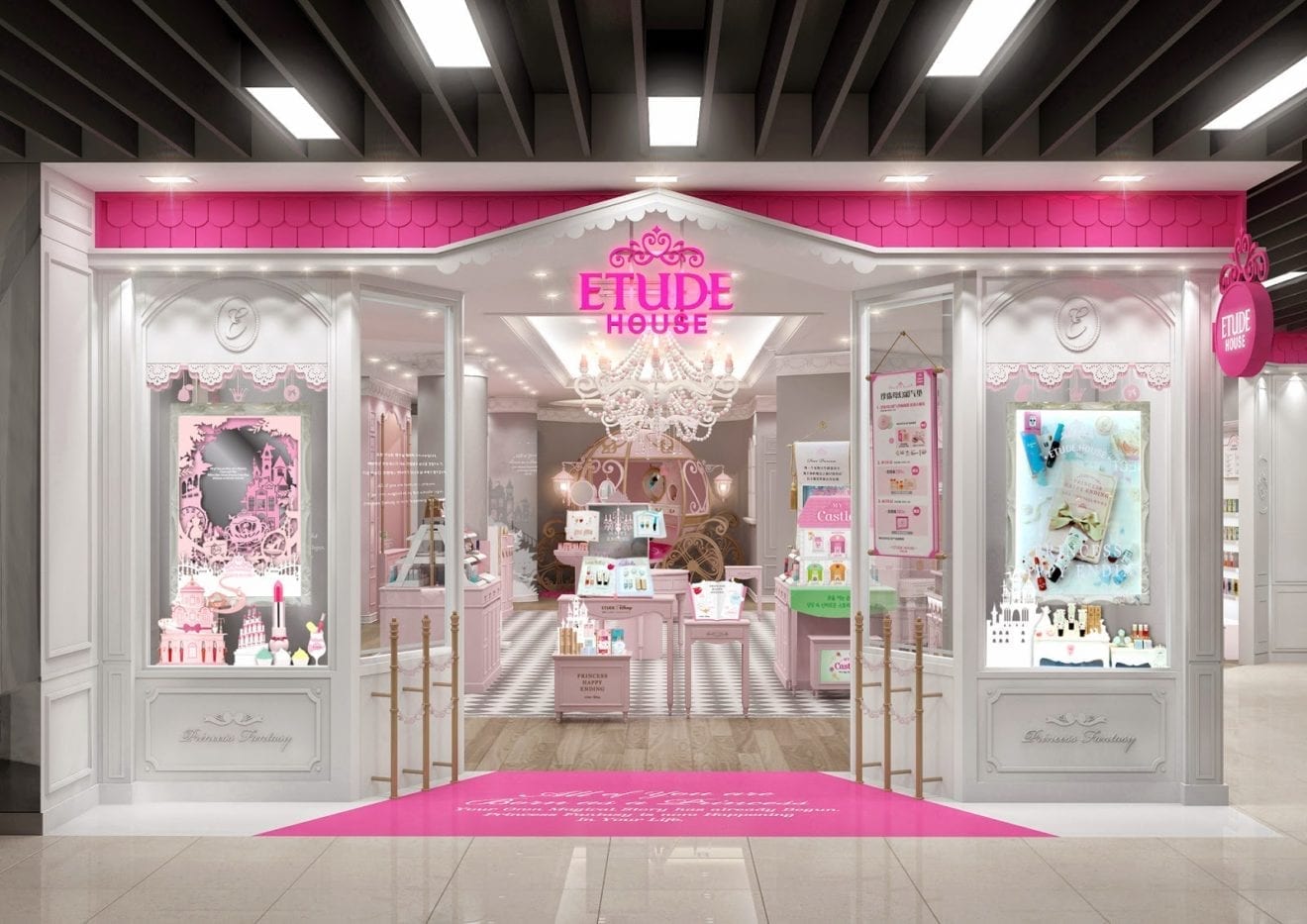
    Amorepacific-owned beauty brand Etude House has arrived in the Middle East with the first store opening in Dubai.

    The standalone store is located inside Dubai Mall, the world’s largest shopping centre, boasting 80 million visitors a year.

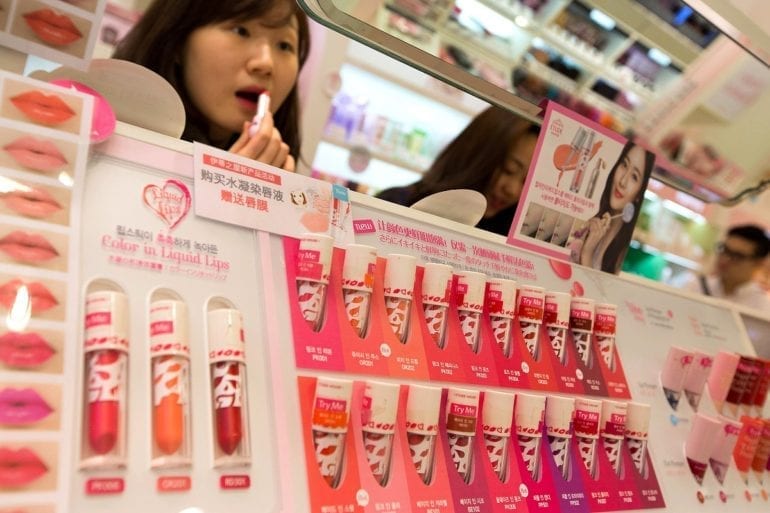
    All of Etude House’s best-selling products including Double Lasting Foundation, Dear My Blooming Lips and Real Powder Cushion are available at the store.

    For the Middle Eastern launch, Amorepacific said it studied makeup trends in the region for a long time to develop products tailored to locals.

    Etude House will open its first Kuwait store at the Avenues Mall on Thursday, followed by Saudi Arabia within the first half of this year.

    This year, Amorepacific has been boosting its international business. It has recently brought Mamonde to the US and Laneige to Australia.

    Its eco brand Innisfree also opened in Tokyo last Friday with a two-storey store.

  • ‘1000 Won Coffee’ Is Getting Much Popular In South Korea

    ‘1000 Won Coffee’ Is Getting Much Popular In South Korea

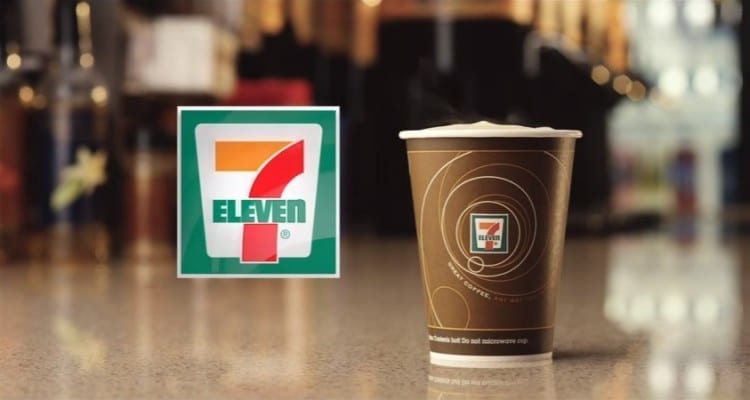
    The South Korean retail industry suggest that the popularity of “1,000 won coffee” is constantly growing. People are fond of it as it is brewed directly from the coffee machines and they get the opportunity to taste it while shopping at the convenience stores.

    The costs of basic necessities including foods are rising in South Korea, but to the coffee lovers, “1,000 won coffee” is always unique, delicious and worth drinking. According to 7-Eleven officials, instant brewed coffee was first introduced to the industry in 2015. Between 2015 and 2017, approximately 45 million cups of Americano from its brewed coffee brand Seven Café were sold (cost 1,000 won per cup).

    Another convenience store brand in South Korea managed by the GS CompanyGS 25 also sold approximately sold 64 million cups of instantly brewed coffee directly from the machines in 2017. In 2016, the number was at 23 million. On the other hand, South Korea’s largest chain store (having more than 10,000 convenience stores), CU sold instant brewed coffee (at the rate of 1,200 won per cup) over 60 million cups in 2017. In 2016 and 2015, CU’s figures were 45 million and 25 million respectively.

    Traditional banana-flavored milk replaced

    One of the 7-Eleven officials, Lee Na-ra said that the brewed coffee ranked first in 2017 beating the traditional banana-flavored milk that was on the top. The result was same in all the 7-Eleven stores across the nation. Presently, the brand not only has a major presence in the Republic of Korea, it has over 9,000 stores spreading across the nation. The first 7-Eleven was unveiled in 1989 in Songpa-gu in Seoul with a franchise license under the Lotte Group.

    The 7-Eleven Lee Na-ra further said that the brand only utilizes high-quality coffee beans that are imported from various nations such as Ethiopia, Brazil, and Columbia. The workers roast the coffee beans separately at the factory before making it ready for brewing and offering to the customers.

    Why office workers drink instant brewing coffee frequently?

    To the office workers, the instant brewing coffee acts as an energy booster. They tend to drink several cups of coffee every day. Another reason for drinking it frequently is that its price is quite cheap. An office worker named Kim Dong-in said that since the price is about one-third compared to coffeehouse chains like Starbucks, he prefers to drink it three to four cups a day.

  • Lotte to sell hypermarket chain in China

    Lotte China plans to wrap up the sales of its hypermarket chain in China within the next three months.

    Potential buyers have started to inspect the South Korean retail giant’s stores. While many have reviewed documents, Chinese retailer Liqun Group was the first to carry out on-site inspections of Lotte Mart’s Chinese stores.

    However, a Lotte Mart official says three or four other companies also also planning on-site inspections.

    He says Lotte’s aim is to complete the sales process by June, when about KW700 billion (US$653 million) of emergency funds it has injected into its Chinese retail business is expected to be run out.

    Lotte announced its decision to sell its Chinese stores in September after being hit by major losses in the wake of a diplomatic row between Seoul and Beijing over a US anti-missile system. The retailer bore the brunt of Beijing’s retaliation after signing a land-swap deal with the South Korean government to provide a golf course to host the missile shield system.

    Eighty-seven of its 99 Lotte Mart discount stores in China suspended trading, while sales at the few stores that managed to stay open tumbled more than 80 per cent. The group lost about KW1.2 trillion in lost sales in the process.

  • Dufry reports strong 2017 results from high growth in Asia

    Dufry reports strong 2017 results from high growth in Asia

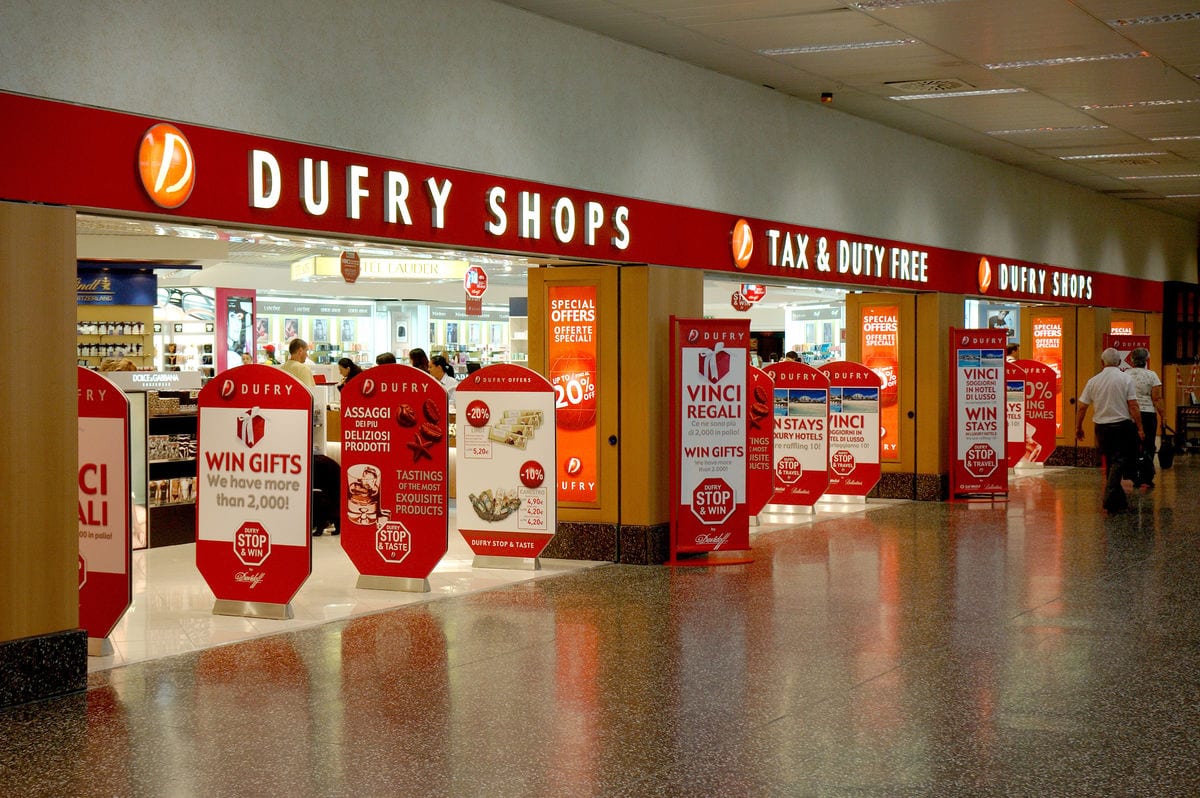
    Swiss travel retail operator Dufry says its sales in its Asia-Australia-Middle East division rose 5.4 per cent last year with most markets contributing to the improvement.

    Turnover was CHF809.1 million (US$849 million) last year, up from CHF770.7 million the previous year.

    The company said both its Hong Kong and Macau businesses recorded a comeback, with double-digit growth in the second half of the year.

    Sales grew in South Korea, despite reduced visitor numbers from Mainland China.

    “Other operations including Cambodia and Bali also performed well, while Melbourne recovered in the second semester, after the implementation of the New Generation Store and the comprehensive refurbishment undergone in the first half year,” the company said.

    Globally, Dufry achieved sales of CHF8.377 billion, up 7 per cent year on year, while profit exceeded CHF1 billion for the first time in the company’s history.

  • LG opens first premium brand shop in Kuwait

    LG opens first premium brand shop in Kuwait

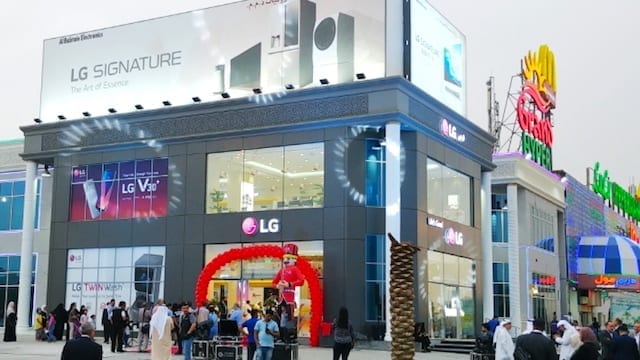
    LG Electronics has opened a premium home appliance store in Kuwait to retail its upmarket  Signature range of products.

    The two-storey store, located in Rozana Mall, features 433sqm of display space showcasing high-resolution televisions, and household appliances such as washing machines and refrigerators.

    LG Electronics has a growing commitment to the Middle Eastern market where a large number of middle class and wealthy consumers crave expensive gadgets, appliances and motor vehicles. It already has stores in the UAE, Saudi Arabia, Jordan, Lebanon, Egypt and Iran. More stores are planned in the region.

  • Shinsegae to sell Scotland’s Glenmuir clothing

    Shinsegae to sell Scotland’s Glenmuir clothing

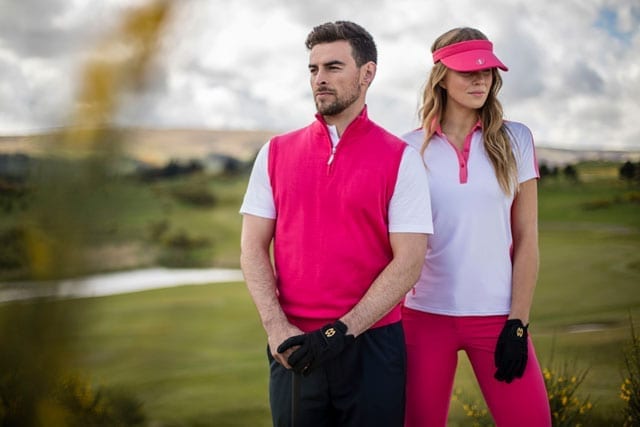
    Scottish golfwear brand Glenmuir has opened its first Korea pop-up store in Gangnam.

    Located in Shinsegae Department Store, the short-term store offers the company’s Spring/Summer 2018 collection.

    Glenmuir plans to open a permanent shop inside Shinsegae Department Store in the near future.

    “We are excited to bring Glenmuir to customers in Korea through our pop-up store in Shinsegae Gangnam,” said Seonghun Park, of Glenmuir Korea.

    The pop-up will close on March 29.

    Glenmuir items are currently sold at SK Pinx golf club on Jeju Island, and on Shinsegae’s online store.

    Founded in 1891 in Lanark, the brand is sold in luxury golf resorts in more than 30 countries, including Australia, Belgium, France, Germany, Japan, Sweden, Switzerland, and Russia.

  • It’s Hanbul to open It’s Skin pop-up stores in Japan

    It’s Hanbul to open It’s Skin pop-up stores in Japan

    Korea’s It’s Hanbul Cosmetics plans to expand into Japan by partnering with a local retailer.

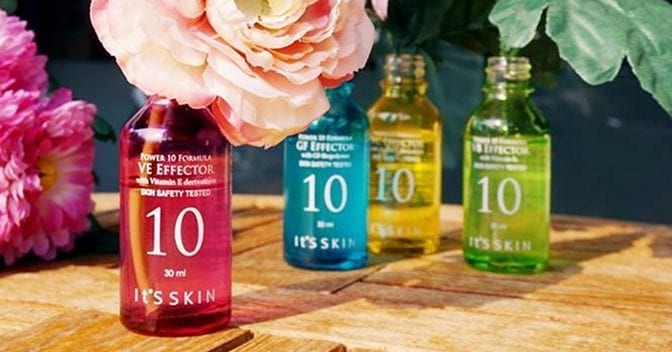
    The company has brought its flagship brand It’s Skin to Japan via two pop-up stores inside ‘Niko and…’ stores in Tokyo and Funabashi, and plans to open eight more this year.

    About 500 items from the It’s Skin range will be sold via Niko and… stores including some developed exclusively for the Japanese market.

    Via the pop-ups, It’s Hanbul expects to boost its brand awareness in Japan before expanding into the local market through the partnership with a local lifestyle company.

    It’s Hanbul manages 53 stores in Canada, Hong Kong, Kazakhstan, Mongolia, Thailand, Russia, the US and online in China.

  • NeNe Chicken Malaysia opens second store at The Starling Mall

    NeNe Chicken Malaysia opens second store at The Starling Mall

    Fast-food chain NeNe Chicken Malaysia has opened its second outlet, in Petaling Jaya.

    Located at The Starling Mall, the new restaurant can accommodate 120 customers with an outdoor seating area.

    NeNe Chicken Malaysia MD Raymond Wong said the chain would focus on expanding its menu and locations in upcoming years.

    The chain opened its first outlet two months ago at Genting Highlands.

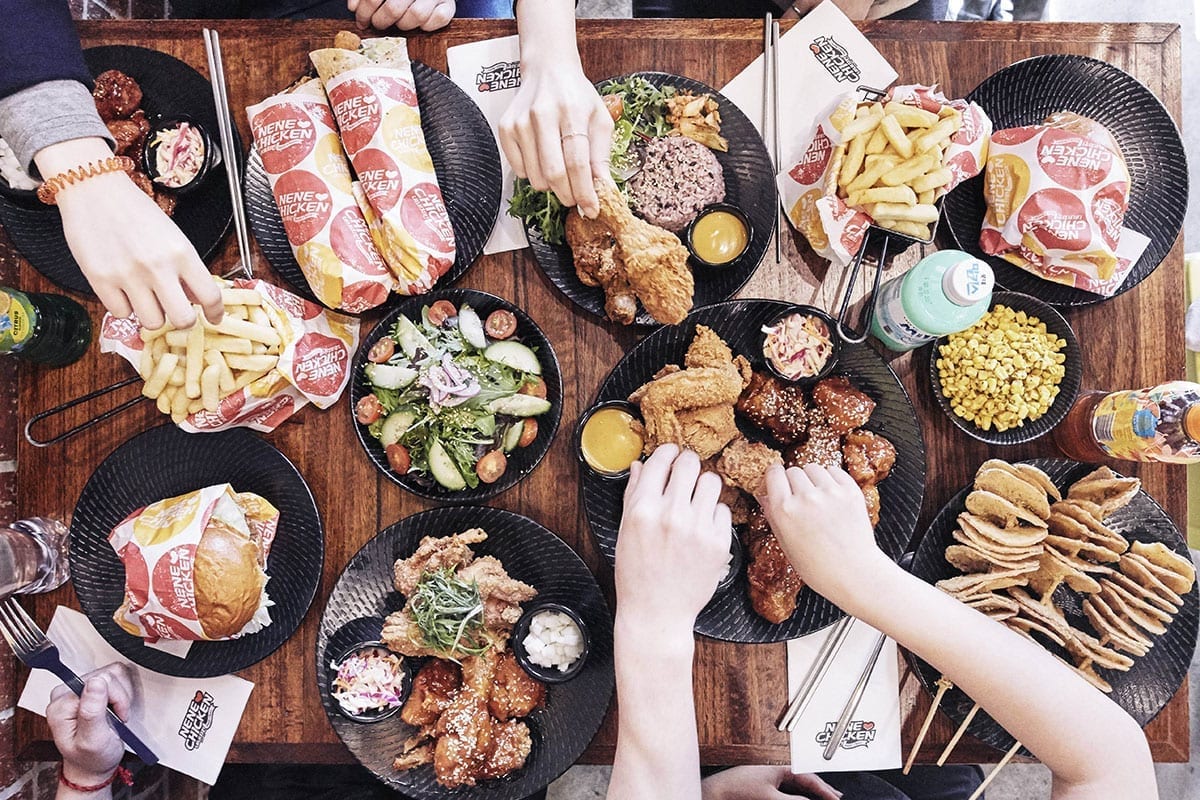
    NeNe Chicken is known for its signature flavours such as Bulgogi, Freaking Hot and Spicy Fried Chicken.

    The chain also aims to open in East Malaysia by the end of this year.

    Established in 1999 in Korea, NeNe Chicken currently has stores in Australia, Hong Kong, and Singapore.

  • German automakers gain ground in South Korea, outselling GM for first time

    German automakers gain ground in South Korea, outselling GM for first time

    Mercedes and BMW both sold more cars in South Korea than General Motors for the first time last month, helped by the growing popularity of German premium brands and as consumers shied away from GM after it announced a major restructuring.

    While home-grown automakers Hyundai Motor and Kia Motors Corp dominate the local market, high-end German vehicles have made inroads in recent years with more diverse offerings for brand-conscious consumers.

    BMW saw the biggest jump with February sales nearly doubling to 6,118 vehicles, industry data showed. That was just a tad behind Mercedes which led the imported car rankings with 6,192 cars, up 12 percent from the same period a year earlier.

    South Korea last year became the sixth biggest market for Mercedes, climbing from eighth place.

    GM’s announcement last month that it plans to shut down of one of its four factories in South Korea and was weighing the fate of the three other plants resulted in domestic retail sales nearly halving in February to 5,804.

    With consumers worried about loss of after-care services and residual value, GM lost its long-held spot as South Korea’s No. 3 automaker, slipping to sixth place.

    The U.S automaker, whose South Korean operations are primarily geared toward exports, is seeking financial aid from Seoul as well as concessions on wages and benefits from its local union to stay operating in the country.

    Talks with the labor union on Wednesday failed to produce concrete results although some 2,500 workers have applied for voluntary redundancy package.

    “We hope to wrap up talks with the labor union and the government swiftly,” a GM Korea spokesman said.

    “A drawn-out restructuring will hurt consumer trust,” he added.

  • E-business of Giordano International looks good

    E-business of Giordano International looks good

    E-business last year was particularly strong for apparel retailer Giordano International.

    Overall, consolidated sales reached HK$5.4 billion, up 5.2 per cent. Group comparable-store sales and comparable-store gross profit rose  by 5.2 and 5 per cent respectively.

    Consolidated gross margin edged up by 0.1 points to 59.5 per cent.

    Profit after income taxes attributable to shareholders of the company was $500 million,
    an increase of 15.2 per cent over 2016.

    Operating profit rose by 21.3 per cent, with most regions having double-digit growth, particularly Southeast Asia, Mainland China and Taiwan. The group’s business in Vietnam was acquired on July 1.

    With an improved merchandise assortment, Indonesia and Malaysia delivered good results.

    Operating profit increased by 18.6 and 26 per cent for Indonesia and Malaysia respectively. In Singapore, operating profit increased by 31.2 per cent, attributable mainly to the gross margin improving by 1.7 points to 63.7 per cent.

    Unusually strong sales from Thailand in 2016 resulted in an unfavourable year-on-year comparison. Operating profit declined by 20.1 per cent in local currency terms.

    A surge in net profit for South Korea – a 48.5 per cent JV under an independent management team – resulted from better cost control, closure of non-performing stores and enhancement in gross margin.

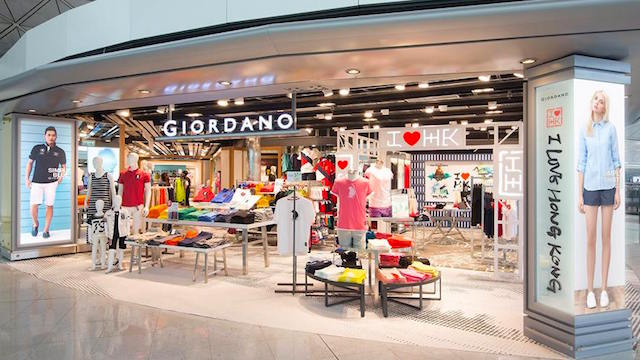
    Giordano had a network of 2414 stores at the end of December, of which 1268 were standalone outlets. Most stores were in Greater China, South Korea, Southeast Asia and the Middle East.

    Meanwhile, the group’s e-business is directly managed and derived mainly from third-party platforms as well as its own proprietary website in Greater China. This channel generated $310 million in revenue at a 31.4 per cent growth rate.

    Accounting for 93.2 per cent of the group’s e-business sales, Mainland China continued its momentum and recorded a 28.2 per cent increase in sales on various platforms combined.

    Giordano’s e-business in Taiwan was revamped during the year to become its second-largest online presence.

  • Fintech firms can soon offer currency-exchange services

    Fintech firms can soon offer currency-exchange services

    Non-bank institutions will be allowed to directly engage in currency exchange business starting next month as part of a broader deregulation drive to promote the local financial technology sector, the finance ministry said Tuesday.

    Under revised regulations on currency exchange, a qualified fintech firm will be able to offer a currency exchange service of up to $2,000 per person through their online platforms.

    Such fintech firms are required to make a reserve against potential claims from customers and set up a technical safety system, the ministry said.

    In 2016, a total of $5.26 billion was traded in currency exchanges.

    The government has been lifting regulations on foreign currency trading as part of a general effort to reduce the administrative regulations that have been cited for holding up market growth.