Tag: Korea

  • Blockchain experts imagine a new economy

    Blockchain experts imagine a new economy

    Tech-savvy Koreans in their 20s and 30s are increasingly turning to blockchain to bypass the privacy and financial restrictions they regularly encounter online.

    International blockchain pioneers now frequent the country to give presentations at conferences in Seoul.

    “Every time I come to Korea, I can sense there are more developers leaping into the world of blockchain,” remarked Loi Luu, CEO of Singaporean-based cryptocurrency exchange Kyber Network, who hosted one such seminar in Gangnam district on Jan. 20.

    “Sharing security information through collective intelligence and rewarding these activities with coins in a blockchain ecosystem is more efficient in facing digital security threats,” said Patrick Kim, co-founder of the Uppsala Foundation. Kim, who previously worked for a British security tech company, launched the start-up in Singapore to develop a security solution for cryptocurrency assets.

    Besides attending conferences, programmers interested in blockchain also try to form lasting connections with each other by participating in common-interest groups and researching the new technology together. Yonsei University engineering students got in the game early in February, when they formed YBL, or Yonsei Blockchain Lab.

    “Research [on blockchain] among university students is active in the United States and China, but we are just beginning now,” explained the group’s founder Lee Hyun-jae, a 23-year-old sophomore majoring in electrical engineering. “We plan to debate the future of blockchain by meeting up with world-famous founders of blockchain companies who visit Seoul.”

    Blockchain enthusiasts argue that blockchain-based cryptocurrencies are the way to overcome the limits of the digital economy. These young advocates bemoan how the openness that characterized the early Internet age is now gone, replaced by closed markets of information and technology monopolization by tech giants like Google, Facebook and Amazon.

    “Google and Naver have become so big that they monopolize each country’s market,” said CEO Charles Pyo of Chain Partners, a blockchain company builder that nurtures new start-ups. Pyo is skeptical of the current digital economy where institutional middlemen like banks and portals pocket large service charges.

    “There is a saying that even smart people become fools once they enter Google,” said Uppsala co-founder Park Hae-min. “A blockchain system where individuals are rewarded with cryptocurrency or crypto assets for their skills will last longer than the current digital economy.”

    They are counting on blockchain to succeed shareholder capitalism as the leading model of investment.

    “The current model does not reward consumers who used a business’ products and services in their early days,” explained Kim Seo-joon, who founded the blockchain investment fund Hashed last year. “The lives of Uber taxi drivers remain the same even if the value of Uber reaches trillions of won. Also, not a single CD is given to fans who cheered a K-pop singer in his or her obscurity, with most of the profits going to entertainment agencies.”

    He continued, “A fair model is one which gives early adopters the opportunity to become shareholders and rewards them for demonstrating confidence in new products.”

    Initial Coin Offerings, or ICOs, are the new form of fund procurement that aims to achieve just this.

    New cryptocurrency ventures use ICOs to raise capital by issuing their own coins instead of issuing stocks or obtaining seed money.

    ICOs are regarded as a refreshing method of crowdsourcing where companies can get financed by anyone in the world, as opposed to conventional forms of fund procurement which requires conducting protracted negotiations and giving up large shares to venture capitalists.

    To the frustration of Korean blockchain supporters, ICOs have been technically banned in Korea since September 2017, when the country’s Financial Services Commission prohibited all forms of blockchain funding “regardless of their technical terminology.” While the practice is not outlawed in the United States, some states heavily regulate the process by requiring ICO issuers to register with the Securities and Exchange Commission.

    To date, hundreds of millions of dollars have been procured through ICOs worldwide, showing great potential. Protocol Labs, an American blockchain company, put their self-developed cryptocurrency Filecoin up for sale and amassed $257 million last year, the most funds procured by a company via an IOC in 2017. Protocol Labs is pushing for a decentralized storage network project that allows users to trade leftover storage on their personal computers for legal tender or cryptocurrency.

    “Young people who don’t want to rely on the good will of data-monopolizing IT giants and the impartiality of the government as the middleman sympathize with blockchain,” explained Choi Bae-geun, an economics professor at Konkuk University.

    As ICOs gain more publicity, scams are on the rise as well. Tech-savvy swindlers only have to make websites to lure investors to fund their fictional projects, promising them that the coins and tokens they issue will jump in value a couple of months later.

    Given the high risks and potential of ICOs, industry experts are pushing for their legalization. Don Tapscott, the best-selling Canadian author of “Blockchain Revolution” and “Wikinomics,” visited Seoul for a blockchain conference at the start of the year.

    “ICOs are a great way to procure funds for start-ups,” Tapscott told the audience in Korea. “Though some ICOs may be scams and fail, companies that receive investments from venture capitalists can also fail.”

    Some critics are still concerned about ICOs given the volatility of cryptocurrencies. “If the value of funds amassed through ICOs fluctuate wildly,” assessed Kim Young-sik, an economics professor at Seoul National University, “it may not be a sustainable way of raising funds.”

  • Korea decides to partially support cryptocurrencies

    Korea decides to partially support cryptocurrencies

    Korea’s financial regulator said Tuesday the government will support “normal transactions” of cryptocurrencies, about three weeks after it banned their trading through anonymous bank accounts.

    The remarks by Choe Heung-sik, governor of the Financial Supervisory Service, were seen as being in stark contrast to the government’s previous stance that it could consider shutting down local virtual currency exchanges.

    Korea launched a real-name trading system for cryptocurrency transactions Jan. 30 to prevent virtual coins from being used for money laundering and other crimes.

    The system was also the government’s latest measures to curb speculative investment in virtual coins.

    Choe recently held a meeting with representatives from cryptocurrency exchanges during which he said the government “will support [cryptocurrency trading] if normal transactions are made.”

    Currently, local banks have been reportedly reluctant to open virtual accounts for cryptocurrency trading amid the government’s crackdown.

    Choe said the government will “encourage” banks to make transactions with cryptocurrency exchanges.

    Despite a boom in cryptocurrency transactions, the exchanges go largely unregulated in Korea as they are not recognized as financial products, with the country having no rules for protecting virtual currency investors.

  • Food prices escalating after minimum wage hike in South Korea

    Food prices escalating after minimum wage hike in South Korea

    The cost of food and basic necessities in South Korea is continuing to rise, after the government decided to raise the minimum wage in January by the largest annual increase in 17 years.

    Scores of food and beverage establishments have raised prices due higher costs for labor and ingredients.

    A franchise specializing in grilled pork and a Chinese restaurant chain raised prices by at least a dollar. A bowl of soybean paste noodles costing around $4 is now priced at $5.

    Fast food restaurants including McDonalds, KFC, Burger King and Lotteria all adjusted their prices between one to eight percent after the minimum wage hike, as did major bakeries and coffee shops.

    Prices of groceries and basic necessities are also on the rise, particularly in convenience stores which employ part-time workers on minimum wage.

    Rice balls, sandwiches and ready meals have recently become up to 10 percent more expensive as have rice, fizzy drinks, as well as canned and frozen foods.

    One convenience store chain even raised prices for its own brand products including wooden chopsticks, paper cups and hair ties.

    “We decided to raise our prices following the continuous requests of our small-and-medium enterprise partners,” GS retail said.

    Prices will likely continue to rise until next year for across a broad spectrum of industries — not just the food and retail sectors, according to market observers.


  • Popular K-beauty Brand, Mamonde Arrives in US

    Popular K-beauty Brand, Mamonde Arrives in US

    South Korean beauty brand Mamonde has expanded into the US via the Ulta retail chain.

    This marks the brand’s first foray outside its home market and the company expects the exclusive retail partnership to be the first step of a broader international foray.

    “We’re delighted to be the exclusive US brick and mortar retailer for Mamonde, with many additional items especially developed for Ulta Beauty,” said Penny Coy, Ulta VP of merchandising, prestige skincare and fragrance.

    The new Mamonde K-beauty skincare collection ranges in price from US$7 to US$38, and is available in select Ulta stores nationwide from this week.

    The complete collection is also available online at Ulta.com.

    Owned by AmorePacific, Mamonde features a full range of nature-inspired, made from flowers cultivated in the Mamonde Garden just outside of Seoul, South Korea.

  • Bithumb Founder and Former CEO Daesik Kim Returns to Disrupt the Payment Industry

    Bithumb Founder and Former CEO Daesik Kim Returns to Disrupt the Payment Industry

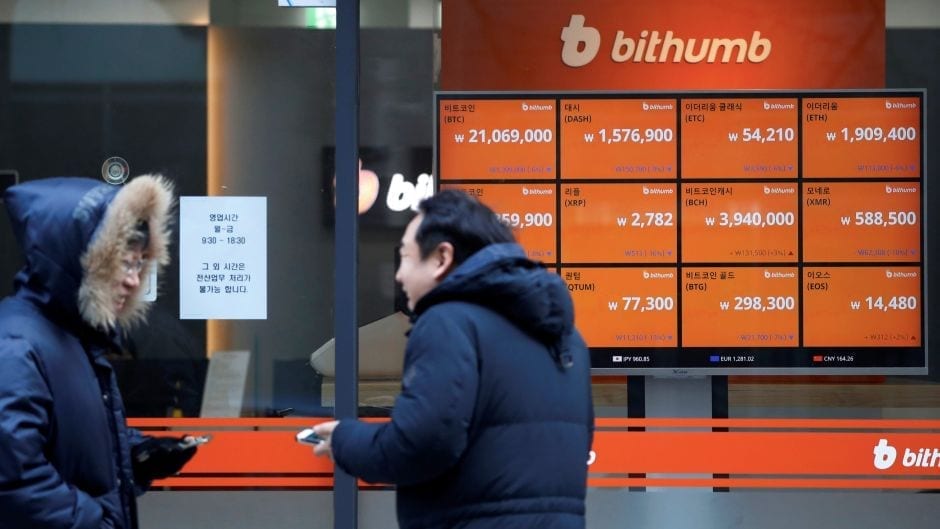
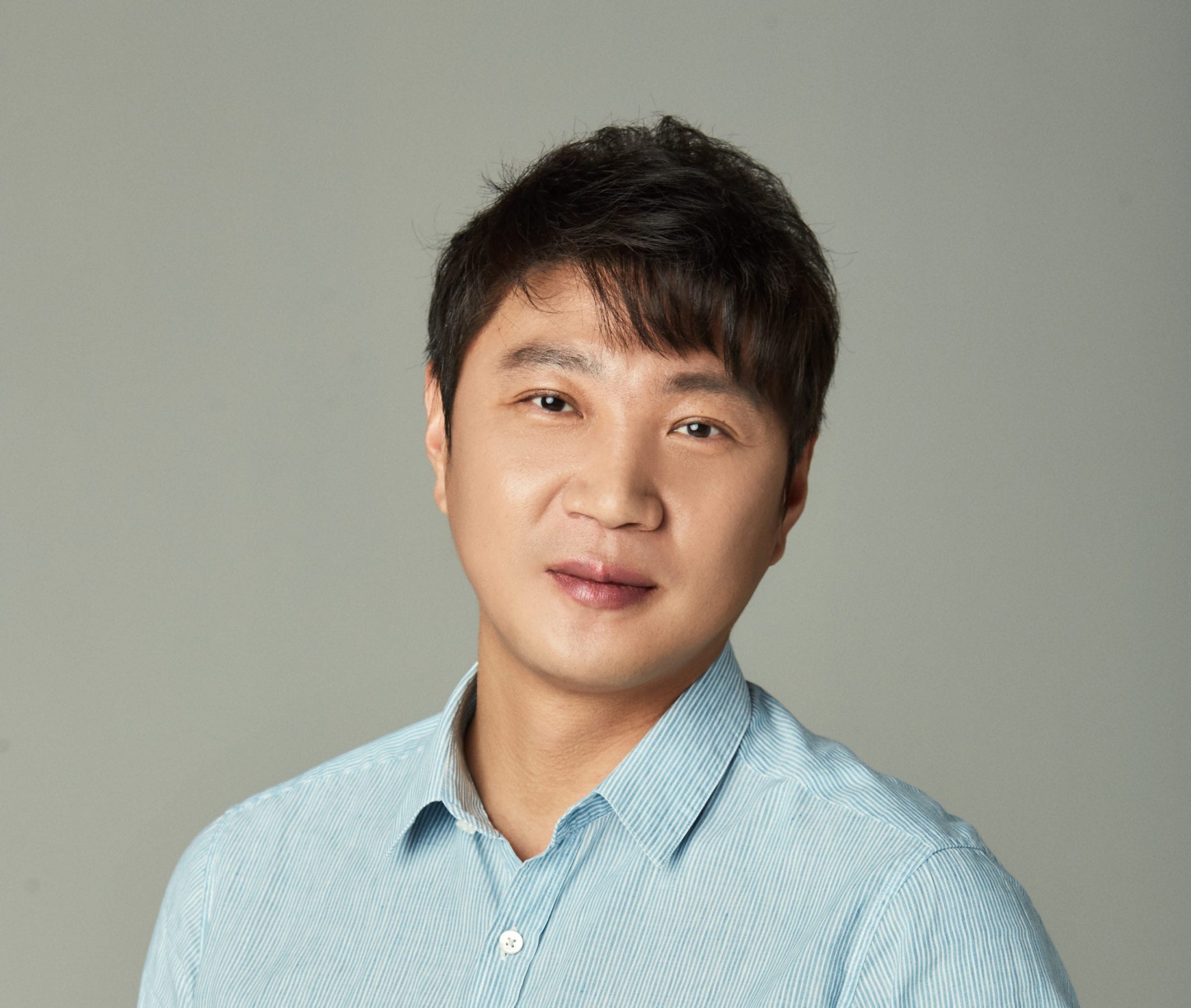
    Daesik Kim, the founder and former CEO of Bithumb—the world’s largest cryptocurrency exchange—is returning to the payments industry as the Chief Cryptocurrency Officer of Bezant, a payment protocol and cryptocurrency for the digital entertainment and e-commerce sectors.

    Bezant has already raised US$6.28 million in its private token sale, and is targeting a total ICO of US$40 million. Kim, who oversaw the day-to-day operations of Bithumb, including an all-time high daily trading volume of over US$6 billion (as of January 13, 2018), will drive business, product, strategy, and partnerships at Bezant.

    Kim, COO of Bezant, said, “Digital entertainment and ecommerce are expanding faster in emerging markets such as Southeast Asia, more so than in the US and China over the next four years. Developed markets are dominated by a few incumbents that charge high commission fees, offering limited payment options, which are plagued by high exchange fees, bank charges, and payment delays.”

    Bezant utilizes a private blockchain network which enables fluid payments and makes microtransactions secure, reliable, transparent, and cost-efficient. This protocol avoids the common problems associated with cryptocurrencies leading to higher fees and slower transaction speeds.

    “With 600 million people in Southeast Asia, a large majority of which are unbanked, Bezant aims to disrupt digital payments and content distribution by applying blockchain and cryptocurrency to eliminate these barriers for buyers and sellers. Bezant’s protocol will minimize transaction fees, provide a decentralised rewards mechanism for sellers to build customer loyalty, establish a transparent rating system on sellers, and enable customers to make borderless payments using their local method,” Kim added.

    Bezant features an experienced development team with product and software engineers from well-known companies such as Ebay, Naver, and Kakao Corp. Bezant has also attracted high-profile advisors and global business development leaders who bring their expertise from the cryptocurrency, payments, digital content, and finance industries to the company.

  • The Biggest MUJI Flagship Store in Korea Opens

    The Biggest MUJI Flagship Store in Korea Opens

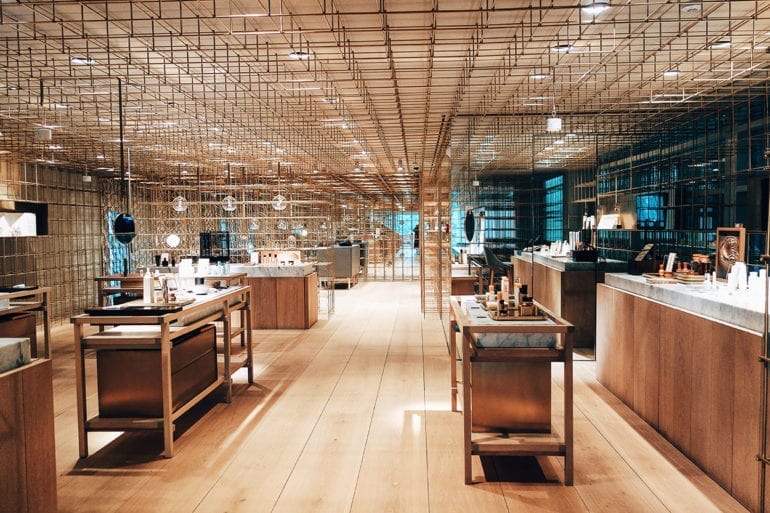
    Muji Korea has opened its largest store in Seoul’s Seodaemun district.

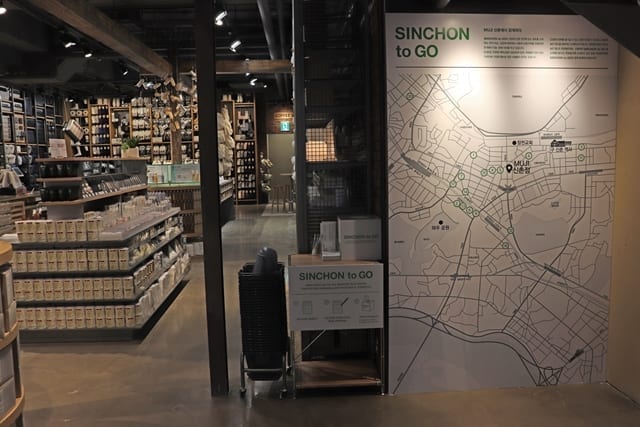
    Called Muji Sinchon, the five-storey store offers new items and services, including Open Muji, Sinchon to Go, a cafe and a books department.

    On first floor, Sinchon to Go shares information of Sinchon area and recommends famous places and shops, which aims to connect tourists and Sinchon area.

    Bathroom and aroma goods are displayed in a Health and Beauty section while travel goods and backpacks are available in Muji to Go area.

    There is also a coffee outlet on that floor.

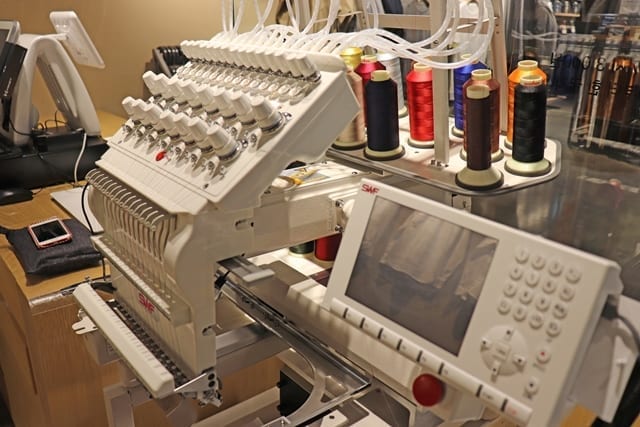
    One level up, customers can experience a custom embroidery service, having words or motifs applied to purchases.

    Apparels and accessories are displayed in women and men categories in Muji Labo.

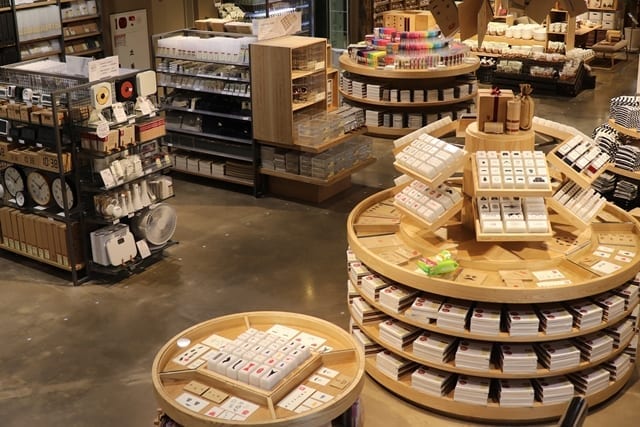
    On third floor, Muji Yourself offers stationery products as well as the Muji signature Stamp It! service, which allows customers to create their own stamps and notebooks.

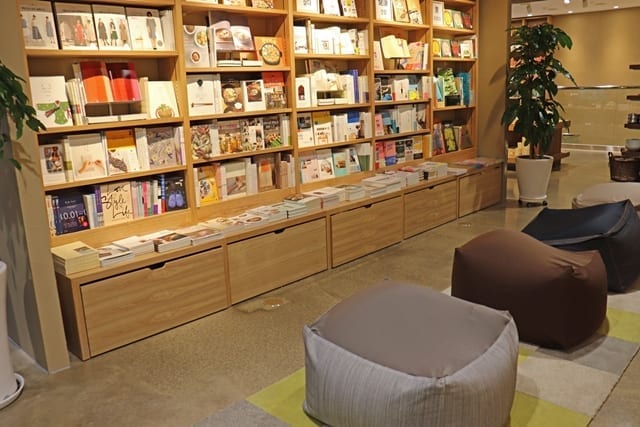
    Books are sold for the first time at Muji Korea on the fourth floor.

    The fifth floor is mainly for communications with a multi-purpose hall suitable for conferences, events, lectures, and workshops.

  • Korea Investment buys 99-yr leasehold of Brussels buildings for $454 mn

    Korea Investment buys 99-yr leasehold of Brussels buildings for $454 mn

    180303-%eb%b2%a8%ea%b8%b0%ec%97%90-egmont-iii

    Korea Investment Management Co. has obtained a 99-year leasehold for €370 million ($454 million) of two buildings in Brussels used as the headquarters of Belgium’s foreign ministry, in the largest property investment by a South Korean investor in the European country.

    The asset manager, a sister company of brokerage Korea Investment & Securities Co. Ltd., will raise €164 million from retail investors in March through public and private funds to finance the deal, the company said in a regulatory filing on Feb. 27.

    For the remainder of the acquisition cost, it plans to borrow €230 million, about 60% of the property’s assessed value, in a three-year loan at a fixed rate of 1.18% per annum. The total financing includes advisory fees and other transaction costs.

    Belgium’s large real estate assets are luring South Korean investors with relatively higher returns. Their annual returns amount to 7-8%, or 2-3% points higher than those of properties in other gateway cities in Europe.

    Korea Investment, part of Korea Investment Holdings Co. Ltd., acquired the leasehold of Egmont I and Egmont II from Cofinimmo, Belgium’s second-biggest listed real estate investment trust company. They were built in 1997 and 2007, respectively.

    It expects to earn annual returns of 6-7% for a five-year investment period.

    Major tenants are Federal Ministry of Foreign Affairs and Foreign Trade and Development Cooperation.

    The two buildings are under a lease agreement with Belgium’s Government Buildings Agency (GBA) which will last until the end of May 2031.

    They have a rentable space of 70,238 square meters and are located in the central business district of Brussels where Belgium’s central bank, stock exchange and supreme court are based.

    The seven-story buildings, valued at €388 million as at end-December 2017 by Savills, generate €13 million in annual rental income which will increase in line with consumer inflation.

    Brussels’ commercial property market quadrupled to €4 billion in value between 2009 and 2016, driven by demand as an alternative to London as a European head office and rent increases.

    Last year, Hanwha Investment & Securities Co. Ltd. acquired Square de Meeus 8, a 11-story office building in Brussels, in a consortium for €210 million.

    The Public Officials Benefit Association, a South Korean retirement savings fund, bought an office complex in Brussels, Brederode, for $120 million via a separately managed account in 2017.

    In early 2016, Korea Investment & Securities and a small-sized domestic asset manager made a joint acquisition of Astro Tower in northeast of Brussels for 230 billion won and resold the interests later to other domestic institutional investors.

  • South Korean cosmetics to seduce Europe

    South Korean cosmetics to seduce Europe

    South Korean cosmetics brands, wildly successful at home and across Asia, now have their eye on the European beauty market where their penetration is, for now, only skin-deep.

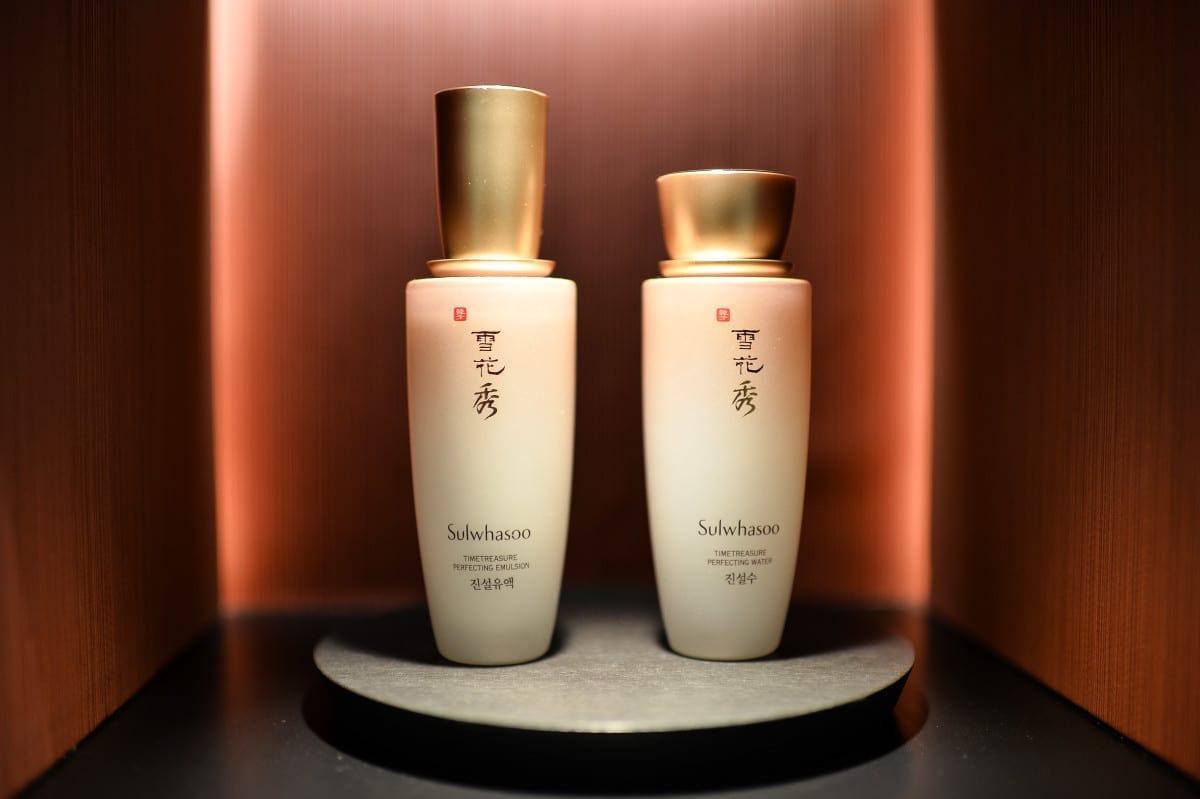
    Picking luxury goods powerhouse France as its bridgehead to seduce European consumers, South Korea’s leading cosmetics firm Amore Pacific launched its top brand Sulwhasoo at the upmarket Galeries Lafayette department store a few months ago.

    Britain is the next planned stop for Amore next year, when the company also plans to launch its other flagship brand, Laneige.

    The Korean industry has a solid reputation for innovation and a particular knack for blending natural far eastern ingredients – such as green tea, ginseng root or even snail slime – into beauty products.

    Hallyu, the “Korean Wave” of pop culture sweeping Asia since the 1990s, has given cosmetics sales a big lift, with young fans wanting to make up just like their K-Drama or K-Pop idols, or even become K-Beauty ambassadors for big brands.

    Amore Pacific, which had sales of around US$5.6 billion last year, is still heavily reliant on its domestic market, which accounts for two-thirds of its revenues.

    Its European and North American operations pale by comparison, generating combined sales of less than US$100 million.

    “The company’s aim today is to widen its geographical presence beyond Asia,” Thierry Maman, head of Amore Pacific Europe, told AFP.

    Tensions with Chinese clients after South Korea allowed the United States to install a missile shield added urgency to the group’s ongoing drive towards “globalisation”, said Maman, who was a manager at French luxury conglomerate LVMH before joining Amore.

    One of the challenges for European expansion is that the Korean Wave of pop culture has not really taken off there.

    The Hallyu association can even be a bit of a drawback, says Laura Koeppler, who co-manages the Korean Smooch online store which sells avant-garde cosmetics made in Seoul to European customers.

    Koeppler said early Korean cosmetics imports to Europe rode a wave of enthusiasm for Kawai, meaning “cute” in Japanese, including TonyMoly and Skin79 which makes face masks in the shape of a panda.

    “Consumers thought that that is what South Korea is about,” she told AFP.

    Koeppler said that, actually “there is real skill” in K-Beauty, which has come up with game-changing products such as BB creams, good at covering imperfections, CC Creams, which improve complexion, and so-called “cushions”, which blend skincare and make-up ingredients into a single product.

    Merging traditional Asian ingredients with ultra-high tech components is another hallmark of Korean cosmetics making.

    South Korean beauty and skincare require different “application rituals” than those Europeans are used to, said Thierry Maman.

    “There is a need for guidance” for European consumers wanting to work Korean products into their routine.

    “The priority for western brands is the effectiveness and the quantity of active ingredients that they manage to incorporate” in a beauty product, he said.

    But in Asia “the smell, the touch and the pleasure that a cream brings” are just as important, according to Maman.

    A number of Western beauty companies have copied South Korean cosmetics inventions, industry experts say.

    But sometimes they simply buy into local companies for fast Asian market exposure, such as when Unilever picked up South Korea’s Carver, LVMH bought a stake in CLIO Cosmetics and Estee Lauder invested in Dr. Jar+ and DTRT.

    These acquisitions “show that western beauty giants acknowledge K-Beauty players as a fast and effective instrument to capture China and emerging Asian markets. Private equity firms will continue to drive such deals, attracting the appetite of western beauty giants”, said Sunny Um, Asian beauty sector analyst at the Euromonitor research firm.

    L’Oreal, the world’s biggest beauty products company, could be next on the takeover trail.

    “We are looking at all acquisition opportunities in South Korea,” L’Oreal’s chief executive, Jean-Paul Agon, said recently.

  • 3.1 Phillip Lim opens new stores in Seoul

    3.1 Phillip Lim opens new stores in Seoul

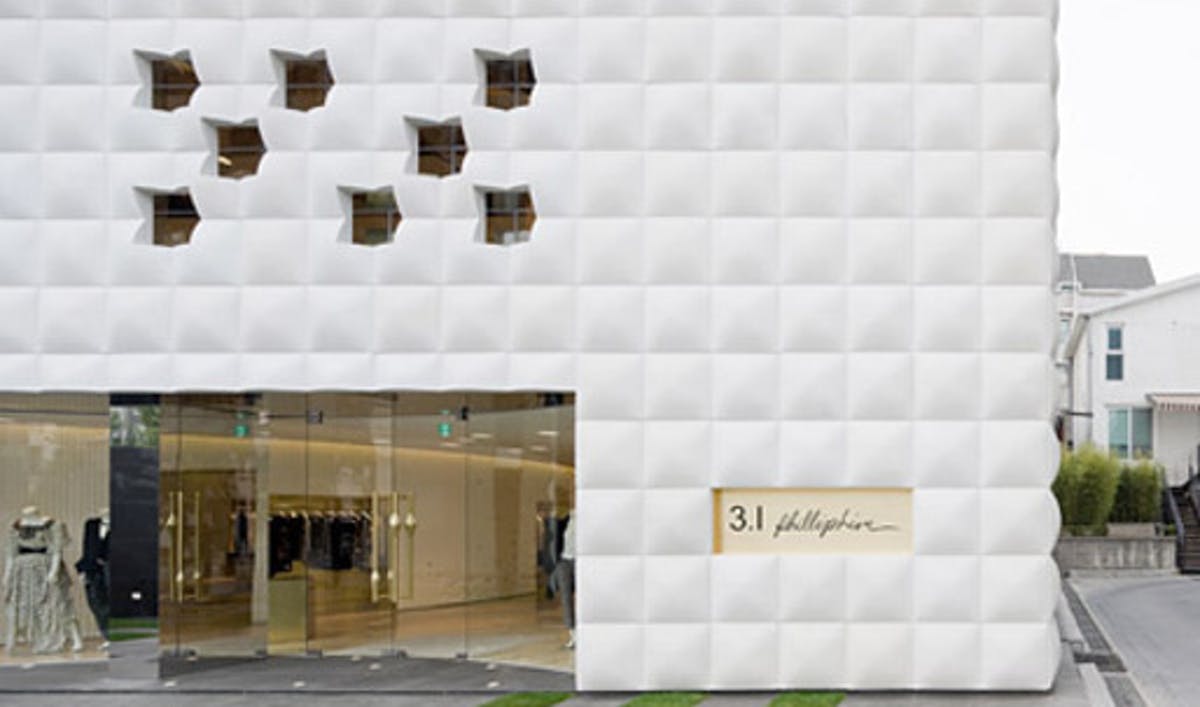
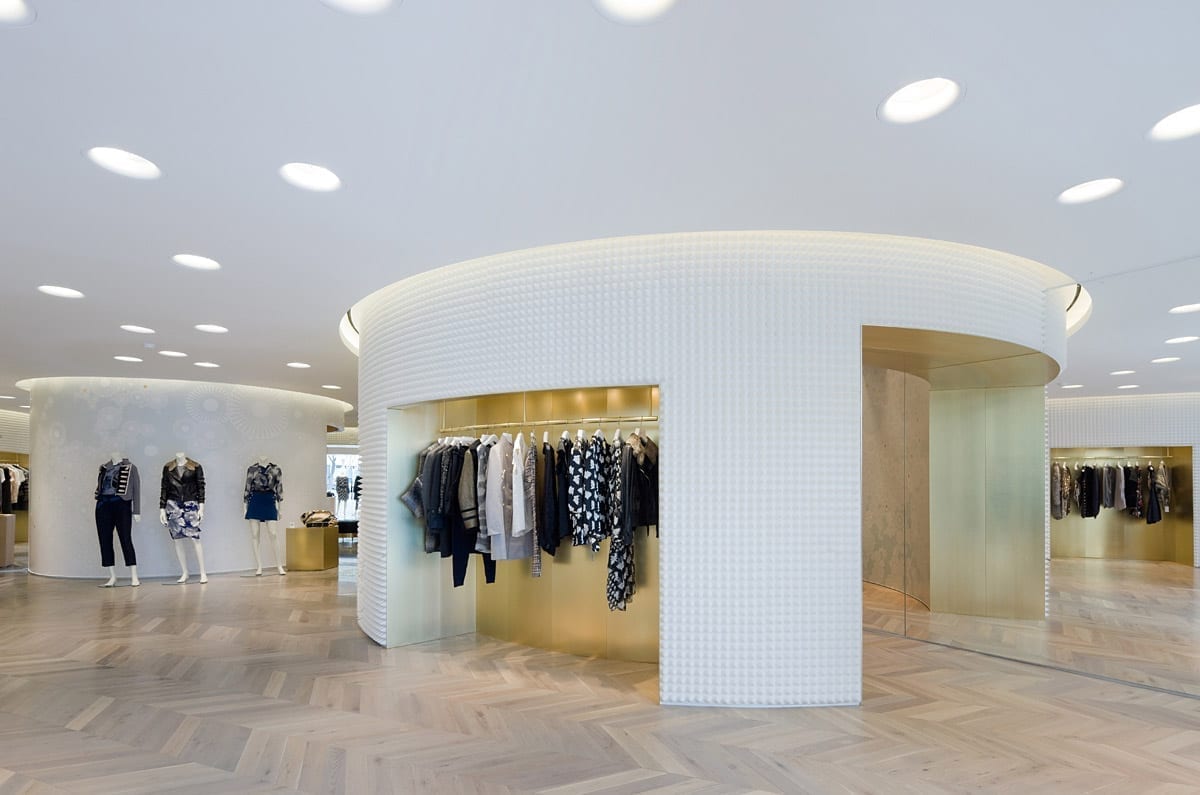
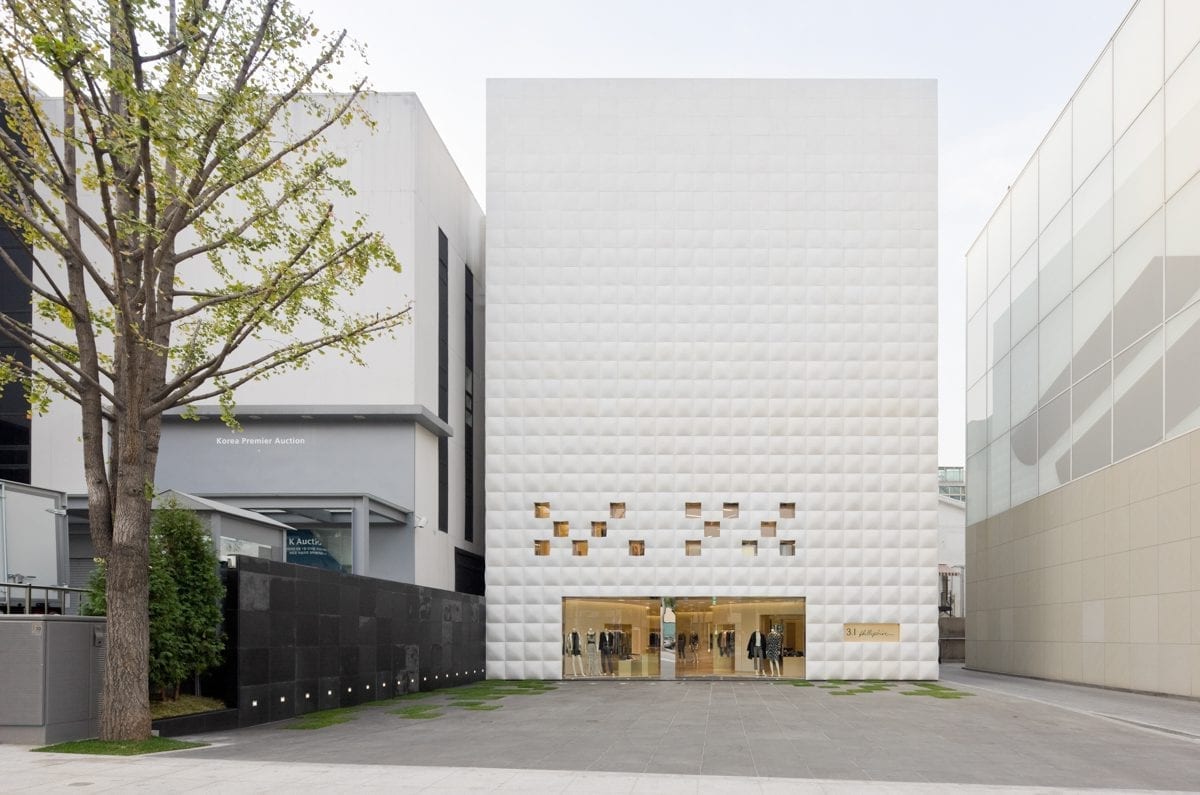
    US fashion brand 3.1 Phillip Lim is opening stores in Seoul via Handsome, the apparel unit of Hyundai Department Store.

    Handsome says 3.1 Phillip Lim men’s and women’s apparel, bags and accessories have just gone on sale at outlets in the luxury hall of Galleria Department Store in Apgujeong.

    Handsome, which has 27 global fashion brands in its portfolio, will expand 3.1 Phillip Lim distribution channels through Hyundai Department Store.

    Launched by Chinese-American designer Phillip Lim in 2005, the label opened its first brick-and-mortar branded store for Korea in Cheongdam-dong in 2009.

  • Reiss North Korea makes debut

    Reiss North Korea makes debut

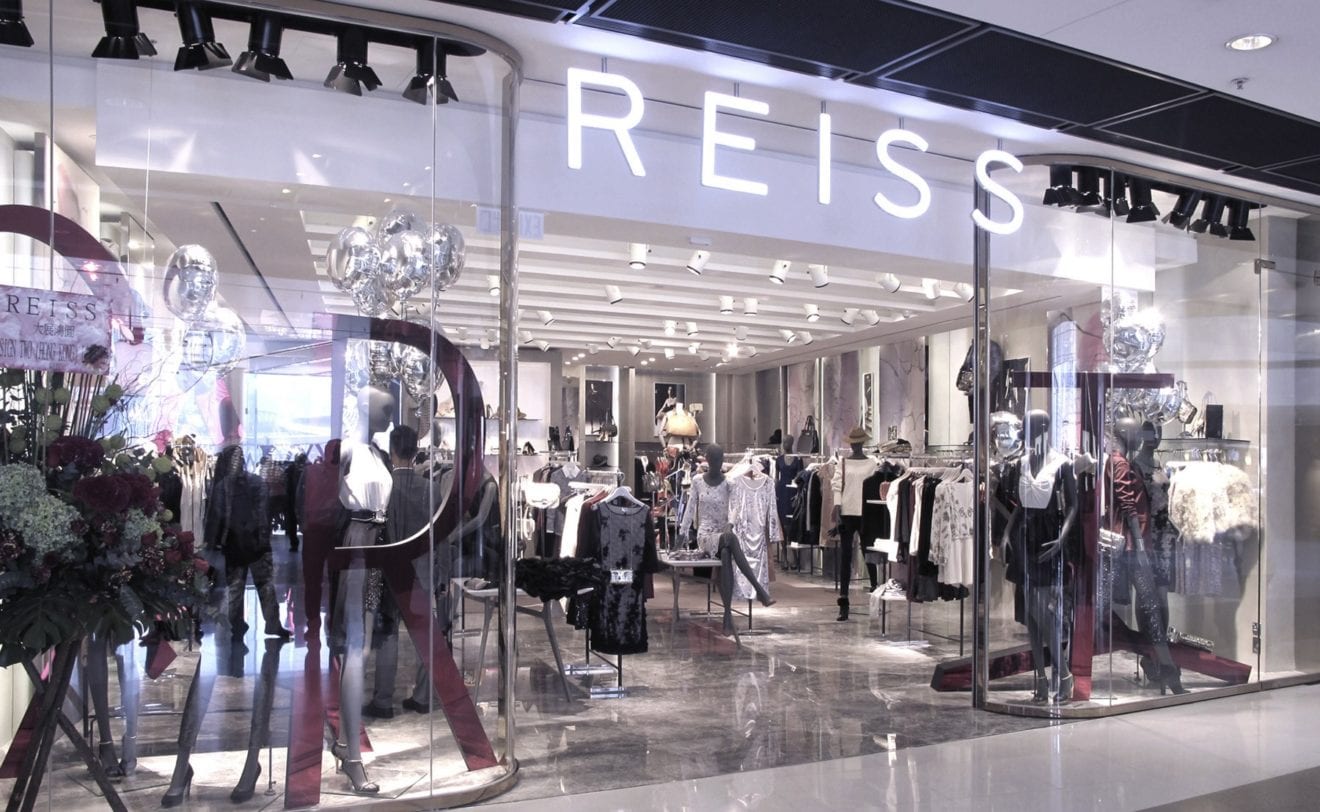
    British fashion brand Reiss has launched in South Korea, at Shinsegae Department Store in Kangnam.

    Introduced by Shinsegae International, the brand plans to open 12 stores in both Shinsegae and Lotte department stores across the country by the end of this year.

    Reiss says it expects high sales with its offering of trending items priced to compete with local and international brands.

    Founded in 1971, Reiss offers designs inspired by classic movies and artworks. Its international expansion has also taken it to the US, Canada and Australia.

  • Korea’s job market going through major changes

    Korea’s labor market is undergoing a major change, dogged by a lack of quality and secure jobs. Coupled with rising living costs and longer life spans, these problems prompt more Koreans across a broader range of age groups in particular the elder to enter the workforce.

    The jobs however are not necessarily the traditional lifetime careers Koreans prefer, which are also hard to come by since the labor market shifted to irregular, part-time or contract jobs that entail discrimination in job stability, pay and welfare.

    But with the minimum wage having increased to 7,530 won an hour beginning this year, part-time jobs have never been more popular.

    Retail workers in Seoul reveal this trend. For nearly two years, Choi Seung-bo, 66, has been working at the cash register of a 7-Eleven convenience store in Gangnam, southern Seoul, eight hours a day.

    “My children have left the nest, so what’s there for me and my husband to do but stare at each other?” Choi said.

    “Also, I feel more energetic and look forward to coming to work.”

    Choi may well be among the beneficiaries that Democratic Party of Korea Chairperson Choo Mi-ae mentioned in January as the ruling party’s New Year plans were disclosed.

    Choo had said the higher minimum wage would benefit the young, women and seniors. Choo had said it was the “last hope” to prompt the youth to seek employment, enable people — usually women — to afford their children’s private education fees and living expenses, and help seniors avoid poverty.

    Choi’s reasons for working seem a mixture of social and personal, but she stressed how lucky she is to be in the labor market at her age. Asked if the work at the convenience store is physically rigorous, she said she does not find it so.

    In fact, Choi said even her children notice the uptick in her energy and thus reluctantly accepted her return to the workforce.

    She does not yet worry about automated cashiers replacing her but is aware of younger workers who may compete for her job.

    “I think I am lucky in that my employer prefers older folks, who stay (with the company) for a long time. He said young workers tend to stay only for several months and then leave. I plan to stay healthy and work until 70 and beyond,” she said.

    “There is a growing shift among workers toward part-time work, such as working part-time or on an hourly basis for a few months through one or more years,” said Ahn So-jeong, a senior manager at JobKorea.

    “Age, previous job experience and current economic status vary, but we are seeing those from their teens through their older years working to secure a continuous income flow,” Ahn said.

    Invariably, the shift of Korea’s labor market toward irregular work in particular after the 1998 Asian financial crisis — those working part-time or on contracts instead of the traditional lifetime employment —is attributable to the market’s greater acceptance of workers from a wider range of age groups.

    While Choi works at the convenience store to earn extra cash for occasional meals or small gifts for her children and grandchildren, she said she is aware of the higher life expectancy and the relatively high rate of elderly poverty in Korea.

    An OECD report last year showed 42.7 percent of Koreans aged 66 to 75 live in relative poverty, and 60.2 percent of those aged 76 and older do. Both figures are about four times higher than the OECD average.

    The retail sector was traditionally dominated by young workers, like 20-something Park In-seo, who has been working at a GS25 convenience store near Myeong-dong for a year.

    “I work eight hours a day, and as the minimum wage has gone up, it is manageable to maintain a decent quality of living with only this job,” Park said.

    “The higher minimum wage definitely makes a difference.”

    He said he does not work other jobs, and during his time off, he rests and studies.

    “I don’t necessarily think working part-time jobs is that bad anymore. My parents support me, saying it’s good that I bring in income rather than remain unemployed at home,” Park said.

    A trend in increasing workforce participation across a broader range of age groups may well continue, even though the job market prospects continue to look bleak.

    Over the last weekend of February, Statistics Korea said the household led by people in their 40s in Korea earned on average a little over 3.4 million won ($3,150) from October to December, down by 3.1 percent from the same period of the previous year.

    Considered one of the most economically active for a long time, the high unemployment among the youth against Korea’s sluggish economic growth has brought about the drop.

  • Korea to boost science, technology

    Korea to boost science, technology

    Korea vowed Friday to increase its number of scientists and engineers and strengthen the quality of math and science education as it unveiled a blueprint that could set the tone for the development of science and technology.

    The government said it aims to improve its ranking in the category of availability of scientists and engineers to 20th by 2040 from 39th in the Global Competitiveness Report 2016-2017 released by the World Economic Forum.

    The plan was endorsed by the National Science and Technology Council earlier in the day.

    The government also said it is pushing to ensure that 40 Korean scientists will make it on the coveted list of Thomson Reuters’ “World’s Most Influential Scientific Minds” by 2020 from 28 in 2017.

    The government said it will foster sustained innovation in a break with the country’s decades-old practice of pursuing short-term outcomes.

    Yoo Young-min, minister of science and ICT, said that the government will monitor progress in achieving its goals on a yearly basis.

    Korea said it will push to increase the number of its universities listed among the world’s top 100 universities to 10 by 2040 from four in 2017.

    Asia’s fourth-largest economy has been racing to boost science and technology, seeing them as key engines for growth going forward.

    The blueprint also called for Korea to raise its ranking in quality of math and science education to 15th place in the Global Competitiveness Report by 2040 from 36th place in 2016.

  • Singapore’s Orchard Road gets its own Korean-style store opened

    Singapore’s Orchard Road gets its own Korean-style store opened

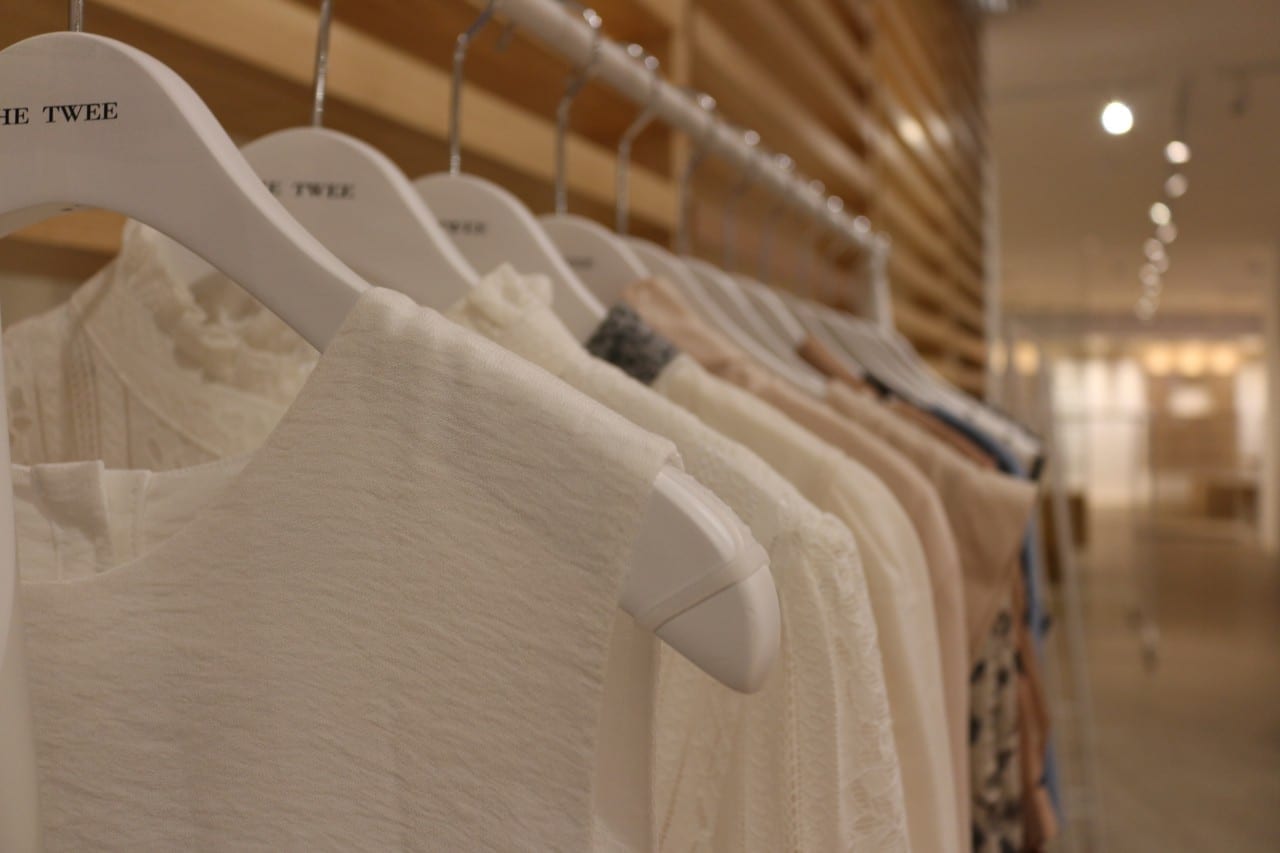
    South Korean fashion brand Twee has opened a flagship store at 313@Somerset on Orchard Road.

    The  4030sqft (374sqm) Twee Singapore store offers an exclusive collection of party dresses as well as Superface beauty products. The store promises to bring in more than 400 new styles for women and men every month.

    Twee has more than 40 stores in South Korea and 11 overseas, including nine in China and one in Malaysia. The brand plans to launch stores in Tokyo and Shanghai this year.

  • Korea’s air passenger traffic hits record 109 million

    Korea’s air passenger traffic hits record 109 million

    Korea’s air passenger traffic reached a new record high last year on growing travel demand, while flight delays declined due to improved schedule management, the Transport Ministry said Sunday.

    In 2017, the country’s passenger traffic on domestic and international routes stood at 109.36 million, up 5.2 percent from a year earlier, the Ministry of Land, Infrastructure and Transport said in a statement.

    The rate of overall flight delays fell 3.8 percentage points to 9.5 percent last year compared to the year before. On domestic routes, the rate dropped to 12 percent from 18.6 percent over the same period, while the rate on international routes edged up to 5.9 percent from 5.2 percent, it said.

    Foreign airlines that offer services through Korean airports posted a delay rate of 6.5 percent last year, down from the previous year’s 6.8 percent, the statement said.

    Korea has two full-service airlines – Korean Air and Asiana Airlines. It also has six low-cost carriers, which are Jin Air, Jeju Air, Air Busan, Air Seoul, Eastar Jet and T’way Air.

  • Perry Ellis inks licensing deal for men’s underwear in south korea

    Perry Ellis inks licensing deal for men’s underwear in south korea

    Perry Ellis International has granted Good People a licence to produce its men’s underwear and loungewear under the Perry Ellis Portfolio trademark in South Korea.

    Founded in 1991, Good People makes and wholesales underwear and loungewear products for men, women and children  in Korea and internationally. Its brands include 1st Olor, Bodyguard, Don & Dons, G-gear, James Dean, SexyCooki and Yescode. The company is also the licensee for Levi’s bodywear in South Korea.

    It is planned Good People will launch the Perry Ellis Portfolio line in autumn this year, says CEO Yoon Woohwan.

    “We see great potential for growth in the South Korean market,” says Perry Ellis International CEO/president Oscar Feldenkreis.

    Perry Ellis International is a US designer, distributor and licensor of men’s and women’s apparel, accessories and fragrances. The company’s collection ranges through dress and casual shirts, golfwear, sweaters, dress pants, casual pants and shorts, jeans, active wear, dresses and men’s and women’s swimwear. Its brands include An Original Penguin by Munsingwear, Axist, Ben Hogan, Cubavera, Farah, Grand Slam, Jantzen, John Henry, Laundry by Shelli Segal, Manhattan and Rafaella.

    It also licenses trademarks from third parties such as Jag and Nike for swimwear, Callaway, Jack Nicklaus and PGA Tour for golf apparel, and Guy Harvey for performance fishing and resort wear.