Tag: Korea

  • Korea Ginseng Corp Opens ‘LOUNGE 1899’ to Tap into health and beauty market

    Korea Ginseng Corp Opens ‘LOUNGE 1899’ to Tap into health and beauty market

    Korea Ginseng Corp (KGC) is expanding into the health and beauty market with experimental stores.

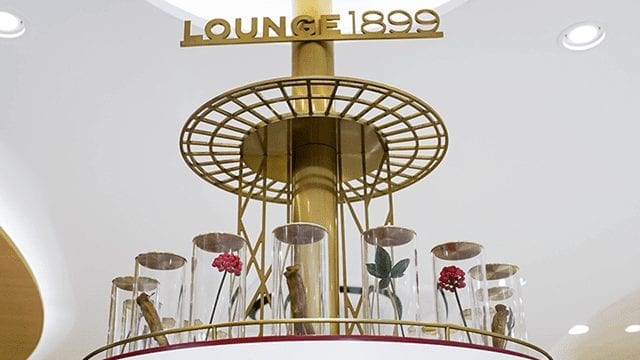
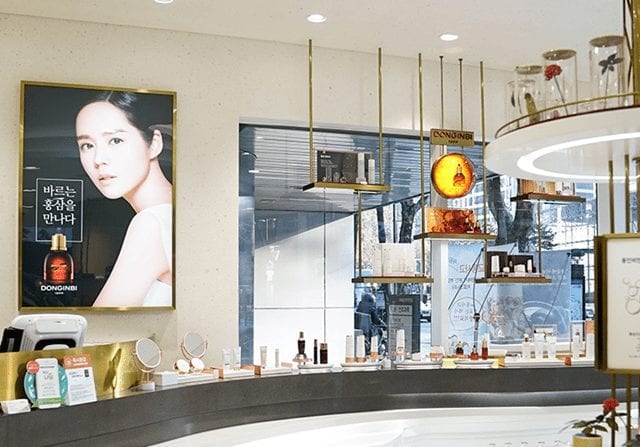
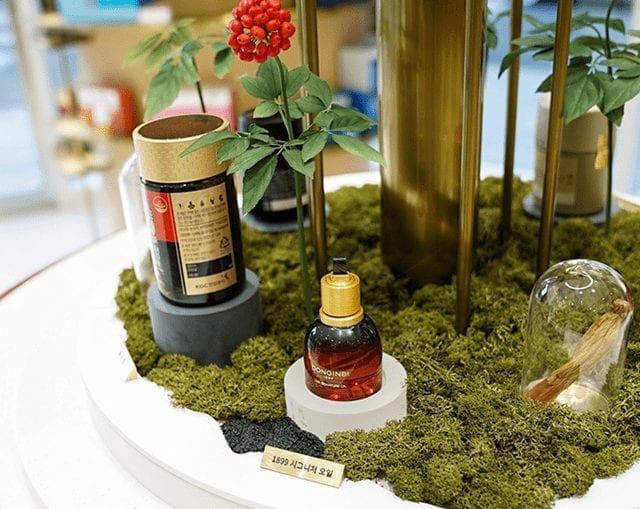
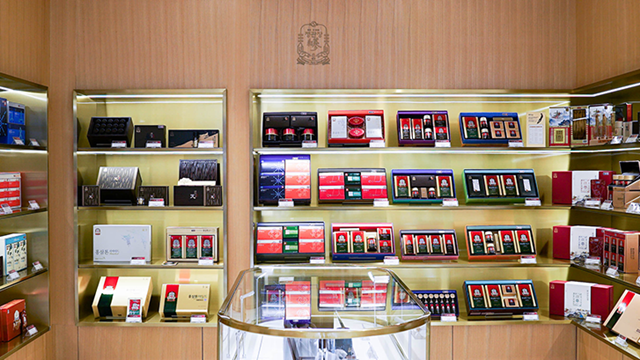
    Called “Lounge 1899” as a way to emphasise 119 years of history of its ginseng, the stores target consumers in their 20s and 30s and foreign tourists. They allow consumers to try out premium red ginseng-based products from KGC’s “Cheong Kwan Jang” and “Donginbi” lines.


    Customers can have personalised counselling from experts about products suited to their skin conditions, and experience oil-hand massage and red ginseng-hand spa, and a tea service.

    KGC currently runs six “Lounge 1899” stores across Korea with the first one opening in Seoul’s Gangnam district on January 26.

    The company plans to open 60 more stores by the end of this year.

  • Korean Minigood retail chain to expand in Israel

    Korean Minigood retail chain to expand in Israel

    South Korea’s Minigood chain is heading for Israel, where an individual has signed a five-year exclusive franchise agreement.

    Daniel Pardilov from the Pardilov & Co law firm, which represents the franchise holder, says the plan is to open at least 10 outlets in the first two years, including three this year.

    This news comes on the heels of Japanese “dollar store” chain Daiso planning to enter the Israeli retail market through the Union Group, the franchise holder for Cos and H&M in Israel.

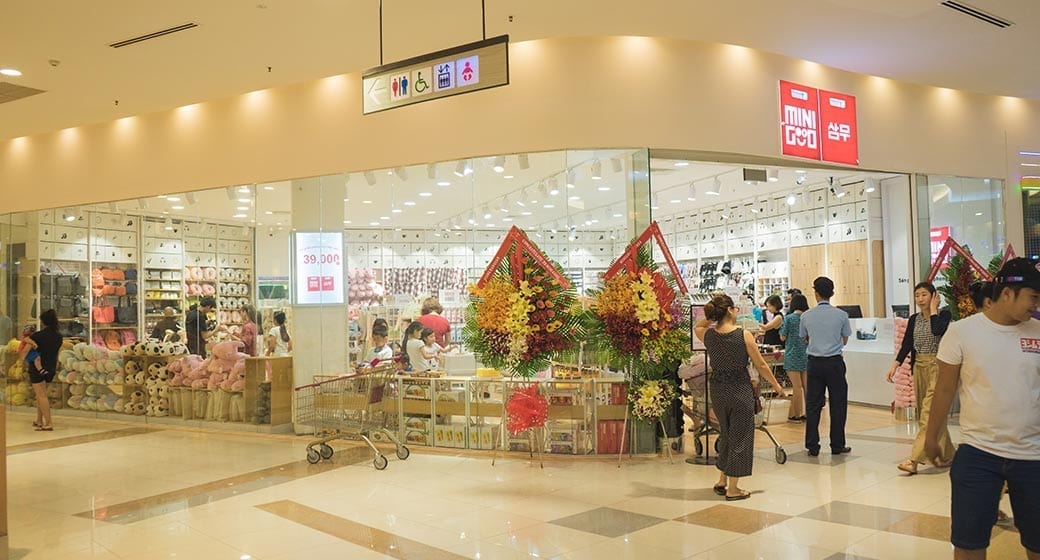
    Minigood stores have an average space of 80sqm, but the plan in Israel is for stores covering 120 to 150sqm.

    One of the conditions in the agreement with the Israeli franchise holder is for the manufacturing of special products for the Israeli market at the company’s plant in South Korea.

    Founded in Seoul by Mike Wu in 2013, Minigood makes and markets bags and clothing, household goods, personal care and cosmetic products, office equipment, digital products and toys. The company’s activity is projected to reach 2000 stores and a sales turnover of more than US$1 billion worldwide by 2020.

    Pardilov says the Israeli franchise holder is a businessperson with a real-estate background. He is also negotiating with larger retail groups in order to form a partnership for running the chain.

    Outside of South Korea, Minigood has branches in Malaysia and Singapore.

  • Gentle Monster flagship store opened in Guangzhou

    Gentle Monster flagship store opened in Guangzhou

    Korean eyewear brand Gentle Monster has opened its fifth flagship store for China, in Guangzhou.

    It has set up in two adjacent units at the Taikoo Hui mall, which is known for its luxury boutiques.

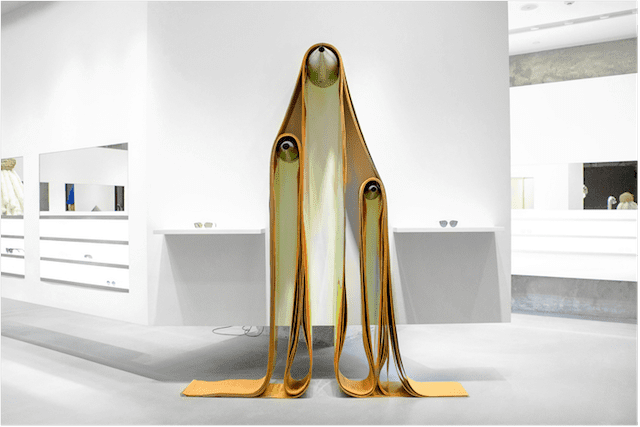
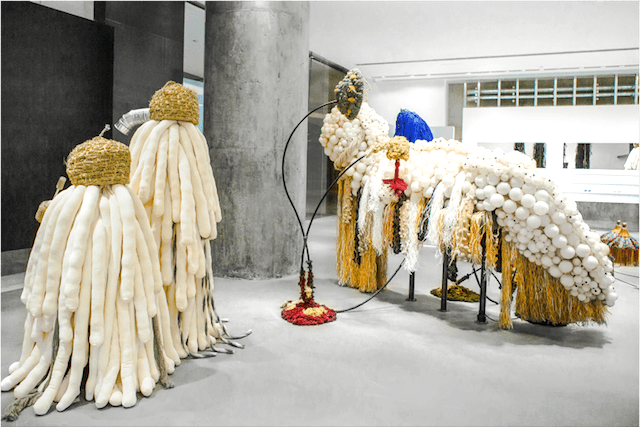
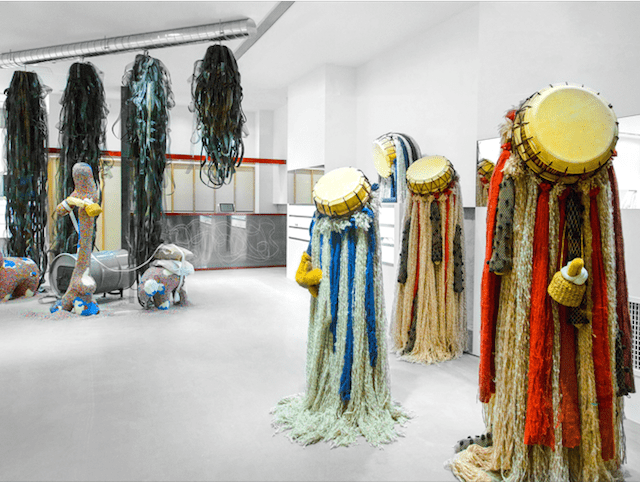
    Like other Gentle Monster flagships, the store has a themed interior design, this time with cues taken from the realm of old folk tales. It specifically zooms in on the purifying process in which spirits transcend into deities.

    The space is dotted with intricate objects. Some move or make sounds, but all look colourful and exotic. White walls, ceiling and wall-mounted panelling form a neutral backdrop for the creations, while Gentle Monster’s merchandise is showcased on shelving attached to the wall panels.

  • Watsons in Korea has a new name: Lalavla

    Watsons in Korea has a new name: Lalavla

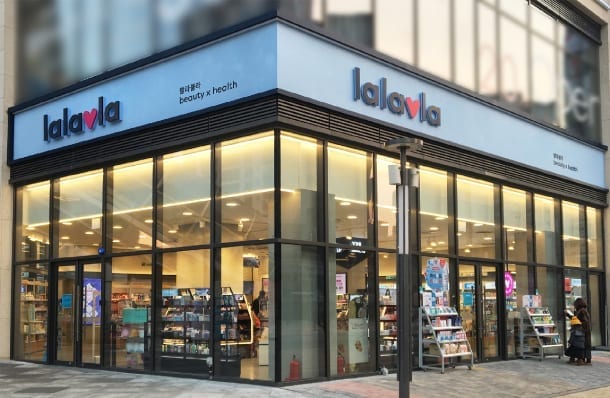
    Watsons personal and beauty care stores across Korea will go through a makeover under a new name “Lalavla,” its operator GS Retail announced on Tuesday in hopes to take on the dominant player Olive Young in the burgeoning street beauty market through localized appeal.

    GS Retail introduced Watsons, the biggest multi-beauty and personal care store brand in Asia, in a 50:50 joint venture with Hong Kong-based A.S. Watson Group in 2005. Last year it bought the remaining 50 percent stake from the retailer’s holding company Hutchison Whampoa Ltd. for 11.9 billion won ($10.8 million) to make Watsons Korea its fully-owned entity. It has since been working on a rebranding initiative.

    The new name – a combination of lalala and blah blah to mean happy chattering – aims to better appeal to young female customers, said a GS Retail official. The shops will be refurbished with the new logo by the end of March.

    There are currently 188 Watsons stores across Korea. GS Retail plans to bolster the number to catch up with CJ Group’s Olive Young, the country’s first and largest health and beauty retailer with 950 shops. Lotte Group runs 96 LOHBS stores and Shinsegae 10 Boots stores.

    Shares of GS Retail closed Tuesday down 1.31 percent at 37,800 won.

  • Citiesocial to expand in Asia after the funding boost

    Citiesocial to expand in Asia after the funding boost

    Following series-A funding of US$2.75 million, Taiwan online retail platform Citiesocial seeks to expand into other parts of Asia.

    Its funding round was led by the Taiwan fund of Alibaba Group Holding.

    Citiesocial, which sells items such as water bottles and kitchenware from emerging brands, plans to use the funds to bolster services and technology to help rising designers grow their presence in Asia, says founder Eric Wang. This will start in the next few months with strategic partnerships with e-commerce channels in China, Japan and Korea, he says.

    Citiesocial curates branded goods as a point of difference from other platforms that offer mainstream brands. It revenue last year reached $20 million, with monthly sales valued 130 times more than at the beginning of 2014. It has 600,000 customers and a staff of 42, including Wang, who describes his customer demographic as “leaning slightly” toward a more mature, well-educated male consumer.

    “We curate goods globally to sell at least in Taiwan and Hong Kong,” he says. “A third of our revenue comes from goods that no-one else sells in Taiwan and Hong Kong.”

    One of Citiesocial’s top performing brands is British men’s accessories maker Vanacci, while it has just sold more than 1000 travel jackets from Kickstarter graduate Baubax.

    Taiwan’s fragmented e-commerce market allowed Citiesocial to be able to pivot many times in its seven and half years with only $700,000. Elsewhere he would have burned that money within the first six months, says Wang, who worked in the US for 18 years.

  • E-Land Group to get US$91 million fund injection

    E-Land Group to get US$91 million fund injection

    Singapore’s sovereign wealth fund GIC has injected KW100 billion (US$91 million) into Korean retail major E-Land Group.

    The round was part of a KW200 billion investment led by Hong Kong-based Anchor Equity Partners. With interests in malls, restaurants, theme parks, hotels and construction businesses, E-Land has built its cornerstone on fashion apparel.

    This latest infusion of capital follows the Meritz Financial Group investing KW300 billion in the firm as part of a consortium led by Korea’s Keystone Private Equity last month. GIC has previously invested in E-Land – in 2009 it acquired an outlet of hypermarket Kim’s Club and the Gangnam branch of its NewCore Department Store. It subsequently leased them back to E-Land.

    At the end of March last year, GIC was estimated to have assets under management of between US$359 and $398 billion.

    GIC’s previous investments in South Korea include KW130 billion backing for cafe chain A Twosome Place.

  • UniFriend Vietnam plans to expand in Ho Chi Minh City

    UniFriend Vietnam plans to expand in Ho Chi Minh City

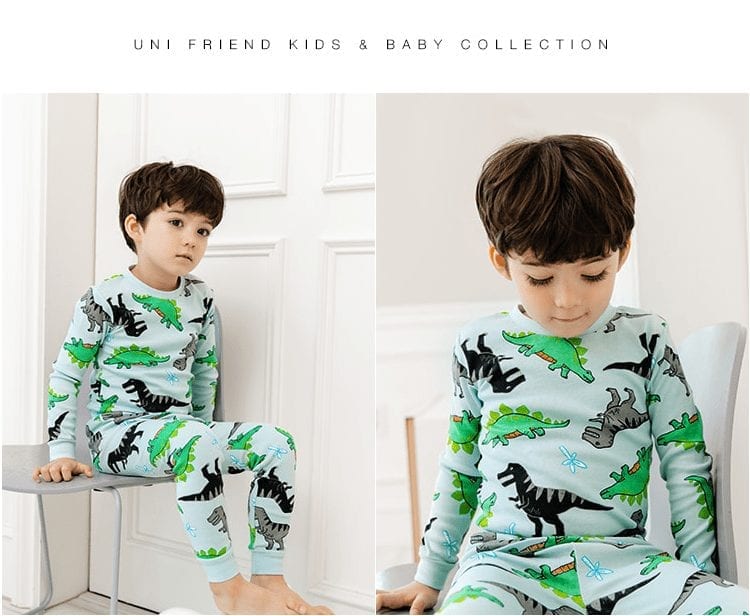
    Korean childrenswear brand UniFriend Vietnam is planning expansion into Ho Chi Minh City via franchising.

    After opening three stores in Hanoi towards the end of last year, the brand is seeking franchisees and agents to sell its products in Ho Chi Minh City and other cities.

    Targeting children under 12 years old, UniFriend opens stores on main streets and department stores.

    All stock is manufactured in Indonesia or Vietnam.

    Founded in 2002, UniFriend now has more than 100 stores in Korea and other markets, including China, Malaysia, Singapore and Thailand.

  • Net profit slumps 92 per cent for GS Retail, raise questions

    Net profit slumps 92 per cent for GS Retail, raise questions

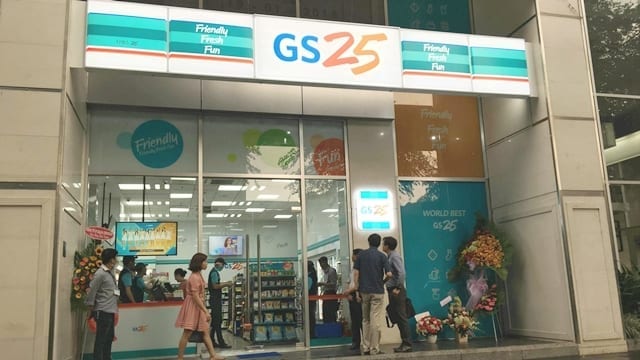
    GS Retail, which runs South Korea’s GS25 convenience store chain, is facing questions over its profitability after it posted contracted numbers in its earnings last year.

    According to its regulatory filing, GS Retail logged KW30.9 billion (US$28.4 million) in operating profit last year, down 19.3 per cent from 2016. Its net profit also skidded to KW10.7 billion, a  dive of 92.4 per cent.

    It has had slumps in its core business of convenience stores, which account for 70 per cent of its earnings.

    GS Retail last year posted KW1.57 trillion in sales from its convenience stores, up 6 per cent from 2016. The number of GS25 stores also increased from 12,199 to 12,429 last year.

    Despite this growth, the operating profit at its convenient stores declined by 6 per cent to KW37.1 billion during the same period. Per-store sales also shrank by 9 per cent.

    Saturated market

    Analysts say GS25’s weakening profitability is related to the saturation of the domestic convenience store industry.

    There are about 40,000 convenience stores in Korea. Between them, the main players – GS25, CU run by BGF Retail and 7-Eleven run by Lotte affiliate Korea Seven – have more than 30,000 outlets. This means there is one convenience store to every 1250 Koreans.

    Meanwhile, at the start of the year the government hiked the minimum wage rate by 16.4 per cent to KW7530, which is expected to add extra burden on franchise owners.

    Also, GS Retail has seen poor performance for its health and beauty products store chain. It has been the sole operator of Hong Kong-based Watsons in Korea since February last year.

    GS is hoping its earnings deadlock will be broken by its hotel and leasing subsidiary Parnas Hotel. This runs the Grand Intercontinental Seoul Parnas, the Intercontinental Seoul Coex and other hotels and malls in Seoul. It is also in charge of leasing Parnas Tower in Gangnam.

    Parnas Hotel logged KW75.4 billion in sales last year, up 15 per cent. Its operating profit also improved to KW17.1 billion, up 141 per cent as the leasing rate at Parnas Tower rose to 98 per cent.

    As part of its efforts to diversify revenue sources, GS Retail signed a memorandum of understanding with internet company Kakao last month for the development of a chatbot for the retailer.

    The company has also opened its first convenience stores outside Korea – in Vietnam’s commercial capital, Ho Chi Minh City, last month.

  • Many Korean goods to receive Vietnam tax exemption

    Many Korean goods to receive Vietnam tax exemption

    Many goods imported from the Republic of Korea (RoK) into Việt Nam will be exempted from import taxes in 2018, due to the Việt Nam-Korea Free Trade Agreement (VKFTA).

    The Government recently issued Decree No149/2017/NĐ-CP, which regulates a new special preferential import tariff, as agreed upon in the VKFTA, and to be put in place between 2018 and 2022.

    Under the decree, import taxes imposed on 704 types of products imported from the RoK to Việt Nam, will be eliminated in 2018. The groups of commodities that will enjoy tax exemptions this year are mainly in seafood, wheat flour, confectionery, diesel fuel, jet fuel, paint, laundry detergent, plastic, iron and steel products, power machinery and equipment, and electronic products.

    In 2018, an additional 653 products imported from the RoK will also have their tax rates lowered from last year.

    The preferential tax rates will be applied to commodities directly transported from the RoK to Việt Nam. The goods must also meet origin regulations, as stated in the agreement, and exporters must provide certificates of origin in a form stipulated by the Vietnamese Ministry of Industry and Trade.

    This year, Việt Nam has set several new preferential import tariffs to implement bilateral and multilateral FTAs with partner countries and territories, such as mainland China, Hong Kong, Japan and RoK.

    Under the Việt Nam-Japan Economic Partnership Agreement (VJEPA) and the ASEAN-Japan Comprehensive Economic Partnership Agreement (AJCEP) for 2016-19, nearly 4,000 import tariff lines for many groups of commodities imported from Japan will be also eliminated this year.


  • EZbuy to have more product offering

    EZbuy to have more product offering

    Singapore’s first global shopping platform EZbuy says it plans to almost double its product offering to 6 million items from brands and sellers in Korea, Taiwan and the US.

    It will bring on board a further 100,000 merchants by the end of the year.

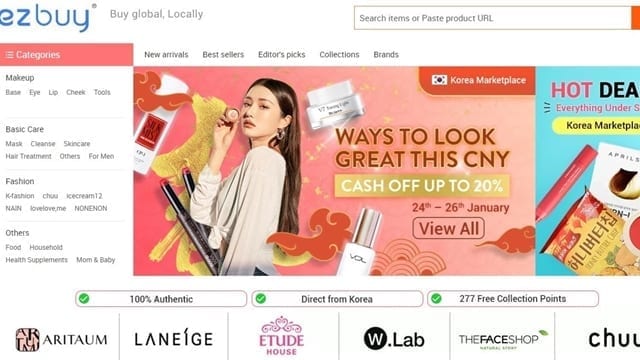
    Its Korea Marketplace offers more than 10,000 items such as streetwear, cosmetics and personal care products. Traffic growth in Singapore for the K-beauty collection has increased more than 100-fold since its launch last year. Top-selling brands include 3CE, April Skin, Etude House, Laneige and Pony Effect.

    The Taiwan Marketplace offers the Buy-For-Me service both on the website and mobile app. Its top products include Biffido, ChiaTe, I-mei, Kiki, Kuaiche and OK Tea (food and snacks); Gracegift, OB Design and Stay Real (fashion, bags, shoes and accessories); and Hanaka Flower, Kose, MKUP and Oguma (health and beauty).

    EZbuy says demand has soared for consumer goods from the US. Best-selling brands on its USA Marketplace include Coach, Forever 21, Gap, Kate Spade and Under Armour (fashionwear and accessories); ColourPop and Sephora (cosmetics); and Mother and Kids (beauty and health supplements).

  • Hyundai hopes bigger, revamped Santa Fe SUV will reverse U.S. sales slump

    Hyundai hopes bigger, revamped Santa Fe SUV will reverse U.S. sales slump

    Hyundai Motor unveiled on Tuesday a re-designed Santa Fe, hoping the first makeover of the sport utility vehicle (SUV) in six years will help rectify a sales slowdown at the South Korean automaker, especially in the key U.S. market.

    The revamped version of its top-selling SUV in the United States and South Korea features a longer, more voluminous body than its predecessor while boasting advanced safety features such as warnings on approaching objects from the rear when a car stops.

    The two-row, five-seater SUV was unveiled to South Korean media at a “preview” event, before its official launch in February in the home market.

    While Hyundai did not disclose other details, a source said the model comes with a 2.0-liter and a 2.2-liter diesel engine, a more fuel-efficient eight-speed transmission and semi-autonomous driving features used in its Genesis premium sedans.

    “The new Santa Fe will be a bread and butter model for us this year,” the Hyundai insider said on condition of anonymity since he is not authorized to speak to the media.

    “We have high hopes for the model,” he said. Hyundai Motor declined to comment.

    Hyundai Motor reported last week its worst annual earnings in seven years, battered by its delayed response to the burgeoning SUV market and a diplomatic row with China.

    A firmer local currency also adds to the woes of the automaker, as it is eating into its profits repatriated from overseas and hurts the price competitiveness of its exports in the United States and other markets.

    “The mission of the Santa Fe is to recover Hyundai’s U.S. market share. It carries a big burden on its shoulder,” said Ko Tae-bong, a senior auto analyst at Hi Investment & Securities. The U.S. sales of the aging Santa Fe slumped 25 percent last year even as U.S. industry SUV and truck sales rose 4 percent.

    The model, expected in the U.S. market in the third quarter of this year, will be also “key to recovering the utilization rate of Hyundai’s factory in Alabama”, Ko said.

    Hyundai’s U.S. sales fell 12 percent last year, making it the worst performer among automakers in that market, hit by the conservative design of the Sonata and the Elantra sedans and an absence of a broadbased SUV line-up.

    Hyundai, which has three SUV models – Kona, Tucson and Santa Fe – has said it would diversify its SUV line-up by launching a mini-SUV and a large SUV.

  • Young shoppers’ big, luxurious spending emerges as new trend

    Young shoppers’ big, luxurious spending emerges as new trend

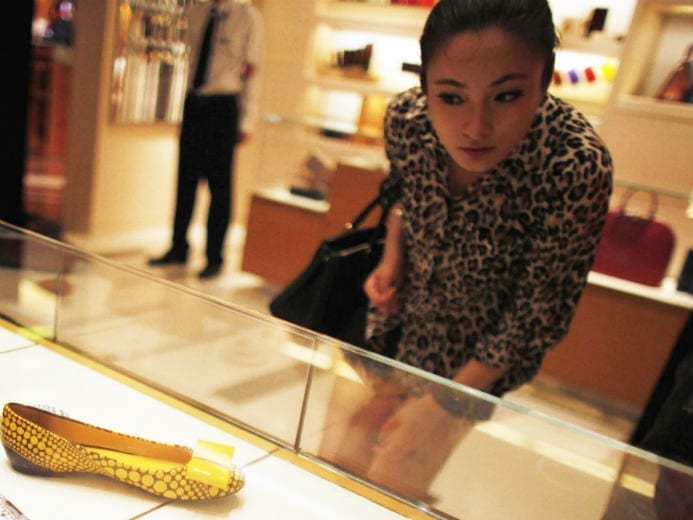
    Shoppers  in their 20s in South Korea have become more prone to spending big on luxury items and services, emerging as a new consumption trend, according to industry data.

    Mobile commerce company Tmon says the sales pattern over the past three months showed that purchases among young shoppers of luxurious products and high-end services in fashion, food and travel categories have significantly surged.

    From 21 October 2017,  Tmon’s overall sales of sneakers from luxury brands like Gucci, Golden Goose, Valentino and Alexander McQueen — which range price between 300,000 won (US$280) and 800,000 won — rose 66 percent, compared to the same period in the previous year.

    The sales increase was particularly high among consumers in their 20s, soaring by 106 percent on-year.

    Over the same period, hotel buffets, particularly dessert buffets, also logged a sales increase of 71 percent on-year among young consumers. The price of a hotel buffet in Seoul begins from 44,100 won per person.

    The company said it had sold over 2,400 entries to such dessert buffets in just two months, portraying young shoppers’ interest in Instagram-worthy food spots.

    “From luxurious goods to upscale brunch bites and private travel products, the tendency of consumers to focus on higher satisfaction is expected to continue throughout this year,” said Han Jae-yeong, Tmon’s chief strategy officer.

    A similar trend can be seen in the popularity of Moleskine, a Milan-based luxury notebook company founded in 1997.

    Its limited edition notebooks — some of which have been inspired by Lego, “Star Wars,” “The Simpsons” and “The Hobbit” — are typically priced from 30,000-40,000 won, but the notebooks quickly sell out.

    “Consumers tend to find high quality and the brand value of Moleskine products worth spending their money on, which also gives them even a sense of ‘achievement’ when they purchase a limited edition, although it’s pricey,” said Yim So-young, a marketing manager for Moleskine in Korea.

    “Korean consumers’ interest in limited edition goods and premium product lineups will only expand in the future,” she added.

    And the trend is more marked among, while not limited to, the younger generation.

    According to Lotte Home Shopping, sales of global premium home electronic appliances such as Blomberg dryers and Balmuda’s steam oven toasters have seen double-digit growth each year since 2015.

    The company said such high popularity is attributable to premium brand products’ high performance and luxurious and sleek design, as well as brand awareness.

    Swiss coffee maker Jura’s E7 automatic coffee machine receives at least 1,000 calls on order each time the product goes on air, the company said. The coffee machine costs nearly 1 million won.

    Among Tmon’s travel products, sales are rising for luxurious accommodation in Japan, such as at ryokan, a type of traditional Japanese inn equipped with Japanese hot springs and private bathing facilities.

    The most expensive ryokan are “Category A+++” which begin at 70,000 yen (US$640) per person. The price for average ryokan begin from 300,000 won per person. Until only recently, ryokan had been considered as accommodations primarily for middle-aged couples or family trips.

    The company, however, said over the past three months, 20-somethings’ purchases of ryokan accommodations through packaged tours or individual trips had soared 166 percent on-year.

    asIndustry watchers say the trend will likely last, as consumers continue to crave satisfactory experiences and pleasures.

    “It is experience that many consumers now prefer, and it’s especially the dominant and preferred choice among those in their 20s, who want to experience the diverse range of the latest, satisfactory products and services,” said Jeon Mi-young, research professor at the Department of Consumer Science at Seoul National University, in an interview with a local daily.

  • South Korea is banning foreigners from trading cryptocurrency

    South Korea is banning foreigners from trading cryptocurrency

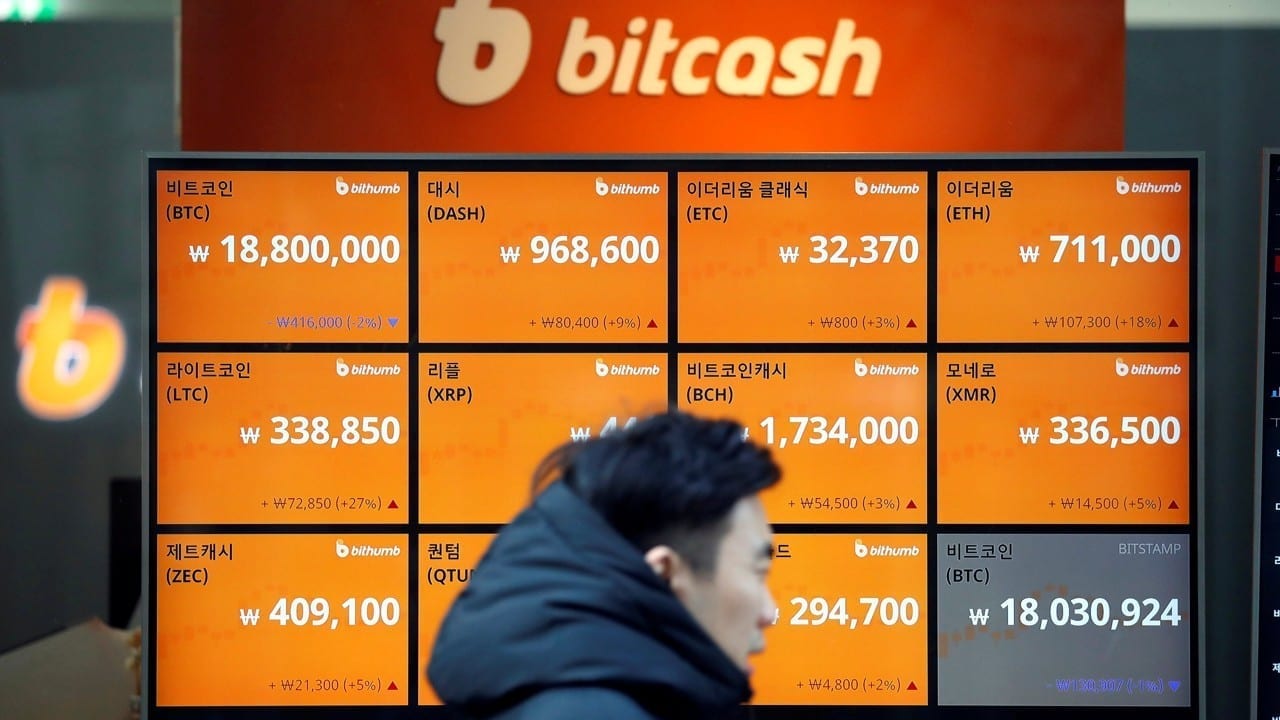
    South Korea’s financial regulators set the pace for sweeping cryptocurrency regulations to curb speculative overheating and illegal activity, including banning foreigners and minors from opening new cryptocurrency accounts.

    Financial Services Commission Vice Chairman Kim Yong-beom announced measures to ban anonymous trading on domestic exchanges, while foreigners and minors would be completely banned from trading through cryptocurrency accounts. Both measures go into effect 30 January.

    They are the first concrete measures to be implemented since the government began observing overheating in the market in September. The system aims to tackle money laundering and related crimes, along with speculation-driven overheating in the market, Kang Young-soo, head of the FSC’s cryptocurrency response team said after the announcement.

    “The government is concerned about manipulation of market conditions and injection of illegal funds while market funds are leaked into speculative investments,” he added. “We view that foreigners’ and minors’ investments contribute to our areas of concern.”

    All foreigners, including residents, nonresidents and “kyopo” ethnic Koreans with foreign citizenship, will be banned from trading cryptocurrencies in Korea, the FSC’s foreign media department said by email. Minors are banned after Prime Minister Lee Nak-yeon earlier claimed the cryptocurrency craze could lead the youth toward crime.

    “If they’re not Korean citizens, then they can invest in exchanges provided in their countries. Why do they have to invest in ours?” Kang quipped.

    The government has been under mounting pressure to deliver on impending regulations over the country’s cryptocurrency market, one of the world’s largest for Bitcoin, Ethereum and Ripple, as the uncertainties have thrown global prices into turmoil. Cryptocurrency trade has gone largely unregulated as South Korea neither recognizes digital coins as financial products or currency.

    But for the past few months, financial authorities and prosecutors have been mulling comprehensive regulations on anti-money laundering, tax evasion, fraud and other illegal activity, including a proposed ban on all initial coin offerings.

    Justice Minister Park Sang-ki threw fuel on the speculative market when he claimed all crypto exchanges would be shut down. The government later clarified that it was one option being considered, along with only shutting down exchanges that were acting illegally. Since then, citizens have railed against the government with over 220,000 signing a petition to demand a response from the presidential Blue House.

    “The government is creating boundaries for instances of foreigners injecting in coins into the country and a phenomenon of more Bitcoins and other cryptocurrency circulating within the Korean market,” says Kim Jin-hwa, corepresentative of the Korea Blockchain Association, which has about 30 member companies including several exchanges. “With the current conditions of our market, higher supply would equate to higher speculation.”

    The targets of the latest regulation, says blockchain startup BlockchainOS Choi Yong-kwan, are Chinese investors who have flooded the cryptocurrency market since their country banned cryptocurrency trade last year. Digital coins from China enter Korean exchanges, then are illegally changed into foreign currencies, which are sent back to China, he explained.

    Under the new rules, foreigners who have already have cryptocurrency trading accounts will be allowed to withdraw their assets, even after the new rules come into force, the FSC explained. But they will be banned from making new deposits through the accounts.

    Meanwhile, all cryptocurrency investors need to establish an account under their legal name at one of six banks rather than anonymous cryptocurrency accounts to trade on a domestic cryptocurrency exchange. The so-called real-name system is part of efforts to establish measures similar to the Know Your Customer (KYC) verification system in the U.S. The Korea Blockchain Association’s member exchanges had already self-imposed an ID verification system for users who create new accounts as of Jan. 1, but this will be replaced by the government’s regulation.

    Results of an investigation found that some companies handling cryptocurrency had been registered as “shopping malls,” but subject banks did not have customer verification procedures or internal systems to recognize this, the FSC said.

    Also, funds deposited into cryptocurrency-handling companies have been deposited to accounts of the company’s major shareholders or its employees, and there have also been cases of deposits to cryptocurrency handling companies from corporate names.

    These transactions are irregular managements of funds, the FSC said, as they can be identified as suspicious transactions because banks have not practiced faithful reporting of suspicious transactions.

    Financial regulators are struggling to keep their own in line, as an investigation found that at least one official, aware of upcoming government announcements, used internal information to profit off cryptocurrency sales. In response, Prime Minister Lee has called for stronger codes of conduct for public servants, while Hong Nam-ki, Minister of the Office for Government Policy Coordination, urged civil servants not to trade during work hours.

    Meanwhile, blockchain insiders say regulators still have little understanding of the technology behind cryptocurrency, even as other government agencies such as the Ministry of ICT are promoting blockchain as part of the country’s “fourth industrial revolution” push.

    The government must walk a fine line to foster the potential of blockchain technologies – which include cryptocurrency – while reining in dangerous behavior such as hacking and fraud. But uncertainty and strict regulations may risk an outflow of assets and innovation.
  • Korea’s PK Market to enter the US market

    Korea’s PK Market to enter the US market

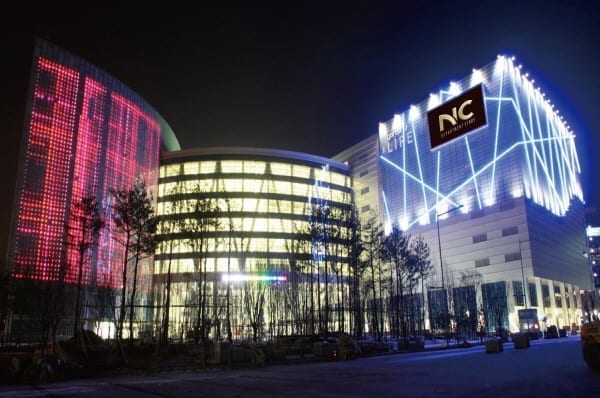
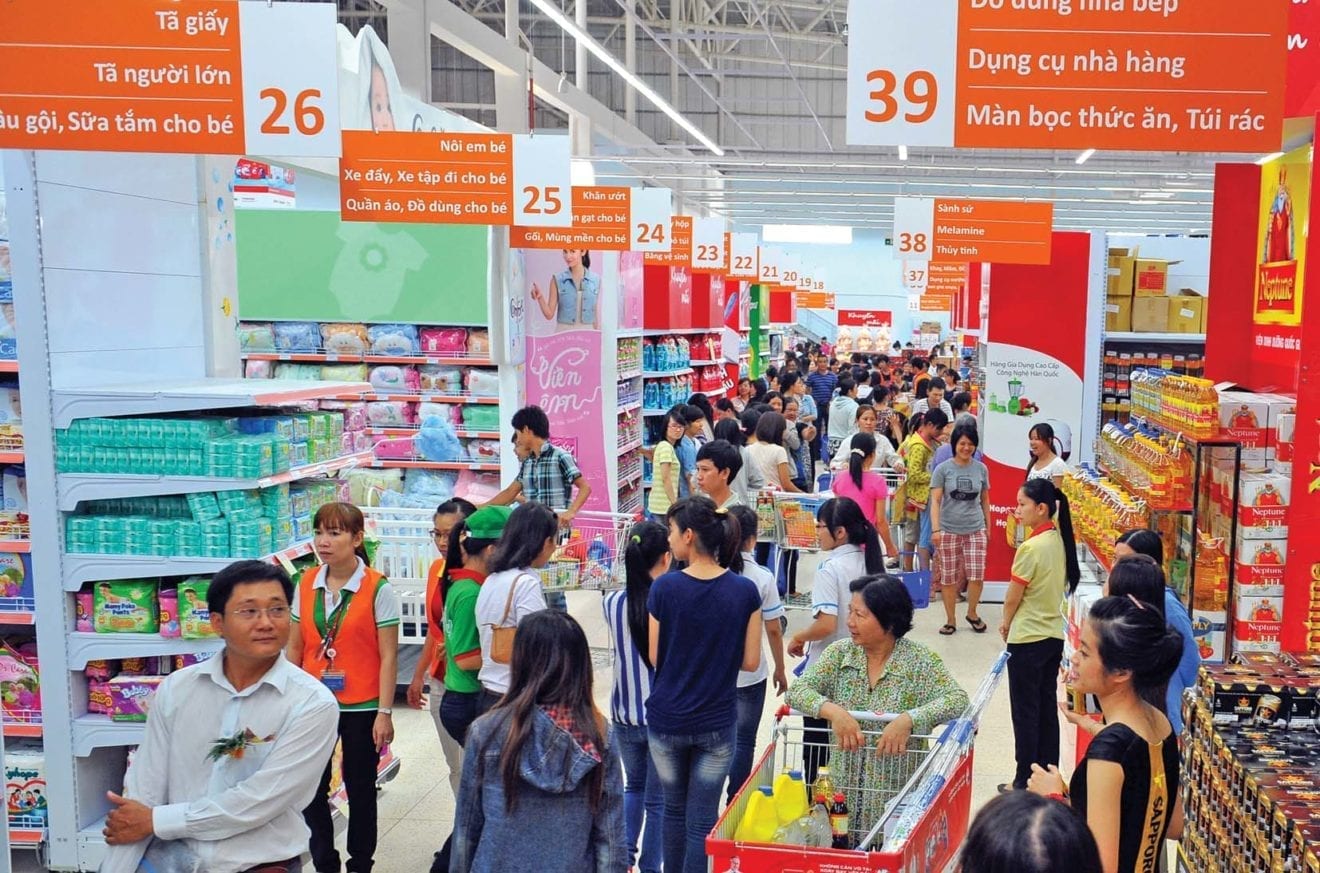
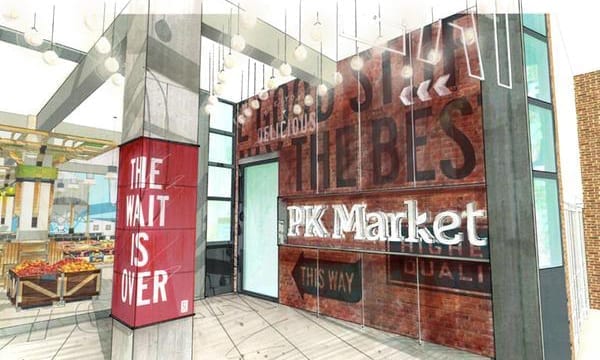
    Shinsegae’s discount chain E-mart plans to enter the US by opening its premium food outlet PK Market.

    While mostly high-end products will be sold at the South Korean group’s outlet, some of its low-tier private brands such as No Brand and Peacock will also be offered.

    E-mart is eyeing cities with significant Asian communities, such as Los Angeles and San Francisco. It may also acquire a food factory in Portland, Oregon, for producing its Peacock products for the US.

    E-mart has also joined hands with US shopping mall giant Taubman, which helped establish Starfield shopping malls in Korea.

    The Korean company has been trying to diversify its global reach, particularly after closing down stores in China over the THAAD row. Its accumulated operating loss in China has reached more than KW150 billion (US$141 million) since 2013, according to industry sources. E-mart finally exited the Chinese market last month.

    Meanwhile, the company plans to open its second outlet in Ho Chi Minh City in May.

  • Lina’s Paris opened new eatery at Incheon Airport

    Lina’s Paris opened new eatery at Incheon Airport

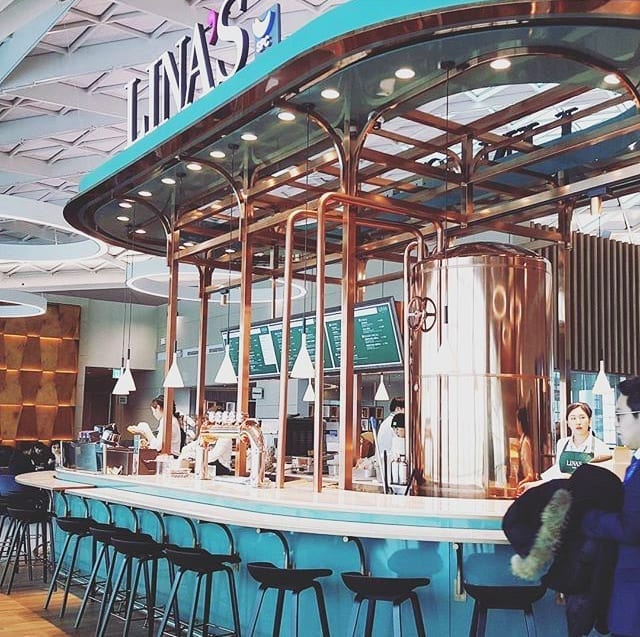
    French restaurant brand Lina’s Paris has opened a kiosk in the new terminal at Seoul’s Incheon Airport.

    Managed by the exclusive franchisee SPC, it is the brand’s 12th outlet in South Korea. Half the sales in the country are beverages, predominantly French coffee and French draft beer.

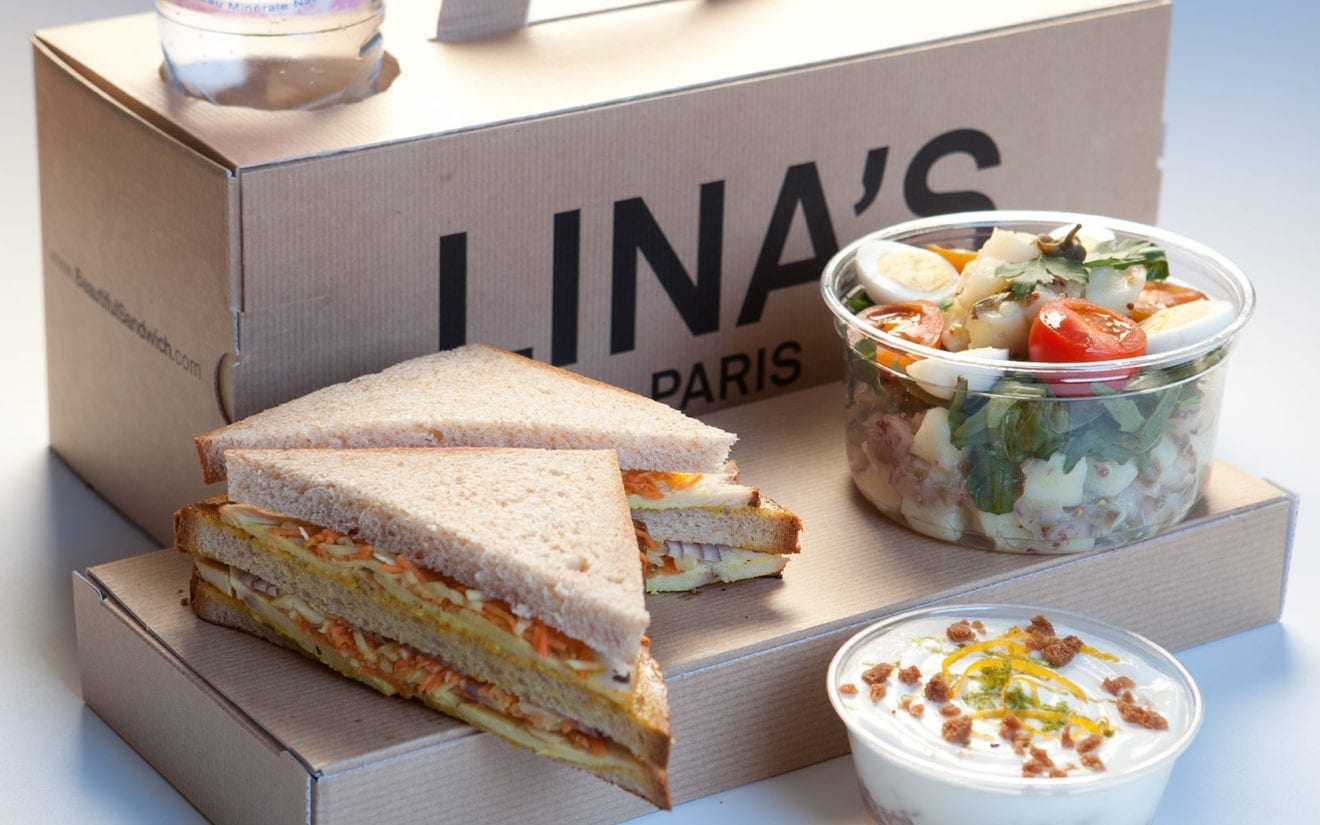
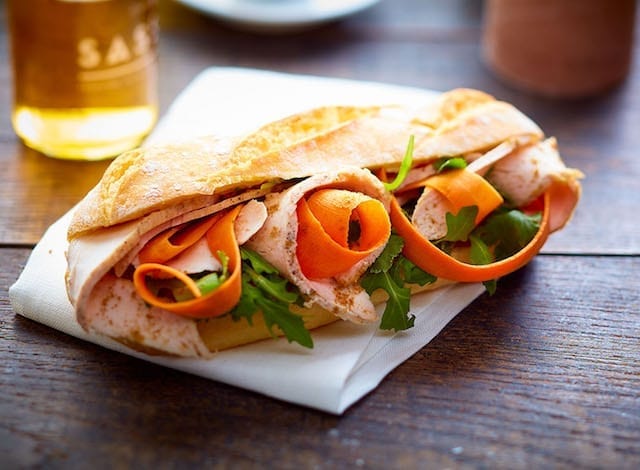
    A concept that is midway between a French cafe and a quick-service restaurant, Lina’s Paris was founded in 1989 based on four factors: a full range of French preparations (breakfasts, sandwiches, salads, hot dishes, soups, fresh juice, sorbet and pastry), a comfortable environment (a lounge area, free Wi-Fi, free press and a Parisian atmosphere), creative and authentic French recipes, and healthy, fresh, quality products and preparation.

    The brand has nearly 55 restaurants in six countries, with South Korea being the first for Asia. Development plans include expansion in Southeast Asia.

    Lina’s Paris will be looking for opportunities at the Paris Franchise Expo from March 25 to 28.