Tag: Korea

  • Kit Kat Flagship Store to Open Its First Location in Korea

    Kit Kat Flagship Store to Open Its First Location in Korea

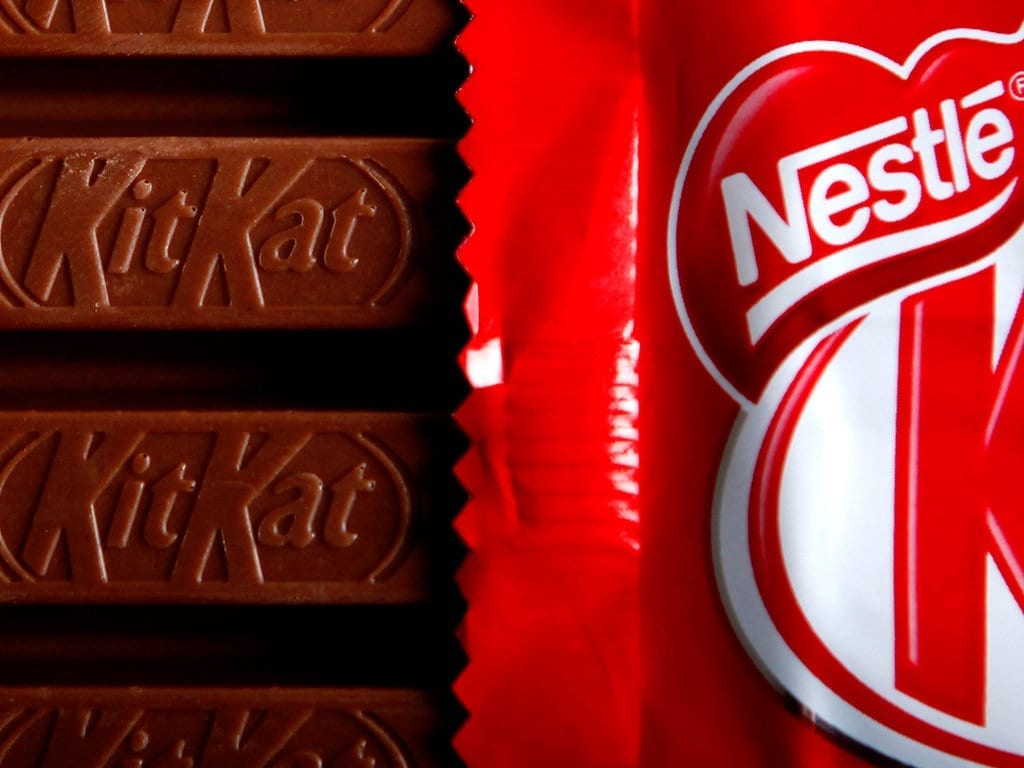
    A KitKat flagship store has been launched in Shinsegae’s Gangnam department store in South Korea.

    It has been opened by Swiss food giant Nestle’s Japanese unit, which has developed special flavours for the chocolate wafer snack in collaboration with chef Yasumasa Takagi, who has just rolled out a special ruby version. As well as the original KitKats, the new Seoul store offers such exotic variations as cherry blossom and wasabi.

    “Nestle decided to open the first flagship store to reflect Korean customers’ needs for new and trendy premium chocolate,” says Nestle Korea CEO Erwan Vilfeu.

    Nestle Japan is looking into taking its special flavours to other Asian countries with similar flagship stores.

  • The Shilla Duty Free aims high with new Terminal 2 perfume & cosmetics offer

    The Shilla Duty Free aims high with new Terminal 2 perfume & cosmetics offer

    The Shilla Duty Free has pledged “brand new kinds of customer experience that the airport has never seen before” at its new Incheon International Terminal 2 perfumes & cosmetics stores.

    T2 opened on 18 January. The Shilla Duty Free was awarded the terminal’s perfumes & cosmetics contract after an open tender in 2017.

    The travel retailer offered KW100 billion (US$87.9 million) in first-year guarantees for the five-year contract, which covers six stores and 2,105sq m of space.

    Shilla said that the T2 stores will offer “the best beauty experience in Incheon”. The overall retail concept will major on two key themes – “interactive” and “experience”.

    Seven interactive experience zones will enhance brand identity through promotional campaigns and product demonstrations.

    Customer interactive elements will include a ‘Digital Beauty Bar’, powered by what Shilla described as “cutting-edge display and information & communication technology”. It will provide a combination of information services, in-store promotions and virtual make-up previews, using a “gigantic” LED screen and interactive kiosk.

    Around 110 cosmetics & perfume brands, Korean and international, will be on offer. Chanel, Dior, Lancôme, Estée Lauder, SK-II and Sulwhasoo will each have flagship stores within an area of approximately 360sq m. The flagships are three times larger than the brands’ existing shops at the airport, Shilla said. Each has been independently conceptualised and designed by the respective beauty houses to create unique brand experiences. Key aspects of each offer are as follows:

    Chanel: “Brand new skincare experience”, featuring in-store product demonstrations and new product awareness using VR technology.

    Dior: Professional make-up artist’s product recommendations and demonstrations; Digital beauty tool including skin type analyser and lip test tablet.

    Lancôme: Virtual make-up mirror to showcase popular items and new arrivals; Digital screen covering entire store interior for video demonstrations.

    Estée Lauder: In-store engraving for various products, including fragrances and lipsticks.

    SK-II: Skin type analysis for personal counselling and product recommendation.

    Sulwhasoo: Hands & eyes massages; skin analysis and related product recommendation service with in-store moisture-measuring device.

    The offer will not just be about established brands. The Shilla Duty Free is also promising nine brand newcomers. Five are Korean – Primera, Too Cool for School, Cell Fusion C and Atopalm – and four imported – Caudalie, Foreo, Santa Maria Novella, Acqua di Parma and Atelier Cologne.

    r
  • More “green” of Apple store Garosugil

    More “green” of Apple store Garosugil

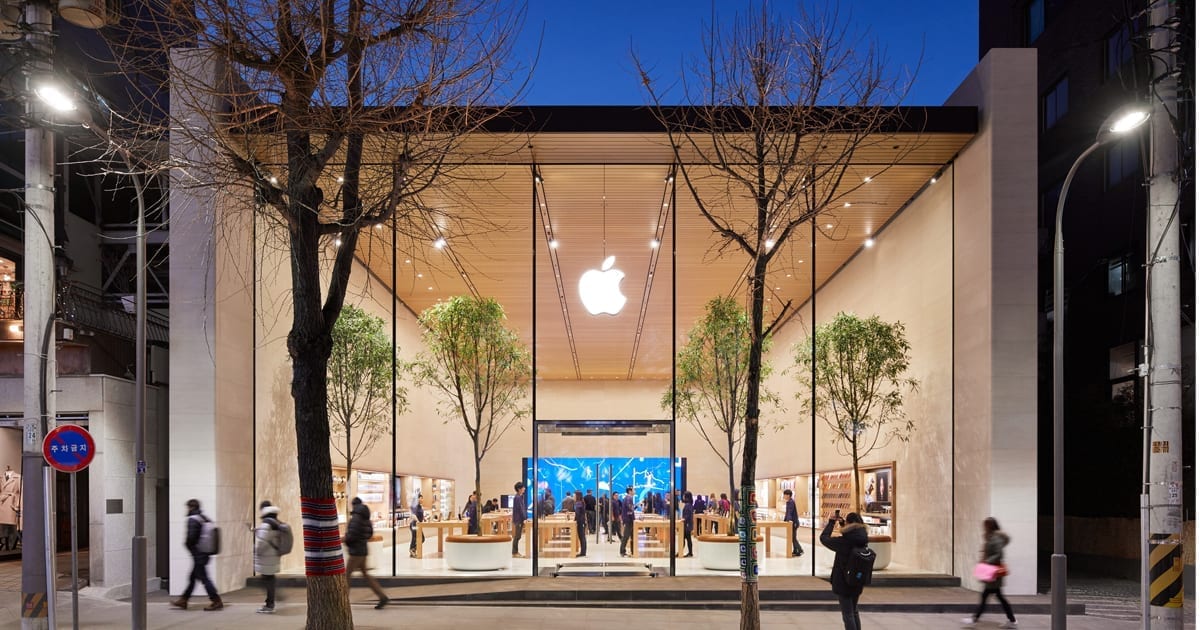
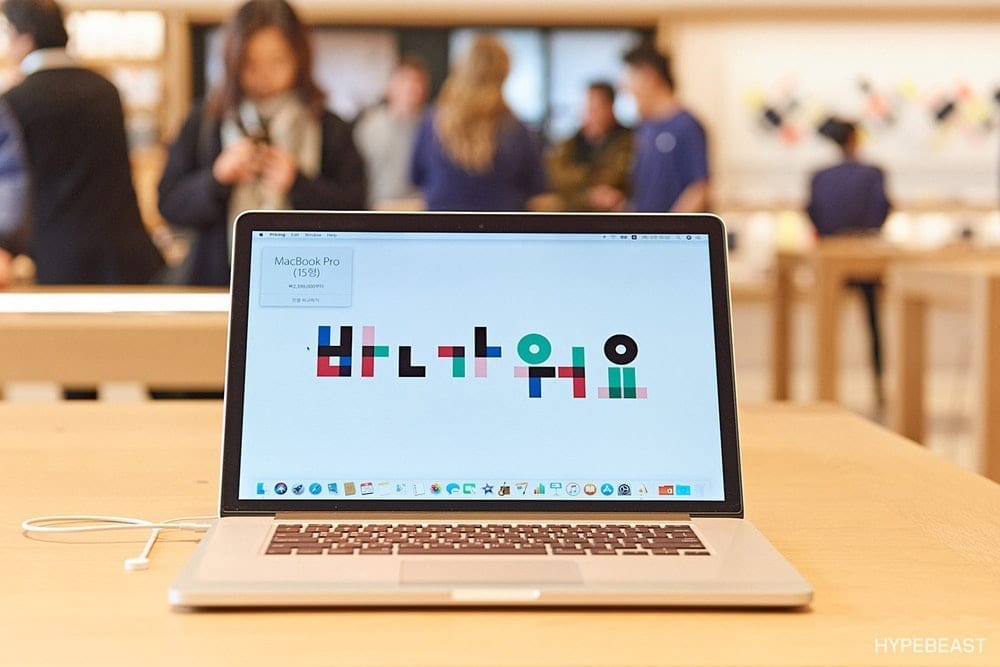
    Opening in Seoul on Saturday, Apple Garosugil will bring Apple’s products, in-store programming and services together in one place for the first time for South Korean customers.

    In the heart of the Gangnam area, the store features a 7.6m glass facade along a tree-lined street, with interior trees mirroring those outside.

    “Our stores are gathering places for the community where everyone is welcome to connect, learn and create,” says Apple senior VP of retail Angela Ahrendts.

    Today at Apple programming offers free sessions daily to inspire participants to unlock their creativity in photography, music, art and design, coding skills and more. The sessions are held in the heart of the store, the Forum, with its video wall.

    Anyone can attend a 30-minute Quick Start session, then go further with experiential photo walks or attend entrepreneurial sessions. Educators and developers can also receive advice and specialised training in the store’s boardroom.

    Apple’s full line of products and a curated collection of accessories are available in the store. Along each side of the store are Avenues, inspired by window displays along a shopping street, which offer interactive displays for visitors. These feature third-party products and accessories.

    Customers can register for Today at Apple sessions through the Apple Store app, as well as explore products and shop.

    Between them, the store’s 140 team members speak 15 languages.

  • Innisfree Launches Snoopy-Inspired K-Beauty Makeup Collection

    Innisfree Launches Snoopy-Inspired K-Beauty Makeup Collection

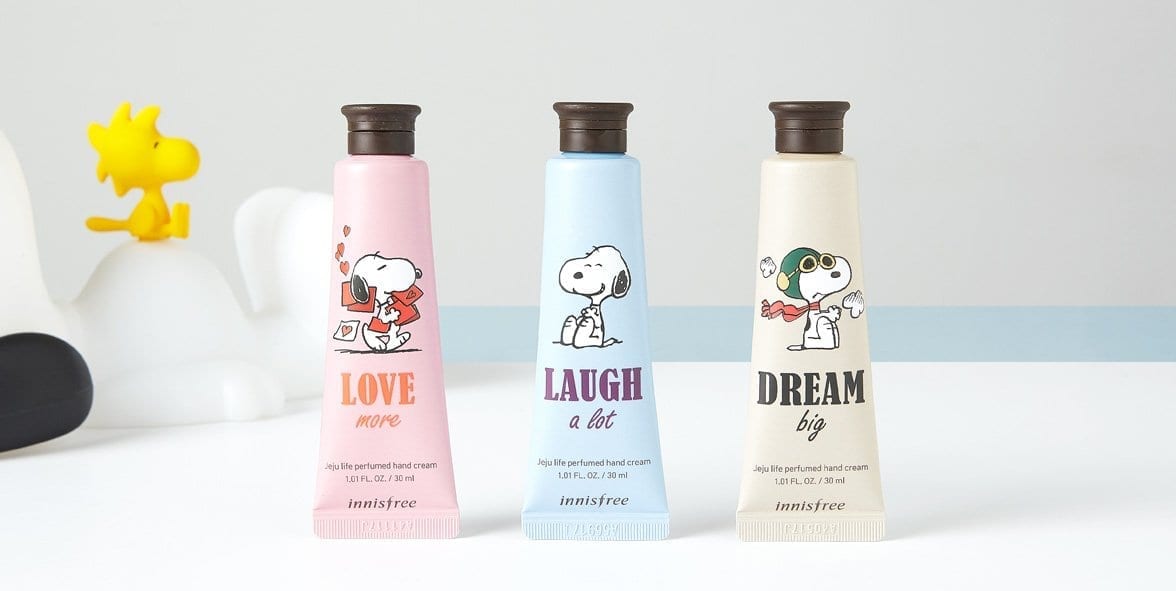
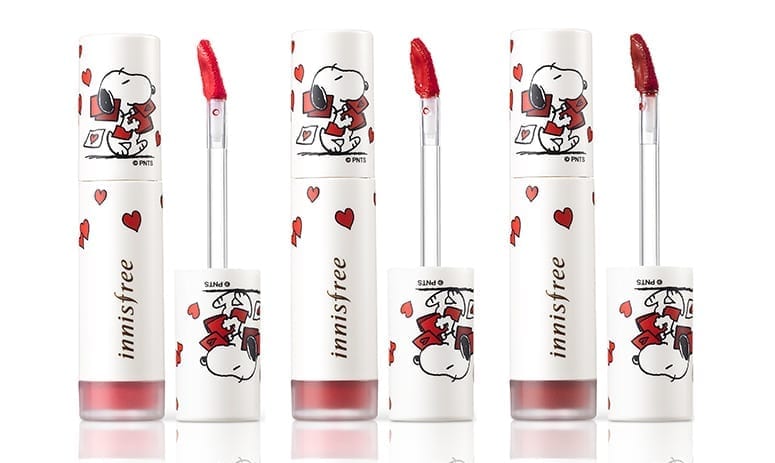
    Korean eco-cosmetics brand Innisfree has partnered with Snoopy to release a limited-edition collection for the Year Of The Dog.

    Called Innisfree x Snoopy, the collection includes five-pastel-shade nail polish, creamy tint, cushion and palette cases, with images of a smiling Snoopy front and centre of the packaging.

    The whole collection is available on Innisfree’s website, selling from US$4 to $12 each until February 28.

    Customers can change the shades of the products as they please.

    Sibling Amorepacific brand Etude House recently released its Lucky Puppy Collection to celebrate the coming Lunar New Year.

  • Shinsegae to buy local furniture company for $168 mln

    Shinsegae to buy local furniture company for $168 mln

    South Korean retail giant Shinsegae will buy a local furniture company Casamia for KW180 billion (US$167.8 million) in a bid to tap into the country’s home-furnishing industry.

    Shinsegae Department Store will sign a contract with the company’s founder “and others” to buy a 92 per cent stake in the company, as reported.

    Launched as a small furnishing shop in Seoul in 1982, Casamia now has multiple brands, ranging from home decor to office furniture. Sales reached KW121.9 billion in 2016.

    Shinsegae has declined to comment on the acquisition, and Korea Exchange has asked that it confirm media reports in a regulatory filing.

  • South Korean group acquires Prudential Finance in Việt Nam

    South Korean group acquires Prudential Finance in Việt Nam

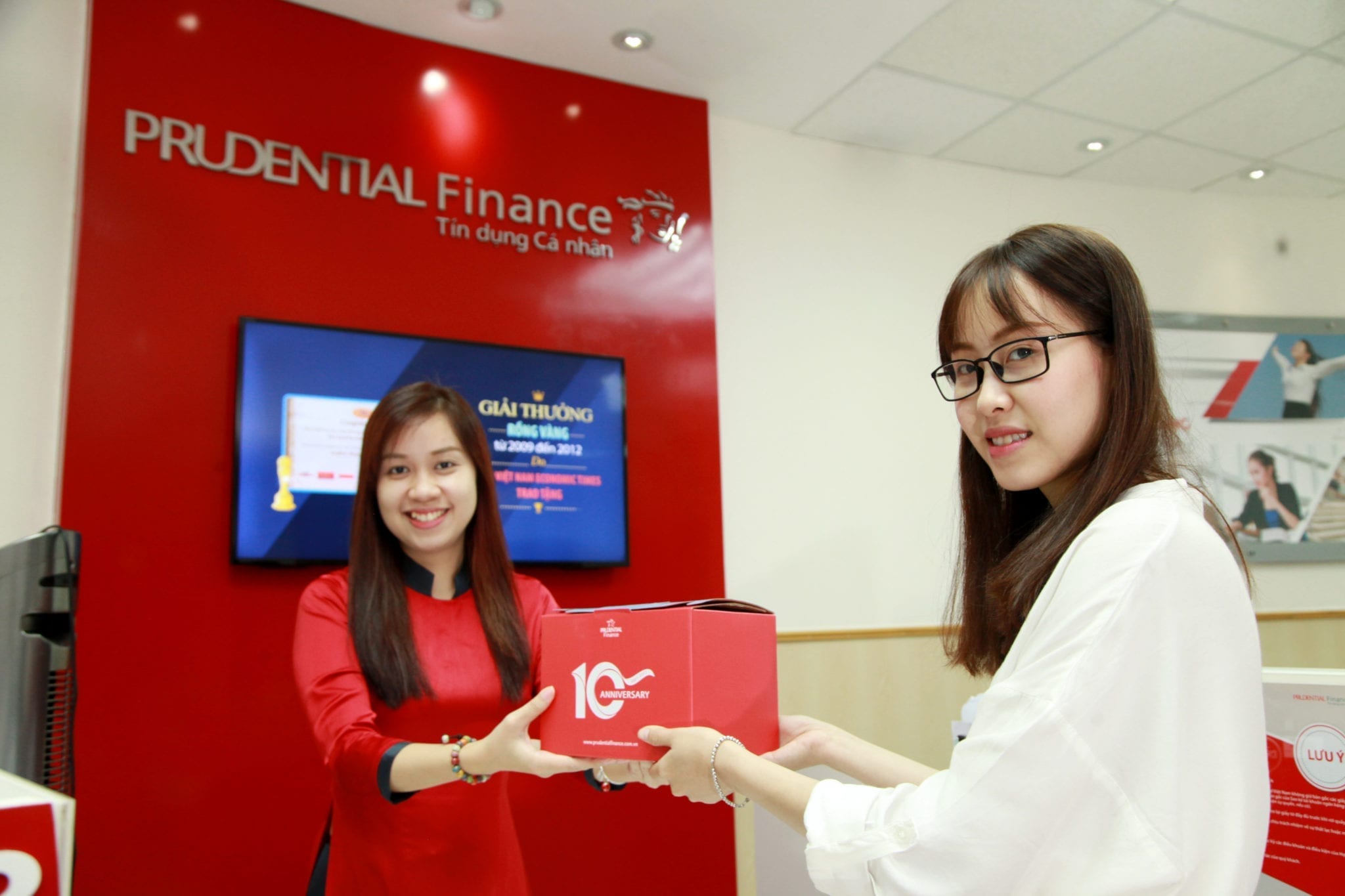
    Prudential on Tuesday announced that it had reached an agreement to sell 100 per cent of its Prudential Vietnam Finance Company (PVFC) to Shinhan Card Co Ltd, a subsidiary of the Shinhan Financial Group (Shinhan), at a cost of US$151 million.

    The United Kingdom-based financial services group’s PVFC was launched in 2006 as the first foreign non-bank financial institution licensed for consumer finance lending in Việt Nam. Today, it is the fourth-largest consumer finance company by outstanding loan balance.

    “Prudential and Shinhan will work closely to ensure a smooth transition of the business. PVFC remains committed to all of its customer obligations and operations will continue as normal until the transaction has been completed,” Prudential said in a statement.

    It remains fully committed to the Vietnamese market through its life insurance business, Prudential Vietnam Assurance Private Limited, and asset management business, Eastspring Investments Fund Management Company.

    “PVFC is a high-quality business, but it is not core to our strategy in Việt Nam. We are delighted that Shinhan will be able to lead this consumer finance business through to the next stage of its development. Việt Nam remains an attractive and important market to Prudential where we have high-quality and fast-growing life insurance and asset management operations,” Nic Nicandrou, Chief Executive of Prudential Corporation Asia, said.

    “As part of this transaction, we are further expanding our regional platform through the new long-term bancassurance partnership with Shinhan in both Việt Nam and Indonesia to continue serving the growing savings and protection needs of the Asian population,” he said.

    Shinhan is a financial institution in South Korea with a diversified business portfolio across banking, credit cards, securities brokerage, life insurance, asset management and leasing. It is one of the largest financial institutions by market capitalisation in Korea, and Shinhan Card is the largest credit card company in the country. Shinhan has had a presence in Việt Nam since 1993.

    Last year, Shinhan Bank Vietnam, a wholly owned unit of Shinhan Bank, also acquired the retail division of ANZ, a major Australian bank, in Việt Nam.

    Currently, Prudential Finance Vietnam, FE Credit, HomeCredit and HDSaigon are four companies ruling the Vietnamese consumer finance market. According to StoxPlus, the total outstanding loan of consumer finance companies was more than VNĐ56 trillion ($2.47 billion) at the end of 2016.


  • Bitcoin Renews Sell-Off As South Korea Clamps Down

    Bitcoin Renews Sell-Off As South Korea Clamps Down

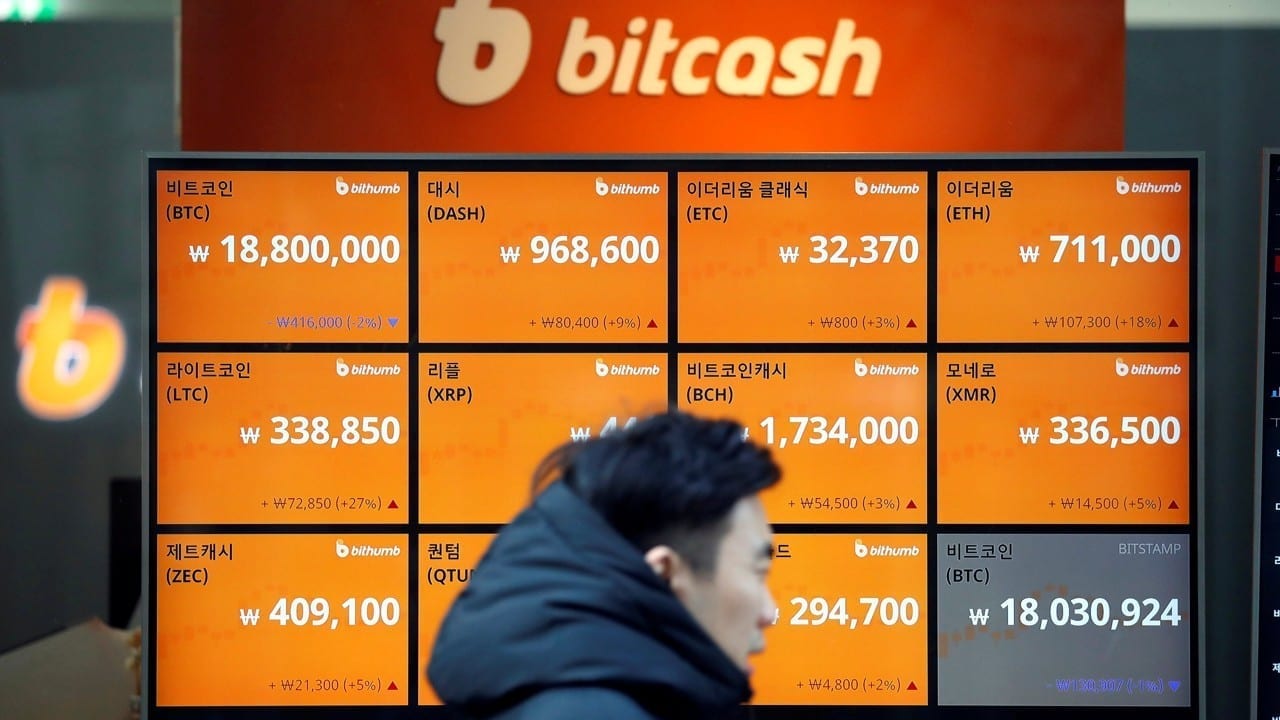
    Bitcoin’s descent continued on Monday, sliding 9% in late-morning trading after the cryptocurrency crumbled last week amid growing concerns from regulators in the U.S. and Asia.

    X Monday’s drop followed reports that South Korea, where cryptocurrency trading has boomed, might try to tax the market and make it share details of user transactions. Meanwhile, more research in recent days has raised fresh concerns about security and fraud in the crypto-space, on top of longstanding concerns of a bubble.

    Bitcoin sank 9% to $10,451.04, according to CoinDesk. Ethereum fell 8.7% to $957.48.

    As reported, South Korea said it would “collect up to 24.2 percent of corporate and local income taxes” on the nation’s cryptocurrency exchanges this year. The government will make those exchanges share data related to user transactions with banks late this month or early February.

    Last week, cryptocurrency traders also appeared to be spooked as the chorus of warnings from regulators grew louder. South Korea has been weighing whether to shutter local cryptocurrency exchanges, while a China central bank official said centralized trading of such digital assets and related businesses should be outlawed.

    The SEC also said “significant investor protection issues” needed to be looked at before sponsors begin offering cryptocurrency funds to retail investors.

    Research by Ernst & Young has also found that more than 10% of the funds generated by initial coin offerings are stolen by hackers. Research from Chainalysis found that at least $90 million of Bitcoin alone was stolen through scams, ransomware and hacking.

    Among Bitcoin-related stocks, Bitcoin Investment Trust , an investment vehicle that attempts to track Bitcoin, sank 5.4% in the stock market. Overstock.com, which has made a bigger push into blockchain — the record-keeping technology behind Bitcoin transactions — rose 4.9%.

  • Affinity Equity to bid on Stylenanda

    Affinity Equity to bid on Stylenanda

    Hong Kong’s Affinity Equity Partners has joined a bidding scramble for Korean budget fashion and cosmetics brand Stylenanda.

    Also in the race are LVMH-backed L Catterton, L’Oreal and Shiseido, with the bid worth up to KW500 billion (US$467 million), insiders say.

    Parent company Nanda has received letters of intent from potential bidders, including a local department-store chain, to sell a stake of up to 70 per cent.

    Launched in 2005, Stylenanda saw its sales soar to KW170 billion last year. While it started as a fashion brand, it has lately been focusing more on its cosmetics business. Now more than half of its sales come from its budget cosmetics brand 3CE.

    For its fashion business, the firm is focusing more on upscale boutique shops.

    CEO Kim So-hee, who owns the company outright, in 2016 sought to sell a sizeable portion along with management rights. There were negotiations with such candidates as Hyundai Department Store and TPG, but these collapsed.

    Meanwhile, L Catterton has been buying stakes in Korean companies in recent years, including US$80 million in YG Entertainment, $50 million in cosmetics maker Clio, and US$230 million in eyewear brand Gentle Monster.

    Affinity has also been buying into Korean firms. In August it bought plastic container company Lock&Lock for KW629.3 billion.

  • China leads for L’Occitane International

    China leads for L’Occitane International

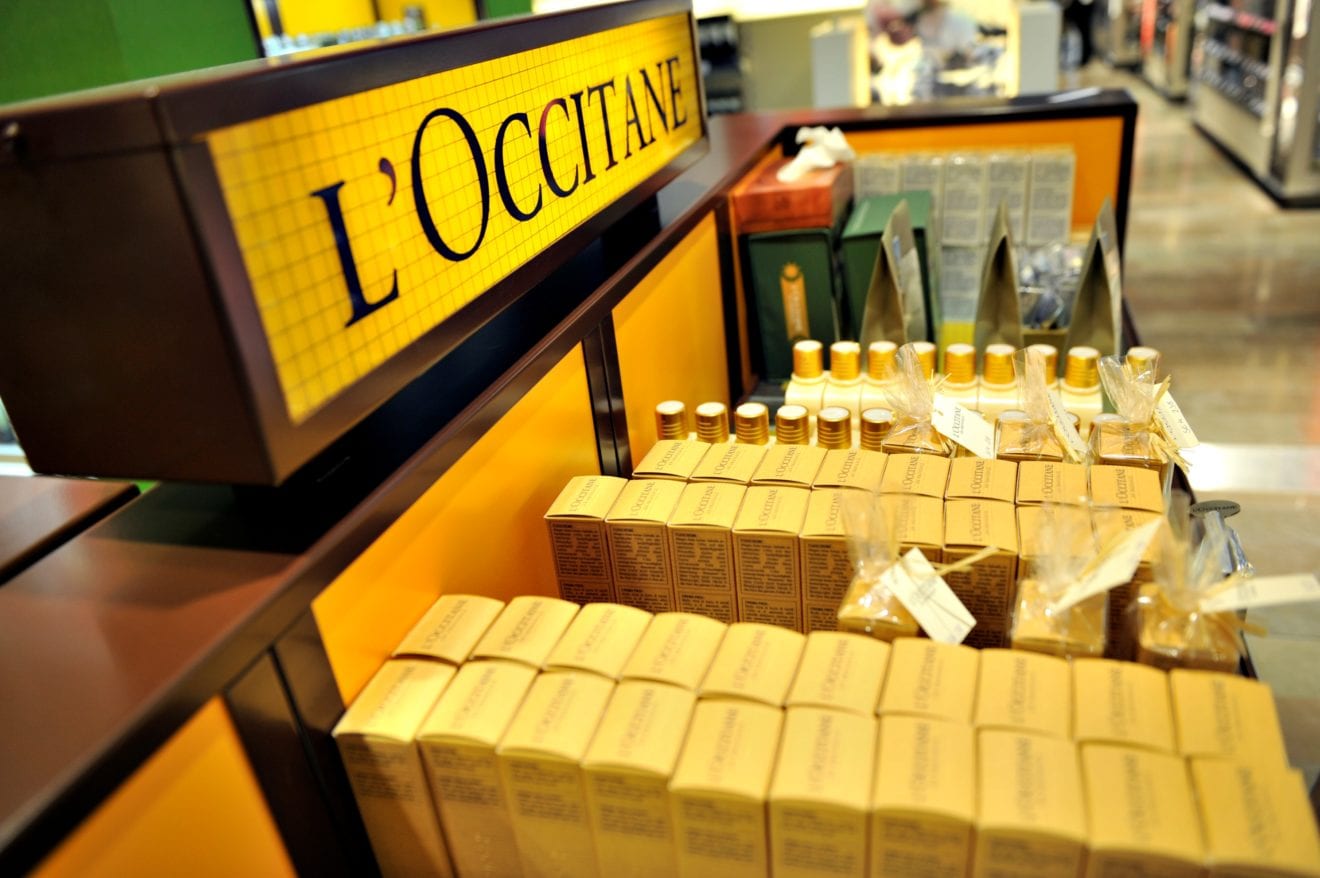
    China and Hong Kong, along with Brazil, had the highest sales growth in local currencies for French cosmetics company L’Occitane International for the nine months to the end of December.

    China sales grew 23.4 per cent in local currency, with same-store sales up 17.4 per cent.

    Hong Kong had 9.7 per cent growth at constant exchange rates, thanks to strong travel-retail sales in Asia, particularly Greater China, Korea and Japan.

    The group’s net sales reached €1 billion (US$1.2 billion), or 3 per cent growth at constant rates for the period. Unfavourable foreign-exchange rates knocked down sales at reported rates by 0.6 per cent.

    Same-store sales growth for the nine months further improved to 1.4 per cent from a 0.1 per cent drop for the six months to September 30. The improvement was mainly contributed by holiday offerings in the third quarter that fueled same-store sales growth in China, Hong Kong, Taiwan, Russia and other key markets.

    Sell-out sales accounted for 74.1 per cent of net sales, amounting to €741.9 million, down 1.4 per cent at reported rates but up 2.5 per cent at constant rates. This growth was primarily from positive same-store growth as well as non-comparable stores and other sales, including new and renovated stores, marketplaces and spa businesses.

    Web sell-out channels (own e-commerce and marketplaces) delivered encouraging growth of 21.2 per cent to reach 14.3 per cent of total sell-out sales.

    Sell-in sales accounted for 25.9 per cent of the group’s total sales, amounting to €259 million and an increase of 4.4 per cent at constant exchange rates. Like-for-like growth was 8.2 per cent.

    The increase was primarily driven by travel retail, distribution, B2B and web-partner channels of the L’Occitane en Provence brand. The emerging brands Erborian and Melvita continued double-digit growth.

    The group opened 16 stores and renovated 118 during the nine months, compared to 56 store openings and 79 renovations for the same period a year earlier.

  • Korean duty-free store sales record in December

    Sales to foreigners at South Korean duty-free stores reached a record high in December, industry data shows.

    But that comes despite a sharp drop in the number of tourists, following a diplomatic spat between Seoul and Beijing over a US anti-missile system.

    Sales to foreigners at local duty-free shops came to US$939 million last month, up 28 per cent from a year earlier, according to data compiled by the Korea Duty Free Shops Association. The figure is up 0.1 per cent from the previous high of $983 million, set in November.

    However the number of foreign visitors to local duty-free shops plunged 11.3 per cent on-year to 1.42 million last month, mainly due to Beijing’s ban on selling Korea-bound package tours in apparent retaliation over the deployment of a Terminal High Altitude Area Defense (THAAD) battery in South Korea.

    The number of Chinese nationals who visited South Korea last year stood at 4.16 million, down 48.3 per cent from the 8 million of the previous year, according to separate government data. Chinese nationals accounted for nearly half of the 17 million foreigners who visited South Korea in 2016.

    After months of dispute, the two countries agreed in October to normalise their bilateral relations, although Chinese tourists are yet to come back in volumes.

    Industry watchers say the latest increase in duty-free sales is attributable to small-scale Chinese traders.

    According to customs data, sales at South Korean duty-free stores reached a historic high of 14.5 trillion won last year, up 17.9 per cent from the previous year.

  • Korea’s Handsome to offer home-trial service

    Korean apparel retailer Handsome is launching a service for customers to have their selected clothes delivered and tried on at home before deciding whether to buy.

    Online shoppers can pick up to three pieces of clothing marked as available for the service and have them delivered to their residence during a time slot of their choice. Handsome employees will deliver the clothing in branded vehicles.

    Some 1300 clothing items from 21 of Handsome’s brands will be open to the “at Home” service that will first be offered to Handsome’s VIP and frequent online shoppers in some Seoul suburbs. The list of available products and suburbs served will gradually be expanded afterward, the company says.

    Customers will have two days to decide whether they want to make any purchases or they can return all items without extra cost.

    Handsome has been focusing on the online-to-offline business, allowing customers to buy online and pick up at offline locations and providing curation services to recommend items based on collected data on clients’ preferences. The company claimed the home-fitting service is the first in Korea’s fashion-retail industry.

    “Amazon started its fitting service Prime Wardrobe last year for up to 15 items for a Prime member,” a company spokesperson said. “We will establish a differentiated shopping service that offers a wide range of information on fashion and communicates with customers.”

  • Takashimaya Singapore to sell Hera soon

    Takashimaya Singapore to sell Hera soon

    Korean beauty company Amore Pacific is to introduce its makeup and skincare brand Hera in Singapore with a counter at Takashimaya.

    Launching in April, the counter will offer not only Hera’s full range, but also its Homme line.

    Hera has been one of the main sponsors for Seoul Fashion Week in the past few years, and is fronted by Korean actress Gianna Jun of My Sassy Girl.

    Singapore is only the second country outside Korea after China to have Hera, as reported, , and a standalone store is planned for the third quarter of this year.

  • Bulgarian water bottler Devin signs distribution deal with South Korean co

    Bulgarian water bottler Devin signs distribution deal with South Korean co

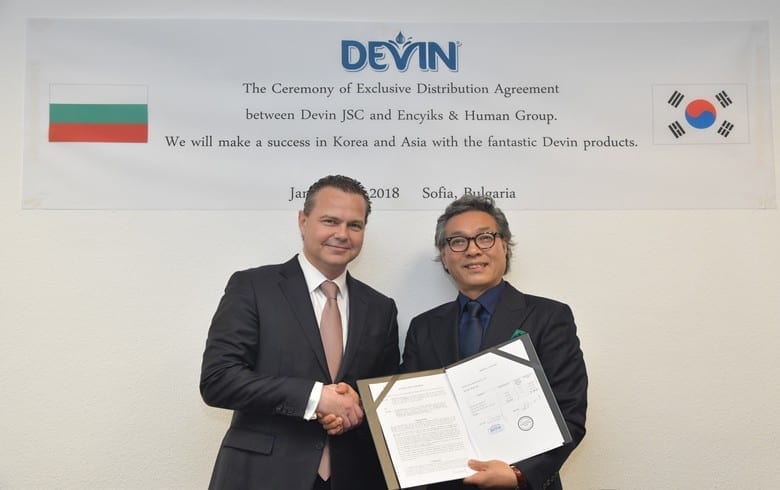
    Bulgarian water bottling company Devin said on Friday it has signed a distribution agreement with South Korea’s Encyiks and Human Co.

    “Under the agreement, Devin will provide natural mineral, sparkling and spring water, which will be distributed in South Korea,” the company told SeeNews in an e-mailed statement.

    Encyiks and Human Co. plans to expand its operations in the future and might offer Devin bottled water in other Asian countries, according to the statement.

    The duration of the distribution deal is three years, with the option to be extended with interest from both sides.

    In March 2017, Belgian mineral water producer Spadel acquired a 93.29% stake in Devin from Advent International for around 120 million euro ($146.9 million).

    Founded in 1992, Devin bottles and sells a wide range of products including mineral water, spring water and table water. Together with its national network of distribution partners, the company delivers its products to more than 35,000 retail outlets across Bulgaria.

    South Korea will host the 2018 Winter Olympics from 9 to 25 February in Pyeongchang county.

  • First GS25 convenience store opens in HCMC

    First GS25 convenience store opens in HCMC

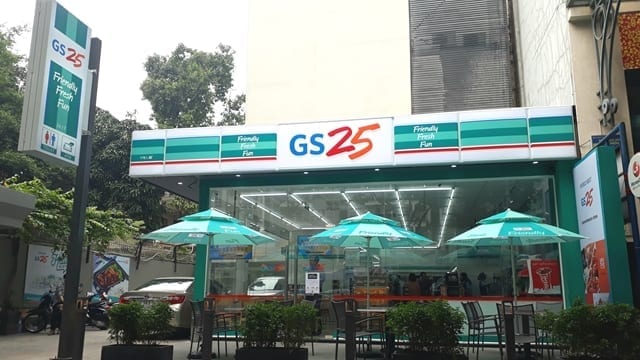
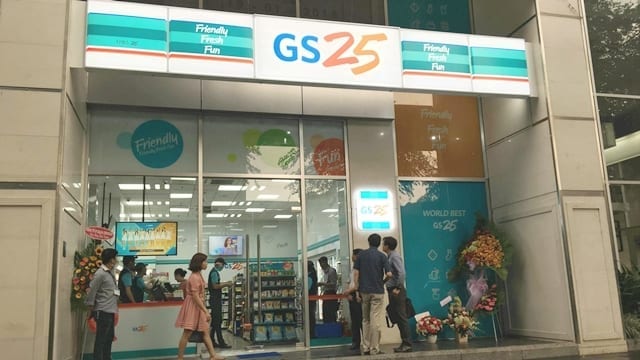
    Convenience store GS25 Vietnam officially opened the doors of its first store in Ho Chi Minh City today.

    Spread over 87sqm, the store is located on the ground floor of Empress Tower on Hai Ba Trung Street in District 3, close to the city’s CBD.

    Three more stores will open this month, including on sites at Truong Dinh Street, inside M Plaza, and Viettel Tower.


    Targeting Vietnamese customers in their 20s and 30s who are familiar with Hallyu, GS25 offers Korean food and products.

    All the stores have cooking and eating stations and sell food including Korean-style fried chicken, dumplings, cup rice, and tteokbokki (spicy rice cakes), as well as boxed lunches.

    Local dishes such as banh mi and sticky rice, and freshly brewed coffee will also be served.

    All dishes are made at a local factory overseen by GS25 standards.

    GS25 CEO Cho Yoon Sung believes Vietnam’s high economic growth rate makes it a good starting point for the company’s overseas expansion.

    The chain also plans to launch in other Asian markets, such as Cambodia and China.

    GS25 Vietnam is a joint venture between Korea’s GS Retail and Vietnam’s Son Kim Group.

  • EMart’s M-Lounge to sell electric mini-vehicles

    EMart’s M-Lounge to sell electric mini-vehicles

    South Korea’s discount store E-Mart, a unit of retail conglomerate Shinsegae Group, has started selling electric mini-vehicles.

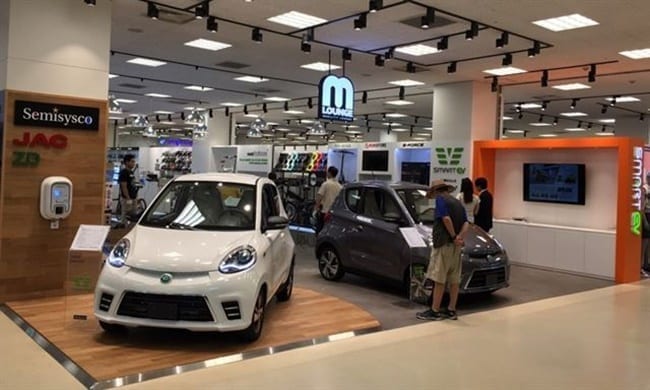
    E-Mart says it has expanded its M Lounge network to seven shops across Korea to sell electric bicycles and EVs.

    Introduced at its Yeongdeungpo store last March to introduce its e-mobility lineup, M Lounge now sells E-Mart’s private-brand e-bike Pedelec and other brands such as Mando Footloose and Maskali, as well as Air Wheel (electric wheel) and iBoat (electric kickboard). It has also started taking orders for the Zhi Dou two-seater electric car from China, which can run up to 150㎞ on a single charge.

    Cleared by regulatory authorities last month, the vehicle is expected to be priced at KW13 to 14 million (US$13,000).

    E-Mart aims to install M Lounge at up to 20 key stores across the country.