Tag: Korea

  • Moonshot cosmetics opened store at T Galleria

    Moonshot cosmetics opened store at T Galleria

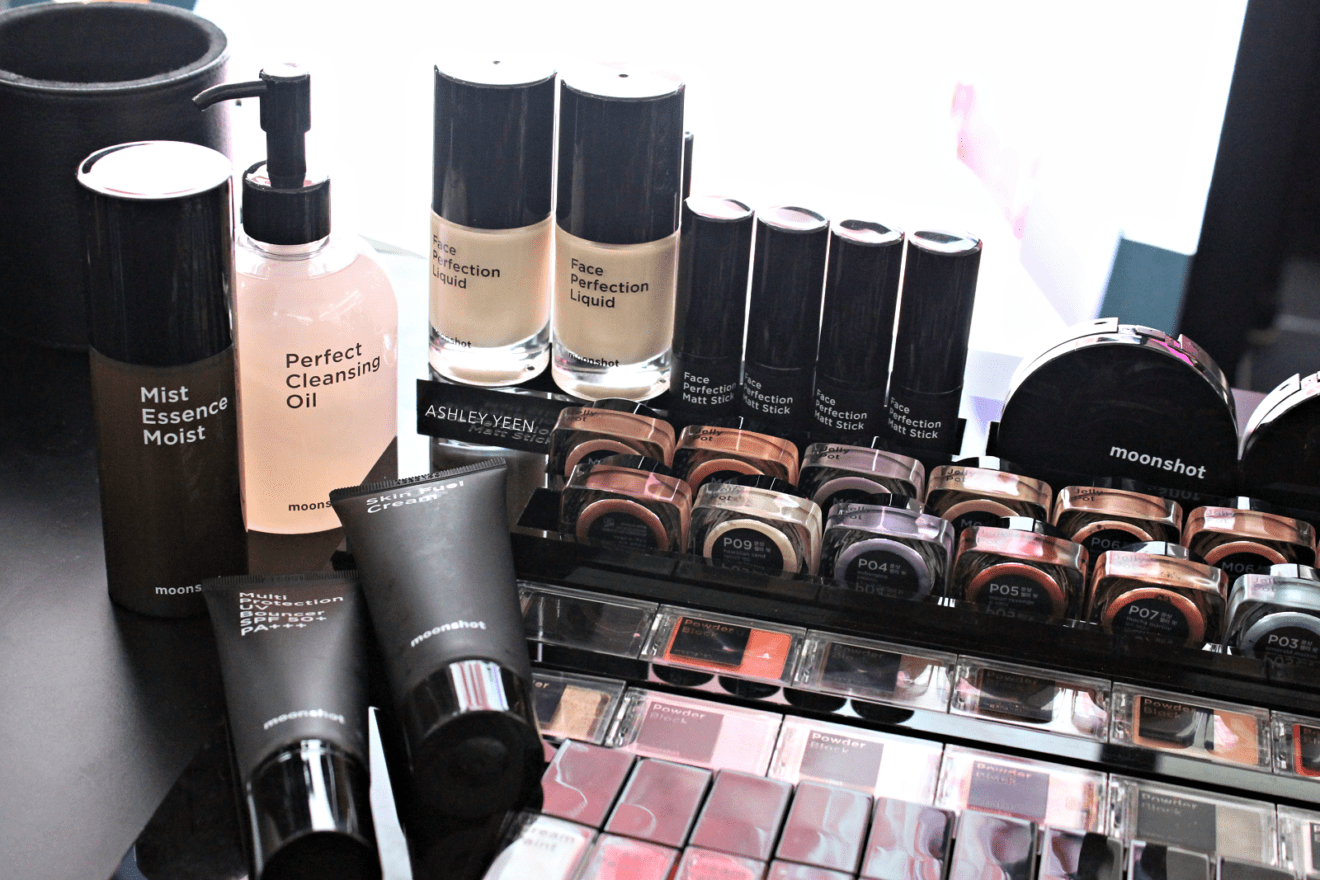
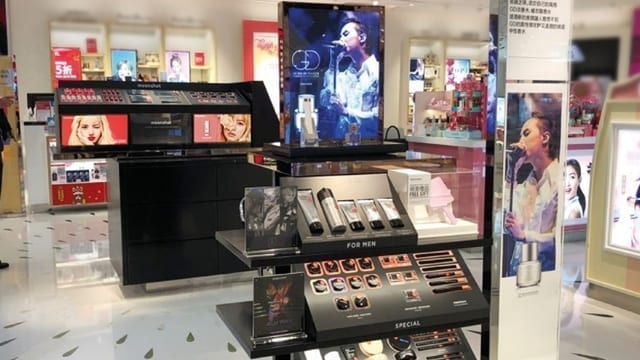
    Korean brand Moonshot cosmetics has opened its first Hong Kong outlet at T Galleria, operated by DFS Group. Before launching in T Galleria, Moonshot was distributed in Hong Kong and Macau through Sasa stores.

    Last year, the brand opened three stores in Malaysia after a long term association with Sephora.

    After Hong Kong, Moonshot is planning to enter China, Indonesia, the Philippines and Thailand. Moonshot was founded by YG Plus, a subsidiary of YG Entertainment in 2015.

  • Positive trend for Burberry sales in Asia

    Positive trend for Burberry sales in Asia

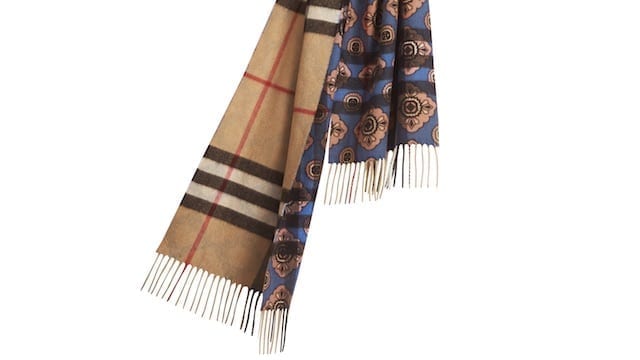
    Burberry sales in Asia rose “by the mid single digits” in the three months to year end, as the company reported a modest 2 per cent same-store improvement gobally.

    Asia Pacific was the strongest performing market for the UK-headquartered luxury retailer, with Mainland China leading the way. Hong Kong sales were “broadly unchanged” year-on-year despite an improvement in domestic trend.

    “Korea saw a better performance from both domestics and tourists, although sales still declined slightly,” the company said.

    “We are making good progress embedding our strategic vision into the organisation and remain on track to meet our full year profit target,” said CEO Marco Gobbetti, in a short statement.

    “We are building on strong foundations and are fully focussed on the successful delivery of our multi-year plan to position Burberry firmly in luxury and deliver long-term sustainable value.”

    Sales in Europe, Middle East, India and Africa decline by a low single digit figure, impacted by unusually strong figures from the UK the previous year.

    While the US was broadly flat, sales overall in the Americas rose marginally.

    Online sales posted solid growth, led by Asia Pacific, with Burberry saying mobile transactions accounted for 40 per cent of turnover online.

    By product, fashion outperformed as customers continued to respond positively to new products across categories.

  • Sportswear brand BARREL enters cosmetics market

    Sportswear brand BARREL enters cosmetics market

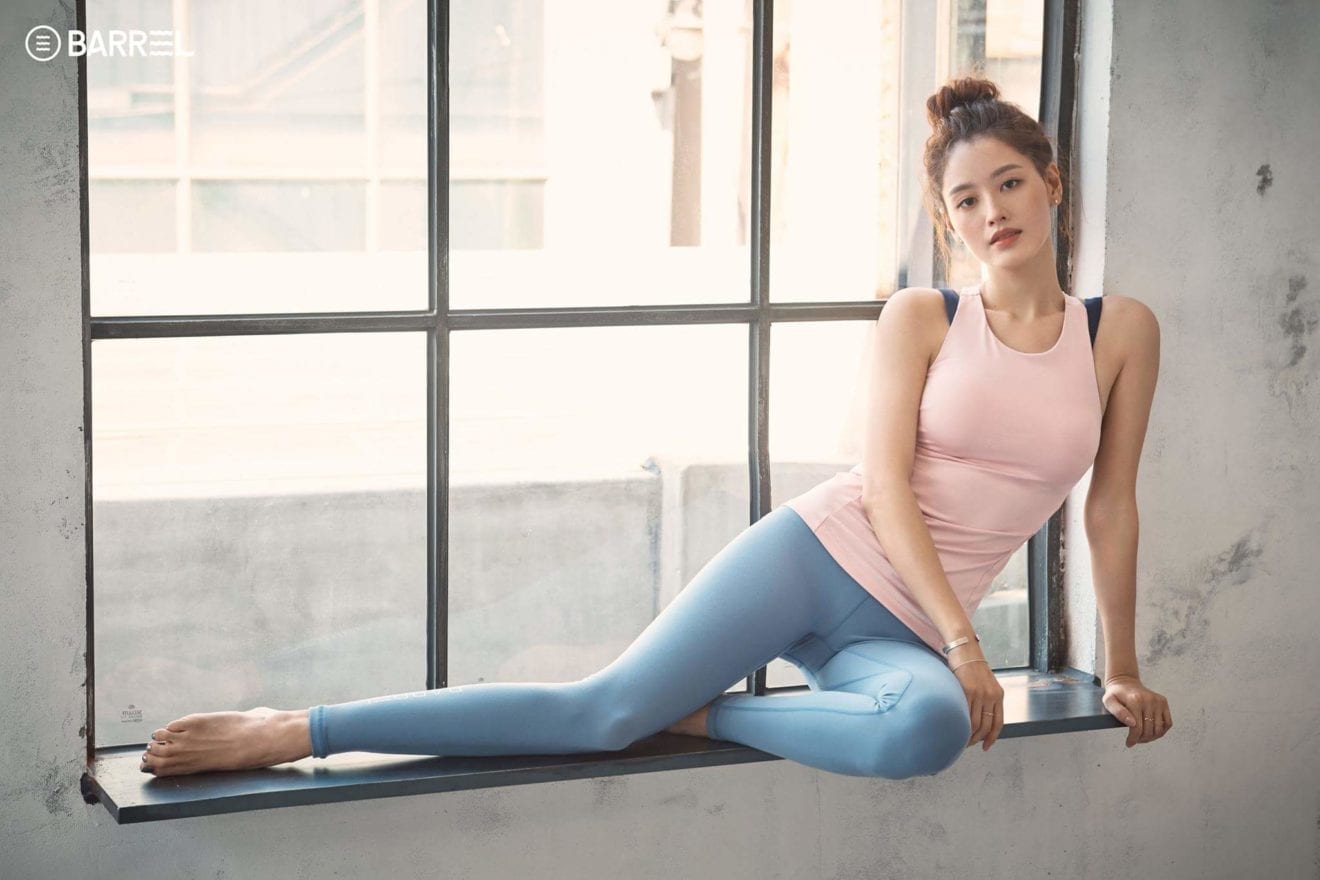
    Sports brand ‘BARREL’ enters cosmetics market with its water-based travel concept.

    BARREL announced its plans to expand its business into cosmetics as well as indoor swimwear and athleisure markets.

    Launched in 2014, BARREL is a company specializing in high-performance water sportswear and athleisure.

    Sales in 2016 reached 24.247 billion won. BARREL is the domestic leader in functional water sportswear ‘rash guard’. The domestic rash guard market was around 130 billion won ~ 200 billion won in 2016.

    BARREL offers a product line that professionally treats and protects skin from external factors such as stress, taking into account skin sensitivity to seasonal and environmental changes.

    The key brand concepts are Activity + Trendy + Safety.

    The activity applies a highly functional daily care solution tailored to the efficacy of clinically proven waterproof based shades, while Trendy introduces multiple complex functional products including wrinkle improvement + anti- aging + UVA / UVB.

    Additionally, the brand plans to offer safe prescription products for NO STRESS.

    The product line is primarily 45 ~ 50 items including UV protection (sun protection, sun stick), skincare, color make up (lipstick, eyebrow, eyeliner), cleansing and body.

    The price rage is middle-low price. Main distribution channel is online. Offline, the products will be sold in drugstore.

    An official of the barrel cosmetics division said, “We will release water based products and color make up with travel concept based on the youthful, healthy, active and trendy brand image in May 2018.”

    “We are planning to expand into a young and healthy concept sports cosmetics brand by expanding the range of waterproof and sweatproof based cosmetics such as color cosmetics and sunblocks,” he added.

  • Samsung Galaxy A8 Series Launched in Malaysia, Retails From RM1799

    Samsung Galaxy A8 Series Launched in Malaysia, Retails From RM1799

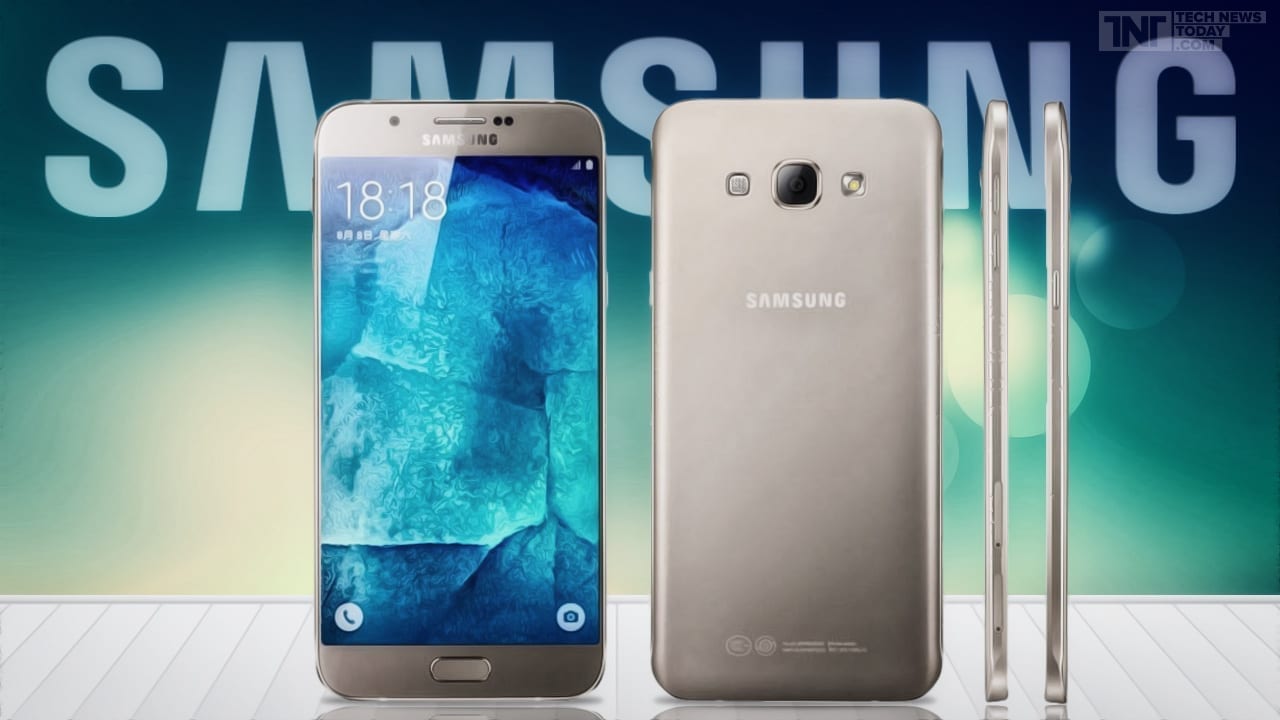
    Samsung has officially announced the arrival of the new Galaxy A8 (2018) in Malaysia. The Galaxy A8 (2018) and Galaxy A8+ (2018) are the company’s new mid-range offerings, featuring IP68-rated bodies and a new dual front camera setup, and will retail from RM1799.

    While they may be positioned as mid-range devices, Samsung has actually trickled down quite a number of flagship features to the new Galaxy A8 (2018) devices. In fact, the two phones even feature a dual-camera setup at the front, allowing for Live Focus for selfies – something the flagship Galaxy S8 and Note 8 devices do not offer.

    The Galaxy A8 also feature the Infinity Display with slim bezels: the A8 sports a 5.6-inch 18.5:9 Super AMOLED display, while the A8+ features a larger 6-inch panel; both phones boast Full HD+ 2220 x 1080 resolutions.

    The dual front camera, on the other hand, are made up of 16MP + 8MP sensors. The front cameras feature Live Focus, which simulates a shallow depth of field in your selfie shots. The rear camera, on the other hand, is a 16MP f/1.7 shooter with phase detection autofocus.

    Rounding out the specifications of the Galaxy A8 and A8+ are an unspecified Exynos octa-core processor paired with 4GB (A8) or 6GB (A8+) of RAM, 32GB (A8) or 64GB (A8+) of expandable storage, IP68 water and dust resistance, a 3,000mAh battery (3,500mAh on the Galaxy A8+), and Android 7.1.1 Nougat out of the box.

    The two phones run Android 7.1.1 out of the box, and feature a fingerprint scanner USB Type C fast charging, Bixby, and the Dual Messenger feature.

    The Samsung Galaxy A8 (2018) and Galaxy A8+ (2018) will be available in three colours (Black, Gold, and Orchid Grey) and will retail for RM1799 and RM2499 respectively. They will go on sale nationwide from 19 January onwards, and there will also be an early bird promo from 19-21 January, where those who buy the Galaxy A8 phones will receive a free 64GB Samsung Evo Plus microSD card and a 10000mAh power bank with Type C connector.

  • Bitcoin slides below US$10,000 amid clampdown fears

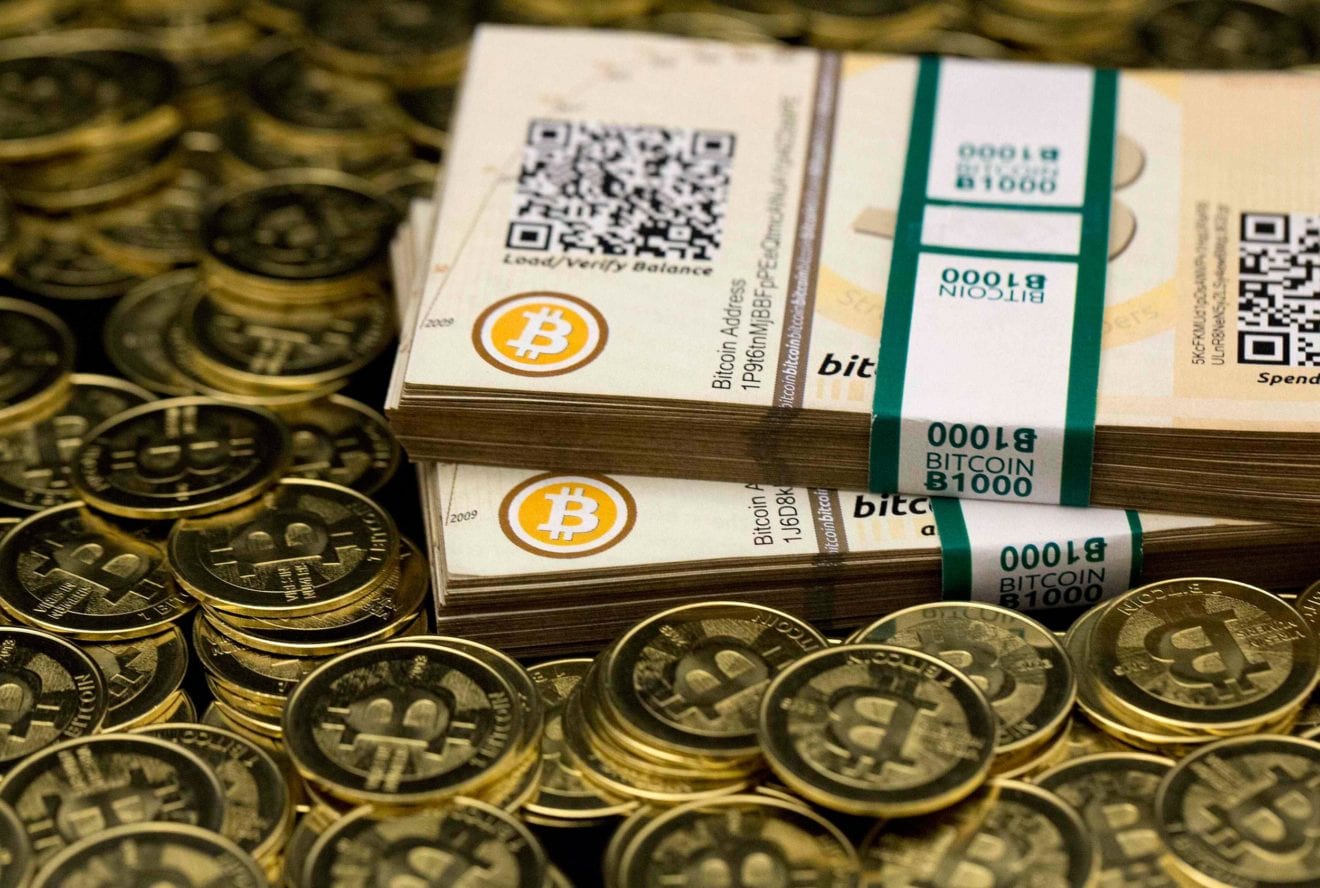
    Bitcoin skidded below US$10,000 (RM39,500) yesterday, halving in value from its peak price, with investors gripped by fears regulators could clamp down on the volatile cryptocurrency that sky-rocketed last year.

    The price of bitcoin, the world’s biggest and best known cryptocurrency, fell to as low as US$9,500 on the Luxembourg-based Bitstamp exchange, the lowest since Dec 1.

    Bitcoin touched a peak of almost US$20,000 in December – and indeed crossed over that threshold on some exchanges – but has since been roiled by several large sell-offs.

    Other cryptocurrencies plunged as well. Ethereum and ripple were both down heavily after reports South Korea and China could ban cryptocurrency trading, sparking worries of a wider regulatory crackdown.

    “There is a lot of panic in the market. People are selling to try and get the hell out of there,” said Charles Hayter, founder of Cryptocompare, which owns cryptocurrencies.

    “You have more regulatory uncertainty … and because of these falls you have these other outfalls,” he said, referring to the collapse of some cryptocurrencies in the recent slump in prices.

    With South Korea, Japan and China all making noises about a regulatory swoop, and officials in France and the United States vowing to investigate cryptocurrencies, there are concerns that global coordination on how to regulate them will accelerate.

    Officials are expected to debate the rise of bitcoin at the upcoming Group of 20 (G20) summit in Argentina in March.

    “Cryptocurrencies could be capped in the current quarter ahead of the G20 meeting in March, where policymakers could discuss tighter regulations,” said Shuhei Fujise, chief analyst at Alt Design.

    Analysts at Citi said today bitcoin could halve again in value amid the current rout, adding that a possible fall to between the US$5,605 and US$5,673 area “looks very likely to be very speedy”.

    “Bitcoin is deciding whether this is the moment to crash and burn,” said Steven Englander, head of strategy at New York-based Rafiki Capital.

    “My conjecture is that cryptocurrency holders are trying to decide whether to abandon bitcoin because its limitations mean it will be superseded by better products or bet that it can thrive despite them.”

  • Apple’s first South Korean store set to open in Seoul on Jan. 27

    Apple’s first South Korean store set to open in Seoul on Jan. 27

    The first official Apple Store Korea will open later this month.

    Apple Korea announced today that its first fully-fledged retail shop in South Korea will open on January 27, on Garosugil in the affluent southern district of Gangnam in Seoul.Apple said on its website that the store will trade seven days a week from 10am to 10pm.

    Consumers will be able to try out iPhones, Apple Watches, iPads, MacBooks and other Apple products, visit the Genius Grove for repairs, and attend training sessions on the use of Apple gadgets at the store.

    Apple said it has been working with mobile carriers, including SK Telecom, KT and LG Uplus so users can register and set up their mobile phones at the store.

    Apple began replacing iPhone batteries early this month as hundreds of thousands of South Korean iPhone users filed a suit over allegations the tech giant intentionally slowed down older iPhones to push users to buy new models.

  • Cryptoсurrency Market Continues to Float After Regulation From South Korea

    Cryptoсurrency Market Continues to Float After Regulation From South Korea

    This weekend the cryptocurrency markets went on contending against the setback caused by a last week’s regulatory announcement from South Korea, which turned out to be false.

    On January 11, Justice Minister Park stated that the ministry is working on drafting a cryptocurrency trading ban bill in order to close down cryptocurrency exchanges. Just after that the price of almost all cryptocurrencies in the global market lost in value, with Bitcoin and Ethereum falling by nearly 10 percent. A couple of hours later, the Ministry of Strategy and Finance found out about the claims of Minister Park through media reports and emphasized that it did not support the personal statement of Minister Park nor agreed with it.

    On January 12, the Blue House, the executive office of President Moon Jae-in, made a public statement and apologized to South Korean citizens for the recent cryptocurrency trading ban controversy.They pointed out that the ban would not be imposed in the short-term.

    The South Korean faked ban is not the only attempt to regulate the cryptocurrency exchanges’ activity. Earlier China, one of the dominant players in terms of Bitcoin mining activities due to low electricity cost, banned Initial Coin Offerings (ICO) and closed down local Bitcoin exchanges. It also decided to put restrictions on the use of electricity consumed by the Bitcoin miners.

    However, regulators have never been able to kill off Bitcoin. But it is clear that they carry a lot of weight when it comes to affecting the market price.

    With the exception of Bitcoin, Ethereum, and Dash, the top 10 cryptocurrencies in the global market have increased in value after the ban turning out to be fake.

    Among the top 100 cryptocurrencies, only 20 managed to keep their values in the last 24 hours. In particular, cryptocurrencies, which are heavily concentrated in the South Korean crypto exchange market in terms of daily trading volume and user activity, have recovered faster than others.

    According to the data from CoinMarketCap, Bitcoin price decreased by 0.9% in the last 24 hours and currently makes up $13,722, while Ethereum suffered a 1.93% loss, falling down to $1331,79. Conversely, some currencies enjoyed an increase in value. Specifically, the price of Cardano increased by 4.30% and now runs at $0,833502. Another cryptocurrency that scored an advance is NEO – it increased by 13.89%, reaching $157,99.

    Given that the South Korean cryptocurrency exchange market is already recovering at a rapid rate, the global market will likely follow suit.

    However, there is one more thing that can fluster cryptocurrency admirers. Bitcoins are created as a reward for a process known as ‘mining’. The first bitcoin was created in January 2009, and there were nearly 21 million coins left to be mined. As more coins were mined, the higher rose the bitcoin’s price. So far on January 15, 2018, 16,803,537 BTC have been mined, meaning that there’s only 4196463 – less than 20 percent — left for miners to acquire. This leads to growth in the demand for the cryptocurrency, which allows to speculate that the bitcoin prices will take a flight in the near future.co
  • Starbucks Coffee Korea forecast to post record-high operating profit

    Starbucks Coffee Korea forecast to post record-high operating profit

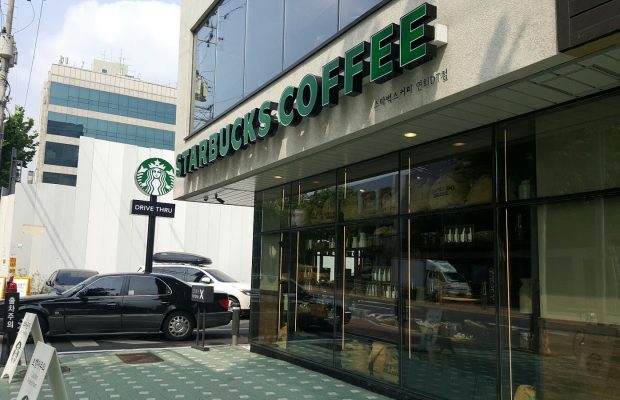
    Starbucks Korea’s annual operating profit soared past 100 billion won (US$94 million) for the first time last year, despite intense competition in the domestic cafe sector.

    Industry sources told Yonhap news service the record result was driven by solid demand from young consumers.

    The operating profit of the coffee chain, which is run by South Korean retail conglomerate Shinsegae, was estimated at 110 billion won last year, according to the sources. Sales were estimated to have reached 1.2 trillion won (US$1.128 billion).

    The company’s annual revenue first topped the 1 trillion-won mark in 2016, setting a milestone in the South Korean coffee industry.

    The figures for its competitors, such as A Twosome Place and Angel-in-us Coffee, are known to average between 100 and 200 billion won, according to industry sources.

    Starbucks, which opened its first Korean branch near Ewha Womans University in Seoul in 1999, had 1140 stores throughout the country as of last month.

    In December, the coffee chain opened its largest store in the country in Seoul.

  • H:Connect brings Korean style to Vietnam

    H:Connect brings Korean style to Vietnam

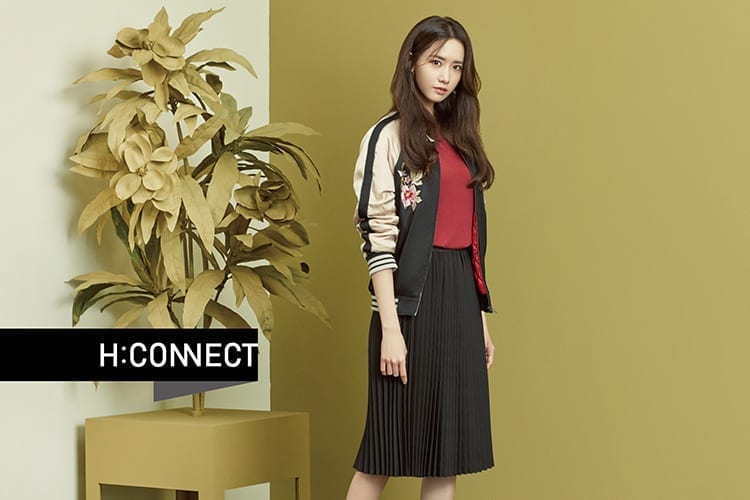
    Korean fast-fashion brand H:Connect has expanded into Vietnam, opening two stores.

    H:Connect Vietnam’s first store opened two weeks ago in Hanoi.

    Now a second store has opened in Crescent Mall in Ho Chi Minh City’s District 7, taking up more than 450sqm. Both shops offer trendy clothing designed in Korea for both men and women.

    Vietnam has long been on the radar of the brand thanks to the huge popularity of Korean wave there, as well as the country’s large Korean expat community.

    Founded in 2006, H:Connect now has stores in China, Hong Kong, Korea, Malaysia, Singapore, and Taiwan.

  • Korea’s Caffe Bene sees the end

    Korea’s Caffe Bene sees the end

    Korean coffee chain Caffe Bene has collapsed, filing for a court-led restructuring scheme on Friday.

    Yonhap news service reports the court will soon decide whether to put the ailing coffee chain under its receivership or commence liquidation.

    The legal move follows a protracted slump and mounting losses, the company said. In 2016, the company lost about US$32 million on sales of $73 million, down 32 per cent on the previous year. At that time it operated 800 stores in Korea, a figure it said would shrink as it restructured, and about 50 in the US.

    Launched in 2008, Caffe Bene expanded to become one of South Korea’s largest coffee franchises, opening more than 1000 stores in five years, but lost ground in the saturated coffee market. While its US website claims it has opened 1600 stores worldwide, the exact number still trading is difficult to ascertain. It has opened in Vietnam, the US, China, Canada, Brunei, Singapore, Japan, Indonesia, the Philippines, Saudi Arabia, Malaysia, Cambodia and Mongolia.

    But the international foray has met with mixed success. The Cambodian store has already closed and the last Facebook post by the Singapore cafe is dated February last year. In Vietnam several stores have opened and closed, including its downtown flagship which drew huge queues when it opened in 2014. Three outlets remain trading there, but it is not clear if they are franchised or company-owned.

    The company also appears to have exited the Canadian market.

    While rapid growth in the consumption of brewed coffee drove up the Korean coffee industry’s overall expansion, Caffe Bene was unable to match the growth rate at home.

  • Shilla Duty Free sets up second presence in Incheon airport

    Shilla Duty Free sets up second presence in Incheon airport

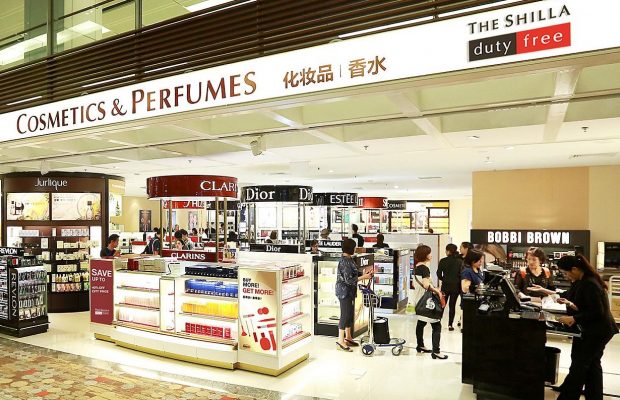
    With its new second store at Incheon International Airport (IIA), Shilla Duty Free says it now has cosmetics and perfume outlets at all passenger terminals in Asia’s three largest airports.

    The South Korean duty-free retailer says it has shops at all four terminals at Singapore’s Changi Airport and at Chek Lap Kok Airport in Hong Kong. Its first store at IIA opened in 2001.

    Cosmetics and perfume are considered key duty-free items as they generate strong revenue. In the case of IIA’s duty-free shops, cosmetics and perfume account for 38 per cent of all sales.

    Shilla Duty Free, part of Hotel Shilla, says it expects overseas business to soon exceed KW1 trillion (US$939 million).

    Its new store covers 2100sqm and offers products from 110 brands including Chanel, Dior, Estee Lauder, Lancome, SK-II and Sulwhasoo. It features a “digital beauty bar” that uses such technology as a VR “beauty mirror”.

  • Crypto Trading in Korea Continues, Questions Remain

    Crypto Trading in Korea Continues, Questions Remain

    Cryptocurrency trading in Korea is getting more detached, flying by its own rules. Recently, the news of an upcoming ban rattled the market. CoinMarketCap decided to alter its calculation protocol to exclude prices in Korea, thus for a while scaring investors that a flash crash had happened.

    But it turns out, Korean trading is not really affecting the sentiment of other markets. Korean trading mostly serves a very local taste for risk. In the summer months, interest in Bitcoin for a while coincided with the threat of North Korea.

    Later, it turned out that Koreans simply found investing in crypto irresistible, and moved in en masse. In the past, Korean authorities have had other bouts of market mania related to risky assets, thus being extremely anxious on how cryptocurrencies could affect personal finance.

    The Korean markets have seen an influx of retail investors, ranging from office workers to students, in search of a fast-growing investment in Bitcoin or other cryptocurrencies. Korean exchanges are fast to adopt new coins and allow immediate trading in pairs against fiat.

    But some see the latest price spikes as highly speculative and at a risk of crashing.

    For now, there are no further updates on what the Korean government would do with exchanges. Trading continues at a premium to US-based exchanges, and the Korean Won remains the fourth most active fiat currency in trading pairs.

    The matter is becoming politicized, and there are protests that the government should not meddle too much and make honest investors into outlaws.

    And while Bitcoin commands higher prices, it is difficult to move assets between exchanges and make use of the difference in trading.

  • Lululemon leader in experiential marketing

    Lululemon leader in experiential marketing

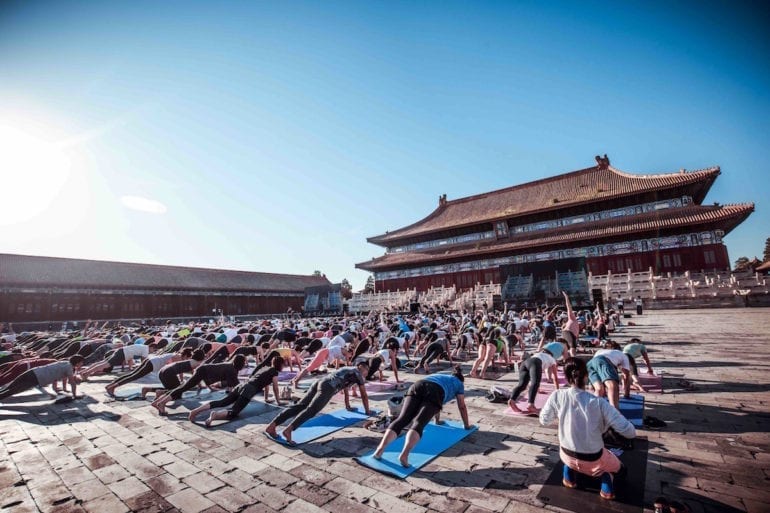
    Healthy diet, meditation and breathing, gift wrapping, those are the free classes that Canadian Yoga clothing brand Lululemon offers for the public every month.

    The Cheongdam Flagship Store, which opened in May 2017, runs a whole floor as a studio for experience programs.

    For Lululemon it is important to promote healthy lifestyle rather than simple product marketing, and will be much helpful to secure customers by offering brand experience.

    Lululemon is considered to be a leader in experiential marketing. Founded in Canada in 1998, the brand has a business philosophy of “enabling everyone to enjoy a happy life through products and experiences that change their lives.”

    Lululemon Experience ‘Community Class’ does not mean that all classes are directly related to yoga clothing sales.

    There are Yoga-related classes such as Ashtanga and Broga (men’s yoga) for the brand experience, but there are many other lessons such as flower arrangement, gift wrapping, healthy diet, weaving, boxing.

    Ice yoga, which started with the Grand Hyatt Seoul Hotel l in December 2017 and set to be running until March 2018, is very popular for instance.

    Lululemon Korea officials said “Lululemom stores around the world run yoga classes after heir business time. However, Korea is the first to separately have a yoga studio for the classes such as Cheongdam Flagship Store and Stafield Hanam in Asia.

    It is important to secure Korean consumers who are sensitive to trends. In addition, 30% of the class participants voluntarily purchase clothes.

    Lululemon receives their review from not only customers, but also exercise experts who participate as lecturers and community class participants to reflect on product development.

    In January 2018, ‘Asian Exclusive Line’ event reflecting Asian people’s body shape was  held at Cheongdam Flagship Store. “The opinions of demanding Korean consumers play an important role in establishing an Asian business strategy,” a company official said.

  • Hyundai Motor and Aurora Partner to Develop Level 4 Autonomous Vehicles by 2021

    Hyundai Motor and Aurora Partner to Develop Level 4 Autonomous Vehicles by 2021

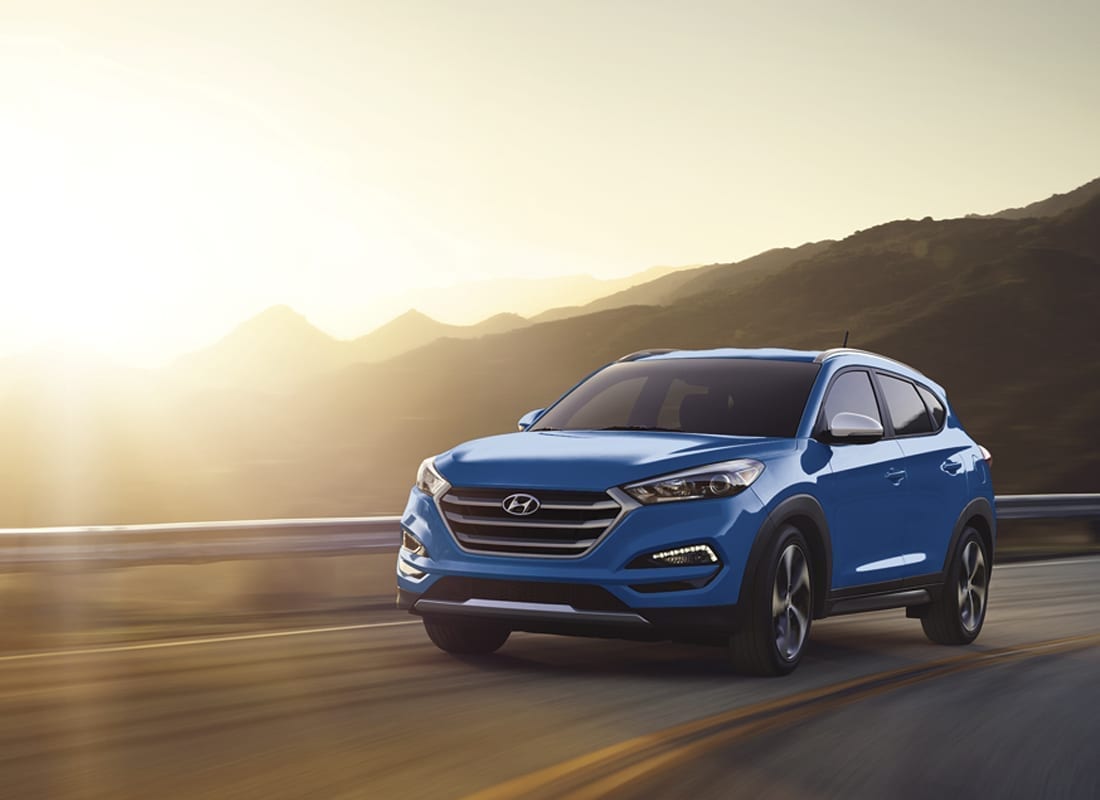
    Last week, Hyundai Motor Company and Aurora, a leader in autonomous vehicle technology, announced a strategic partnership to bring self-driving Hyundai vehicles to market by 2021. This partnership will incorporate Aurora’s self-driving technology into Hyundai vehicles starting with models custom-developed and launched in test programs and pilot cities. Over the longer term, Hyundai and Aurora will work to commercialize self-driving vehicles worldwide.

    To start, the partnership will focus on the ongoing development of hardware and software for automated and autonomous driving and the back-end data services required for Level 4 automation. Level 4 autonomous vehicles defined by SAE can operate without human input or oversight under select conditions. The goal of the partnership is to deploy autonomous driving quickly, broadly and safely.

    “We know the future of transportation is autonomous, and autonomous driving technology needs to be proven in the real-world to accelerate deployment in a safe and scalable manner,” said Dr. Woong Chul Yang, Vice Chairman of Hyundai Motor. “Combining our advanced vehicle technology that embeds the latest safety features with Aurora’s leading suite of Level 4 autonomous technology will advance this revolution in mobility with Hyundai in a leadership position.”

    Hyundai and Aurora share the common vision of improving safety and mobility on the world’s roads, and together bring the skills and experience required to successfully introduce this technology at scale. For nearly 50 years, Hyundai has been a leader in vehicle design, safety and manufacturing, catapulting the company to become one of the world’s largest vehicle manufacturers together with its Kia Motors Corporation affiliate.

    For the last two decades, Aurora’s founders have spearheaded the self-driving revolution, building teams and pioneering modern machine learning techniques now on the cusp of transforming transportation. Together, Hyundai and Aurora will move quickly to bring self-driving technology to market around the world.

    “Aurora is excited to partner with Hyundai Motor to make the social benefits of self-driving available globally,” said Dr. Chris Urmson, CEO of Aurora. “This partnership combines Hyundai’s strengths in vehicle design, safety and manufacturing with Aurora’s expertise in self-driving technologies to make a positive difference in the world.”

    Hyundai Motor’s partnership with Aurora is part of the company’s ongoing efforts towards realizing fully autonomous driving. Hyundai first began testing autonomous vehicles on public roads of the USA in 2015, having been granted a license by the state of Nevada. Last year at the 2017 CES, Hyundai advanced its trials in urban environments, demonstrating self-driving technologies to the public with its autonomous IONIQ models.

    Hyundai’s latest new-generation fuel-cell vehicle, which will make its official global debut at CES 2018 next week, will become the first model to be utilized in the test processes starting this year. The fuel-cell powertrain will offer an ideal platform to implement autonomous driving technologies, which requires a massive amount of power to support the large amount of data communication as well as the operation of hardware such as sensors. Hydrogen-powered fuel cell vehicle will be able to provide a stable electric power supply without concerns about driving range.

  • Richemont asia pacific rocket sales

    Richemont asia pacific rocket sales

    Asia Pacific has continued double-digit growth for heritage brand owner Richemont for its third quarter to the end of December.

    Total sales in the quarter increased by 7 per cent at constant exchange rates and by 1 per cent at actual rates over the same period a year earlier.

    Retail sales were mainly driven by the group’s jewellery maisons and specialist watchmakers, especially in Asia Pacific, where growth was led by Mainland China, Korea, Hong Kong and Macau.

    A rise in sales in Japan was supported by strong growth from the watchmakers and a favourable currency environment, says Richemont. Sales there reached €294 million (US$354 million), up 5 per cent at constant exchange rates but down 6 per cent at actual rates.

    Asia Pacific quarterly sales were €1.18 billion, up 11 per cent at constant exchange rates and 5 per cent at actual rates.

    Underpinned by solid performances in both jewellery and watches, overall retail sales maintained strong momentum, recording 13 per cent growth. Jewellery shone with an 11 per cent increase.

    Other businesses posted stable sales, with growth notably from Montblanc, Chloe and Lancel. Excluding the impact of the sale of Shanghai Tang, the other businesses would have had moderate growth.

    Sales over the nine months to the end of December grew by 10 per cent at constant exchange rates and by 7 per cent at actual exchange rates.

    Richemont’s portfolio of international “maisons” covers three segments: jewellery (Cartier, Van Cleef & Arpels and Giampiero Bodino), specialist watchmakers (A Lange & Sohne, Baume & Mercier, IWC Schaffhausen, Jaeger-LeCoultre, Officine Panerai, Piaget, Roger Dubuis and Vacheron Constantin, as well as the Ralph Lauren watch and jewellery JV), and other businesses (including Alfred Dunhill, Azzedine Alaia, Chloe, Lancel, Montblanc and Peter Millar).

    Richemont also holds a 49 per cent equity-accounted interest in the Yoox Net-a-Porter Group.