Tag: Korea

  • Hye Kyo is now the new face of Sulwhasoo

    Hye Kyo is now the new face of Sulwhasoo

    Sulwhasoo, a brand of AMOREPACIFIC, selected Song Hye-kyo, Asia’s leading actress, as its brand ambassador.

    Song Hye-gyo will play a role in delivering the story of the brand to customers through various global campaigns of Sulwhasoo.

    Song Hye-kyo is a Korean celebrity leading the Korean Wave, also official PR ambassador of ‘Korea-China Economic Trade Partnership’.

    Sulwhasoo brand official said “Song Hye-kyo is a talented actress who is able to communicate with consumers around the world and express her unique personality”.

    “In addition, Sulwhasoo is a brand that has conveyed Korea’s unique cultural beauty. Through Song Hye – kyo, we will be more solidly aroused by the true aesthetics found in the philosophy of tradition, modernity, harmony and balance.”

    The artist Song Hye-kyo, who is loved all over Asia, will show off her timeless beauty and tit will be associated with Sulwhasoo.

    Sulwhasoo pursues the balance between internal and external beauty by gaining wisdom from nature and cultivating beauty as a precious gift.

    Sulwhasoo is indeed made of aunique ingredients of Asian wisdom which are ‘Jiemdan’ and ‘Ginseng.’

    As of 2017, Sulwhasoo has expanded into 12 countries worldwide including Korea, China, Singapore, Hong Kong, Thailand, Indonesia, Malaysia, Taiwan, Vietnam, USA, Canada and France and it is a true global brand not only in Asia and the Americas but also in Europe. It is strengthening its position by conveying Korean beauty and values throughout the world.

  • Olive Young unveiled new store experience in Korea

    Olive Young unveiled new store experience in Korea

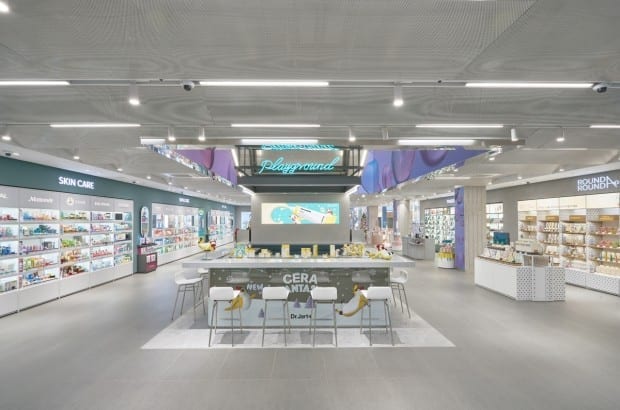
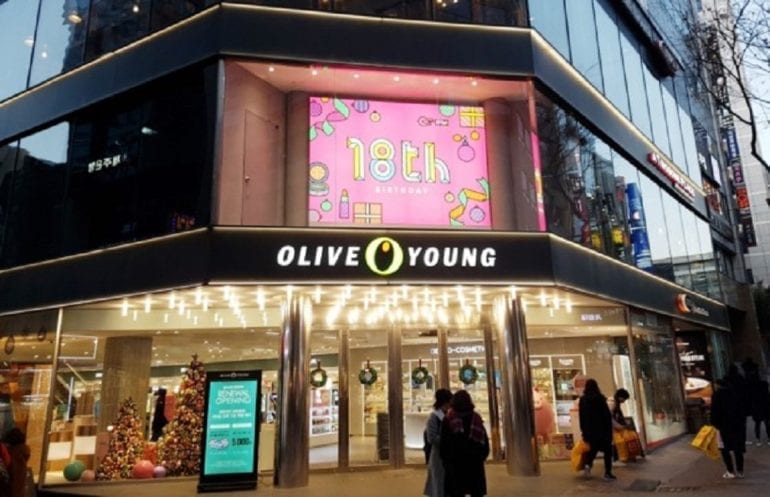
    The Olive Young Myeongdong flagship store reopened in December to celebrate the 5th anniversary of its opening, offering customers a unique and personalized shopping experience.

    The store presents a different experience on each floor.  The first floor is a specialized space for skin care with the Derma cosmetic specialty corner. Derma Cosmetics is one of the core products of Olive Young, along with Dr. Jart, CNP, Cell Fusion, and Eucerin.

    On the same floor also a space dedicated to fragrances.

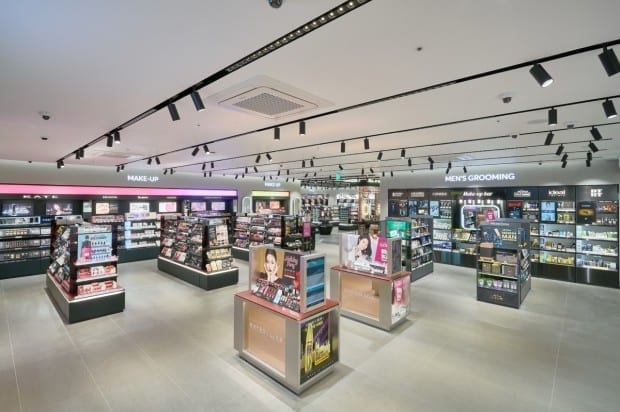
    The second floor dedicated to colours and style is dominated by a large mirror. Consumers can product freely in front of the mirror, talk to friends in the make-up bar, and compare various brands. Olive Young said that the renewal aimed to enhance customer experience and make them staying.

    Another area on the same floor is dedicated to nails with various brands, namely dashing diva, Incoco, Nail’s nail.

    Surprisingly, nail polish is not the king product, following the trend Olive Young focuses on the popular nail sticker types  easy to put on.

    In addition, a key role is played by the so-called “Beauty Advisor”, who helps consumers choosing products. Most of them are fluent in foreign languages, Chinese and Japanese, specifically, and are trained to quickly respond to customers’ requests.

    Olive Young said, “The store is designed based on the trends we found in the data collected from the 5 years of operations of the store. Our aim is to make K-Beauty the mecca for foreign customers as well as the first place to learn about lifestyle trends for domestic customers.”

  • B. by BANILA opens a concept store in Seoul

    B. by BANILA opens a concept store in Seoul

    B. by BANILA has opened a flagship store at COEX Mall in Starfield, Seoul, Korea.

    B. by BANILA flagship store, located on the first floor of the COEX Mall in Starfield, is the first concept store for Banilaco’s new make-up brand ‘B. by BANILA’.

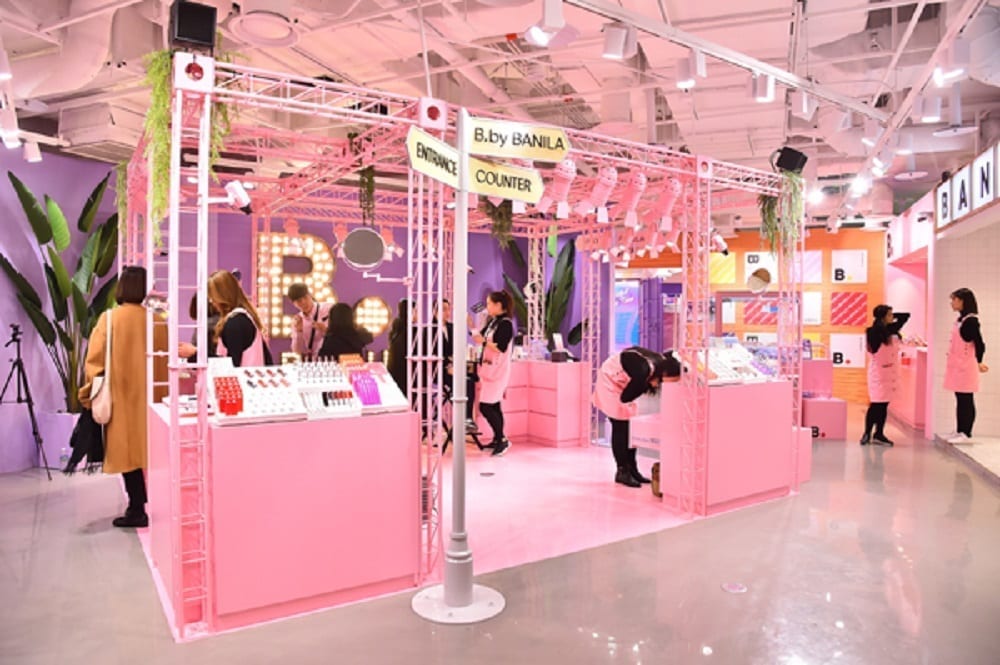
    B. by BANILA flagship store is designed as a space for conceptual beauty festivals where visitors can experience makeup products beautifully made with ‘FFFUN, EASY & QUICK’ and take pictures.

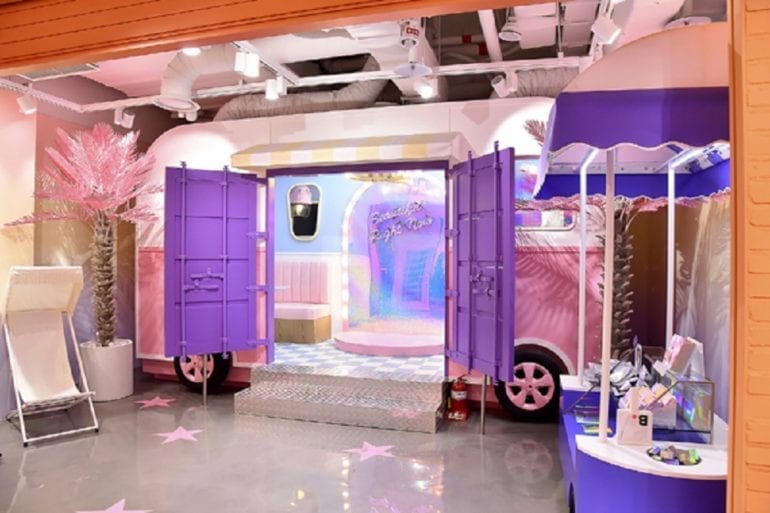
    The entire space of the flagship store is created for selfie from the trailer to the photo wall of the pink neon. Both sides of the store have a studio space with pink photo wall and pink neon sign, and a lip-like lip-slip test zone and a self-catering space to create a festival atmosphere including mirror balls and shiny curtains.

    Additionally, there is space to complete the make-up look by looking at the makeup tutorial video.

    In the middle of the store, there is a truss-like stage and a camping trailer and a movable pink mini stall that are moved around to give a feeling of being in an actual outdoor festival.

    Moreover, objects such as telephone boxes, and trees are decorated to provide a special and enjoyable experience.

    The center stage, the stalls and the camping troller are all designed to allow the customers to experience their own make-up items. In the café-style concept space, customers can also find vanilla cosmetic products.

    “The new store is a sensible and trendy space where customers want to enjoy themselves and their photographs,” said B. by BANILA marketing manager. “I hope customers will find pleasure here, not just for shopping, but also for fun.”

    B. by BANILA will open a second flagship store in Daegu Dongsungro in February 2018.

  • What SFI says about 2017 Korean fashion performance

    What SFI says about 2017 Korean fashion performance

    Last year was “a year to forget” for the South Korean fashion industry according to the Samsung Fashion Institute (SFI) which blamed a depressed economy for slow sales and shrinking margins.

    After peaking in 2013, fashion goods’ share of the total retail market has declined for three straight years. In the third quarter of last year, fashion accounted for 70 per cent of department stores’ revenue, down from 78.6 per cent in 2012. Department stores have traditionally been the primary movers of apparel and other fashion goods in South Korea.

    Divergent consumer trends have emerged this year, one of them being the increased popularity of homewear such as pajamas.

    Apparel stores in newly opened multiplex shopping malls have begun to tap into a shifting consumer emphasis from product to experience by incorporating lifestyle products into their stores. Forecast to become more widespread next year, retail brands are investing in creating stores in which customers can get a better feel for the idea behind their brand via product experience, reported the SFI.

    The political drama involving the country’s presidency that engulfed South Korea earlier this year created a cultural disposition more open to expression of personal views and opinions.

    Apparel with political or social slogans became more popular globally, and the role of companies in contributing to societal goodwill and harmony will play a larger part in determining their success with consumers going forward.

    Online shopping burgeons

    Online shopping in 2016 grew by 21 per cent on-year to reach approximately 10 trillion won and that trend continued last year with online transactions reaching 930 billion won by October, roughly 20 per cent higher than during the same period in 2016. Meanwhile, the struggles encountered by traditional offline retail outlets signalled a shift in shopping behaviour.

    Influencers on Instagram and bloggers became widely followed by consumers in their teens and 20s, with some of the most prominent moving from online to offline during the year.

    Though no one style or product was the standout star throughout the year, long padded coats or “long padding” as referred to in South Korea have become a massive hit in latter weeks.

    With the economy projected to rebound in 2018, the SFI believes consumers will seek more personalised offers by retailers this year, taking into account the store’s design and layout, the shopping process, and the thoughts and emotions evoked by brands.

    The SFI warns that companies which fail to take the changing consumer climate into account and differentiate themselves will find it difficult to attract customers.

  • Japanese multi-brand ‘Atmos’ to enter Korean market

    Japanese multi-brand ‘Atmos’ to enter Korean market

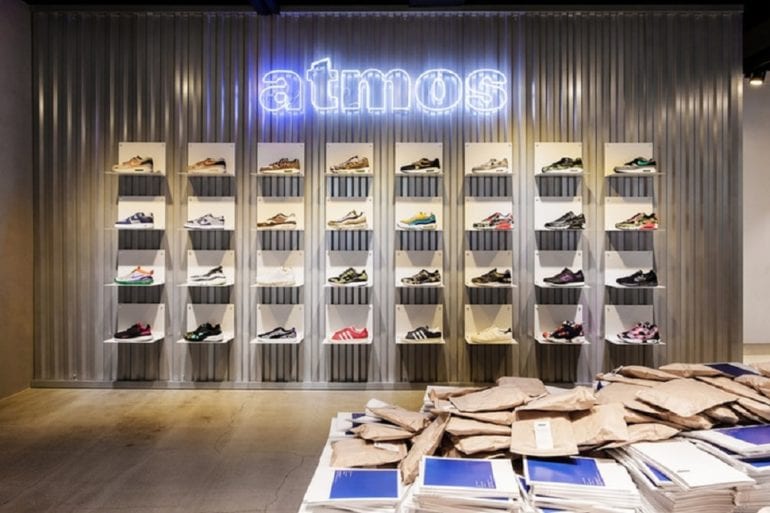
    Japanese’s famous multi-brand ‘Atmos’ opened its first store in Korea.

    Atmos is a fashion multi-brand store currently running 30 outlets in Japan. Seoul is its second overseas store after New York. Atmos is Tokyo’s iconic street boutique established in 2000.

    It is the first shopping destination for footwear brands because of its ability to catch the latest trends and spread them in the market. Currently, it distributes a wide range of products, however street and sportswear are its core business.

    Atmos is mainly dealing with limited edition products of famous brands such as Nike, it is mainly leading in the shoe market.

    What is unique is that Atmos employees work as designers and collaborate with brands to develop collaborative products as limited editions.

    Currently, there are more than 30 stores in Japan, one in New York and the other in Seoul. Annual sales are around 150 billion won and it is 5 billion won per store.

    Starting with the first store in Apgujeong, Seoul, Atmos plans to open stores in key areas such as Daegu, Busan, and Gwangju. It aims to build seven to eight stores more within 2 years.

    Atmos is very popular among Japanese sneaker enthusiasts, so a good response in Korea is expected as well. It will be a space where you can see products that you could not easily see in Korea.

    Meanwhile, US street sensibility lifestyle brand ASICS Tiger released ‘GREEN CAMO’ and ‘GORE-TEX’ which are collaboration products with Atmos.

    As a leading brand of youth culture, Asics Tiger’s both products are expected to kickoff a hipsterism mania which values personalities rather than fashion.

    ASICS Tiger x atmos Collaboration ‘GREEN CAMO’ and ‘GORE-TEX’ products is available at the recently opened ‘Atmos Seoul Flagship Store’.

  • Chanel cosmetics opens its first boutique in Seoul

    Chanel cosmetics opens its first boutique in Seoul

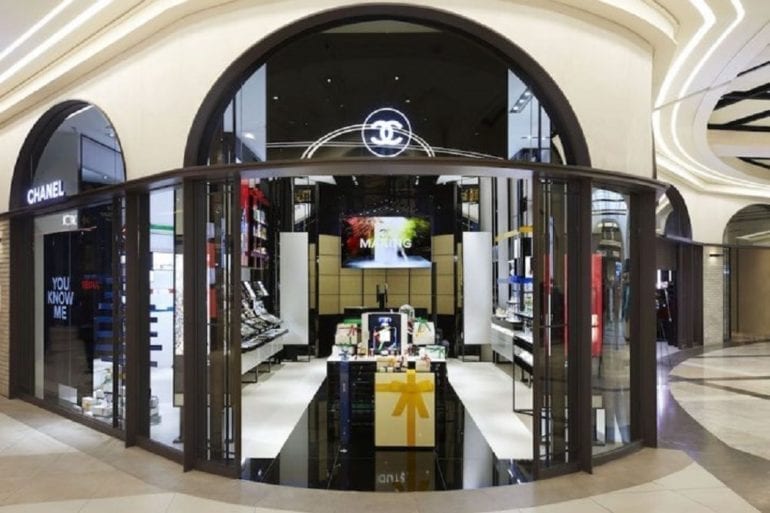
    Chanel opened its first independent beauty boutique ‘Chanel Famille Boutique’ in Shinsegae Department Store, on 15th Pamier Street in Gagnam.

    Chanel Famille Boutique is Chanel’s first beauty flagship store in Korea, where customers can experience different displays, make-up services, beauty classes and exclusive collections.

    Famille Boutique showcases products such as fragrances and makeup in a new way  inspired by Korea’s unique Taegeuk pattern to celebrate the opening of Korea’s first cosmetics boutique.

    In addition, the boutique shows the creative spirit of Chanel, which blends with the trendy Korean latest k-pop music, and a new system to quickly find your own lip color.

    There are 5 make-up classes in Chanel Famille Boutique. Particularly, “Coco Friends” is a small beauty class with 3 guests for 30 minutes, so customers can learn from custom make-up to the latest trend make-up.

    A variety of exclusive collection items are available in Korea, including the boutique exclusive’ Le Signe du Lion ‘, inspired by the Lion, Mademoiselle Chanel’s constellation.

    Chanel launched with a variety of events from 15 December to 21 December to celebrate Christmas, including Christmas cards, calligraphy services, and ribbon tree making.

  • Shinsegae’s beauty multi-shop ‘CHICOR’ opens the largest store

    Shinsegae’s beauty multi-shop ‘CHICOR’ opens the largest store

    Shinsegae Department Store Beauty multi-shop ‘CHICOR’ opens the largest flagship store in Gangnam Station. Gangnam is the 6th store and the first road shop after Daegu, Gwangju, and Goyang. CHICOR Gangnam is opened in the main street of Gangnam Station which is one of the representative commercial supremacy.

    It is located in the Kumkang Shoe building near Sinnon Hyun Station.

    It provides a space for experiential activities through beauty shopping, play, culture, and service, rather than a simple cosmetics sales space.

    The store is the largest of CHICOR stores with 1061 square meters (321 pyong). The three-story store has over 250 beauty brands.

    Categories have more segmented and specialized from existing line make-up, skin, body, hair, and men to beauty tools, kids, and room fragrances.

    This flagship store has a clear concept for each floor and seeks differentiation from other beauty shops. The first floor is decorated with an Extreme Beauty theme.

    Professional makeup, nail care and beauty tools are available on the first floor. The second floor is a beauty recipe theme that provides a full recipe for skin-care, body-care and perfume for your skin.

    The first floor of the basement is a beauty solution that provides expert solutions in skin care and hair care rooms.

    In addition to this, store is also organized hair care, men’s care and lifestyle products. In particular, the lifestyle section introduces a beauty item zone for children, and the beauty of the whole family can be found in one place.

    CHICOR plans to provide customers with various events such as makeup lecture event on Beauty Yu Tuber ‘Risabae’ in commemoration of the opening of the flagship store.

    CHICOR said, “Gangnam is a gathering place where people come for various purposes such as language study, shopping, and play.” “It will be a flagship store that will position itself as a landmark for resting with beauty.”

  • Capitalizing on the perceptive abilities of AI “Odd Concepts”

    Capitalizing on the perceptive abilities of AI “Odd Concepts”

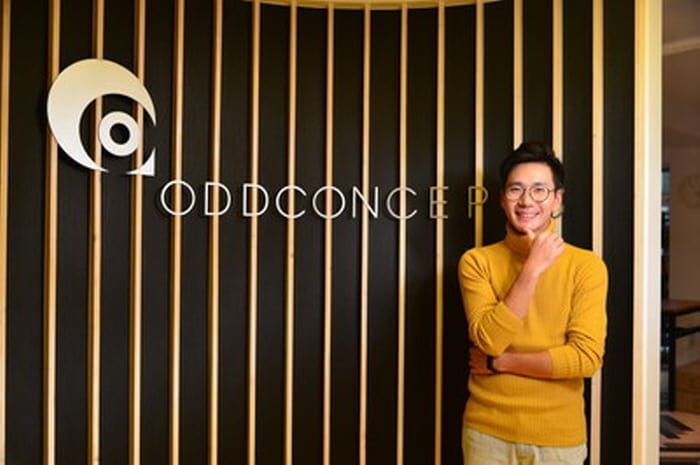
    Korean company Odd Concepts is using artificial intelligence to help consumers broaden their search for fashion items to match their tastes – even if the clothes are hanging in a store.

    Used by fashion e-commerce sites, its cloud-based image-search program works by allowing shoppers to choose clothes online that match their taste, then with its DeepLook search engine it finds similar clothing.

    Odd Concept

    A member company of the Korean government startup agency K-ICT Born2Global Centre, Odd Concepts draws on its expertise with image and video search. This enables shoppers to not only find clothing of a particular style, but also compare prices with similar items on other sites, says CEO Kim Jeongtae.

    Since its launch 11 months ago, the company has seen its monthly users rise to 4 million, he says. Of these, 15 to 20 per cent are from Japanese e-commerce sites.

    “We chose Japan as our first market because, unlike other east Asian countries, it has a unique closed-off fashion ecosystem,” says Jeongtae. “After three months of knocking on doors, traffic increased by more than 70-fold in six months, which eventually enabled us to secure an investment from a Japanese venture capital firm.”

    As well as DeepLook, the company plans to develop an extra search engine that focuses on content.

  • Why is South Korea suddenly terrified of bitcoin?

    Why is South Korea suddenly terrified of bitcoin?

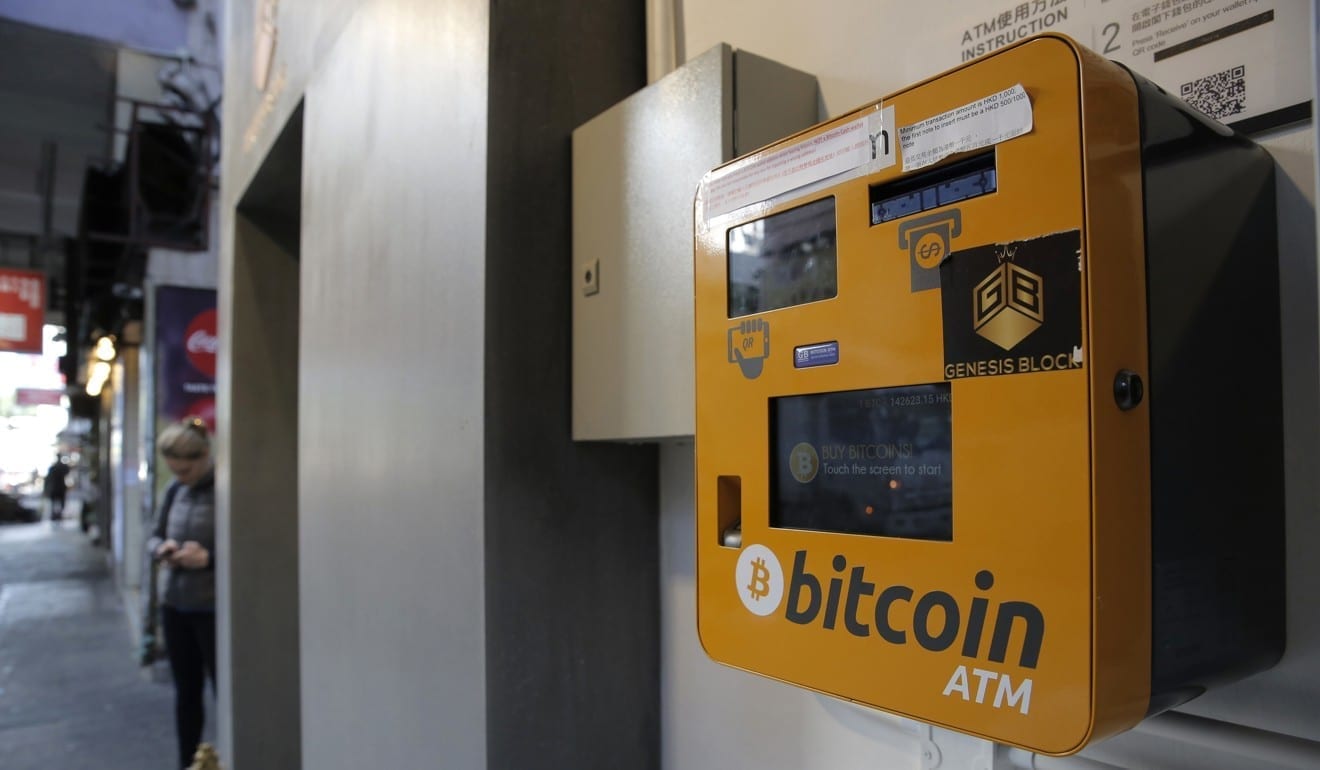
    Bitcoin has been hailed as the greatest technological innovation of our time, yet it seems South Korea, one of the most technologically innovative societies, is now not only giving up its role as a leader in the field but aggressively fighting the trend.

    Some observers suggest the government has many reasons to be afraid of bitcoin, not the least of which is the cryptocurrency’s potential to be used by Kim Jong-un ’s North Korea as a covert economic weapon. But leaders point to other concerns as well.

    South Korea’s Ministry of Justice said on Thursday the country is considering shutting down all local cryptocurrency exchanges, an announcement that sent shockwaves through the industry worldwide. Earlier this week, stock in the internet service provider Pareteum more than doubled after it said it would provide blockchain support services, Bloomberg reported, but fell 25 per cent after Seoul’s comments.

    Hong Nam-ki, the minister for government policy coordination, called Korea’s interest in cryptocurrencies “abnormal”, echoing the disdain of Prime Minister Lee Nak-yeon, who last month warned that cryptocurrencies could corrupt Korean youth and lead to “social pathological phenomena”.

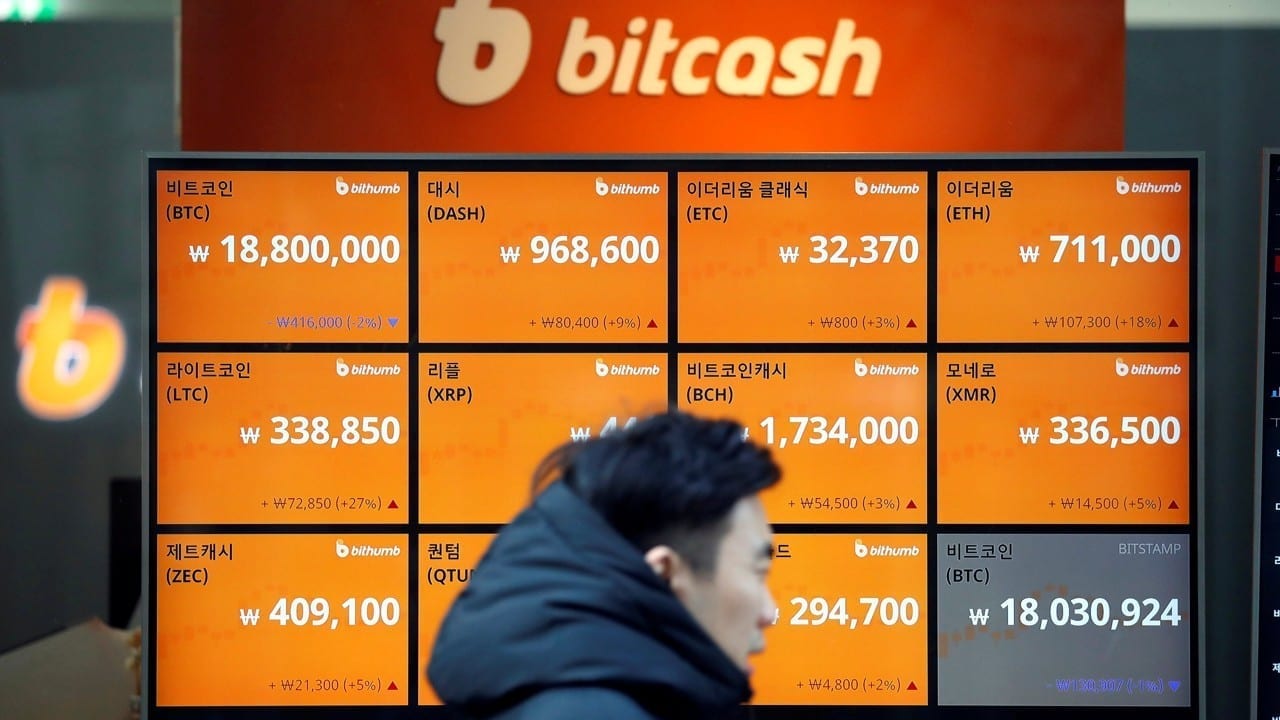
    After Hong’s announcement, bitcoin prices at the Korean cryptocurrency exchange Bithub fell 13.8 per cent from US$20,181 to US$17,400.

    Others are also pulling back. Two of Korea’s largest banks, Shinhan and KB Kookmin, announced this week that in mid-January they will no longer redeem credit card points for bitcoin, according to a report by Korea Biz Wire. This comes after South Korean officials reportedly banned the trade of bitcoin futures in December and drafted emergency measures prohibiting minors, foreigners and banks from bitcoin trading.

    One cause for concern is that bitcoin has grown in value more than 12 times since January and remains prone to extreme volatility. In early December, it almost doubled in value from US$10,240 to an all-time high of almost US$20,000, before falling 30 per cent to below US$11,000 then rallying to almost US$16,000.

    Despite the fluctuations, retail investors and several major Korean companies are getting in on the action. Samsung announced in May a project using blockchain – the platform for all cryptocurrencies – to track shipping orders in real time. Kakao, maker of the country’s leading messaging app, acquired the fintech start-up Dunamu to launch its own cryptocurrency exchange in October, named Upbit. And video game giant Nexon is now the biggest shareholder in Korbit, Korea’s third-largest cryptocurrency exchange.

    But if Korea moves ahead with a full shut down, it would not only end these projects but also make bitcoin less attractive in neighbouring Asian nations, possibly triggering a domino effect.

    Bitcoin, the world’s largest cryptocurrency, has an underlying technology that makes it an unhackable commodity that doesn’t need a central bank or a government to guarantee its value. This allows users to make transactions without an intermediary, saving time and money, potentially upending the costly financial services and exchange markets as we know it.

    Korea is the third-largest market for bitcoin trading after Japan and the United States, making up roughly 20 per cent of all bitcoin trading, and the country’s recent change of heart comes amid other nations also placing restrictions on the cryptocurrency.

    On December 25, the Israeli Securities Agency announced companies will no longer be able to trade in bitcoin on the Tel Aviv stock exchange, and in Morocco, Bolivia and Ecuador, bitcoin is completely illegal.

    Concerns seem most profound across Asia, however, where bitcoin is also illegal in Kyrgyzstan, Bangladesh and Nepal. China, which once constituted 90 per cent of all bitcoin trading, banned initial coin offerings (ICOs) in September and began to crack down on exchanges.

    In addition, Bank of Japan Governor Haruhiko Kuroda called the surge in bitcoin prices “abnormal” last week, CNBC reported, specifically citing the dangers of speculative investing; the Reserve Bank of India has expressed concern about tax evasion and other misuses; Indonesia seems poised to ban cryptocurrency transactions next year; Vietnam may ban cryptocurrency payments; Singapore warned speculative investors last week about the risk of losing “all their capital”. These cracks in confidence will only widen if South Korea moves against bitcoin.

    There are, of course, legitimate concerns about fraud. In December, police busted a US$200 million cryptocurrency Ponzi scheme named MiningMax and the bitcoin exchange BitKRX, which claimed to be a legitimate venture created by the Korea Exchange but was revealed to be fraudulent. The incident gave authorities a reason for more regulations, but some worry they would really be a form of protectionism.

    In a November 2016 Korean Law Blog post, Sean Hayes wrote: “Korea has struggled with the acceptance of new technologies that infringe on some of the major vested interests and we suspect that bitcoin will be no different.”

    What makes South Korea’s situation different, however, is the existential threat posed by North Korea. Youbit went out of business in December after being hacked, losing one-fifth of its clients’ holdings. It was also attacked in April, when it lost US$35 million. The company did not say how much was taken, or how it happened, but Pyongyang is a leading suspect. North Korean hackers are also believed to be behind the attacks on four South Korean bitcoin exchanges this past summer. The regime also began mining bitcoin in mid-May, and can use what it mines or steals to circumvent sanctions.

    Nevertheless, bitcoin enthusiasts feel these challenges can be surmounted with the right combination of regulation and support. “There’s a delicate balance involved,” said Yoo Byung-joon, business administration professor at Seoul National University and co-author of the 2015 research paper “Is Bitcoin a Viable E-Business?: Empirical Analysis of the Digital Currency’s Speculative Nature”.

    “But a lot of governments are looking at this very carefully,” he said. “Some are even considering putting their currencies on the blockchain system. The biggest challenge facing bitcoin now is the potential for misuse, but that’s true of any new technology.”

    Regarding the government’s announcement that it may shut down bitcoin exchanges, Yoo said: “I think the decision seems too quick. We don’t need to do that, but they worry about fraud or such. But there’s no guarantee that this shutdown will pass Congress, so we have time. Governments, you know, are risk-averse. But economically, I think it’s not a good decision. There’s no need to hurry.”

  • Korean Government Threatens to Shut Down All Bitcoin Exchanges

    Korean Government Threatens to Shut Down All Bitcoin Exchanges

    Bitcoin has tumbled after South Korea announced new rules for trading.

    In order to curb the widespread speculation growing amongst investors, the new regulations could include the prohibition of anonymous trading accounts operating within the country with authorities having the right to even shut down exchanges if needed.

    The uncertainty about regulating the cryptocurrency trading in South Korea has been looming for quite a long time and it seems the government has now finally decided on a crackdown.

    “Cryptocurrency speculation has been irrationally overheated in Korea”, the government said in the statement.

    All anonymous accounts now in use will be closed next month, it added.

    “The government had warned several times that virtual coins cannot play a role as actual currency and could result in high losses due to excessive volatility”, the government said in a statement.

    As part of what appears to be a series of updates created to improve oversight of industry practices, the government will also seek to bar banks from issuing new virtual accounts to cryptocurrency exchanges.

    The announcement came two weeks after Seoul banned its financial firms from dealing in virtual currencies, most notably bitcoin, as their prices soared, sparking concerns of a bubble largely fuelled by retail speculators.

    Bitcoin resumed its slide Thursday, dipping below $14,000 as the cryptocurrency’s dizzying drop from a record set 10 days ago intensified.

    Following this news, the Bitcoin price has plunged by more than 11% in the past 24 hours and is now trading at $14375.70, according to CoinMarketCap.

    The measures have been floated as part of efforts to stamp out market speculation in a country that is believed to make up a significant portion of global cryptocurrency trading.

    Currently, many cryptocurrency exchanges (including South Korean ones like Kucoin) allow trading with little more than your name and an email.

    The Youbit exchange became the first South Korean cryptocurrency exchange to close after the hacking attack that stole 17 percent of its assets.

    Bank of Japan governor Haruhiko Kuroda said last week that the price surge of the virtual currency was “abnormal”, while Singapore’s central bank advised investors to “act with extreme caution”.

  • S. Korea’s service sector investment focused on wholesale

    S. Korea’s service sector investment focused on wholesale

    South Korea’s investment in the service sector has been focused on low value-added areas, such as wholesale, retail and restaurants, official data showed Monday.

    The gross fixed capital formation (GFCF) for the service sector was tallied at 256.1 trillion won (US$239.6 billion) in 2015, the findings by the Bank of Korea and the National Assembly Budget Office showed. This represents a solid 13.9 percent increase to 224.8 trillion won reported in 2006.

    The GFCF refers to the net increase in assets that takes into account both investments and deductions within a set period of time.

    The tally, however, showed investments in high value-added areas, such as cultural and education industries, backtracking.

    From 2006 through 2015, when investment in the service sector shot up the steepest, investment was centered on restaurants and catering, as well as retail and wholesale.

    An injection of funds into this sector reached 18.1 trillion won in 2015, or a 69.2 percent spike from 10.7 trillion won tallied in 2006.

    The increase rate is five times faster than gains for the entire service industry as a whole in the same time period.

    The central bank said the sharp rise has allowed restaurants and catering businesses, and retail and wholesale to make up 7.1 percent of all service sector investments in 2015 from 4.8 percent in 2006.

    On the other hand, investment in the cultural sector contracted 20.8 percent to 7.6 trillion won in 2015 from 9.6 trillion in 2006, with 15.2 percent drop being reported for education-related outlays in the same period.

    Hong Joon-pyo, a senior analyst at the Hyundai Research Institute (HRI), said areas where investment has focused on in recent years is closely associated with self-employed posts.

    “Many people who retire and do not have any skill sets often go into these businesses so there has been a natural rise in investment,” he said.

    The economist said that this trend has led to an over saturation of certain service sectors that has eaten into profits.

    Statistics Korea said operating profits of restaurants and catering industries stood at 13.4 percent in 2015 or down 9 percentage points from five years earlier, while numbers for retail and wholesale correspondingly stood at 5 percent or down 2 percentage points.

    The statistical office said this has led to such stores’ average survival rate three years after opening standing at an average of just 39.1 percent. Such dismal numbers are not conducive to sustainable growth for the economy as a whole.


  • Korean retail sales boosts by double

    Korean retail sales boosts by double

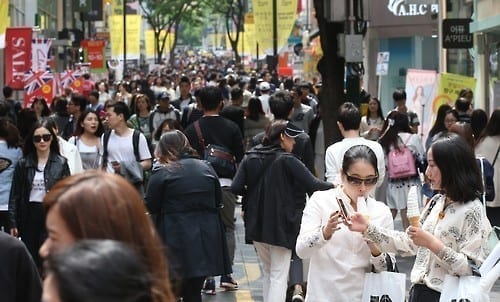
    South Korean retail sales were up by more than 9 per cent in November from a year earlier, led by strong demand for products from online malls and convenience stores, new government data shows.

    Ministry of Trade, Industry and Energy figures show that the combined sales of 26 online and offline retailers stood at KW10.68 trillion (US$9.97 billion) for the month, up 9.4 per cent from a year earlier.

    Meanwhile, the sales of 13 offline retailers over the same period rose 5.4 per cent, the biggest gain since the start of the year, as customers were attracted to convenience stores and discount chains.

    Among offline outlets, convenience stores showed the highest growth, attributed to the rising number of single households with more people buying food and daily necessities from neighbourhood stores.

    With sales flat for discount chains, convenience stores saw 10.2 per cent gains and department stores an 8.5 per cent rise in sales.

    More people were buying food and clothes on the internet, resulting in 13 major online stores and marketplaces gaining 16.7 per cent in sales year on year.

  • RoK’s GS25 to open convenience stores in Vietnam

    RoK’s GS25 to open convenience stores in Vietnam

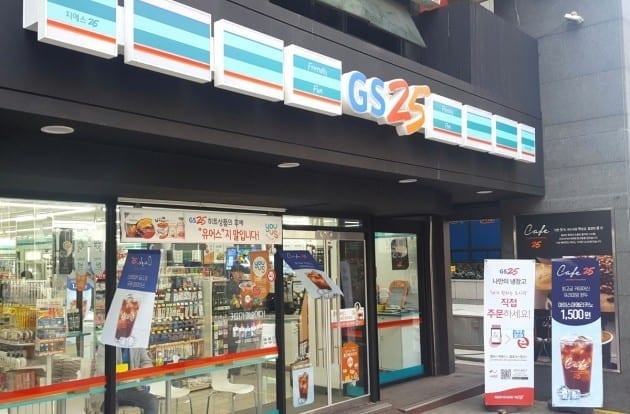
    GS25 Vietnam says it will open its first store in Ho Chi Minh City in mid-January, after a two-month delay.

    Three more stores will open soon afterwards.

    Last July, GS25’s parent company GS Retail signed a JV agreement with Vietnam’s Son Kim group to open 2500 GS25 Vietnam stores during the next 10 years.

    Vietnam will be GS Retail’s first foreign market.

    After its Vietnam launch, GS Retail plans to seek opportunities in other markets.

    Vietnam’s convenience store industry is currently experiencing annual growth of 70 per cent, fuelled by a youthful population.

    Last June, 7-Eleven opened its first Vietnam store, and now operates 11 in Ho Chi Minh City, with plans for 100 within 10 years.

  • Japanese and Korean bank to test RippleNet for cross-border funds transfers

    Japanese and Korean bank to test RippleNet for cross-border funds transfers

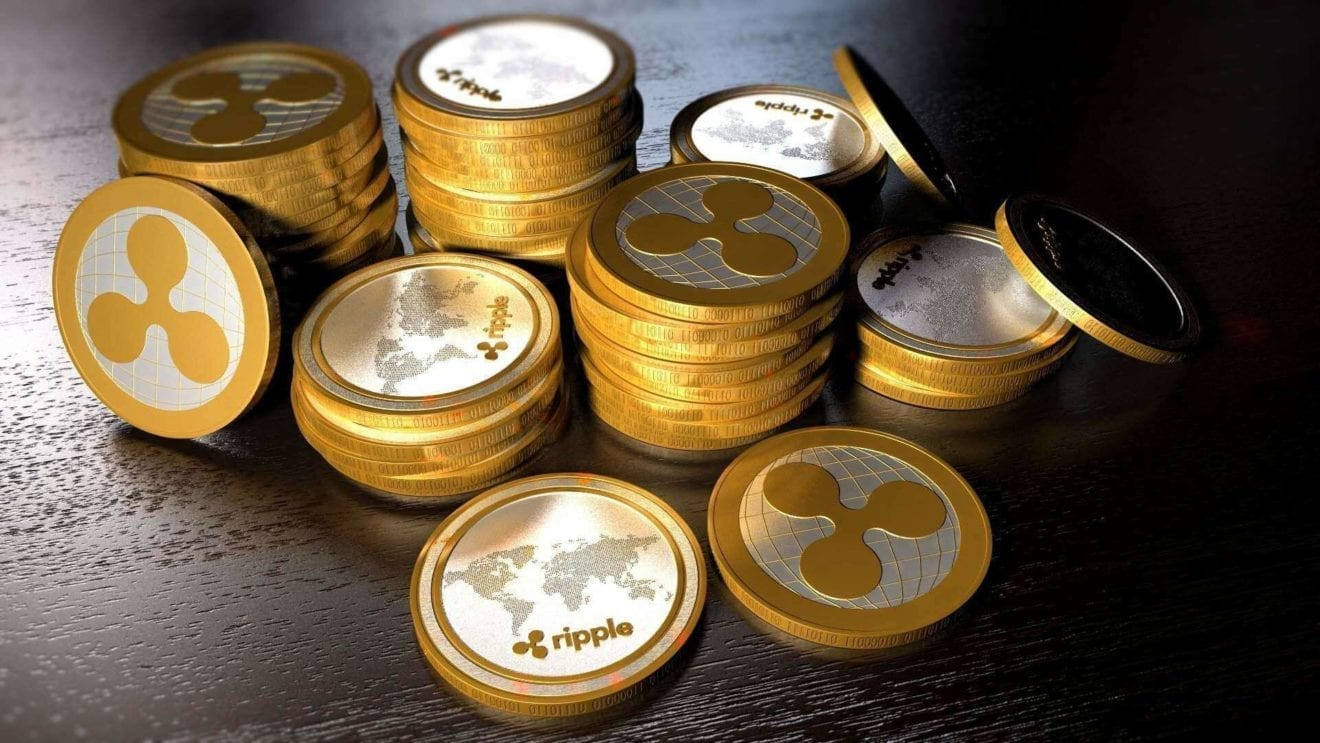
    Japanese and Korean banks are to run pilot trials of real-time cross-border funds transfers over the Ripple network. The Japan Bank Consortium — a coalition of 61 banks in Japan, organised by SBI Ripple Asia — has announced the launch of a new Ripple pilot with Woori Bank and Shinhan Bank, two of South Korea’s largest banks.

    It follows the formation in September of of a partnership agreement with Dayli Intelligence, a subsidiary of Dayli Financial Group, which has previously acted with South Korea’s first blockchain consortium as well as the Ministry of Science and ICT.

    Under the terms of the trial, the Japan Bank Consortium will use Ripple’s settlement technology, xCurrent, to settle transactions between participating Japanese banks and Woori Bank or Shinhan Bank.

    The pilot solidifies the Japan Bank Consortium’s commitment to modernise payment systems — specifically in the Japan/Korea corridor where Korea is Japan’s third largest trade partner.

    “The Japan Bank Consortium’s pilot with Woori Bank and Shinhan Bank brings us closer to sending money in an important corridor,” says Emi Yoshikawa, director of partnerships at Ripple. “The use of RippleNet to send cross-border payments reinforces that financial institutions are ready to provide a modern payments experience and enable to the Internet of Value.”

    With interest in cryptocurrencies surging, the Japanese consortium has additionally created a virtual currency and blockchain working group to explore the institutional use case of alternative assets, such as Ripple’s own XRP, to source on-demand liquidity for these cross-border payments.

  • Bitcoin drops as South Korea moves to regulate cryptocurrency trading

    Bitcoin drops as South Korea moves to regulate cryptocurrency trading

    Currently, many cryptocurrency exchanges (including South Korean ones like Kucoin) allow trading with little more than your name and an email.

    Bitcoin appeared to find a bottom on Friday, rebounding to $15 000 after moves by South Korea to curb speculation and protect retail customers took the cryptocurrency down more than 8% on Thursday.

    “The government had warned several times that virtual coins cannot play a role as actual currency and could result in high losses due to excessive volatility”, the country’s government said in a statement.

    Those new regulations would include prohibiting anonymous trading accounts and could give authorities the ability to shut down exchanges, Reuters said. Among other concerns, unmasking bitcoin traders would open up owners to taxation, a significant concern now that bitcoin has increased in value exponentially. The virtual currency plunged more than 10% to below $14,000 on Thursday morning in Asia, according to CoinDesk.com, and continued to fluctuate through the day.

    As part of what appears to be a series of updates created to improve oversight of industry practices, the government will also seek to bar banks from issuing new virtual accounts to cryptocurrency exchanges.

    Mati Greenspan, a Tel Aviv-based analyst at investment firm eToro, said it would be too early to gauge the impact of the rules, but they sounded “ominous”. Demand is so high that prices for the unit are around 20 per cent higher than in the United States, its biggest market.

    The country is also home to Bithumb, one of the world’s biggest bitcoin exchanges.

    In comparison, about 11% of Americans polled by student loan comparison website LendEdu in September said they either now own or have owned virtual currencies in the past, while 17.2% said they would invest in bitcoin in the future.

    South Korea may also stop local companies from providing settlement services for virtual currency transactions.

    In a case highlighting the risks of cryptocurrency, a Seoul virtual currency exchange declared itself bankrupt last week after being hacked for the second time this year.

    So far, China is the only country in the world to have totally banned bitcoin exchanges.

    Seoul-based Youbit said it was filing for bankruptcy after hackers stole almost a fifth of its clients’ holdings.